Creeping Charlie Taking Over? Fight Back Without Chemicals
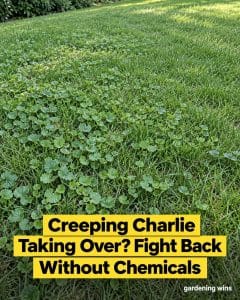
Control creeping Charlie without herbicides by removing rooted runners, renovating stubborn patches, and helping the lawn recover. Here is what works—and what to skip.
Control creeping Charlie without herbicides by removing rooted runners, renovating stubborn patches, and helping the lawn recover. Here is what works—and what to skip.
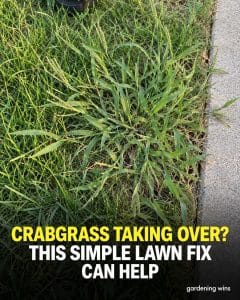
The right mowing height can help your lawn crowd out crabgrass. Learn how to handle existing clumps, repair thin areas, and time prevention without blocking new grass seed.

Reset your raised bed before fall with three practical jobs: clear spent growth, check the soil before adding amendments, and replant or cover every empty patch.

Keep gravel weeds from taking over with shallow hoeing while seedlings are small, careful removal of established weeds, and regular debris cleanup. Learn where this method works and how to protect weed fabric and stabilizing grids.

Wood stove ash can help acidic garden soil—if you use the right amount. Learn where it belongs, which plants to avoid, and how to handle it safely.

Fallen leaves are free lawn food, mulch, compost material, winter insulation, wildlife habitat, and even fall décor. Here are seven smart ways to use them safely.

Before you clean up the fall garden, leave these seven seed-rich plants standing. They can provide backyard birds with food, cover, and places to forage through winter.
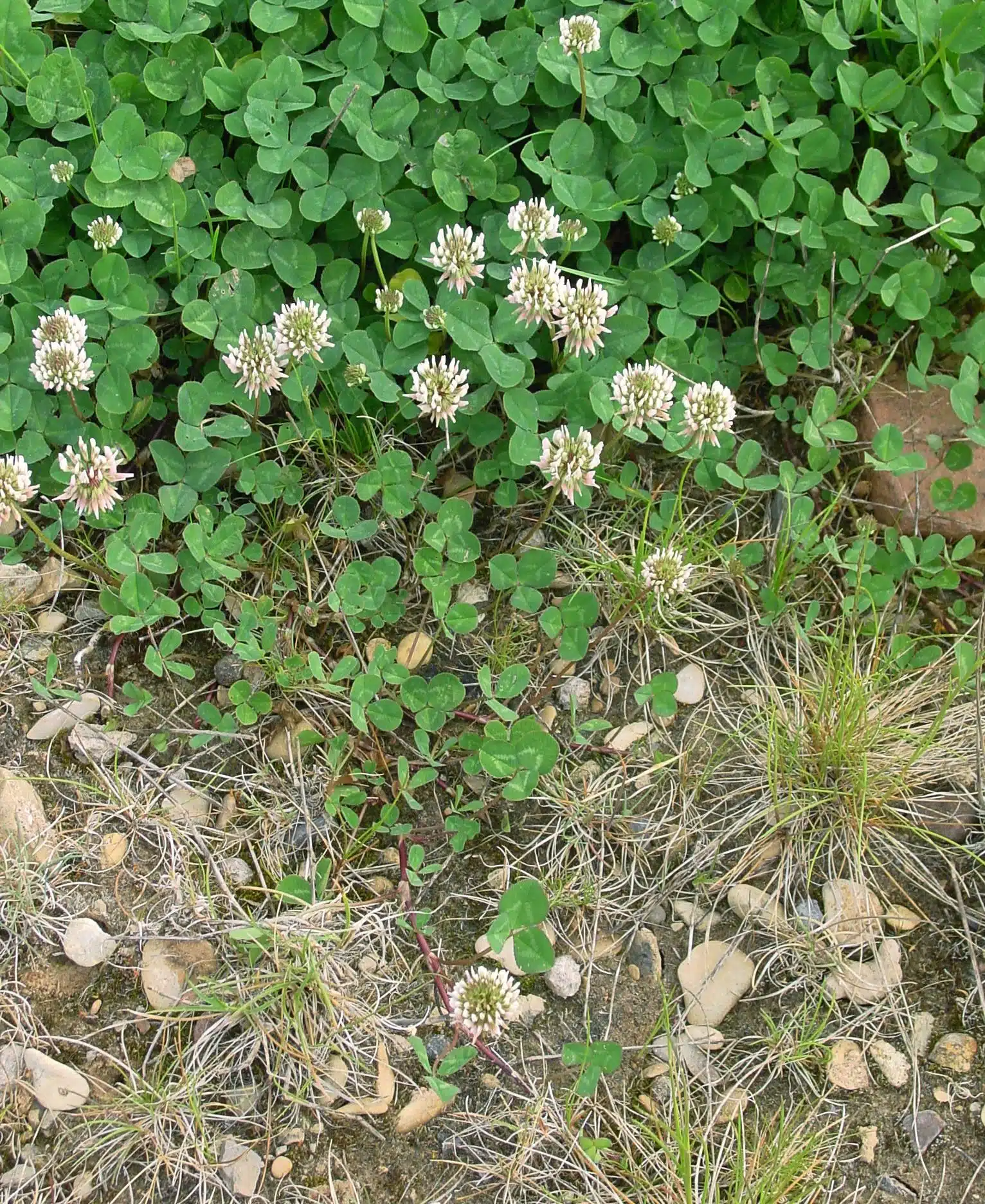
Seven familiar yard weeds were once valued as food, groundcover, pollinator plants, or soil helpers. Here’s how to recognize them—and decide which ones are worth keeping.
These 11 drought-tolerant perennials forgive an occasional missed watering once established—while delivering flowers, texture, pollinator value, and a much easier border.

Tired of wrestling with your mower every weekend and still ending up with patchy green? Creeping thyme is about to revolutionize your lawn game. This aromatic, enchanting groundcover not only …