That bucket of gray powder beside the wood stove may still have a job to do. Clean wood ash can supply potassium and help correct acidic soil—but only when your garden actually needs it. The wrong application can push soil pH too high, damage tender roots, or make life harder for favorite plants. Before you carry a bucket outside, here’s how to turn a winter leftover into something useful without overdoing it.
What Wood Ash Can Actually Do for Your Garden
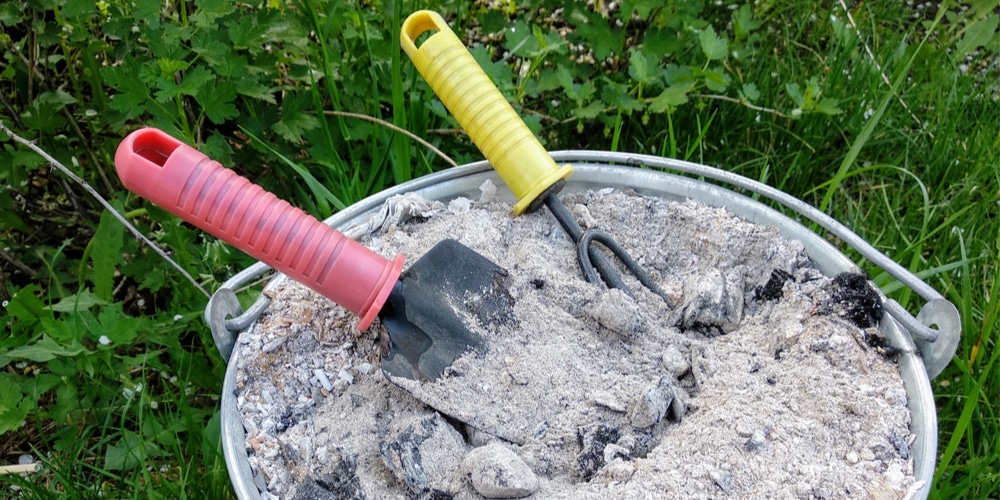
Burning wood leaves behind minerals, including calcium and potassium, plus smaller amounts of other nutrients. That makes the ash potentially useful long after the fire has gone out.
Its biggest gardening effect is often changing soil pH. Wood ash is alkaline, so it can help neutralize overly acidic soil. Whether that is an improvement depends on what you’re growing and where your soil starts.
The catch? Ash supplies essentially no nitrogen, because that nutrient escapes during burning. It cannot replace a complete feeding plan just because it came from a tree.
We treat it as a soil amendment with a specific job. An acidic bed that also needs potassium may benefit; a bed with an appropriate pH and adequate nutrients may need none at all.
Start With Clean Wood and Safe Ash Storage

Use only ash from clean, untreated wood with a known source. Leave out ash from painted or pressure-treated lumber, coal, charcoal briquettes, and fires containing trash. A garden is no place to recycle unknown combustion residues.
First, handle the fire risk. An innocent-looking layer of gray ash can conceal hot embers for days. An open bucket beside the stove is not a safe long-term storage setup.
Put removed ashes in a metal container with a tight-fitting metal lid. Keep it outdoors on a noncombustible surface, at least 10 feet from your home and other buildings, and away from dry vegetation.
Keep the container off wooden decks and out of garages, sheds, and enclosed porches. Never use a plastic bucket, cardboard box, or paper bag for recently removed ash.
Allow the contents to cool completely before any garden use. For disposal, wet ashes thoroughly and follow local fire-service and waste-collection instructions; never put hot ashes directly in the trash.
Let Your Soil Test Decide Where It Goes

Get a laboratory soil test before spreading ash. Request recommendations for the plants you grow, including whether the soil needs lime or potassium. Tell the lab you’re considering wood ash so it can advise on suitability and amounts.
A basic pH reading is a useful clue, but it does not tell you the whole application rate. Clay and organic matter affect how strongly soil resists a pH change.
If your soil is already above pH 7, skip the ash. Even below that number, there may be no reason to raise the pH further. The right target belongs to your crop, not to the bucket you want to empty.
Do not substitute ash pound for pound for garden lime. Its neutralizing strength varies with the wood and combustion conditions. When you need a predictable correction, a labeled liming product may be easier to use accurately.
Keep a record of anything you apply, and test again before making ash spreading an annual habit. Last year’s dose still counts.
Keep Ash Away From These Plants

Blueberries, azaleas, and rhododendrons belong on the skip list. These plants favor acidic conditions. Raising the pH around them can interfere with nutrient availability, even though the ash itself contains nutrients.
Potato beds are another poor destination. Raising soil pH can encourage common scab, the disease that leaves rough, corky patches on the tubers.
Keep ash out of seed-starting mixes and away from young seedlings. Its soluble salts can injure tender growth and interfere with germination.
And resist the idea that every flowering plant needs a sprinkle because ash contains potassium. A plant’s nutrient needs and soil conditions matter more than a list of supposed “ash-loving” plants. Extra minerals do not automatically mean extra flowers.
Spread a Measured Amount, Never a Heap
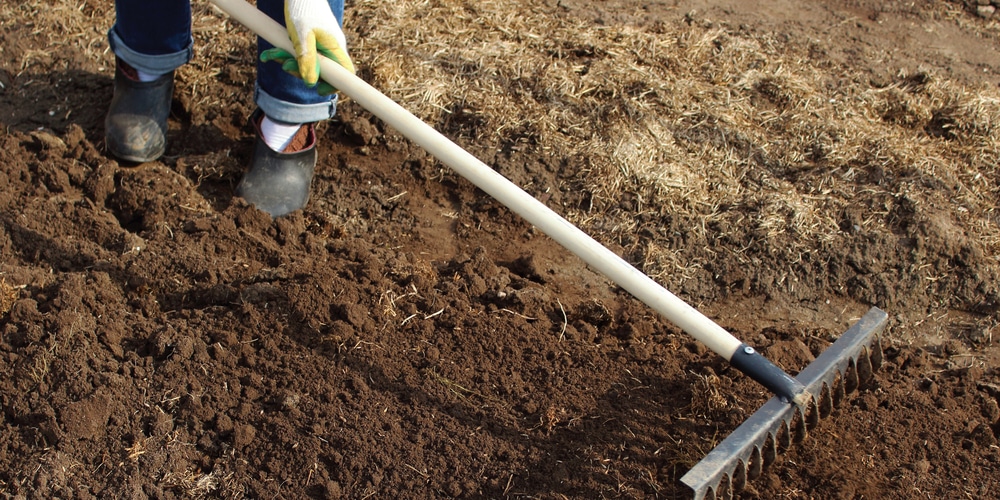
Once a soil test confirms a use for your ash, measure the garden area and weigh the amount recommended. A bucketful is a storage unit, not an application rate.
For perspective, 20 pounds per 1,000 square feet is a common annual upper limit in home-garden guidance. Scaled to a 4-by-8-foot bed, that is only about 10 ounces. It is not a target to reach: your soil may need much less, or none.
Choose a calm day and moist soil so fine particles do not blow around. Wear gloves, eye protection, a dust mask, and clothing that covers exposed skin; ash is alkaline and irritating.
Scatter the measured amount evenly. In a bare vegetable bed, work it into the top 2 to 4 inches of soil before planting. Avoid digging through established roots just to incorporate ash.
Never dump a concentrated pile around a plant. That creates a pocket of salts and alkalinity rather than an evenly treated bed. Keep ash out of runoff paths and waterways.
Do not mix it with nitrogen fertilizers, particularly urea or ammonium products. The combination can release nitrogen as ammonia gas, wasting the nutrient you intended to feed your plants.
Keep the Compost Pile From Becoming an Ash Dump
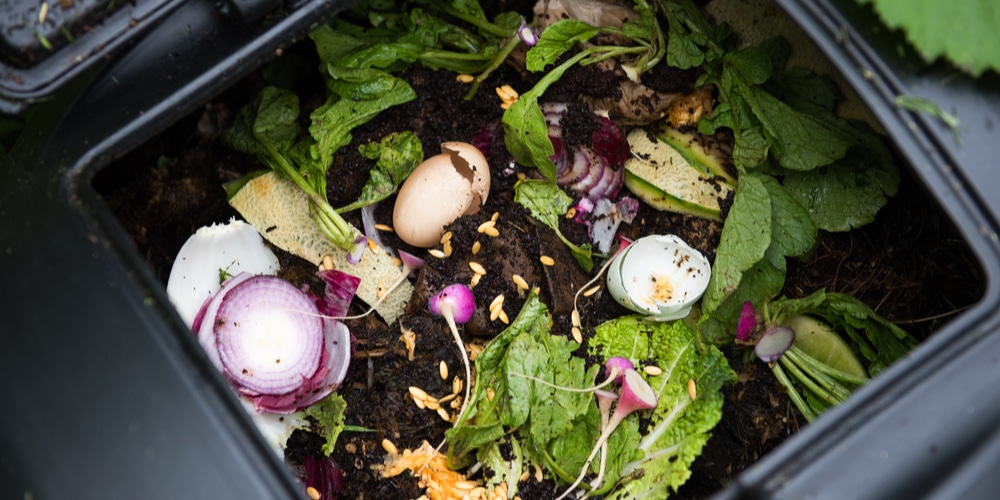
Compost is often suggested as a home for leftover ash, but it does not make the ash’s chemistry disappear. Adding too much can raise the pile’s pH and contribute excess salts.
If you add any, keep it to small amounts mixed thoroughly through a much larger volume of compost materials. Do not pour in a season’s worth, and remember that the finished compost may be unsuitable for acid-loving plants.
For a home gardener, applying a measured dose directly to soil that needs it is usually easier to track than guessing how much ended up in the compost.
A wood stove can produce more ash than a small garden can safely use. Dispose of the surplus through an approved local method once it is fully cold. The amount your garden needs should decide how much you save—not how much your stove produces.
References
- University of Wisconsin–Madison Extension: Using Wood Ash in the Home Garden
- Oregon State University Extension: Sweep Wood Ash From Fireplace to Garden
- University of New Hampshire Extension: Guide to Using Wood Ash as an Agricultural Soil Amendment
- Iowa State University Extension: Using Wood Ashes in the Home Garden
- University of New Hampshire Extension: Fertilizing Vegetable Gardens
- U.S. Fire Administration: Fireplace Ashes Pictograph
- Connecticut State Fire Marshal: Fire Safe CT—Ash Disposal
- Fairfax County Fire and Rescue: Portable Fireplaces and Safe Ash Disposal
Image Attributions
What Wood Ash Can Actually Do for Your Garden
- “Wood Ash” — GFL Outdoors media library.
Start With Clean Wood and Safe Ash Storage
- “Stack of firewood” by Mobius, released into the public domain.

Let Your Soil Test Decide Where It Goes
- “Laboratory analysis of soil samples from different locations using universal indicator” by Knowledge genome, licensed under CC BY-SA 4.0. Displayed at a reduced size from the GFL Outdoors media library.

Keep Ash Away From These Plants
- “Vaccinium corymbosum Beeren” by Darkone, licensed under CC BY-SA 2.5.

Spread a Measured Amount, Never a Heap
- “Rake Ground” — GFL Outdoors media library.
Keep the Compost Pile From Becoming an Ash Dump
- “Compost Bin” — GFL Outdoors media library.
Featured illustration supplied by the publisher.