Some flowers look fantastic for two weeks and then quietly disappear. Blanket flowers do the opposite.
This sun-loving perennial keeps throwing out fiery red, orange, and yellow blooms through the hottest stretch of summer, often with surprisingly little attention.
Give it strong sun, sharp drainage, and a light hand with water, and it can become one of the hardest-working plants in the yard.
Why Blanket Flowers Earn a Spot in Hot, Sunny Gardens
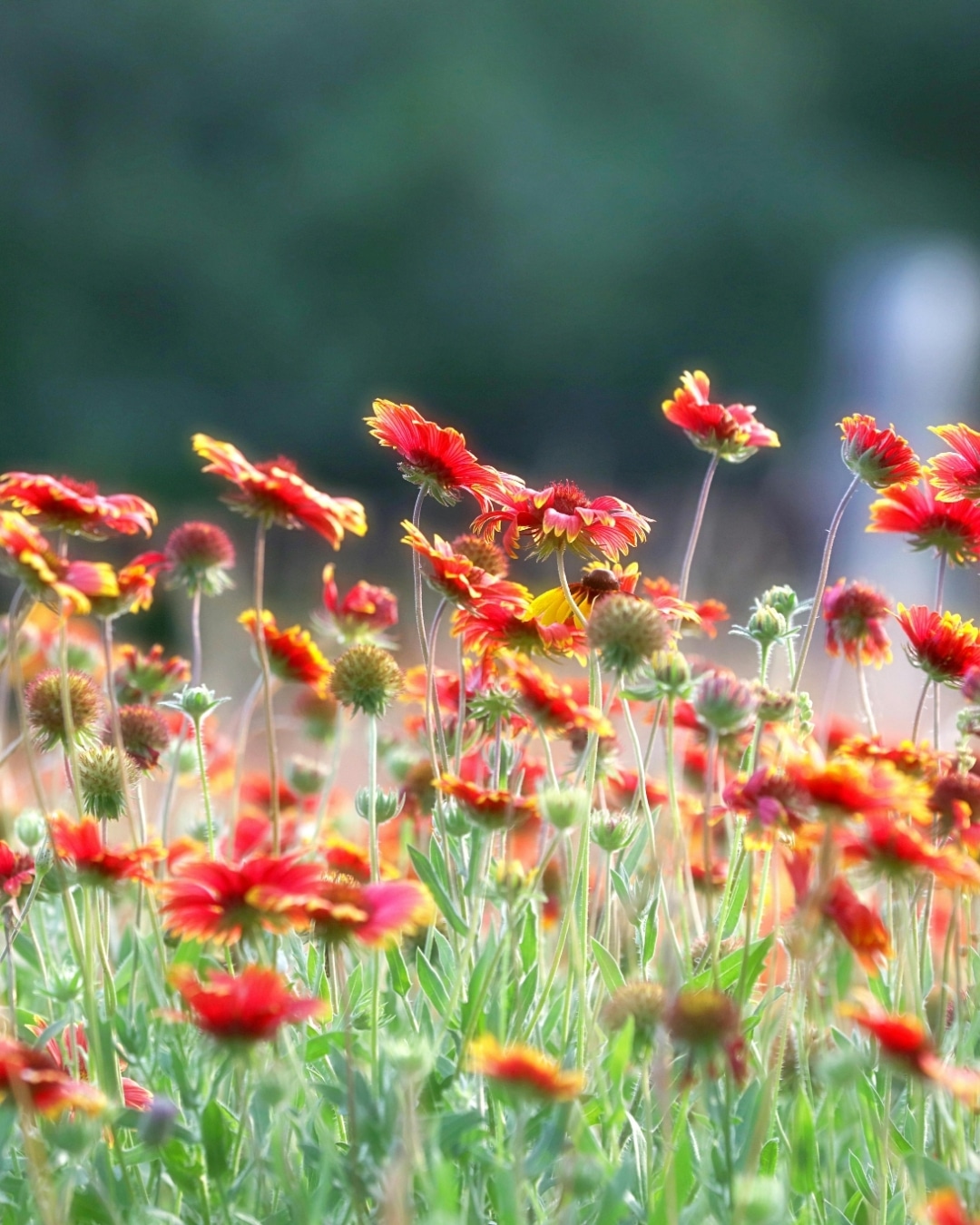
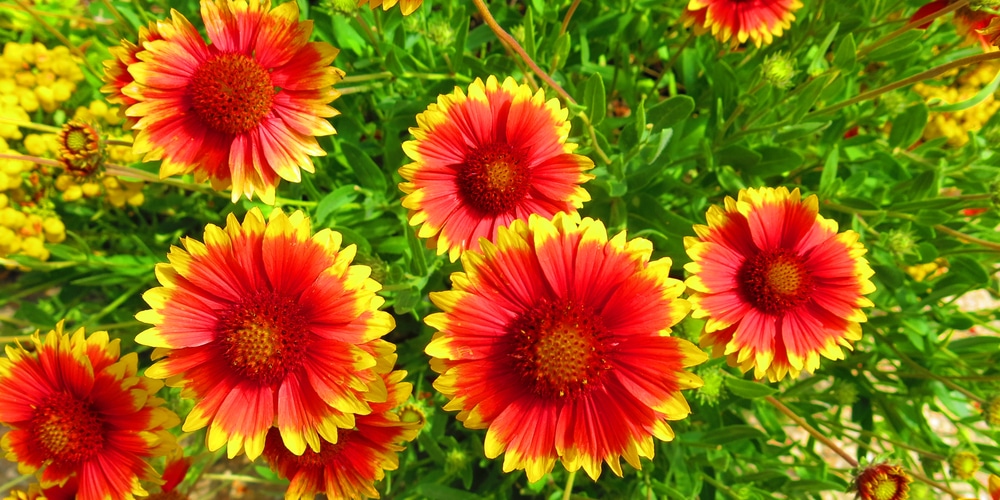
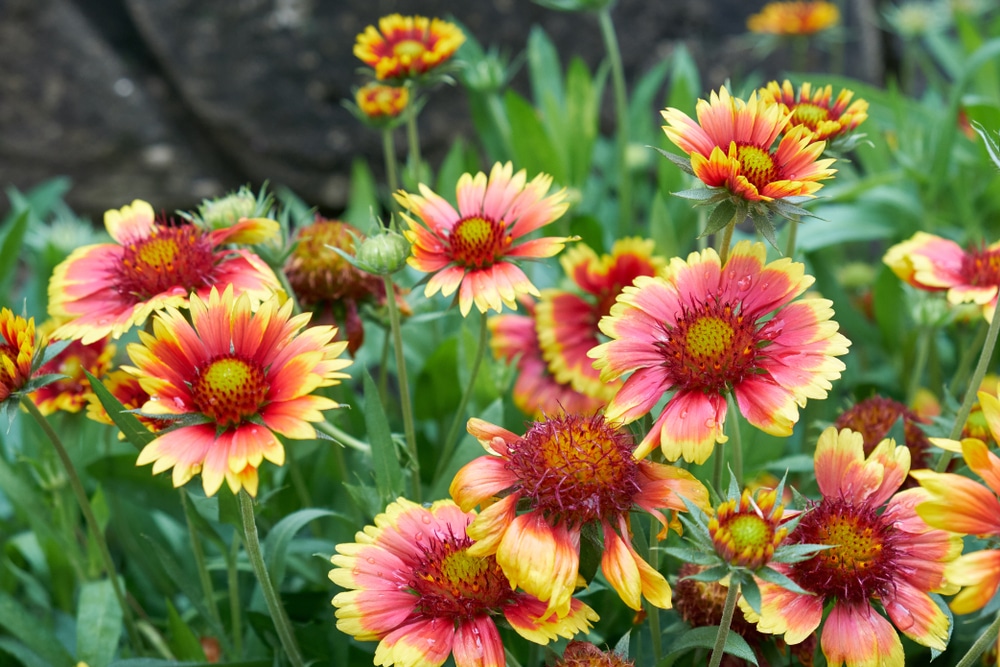
Blanket flowers, or Gaillardia, look like small daisies painted in sunset colors. Many varieties have deep red centers, orange-red petals, and bright yellow tips that almost seem to glow in afternoon light.
The real attraction, however, is not just the color. This plant is built for conditions that make fussier perennials struggle. Heat, bright sun, sandy soil, wind, and short dry spells are usually easier for blanket flowers to handle than soggy ground or constant pampering.
Once the plant settles in, fresh buds can keep replacing faded flowers from late spring or early summer into fall. Bees and butterflies regularly visit the blooms, while the compact, mounding shape works well along walkways, at the front of flower beds, and in large containers.
There is one detail worth knowing before planting: many perennial blanket flowers are naturally short-lived. They may not sit in the same spot for decades like a peony. Fortunately, healthy plants can reseed, and established clumps can be divided or replaced without much trouble.

First, Know Which Blanket Flower You Bought
The name “blanket flower” is used for several related plants, and the label matters more than many gardeners realize.
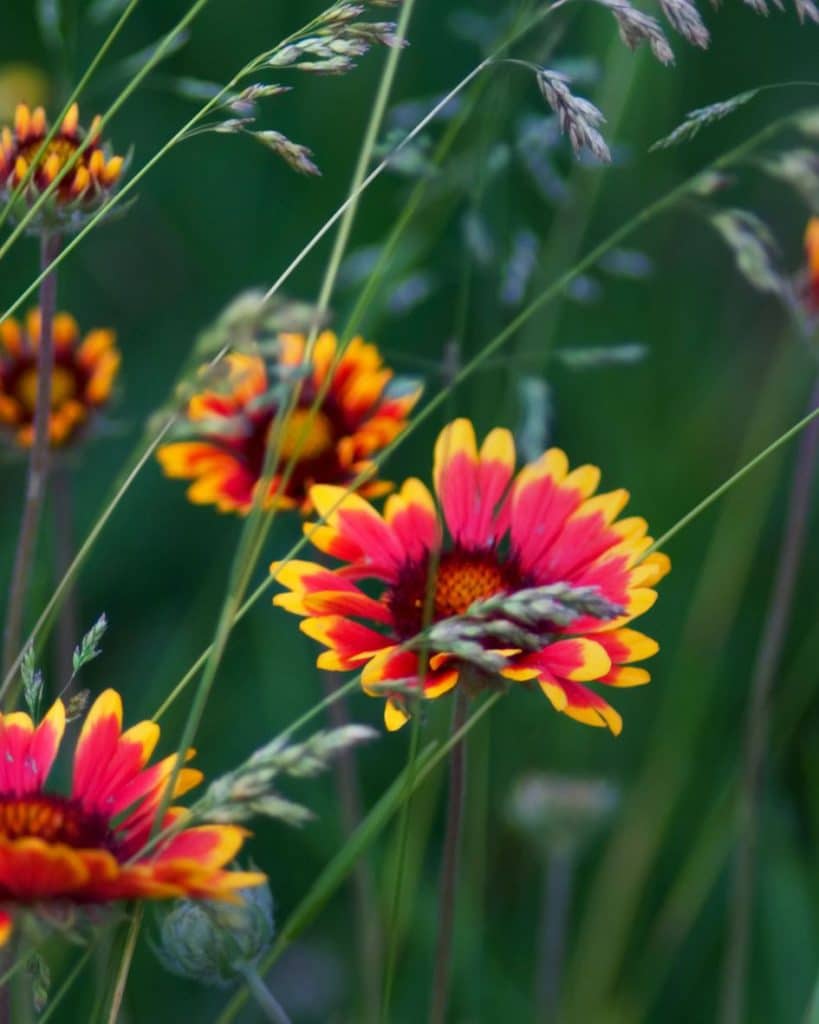


- Gaillardia pulchella, often called annual blanket flower or firewheel, is usually grown as an annual. It blooms quickly, handles heat well, and may reseed when some mature flower heads are left in place.
- Gaillardia aristata is a perennial species native to parts of North America. It tends to grow taller than the compact hybrids sold at many garden centers and is a natural fit for prairie-style plantings, dry borders, and pollinator gardens.
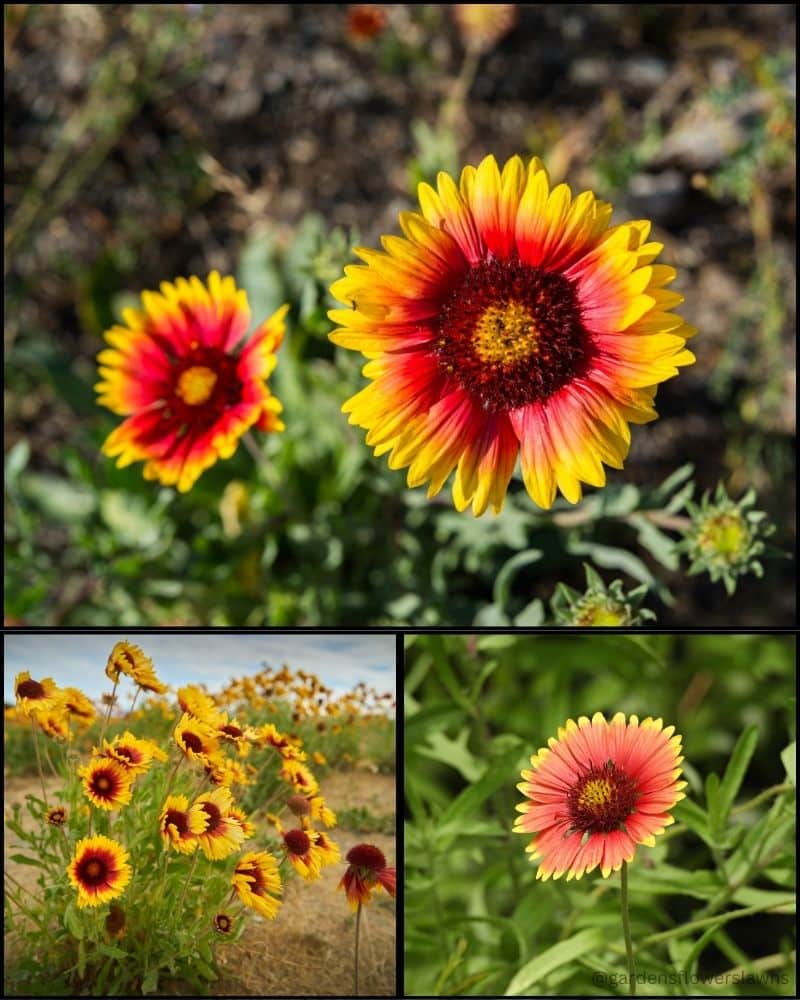
- Gaillardia × grandiflora is the group many gardeners recognize from nursery benches. These hybrids combine showy flowers with tidy growth habits and include popular selections such as ‘Arizona Sun.’
Check the plant tag for mature height, hardiness zone, and whether the variety is annual or perennial in your area. Two blanket flowers sitting side by side at the store can behave very differently once winter arrives.

The One Thing Blanket Flowers Will Not Forgive
Blanket flowers can tolerate poor soil. They can tolerate heat. They can tolerate a missed watering.
What it does not tolerate well is wet soil that stays heavy around the roots. Poor drainage can lead to root and crown rot, especially during cool weather or winter dormancy.
Choose a planting spot where rainwater drains away instead of collecting. A slight slope, raised bed, rock garden, or sandy border can be ideal. Heavy clay is not an automatic dealbreaker, but it often needs improvement before planting.
Loosen a wide area rather than digging a narrow, deep hole that acts like a bucket. Mixing coarse compost through the surrounding soil can improve structure, but avoid creating an overly rich pocket. Blanket flowers generally perform better in lean, open soil than in a heavily amended bed that stays damp.
When planting, keep the crown level with the surrounding ground. Burying it too deeply can trap moisture directly around the part of the plant most likely to rot.
How Much Sun Do They Really Need?
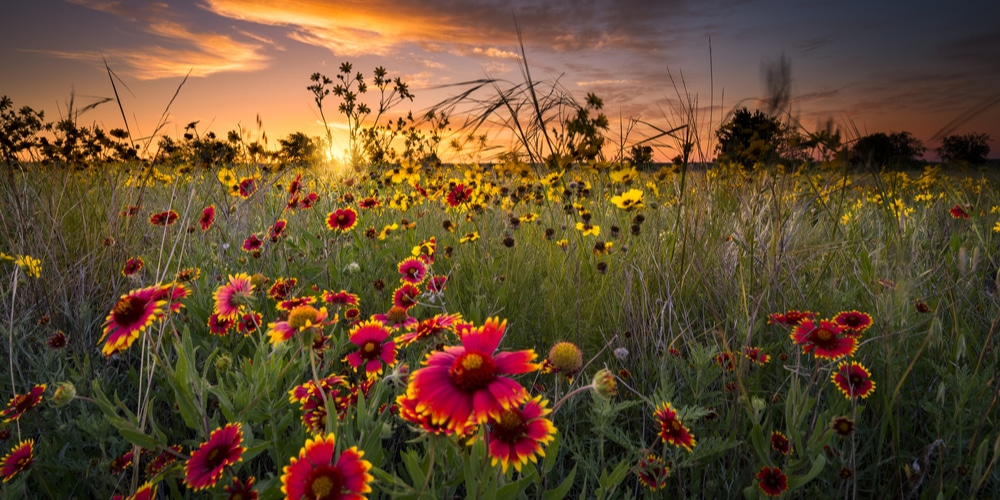
Blanket flowers want at least six hours of direct sun, and an open site with even more light is usually better.
A little afternoon shade may be tolerated in very hot climates, but too much shade often creates lanky stems, fewer blooms, and a plant that leans toward the light. Shaded soil also dries more slowly, which can compound drainage problems.
Watch the planting area for a full day before choosing the final spot. A bed that looks sunny at breakfast may be shaded by a fence, tree, or roofline during the strongest part of the afternoon.
For the heaviest flower display, place blanket flowers where they can bake in the sun without being crowded by taller neighbors.
Watering Without Loving It to Death
Newly planted blanket flowers need regular moisture while their roots begin spreading into the surrounding soil. Water deeply, then allow the upper layer of soil to start drying before watering again.
Once established, the plant becomes much more drought tolerant. That does not mean it never needs water. During a long stretch of extreme heat with no rain, a slow, deep soaking can keep flowers coming and prevent the foliage from looking tired.
The danger is frequent, shallow watering. Constantly wet soil encourages weak roots and raises the risk of rot. Check the soil before reaching for the hose. If it is still damp below the surface, wait.
Containers dry much faster than garden beds, so potted blanket flowers need closer attention. Make sure the pot has open drainage holes and never leave it standing in a saucer filled with water.
Go Easy on Fertilizer
Blanket flowers are not heavy feeders. In fact, rich soil and repeated fertilizer applications can produce more leafy growth without creating the flower show gardeners expect.
For plants growing in ordinary garden soil, a light layer of compost in spring may be enough. If the foliage looks healthy and the plant is blooming, there is no reason to keep feeding it.
Container plants eventually use up the nutrients in potting mix. A light application of a balanced fertilizer can help, but avoid the urge to feed every time you water.
With blanket flowers, more fertilizer is rarely the shortcut to more flowers. Strong sun, good drainage, and timely deadheading matter far more.
The Simple Deadheading Trick That Keeps Flowers Coming
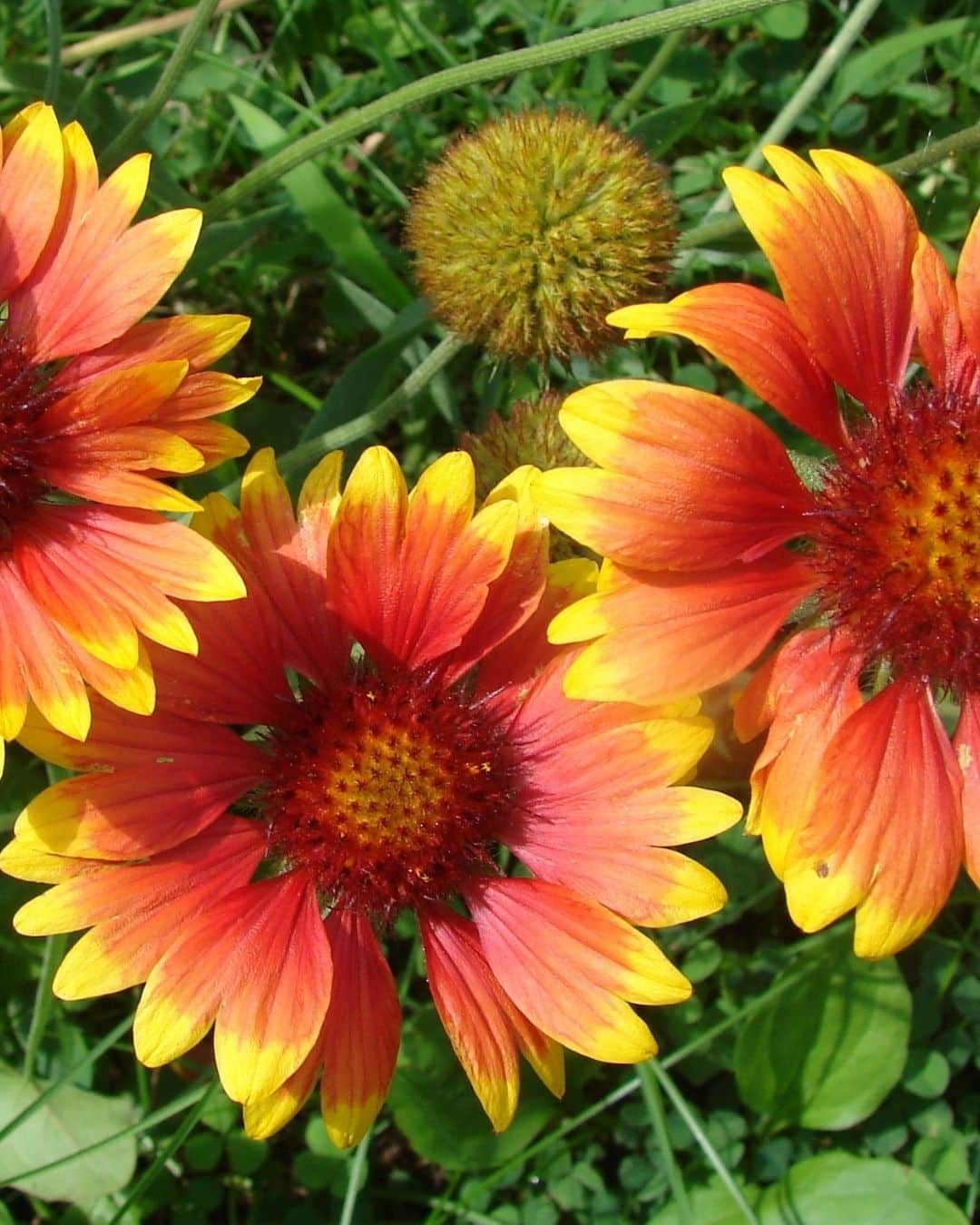
Each flower eventually fades into a round, bristly seed head. The plant can continue blooming without perfect grooming, but removing old flowers often keeps it tidier and encourages more buds.
Use clean snips or pinch the faded bloom off just above a healthy set of leaves. Do not remove only the colorful petals and leave a long bare stem behind. Cutting the stem back to foliage gives the plant a cleaner shape.
During peak summer bloom, a quick pass once or twice a week is usually easier than waiting until the entire plant looks tired.
If flowering slows dramatically, trim several stems back by roughly one-third, remove damaged foliage, and give the plant a deep drink. This small reset can encourage fresh growth when weather conditions are favorable.
Do not cut every flower head if you want seedlings or winter interest. Leave a few of the strongest late-season blooms to mature naturally.
Leave a Few Seed Heads for a Different Reason
Mature blanket-flower seed heads are not especially soft or delicate. They dry into firm, textured little globes that can remain on the plant after the petals are gone.
Leaving several late flowers in place gives seeds a chance to ripen. Annual blanket flowers may scatter seedlings nearby, while birds can also investigate the mature heads.
Self-sown plants may not look exactly like the parent, especially when the original plant is a hybrid. That surprise can be part of the fun. New flowers may lean more yellow, red, orange, or burgundy than the plant you started with.
Gardeners who prefer a controlled border can cut the heads before seeds drop. Gardeners who enjoy a looser cottage-garden look can let a few fall naturally and thin the seedlings the following spring.
Where Blanket Flowers Look Best
Blanket flowers have strong color, so they work best when the surrounding plants give those fiery blooms room to stand out.
Pair it with purple salvia, blue catmint, lavender, or deep green ornamental grasses for contrast. Coneflowers, coreopsis, yarrow, and black-eyed Susans create a warmer prairie look.
Compact varieties fit neatly along the front of a border, where their flowers are easy to see. Taller forms can weave through a meadow planting or fill gaps between grasses and other drought-tolerant perennials.
It is also useful in difficult spots: sunny mailbox beds, exposed slopes, gravel gardens, driveway borders, and areas near pavement where reflected heat can be intense.
Planting three or five together usually creates a stronger display than scattering single plants across a large bed. Give each plant enough room for air to move through the foliage.
Growing Blanket Flowers in Pots
Blanket flowers are a strong container choice because the bright blooms sit above relatively compact mounds of foliage.
Choose a pot several inches wider than the root ball and use a free-draining potting mix. A heavy garden soil placed directly in a container can compact, hold too much water, and reduce airflow around the roots.
Full sun is still important. A porch that receives only an hour or two of morning light will not produce the same flower power as an open patio or sunny deck.
Potted plants need more frequent watering than those in the ground, but the same rule applies: water thoroughly, let the excess drain, and wait until the mix begins drying before watering again.
In colder climates, a container offers less winter insulation than the ground. A perennial variety that is hardy in the garden may still need protection when its roots are exposed to repeated freeze-and-thaw cycles inside a pot.

Problems That Usually Point to the Growing Conditions
Blanket flowers do not have a long list of serious problems, but they do give clear warnings when the site is not working.
Yellowing, collapsing stems or a soft crown: The soil may be staying too wet. Reduce watering, clear mulch away from the crown, and improve drainage if possible.
White or gray coating on leaves: Powdery mildew can appear when airflow is poor or foliage remains crowded. Thin nearby growth, avoid repeatedly wetting the leaves, and remove badly affected material.
Spotted leaves: Leaf spot diseases can show up during damp weather. Clean up fallen debris and water at soil level rather than spraying the entire plant.
Distorted, oddly colored growth: Aster yellows can cause unusual green or deformed flowers. Infected plants generally should be removed because the disease cannot be cured.
Aphids, thrips, and leafhoppers may occasionally appear. A strong stream of water can knock small infestations back. Avoid treating every visiting insect, since blanket flowers are valuable feeding stops for pollinators.
How to Help Perennial Blanket Flowers Return
Perennial blanket flowers are often described as short-lived, but good growing conditions can improve their chances.
Start with a variety rated for your hardiness zone. Plant it in spring or early enough in fall for roots to establish before the ground freezes.
Keep the crown dry, avoid piling thick winter mulch directly over the center, and do not push soft late-season growth with heavy fertilizer.
Dividing an established clump every few years can create replacement plants before the original center loses vigor. Dig the clump in cool weather, separate healthy rooted pieces, and replant them at the same depth.
You can also start blanket flowers from seed. Some varieties bloom during their first growing season, while others spend more time building roots before putting on their best show.
The smartest approach is to treat blanket flowers as generous but sometimes temporary perennials. Enjoy the long bloom season, allow a little reseeding, and keep a young plant or division coming along as insurance.
Blanket Flower Varieties Worth Watching For

‘Arizona Sun’ is one of the easiest blanket flowers to recognize. It stays relatively compact and produces classic red flowers edged in yellow, making it useful for borders and containers.
‘Burgundy’ shifts the palette toward deep wine-red flowers. It works well beside silver foliage, pale grasses, or yellow-blooming companions.
‘Mesa Yellow’ offers a cleaner golden-yellow look for gardeners who want the long bloom season without the usual red-and-yellow pattern.
‘Tizzy’ has unusual rolled or trumpet-like petals around a darker center. It brings a more textured look while keeping the heat tolerance associated with the group.
Availability varies by region, and the best choice is not always the newest color. Choose a plant with a healthy crown, firm stems, and a hardiness rating suited to your garden. A vigorous plant in the right spot will outperform a flashy variety planted where its roots stay wet.
Who Will Get the Most From This Plant?
Blanket flowers are especially rewarding for gardeners with a bright, hot area where other flowers fade as summer builds.
It suits pollinator gardens, casual cottage beds, water-wise landscapes, and containers that need dependable color without constant feeding.
It is less suited to low areas, frequently irrigated beds, or heavy shade. Those conditions fight the plant’s natural preference for sun and quick drainage.
Give it the lean, sunny spot it wants, remove enough faded blooms to keep new buds moving, and leave a few seed heads for fall. The result is a plant that looks cheerful during the exact weeks when many gardens begin to feel tired.