A sage plant can produce far more leaves than most recipes ask for. You cut a few for dinner, the plant keeps growing, and before long you have a pile of fragrant gray-green leaves with no plan for them.
Do not let that harvest wilt in the refrigerator. Fresh sage can become a crispy garnish, a five-minute sauce, seasoned butter, herb salt, flavored vinegar, or a freezer-ready ingredient. It is also one of the easier garden herbs to dry.
The key is choosing a method that fits how you actually cook. Save a few perfect leaves for frying, freeze some for winter meals, and dry the rest for the spice cabinet.
Can You Eat Fresh Sage Leaves?
Yes. Leaves from common culinary sage (Salvia officinalis) are edible, but their flavor is much stronger than basil or parsley. A little goes a long way. Start with one or two chopped leaves in a dish, taste, and add more only if needed.
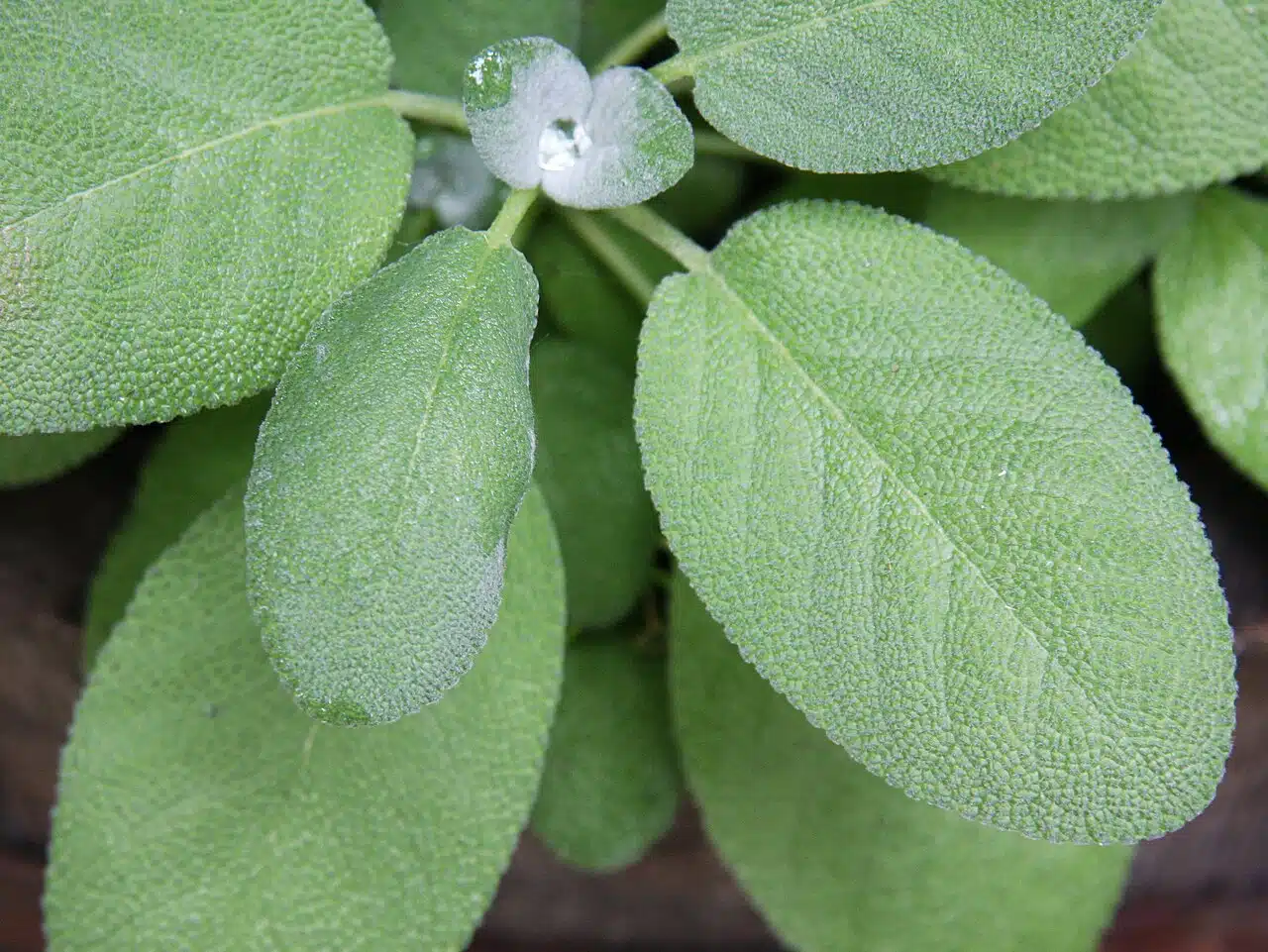
Only use sage that has been positively identified as a culinary herb and has not been treated with a pesticide or other product that prohibits edible use. Skip yellow, moldy, insect-damaged, or badly spotted leaves.
Rinse the harvest under cool water and dry it thoroughly. A salad spinner followed by a clean towel works well. Removing surface water is especially important before frying, freezing, or drying the leaves.

1. Fry the Leaves Until Crisp
Fried sage leaves look fancy, but they take only a few minutes. Heat a shallow layer of butter or olive oil in a skillet over medium heat. Add clean, completely dry leaves in a single layer and cook for roughly 15 to 30 seconds per side, just until crisp. Transfer them to a paper towel and add a pinch of salt.

Scatter the leaves over pumpkin soup, mashed potatoes, roasted squash, risotto, pasta, eggs, or pork. The heat softens sage’s sharp edge, while the crisp texture makes it feel like more than an herb you added at the last second.
Watch the pan closely. Sage can move from crisp to scorched quickly, and burned leaves taste bitter.

2. Make Brown Butter and Sage Sauce
This is the fastest way to turn a handful of leaves into dinner. Melt 6 tablespoons of butter in a light-colored skillet. Add 10 to 15 sage leaves and cook over medium heat as the butter foams and then develops golden-brown flecks. Remove the pan from the heat when it smells nutty.

Toss the sauce with gnocchi, ravioli, pasta, roasted vegetables, or cooked winter squash. A squeeze of lemon and a little Parmesan balance the richness. If you want the leaves crisp, remove them before tossing the sauce and return them to the top of the finished dish.

3. Turn Sage Into Compound Butter
Compound butter stores a large harvest in a form you will actually reach for. Mix 1 stick of softened unsalted butter with 1 to 2 tablespoons of finely chopped sage, a pinch of salt, and optional lemon zest or black pepper.

Roll the butter into a log in parchment paper, or spoon it into an ice-cube tray. Chill what you will use soon and freeze the rest. A slice can go directly onto chicken, pork chops, steak, green beans, baked potatoes, cornbread, or warm rolls.
Label the package before freezing. Once several green-flecked herb butters are in the freezer, they become surprisingly difficult to tell apart.

4. Make Sage Salt
Sage salt is useful when you want the flavor spread evenly through a dish. Start with fully dried sage leaves. Crumble or pulse about 1 part dried sage with 4 parts coarse salt, adjusting the ratio to taste.

Store the mixture in an airtight jar away from heat and light. Use it on roasted potatoes, squash, white beans, poultry, pork, focaccia, popcorn, or root vegetables. Because the salt is already seasoned, add it early and taste the food before adding more.
Do not seal damp leaves into salt. If you begin with fresh sage, dry it completely first so moisture is not trapped in the jar.

5. Freeze Whole Leaves for Winter
Freezing preserves sage with very little work. Spread clean, dry leaves on a tray so they are not touching. Freeze until firm, then transfer them to a labeled freezer bag and press out excess air.

The thawed leaves will be soft, so they are not the best choice for a garnish. They are still excellent in stuffing, soup, stew, gravy, beans, and pan sauces. You can usually crumble a frozen leaf straight into a hot dish without thawing it first.
For pre-portioned seasoning, chop sage and freeze it in an ice-cube tray with a little water or broth. Move the frozen cubes to a freezer container and drop one into soups or braises as needed.

6. Dry Sage for the Spice Cabinet
Sage is sturdier than many leafy herbs and dries well. Tie a few stems into a small bundle and hang them indoors in a dry, well-ventilated place away from direct sunlight. Keep bundles loose; crowded leaves hold moisture and can mold.

You can also place individual leaves in a dehydrator at 95 to 115 degrees Fahrenheit. Drying time varies with the machine, humidity, and leaf size, so judge the leaves instead of the clock. They are ready when they feel crisp and crumble easily.
Strip the dried leaves from the stems and store them whole in an airtight container. Crushing them only when needed helps preserve their aroma. Dried sage is more concentrated than fresh, so use about one-third as much when making a substitution.

7. Infuse Vinegar, Not a Bottle of Fresh-Herb Oil
Sage vinegar is an easy way to capture the herb’s flavor for vinaigrettes, marinades, beans, and pan sauces. Loosely fill a clean jar with dry sage leaves, cover them completely with white wine vinegar or apple cider vinegar, and keep the jar in a cool, dark place. Taste after a week. When the flavor is strong enough, strain the vinegar into a clean bottle.

Be careful with the tempting alternative: fresh sage stored in oil at room temperature. Fresh herbs can introduce moisture and botulism spores into the low-oxygen environment inside the oil. Do not treat a decorative bottle of fresh sage and oil as a shelf-stable pantry item. For a simple home infusion, use fully dried herbs and follow a tested food-safety method.

8. Build Sage Into Everyday Meals
You do not need a special sage recipe every time you harvest. Finely chop one or two leaves and add them anywhere a warm, savory flavor makes sense.
- Stir chopped sage into white beans, lentils, or chickpeas.
- Add it to sausage, meatballs, burgers, or meatloaf.
- Tuck whole leaves under the skin of chicken before roasting.
- Mix it into stuffing, cornbread, biscuits, or savory scones.
- Pair it with apple, pear, pumpkin, sweet potato, or winter squash.
- Add a small amount to tomato sauce, soup, gravy, or a braise.
Sage works especially well with rich foods because its piney, slightly peppery flavor cuts through butter and fat. It also likes sweet, earthy ingredients. That is why combinations such as sage and squash, sage and apple, and sage with white beans work so reliably.


Harvest Sage So the Plant Keeps Producing
For the best flavor, harvest healthy leaves after the morning dew has dried and before the day’s heat becomes intense. Use clean scissors and cut just above a set of leaves. This encourages branching instead of leaving random bare stems.

Regular, moderate harvesting helps keep the plant compact. Avoid stripping every leaf from a stem, and do not make a severe late-season cut when the plant needs time to prepare for cold weather. If you are gathering sage for drying, harvest before or near the beginning of flowering, when the leaves are strongly aromatic.

Use the Best Leaves First
Fresh sage does not have to become another good garden harvest that slowly turns brown in the refrigerator. Fry the prettiest leaves tonight. Turn a larger handful into brown butter or compound butter. Freeze enough for winter, then dry whatever remains.

Once you divide the harvest by purpose, even a very productive sage plant becomes manageable. The result is less waste now and a supply of homegrown flavor long after the growing season ends.

Image Credits
- Fresh garden sage leaves growing on the plant. Photo: Jonathunder via Wikimedia Commons (GFDL 1.2).
- A fresh sage leaf showing its textured surface and veins. Photo: Bellatrovata via Wikimedia Commons (CC BY-SA 4.0).
- Gnocchi with crisp sage, brown butter, and green beans. Photo: Karen and Brad Emerson via Wikimedia Commons (CC BY 2.0).
- Pumpkin ravioli with scallops and sage brown butter. Photo: GW Fins via Wikimedia Commons (CC BY 2.0).
- Ricotta gnocchi served with browned butter and sage. Photo: Joy via Wikimedia Commons (CC BY 2.0).
- Ravioli dressed with sage butter. Photo: Emna Mizouni via Wikimedia Commons (CC BY-SA 4.0).
- Steak topped with herb butter and served with mashed potatoes. Photo: PattayaPatrol via Wikimedia Commons (CC BY-SA 4.0).
- Grilled prawns finished with herb butter. Photo: Sebastian Mary via Wikimedia Commons (CC BY-SA 2.0).
- Herbs, garlic, and salt ready for mixing. Photo: THOR via Wikimedia Commons (CC BY 2.0).
- A bowl of homemade herb salt. Photo: Monica Ferreira Ask via Wikimedia Commons (CC BY-SA 4.0).
- Herb leaves and lemon frozen into ice cubes. Photo: Personal Creations via Wikimedia Commons (CC BY 2.0).
- Fresh common sage leaves ready to be frozen. Photo: iesmgb via Wikimedia Commons (CC BY-SA 2.0).
- Dried cooking sage in a bowl. Photo: Misterneedlemouse via Wikimedia Commons (CC0 1.0).
- Whole dried garden sage leaves. Photo: Rillke via Wikimedia Commons (CC BY-SA 3.0 DE).
- A bottle of apple cider vinegar. Photo: Veganbaking.net via Wikimedia Commons (CC BY-SA 2.0).
- Bottles of vinegar displayed at a market. Photo: -jkb- via Wikimedia Commons (CC BY 3.0).
- Pita, salad, and white bean garlic sage spread. Photo: Karen and Brad Emerson via Wikimedia Commons (CC BY 2.0).
- Butternut squash stuffed shells with pecans and sage brown butter. Photo: Karen and Brad Emerson via Wikimedia Commons (CC BY 2.0).
- A mature common sage plant growing in a garden. Photo: H. Zell via Wikimedia Commons (CC BY-SA 3.0).
- A healthy sage plant growing in a garden pot. Photo: Kolforn via Wikimedia Commons (CC BY-SA 4.0).
- A large fresh sage leaf ready for kitchen use. Photo: SWT666 via Wikimedia Commons (CC BY-SA 4.0).
- Fresh common sage leaves ready for kitchen use. Photo: Nabokov via Wikimedia Commons (CC BY-SA 3.0).
“`