The first time a radish bolts, it can feel like the harvest is over. The plant stretches upward, the root becomes less appealing, and delicate flowers appear where no flowers were supposed to be.
But that “failed” radish is about to produce something most gardeners never get to taste: crisp, peppery seed pods that can be eaten straight from the plant.
Leave a few radishes in the ground and they will keep changing for weeks. You may get edible pods, visiting pollinators, free seeds, volunteer plants, and one of the most unexpectedly productive crops in the vegetable garden.
1. The Young Pods Are Completely Edible

Radish pods are the fruits that form after the flowers fade. When they are young, they are green, juicy, and tender enough to eat raw.
Bite into one and you will immediately recognize the plant. It tastes like a radish, but the texture is closer to a crisp snap pea.
Rat-tail radishes are grown specifically for their long pods, but ordinary garden radishes can produce edible pods too. Cherry Belle, French Breakfast, daikon, and many other familiar radishes will all form pods if they are allowed to flower.
Pick the pods while they are firm, smooth, and easy to snap. Once they become swollen, dry, or stringy, leave them on the plant for seed instead.
2. They Taste Milder Than Radish Roots
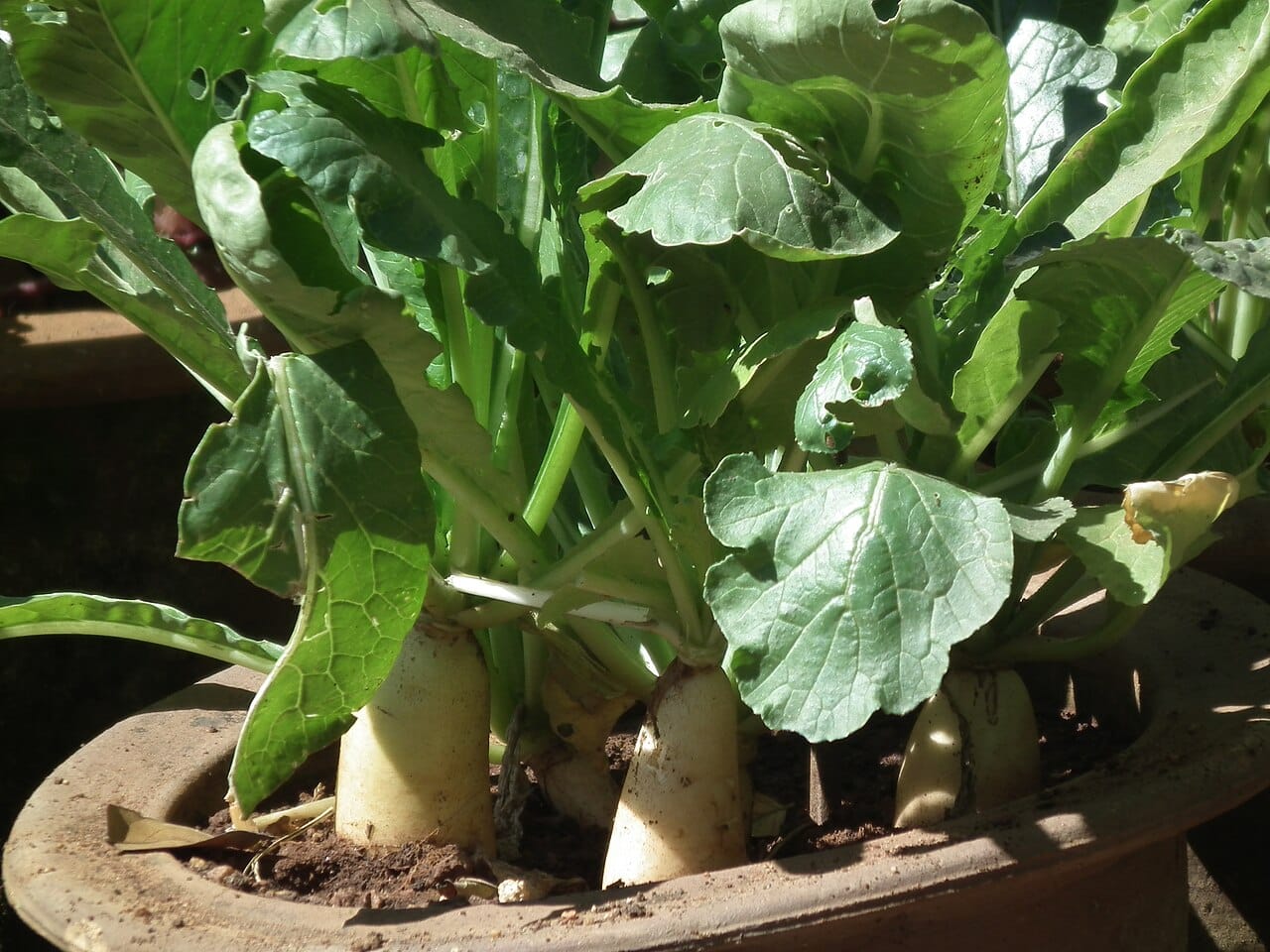
Radish roots can become surprisingly hot, especially when the weather turns warm or the plants grow slowly. Some develop enough bite to make your eyes water.
The pods usually have a gentler flavor. You still get that fresh radish kick, but it is softened by their juicy texture and slight sweetness.
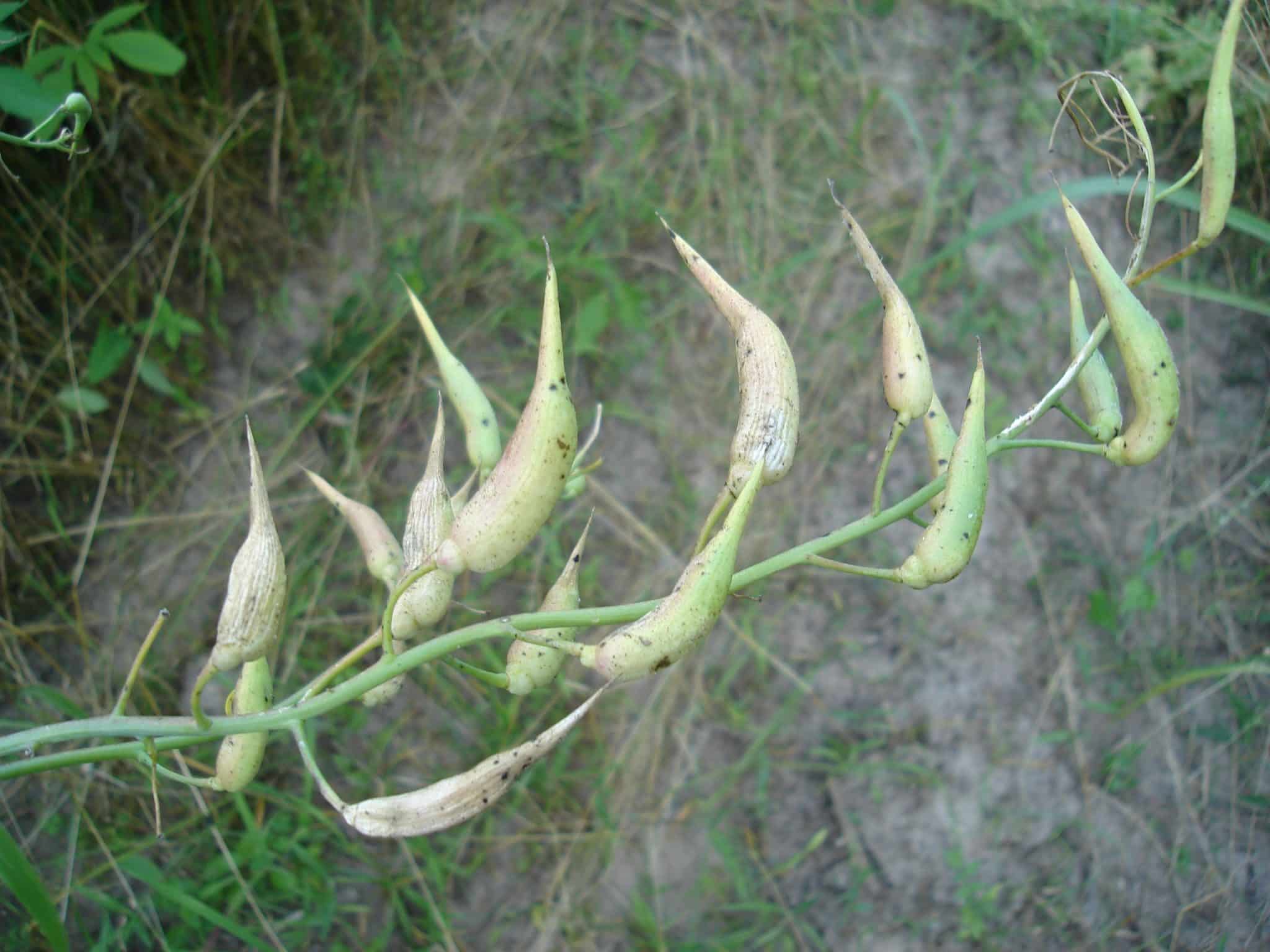
Flavor varies from plant to plant, so taste one before harvesting a bowlful. Some pods are mild enough for children to enjoy, while others still carry a noticeable peppery finish.
Even gardeners who do not care for raw radish roots may like the pods tucked into a salad, dipped in hummus, or eaten right beside the garden.
3. One Plant Can Produce a Huge Harvest
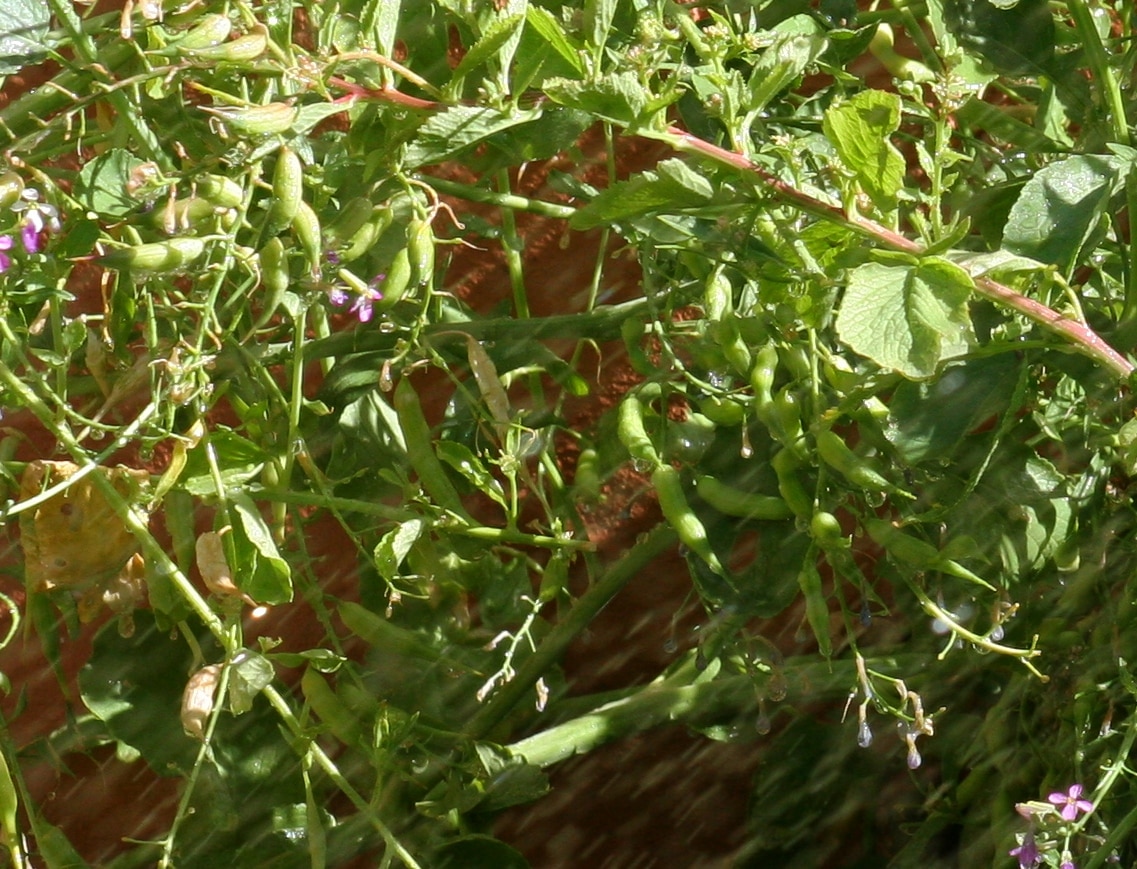
Pull a radish and you get one root. Let that same plant mature and it can branch repeatedly, producing flowers followed by pod after pod.
A healthy plant may keep forming new pods while older ones are being harvested. Suddenly, the radish that looked finished is supplying handfuls of food every few days.
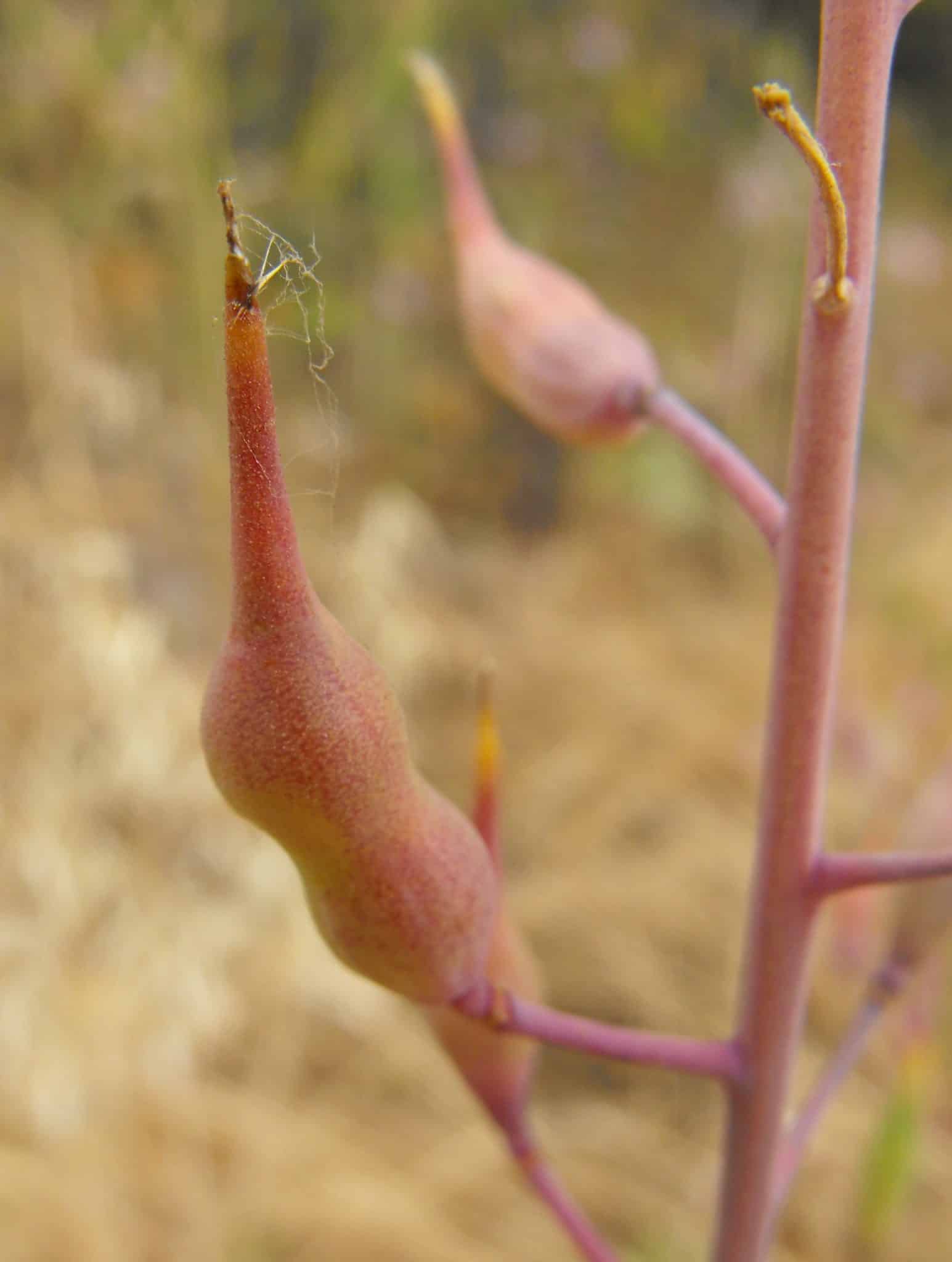
Frequent picking encourages you to catch the pods at their tender stage. Check productive plants every day or two because the pods can toughen quickly in hot weather.
You do not need to sacrifice the entire radish patch. Leaving just three or four strong plants can provide plenty of pods while keeping the rest of the bed available for another crop.
4. They Give Bolted Radishes a Second Chance

Radishes prefer cool conditions. As the days grow longer and temperatures climb, the plants may stop concentrating on their roots and begin sending up flower stalks.
This change is called bolting. The root may become woody, spongy, or unpleasantly hot, but that does not mean the entire plant belongs in the compost pile.

Keep watering the healthiest bolted plants. After the white, pink, or purple flowers fade, narrow green pods should begin appearing along the stems.
A bolted radish is not necessarily a gardening failure. It has simply moved into a different—and surprisingly useful—stage of growth.
5. Radish Flowers Feed Pollinators
Radish flowers may be small, but insects notice them. Bees and other flower-visiting insects regularly stop at the open, four-petaled blossoms.
This can be especially helpful during the gap between early spring flowers and the bigger flush of summer blooms.
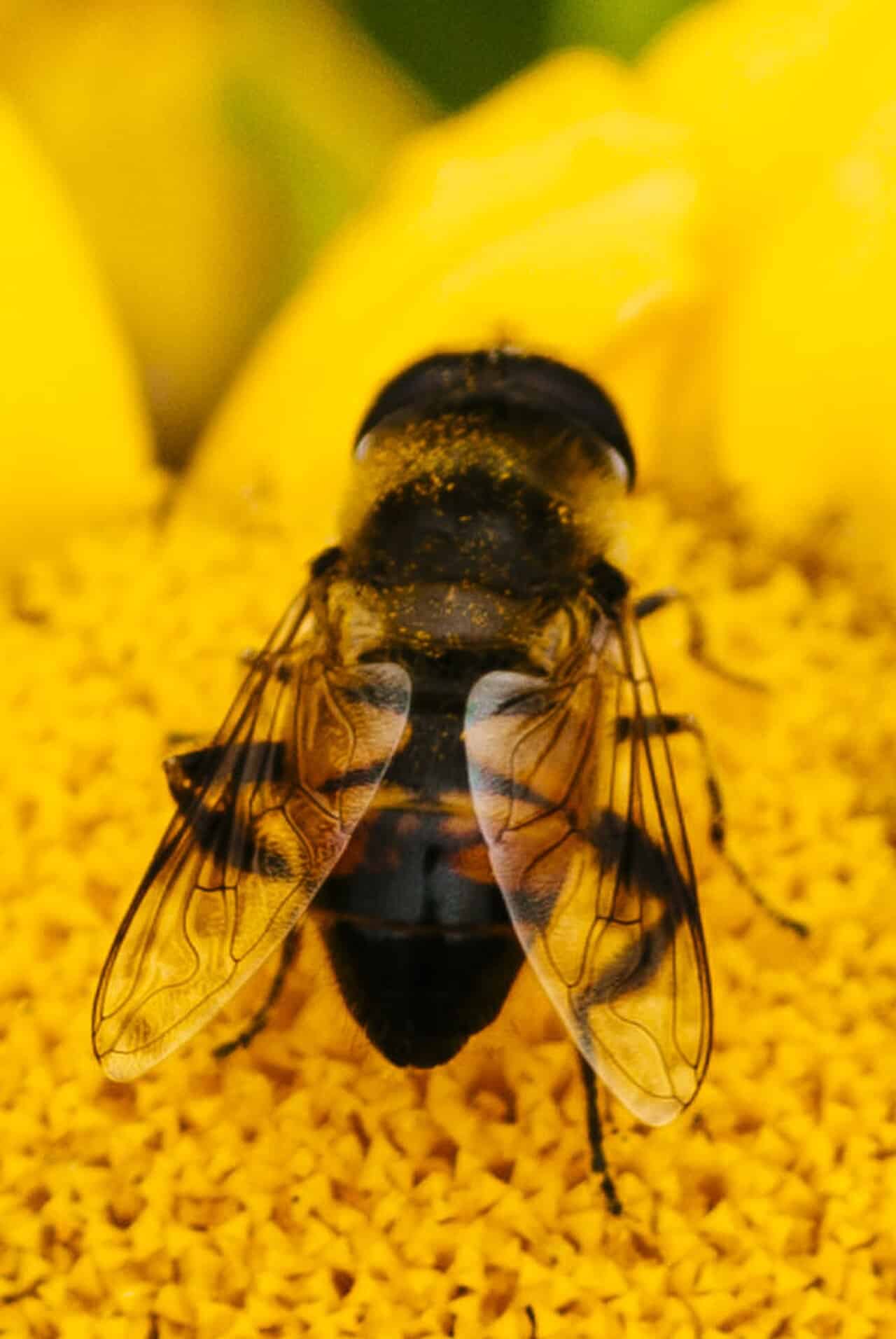
Hover flies may visit nearby flowers too. Their adults feed at flowers, while the larvae of many hover fly species prey on soft-bodied garden pests such as aphids.
You do not have to let every radish bloom. A small flowering patch near cucumbers, squash, herbs, or fruiting vegetables can add another food source for useful garden visitors.
6. The Pods Add Crunch to Summer Meals

Young radish pods need very little preparation. Rinse them, trim away the stem ends, and toss them into meals anywhere you would use snap peas or sliced radishes.
They are especially good in cucumber salads, cold noodle bowls, tacos, grain bowls, and summer pasta dishes. Their peppery crunch wakes up foods that might otherwise taste a little flat.

For a simple side dish, sauté the pods briefly in a little oil with garlic and salt. Keep the cooking time short so they hold onto their color and snap.
The easiest way to serve them may be the best: set out a fresh bowl with dip and let everyone discover what they are eating.
7. They Make Excellent Pickles

Quick pickling is one of the easiest ways to handle a sudden pile of radish pods. The vinegar softens their peppery edge while preserving much of their crunch.
Pack washed pods into a clean jar with garlic, peppercorns, mustard seed, dill, or red pepper flakes. Heat equal parts vinegar and water with a little salt and sugar, then pour the warm brine over the pods.
Let the jar cool before refrigerating it. The pods will begin picking up flavor within a day and become tangier as they sit.
This is a refrigerator pickle, not a shelf-stable canning recipe. Keep the jar cold, use clean utensils, and discard the contents if you notice mold, bubbling, an unusual odor, or another sign of spoilage.
8. You Can Save Seeds for Next Season

Pods that become too tough for dinner can still produce next year’s radishes. Stop harvesting from several healthy plants and let their remaining pods mature completely.
The pods are ready for seed collection when they turn brown, dry, and brittle. Cut the stalks on a dry day and place them in a paper bag or on a tray indoors until they are thoroughly dry.

Crush or split the pods to release the seeds, remove the dry plant pieces, and store the seeds in a labeled envelope somewhere cool, dark, and dry.
Open-pollinated varieties are the most dependable choice for seed saving. Hybrid radishes may produce plants that look or taste different from the parent. Different radish varieties can also cross, so save seed from one variety at a time when predictable results matter.
For healthier genetic diversity, collect seed from at least five strong plants rather than depending on a single radish.
9. They Can Create Free Plants Around the Garden

Leave dry pods standing long enough and some will split open on their own. The dropped seeds may remain in the soil until moisture and cooler temperatures encourage them to sprout.
These volunteer radishes can appear in places where you had forgotten radishes were ever planted.

Volunteer seedlings are not guaranteed to match the original crop, especially when multiple varieties were flowering nearby. Still, they can provide edible greens, roots, flowers, or another round of pods.
Thin crowded seedlings early. If you do not want radishes spreading, remove the mature stalks before the dry pods begin opening.
10. The Plants Add Height and Interest

A mature radish looks nothing like the tidy plant you started with. Its flowering stems rise above the garden, branch outward, and carry a loose mix of buds, flowers, and narrow pods.
The effect fits beautifully in cottage gardens, informal vegetable beds, pollinator patches, and edible landscapes. Radish flowers are not flashy, but they add a soft, airy layer among heavier summer plants.

Give the plants room. Mature stalks may lean into paths or neighboring vegetables, especially after rain. A small stake or loose piece of garden twine can keep them upright.
Place flowering radishes near the back of a bed so their height becomes an asset rather than something you have to step around.
How to Harvest Radish Pods and Save the Best Ones

Start by leaving several healthy radishes in the ground after the roots would normally be harvested. Keep watering them during dry weather and wait for the tall flower stalks to appear.
Once the flowers fade, begin checking for pods. The best eating pods are usually young, green, firm, and easy to break with your fingers. Taste one before picking the rest.
Harvest tender pods with scissors or pinch them carefully from the stems. Picking roughly can break the brittle branches and knock off flowers that would have produced more pods.

Set aside your strongest plants for seed. Mark them with ribbon so no one accidentally harvests all their pods for dinner. Let those pods remain untouched until they are completely brown and dry.
Only eat pods from plants you know are edible garden radishes. Do not rely on a photograph to identify an unfamiliar plant, and avoid eating anything treated with a pesticide or garden product that is not labeled for use on edible crops.
The next time a radish bolts, resist the urge to pull it immediately. Taste one young pod first. That single bite may turn an unwanted flower stalk into a crop you deliberately grow every year.
Image Attributions
1. The Young Pods Are Completely Edible
- “Rat-tail-radish-pods1-11July2020 01.jpg” by MerielGJones, licensed under CC BY-SA 4.0.
- “Rat-tail-radish-pods2-11July2020 02.jpg” by MerielGJones, licensed under CC BY-SA 4.0.


2. They Taste Milder Than Radish Roots
- “Raddish plant (Raphanus sativus) from lalbagh 2342.JPG” by Rameshng, licensed under CC BY-SA 3.0.
- “Radish seedpods.JPG” by JH Price, marked as public domain.


3. One Plant Can Produce a Huge Harvest
- “RaddishPods.jpg” by Vijay J. Sheth, licensed under CC BY-SA 3.0.
- “Radishfruit.jpg” by Stickpen, marked as public domain.


4. They Give Bolted Radishes a Second Chance
- “Raphanus sativus 000.jpg” by Franco Folini, licensed under CC BY-SA 3.0.
- “Flowers of Raphanus sativus.jpg” by Kinori, marked as public domain.


5. Radish Flowers Feed Pollinators
- “Honey bee on radish flower 1-6 (explored) – Flickr – conall…jpg” by Conall, licensed under CC BY 2.0.
- “Hover fly 20170624.jpg” by Subhrajyoti07, dedicated under CC0 1.0.

6. The Pods Add Crunch to Summer Meals
- “Radish salad (8655038021).jpg” by Suzette – www.suzette.nu, licensed under CC BY 2.0.
- “Homemade salad.jpg” by Neil Conway, licensed under CC BY 2.0.


7. They Make Excellent Pickles
- “Pickled radish slices.jpg” by Fumikas Sagisavas, dedicated under CC0 1.0.
- “Pickled radish in soy sauce.jpg” by Fumikas Sagisavas, dedicated under CC0 1.0.


8. You Can Save Seeds for Next Season
- “RadishSeeds.jpg” by Hugowolf at English Wikipedia, licensed under CC BY 3.0.
- “White Radish Seeds.jpg” by Sanjay Acharya, licensed under CC BY-SA 4.0.


9. They Can Create Free Plants Around the Garden
- “Seedling Radish.JPG” by Oledd, licensed under CC BY-SA 3.0.
- “Germinating radish.jpg” by Dennis Brown, licensed under CC BY-SA 3.0.


10. The Plants Add Height and Interest
- “Radijs bloemen Raphanus sativus subsp. sativus.jpg” by Rasbak, licensed under CC BY-SA 3.0.
- “Radish (7856464484).jpg” by Dinesh Valke, licensed under CC BY-SA 2.0.


How to Harvest Radish Pods and Save the Best Ones
- “Radish Raphanus sativus raised bed Harmony Gardens Broadwater Farm Estate Haringey London England 01.jpg” by Acabashi, licensed under CC BY-SA 4.0.
- “Wikibooks planting-radish seed.jpg” by Sarefo, with derivative work by Theornamentalist, licensed under CC BY-SA 3.0.

