Missouri gardens can be a little moody. One week the clay soil is baked hard as a brick. The next week, the low spot by the fence is holding water like a birdbath.
That is where native plants earn their keep. They are already suited to Missouri’s heat, humidity, storms, clay, glades, prairies, wood edges, and damp creekside spots.
They also feed the local crowd. Missouri’s pollinators include bees, butterflies, moths, beetles, flies, wasps, ants, and hummingbirds, and they need both flowers and places to rest, nest, overwinter, and raise young.
For butterflies, nectar flowers are only half the story. A good butterfly garden also includes host plants for caterpillars, even if a few leaves get chewed up along the way.
1. Purple Coneflowers (Echinacea purpurea)

- Butterfly favorite: The broad flower heads give butterflies an easy landing pad.
- Long bloom window: Flowers often carry color through much of summer.
- Seed heads matter: Leaving some cones standing helps birds later in the season.
Purple coneflowers are one of those Missouri natives that look cheerful without needing much fuss. The rosy-purple petals and orange-brown cones fit right into cottage gardens, prairie patches, mailbox beds, and sunny borders.

They are especially handy because it can handle full sun, average soil, summer heat, and the kind of dry spells that make fussier perennials pout.
Missouri Botanical Garden notes that purple coneflowers are native to moist prairies, meadows, and open woods and grow in full sun to part shade.
Care tip: Leave a few seed heads in place after flowering. Cut back only the messy stems and let the better-looking cones feed birds.
2. Butterfly Weeds (Asclepias tuberosa)
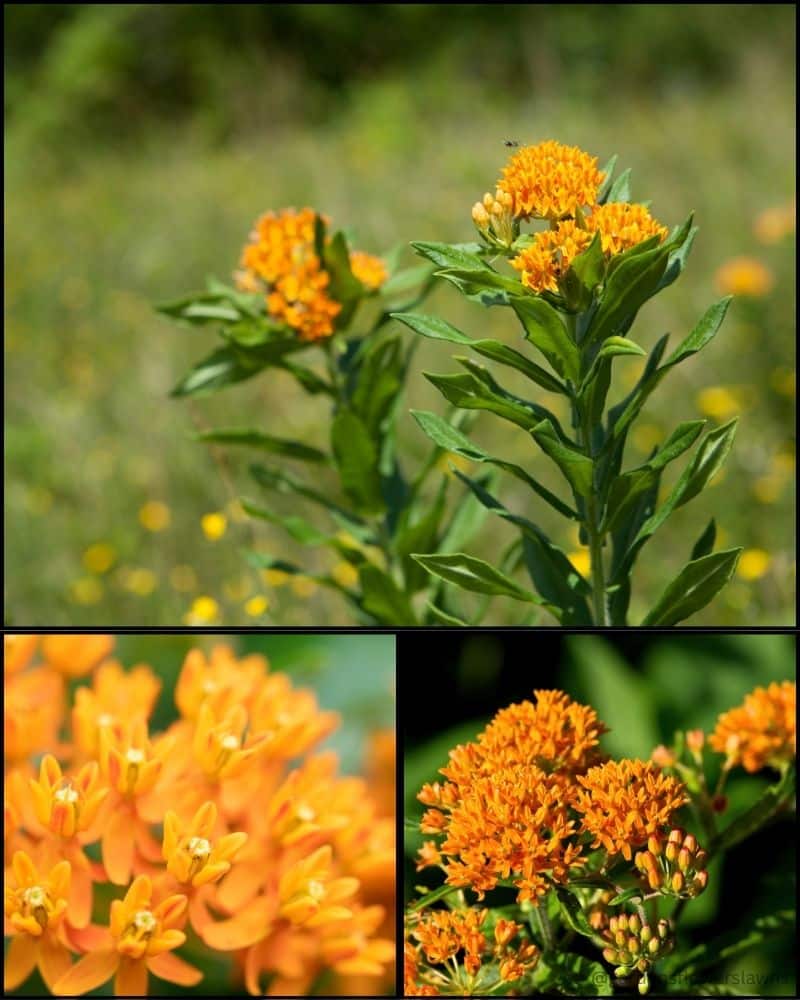
- Monarch host plants: The leaves feed monarch caterpillars.
- Bright orange flowers: They bring strong color without looking floppy or overgrown.
- Dry-soil helpers: They are well suited to sunny, well-drained spots.
Butterfly weeds are the milkweeds that even tidy gardeners can usually make peace with. They stay more compact than common milkweeds and bring hot orange blooms that look right at home in Missouri’s summer sun.

The flowers provide nectar for many butterflies, and the foliage supports monarch larvae. These plants are especially useful in prairies, glades, rocky open places, and sunny garden beds where the soil drains well.
Care tip: Plant them where you want them to stay. Their taproots do not appreciate being dug up and moved later.
3. Swamp Milkweed (Asclepias incarnata)

- Monarch support: It is both a nectar plant and a monarch caterpillar host.
- Moisture friendly: It suits rain gardens, swales, and damp edges.
- Fragrant blooms: The pink flowers have a light vanilla scent.
Swamp milkweed is a good answer for the gardener who says, “My yard is too wet for anything nice.” This milkweed likes moisture and looks polished enough for a front-yard planting.

4. Wild Bergamot / Bee Balm (Monarda fistulosa)

- Bee magnet: The lavender flowers are especially popular with native bees.
- Aromatic foliage: The leaves have a pleasant minty scent when brushed.
- Summer color: It helps bridge the gap between early flowers and fall bloomers.
Wild bergamot, often called bee balm, has a loose, meadowy look that feels right in a Missouri pollinator garden.
The flowers look a bit like little lavender fireworks, and they pull in bees, butterflies, and the occasional hummingbird.
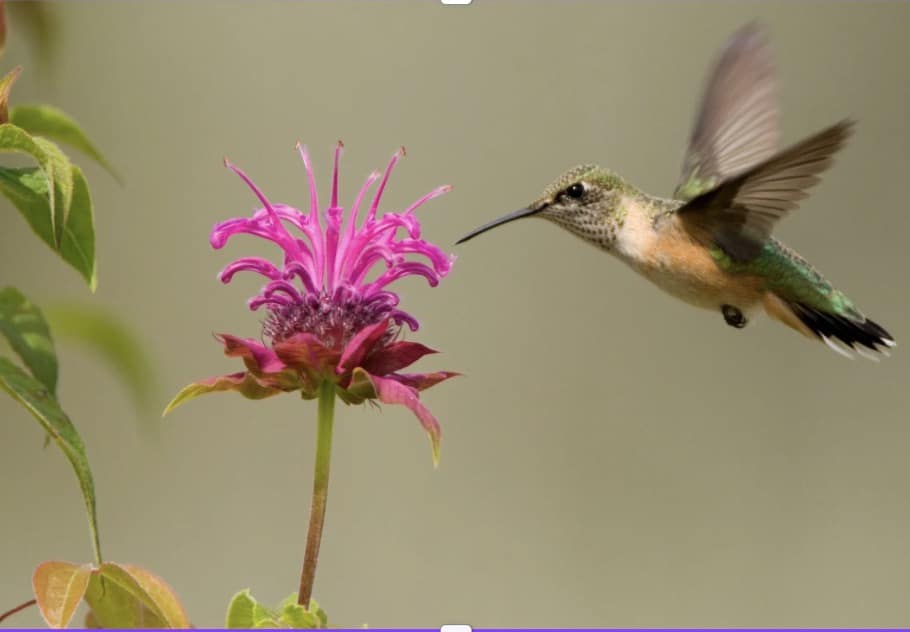
It belongs in sunny beds, prairie-style borders, and any spot where a slightly informal plant can mingle with coneflowers, blazing stars, and goldenrods.
MDC includes wild bergamot among Missouri native plants recommended for monarch habitat, with lavender blooms in June and July.
Care tip: Give bee balm room and air movement. Crowded, damp foliage is more likely to show powdery mildew by late summer.
5. Cardinal Flowers (Lobelia cardinalis)
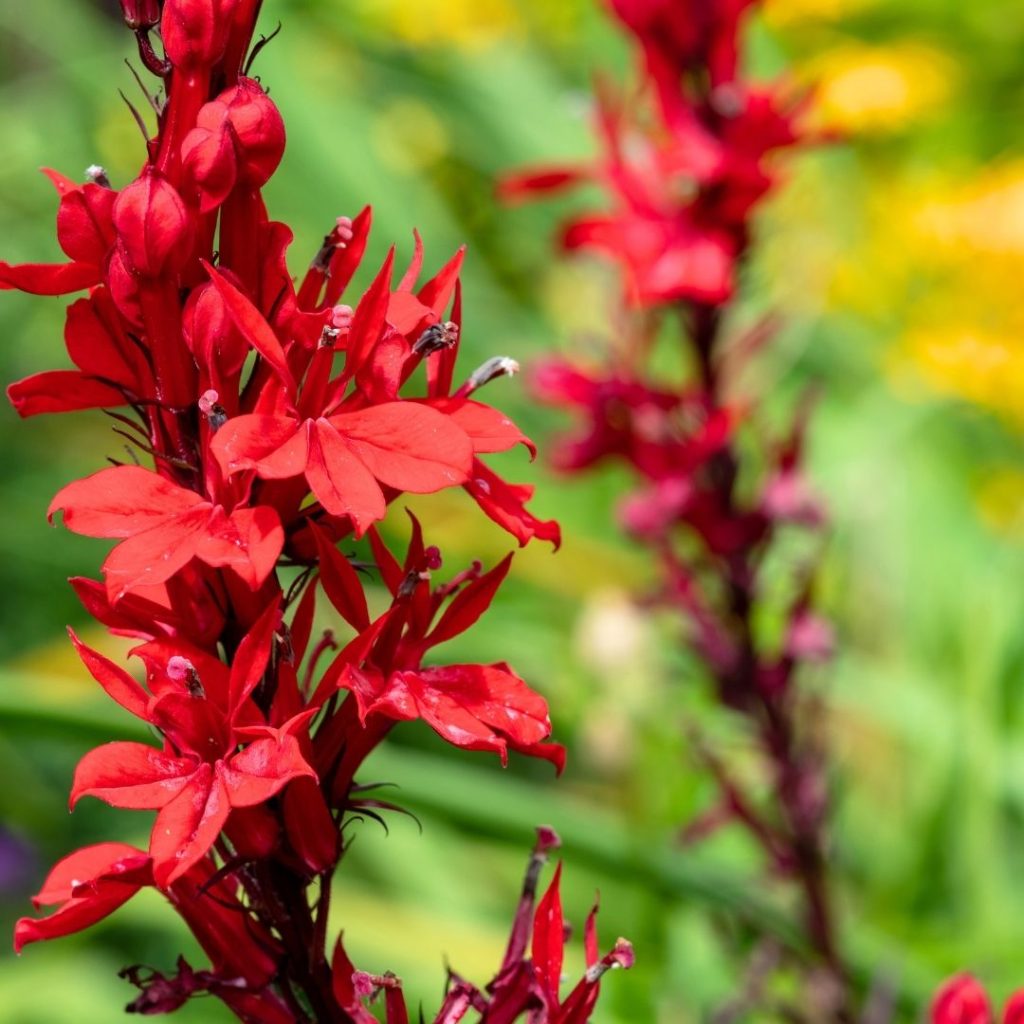
- Hummingbird draw: The red tubular flowers are built for long-beaked visitors.
- Late-season color: They bloom when many shade plants are fading.
- Moist-site performers: They are excellent near streams, rain gardens, and damp shade.
Cardinal flowers are the plants that make people stop and ask, “What are those red flowers?” The color is rich, clean, and hard to miss, especially along a shaded path or damp woodland edge.

They are not dry-bed plants, and that is part of their value. For Missouri gardeners with wet corners, seep areas, or downspout beds, cardinal flowers bring real flower power where many perennials struggle.
Care tip: Do not let cardinal flowers bake dry in July and August. Mulch lightly and water during dry spells if they are not planted in naturally moist soil.
6. Prairie Blazing Star (Liatris pycnostachya)

- Butterfly traffic: Purple flower spikes are often busy with butterflies and bumblebees.
- Strong vertical shape: It adds height without a bulky footprint.
- Summer drama: The upright spikes give prairie plantings a clean, lively look.
Prairie blazing stars are some of the best plants for making a pollinator bed look intentional. Their flower spikes rise like purple torches, giving structure to softer plants around them.

Older clumps can send up multiple bloom stalks, and those stalks become a summer buffet. They are especially useful in sunny Missouri gardens where you want height, color, and steady pollinator activity without a shrub-sized plant.
Care tip: Plant them in groups of three to seven. A single plant is nice, but a small drift is much easier for butterflies to find.
7. New England Aster (Symphyotrichum novae-angliae)

- Fall nectar: It feeds late-season butterflies and bees.
- Rich purple blooms: The flowers stand out beautifully with goldenrod.
- Monarch season value: Fall bloom can help migrating monarchs fuel up.
New England asters are among the plants that make September feel alive. When the rest of the yard starts looking tired, it pushes out deep purple flowers with golden centers.

They can get tall and a little rangy, but that is easy to manage. MDC lists New England aster among Missouri native wildflowers recommended for monarchs, with a September to October bloom period.
Care tip: Pinch plants back once or twice before mid-July to keep them shorter, fuller, and less likely to flop.
8. Showy Goldenrods (Solidago speciosa)

- Late-season food: They are valuable for bees and butterflies in fall.
- Not hay fever villains: Goldenrods are often blamed for ragweed’s mess.
- Bright yellow plumes: They bring warm color when summer flowers are fading.
Showy goldenrods deserve better than their old reputation. Their heavy, sticky pollen is carried by insects, not blown around like ragweed pollen, so they are not the troublemakers many people think they are.

These are some of the better-behaved goldenrods for home landscapes. The upright yellow flower clusters look rich beside asters, little bluestem, and coneflower seed heads.
Care tip: Cut spent flower clusters if you want to limit reseeding, or leave some standing for a more natural fall garden.rs if you want to limit reseeding, or leave some standing for a more natural fall garden.
9. Missouri Black-Eyed Susans (Rudbeckia missouriensis)

- Glade-friendly plants: They handle sunny, rocky, well-drained sites.
- Cheerful yellow blooms: The daisy-like flowers show up well from a distance.
- Pollinator access: The open flower form is easy for small bees and butterflies to use.
Missouri black-eyed Susans, also called Missouri coneflowers, are fine choices for hot, sunny spots where richer garden plants get soft and floppy. They have a leaner, more rugged look than many nursery-bred daisies.
These plants feel especially at home in Ozark-style gardens, dry borders, and sunny slopes. They bring bright summer color without asking for rich soil or constant attention.
Care tip: Avoid rich, wet soil. Give them sun and drainage, and they will keep a better shape.
10. Golden Alexanders (Zizia aurea)

- Early bloomers: Yellow spring flowers arrive before many summer perennials wake up.
- Swallowtail value: They serve as host plants for swallowtail butterflies.
- Tidy foliage: The glossy leaves look neat enough for garden edges.
Golden Alexanders are not loud, but they are incredibly useful. They give pollinators an early meal and bring a fresh yellow glow to the garden in spring.

They also behave nicely compared with some bigger, wilder natives. These plants fit well in moist woods, meadows, thickets, glades, prairies, and garden borders where spring color is welcome.
Care tip: Use Golden Alexanders near the front or middle of a bed where their spring flowers can shine before taller summer plants take over.
11. Culver’s Root (Veronicastrum virginicum)

- Elegant flower spikes: White to pale pink spikes add a refined vertical line.
- Bee support: The blooms provide nectar for many kinds of bees.
- Good rain-garden fit: It handles average to moist soil.
Culver’s root has a graceful look that fits both native plantings and more traditional perennial beds. It is not flashy in a cheap way. It is more like the well-dressed guest at the garden party.
The flower spikes bloom in early to midsummer and pair well with coneflowers, bee balm, sedges, and swamp milkweed. MDC describes Culver’s root as a good cut flower that provides nectar for many varieties of bees.
Care tip: Plant it where the soil stays reasonably moist. It can sulk in hot, dry beds.
12. Purple Prairie Clover (Dalea purpurea)

- Dry-soil friendly: Its deep taproot helps it handle lean, sunny sites.
- Compact habit: It brings prairie value without taking over the whole bed.
- Unusual flowers: Purple flower rings move up the cone as they bloom.
Purple prairie clover is a small plant with a lot of charm. The flowers look like tiny purple crowns, and the fine foliage gives the garden a lighter texture.

It is especially useful in dry, sunny places where taller prairie plants might be too much. MDC notes that purple prairie clover grows wild through most of Missouri, except the lowland counties of southeastern Missouri, and grows well in dry soils.
Care tip: Do not baby it with heavy fertilizer. Lean soil helps keep the plant compact and sturdy.
13. Rattlesnake Master (Eryngium yuccifolium)

- Distinct texture: Spiky blue-green leaves look almost desert-like.
- Pollinator appeal: The round flower heads draw bees, wasps, flies, and butterflies.
- Strong structure: It stands out among softer prairie flowers.
Rattlesnake master is for gardeners who like something a little different. It has stiff, sword-like leaves and round, pale flower heads that look almost architectural.
That unusual look is useful in a pollinator garden because it breaks up all the daisy shapes and fluffy flowers. MDC includes rattlesnake master among Missouri native plants recommended for monarch plantings, with white blooms in July and August.
Care tip: Plant it in full sun and avoid soggy winter soil. Too much moisture can shorten its life.
14. Obedient Plants (Physostegia virginiana)

- Late-summer bloomers: Pink or white flowers help extend the season.
- Moist-soil tolerant: They are useful in rain gardens and richer beds.
- Pollinator friendly: Tubular flowers bring in bees and butterflies.
Obedient plants are charming, but the name is a little funny. Individual flowers can be moved on the stem and stay in place, but the plants themselves may spread when they are happy.

That spreading habit is not always bad. In a moist pollinator bed, obedient plants can fill space, crowd out weeds, and create a nice patch of late-summer color.
Care tip: Give obedient plants room to wander, or place them where edging, a path, or regular thinning can keep them in bounds.
15. Partridge Pea (Chamaecrista fasciculata)

- Butterfly host plant: It supports sulphur butterfly caterpillars.
- Bee-friendly flowers: Yellow blooms are busy with native bees.
- Annual but useful: It reseeds in open soil and fills gaps quickly.
Partridge pea is an annual native, but do not let that scare you off. In a sunny pollinator planting, it can pop up, flower, feed insects, and help cover bare ground while slower perennials are still getting established.
The ferny leaves and yellow flowers give it a light, airy look. Missouri Botanical Garden lists partridge pea as a food plant for cloudless sulphur butterfly larvae and notes that it grows in average, well-drained soil in full sun to light shade.
Care tip: Let some seed pods mature if you want it to return. Pull extra seedlings in spring if it shows up where you do not want it.
Thanks for reading, and happy planting. A few well-chosen Missouri natives can turn an ordinary yard into a busy little stopover for butterflies, bees, and hummingbirds.