A bad mosquito problem does not always begin in a pond or swamp. It can start in a flowerpot saucer, an old bucket, or a birdbath that looks perfectly harmless. Many ordinary gardening habits create the exact combination mosquitoes need: still water for their young and cool, shaded places where adults can hide.
The good news is that most of these problems are easy to correct. The CDC recommends a weekly check for anything that holds water. A five-minute walk after watering or rain can make a noticeable difference.
1. Leaving Water in Plant Saucers
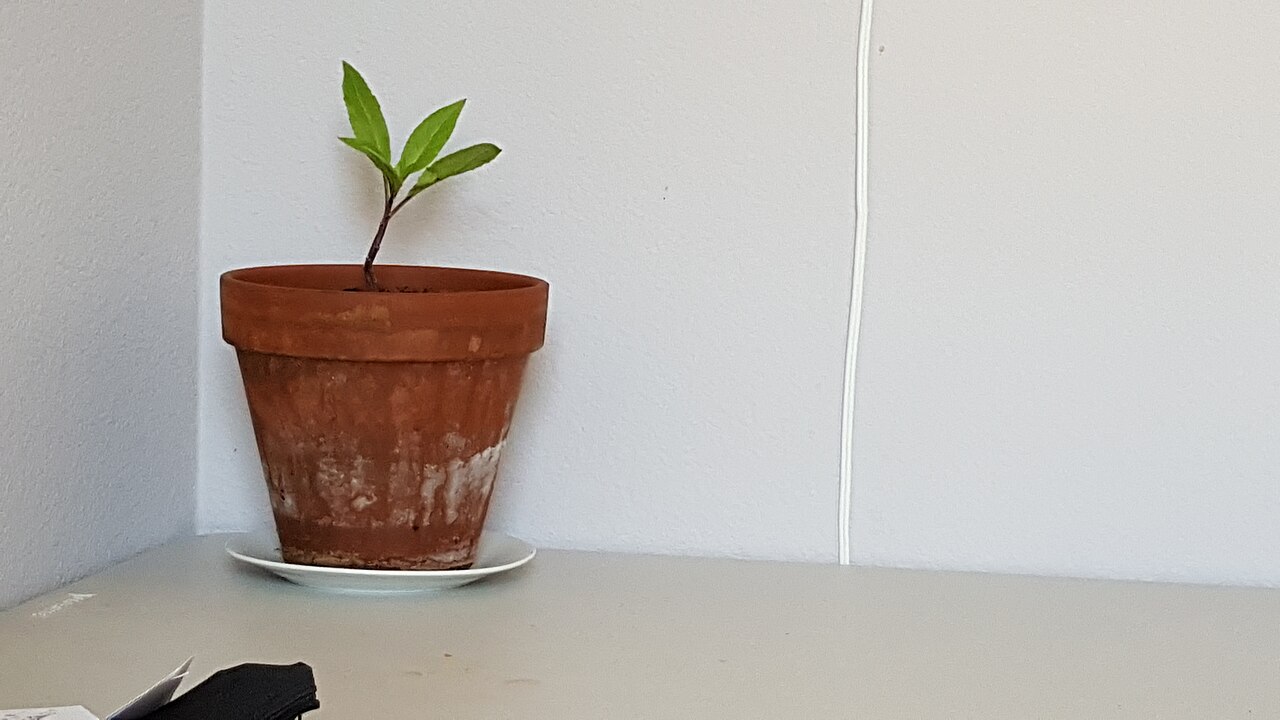
Plant saucers are easy to miss because they are supposed to catch water. After a deep watering, however, that convenient little tray can remain full for days. Add shade from the pot above it, and you have a quiet pocket of water that is protected from sun and wind.
The problem is worse when gardeners keep topping off thirsty containers without checking underneath. The plant may use the water in its soil while the saucer stays wet.
Some mosquito eggs can also remain attached to the inside surface of a container, which is why dumping alone is not always enough.

Lift container plants and check every saucer after watering or rain. Empty collected water, wipe or scrub the tray, and put it back only if the plant or surface truly needs it. Pots sitting on soil or another safe draining surface may not need saucers outdoors at all.
2. Forgetting About Buckets, Watering Cans, and Garden Tools

An empty bucket does not stay empty for long when it is left upright. The same is true of watering cans, shallow tubs, garden carts, toys, potting trays, and lids from storage bins. These items can catch enough rain or sprinkler water to support mosquito larvae.
Wheelbarrows are especially sneaky. Even when the main tray looks dry, water can sit in a low corner, around the lip, or beneath a folded tarp tossed inside. A garden hose reel, hollow fence post, or open tool handle can hide water too.

Store water-catching tools upside down or under cover. Lean wheelbarrows so the tray drains completely, hang watering cans by their handles, and stretch tarps tightly enough that they cannot sag into small pools.
3. Letting Birdbath Water Sit Too Long

A birdbath is one of the nicest ways to help backyard birds, but it needs more care than an occasional refill. Topping it off replaces evaporated water without removing the film, debris, mosquito eggs, or larvae that may already be inside.
Birdbaths are shallow, warm quickly, and are often placed near shrubs where adult mosquitoes can rest. That does not mean you should remove yours. It simply means the water should be treated more like a pet bowl than a tiny pond.
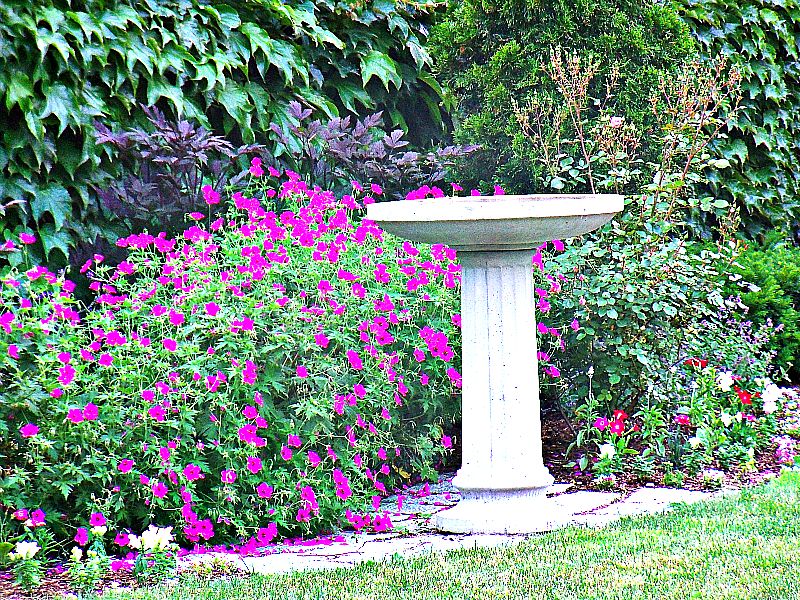
Dump the basin completely and scrub it regularly instead of merely adding water. During hot weather, changing it every few days keeps the water cleaner for birds and interrupts mosquito development. A small bubbler or fountain can help keep the surface moving, but it does not replace cleaning.
4. Overwatering Flower Beds and Lawns

Moist garden soil is not automatically a mosquito breeding site. The bigger problem is what happens when water is applied faster than the ground can absorb it. Runoff settles along edging, beneath dense groundcovers, beside steppingstones, and in low spots that stay puddled.
Frequent shallow watering also keeps the whole landscape humid. That can create comfortable daytime resting places for adult mosquitoes, especially in thick plants that block sunlight and airflow.

Water deeply only when the soil needs it, and stop before runoff begins. Early morning is usually better than evening because leaves and surface moisture have time to dry. If the same spot puddles after every watering, adjust the sprinkler, loosen compacted soil, or correct the low area rather than accepting it as normal.
5. Piling Mulch Too Deep

Mulch is useful. It protects roots, slows weeds, and helps soil hold moisture. Trouble begins when it is piled so thickly that the surface never dries or when it hides depressions where irrigation water collects.
Wet mulch itself is usually more important as a cool resting place than as a breeding pool. Mosquito larvae need standing water. However, deep mulch can conceal saucers, wrinkled landscape fabric, clogged drains, and small pockets that do hold water.
Keep mulch in a loose, even layer and pull it back from trunks and plant stems. If a bed smells sour, stays soggy, or squishes underfoot long after rain, rake it thinner and look underneath for drainage problems. Avoid the familiar “mulch volcano” around trees; it can harm the tree as well as trap unnecessary moisture.
6. Letting Weeds and Dense Growth Take Over

Mosquitoes do not spend the entire day flying around the yard. Many rest in cool, humid places protected from direct sun and wind. Tall weeds, crowded shrubs, vines, and dense groundcovers can provide that shelter just a few feet from a patio or doorway.
This does not mean a yard must be bare or every shrub must be cut into a box. A layered garden can still support birds and pollinators. The goal is to remove neglected thickets and open the places people use most.

Thin crowded growth near decks, doors, play areas, and seating. Remove weeds, prune dead interior branches, and keep grass from flopping over edging. Better airflow and more sunlight make these areas less comfortable for resting mosquitoes while still leaving plenty of healthy garden cover elsewhere.
7. Ignoring Gutters and Downspouts Near the Garden

Gutters may sit above the garden, but they are part of the yard’s drainage system. Leaves, seed pods, shingle grit, and twigs can form a dam that leaves a shallow ribbon of water hidden behind the gutter’s edge.
The downspout can create a second problem on the ground. If it empties into a compacted bed or a sunken splash block, each rain may leave a puddle beside the foundation. Dense foundation plants can keep that area shaded for days.

Check gutters from a safe position and watch where downspouts discharge during rain. Clean blockages, repair sagging sections, and extend runoff to a place where it can spread out and soak in. Never climb a ladder in wet or windy conditions; hire help when the gutter cannot be reached safely.
8. Using Decorative Containers Without Drainage

Garden décor is full of small water traps. Glazed bowls, empty urns, ceramic animals, umbrella stands, candle holders, and unused pots may look dry from the walkway while holding rain in a hidden cavity.
Even a planted container can cause trouble when it has no drainage hole. The soil may cover the water from view while a saturated layer remains at the bottom. Cachepots are another common culprit because the decorative outer pot catches everything that drains from the inner nursery pot.

Inspect every object by tipping it, looking inside it, and checking underneath it. Add a drainage hole only when doing so will not crack the object or create another hazard. Otherwise, move it under cover, seal the cavity, or make emptying it part of your after-rain routine.
9. Neglecting Rain Barrels, Ponds, and Water Features

A well-managed water feature is different from an abandoned tub of rainwater. Circulation, regular maintenance, and a functioning ecosystem can make a pond less inviting to mosquitoes. Problems begin when a pump stops, leaves clog a fountain, or a rain barrel has an uncovered opening.
Rain barrels need a tight lid or fine screen over every opening, including overflow points. Ponds and fountains need enough circulation to prevent forgotten, still pockets around plants, rocks, and clogged filters.

Drain or cover water whenever possible before reaching for a treatment. For standing water that cannot be dumped, covered, or drained, an EPA-registered larvicide such as a properly labeled Bti product may be appropriate. Follow the product label exactly, and do not add a pesticide to drinking water or a pet’s water bowl.
10. Expecting “Mosquito-Repelling” Plants to Do the Work

Lavender, marigolds, citronella-scented geraniums, mint, basil, and other aromatic plants are often sold as if planting them creates an invisible mosquito barrier. That is an appealing idea, but a living plant sitting near the patio does not release a dependable protective dose around people.
Some concentrated plant oils can have repellent properties when they are extracted and used in properly tested formulations. That is very different from growing the whole plant. University of Florida experts describe passive protection from these plants as more myth than magic.

Grow these plants because you enjoy them, not because you expect them to fix standing water. For personal bite protection, use an EPA-registered repellent as directed. For the yard, keep returning to the basics: dump water, scrub containers, improve drainage, cover stored water, and clear the damp hiding places closest to people.
The most useful habit is a quick walk after every rain. Look low, lift pots, tip anything that can hold water, and check again a few days later. Mosquito control is rarely one dramatic project. It is a series of tiny fixes that remove the places they were counting on.
Image Credits
1. Leaving Water in Plant Saucers
- “Flower Pot” by Kong of Lasers, licensed under CC BY-SA 4.0.
- “Potted Plants (16652531825)” by Aniket Suryavanshi, licensed under CC BY 2.0.

.jpg)
2. Forgetting About Buckets, Watering Cans, and Garden Tools
- “A bucket for collecting water to water plants” by Chandapiwa Malema, dedicated under CC0 1.0.
- “Wheelbarrow” by ProjectManhattan, licensed under CC BY-SA 3.0.


3. Letting Birdbath Water Sit Too Long
- “Bird Bath” by Pythaglio, licensed under CC BY-SA 2.0.
- “BIRD BATH” by JRLibby, licensed under CC BY-SA 3.0.


4. Overwatering Flower Beds and Lawns
- “Oscillating Sprinkler” by steve p2008, licensed under CC BY 2.0.
- “Water loss and erosion from irrigation runoff due to unregulated watering” by Ramirez, Pedro, Jr., U.S. Fish and Wildlife Service, released into the public domain.


5. Piling Mulch Too Deep
- “Soil improvement and protection – wood chip mulch at Wisley” by Rowan Adams, licensed under CC BY-SA 4.0.
- “Volcano mulching (19673884070)” by NY State IPM Program at Cornell University, licensed under CC BY 2.0.

.jpg)
6. Letting Weeds and Dense Growth Take Over
- “Overgrown garden” by Vitold Muratov, licensed under CC BY-SA 4.0.
- “Overgrown weeds” by Rudo sekai, licensed under CC BY-SA 4.0.


7. Ignoring Gutters and Downspouts Near the Garden
- “Roof gutter under cloudy sky with water downspout on a building” by Shixart1985, licensed under CC BY 2.0.
- “Downspout seepage” by Sergei S. Scurfield, licensed under CC BY-SA 3.0.


8. Using Decorative Containers Without Drainage
- “Decorative pots” by Atsmgysy2254, licensed under CC BY-SA 4.0.
- “Plinth urn planter at Easton Lodge Gardens, Little Easton, Essex, England 02” by Acabashi, licensed under CC BY-SA 4.0.


9. Neglecting Rain Barrels, Ponds, and Water Features
- “Rain Barrel (15455931038)” by USEPA Environmental-Protection-Agency, a public-domain work of the U.S. Environmental Protection Agency.
- “Garden pond with waterfalls and bridge and fish” by Tomwsulcer, dedicated under CC0 1.0.
.jpg)

10. Expecting “Mosquito-Repelling” Plants to Do the Work
- “Lavender flowers” by S A, The Greek Ark- Bostanie, licensed under CC BY 4.0.
- “Marigold flowers in the garden” by S A, The Green Ark- Bostanie, licensed under CC BY 4.0.

