At first glance, lemon balm looks like an ordinary patch of mint. Then you rub a leaf between your fingers and get a burst of fresh lemon fragrance that seems far too bright to come from such an unassuming plant.
The real surprise comes later. A healthy lemon balm plant can produce armloads of leaves, and it may scatter seedlings around the garden if you let every flower mature. Fortunately, this is one herb that is easy to use in large quantities.
You can steep it, blend it, freeze it, cook with it, and turn it into treats that taste like summer. Just be certain you have positively identified the plant as lemon balm and that it has not been sprayed with anything unsuitable for edible crops. A photograph or lemony scent alone is not enough for safe identification.
1. Brew a Fresh Cup of Lemon Balm Tea
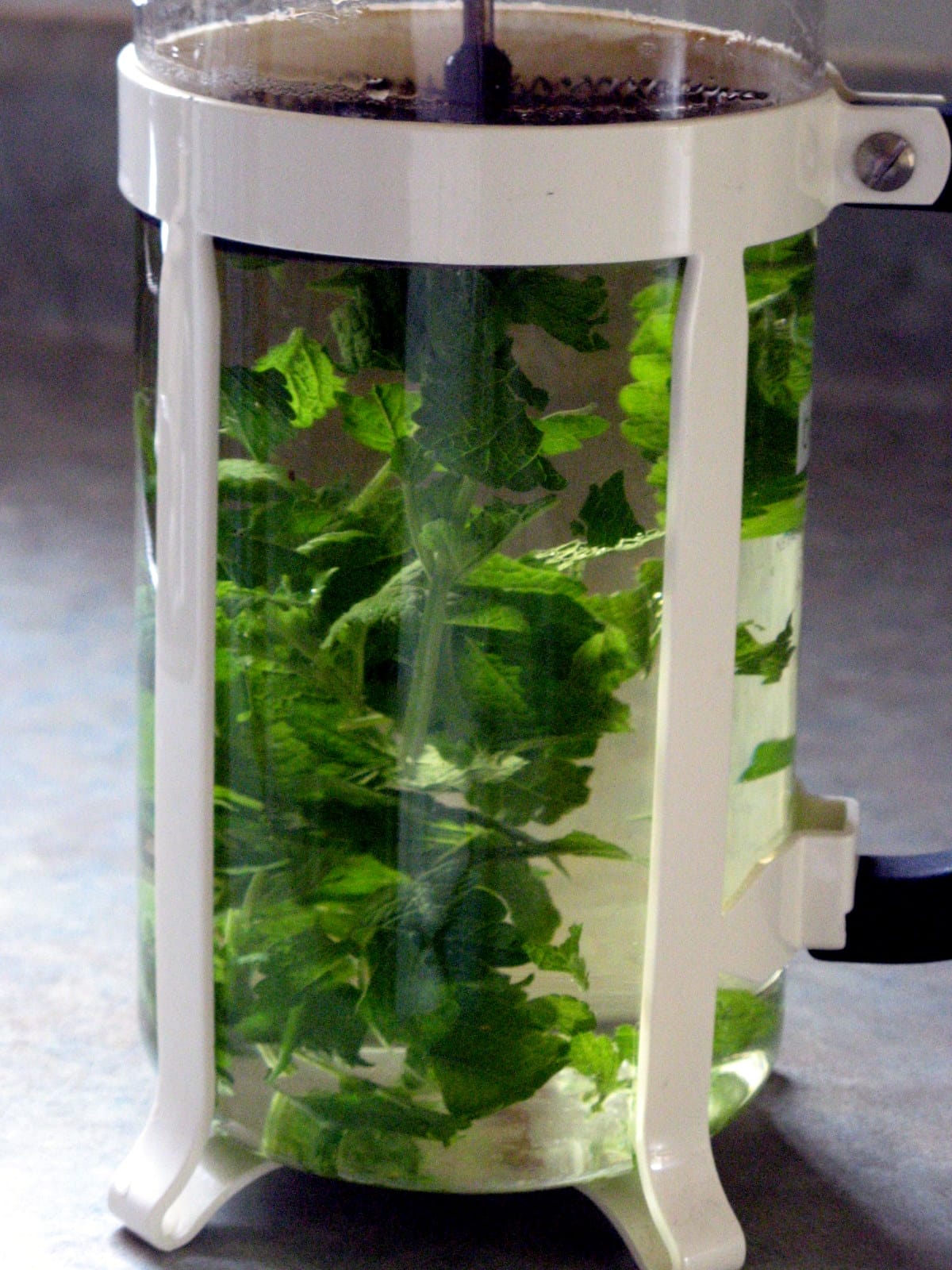
Tea is the easiest place to begin because it lets lemon balm’s soft citrus flavor stand on its own. Unlike lemon juice, the leaves add a bright aroma without making the drink sharply acidic.
For one mug, gently rinse 8 to 12 fresh leaves and pat them dry. Tear or lightly bruise the leaves, place them in a mug, and pour 8 to 12 ounces of hot water over them.
Cover the mug while the tea steeps for 5 to 10 minutes. Covering it helps hold in the fragrant oils that otherwise escape with the steam. Strain out the leaves and taste the tea before adding anything else.
Easy Flavor Pairings
- Honey and ginger for a warm evening drink
- Fresh mint for a cooler, sharper flavor
- Strawberries or raspberries for a fruity tea
- A small strip of lemon peel for extra citrus fragrance

Lemon balm has a long history of traditional use for mild stress and sleep complaints. However, that does not mean an ordinary cup of tea has been proven to treat anxiety, insomnia, or another medical condition.
Pregnant or breastfeeding people should not use lemon balm medicinally without medical guidance because adequate safety information is lacking. Anyone taking medication, treating a health condition, or preparing it for a child should also check with a qualified medical professional before using concentrated teas, extracts, or supplements.
2. Turn Plain Water or Lemonade Into a Garden Drink

Lemon balm can do for a pitcher of water what a lemon wedge does, but with a softer flavor and no seeds floating around. It is especially good when combined with fruit that is already naturally sweet.
For a simple refrigerator infusion, add a handful of clean lemon balm leaves to a pitcher with sliced strawberries, peaches, cucumber, or citrus. Press the leaves once or twice with a wooden spoon, but do not pulverize them. Crushed leaves can make the drink look muddy and may introduce a grassy flavor.
Fill the pitcher with cold water and refrigerate it for two to four hours. Strain it when the flavor is strong enough. For the freshest result, keep the drink refrigerated and use it within a day.
Give Lemonade a Fresh Twist
Add one loosely packed cup of lemon balm leaves to a batch of homemade lemonade. Chill the mixture for about an hour, then remove the leaves before serving. You get a refreshing lemon-mint flavor without needing to add more sugar.

You can also tuck small leaves into an ice-cube tray, cover them with water, and freeze them. The cubes look great in lemonade, iced tea, or sparkling water.
Use small, tender leaves for ice cubes. Older leaves are perfectly usable, but they can be tougher and less attractive once frozen. For clearer cubes, boil the water first, let it cool completely, and then pour it into the tray.
3. Give Everyday Food a Fresh Lemon Lift

Lemon balm is useful anywhere you want a hint of lemon without adding extra liquid or acidity. The flavor is delicate, so it works particularly well with fruit, creamy desserts, and mild savory dishes.
Slice the leaves into thin ribbons and scatter them over watermelon, peaches, strawberries, blueberries, or fruit salad. Start with a small amount. You can always add more after tasting.
Finely chopped lemon balm is also excellent stirred into plain yogurt with honey. Spoon the mixture over berries, granola, pound cake, or vanilla ice cream.
Try It in Savory Food
- Mix chopped leaves into chicken or tuna salad.
- Add them to a cucumber, tomato, or leafy green salad.
- Stir them into couscous shortly before serving.
- Sprinkle them over roasted carrots or summer squash.
- Add a few leaves to a marinade for chicken, pork, or fish.

The most important trick is to add lemon balm near the end of cooking. Long exposure to high heat can flatten its fresh fragrance. For grilled fish or vegetables, scatter chopped leaves over the food after it comes off the heat.
The flowers are edible too, provided the plant has been correctly identified and safely grown. Their pale color makes them a subtle garnish for fruit, cakes, and chilled drinks.
4. Blend It Into Pesto, Herb Butter, and Sauces

A few leaves are easy to sprinkle over dinner. A fast-growing plant sometimes demands a recipe that uses an entire bowlful. That is where pesto earns its place.
Lemon balm can make pesto by itself, but its flavor is usually more balanced when mixed with basil, parsley, mint, or another tender herb.
Simple Lemon Balm Pesto
- 1 packed cup fresh lemon balm leaves
- 1 packed cup basil or parsley
- 1/3 cup walnuts, pine nuts, or sunflower seeds
- 1/3 cup grated Parmesan
- 1 small garlic clove
- 1/2 cup olive oil, added gradually
- Salt and a squeeze of lemon juice to taste
Pulse everything except the oil in a food processor. Slowly add enough oil to reach the texture you like. Use the pesto on pasta, grilled vegetables, sandwiches, chicken, or fish.

For herb butter, mix two tablespoons of finely chopped lemon balm into one softened stick of butter. Add a pinch of salt and, for savory dishes, a little garlic or black pepper. Roll the butter in parchment paper, chill it, and slice off rounds as needed.
A quick yogurt sauce is even easier. Combine lemon balm with Greek yogurt, cucumber, salt, and a squeeze of lemon. It is especially good with grilled chicken or roasted vegetables.
Refrigerate pesto, herb butter, and dairy-based sauces promptly. Use fresh pesto containing garlic and oil within three to four days or freeze it in small portions. Never leave a garlic-and-oil mixture sitting at room temperature for storage.
5. Make Lemon Balm Syrup for Drinks and Desserts
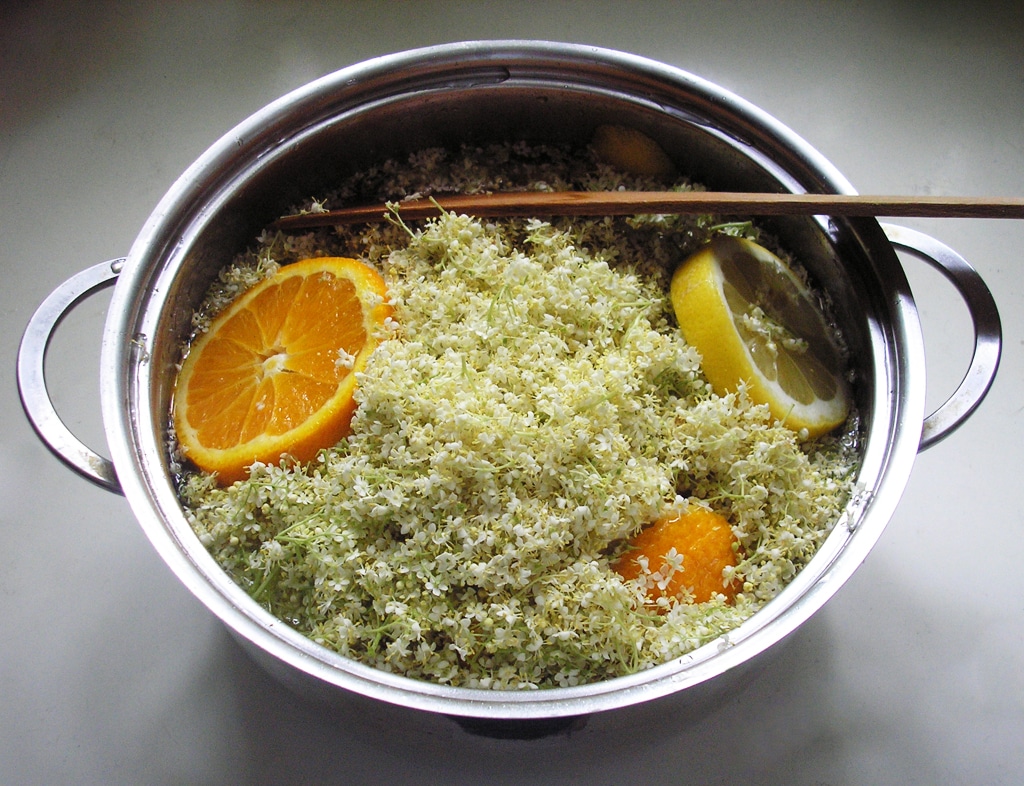
Herbal syrup sounds fancy, but it is simply sugar, water, and flavor. Lemon balm syrup captures more of the plant’s aroma than you might expect, and a small splash can transform an ordinary drink.
Easy Lemon Balm Syrup
- Combine 1 cup of sugar and 1 cup of water in a small saucepan.
- Warm the mixture while stirring until the sugar has completely dissolved.
- Remove the pan from the heat.
- Add 1 packed cup of clean lemon balm leaves.
- Cover the pan and let the leaves steep for 20 to 30 minutes.
- Strain the syrup into a clean container and let it cool.
Do not boil the leaves for an extended period. Gentle steeping preserves more of the fresh fragrance and reduces the cooked, grassy flavor that herbs can develop.

Add the finished syrup to sparkling water, lemonade, iced tea, mocktails, fruit salad, shaved ice, or plain yogurt. It can also sweeten homemade popsicles.
This is a refrigerator syrup, not a shelf-stable canned product. Store it in the refrigerator and use it within about one week. Freeze leftovers in an ice-cube tray if you will not use them quickly.
Discard the syrup if you notice mold, bubbling, an unusual odor, or other signs of spoilage. Do not taste questionable syrup to decide whether it is safe.
6. Freeze or Dry the Leaves Before the Flavor Fades
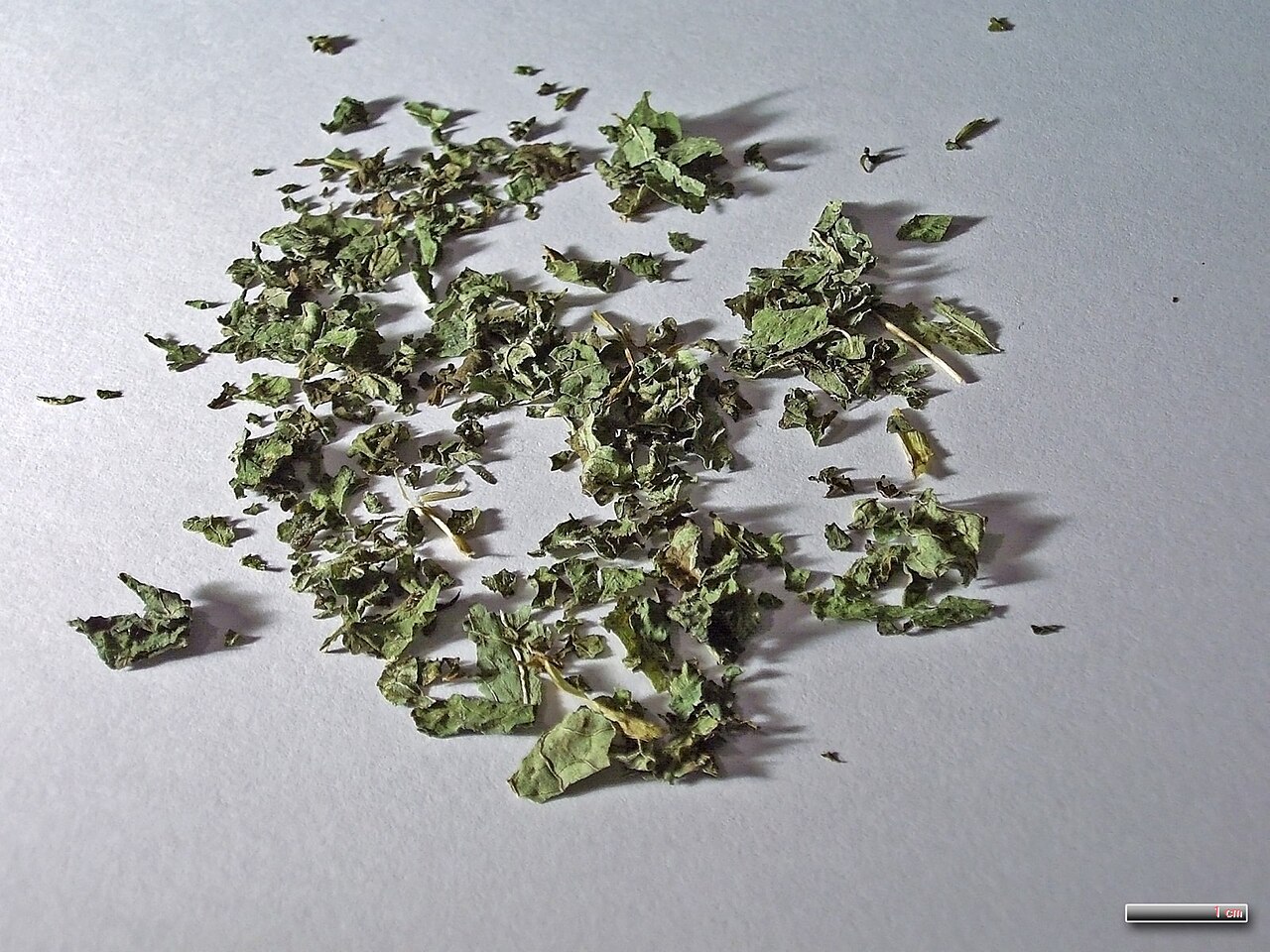
Lemon balm is at its best when freshly picked, but a large plant rarely waits for you to need it. Preserving the leaves keeps a sudden summer surplus from ending up in the compost pile.
Freezing usually holds onto more of the bright lemon fragrance than long-term drying. Wash the leaves, dry them thoroughly, and spread them on a tray in a single layer. Freeze the tray, then transfer the frozen leaves to a labeled freezer bag.
The thawed leaves will be soft, so they will not look attractive as a garnish. They are still useful in tea, sauces, soups, syrup, and cooked dishes.
Three Easy Ways to Freeze Lemon Balm
- Freeze whole leaves on a tray and bag them once solid.
- Chop the leaves and freeze them in water-filled ice-cube trays.
- Mix chopped leaves into softened butter and freeze in small portions.

To dry lemon balm, harvest healthy stems after the morning dew has evaporated. Tie a few stems into a small bundle and hang them in a warm, dry place away from direct sunlight. Large, tightly packed bundles can trap moisture and develop mold.
The leaves are ready when they feel crisp and crumble easily. Strip them from the stems and store them in an airtight container away from heat and light. Label the container with the herb and date, since dried leaves can become difficult to distinguish from one another.
Check stored herbs occasionally. Throw them away if they feel damp, smell musty, or show any sign of mold.
7. Feed Pollinators Without Letting Lemon Balm Take Over

Lemon balm’s flowers are small enough to be overlooked by people, but bees have no trouble finding them. A blooming clump can stay busy with pollinators while neighboring flowers seem nearly empty.
That creates a small gardening dilemma. Cutting every flower stalk helps control the plant, but allowing some flowers to open provides food for visiting insects.
A useful compromise is to let one controlled clump bloom while harvesting or trimming the rest. Once the flowers begin fading, cut off the stalks before mature seeds scatter around the garden.

A container makes control easier. Choose a pot with drainage holes that is at least 10 to 12 inches across. Lemon balm appreciates regular moisture, but the roots should not remain in soggy soil.
Unlike many true mints that race through beds on underground runners, lemon balm commonly becomes a nuisance by producing abundant seed. Removing fading flower stalks before the seeds mature can prevent a great deal of weeding later.
Harvesting frequently also encourages fresh, tender growth. Cut stems just above a pair of leaves rather than stripping every leaf from the plant. Leave enough healthy growth for the plant to recover.
Pick heavily, let one small patch flower, and remove the seed heads on time. That simple routine turns an overly enthusiastic herb into one of the most useful plants in the yard.
Image Attributions
Brew a Fresh Cup of Lemon Balm Tea
- “Lemon Balm Tisane” by Andrea_44, licensed under CC BY 2.0.
- “Meliska” by Dobromila, licensed under CC BY-SA 4.0.


Turn Plain Water or Lemonade Into a Garden Drink
- “Mint lemonade” by Bernard Gagnon, licensed under CC BY-SA 3.0.
- “Iced tea with mint and lemon” by Peachyeung316, licensed under CC BY-SA 4.0.


Give Everyday Food a Fresh Lemon Lift
- “A packed fruit salad garnished with mint leves” by Olgatladi2020, licensed under CC BY-SA 4.0.
- “Grilled salmon garnished with lemon and parsley” by Gatorfan252525, licensed under CC BY-SA 4.0.


Blend It Into Pesto, Herb Butter, and Sauces
- “BasilkumPesto” by Flusel, released into the public domain.
- “Kräuterbutter” by Kersti, licensed under CC BY-SA 3.0.


Make Lemon Balm Syrup for Drinks and Desserts
- “Making Elderflower Syrup” by Gerwin Sturm, licensed under CC BY-SA 2.0.
- “Sirup vom Sirupier de Berne” by Sandstein, licensed under CC BY-SA 3.0.
.jpg)

Freeze or Dry the Leaves Before the Flavor Fades
- “Melissae folium 005179” by Rillke, licensed under CC BY-SA 3.0 Germany.
- “Lemon Balm” by Andrea_44, licensed under CC BY 2.0.

.jpg)
Feed Pollinators Without Letting Lemon Balm Take Over
- “Bombus argillaceus female 1” by Gideon Pisanty, licensed under CC BY 3.0.
- “Lemon balm plant in a pot 13” by Netha Hussain, licensed under CC BY-SA 4.0.

