Virginia gardeners, rejoice! You do not have to spend your weekends babying delicate plants to enjoy a thriving landscape.
These 18 Virginia-friendly perennials thrive with minimal care, shrugging off heat, humidity, clay soil, and even a bit of neglect.
Whether you are in the mountains, the Piedmont, or down by the coast, there is something here for your yard.
Get ready to meet the toughest, most beautiful perennials that will keep your garden vibrant year after year.
1. Purple Coneflower (Echinacea purpurea)

- Tough perennial that handles Virginia heat once established.
- Iconic pink-purple blooms with a spiky orange cone.
- Pollinator magnet and seed heads feed birds.
Purple coneflower brings big color with very little effort.
Give it sun and decent drainage, and it will keep blooming through summer and into fall.
Even after flowering, the seed heads add texture and keep wildlife visiting.
2. Black-Eyed Susan (Rudbeckia hirta)
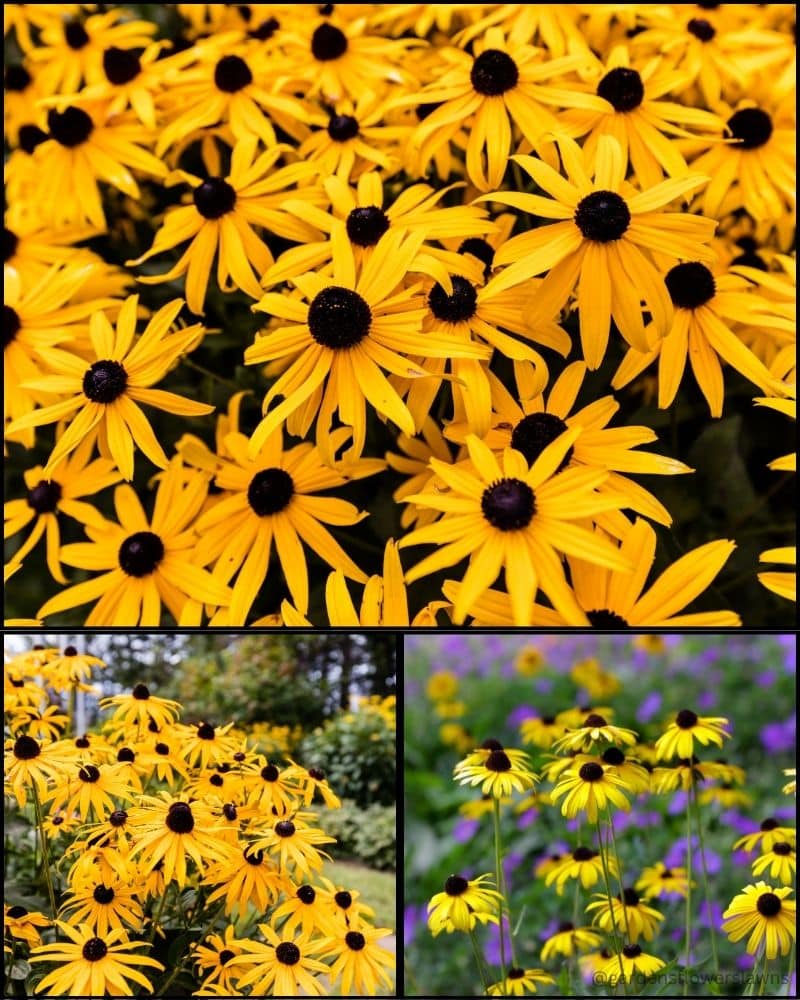
- Bright yellow flowers with dark centers.
- Thrives in full sun and average soil.
- Excellent easy-care wildflower look.
Black-eyed Susan is one of those plants that almost feels foolproof.
It blooms through the heat of summer, handles rough conditions well, and often reseeds enough to keep the show going.
If you want cheerful color without extra work, this one delivers.
3. Bee Balm (Monarda didyma)
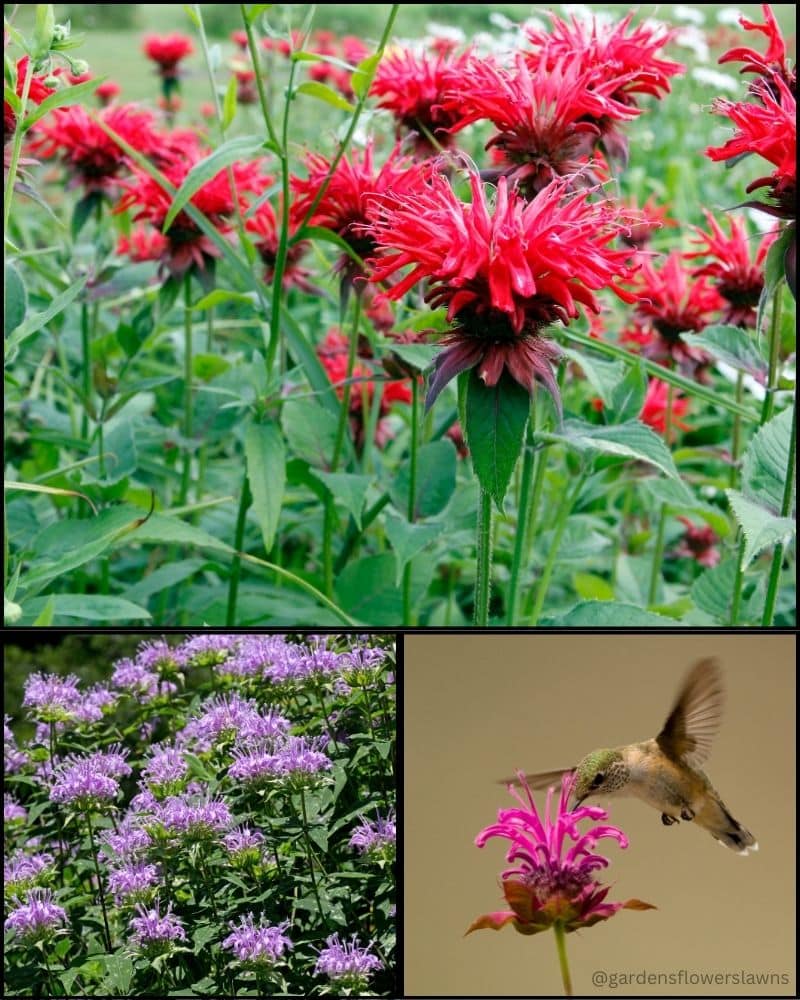
- Bold blooms that hummingbirds and bees love.
- Great for cottage gardens and pollinator beds.
- Best with sun and good airflow.
Bee balm gives a garden that lively, colorful look people always notice.
It shines in summer, attracts pollinators fast, and adds a little wild charm without being hard to grow.
Give it room to breathe, and it will reward you.
4. Coreopsis (Tickseed)
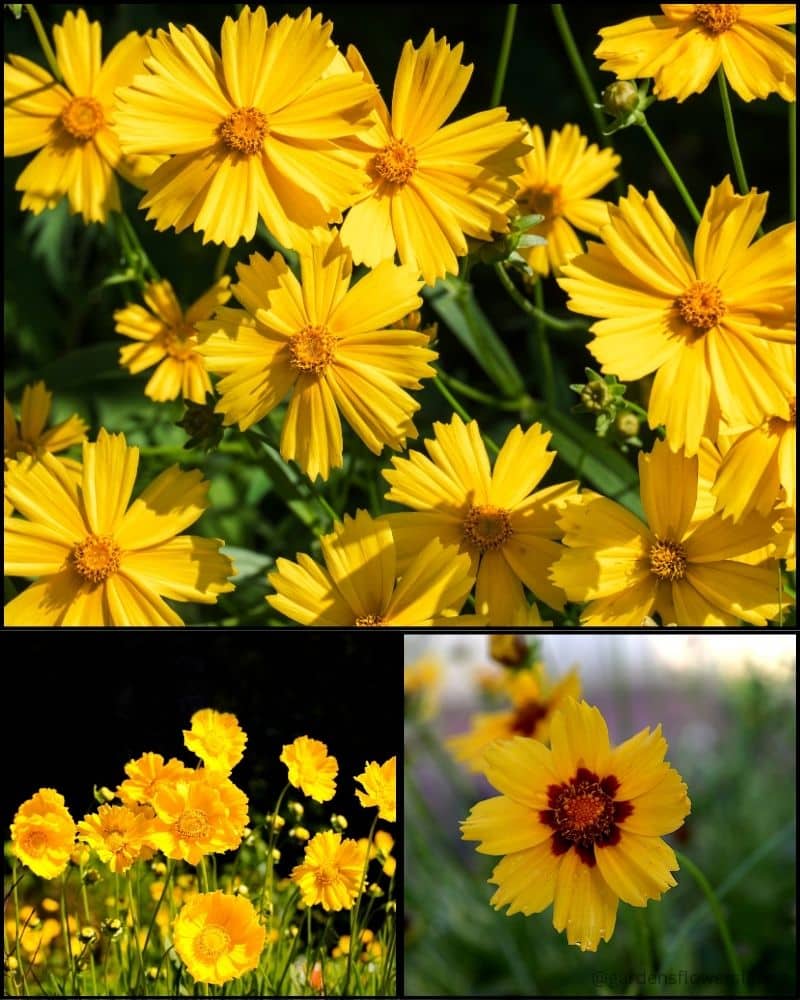
- Cheerful yellow flowers that thrive in full sun.
- Low-maintenance and long blooming.
- Great for borders and naturalized beds.
Coreopsis is the kind of plant that makes you feel like a better gardener than you are.
It blooms hard, handles summer heat, and fits right into Virginia yards without asking for much.
Plant it once and enjoy the bright color year after year.
5. Garden Phlox (Phlox paniculata)
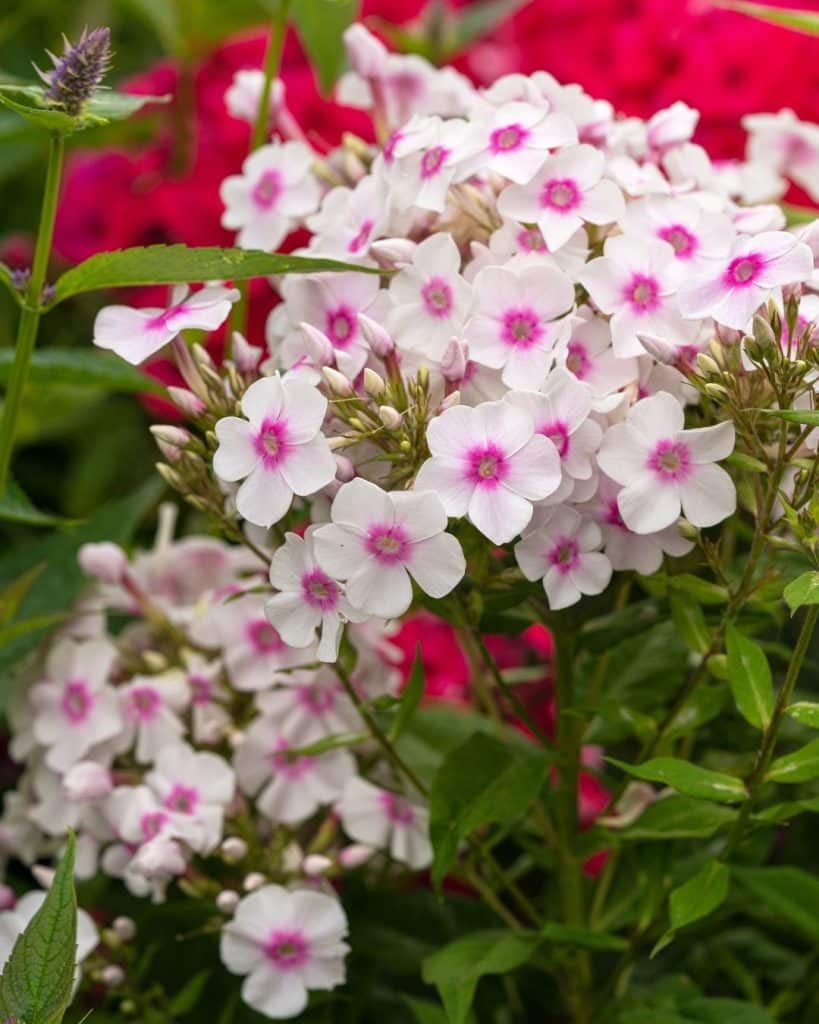
- Big clusters of summer flowers in pink, purple, and white.
- Excellent for borders and cottage-style beds.
- Attracts butterflies and hummingbirds.
Garden phlox gives a Virginia garden that full, colorful look people love.
It blooms in the heat of summer, mixes well with other perennials, and brings a classic old-garden feel.
It is a strong pick when you want a little height and a lot of bloom power.
6. Stokes’ Aster (Stokesia laevis)
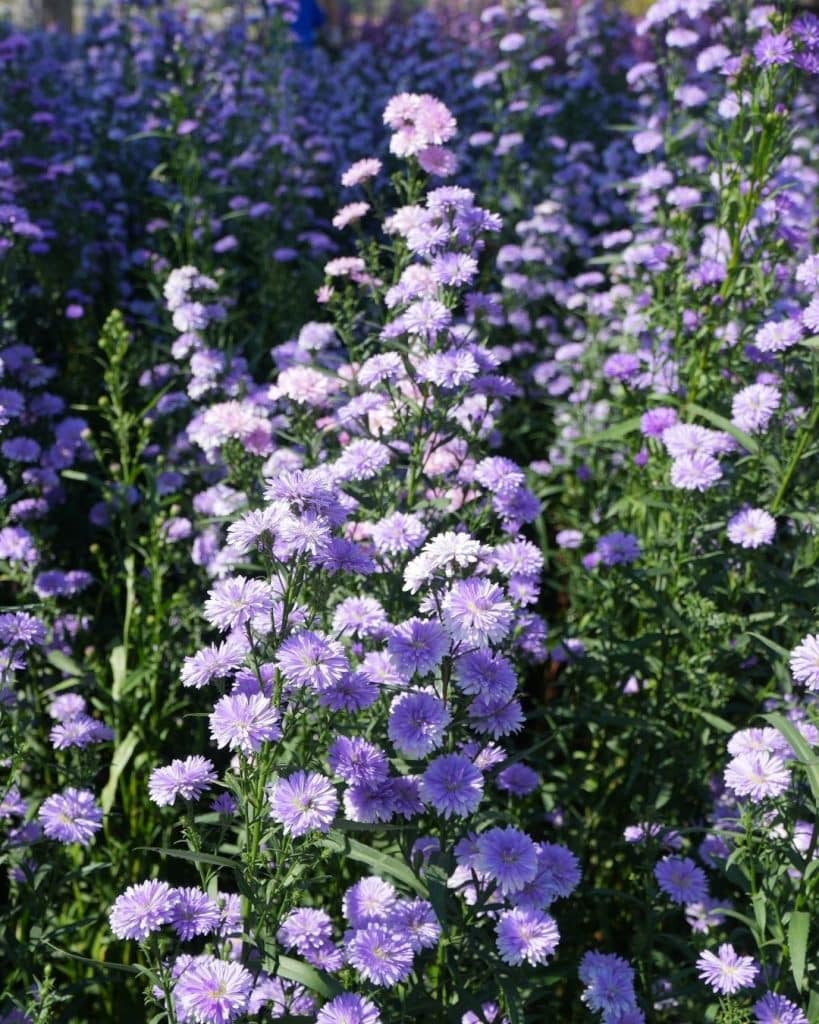
- Large lavender-blue flowers with a polished look.
- Handles heat and some drought once established.
- Great for sunny borders.
Stokes’ aster is one of those plants that looks neat and easy at the same time.
It blooms in early summer, holds its shape well, and brings cool-toned color to hot-weather beds.
If you want blue-purple flowers without extra fuss, this one is worth a spot.
7. Blazing Star (Liatris spicata)
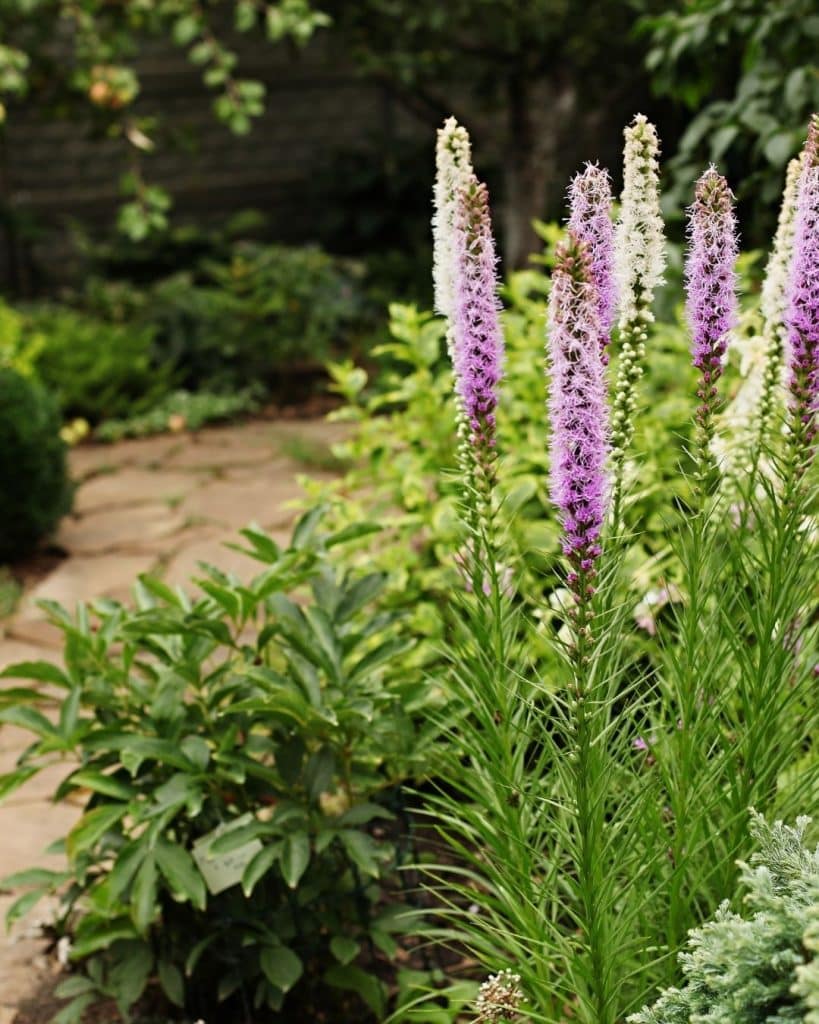
- Tall purple flower spikes with a bold vertical shape.
- Excellent pollinator plant.
- Great for meadows, borders, and native-style beds.
Blazing star brings shape and color to a planting without making it feel crowded.
It stands tall, blooms beautifully, and draws in butterflies and bees by the bunch.
Mix it with rounder flowers and it really shines.
8. Cardinal Flower (Lobelia cardinalis)
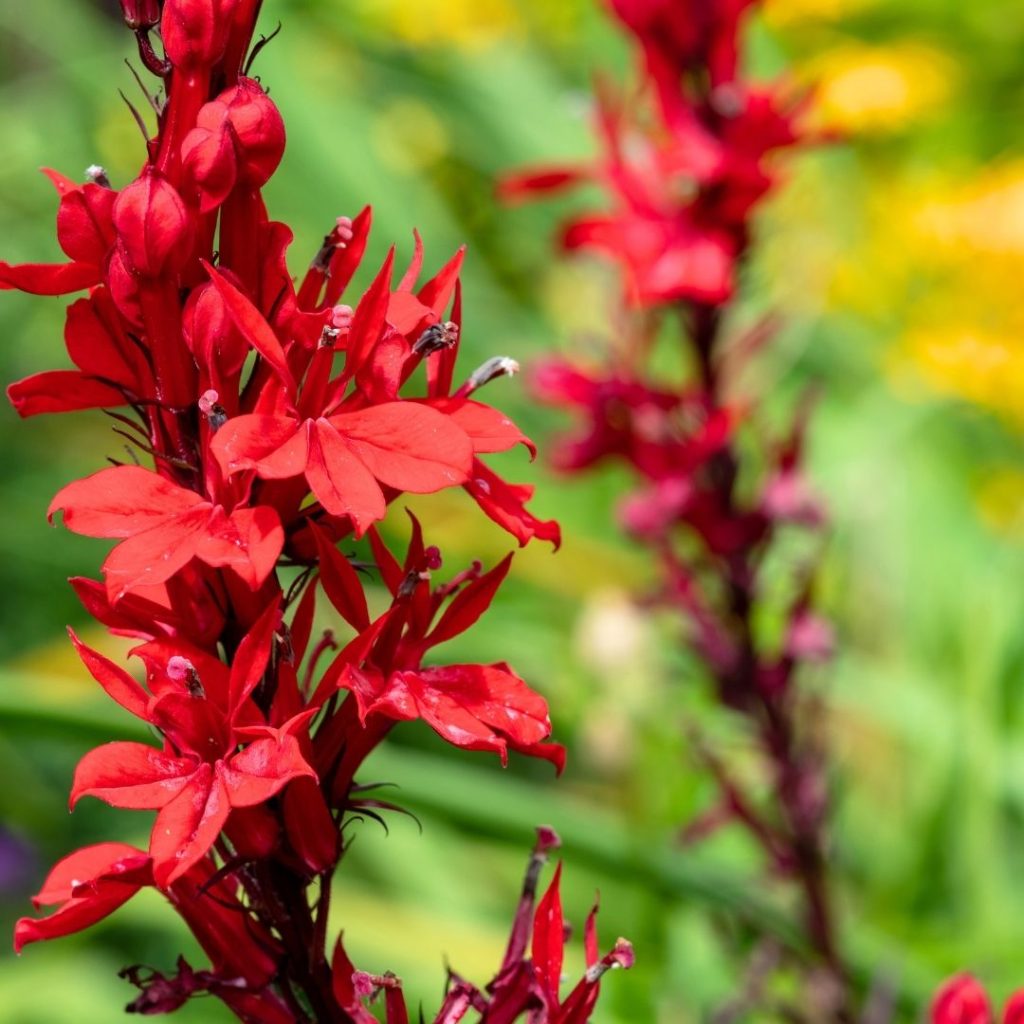
- Striking red blooms for moist spots.
- Excellent near ponds, streams, and rain gardens.
- Hummingbirds notice it fast.
If you have a damp area in the yard, cardinal flower can make it feel like a feature instead of a problem.
Its tall red blooms light up late summer and bring hummingbirds in close.
It is one of the best choices for adding bright color to wetter ground.
9. Coral Honeysuckle (Lonicera sempervirens)
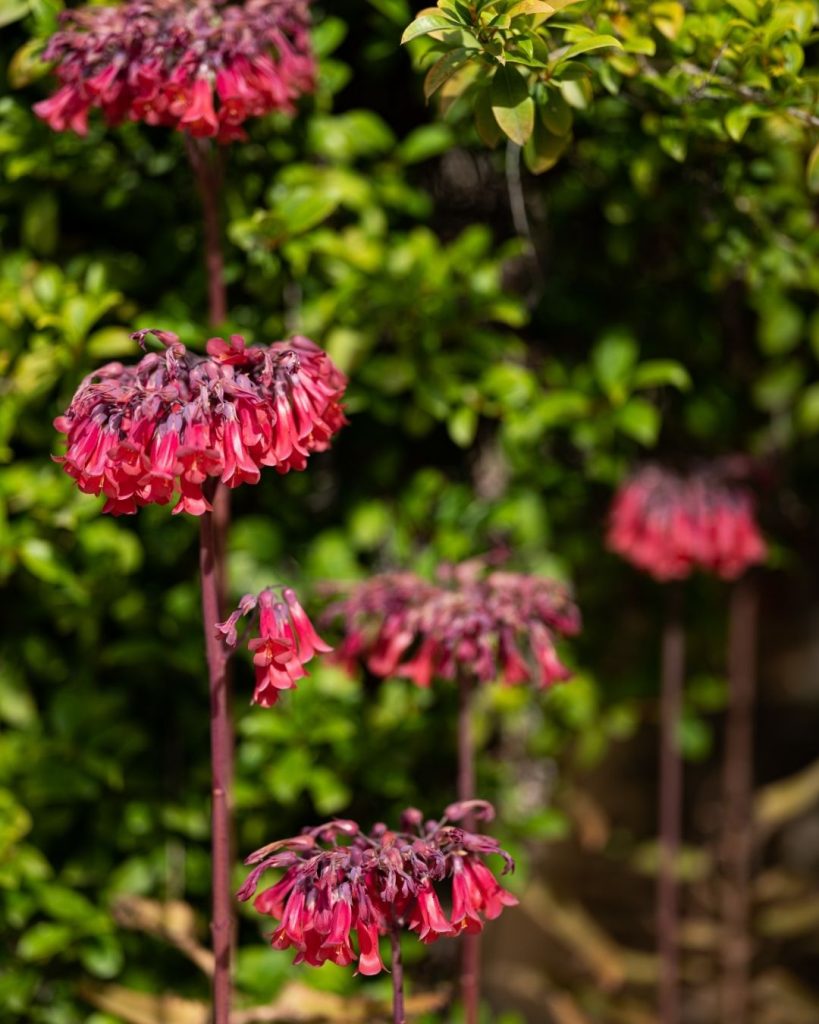
- Native vine with coral-red trumpet flowers.
- Great for fences, trellises, and arbors.
- Hummingbirds absolutely love it.
Coral honeysuckle gives you the beauty of a flowering vine without the headache of aggressive invasive types.
It climbs, blooms well, and fits naturally into Virginia landscapes.
Train it early, then enjoy the show.
10. Great Blue Lobelia (Lobelia siphilitica)
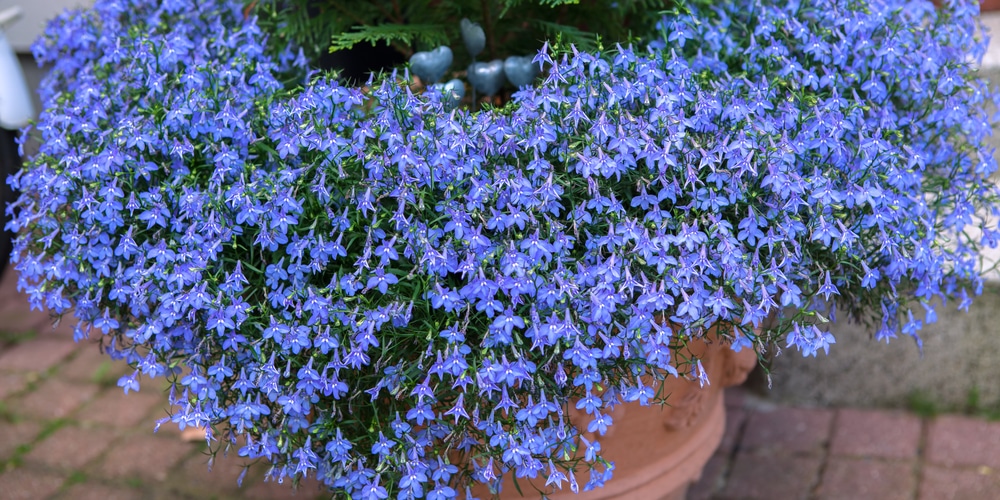
- Blue-flowering native for moist beds and borders.
- Great late-season pollinator plant.
- Excellent in rain gardens or near water.
Great blue lobelia gives you cooler color and the same easy natural charm as cardinal flower.
It adds rich blue blooms later in the season and fits perfectly into native-style or moisture-loving plantings.
It is a great way to mix something a little different into the bed.
11. Blue Star (Amsonia tabernaemontana)
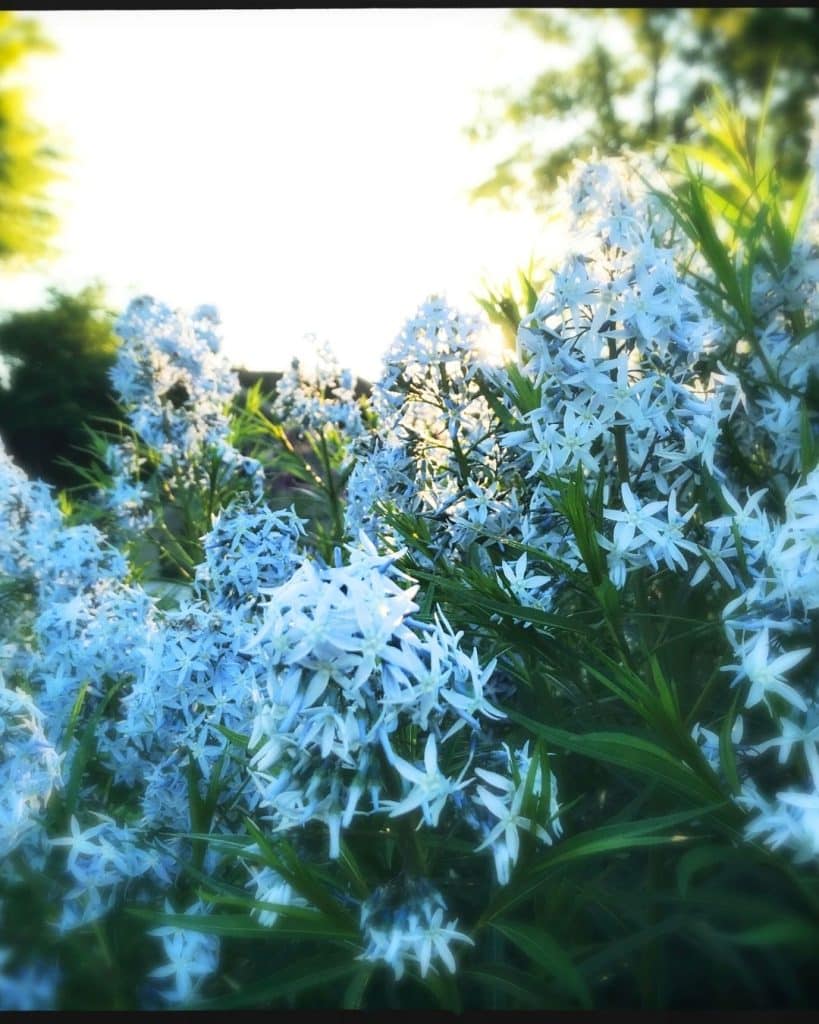
- Soft blue spring flowers and tidy foliage.
- Great for borders and naturalized beds.
- Adds nice fall color too.
Blue star is one of those quiet plants that makes everything around it look better.
It flowers in spring, stays neat through summer, and gives you another little burst of interest when fall rolls around.
For a calm, dependable perennial, it is hard to top.
12. Joe-Pye Weed (Eutrochium dubium)
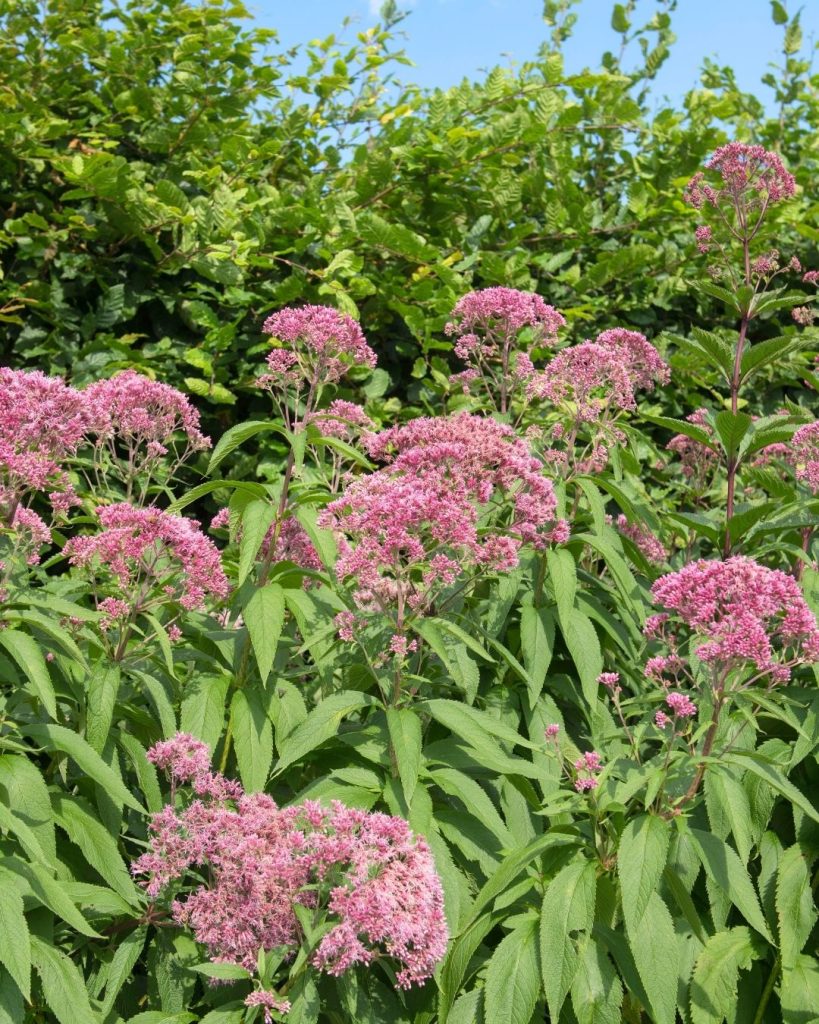
- Tall perennial with dusty pink flower clusters.
- Excellent for pollinator and rain gardens.
- Best in moist soil and sunny spots.
Joe-Pye weed is one of the best plants you can grow if you want butterflies everywhere.
It has a big presence, but it is easygoing in the right spot and brings late-season life to the yard.
When it blooms, the whole garden feels busier and more alive.
13. Yarrow (Achillea millefolium)
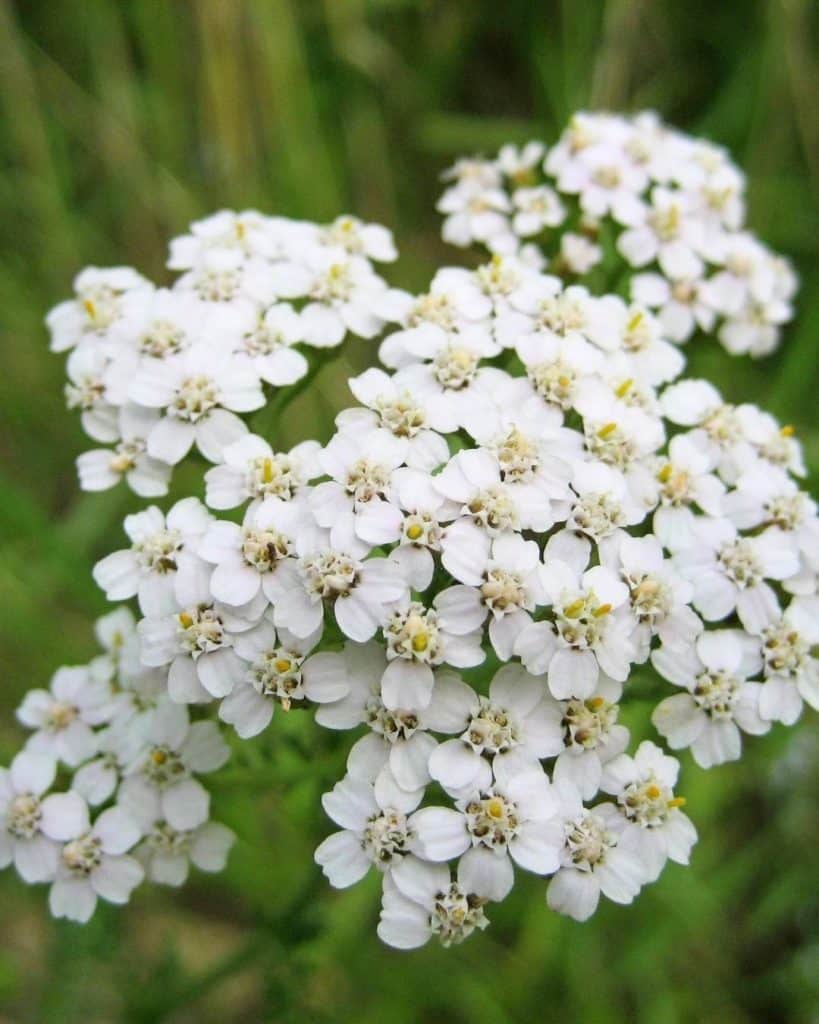
- Flat flower clusters that handle heat well.
- Strong choice for sunny borders.
- Easy-care and pollinator friendly.
Yarrow is a good choice when you want something sturdy and low-fuss.
It likes sun, tolerates tough summer weather, and keeps a nice upright look in the garden.
If you have a hot spot that needs reliable color, this one can take it.
14. Lyreleaf Sage (Salvia lyrata)
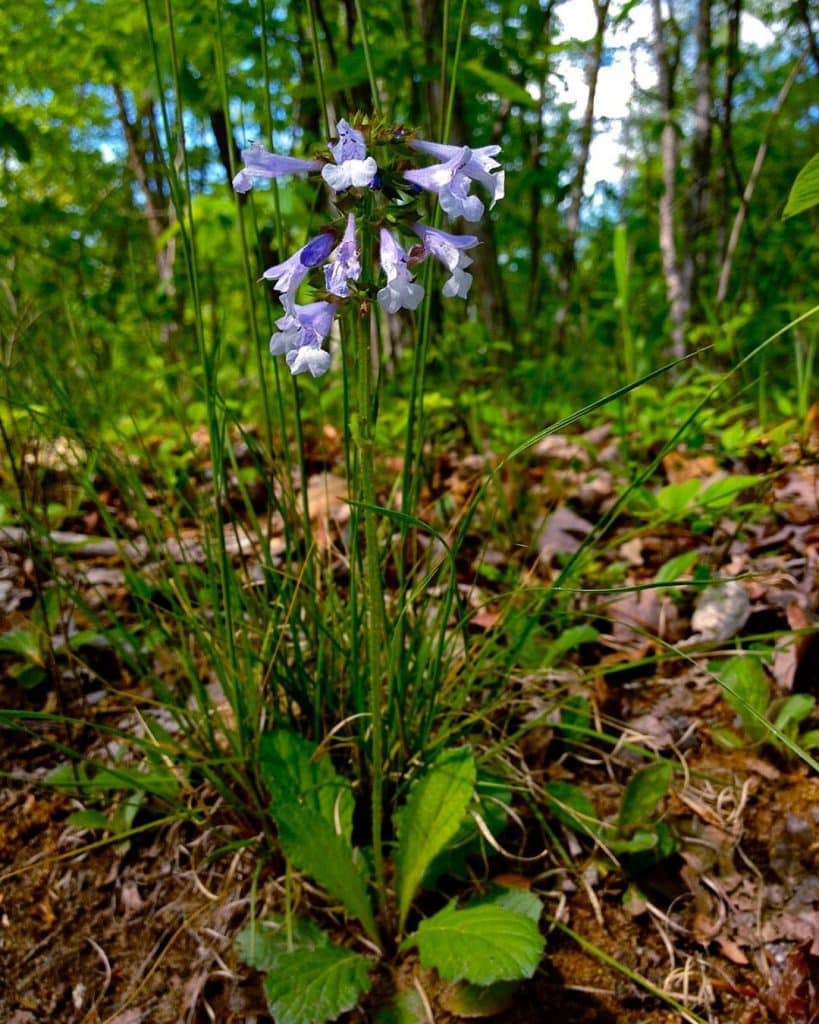
- Native perennial for sun to partial shade.
- Tolerates heat, humidity, and some drought.
- Good low-maintenance option for naturalized spots.
Lyreleaf sage is one of those quiet workhorse plants that earns its keep.
It is adaptable, easygoing, and fits well into lower-maintenance Virginia gardens.
Once it settles in, it handles tough summer weather without much complaint.
15. Russian Sage (Salvia yangii)
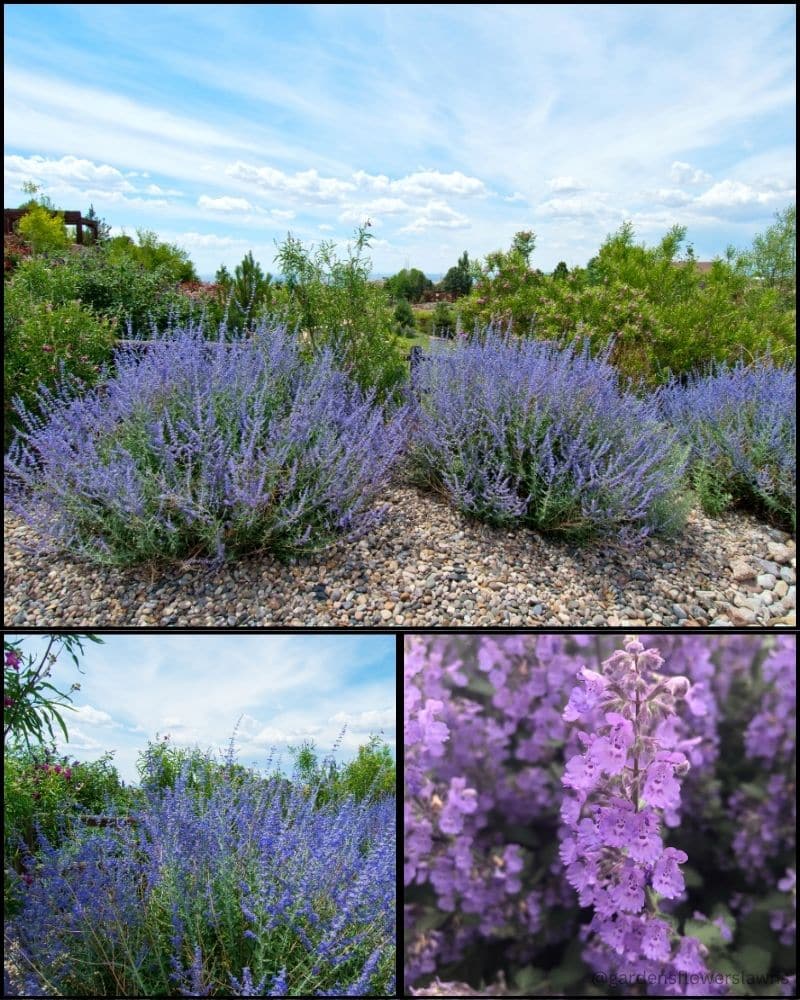
- Airy blue-purple spikes through summer and fall.
- Very heat and drought tolerant.
- Low maintenance and deer resistant.
Russian sage brings that soft cloud of color gardeners love late in the season.
It is especially useful in hot, sunny spots where you need something that will not melt in the heat.
Once it is established, it asks for very little.
16. Virginia Bluebells (Mertensia virginica)
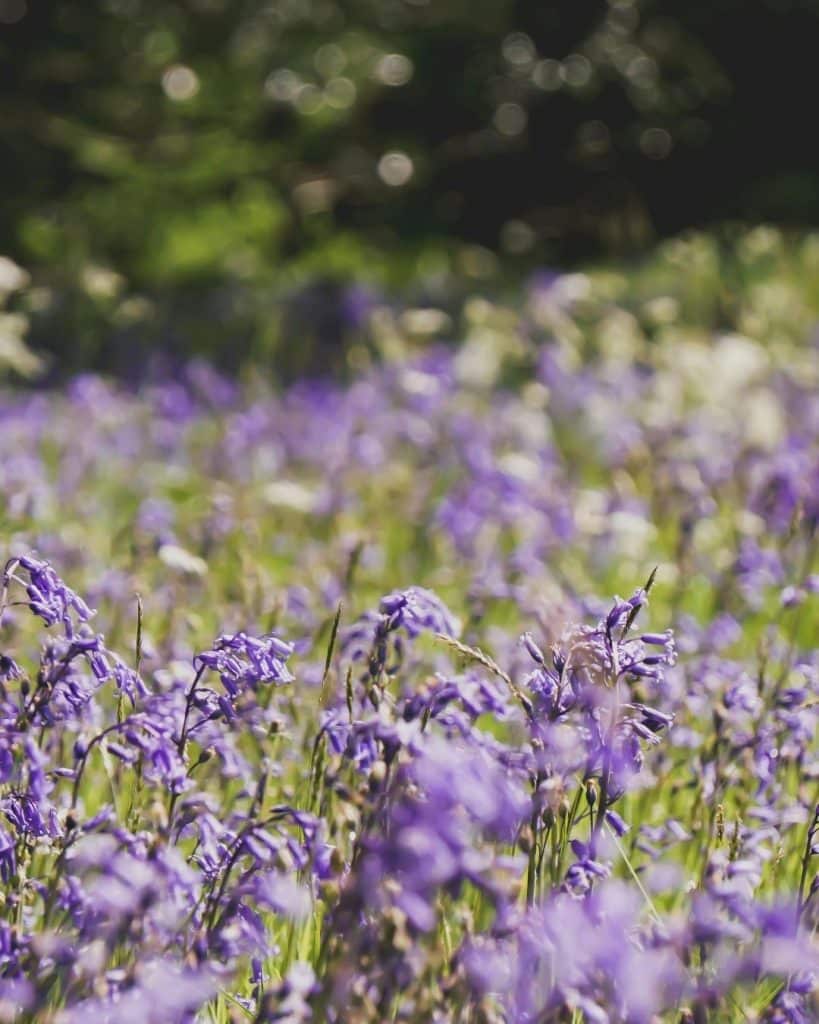
- Spring-blooming native with soft blue flowers.
- Perfect for woodland gardens and part shade.
- A true Virginia favorite for early-season color.
Virginia bluebells bring a soft, old-fashioned beauty to shady gardens.
They bloom early, light up woodland beds, and then quietly fade back as the season moves on.
If you want a plant that feels tailor-made for Virginia, this one earns a spot.
17. Foamflower (Tiarella cordifolia)
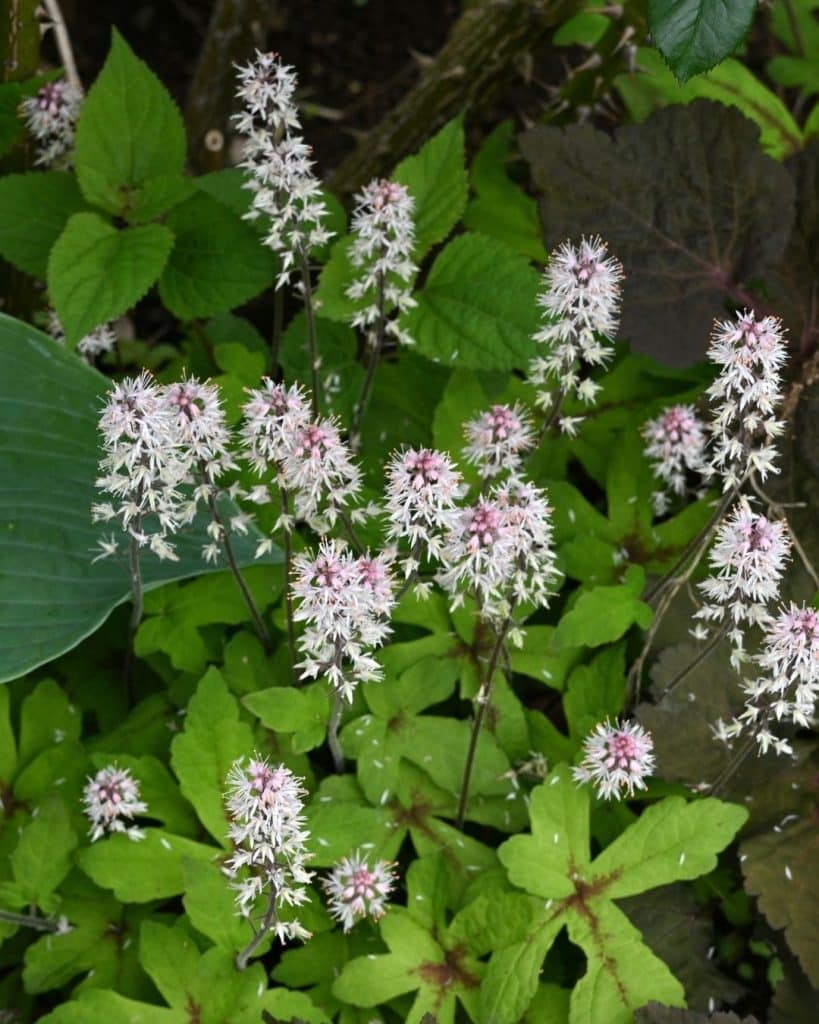
- Excellent groundcover for shade and woodland edges.
- Airy white blooms in spring.
- Low maintenance and great for naturalized areas.
Foamflower is the kind of plant that quietly solves a problem spot.
It handles shade, spreads gently, and adds a clean, woodland look without needing much attention.
For a lower, easier plant in a part-shade bed, it is a smart choice.
18. Muhly Grass (Muhlenbergia capillaris)
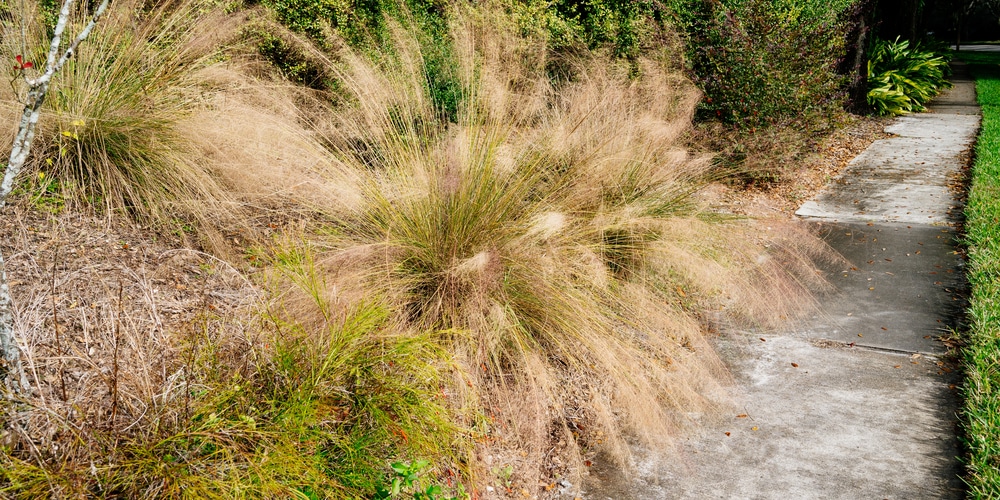
- Native grass with soft pink cloud-like blooms in fall.
- Handles heat, drought, and poor soil very well.
- Excellent for adding texture and movement.
Muhly grass is one of the easiest ways to make a Virginia landscape look special.
It is tough through summer, low maintenance once established, and then puts on a big pink show in fall.
Plant it in groups and it really earns its space.
Thank you so much for reading. We hope all of your gardening endeavors are home runs!