Deer can make a fool out of a Texas gardener in a hurry. Rabbits are not much better. One night of chewing and a bed that looked full and colorful can look like it got mowed with hedge clippers.
The good news is that Texas gardeners are not helpless. Deer and rabbits usually pass over plants with aromatic foliage, prickly leaves, leathery texture, fuzzy surfaces, or strong sap.
That is why the smartest approach is not just “plant deer resistant stuff.” It is to fill the yard with plants that smell strong, feel unpleasant, or simply are not worth the trouble, while also picking plants that can handle Texas heat and long dry spells.
These 15 picks give a Texas yard color, structure, and texture while making life a lot less convenient for hungry visitors. 👇
1. Autumn Sage (Salvia greggii)

- Long bloom season that keeps color in the yard from spring well into fall.
- Mint-family fragrance makes it much less tempting to browsers.
- Built for hot Texas spots where many softer plants fizzle out.
Autumn sage earns its keep because it flowers hard without looking needy. The plant stays fairly tidy, comes in reds, pinks, corals, and whites, and fits almost anywhere from a front border to a mailbox bed.
It is also one of those plants deer tend to leave alone for the same reason people brush past it and notice the scent right away. In Texas, that fragrant foliage is a real advantage.
Care tip: Plant it in full sun to light shade with sharp drainage, then shear it lightly after a big bloom flush to keep it full and flowering.
2. Cenizo (Leucophyllum frutescens)

- Silvery foliage stands out even when it is not in bloom.
- One of the best Texas shrubs for browse pressure thanks to its texture and scent.
- Handles heat and reflected sun like it was built for a parking lot.
Cenizo is one of the most useful shrubs in the state. It looks good in rock mulch, against stone, along a drive, or planted in a loose hedge. The gray foliage alone earns it a place in a hot Texas yard.
Then the purple flowers show up, often after humidity or rain, and suddenly the whole shrub wakes up. It has that unmistakable Texas look that feels right at home in dry, sunny landscapes.
Care tip: Give it full sun and do not baby it with rich soil or constant water. Cenizo usually looks best when it is left a little lean.
3. Texas Lantana (Lantana urticoides)

- Hot-weather flower power keeps going when many perennials are spent.
- Less appealing to deer than softer flowering plants in the same sunny bed.
- Butterfly-friendly color makes the yard feel lively all summer.
Texas lantana is one of those plants that can save a sunny bed from looking tired in July. It blooms through heat that would flatten softer perennials, and the orange-yellow flowers have a true Texas feel.
It is especially handy in places where the sun beats down all day and browsing is just part of life. Deer may sample almost anything once in a while, but lantana usually fares better than tender bedding plants.
Care tip: Put it in full sun and well-drained soil, then resist the urge to overwater. Too much pampering usually gives you more leaves than flowers.
4. Mealy Blue Sage (Salvia farinacea)

- Spikes of blue color brighten beds during the hottest stretch of the year.
- Aromatic foliage gives it an edge against nibbling.
- Looks right at home in Texas instead of looking imported and fussy.
Mealy blue sage has that classic Texas look. It is airy but not weak, colorful but not gaudy, and it mixes well with grasses, lantana, and other sun lovers.
This is a good choice for gardeners who want something that reads as “wildflower-ish” without turning into a mess. The aromatic foliage helps it hold its own when more tender annuals get clipped down.
Care tip: Cut off spent flower stalks when fresh growth starts from the base, and it will usually stay much lusher through the season.
5. Rosemary (Salvia rosmarinus)

- Strong scent is a big part of why deer and rabbits often leave it alone.
- Evergreen structure keeps beds from looking empty in winter.
- Useful in the kitchen so it earns space twice.
Rosemary is one of the handiest plants for Texas gardens that battle browsing. It smells strong, shrugs off heat once established, and gives a bed some backbone instead of just flower color.
It also fits a lot of different garden styles. Rosemary can look right at home in a cottage border, a gravel bed, or a more formal front walk planting, which makes it one of the most versatile plants on this list.
Care tip: Plant it high in the bed or in a raised area with excellent drainage. Wet feet are more dangerous to rosemary than summer heat.
6. Mexican Oregano (Poliomintha longiflora)

- Sharp herbal fragrance makes it a smart choice where browsing is common.
- Small flowers and fine texture soften heavier shrubs and hardscape.
- Dry-soil manners suit a lot of Texas yards.
Mexican oregano does not scream for attention, and that is part of its charm. It brings a lighter texture to a bed and pairs well with cenizo, salvias, and ornamental grasses.
This is one of those plants seasoned Texas gardeners appreciate more over time. It smells strong, keeps a neat shape with a little trimming, and usually stays off the menu for hungry visitors.
Care tip: Keep it in full sun and trim lightly after flowering to keep the plant compact instead of woody and loose.
7. Gold Star Esperanza (Tecoma stans ‘Gold Star’)

- Big yellow trumpet flowers bring real summer color.
- Heat and drought tolerance make it especially useful in Texas.
- Fast growth helps fill a bare spot in a hurry.
If the yard needs something cheerful, this is it. Gold Star esperanza blooms with the kind of yellow that can wake up a tired bed, and it keeps at it through summer when many plants are just hanging on.
It is not the first plant most people think of for deer resistance, but its real value is how well it keeps growing and blooming in hard Texas conditions. That alone makes it worth serious consideration.
Care tip: Give it full sun and cut it back after winter damage in spring. It often rockets back from the base once warm weather settles in.
8. Damianita (Chrysactinia mexicana)

- Aromatic evergreen foliage works in its favor with browsers.
- Low mounded habit fits tight spaces and hot borders.
- Yellow flowers give a clean, bright look without taking over.
Damianita is one of those small Texas plants that punches above its weight. It stays low, neat, and bright, which makes it useful near paths, in gravel gardens, and at the front of sun-baked beds.
It also has that resinous, herbal smell that helps make it far less tempting to deer and rabbits. For such a compact plant, it brings a lot of usefulness to a dry Texas landscape.
Care tip: Do not crowd it. Damianita needs sun and airflow, and it looks best when neighboring plants are not flopping over it.
9. Blackfoot Daisy (Melampodium leucanthum)

- Daisy flowers for months without looking coarse or overgrown.
- Strong resistance in hot, open sites where browsing pressure can be frustrating.
- Compact shape works in borders, gravel beds, and along walks.
Blackfoot daisy has a clean, cheerful look that a lot of deer-resistant plants lack. The white blooms and yellow centers read crisp in the landscape, especially against rock, decomposed granite, or dark mulch.
It is also a true Texas workhorse for hot, lean ground. That makes it especially handy for gardeners who are tired of pampering plants that still end up chewed down.
Care tip: Skip rich soil. Blackfoot daisy usually performs better in lean, sharply drained ground than in pampered beds with constant irrigation.
10. Four-Nerve Daisy (Tetraneuris scaposa)

- Long-lasting yellow color keeps a bed from going flat.
- Less tempting than many softer flowering plants in a sunny border.
- Compact, tidy habit makes it easy to place.
Four-nerve daisy is the kind of plant that quietly solves problems. It stays on the smaller side, handles sun, and gives a bright yellow bloom without turning wild and floppy.
That makes it especially useful for gardeners who want color without constant fuss. It looks neat, stays manageable, and does not melt down just because the bed gets hot and dry.
Care tip: Shear off worn flowers every so often instead of letting the plant carry old blooms forever. It will usually look fresher and bloom better.
11. Agarita (Mahonia trifoliolata)

- Prickly leaves make it one of the smarter choices in deer country.
- Evergreen habit gives year-round structure.
- Native toughness suits dry Texas hillsides and rough soils.
Agarita is not cuddly, and that is exactly why it belongs here. Those holly-like leaves tell deer and rabbits that there are easier meals elsewhere.
It also brings real character to a landscape. The blue-green foliage, yellow flowers, and red berries give it more personality than a lot of shrubs that are planted only because they survive.
Care tip: Give it room from walkways and driveways. Agarita works best where people can admire it without brushing against it every day.
12. Texas Mountain Laurel (Sophora secundiflora)

- Leathery leaves and hard-to-ignore chemistry help keep it off the menu.
- Evergreen presence gives the yard a permanent anchor.
- Spring fragrance is one of the best smells in a Texas garden.
Texas mountain laurel is slower than some of the other plants on this list, but it has staying power. Once established, it gives a landscape weight and permanence that quick perennials simply cannot.
It also brings one of the most memorable bloom displays in Texas. This is the kind of plant that makes a yard feel settled and rooted, not just filled in.
Care tip: Plant it where it can stay for the long haul. This is not a shrub that likes being shuffled around after it settles in.
13. Lindheimer’s Muhly (Muhlenbergia lindheimeri)

- Strong vertical texture gives a bed movement and structure.
- A better ornamental grass for deer country than many softer options.
- Texas-sized durability helps it hold up through heat and drought.
Every deer-resistant list needs a grass, and this is one of the best. Lindheimer’s muhly brings height, motion, and that soft silver look that plays well with salvias, cenizo, and yellow bloomers.
It gives the yard something different from flower color alone. That texture is what keeps a planting from feeling flat or repetitive, especially in a long Texas summer.
Care tip: Cut it back in late winter before fresh growth gets going, and leave enough space so the clump can show off its fountain shape.
14. Santolina (Santolina chamaecyparissus)

- Strong-smelling foliage is a classic defense against nibbling.
- Silvery texture pairs beautifully with Texas stone and gravel.
- Compact habit makes it useful at the front of beds.
Santolina looks like the kind of plant that belongs in a hot, bright place. The gray foliage reads clean and dry, and it helps connect flowering plants that otherwise might feel scattered.
It is not a Texas native, but it is a smart adapted choice. In a browsing-prone yard, strong fragrance and tidy form make a very useful combination.
Care tip: Keep it in full sun and trim it lightly after bloom so it stays dense instead of opening up in the middle.
15. Copper Canyon Daisy (Tagetes lemmonii)

- Pungent foliage makes browsing far less likely.
- Late-season yellow flowers bring color when many beds look worn out.
- Loose, shrubby growth fills space quickly.
Copper Canyon daisy has a smell that tells the whole story. Deer and rabbits generally do not find it inviting, and gardeners who have battled both tend to appreciate that trait very quickly.
It also flowers at a useful time, often giving a yard a fresh burst of color later in the season. That makes it especially handy for keeping a planting lively after summer has taken its toll.
Care tip: Plant it where the foliage scent will not bother you near a main entry or seating area. The smell is part of what makes it useful, but not everybody wants it up close.
Thanks for reading, and happy planting out there in deer country.
Quick Tips to Deter Deer and Rabbits from Your Yard

Deer and rabbits can turn a promising yard into a buffet overnight. Even plants that are usually left alone can get sampled when food is scarce, especially in dry weather or in neighborhoods where wildlife has gotten comfortable around people.
The good news is that you usually do not need to win with one trick. A few smart changes can make your yard feel like more trouble than it is worth.
Start with the plants they like least
One of the easiest ways to cut down on damage is to fill more of the yard with plants that smell strong, feel rough, or have prickly or leathery leaves. Deer and rabbits usually go after the softest, most tender growth first.
That does not mean every plant has to be harsh or thorny. It just means the overall mix should lean toward plants that are not especially inviting. If a bed is packed with soft annuals, fresh vegetable growth, and juicy new shoots, it is going to get attention faster than a bed filled with salvias, rosemary, lantana, grasses, and other plants with stronger defenses.
Protect new plants first
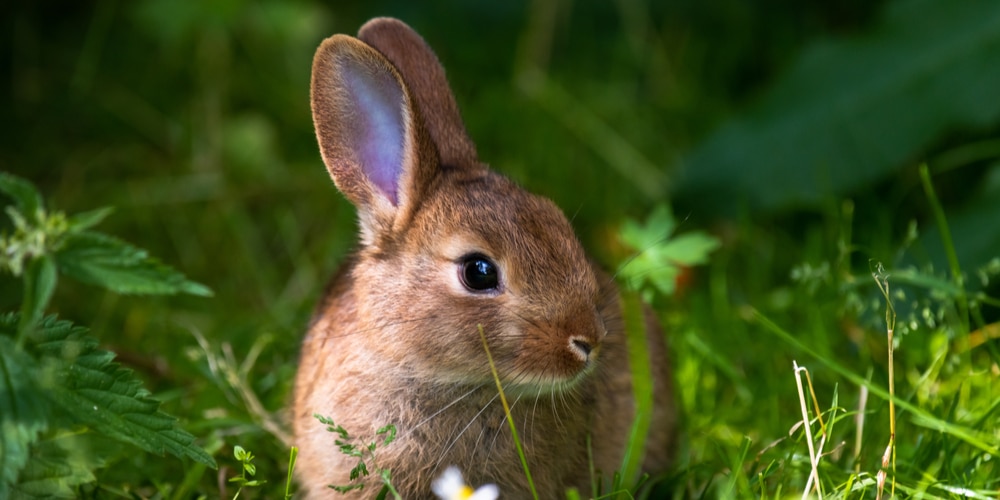
Fresh growth is often what draws the most trouble. Even plants that become fairly resistant later can get chewed when they are young and tender.
That is why new transplants deserve extra protection during the first few weeks. A simple cage, bit of netting, or temporary barrier can make a big difference while the plant gets established. Once roots settle in and growth firms up, many plants become less tempting.
This is especially important in vegetable gardens, newly planted flower beds, and around young shrubs.
Use barriers where they matter most
Physical barriers work better than most gardeners want to admit. They may not be exciting, but they are often the fastest way to stop repeated damage.
For rabbits, low fencing can do a lot of good if it is snug to the ground. For deer, taller fencing is more reliable, especially around beds that keep getting hit. Even small protective rings around favorite plants can help. It is a lot easier to defend a few prized plants than to fight a whole herd with wishful thinking.
If there is one bed they keep going after, protect that bed first.
Do not make the yard too comfortable
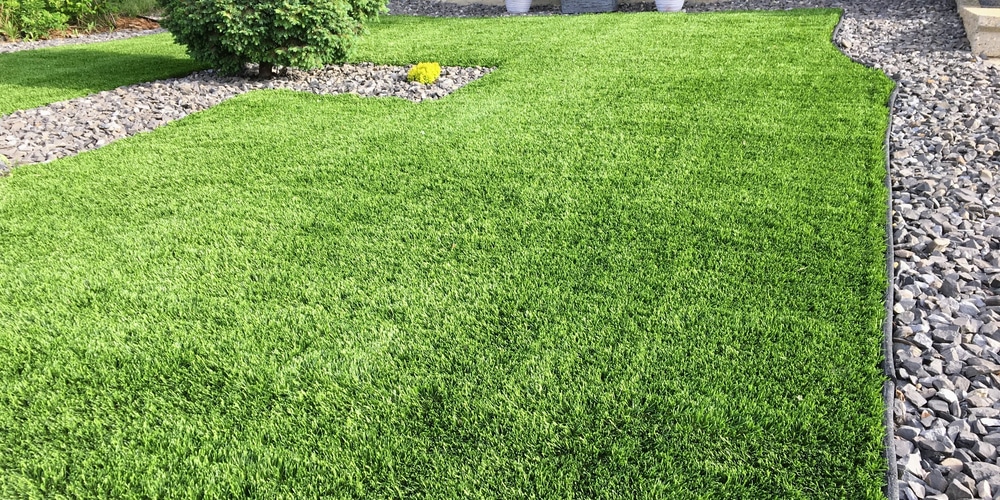
Wildlife likes cover. Rabbits especially love places where they can duck in and out without being seen. Brush piles, tall weeds, untrimmed edges, and overgrown corners can make a yard feel safe.
Cleaning up those hiding spots can make a real difference. Keep grass cut, trim back heavy growth near beds, and do not let low branches or thick groundcover create an easy shelter zone. A tidy yard is not rabbit-proof, but it is often less inviting.
Rotate repellents and stay consistent
Repellents can help, but they work best when used early and reapplied often. Once deer or rabbits decide a plant is worth eating, it gets harder to convince them otherwise.
It also helps to switch products from time to time. Animals get used to the same smell or taste. Sprays are usually most useful on valuable plants, young growth, and trouble spots near the edge of the yard. After rain, irrigation, or a flush of new growth, they usually need another round.
Think like a hungry animal
The best defense is to look at the yard the way deer and rabbits do. They are looking for tender food, safe cover, and easy access. If the yard offers all three, they will keep coming back.
Take away one or two of those advantages, and the whole place becomes less appealing. That is usually how real progress happens. Not with one miracle cure, but with a yard that slowly becomes a harder place to snack.
Thanks for Reading
Deer and rabbits may be stubborn, but a smarter plant mix and a few practical defenses can make a big difference. With the right choices, a Texas yard can still look full, colorful, and worth showing off. Thanks for reading, and happy planting out there.