Nebraska gardens can be awfully rewarding, but they can also humble a plant in a hurry. Between the wind, the heat, the winter cold, and the dry stretches that seem to arrive right when something is trying to settle in, a perennial has to be more than pretty if it is going to last.
These 18 Nebraska-friendly perennials are tough enough for the job, bringing color, texture, and real staying power without turning your flower beds into a part-time job.
Whether you are gardening in Omaha, Lincoln, out on the plains, or in a small-town backyard with plenty of sun and wind, these are the kinds of plants that can earn their keep.
1. Purple Coneflowers (Echinacea purpurea)

- Classic purple blooms with bold cone centers that carry a bed through summer.
- Tough enough for Nebraska heat and dry spells once established.
- Keeps looking good after bloom thanks to sturdy seed heads and upright habit.
Purple coneflowers still earn their place because they simply work. They bloom through summer, come back reliably, and keep the garden looking alive even after the petals are gone.
Care tip: Leave some seed heads standing into fall for extra texture, then cut them back in late winter or early spring.
2. Black-Eyed Susans (Rudbeckia hirta)
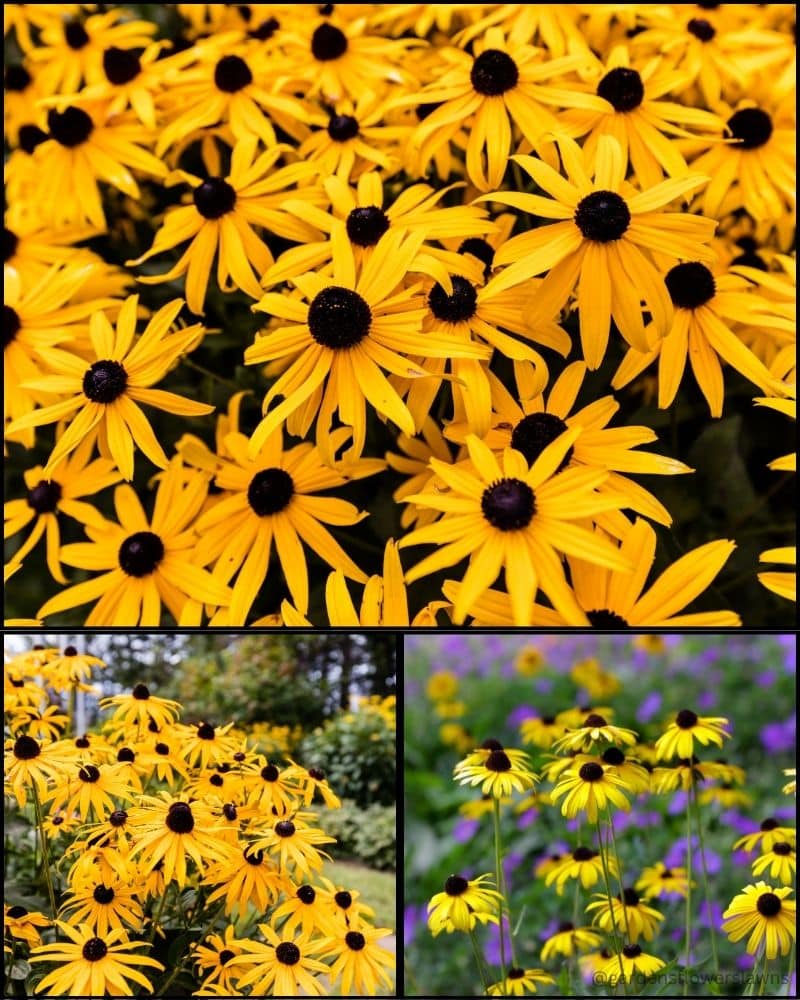
- Cheerful yellow flowers with dark centers that brighten the yard for weeks.
- Excellent in sunny borders and looser prairie-style beds.
- Easy to grow and easy to like.
Black-eyed Susans are one of those plants that almost feel foolproof. They handle rough conditions well, bloom through the heat, and bring the kind of happy color that older gardeners have loved for years.
Care tip: Shear off tired blooms after the first flush if you want a cleaner look and a little more color later.
3. Coreopsis (Tickseed)
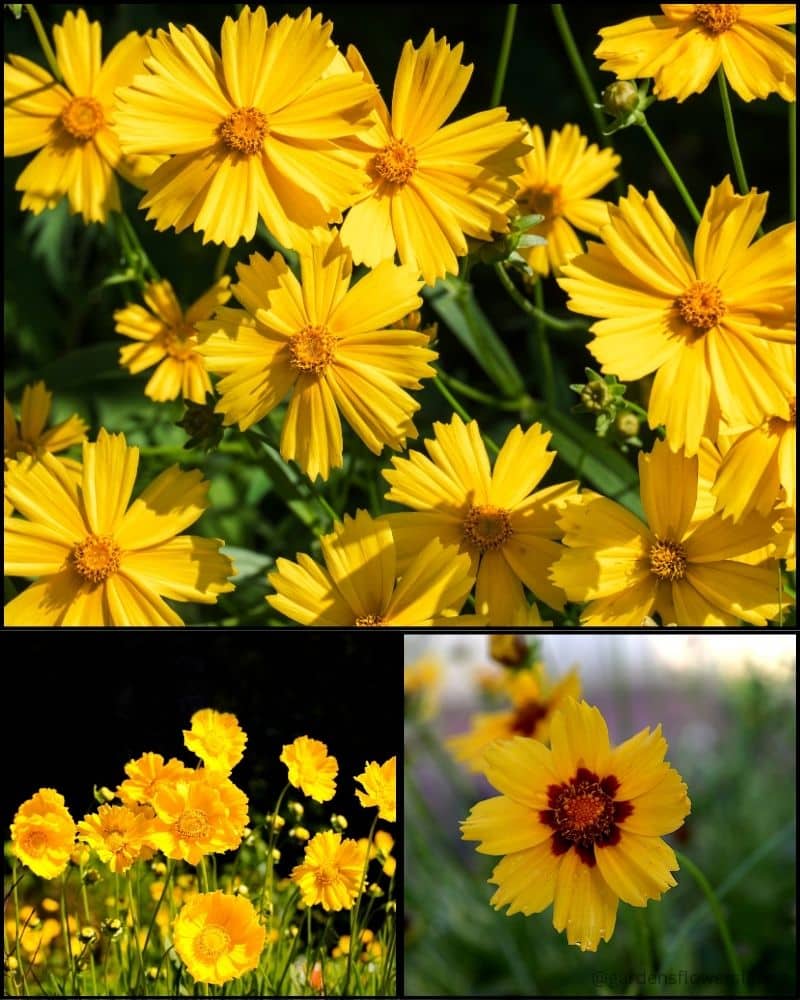
- Sunny yellow flowers that bloom hard and keep a bed feeling cheerful.
- Low-maintenance and quick to establish in full sun.
- Fits well in borders and naturalized areas.
Coreopsis is the kind of plant that makes you feel like a better gardener than you are. It blooms hard, handles summer well, and keeps things bright without asking for much.
Care tip: Trim it lightly after the main bloom period to freshen the foliage and encourage more flowers.
4. Yarrow (Achillea millefolium)
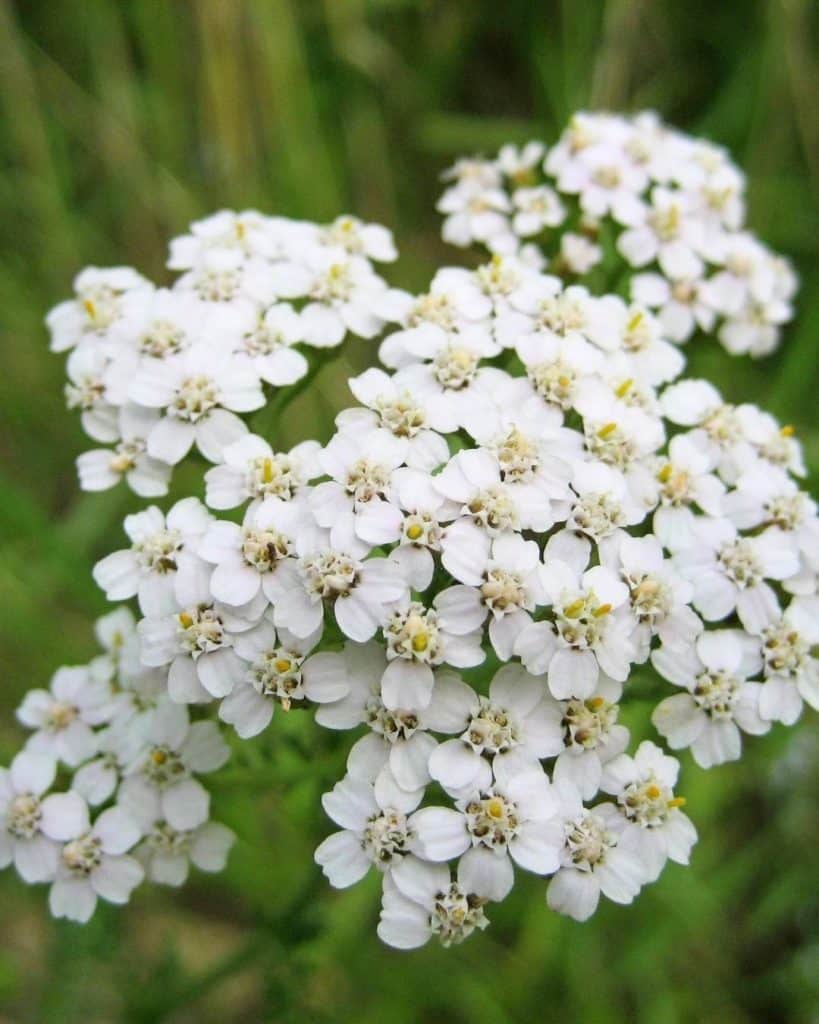
- Flat flower clusters with a sturdy, useful habit.
- Excellent for hotter, drier sites once established.
- Very low-fuss in full sun.
Yarrow is one of those practical plants that quietly makes everything easier. It handles tougher conditions, keeps a nice shape, and gives you reliable bloom without becoming a chore.
Care tip: Shear it back after bloom if you want a tidier mound and a possible second round.
5. False Indigo (Baptisia australis)
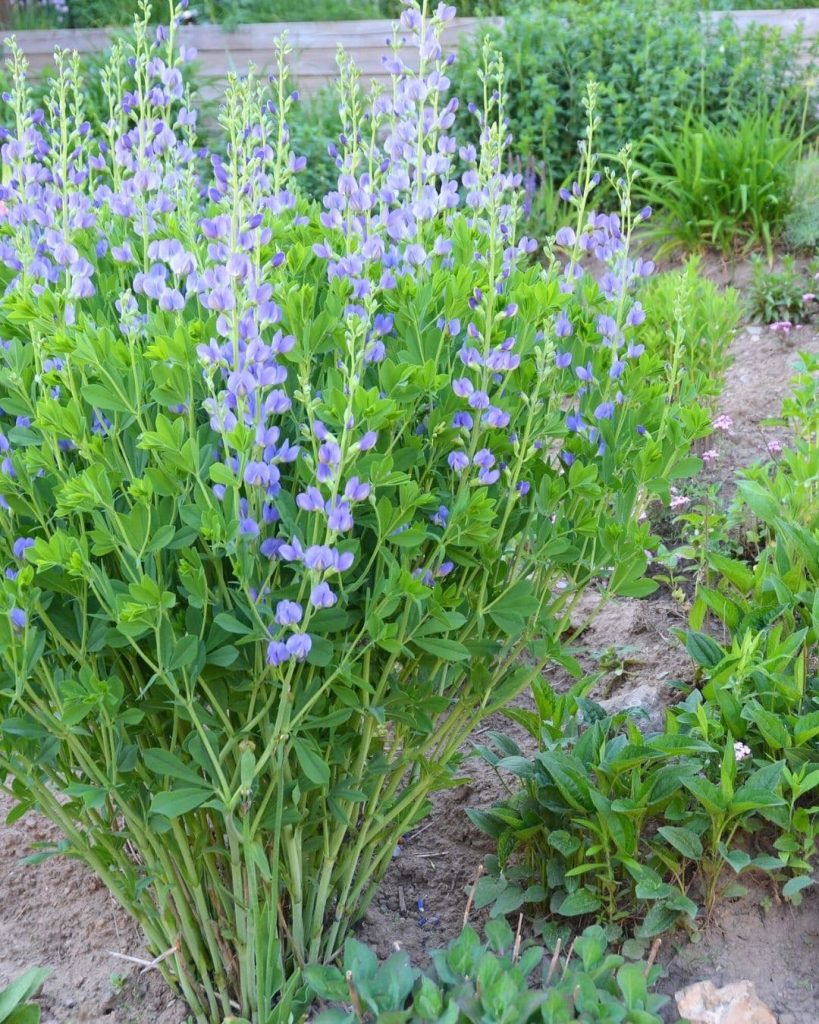
- Spring flowers and sturdy stems that give the garden structure.
- Long-lived and drought tolerant once established.
- Excellent when you want a native prairie look with a polished habit.
False indigo is one of those plants that gets better the longer it stays put. It brings spring color, strong summer structure, and the kind of durability that feels like money well spent.
Care tip: Plant it where you want it to stay, because mature plants do not love being moved.
6. Blue Stars (Amsonia tabernaemontana)
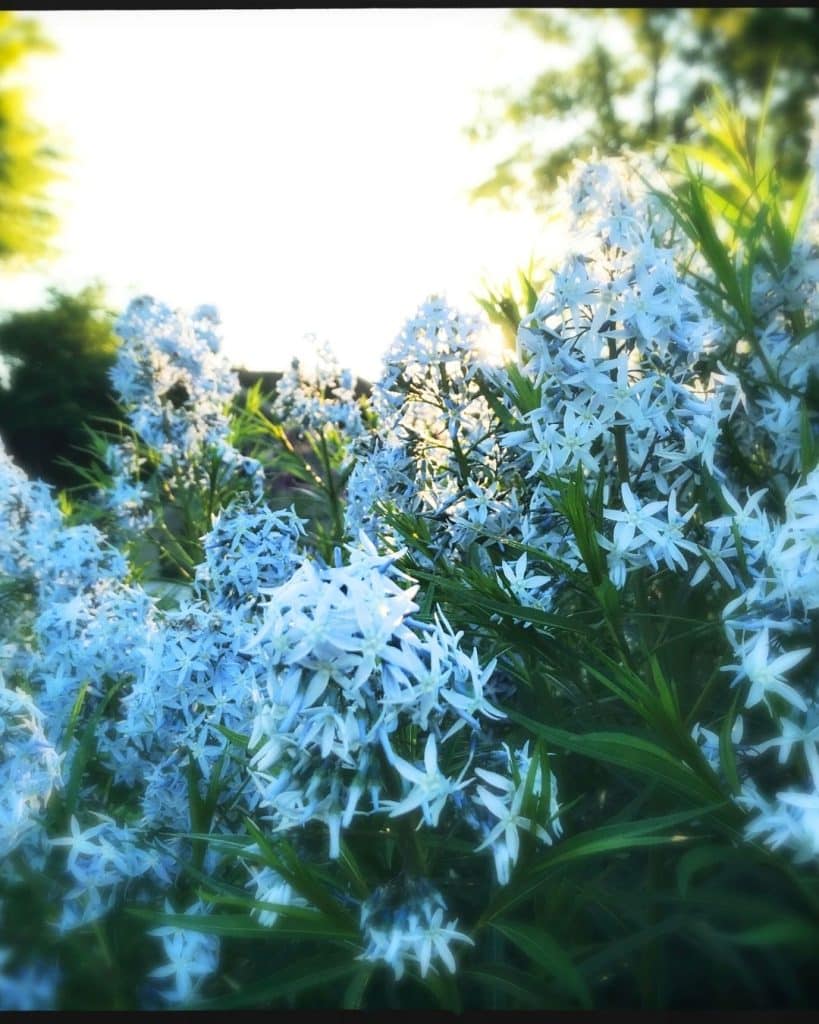
- Soft blue spring flowers with tidy green foliage that stays useful long after bloom.
- Neat, dependable, and long-lived once established.
- Brings attractive fall color too.
Blue stars are one of those quiet plants that make everything around them look better. They flower in spring, stay tidy in summer, and keep adding something all the way into fall.
Care tip: Cut the plant back by a third after flowering if you want a fuller, more compact shape.
7. Blazing Stars (Liatris spicata)
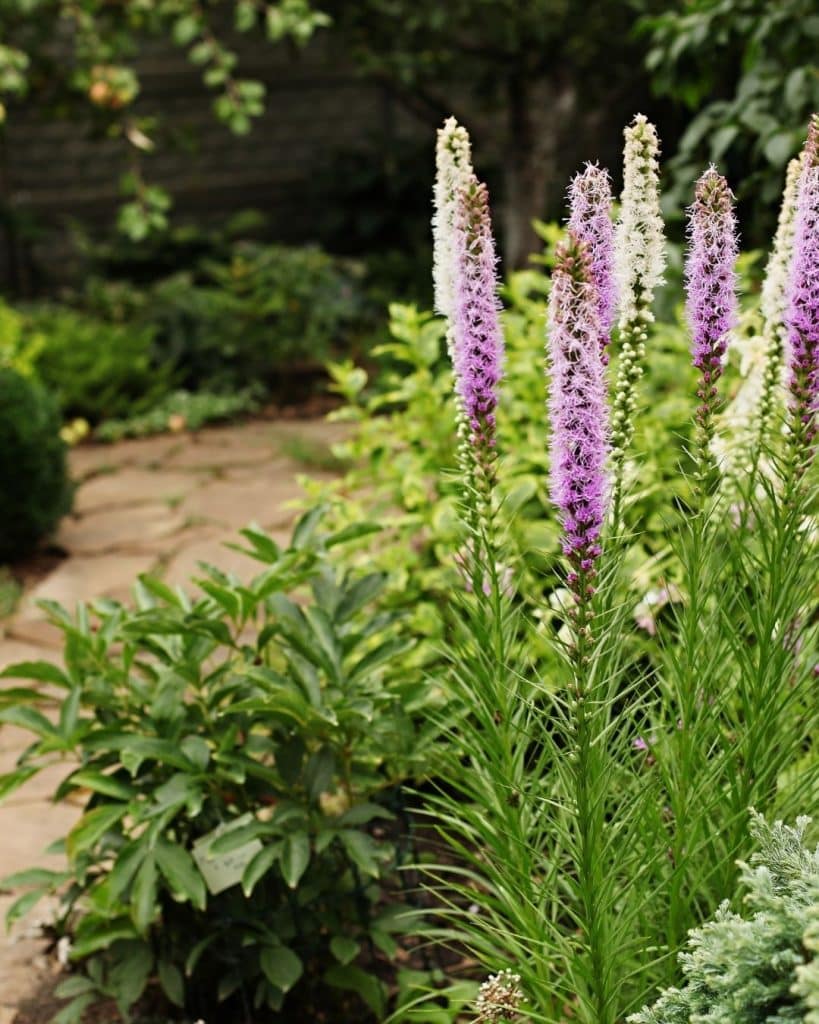
- Tall purple flower spikes that bring vertical interest to summer borders.
- Reliable once established in sunny spots with decent drainage.
- Excellent for prairie-style beds that need stronger shape.
Blazing star brings that strong upright look that keeps a planting from feeling flat. It blooms beautifully, holds its own in summer, and adds a little prairie swagger to the yard.
Care tip: Plant it in groups for a bigger visual effect and leave the dried stems standing into fall if you like extra texture.
8. White Beardtongue (Penstemon digitalis)
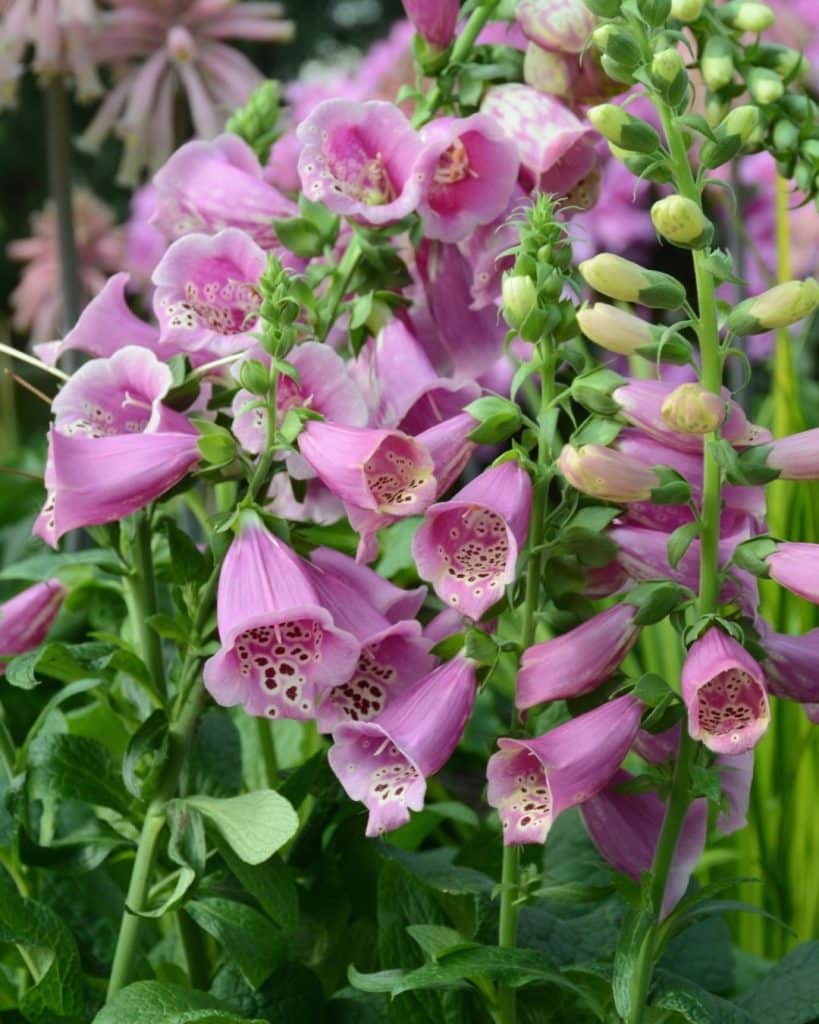
- Upright white flower spikes that help the garden get going earlier.
- Tough enough for average soil and even some clay.
- Clean, tidy habit that works in both native-style and more formal beds.
White beardtongue has a cleaner, more upright look than a lot of spring and early-summer natives. It is especially useful when you want something reliable and low-drama that still looks intentional.
Care tip: Cut flower stems back after bloom if you want to keep the plant looking neat through summer.
9. Butterfly Weed (Asclepias tuberosa)
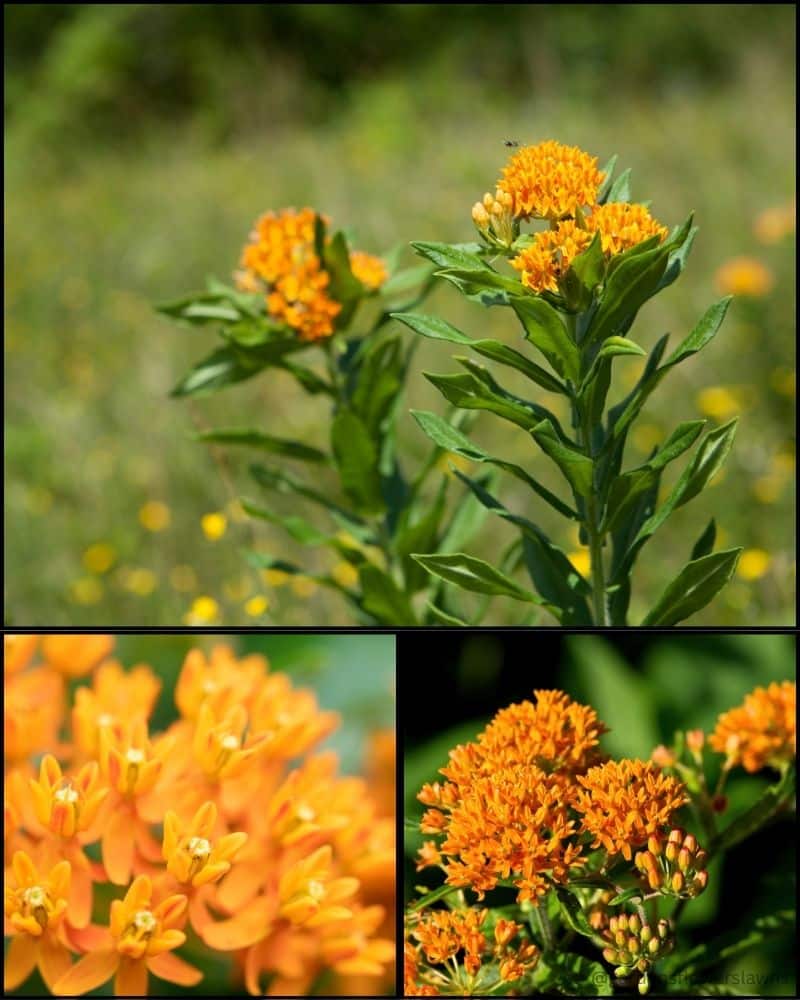
- Bright orange blooms that stand out beautifully in summer.
- Excellent for dry, sunny spots once established.
- Useful where fussier plants tend to struggle.
Butterfly weed is a smart pick when you need strong color in a hotter, drier stretch of bed. It looks bright and lively, but it is much tougher than it looks once it is rooted in.
Care tip: Leave it where it is once planted, because it prefers not to be disturbed.
10. Prairie Clover (Dalea purpurea)

- Small purple flower spikes with a strong prairie look.
- Excellent in sunny, drier sites once established.
- Useful when you want something native, tough, and a little different.
Prairie clover feels right at home in Nebraska because it is. It brings a more natural prairie beauty to the garden and holds up well in the kinds of sunnier, drier conditions that wear out softer plants.
Care tip: Give it full sun and avoid rich, heavily watered soil if you want the strongest performance.
11. Garden Phlox (Phlox paniculata)
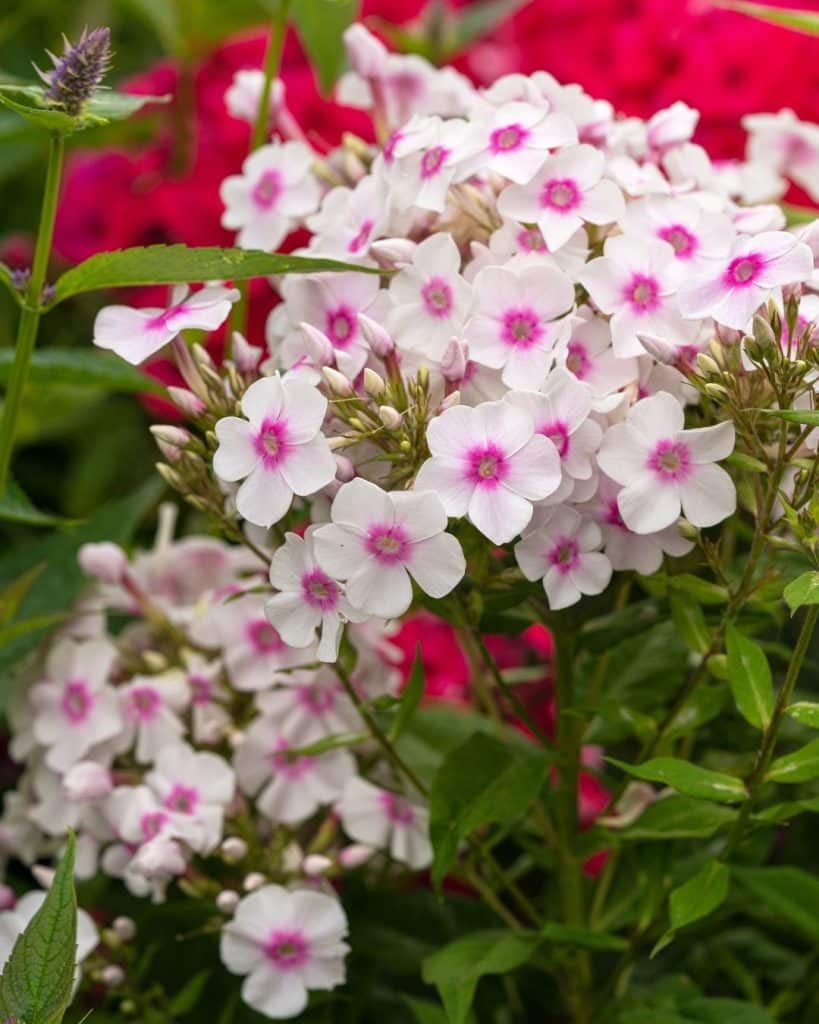
- Big summer flower clusters in pink, purple, and white shades.
- Classic cottage-garden look with strong midsummer presence.
- Best when you choose mildew-resistant types and give it enough sun.
Garden phlox gives a Nebraska garden that full, colorful midsummer look people love. Pick a strong variety, give it some airflow, and it can be much easier to live with than people expect.
Care tip: Water at the base and avoid crowding plants too tightly if you want to keep foliage looking better through summer.
12. Joe-Pye Weed (Eutrochium purpureum)
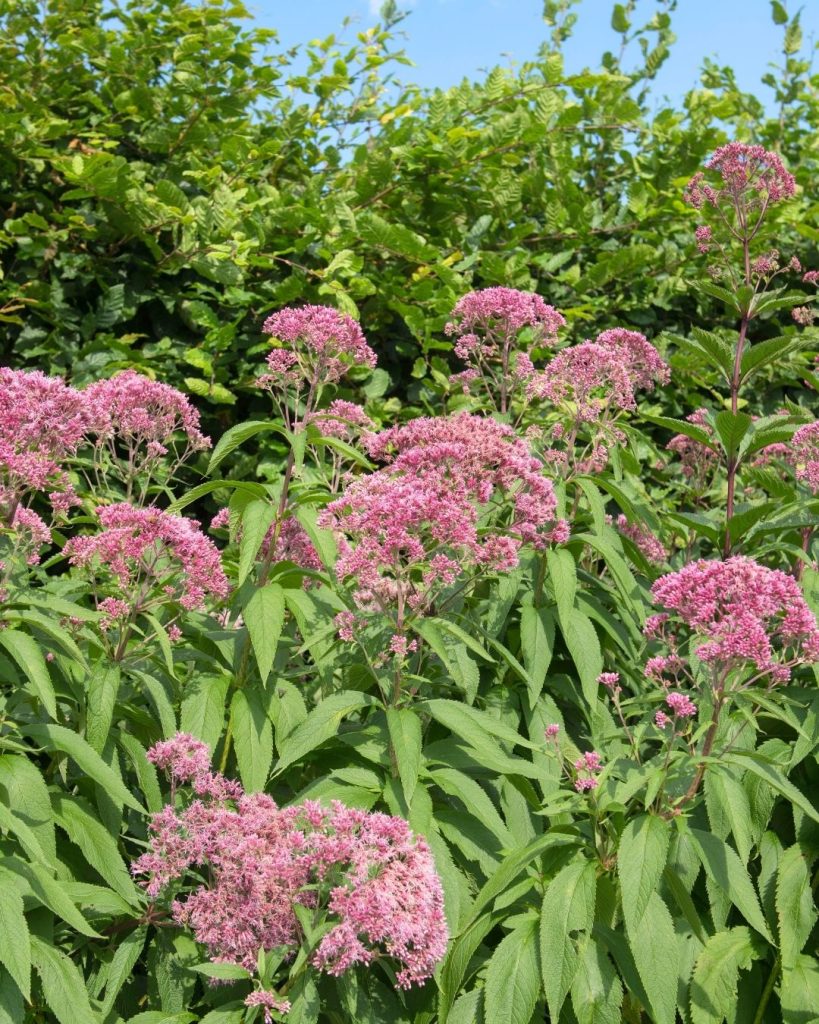
- Tall dusty pink flower clusters that bring real late-season presence.
- Excellent for moist soil and bigger borders.
- Very useful when you need height without fussiness.
Joe-Pye weed is one of the best plants you can use when a bed needs some height and a little late-season life. In the right spot, it has a big presence without becoming a big headache.
Care tip: Give it room, because once it is happy it can become a substantial clump.
13. New England Aster (Symphyotrichum novae-angliae)
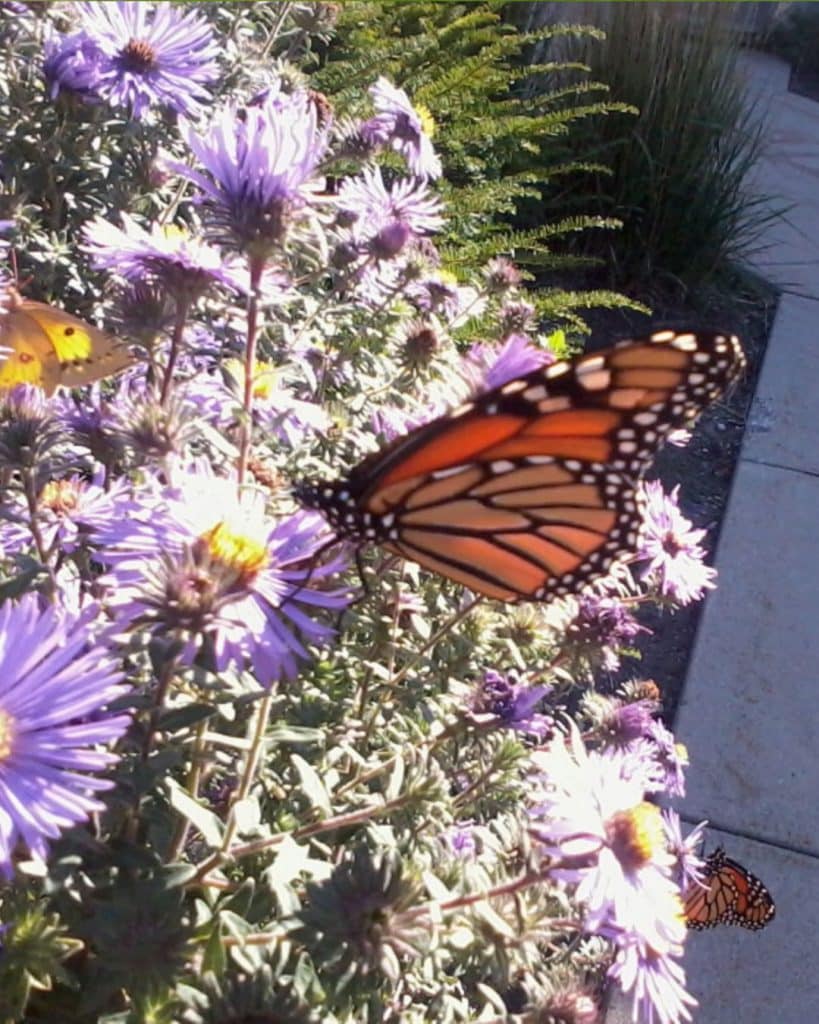
- Rich late-season purple blooms that keep the show going into fall.
- Excellent for extending the season when summer flowers are fading.
- Strong choice for borders and prairie-style plantings.
New England aster is one of the easiest ways to make sure a Nebraska garden does not just fizzle out at the end of summer. It helps the season finish strong, and that matters in a yard you want to enjoy for more than a few weeks.
Care tip: Pinch taller stems back once in early summer if you want bushier growth and a little less flopping later on.
14. Goldenrod (Solidago spp.)
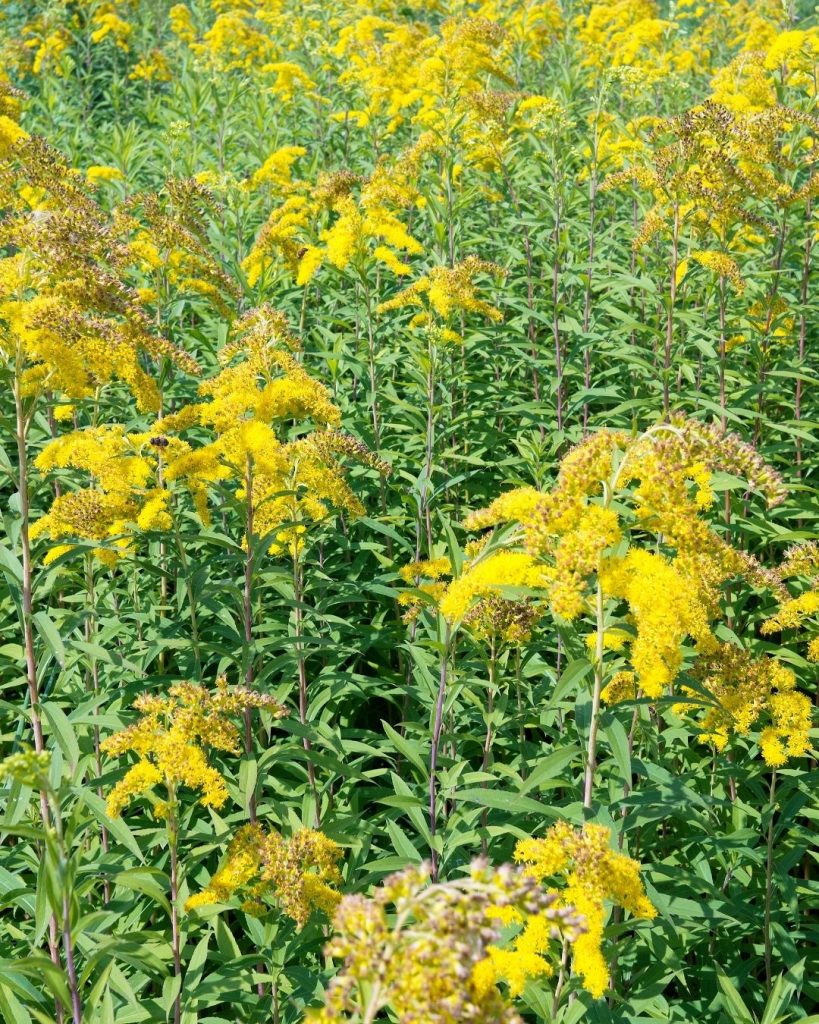
- Rich yellow late-season color that keeps the garden lively into fall.
- Tough native plants for a wide range of Nebraska conditions.
- Excellent when you want a strong finish-of-season presence.
Goldenrod is a smart late-season plant because it brings real color right when a lot of other flowers are starting to fade. It is tough, useful, and a lot more garden-worthy than some people remember.
Care tip: Divide every few years if clumps get too large, especially in richer soil.
15. Little Bluestem (Schizachyrium scoparium)
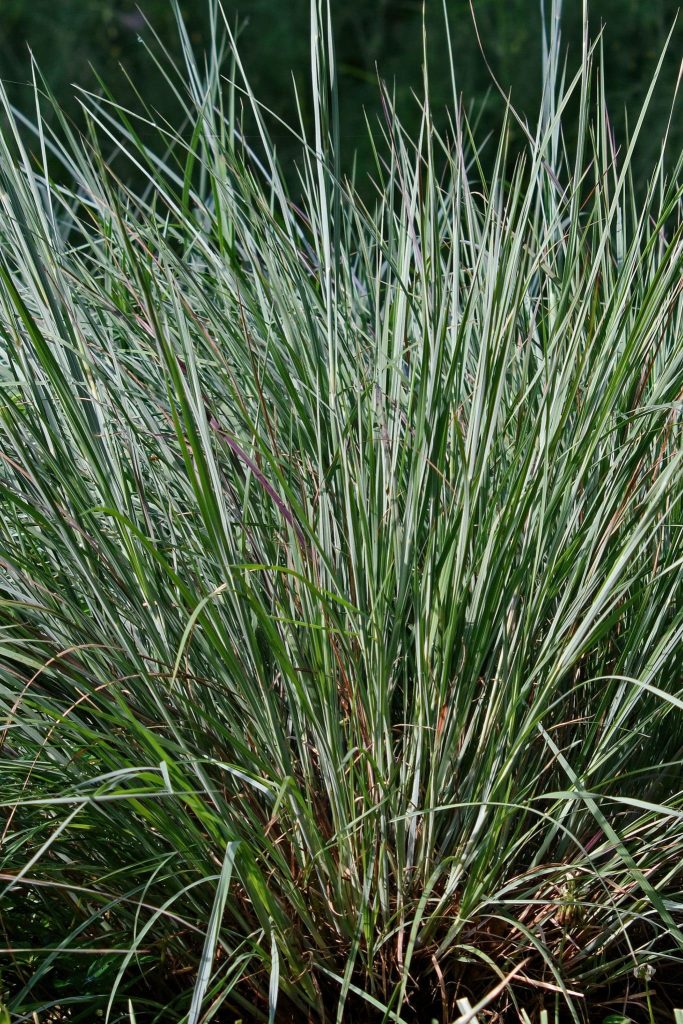
- Blue-green summer color and copper fall tones.
- Excellent for dry sunny sites and very prairie-right.
- Adds movement and strong seasonal texture.
Little bluestem is one of the smartest ways to make a Nebraska perennial article feel like Nebraska. It handles drought and winter swings beautifully and gives the garden that real prairie character that imported plants cannot fake. :contentReference[oaicite:1]{index=1}
Care tip: Leave the foliage standing through winter, then cut it back just before spring growth begins.
16. Blue Grama (Bouteloua gracilis)

- Native grass with distinctive eyelash-like seed heads.
- Extremely drought tolerant and useful in lower-water landscapes.
- Strong fit for natural-looking and prairie-style gardens.
Blue grama may not be flashy, but it does a lot of important work. It ties a planting together, looks right at home in Nebraska, and handles dry conditions like they are no big deal. :contentReference[oaicite:2]{index=2}
Care tip: Use it where you want a lighter, more natural grass texture instead of a thirstier, high-input look.
17. Prairie Dropseed (Sporobolus heterolepis)
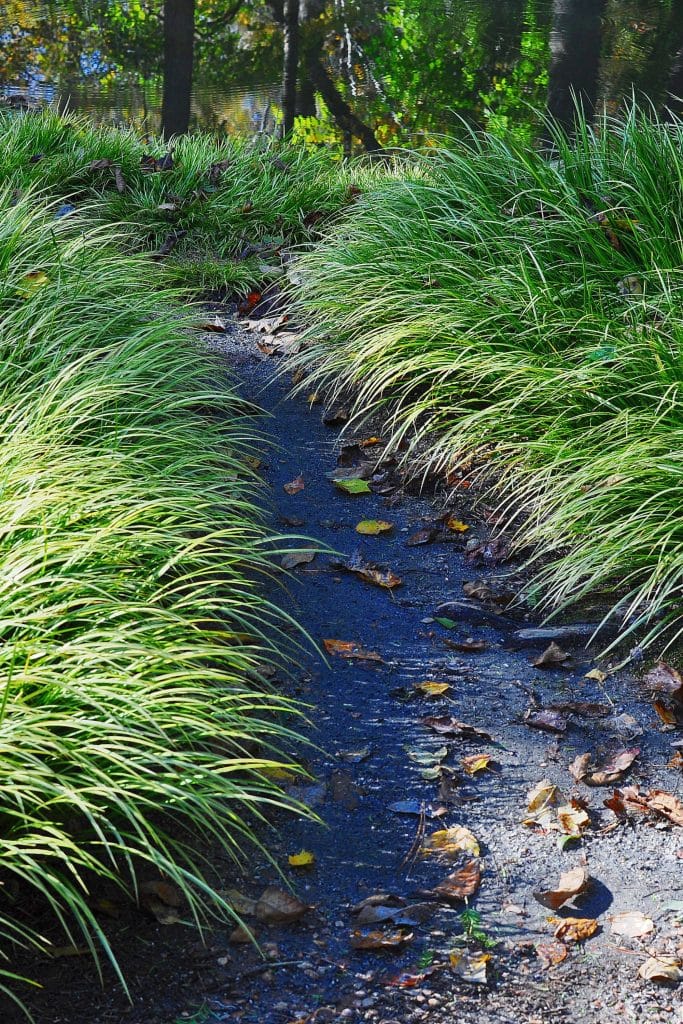
- Fine-textured native grass with a graceful shape.
- Useful in drier sites and low-maintenance plantings.
- Brings movement and polish even when flowers are not doing the work.
Prairie dropseed is one of those plants older gardeners tend to appreciate more every year. It is not loud, but it is handsome, dependable, and exactly the sort of plant that makes a whole yard feel more finished. :contentReference[oaicite:3]{index=3}
Care tip: Leave the foliage standing through winter, then cut it back just before spring growth starts.
18. Russian Sage (Salvia yangii)
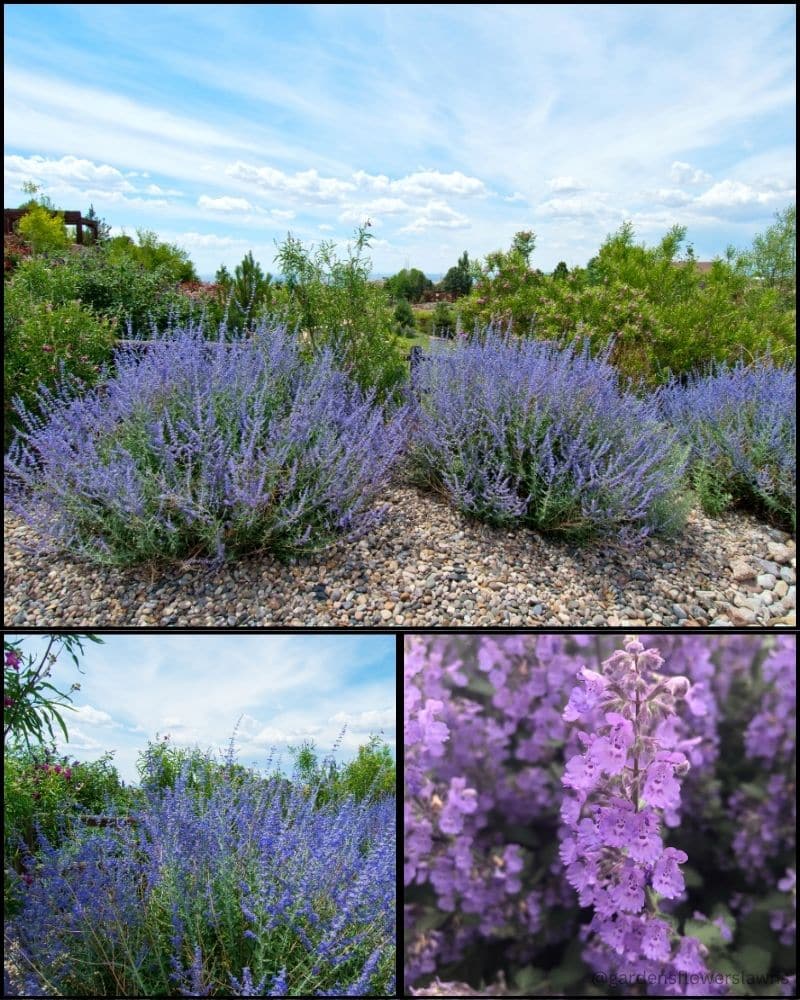
- Airy blue-purple blooms and silvery foliage.
- Very good for hot, sunny beds with decent drainage.
- Strong closer when you want color without fuss.
Russian sage is a fine closer because it shows what a Nebraska yard really rewards: toughness with a little style. It handles heat, looks clean from a distance, and gives a bed that soft haze of color that reads well even from the street. :contentReference[oaicite:4]{index=4}
Care tip: Cut it back hard in late winter or very early spring before new growth begins.
Thank you so much for reading. We hope all of your gardening endeavors are home runs!