Idaho can be rough on plants in a hurry. The summers run dry, the winters can bite hard, and a plant that looks great in a softer climate can fall apart fast once it meets real mountain air, strong sun, and lean soil.
These 18 Idaho-friendly perennials are tough enough for the job, bringing color, texture, and staying power without turning your flower beds into a full-time responsibility.
Whether you are gardening in the Treasure Valley, up north, or in a higher and colder pocket of the state, these are the kinds of plants that can settle in and earn their keep.
1. Yarrow (Achillea millefolium)

- Flat flower clusters with a sturdy, useful habit.
- Excellent for hot, dry sites once established.
- One of the easiest backbone plants for a lower-water Idaho border.
Yarrow is one of those practical plants that quietly makes everything easier. It handles tough conditions, stays presentable, and gives you real bloom power without acting fragile.
Care tip: Shear it back after flowering if you want a tidier mound and a possible second round.
2. Blue Flax (Linum lewisii)

- Delicate blue flowers with a true Western feel.
- Good fit for dry sunny spots and naturalized plantings.
- Looks light and graceful without being needy.
Blue flax has the kind of quiet beauty that fits Idaho perfectly. It is not loud, but it is lovely, and it feels right at home in a planting that is trying to look natural instead of overworked.
Care tip: Let it mingle with other drought-tolerant plants instead of forcing it into a tight formal bed.
3. Blanket Flowers (Gaillardia spp.)
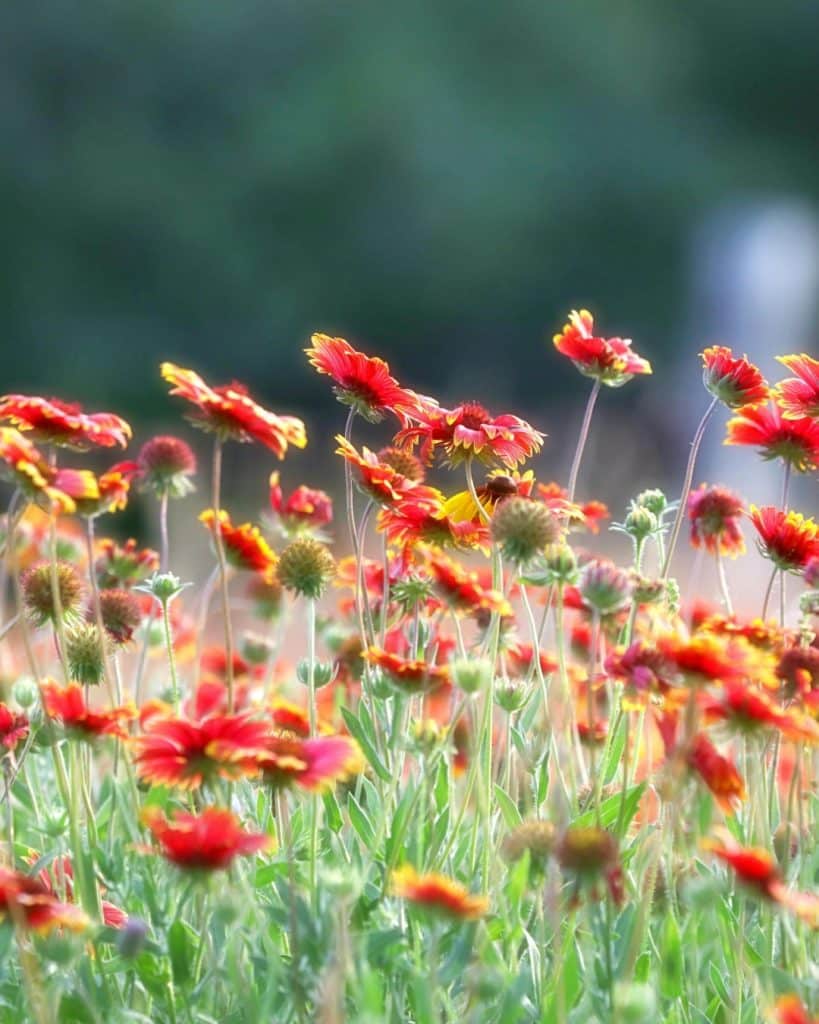
- Bright daisy-like flowers in hot shades.
- Excellent for sunny beds and reduced-water landscapes.
- Long color without a lot of babysitting.
Blanket flowers are one of the easiest ways to make an Idaho yard feel warmer and brighter. They bloom hard, tolerate dry spells well, and do not collapse the minute the weather gets difficult.
Care tip: Keep it in full sun and do not let winter drainage become a problem.
4. Penstemons (Penstemon spp.)

- One of the signature perennial groups of the Intermountain West.
- Love sun, lean soil, and lower water once established.
- Bring color without looking soft or fussy.
Penstemons are one of the smartest ways to make an Idaho article feel like Idaho. They belong in this climate, and you can tell. They look sharp, they handle stress well, and they do not need coddling to be impressive.
Care tip: Give them sharp drainage and resist the urge to overwater.
5. Sulphur Buckwheat (Eriogonum umbellatum)

- Low mounds topped with warm yellow blooms.
- Made for rocky, sunny, lean soil.
- Excellent for slopes, gravel beds, and hotter spots.
Sulphur buckwheat has that rugged western beauty that makes a landscape feel rooted in place. It is tidy enough for a home garden and tough enough for the harsher side of Idaho.
Care tip: Skip rich soil and let it stay on the lean side.
6. Lavender (Lavandula angustifolia)
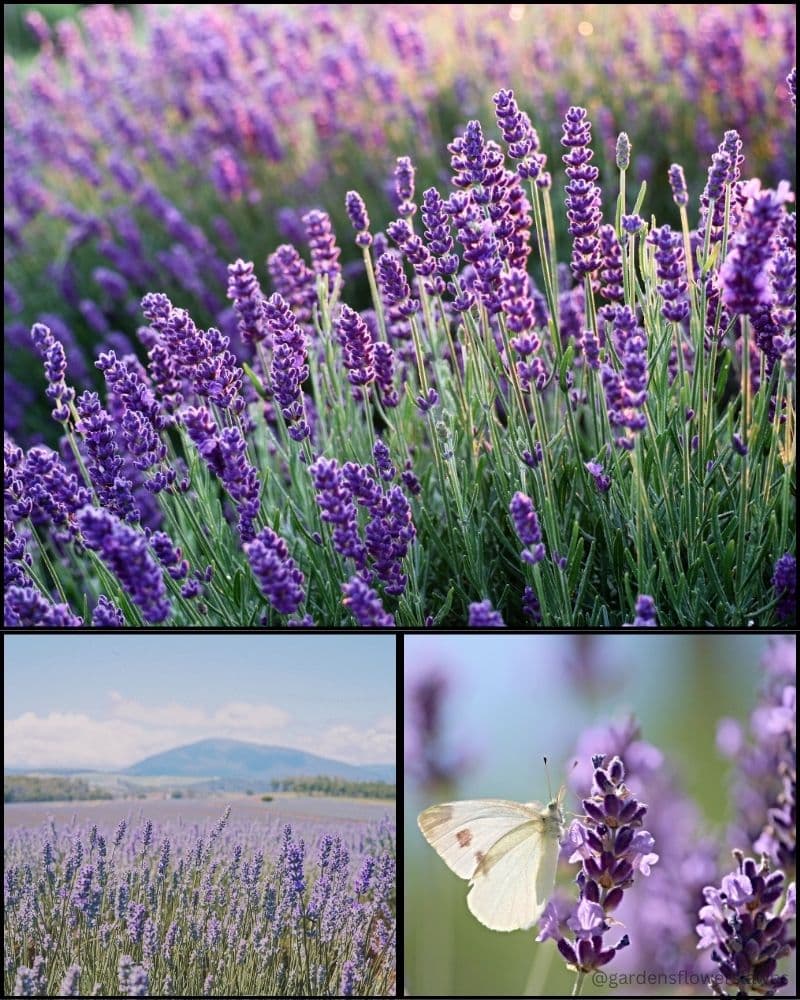
- Fragrant purple flower spikes and silvery foliage.
- Excellent in full sun and fast-draining soil.
- Looks polished without needing much fuss.
Lavender earns its popularity honestly. It smells good, looks tidy, and fits the drier side of Idaho gardening beautifully when the drainage is right.
Care tip: Never let it stay wet for long, especially in winter.
7. Blue Oat Grass (Helictotrichon sempervirens)

- Steel-blue foliage that stands out from ordinary green plantings.
- Excellent for dry sunny sites and clean modern borders.
- Great when you want texture without a lot of maintenance.
Blue oat grass is one of those plants that quietly makes a yard look more intentional. It gives you color, texture, and structure even when flowers are not doing much of the work.
Care tip: Put it where the blue foliage can contrast with darker greens or stone.
8. Sedums (Stonecrops) (Sedum spp.)
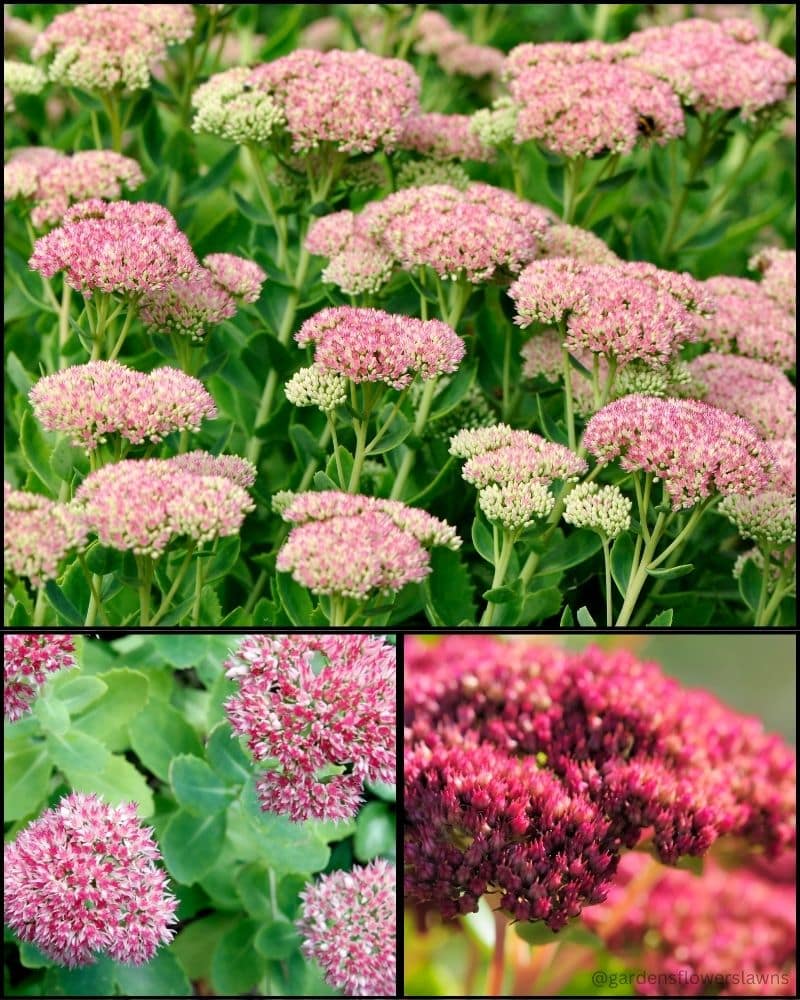
- Succulent foliage and sturdy flower heads.
- Excellent in sunny, sharply drained soil.
- Very low-maintenance once established.
Sedums are perfect for gardeners who want something dependable and forgiving. They handle dry conditions beautifully and still manage to look clean and attractive while doing it.
Care tip: Keep them out of heavy wet soil and let them live on the dry side after establishment.
9. Russian Sage (Salvia yangii)
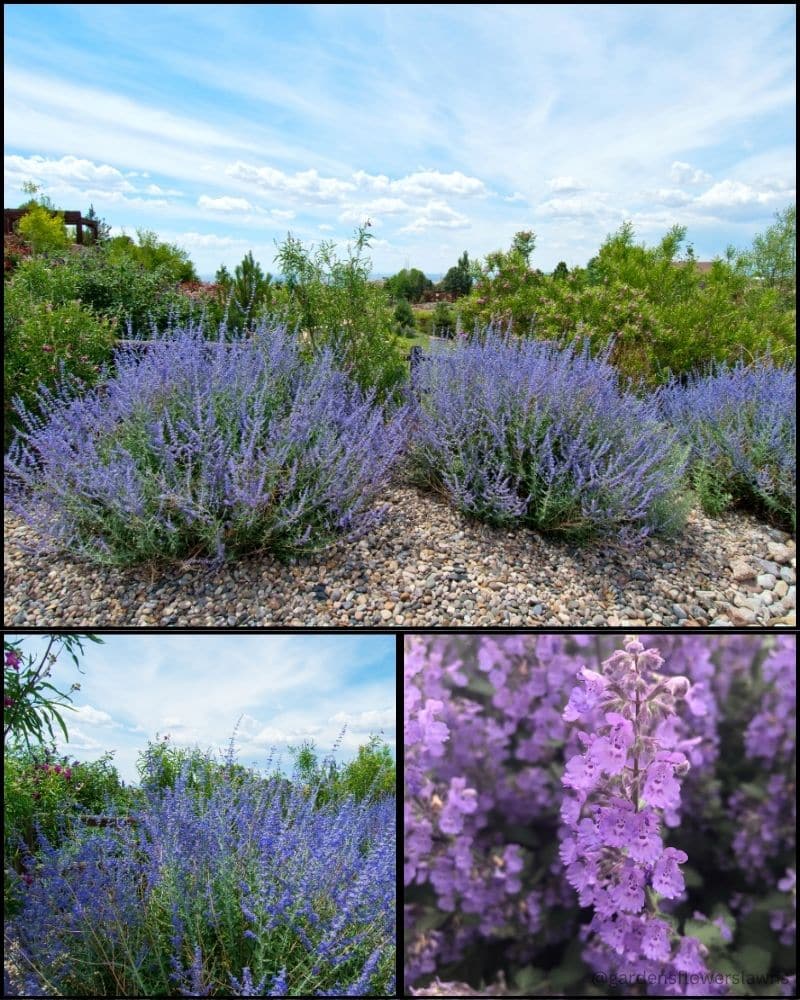
- Airy blue-purple blooms and silvery foliage.
- Very good for hot, sunny beds with decent drainage.
- Brings soft color without becoming fussy.
Russian sage is one of those plants that gives you a lot of visual return for not much effort. It handles heat, looks good from a distance, and has that soft haze of color that reads beautifully from the street.
Care tip: Cut it back hard in late winter or very early spring before new growth begins.
10. Shasta Daisy (Leucanthemum x superbum)

- Classic white flowers with yellow centers.
- Excellent for sunny beds and older-fashioned flower borders.
- Bright, familiar color that still feels fresh.
Shasta daisies have that old-school garden charm that still works. They are clean, cheerful, and especially good when you want a bed to feel friendly instead of overly fancy.
Care tip: Deadhead spent flowers if you want a longer bloom period and a tidier clump.
11. Catmint (Nepeta x faassenii)
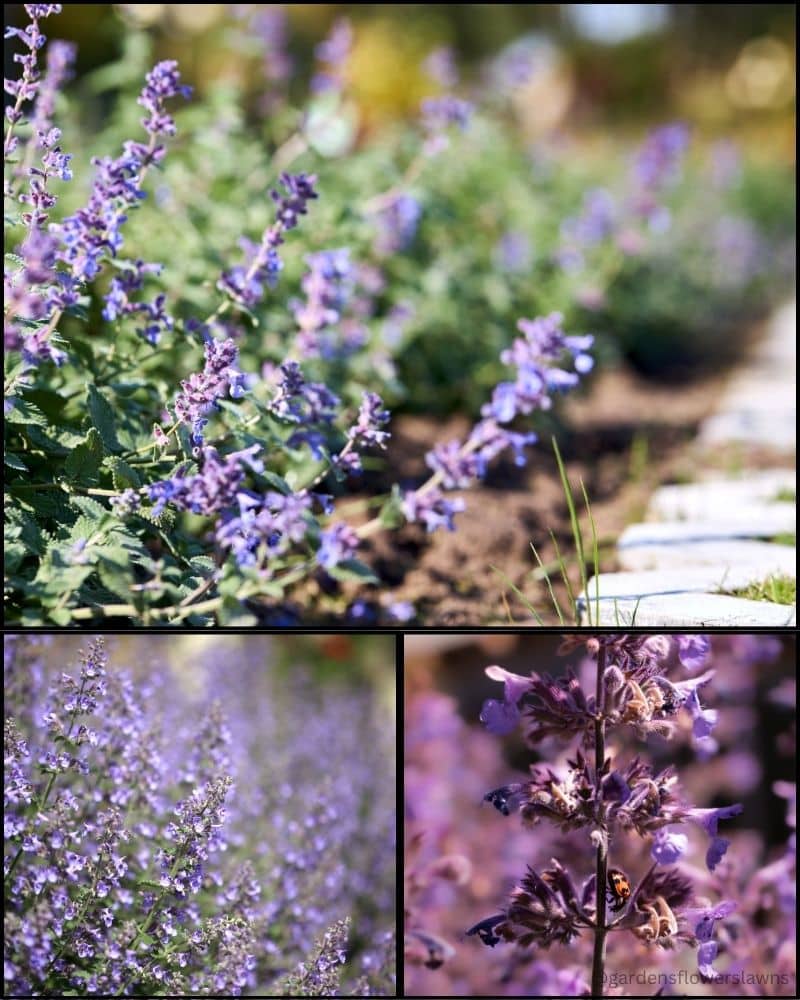
- Soft blue-violet flowers over aromatic gray-green foliage.
- Excellent for sunny borders and lower edging plants.
- One of the easiest ways to add a softer look to a dry bed.
Catmint is a good answer when a border needs a little cool color and a little softness. It keeps blooming, stays useful, and does not need a lot of coaxing to look good.
Care tip: Shear it after the first big bloom if you want a tidier mound and more flowers.
12. Bee Balm (Monarda didyma)
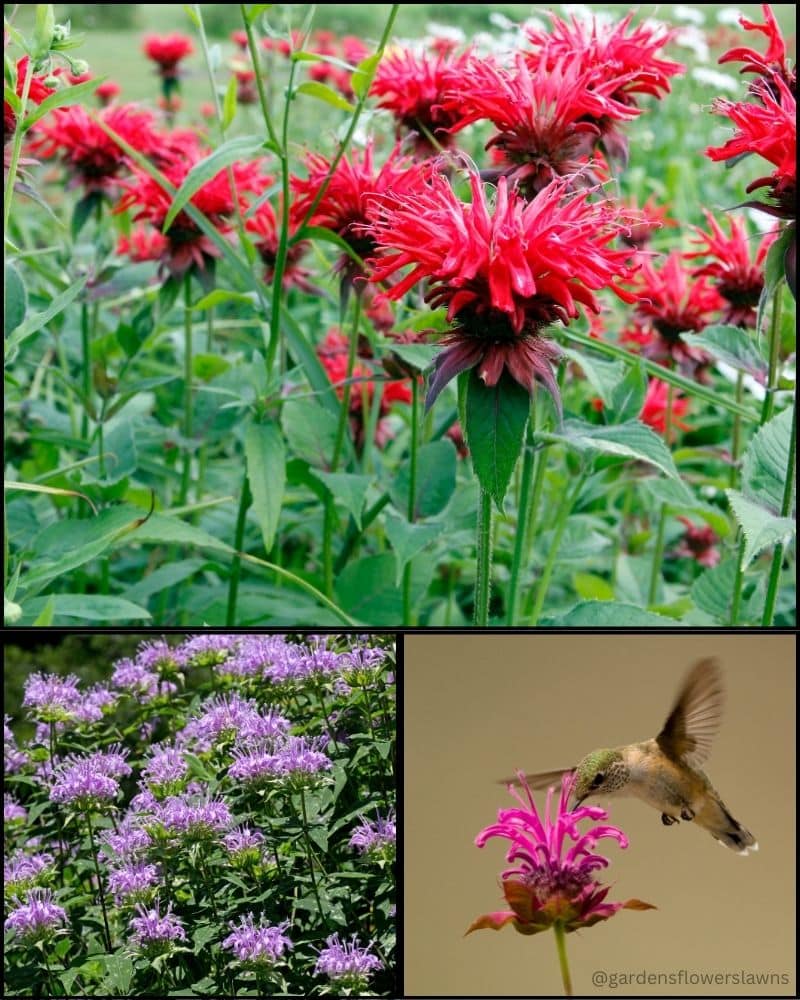
- Bold shaggy blooms in rich colors.
- Brings a lively old-garden feel to summer beds.
- Best with sun and good airflow.
Bee balm gives a garden that colorful, full look people always notice. Give it a decent spot and a little breathing room, and it can reward you without turning into a problem plant.
Care tip: Divide crowded clumps every few years to improve airflow and vigor.
13. Prairie Clover (Dalea candida or D. purpurea)

- Native prairie blooms with strong regional character.
- Excellent in sunny, drier sites once established.
- Useful when you want something tough and a little less predictable.
Prairie clover has the kind of quiet prairie beauty that older gardeners tend to appreciate more with time. It belongs in the landscape, and that sense of place goes a long way.
Care tip: Give it sun and do not smother it with rich soil or heavy irrigation.
14. Prairie Smoke (Geum triflorum)
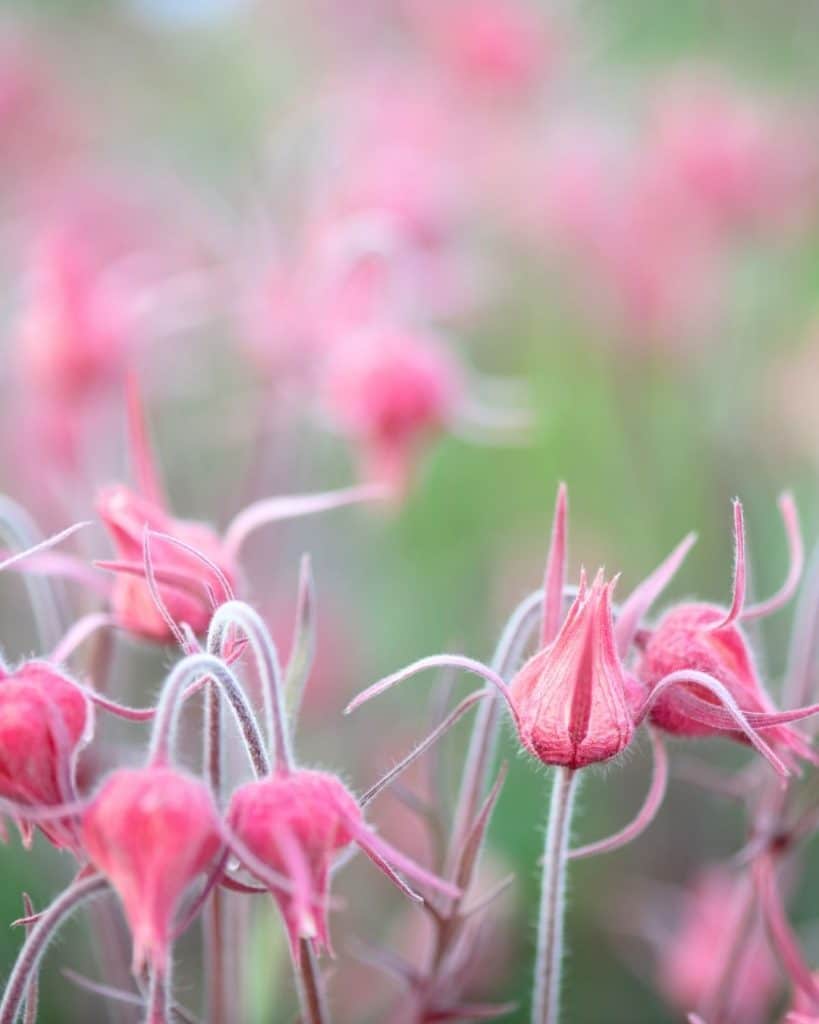
- Interesting nodding flowers followed by feathery seed heads.
- Great for gardeners who want something a little different.
- Good fit for sunny, well-drained prairie-style beds.
Prairie smoke is the kind of plant that makes people lean in for a closer look. It is not flashy in the usual way, but it has real character, and that can make a planting much more memorable.
Care tip: Put it where the unusual seed heads can be seen and appreciated, not hidden behind larger plants.
15. Idaho Fescue (Festuca idahoensis)

- Native bunchgrass with a softer, finer texture.
- Excellent for natural-looking low-water plantings.
- Useful when you want a bed to feel more grounded in place.
Idaho fescue is a smart way to make an Idaho yard feel like Idaho without overdoing it. It adds texture and quiet structure while staying much easier than thirstier grasses or fussy perennials.
Care tip: Use it where that softer native texture can contrast with broader leaves and bolder flowers.
16. Blue-Eyed Grass (Sisyrinchium spp.)

- Small blue flowers with grassy foliage.
- Useful in smaller spaces, edges, and lighter borders.
- A nice way to sneak in color without adding bulk.
Blue-eyed grass is one of those little plants that quietly improves everything around it. It does not take up much room, but it adds just enough charm to make the border feel more thoughtful.
Care tip: Give it room near the front of the bed so it does not disappear behind larger plants.
17. Prairie Dropseed (Sporobolus heterolepis)
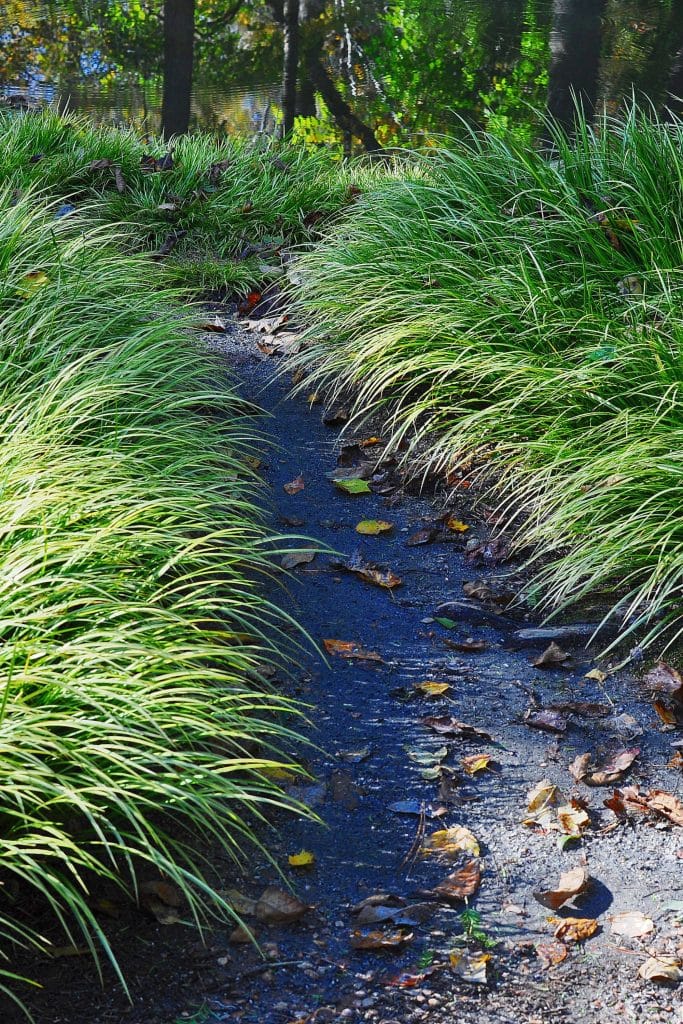
- Fine-textured native grass with a graceful shape.
- Useful in drier sites and low-maintenance plantings.
- Brings movement and polish even when flowers are not doing the work.
Prairie dropseed is one of those plants older gardeners tend to appreciate more every year. It is not loud, but it is handsome, dependable, and exactly the sort of plant that makes a whole yard feel more finished.
Care tip: Leave the foliage standing through winter, then cut it back just before spring growth starts.
18. Little Bluestem (Schizachyrium scoparium)
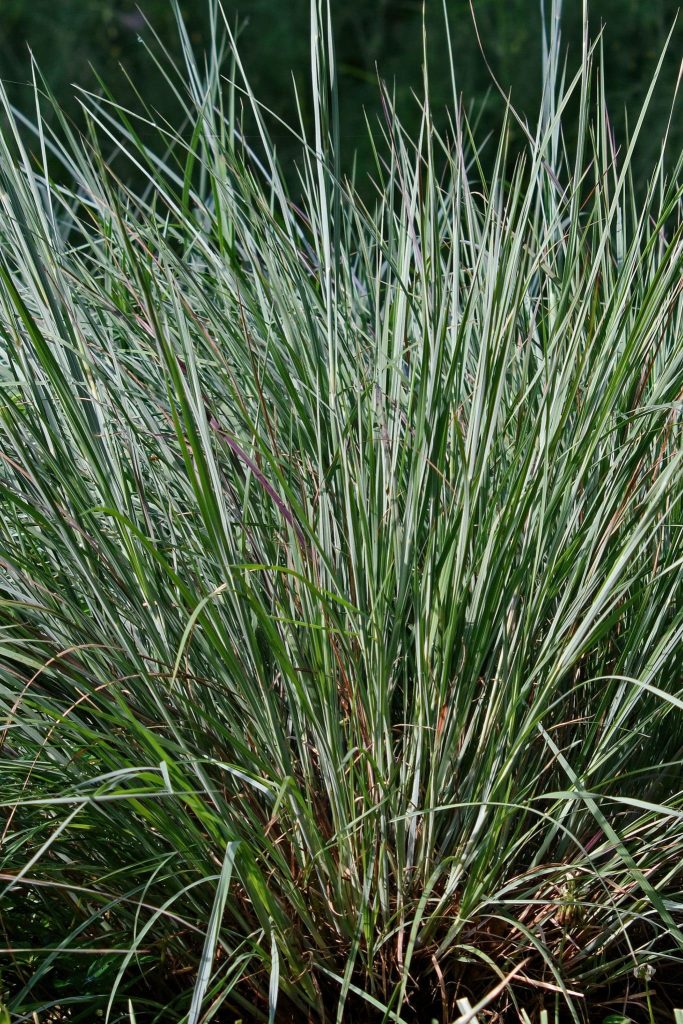
- Blue-green summer color and copper fall tones.
- Excellent for dry sunny sites and true prairie character.
- A strong closer because it looks good even when the flowers are done talking.
Little bluestem is a perfect closer because it reminds you what a good Idaho yard often needs most: grit, structure, and something that still looks handsome when the season starts winding down. University of Idaho’s waterwise guidance specifically highlights native and regionally adapted plants as economical, effective choices for Idaho landscapes. :contentReference[oaicite:1]{index=1}
Care tip: Let it stand through winter for texture, then cut it back before fresh spring growth begins.
Thank you so much for reading. We hope all of your gardening endeavors are home runs!