Deer and rabbits can make a Missouri yard feel like an all-you-can-eat buffet. One night of browsing can chew down fresh growth, nip off flower buds, and leave a border looking picked over before summer really gets going.
The good news is that Missouri gardeners are not helpless. Some plants have the scent, texture, sap, or leaf structure that makes browsing animals move on to something softer and easier.
That is why the smartest approach is not to hope wildlife suddenly develops manners. It is to fill the yard with plants that are less tempting in the first place, while also choosing varieties that can handle Missouri heat, humidity, winter cold, and real backyard conditions.
These 15 picks bring strong bloom, sturdy texture, and four-season usefulness to a Missouri yard while making life a lot less convenient for hungry visitors. 👇
1. Wild Bergamot (Monarda fistulosa)

- Spicy-scented foliage makes deer and rabbits think twice before they settle in for a chew.
- Big summer bloom brings that loose, prairie look Missouri gardens wear well.
- Native staying power helps it handle heat, humidity, and real Midwest weather.
Wild bergamot belongs high on a Missouri list because it gives a yard color without looking pampered. The lavender flowers have a shaggy, lively look, and the plant feels right at home in borders, cottage gardens, and more natural plantings.
The leaves have that strong minty smell animals usually do not enjoy, which is a big part of its value. It is also the kind of perennial that helps a bed feel alive in midsummer, when spring flowers are long gone and the heat starts sorting winners from quitters.
Care tip: Give it full sun for the strongest flowering, and thin crowded clumps every few years to keep air moving and mildew problems down.
2. Blue False Indigo (Baptisia australis)

- Spring flowers with real presence put on a show without needing babying.
- Stout stems and bitter chemistry make it far less tempting than softer perennials nearby.
- Shrub-like shape gives Missouri beds structure long after bloom.
Blue false indigo is one of the best long-game plants a Missouri gardener can grow. It comes up looking tidy, flowers in late spring, and then settles into a rounded clump that gives the border some weight instead of collapsing into a heap by July.
Deer and rabbits usually leave it alone, and once it is established it can handle dry spells better than a lot of broad-leaved perennials. This is the kind of plant that makes a garden look more settled and more expensive over time.
Care tip: Plant it where it can stay put. Baptisia develops a deep root system and resents being moved once it has settled in.
3. Foxglove Beardtongue (Penstemon digitalis)

- Clean white flower spikes light up late spring and early summer borders.
- A tougher native than it looks holds up well in ordinary Missouri garden conditions.
- Usually passed over by browsers especially once the stems firm up.
Foxglove beardtongue has a neat, upright habit that makes it easy to use. The flowers read crisp and clean, and the whole plant has a lighter, fresher look than many early summer perennials.
It also fills a useful gap in the bloom calendar. By the time spring bulbs are fading and summer color has not quite kicked in, this plant is ready to carry part of the load. In a deer and rabbit prone yard, that usefulness matters.
Care tip: Cut spent stalks after bloom if you want a tidier look, but leave the healthy basal foliage in place.
4. Catmint (Nepeta x faassenii)
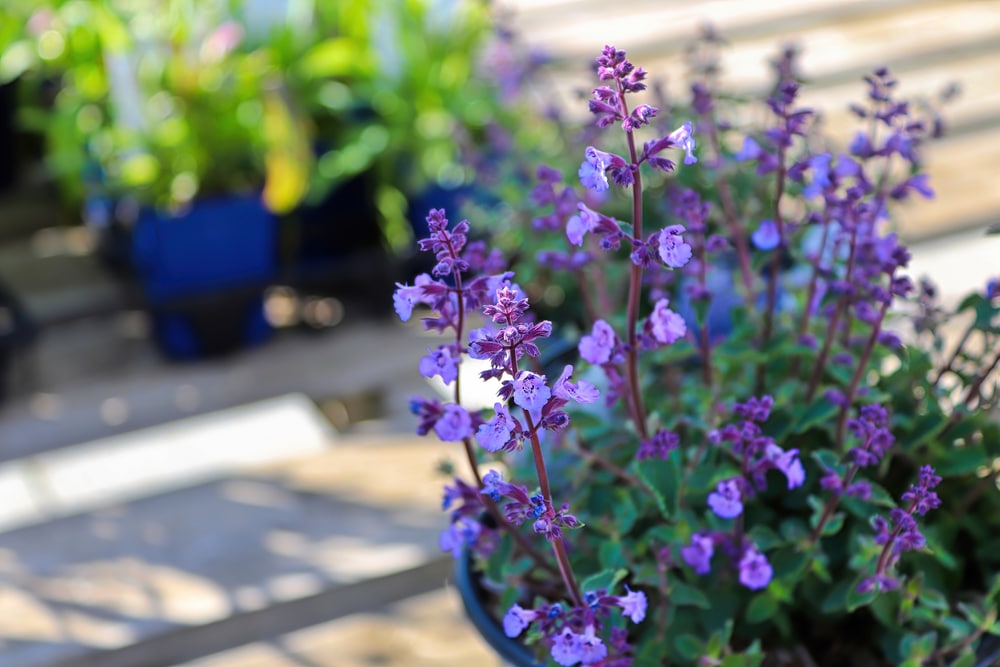
- Fragrant gray-green foliage is one of the main reasons browsing animals usually leave it alone.
- Long stretch of bloom keeps color going for months instead of weeks.
- Excellent edge plant for walks, borders, and sunny front beds.
Catmint is one of those plants that earns its keep fast. It starts blooming early, softens the hard edges of a bed, and keeps throwing that hazy blue color long after many perennials are finished.
It also handles Missouri summers better than people expect, as long as it is not sitting in soggy soil. The fragrance helps, the fuzzy foliage helps, and the overall effect is easy on the eyes without looking lazy.
Care tip: Shear it back after the first heavy bloom flush. That quick haircut usually brings on fresh foliage and another round of flowers.
5. Yarrow (Achillea millefolium)

- Ferny aromatic foliage works in its favor when deer and rabbits are browsing nearby.
- Flat flower heads bring a different texture from spikes and daisies.
- Handles hot dry stretches better than a lot of softer border flowers.
Yarrow has been earning its spot in Midwest gardens for a long time. It gives a bed a finer texture at ground level, then pops up with broad flower clusters that mix beautifully with grasses, salvias, and native perennials.
It is also useful in the kind of spots that bake in summer. If a Missouri yard has a sunny strip that tends to dry out and get ignored, yarrow often looks more at ease there than fussier plants ever will.
Care tip: Keep it in full sun and do not overfeed it. Rich soil can make the stems floppy.
6. Butterfly Weed (Asclepias tuberosa)

- Bright orange flowers bring real heat to the garden without looking gaudy.
- Milky sap and wiry growth help keep it lower on the menu for hungry visitors.
- Missouri native value gives it more than one job in the landscape.
Butterfly weed is one of the best ways to inject strong summer color into a sunny Missouri bed. The orange flowers glow against green foliage, and the whole plant looks right at home beside black-eyed Susans, grasses, and other prairie-style favorites.
It is also tougher than it first appears. Once it has rooted in, it is more comfortable in dry soil than wet soil, and it does not need constant coddling to keep going. That makes it especially handy in places deer and rabbits already treat like a shortcut.
Care tip: Plant it in full sun and leave it alone once established. Like other milkweeds, it dislikes being dug and moved.
7. Nodding Onion (Allium cernuum)

- Onion-family scent is a built-in defense that deer and rabbits usually do not enjoy.
- Small pink flower clusters add charm without taking up much room.
- Useful in tighter spaces where a giant clump would be too much.
Nodding onion is one of those plants gardeners tend to appreciate more each year. It is not loud, but it brings a soft, native look that fits beautifully into Missouri gardens, especially where the goal is something a little different from the usual daisy parade.
Because it stays fairly modest in size, it tucks nicely into the front of borders, rock gardens, and mixed native plantings. And that oniony character gives it a major advantage when browsing pressure is part of life.
Care tip: Give it good drainage and full sun to part shade, and let the clumps slowly fill in over time.
8. Wild Columbine (Aquilegia canadensis)

- One of the best spring bloomers for part shade when Missouri gardens are just waking up.
- Airy red-and-yellow flowers bring movement instead of heavy mass.
- Handles browsing better than many tender spring plants especially in lightly shaded spots.
Wild columbine is a smart choice for gardeners who need something deer and rabbit resistant that does not live only in full sun. It has a light, graceful look, and the flowers seem to hover above the foliage in a way that feels almost old-fashioned.
It is especially useful under open trees, along the edge of a woodland bed, or in a spot that gets morning sun and afternoon relief. In those places, it gives Missouri yards a burst of spring color without inviting the kind of chewing that softer woodland plants often get.
Care tip: Let some seedlings come along if they pop up in good spots. Columbine often naturalizes in a pleasant, easygoing way.
9. Hellebore (Helleborus x hybridus)
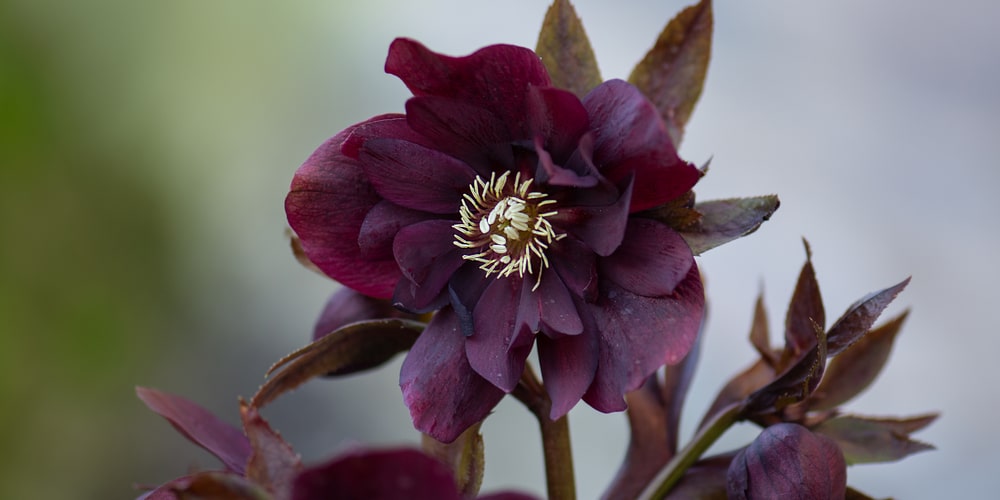
- Late-winter to early-spring bloom gives shade gardens a head start.
- Leathery leaves and toxic sap make it one of the safer bets against deer and rabbits.
- Evergreen foliage keeps a bed from looking bare for half the year.
Hellebore is not native, but it is one of the best problem-solvers for Missouri shade. When the rest of the yard is still dragging out of winter, hellebores are already putting on flowers and making the garden look alive again.
That early season performance is only half the story. The foliage stays handsome for a long stretch, and the plant is one deer and rabbits usually prefer to leave alone. In a shady front bed, that combination is hard to beat.
Care tip: Cut away ratty old leaves in late winter just before the flowers rise, so the new growth can show off.
10. Great Blue Lobelia (Lobelia siphilitica)

- True blue flowers bring a color Missouri gardens never seem to have enough of.
- Likes more moisture than most deer-resistant plants which fills an important gap.
- Late-summer bloom keeps the yard from fading out too soon.
Great blue lobelia is a strong pick for the parts of a Missouri yard that hold a bit more moisture. Where catmint and yarrow might sulk, this plant can look fresh and upright, sending up rich blue flower spikes late in the season.
That makes it especially useful near downspouts, rain garden edges, or beds that do not dry out as quickly. It also brings a different texture and color to the list, which keeps a browse-resistant garden from looking repetitive.
Care tip: Do not let it bake bone-dry in midsummer. Even a sturdy plant like this looks better with steady moisture.
11. Peony (Paeonia lactiflora)

- Big old-fashioned blooms still earn a place in Missouri yards for good reason.
- Usually ignored by deer and rabbits despite all that lush spring growth.
- Long life makes it a plant people remember from one house to the next.
Peonies have a way of making a garden feel rooted. They are showy, yes, but they are also dependable, and in a Missouri yard they often outlive whatever planted them in the first place.
That staying power matters. So does the fact that deer and rabbits usually do not bother them much, even though the plant looks like it ought to be irresistible. For a reader who wants something familiar, useful, and genuinely handsome, peony belongs in the conversation.
Care tip: Plant peonies shallowly, not buried deep, and do not move them around unless you really have to.
12. Autumn Joy Sedum (Hylotelephium spectabile group)
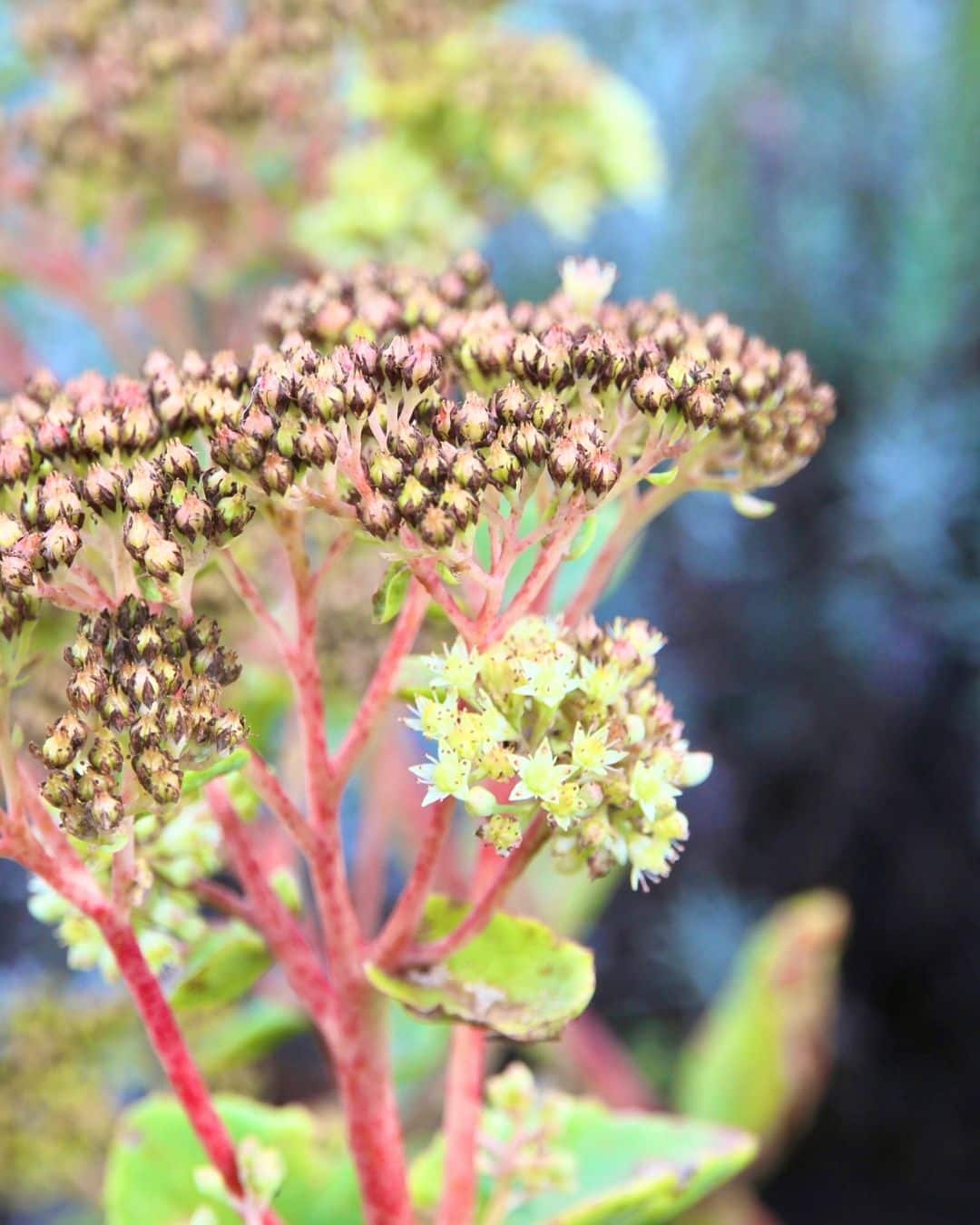
- Fleshy leaves and thick stems make it far less appealing than tender border plants.
- Late-season flower heads carry the garden when summer is starting to tire out.
- Excellent drought manners help it stay useful in hot Missouri sun.
Autumn Joy sedum is one of those plants that saves the back half of the season. It spends much of summer building a solid mound of foliage, then turns on the flower show just when earlier bloomers are winding down.
It is also a practical pick for yards where deer and rabbits roam but the homeowner still wants something colorful and tidy. The texture alone gives it an advantage, and once the rosy flower heads deepen into fall tones, it earns even more space.
Care tip: Keep it in full sun and decent drainage. Too much shade can make it lean and flop.
13. Little Bluestem (Schizachyrium scoparium)
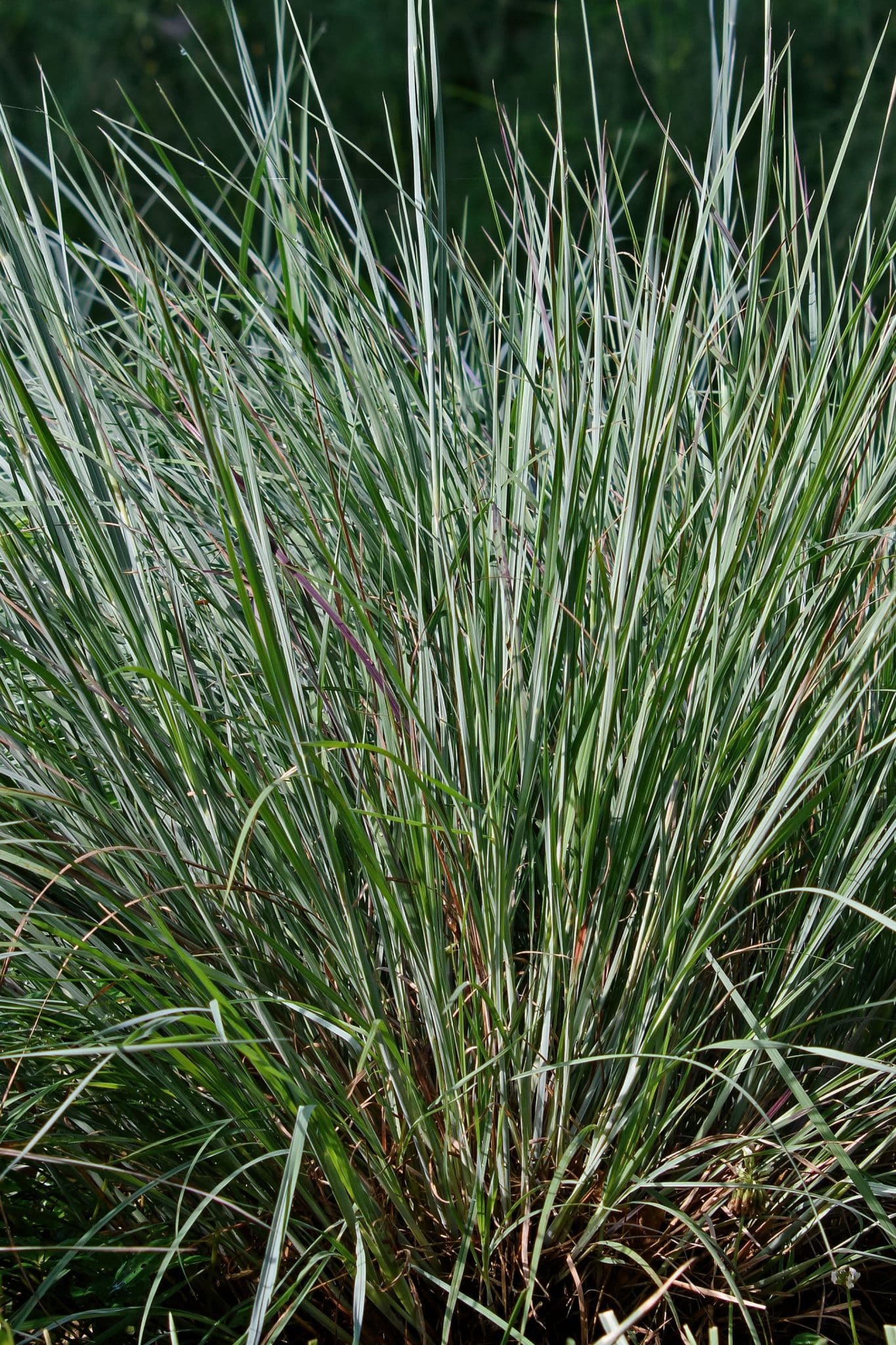
- Fine upright texture breaks up all the broad leaves and flower heads in a border.
- Usually left alone by browsers which makes it one of the handiest native grasses around.
- Strong fall color adds another season of interest without extra work.
Little bluestem gives a Missouri planting some backbone. It moves in the breeze, catches light beautifully, and helps the whole garden feel more natural and less stiff.
It is also one of the smartest ways to build a browse-resistant bed that does not rely only on flower power. Texture matters, and this grass brings a lot of it. In fall, the color shift is a bonus that makes the yard feel alive long after many perennials are done.
Care tip: Cut it back in late winter before the new growth starts, and avoid rich soil that makes native grasses go soft.
14. Switchgrass (Panicum virgatum)
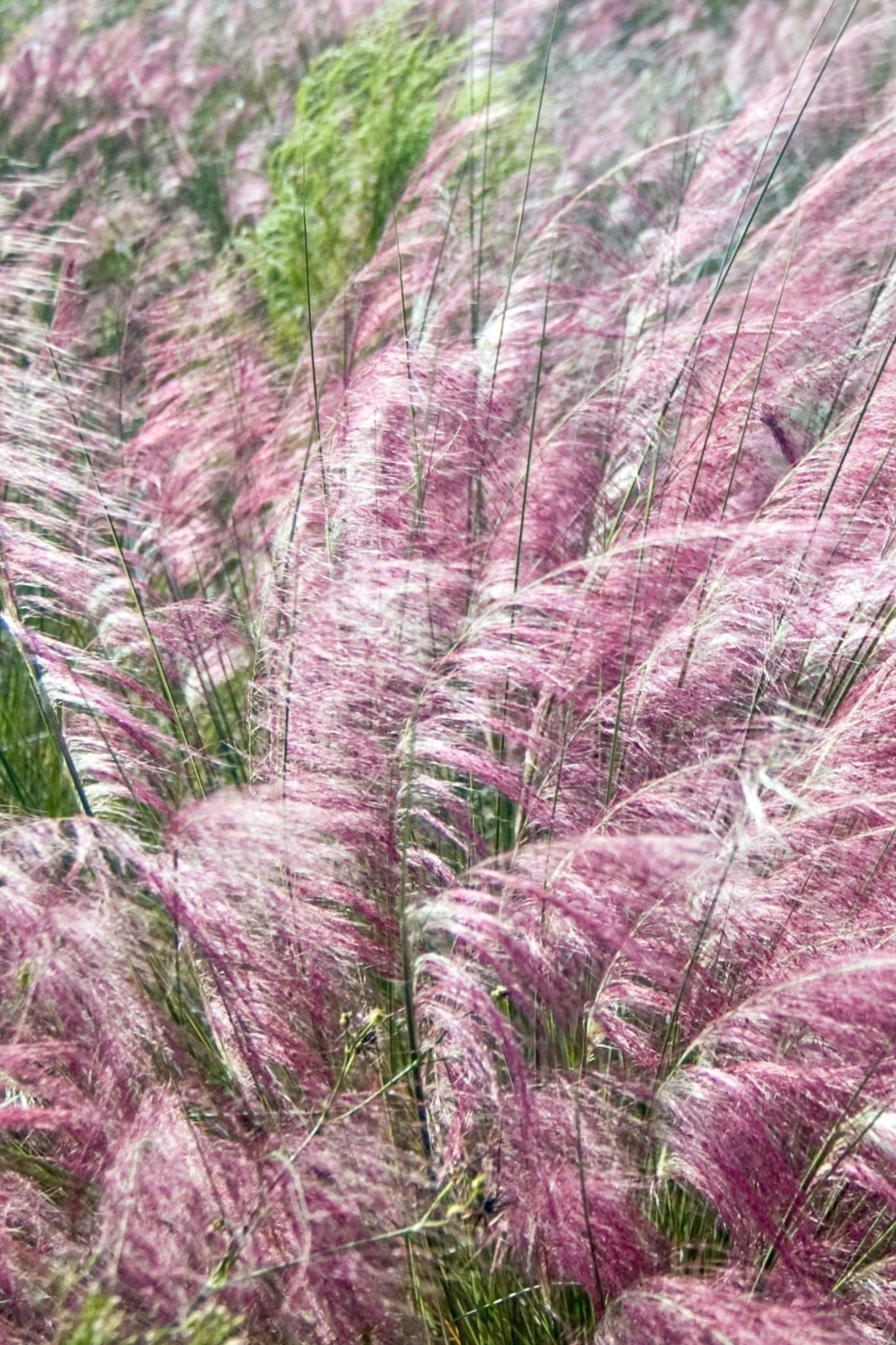
- Tall vertical habit adds height without needing a shrub.
- Native durability helps it deal with Missouri weather swings from wet to dry.
- Less inviting than leafy, tender plants which is exactly what a deer-prone yard needs.
If little bluestem is the graceful grass on this list, switchgrass is the strong one. It gives a bed height, movement, and structure, which is useful when everything else is mounded or sprawling.
It also fits the state naturally. Missouri gardeners with open sun, heavier soil, or a rain garden edge can often use switchgrass to solve more than one problem at once. That kind of versatility is worth a lot in a wildlife-heavy yard.
Care tip: Do not cut it down in fall. Leave it standing through winter for structure, then trim it back before spring growth begins.
15. Anise Hyssop (Agastache foeniculum)

- Licorice-scented foliage is one of the best natural deterrents on this list.
- Long bloom window keeps color going without constant deadheading.
- Easy fit with prairie-style planting where Missouri gardeners want color and resilience together.
Anise hyssop has the kind of fragrance that works in the gardener’s favor. Brush past it and you get that sweet herbal scent right away, which is exactly the sort of thing deer and rabbits usually prefer to avoid.
It also looks good for a long stretch. The upright spikes bring a little order to a mixed bed, and the plant pairs naturally with grasses, yarrow, and other sturdy summer bloomers. For the final slot on a Missouri list, it brings both color and common sense.
Care tip: Give it sun and decent drainage, and leave a few seedheads if you like the look later in the season.
Quick Tips to Deter Deer and Rabbits from Your Yard
Deer and rabbits can turn a promising yard into a buffet overnight. Even plants that are usually left alone can get sampled when food is scarce, especially in dry weather or in neighborhoods where wildlife has gotten comfortable around people.
The good news is that you usually do not need to win with one trick. A few smart changes can make your yard feel like more trouble than it is worth.
Start with the plants they like least
One of the easiest ways to cut down on damage is to fill more of the yard with plants that smell strong, feel rough, or have prickly or leathery leaves. Deer and rabbits usually go after the softest, most tender growth first.
That does not mean every plant has to be harsh or thorny. It just means the overall mix should lean toward plants that are not especially inviting. If a bed is packed with soft annuals, fresh vegetable growth, and juicy new shoots, it is going to get attention faster than a bed filled with yarrow, catmint, beardtongue, grasses, and other plants with stronger defenses.
Protect new plants first
Fresh growth is often what draws the most trouble. Even plants that become fairly resistant later can get chewed when they are young and tender.
That is why new transplants deserve extra protection during the first few weeks. A simple cage, a little netting, or a temporary barrier can make a big difference while the plant gets established. Once roots settle in and growth firms up, many plants become less tempting.
This matters most in vegetable gardens, newly planted flower beds, and around young shrubs.
Use barriers where they matter most
Physical barriers work better than most gardeners want to admit. They may not be exciting, but they are often the fastest way to stop repeated damage.
For rabbits, low fencing can do a lot of good if it is snug to the ground. For deer, taller fencing is more reliable, especially around beds that keep getting hit. Even small protective rings around favorite plants can help. It is a lot easier to defend a few prized plants than to fight a whole herd with wishful thinking.
If there is one bed they keep going after, protect that bed first.
Do not make the yard too comfortable
Wildlife likes cover. Rabbits especially love places where they can duck in and out without being seen. Brush piles, tall weeds, unmowed edges, and overgrown corners can make a yard feel safe.
Cleaning up those hiding spots can make a real difference. Keep grass cut, trim back heavy growth near beds, and do not let low branches or thick groundcover create an easy shelter zone. A tidy yard is not rabbit-proof, but it is often less inviting.
Rotate repellents and stay consistent
Repellents can help, but they work best when used early and reapplied often. Once deer or rabbits decide a plant is worth eating, it gets harder to convince them otherwise.
It also helps to switch products from time to time. Animals get used to the same smell or taste. Sprays are usually most useful on valuable plants, young growth, and trouble spots near the edge of the yard. After rain, irrigation, or a flush of new growth, they usually need another round.
Think like a hungry animal
The best defense is to look at the yard the way deer and rabbits do. They are looking for tender food, safe cover, and easy access. If the yard offers all three, they will keep coming back.
Take away one or two of those advantages, and the whole place becomes less appealing. That is usually how real progress happens. Not with one miracle cure, but with a yard that slowly becomes a harder place to snack.
Thanks for Reading
Deer and rabbits may be stubborn, but the right plant mix can tilt the odds back in your favor. With smart choices, a Missouri yard can still look full, colorful, and worth showing off. Thanks for reading, and happy planting out there.