A plant does not need thorns or poisonous sap to become a costly problem. Some vines wedge beneath siding, wrap around gutters, or become heavy enough to pull down an aging fence.
Fast-spreading roots and rhizomes can lift pavement, enter damaged drains, and exploit existing cracks near a foundation. Even popular shade trees can create trouble when planted too close.
These 15 plants deserve extra caution around homes, garages, fences, pipes, and patios. 👇
1. English Ivy
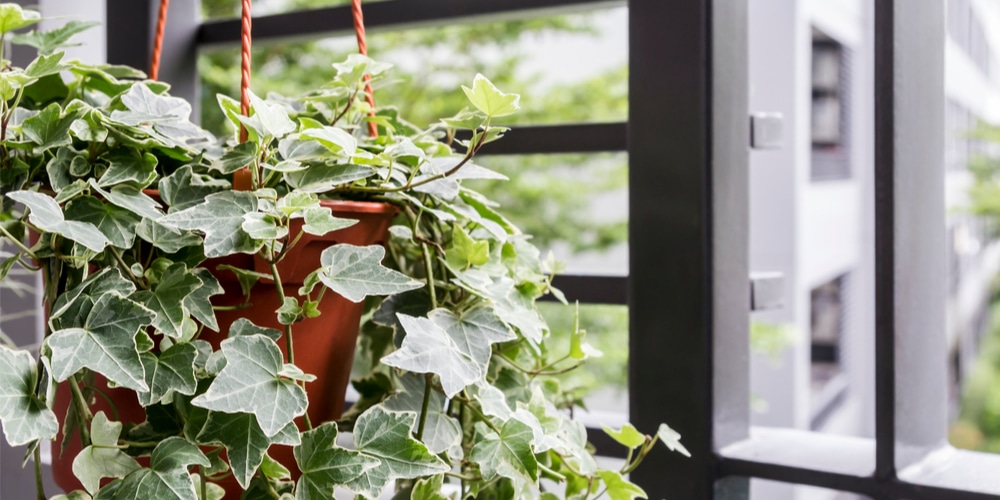
- English ivy stays green through winter in many climates.
- Mature vines can climb 60 feet or more when support is available.
- Its aerial rootlets cling directly to brick, stone, bark, and rough siding.
English ivy can make an old wall look established and romantic, but it is difficult to control once it reaches the house.
Its tiny holdfasts grip rough surfaces and can become tangled in mortar joints, trim, vents, and gaps around windows. The vine does not normally punch through sound brick, yet it can exploit loose mortar, cracked stucco, peeling paint, or damaged wood.
Dense ivy also holds leaves and moisture against surfaces. That makes inspection harder and may allow rot, insects, or existing damage to go unnoticed. Pulling a mature vine from painted siding can remove paint or leave stubborn rootlet marks behind.
Safer alternative: Train native crossvine or coral honeysuckle on a freestanding trellis positioned several inches away from the wall.
2. Chinese and Japanese Wisteria

- Asian wisterias can grow several feet in a single year.
- Their main stems eventually become thick, woody, and trunk-like.
- Twining stems can tighten around railings, posts, downspouts, and fence boards.
Few vines look as impressive in bloom, but mature wisteria has the strength and weight of a small tree.
When allowed to wrap around a porch column, metal railing, gutter, or wooden fence, its expanding stems can bend, crush, or pull apart the support. A lightweight lattice that handled the young plant may collapse years later.
Roots and runners also travel beyond the original planting area. Cut vines can resprout, and pieces of root left in the soil may produce new growth. Asian wisteria should never be allowed to climb directly onto a house or garage.
Safer alternative: American wisteria offers similar flowers with less rampant growth, but it still needs a strong, freestanding arbor and regular pruning.
3. Trumpet Vine

- Trumpet vine attracts hummingbirds with bright orange-red flowers.
- It climbs using aerial rootlets that attach to rough surfaces.
- Underground runners can send up suckers far from the original vine.
Trumpet vine is sometimes nicknamed “hellvine” because restraining it can be harder than growing it.
Its clinging stems can spread across brick, wood, fences, and utility structures. New growth may work beneath loose siding, shingles, flashing, or trim, especially when the plant is ignored for several seasons.
The underground problem can be just as frustrating. Trumpet vine suckers freely and may appear beside patios, along fence lines, or in lawn areas. Cutting the top growth does not necessarily remove the established root system, and its eventual weight can overwhelm weak trellises and neglected fences.
Safer alternative: Native coral honeysuckle provides tubular flowers for hummingbirds without the same aggressive suckering habit.
4. Virginia Creeper

- Virginia creeper is native across much of eastern and central North America.
- Its leaves usually have five leaflets, unlike poison ivy’s three.
- Adhesive discs let it climb walls and fences without a trellis.
Virginia creeper is valuable for birds and brilliant fall color, but location matters when it is planted near a structure.
Its small adhesive pads cling tightly to wood, masonry, and painted surfaces. They generally do not bore into sound materials, yet the vine can damage paint, weathered wood, or already weakened surfaces when removed.
Because it grows quickly, Virginia creeper can reach gutters, soffits, roof edges, shutters, and window screens before a homeowner notices. Thick growth can conceal cracks, loose boards, and moisture problems. On fences, older stems become woody and add substantial weight.
Safer alternative: Let Virginia creeper cover a heavy-duty arbor, pergola, or separate privacy screen rather than the home itself.
5. Boston Ivy

- Boston ivy is the vine responsible for many classic ivy-covered buildings.
- It turns vivid red or burgundy in fall.
- Adhesive discs attach the vine directly to walls and other flat surfaces.
Boston ivy is often safer on sound masonry than English ivy because its adhesive pads do not penetrate like true roots. That does not make it maintenance-free.
The pads can cling stubbornly to painted siding, stucco, wood, and aging mortar. Removal may leave marks or pull away weak coatings.
The vine also grows high enough to enter gutters, rooflines, vents, and small construction gaps. Its foliage can hide deterioration until repairs become more expensive, and wooden fences may lean under the weight of a large, rain-soaked plant.
Safer alternative: Use Boston ivy only on a sturdy detached structure, or choose a non-clinging clematis trained on wires or lattice.
6. Climbing Hydrangea
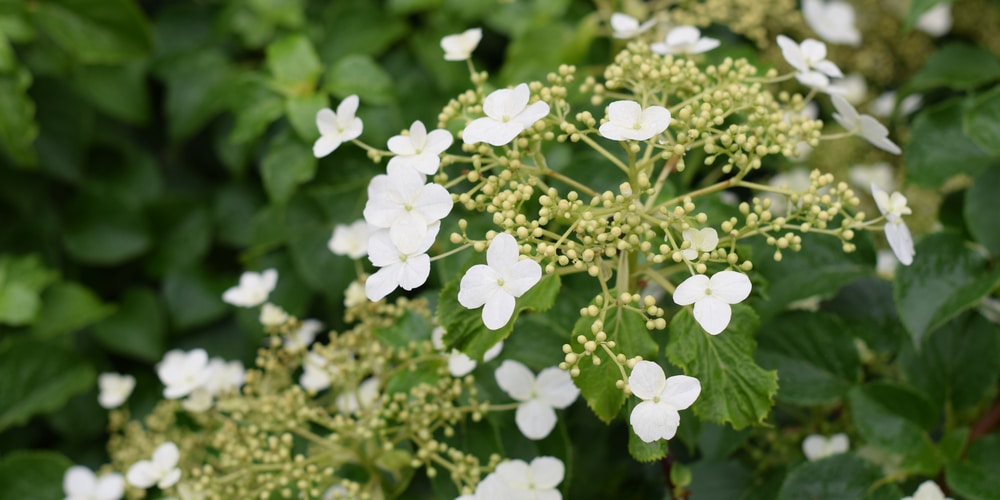
- Climbing hydrangea can eventually reach 30 to 50 feet.
- It produces large clusters of white, lacecap-style flowers.
- Root-like holdfasts allow it to cling directly to bark, walls, and wood.
Climbing hydrangea begins slowly, which can make it seem unusually well-behaved. Once established, however, it becomes a large, heavy woody vine.
The holdfasts grip rough siding and masonry, and mature branches can spread over windows, gutters, roof edges, and trim. Wood siding and older surfaces are especially risky.
The vine can make painting, caulking, pest inspections, and repairs nearly impossible without major pruning. On a fence, its weight may bow panels or loosen posts that were never designed to support a decades-old vine.
Safer alternative: Grow a compact clematis on a replaceable trellis that stands away from the siding.
7. Japanese Honeysuckle
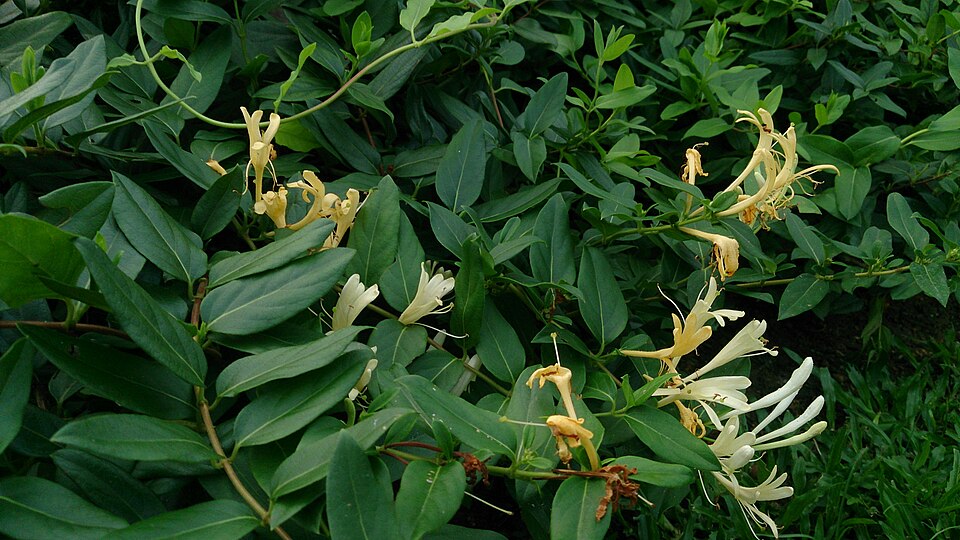
- Japanese honeysuckle can grow several feet each year.
- It may remain partly evergreen during mild winters.
- Its twining stems tighten around plants, wires, rails, and narrow fence parts.
Japanese honeysuckle spreads over the ground until it finds something to climb. Once it reaches a fence, shrub, downspout, or railing, it twists upward and produces a dense mass of stems.
Older vines become woody and can bend wire fencing, trap moisture against wood, or make repairs difficult.
The vine also layers where stems touch soil and spreads by seed. Simply cutting it off a fence may provide only temporary relief if the rooted base and surrounding runners remain. It can quickly cross property lines and swallow landscaping near sheds and garages.
Safer alternative: Plant native coral honeysuckle, which has attractive flowers and wildlife value but is easier to manage.
8. Wintercreeper

- Wintercreeper can behave as a groundcover, shrub, or climbing vine.
- It stays evergreen in many areas.
- Climbing stems cling to brick, stone, bark, and textured surfaces.
Wintercreeper often starts as a harmless-looking patch near the foundation. Its stems spread across the soil, root as they travel, and climb when they encounter walls, trees, or fences.
Once it begins climbing, it can reach siding, windows, gutters, and rooflines.
Dense mats around a house can conceal the foundation edge and make it harder to spot cracks, termites, drainage problems, or damp wood. Clinging growth may damage paint and weathered siding during removal, and established patches are difficult to eliminate because rooted stems can survive in many locations.
Safer alternative: Use native Allegheny spurge or a well-behaved sedge as an evergreen groundcover near the house.
9. Running Bamboo
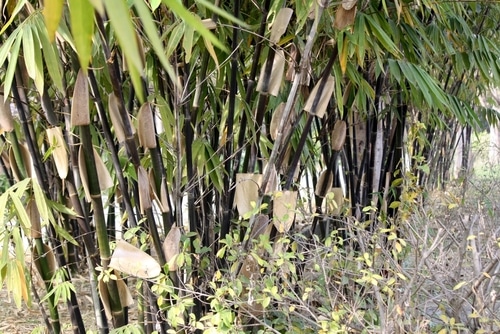
- Bamboo is technically a grass, not a tree.
- Running types spread through long underground rhizomes.
- Rhizomes can enter cracks, drains, gaps, and weak points in hard surfaces.
A bamboo screen can turn into a neighborhood dispute when underground rhizomes travel beneath fences and into adjoining yards.
New shoots may emerge through lawns, gravel, thin asphalt, landscape fabric, or gaps beside patios. The rhizomes do not normally break a sound concrete foundation, but they can exploit joints, cracks, damaged drains, and openings around structures.
Containment barriers must be deep, durable, correctly installed, and inspected regularly because rhizomes can travel over or around them. Removing an established grove may require repeated cutting and extensive excavation.
Safer alternative: Choose a cold-hardy clumping bamboo such as a suitable Fargesia, preferably in a large container or isolated bed.
10. Japanese Knotweed

- Japanese knotweed can reach roughly 10 feet tall in favorable conditions.
- It spreads mainly through a powerful underground rhizome network.
- Small stem or rhizome fragments can start new plants.
Japanese knotweed is one of the most difficult landscape plants to remove.
Its shoots can push through joints and existing cracks in pavement, walls, and other hard surfaces. It is especially concerning near damaged foundations, retaining walls, drainage structures, driveways, and utility corridors.
The plant dies back above ground in winter, but the rhizomes remain alive. Digging without a careful plan can chop and spread them, turning one patch into several. Control often takes multiple seasons, and a large infestation near a building may justify professional help.
Safer alternative: For a tall privacy screen, use switchgrass, big bluestem, or a clumping ornamental grass suited to your region.
11. Weeping Willow
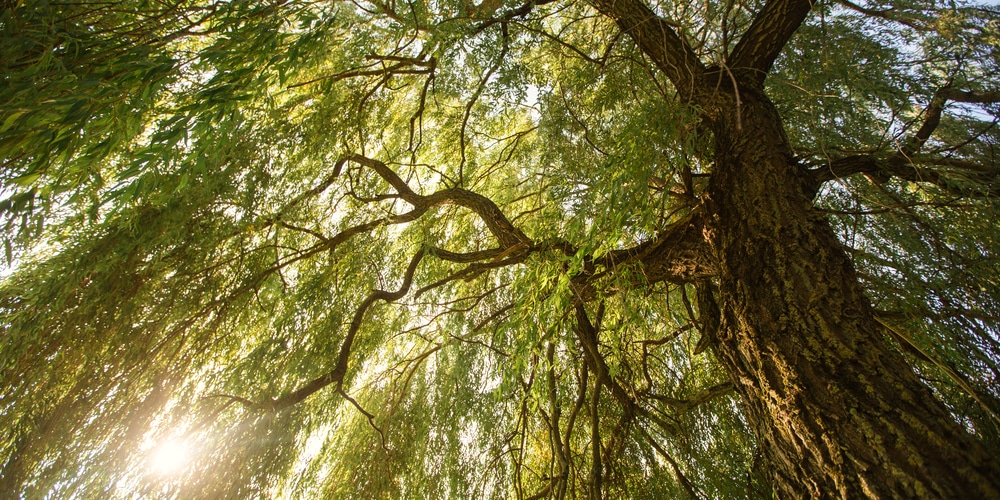
- Weeping willows grow quickly and prefer moist ground.
- Their roots naturally seek dependable sources of water.
- Weak wood and spreading roots create two different risks near structures.
Willow roots are notorious for entering leaking sewer lines, damaged drains, septic systems, and wet utility trenches.
They are not likely to crush a sound foundation, but a large willow placed close to a house can complicate drainage and exploit existing underground defects.
Above ground, long limbs and weak wood create another hazard. Storm-damaged branches may fall onto fencing, siding, roofs, or vehicles. The tree’s mature spread also makes it a poor fit for small residential lots, particularly near buried lines or aging structures.
Safer alternative: Consider a smaller moisture-tolerant tree such as serviceberry, river birch, or buttonbush, depending on the available space.
12. Silver Maple
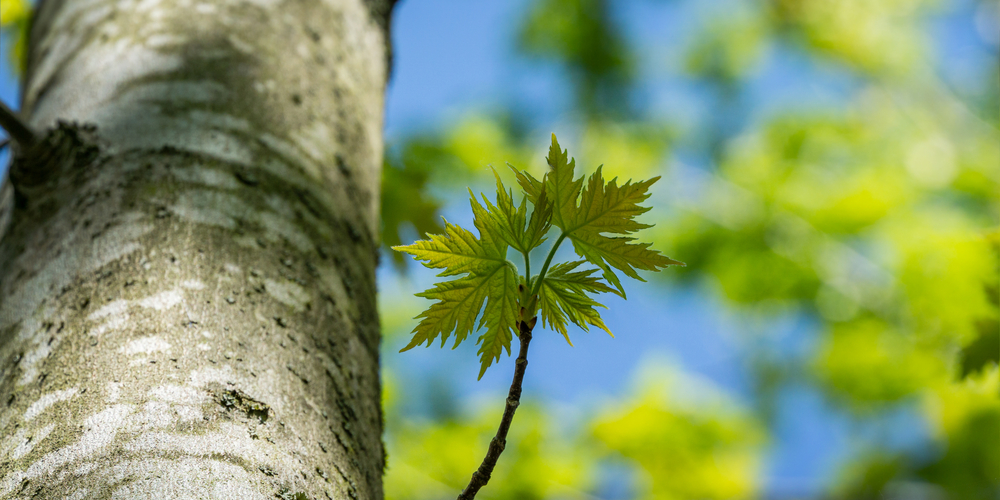
- Silver maple is one of the fastest-growing native maples.
- Its roots are shallow and often visible near the soil surface.
- Those roots can lift sidewalks and invade septic systems or damaged drains.
Silver maple became popular because it produces shade quickly, but fast growth comes with tradeoffs.
Large surface roots can heave walks, interfere with mowing, push against edging, and disturb fence posts or lightweight hardscaping. Roots may also seek openings in wet drainage systems.
The tree can grow very large, and its wood is more prone to breakage than that of many slower-growing shade trees. Planted too close to a home, it may eventually hang heavy limbs over the roof or scrape siding during storms.
Safer alternative: Plant a slower-growing shade tree such as bur oak, black gum, or a properly sited red maple cultivar.
13. Cottonwood and Poplar
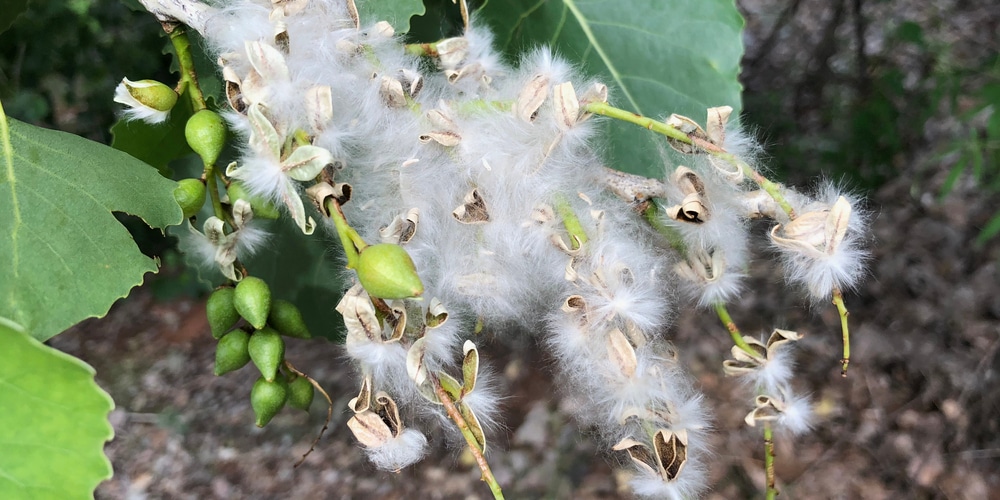
- Cottonwoods are among the fastest-growing North American trees.
- Many poplars produce shallow roots and numerous root suckers.
- Mature trees may combine invasive roots with weak, storm-prone wood.
A young cottonwood can look like an inexpensive solution for fast shade. The long-term cost can be far greater than expected.
Problems may include cracked pavement, clogged or invaded drainage lines, suckers spreading through the yard, and large limbs hanging over structures. Surface roots can also interfere with fence posts, patios, and driveways.
Cottonwoods become enormous, so even a tree planted a seemingly comfortable distance away may eventually dominate the property. Their branch drop, debris, and short-lived nature make them a poor choice near a house, garage, shed, or boundary fence.
Safer alternative: Use a sturdy native shade tree selected for your soil, then give it enough room to reach its full mature width.
14. Tree-of-Heaven

- Tree-of-heaven can grow in pavement cracks and narrow spaces beside walls.
- It spreads by both seed and aggressive root suckers.
- Cutting an established tree often triggers a flush of new shoots.
Tree-of-heaven thrives in the exact places where homeowners do not want a tree: beside foundations, inside fence lines, along alleys, and through cracked pavement.
Its roots and suckers can spread outward and create colonies around sheds, patios, and retaining walls.
Removing the trunk alone may make the problem worse because the stressed root system responds by sending up more shoots. Seedlings are easiest to pull while small. Established trees near structures often require a carefully timed control method rather than repeated cutting.
Safer alternative: Replace it with a regionally native small tree such as serviceberry, redbud, or flowering dogwood where conditions are suitable.
15. Bradford Pear
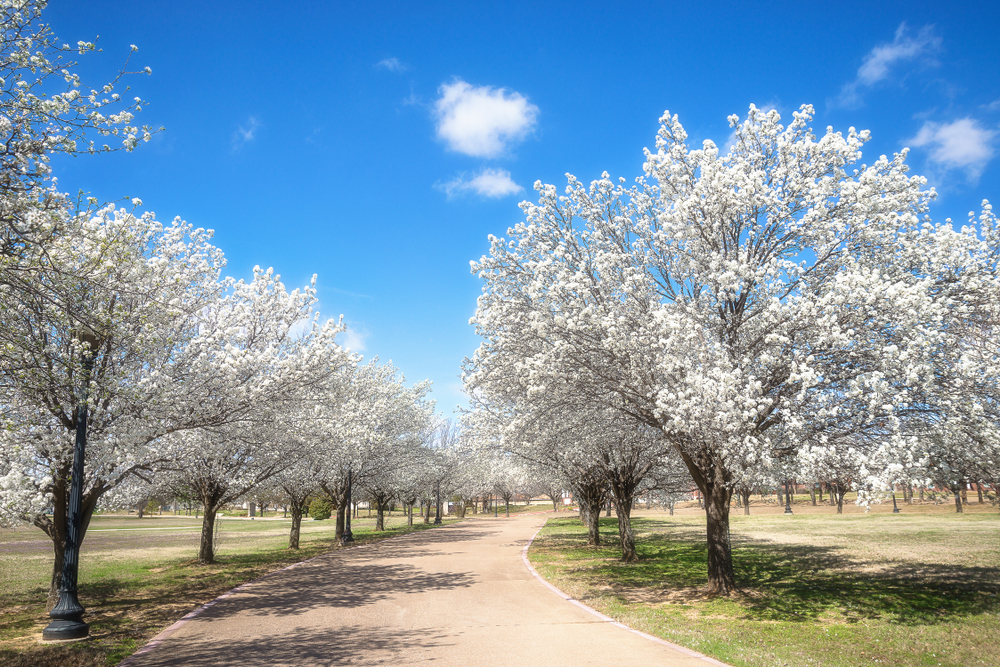
- Bradford pear grows quickly and flowers heavily in early spring.
- Its upright branches often meet the trunk at narrow, weak angles.
- Major splitting and storm breakage can damage roofs, siding, fences, and cars.
Bradford pear is not mainly a foundation threat. Its danger comes from what happens above ground.
Multiple large branches commonly rise from a tight central point, creating weak unions that can split under wind, ice, snow, or simply the increasing weight of the canopy.
A mature tree planted beside a driveway, garage, house, or fence can cause expensive damage when half the crown tears away. Corrective pruning may reduce risk while the tree is young, but it cannot completely change the cultivar’s naturally weak structure.
Safer alternative: Choose serviceberry, eastern redbud, fringetree, or another small flowering tree with stronger structure and better wildlife value.
Keep Aggressive Plants at a Safe Distance
Most plants do not attack sound concrete or intact siding. Trouble begins when vigorous roots, heavy stems, or clinging growth meet existing cracks, leaking pipes, weak mortar, aging paint, or undersized supports.
Before planting beside a home, check the plant’s mature size and growth habit—not the size of the nursery pot. A separate trellis, generous planting distance, and the right species can prevent years of pruning, repairs, and expensive removal.