That little pile of rosemary trimmings can still earn its place in your kitchen—or become another plant. Leafy sprigs can flavor dinner, dry into seasoning, or fill fragrant sachets; suitable fresh shoots can grow roots.
The trick is sorting them before they wilt. Bare, woody stalks are a different story: they are not chopped seasoning, and they will not all become cuttings. Here is how to save the useful parts without saving a drawer full of sticks.
1. Turn Leftover Sprigs Into a Removable Cooking Bundle
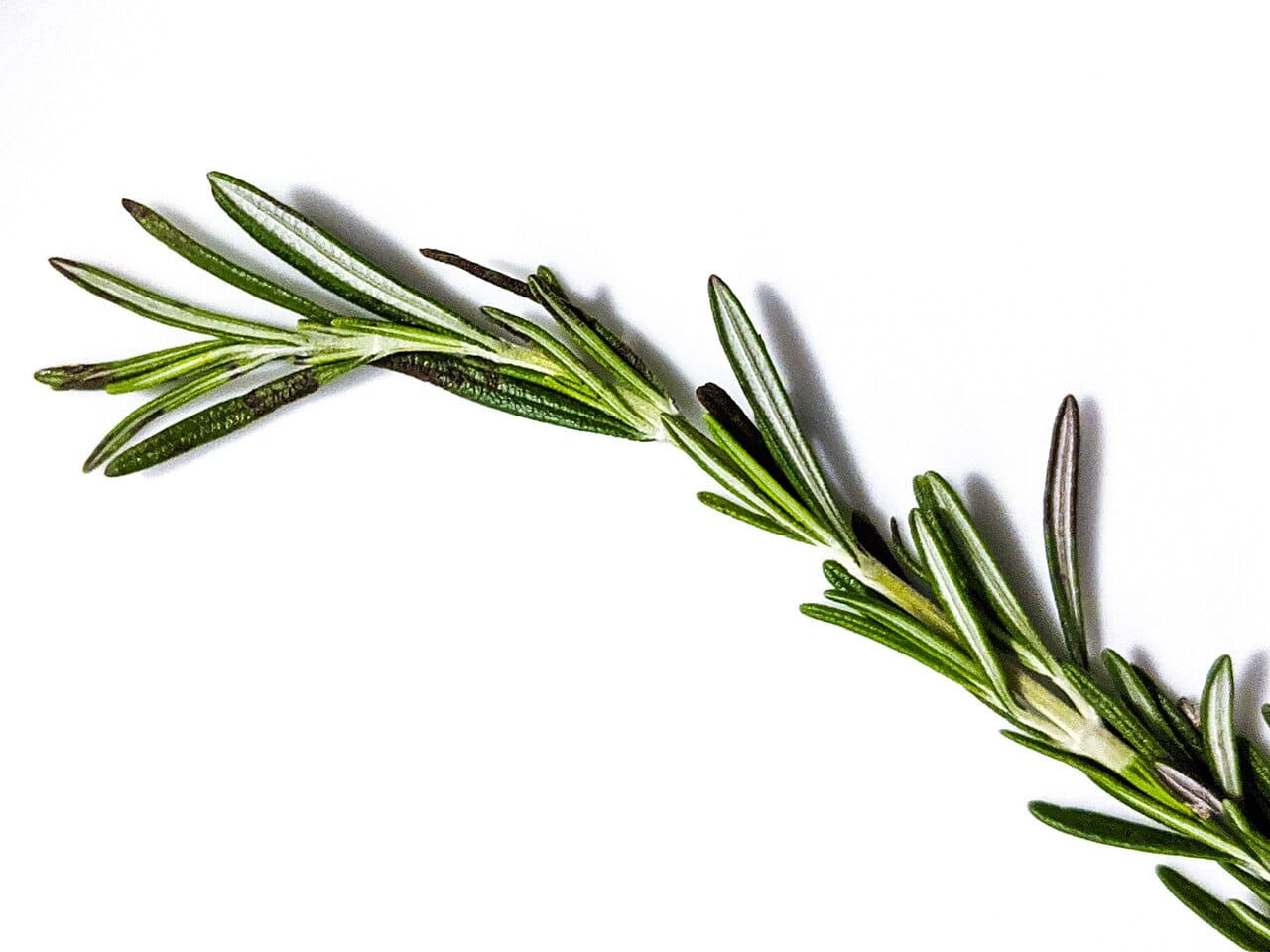
A rosemary sprig does not have to look perfect to be useful. One with a few leaves left can join an herb bundle for soup, beans, a braise, or a simmering sauce.
Use culinary rosemary from a known, food-safe source. Do not rely on a photograph to identify an unfamiliar shrub. Skip moldy, slimy, diseased, or contaminated trimmings. If the plant has been sprayed, follow the product’s edible-crop directions and required harvest interval.
Rinse usable sprigs under cool running water. Tie a small sprig with parsley and thyme using food-safe kitchen twine, or enclose the herbs in food-grade cheesecloth. This is a variation on a bouquet garni: flavor goes into the pot, while the tough pieces stay easy to remove.
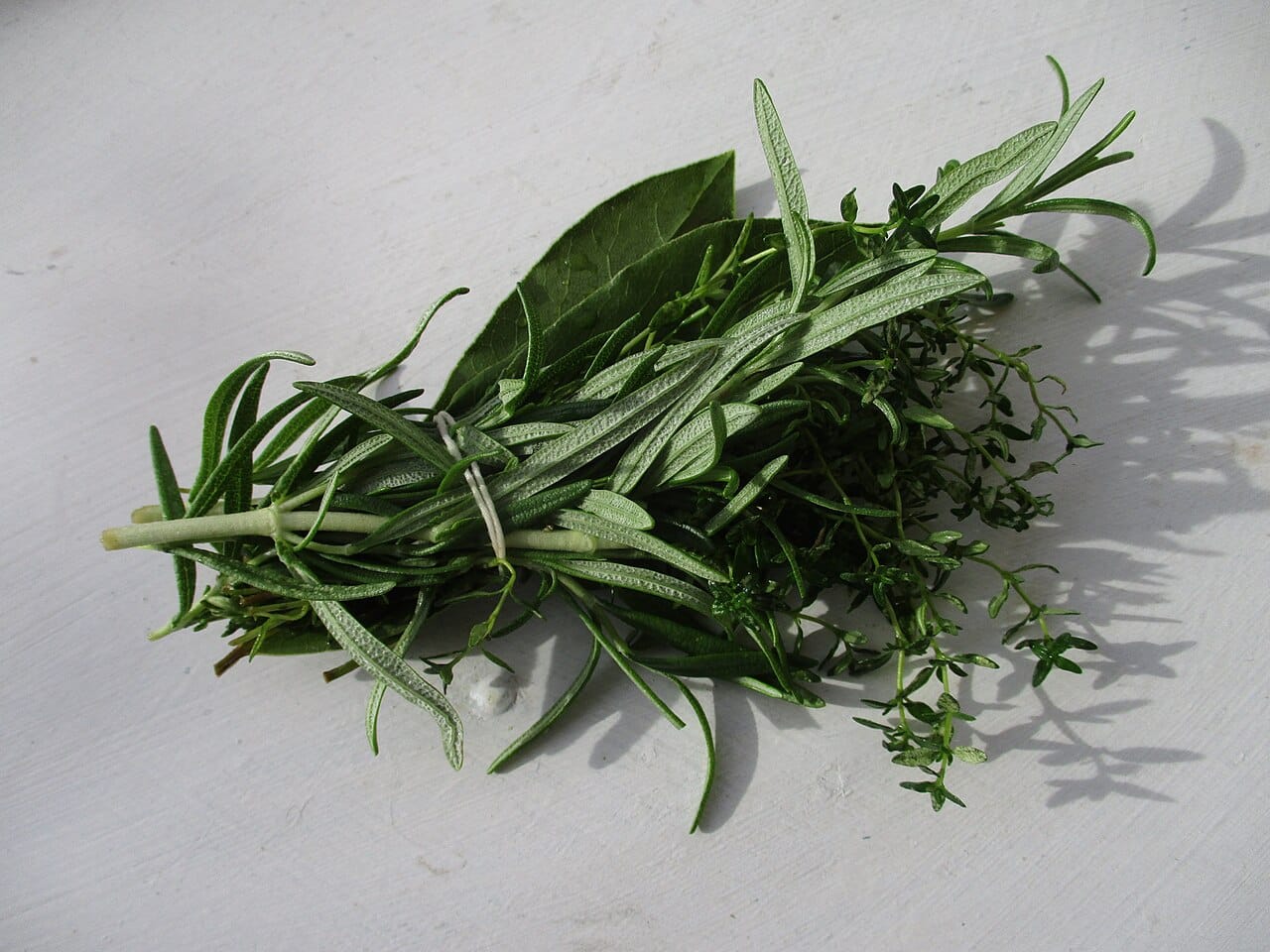
Start small, taste as the dish cooks, and remove the bundle when the flavor is strong enough. Rosemary can quickly dominate a mild broth. University of Nevada, Reno Extension recommends removing cooking bundles before serving; North Dakota State University notes that extended steeping can produce unpleasantly strong flavors.
Keep woody stems out of the finished food. Do not grind them into a seasoning blend or assume simmering will make them pleasant to chew. If a stalk is thick, bare, and no longer worth using, composting it is a perfectly good finish.
2. Dry Leafy Stems for Your Own Seasoning Jar
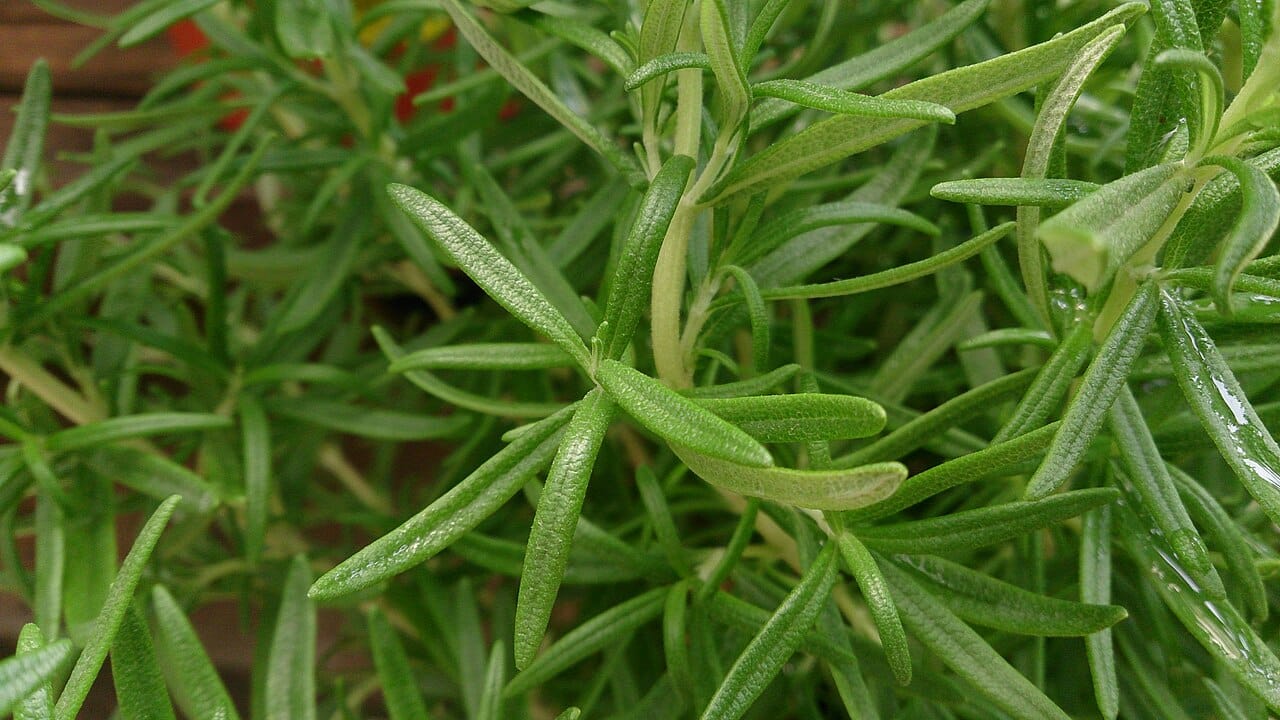
When the pile still has plenty of leaves, drying is the easiest way to save more than tonight’s dinner. Keep the leaves on their stems while they dry, then strip them off for storage. The stems act as convenient little drying racks.
After rinsing, shake off the water and pat the sprigs dry. Gather four or five stems into a loose bundle and hang it in a dry, well-ventilated place out of direct sunlight. Avoid a steamy corner over the stove or sink.
Do not judge readiness by the calendar alone. Humidity and bundle thickness change the drying time. The National Center for Home Food Preservation advises checking for leaves that crumble and stems that snap when bent. If your room stays humid, use a food dehydrator according to its herb-drying instructions.
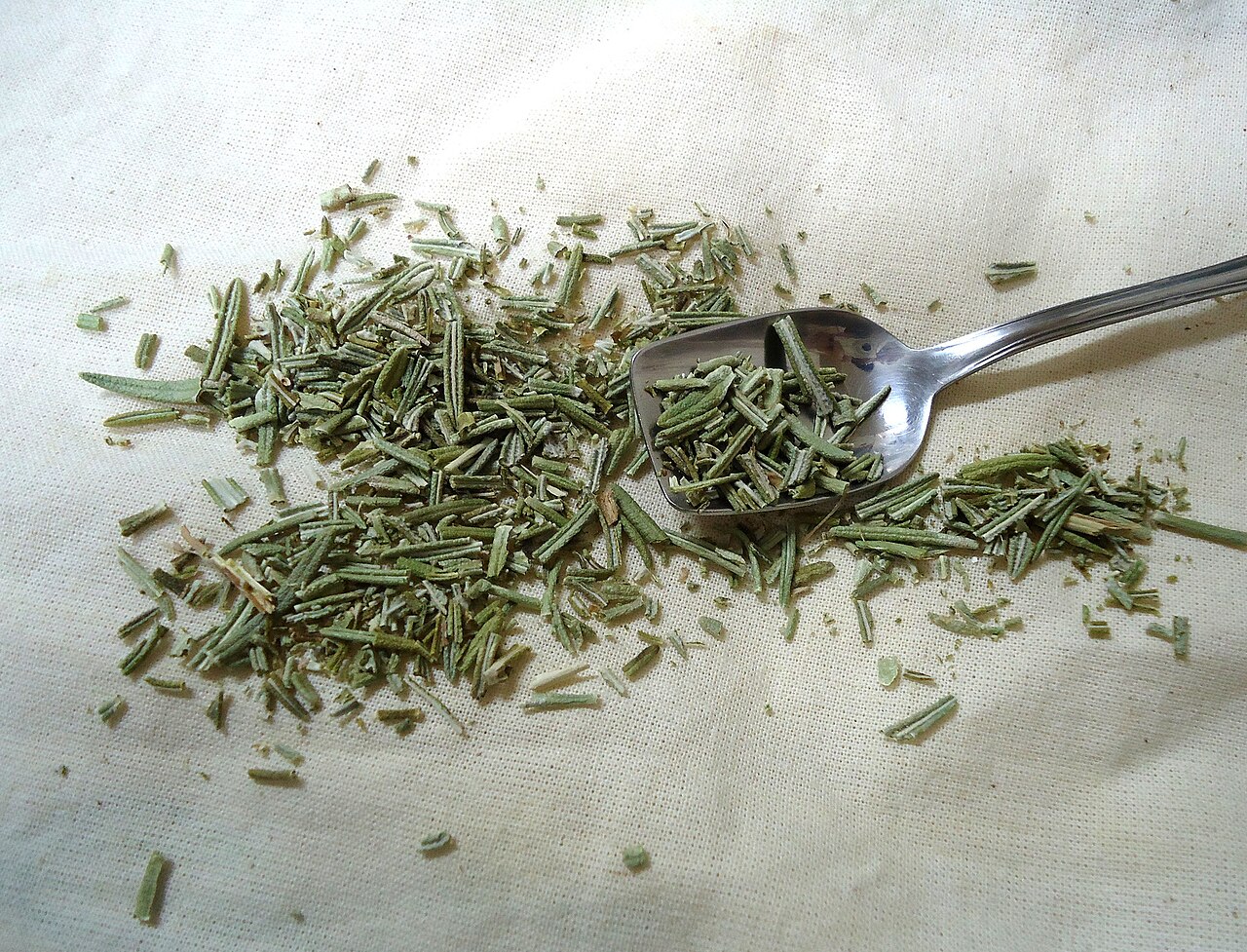
Strip the fully dried leaves over a clean tray. Pick out woody fragments, then put the leaves in a clean, dry, airtight jar. Label it and keep it away from heat and light. Crush a small amount when you cook rather than pulverizing the whole supply at once.
No drying space? University of Minnesota Extension also recommends freezing washed herbs as whole sprigs or leaves in labeled bags, or freezing chopped leaves in water in an ice cube tray. Remove tough stems before chopping.
Do not tuck rosemary into a bottle of oil and leave it on the counter. Unless you follow a tested acidification method, homemade herb oils need refrigeration and must be used within four days or frozen. Oregon State University Extension warns that improper storage can allow botulism toxin to develop. Drying the herb first does not make an improvised oil mixture shelf-stable.
3. Make a Simple Rosemary Sachet
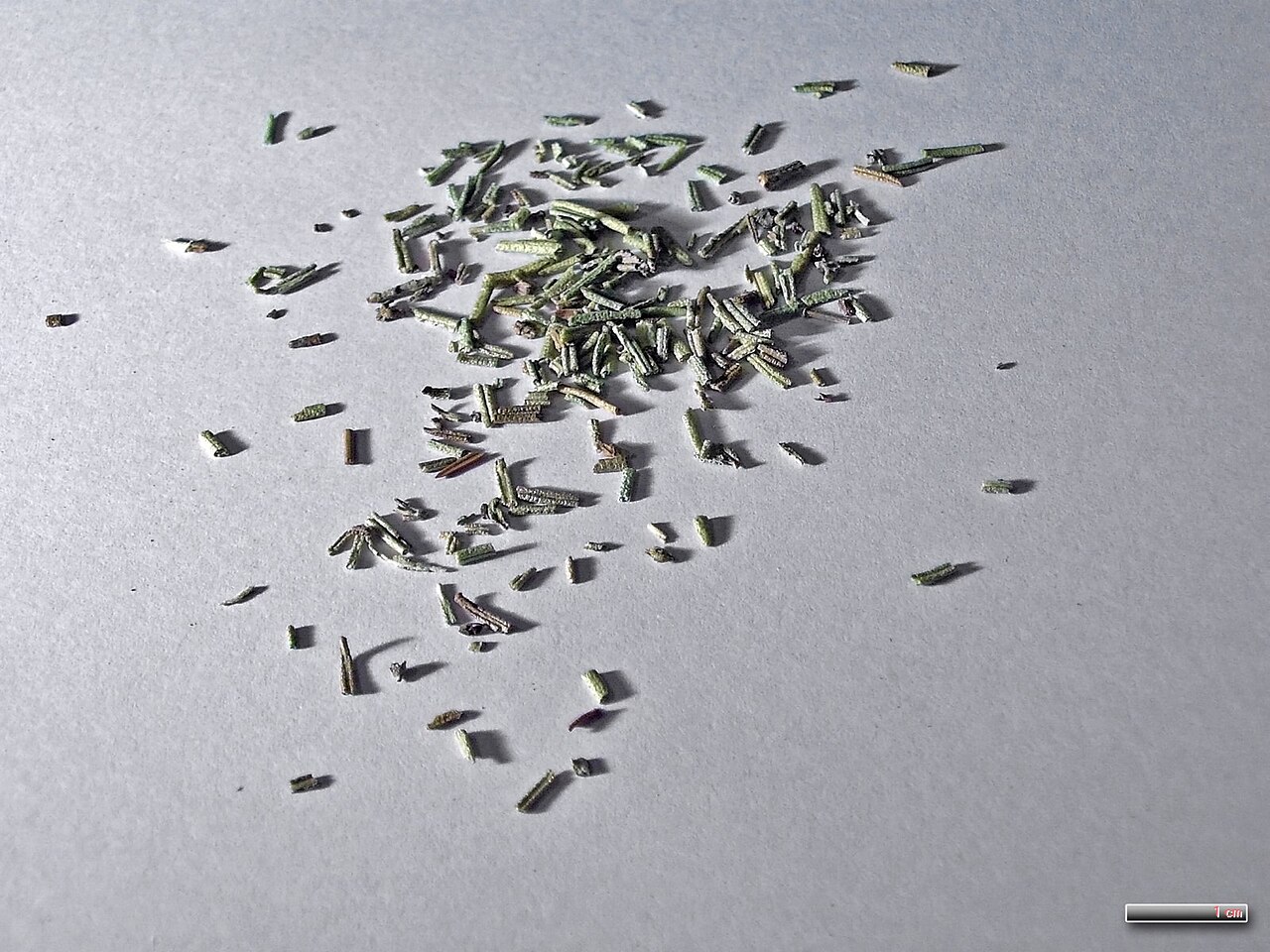
Once your seasoning jar is full, save a little of the dried rosemary for a cloth sachet. It is an easy way to enjoy that familiar garden scent without another bottle of fragrance.
Use fully dried leaves and a small, breathable fabric bag. A clean cotton or linen pouch works well. Strip the leaves from the stems and crumble them lightly; sharp, rigid stalks do not belong against delicate fabric.
Fill the pouch loosely, leaving room to close it securely. If you prefer a mixed scent, add a little fully dried lavender or dried rose petals. Iowa State University Extension includes rosemary among the herbs suitable for potpourri.

Tie or sew the opening shut, label the contents, and place the sachet where you can enjoy it without scattering loose herbs. Gently rubbing the pouch can refresh its scent by crushing the contents a little more—a technique described in the Davis Museum’s sachet-making guide.
Dry first, fill second. Packing freshly cut, damp rosemary into a bag can invite mold instead of preserving its fragrance. Discard any sachet that becomes damp or musty.
Keep decorative sachets separate from your cooking herbs and out of reach of young children and pets. Use them for fragrance, not as a substitute for pest control. A small pouch you actually enjoy is more useful than ten forgotten bags.
4. Save Fresh Shoots to Grow Another Plant
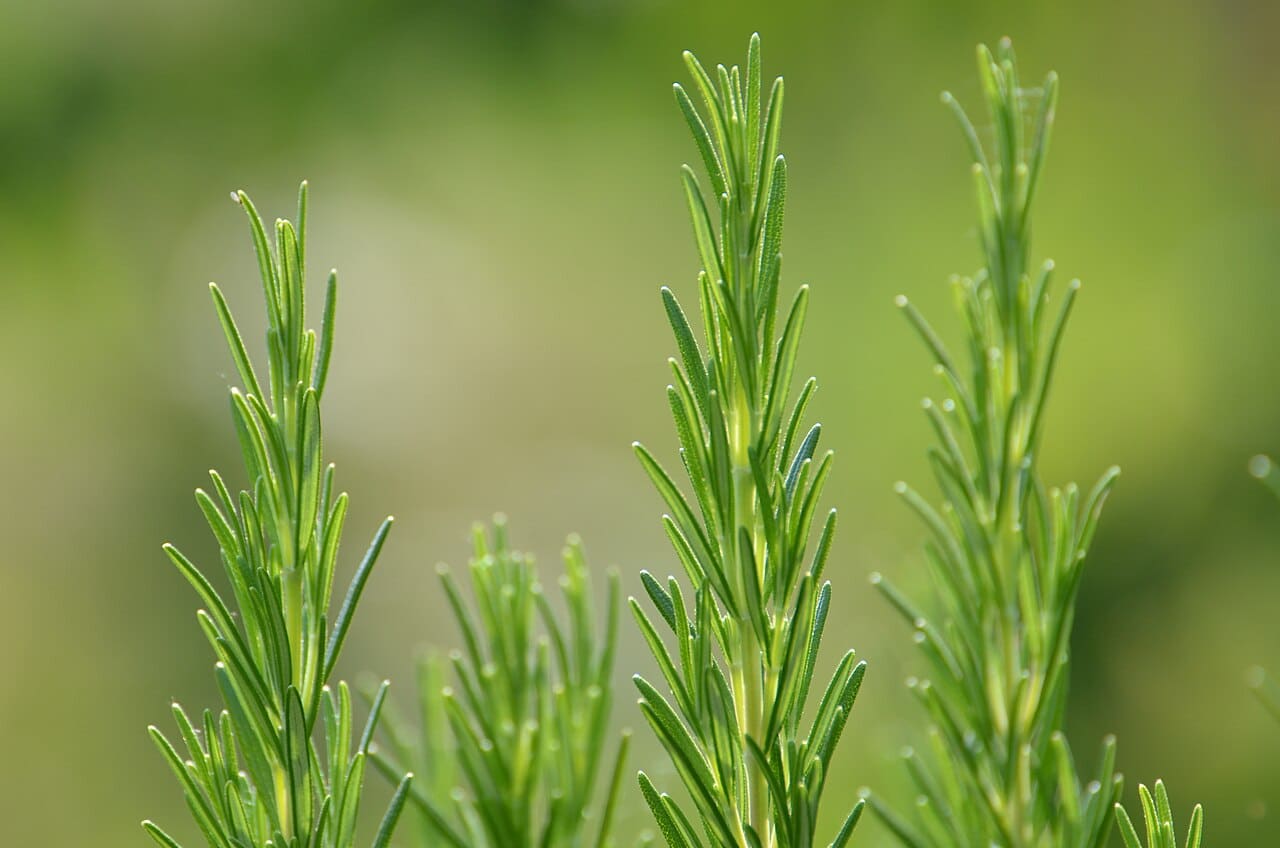
The most valuable trimming may be the one you do not dry. A healthy, leafy shoot can become a new rosemary plant. Choose it before the trimmings sit around and wilt.
The Royal Horticultural Society recommends softwood cuttings from new growth in late spring or summer, and semi-ripe cuttings in summer. Semi-ripe growth has begun to firm at the base while remaining softer toward the tip. An old, leafless branch from a hard pruning is not the same material.
For a basic semi-ripe cutting:
- Select a healthy, nonflowering shoot from the current season’s growth. Use clean, sharp pruners.
- Prepare a cutting about 4–6 inches long, making the lower cut just beneath a leaf node. Remove the lower leaves so they will not be buried.
- Insert the bare lower stem into a small pot with drainage holes and a free-draining propagation mix. Firm it gently, water, and let excess water escape.
- Keep it in bright, indirect light. Maintain light moisture rather than saturated soil. If you use a clear cover to limit wilting, ventilate it and keep it out of direct sun.
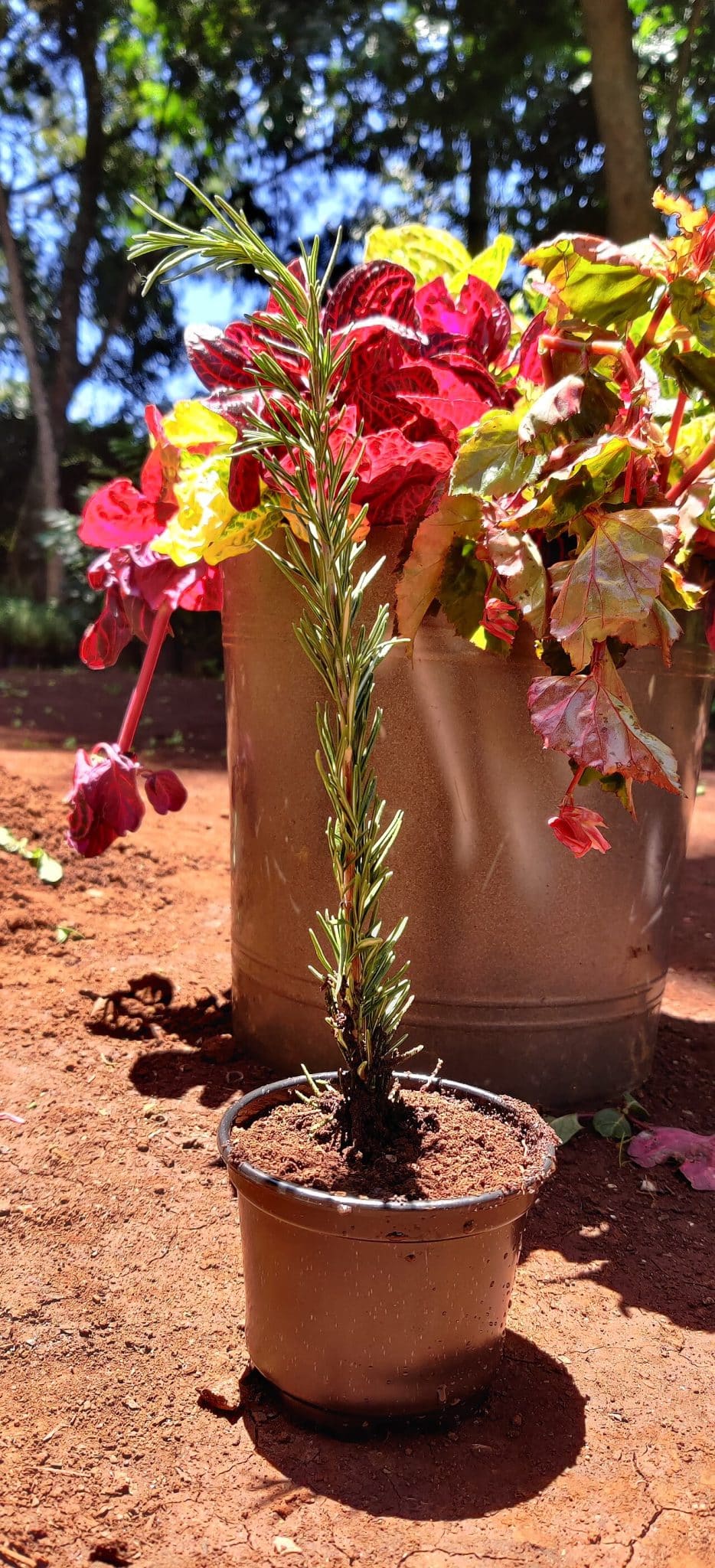
Allow several weeks or longer; rooting is not guaranteed. Take a few cuttings rather than betting on one, and avoid repeatedly pulling them out to check. Once a cutting has a developed root system, move it into its own pot and gradually adjust it to brighter conditions.
A cutting preserves the parent plant’s characteristics, which is especially useful when you like a particular rosemary’s habit or flavor.
Do not cut a healthy rosemary bush back into bare old wood just to create more projects. Save useful trimmings from normal harvesting or light pruning, and leave plenty of leafy growth on the plant. The best stem-saving habit starts with keeping the original plant productive.
References
- University of California Agriculture and Natural Resources: “Gifts From the Garden” — rosemary in herb bundles.
- University of Nevada, Reno Extension: “Selected Culinary Herbs: Harvesting, Preservation and Usage” — cooking bundles and preservation.
- North Dakota State University Extension: “From Garden to Table: Harvesting Herbs for Healthy Eating” — controlling flavor and removing herb bundles.
- National Center for Home Food Preservation: “Herbs” — drying, dryness tests, and storage.
- University of Minnesota Extension: “Growing herbs in home gardens” — small drying bundles and freezing options.
- Oregon State University Extension: “Herbs and vegetables in oil” — refrigeration, freezing, and botulism prevention.
- Iowa State University Extension: “Growing, Harvesting, and Drying Herbs” — rosemary harvesting and dried-herb potpourri. Food-oil safety guidance above follows Oregon State’s dedicated preservation publication.
- Davis Museum at Wellesley College: “Aromatherapy Sachets” — breathable bags, dried fillings, and refreshing scent.
- Royal Horticultural Society: “How to grow rosemary” — cutting types, propagation, and avoiding hard pruning into old wood.
- Royal Horticultural Society: “Cuttings: semi-ripe” — preparing cuttings and their care.
Turn Leftover Sprigs Into a Removable Cooking Bundle
- RosemarySprig.jpg — PilotChicago; CC BY-SA 4.0.
- Bouquet garni 01.jpg — Arnaud 25; CC BY-SA 4.0.


Dry Leafy Stems for Your Own Seasoning Jar
- Rosemary (Rosmarinus officinalis) 3.jpg — Mokkie; CC BY-SA 3.0.
- Rosemary leaves.jpg — Mauro Cateb; CC BY-SA 4.0.
_3.jpg)

Make a Simple Rosemary Sachet
- Rosmarini folium 098242.jpg — Rillke; CC BY-SA 3.0.
- Cream Linen Lavender Sachets.jpg — Flickr: Le Petit Poulailler; CC BY 2.0.


Save Fresh Shoots to Grow Another Plant
- Rosemary twigs.jpg — Kmtextor; CC BY-SA 4.0.
- Rosemary Herb Propagation in Kenya.jpg — Yganyana; CC BY-SA 4.0.

