New Mexico can be hard on plants. The sun is intense, the air is dry, the soil often runs alkaline, and winter can hit a lot harder than newcomers expect.
These 18 New Mexico-friendly perennials are built for that reality. They bring color, texture, and staying power without asking for endless watering or pampering.
Whether you garden in Albuquerque, around Las Cruces, in the Rio Grande Valley, or in another lower-water part of the state, these are the kinds of plants that can settle in and start earning their keep.
Get ready to meet the toughest, most beautiful perennials that can keep a New Mexico yard looking alive year after year. ⬇️
1. Desert Marigolds (Baileya multiradiata)

- Bright yellow daisy-like flowers that look cheerful even in harsh sun.
- One of the best true dry-climate perennials for open, hot spots.
- Excellent for gravel beds and low-water borders.
Desert marigolds feel made for New Mexico because they are. They handle heat beautifully, keep blooming longer than you would expect, and never look like they need coddling.
Care tip: Full sun and sharp drainage are the whole game here. The less you baby them, the better they usually look.
2. Poppy Mallows (Callirhoe involucrata)
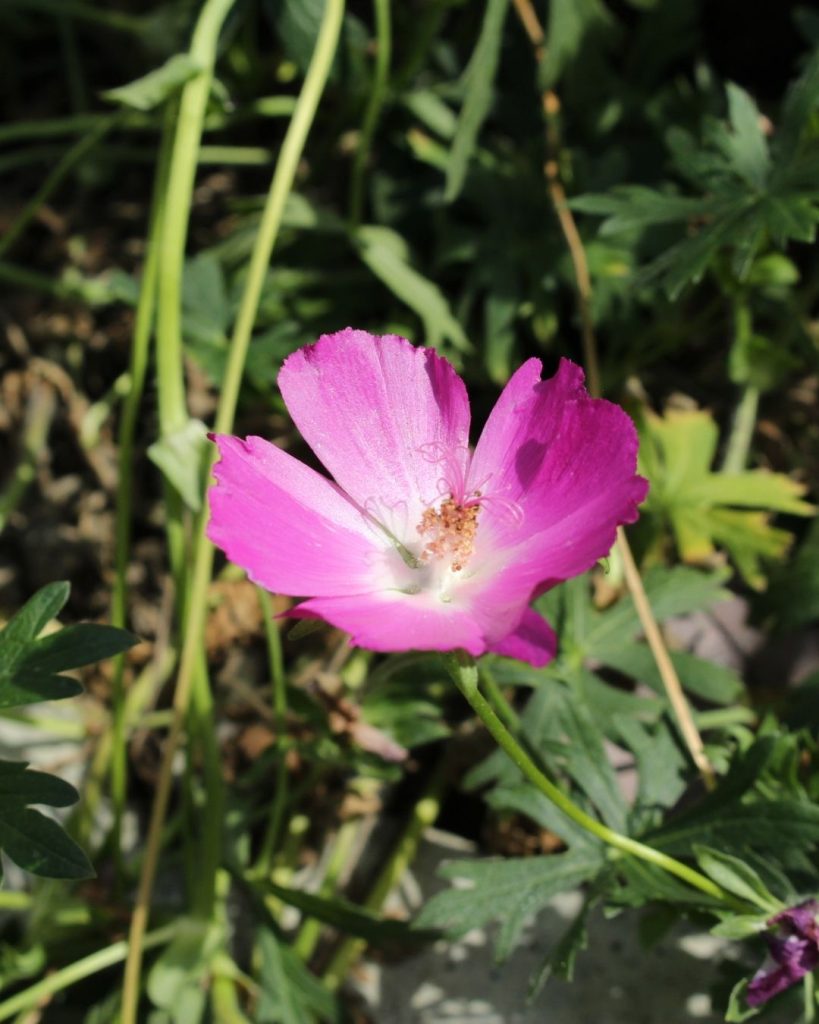
- Low-spreading habit with vivid magenta flowers.
- Great for edges, slopes, and spilling over rock.
- Handles heat and leaner soil well once established.
Poppy mallows are one of those plants that softens a hard landscape fast. They give you strong color without becoming needy, and they look especially good where a bed needs something to spill and spread.
Care tip: Plant them where they can stretch out instead of squeezing them into a tight little formal space.
3. Indian Paintbrushes (Castilleja spp.)

- Bright red to orange color with a true Southwestern feel.
- Best in native-style or more natural plantings.
- Ideal when you want the yard to feel like New Mexico, not borrowed from somewhere wetter.
Indian paintbrushes have the kind of color that makes people stop. They are not the usual suburban border plant, which is exactly why they work so well in a New Mexico list.
Care tip: Think naturalistic, not fussy. They belong in plantings that feel a little freer and less forced.
4. Sulphur Buckwheat (Eriogonum umbellatum)

- Low mounds topped with warm yellow blooms.
- Perfect for rocky soil and sun-baked spots.
- One of the best choices for a dry native-looking border.
Sulphur buckwheat has that rugged, high-desert beauty that makes a yard feel grounded in place. It is tidy enough to look intentional and tough enough to handle the hard parts of gardening here.
Care tip: Skip rich soil and heavy compost. This plant prefers life a little lean.
5. California Poppies (Eschscholzia californica)
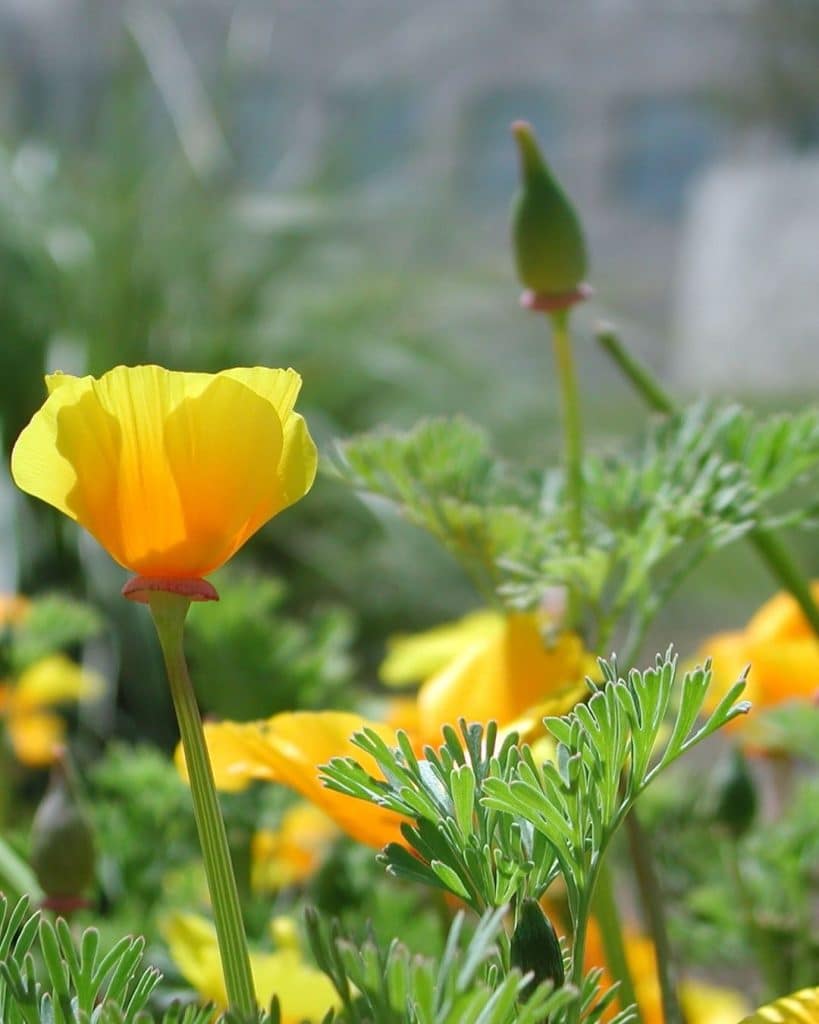
- Glowing orange blooms that look made for the Southwest.
- Thrives in sunny, well-drained, low-water beds.
- Often reseeds and keeps the show going.
California poppies make dry gardening look easy. They give you pure color, tolerate lean conditions, and never ask for the kind of care that softer annuals and perennials seem to demand.
Care tip: Do not spoil them with rich soil or too much water. They perform best when the conditions stay simple.
6. Blanket Flowers (Gaillardia x grandiflora)
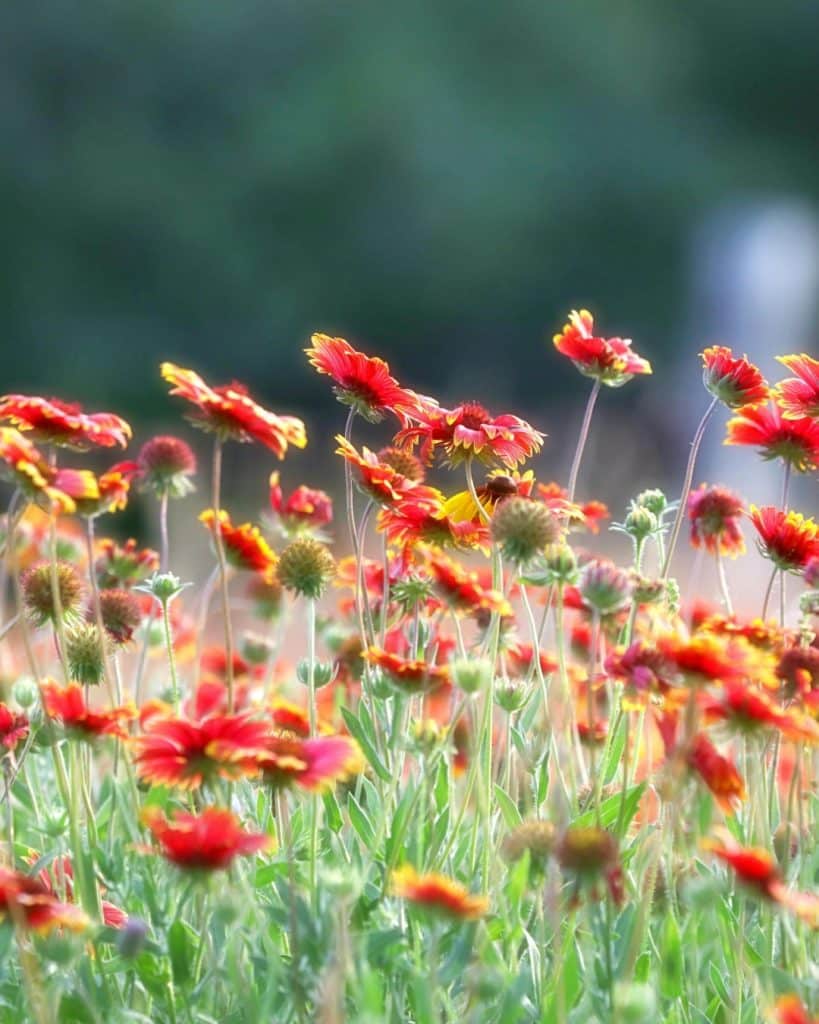
- Hot red, orange, and yellow tones that fit desert color palettes perfectly.
- Long bloom season in sunny beds.
- Good choice when you want easy color without constant cleanup.
Blanket flowers are one of the easiest ways to make a New Mexico yard feel warmer and brighter. They bloom for a long time and do not act offended by heat, wind, or dry conditions.
Care tip: Snip off faded flowers now and then if you want to stretch the bloom season even longer.
7. English Lavender (Lavandula angustifolia)
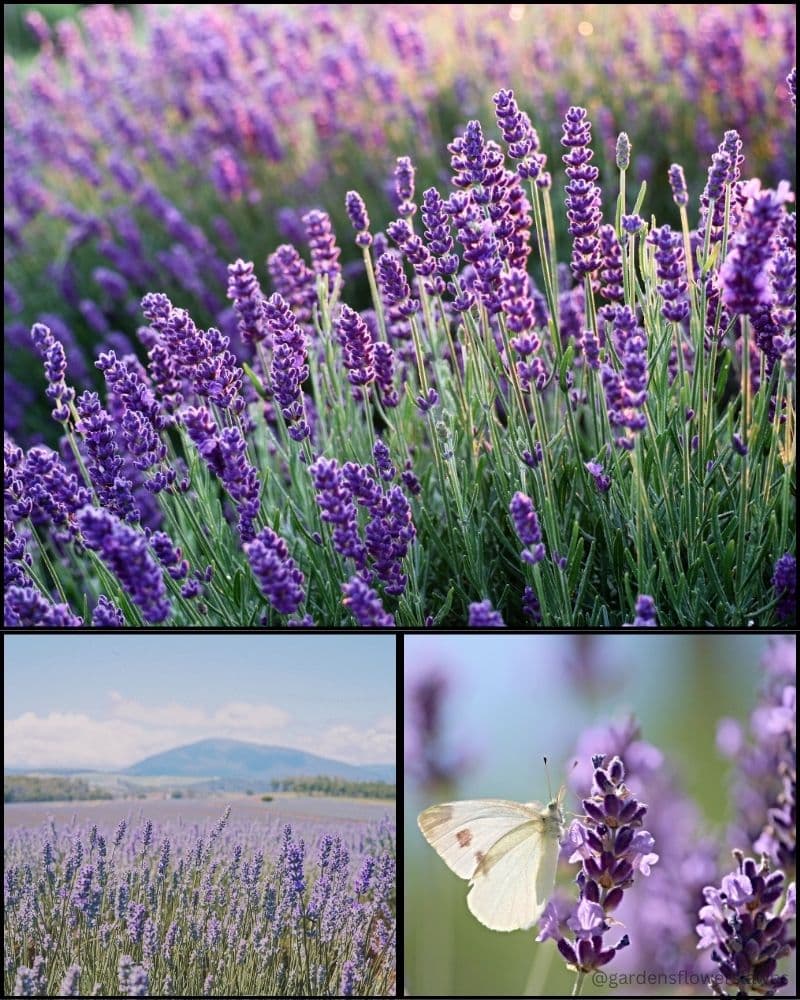
- Fragrant purple flower spikes and silvery foliage.
- Excellent in full sun and fast-draining soil.
- Looks polished without needing high-input care.
English lavender earns its popularity the honest way. It smells wonderful, looks tidy, and holds up well in dry air and bright light when the drainage is right.
Care tip: Never let it sit wet for long, especially in winter.
8. Pitcher Sage (Salvia azurea grandiflora)

- Soft blue flowers on airy stems.
- Good fit for sunny lower-water gardens.
- Adds a cooler color note to hotter landscapes.
Pitcher sage is useful because it brings blue into a planting without looking delicate or out of place. It lightens up a bed and pairs especially well with stronger yellows and oranges.
Care tip: Use it where it has room to weave naturally through the planting instead of forcing it into a rigid formal line.
9. Autumn Joy Sedum (Sedum telephium)
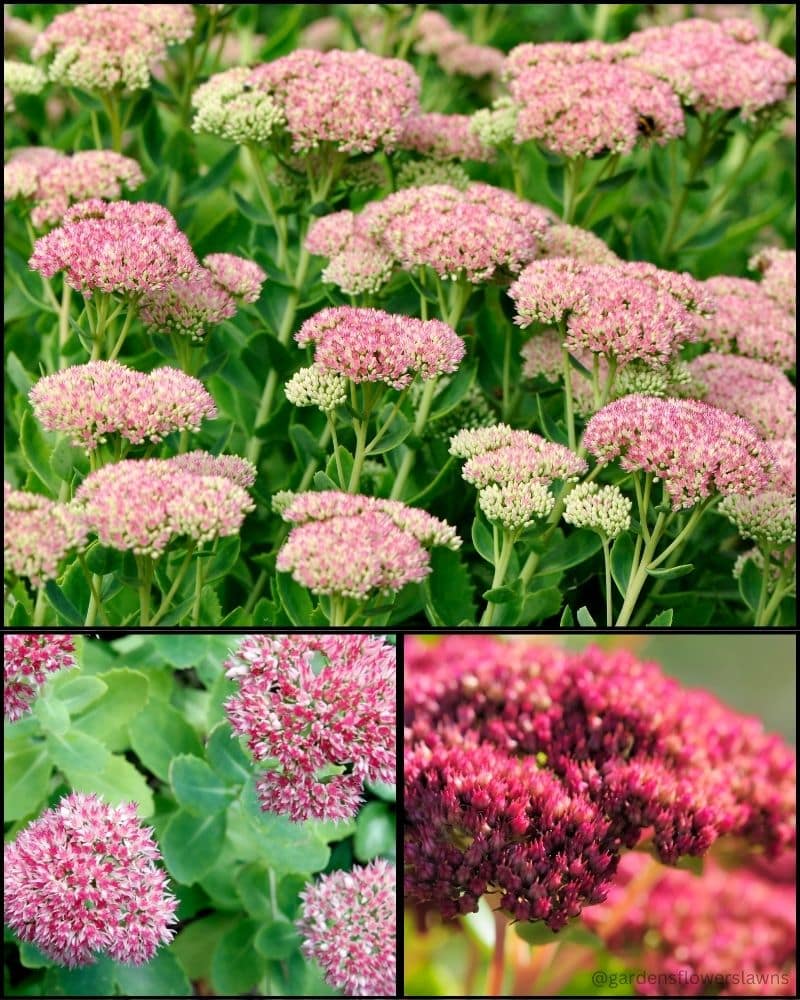
- Succulent foliage and sturdy late-season flower heads.
- Excellent for sunny beds with strong drainage.
- About as low-maintenance as a flowering perennial gets.
Autumn Joy sedum is perfect for gardeners who want something dependable and forgiving. It handles the dry side of gardening beautifully and keeps looking good long after fussier plants are already complaining.
Care tip: Keep it out of soggy spots and let it live on the dry side after establishment.
10. Fern or Dakota Verbenas (Verbena bipinnatifida)

- Low-growing habit with purple flowers.
- Great for lower borders and open sunny spaces.
- Good for gardeners who want color close to the ground.
Fern or Dakota verbenas are useful plants when a bed needs a lower layer that still contributes real color. They soften edges nicely and give a planting a more finished look.
Care tip: Let them spread a bit instead of trimming them into submission.
11. Desert Zinnias (Zinnia grandiflora)

- Low tidy habit with bright yellow blooms.
- Excellent for sandy or rocky soil.
- Works beautifully in hot edges and desert-style beds.
Desert zinnias are small, but they earn their place. They keep a neat look, bloom brightly, and fit into the kinds of spaces where larger perennials would feel too thirsty or too bulky.
Care tip: Give them room to stay low and open, not buried behind taller plants.
12. Desert Mule’s Ears (Wyethia scabra)

- Big yellow flowers with a tougher native look.
- Strong fit for open, sunny Southwestern plantings.
- Useful when you want a bolder native presence.
Desert mule’s ears have more presence than a lot of small xeric perennials. They give a bed a stronger native character and feel especially right in landscapes that lean natural instead of formal.
Care tip: Pair them with gravel, stone, and other dry-country plants so they look at home.
13. Scarlet Globemallows (Sphaeralcea coccinea)

- Orange to salmon flowers with a soft desert beauty.
- Built for heat, drought, and lean soil.
- One of the best true place-specific plants for a New Mexico article.
Scarlet globemallows are the kind of plants that make a list like this feel grounded in the place instead of borrowed from somewhere wetter. They are beautiful in a soft, desert kind of way, but underneath that beauty is real toughness.
Care tip: Full sun and good drainage are all they really want. Too much water usually does more harm than good.
14. Hummingbird Mints (Agastache spp.)
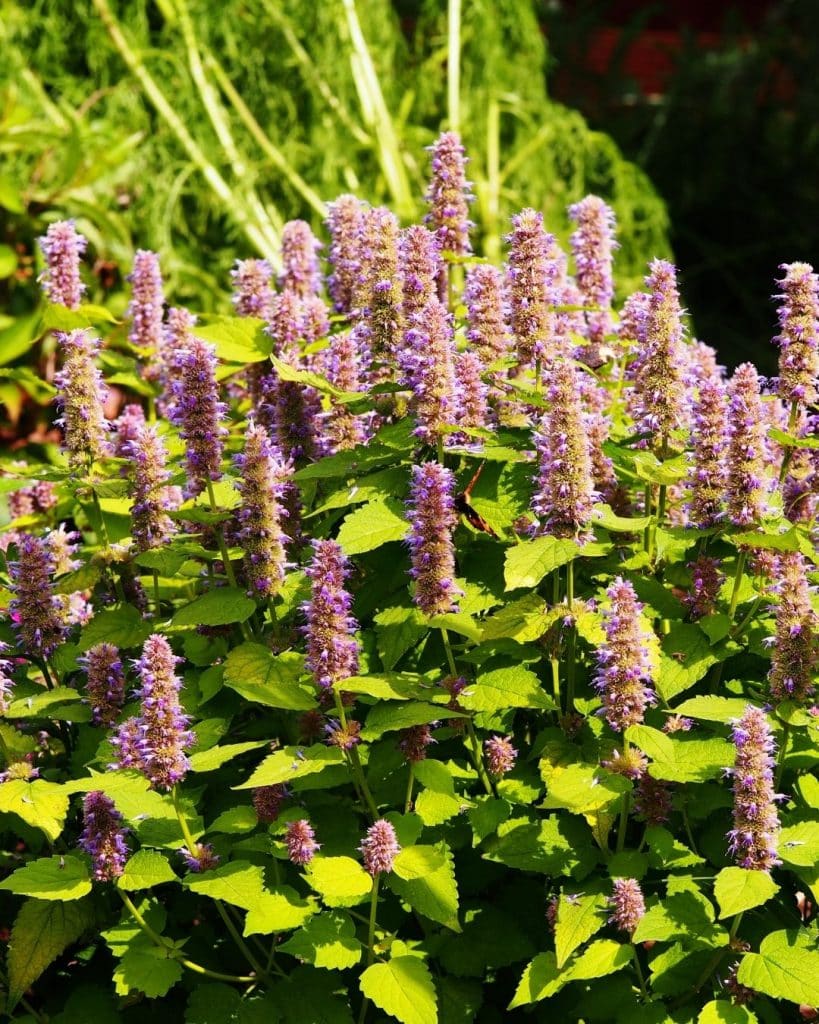
- Long-blooming flower spikes with a dry-West look.
- Excellent in sunny lower-water borders.
- Brings softness and motion without becoming needy.
Hummingbird mints are one of those plants that make a dry garden feel alive. They bloom for a long stretch, play nicely with other xeric plants, and still look good when summer turns brutal.
Care tip: Keep them in sun and make sure the crown never sits wet for long.
15. Perky Sues (Hymenoxys argentea)

- Compact yellow flowers with a tidy habit.
- Good for smaller sunny spaces and edges.
- Useful where a dry bed needs a cleaner lower layer.
Perky Sues are one of those plants that quietly solve design problems. They stay useful, stay small enough to fit, and help a dry sunny bed feel finished instead of sparse.
Care tip: Use them near paths, rocks, or the front of a bed where their compact shape can be appreciated.
16. Bush Morning Glories (Ipomoea leptophylla)

- Open, airy shape with large funnel-like flowers.
- Good for sandy or sharply drained ground.
- Adds a different texture from the usual mound-forming perennials.
Bush morning glories bring a looser, more open look that can keep a dry planting from feeling too stiff. They have real presence without being heavy, and they suit Southwestern landscapes beautifully.
Care tip: Give them breathing room. These are plants that look better when they can take their natural shape.
17. Goldenrods (Solidago hybrids)
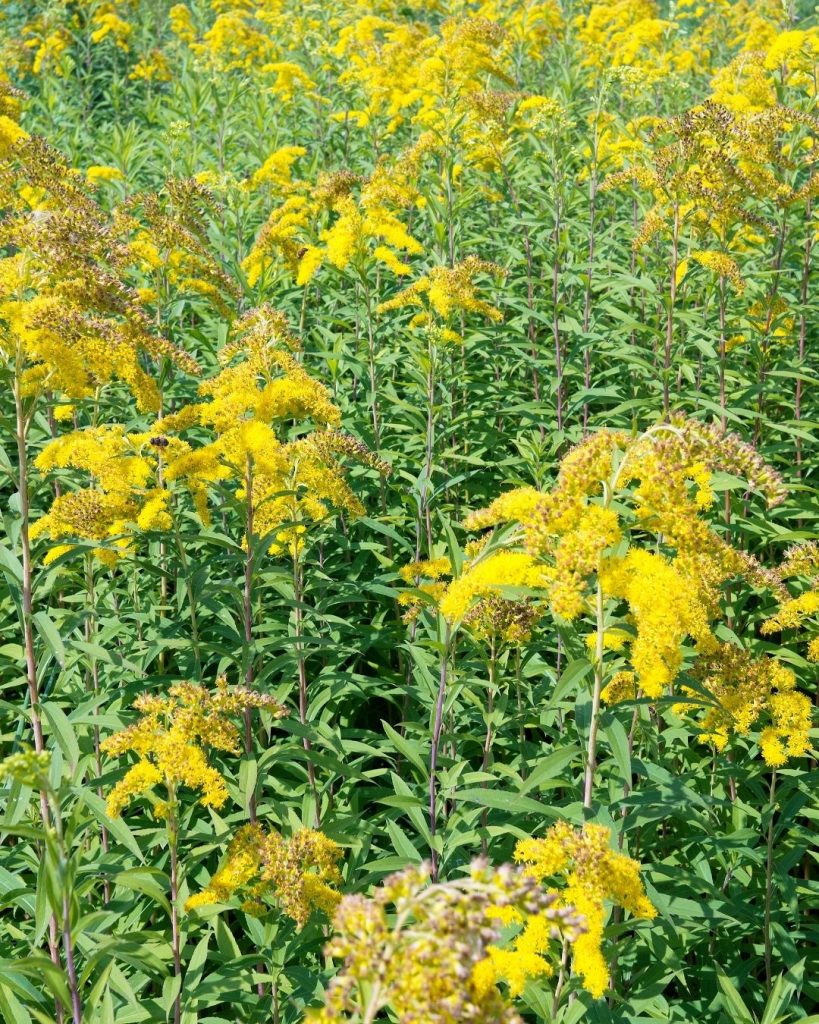
- Rich yellow late-season color when many plants are fading.
- Helpful for stretching the season deeper into fall.
- Good way to end the year with real color instead of a quiet fade-out.
Goldenrods are a smart late-season choice because they keep a garden from running out of steam too early. When the summer flowers start to slow down, these are the kinds of plants that keep the whole bed feeling alive.
Care tip: Give them some room and divide them if clumps get too crowded over time.
18. Desert Four O’Clocks (Mirabilis multiflora)

- Big mounding plants with bright magenta flowers.
- Excellent for filling space in a lower-water landscape.
- A strong closer because they look exactly right in a New Mexico yard.
Desert four o’clocks are a great closer because they remind you what good New Mexico gardening really looks like. They are bold, durable, and beautiful in a way that feels completely natural in this climate.
Care tip: Give them room to spread into their natural form instead of crowding them into a tight bed.
Thank you so much for reading. We hope all of your gardening endeavors are home runs!