When basil starts sending up flower spikes, many gardeners reach for the scissors. That makes sense if your only goal is to keep producing large, tender leaves. But those little white, pink, or purple blossoms are not garden trash. Basil flowers are edible, fragrant, and surprisingly useful.
They taste like basil with a lighter, sweeter flavor. Depending on the variety, you may notice hints of pepper, mint, or anise. The stems can become tough as the plant matures, but the blossoms and tender tips are easy to use.
Before you bring any flowers into the kitchen, make sure they came from a plant that was grown for culinary use. Do not eat flowers treated with ornamental pesticides, herbicides, or unknown chemicals. Give them a gentle rinse, pat them dry, and remove any tough lower stems.
Can You Eat Basil Flowers?
Yes. Flowers from common culinary basil varieties, including sweet basil, Thai basil, lemon basil, and cinnamon basil, can be eaten when the plant has been grown safely. The flavor is usually milder than a mature leaf, which makes the flowers a pleasant finishing touch instead of an overpowering ingredient.
1. Use Them as a Fresh Garnish
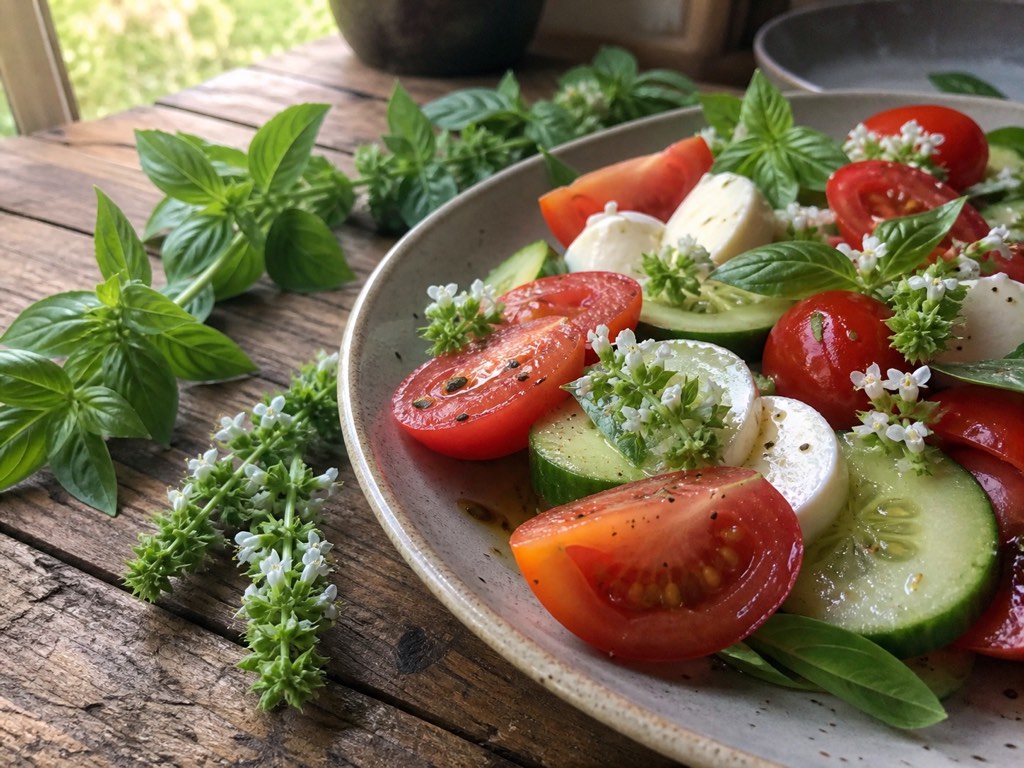
The easiest way to use basil flowers is to scatter them over food. Pull the tiny florets from the flower spike and add them to tomato salad, pasta, pizza, grilled vegetables, eggs, or a bowl of soup.
Use basil flowers like an edible sprinkle. They add color and aroma without requiring another complicated recipe. Their delicate flavor works especially well with tomatoes, mozzarella, peaches, watermelon, corn, and summer squash.
2. Stir Them Into Pesto or Green Sauce
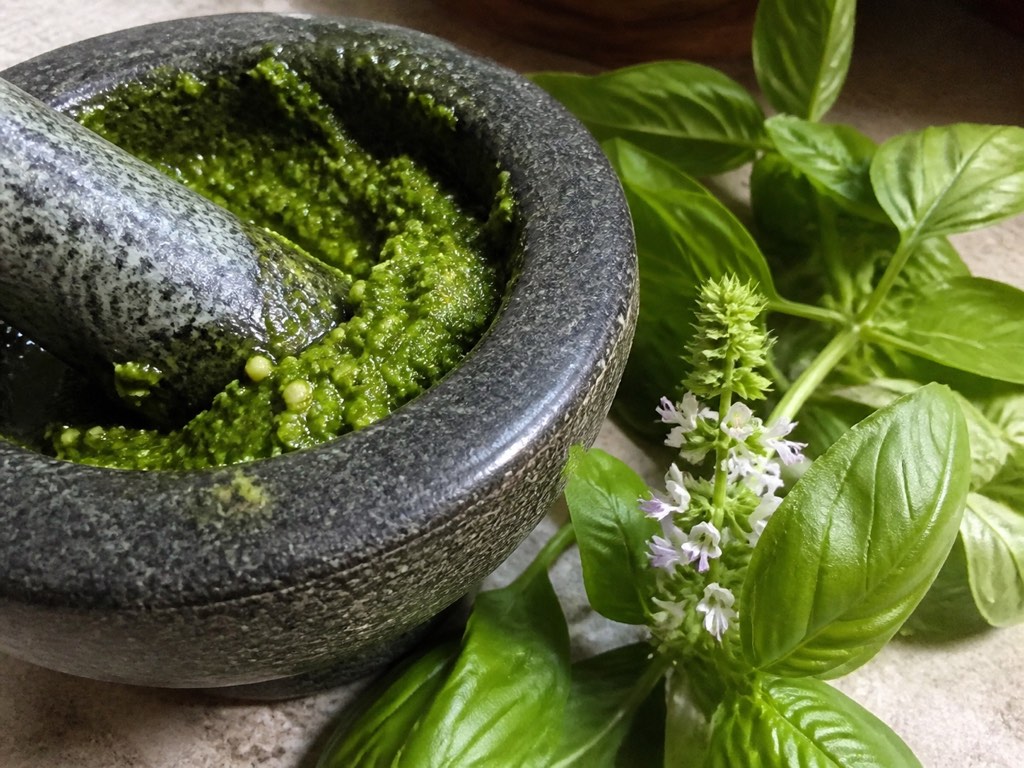
Basil flowers can go straight into pesto. They will not always produce the deep green color of a leaf-heavy batch, but they add a soft floral note that is excellent with pasta, potatoes, sandwiches, and roasted vegetables.
Combine the flowers with tender basil leaves, garlic, Parmesan, nuts, olive oil, and a little lemon juice. You can also blend them into a simple green sauce with parsley, yogurt, lemon, and salt.
3. Make Basil-Flower Vinegar
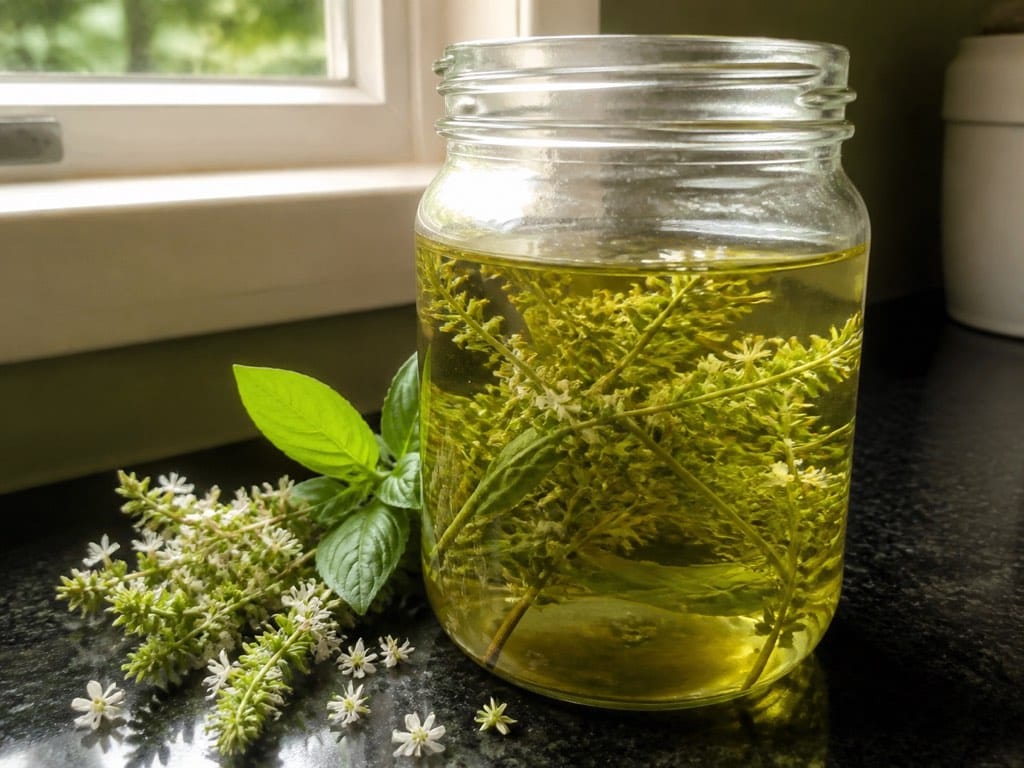
Herb vinegar is one of the most useful ways to preserve basil flowers. Fill a clean jar loosely with fresh blossoms and tender tips, then cover them with a mild vinegar such as white wine vinegar, champagne vinegar, or apple cider vinegar.
Let the jar sit in a cool, dark place for about one to two weeks. Taste it after several days. When the flavor is strong enough, strain out the plant material and store the finished vinegar in a clean bottle.
Use it in vinaigrette, slaw, cucumber salad, marinades, or a splashy dressing for beans. Vinegar is a safer preserving medium for fresh herbs than storing fresh herbs in oil at room temperature.
4. Add Them to Compound Butter
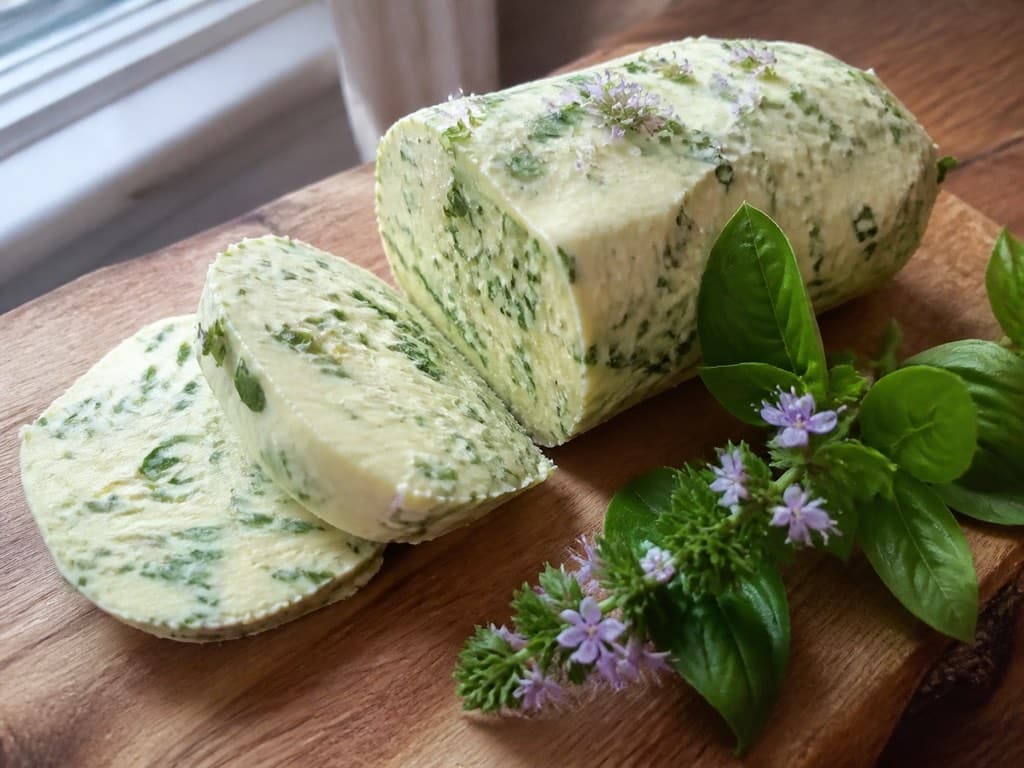
Soften a stick of unsalted butter and stir in finely chopped basil flowers, a pinch of salt, black pepper, and a little lemon zest. Roll the mixture into a log, wrap it, and chill it until firm.
Slice the butter over corn on the cob, grilled fish, baked potatoes, green beans, or warm bread. You can also freeze it in small portions so you have a quick flavor boost later.
5. Brew a Light Herbal Tea
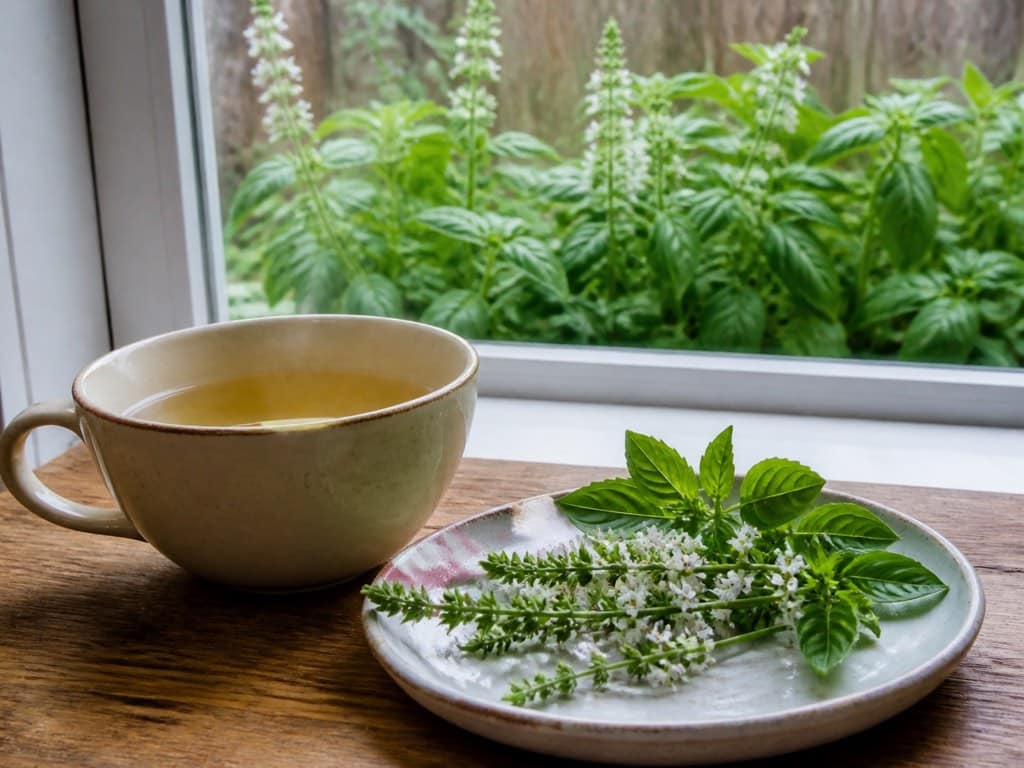
Basil flowers make a gentle herbal tea with a sweet, green aroma. Place a small handful of clean blossoms in a mug, cover them with hot water, and steep for five to seven minutes. Strain before drinking.
Try the tea hot with honey or chilled over ice with lemon. Lemon basil and cinnamon basil flowers are especially fun for this, but sweet basil works well too.
Start with a small amount until you know how strong you like the flavor. The tea should taste fresh and pleasant, not intensely medicinal.
6. Freeze Them in Ice Cubes
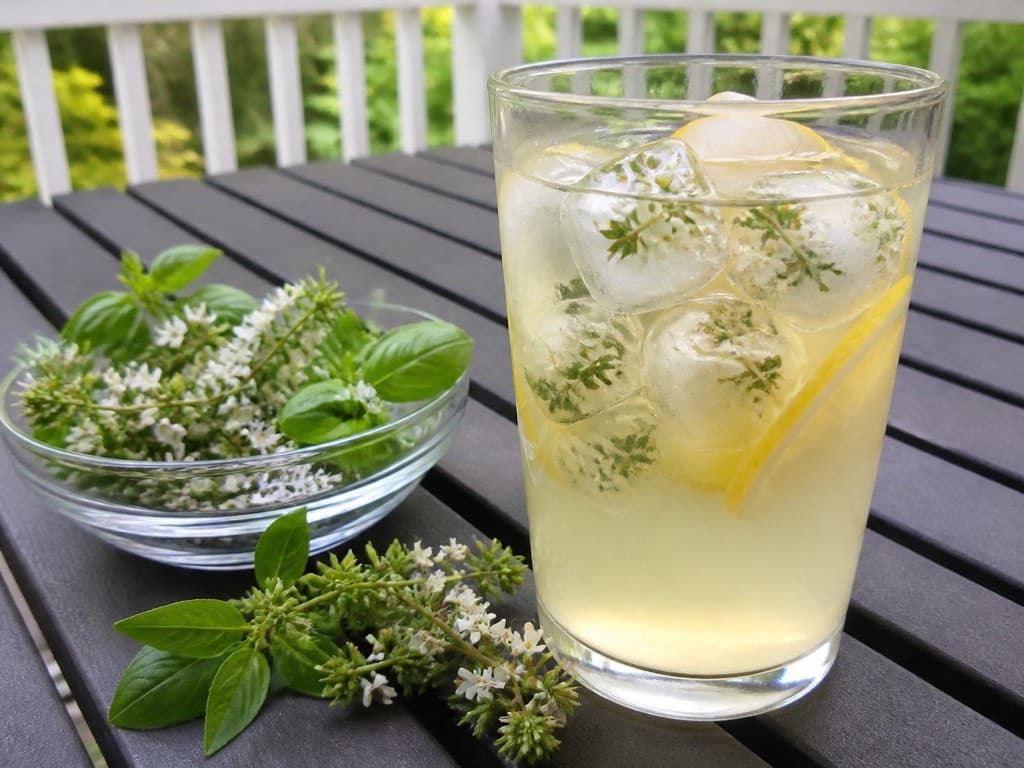
For a quick summer project, place a few basil florets in each section of an ice-cube tray. Fill the tray with water and freeze. Add the cubes to lemonade, iced tea, sparkling water, or a nonalcoholic fruit punch.
Use the cubes for drinks where a little extra herb flavor is welcome. If you are freezing a large batch, label the container with the basil variety and date.
7. Flavor Sugar or Salt
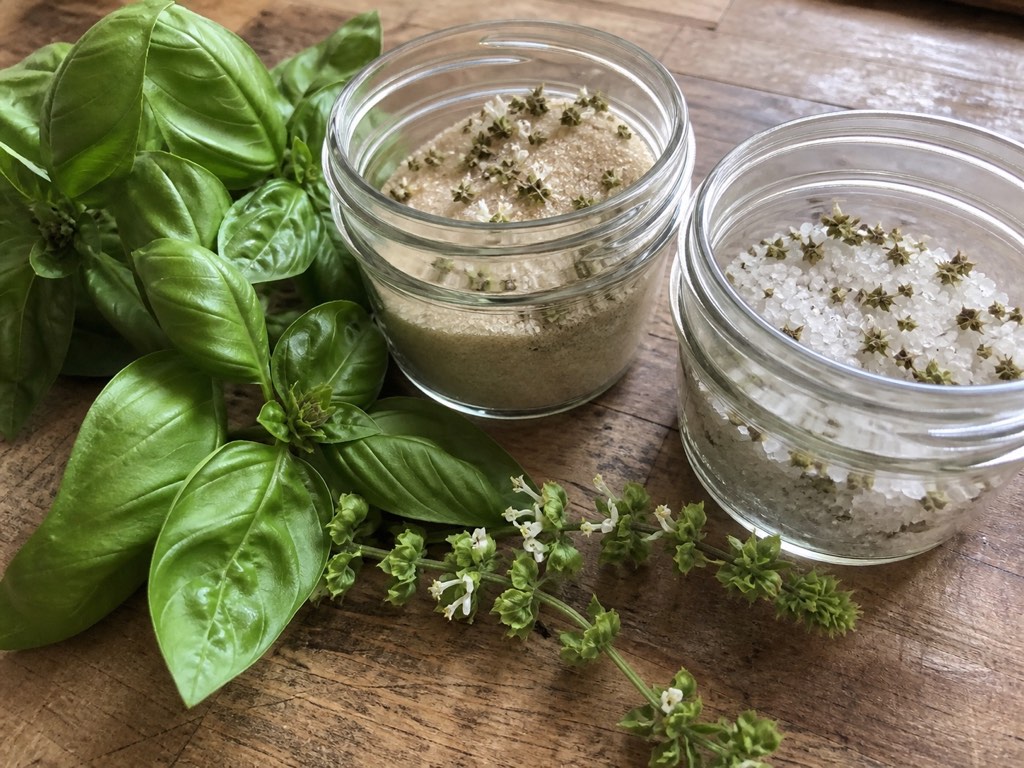
Basil flowers can perfume sugar or salt. For basil sugar, layer clean, dry blossoms with granulated sugar in a jar, seal it, and let it sit for several days. Shake the jar occasionally, then remove the flowers or leave a few in for decoration.
Use the sugar on fruit, shortbread, pound cake, or the rim of a lemonade glass. For basil salt, pulse dried flowers with coarse salt in a food processor, then spread the mixture out to dry completely before storing it.
A little basil salt is excellent on sliced tomatoes, roasted vegetables, popcorn, and homemade focaccia.
8. Save the Seeds for Next Year
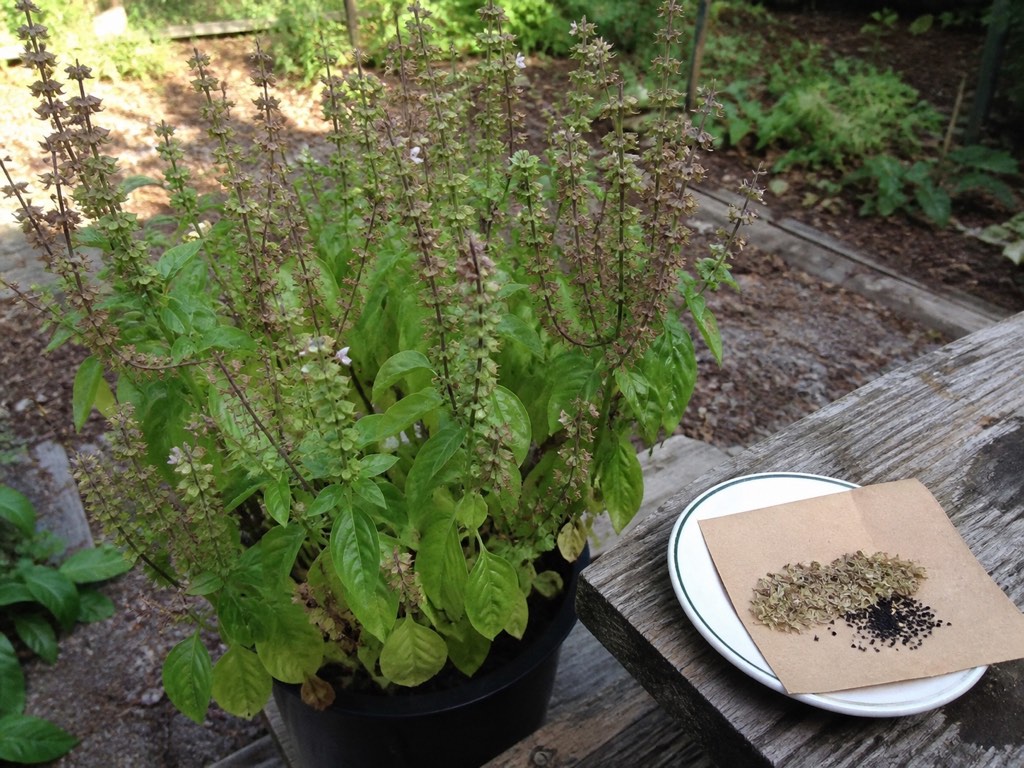
If you want more basil next season, let a few flower spikes finish blooming. Once the flowers fade and the seed pods dry, collect them on a paper plate or into a small envelope.
Saving seed is the one use that asks you not to harvest every flower. Leave the healthiest plant or two to mature, while continuing to pinch flowers from the plants you want to keep leafy.
Should You Still Pinch Some Basil Flowers?
Probably. Flowering tells the plant to shift energy toward reproduction, so regular pinching can encourage more tender leaves. The trick is not to treat every flower as a problem.
Harvest a few spikes for the kitchen, remove flowers from plants you are growing mainly for leaves, and let one strong plant bloom if you want seeds or pollinator activity. You can have fresh basil, basil flowers, and next year’s seeds from the same garden.
Make the Most of the Whole Basil Plant
Basil flowers are a small harvest with plenty of personality. Use them as a garnish, blend them into pesto, steep them as tea, freeze them for drinks, preserve them in vinegar, or save their seeds for another growing season.
So the next time your basil bolts, pause before tossing the flower spikes. They may be the most useful part of the plant you were about to ignore.