California is home to some amazing wildlife and plants, but it’s also got a sneaky bunch of troublemakers who’ve taken over.
These invasive species don’t just show up for a visit. They crash the party, hog all the food, mess with native critters, and sometimes cause big headaches for farmers, gardeners, and city folks alike.
From birds that set up shop in your neighborhood to bugs that can threaten whole groves and tree lines, here’s a look at 25 invaders shaking things up across California… in ways that’ll surprise you.
Feisty Invaders in the Bird World
European Starling – The Original Urban Invader
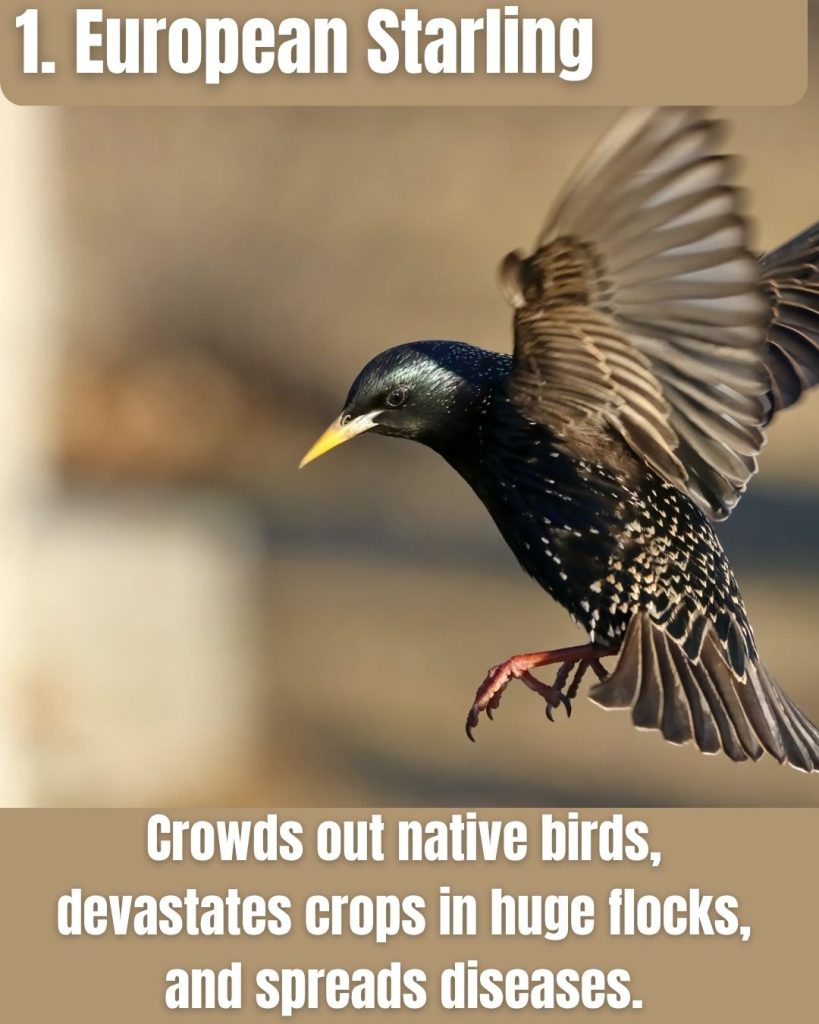
- Big flocks = big problems: Huge roosts can hammer crops and create major mess around buildings.
- Disease and cleanup issues: Droppings around barns, sidewalks, and roofs aren’t just gross… they’re costly.
- Nest bullies: They compete aggressively with native cavity nesters like bluebirds and woodpeckers.
The European starling is one of those birds that looks harmless… until you watch a flock land and realize it’s basically a flying carpet.
In California, they’re common in cities, suburbs, and farm country. They crowd out native nesters, raid food sources, and leave droppings that can turn ledges, barns, and rooftops into a constant cleanup job.
They’re tough, adaptable, and once they’re established, they’re not the type to move out quietly.
House Sparrow – The Brown Bully
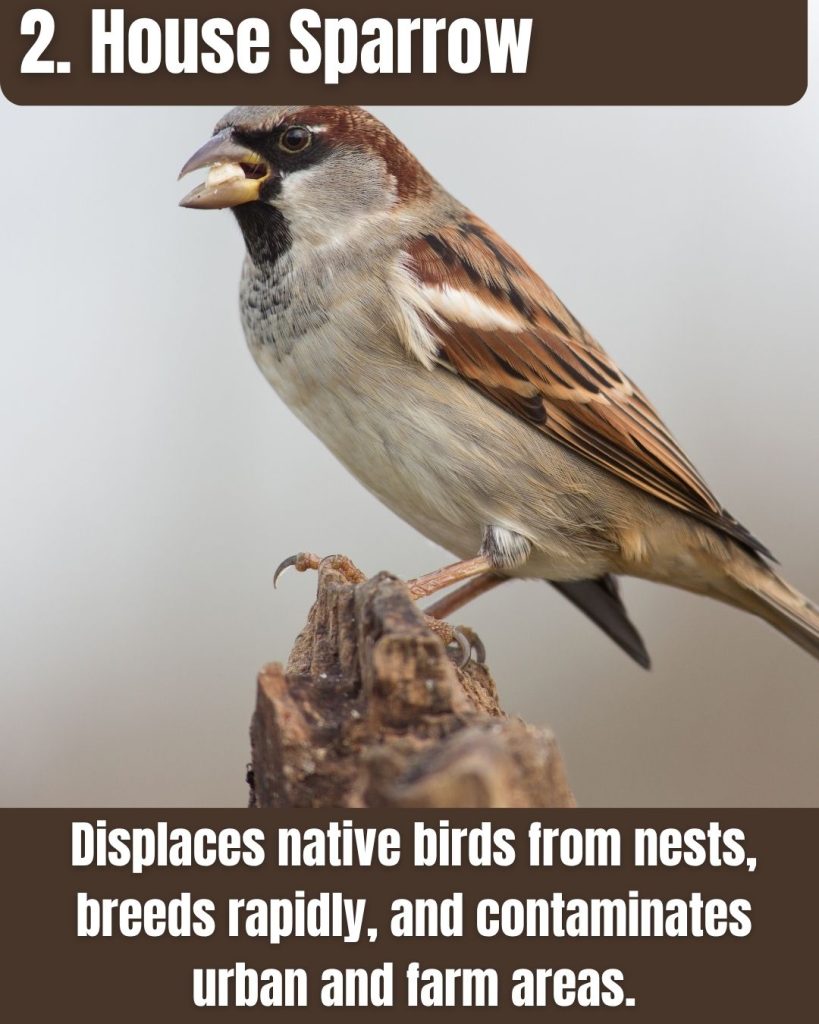
- Nest hoggers: They push out native birds that would otherwise use nest boxes and sheltered spots.
- Fast population growth: Multiple broods can turn “a few birds” into a whole block’s worth.
- Built for people places: They thrive around sidewalks, store lots, barns, and bird feeders.
House sparrows don’t look dramatic, but they act like they own the place.
Across California, (especially in towns, suburbs, and farm areas) they take over nesting spots under eaves and around buildings, living off crumbs, birdseed, and whatever humans accidentally provide.
Once they claim a nesting site, they’re stubborn about keeping it.
Rock Pigeon – The “City Rat” with Wings
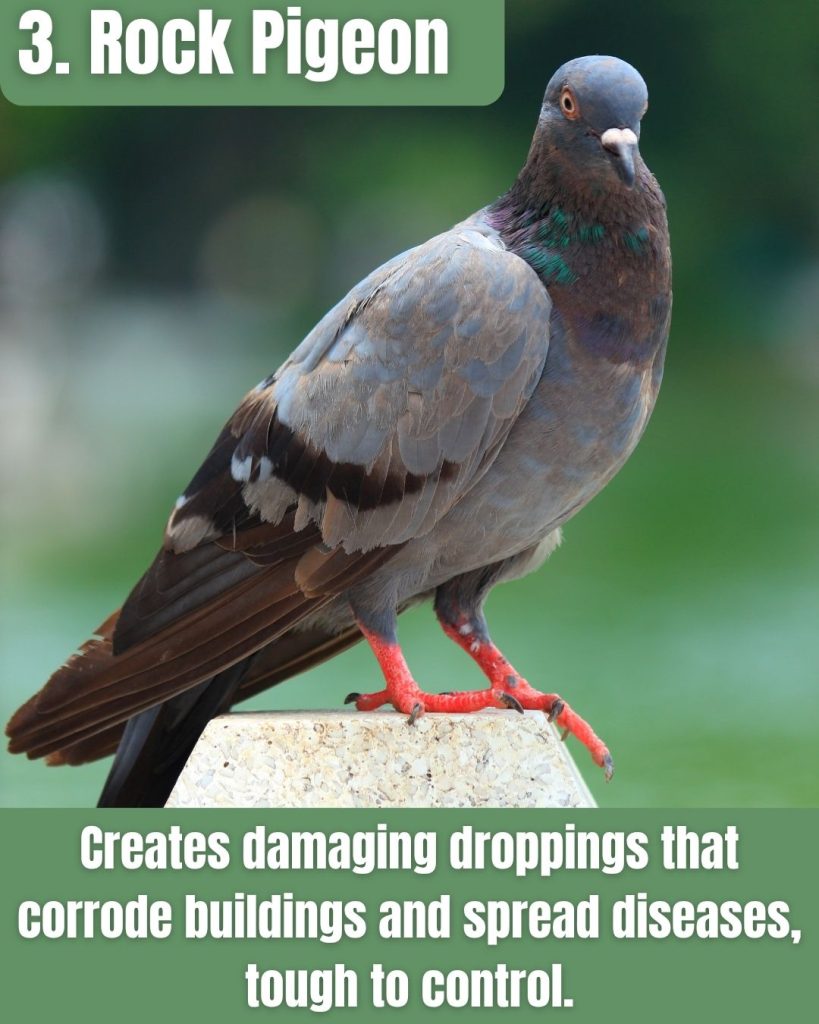
- Messy roosts: Droppings stain, smell, and are expensive to clean.
- Health concerns: Dried droppings can irritate lungs in enclosed areas.
- Built for buildings: Bridges, rooftops, ledges, and parking garages are basically pigeon condos.
If you’ve spent five minutes in downtown Los Angeles, San Francisco, or San Diego, you’ve met the rock pigeon. If you’ve spent five minutes in any California town, you probably have too.
They’re tough, loyal to their roosts, and their droppings can corrode surfaces and create nonstop maintenance issues on buildings, signs, and bridges.
Pigeons don’t really “leave.” They settle in and dare you to out-stubborn them.
Monk Parakeet – The Power Pole Squatter

- Infrastructure problems: Their bulky stick nests can form on poles, towers, and substations.
- Fast “neighborhood” growth: Once a few birds settle in, colonies can expand surprisingly quickly.
- Noise and mess: Loud calls and constant nest-building can make them a problem around homes and parks.
They’re cute. They’re loud. And they build nests like they’re trying to win a construction contest.
Monk parakeets (often from escaped or released pets) can form colonies that build big stick nests on man-made structures, especially where there’s warmth, height, and security.
When they pick the wrong spot (like utility infrastructure) “pretty bird” can turn into “expensive headache” fast.
Eurasian Collared-Dove – The Fast Spreader
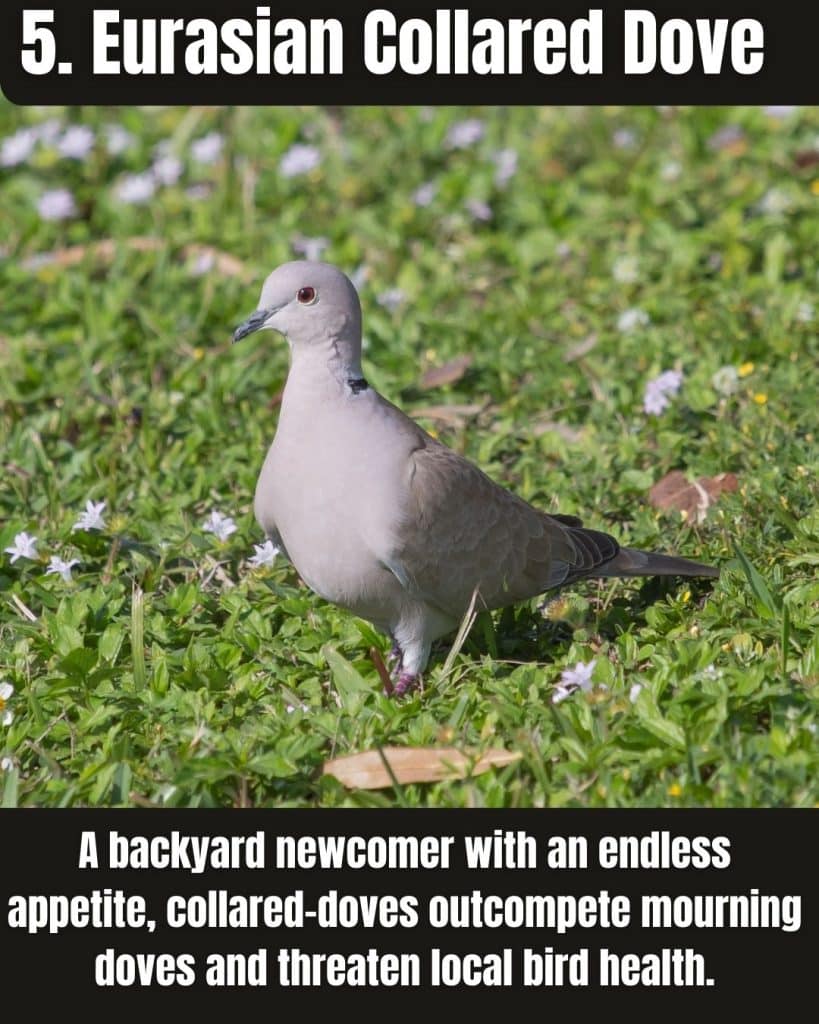
- Non-native newcomer: Expanding its range quickly across the U.S., including California.
- Human-friendly: Thrives around neighborhoods, farms, and bird feeders.
- Space taker: Can compete with native birds for food and nesting spots.
If you’ve heard a steady “coo-COO-coo” in a parking lot or subdivision and thought, “That doesn’t sound like a mourning dove,” you might be right.
Eurasian collared-doves do well around people, which is exactly why they spread. They’re comfortable in the same places we build—edges, lots, barns, and feeder-heavy backyards.
They’re the definition of a quiet invader: not dramatic, but steadily increasing.
Bugs That Bite Back
Red Imported Fire Ant – The Painful Invader
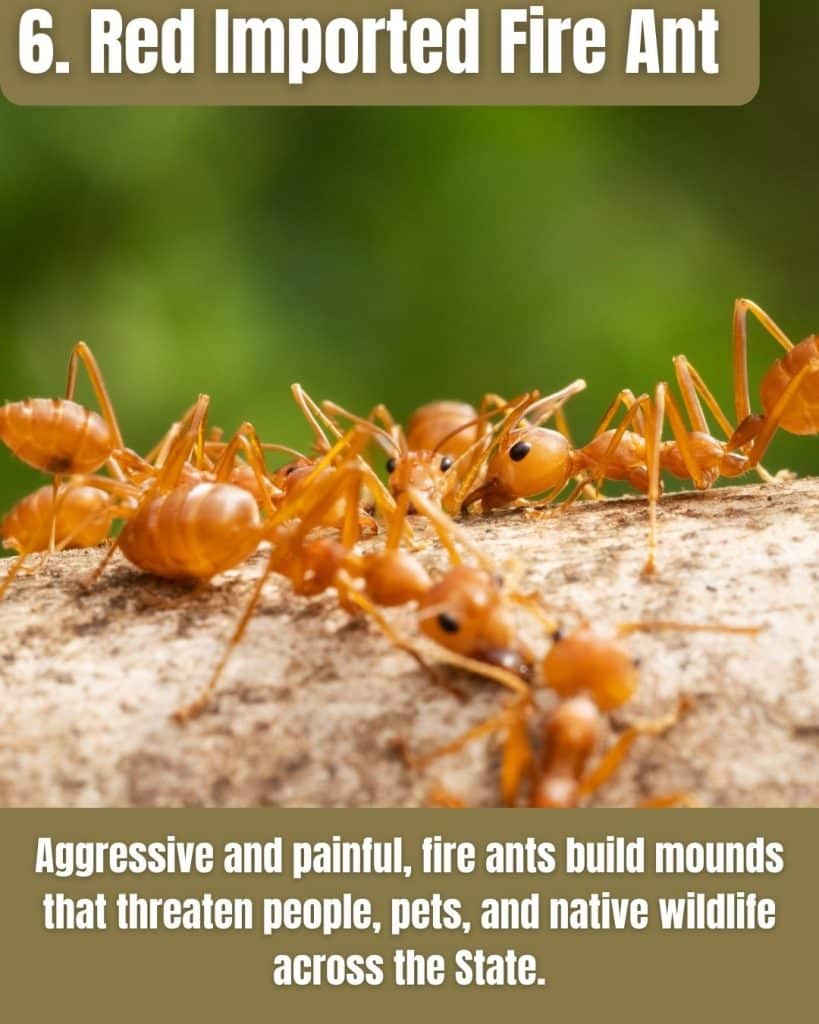
- Stings that mean business: Painful welts are common, and some people have serious allergic reactions.
- Yard and park problems: Mounds pop up in lawns, fields, and landscaped areas.
- Hard to eliminate: Colonies can rebound fast without consistent control.
If you’ve ever stepped wrong in grass and felt a sudden, burning “oh no,” fire ants might be the reason.
Red imported fire ants have been a long-running concern in parts of California, especially where warm conditions help them thrive. Their mounds can show up in yards, parks, school fields, and landscaped edges.
They’re small, but the sting makes them unforgettable.
Asian Citrus Psyllid – The Citrus Grove Threat
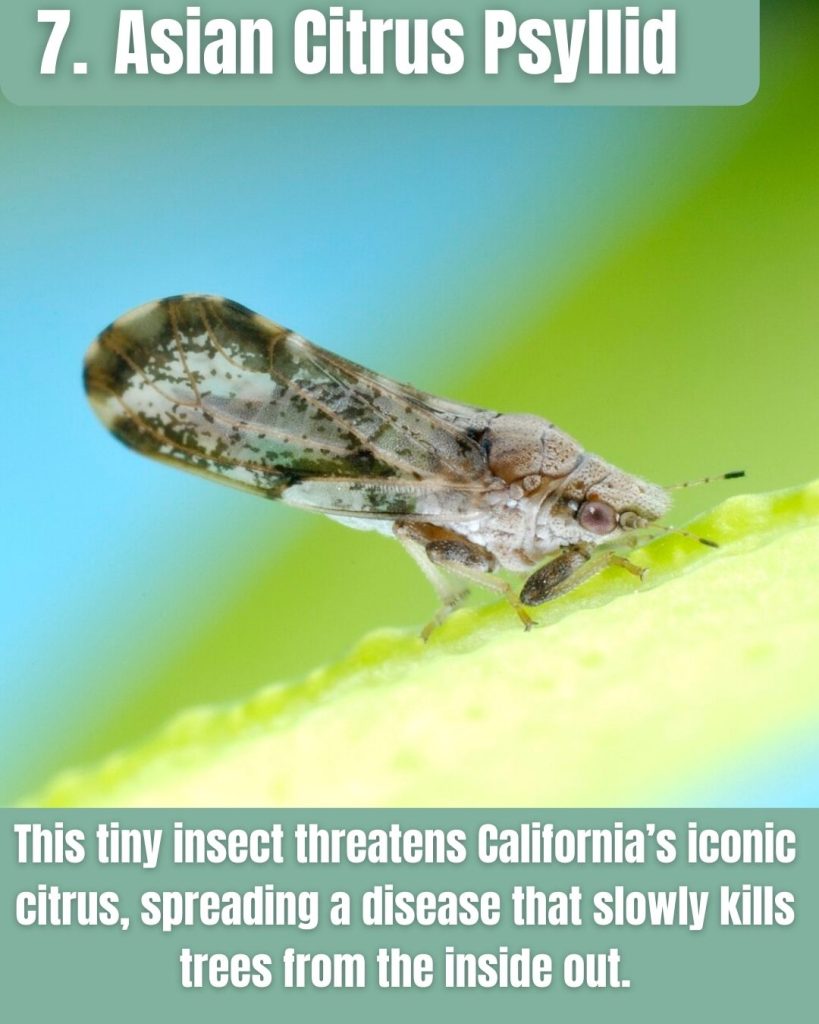
- Tiny bug, massive risk: It can spread citrus greening disease (HLB), which can kill trees.
- Backyard citrus counts too: Not just orchards—home lemons and oranges can be affected.
- Spreads through plant movement: Transporting citrus plants or cuttings can move it around.
California citrus is iconic—lemons, oranges, mandarins, you name it. That’s why this one matters.
The Asian citrus psyllid is small enough to miss, but it’s tied to one of the most feared citrus diseases out there. The real issue isn’t the bug nibbling—it’s the risk of disease spread that can slowly wreck a tree from the inside out.
It’s a “tiny insect, big consequences” situation, especially in Southern California.
Mediterranean Fruit Fly – The Crop Quarantine Starter
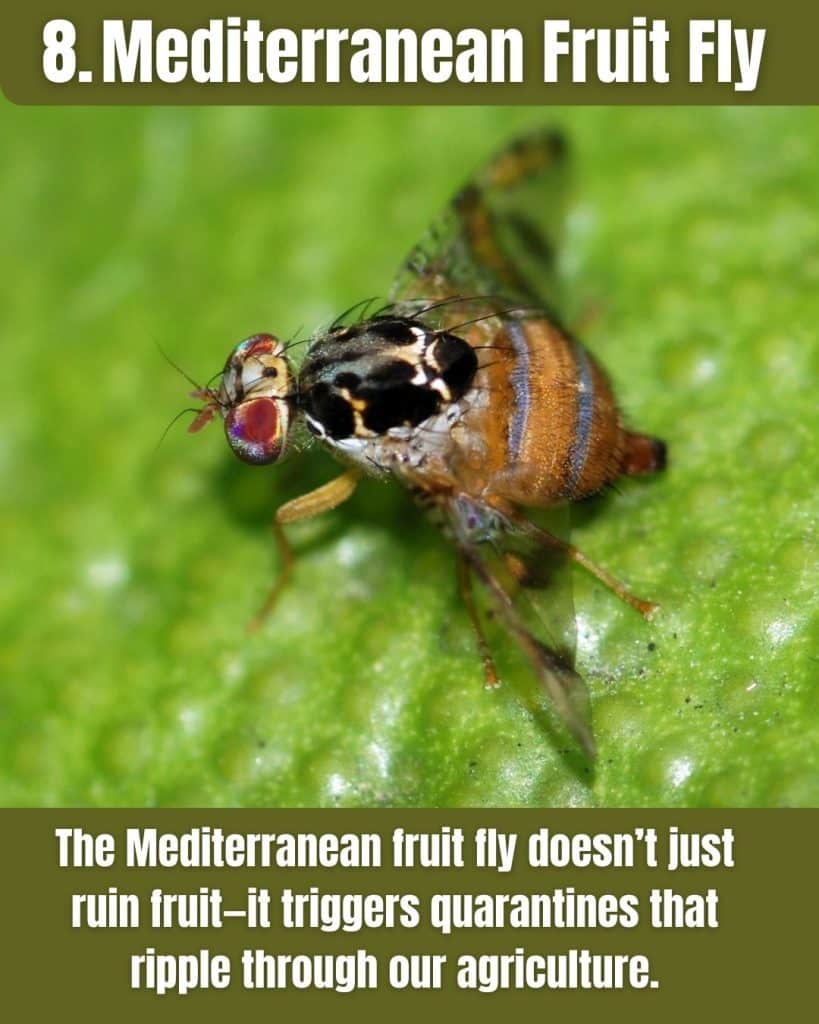
- Hits fruit hard: Attacks many fruit crops and can ruin harvests.
- Triggers quarantines: Detections can lead to restrictions and aggressive response efforts.
- Backyard fruit matters: Home trees can be part of the spread if infested fruit is moved.
This is one of those invasives that makes agriculture people sit up straight.
Mediterranean fruit flies don’t look like much, but they target a wide range of fruit. That’s why California treats detections seriously—because one small outbreak can cause big economic and logistical headaches.
It’s not just a “garden pest.” It’s a “state response” pest.
Shot Hole Borers – The Tree Killers
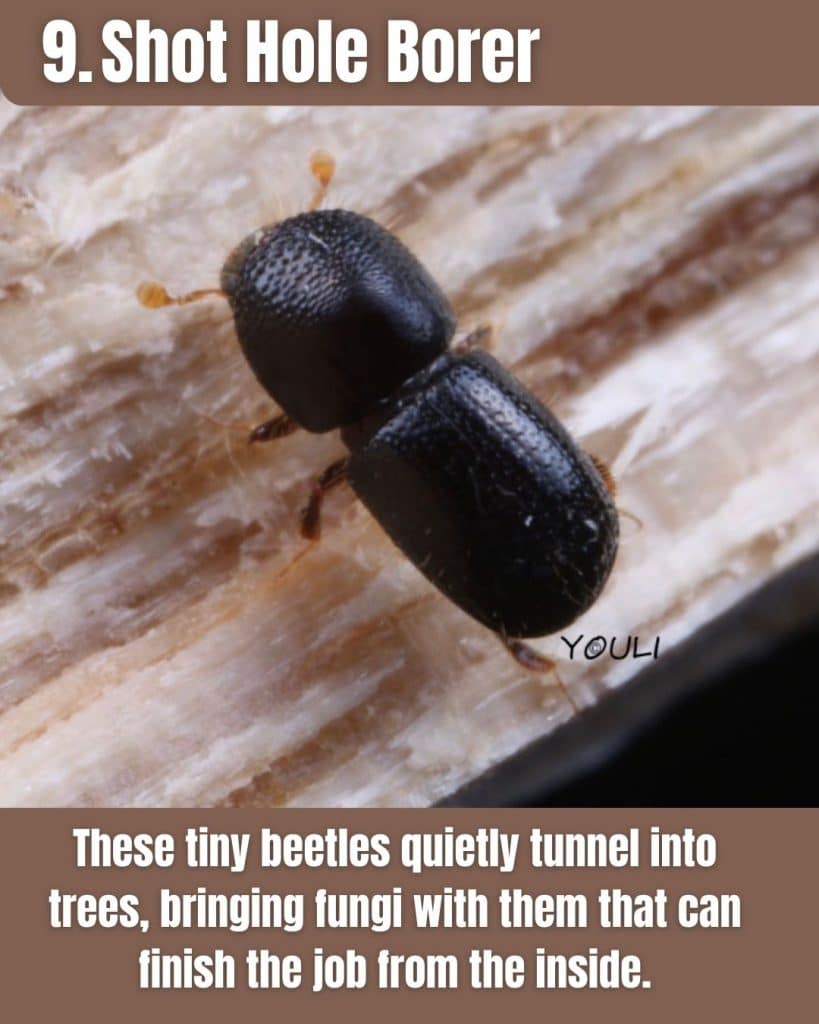
- Urban forest damage: They can kill or severely weaken many types of trees.
- Hard to notice early: Small holes and dieback can be missed until decline is obvious.
- Neighborhood costs: Tree removal, replacement, and lost shade can add up fast.
If you’ve seen a once-healthy tree suddenly start thinning out, dropping branches, or looking “sick” for no clear reason, borers can be part of the story.
Shot hole borers are a big deal in California because they can attack many tree species, including common landscape and native trees. The damage isn’t always loud or obvious at first, then one day, the tree just looks like it’s losing the fight.
It’s one of the most frustrating invasions because by the time you notice, the clock may already be ticking.
Brown Marmorated Stink Bug – The Home Invader
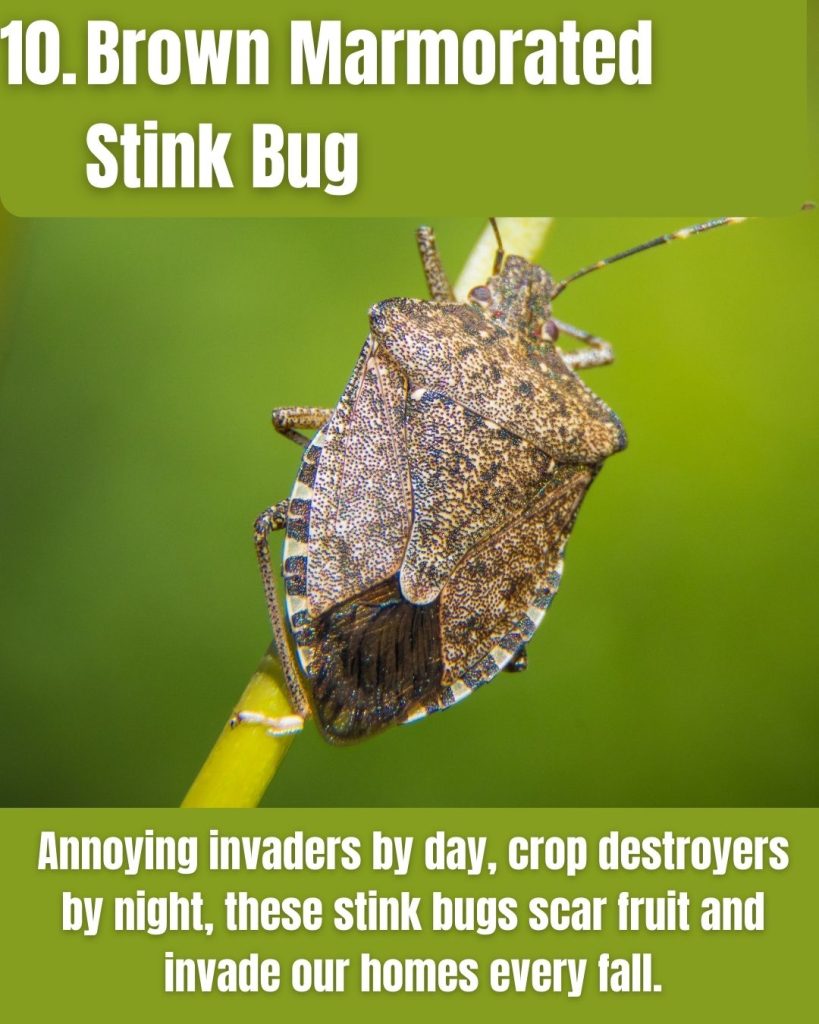
- Crop damage: Can scar and ruin fruit and vegetables.
- Unwelcome houseguest: Moves into buildings in fall to overwinter.
- Stink defense: That odor is real, and it lingers.
This bug doesn’t bite, but it’s a menace in two places Californians care about: gardens/orchards and houses.
It can damage fruit crops and garden plants, and when the weather cools, it slips into homes and garages by the dozens looking for warmth. Squish one and you’ll regret it.
The safest move is gentle removal, because the smell is basically their whole personality.
Mammal, Worm & Reptile Mayhem
Norway Rat – The Port & Sewer Survivor
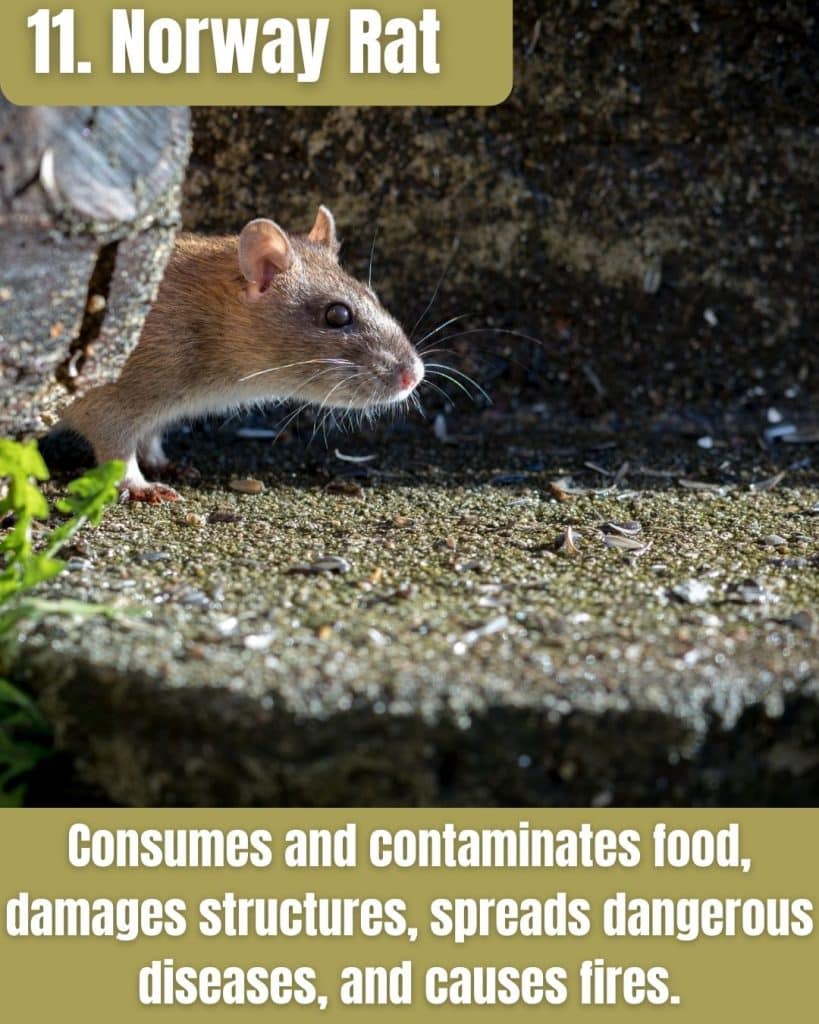
- Super breeders: Fast cycles make them hard to suppress.
- Damage dealers: Chew wiring, wood, and infrastructure.
- Lives where we live: Restaurants, alleys, basements, barns—if there’s food, there are rats.
The Norway rat is the ultimate “human shadow.” It thrives anywhere we provide food, water, and hiding spots.
In California, that can mean dense city blocks, ports, restaurant alleys, farms, and suburban dumpsters. They chew, contaminate, and multiply fast—and they don’t need a “dirty” place to move in, just one easy meal source and one hidden route.
They’re not picky. They’re persistent.
House Mouse – The Indoor Squatter

- Contamination risk: Droppings and urine create health and cleanup problems.
- Hard to spot: Often discovered after damage, noise, or that “mouse smell” shows up.
- Small gaps, big access: They squeeze through openings that barely look possible.
The house mouse is one of the most common “I didn’t know they were here” invasives in California homes, garages, barns, and sheds.
They slip through tiny gaps, build nests in insulation and storage, and can turn a pantry into a nightly snack bar. They’re not flashy, but they’re relentless.
If you hear the faint scratch-scratch at night, you already know the vibe.
Feral Cats – The Native Wildlife Killer
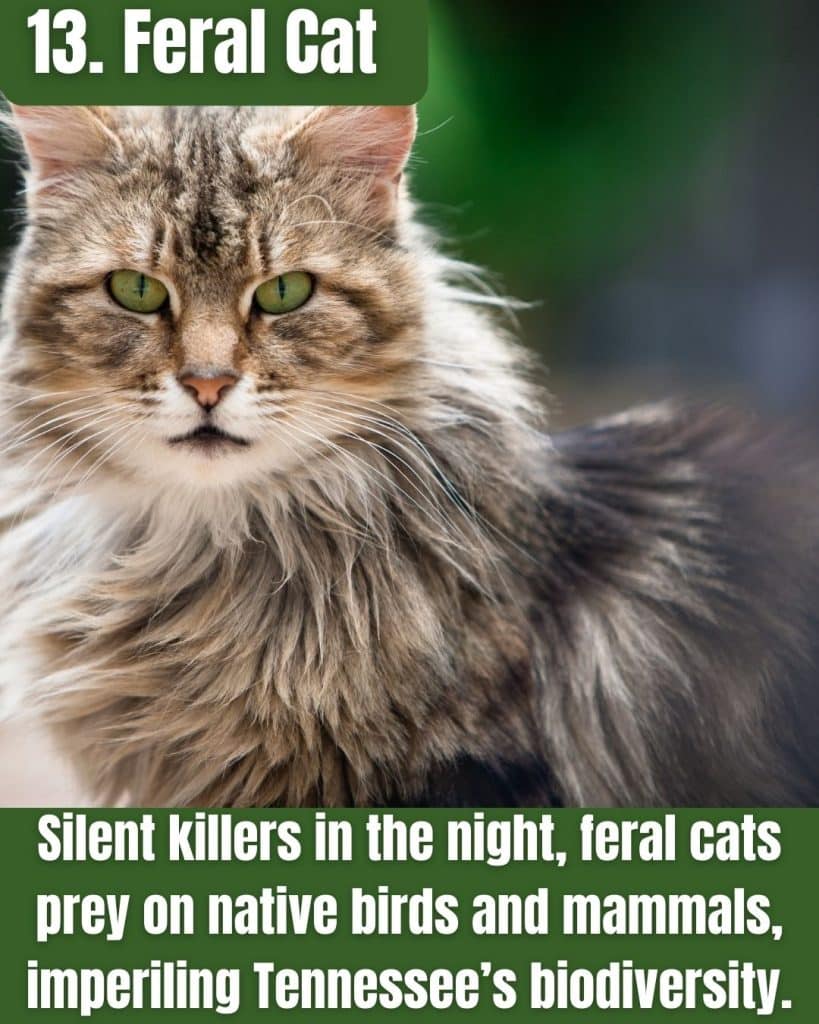
- High-impact predator: Outdoor cats kill birds, small mammals, and reptiles.
- Colonies can grow: Food sources can support large groups in neighborhoods and parks.
- Simple prevention: Keeping pet cats indoors protects wildlife and protects the cats.
Feral cats may look like “just cats,” but ecologically they behave like a non-native, free-roaming predator… because that’s exactly what they are.
In California, colonies near parks, coastal habitat, and suburban green space can hit native birds and small wildlife hard—especially where sensitive species already live on a knife edge.
The most practical message is simple: keeping pet cats indoors protects wildlife and protects the cats.
American Bullfrog – The Amphibian Bully
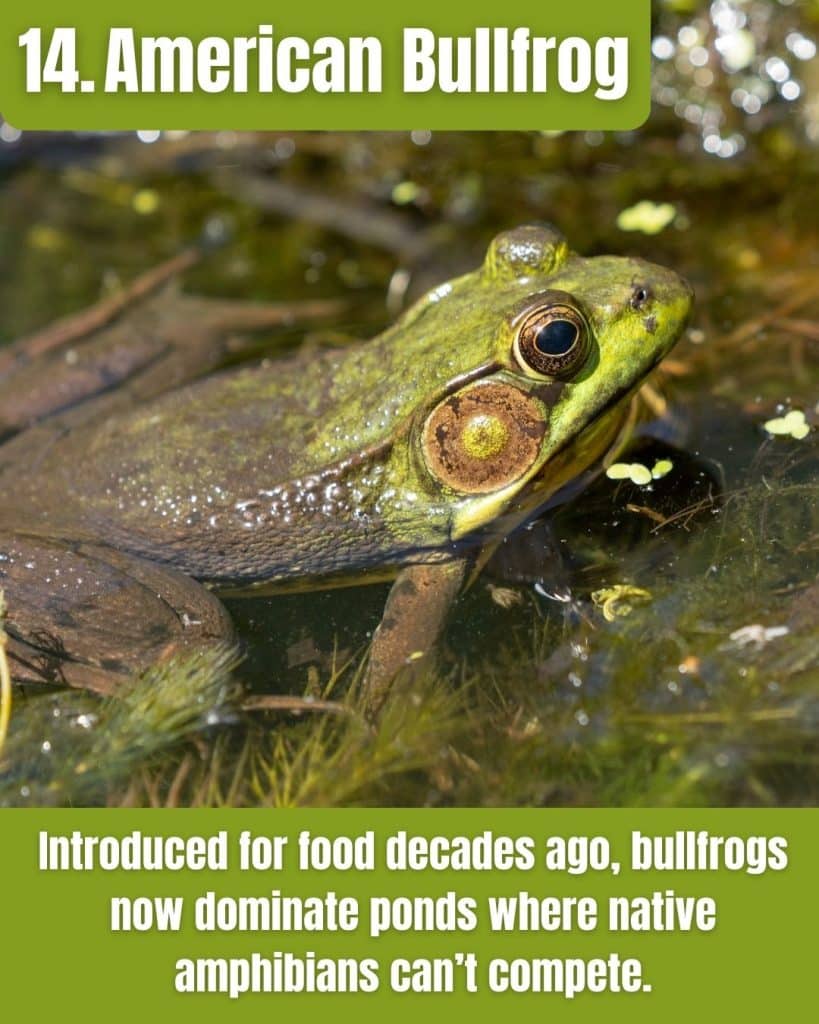
- Big appetite: Eats native frogs, tadpoles, fish, and basically anything it can fit in its mouth.
- Outcompetes natives: Crowds out local amphibians in ponds, wetlands, and slow water.
- Sticks around: Once established, it’s hard to remove from a whole watershed.
Bullfrogs sound like summer. In the wrong place, they act like an invasive wrecking crew.
American bullfrogs were introduced in many areas for food and other reasons, and they spread into waters where native amphibians can’t compete. They’re larger, tougher, and they’ll eat just about anything that moves.
It’s one of the classic “introduced species” problems that snowballed into a long-term fight.
Red-Eared Slider – The Released Pet Menace
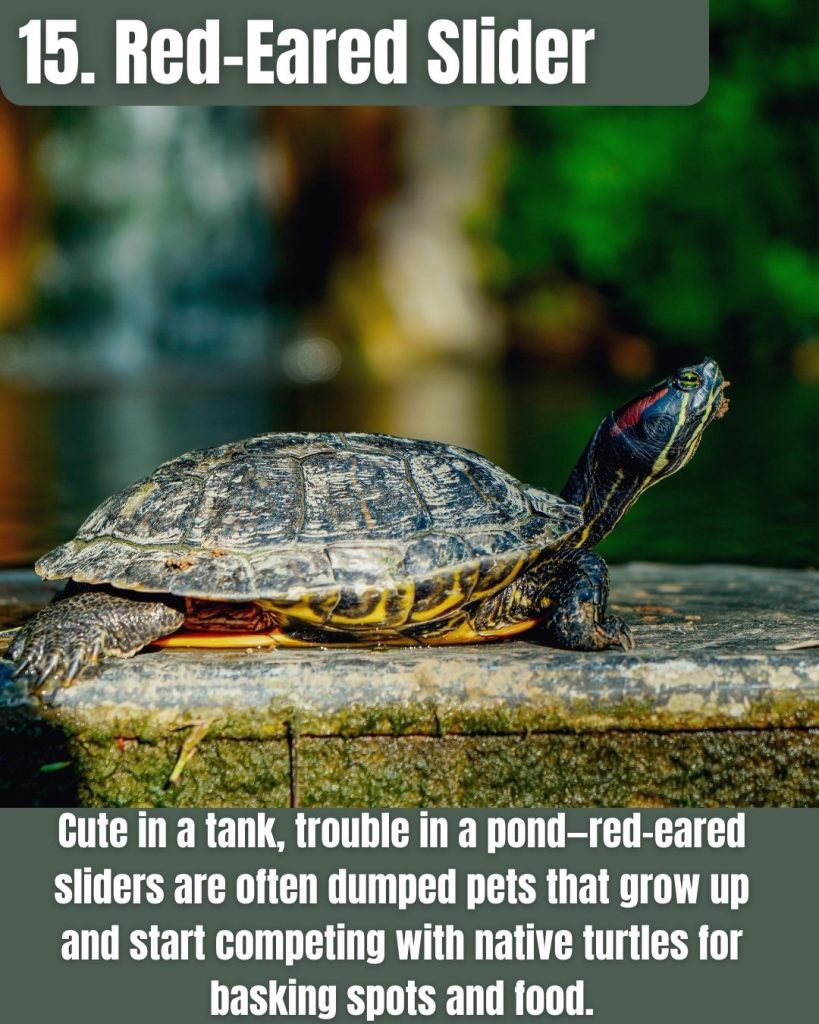
- Dumped pets: Many populations start when people “set them free.”
- Outcompetes natives: Can pressure native turtles for basking sites and food.
- Hard to undo: Once they establish in ponds, they can stick around for decades.
Red-eared sliders are a classic “pet store problem.” People buy a tiny turtle, it grows, it gets hard to care for… and then it gets dumped in a local pond.
In California, that often means sliders showing up in parks, golf course ponds, and slow urban waterways where they compete with native turtles for basking space and resources.
The rule is simple: never release pets. Rehoming is always the better move.
Trouble in the Trees and Fields: Invasive Plants Taking Over
Yellow Star-Thistle – The Ranchland Ruiner
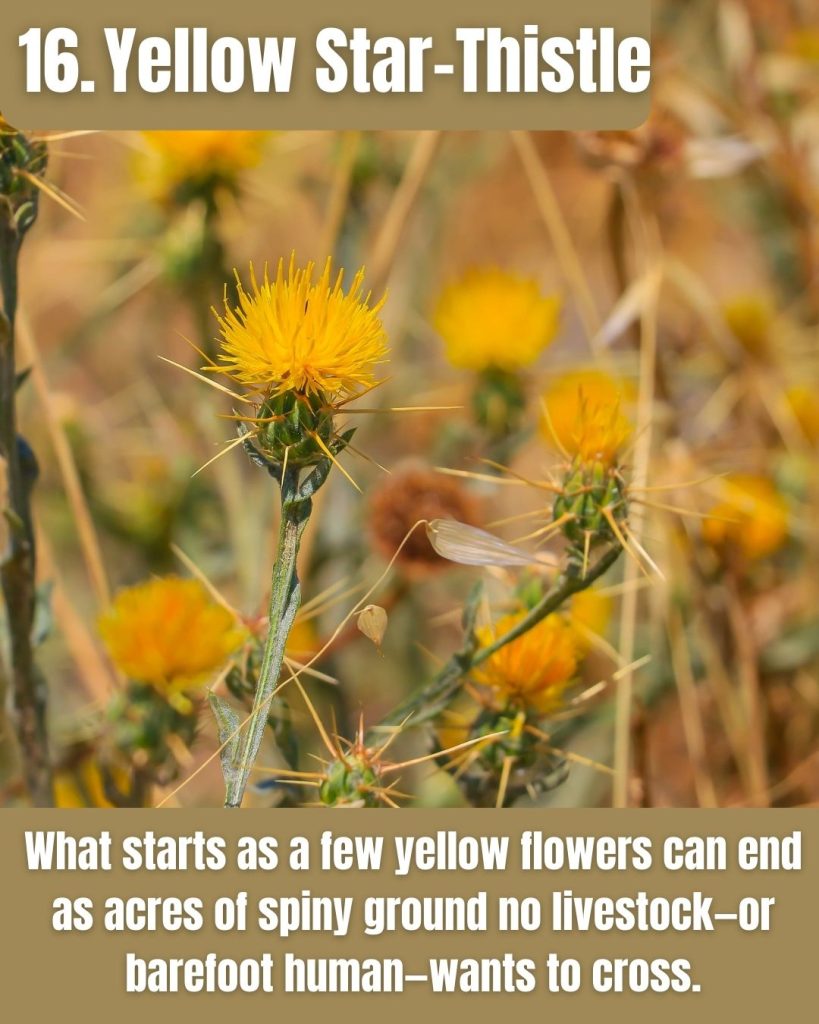
- Spiny takeover: Turns open ground into prickly, hard-to-walk thickets.
- Outcompetes natives: Crowds out wildflowers and grasses that wildlife and livestock rely on.
- Dry-season dominance: Thrives in California’s sun and dryness once established.
Yellow star-thistle is one of those plants that looks “kinda pretty” until you get close and realize it’s basically barbed wire with a stem.
Across California, it can invade rangelands, roadsides, fields, and disturbed ground, forming dense patches that push out native plants. Once it’s thick, it changes how land is used—walking, grazing, even just enjoying a hillside.
It’s one of the most widely recognized weed takeovers in the state for a reason.
Arundo (Giant Reed) – The Fire-Feeding Monster
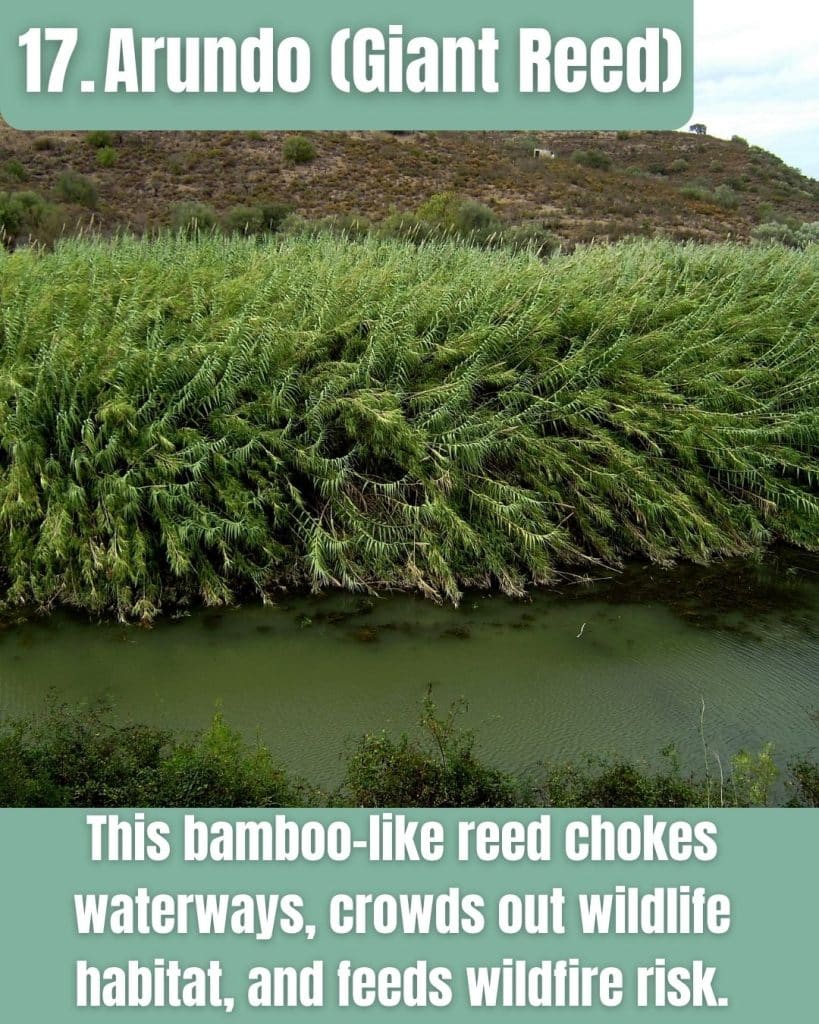
- Waterway choker: Forms dense walls along rivers and creeks.
- Fire risk booster: Can create heavier fuel loads and hotter burns in dry conditions.
- Hard to remove: Regrows aggressively from roots and fragments.
If you’ve seen tall, bamboo-like reed stands swallowing a creek edge, Arundo is a prime suspect.
Giant reed can dominate riparian areas, crowding out natives that are supposed to stabilize banks and support wildlife. It can also create serious fuel along waterways—exactly where communities often want safer, healthier habitat.
Once it takes over a stretch of creek, the “normal plants” often don’t get a vote anymore.
Tree-of-Heaven – The Invasive That Smells Like Trouble
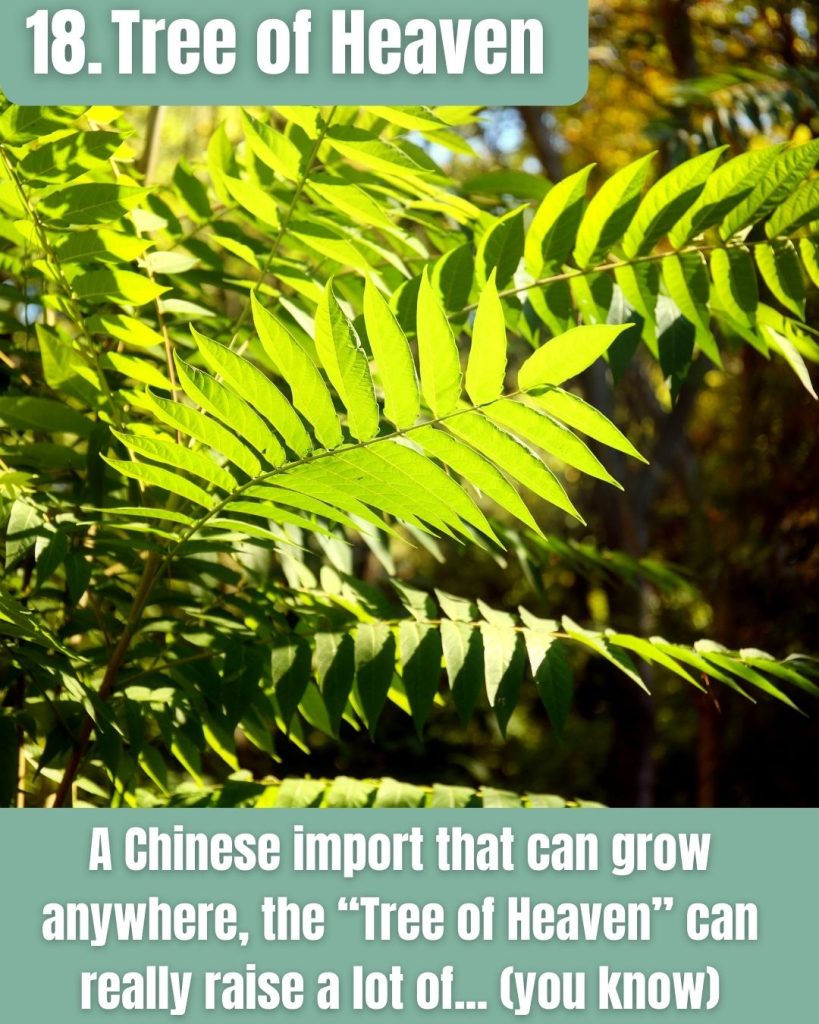
- Grows anywhere: Sidewalk cracks, lots, hillsides, and disturbed ground.
- Fast spreader: Seeds and root sprouts can create “surprise forests” quickly.
- Hard to kill: Cutting can trigger even more sprouting if not handled correctly.
Tree-of-heaven is the plant version of an uninvited houseguest who keeps bringing friends.
In California cities and edges, it pops up in neglected corners, along fences, and in disturbed soil. It grows fast, spreads fast, and once it’s established, it’s stubborn—because it doesn’t just rely on seeds, it also spreads by roots.
It’s called “heaven,” but most homeowners learn the hard way it’s more like “headache.”
Pampas Grass – The Scenic Fire Hazard
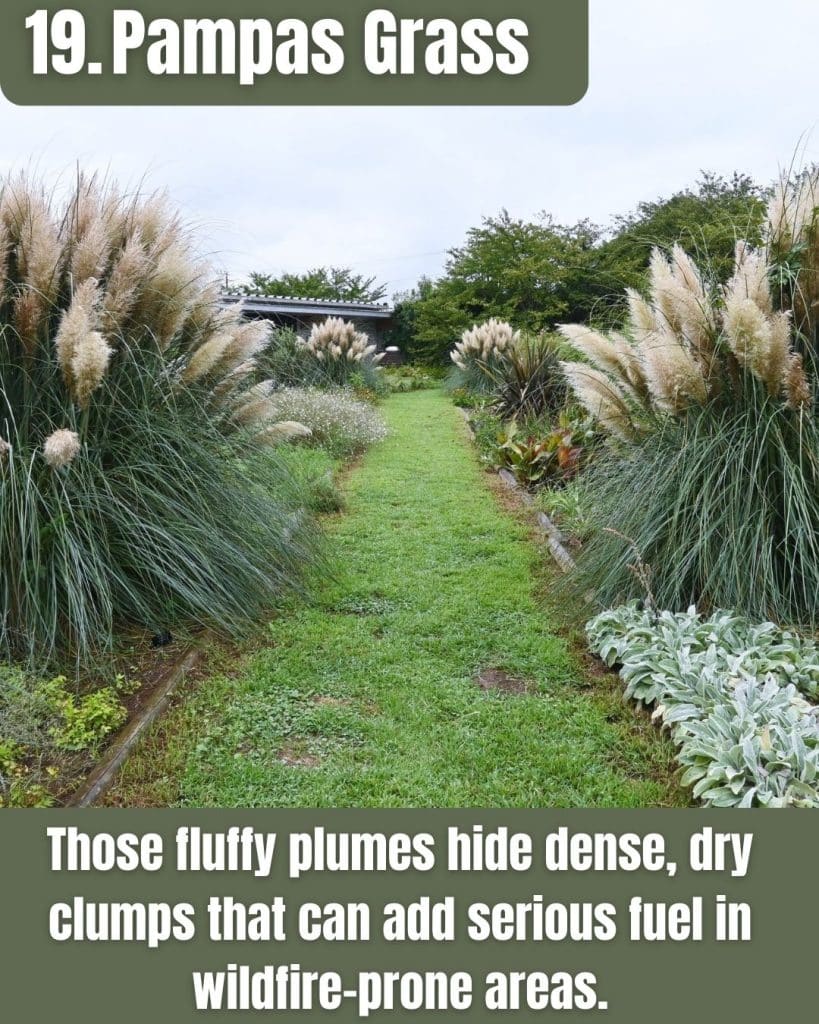
- Spreads beyond landscaping: Escapes yards and colonizes open areas.
- Dense clumps: Crowds out native plants and creates hiding spots for pests.
- Fire concerns: Dry, bulky growth can add fuel in wildfire-prone regions.
Pampas grass looks like it belongs in a postcard… right up until it starts acting like it owns the hillside.
In parts of coastal and inland California, it can escape landscaping and form dense stands that crowd out natives. Those big clumps also dry out, and in the wrong season, “pretty plume grass” can turn into “extra fuel.”
It’s a reminder that not every popular landscape plant plays nice in the wild.
Phragmites – The Wetland Monopolizer
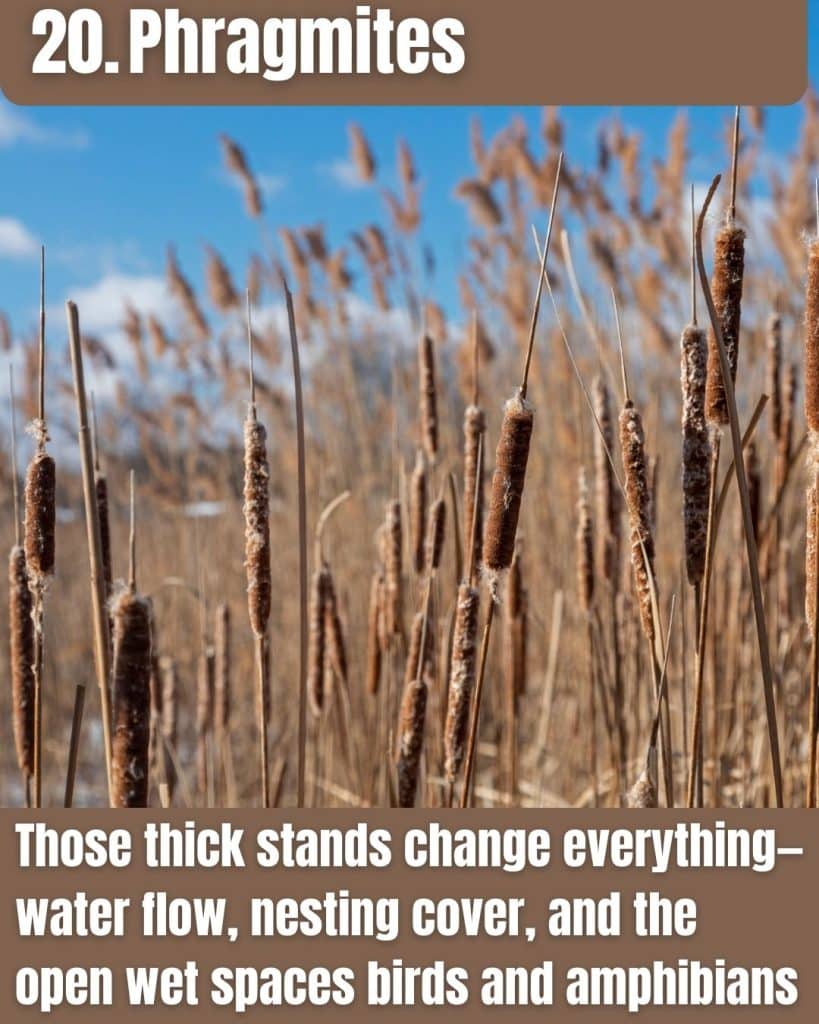
- Reed takeover: Forms huge stands that crowd out native marsh plants.
- Habitat changer: Can reduce open water and alter wetland structure.
- Spreads easily: Thrives along roadsides, ditches, shorelines, and disturbed ground.
If you’ve driven California roads near wetlands and seen tall reed walls in ditches and marsh edges, you’ve likely seen phragmites.
It forms dense stands that can push out native wetland plants, changing habitat for birds, amphibians, and everything that depends on a diverse marsh.
It’s not just “a tall grass.” It’s a takeover.
Invaders of California’s Waters: Fish, Mussels & Plants
Zebra Mussel – The Infrastructure Clogger
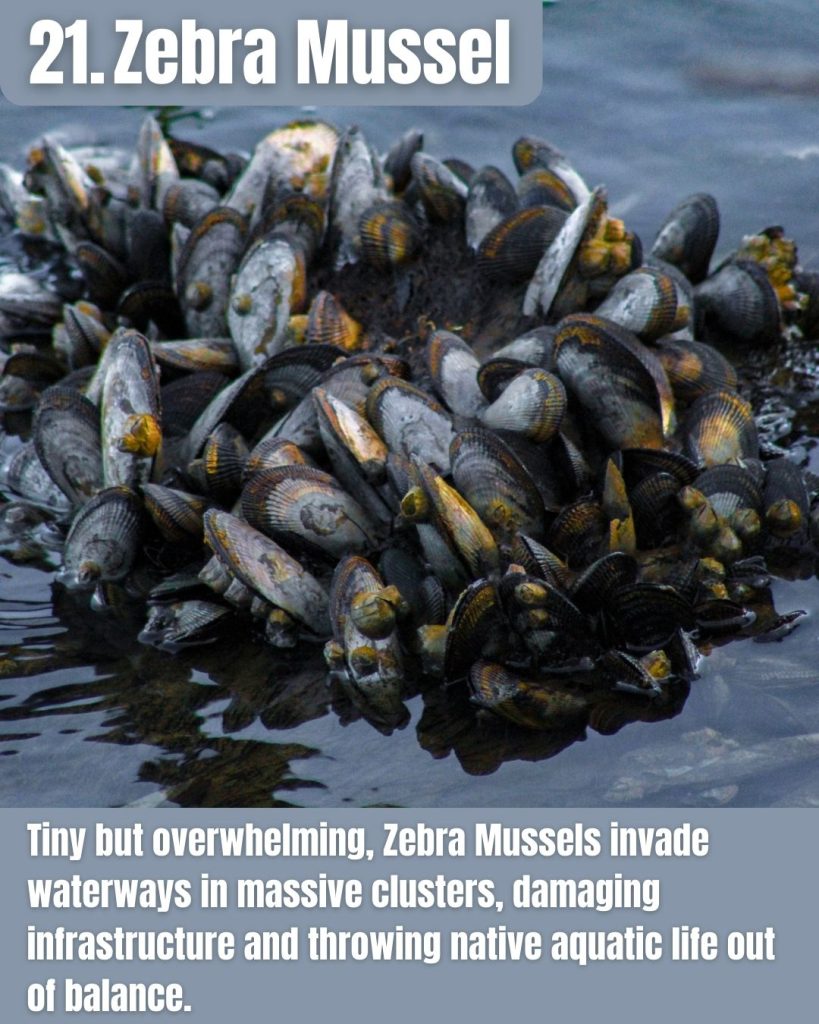
- Pipe clogs: Can clog water intakes and infrastructure.
- Native mussel impacts: Can smother native species.
- Sharp shells: Painful for swimmers and shoreline users.
These fingernail-sized mussels hitch rides on boats and equipment, then multiply fast once they’re established.
In California, the fear is huge because so much of the state depends on managed water systems—reservoirs, canals, and intakes. Once mussels get established, they bring a real bill: clogged infrastructure, sharp shorelines, and constant maintenance headaches.
They’re tiny. The impact is not.
Quagga Mussel – The Reservoir Menace
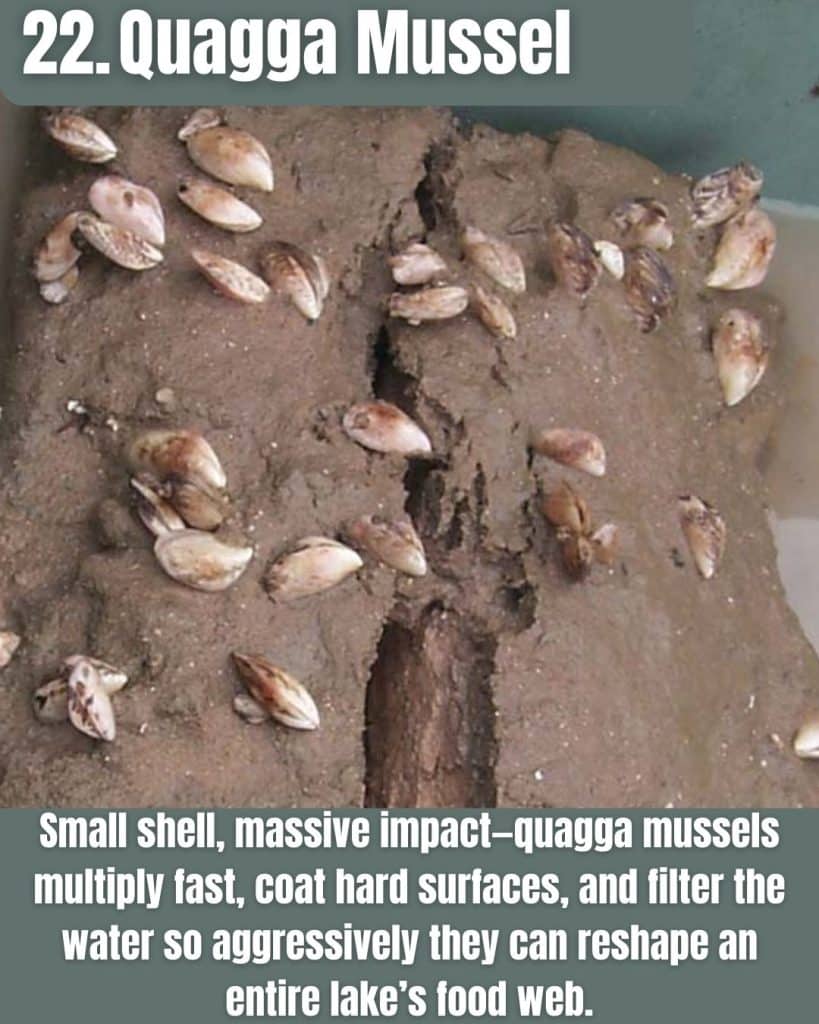
- Spreads in reservoirs: Can thrive in big, deep waters.
- Filters the food out: Can shift what fish and native species have to eat.
- Hard to stop: Once established, management becomes a long-term grind.
Quagga mussels are closely related to zebra mussels, and they’re a nightmare because they can colonize deep water and broad surfaces.
They filter huge amounts of water, changing how nutrients move through the system. That can ripple up through the entire food chain—and it can also mean more maintenance headaches in places where water delivery is already complicated.
They’re one of those invasives that doesn’t just “add a nuisance.” They rewrite the rules underwater.
Eurasian Watermilfoil – The Weed That Won’t Quit
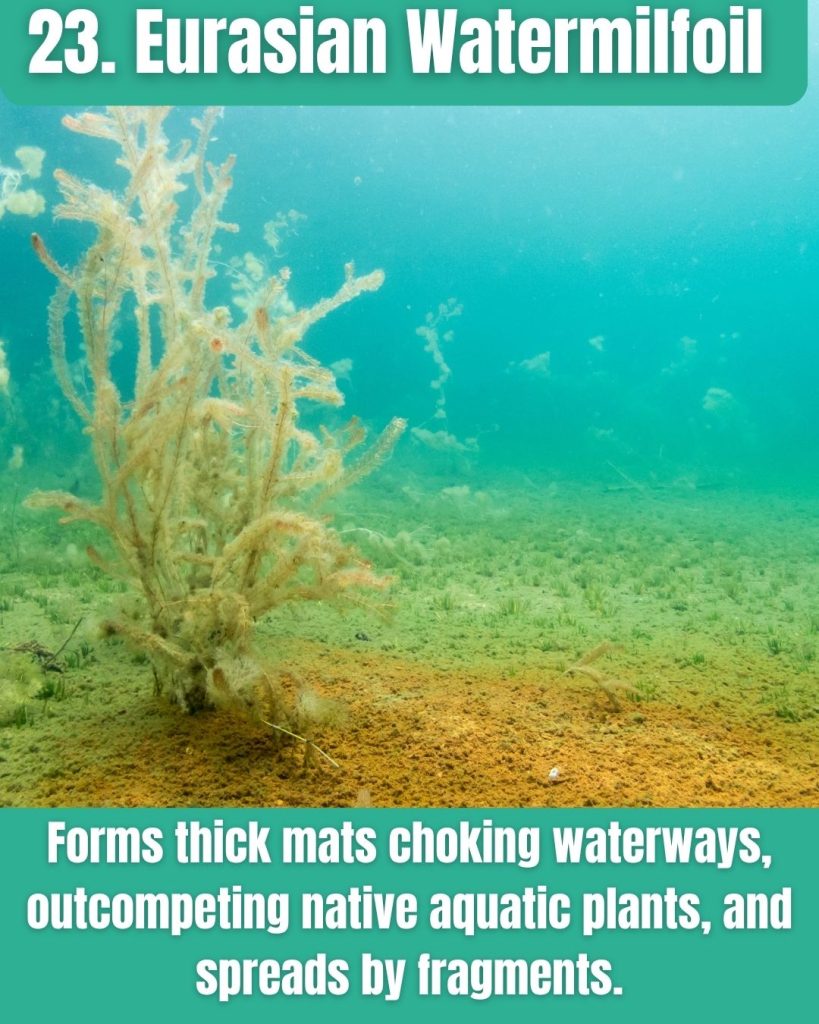
- Boat trap: Tangles propellers and fishing lines.
- Native plant killer: Chokes out beneficial aquatic plants.
- Fragment spreader: Small pieces can start whole new infestations.
This underwater plant grows thick mats that clog boats and block sunlight from native aquatic plants.
It spreads by breaking into pieces, which can hitch rides on boats, quickly turning a clear California lake into a green mess.
If you’ve ever pulled a wet pile of “plant spaghetti” off a prop, you know exactly why it’s on this list.
New Zealand Mud Snail – The Tiny Ecosystem Wrecker
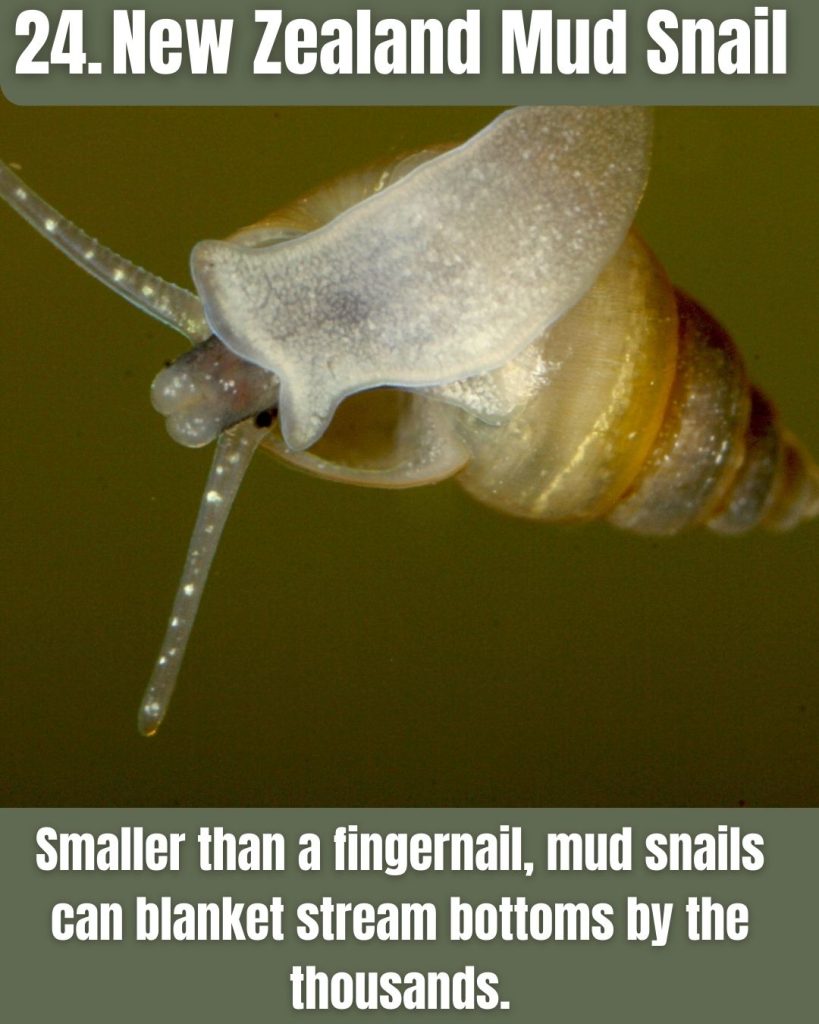
- Spreads on gear: Boots, waders, nets, boats—if it’s wet, it can hitchhike.
- Explodes in numbers: Populations can get so dense they crowd out native invertebrates.
- Hard to eradicate: Prevention and “clean, drain, dry” habits matter most.
This one is easy to miss because it’s small… and that’s part of the problem.
New Zealand mud snails can spread through waterways via fishing and boating gear. Once they establish, they can reach huge densities, changing the bottom-of-the-food-chain life that fish and other wildlife rely on.
It’s a reminder that “clean your gear” isn’t just a slogan—it’s a defense plan.
Brazilian Waterweed – The Underwater Choker
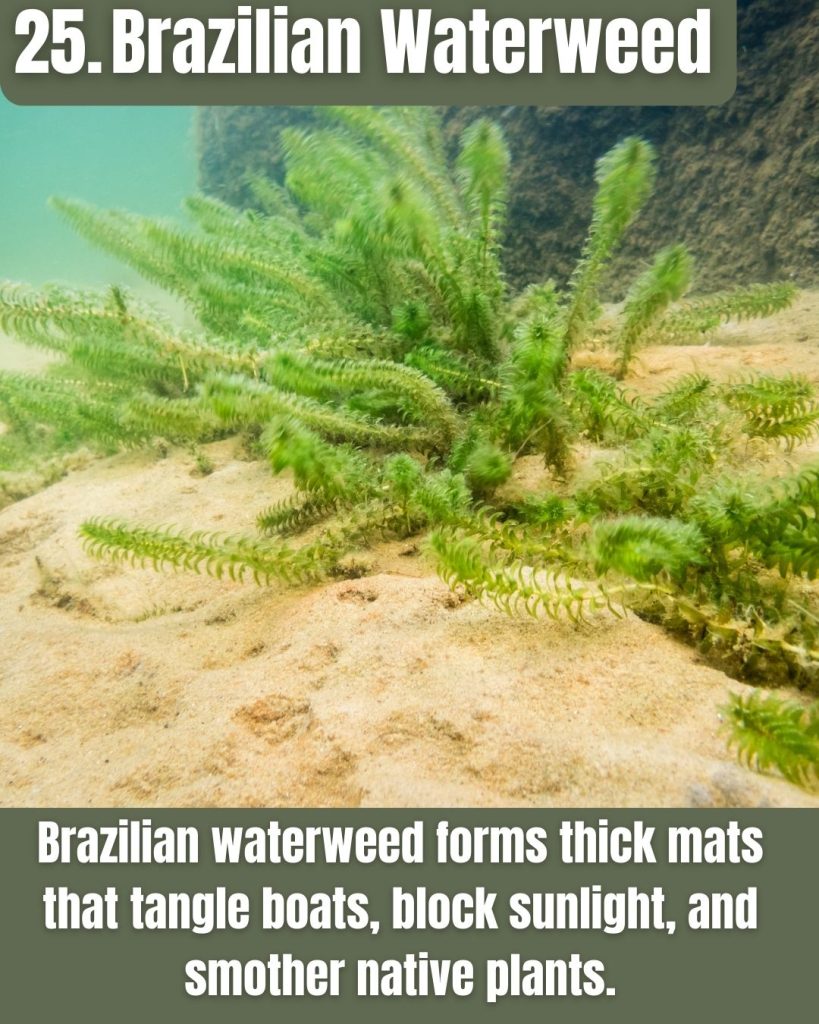
- Dense mats: Can block sunlight and crowd out native aquatic plants.
- Recreation impacts: Thick growth can tangle props, lines, and swimmers.
- Spreads by fragments: Small pieces can start new patches in new water.
Some aquatic invasives spread like they’re built for it—and Brazilian waterweed is one of them.
It can form thick underwater growth that changes habitat and makes boating and fishing miserable. Like many aquatic plants, it doesn’t need seeds to spread—fragments moved by water, boats, or equipment can be enough.
Once a lake gets “that weedy,” getting it back is a long, expensive process.
California’s invasive species story is one of surprises, challenges, and ongoing work to protect native ecosystems.
Whether it’s birds that outcompete natives, insects that threaten groves and shade trees, or plants that take over wetlands and hillsides, these invaders are a reminder that small introductions can create big ripple effects.
Stay curious, stay aware, and if you spot any of these troublemakers, spread the word so we can keep California healthy and wild for generations to come.