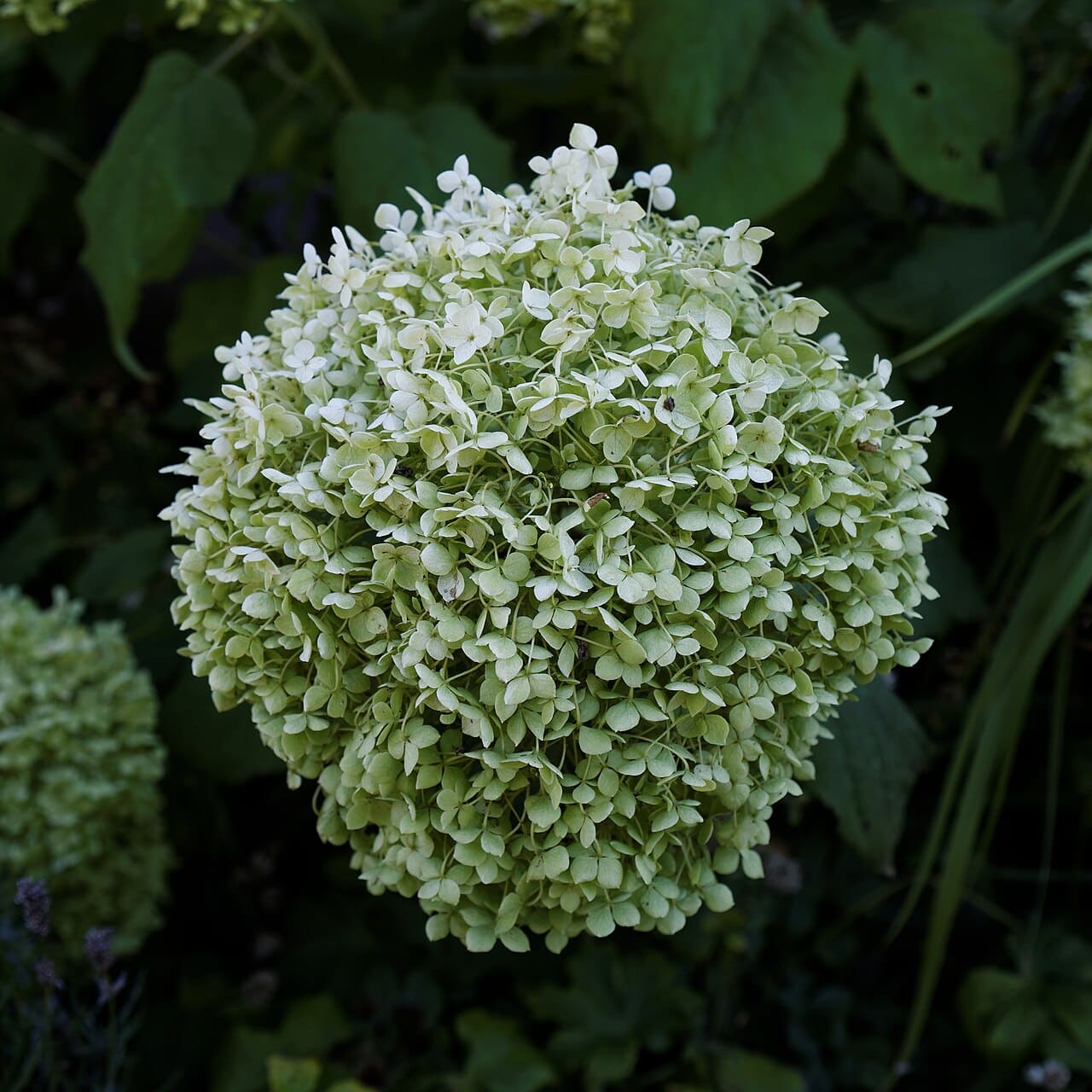
Your hydrangea is big, green, and apparently healthy. There is just one problem: it refuses to bloom.
Before you grab a shovel and replace it, take a breath. A leafy hydrangea with no flowers may simply be reacting to one bad pruning session, a hard winter, too much shade, or too much kindness from the fertilizer bag. Fix the real cause, and that plain green shrub may still become the flower-covered showpiece you expected.
Here is how to figure out what is wrong—and what to do next.
First, Look at the Clues
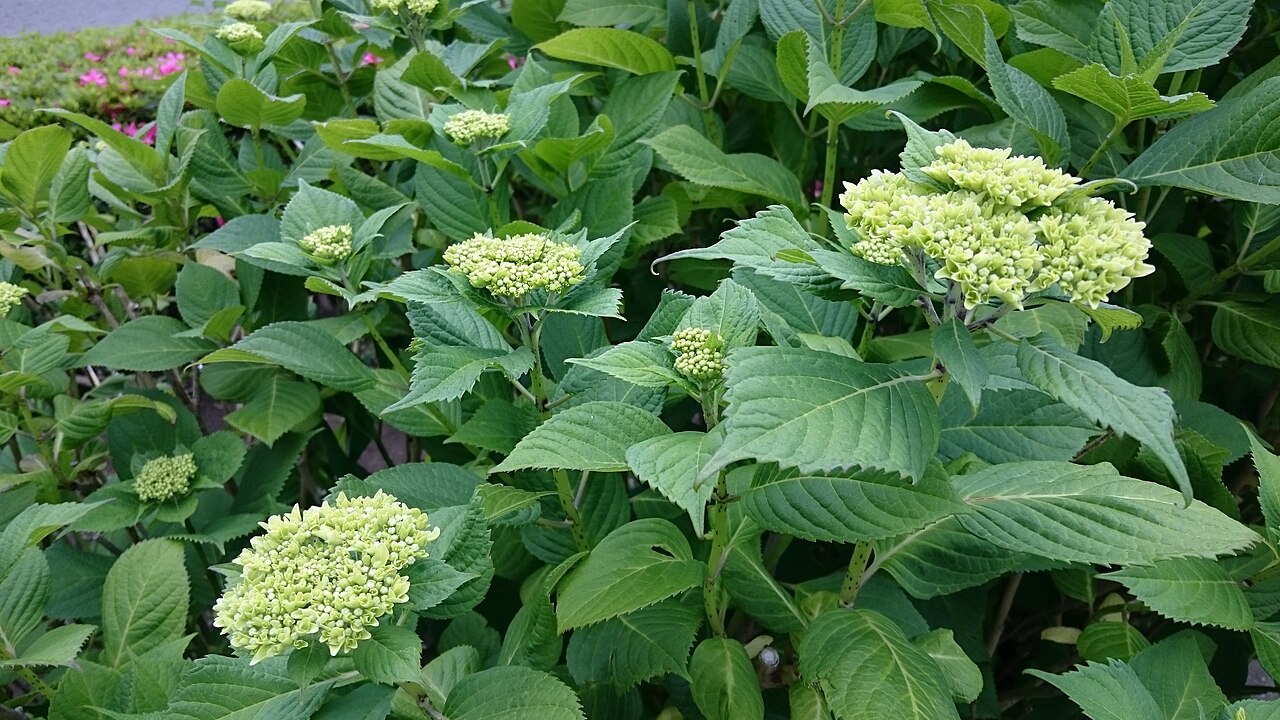
Healthy green leaves and vigorous growth usually point to a light, pruning, fertilizer, or winter-bud problem. Wilted leaves, scorched edges, yellowing, or stems that die to the ground suggest additional stress.
Think back over the last year. Was the shrub cut down in fall? Did a late freeze follow warm spring weather? Has a tree made the spot shadier? Did the lawn receive high-nitrogen fertilizer? One detail can solve the mystery.
1. Identify the Hydrangea Before You Prune
This is the most important step because hydrangeas do not all make flowers the same way.
Bigleaf hydrangeas, including many mophead and lacecap types, usually bloom on old wood. Their flower buds form on stems produced the previous year. Oakleaf, mountain, and climbing hydrangeas also generally bloom on old wood. Cut those stems in fall, winter, or early spring, and the future flowers disappear with them.
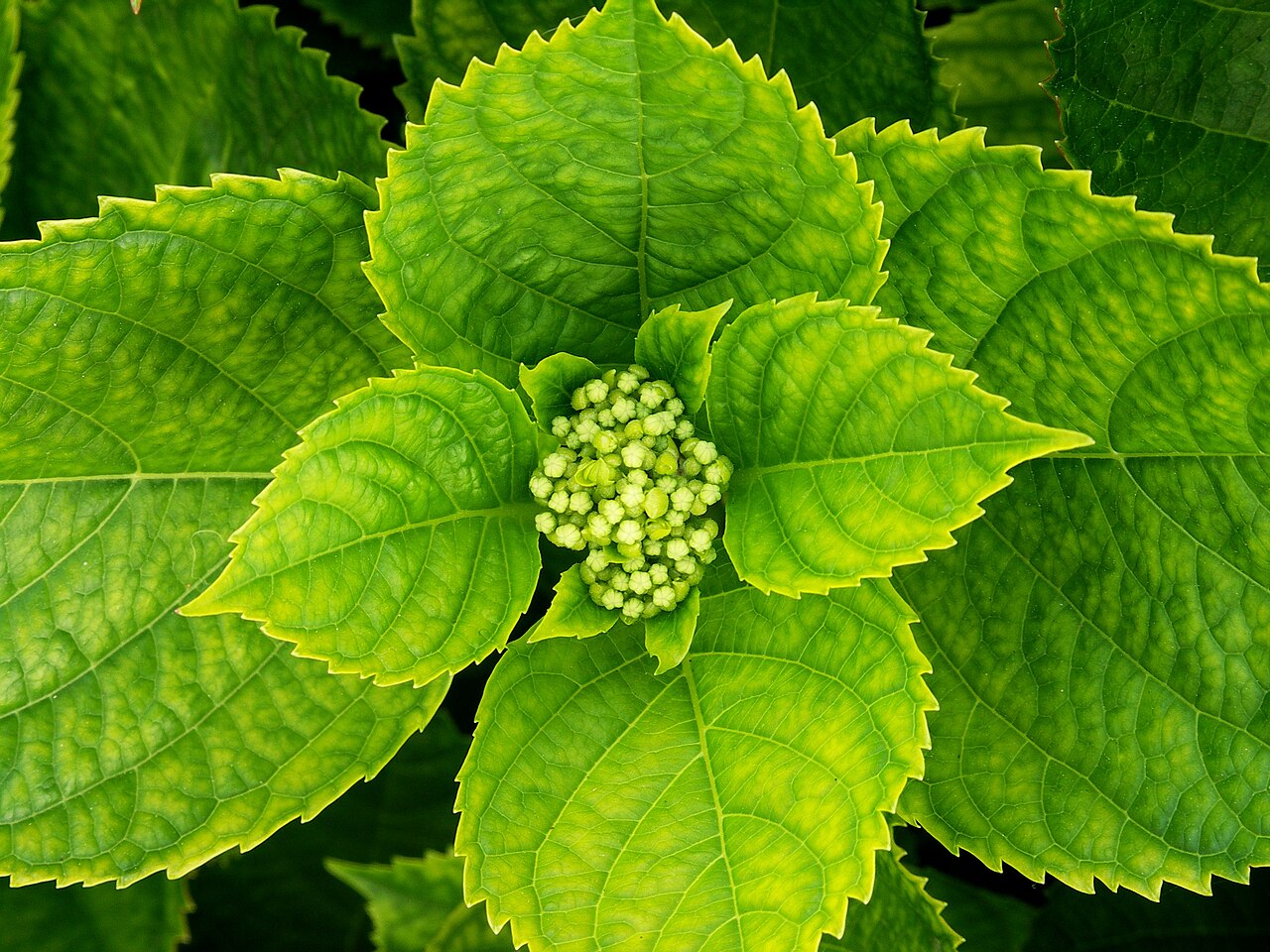
Panicle hydrangeas, which have cone-shaped flower clusters, and smooth hydrangeas, such as ‘Annabelle,’ bloom on new wood. They create buds on fresh growth in the current season, so late-winter or early-spring pruning is usually safe. Reblooming bigleaf varieties can flower on both old and new wood. They are more forgiving, though hard pruning can still delay the show.


If you do not know your variety, resist the urge to cut. Check the tag, search the cultivar name, or wait and observe. A season of patience is better than another year without blooms.
2. Put the Pruning Shears Down
Many “stubborn” hydrangeas were simply pruned at the wrong time. For an old-wood bloomer, a tidy fall cleanup can remove every bud intended for the following summer.
For now, remove only stems that are clearly dead, broken, or diseased. Test questionable wood by lightly scratching the bark. Green tissue underneath means the stem is alive. Brown, dry tissue may be dead, but check farther down before cutting.
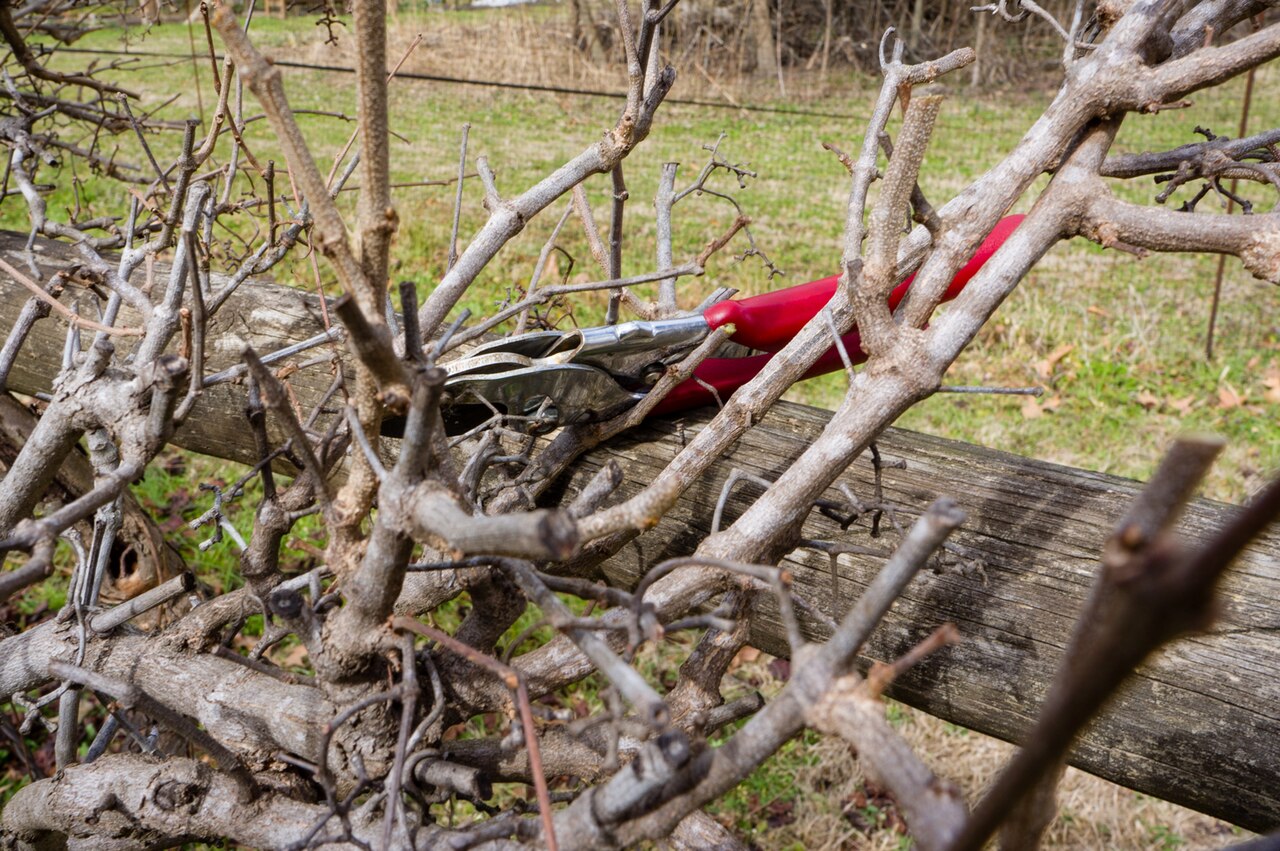
If an old-wood hydrangea needs shaping, prune soon after it finishes flowering. Avoid major trimming late in summer, when next year’s buds may be forming. Prune panicle and smooth hydrangeas in late winter or early spring. Do not assume any hydrangea needs a severe annual haircut; many bloom beautifully with minimal pruning.
3. Consider Winter and Late-Freeze Damage
Bigleaf hydrangeas can survive a cold winter at the roots while losing the flower buds on their stems. The shrub returns as a lush green mound, but it has nothing to bloom from. A warm spell followed by a sharp spring freeze can cause the same disappointment.

Mulch the root zone with two to three inches of organic mulch, keeping it away from the stems. In colder climates, protect old-wood types from drying winds and temperature swings with a breathable burlap screen or a loose cage filled with leaves after dormancy.
Let severe cold pass before removing protection gradually in spring. If bud damage happens year after year, a reblooming bigleaf or a cold-hardy panicle or smooth hydrangea may be a better long-term match.
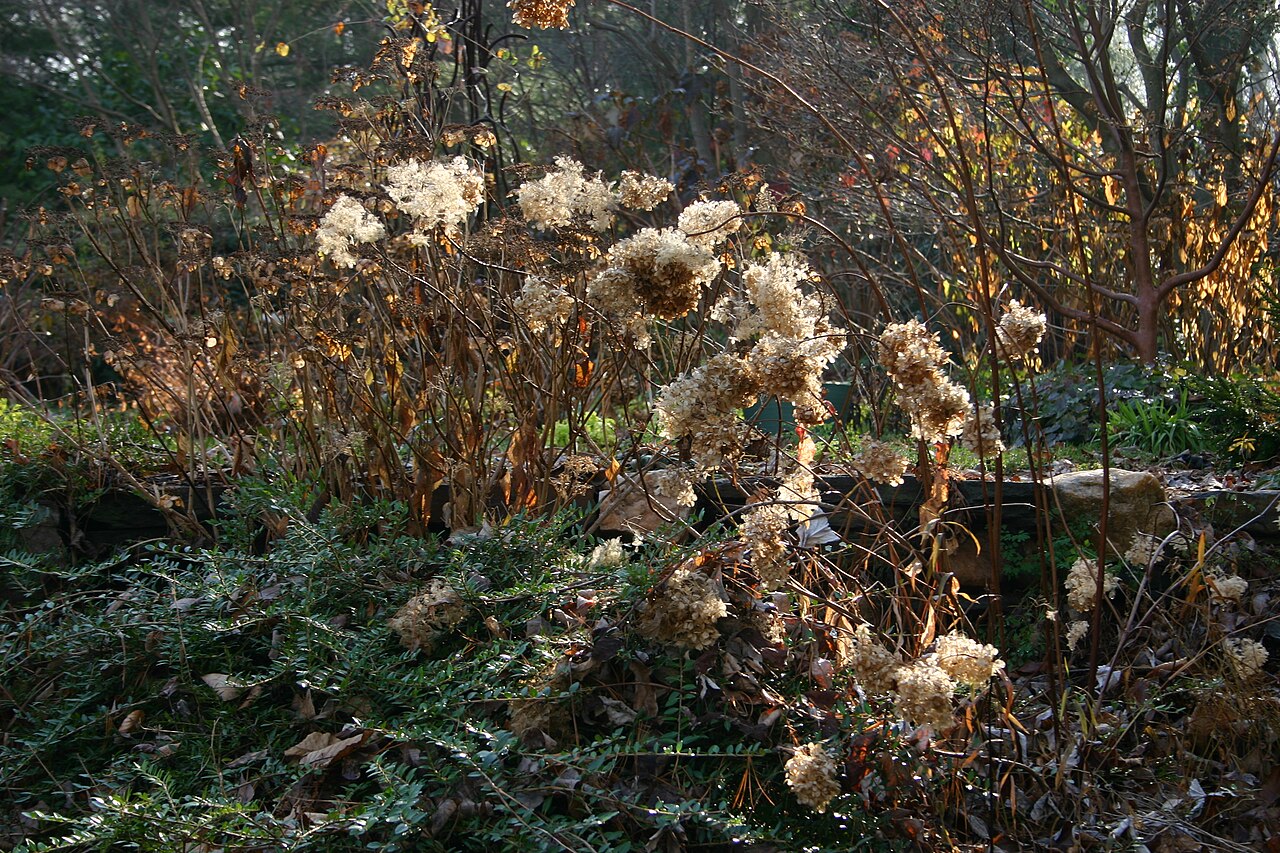
4. Give It the Right Amount of Sun
Hydrangeas are often called shade plants, but deep shade can produce lots of leaves and few flowers. Most perform best with several hours of morning sun and protection from intense afternoon heat. Panicle hydrangeas generally tolerate more sun, especially where summers are mild.
Watch the site for a full day. A growing tree or new fence may block more light than you realized. Selective trimming nearby may help. If the hydrangea bakes in reflected afternoon heat and wilts daily, move it during dormancy to a gentler location.
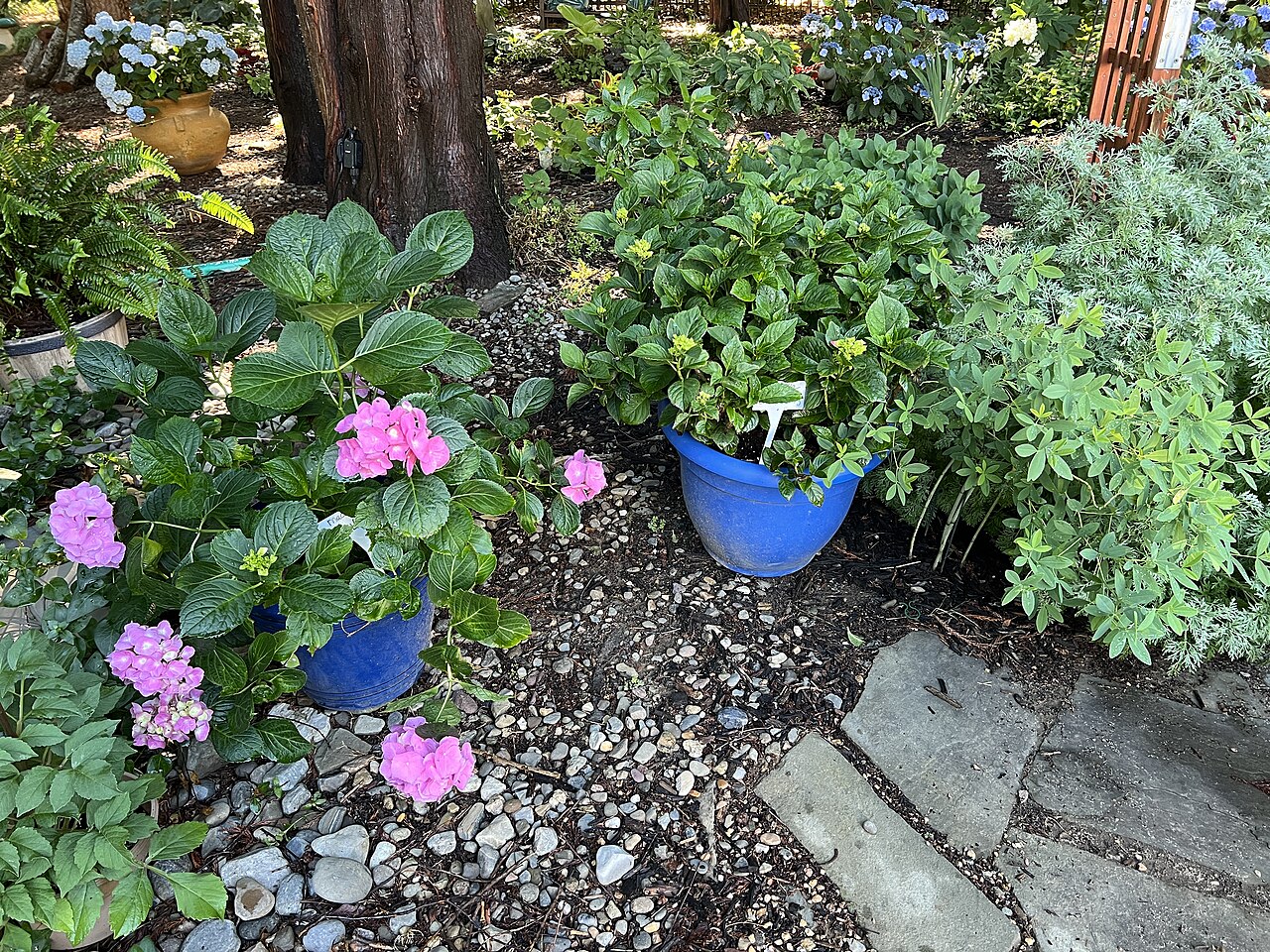

5. Water Deeply Without Drowning the Roots
Hydrangeas need consistent moisture while forming buds and flowers. Repeated drought stress can reduce flowering, yet constantly wet soil can damage roots and weaken the plant.
Water slowly at the base when the top inch or two of soil feels dry. A deep soaking is better than a quick daily sprinkle because it encourages stronger roots. New shrubs need closer attention, while established plants may need help mainly during hot, dry stretches.
Mulch to slow evaporation and moderate soil temperature, but keep it away from the crown. Make sure water drains instead of pooling. A hydrangea in heavy clay may need improved drainage or a raised planting area—not more watering.

6. Ease Up on Nitrogen Fertilizer
A hydrangea with enormous leaves and no flowers may be overfed. Nitrogen pushes leafy growth, and runoff from lawn fertilizer can reach shrubs planted along turf edges.
Skip automatic spring feeding and get a soil test before adding more fertilizer. If the soil is fertile, a layer of compost may be enough. Avoid “bloom booster” products as a blind fix; adding unneeded nutrients can create new problems.
Changing the soil pH of some bigleaf and mountain hydrangeas may shift flowers between blue and pink, but it will not make a flowerless plant set buds. Color and bloom production are separate issues.

7. Give a New or Moved Hydrangea Time
A recently planted hydrangea may spend its first season building roots instead of flowers. Transplant shock and a major change in light can delay blooming. Keep care steady, avoid hard pruning, and give it a full growing season to settle in.
Also consider its origin. A foil-wrapped gift hydrangea was raised for a spectacular indoor display and may not be hardy enough for your climate. It can grow leaves after winter while its flower buds repeatedly freeze.

A Simple One-Season Rescue Plan
- Spring: Wait for growth before removing questionable stems. Protect emerging buds when a late freeze is forecast.
- Early summer: Provide consistent moisture and note the hours of direct sun.
- After flowering: Prune old-wood types only if necessary, before new buds form later in summer.
- Late summer and fall: Stop pruning. Avoid nitrogen-rich fertilizer and let stems harden naturally.
- Winter: Mulch the roots and protect vulnerable old-wood varieties in cold or exposed sites.
Take a few photos through the season. They will help you compare growth, recognize winter dieback, and remember when the plant received sun.

When Replacement Really Makes Sense
Give an otherwise healthy hydrangea one full season under corrected care. Replacement is reasonable when the variety is not hardy in your area, the site cannot provide suitable light or drainage, the shrub has severe recurring dieback, or it has outgrown the space.
When you shop, match the plant to the site instead of choosing by flower color alone. Check its mature size, hardiness zone, sun needs, and whether it blooms on old wood, new wood, or both.
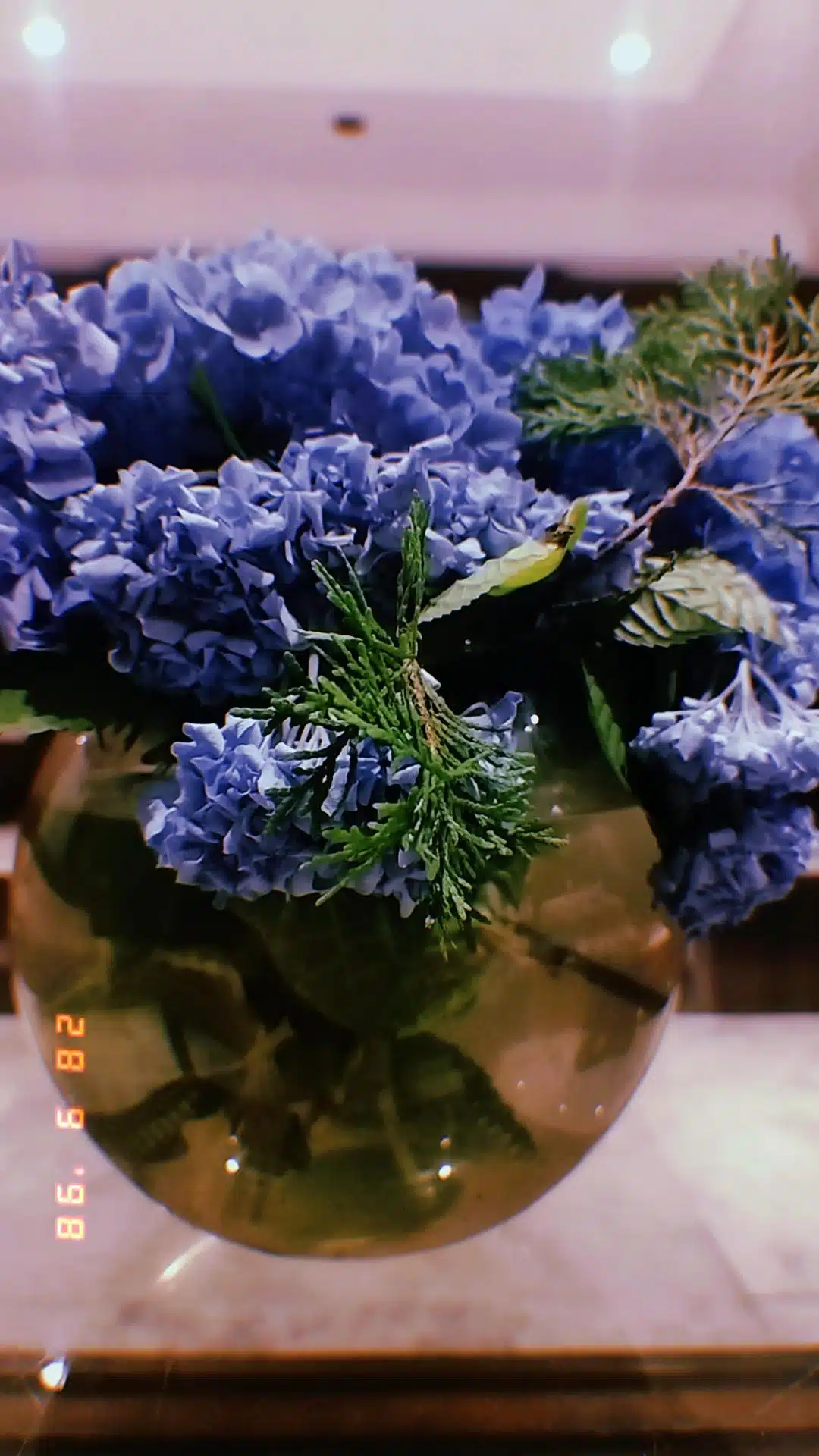

The Bottom Line
A hydrangea that will not bloom is frustrating, but the usual causes—mistimed pruning, frozen buds, insufficient light, uneven moisture, and excess nitrogen—are fixable.
Leave the shovel in the shed for now. Identify your hydrangea, protect the wood carrying its buds, and give it one thoughtful season. The difference between a green mound and a shrub covered in flowers may be a few small changes made at the right time.

Image Credits
- Bigleaf hydrangea: “Hydrangea flowers hydrangea macrophylla” by Titus Tscharntke, public domain.
- Oakleaf hydrangea: “Hydrangea quercifolia” by A. Barra, CC BY 3.0.
- Mountain hydrangea: “Hydrangea serrata—fully bloomed flower” by Sabina Bajracharya, CC BY-SA 4.0.
- Climbing hydrangea: “Hydrangea petiolaris” by Sten, CC BY-SA 3.0.
- Panicle hydrangea: “H. Paniculata ‘Limelight’” by Michele Dorsey Walfred, CC BY 2.0.
- Smooth hydrangea: “Hydrangea arborescens ‘Annabelle’” by Giligone at English Wikipedia, CC BY-SA 3.0.
- First clues—leaves and buds: “Hortensia-1” by Alvesgaspar, CC BY 2.5.
- First clues—buds: “Buds of hydrangea” by 些細な日常, CC BY-SA 4.0.
- Pruning: “Pruning Shears” by Joe Wise, CC BY-SA 3.0.
- Pruning: “Pruning shears removable blade” by KVDP, public domain.
- Winter damage: “Hydrangea flowers dead in winter” by Charro Badger, CC BY 2.0.
- Winter damage: “Hydrangea shrub winter” by SB Johnny, CC BY-SA 3.0.
- Sunlight: “Entrance to the shade garden” by Michele Dorsey Walfred, CC BY 2.0.
- Sunlight: “H. Macrophylla ‘Summer Crush’ year two” by Michele Dorsey Walfred, CC BY 2.0.
- Water: “Hydrangea flowers in the rain” by ~riley, CC BY-SA 3.0.
- Water: “Hydrangeas, after the rain” by Jonathan Billinger, CC BY-SA 2.0.
- Fertilizer: “Vegetables fertilizer” by Mothusi Sekhomba, CC BY-SA 4.0.
- Fertilizer—soil testing: “Laboratory analysis of soil samples” by Knowledge genome, CC BY-SA 4.0.
- New or moved hydrangea: “Hydrangea in a new pot at good depth” by SB Johnny, CC BY-SA 3.0.
- New or moved hydrangea: “Planting Hydrangea in Singapore” by Ronggy, public domain.
- Rescue plan: “Compost mulch” by Red58bill, public domain.
- Rescue plan: “Mulch shredded yard waste” by Dvortygirl, CC BY-SA 3.0.
- Replacement: “Hydrangea pot” by Adithri3, CC BY-SA 4.0.
- Replacement: “Hydrangea Plant” by Müti007, CC BY-SA 4.0.
- Bottom line: “Purple Hydrangeas at Mount Lofty Botanic Gardens” by Maksym Kozlenko, CC BY-SA 4.0.
- Bottom line: “Arkesden pale green Hydrangea, Essex, England” by Acabashi, CC BY-SA 4.0.


Images may be automatically resized or compressed for web display; no intentional visual edits were made.