That crispy marigold bloom you were about to toss may be a tiny seed bank. A single large, fully mature flower head can hold up to 100 usable seeds, enough to brighten a bed, fill containers, and share with friends next spring. The trick is letting the head finish ripening, harvesting it on a dry day, and storing the seeds without trapping moisture. Here is exactly how to turn this year’s faded flowers into next year’s free color.
How One Marigold Flower Can Make Up to 100 Seeds
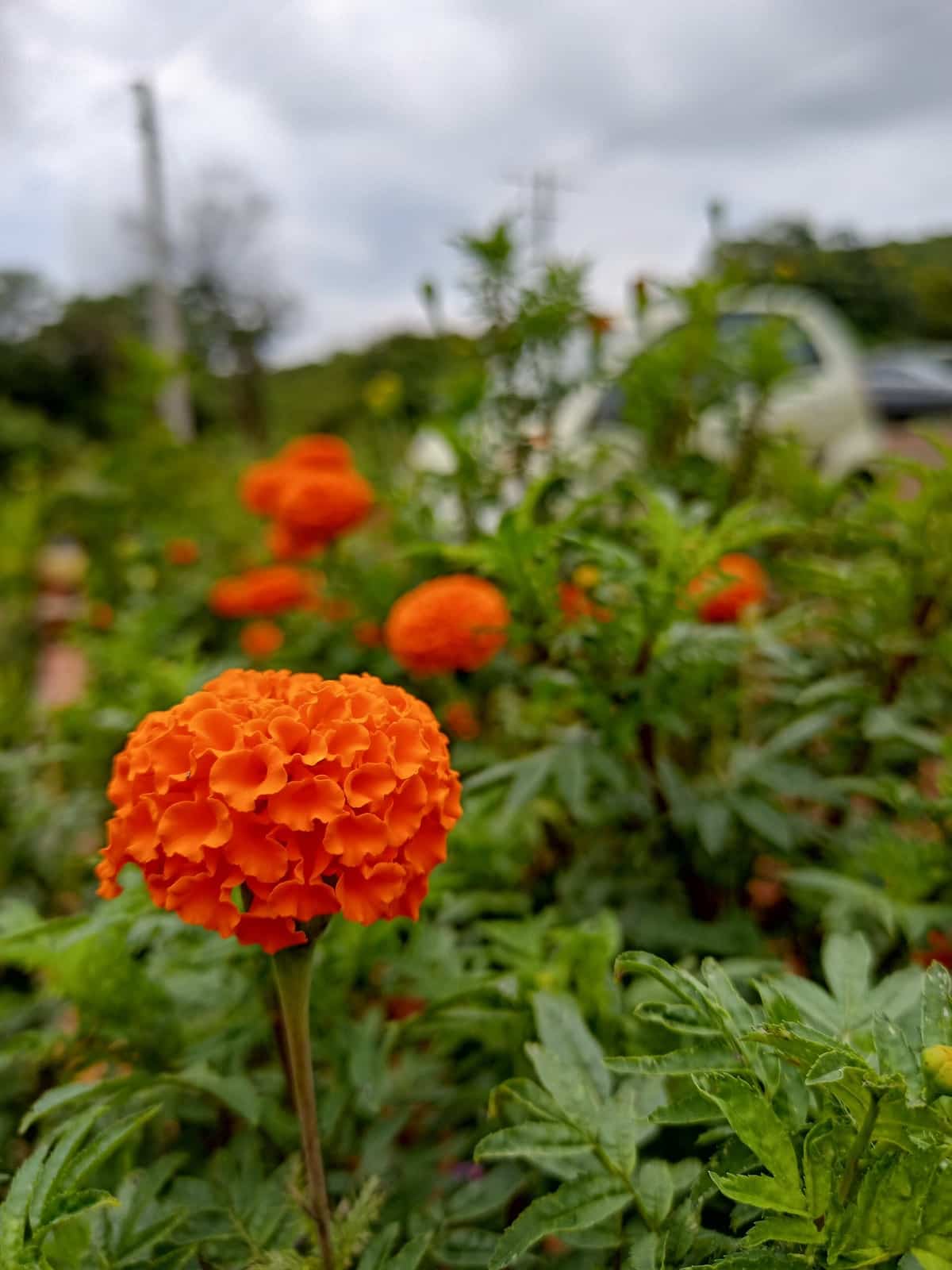
That fluffy pom-pom is not a single flower in the strict botanical sense. Marigolds belong to the daisy family, Asteraceae, and each “flower” is actually a head containing many small florets packed onto one base.
After pollination, each fertile floret can mature into one achene—the long, narrow object gardeners usually call a marigold seed. More florets and better pollination generally mean more seeds.
The total varies. A large, fully double African marigold may produce far more than a small signet marigold. Heat, heavy rain, poor pollination, disease, or picking too early can also leave a head partly empty.
Still, the “up to 100” claim is realistic. Government horticultural guidance lists roughly 300 to 350 marigold seeds per gram, while field research on African marigolds has recorded about 0.25 to 0.30 gram of seed per flower. Put those figures together and a productive head lands in the neighborhood of 75 to 105 seeds.
Think of 100 as a best-case haul, not a guarantee from every bloom. Save three to five heads from your healthiest plants and you will have a generous cushion for uneven germination, sharing, and surprise seedlings.
Wait Until the Seed Head Is Truly Ready

The most common seed-saving mistake is cutting the bloom as soon as the petals wilt. At that point, the plant may still be moving energy into the developing seeds.
Leave your chosen blooms on the plant until the petals are brown and crisp and the base of the head feels dry and papery. A ripe head often changes from green to tan or brown and may droop slightly on its stem.
Harvest on a dry afternoon after the morning dew has evaporated. If several rainy days are coming, clip the nearly dry heads with a few inches of stem and finish drying them indoors in a paper bag.
Avoid heads that are mushy, moldy, or blackened by rot. Those seeds may have begun to decay, and storing them beside healthy seed can spread moisture and mold.
You do not need to stop deadheading the entire plant. In fact, the University of Minnesota Extension notes that removing spent flowers encourages more blooms instead of seed production. Keep deadheading most flowers and mark only a few strong blooms for seed.
How to Harvest, Dry, and Store Marigold Seeds

Place a sheet of white paper, a shallow bowl, or a paper bag under the flower head. Marigold seeds are light, and one enthusiastic tug can scatter them across the table.
Pull away the dead petals, split the papery base with your fingers, and gently draw out the bundle inside. Mature marigold seeds look like tiny two-tone needles: usually dark brown or black along most of their length, with a pale straw-colored tuft at one end.
Shake or brush away the loose petals and chaff. Do not worry about making the seed perfectly clean; a little dry plant material will not hurt anything.
Spread the seeds in a single layer on plain paper for about a week in a warm, airy room away from direct sun. Stir them once a day. They should feel hard, dry, and papery before storage.
Paper envelopes are forgiving because they allow a trace of remaining moisture to escape. Label each one with the marigold type, flower color, collection date, and where the plant grew. Your future self will appreciate the note.
Once the seed is completely dry, place the envelopes in a sealed jar or lidded container and keep it somewhere cool, dark, and dry. A refrigerator is ideal if the container is airtight. Never seal freshly collected seeds in plastic; trapped moisture is a fast route to mold.
How to Plant Your Saved Marigold Seeds

Saved marigold seed is handled just like seed from a packet. Start it indoors several weeks before your last frost, or sow directly outside after frost danger has passed and the soil has warmed.
Plant the seeds about 1/4 inch deep in a fine, well-drained seed-starting mix. The pointy end does not need to face a particular direction; simply lay each seed down, cover it lightly, and water gently.
Keep the mix evenly moist but not soggy. At 70 to 75°F, marigolds commonly germinate in about five to eight days. Move sprouts into bright light as soon as they emerge so they grow sturdy rather than tall and floppy.
If you saved only a small batch or the seed is more than a year old, test ten seeds first. Lay them on a damp paper towel, fold it over, and slide it into a loosely closed bag. If eight sprout, you have roughly 80% germination and can sow normally. If only four sprout, plant more thickly.
Harden indoor-grown seedlings off gradually before transplanting. Give them a little more outdoor sun and wind each day for about a week, then plant them in a sunny bed after the final frost.
Will Saved Marigolds Look the Same Next Year?

Maybe—and that uncertainty can be part of the fun. Open-pollinated varieties are the best choice when you want offspring that resemble the parent. Even then, pollinators may carry pollen between different marigolds growing nearby, creating some variation.
Seed saved from an F1 hybrid is less predictable. According to the UC Master Gardeners, hybrid seed may not “breed true.” The next generation can be taller, shorter, a different shade, less vigorous, or occasionally sterile.
If an exact repeat matters, start with a named open-pollinated variety and keep different marigold varieties separated. If you enjoy garden surprises, sow the mixed seed and see what turns up. A stray red-and-gold flower in a sea of orange can be a keeper.
Choose seed from plants that were healthy, vigorous, and floriferous—not merely from the last bloom left before frost. Over several seasons, saving from your favorites can gently select marigolds that perform especially well in your yard.
The whole job takes only a few minutes: let several blooms turn brown on the plant, open the dry heads, air-dry the seeds, label them, and keep them cool until spring. One overlooked flower really can become dozens of free marigolds—and a large head may put close to 100 future flowers in the palm of your hand.
Photo credits
- Marigold bloom: Sadichha Deo/Wikimedia Commons, CC0; resized.
- Ripe French marigold seed heads: Rasbak/Wikimedia Commons, CC BY-SA 3.0; resized.
- Harvested French marigold seeds: Roger Culos/Wikimedia Commons, CC BY-SA 3.0; resized.
- Marigold seedlings: Aliva Sahoo/Wikimedia Commons, CC BY-SA 4.0; resized.
- Red-and-gold French marigold: Ввласенко/Wikimedia Commons, CC BY-SA 3.0; resized.
.jpg)
.jpg)

.jpg)
.jpg)