Your flower beds may look finished for the year, but the birds in your yard see a pantry. Those dry seed heads and brown stems can provide food, shelter, and places to hunt for insects when natural choices become scarce.
Before you reach for the pruners, check this list. Leaving even a few clumps standing can make your winter garden far more useful.
Why waiting to cut back helps birds
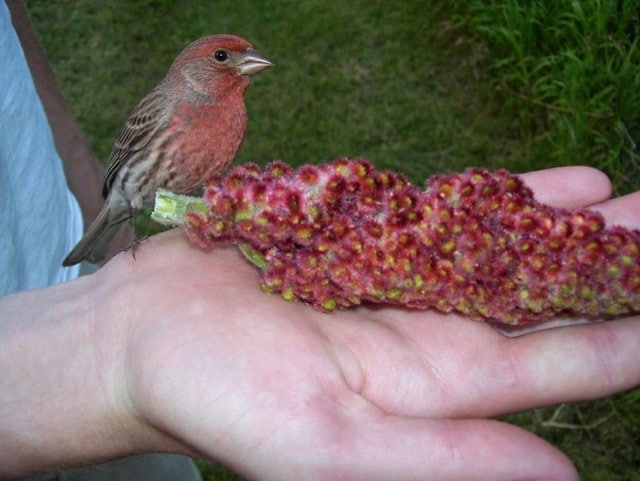
A tidy fall cleanup removes more than dead-looking growth. It can also remove seeds that finches, chickadees, sparrows, juncos, and other backyard visitors depend on through fall and winter.
Standing plants create cover, too. Dense stems and grasses give small birds a place to duck out of cold wind or hide from predators. The insects tucked into stems, bark, and leaf litter add another valuable food source.
You do not have to let the entire yard go wild. The goal is simply to delay cutting the most useful plants until late winter or early spring.
1. Coneflowers

Coneflowers are one of the easiest plants to leave alone after blooming. Their dark, bristly cones hold seeds well into the colder months, and American goldfinches are especially fun to watch as they balance on the stems and pull them free.
Chickadees and other small seed-eating birds may visit, too. Keep the healthiest stems standing and remove only anything that is diseased, broken, or blocking a walkway.
2. Black-eyed Susans

Black-eyed Susans earn their place in a bird-friendly cleanup plan. Once the yellow petals drop, the raised brown centers remain packed with small seeds.
Finches and sparrows can work over the seed heads while the stiff stems keep them above light snow. If you have a large patch, cut back the front edge for a cleaner look and leave the plants toward the middle and back standing.
3. Sunflowers

Sunflowers are the obvious heavy hitters. Their large heads can hold hundreds of energy-rich seeds, turning a fading summer display into a busy feeding station.
Leave heads on the stalk as long as the stems are sturdy. If a top-heavy plant falls, cut off the mature head and fasten it to a fence or place it in a dry, elevated spot where birds can reach it. Discard any head that becomes moldy.
4. Asters

Asters help wildlife twice. Their late flowers offer nectar when many other plants have stopped blooming. Afterward, the fluffy seed heads provide another round of food.
Small birds such as sparrows, juncos, and finches may glean the seeds from fall into winter. Leave several clumps intact, especially near shrubs or other cover where birds can retreat quickly.
5. Goldenrod

Goldenrod’s clouds of tiny seeds are easy to overlook, but birds do not need a giant seed head to find a meal. The stems also hold insects and larvae that insect-eating birds can search for during mild winter days.
If uncontrolled reseeding worries you, remove some spent plumes and keep others. That compromise preserves food and habitat without allowing every plant to spread wherever it wants.
6. Joe-Pye weed and milkweed

These tall native plants continue working after their showy flowers disappear. Their seed clusters can attract small seed eaters, while their upright stems add protected structure to an otherwise bare garden.
Hollow or pithy stems may also shelter overwintering insects. Those insects matter to birds directly as food, and they help support the next generation of garden life.
When spring cleanup arrives, consider cutting stems to roughly 12 to 18 inches rather than shaving them to the ground. New growth will soon disguise the stubs, and some stem-nesting insects may still be able to use them.
7. Native and ornamental grasses

Do not be too quick to flatten switchgrass, little bluestem, prairie dropseed, or other clumping grasses. Their seeds can feed sparrows and similar birds, while the arching blades form valuable shelter close to the ground.
Grasses also add movement and texture to a winter yard. Wait until late winter or early spring to cut them back, then trim before fresh blades become tall enough to get caught in the old growth.
What you should cut back now

Leaving plants for birds does not mean ignoring genuine problems. Remove foliage with obvious disease, soft or rotting growth, and stems that have collapsed across paths, steps, or driveways.
You can also deadhead aggressive self-seeders where they are not wanted. Dispose of diseased material instead of mixing it into a cool home compost pile, where some plant problems may survive.
Be selective with leaf cleanup as well. Clear slick mats from walkways and thick layers from turf, but leave a light layer beneath shrubs and in garden beds. That sheltered zone can hold insects and give ground-feeding birds a place to forage.
When should you finally clean up?

Late winter to early spring is the usual window. The exact date depends on your climate, so watch the plants rather than the calendar. Aim to finish before vigorous new growth makes the job difficult.
Avoid treating the first warm afternoon as a signal to strip the garden bare. Beneficial insects may still be sheltering in stems and leaf litter. If you must cut hollow stems, leave portions standing or place the cut stems loosely in a dry, protected corner for a while.
In snowy regions, cleanup often begins as the snow recedes. In milder areas, start when perennials begin to wake up. Work in sections so birds always have some cover nearby.
The tidy-yard compromise that works

If a fully naturalized winter garden is not your style, use a “tidy edges, wild center” approach. Cut plants beside the sidewalk, shape the border, and leave attractive seed heads in groups farther back.
Clusters look intentional, stand up better than isolated stems, and are easier for birds to use. Coneflowers, grasses, asters, and dark seed heads can look striking with frost or snow on them.
You can also leave plants in the backyard while cleaning more visible beds near the entrance. Even one standing patch is more useful than removing every seed head at once.
A quick fall checklist

- Leave healthy seed heads on coneflowers, Black-eyed Susans, sunflowers, asters, goldenrod, Joe-Pye weed, milkweed, and grasses.
- Keep several dense clumps for wind protection and escape cover.
- Remove diseased, rotten, hazardous, or badly collapsed material.
- Leave some clean leaf litter beneath shrubs and in garden beds.
- Plan the main cutback for late winter or early spring.
The easiest bird-friendly garden chore this fall may be the one you skip. Put down the pruners, leave the best seed heads standing, and let the birds handle part of the cleanup for you.