September may feel too early to think about holiday flowers, but this is when the countdown begins for Christmas and Thanksgiving cacti. These plants do not suddenly decide to bloom when the decorations come out. They need several weeks of carefully timed light, darkness, cool temperatures, and proper watering first.
The good news is that holiday cacti are not particularly difficult to care for. The trick is understanding what tells them to flower. A healthy cactus may refuse to bloom simply because the room stays bright or warm for too long each evening.
Let’s look at how to care for your holiday cactus and encourage a colorful display in time for the holidays.
Start the Blooming Routine in Early Fall
Holiday cacti usually require about six weeks of the right conditions before flower buds develop. Starting the process in September or early October gives the plant enough time to prepare for Thanksgiving or Christmas.
These plants respond to seasonal changes. Shorter days and cooler nights tell them that winter is approaching and that it is time to flower. Indoor plants do not always receive those natural signals, especially when household lights remain on after sunset.
Your goal is to recreate an autumn-like environment without making the plant uncomfortable.
Give It Bright Light During the Day
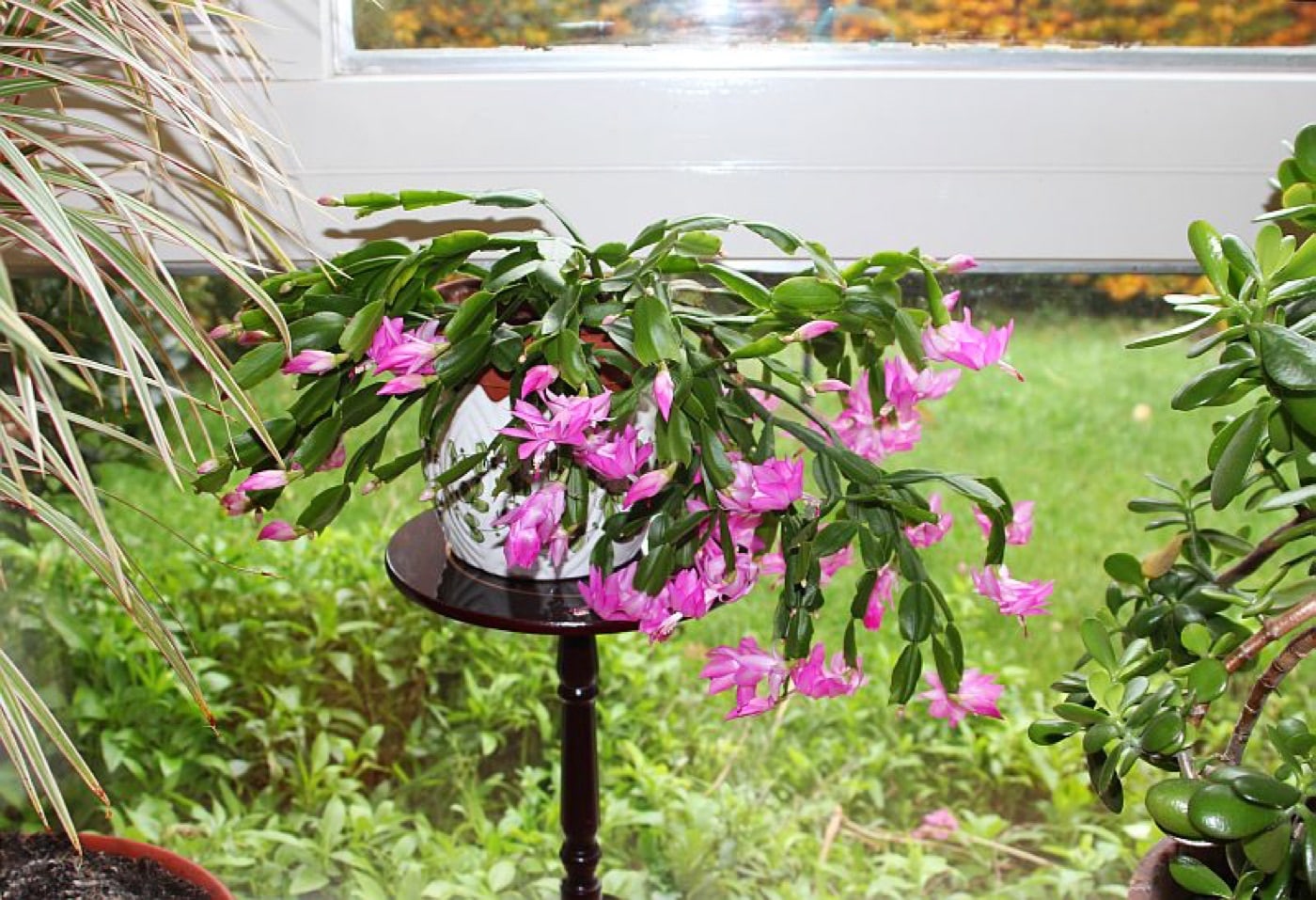
Place your cactus somewhere it can receive plenty of bright, indirect light. An east-facing window is ideal in many homes because it provides gentle morning sunlight without the intense heat of the afternoon.
A position near a southern or western window may also work, but keep the plant far enough from the glass to prevent scorching. Pale, yellowing, or reddish stem segments can indicate that the plant is receiving too much direct sunlight.
If the cactus has spent the summer in a darker location, move it into brighter light gradually. A sudden jump from shade to direct sun can damage the plant.
Holiday cacti are forest plants, not desert plants. In their natural environment, they grow on trees or among rocks beneath a leafy canopy. They appreciate good light, but they do not want to bake in harsh sun all day.
Darkness Is the Secret to More Flowers
Long, uninterrupted nights are one of the most important parts of holiday cactus care. Give the plant at least 12 hours of complete darkness each night for approximately six weeks. Thirteen or 14 hours can provide an even stronger flowering signal.
Even ordinary household lighting may interfere with the process. A lamp, television, or overhead light used late at night can make the plant think the days are still long.
Move it into a spare bedroom, closet, or another naturally dark room each evening. You can also cover the plant with a breathable cardboard box and remove it the following morning.
The darkness must be consistent—one forgotten lamp can interrupt the plant’s carefully managed “night.” Try to follow roughly the same schedule every day until buds appear.
Keep the Nights Cool
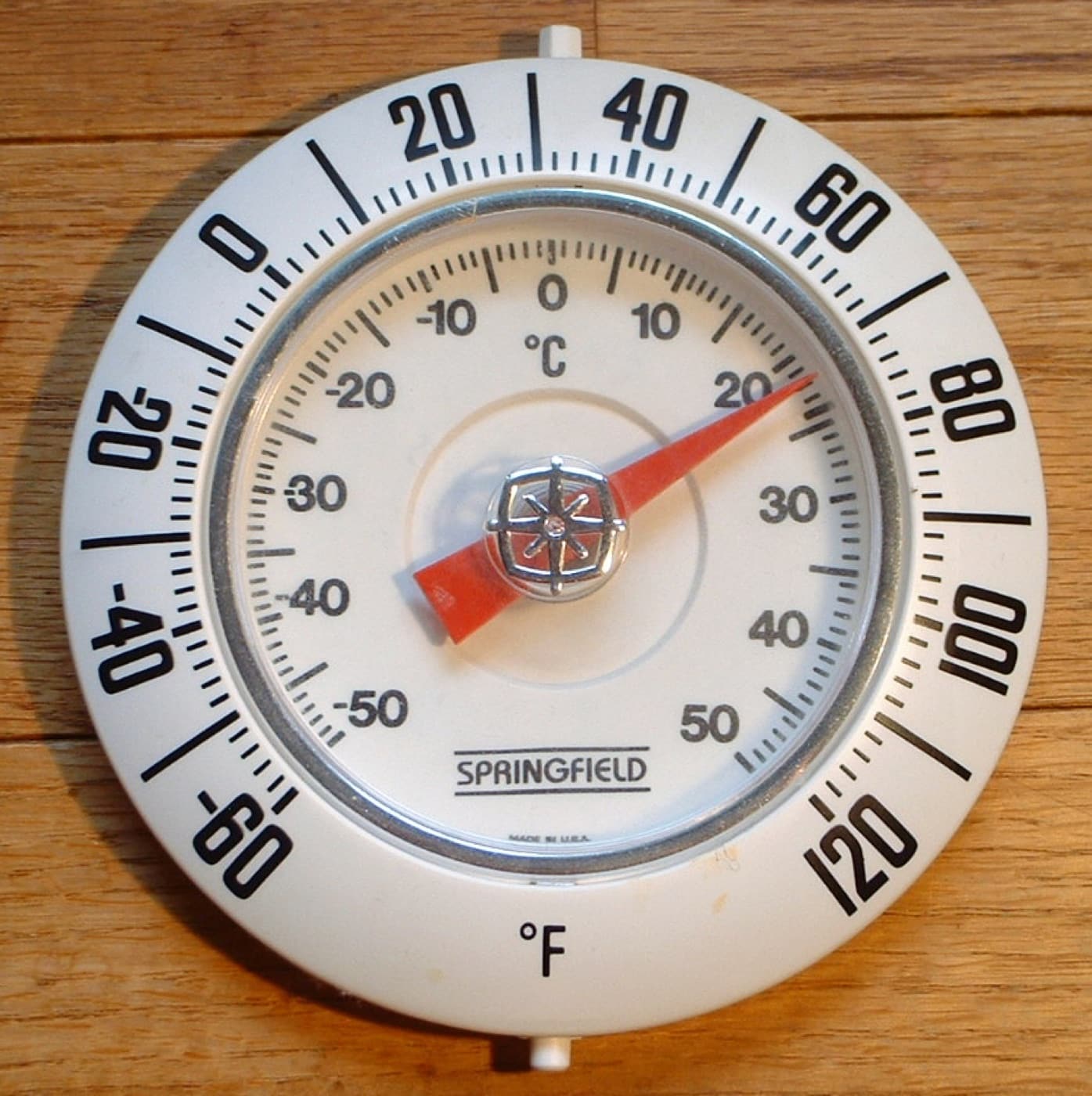
Temperature works alongside darkness to encourage flowering. Ideally, nighttime temperatures should remain between 55 and 65°F during the bud-forming period.
A cool guest room or enclosed porch may provide suitable conditions. However, do not place the cactus where temperatures approach freezing. Keep it away from icy windows, cold drafts, exterior doors, radiators, and heating vents.
It may be tempting to place the plant beside a fireplace for a festive display, but the heat and dry air can stress it.
Cool nights encourage buds, but sudden temperature swings can cause those buds to fall. Consistency is more important than creating extremely cold conditions.
Water Carefully During the Fall
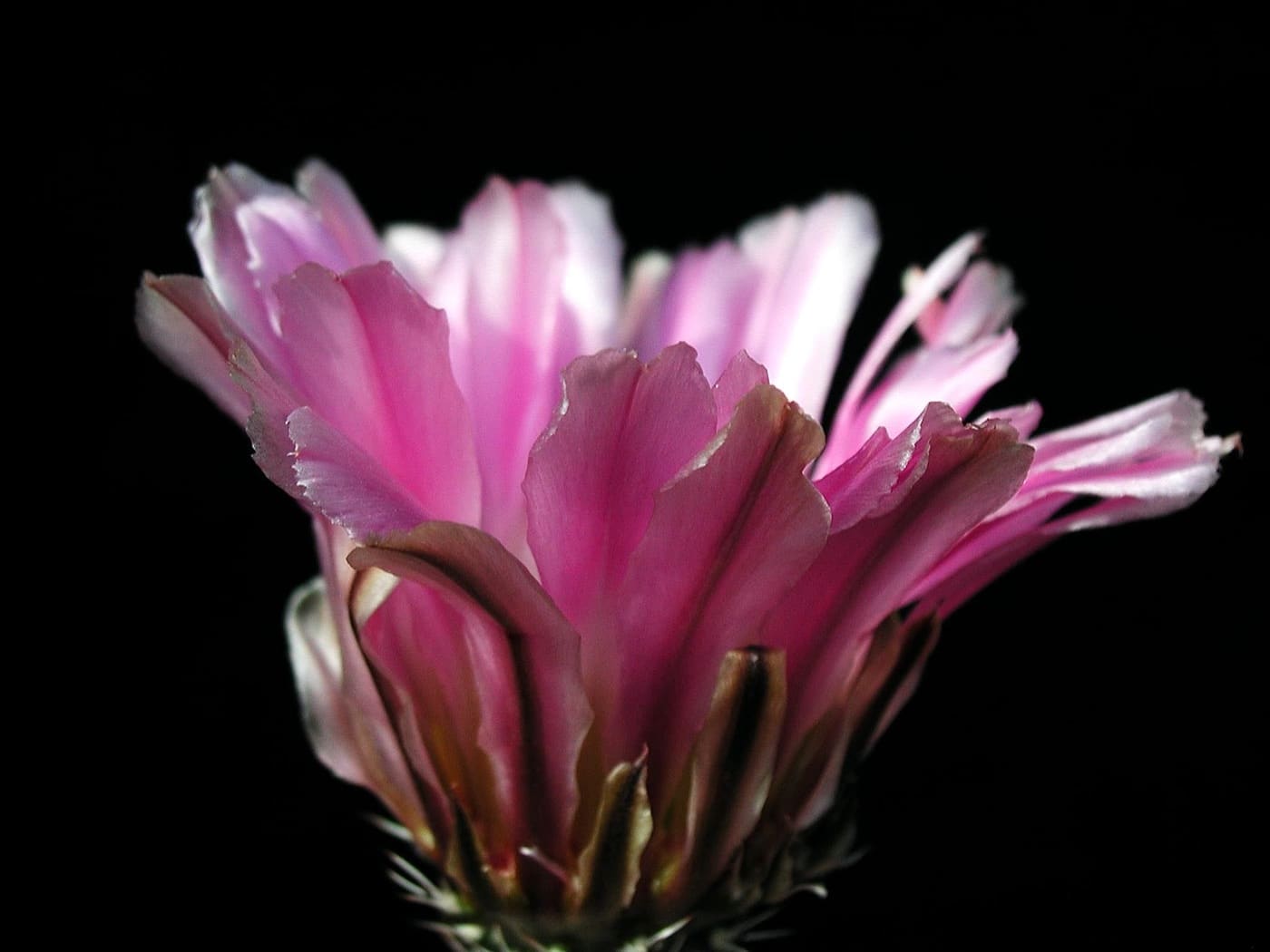
Holiday cacti need more moisture than desert cacti, but they should never sit in soggy soil. Water when the top layer of the potting mix begins to feel dry.
Apply enough water to moisten the soil evenly, and then allow the excess to drain through the bottom of the pot. Empty the saucer so the roots are not left standing in water.
Avoid following a strict watering calendar. The potting mix will dry at different rates depending on the temperature, humidity, light, container size, and time of year.
The goal is lightly and consistently moist soil—not mud and not dust. Extended dryness may stress the plant, while constant saturation can lead to root rot.
More holiday cacti are harmed by enthusiastic overwatering than by brief periods of slightly dry soil.
Reduce Fertilizer Before Flowering
Stop or significantly reduce feeding during the fall bud-development period. Fertilizer, particularly a product containing plenty of nitrogen, encourages new green growth. That is useful during the active growing season, but it can work against flower production in the fall.
Resume feeding after flowering or when new growth appears. A balanced houseplant fertilizer diluted to half strength is generally sufficient during spring and summer.
Holiday cacti are not heavy feeders. Giving the plant extra fertilizer will not force it to produce extra flowers.
Protect the Buds Once They Appear
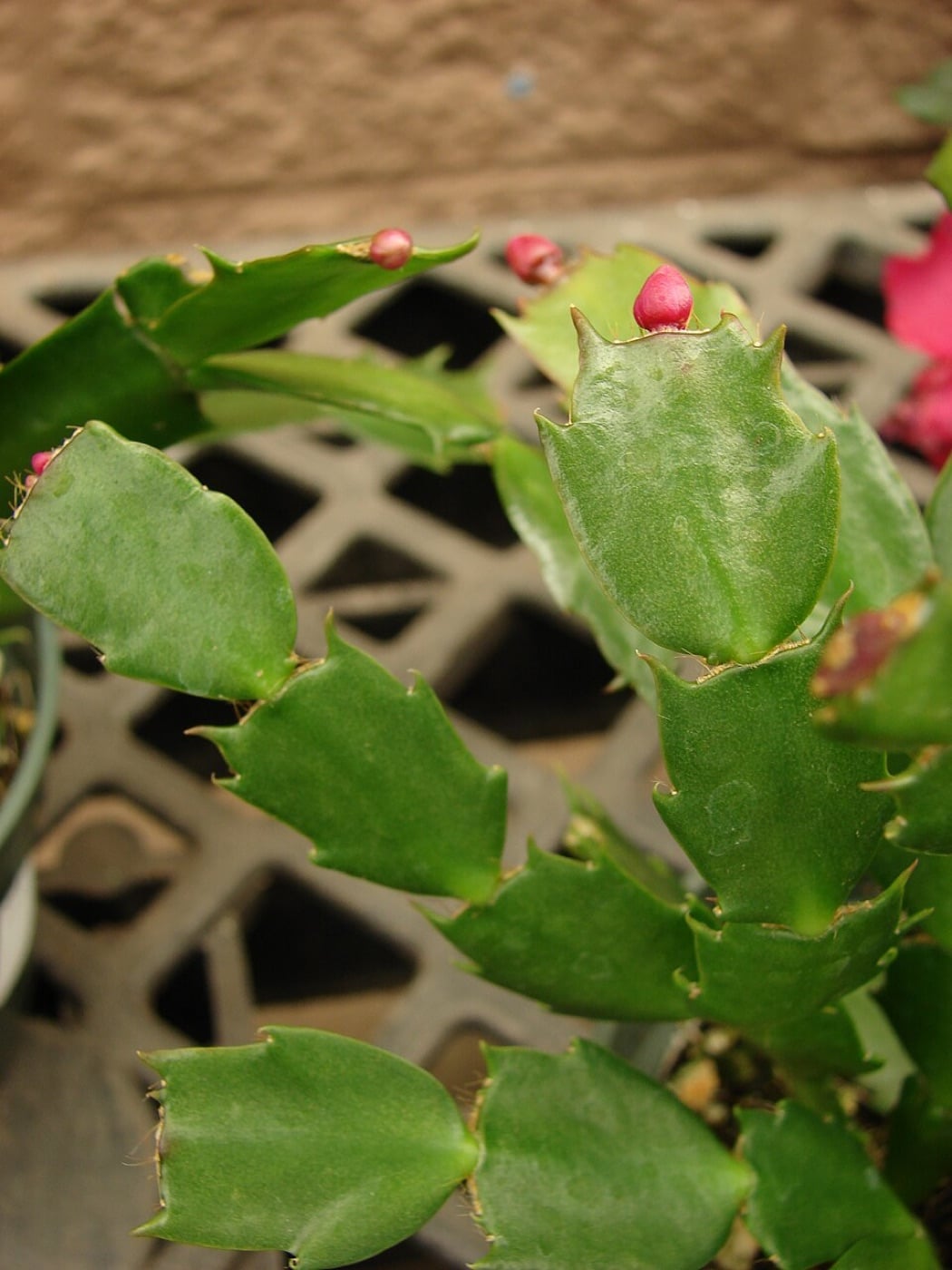
When small buds form at the ends of the stem segments, resist the urge to change everything. Moving the plant, turning it repeatedly, overwatering it, or placing it in a much warmer room can cause bud drop.
If you want to display the cactus elsewhere, choose a location with similar light and temperature conditions. Continue watering carefully and protect it from drafts.
Dry indoor air can also become a problem once the heating system is running. A humidifier or pebble tray can increase humidity around the plant. Make sure the pot sits above the water rather than directly in it.
Christmas Cactus or Thanksgiving Cactus?
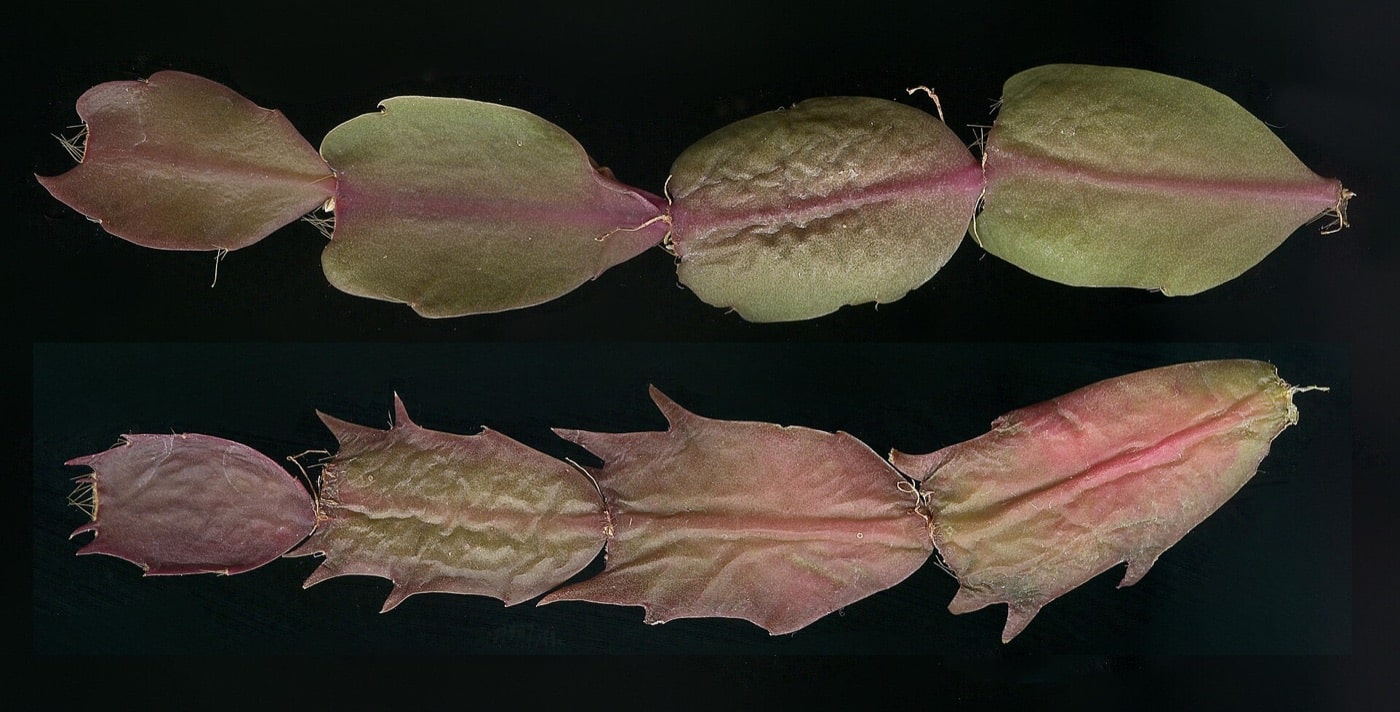
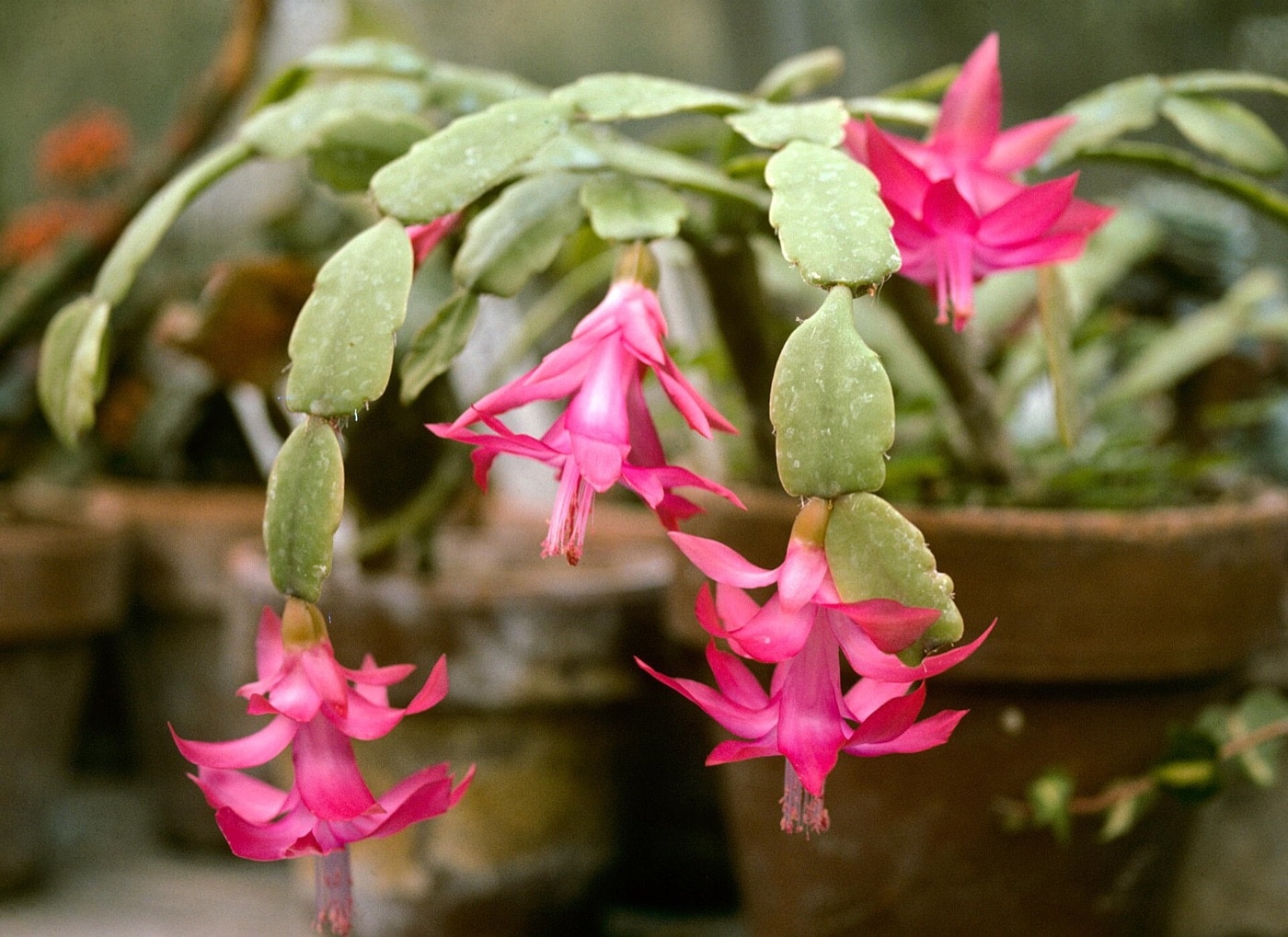
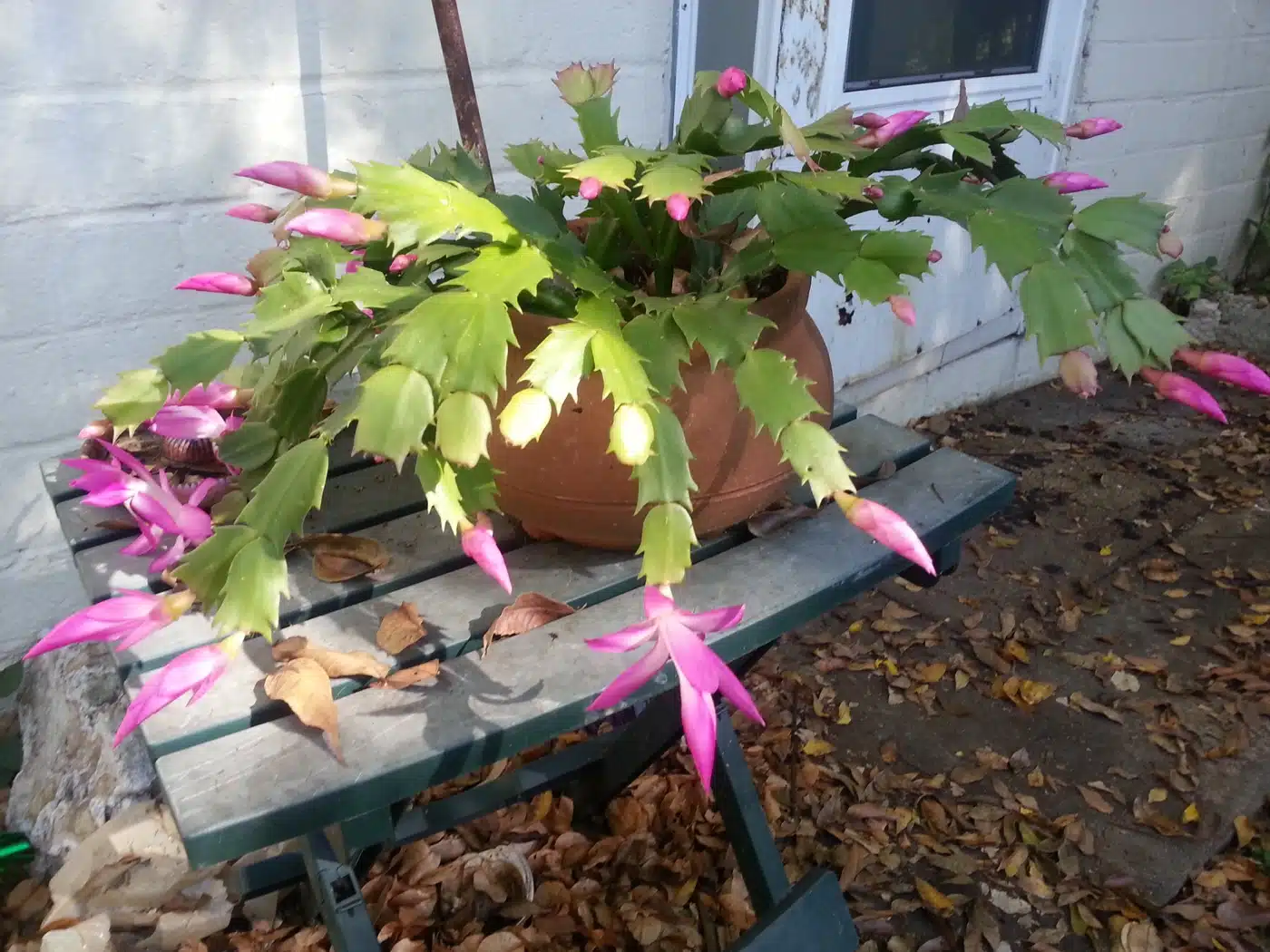
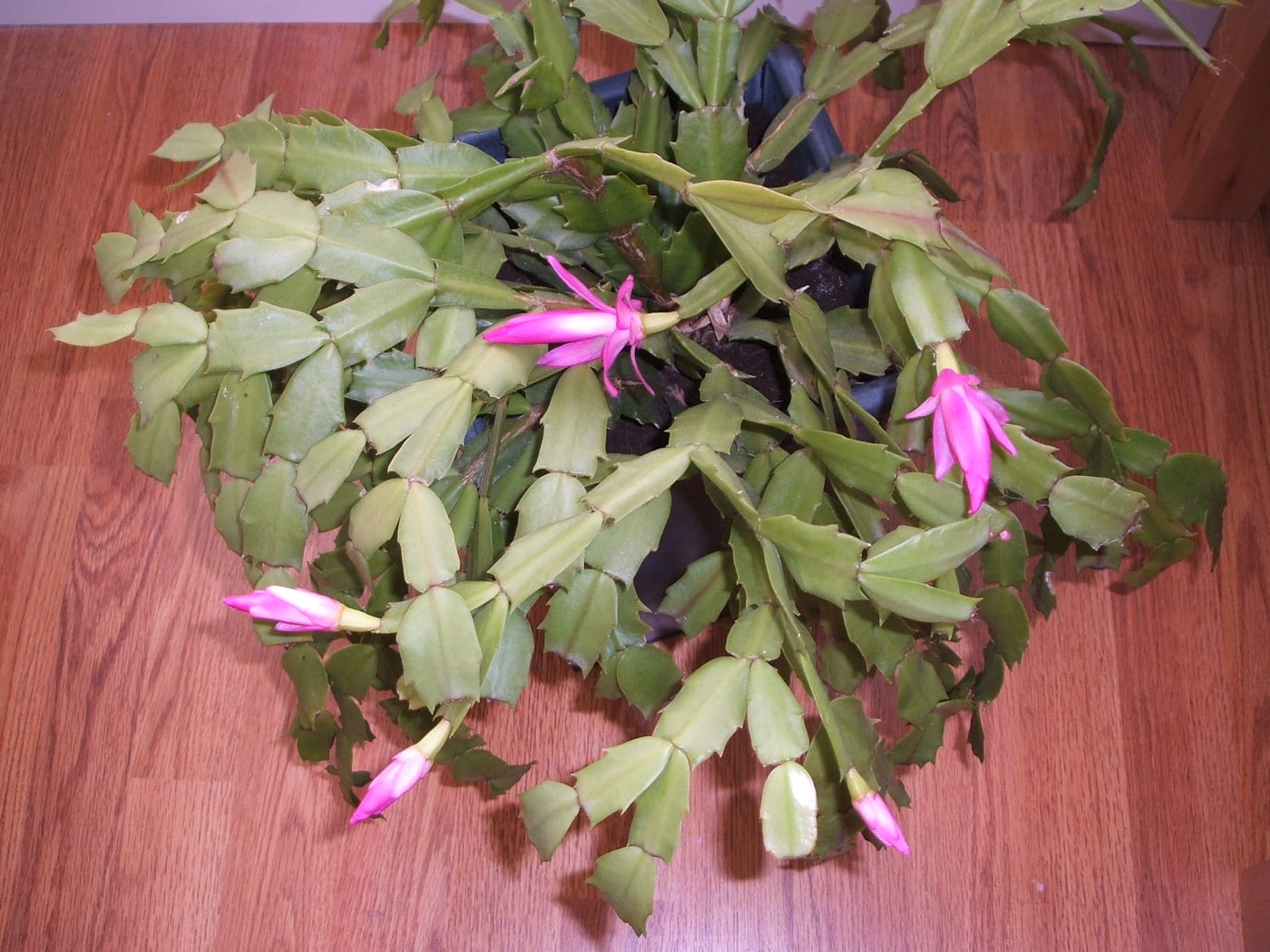
Many plants labeled as Christmas cacti are actually Thanksgiving cacti. Look at the flattened stem segments to identify yours.
Thanksgiving cactus segments have pointed, claw-like edges. True Christmas cactus segments are smoother and more rounded. Thanksgiving cacti also tend to flower earlier.
If your “Christmas cactus” blooms in November every year, it may be keeping perfect time—it is probably a Thanksgiving cactus.
Fortunately, both types benefit from the same basic fall routine.
Conclusion
A holiday cactus does not need complicated care, but it does appreciate a dependable schedule. Provide bright indirect light during the day, at least 12 hours of darkness at night, cool temperatures, careful watering, and very little fall fertilizer.
Once buds appear, keep the plant’s surroundings stable and let it finish the job. With consistent care, your holiday cactus can produce an impressive display—and may continue doing so for decades.