Spring color starts in fall….
While the garden is winding down, spring-flowering bulbs are waiting in garden centers, ready to disappear underground and return when winter finally loosens its grip. Plant them in the right place now, and you’ll be rewarded with flowers before many other plants have even started waking up.

A quick timing note: in much of the Midwest, September is a good time to shop for bulbs, while October is often the best time to plant once the soil cools. In warmer regions, planting dates may be later. The goal is to plant before the ground freezes, while giving the bulbs enough time to grow roots.
1. Daffodils
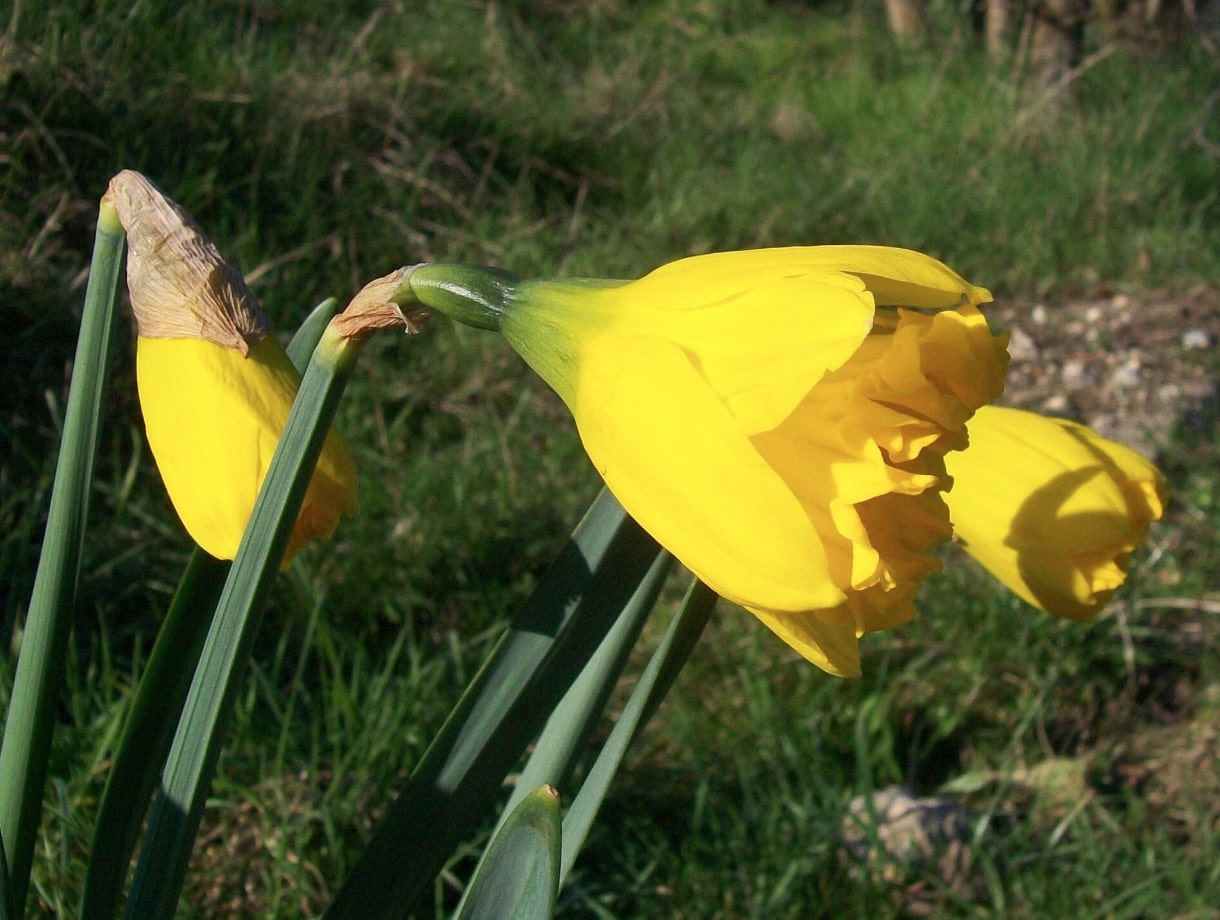
- Hardiness Zone: 3–8, depending on variety
- Where to Plant: Full sun to part shade in well-drained soil
- Companions: Hostas, daylilies, creeping phlox, and ornamental grasses
- Deer and rodents usually avoid daffodils, making them one of the easiest bulbs for a problem garden.
Daffodils are the dependable overachievers of the spring garden. They come in yellow, white, orange, and unusual two-tone combinations, and many varieties return reliably for years.
Plant larger bulbs about 6 to 8 inches deep. Use them along walkways, beneath deciduous trees, or in groups throughout a flower bed. Their foliage can look untidy after blooming, so plant them near perennials that emerge later and hide the fading leaves.
2. Tulips
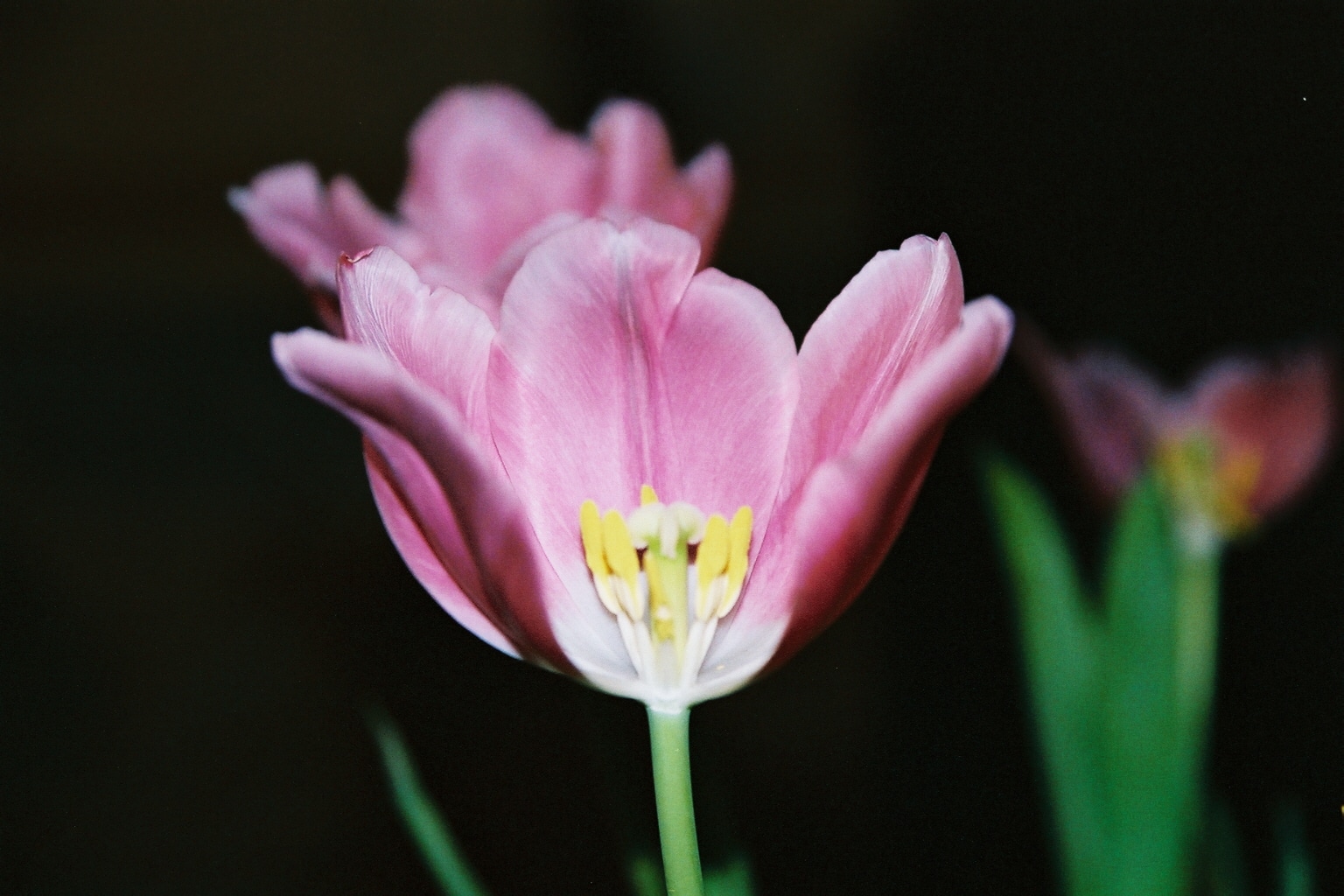
- Hardiness Zone: Usually 3–7; some varieties perform well in Zone 8
- Where to Plant: Full sun with excellent drainage
- Companions: Forget-me-nots, heuchera, catmint, and late-emerging perennials
- Tulips are technically perennial plants, but some varieties behave more like annuals and bloom best in their first year.
If daffodils are dependable, tulips are the showstoppers.
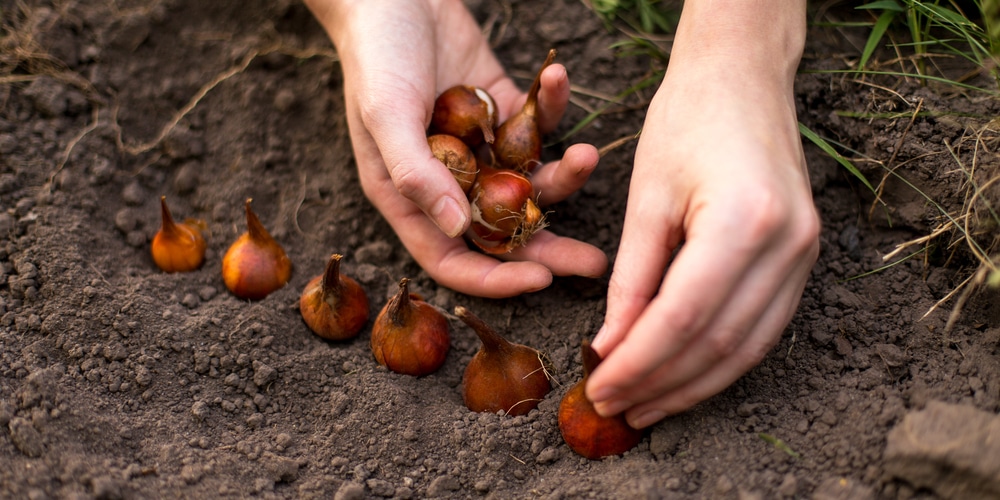
You can find them in nearly every color, from deep purple and burgundy to bright pink, red, yellow, and white. Choose early-, mid-, and late-season varieties to stretch the display across several weeks.
Plant most tulips 6 to 8 inches deep. For the strongest visual impact, plant at least five of the same variety together instead of scattering them one by one.
3. Crocuses
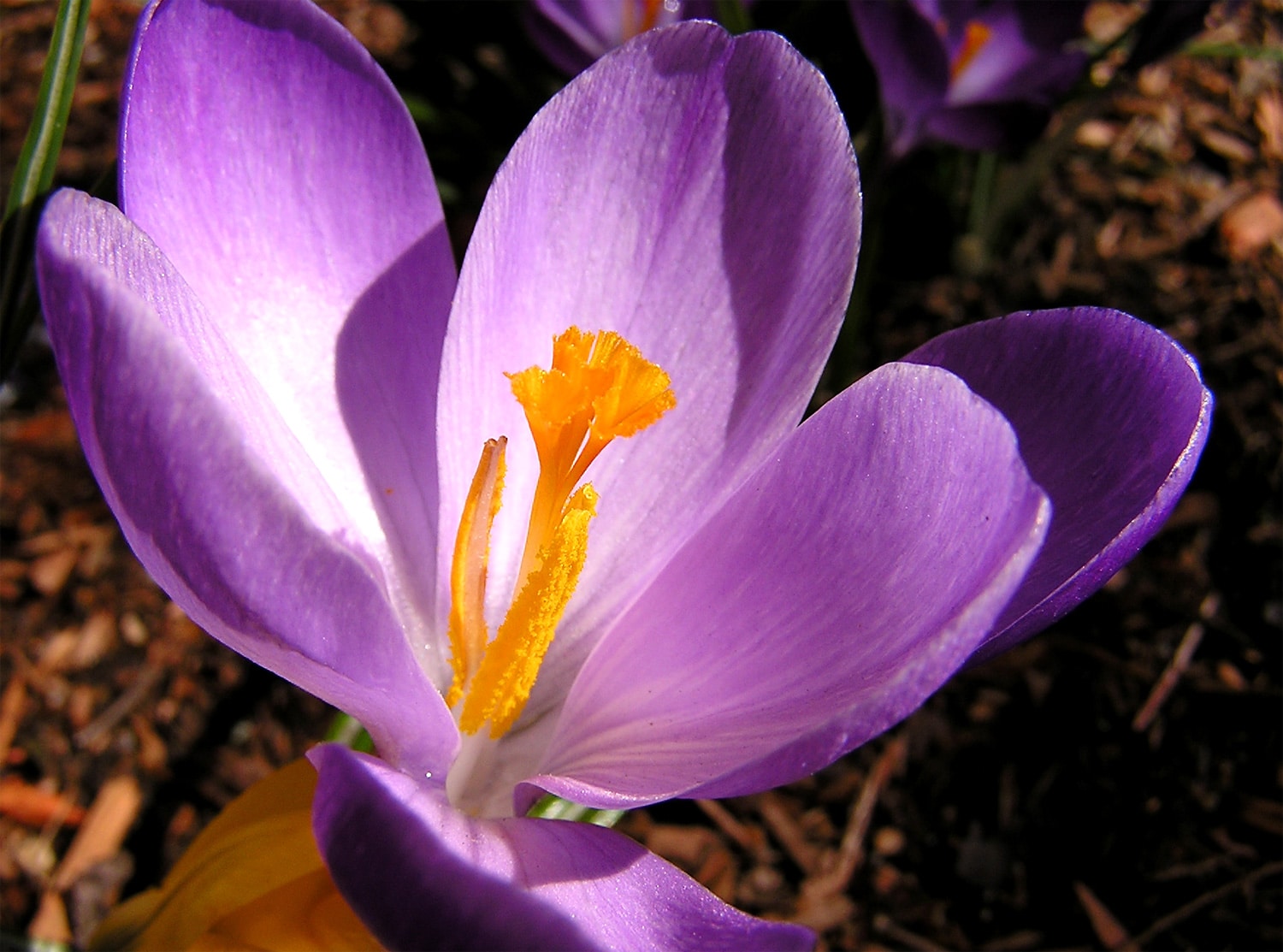
- Hardiness Zone: 3–8
- Where to Plant: Full sun or part shade in rock gardens, borders, and beneath trees
- Companions: Snowdrops, grape hyacinths, low groundcovers, and sedum
- Crocuses can sometimes bloom while there is still snow on the ground.
Crocuses may be small, but they know how to make an entrance.
These cheerful flowers are often among the first signs that winter is ending. Their blooms come in shades of purple, white, yellow, and striped combinations.
Plant the small corms about 3 to 4 inches deep. Crocuses look best when planted in generous groups—20 or more is far more impressive than two lonely flowers near the mailbox.
4. Hyacinths
- Hardiness Zone: 4–8
- Where to Plant: Full sun to part shade in rich, well-drained soil
- Companions: Tulips, daffodils, pansies, and low-growing perennials
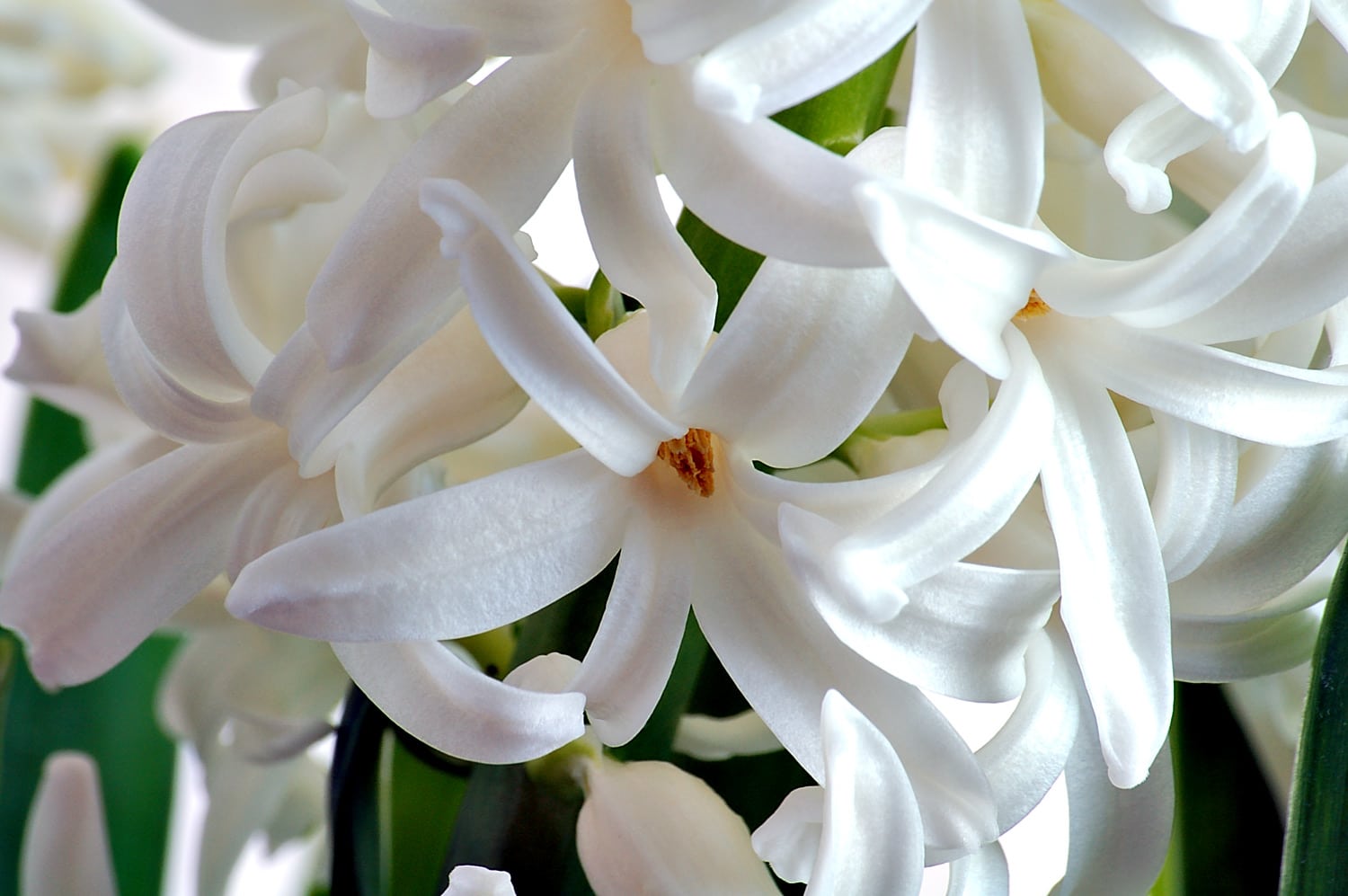
- A small group of hyacinths can perfume an entire corner of the garden.
Hyacinths are the fragrance champions of spring.
Their tightly packed flower spikes produce a powerful, sweet scent that makes them perfect near doors, patios, windows, and garden benches. They’re available in blue, purple, pink, white, yellow, and soft pastel shades.
Plant hyacinth bulbs about 4 to 6 inches deep, following the package directions for your variety. Their sturdy flower spikes also make them excellent candidates for containers.
5. Alliums
- Hardiness Zone: Commonly 4–8, depending on species
- Where to Plant: Full sun in well-drained soil
- Companions: Peonies, salvia, nepeta, roses, and ornamental grasses
- Alliums are members of the onion family, and their foliage may smell faintly onion-like when bruised.
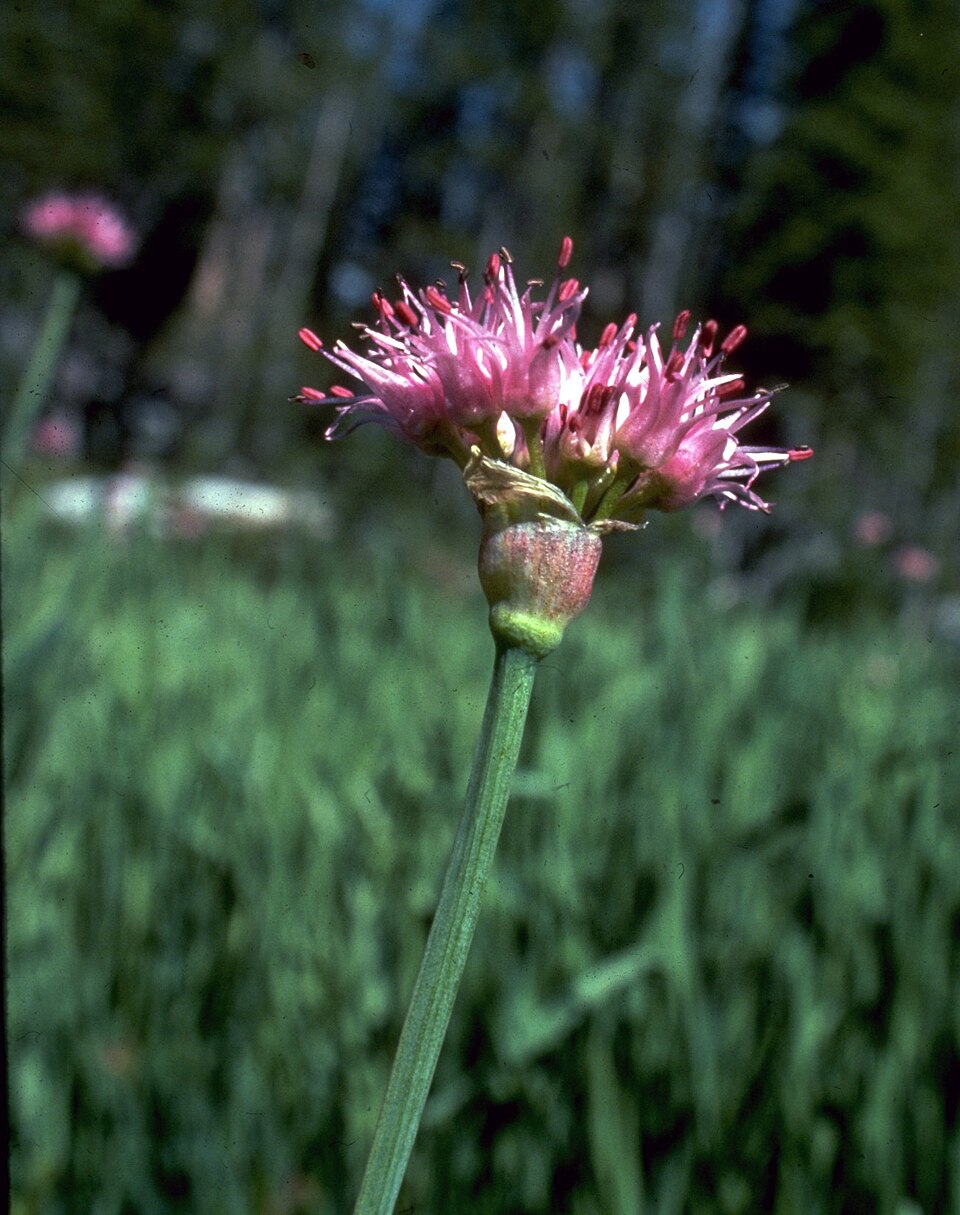
Alliums are the exclamation points of the spring garden.
Their tall stems rise above the surrounding plants and finish with round clusters of tiny flowers. Purple is the classic color, but you can also find white, pink, yellow, and blue varieties.
Plant large allium bulbs around 6 inches deep. They look especially good behind lower-growing flowers, where their tall stems and floating flower globes create height and drama.
6. Grape Hyacinths
SONY DSC
- Hardiness Zone: 4–8
- Where to Plant: Full sun to part shade in borders, rock gardens, containers, or beneath trees
- Companions: Daffodils, tulips, crocuses, and spring groundcovers
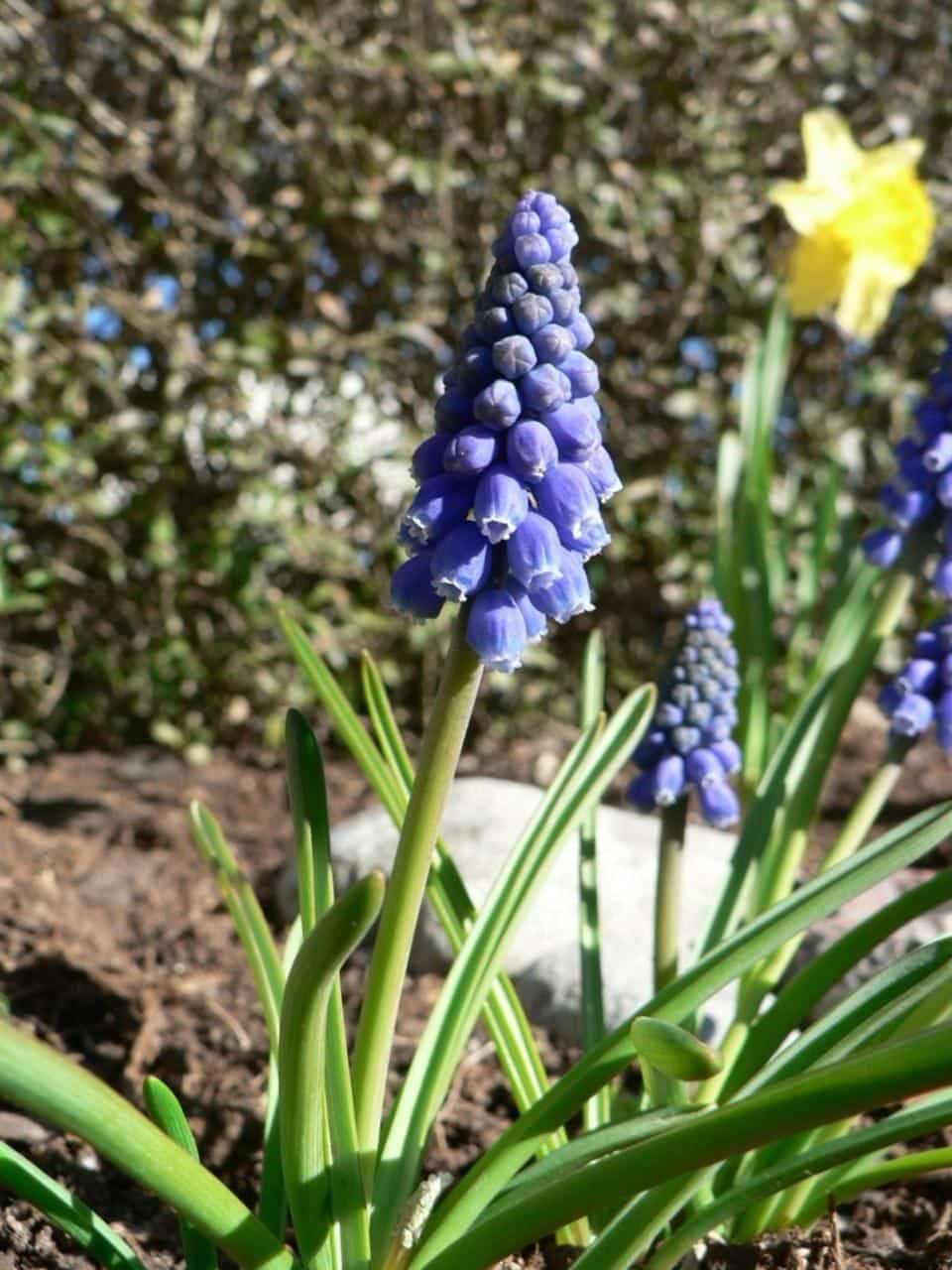
- Their tightly packed blue flowers resemble miniature bunches of grapes.
Grape hyacinths bring a splash of rich blue to the early spring garden.
They stay short, making them useful along paths and at the front of flower beds. They also naturalize easily, gradually forming larger clumps when they’re happy.
Plant them about 3 inches deep and group them generously. A drift of grape hyacinths looks much more natural than a perfectly spaced row.
7. Snowdrops
- Hardiness Zone: 3–8
- Where to Plant: Part shade beneath deciduous trees or in woodland-style gardens
- Companions: Hellebores, ferns, hostas, and woodland groundcovers
- Snowdrops are famous for flowering so early that they may appear beside melting snow.
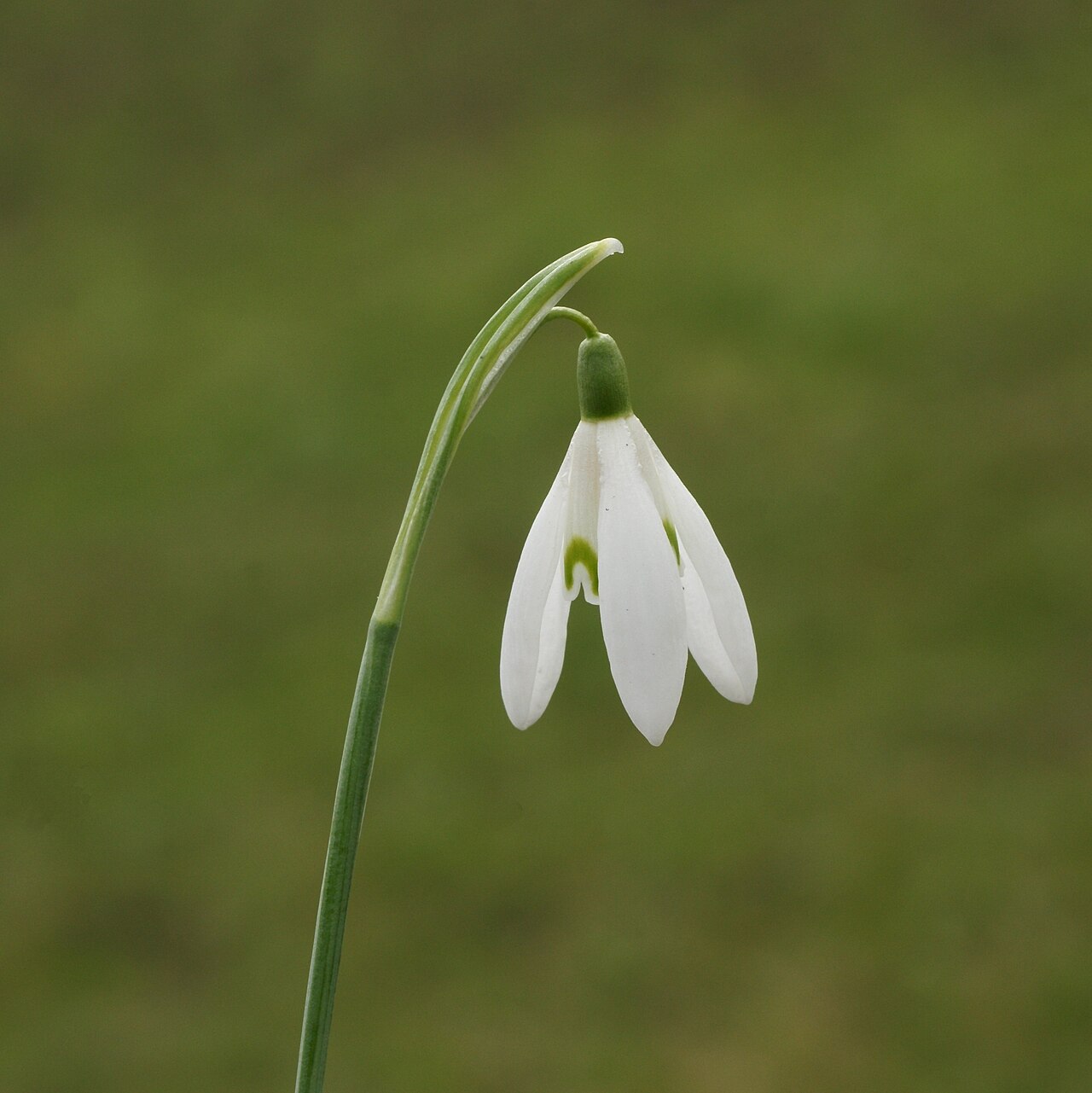
Snowdrops are delicate-looking but surprisingly tough.
Their small white flowers hang from slender stems and bring a quiet, magical feeling to the garden at the end of winter. Plant them near paths or windows where you can enjoy them up close.
They prefer soil that drains well but does not dry out completely. Plant the bulbs approximately 3 to 4 inches deep.
8. Siberian Squill
- Hardiness Zone: 3–8
- Where to Plant: Full sun to part shade, especially beneath deciduous trees
- Companions: Crocuses, daffodils, snowdrops, and low groundcovers
- A few bulbs can gradually create a bright blue spring carpet.
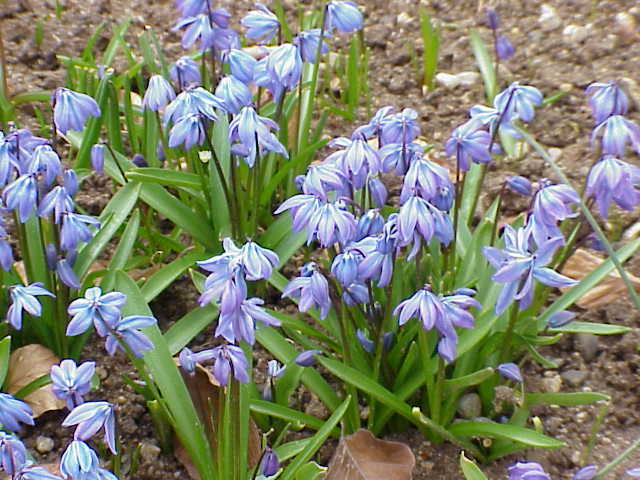
Siberian squill produces vivid blue, star-shaped flowers on short stems. It blooms early, spreads gradually, and works beautifully in informal or naturalized plantings.
Plant the bulbs about 3 to 4 inches deep. This is a good choice for gardeners who want spring color without a formal, heavily designed look.
9. Reticulated Iris
- Hardiness Zone: Commonly 5–9, depending on variety
- Where to Plant: Full sun in sharply drained soil or a rock garden
- Companions: Crocuses, snowdrops, grape hyacinths, and low-growing sedums
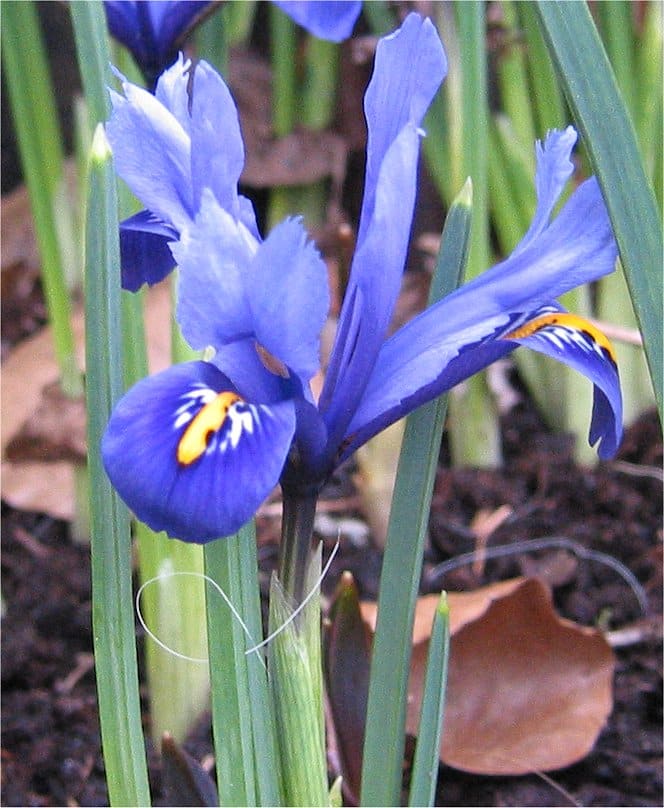
- The flowers often look hand-painted, with dramatic blue, purple, yellow, and white markings.
Reticulated iris is a miniature iris with a surprisingly bold personality.
It blooms in late winter or early spring, often before larger iris varieties have even begun to grow. Because it stays short, it belongs near the front of a border, along a path, or in a container.
Plant the small bulbs around 3 to 4 inches deep and avoid wet soil.
10. Fritillaria
- Hardiness Zone: Approximately 3–8, depending on species
- Where to Plant: Full sun to part shade in fertile, well-drained soil
- Companions: Tulips, daffodils, ornamental grasses, and late-emerging perennials
- Some fritillaria flowers have a distinctive checkerboard pattern, earning them the nickname “snake’s head fritillary.”
Fritillaria is for gardeners who enjoy the unusual.
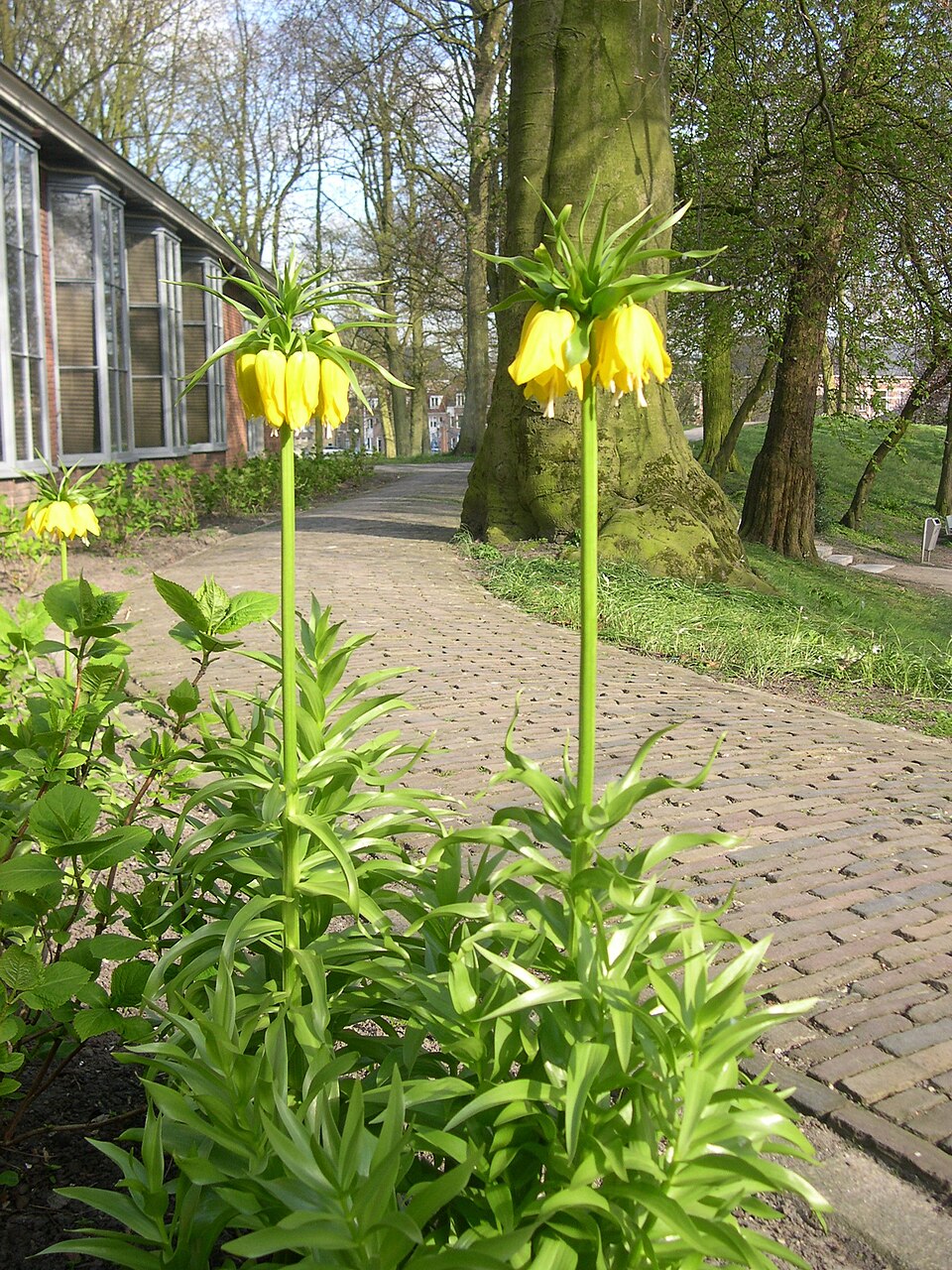
Some varieties produce nodding, checkered flowers, while others send up tall stems topped with dramatic bells. They add personality to a spring garden and give you something to talk about when visitors ask, “What is that?”
Because fritillaria types vary considerably in size, check the planting instructions on the package. Smaller varieties may need 3 to 4 inches of depth, while larger crown-imperial types can require 6 to 8 inches.
The Simple Rule That Makes Bulbs Happier
Most spring bulbs should be planted two to three times as deep as the bulb is tall. Set them with the pointed end facing upward, water after planting, and make sure the soil drains well.
After planting, add 2 to 3 inches of mulch to help moderate winter temperature swings and conserve moisture. In spring, leave the foliage in place until it turns yellow naturally. The leaves are feeding the bulb and helping it prepare for next year’s flowers.
Plant a few bulbs now, and next spring your garden will look like it knew exactly what it was doing all along.