Blueberries are one of the most rewarding fruits to grow at home. With the right variety, the right soil, and a little patience, a single healthy bush can produce fresh berries season after season.
You don’t need an orchard or a huge garden. Blueberries grow beautifully in large containers, raised beds, and sunny corners of the yard. The secret is giving them the growing conditions they actually want.
Start With the Right Plant
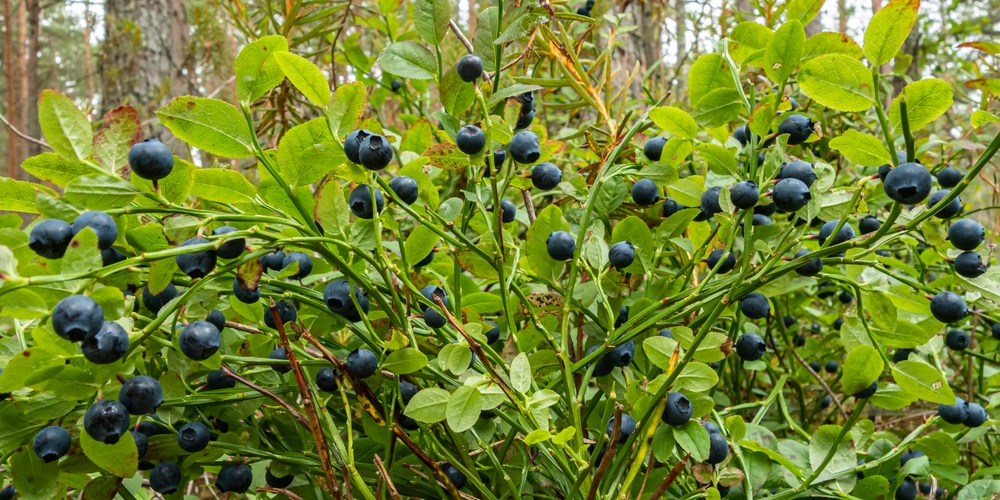
The easiest way to begin is with a healthy, nursery-grown blueberry bush rather than seeds. Look for a vigorous plant that is around two or three years old, with green leaves, strong stems, and no obvious signs of disease.
Choose a variety suited to your climate. Compact or half-high varieties are especially useful for containers and smaller gardens. Highbush varieties can produce larger crops, but they may require more space as they mature.
Although many highbush blueberries can produce fruit on their own, planting a second compatible variety often improves pollination, berry size, and total yield. If space is limited, start with one bush—but choose the variety carefully.
The Most Important Step: Acidic Soil
Blueberries are not like most garden plants. They need acidic soil, usually with a pH between 4.5 and 5.5.
If your soil is neutral or alkaline, the bush may struggle even if you water and fertilize it regularly. The leaves can become pale, growth may slow, and fruit production can suffer.
Before planting, test the soil. If the pH is too high, you may need to amend it with a product such as elemental sulfur. Because soil amendments can take time to work, it is best to prepare the planting area ahead of time.
For many gardeners, growing blueberries in a container is simpler. You can use an acidic potting mix designed for plants such as azaleas, rhododendrons, or camellias. This gives you more control over the root environment and makes it easier to maintain the conditions blueberries need.
Choose a Sunny Location
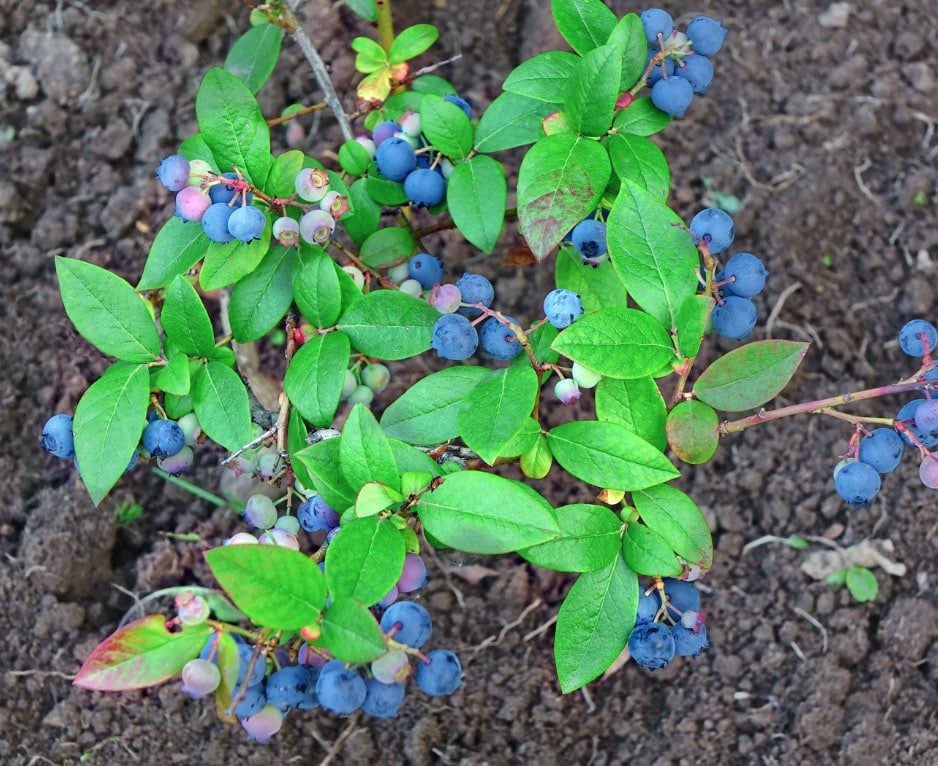
Blueberry bushes produce the best harvests when they receive full sun for most of the day.
Choose a location with good air circulation and protection from strong winds. If growing in a container, use a large pot with drainage holes. Blueberry roots are relatively shallow, so a wide container is often more useful than an extremely deep one.
Fill the pot with acidic, well-draining soil and position the bush at about the same depth it was growing in its nursery container. Planting too deeply can cause problems with the crown and roots.
Water thoroughly after planting so the soil settles around the root system.
Keep the Roots Cool and Moist

Blueberries need consistent moisture, especially during flowering, fruit development, and hot weather. They do not perform well when allowed to dry out completely.
At the same time, constantly wet soil can damage the roots. Check the soil regularly and water when the surface begins to dry.
Add a 3- to 4-inch layer of mulch around the plant. Pine bark, pine needles, wood chips, or leaf mulch can help conserve moisture, reduce weeds, and keep the shallow roots cooler.
Keep the mulch spread evenly around the plant rather than piled directly against the stems.
Don’t Rush the First Harvest
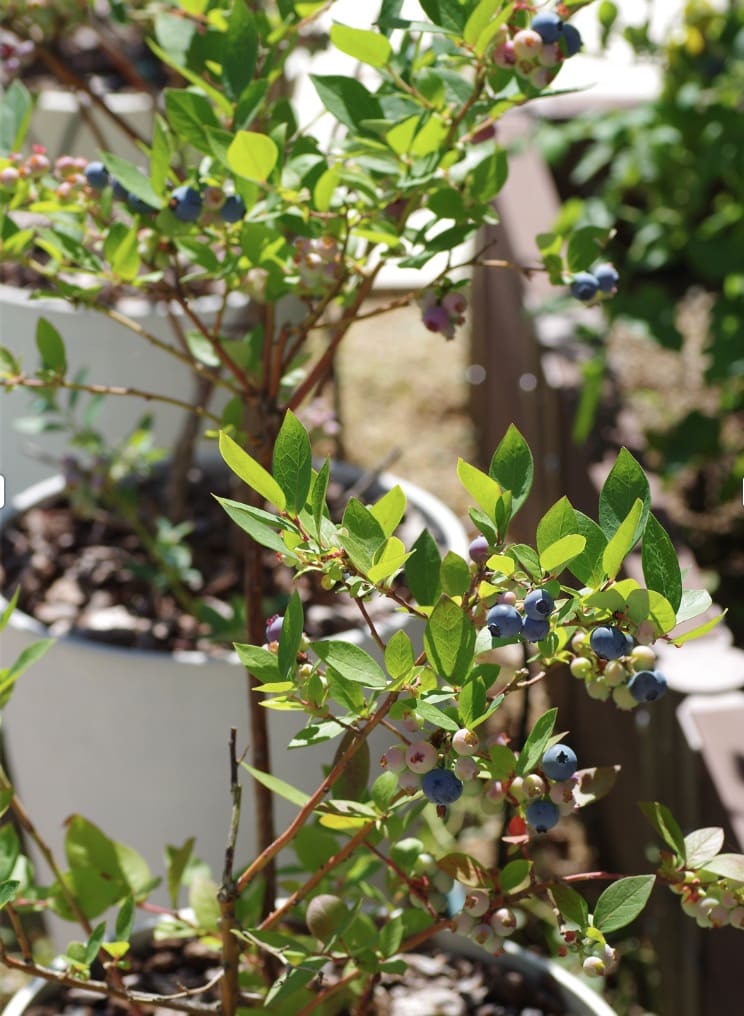
A blueberry bush may produce a small crop within a few years, but it takes time to reach its full potential.
If the plant is young, removing some or all of the flowers during the first year can encourage stronger root and branch development. It may feel difficult to sacrifice those first berries, but a stronger plant can reward you with better harvests later.
Once the bush is established, prune it during dormancy. Remove dead, damaged, or weak branches, along with a few of the oldest stems when necessary. The goal is to allow sunlight and air to reach the center of the bush.
Protect Your Berries
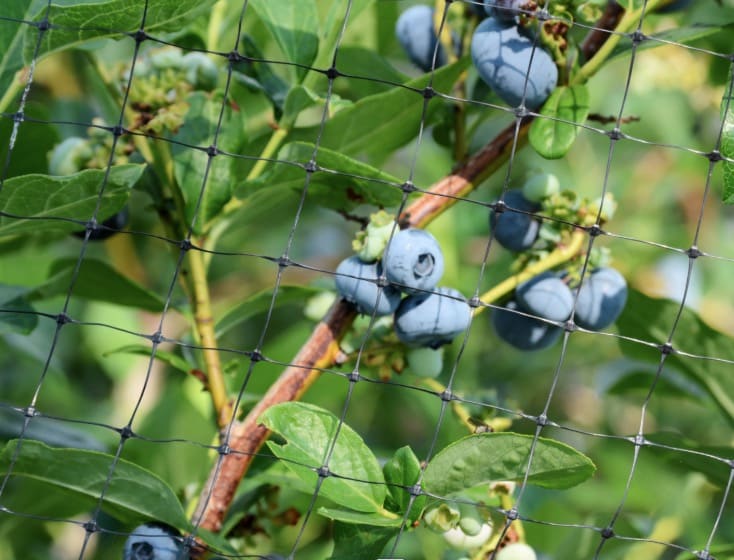
Birds often discover ripe blueberries before the gardener does.
As the berries begin to change color, cover the bush with bird netting or use another physical barrier. Harvest berries when they are fully blue and gently release from the stem. Blue color alone does not always mean maximum ripeness; berries often become sweeter after they have had a few extra days on the plant.
Fresh blueberries can be eaten immediately, refrigerated, frozen, or added to muffins, pancakes, oatmeal, and smoothies.
One Bush, Years of Berries
The promise is simple: plant one healthy blueberry bush, give it the acidic soil and steady care it needs, and you can enjoy homegrown fruit for years.
The biggest mistake is treating blueberries like ordinary garden plants. Once you get the soil right, provide plenty of sunlight, maintain even moisture, and give the bush time to mature, growing your own berries becomes surprisingly straightforward.
That single plant in a pot or garden bed can become a dependable source of fresh harvests—and may save you from buying quite so many blueberries at the store.