(This article requires about one minute to read in its entirety)
Hydrangeas are generally easy to grow, but watering them correctly can make the difference between healthy, colorful blooms and wilted leaves. More water doesn’t always mean healthier hydrangeas. The timing, depth, and drainage all matter.
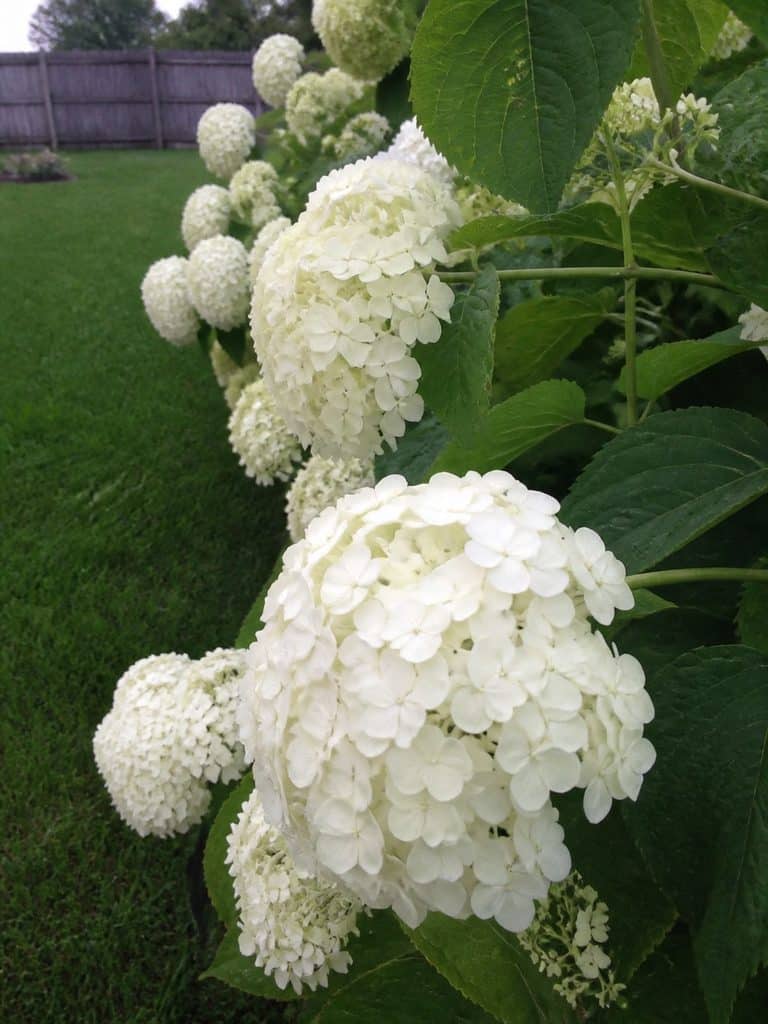
1. Watering on a Strict Schedule
One of the most common mistakes is watering hydrangeas automatically on a strict schedule. While consistency is helpful, plants do not lose moisture at the same rate every day. Heat, wind, rainfall, soil type, and sunlight can all change how much water your hydrangea needs.

Instead of watering by the calendar, check the soil first. Push your finger about an inch or two into the soil near the plant. If it feels dry, it is time to water. If it still feels moist, wait another day and check again.
2. Giving Frequent, Shallow Drinks
A quick splash may wet the surface, but it often does not reach the deeper roots. This can leave your hydrangea stressed during hot weather, even though the soil looks damp from above.

When you water, apply it slowly at the base of the plant. Give the water time to soak into the root zone rather than running off the surface. A longer, deep watering is usually more beneficial than several quick sprinkles.
During hot or dry periods, hydrangeas may need more frequent attention. Watch for drooping leaves, dry soil, or flowers that begin to lose their firmness.
3. Ignoring Drainage
Hydrangeas like consistent moisture, but they do not like sitting in soggy soil. Poor drainage can deprive the roots of oxygen and encourage root problems.

If water remains pooled around the plant long after watering, improve the drainage before adding more water. Loosening compacted soil, incorporating organic matter, or moving the plant to a better-drained location can help.

A thin layer of mulch can help the soil hold moisture, especially during summer. Keep the mulch a few inches away from the main stems to prevent excess moisture from collecting against the plant.
How to Tell When Your Hydrangea Needs Water
The best guide is the soil itself. Hydrangea leaves may droop during the hottest part of the day, even when the plant has enough moisture. Check the root zone before reaching for the hose.

After rainfall, you may not need to water at all. Remember that a light shower may only wet the leaves and surface of the soil, while a longer, steady rain can provide plenty of moisture for several days.
A Simple Hydrangea Watering Check

- Check the soil one to two inches below the surface.
- Water slowly at the base of the plant when the soil feels dry.
- Make sure excess water can drain away from the roots.
The goal is simple: consistently moist soil—not constantly wet soil. With the right watering habits, your hydrangeas can stay healthier, handle summer heat better, and produce beautiful blooms throughout the season.