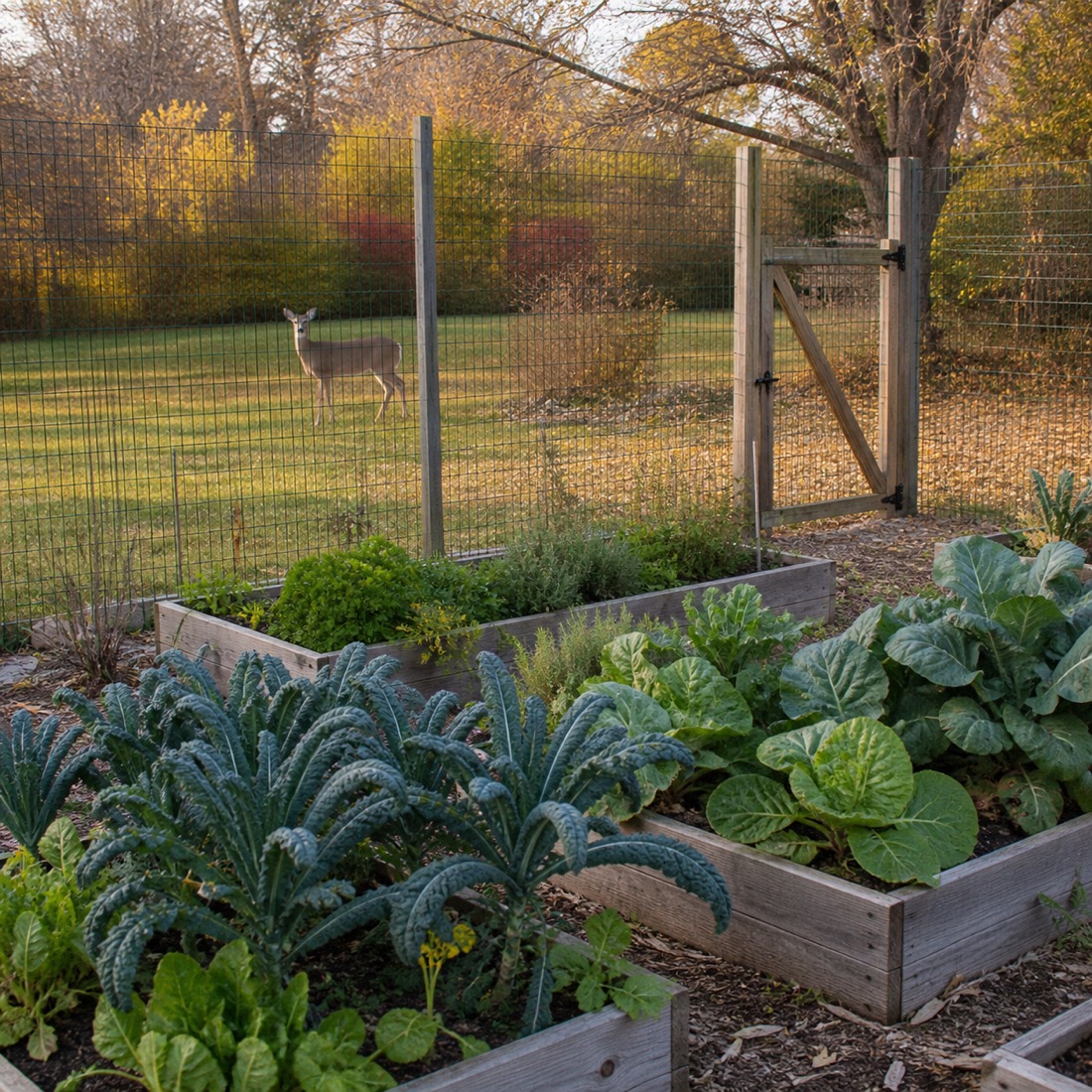
Fall is a wonderful time to grow cool-season crops such as kale, lettuce, spinach, broccoli, cabbage, carrots, and herbs.
Unfortunately, deer enjoy many of these same plants.
As temperatures drop, natural food becomes less available. A fall garden can quickly become an easy source of fresh, tender leaves.
The good news is that you do not need harsh chemicals to protect your vegetables.
The most effective approach is to combine physical barriers with natural repellents and smart garden maintenance.
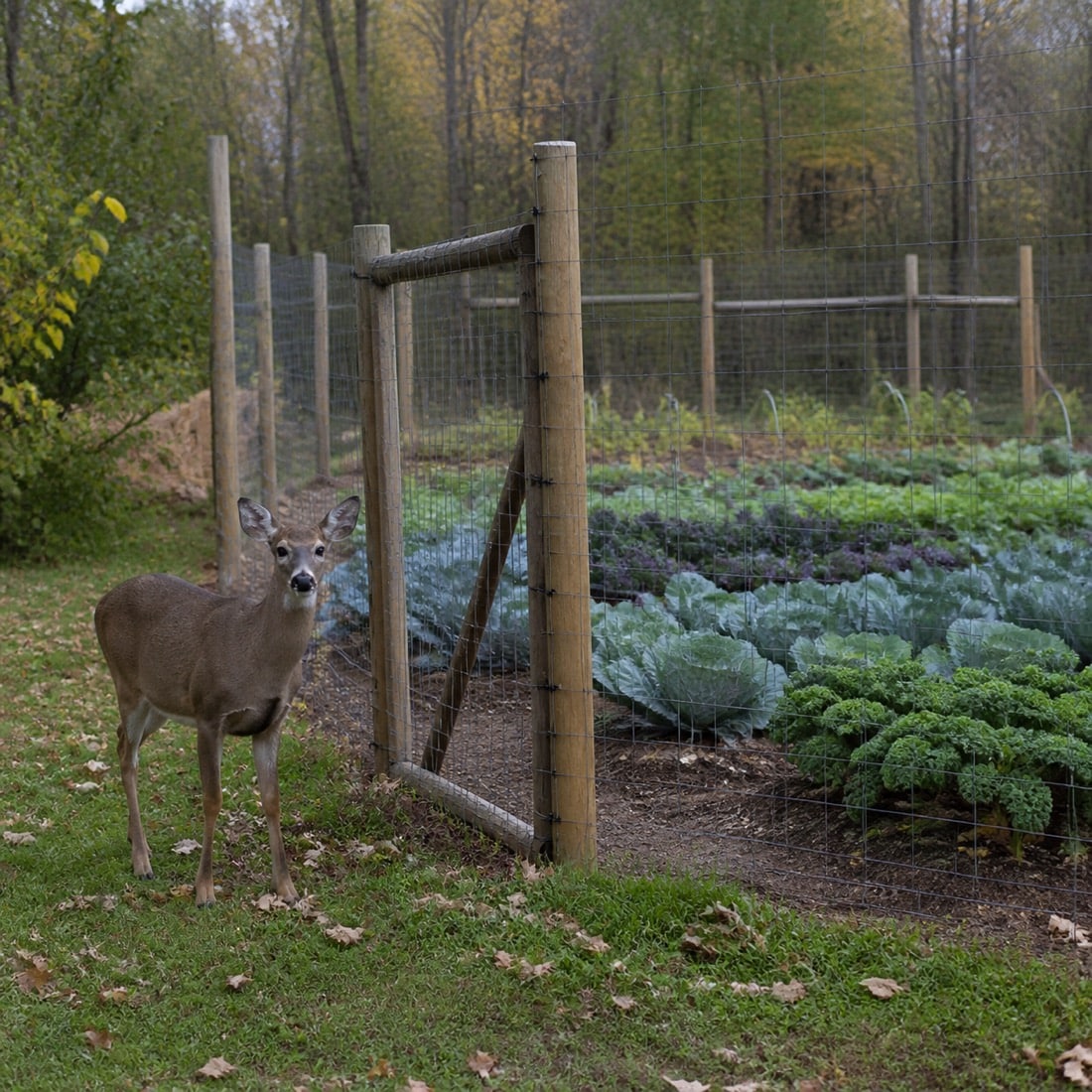
1. Install an 8-Foot Deer Fence
A tall fence is the most dependable way to keep deer out of a garden.
Deer can jump surprisingly high, especially when they are frightened or hungry. A fence around 8 feet tall is generally the safest option for a permanent garden enclosure.
Woven wire, welded wire, or heavy-duty garden mesh can all work well.
Make sure the fence reaches the ground. Deer may push underneath loose sections or enter through small gaps.
Pay special attention to gates. A secure fence is not helpful if the gate is accidentally left open or has a gap underneath.
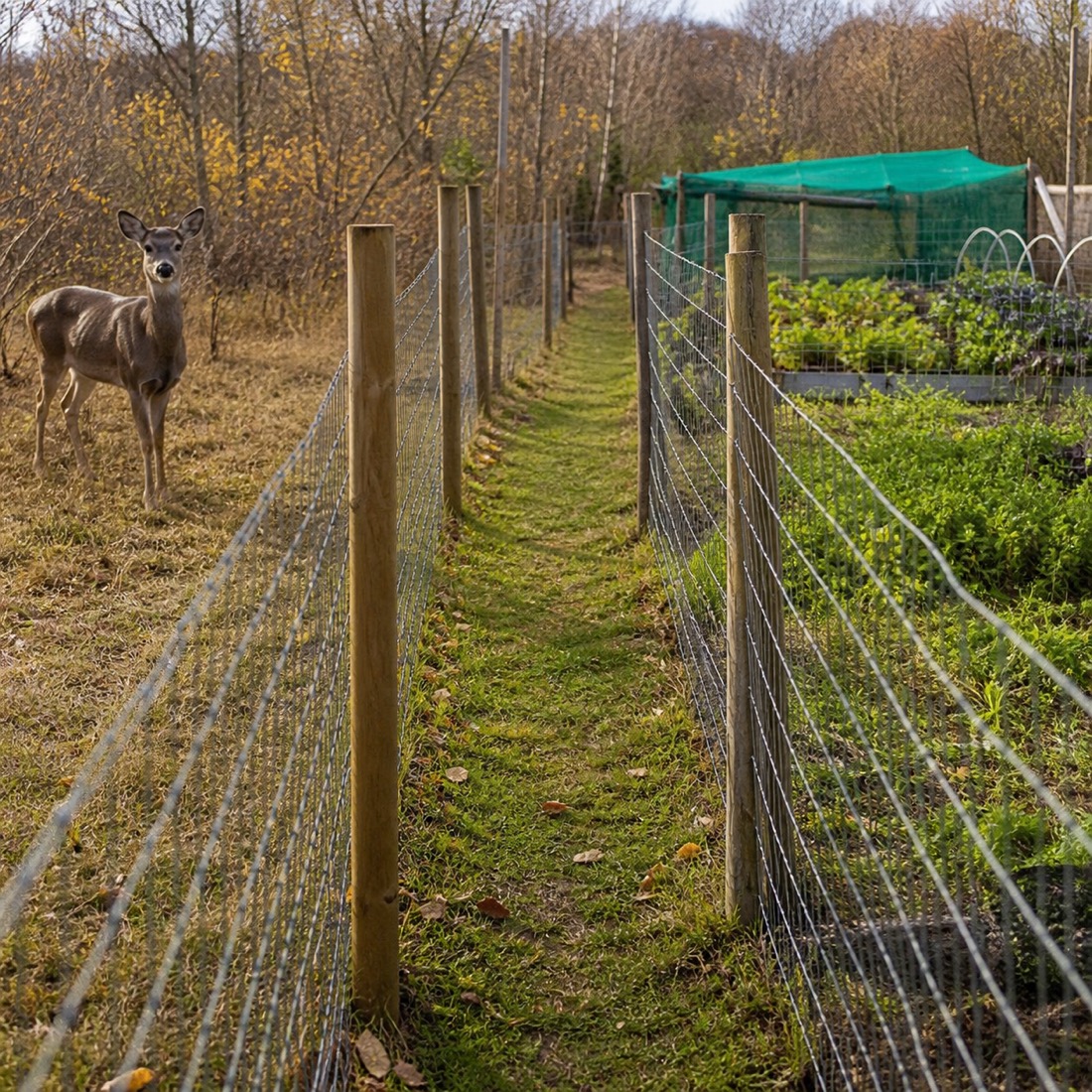
2. Try a Double Fence
If an 8-foot fence is not practical, consider using two shorter fences.
Place the fences several feet apart. The extra distance makes it difficult for deer to judge the jump and landing area.
A double fence can be especially useful around large vegetable gardens, orchards, or properties where a very tall fence would be unattractive.
The fences do not need to be directly connected, but both should be sturdy and difficult to push through.
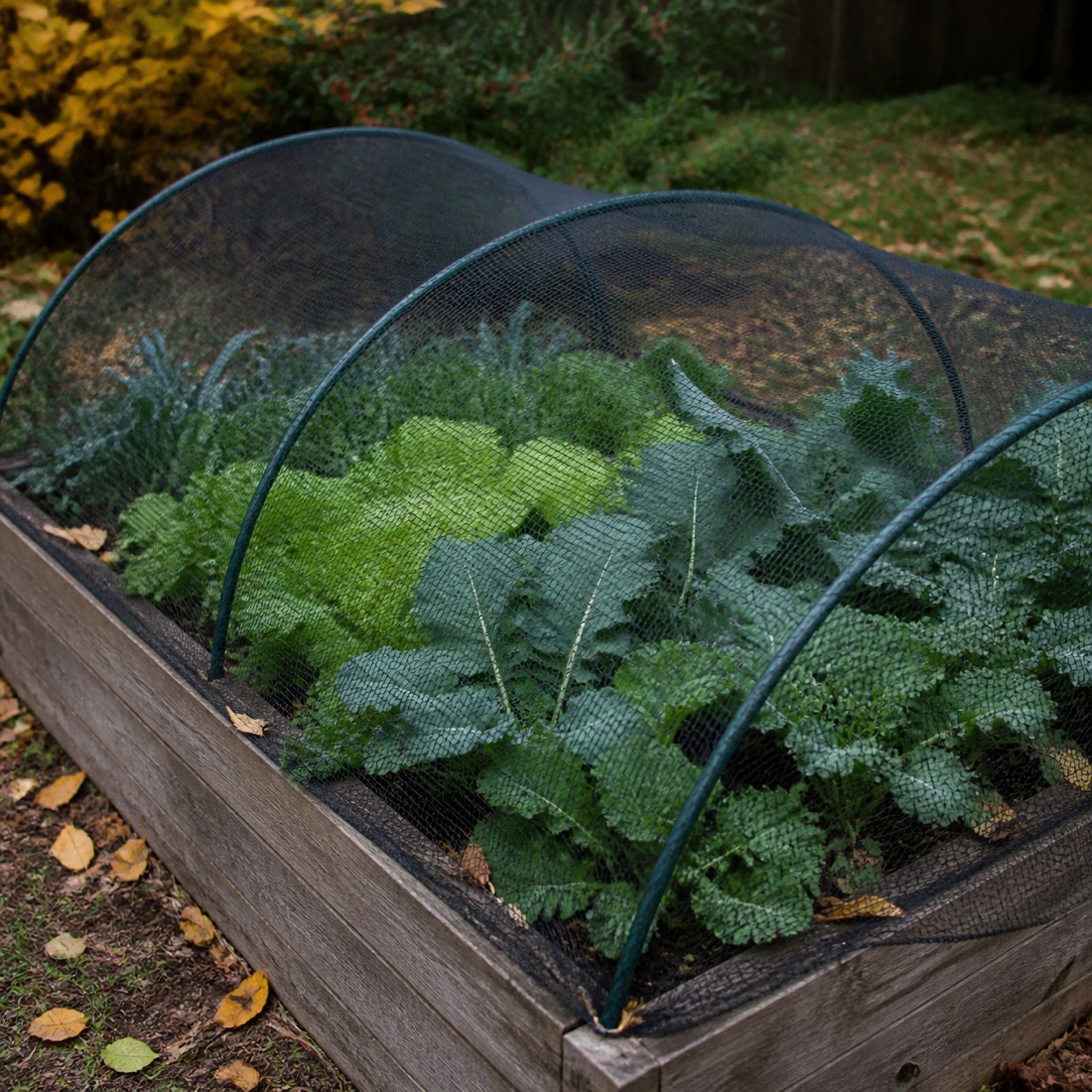
3. Cover Garden Beds With Deer Netting
Garden netting is an affordable way to protect fall vegetables.
Stretch the netting over hoops, stakes, or a simple wooden frame. Secure the edges with landscape staples, boards, rocks, or garden clips.
Do not leave loose netting lying on the ground. Deer may lift it, become tangled in it, or find a way underneath.
Check the netting regularly for tears.
Netting is particularly useful for raised beds filled with lettuce, spinach, kale, and other leafy greens.
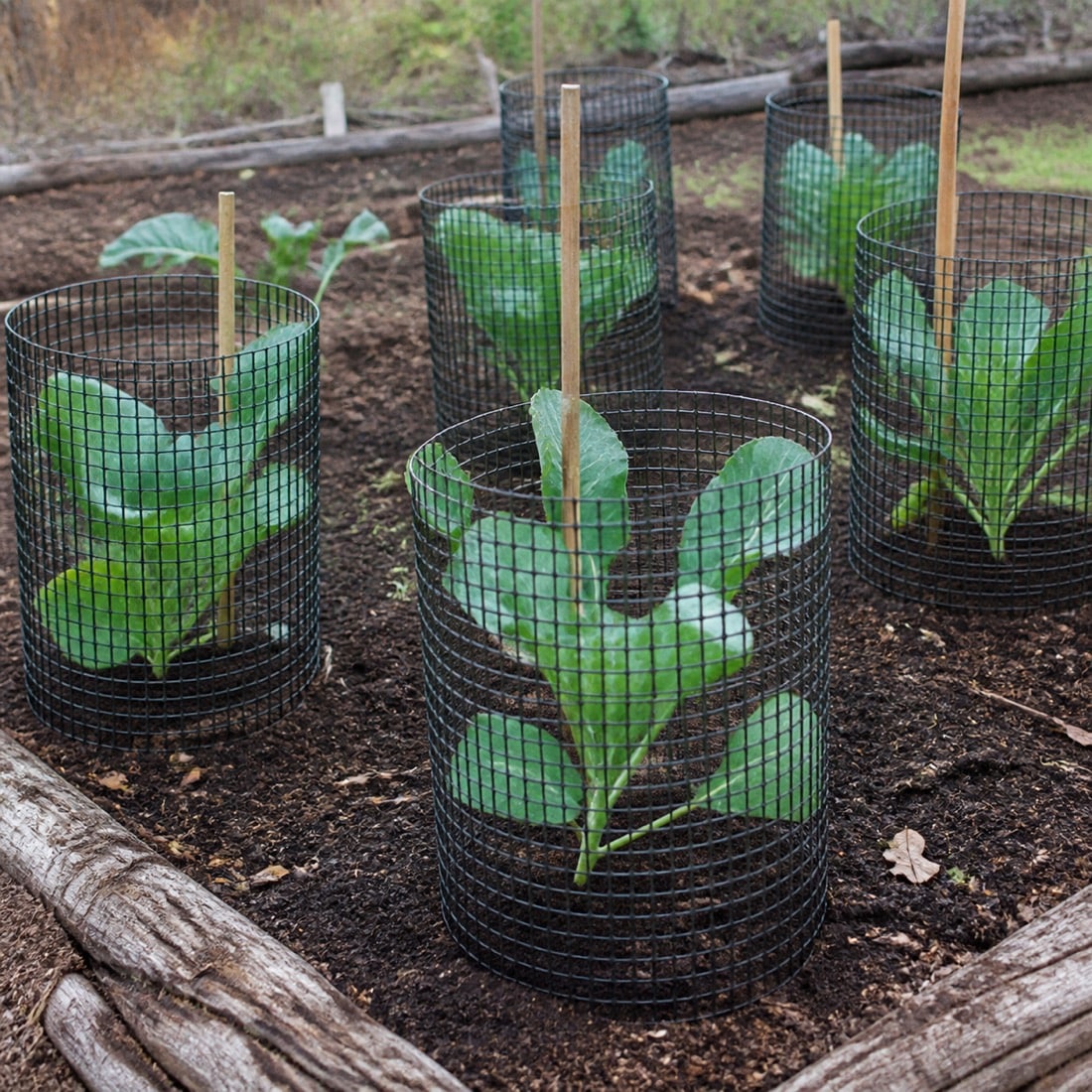
4. Use Individual Plant Cages
You do not always need to enclose the entire garden.
Individual cages can protect plants that deer especially enjoy, including young fruit trees, berry bushes, cabbage, and broccoli.
Make cages from hardware cloth, welded wire, or sturdy garden fencing.
The cage should be tall enough that deer cannot simply lean over it.
Leave room between the cage and the plant so the leaves do not grow through the openings where deer can reach them.
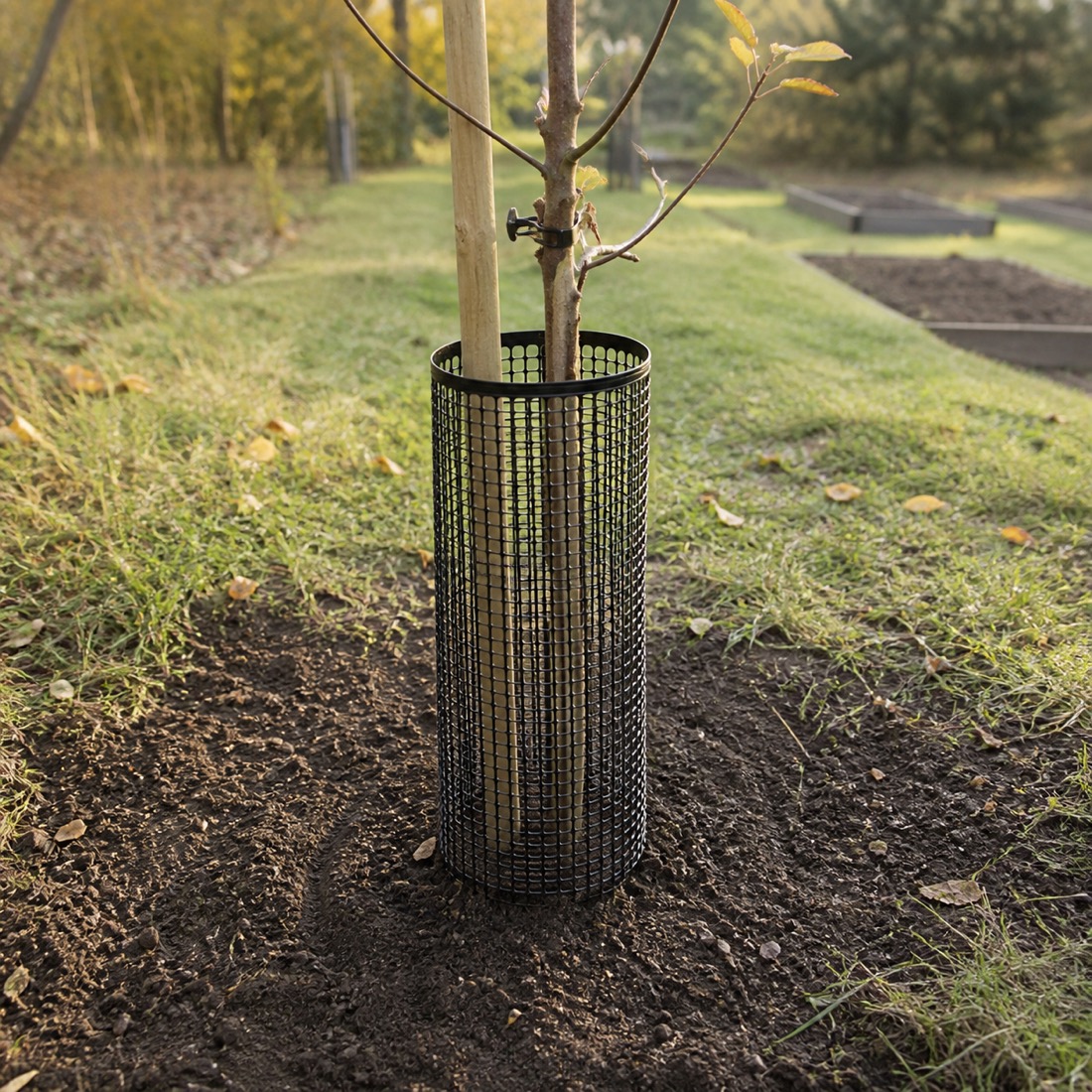
5. Protect Young Trees and Shrubs
Deer may browse on young trees and shrubs during fall and winter.
They may also rub their antlers against trunks, which can cause serious damage.
Use a commercial tree guard or surround the trunk with sturdy mesh.
Keep the guard slightly away from the bark. This allows air circulation and prevents moisture from becoming trapped against the trunk.
Protecting young plants early is much easier than replacing them later.
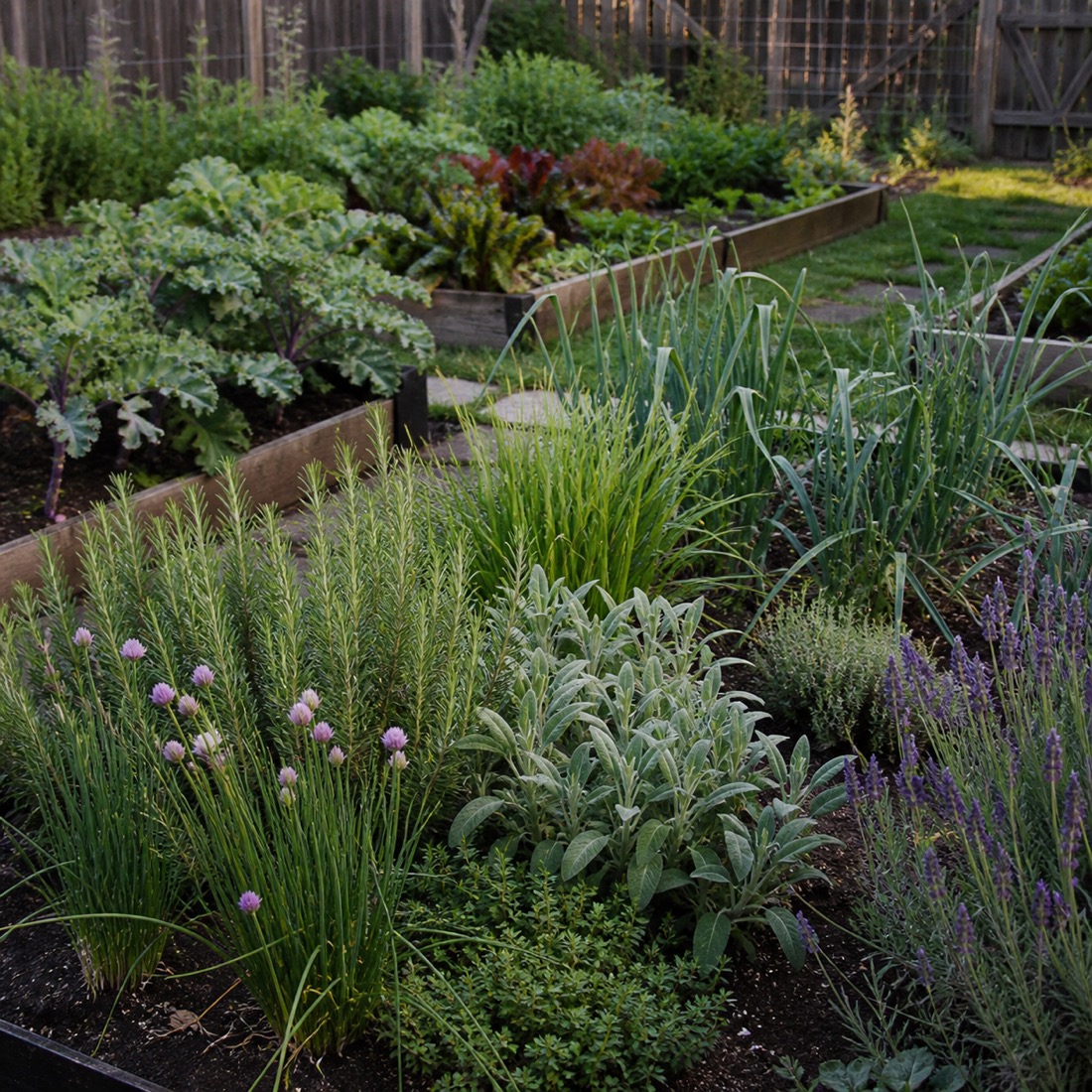
6. Grow Plants Deer Tend to Avoid
No plant is completely deer-proof, particularly when deer are hungry.
However, deer often avoid plants with strong aromas, prickly leaves, bitter flavors, or fuzzy textures.
Consider growing more of these plants around the garden:
- Garlic
- Onions
- Chives
- Rosemary
- Sage
- Thyme
- Lavender
- Mint
- Some ornamental grasses
Deer may still sample these plants, but they are usually less attractive than tender lettuce or young peas.
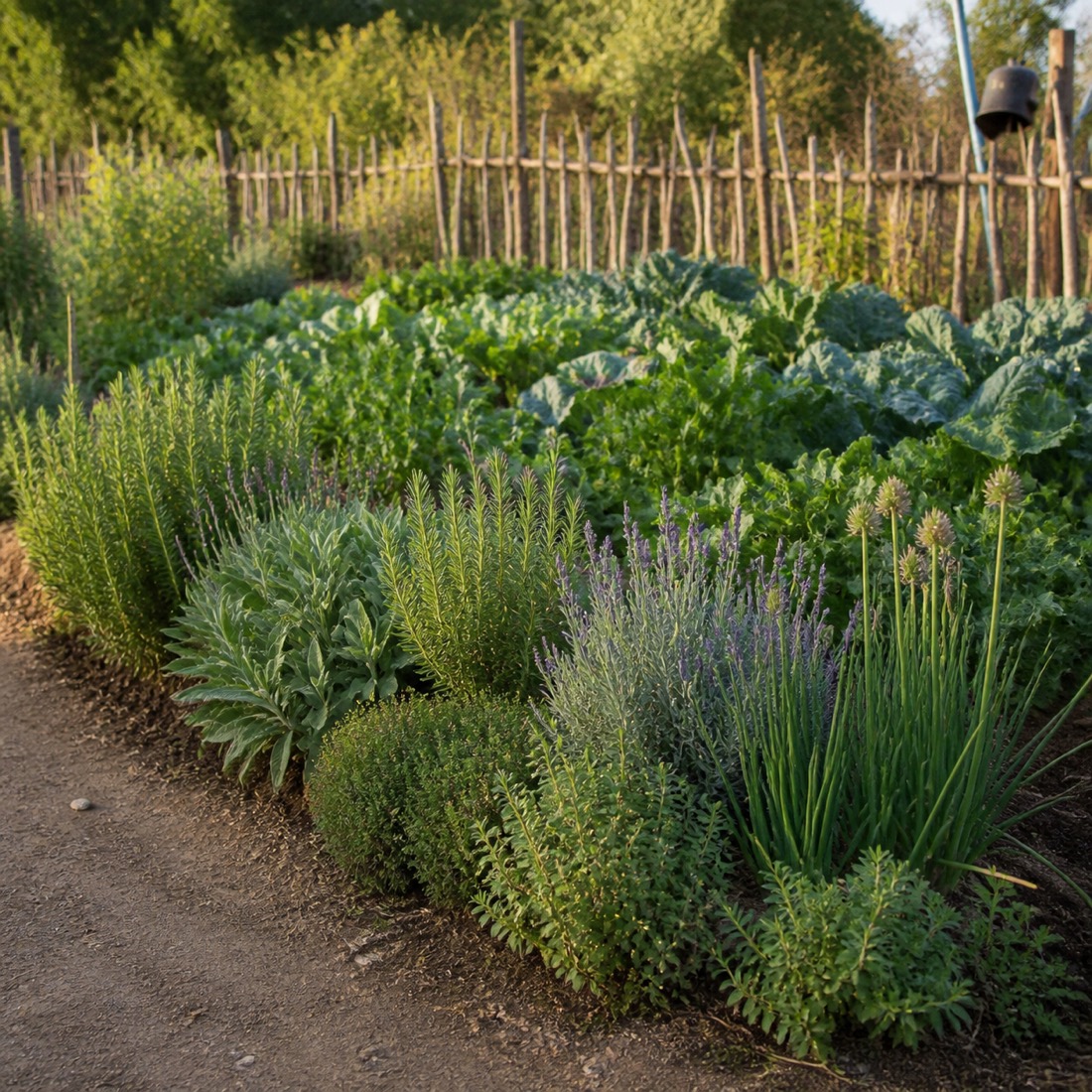
7. Plant a Fragrant Border
A fragrant border can make your garden less appealing.
Plant aromatic herbs around the outer edge of vegetable beds. Garlic, onions, sage, rosemary, thyme, and lavender are useful options.
The border will not stop every deer, but it can help disguise the scent of more desirable crops.
Think of fragrant plants as a supporting strategy, not a replacement for fencing or netting.
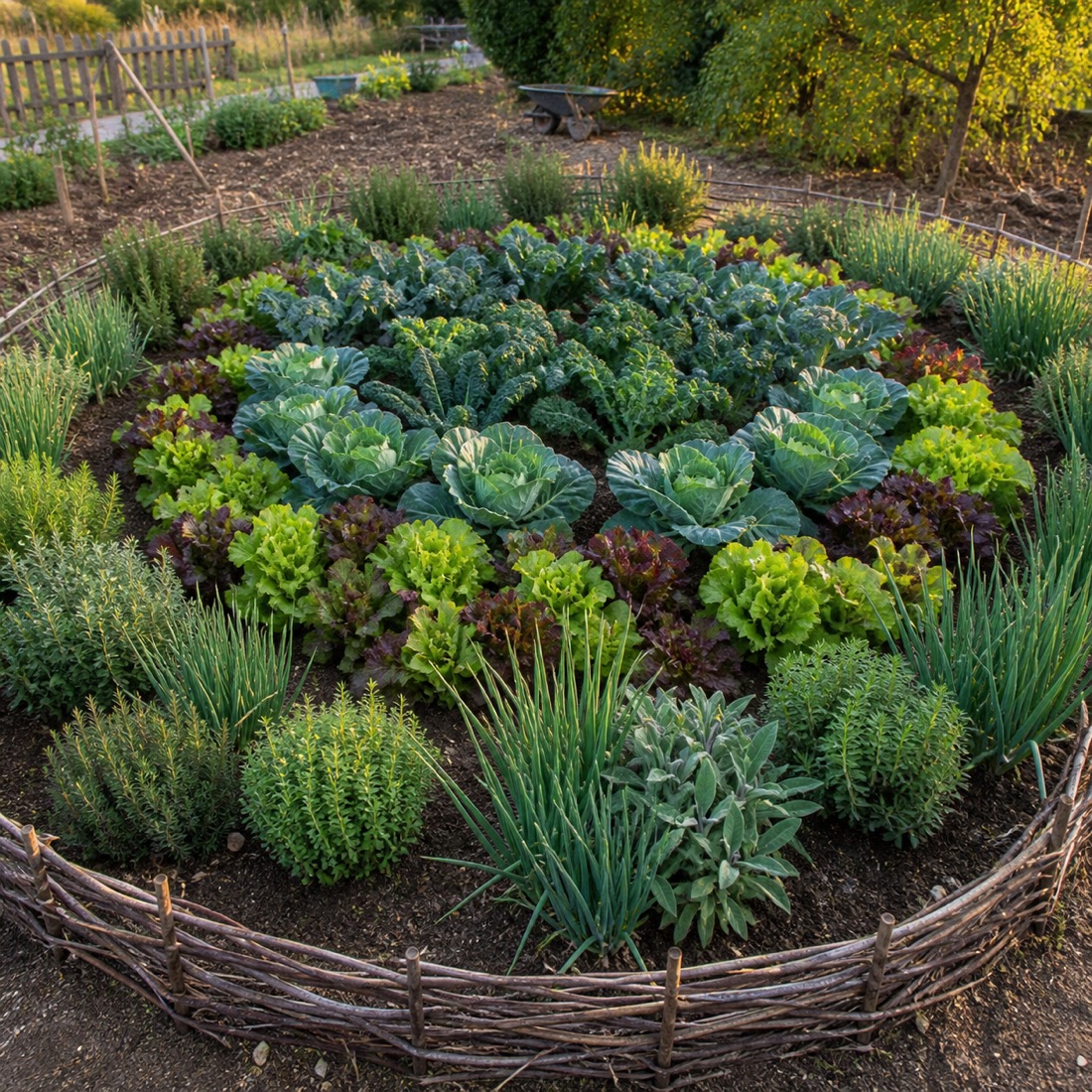
8. Put Favorite Crops in the Center
Deer usually begin browsing at the garden’s edge.
You can make access more difficult by planting less-palatable crops around the outside and placing vulnerable vegetables farther inside.
For example, grow herbs and onions along the border, followed by cabbage, kale, lettuce, and other favorite crops.
This layout will not stop a determined deer, but it may reduce casual browsing.
It also gives physical barriers and repellents more time to work.
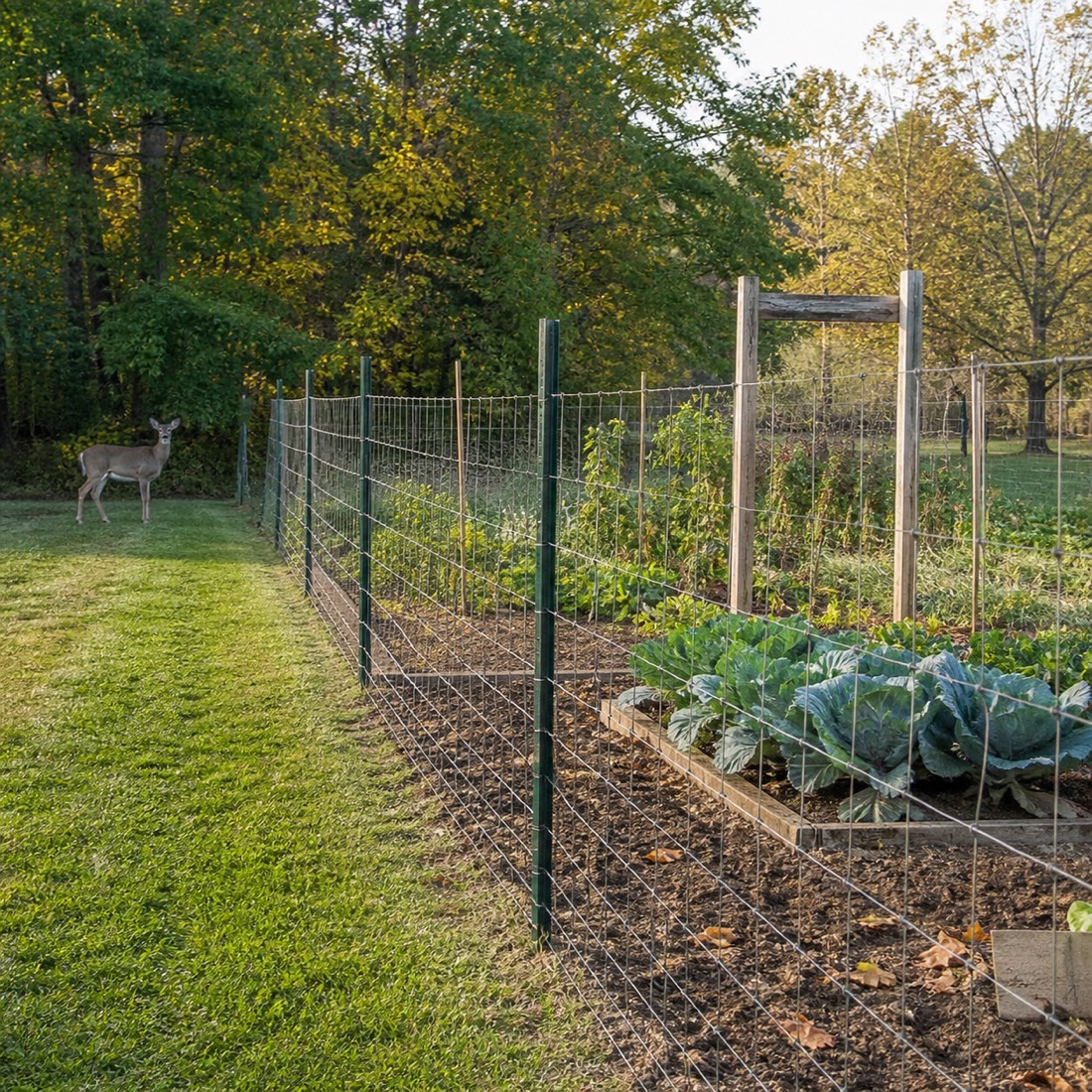
9. Keep the Garden Perimeter Open
Deer prefer approaching food from areas where they feel protected.
Tall grass, brush, fallen branches, and dense shrubs near the garden can provide convenient cover.
Trim vegetation around the garden perimeter.
Keep pathways visible and remove piles of leaves or branches where deer may hide.
An open garden edge makes deer feel more exposed and helps you notice browsing damage quickly.
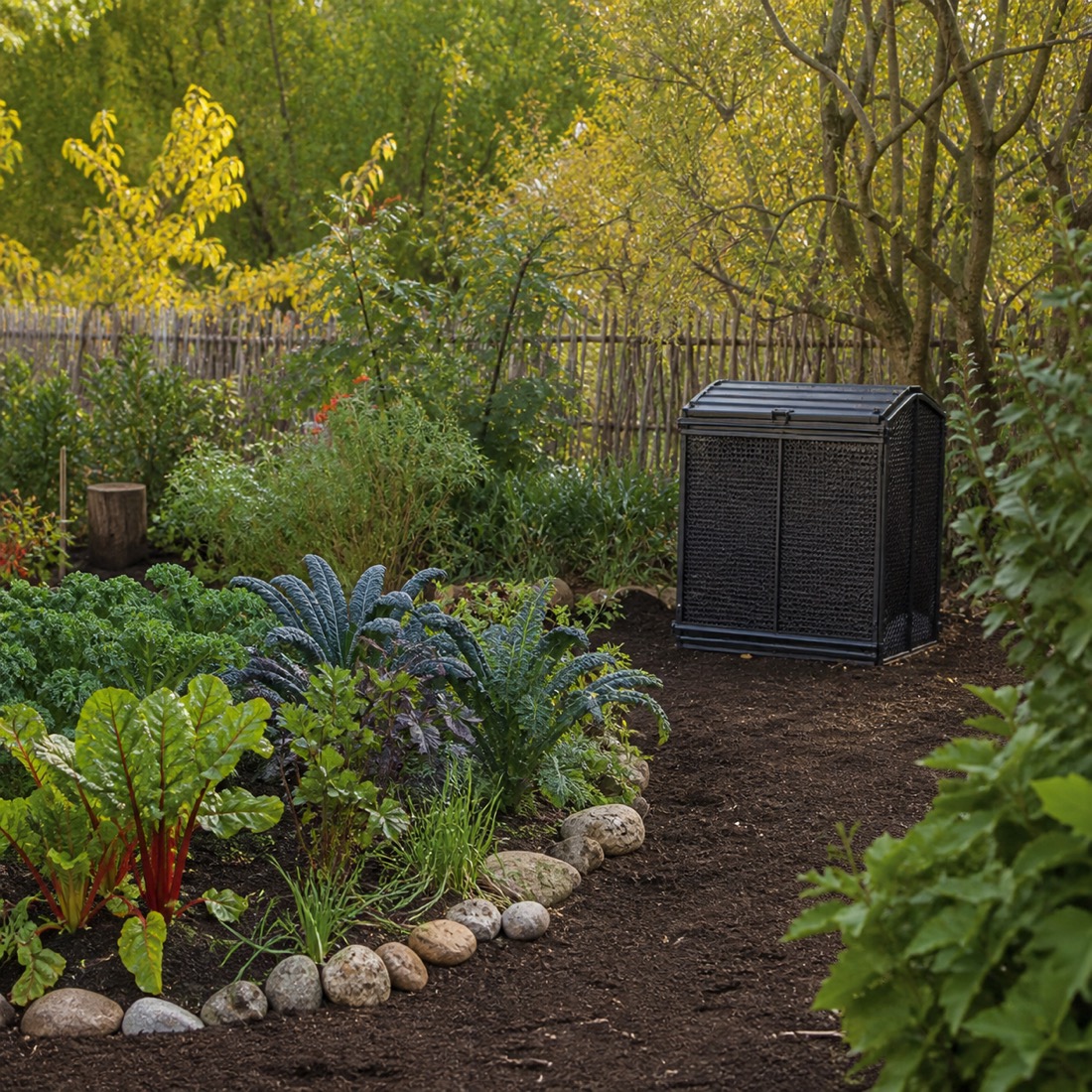
10. Remove Other Food Attractants
Your vegetable garden may not be the only thing attracting deer.
Pick up fallen apples, pears, plums, and other fruit.
Keep birdseed away from the garden, since spilled seed can attract wildlife.
Do not leave vegetable scraps, pumpkins, or garden waste near the growing area.
Secure compost bins so they do not become an additional food source.
Reducing nearby attractants can make your garden less tempting.
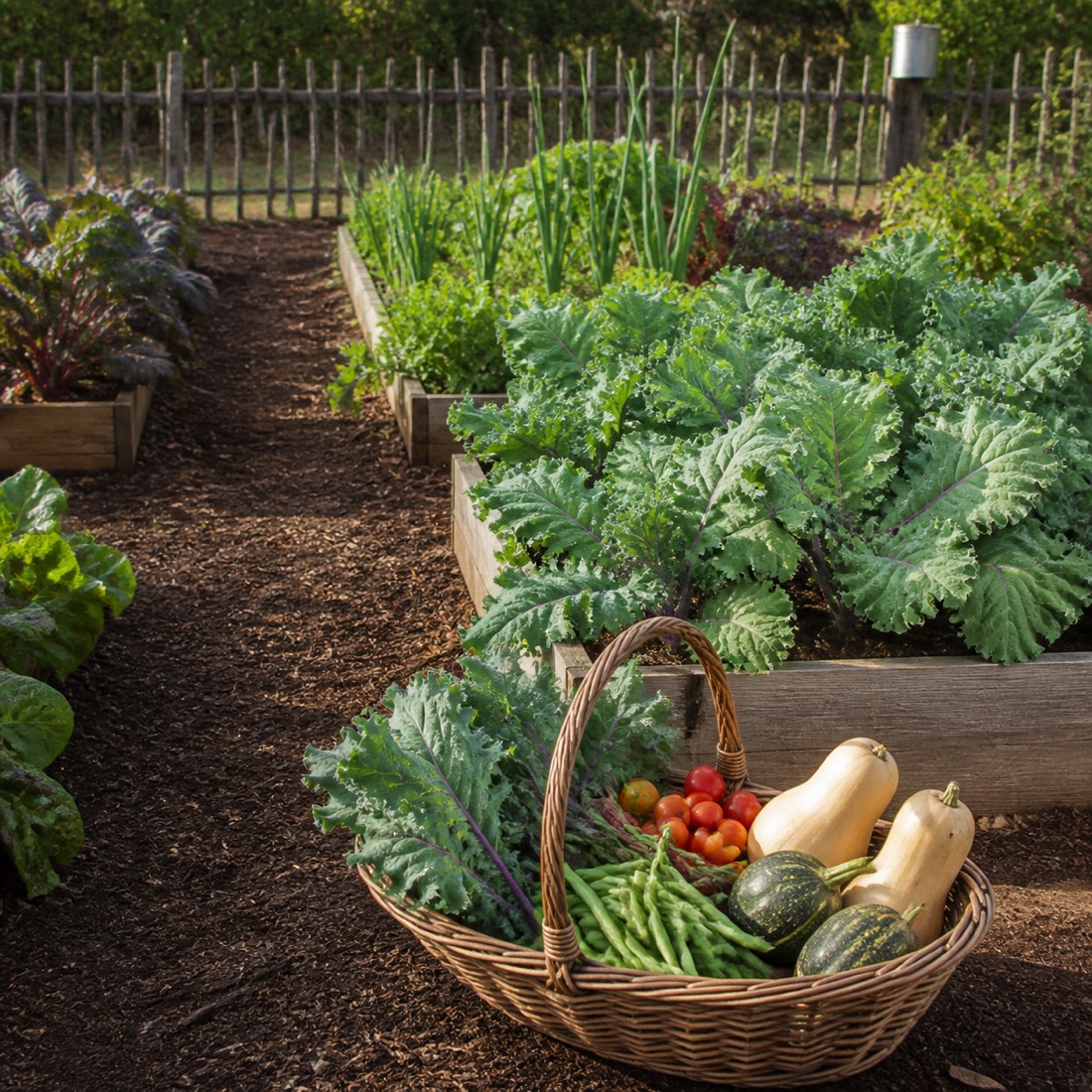
11. Harvest Produce Promptly
Ripe vegetables can attract deer from a considerable distance.
Harvest tomatoes, beans, squash, and other produce as soon as they are ready.
Remove damaged or fallen vegetables from the ground.
After harvesting a crop, clear away spent plants and weeds.
A clean garden is less attractive than one filled with ripe produce and fallen leaves.
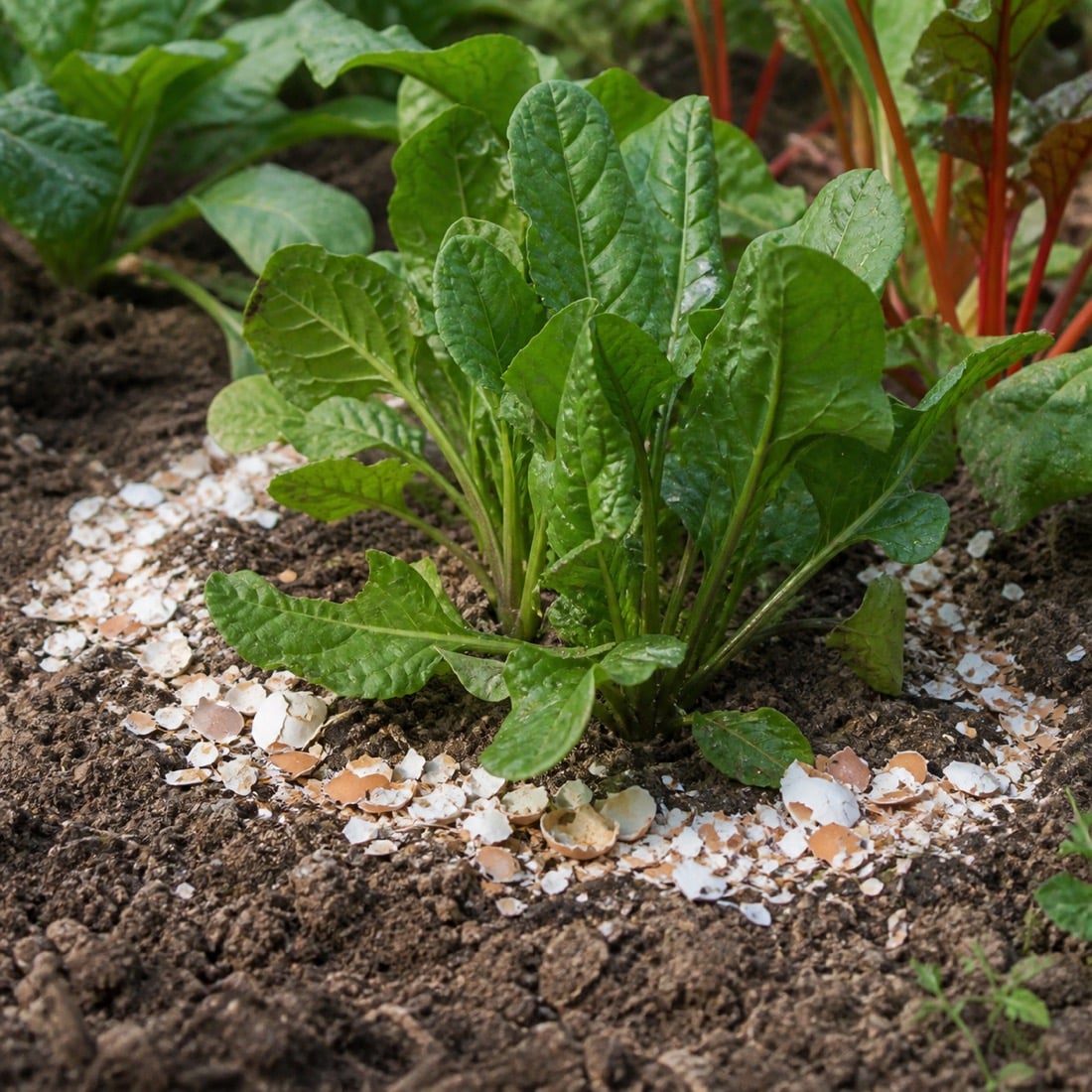
12. Use an Egg-Based Repellent Spray
The smell of eggs can discourage deer from browsing.
To make a simple spray, blend an egg with water and strain the mixture before putting it in a spray bottle.
Apply it to the outside leaves of plants rather than directly onto vegetables that are almost ready to harvest.
Reapply after heavy rain.
Always test homemade sprays on a small section of the plant first. Some plants may be sensitive to sprays, especially in hot or sunny weather.
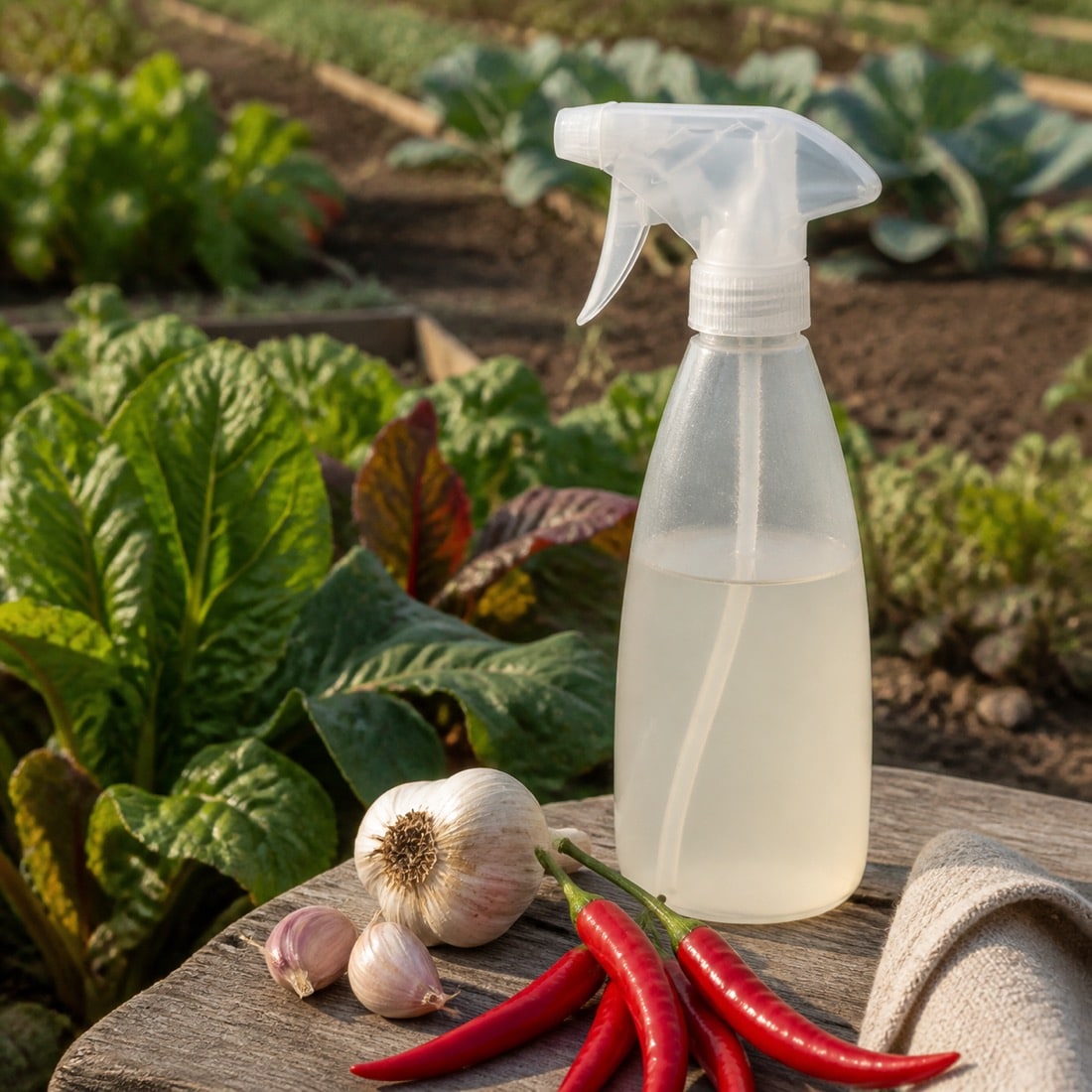
13. Try Garlic or Hot-Pepper Spray
Garlic and hot peppers create strong odors and flavors that many deer dislike.
You can make a spray by steeping crushed garlic and hot pepper in water, then straining the mixture carefully.
A small amount of mild soap can help the spray stick to leaves, but use very little. Too much soap may damage plants.
Wear gloves and avoid touching your face while making or applying hot-pepper sprays.
Never spray hot-pepper mixtures near children, pets, or harvest-ready produce without washing the vegetables thoroughly.
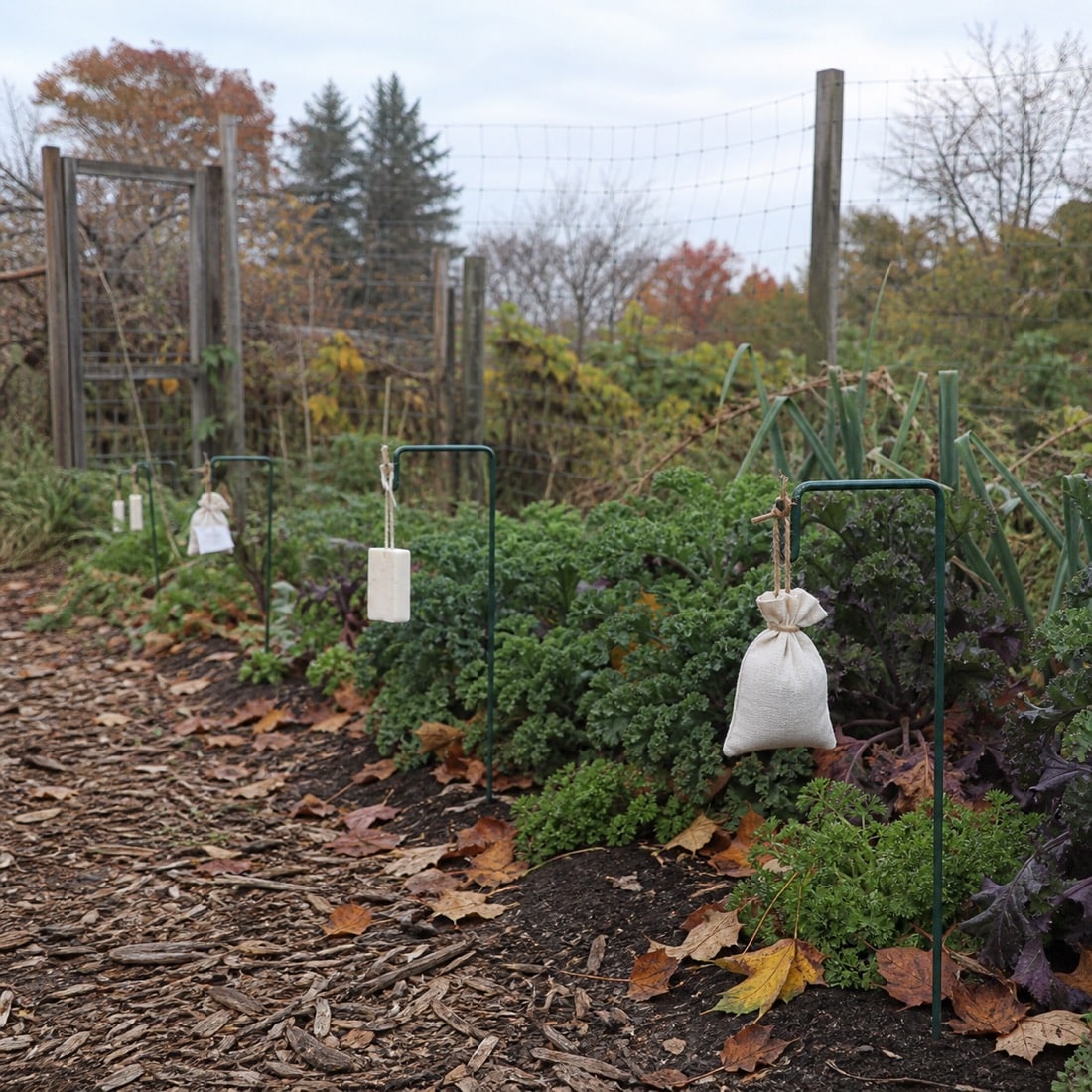
14. Rotate Natural Scent Deterrents
Scent deterrents may include strongly scented soap, garlic sachets, or botanical deer repellents labeled for garden use.
Hang them near likely entry points rather than placing them directly on edible crops.
Move them every few days.
Deer can become accustomed to a scent if it remains in the same place for too long.
Natural scent deterrents work best when rotated and combined with netting, cages, or fencing.
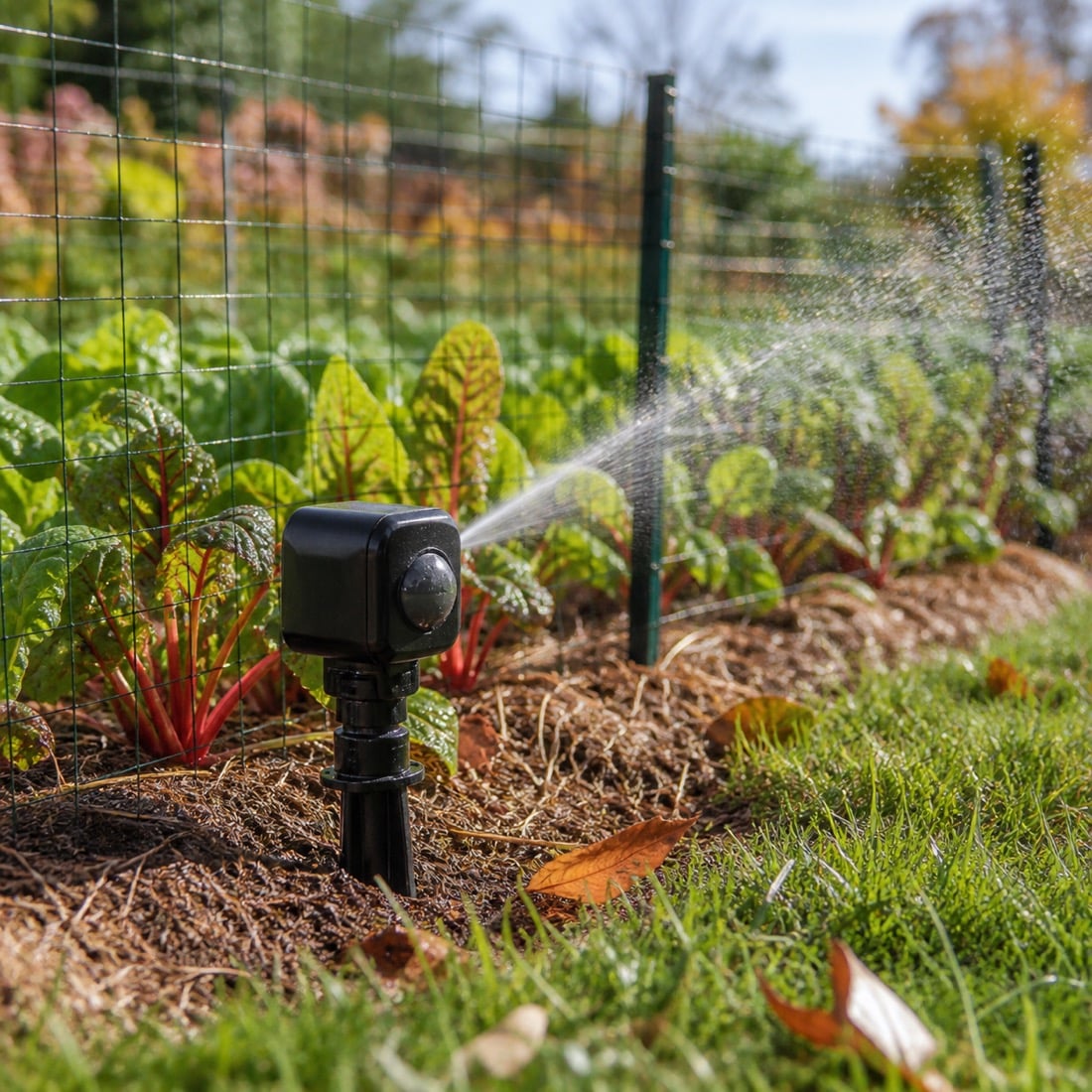
15. Install a Motion-Activated Sprinkler
A motion-activated sprinkler can startle deer without injuring them.
When the sensor detects movement, it releases a short burst of water.
Aim the sprinkler toward the most likely entry point.
Move it occasionally so deer do not learn to avoid only one location.
This method works especially well for small gardens and temporary fall plantings.
Make sure the sprinkler does not create muddy walkways or remain pointed at plants that are sensitive to constant moisture.
What Works Best for a Fall Garden?
For the strongest protection, layer several methods together.
Start with a physical barrier such as netting, cages, or fencing.
Then plant fragrant herbs around the edges and remove fallen fruit, ripe produce, and other attractants.
Use an egg-based or garlic-based spray as additional protection.
If deer continue visiting, add a motion-activated sprinkler.
Physical exclusion is usually more reliable than scent alone. Homemade repellents are best treated as backup tools.
Common Mistakes to Avoid
Avoid assuming that one plant or scent will solve the problem.
Marigolds, coffee grounds, soap, and human hair may discourage deer temporarily, but hungry deer can ignore them.
Do not use a short fence and assume deer will not jump it.
Do not leave gaps beneath gates or along the bottom edge.
Be cautious with homemade sprays. Test them first, avoid applying them shortly before harvest, and follow safe handling practices.
Also, avoid toxic substances or products that could harm pets, children, pollinators, or wildlife.
Frequently Asked Questions
What is the most effective natural way to keep deer out of a garden?
A tall fence or securely anchored deer netting is usually the most effective natural solution. Repellent sprays and fragrant plants work best as additional layers of protection.
Will coffee grounds keep deer away?
Coffee grounds may have a temporary odor that deer dislike, but they are not a dependable deer barrier.
Do marigolds repel deer?
Marigolds may be less appealing than some vegetables, but deer can still eat them when food is scarce.
How tall should a deer fence be?
An 8-foot fence is the most dependable choice. A double-fence system can also work when two shorter fences are spaced several feet apart.
How often should natural deer sprays be reapplied?
Reapply homemade sprays after rain and whenever browsing resumes. Their effectiveness usually decreases over time.
Final Thoughts
A fall garden can thrive without relying on harsh chemicals.
Use fencing, netting, cages, fragrant plants, garden cleanup, and occasional natural sprays to make your property less attractive to deer.
The best results come from using several simple methods at the same time.