August is a good time to think beyond the current season. While the garden is still blooming, you can start several cool-season flowers, biennials, and hardy perennials that will settle in before winter and give you an earlier, fuller display next spring.
The best choices depend on your hardiness zone, first-frost date, and winter weather. In warmer areas, some seedlings may grow through winter. In colder areas, they may need protection in a cold frame, greenhouse, or sheltered spot. Either way, the goal is to grow sturdy roots and compact foliage—not soft, stretched plants.
Why Start Flower Seeds in August?

Many flowers benefit from a late-summer start because the soil is warm enough for germination and the days are beginning to cool. Young plants have time to establish roots before winter dormancy, and some biennials need this head start to flower the following season.
August is also a useful month for planning. You can fill gaps in the spring border, grow more plants for less money, and choose varieties that are harder to find as ready-to-grow plants.
11 Flowers to Start in August for Next Spring
1. Pansies

Pansies are one of the easiest ways to add color to a spring garden. Start seeds in trays or small pots and keep them in bright light, away from the hottest afternoon sun. Once the seedlings are sturdy, grow them on in a cool spot and plant them out before the ground freezes.
Best tip: Keep the seedlings evenly moist. Heat and dry soil can slow germination and leave young plants weak.
2. Violas

Violas are smaller than pansies, but they are often tougher and more floriferous. Their compact size makes them useful along paths, in containers, and around the front edge of a flower bed. They prefer cool conditions and can provide very early spring color.
Best tip: Give violas morning sun or light afternoon shade in hot climates, especially while they are getting established.
3. Foxgloves
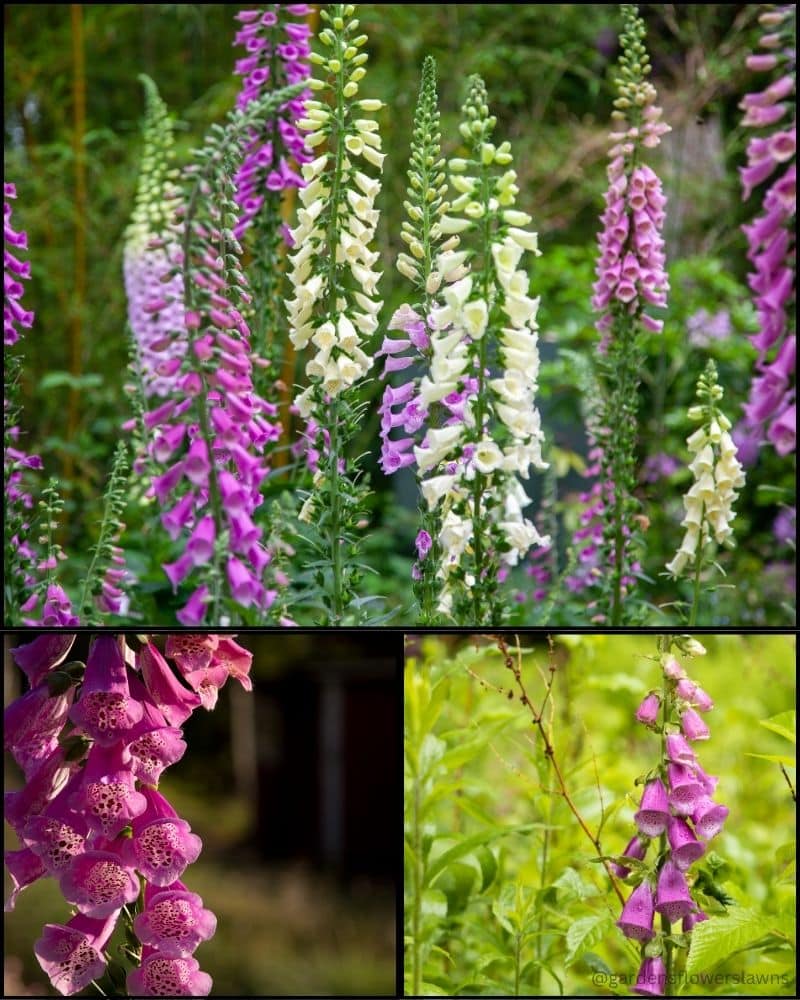
Foxgloves are classic biennials. They usually spend the first season forming a leafy rosette, then send up tall flower spikes the following spring or summer. August sowing gives them time to develop the strong base they need for an impressive display.
Press the tiny seeds onto the surface of moist seed-starting mix rather than burying them deeply. Foxgloves prefer evenly moist soil and light shade, and all parts of the plant can be harmful if eaten, so choose a location carefully.
Best tip: Let foxglove rosettes grow undisturbed through fall so they have time to build strength before winter.
4. Sweet William

Sweet William is another reliable biennial for a late-summer start. The plants form low foliage first, then produce clusters of pink, red, white, or purple flowers the next season. Sow the seeds in a nursery bed or shallow containers, thin crowded seedlings, and move them to their permanent position in fall.
Best tip: Choose a sunny or lightly shaded location with good drainage. Avoid keeping the seedlings constantly wet.
5. Canterbury Bells
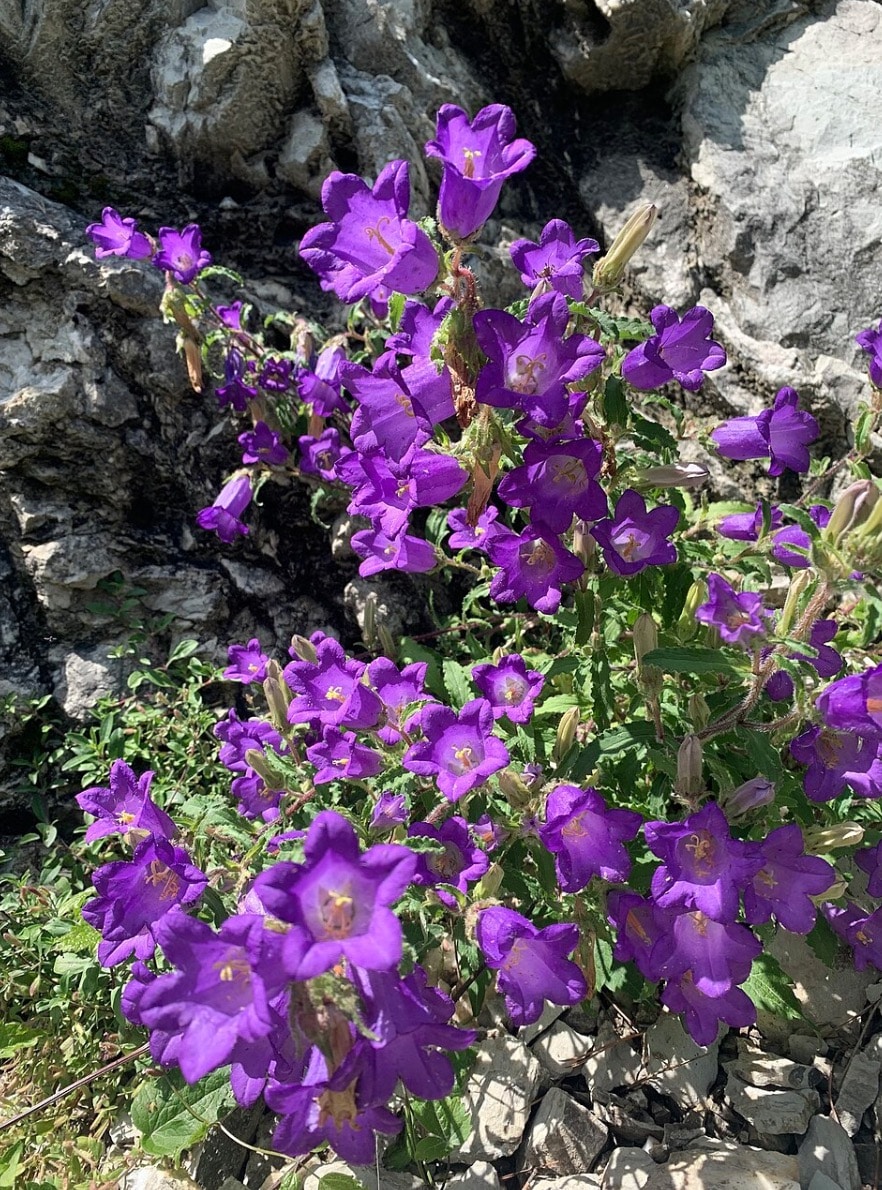
Canterbury bells bring tall, cup-shaped flowers to the spring and early-summer border. They are commonly grown as biennials, so starting them in August helps them reach flowering size without trying to rush them indoors later.
Scatter the seeds over moist soil and press them in gently. Once the seedlings have several true leaves, give them more space so air can move around the foliage.
Best tip: Sow a few extra seeds because Canterbury bells can germinate unevenly.
6. Columbines

Columbines are graceful perennials with nodding flowers that attract hummingbirds and other pollinators. The plants can be started in August in a protected seed bed or in pots. Germination may be uneven, and some varieties benefit from a period of cool, moist conditions.
Best tip: Handle young plants carefully when transplanting. Columbines develop taproots and resent being moved repeatedly.
7. Lupines

Lupines are worth starting from seed if you want tall flower spikes in shades of blue, purple, pink, yellow, or white. The seedlings establish a deep root system, which helps them handle dry periods once they are mature.
Some lupine seeds have a hard coat. Soaking or lightly scarifying the seeds can improve germination, but always follow the directions on the packet for the variety you are growing.
Best tip: Plant lupines where you want them to stay, since their deep roots make repeated transplanting difficult.
8. Delphiniums

Delphiniums reward patience with dramatic spires of blue, purple, pink, or white flowers. August is a useful time to start them in a cool location where seedlings can grow steadily without the stress of intense summer heat.
Use a free-draining mix, cover the seeds only lightly, and protect the young plants from slugs. Plant them where they will receive morning or full sun and shelter from strong wind.
Best tip: Give delphiniums support early, before tall flower stems have a chance to flop.
9. Iceland Poppies
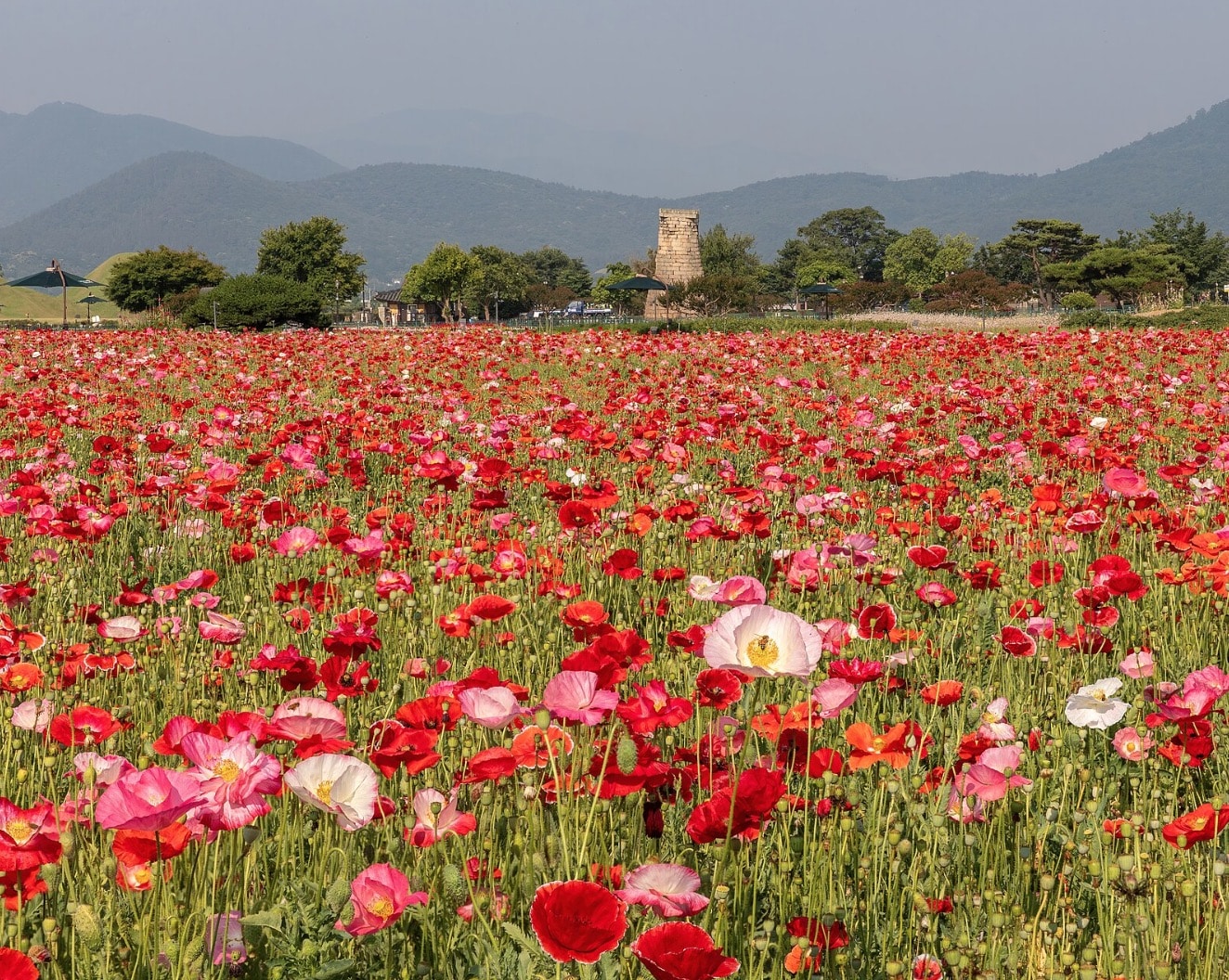
Iceland poppies are cool-season flowers that can bring delicate, paper-like blooms to the spring garden. They are best sown where they will grow because their roots do not like much disturbance. Scatter the seeds over finely prepared soil and barely cover them.
Keep the seedbed moist until germination. In mild climates, late-summer seedlings may grow through winter; in colder areas, use a sheltered container or cold frame.
Best tip: Barely cover Iceland poppy seeds and avoid disturbing the seedlings once they emerge.
10. Purple Coneflowers
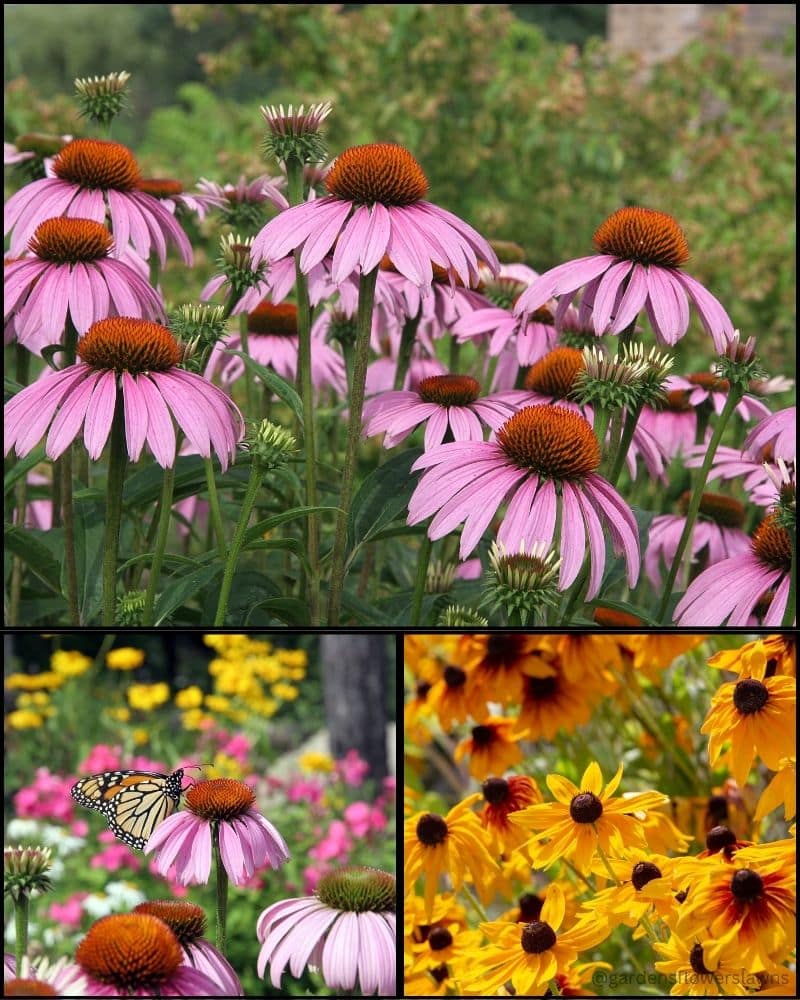
Purple coneflowers are dependable perennials for sunny borders and pollinator gardens. Starting them in August gives the plants time to make sturdy rosettes before winter, even if the main flower show comes later.
Many coneflower seeds germinate more evenly after a cold, moist period. Check the packet instructions, and do not be discouraged if the seedlings grow slowly at first.
Best tip: Mark the planting spot clearly so the small first-year rosettes are not mistaken for weeds.
11. Black-Eyed Susans

Give the seedlings plenty of light and avoid overwatering. Once planted out, they prefer well-drained soil and good air circulation.
Best tip: Leave a few spent flower heads in place at the end of the season for birds to enjoy.
August Seed-Starting Checklist
- Check the seed packet for your zone, days to germination, and any cold-stratification instructions.
- Use clean pots or a fine, well-drained seed-starting mix.
- Label every container with the flower name and sowing date.
- Keep the soil consistently moist while seeds germinate, but do not leave containers sitting in water.
- Protect young seedlings from intense afternoon heat, heavy rain, and slugs.
- Thin crowded seedlings early so they grow sturdy instead of tall and weak.
- Harden plants off before moving them into the garden.
- Leave enough time for plants to establish before your first hard freeze.
Can You Direct-Sow Flower Seeds in August?
Yes, but success depends on the flower and your climate. Pansies, violas, foxgloves, sweet William, and many hardy perennials can be started in trays or a nursery bed before being planted out. Iceland poppies and other flowers with sensitive roots are often better sown directly where they will grow.
If August is hot and dry where you live, container sowing gives you more control over moisture and shade. If your weather is already cool, a prepared garden bed may work just as well. The most important thing is to avoid letting newly sown seeds dry out.
Final Tip
August sowing is about getting a head start, not forcing flowers before they are ready. Choose a few varieties that match your climate, keep the seedlings compact and healthy, and protect them from extreme weather. By spring, you will have a stronger, more established display—and plenty of flowers to look forward to.