Some flowers act like they need a personal assistant. These are not those flowers.
The plants below are the tough ones. They handle heat, missed watering, average soil, and the occasional gardener who forgets where the hose is. No flower is truly impossible to kill, but these are about as close as a backyard gets.
Quick Picks: The Toughest Flowers on This List
- Best for dry heat: Sedum, Blanket Flower, Moss Rose
- Best for beginners: Daylilies, Marigolds, Zinnias
- Best for pollinators: Coneflowers, Bee Balm, Salvia
- Best for poor soil: Yarrow, Coreopsis, Black-Eyed Susans
- Best for “I forget to water” gardeners: Sedum, Lantana, Catmint
1. Daylilies

Daylilies are one of the safest bets for a sunny bed that gets ignored now and then.
Daylilies are the old reliable workhorses of the flower bed. They show up, bloom like crazy, and rarely ask for much.
They can handle heat, neglect, poor soil, and the kind of roadside conditions that would make fussier flowers fold up and quit. Each bloom only lasts a day, but a healthy clump keeps sending up more flowers like it has something to prove.
Why they’re hard to kill: They grow from thick roots that store energy and help them bounce back.
Best spot: Full sun to part sun.
Best use: Driveway edges, big sunny beds, and spots where you want color without much fuss.
How people accidentally kill them: Planting them in deep shade or letting crowded clumps go too long without dividing.
Low-maintenance tip: Divide clumps every few years if they get crowded or stop blooming well.
2. Black-Eyed Susans

Black-eyed Susans bring that wild, sunny look without acting delicate.
Black-eyed Susans are cheerful, tough, and almost impossible to ignore. Those golden petals and dark centers look like summer itself.
Once established, they can handle dry spells, heat, and ordinary garden soil. They are also good at spreading around just enough to make a flower bed look fuller without needing a gardener to babysit every inch.
Why they’re hard to kill: They tolerate dry, sunny spots and keep blooming even when conditions are not perfect.
Best spot: Full sun.
Best use: Sunny borders, cottage gardens, and natural-looking flower beds.
How people accidentally kill them: Planting them where they sit wet for too long or crowding them so much that airflow gets poor.
Low-maintenance tip: Leave some seed heads standing if you want birds to enjoy them later.
Black-eyed Susan relatives are commonly recommended for dry, sunny garden areas, including in native plant lists for tough conditions. (Penn State Extension)
3. Purple Coneflowers
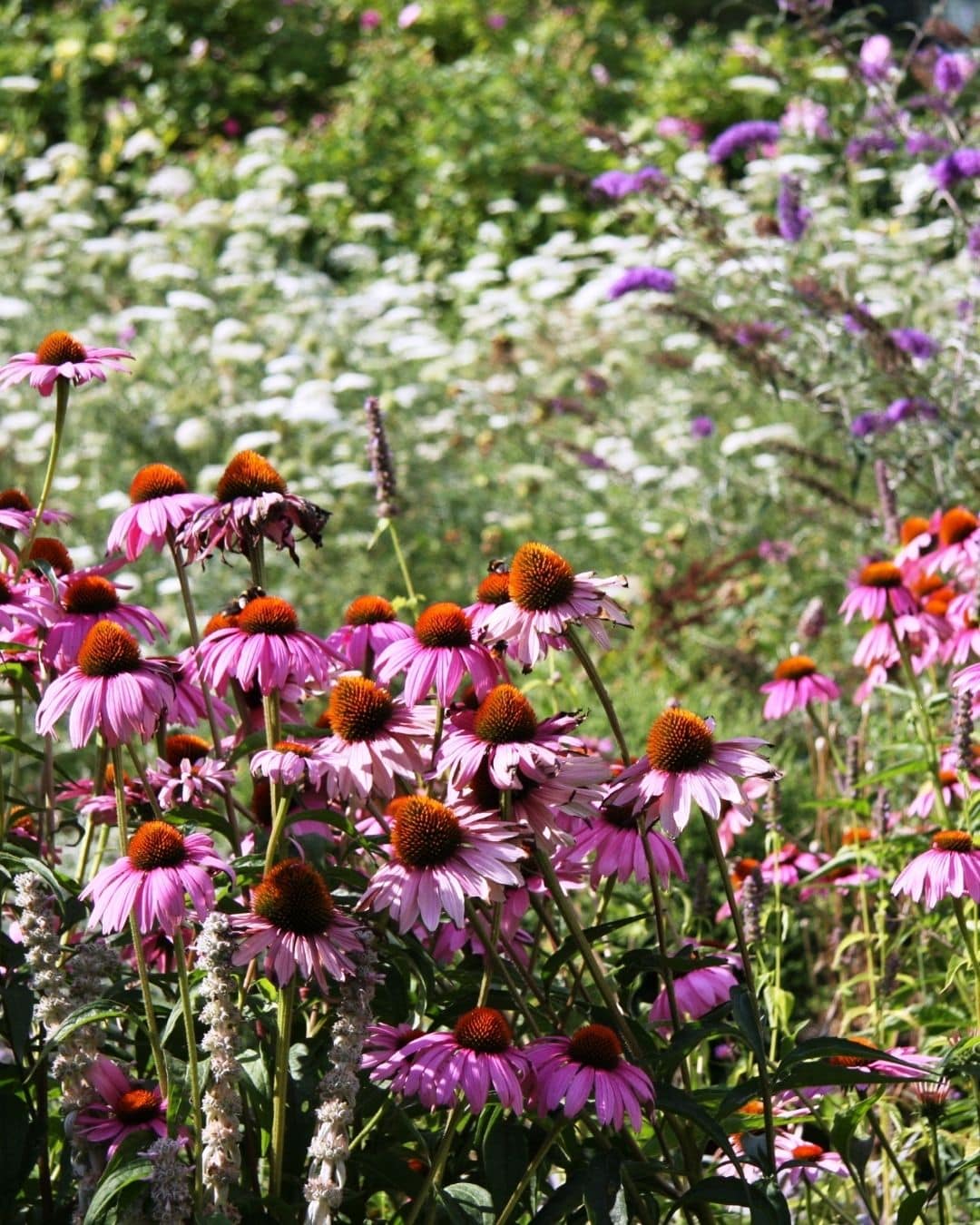
Coneflowers are prairie-tough flowers that still look polished in a backyard bed.
Purple coneflowers are built like prairie survivors because that is exactly what they are. They have sturdy stems, long-lasting blooms, and a tough root system that does not panic the first time rain skips town.
They also bring in butterflies, bees, and goldfinches, so they make the garden feel alive without making you work harder.
Why they’re hard to kill: They handle heat, drought, and average soil once established.
Best spot: Full sun.
Best use: Pollinator gardens, sunny perennial beds, and areas where you want summer color that comes back.
How people accidentally kill them: Overwatering them or planting them in heavy soil that stays soggy.
Low-maintenance tip: Do not overwater them. Coneflowers would rather be a little dry than sit in soggy soil.
4. Sedum

Sedum is made for hot, dry spots where softer flowers give up.
Sedum is the plant for people who forget they planted something there.
This succulent perennial stores water in its fleshy leaves, which makes it great for hot, dry places. The upright types, like ‘Autumn Joy,’ bloom late in the season when many other flowers are running out of gas.
Why it’s hard to kill: It holds moisture in its leaves and does well in lean, well-drained soil.
Best spot: Full sun.
Best use: Hot borders, rock gardens, dry slopes, and beds near pavement.
How people accidentally kill it: Giving it rich, wet soil or watering it like a thirsty annual.
Low-maintenance tip: Avoid rich, wet soil. Sedum gets floppy when it is spoiled.
Sedum is often listed among dependable drought-tolerant perennials for dry conditions.
5. Coreopsis

Coreopsis gives you a lot of color for very little work.
Coreopsis looks delicate, but do not let those bright little flowers fool you. This is a tough, sun-loving bloomer that keeps going through heat and dry weather.
It is one of those plants that can make a messy garden look intentional. The flowers are usually yellow, gold, or red-toned, and they bloom for a long stretch with very little effort.
Why it’s hard to kill: It thrives in dry, sunny spots and blooms for weeks.
Best spot: Full sun.
Best use: Poor soil, sunny borders, and inexpensive color that fills in fast.
How people accidentally kill it: Planting it in too much shade or letting it sit in wet soil.
Low-maintenance tip: Shear it back lightly after a big bloom cycle to encourage fresh flowers.
Threadleaf coreopsis is recommended for dry, full-sun sites and can bloom from late spring into late summer.
6. Yarrow

Yarrow is at its best where the soil is dry, lean, and not pampered.
Yarrow is one of those plants that almost seems tougher when you ignore it.
It has flat clusters of flowers in yellow, white, pink, red, or orange, plus ferny foliage that looks good even before the blooms arrive. It is drought-tolerant, deer-resistant in many yards, and very comfortable in poor soil.
Why it’s hard to kill: It likes dry conditions and does not need rich soil.
Best spot: Full sun.
Best use: Dry slopes, low-water beds, and tough sunny spaces.
How people accidentally kill it: Overwatering it, overfeeding it, or planting it in heavy soil that holds moisture.
Low-maintenance tip: Cut back spent blooms if you want a tidier look, but the plant will survive just fine either way.
Clemson Extension notes that ‘Coronation Gold’ yarrow is very drought tolerant.
7. Blanket Flower
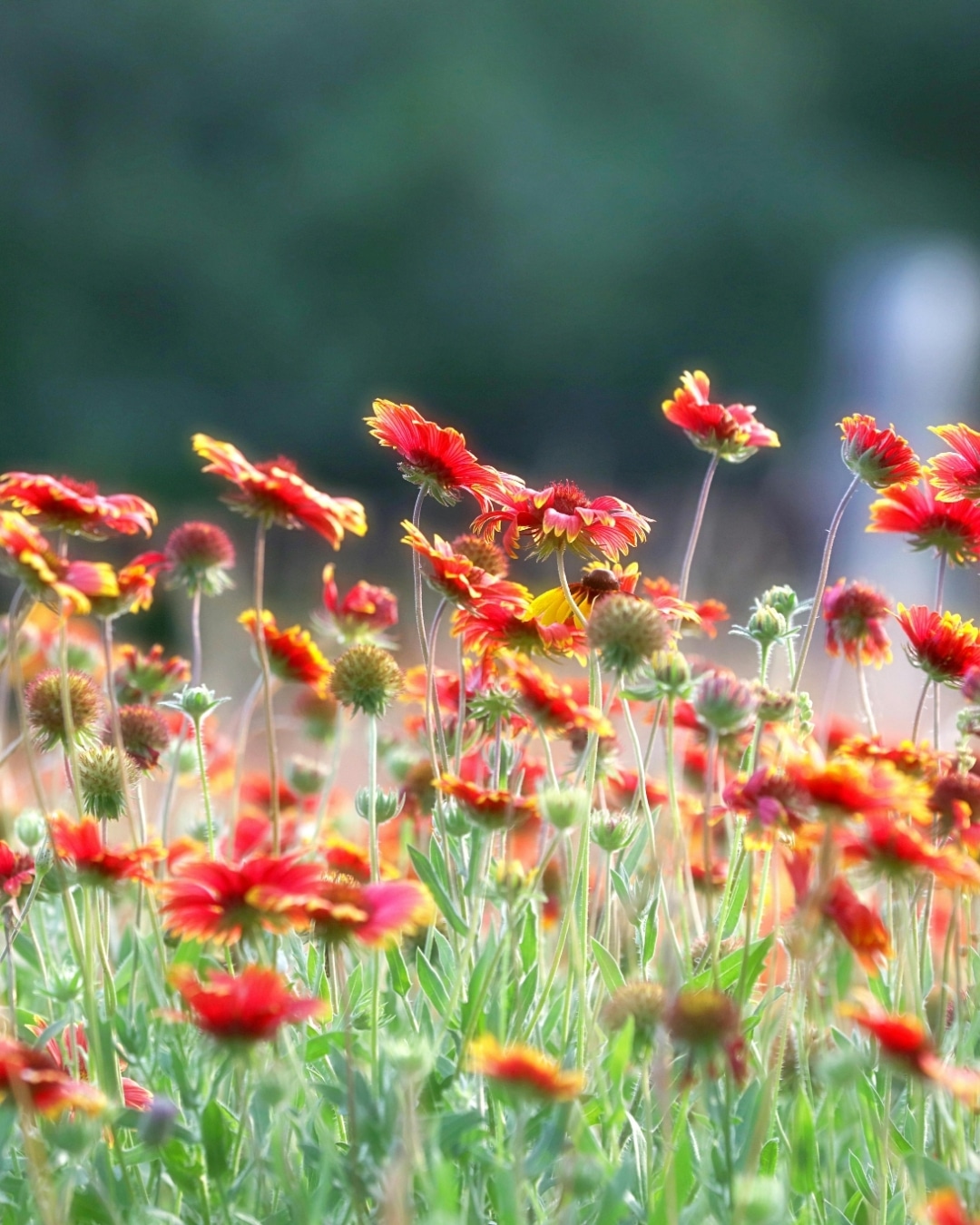
Blanket flowers love heat and keeps blooming when the garden starts looking tired.
Blanket flower, also called gaillardia, is the flower version of a tough little roadside diner. It is bright, dependable, and somehow still going strong when everything around it looks tired.
Its red, orange, and yellow blooms love heat. This is a great choice for sunny beds, dry borders, and places where the soil is not exactly garden-show quality.
Why it’s hard to kill: It handles heat, dry soil, and full sun beautifully.
Best spot: Full sun.
Best use: Hot front-yard beds, dry borders, and summer color in rough soil.
How people accidentally kill it: Planting it where water collects or giving it too much rich, damp soil.
Low-maintenance tip: Do not plant it where water sits. Blanket flower likes good drainage.
Blanket flower is included among dependable perennials that tolerate drought conditions.
One Thing Before You Plant These
Low-maintenance does not mean no-maintenance. Even tough flowers need water while their roots settle in. The magic usually starts after the first few weeks, once they stop acting like new transplants and start acting like survivors.
8. Catmint
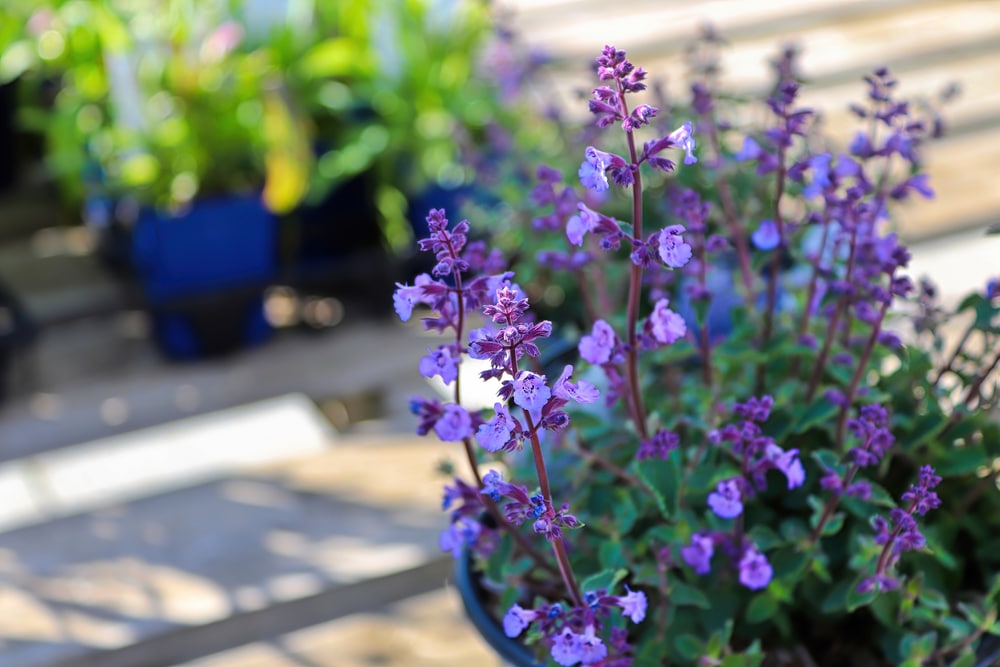
Catmint softens edges, feeds bees, and asks for very little once established.
Catmint is not flashy in a fussy way. It is soft, pretty, fragrant, and almost annoyingly easy.
The silvery-green foliage and lavender-blue flowers look great along walkways and borders. Bees love it, deer often leave it alone, and it can handle dry spells once it settles in.
Why it’s hard to kill: It tolerates heat, drought, and poor soil better than many showier flowers.
Best spot: Full sun.
Best use: Walkways, border edges, mailbox beds, and pollinator-friendly plantings.
How people accidentally kill it: Putting it in a soggy spot or never cutting it back when it gets tired and floppy.
Low-maintenance tip: Cut it back after the first heavy bloom to get a fresh flush of flowers.
9. Russian Sage
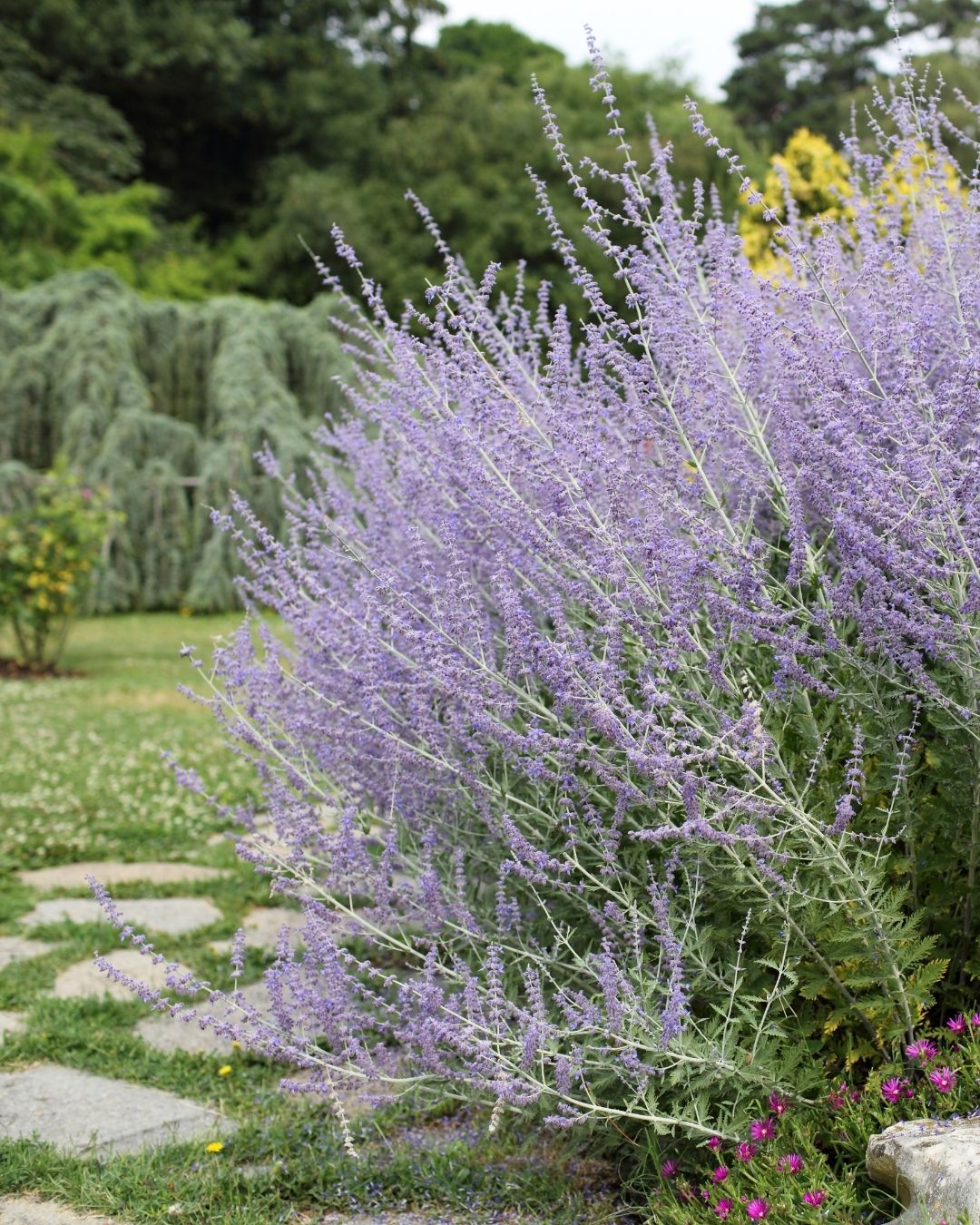
Russian sage gives height and movement without needing rich soil or constant attention.
Russian sage is the plant you use when you want height, haze, and drama without drama.
It has airy purple-blue flowers and silver stems that look great in hot, dry gardens. This is not a plant for a damp corner. Give it sun, drainage, and room to breathe, and it will usually take care of itself.
Why it’s hard to kill: It loves heat and handles drought once established.
Best spot: Full sun.
Best use: Tall background color, dry borders, and sunny beds that need structure.
How people accidentally kill it: Planting it in wet soil or crowding it where airflow is poor.
Low-maintenance tip: Cut it back in early spring to keep it from looking woody and wild.
Russian sage is commonly listed with drought-tolerant perennials for dry landscapes.
10. Salvia

Salvia gives pollinators a reason to visit and gives the garden a clean, upright shape.
Salvia is a low-maintenance favorite because it gives you color, pollinators, and a tidy shape without much fuss.
The flower spikes come in purple, blue, pink, red, or white, depending on the type. Many salvias handle heat well, and once established, they do not need constant watering.
Why it’s hard to kill: It thrives in sun and handles dry conditions better than many bedding plants.
Best spot: Full sun.
Best use: Pollinator beds, sunny borders, and places where you want repeat blooms.
How people accidentally kill it: Planting it in heavy shade or letting soggy soil rot the roots.
Low-maintenance tip: Trim off spent flower spikes to encourage more blooms.
Salvia appears on extension flower lists and drought-tolerant plant recommendations, depending on the type.
11. Bee Balm
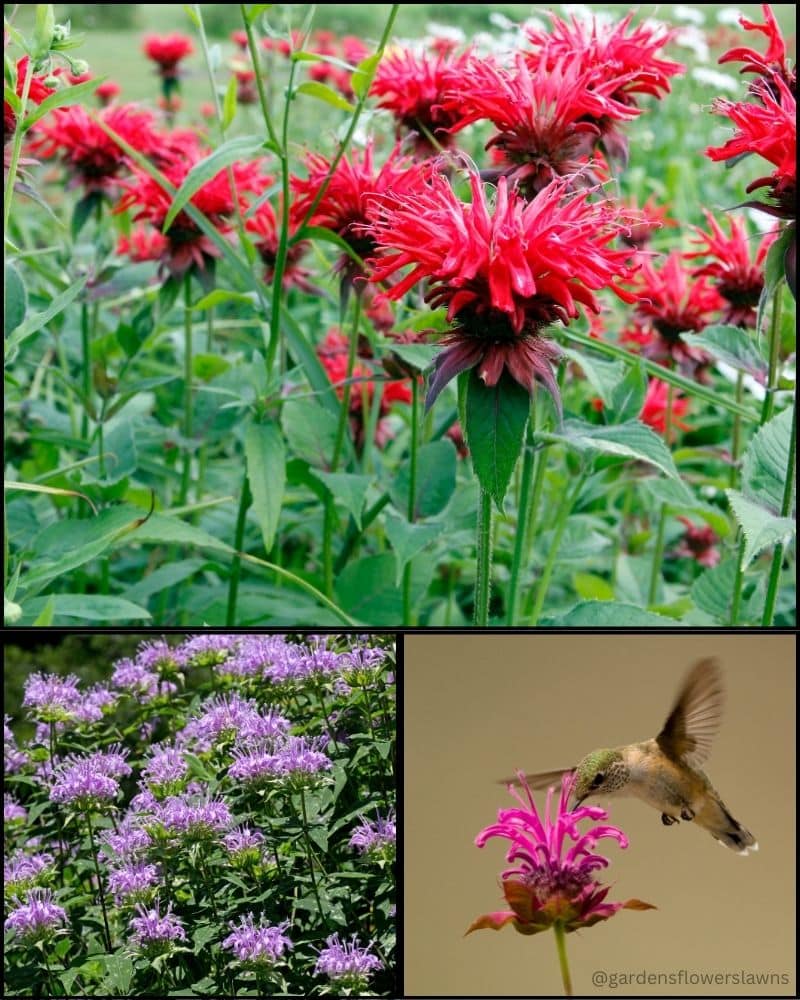
Bee balm brings hummingbirds, bees, butterflies, and a big splash of personality.
Bee balm looks like a firework exploded on top of a flower stem. Hummingbirds, bees, and butterflies all seem to agree.
This plant can spread, which is either a blessing or a problem depending on where you put it. In a roomy bed, it can fill space fast and bring a wild, cottage-garden look with very little help.
Why it’s hard to kill: It is vigorous, pollinator-friendly, and willing to spread.
Best spot: Full sun to part sun.
Best use: Hummingbird gardens, pollinator beds, and roomy cottage-style borders.
How people accidentally kill it: Cramming it into a damp, crowded spot where mildew can take over.
Low-maintenance tip: Give it airflow. Powdery mildew can show up if it is crammed into a damp, crowded spot.
Bee balm, also called monarda, is listed among dependable drought-tolerant perennials by Illinois Extension. (Illinois Extension)
12. Lantana

Lantana is a heat-loving bloomer that looks happiest when summer gets brutal.
Lantana is a heat-loving machine. In warm climates, it can behave like a perennial shrub. In colder areas, it is often grown as an annual, but it still earns its spot because it blooms like it is being paid by the flower.
It laughs at summer heat, handles dry spells, and brings in butterflies nonstop.
Why it’s hard to kill: It thrives in heat and sun once established.
Best spot: Full sun.
Best use: Containers, hot borders, and tough sunny beds where weaker flowers fade out.
How people accidentally kill it: Planting it too early in cold soil or putting it in too much shade.
Low-maintenance tip: Use it in containers, hot borders, or tough sunny beds where weaker flowers fade out.
13. Zinnias

Zinnias are fast, colorful, and perfect for gardeners who want results without drama.
Zinnias are proof that easy flowers do not have to be boring.
Plant them from seed, give them sun, and they will reward you with bold color all summer. They are especially good for gardeners who want fast results without complicated care.
Why they’re hard to kill: They grow quickly from seed and handle summer heat well.
Best spot: Full sun.
Best use: Fast annual color, cutting gardens, and empty sunny spots that need a quick win.
How people accidentally kill them: Crowding them too tightly, watering the leaves constantly, or planting them in shade.
Low-maintenance tip: Cut flowers often. The more you cut, the more they bloom.
14. Marigolds

Marigolds are common for a reason: they bloom hard and forgive a lot.
Marigolds might be common, but common is not the same as boring. They are popular because they work.
They handle heat, bloom for months, and fit almost anywhere, from vegetable gardens to porch pots. They come in sunny yellows, oranges, reds, and creamy whites.
Why they’re hard to kill: They grow fast, bloom hard, and tolerate ordinary garden conditions.
Best spot: Full sun.
Best use: Vegetable garden borders, porch pots, and cheerful front-of-bed color.
How people accidentally kill them: Keeping them too wet or planting them where they do not get enough sun to bloom well.
Low-maintenance tip: Deadhead old blooms if you want them looking fresh, but they are not needy.
15. Moss Rose

Moss rose, also called portulaca, is the flower for hot, dry places where other plants go to suffer.
It has thick, succulent leaves and bright little blooms that open in sunshine. It is perfect for containers, rock gardens, sidewalk edges, and those brutal spots near pavement.
Why it’s hard to kill: It stores water in its leaves and thrives in heat.
Best spot: Full sun.
Best use: Rock gardens, sidewalk edges, dry containers, and hot spots near pavement.
How people accidentally kill it: Overwatering it or planting it where the soil stays damp.
Low-maintenance tip: Do not overwater it. Moss rose is made for dry conditions.
Before You Plant: Why Tough Flowers Still Die

Even easy flowers need the right start before they can become backyard survivors.
The toughest flowers still need the right start. Water them well during their first season, plant sun-lovers in sun, and do not put drought-tolerant plants in soggy soil.
Once their roots are established, these flowers are the kind you can enjoy without hovering over them every evening. They are not fancy divas. They are the backyard survivors.
Why “Easy” Flowers Still Fail

Most tough flowers do not fail because they are weak. They fail because they never got settled.
Even the toughest flowers can struggle if they are planted in the wrong place. A low-maintenance flower is not magic. It is just a plant that can handle a little neglect once it has the right home and a decent start.
That is where a lot of gardeners get tricked. They buy a plant labeled “drought tolerant,” stick it in the ground during a hot week, forget to water it, and then wonder why it looks like cooked spinach by Thursday.
Drought tolerant does not mean drought proof on day one. Most of these rugged flowers need regular watering during their first few weeks, and many perennials need help through their first full growing season. Once the roots spread out and settle in, then they start acting tough.
Match the Plant to the Problem Spot
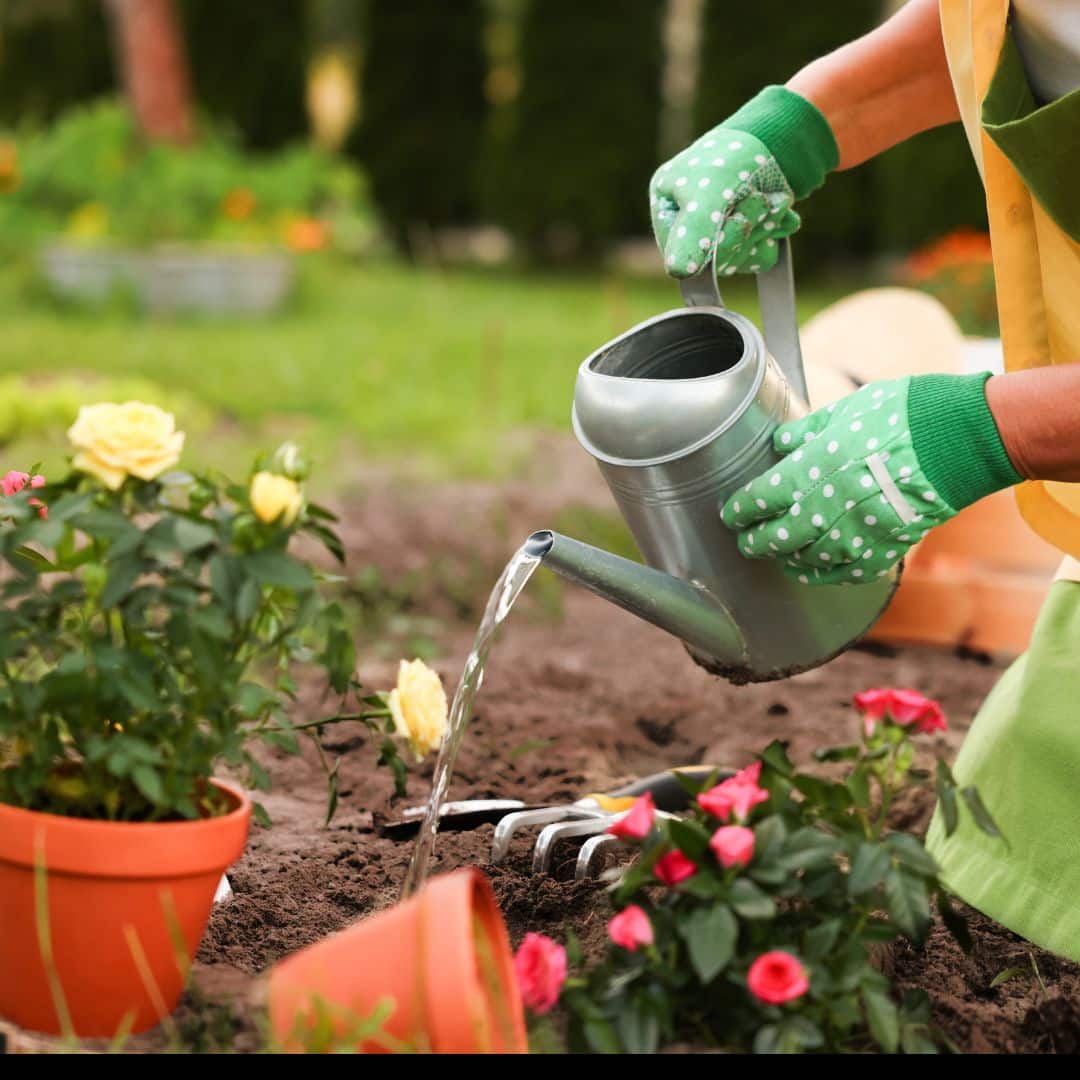
The right plant in the right place feels easy. The wrong plant in the wrong place feels like work forever.
The easiest way to kill a “can’t kill” flower is to put it where it does not belong.
A sun-loving plant like sedum, blanket flower, or zinnia will sulk in shade. It may grow tall and floppy, bloom poorly, or slowly fade away. On the other hand, a plant that likes a little afternoon protection can look scorched if you bake it beside a driveway all summer.
So before planting, watch the spot for a day. Six or more hours of direct sun usually counts as full sun. Three to six hours is part sun. Less than that is shade, and many big-blooming flowers will not be happy there.
Drainage matters just as much. Many tough flowers hate wet feet. Yarrow, lavender, sedum, blanket flower, and moss rose can handle dry soil, but they will rot if water sits around their roots. If a puddle hangs around after a rain, that is not the place for a dry-loving survivor.
Worst Places to Plant These Tough Flowers

A tough flower can still lose the fight if the planting spot works against it.
Some flowers are hard to kill, but they still have limits. The fastest way to waste money on low-maintenance plants is to ignore what they hate.
- Soggy soil: Sedum, Yarrow, Blanket Flower, Moss Rose
- Deep shade: Zinnias, Lantana, Salvia, Coneflowers
- Tight, humid corners: Bee Balm, Catmint, Russian Sage
- Over-fertilized beds: Sedum, Yarrow, Coreopsis
- Cold spring soil: Lantana, Zinnias, Marigolds, Moss Rose
The fix is usually simple. Match dry-loving flowers with dry soil, sun-loving flowers with sun, and spreading flowers with enough room to behave naturally.
Do Less, But Do the Right Things
A little mulch and deep watering will do more than daily fussing.
Low-maintenance flowers usually fail from too much kindness, not too little.
Gardeners water them every day, feed them heavy fertilizer, and tuck them into rich, damp soil. Then the plants grow weak, floppy, and disease-prone. These tough flowers often perform better when they are not babied.
A good rule is simple: water deeply, but not constantly. A deep soak encourages roots to grow down into the soil. Tiny daily sprinkles keep roots shallow, which makes the plant more helpless when the weather turns hot.
Mulch also helps, especially during the first year. A light layer keeps soil cooler, slows moisture loss, and cuts down on weeds. Just do not pile mulch against the crown of the plant. That can trap moisture and invite rot.
The First Month Matters Most

Get them through the first month, and many tough flowers start taking care of themselves.
The real secret is getting them through the beginning.
For the first month, check new plants often. If the soil feels dry a couple inches down, water. If the leaves droop in the evening but bounce back by morning, they may just be reacting to heat. If they stay limp, they need help.
Once established, these flowers can become the dependable backbone of a garden. They are the plants that forgive missed waterings, survive busy weeks, and make you look like a better gardener than you really are.