Oregon gardens can be beautiful without being high maintenance, but the right plants matter. Between dry summers, wet winters, and big differences from one part of the state to another, a perennial has to earn its place if it is going to thrive with very little fuss.
These 18 Oregon-friendly perennials are tough enough for the job, bringing dependable color, texture, and garden presence without turning your yard into a weekend-long chore.
Whether you garden near the coast, in the Willamette Valley, or in another milder part of the state, there is something here that can settle in and pull its weight.
Get ready to meet the toughest, most beautiful perennials that can keep an Oregon yard looking lively year after year. 👇
1. Oregon Sunshine (Eriophyllum lanatum)

- Bright yellow daisy-like flowers with a true western native look.
- Loves sun and sharp drainage, especially in dry summer conditions.
- Excellent for gravel gardens, slopes, and hot spots.
Oregon sunshine looks like it belongs here because it does. It handles dry conditions well, stays cheerful through summer, and brings a bright native look without asking for much once established.
Care tip: Give it excellent drainage and avoid rich, soggy soil if you want it to stay happy for the long haul.
2. Douglas’ Asters (Symphyotrichum subspicatum)

- Blue to purple late-season flowers that keep the garden going into fall.
- Native and drought tolerant once established.
- Best where it has room to spread a little.
Douglas’ asters are a strong closer for an Oregon garden because they bring color right when many summer flowers are running out of steam. They are tough, useful, and much more valuable than their easygoing nature might suggest.
Care tip: Give them a little breathing room because they can spread and reseed in a good spot.
3. Pacific Bleeding Hearts (Dicentra formosa)

- Soft pink flowers and ferny foliage for shade and part shade.
- Native woodland feel without being fussy.
- Excellent for dry shade once established in western Oregon conditions.
Pacific bleeding hearts are one of the best ways to make a shadier Oregon spot feel lush without creating a lot of extra work. They look delicate, but in the right setting they are dependable and easy to live with.
Care tip: Let them settle into a lightly shaded spot and avoid overwatering once they are established.
4. Blue-Eyed Grass (Sisyrinchium bellum)

- Small blue flowers with grassy foliage that fit neatly into tight spaces.
- Good in sun to part shade with decent drainage.
- Useful for edging, smaller beds, and native-style plantings.
Blue-eyed grass is one of those little plants that quietly makes everything around it look better. It does not take up much room, it is not demanding, and it gives an Oregon garden a soft native touch.
Care tip: Divide clumps every few years if they start getting too crowded in a richer garden soil.
5. Camas (Camassia leichtlinii)

- Elegant blue flower spikes in spring with real Pacific Northwest character.
- Well suited to western Oregon gardens, especially where soils stay moist in spring.
- Returns reliably when planted in the right spot.
Camas gives an Oregon garden a sense of place that a generic bulb just cannot match. In the right conditions, it comes back beautifully and makes spring feel a lot more special.
Care tip: Avoid cutting foliage down too early after bloom so the bulbs can recharge for next year.
6. Checker-Mallows (Sidalcea spp.)

- Pink to rose flowers on upright stems that look great in a natural border.
- Native wildflower look without being hard to place.
- Good in sunny spots with decent drainage.
Checker-mallows bring a softer, looser kind of beauty that feels very right in an Oregon garden. They are especially good when you want something native-looking that still reads as ornamental.
Care tip: Cut back spent flower stems after bloom to keep the plant looking neater and encourage a tidier clump.
7. Western Red Columbines (Aquilegia formosa)
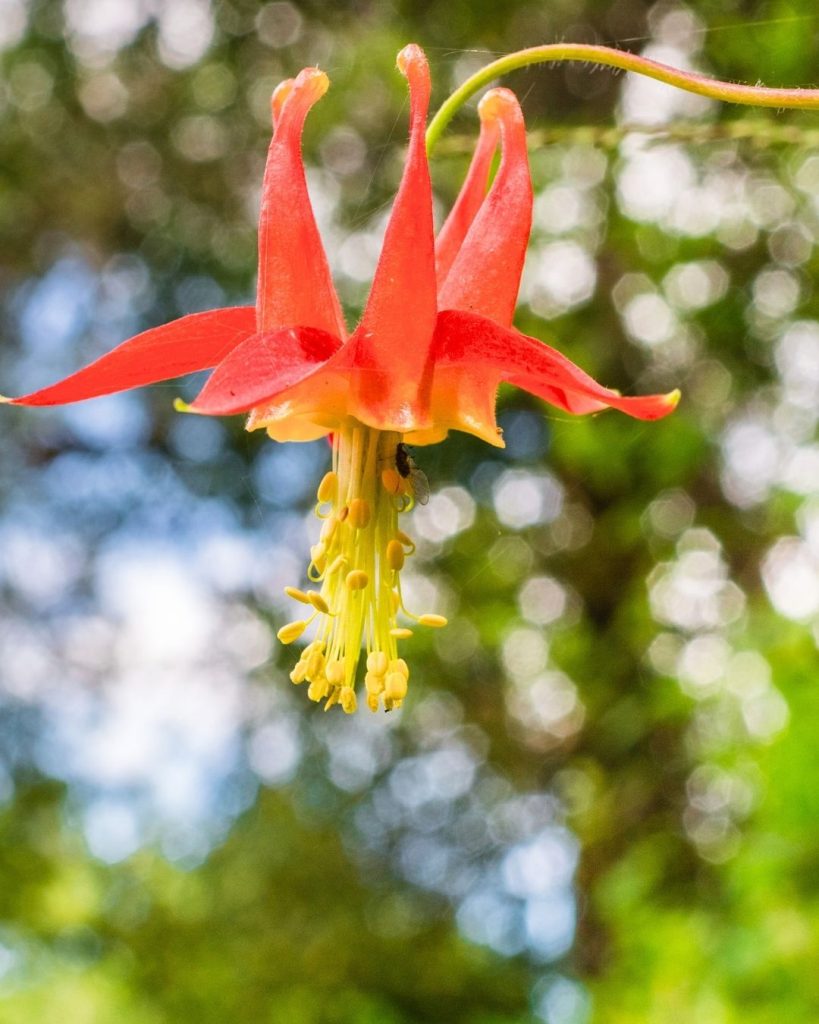
- Red and yellow nodding flowers that brighten spring shade.
- Great for part shade and woodland-style edges.
- Easy to tuck into more natural plantings.
Western red columbines bring just enough color and character to make a shadier bed feel alive without forcing you to fuss over them all summer. They are one of the nicer ways to soften an Oregon garden.
Care tip: Let a few plants self-sow if you like a relaxed, natural look, because they often settle in nicely that way.
8. Oregon Irises (Iris tenax)

- Spring flowers in shades of purple, blue, or cream.
- Excellent native choice for drier sunny sites.
- Brings a distinctly Oregon feel to the garden.
Oregon irises are a smart choice when you want something that feels regional, sturdy, and a little more special than the usual spring filler. They can thrive with surprisingly little help once they are in the right place.
Care tip: Plant them where the soil drains well in summer and avoid crowding them too tightly.
9. Yarrow (Achillea millefolium)
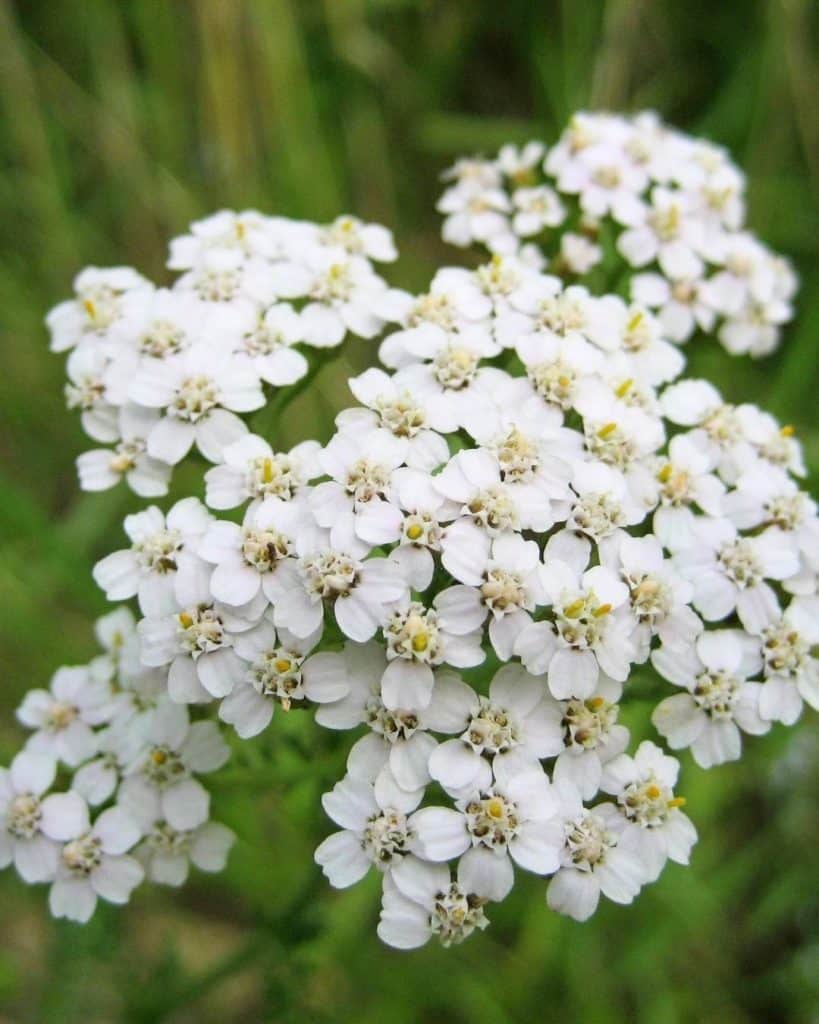
- Flat flower clusters with a sturdy, useful habit.
- Excellent for hotter, drier sites once established.
- Very low-fuss in full sun.
Yarrow is a good fit when you need something that can take more heat and less water without falling apart. It is practical, dependable, and a good backbone plant for a lower-maintenance Oregon border.
Care tip: Shear it back after bloom if the foliage starts looking tired or if you want to encourage another round.
10. Sedum (Stonecrop) (Sedum spp.)
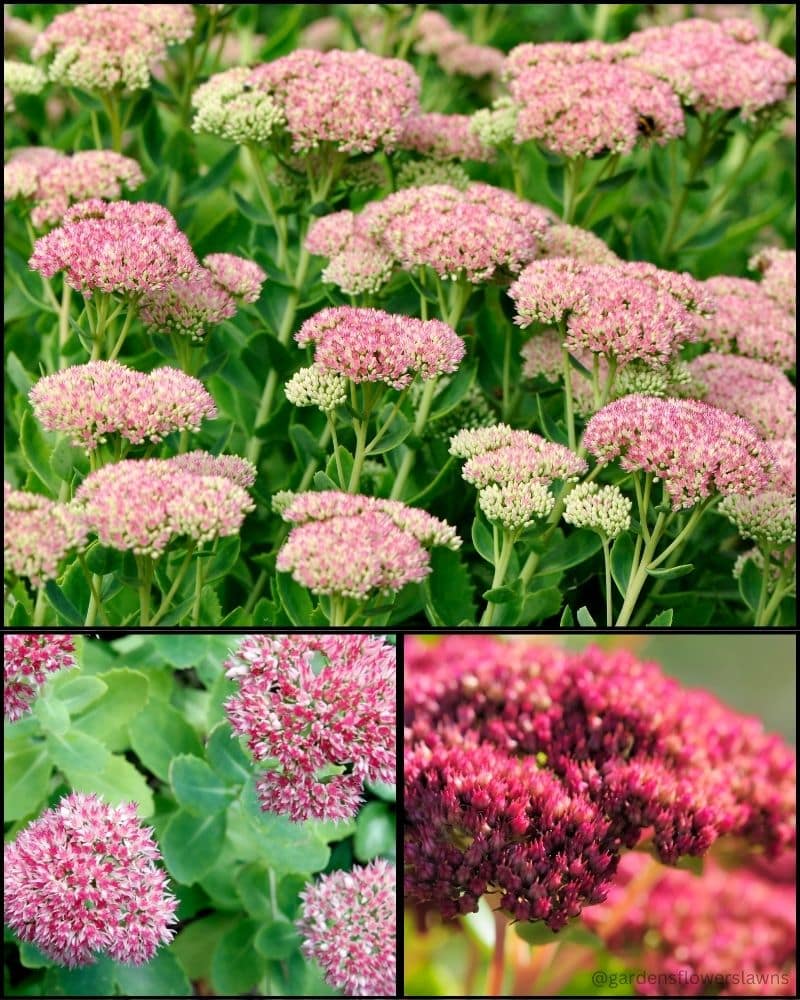
- Succulent foliage and sturdy flower heads that bring texture for a long stretch.
- Excellent for sunny, well-drained beds.
- About as low-maintenance as a flowering perennial gets.
Sedum is perfect for Oregon gardeners who want dependable performance in a sunnier, drier bed. It looks good, asks for very little, and keeps doing its job long after fussier plants have started complaining.
Care tip: Keep it out of soggy winter soil if you want the best long-term performance.
11. Oregon Stonecrop (Sedum oreganum)

- Low-growing native succulent for rocky or sharply drained spots.
- Good for small spaces, edges, and crevices.
- Very useful where you want almost no maintenance.
Oregon stonecrop is not flashy, but it is exactly the kind of plant that makes a tough spot easier. It is especially good when you need something low, native, and happy with very little help.
Care tip: Give it excellent drainage and avoid crowding it with heavier, thirstier plants.
12. California Poppies (Eschscholzia californica)

- Bright orange to yellow blooms for hot, sunny beds.
- Good fit for lean soils and drier summer conditions.
- Can reseed and fill in easily in the right setting.
California poppies are one of those plants that make dry summer gardening look easier than it is. They bring bold color, tolerate leaner conditions, and do not need pampering to earn a place.
Care tip: Do not overfeed them, because they usually perform better in simpler soil than in rich, heavily amended beds.
13. Rockroses (Cistus spp.)

- Paper-like flowers and evergreen structure for hot, dry sites.
- Excellent for drought-tolerant western Oregon landscapes.
- Useful when you want toughness without a rough look.
Rockroses are a very Oregon kind of low-water plant, especially west of the Cascades. They handle dry summers beautifully and help make a garden feel full without tying you to a hose.
Care tip: Plant them where the soil drains well and resist the urge to baby them with too much summer water.
14. Ceanothus (California Lilac)

- Clouds of blue flowers with evergreen structure.
- Excellent water-wise choice for western Oregon in the right site.
- Best when left alone once established.
Ceanothus is one of those plants that can make a dry Oregon border look a lot more finished. In the right location it is fast, handsome, and surprisingly low-fuss for the amount of show it puts on.
Care tip: Give it full sun and sharp drainage, then avoid heavy pruning into old wood.
15. Manzanitas (Arctostaphylos spp.)

- Evergreen structure, smooth bark, and early flowers.
- Strong choice for dry, sunny sites with excellent drainage.
- Useful when you want year-round presence without heavy upkeep.
Manzanitas are a very good reminder that a tough plant does not have to look plain. They bring structure, bark interest, and a distinctly West Coast feel while holding up well in the kind of dry conditions that define Oregon summers.
Care tip: Keep them out of poorly drained soil and do not overwater once established.
16. Lavender (Lavandula spp.)

- Fragrant foliage and flower spikes for sunny, drier spots.
- Very well suited to many western Oregon gardens.
- Strong choice when you want beauty and low fuss together.
Lavender has become a go-to Oregon plant for a reason. It handles dry summer conditions well, smells good, looks clean, and does not need much attention once it is rooted in well-drained soil.
Care tip: Cut it back lightly after bloom, but do not shear hard into old woody growth.
17. Potentillas (Potentilla fruticosa)

- Long-blooming yellow flowers on a compact, useful plant.
- Very hardy and dependable in a range of Oregon conditions.
- Excellent where you want a durable, easy bloomer.
Potentillas are not flashy, but they are exactly the kind of steady performer that makes a low-maintenance garden work. They keep blooming, stay tidy enough, and do not ask for much once settled in.
Care tip: Trim lightly in early spring to keep the plant dense and fresh-looking.
18. Grevilleas (Spider Flowers)

- Unusual flowers and evergreen structure for drier gardens.
- Strong low-water choice in milder western Oregon sites.
- Adds a different look from the usual perennial list.
Grevilleas make a good closer because they show what an Oregon dry garden can really become when you stop fighting the climate. They look a little different, they handle dry spells well, and they help a lower-water landscape feel intentional instead of sparse.
Care tip: Use them only in milder spots with excellent drainage, especially if winter cold is a concern.
Thank you so much for reading. We hope all of your gardening endeavors are home runs!