Louisiana gardens can be lush and beautiful, but the intense heat, sticky humidity, heavy rains, and occasional dry spells make them demanding. A perennial here needs real toughness to return year after year with minimal fuss.
These 18 tough Louisiana-friendly perennials deliver dependable color, strong presence, and season-long interest while keeping your workload light. They’re built for real Southern conditions.
Whether you’re in North Louisiana, around Baton Rouge, or near the coast, you’ll find reliable choices. All perform well across Louisiana’s USDA hardiness zones 8b–10a.
Get ready to meet some of the toughest, most beautiful perennials that will keep your yard looking lively with far less drama.
1. Daylilies (Hemerocallis hybrids)

- Bold, trumpet-shaped flowers in a rainbow of colors that open daily from early to late summer, giving you weeks of fresh color.
- Forgiving and adaptable — they thrive in full sun to part sun and handle almost any soil, from heavy clay to lighter mixes.
- Reliable clump-forming perennials that multiply happily and bring easy Southern charm.
Daylilies are one of the easiest ways to bring dependable, cheerful color to a Louisiana yard. They shrug off heat and humidity better than many fussier bloomers and still look polished with very little effort.
Care tip: Divide overcrowded clumps every 3–4 years in early fall to keep them blooming vigorously and prevent the center from dying out.
2. Black-Eyed Susans (Rudbeckia fulgida ‘Goldsturm’)
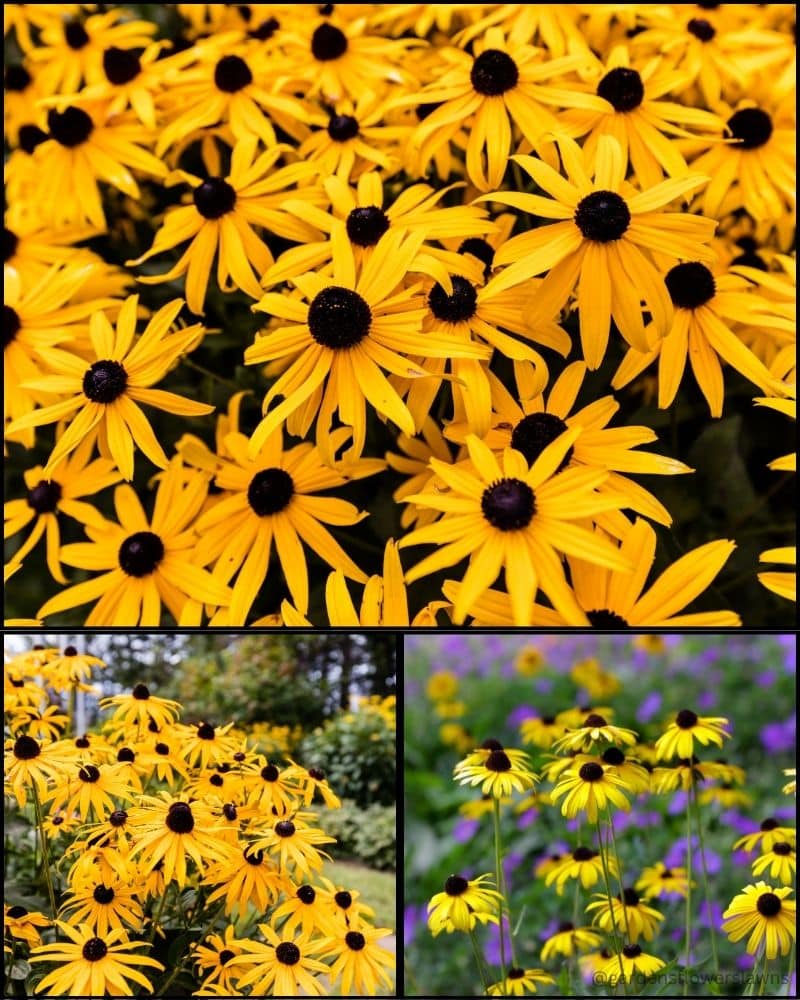
- Cheerful golden-yellow daisies with dark chocolate centers that light up the garden from midsummer into early fall.
- Sturdy, long-lived, and easygoing — they thrive in full sun to part sun and handle a wide range of soils once established.
- Pollinator favorites that bring butterflies and bees while adding a bright, happy vibe.
Black-eyed Susans have that sunny, optimistic look that makes even the hottest Louisiana summer feel more bearable. They’re tough, low-drama plants that deliver big impact without asking for much in return.
Care tip: Cut spent flower stems back in late summer to encourage a fresh flush of blooms and a tidier appearance heading into fall.
3. Gaura (Oenothera lindheimeri)
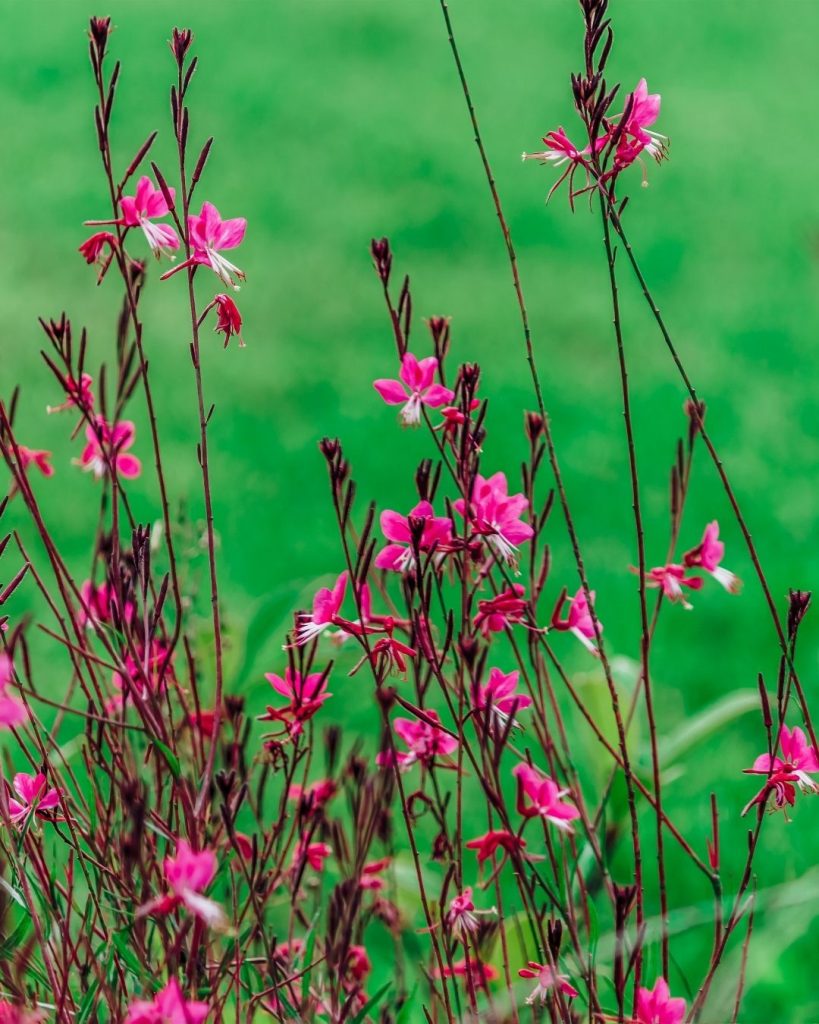
- Delicate, butterfly-like white or pink flowers dancing on tall, wiry stems for a soft, airy texture from late spring through fall.
- Native-adapted and versatile — they handle different soils and sites while tolerating both drought and high humidity.
- Graceful movers in the breeze that add lightness and movement without looking fragile.
Gaura brings elegant movement and softness to the landscape while proving surprisingly rugged in Louisiana’s challenging conditions. It looks almost too delicate to survive our summers, yet it thrives with minimal intervention.
Care tip: Cut the plant back by about half in early spring to encourage fresh, compact growth and better branching.
4. Louisiana Irises (Iris spp.)

- Classic bold spring flowers in rich shades of purple, blue, gold, and more — a true Louisiana icon.
- Proven Super Plant performers with a strong track record across the state.
- Perfect for moist or low areas where many other perennials struggle.
Louisiana irises feel like they belong here for good reason. In the right spot, they’re distinctive, tough, and far easier than their showy blooms suggest.
Care tip: Plant the rhizomes shallowly and divide every few years after flowering to maintain vigor and prevent overcrowding.
5. Muhly Grass (Muhlenbergia capillaris)
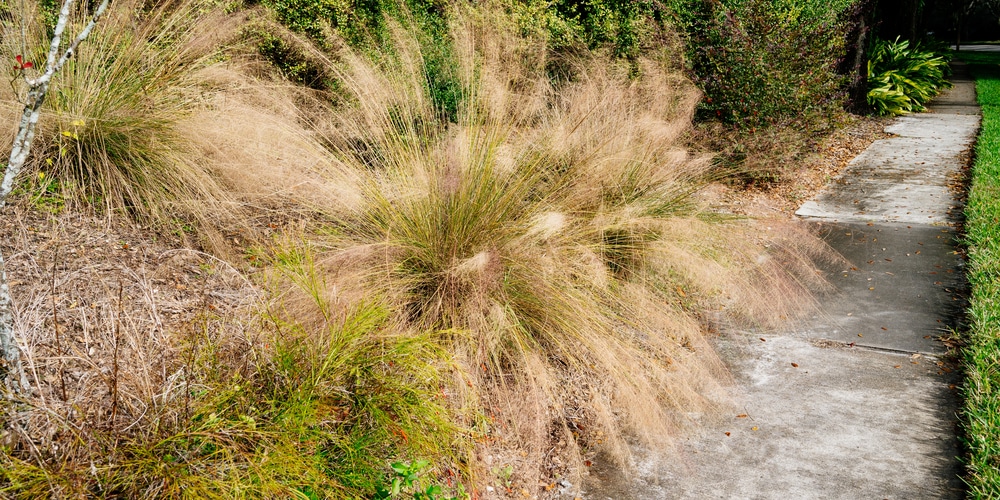
- Soft, fluffy pink blooms that create a dreamy cloud-like effect in fall.
- Brings graceful movement and airy texture even when not in bloom.
- Louisiana Super Plant that performs beautifully across the state.
Muhly grass makes any Louisiana landscape look special with very little work. It stays attractive year-round and then puts on a spectacular pink show that feels far fancier than the effort required.
Care tip: Leave the foliage standing through winter for structure, then cut it back hard in late winter or early spring before new growth emerges.
6. Purple Coneflowers (Echinacea purpurea)
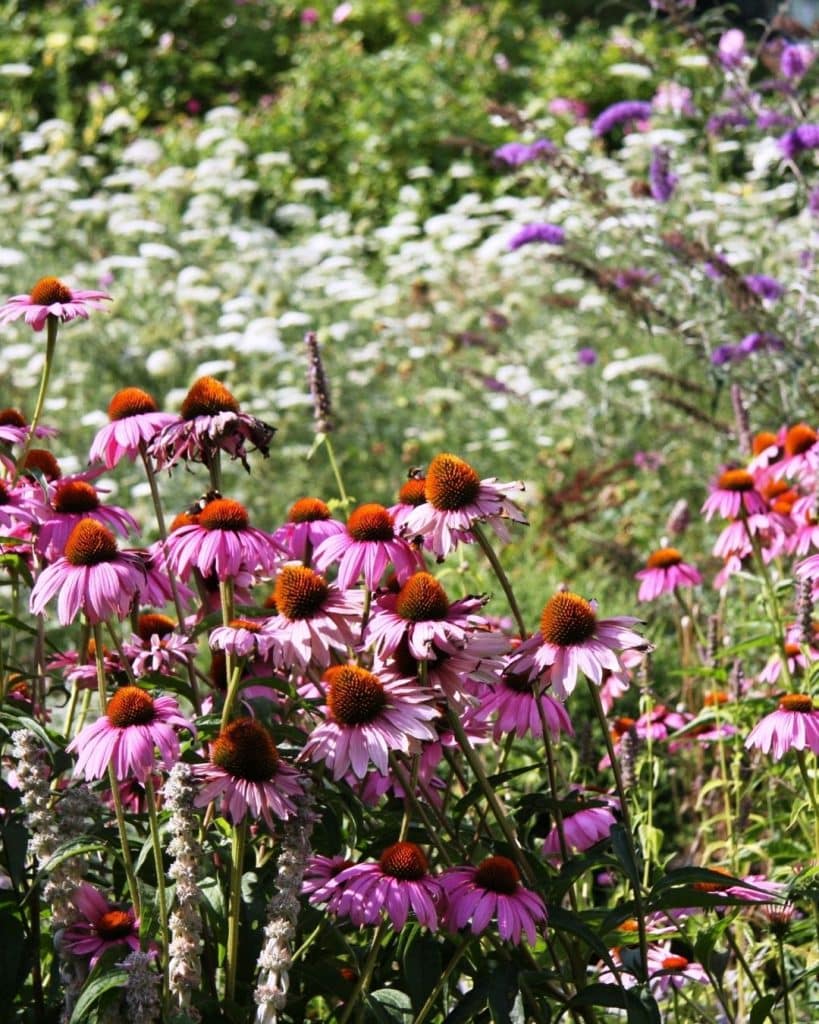
- Classic daisy-like purple or white flowers with prominent cones that bloom through summer.
- Easy natives that do well in full sun to part sun and ordinary garden soil.
- Sturdy and low-drama — they bring reliable color with almost no complaints.
Purple coneflowers earn their spot with simple, sturdy good looks and solid performance through Louisiana summers. Sometimes the classics are classics for a very good reason.
Care tip: Deadhead spent blooms to encourage more flowers, or leave a few for the birds to enjoy the seeds in fall.
7. Tickseeds (Coreopsis lanceolata)
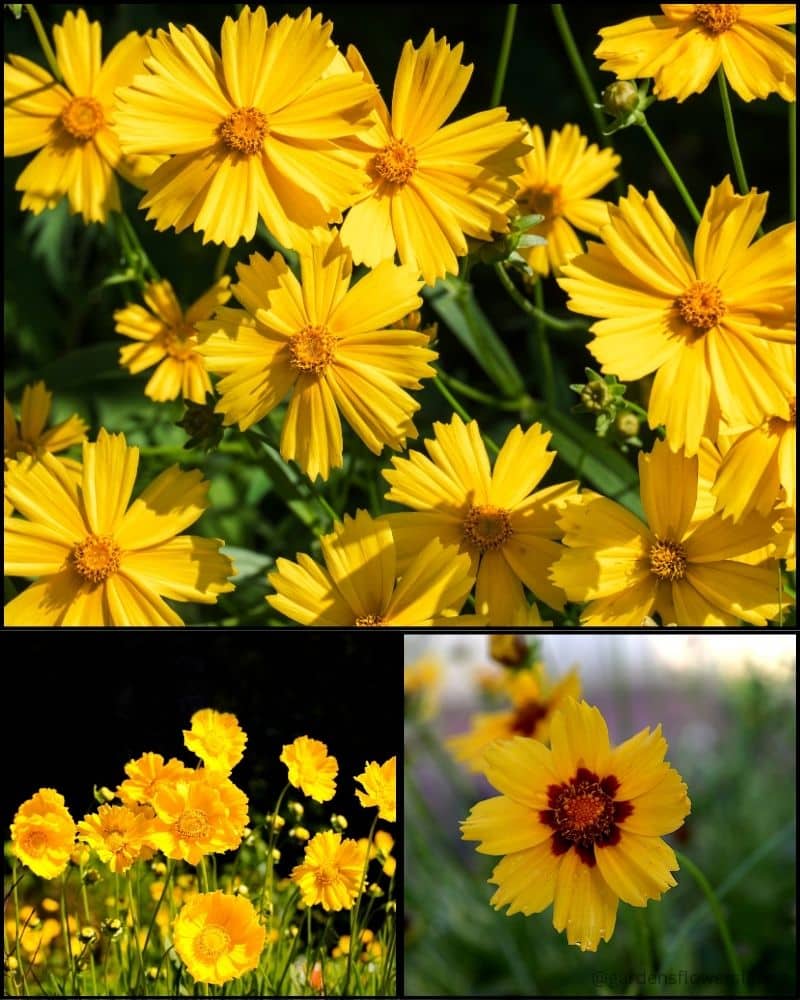
- Bright yellow, gold, or mahogany daisy-like flowers that bring sunny wildflower energy.
- Super easy to grow from seed and happy in full sun to part sun.
- Perfect for a natural, carefree look that feels right at home in Southern gardens.
Tickseeds bring that bright, easygoing wildflower spirit that works wonderfully in Louisiana beds. Once established, they need almost no pampering to keep things cheerful.
Care tip: Shear the plants back by about one-third after the first heavy bloom to encourage a strong second flush.
8. Hardy Hibiscus (Hibiscus moscheutos)

- Plate-sized blooms in dramatic shades that appear from early to late summer.
- Reliable and spectacular once established in full to part sun.
- Tropical-looking but surprisingly tough in Louisiana conditions.
Hardy hibiscus brings wow-factor flower size that stops people in their tracks. It looks almost tropical, yet it’s perfectly at home in our hot, humid summers.
Care tip: Cut stems back to the ground in late winter — new shoots emerge reliably each spring.
9. Bee Balms (Monarda spp.)
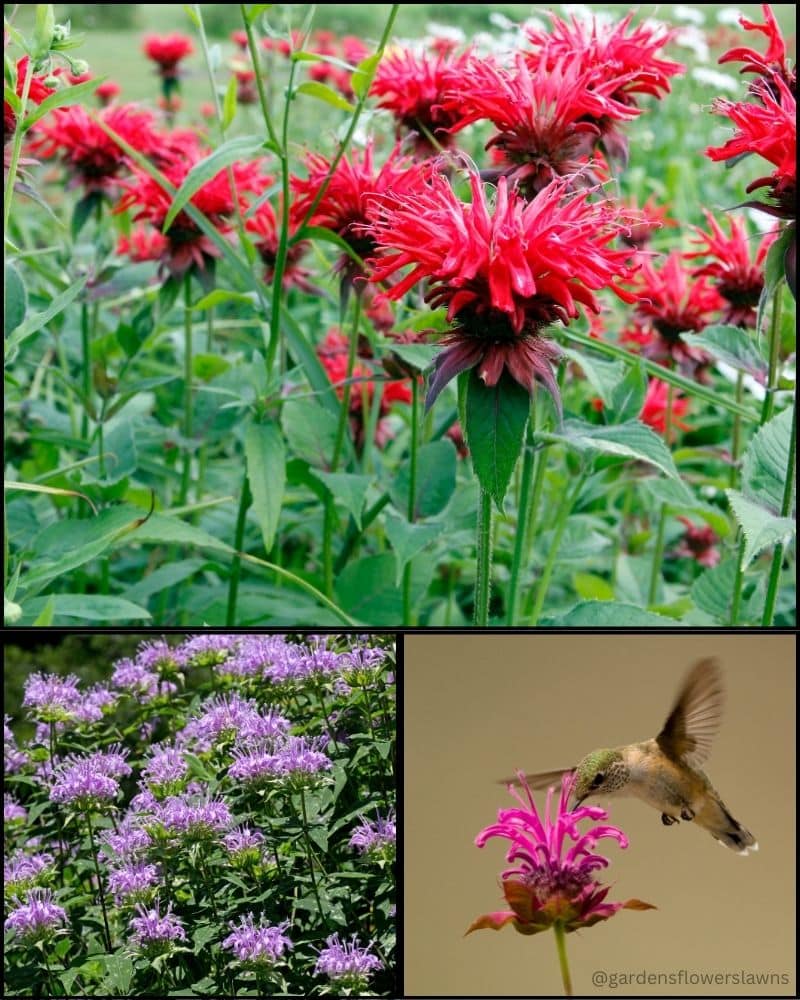
- Aromatic foliage topped with shaggy flower heads in pink, rose, and purple tones.
- Can rebloom nicely if cut back after the first flush.
- Happy in full to part sun with enough space to spread.
Bee balms add a lively, old-fashioned personality to the garden without the high maintenance you might expect. They bring color, scent, and plenty of pollinator activity.
Care tip: Provide good air circulation and divide every 3 years to reduce powdery mildew risk in humid summers.
10. Wild Ageratum (Eupatorium coelestinum)

- Soft lavender-blue fluffy flower clusters that shine mainly in fall.
- Native and very easy to grow in full sun to part shade.
- Quietly hardworking with a relaxed, natural look.
Wild ageratum is one of those effortless natives that quietly gets a lot done. It brings soft late-season color and handles Louisiana conditions like a champ.
Care tip: Cut it back in early spring to control spread and encourage bushier growth.
11. Narrow-Leaf Sunflowers (Helianthus angustifolius)

- Masses of golden yellow flowers that brighten the garden in fall.
- Native wildflower with excellent late-season color and presence.
- Thrives in full to part sun with room to spread.
When fall arrives, narrow-leaf sunflowers can carry the whole garden with their big, cheerful display. They help the season go out with a bang.
Care tip: Give them plenty of space or plan to divide every few years — they can spread enthusiastically.
12. Louisiana Ruellias or Wild Petunias (Ruellia brittoniana)

- Very long bloom season from spring well into early winter.
- Extremely easy and reliable in Louisiana heat and humidity.
- Available in lavender-blue, white, or pink forms.
Wild petunias might be one of the most easygoing perennials on this list. They just keep blooming and blooming while taking the heat in stride.
Care tip: Cut back hard in early spring if they get leggy, and remove any unwanted seedlings to control spread.
13. Red-Hot Pokers (Kniphofia uvaria)

- Tubular flowers in shades of yellow, gold, orange, and red that add bold vertical interest.
- Carefree once established as long as they have excellent drainage.
- Bring strong shape and drama to sunny beds.
Red-hot pokers offer a bold, architectural look without demanding constant attention. They’re very satisfying in the right spot.
Care tip: Plant in well-drained soil or raised beds — they dislike wet feet, especially in winter.
14. Indian Pinks (Spigelia marilandica)

- Charming native for shady spots with bright red and yellow tubular flowers in spring.
- Great color in part shade to full shade where options are often limited.
- Delightful and low-care addition to woodland-style gardens.
Indian pinks prove that shade gardens don’t have to be boring. They bring real charm and bright color to darker corners.
Care tip: Keep the soil consistently moist (but not soggy) for best flowering and lush foliage.
15. Spiderworts (Tradescantia virginiana)

- Native wildflowers with purple, blue, rose, or pink blooms that open in the morning.
- Easy and adaptable in sun to part shade.
- Tolerate damp conditions better than many perennials.
Spiderworts are tougher than their soft-looking flowers suggest. They’re especially useful in spots that stay a bit moist.
Care tip: Shear back after the main spring bloom to encourage fresh foliage and a possible second flush of flowers.
16. Stokes Asters (Stokesia laevis)
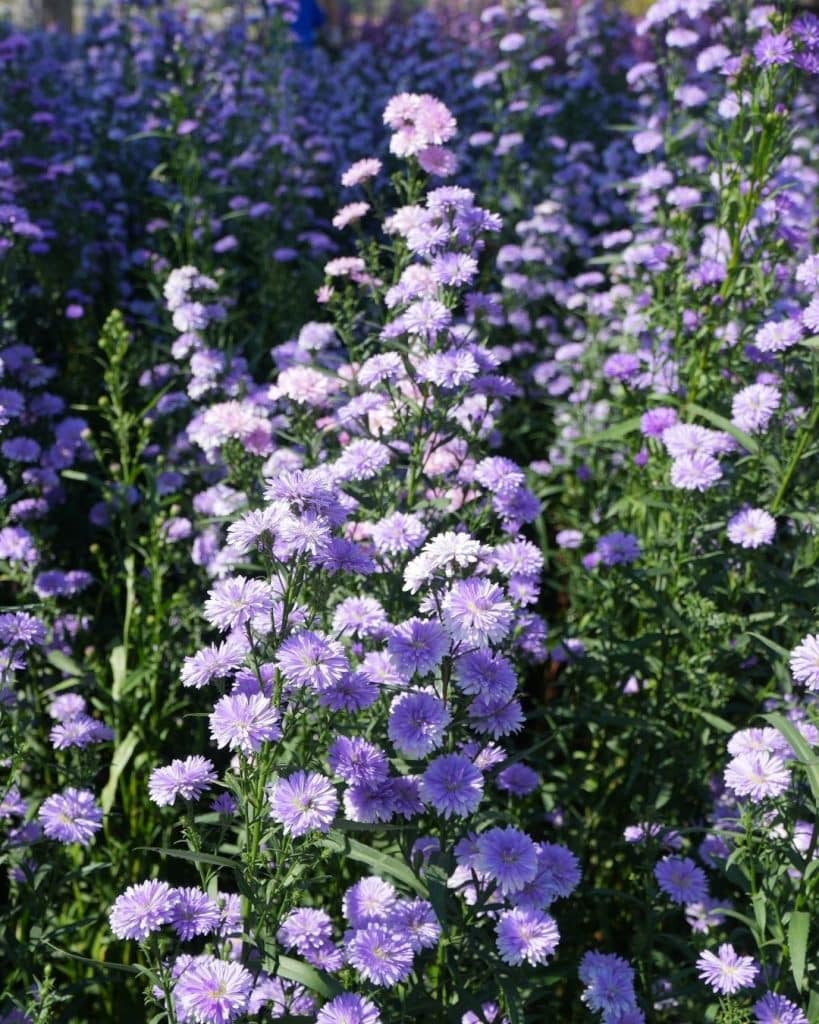
- Showy lavender-blue flowers in early to midsummer.
- Reliable, easy, and long-lived native with a more polished look.
- Performs well in full to part sun.
Stokes asters offer a neat, refined appearance that makes them especially useful in more structured beds. They carry early summer beautifully with little fuss.
Care tip: Deadhead regularly to extend bloom time and keep the plant looking tidy.
17. Goldenrods (Solidago spp.)
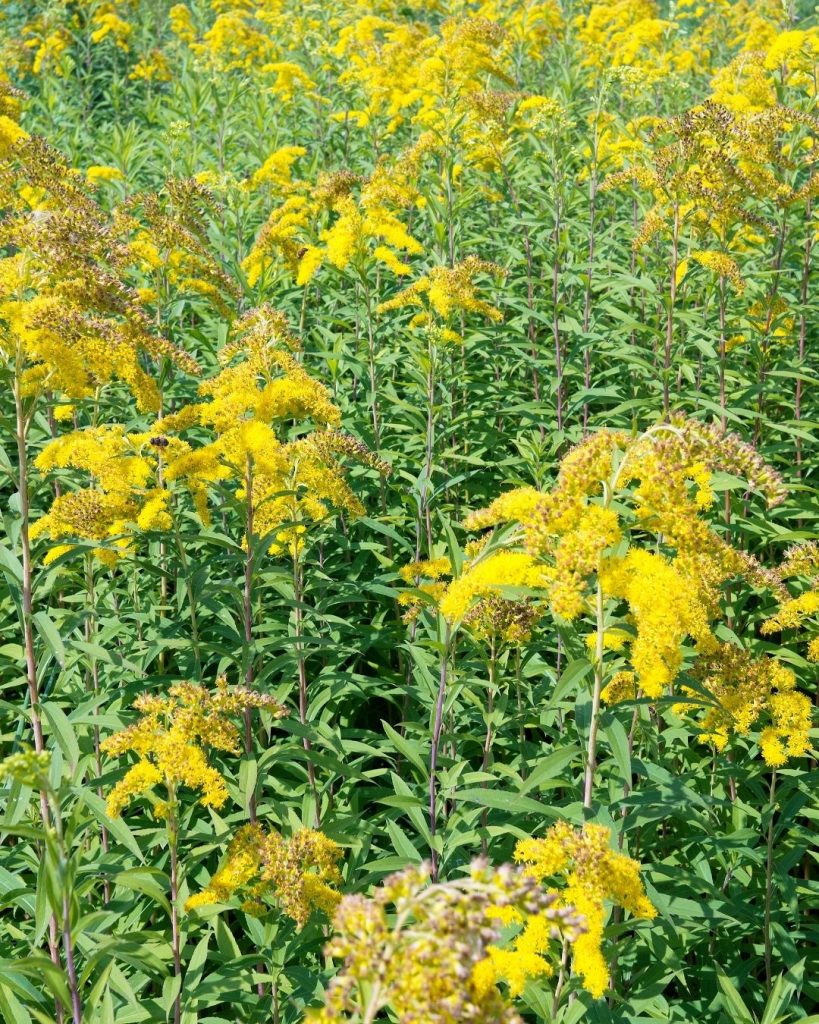
- Tough native perennials with golden spikes from late summer into fall.
- Excellent for late-season color when many plants are fading.
- Do not cause hay fever (blame ragweed instead!).
Goldenrods are one of the easiest ways to finish the gardening season strong. They prove that late color doesn’t have to come from delicate plants that melt in Southern heat.
Care tip: Cut back in late winter and divide every 4–5 years if clumps become too large.
18. Louisiana Super Plant Salvias (Salvia spp.)

- Repeatedly chosen by LSU as top performers for Louisiana gardens.
- Long bloom periods and excellent heat tolerance make them landscape stars.
- Dependable workhorses that keep delivering color month after month.
Louisiana Super Plant salvias have already proven themselves in real gardens across the state. They offer repeat blooms and reliability that makes them worth planting again and again.
Care tip: Deadhead or shear lightly after bloom spikes fade to encourage fresh flowers and a compact shape.
How to Choose & Plant These Perennials in Louisiana
Plant in spring or fall when temperatures are milder. Amend heavy clay soils with compost for better drainage and root establishment.
Water deeply but infrequently once plants are settled in — most of these are quite drought tolerant after the first year.
Group plants with similar sun and moisture needs for easier care and better visual impact. For continuous color, mix early, mid, and late bloomers from the list above.
Thank you so much for reading. We hope all of your gardening endeavors are home runs!