South Carolina gardens can be beautiful, but they can also be unforgiving. Between the heat, the humidity, sandy coastal soil in some places, and heavier clay inland, a plant has to be pretty tough to thrive without constant attention.
These 18 South Carolina-friendly perennials are up for the job, bringing reliable color, pollinator appeal, and strong garden performance without asking you to spend every weekend fussing over them.
Whether you are gardening near the coast, in the Midlands, or up toward the foothills, there is something here that can settle in and earn its keep.
Get ready to meet the toughest, most beautiful perennials that can keep a South Carolina yard looking lively year after year.
1. Swamp Milkweed (Asclepias incarnata)

- Native perennial with pink flower clusters and strong pollinator value.
- Excellent for wetter beds, rain gardens, and low spots.
- Attracts bees, butterflies, and hummingbirds.
Swamp milkweed is one of the smartest plants you can add if you want beauty and pollinator value in the same package.
It handles South Carolina moisture well, blooms with soft pink color, and helps turn a damp part of the yard into an asset instead of a problem.
Once it settles in, it does a lot of good without needing much babying.
2. Black-Eyed Susan (Rudbeckia hirta)

- Bright yellow flowers with dark centers.
- Thrives in full sun and average soil.
- Excellent easy-care wildflower look.
Black-eyed Susans are one of those plants that almost feel foolproof.
They bloom through the heat of summer, handle rough conditions well, and often reseed enough to keep the show going.
If you want cheerful color without extra work, they deliver.
3. Bee Balm (Monarda didyma)
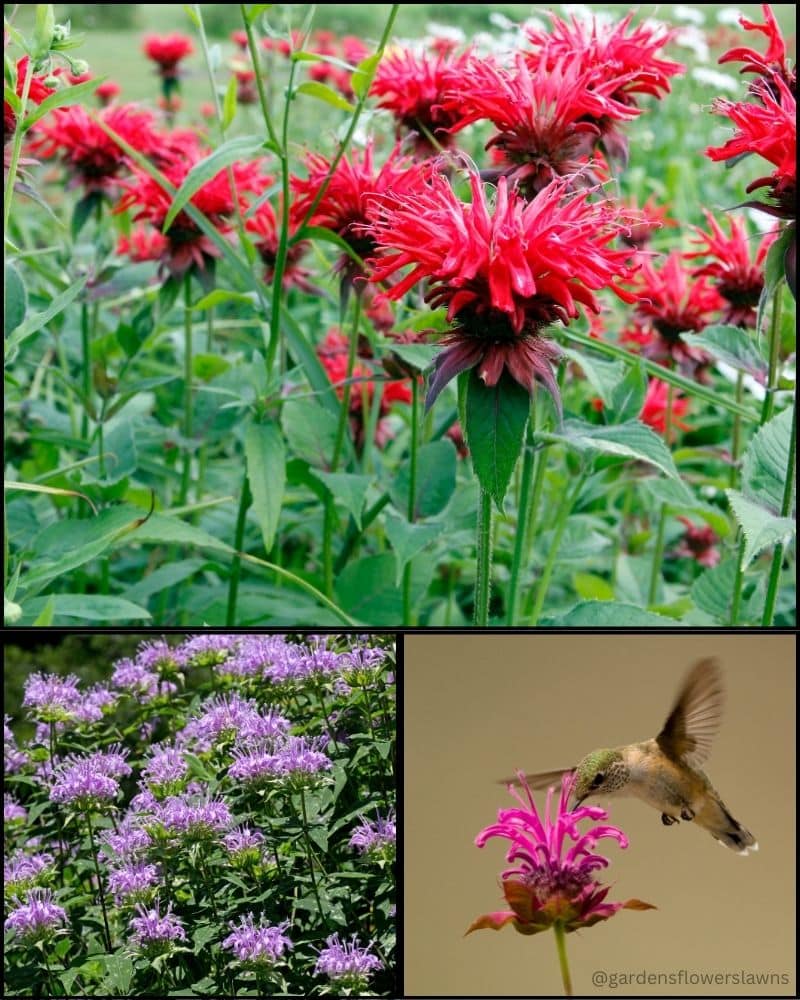
- Bold blooms that hummingbirds and bees love.
- Great for cottage gardens and pollinator beds.
- Best with sun and good airflow.
Bee balm gives a garden that lively, colorful look people always notice.
It shines in summer, attracts pollinators fast, and adds a little wild charm without being hard to grow.
Give it room to breathe, and it will reward you.
4. Coral Honeysuckle (Lonicera sempervirens)
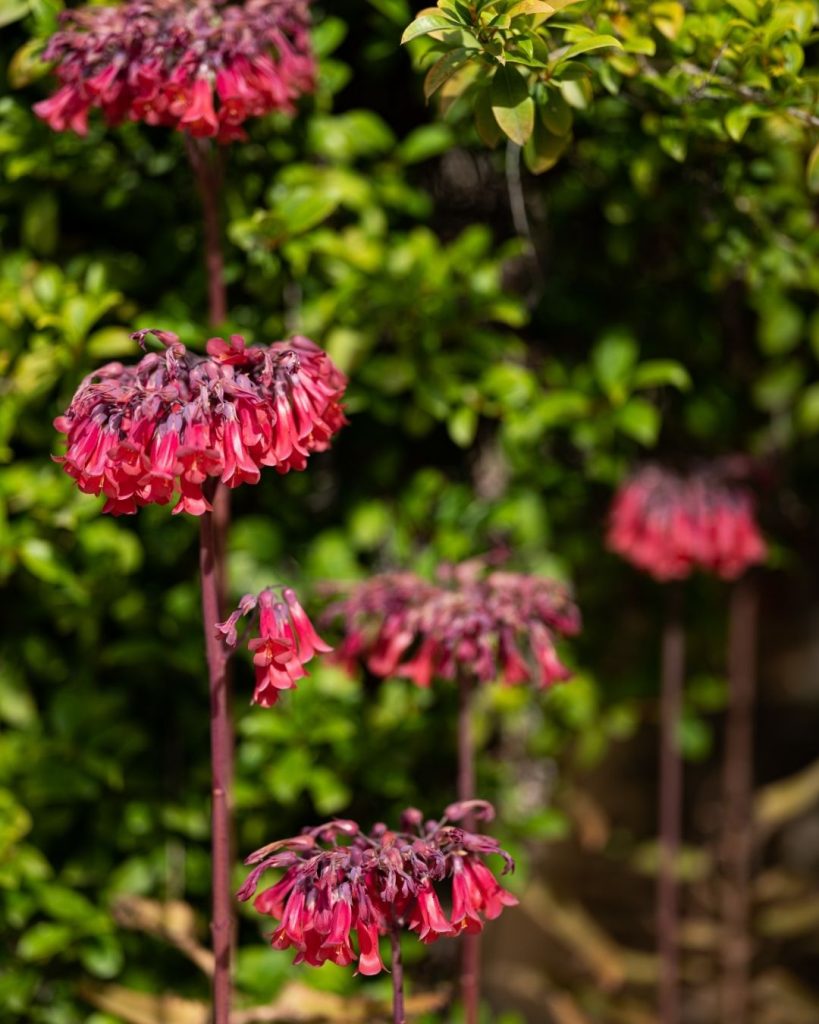
- Native vine with coral-red trumpet flowers.
- Excellent for fences, arbors, and trellises.
- Hummingbirds absolutely love it.
Coral honeysuckle gives you the beauty of a flowering vine without the headache of an aggressive problem plant.
It climbs, blooms well, and feels right at home in South Carolina landscapes where hummingbirds are part of the show.
Train it early, then let it do its thing.
5. Lyreleaf Sage (Salvia lyrata)
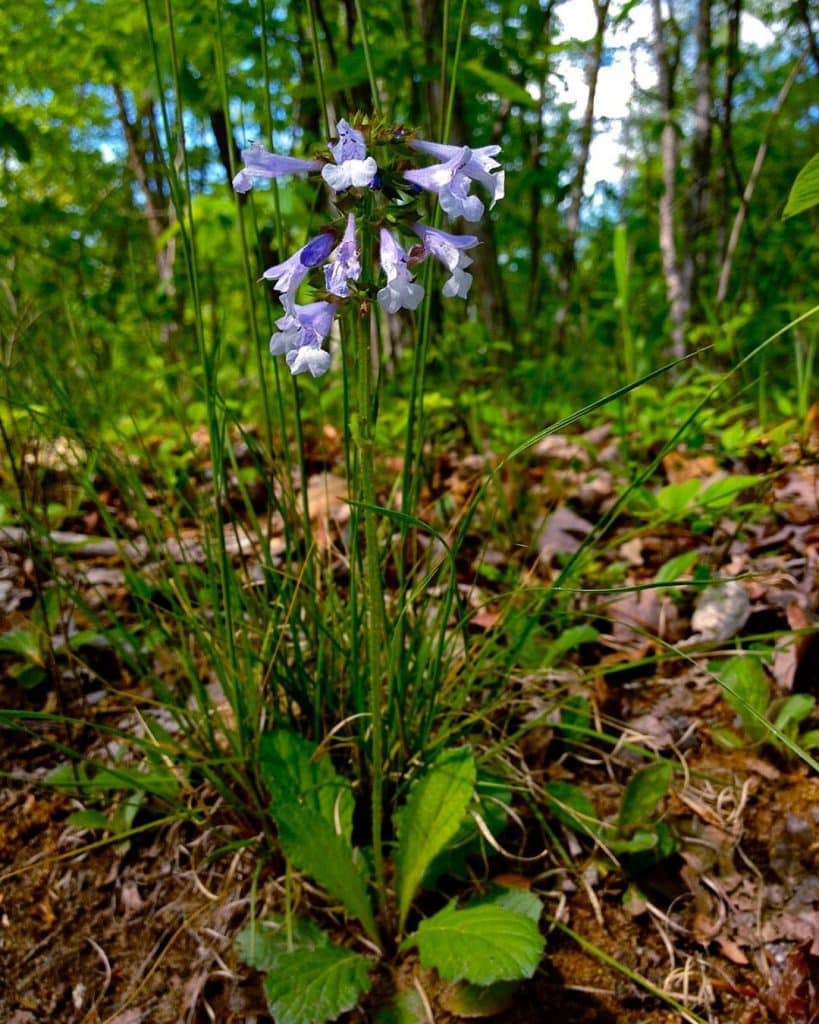
- Native perennial for sun to part shade.
- Tolerates heat, humidity, and some drought.
- Good low-maintenance option for naturalized spots.
Lyreleaf sage is the kind of quiet workhorse plant that earns its keep.
It is adaptable, easygoing, and useful in those parts of the yard where you want a native look without a lot of chores.
Once it gets settled in, it usually just keeps doing its job.
6. Muhly Grass (Muhlenbergia capillaris)
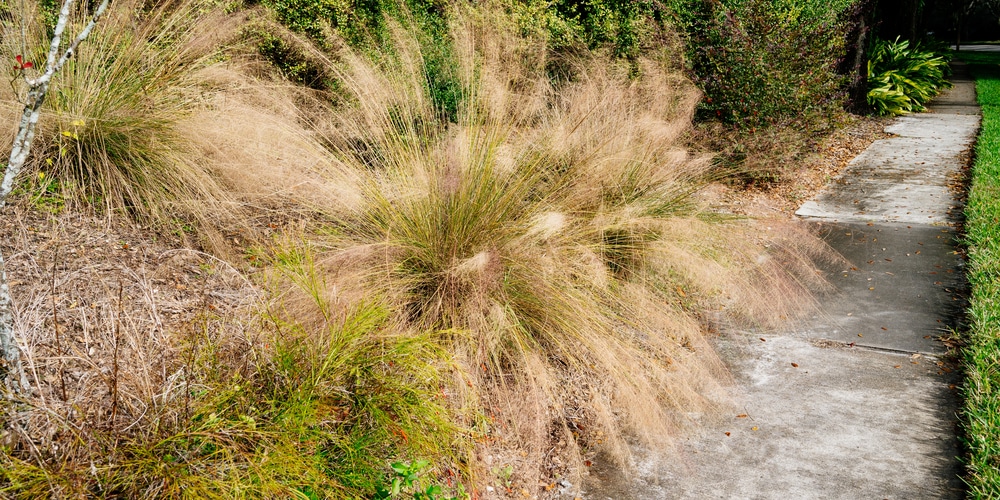
- Native grass with soft pink cloud-like blooms in fall.
- Handles heat, drought, and poor soil very well.
- Excellent for adding texture and movement.
Muhly grass is one of the easiest ways to make a South Carolina landscape look special.
It is tough through summer, low-maintenance once established, and then puts on a pink fall show that looks far more expensive than it is.
Plant it in groups and it really pays off.
7. Purple Coneflower (Echinacea purpurea)
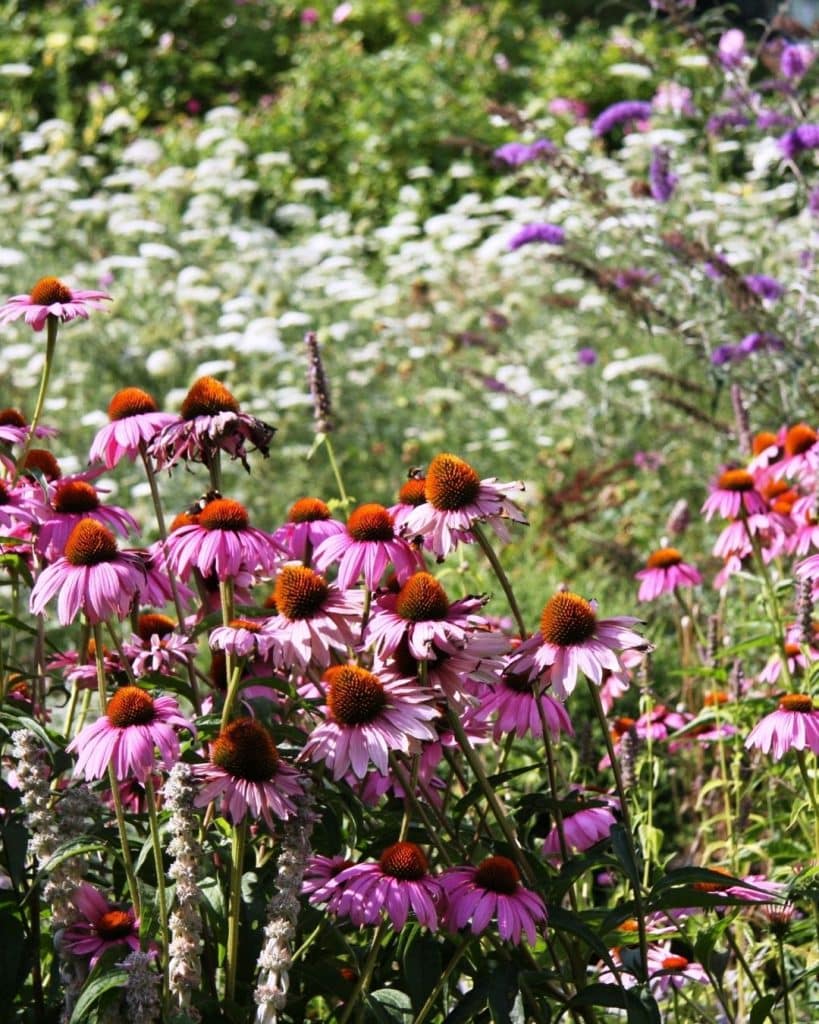
- Easy perennial with strong summer color.
- Pollinator magnet with bird-friendly seed heads.
- Reliable in sunny beds with good drainage.
Purple coneflowers still earn their place because they simply work.
They bloom for a long stretch, hold up well in heat, and keep the bed looking alive even after the petals are gone.
Sometimes a dependable classic is exactly what a yard needs.
8. Cardinal Flower (Lobelia cardinalis)
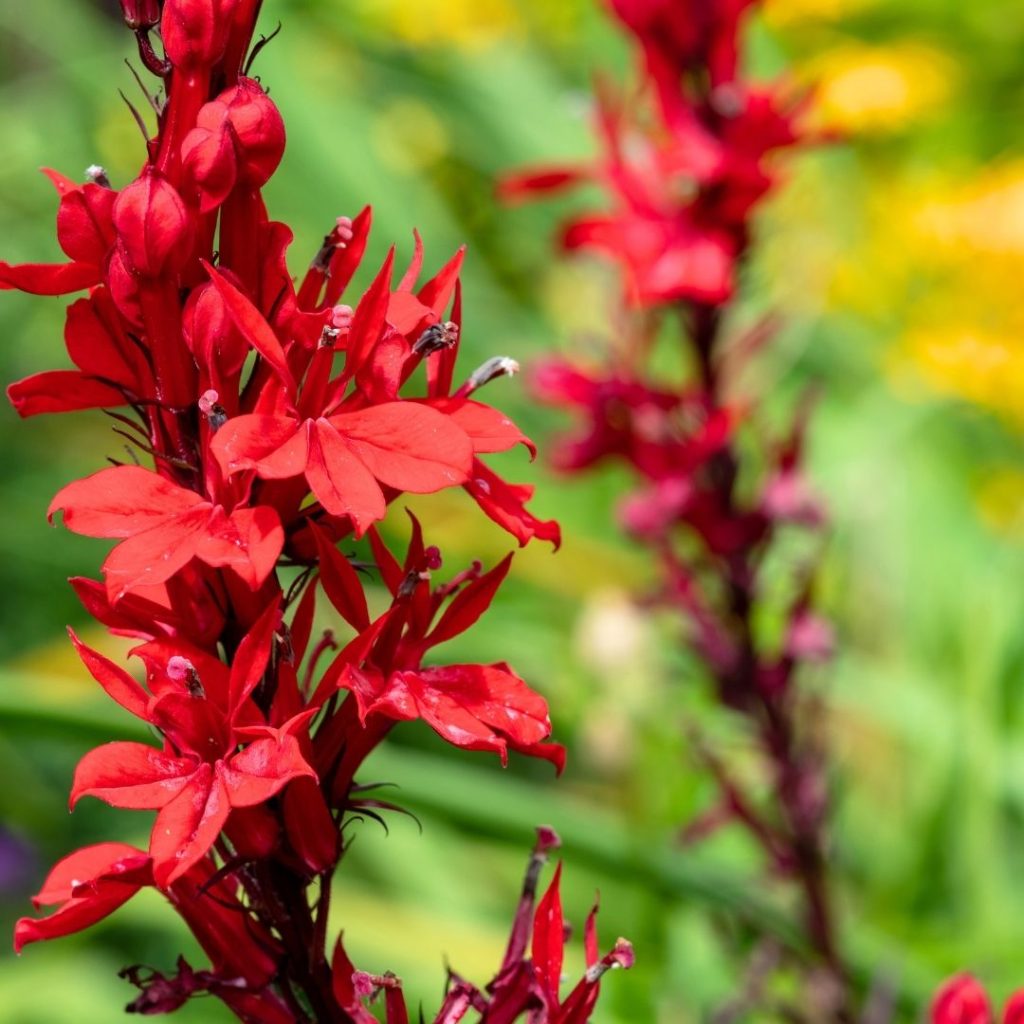
- Striking red blooms for moist spots.
- Excellent near ponds, streams, and rain gardens.
- Hummingbirds notice it fast.
The cardinal flower can make a damp area feel like a feature instead of a problem.
Its tall red blooms light up late summer and bring hummingbirds in close.
For wetter ground, it is one of the best color plants you can grow.
9. Joe-Pye Weed (Eutrochium dubium)
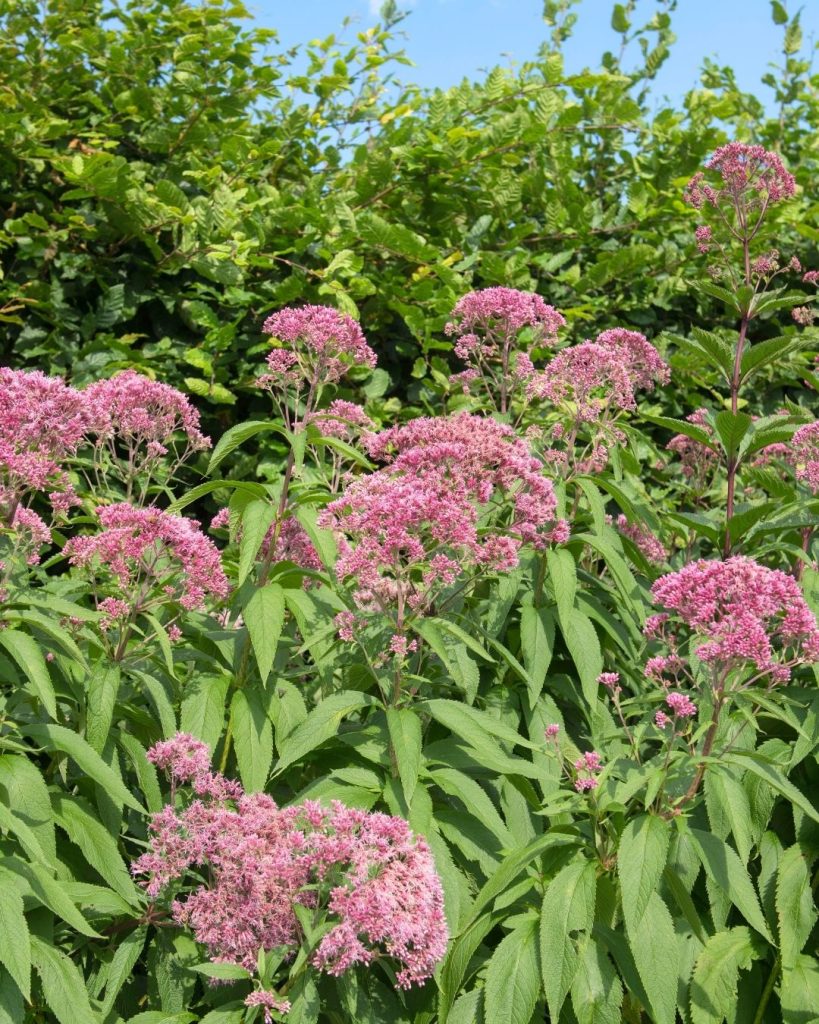
- Tall perennial with dusty pink flower clusters.
- Excellent for pollinator and rain gardens.
- Best in moist soil and sunny spots.
Joe-Pye weed is one of the best plants you can grow if you want butterflies everywhere.
It has a big presence, but it is easygoing in the right spot and brings late-season life to the yard.
When it blooms, the whole garden feels busier and more alive.
10. Wild Bergamot (Monarda fistulosa)
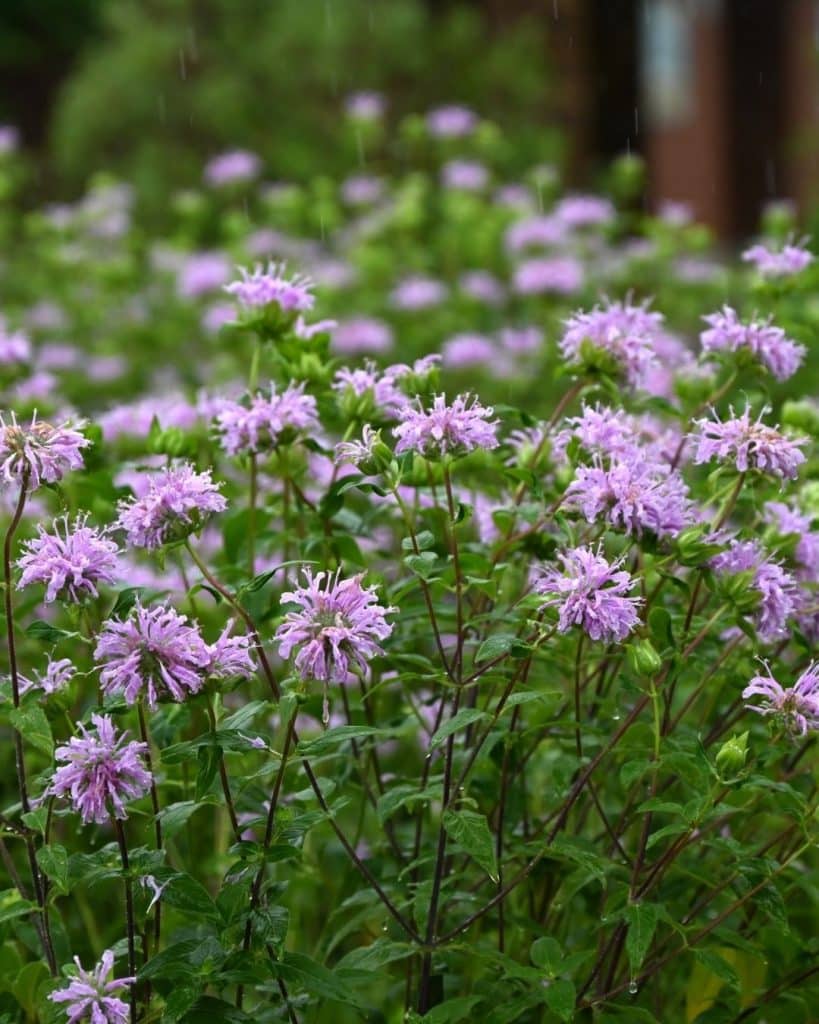
- Native perennial with lavender-pink blooms.
- Excellent for bees, butterflies, and native gardens.
- Handles South Carolina heat and average soils well.
Wild bergamot gives you that loose, natural meadow look without being hard to manage.
It brings pollinators in fast, blooms through summer, and fits beautifully into lower-maintenance plantings.
If you want a native flower that still looks showy, this is a good one.
11. Great Blue Lobelia (Lobelia siphilitica)
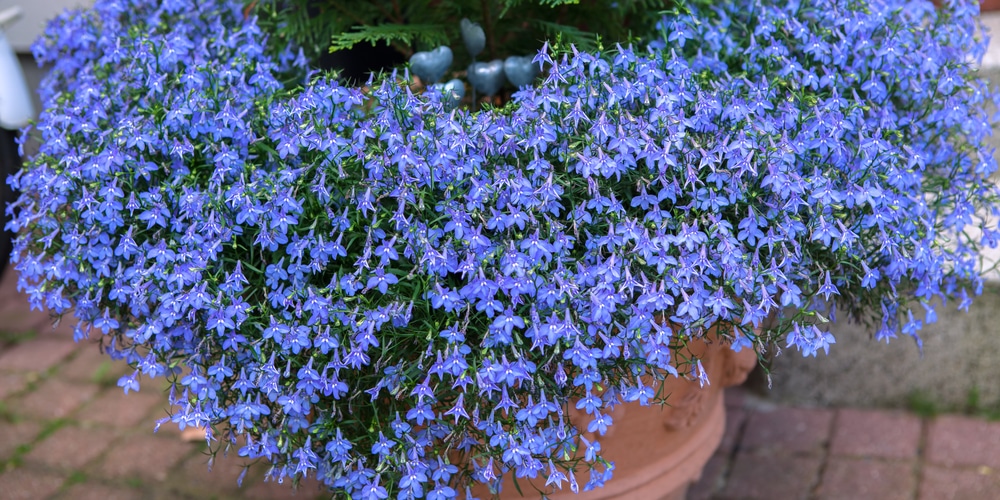
- Blue-flowering native for moist beds and borders.
- Great late-season pollinator plant.
- Excellent in rain gardens or near water.
Great blue lobelia gives you cooler color and easy native charm in one shot.
It helps extend the bloom season and fits naturally into moisture-loving plantings.
If you have a damp bed that needs something different, this one is worth it.
12. Blue Mistflower (Conoclinium coelestinum)
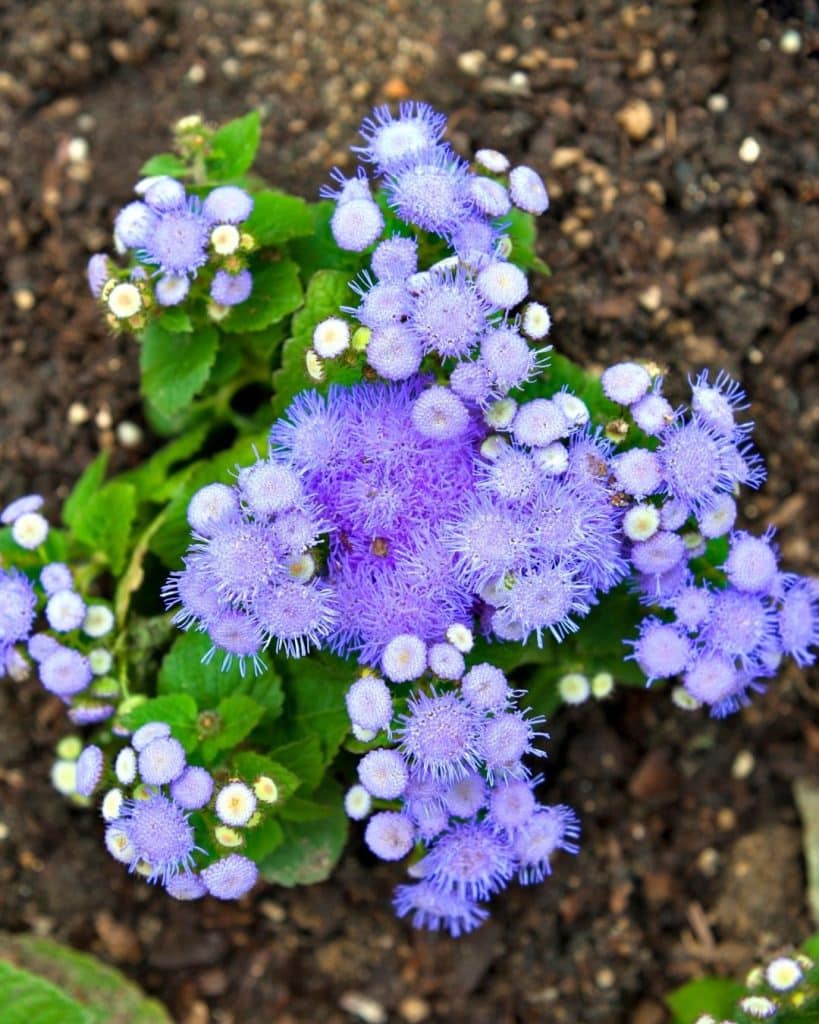
- Soft blue blooms that butterflies flock to.
- Excellent for sunny to partly shaded beds.
- Strong late-season color with an easygoing habit.
Blue mistflower is one of those plants that turns a garden busy in the best possible way.
Butterflies love it, the color stands out beautifully late in the season, and it looks right at home in a South Carolina pollinator bed.
If you want a softer blue tone that still works hard, this is a great pick.
13. Butterfly Weed (Asclepias tuberosa)
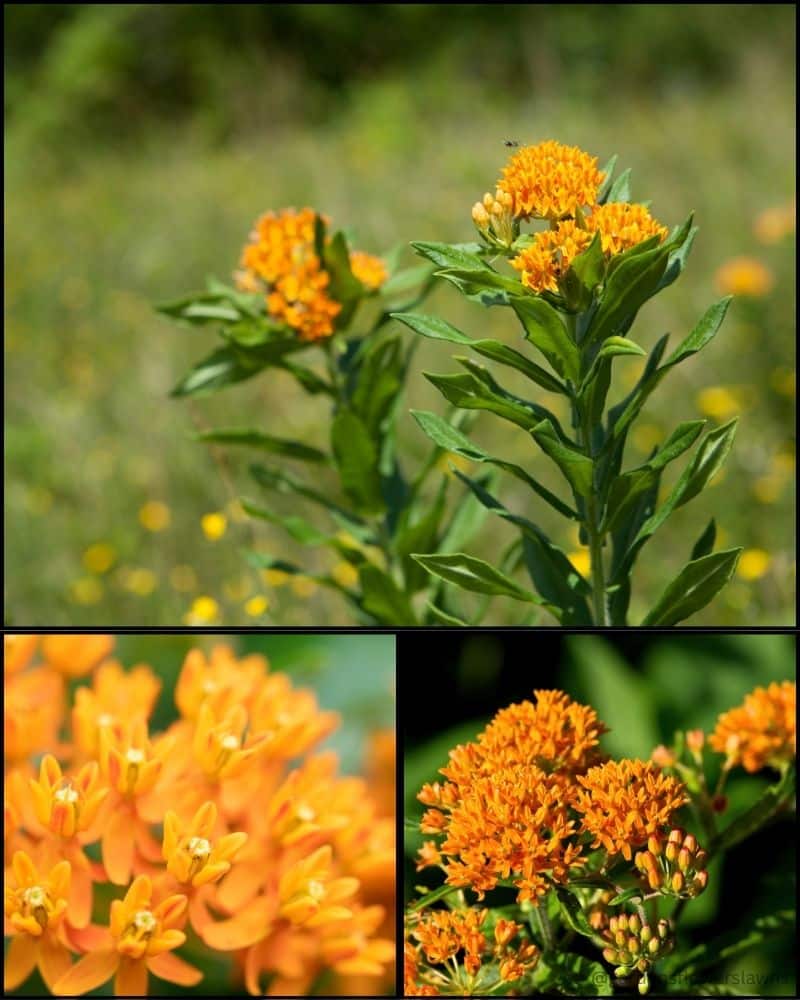
- Bright orange blooms that Monarchs love.
- Thrives in sunny, drier spots.
- Tough native perennial once established.
The butterfly weed is one of the best plants you can add if you want real pollinator value in a hotter, drier part of the yard.
It blooms with bold color, handles leaner soil, and gives you a native plant that still feels exciting instead of purely practical.
Once it gets going, it tends to make you look smarter than you are.
14. Yarrow (Achillea millefolium)
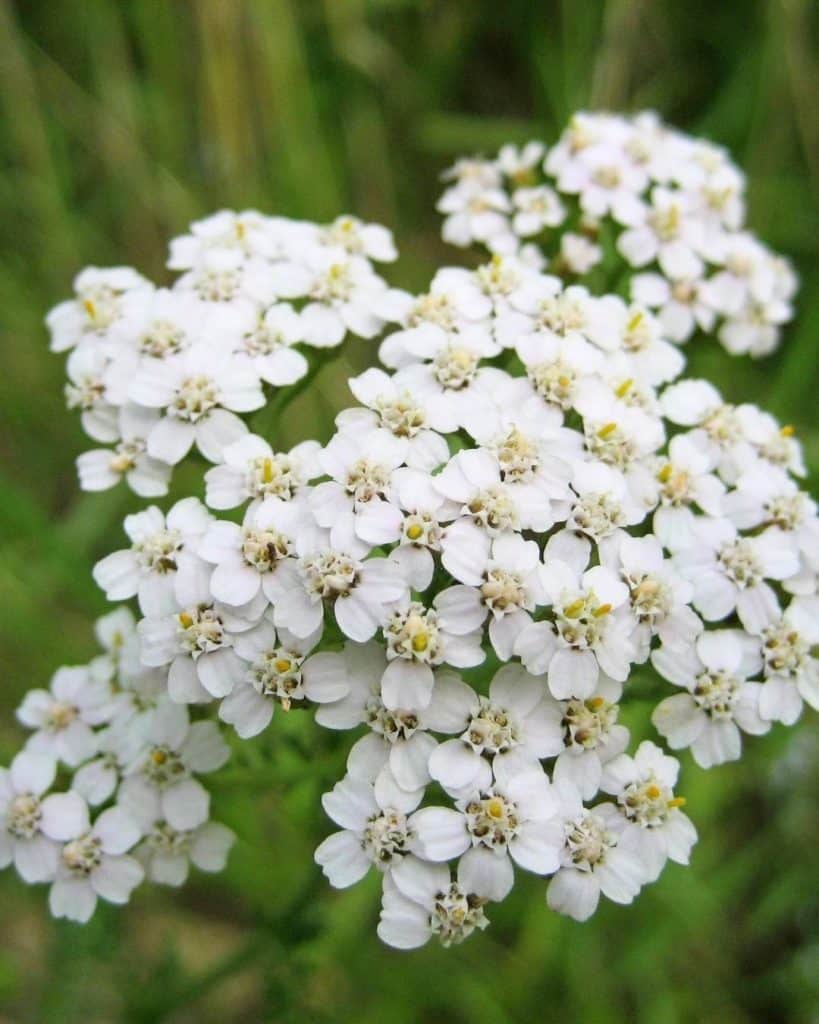
- Flat flower clusters that handle heat well.
- Strong choice for sunny borders.
- Easy-care and pollinator friendly.
Yarrow is a good choice when you want something sturdy and low-fuss.
It likes sun, handles heat well once established, and keeps a nice upright look instead of collapsing the minute summer gets serious.
For a hot border that needs dependable color, it is a useful plant.
15. Garden Phlox (Phlox paniculata)
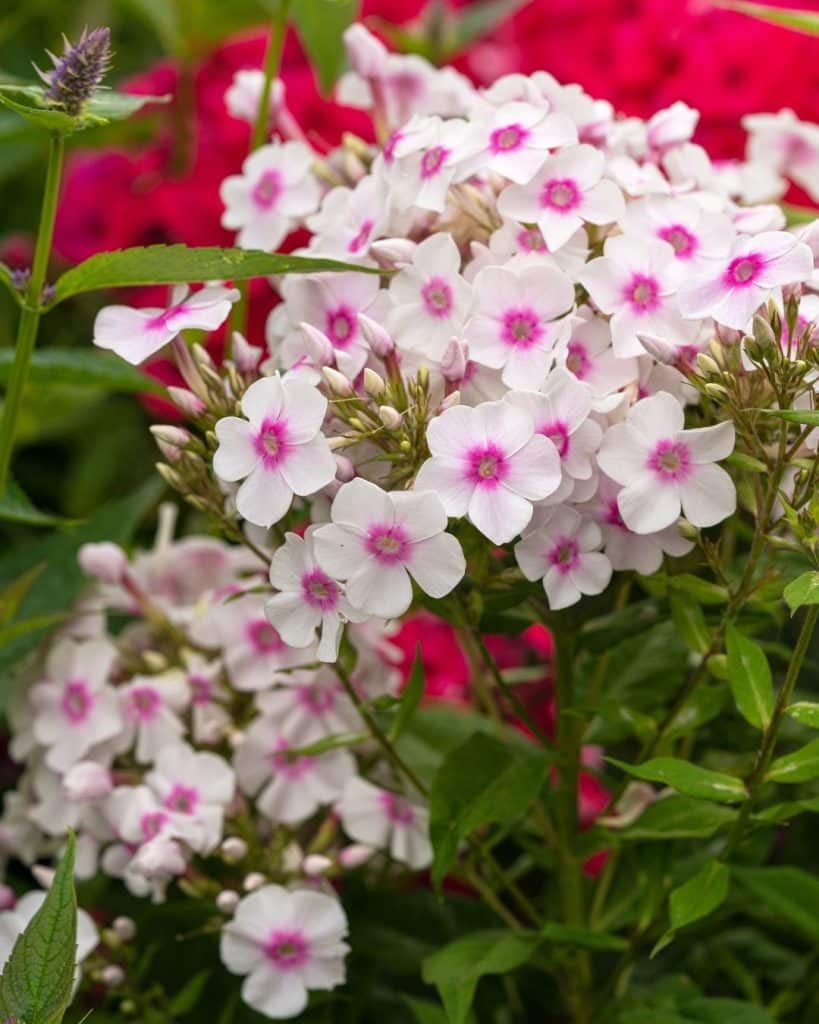
- Big summer flower clusters in pink, purple, and white.
- Excellent for borders and cottage-style beds.
- Attracts butterflies and hummingbirds.
Garden phlox gives a South Carolina garden that full, colorful look people love.
It brings height and bloom power in the middle of summer and mixes well with looser native plants and cleaner border plants alike.
Pick a good mildew-resistant type and it can really earn its space.
16. White Turtlehead (Chelone glabra)
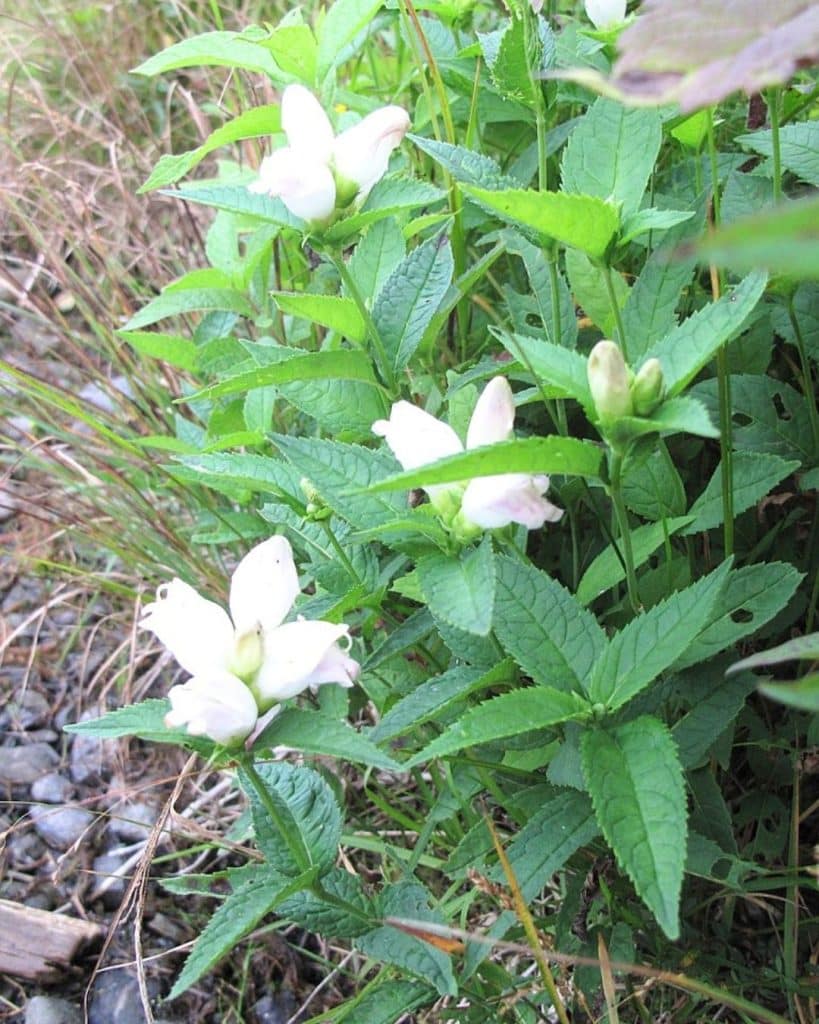
- White snapdragon-like blooms for moist ground and rain gardens.
- Useful in lower spots that stay damp.
- Strong native choice for wetter South Carolina yards.
The white turtlehead is a smart pick for gardeners dealing with moisture.
It holds up well, brings late-season bloom, and helps turn a soggy area into something that looks planned.
If your yard has a wetter corner, this plant can make it shine.
17. Goldenrod (Solidago spp.)
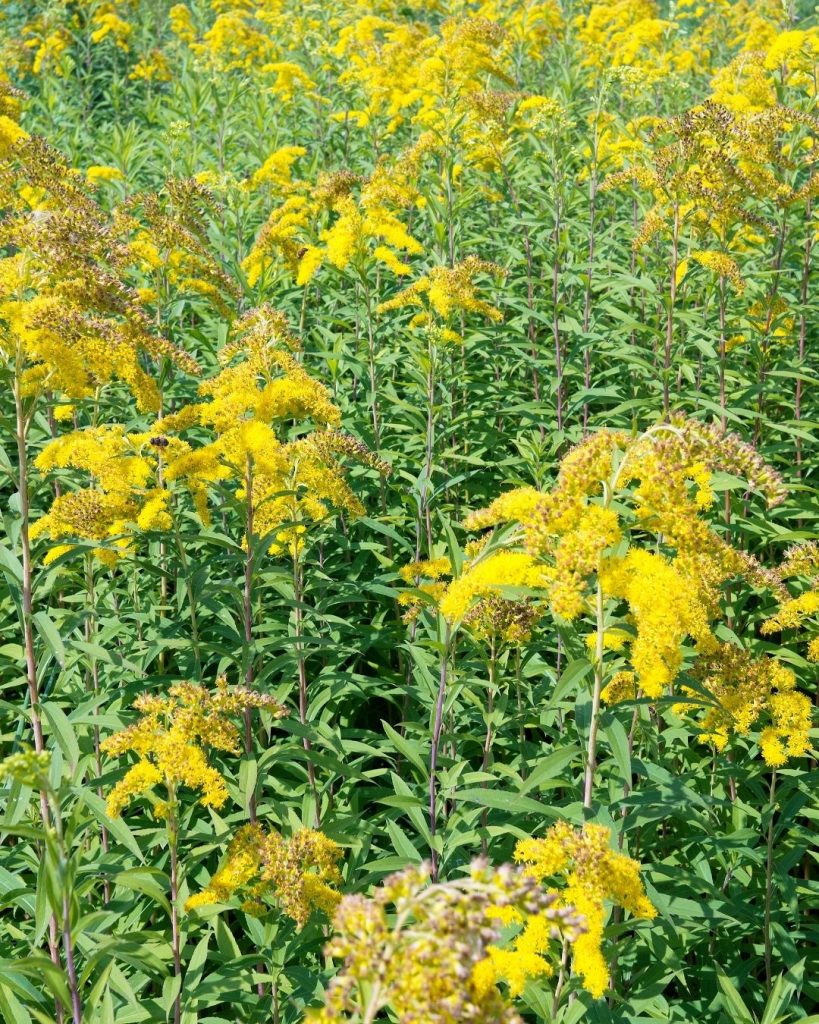
- Brilliant yellow late-season color.
- Excellent for pollinators and native-style gardens.
- Tough enough for a wide range of South Carolina conditions.
Goldenrods get blamed for allergies they usually did not cause, but in the garden they are stars.
They bloom late, feed pollinators, and bring a rich burst of yellow right when the season starts to soften.
If you want strong native color with very little fuss, they are hard to beat.
18. Asters (Symphyotrichum spp.)
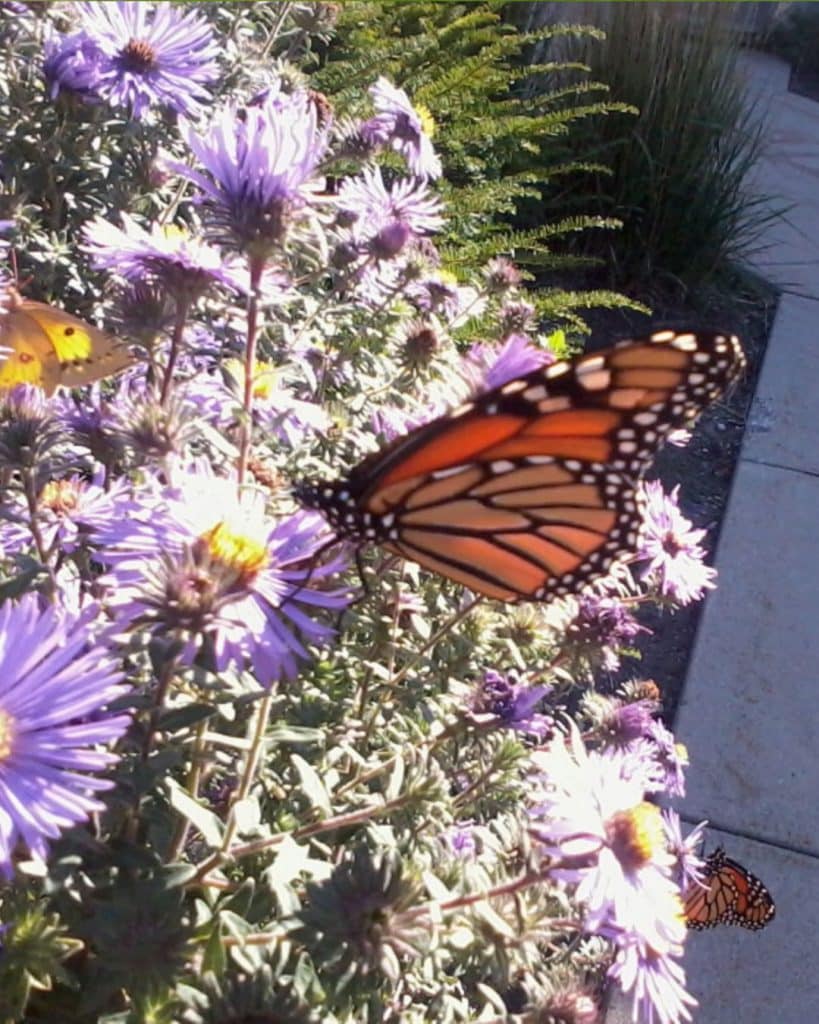
- Late-season purple, blue, pink, or white blooms.
- Excellent for pollinators when many flowers are fading.
- Strong finish for native and cottage-style gardens.
Asters are a perfect closer because they keep the garden going when summer is running out of steam.
They bring valuable late color, pollinators love them, and they help a South Carolina yard feel alive deeper into fall.
If you want the season to end strong instead of just fizzle out, this is the way to do it.
Thank you so much for reading. We hope all of your gardening endeavors are home runs!