Minnesota gardeners know a plant has to earn its place. If it cannot handle a long winter, a humid summer, and a little benign neglect, it usually does not last very long.
These 18 Minnesota-friendly perennials are tough enough for the job, bringing color, pollinator power, and strong garden structure without demanding constant watering, feeding, or fuss.
Whether you are gardening in the Twin Cities, farther north near the lakes, or down in the southern part of the state, there is something here that can settle in and pull its weight.
Get ready to meet the hardiest, most beautiful perennials that can keep a Minnesota yard looking alive year after year.
1. Golden Alexanders (Zizia aurea)

- Early yellow blooms that help kick off pollinator season.
- Native plant with strong wildlife value.
- Excellent for sun to part shade with average to moist soil.
Golden Alexanders are one of the smartest ways to make a Minnesota garden pop.
They bloom early, feed pollinators when not much else is going, and bring a clean splash of yellow that feels fresh after a long winter.
If you want the garden to wake up strong, start here.
2. Prairie Smoke (Geum triflorum)
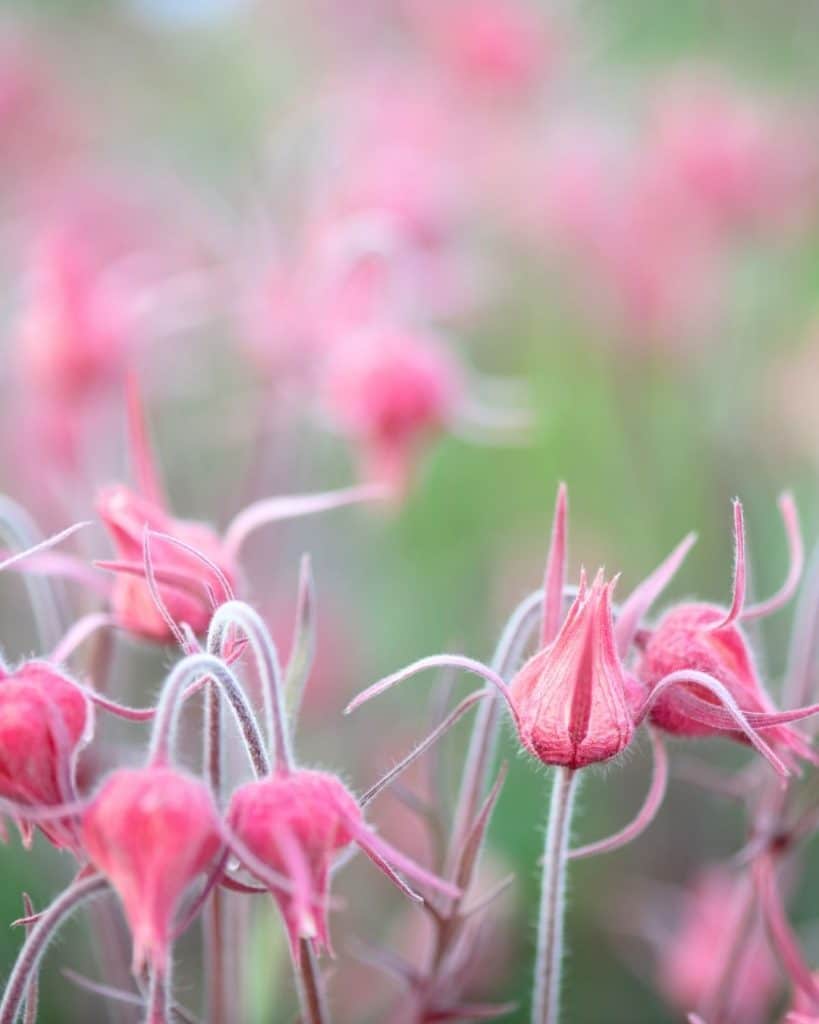
- Nodding pink flowers followed by feathery seed heads.
- Native perennial with real Upper Midwest character.
- Great for sunny to lightly shaded spots with decent drainage.
Prairie smoke has one of the coolest looks of any plant on a list like this.
The blooms are nice, but the smoky seed heads are what make people stop and stare.
It is a great way to add something that feels a little more regional and a lot less ordinary.
3. Foxglove Beardtongue (Penstemon digitalis)
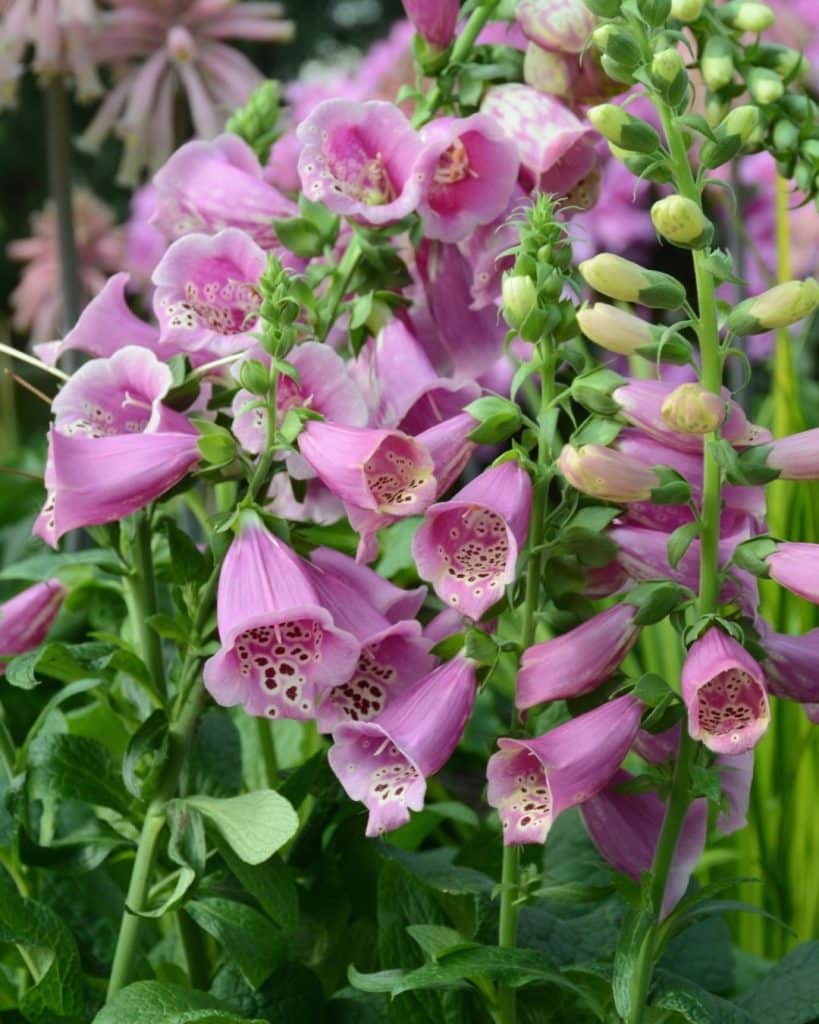
- Native perennial with upright white flower spikes.
- Important early-season pollinator plant.
- Tough enough for average soil and clay.
Foxglove beardtongue has that clean, upright look that fits almost anywhere.
It blooms early enough to matter, holds itself well, and gives bees a reason to show up before the garden really gets rolling.
If you like tidy native plants, this is a good one.
4. Wild Bergamot (Monarda fistulosa)
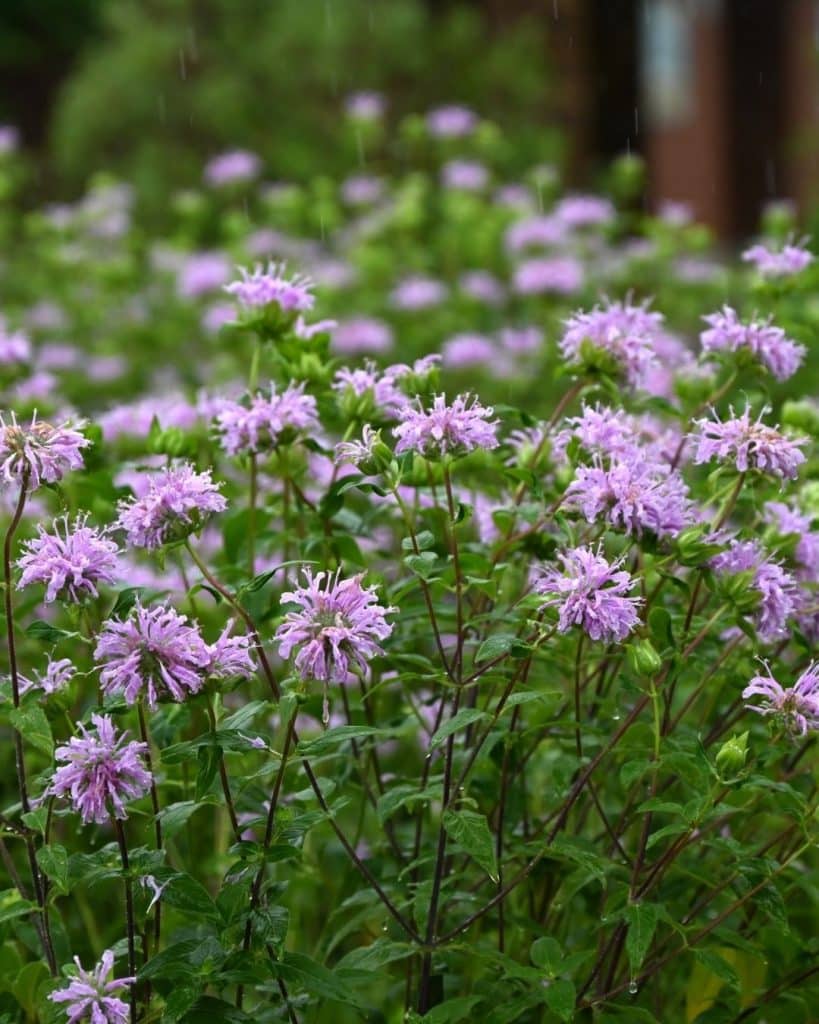
- Lavender-pink native blooms with a natural meadow look.
- Excellent for bees, butterflies, and lower-maintenance plantings.
- Handles Minnesota summer weather well.
Wild bergamot gives you that loose, native look without feeling messy.
It blooms well, brings in pollinators fast, and feels much more regionally right than a filler plant would.
For a sunny bed that wants to look relaxed but still intentional, it is a winner.
5. Purple Coneflower (Echinacea purpurea)
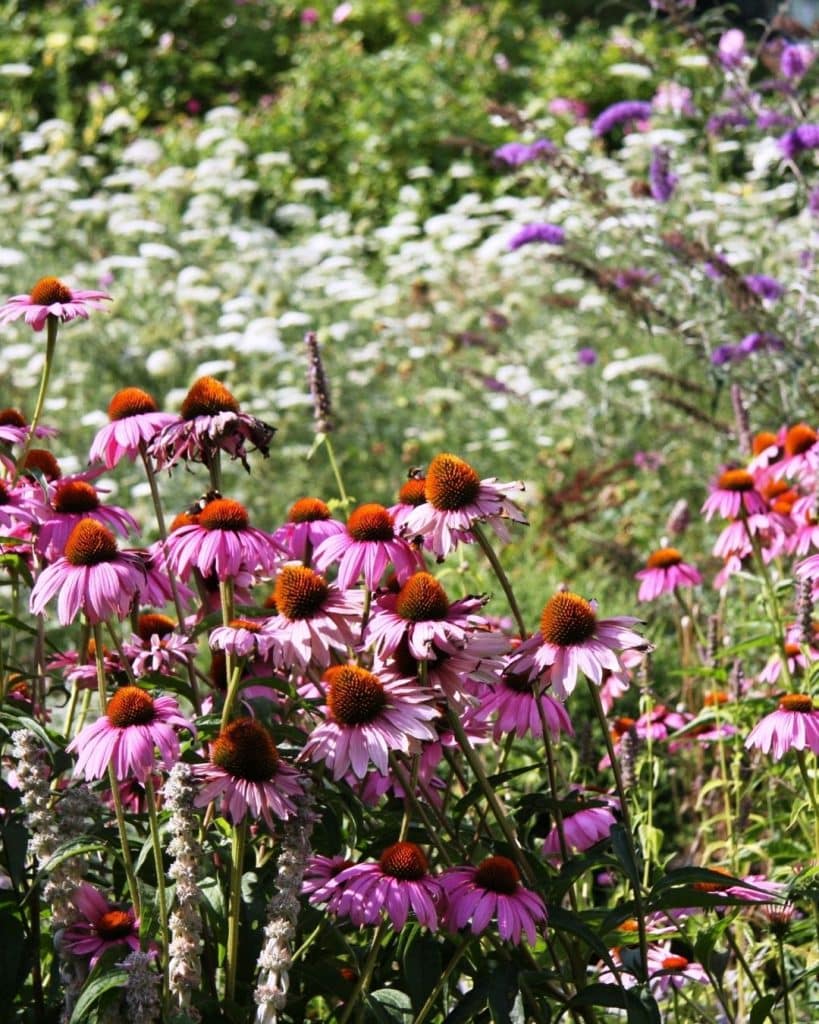
- Easy perennial with strong summer color.
- Pollinator magnet with bird-friendly seed heads.
- Reliable in sunny beds with decent drainage.
Purple coneflowers still deserve a spot because they simply work.
They bring color for a long stretch, hold up well, and keep the garden interesting even after the petals drop.
Sometimes, a proven plant is a proven plant for a reason.
6. Blazing Star (Liatris spicata)
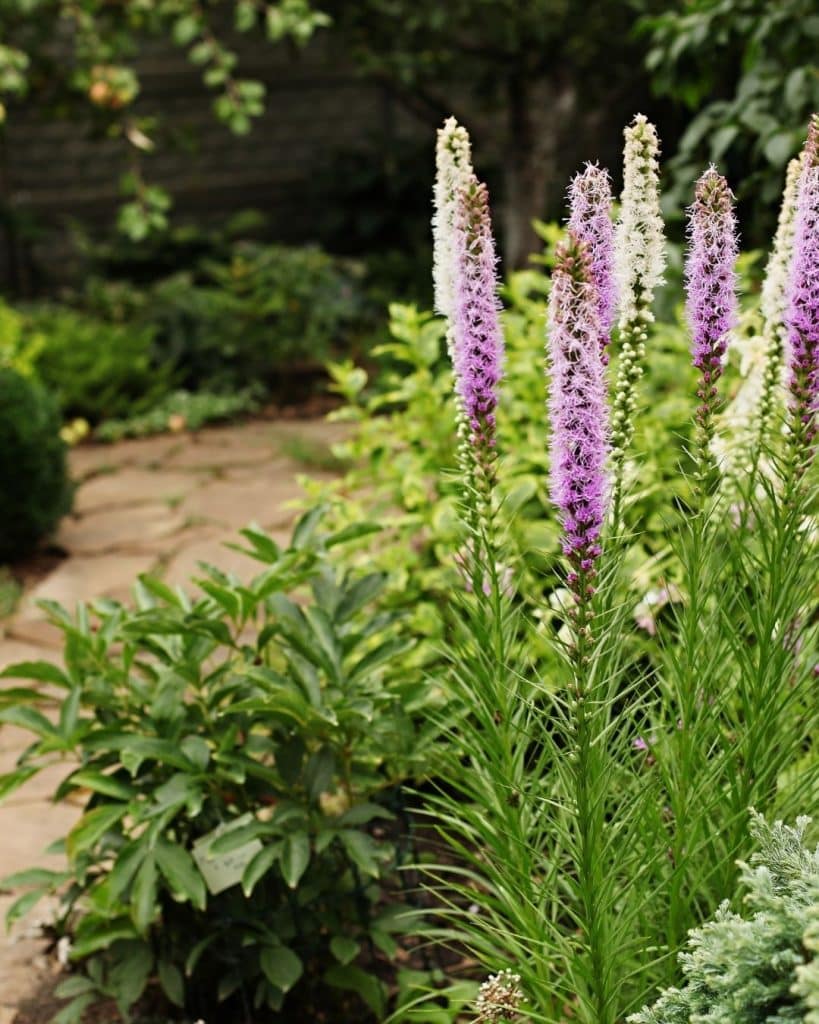
- Tall purple flower spikes with a strong vertical shape.
- Excellent pollinator plant.
- Great for meadows, borders, and native-style beds.
Blazing stars bring shape and movement to a planting in a hurry.
They bloom beautifully, draw in butterflies, and give a bed some height without making it feel heavy.
Mix them with rounder flowers and they really come alive.
7. Swamp Milkweed (Asclepias incarnata)
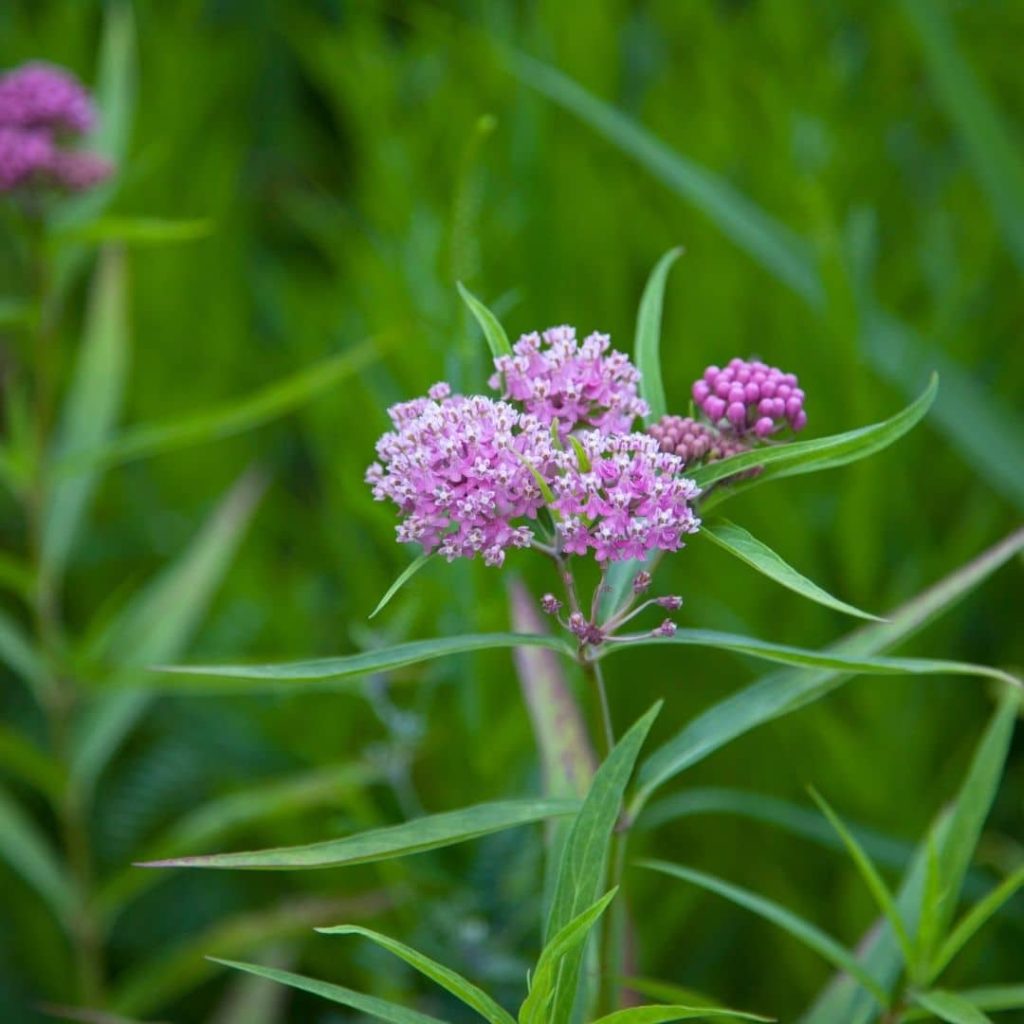
- Pink blooms with strong Monarch appeal.
- Excellent for rain gardens and lower spots.
- Native plant that handles moisture with ease.
Swamp milkweed is one of the best ways to make a wetter part of the yard feel useful instead of annoying.
It supports Monarchs, blooms with real presence, and fits beautifully into Minnesota-style rain garden thinking.
If you have a spot that stays a little damp, this is a smart plant to build around.
8. Joe-Pye Weed (Eutrochium dubium)
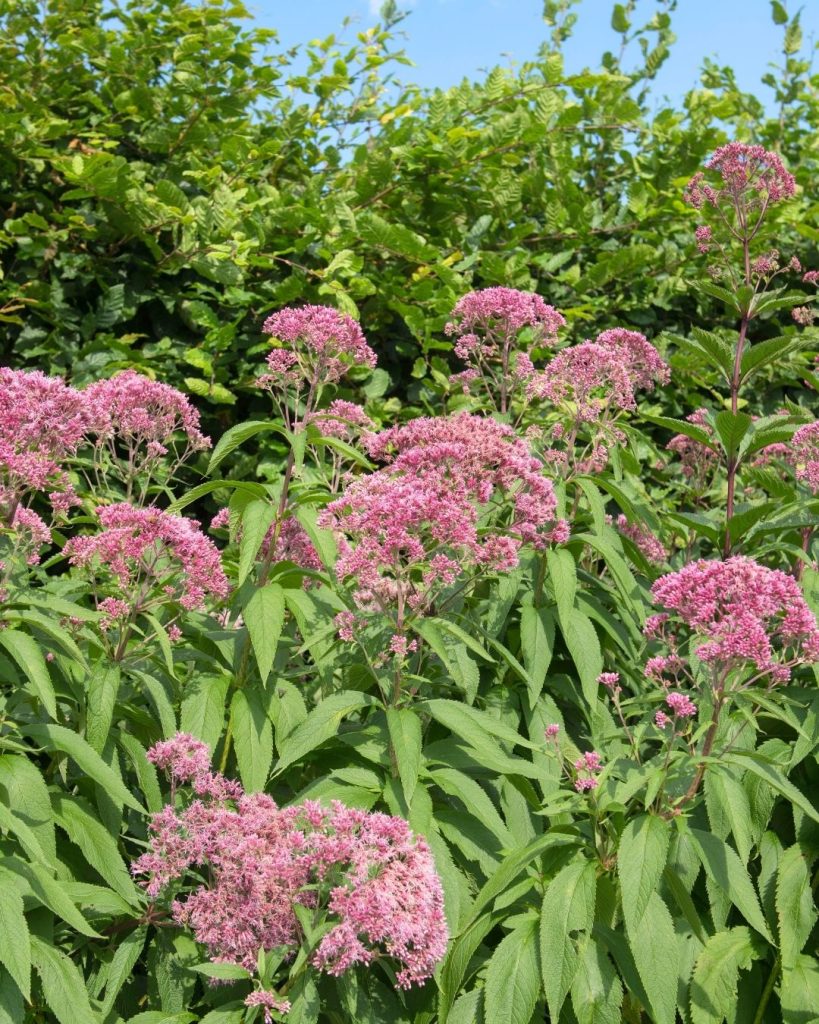
- Tall perennial with dusty pink flower clusters.
- Excellent for pollinator and rain gardens.
- Best in moist soil and sunny spots.
Joe-Pye weed is one of the best plants you can grow if you want butterflies everywhere.
It has a big presence, but it is easygoing in the right spot and brings late-season life to the yard.
When it blooms, the whole garden feels busier and more alive.
9. Blue Vervain (Verbena hastata)
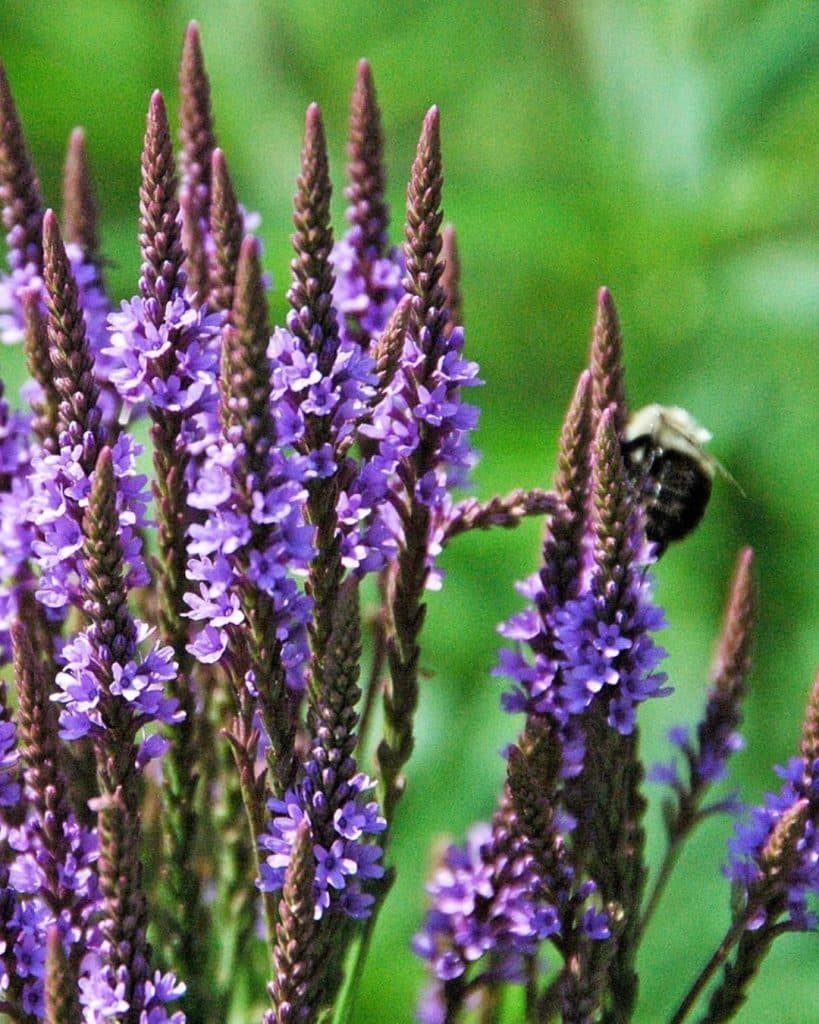
- Tall blue-purple native flower spikes.
- Excellent for pollinators and wetter soil.
- Strong native-style choice for rain gardens and naturalized beds.
Blue vervain gives a planting a more vertical, wilder look in the best way.
It holds its own among taller perennials, blooms well, and feels like exactly the kind of plant a stronger Minnesota list should include.
If you want something useful and a little less expected, this is a great pick.
10. Great Blue Lobelia (Lobelia siphilitica)
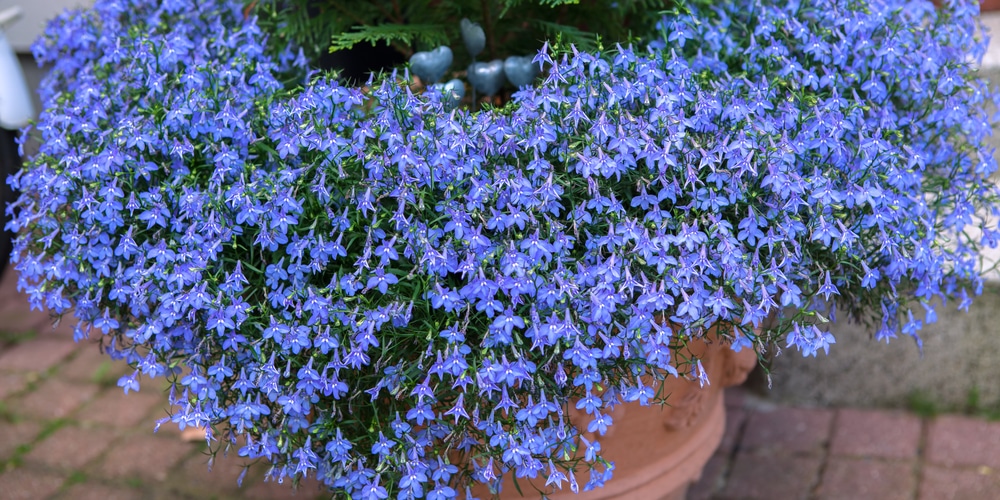
- Blue-flowering native for moist beds and borders.
- Great late-season pollinator plant.
- Excellent in rain gardens or near water.
Great blue lobelia gives you cooler color and easy native charm in one shot.
It fits perfectly into Minnesota rain-garden style planting and helps keep the bloom season going later.
For a wetter site, it is a beauty.
11. Cardinal Flower (Lobelia cardinalis)
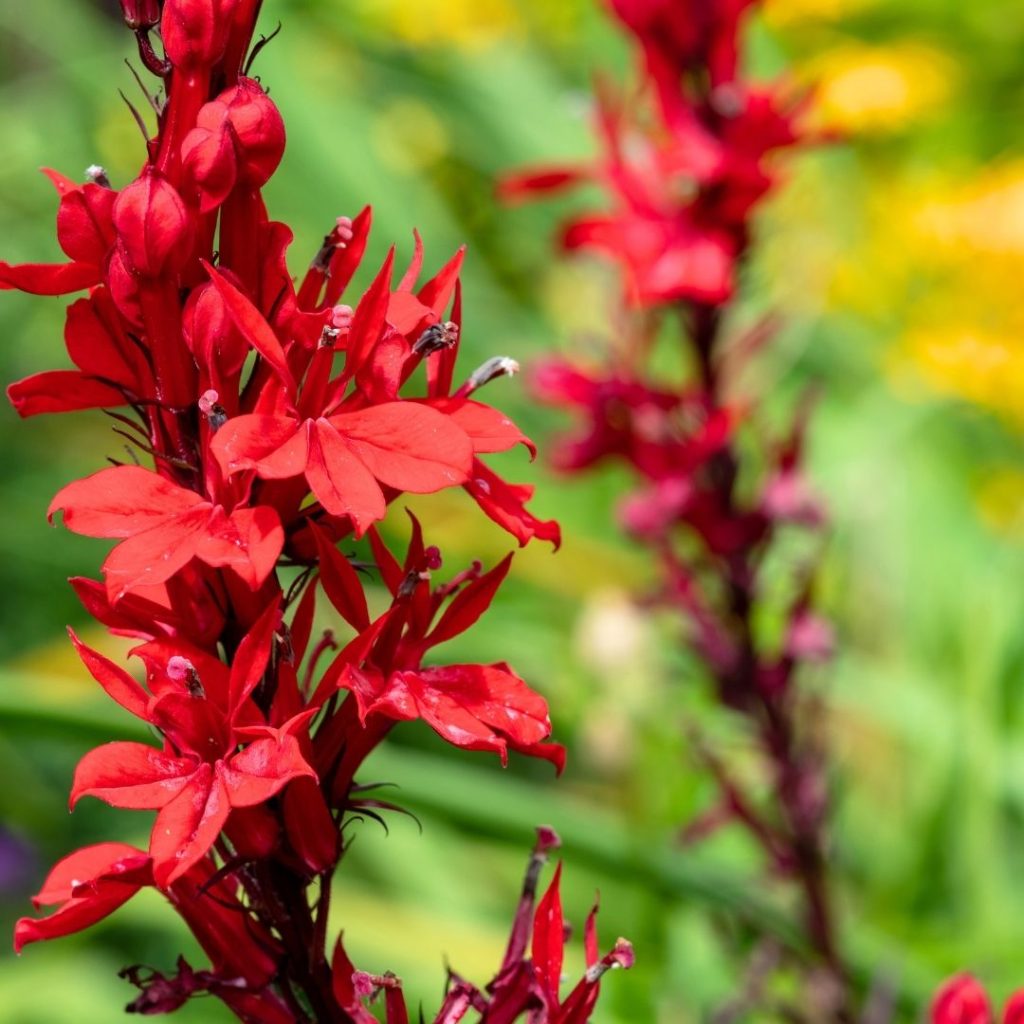
- Striking red blooms for moist spots.
- Excellent near ponds, streams, and rain gardens.
- Hummingbirds notice it fast.
The cardinal flower can make a damp area feel like a feature instead of a problem.
Its tall red blooms light up late summer and bring hummingbirds in close.
It is one of the best plants for adding real color to wetter ground.
12. Butterfly Weed (Asclepias tuberosa)
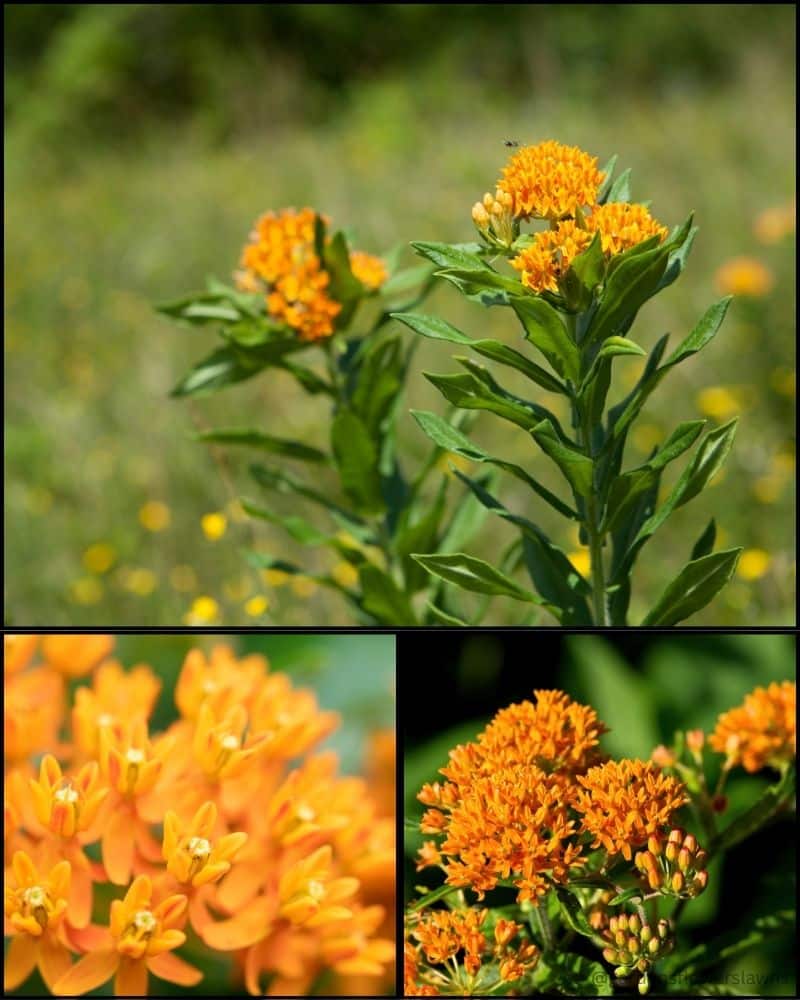
- Bright orange blooms that Monarchs love.
- Thrives in sunny, dry spots.
- Tough native perennial once established.
The butterfly weed is one of the best plants you can add if you want real pollinator value.
It handles dry ground, blooms with bold color, and helps balance out the moisture-loving entries on this list.
Once it gets settled in, it is incredibly dependable.
13. Prairie Dropseed (Sporobolus heterolepis)
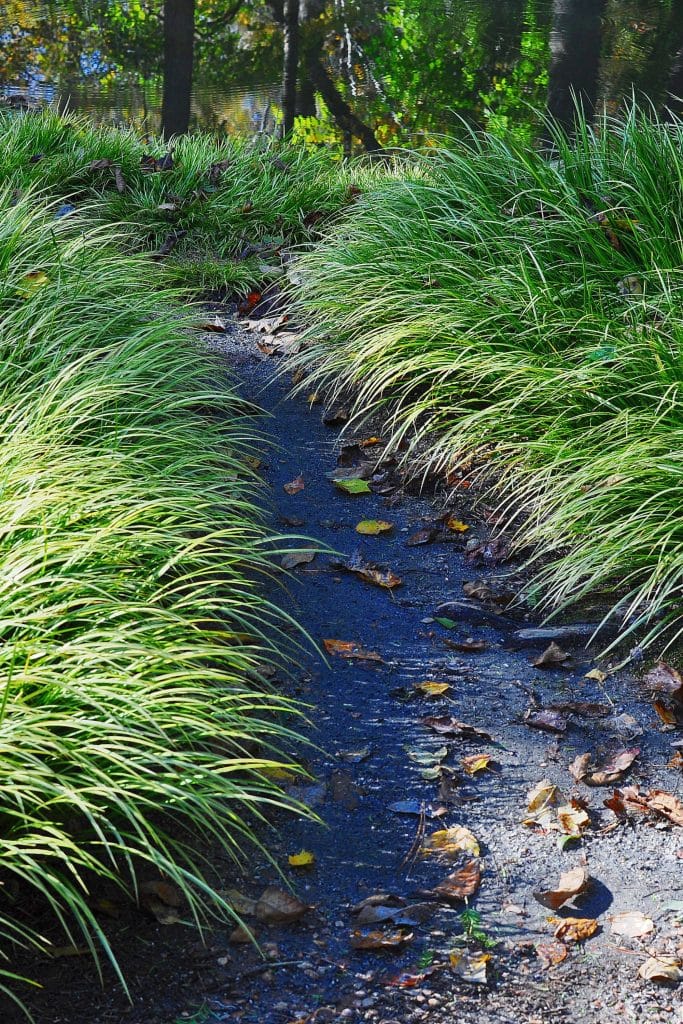
- Graceful native grass with fine texture.
- Handles drought and poor soil very well.
- Excellent for prairie-style and low-maintenance landscapes.
Prairie dropseeds are one of the easiest ways to make a Minnesota yard look polished.
They stay neat, move beautifully in the wind, and bring texture even when flowers are not blooming.
Plant them in groups and they really earn their space.
14. Little Bluestem (Schizachyrium scoparium)
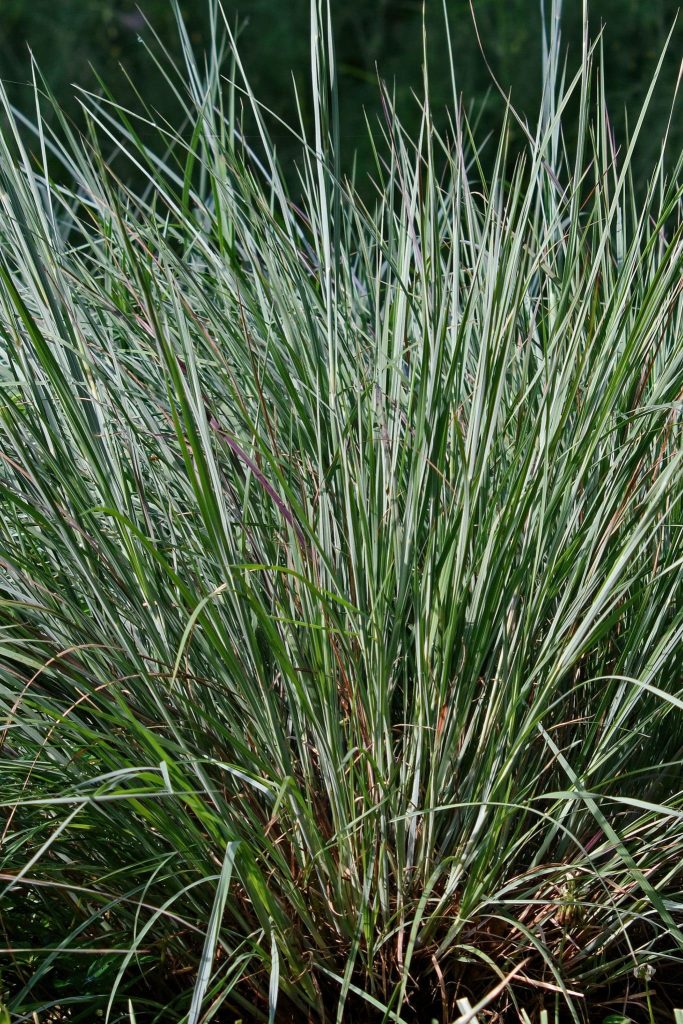
- Native grass with blue-green summer color and copper fall tones.
- Excellent for dry sunny sites.
- Adds movement and strong seasonal texture.
Little bluestem is one of those grasses that makes everything around it look better.
It handles tough conditions, looks good for a long stretch of the year, and gives native-style plantings that extra sense of place.
If you want more than flowers doing the heavy lifting, this is a smart choice.
15. White Turtlehead (Chelone glabra)
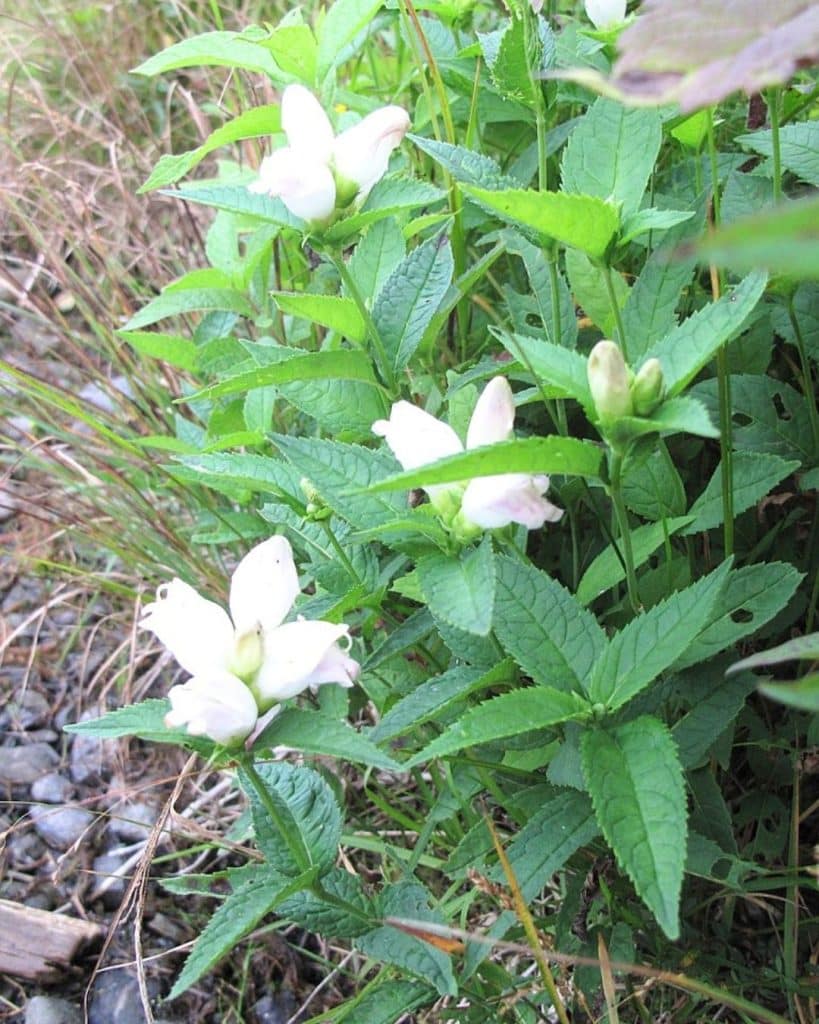
- White snapdragon-like blooms for moist ground and rain gardens.
- Useful in lower spots that stay damp.
- Strong native choice for wetter Minnesota yards.
The white turtlehead is a smart pick for gardeners dealing with moisture.
It holds up well, brings late-season bloom, and helps turn a soggy area into something that looks planned.
If your yard has a wetter corner, this plant can make it shine.
16. Bottle Gentian (Gentiana andrewsii)
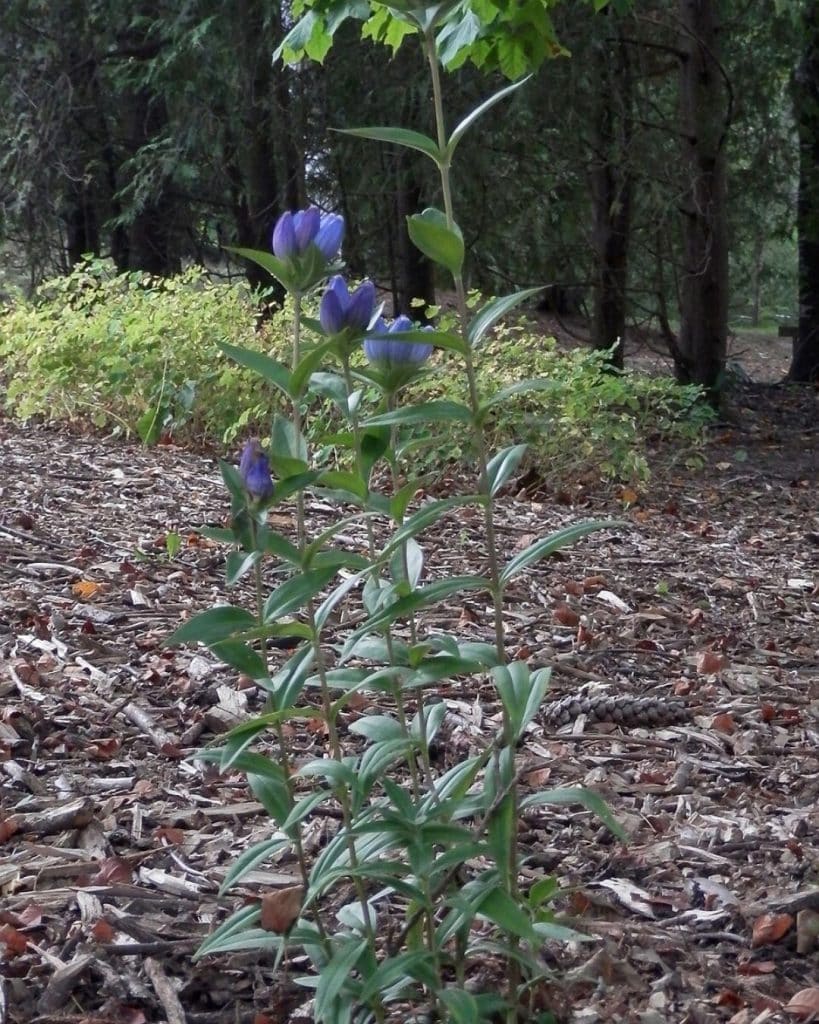
- Distinctive blue bottle-shaped flowers late in the season.
- Strong native choice for part sun to sun with moisture.
- Adds a more unusual look than the usual garden filler.
Bottle gentian is one of those plants that makes a list feel more serious.
It looks different, blooms late, and gives a Minnesota garden a more distinctive native character than a generic filler would.
If you want something a little special, this is it.
17. New England Aster (Symphyotrichum novae-angliae)
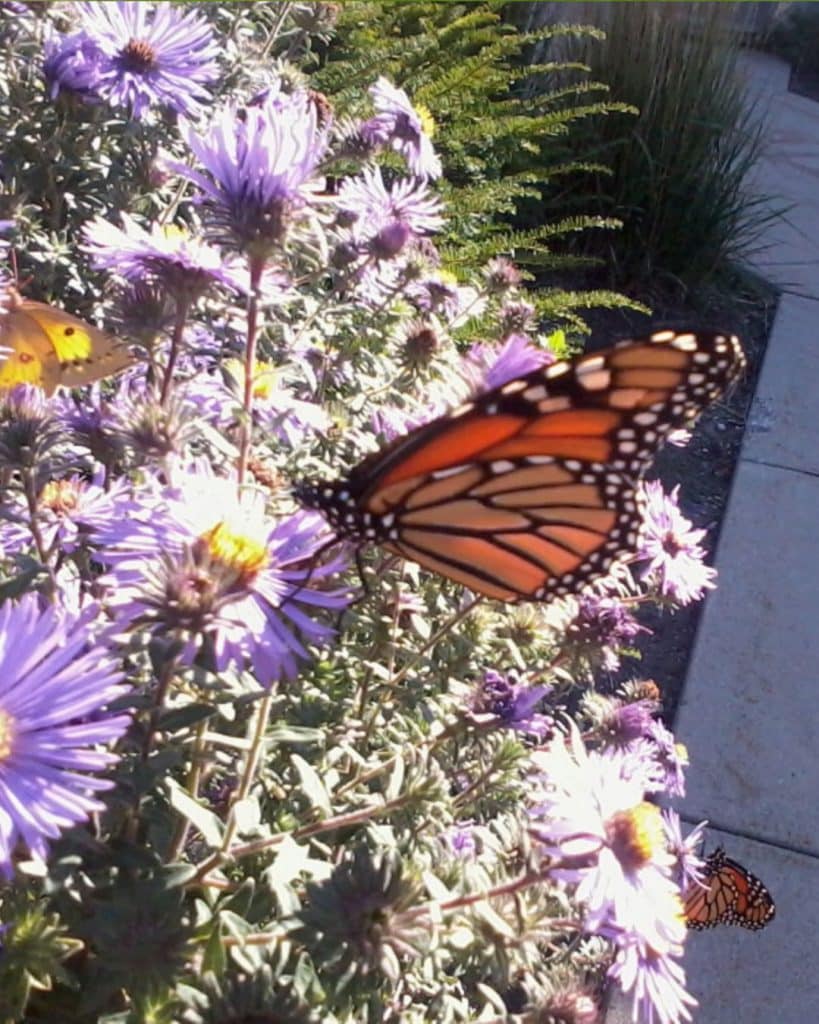
- Late-season purple blooms that pollinators crowd around.
- Excellent for extending color into fall.
- Works well in sun with average to moist soil.
The New England aster is one of the easiest ways to keep a garden lively later in the season.
It blooms when a lot of summer flowers are winding down and gives pollinators one more big reason to visit.
For Minnesota gardens that need a strong fall finish, this is a smart pick.
18. Goldenrod (Solidago spp.)
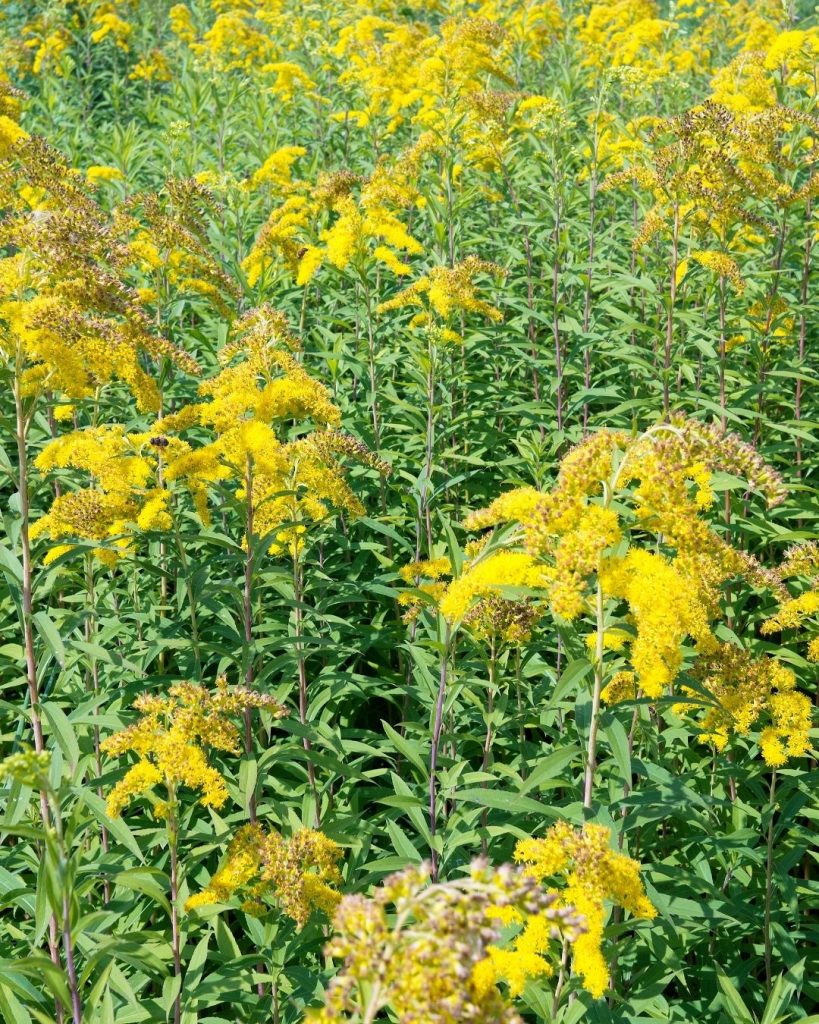
- Brilliant yellow late-season color.
- Excellent for pollinators and native-style gardens.
- Tough enough for a wide range of Minnesota conditions.
Goldenrods get blamed for allergies they usually did not cause, but in the garden they are stars.
They bloom late, feed pollinators, and bring a rich burst of yellow right when the season starts to cool off.
If you want strong native color with very little fuss, they are good ones.
Thank you so much for reading. We hope all of your gardening endeavors are home runs!