Maryland gardeners, rejoice! You do not have to spend your weekends babying delicate plants to enjoy a thriving landscape.
These 18 Maryland-friendly perennials thrive with minimal care, shrugging off heat, humidity, clay soil, and even a bit of neglect.
Whether you are on the Coastal Plain, in the Piedmont, or farther west toward the mountains, there is something here for your yard.
Get ready to meet the toughest, most beautiful perennials that will keep your garden vibrant year after year.
1. Purple Coneflower (Echinacea purpurea)
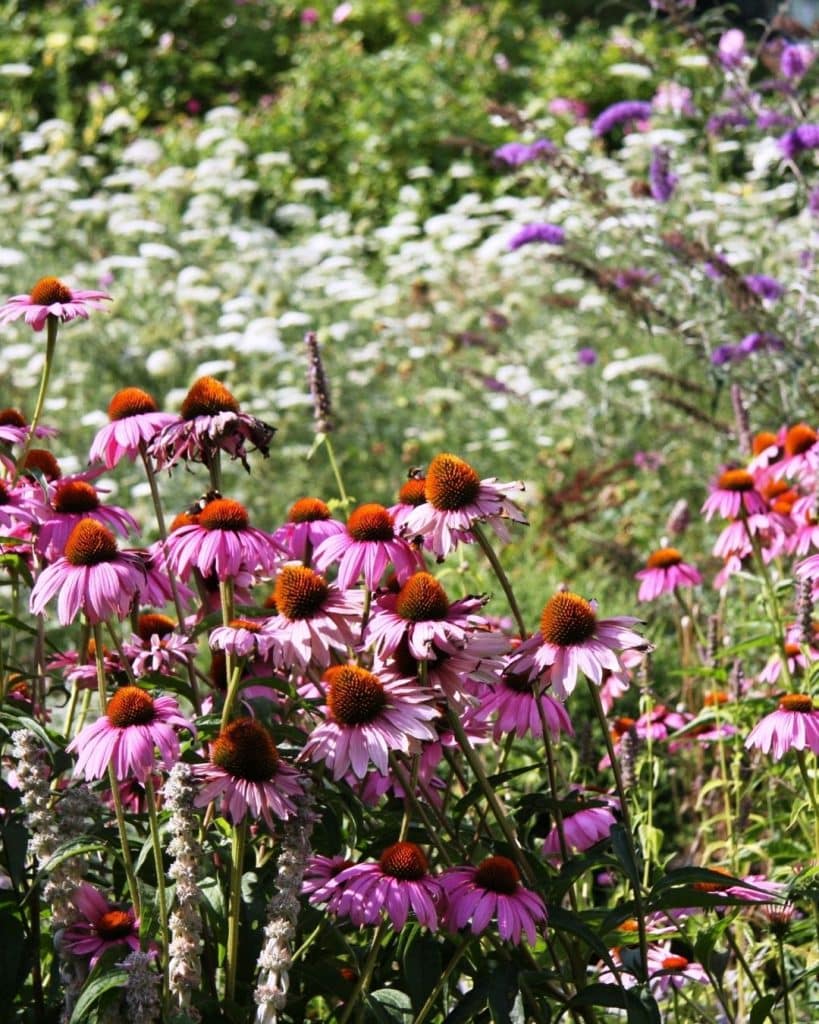
- Tough perennial that handles Maryland heat once established.
- Iconic pink-purple blooms with a spiky orange cone.
- Pollinator magnet and seed heads feed birds.
Purple coneflowers bring big color with very little effort.
Give them sun and decent drainage, and they will keep blooming through summer and into fall.
Even after flowering, the seed heads add texture and keep wildlife visiting.
2. Black-Eyed Susan (Rudbeckia hirta)
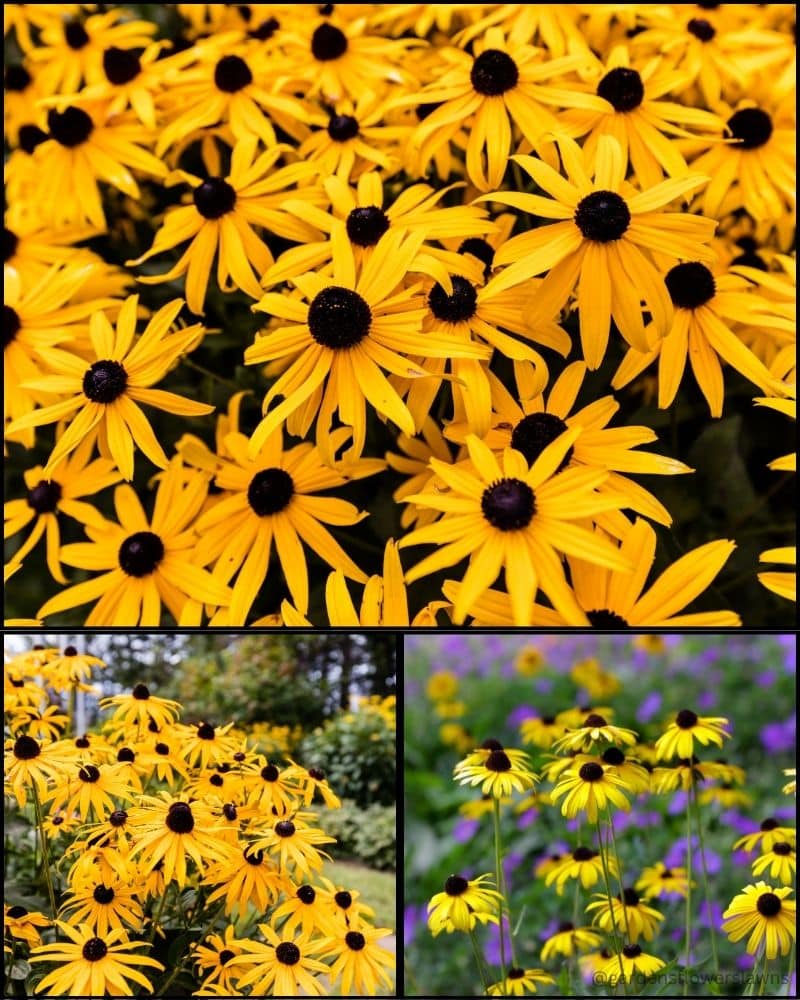
- Bright yellow flowers with dark centers.
- Thrives in full sun and average soil.
- Excellent easy-care wildflower look.
Black-eyed Susans are one of those plants that almost feel foolproof.
They bloom through the heat of summer, handle rough conditions well, and often reseed enough to keep the show going.
If you want cheerful color without extra work, they deliver.
3. Bee Balm (Monarda didyma)
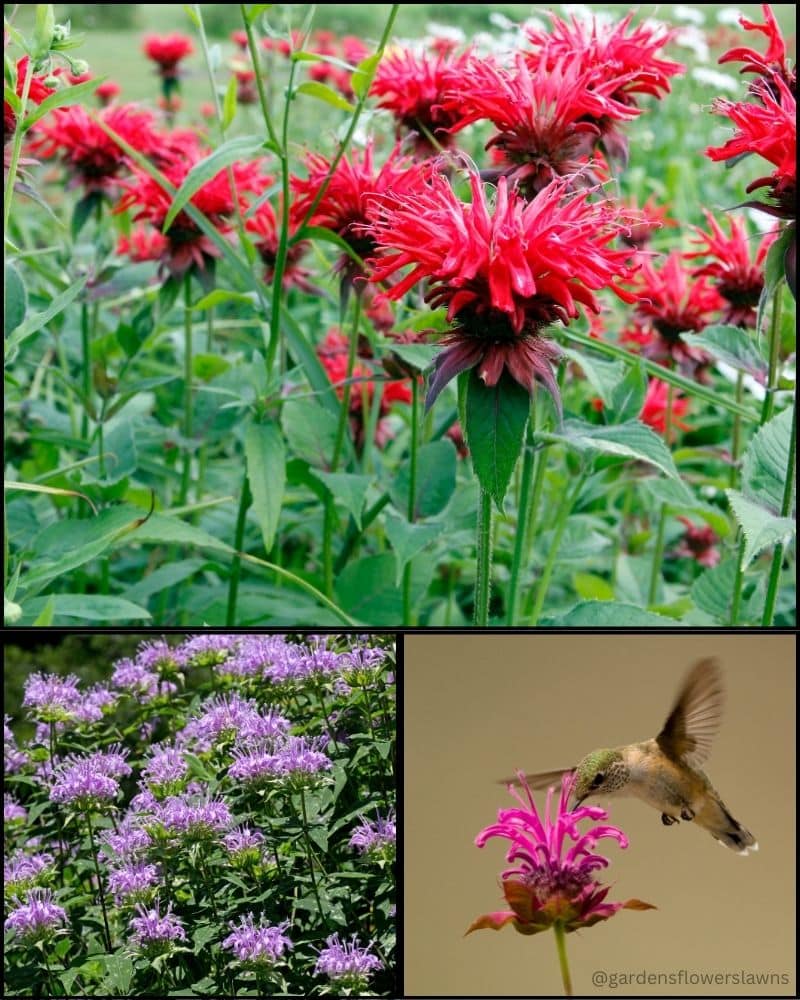
- Bold blooms that hummingbirds and bees love.
- Great for cottage gardens and pollinator beds.
- Best with sun and good airflow to reduce powdery mildew risk.
Bee balm gives a garden that lively, colorful look people always notice.
It shines in summer, attracts pollinators fast, and adds a little wild charm without being hard to grow.
Give it room to breathe, and it will reward you.
4. Coreopsis (Tickseed)
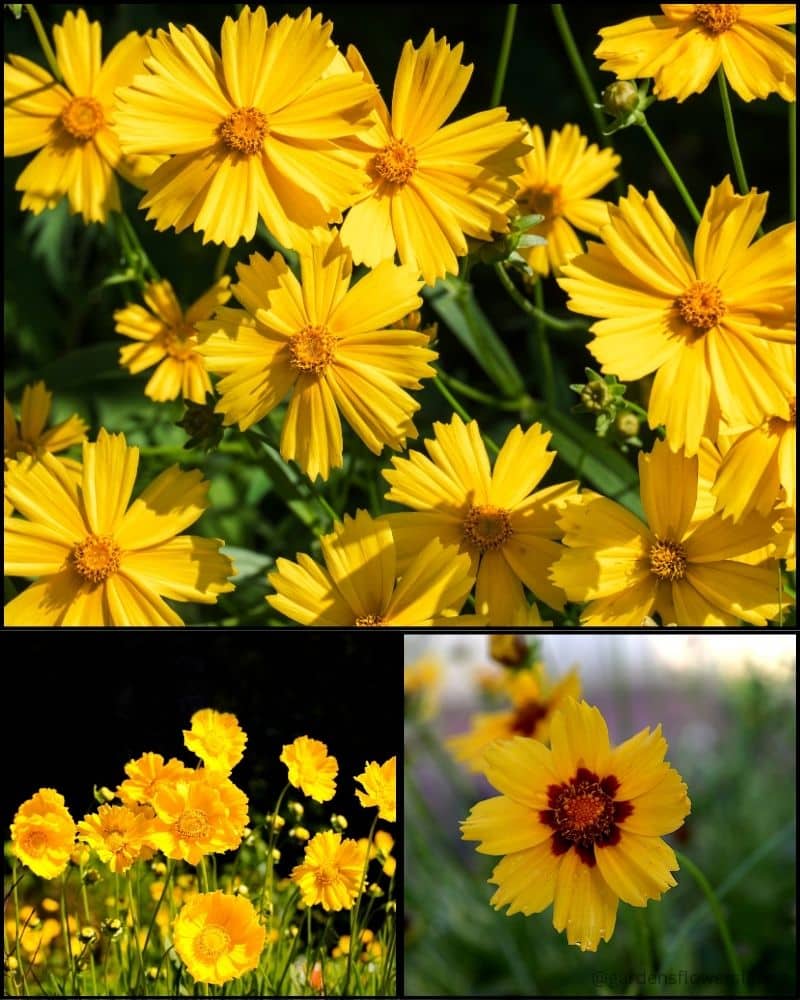
- Cheerful yellow flowers that thrive in full sun.
- Low-maintenance and long blooming.
- Great for borders and naturalized beds.
Coreopsis is the kind of plant that makes you feel like a better gardener than you are.
It blooms hard, handles summer heat, and fits right into Maryland yards without asking for much.
Plant it once and enjoy the bright color year after year.
5. Wild Bergamot (Monarda fistulosa)
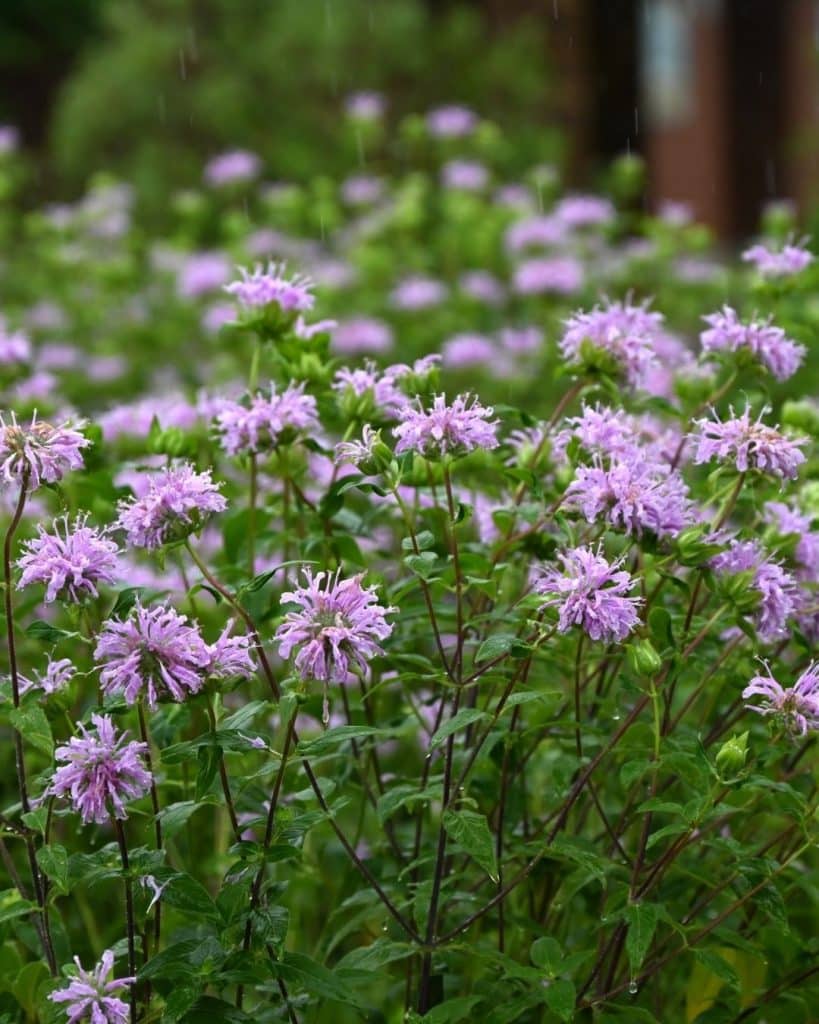
- Native perennial with lavender-pink blooms.
- Excellent for bees, butterflies, and native gardens.
- Handles Maryland heat and average soils well.
Wild bergamot gives you that loose, natural meadow look without being hard to manage.
It brings pollinators in fast, blooms through summer, and fits beautifully into lower-maintenance plantings.
If you want a native flower that still looks showy, this is a good one.
6. Blazing Star (Liatris spicata)
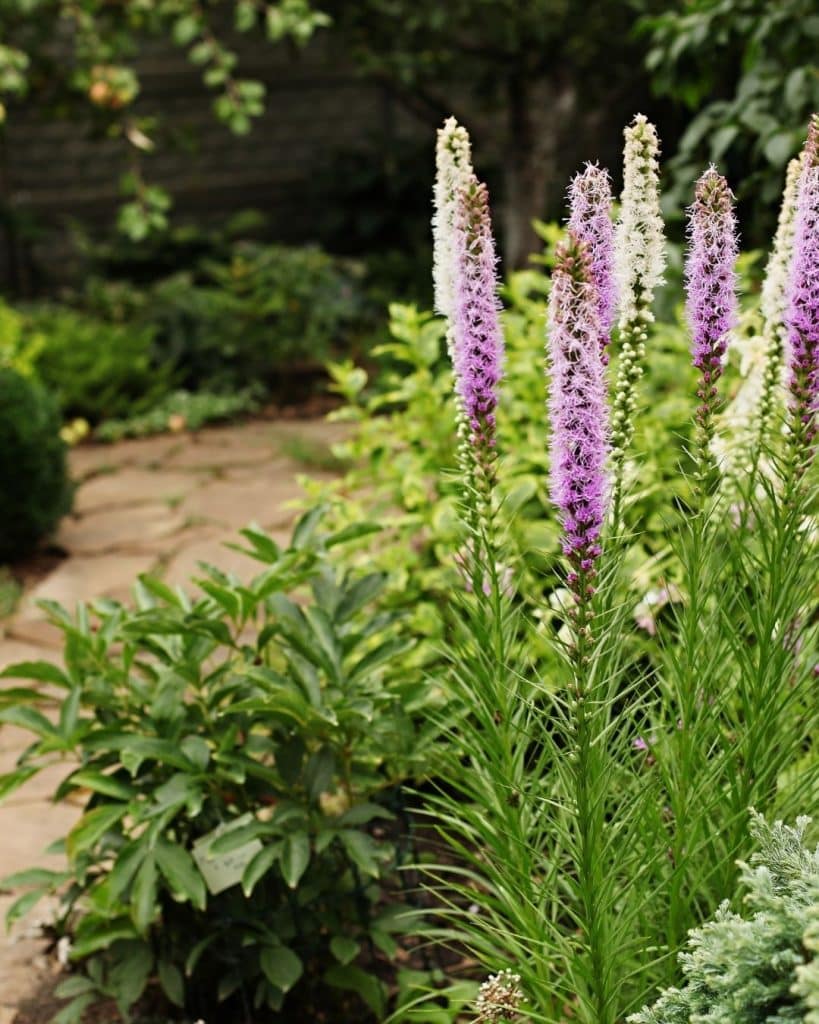
- Tall purple flower spikes with a bold vertical shape.
- Excellent pollinator plant.
- Great for meadows, borders, and native-style beds.
Blazing stars bring shape and color to a planting without making it feel crowded.
They stand tall, bloom beautifully, and draw in butterflies and bees by the bunch.
Mix them with rounder flowers and they really shine.
7. Joe-Pye Weed (Eutrochium dubium)
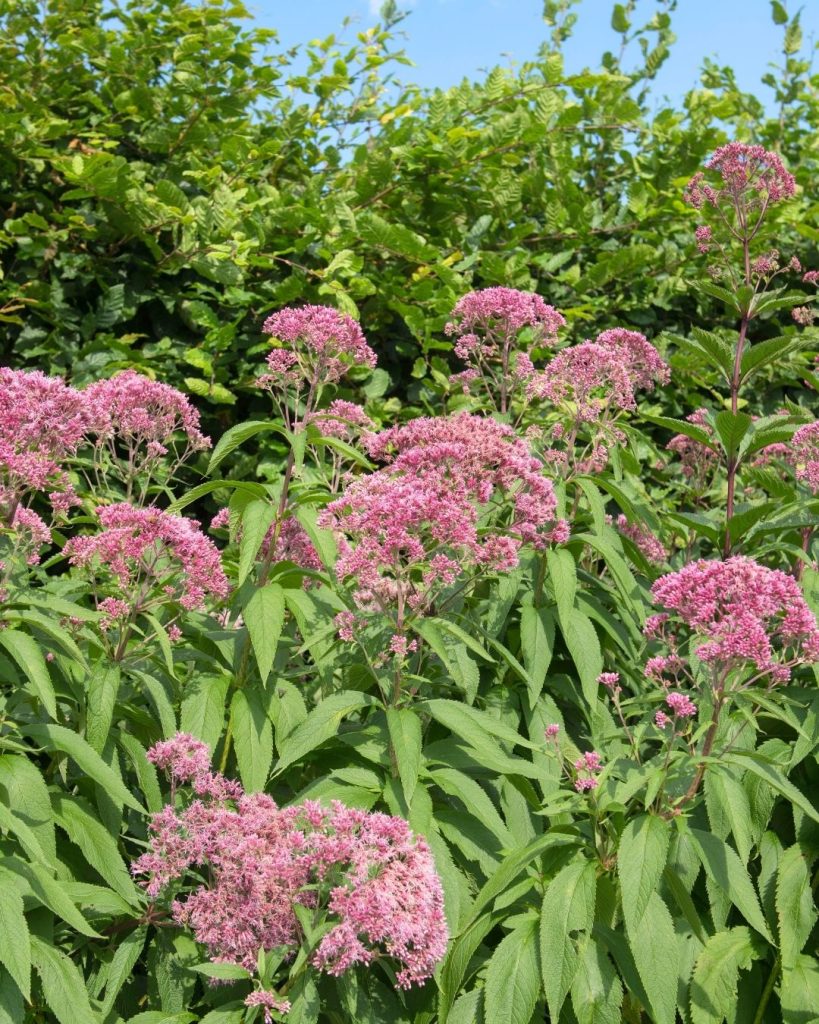
- Tall perennial with dusty pink flower clusters.
- Excellent for pollinator and rain gardens.
- Best in moist soil and sunny spots.
Joe-Pye weed is one of the best plants you can grow if you want butterflies everywhere.
It has a big presence, but it is easygoing in the right spot and brings late-season life to the yard.
When it blooms, the whole garden feels busier and more alive.
8. Great Blue Lobelia (Lobelia siphilitica)
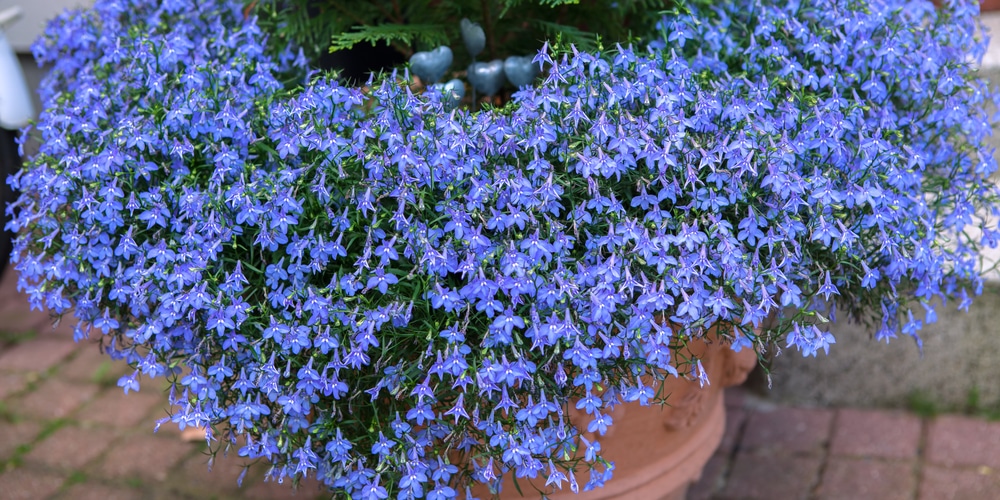
- Blue-flowering native for moist beds and borders.
- Great late-season pollinator plant.
- Excellent in rain gardens or near water.
Great blue lobelia gives you cooler color and easy native charm in one shot.
It adds rich blue blooms later in the season and fits perfectly into moisture-loving plantings.
It is a great way to mix something a little different into the bed.
9. New England Aster (Symphyotrichum novae-angliae)
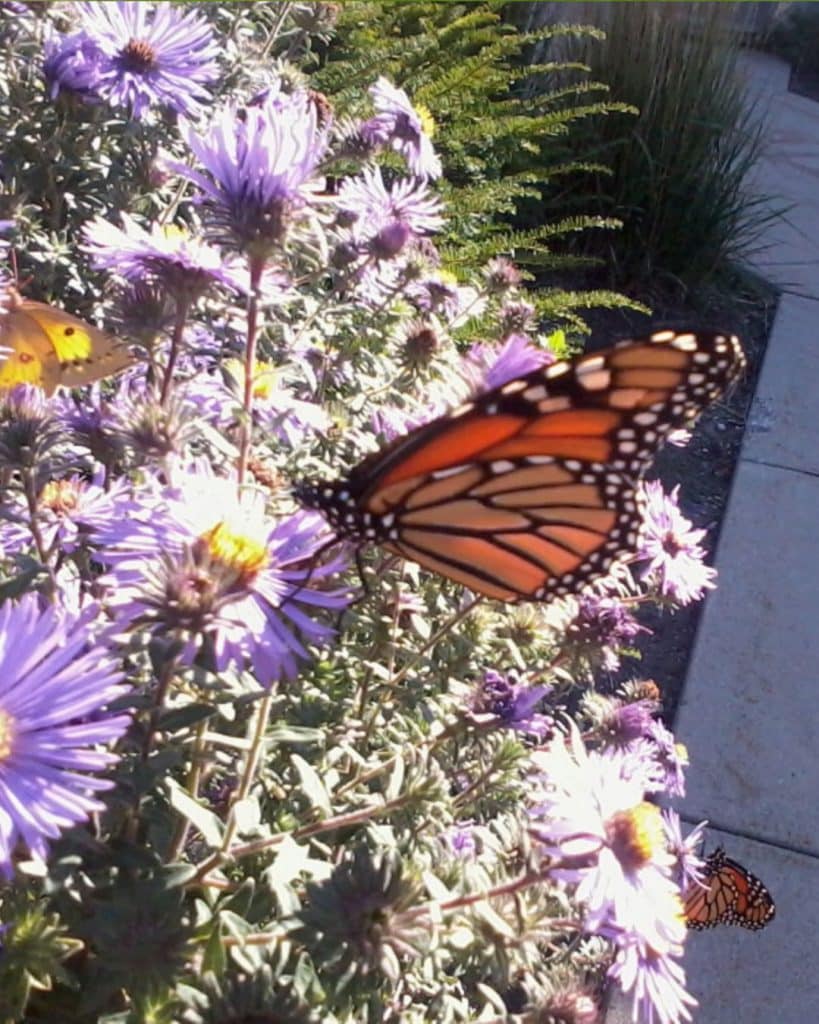
- Late-season purple blooms that pollinators crowd around.
- Excellent for extending color into fall.
- Works well in sun with average to moist soil and good airflow.
The New England aster is one of the easiest ways to keep a garden lively later in the season.
It blooms when a lot of summer flowers are winding down and gives pollinators one more big reason to visit.
For Maryland gardens that need a strong fall finish, this is a smart pick.
10. Foamflower (Tiarella cordifolia)
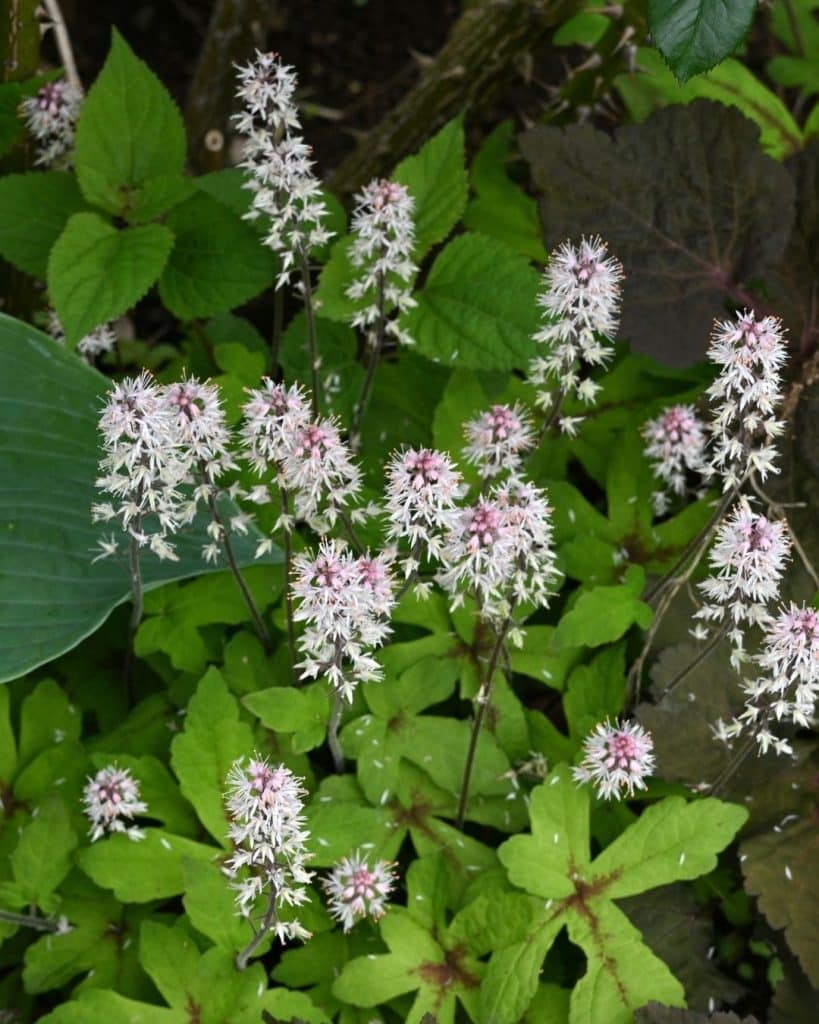
- Excellent groundcover for shade and woodland edges.
- Airy white blooms in spring.
- Low maintenance and great for naturalized areas.
Foamflower is the kind of plant that quietly solves a problem spot.
It handles shade, spreads gently, and adds a clean, woodland look without needing much attention.
For a lower, easier plant in a part-shade bed, it is a smart choice.
11. Cardinal Flower (Lobelia cardinalis)
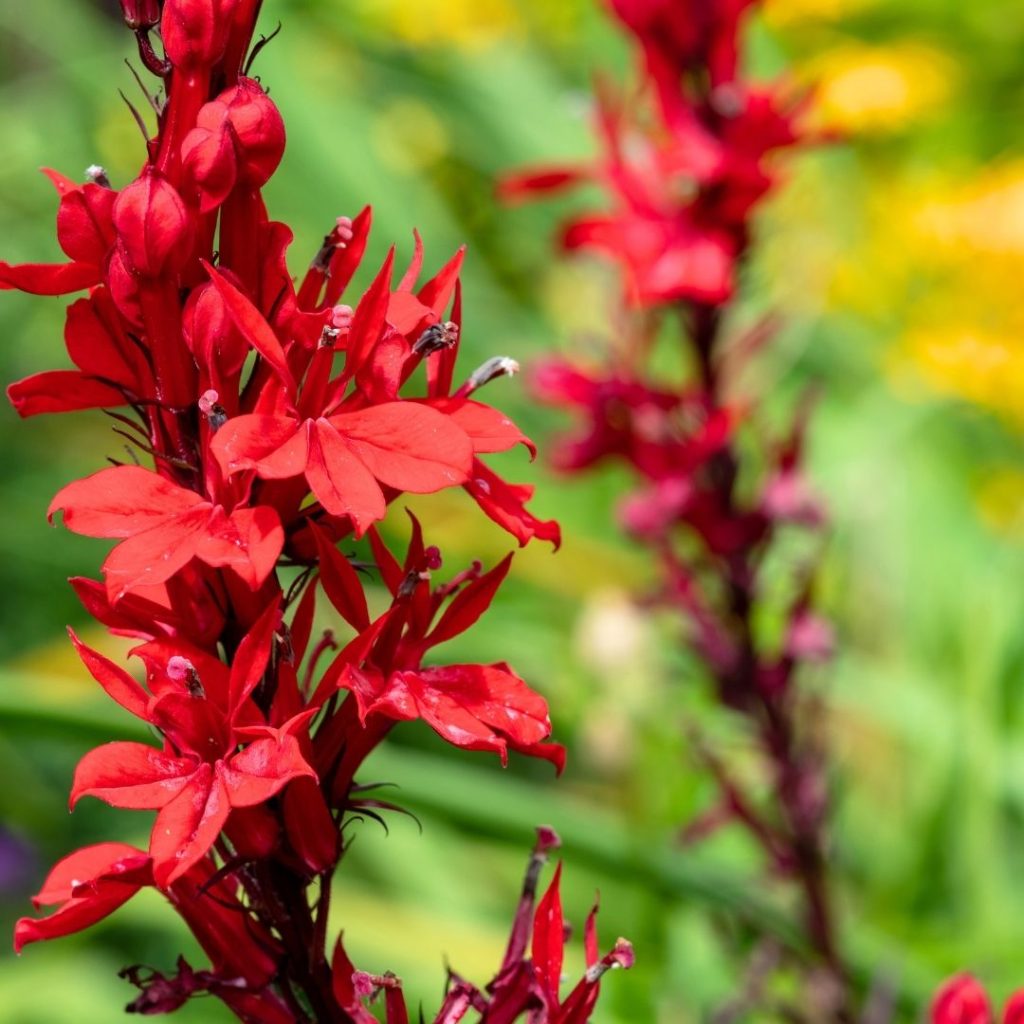
- Striking red blooms for moist spots.
- Excellent near ponds, streams, and rain gardens.
- Hummingbirds notice it fast.
The cardinal flower can make a damp area feel like a feature instead of a problem.
Its tall red blooms light up late summer and bring hummingbirds in close.
It is one of the best choices for adding bright color to wetter ground.
12. Blue Star (Amsonia tabernaemontana)
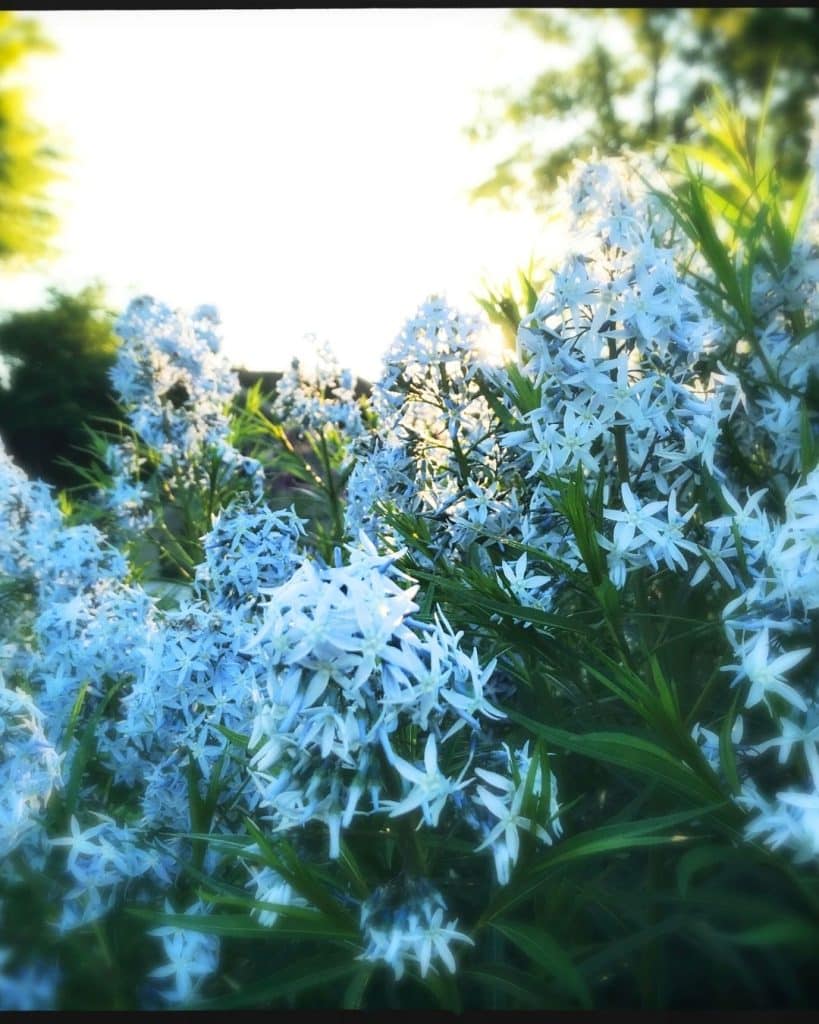
- Soft blue spring flowers and tidy foliage.
- Great for borders and naturalized beds.
- Adds nice fall color too.
Blue stars are one of those quiet plants that make everything around them look better.
They flower in spring, stay neat through summer, and give you another little burst of interest when fall rolls around.
For a calm, dependable perennial, they are hard to top.
13. Sedum (Stonecrop) (Sedum spp.)
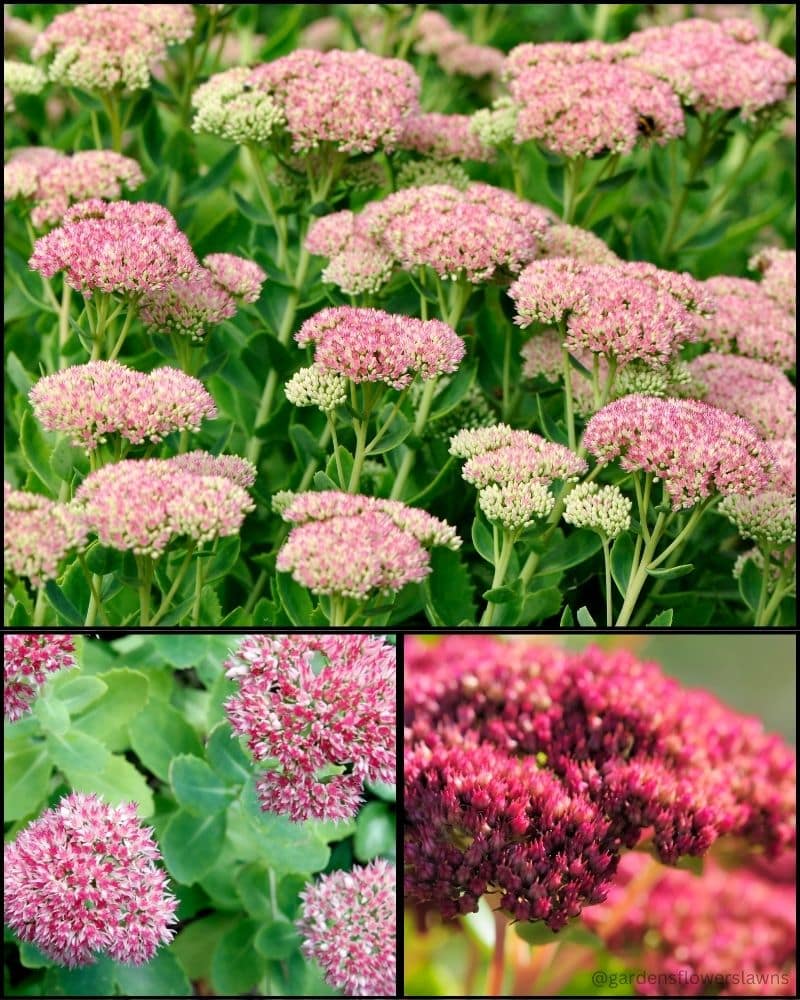
- Succulent perennial that thrives in sun and heat.
- Low water and great for borders or rock gardens.
- Pollinators love the flowers when it blooms.
Sedum is perfect for gardeners who want color without worry.
It tolerates heat, loves good drainage, and looks great even when you forget about it for a while.
Use it along borders, rock areas, or anywhere you want low-care texture.
14. Butterfly Weed (Asclepias tuberosa)
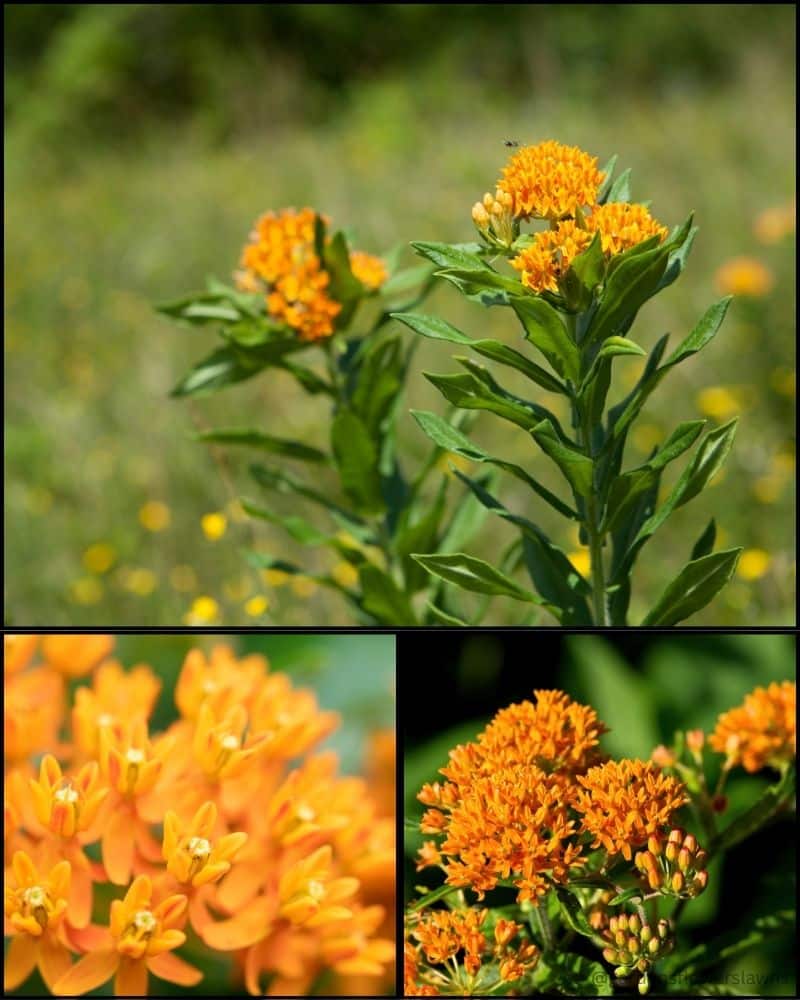
- Bright orange blooms that Monarchs love.
- Thrives in sunny, dry spots.
- Tough native perennial once established.
The butterfly weed is one of the best plants you can add if you want real pollinator value.
It handles dry ground, blooms with bold color, and gives Maryland gardens a native plant that actually looks exciting.
Once it gets settled in, it is incredibly dependable.
15. Prairie Dropseed (Sporobolus heterolepis)
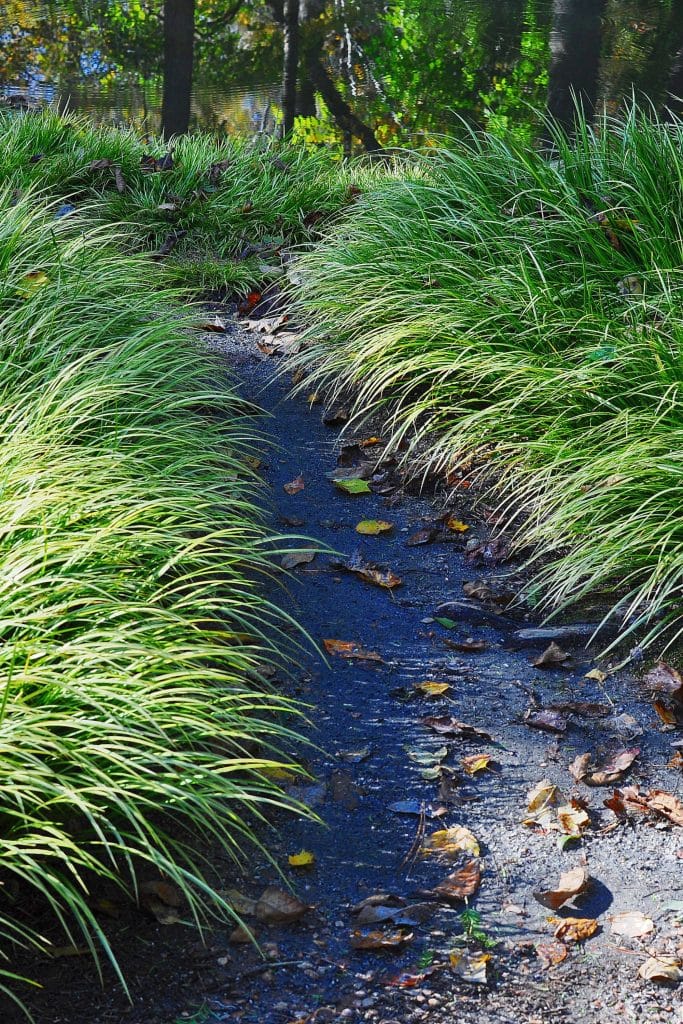
- Graceful native grass with fine texture.
- Handles drought and poor soil very well.
- Excellent for prairie-style and low-maintenance landscapes.
Prairie dropseeds are one of the easiest ways to make a Maryland yard look polished.
They stay neat, move beautifully in the wind, and bring texture even when flowers are not blooming.
Plant them in groups and they really earn their space.
16. White Turtlehead (Chelone glabra)
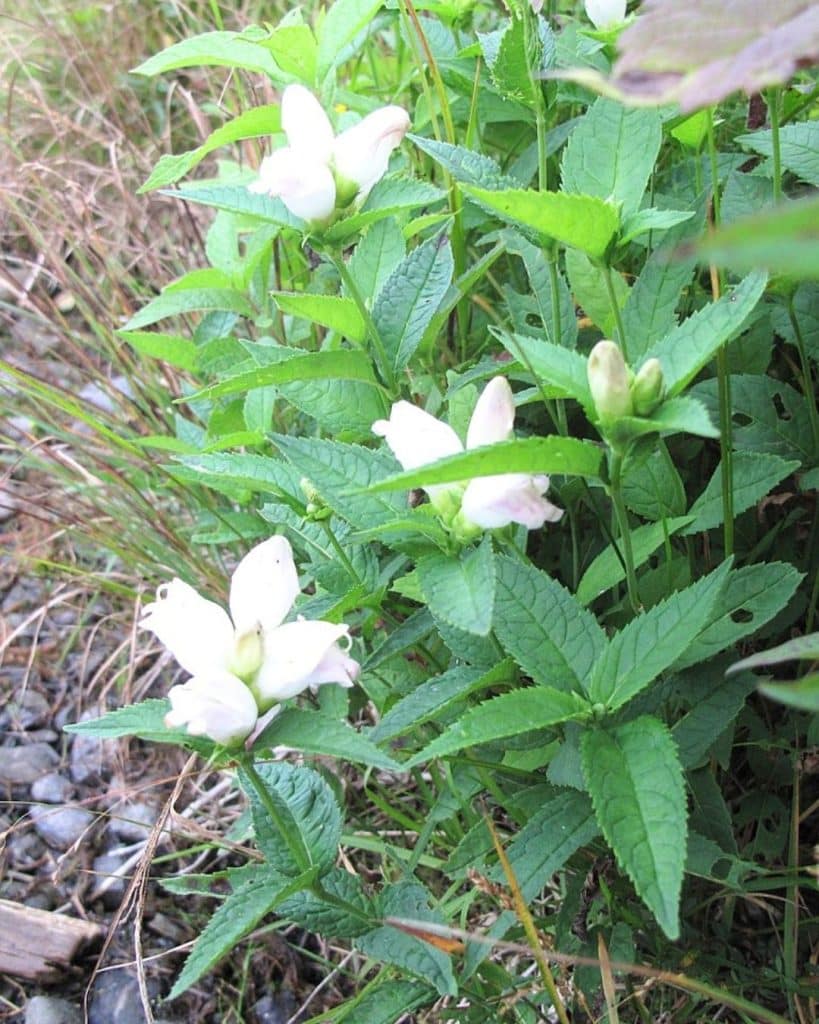
- White snapdragon-like blooms for moist ground and rain gardens.
- Useful in lower spots that stay damp.
- Strong native choice for wetter Maryland yards.
The white turtlehead is a smart pick for gardeners dealing with moisture.
It holds up well, brings late-season bloom, and helps turn a soggy area into something that looks planned.
If your yard has a wetter corner, this plant can make it shine.
17. New York Ironweed (Vernonia noveboracensis)
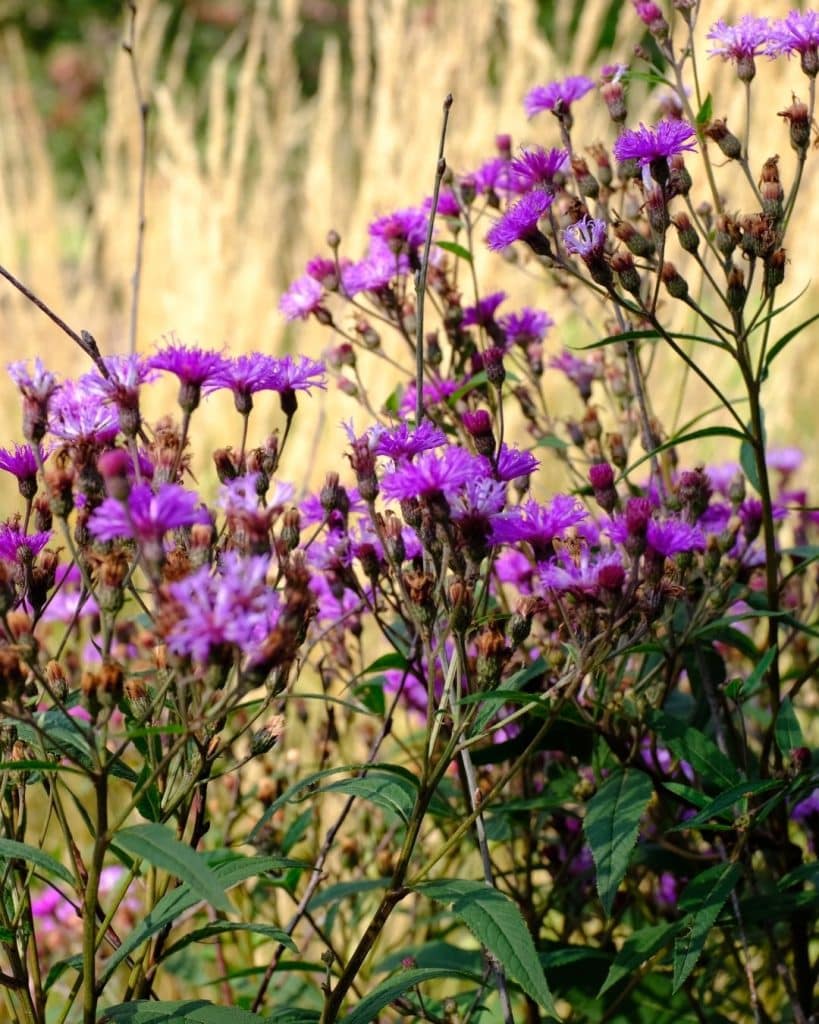
- Tall native perennial with rich purple blooms.
- Excellent for pollinators and wetter soils.
- Brings bold late-season color.
Ironweed is the kind of plant that makes a late-summer garden feel alive.
It stands tall, blooms hard, and gives butterflies and bees exactly what they want when many other plants are winding down.
If you want a native plant with real presence, this one delivers.
18. Goldenrod (Solidago spp.)
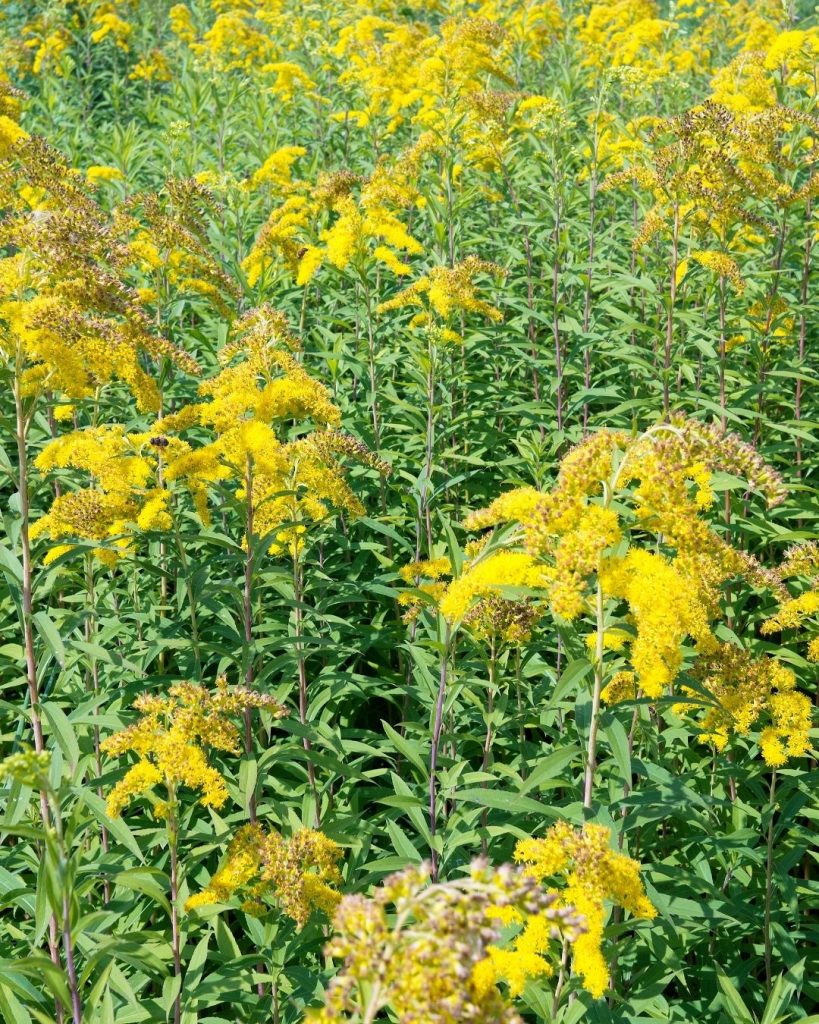
- Brilliant yellow late-season color.
- Excellent for pollinators and native-style gardens.
- Tough enough for a wide range of Maryland conditions.
Goldenrods get blamed for allergies they usually did not cause, but in the garden they are stars.
They bloom late, feed pollinators, and bring a rich burst of yellow right when the season starts to cool off.
If you want strong native color with very little fuss, they are good ones.
Thank you so much for reading. We hope all of your gardening endeavors are fruitful!