Some plants are happy to sit on a windowsill, receive water whenever you remember, and quietly carry on with their lives. These are not those plants.
The plants on this list are beautiful, popular, and very easy to bring home after one flattering trip to the garden center. They are also the kind of plants that make you question your watering habits, your window placement, and occasionally your entire personality.
That does not mean they are impossible. Most of them simply have strong opinions about light, humidity, temperature, soil, and being moved three inches to the left. OK. Enough fluff, here are the 20 (commonly sold) toughest plants to keep alive.
1. Maidenhair Fern (The Plant That Takes Dry Air Personally)
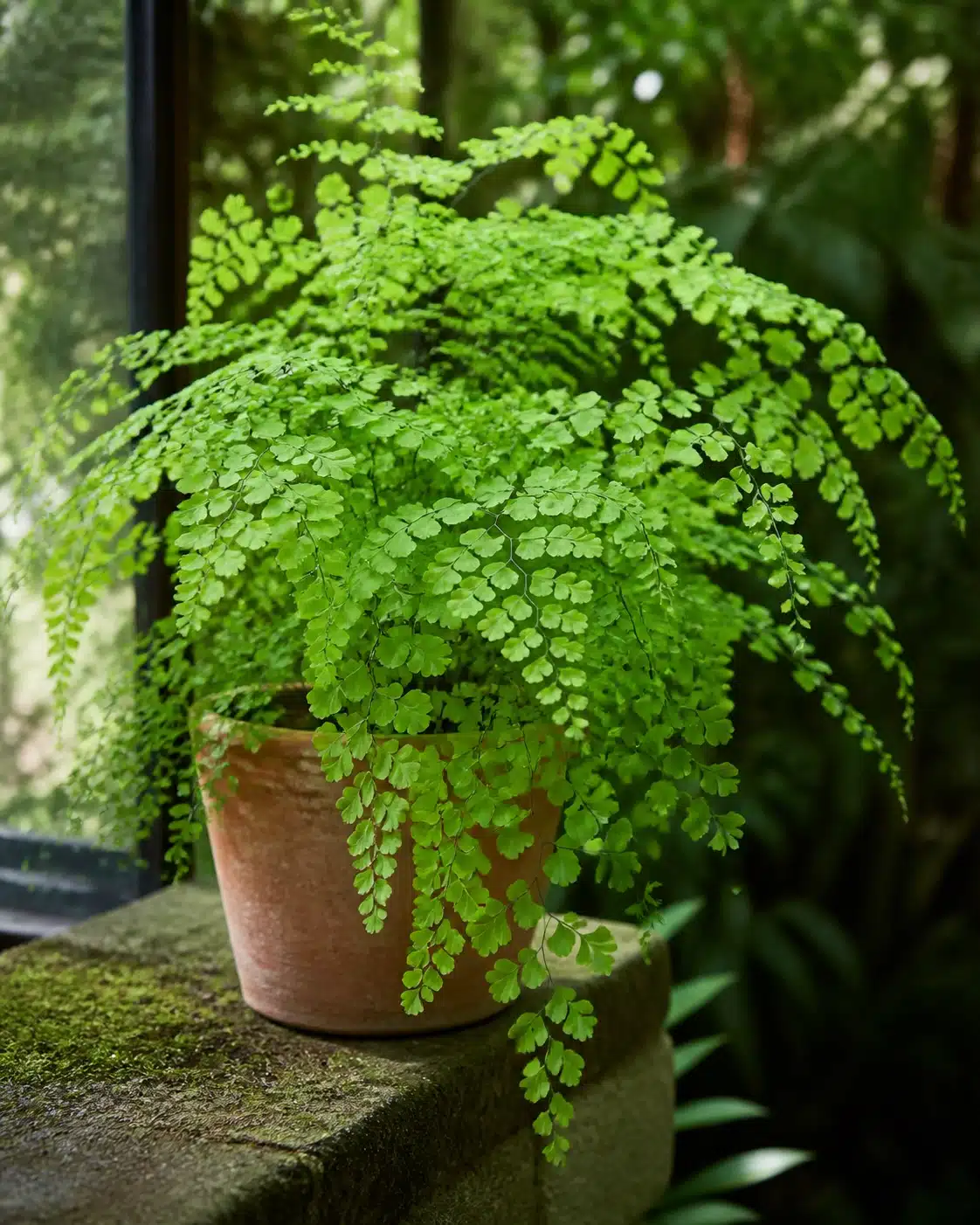
Maidenhair ferns have delicate, lacy fronds that look like they belong in a fairy garden. Unfortunately, they also behave as if your home should have the humidity of a tropical ravine.
They dislike drying out, hot direct sun, cold drafts, and dry air from heating vents. Give them bright indirect light, consistently moist soil, and a humid location such as a bathroom with good natural light.
Reality check: If you forget to water it until the soil is bone dry, the fern may drop leaves before you can finish apologizing.
2. Calathea (The Goldilocks of Houseplants)
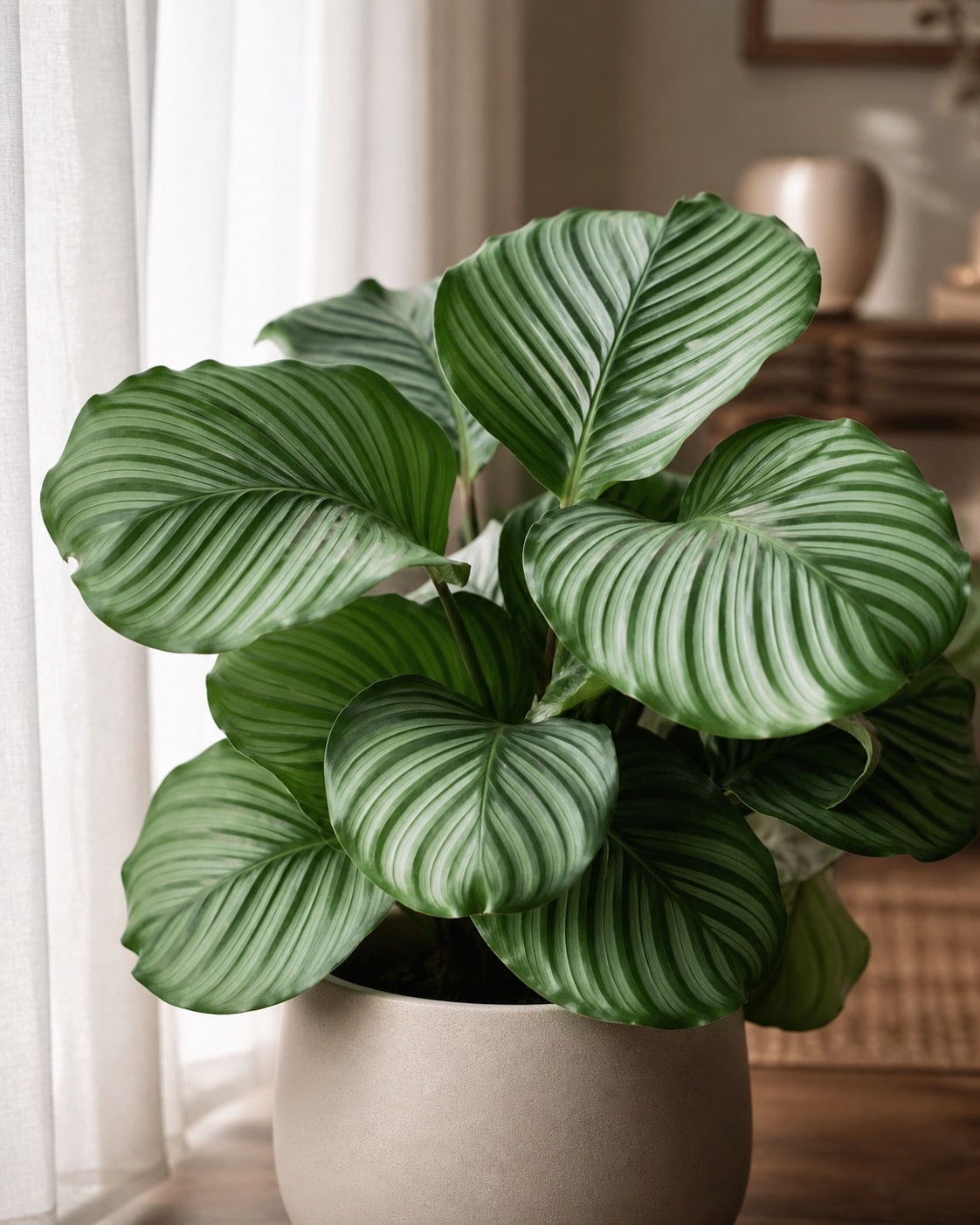
Calatheas want everything to be just right. The light should be bright but indirect. The soil should be moist but never soggy. The air should be humid, but not stagnant. The water should contain very few minerals. Naturally, they have become wildly popular.
Keep calatheas away from radiators, air conditioners, harsh windows, and sudden temperature changes. Filtered, distilled, or rainwater can help prevent crispy leaf edges caused by mineral buildup.
Reality check: A calathea can look perfect on Monday and appear personally offended by Thursday.
3. Gardenia (A Perfume Commercial With Trust Issues)
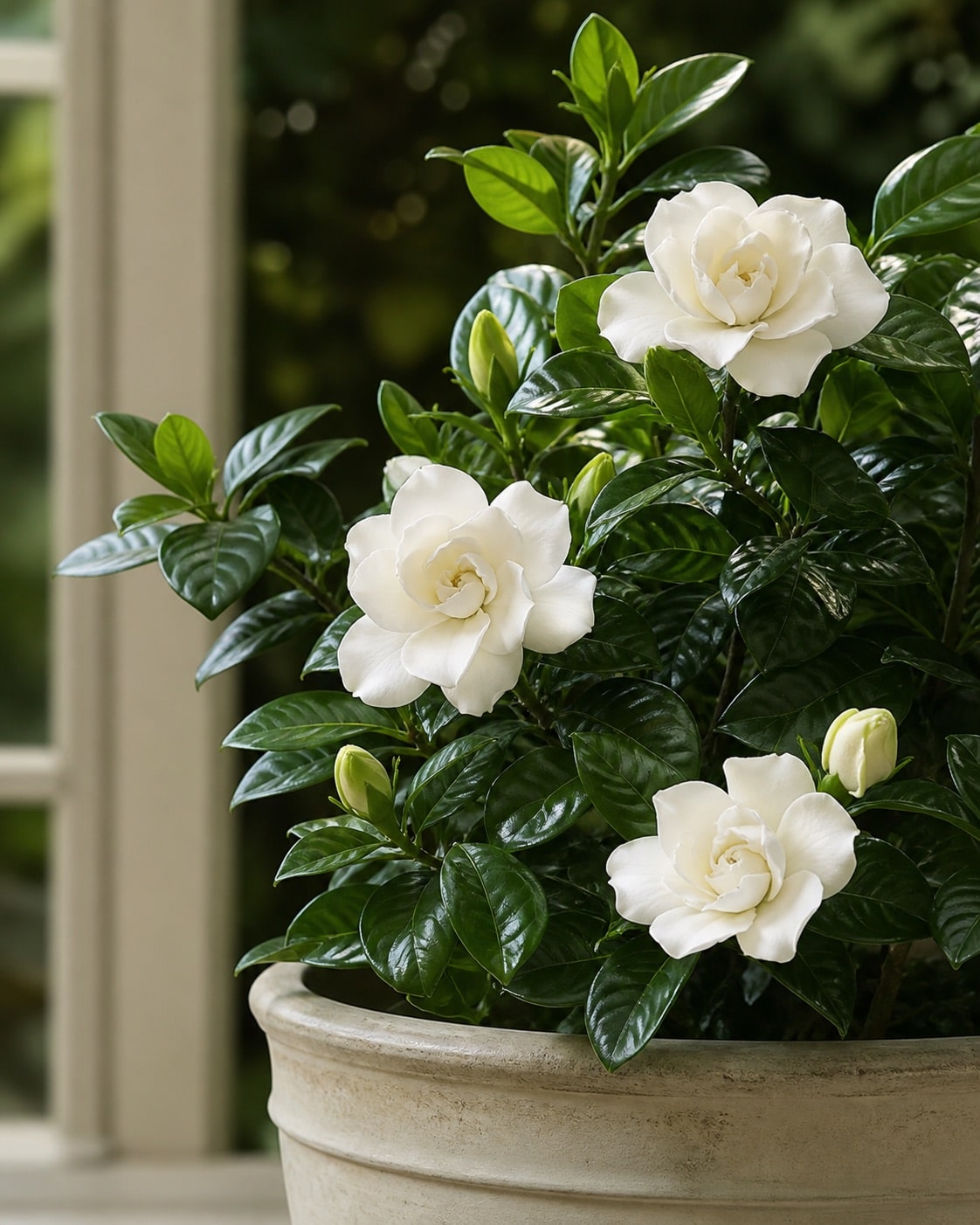
Gardenias are purchased for their glossy leaves and intoxicating white flowers. They are kept alive only by people willing to monitor light, warmth, humidity, soil acidity, and watering with the focus of a laboratory technician.
Give gardenias bright light without scorching afternoon sun, acidic potting mix, consistent moisture, and good humidity. Avoid letting the soil swing from completely dry to waterlogged. They also dislike sudden temperature changes, which can cause flower buds to drop.
Reality check: Gardenias are not being dramatic. They simply have a very detailed list of requirements—and they will notice if you skip one.
4. Moth Orchid (The Grocery-Store Beauty Queen)
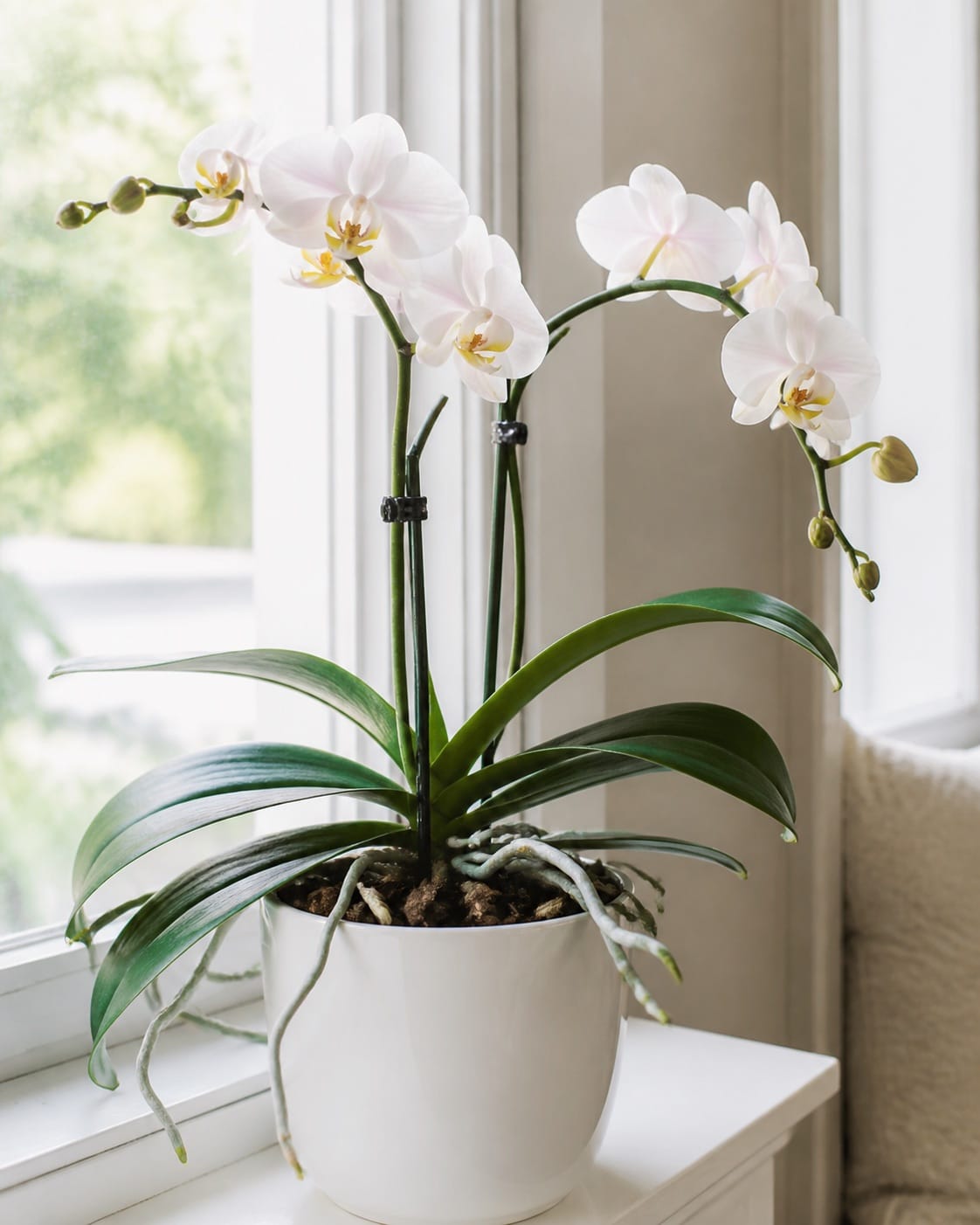
Phalaenopsis orchids are often marketed as easy-care plants, and they can be. The problem is that many people treat them like ordinary houseplants, burying the roots in heavy soil and watering them on a fixed schedule.
Use a loose orchid mix, bright indirect light, and a pot with excellent drainage. Water thoroughly, then allow the mix to dry slightly before watering again. Never let the roots sit in a saucer of water.
Reality check: The orchid is not thirsty because its roots look pale. It may simply be ready for a thorough watering followed by time to drain.
5. Fiddle-Leaf Fig (The Influencer Who Hates Moving)
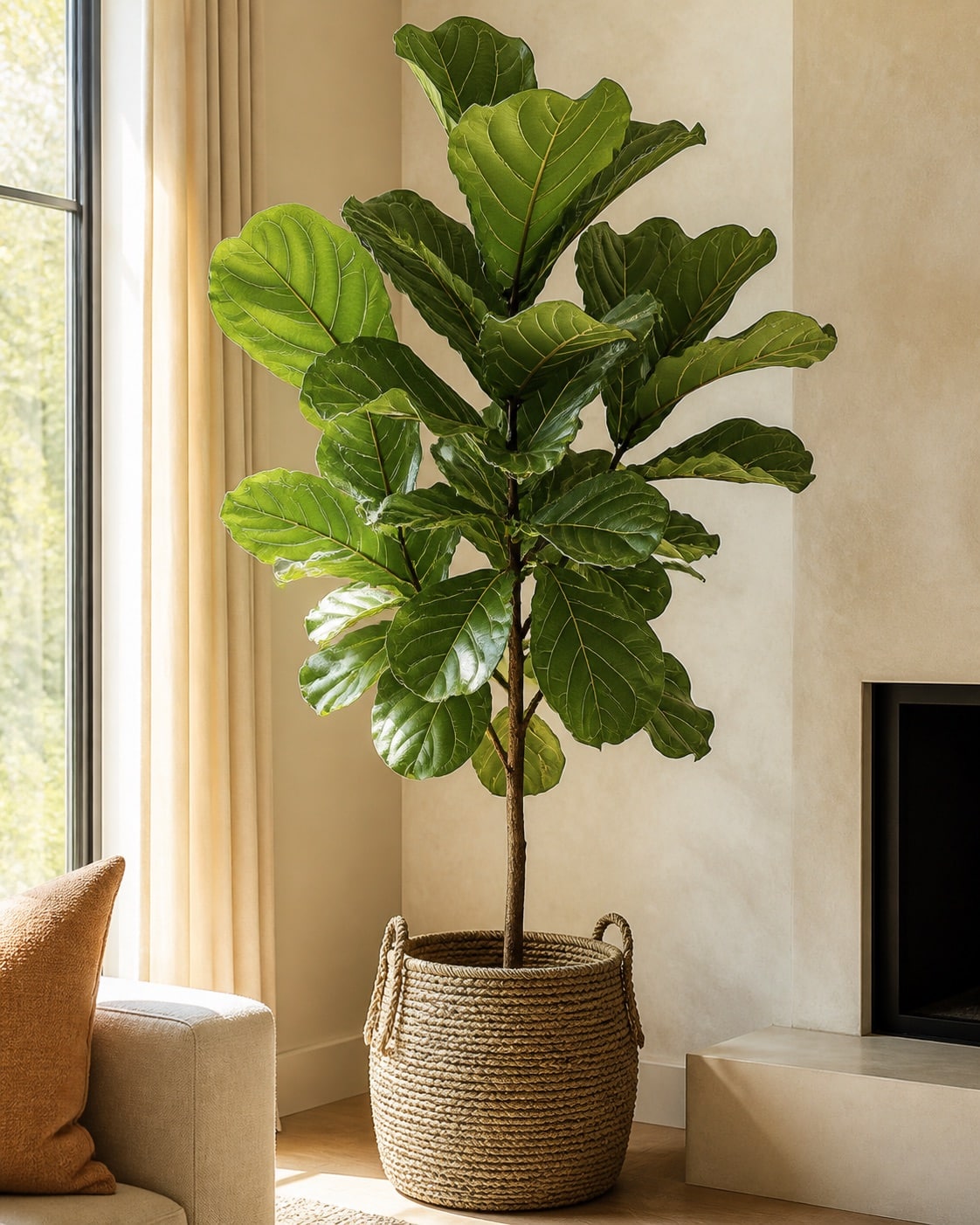
Fiddle-leaf figs became famous for making rooms look instantly expensive. They also became famous for dropping half their leaves when someone changes the curtains.
Give yours bright filtered light and leave it in one stable location. Rotate it occasionally for even growth, but avoid constantly moving it around the room. Water when the top portion of soil has dried, and make sure the container drains freely.
Reality check: A fiddle-leaf fig may not be dying. It may simply be filing a formal complaint about its new location.
6. Boston Fern (The Basket That Never Sleeps)
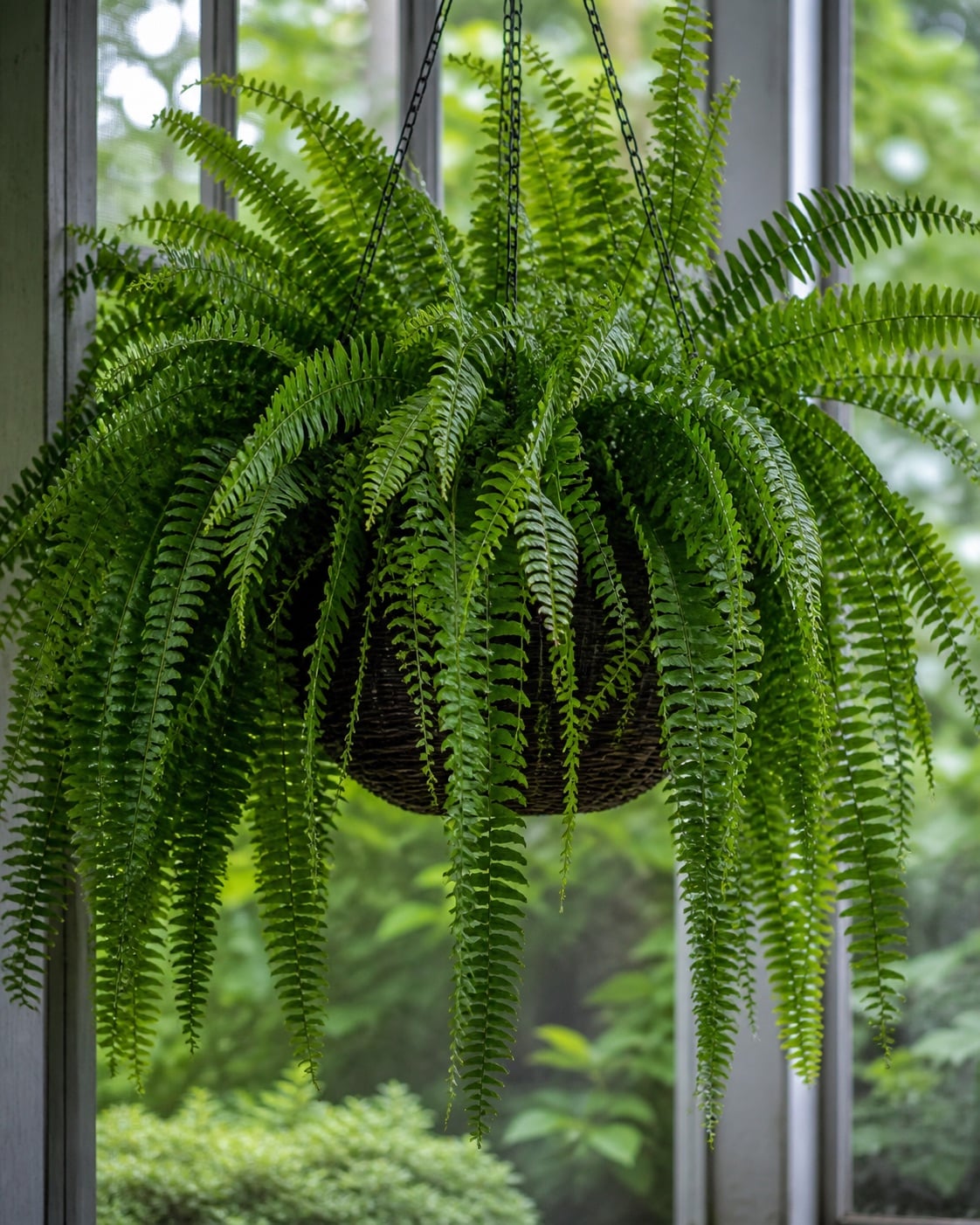
Boston ferns are lush, full, and excellent at making a room feel instantly greener. They are also extremely good at developing brown fronds when the air gets dry or the watering routine becomes inconsistent.
Keep the soil evenly moist, provide bright indirect light, and place the fern away from heating vents and strong drafts. High humidity helps, but a humidifier is generally more effective than misting for a few seconds and hoping for a miracle.
Reality check: A fern that is constantly crispy may need a better location, not a motivational speech.
7. Croton (The Colorful Drama Specialist)
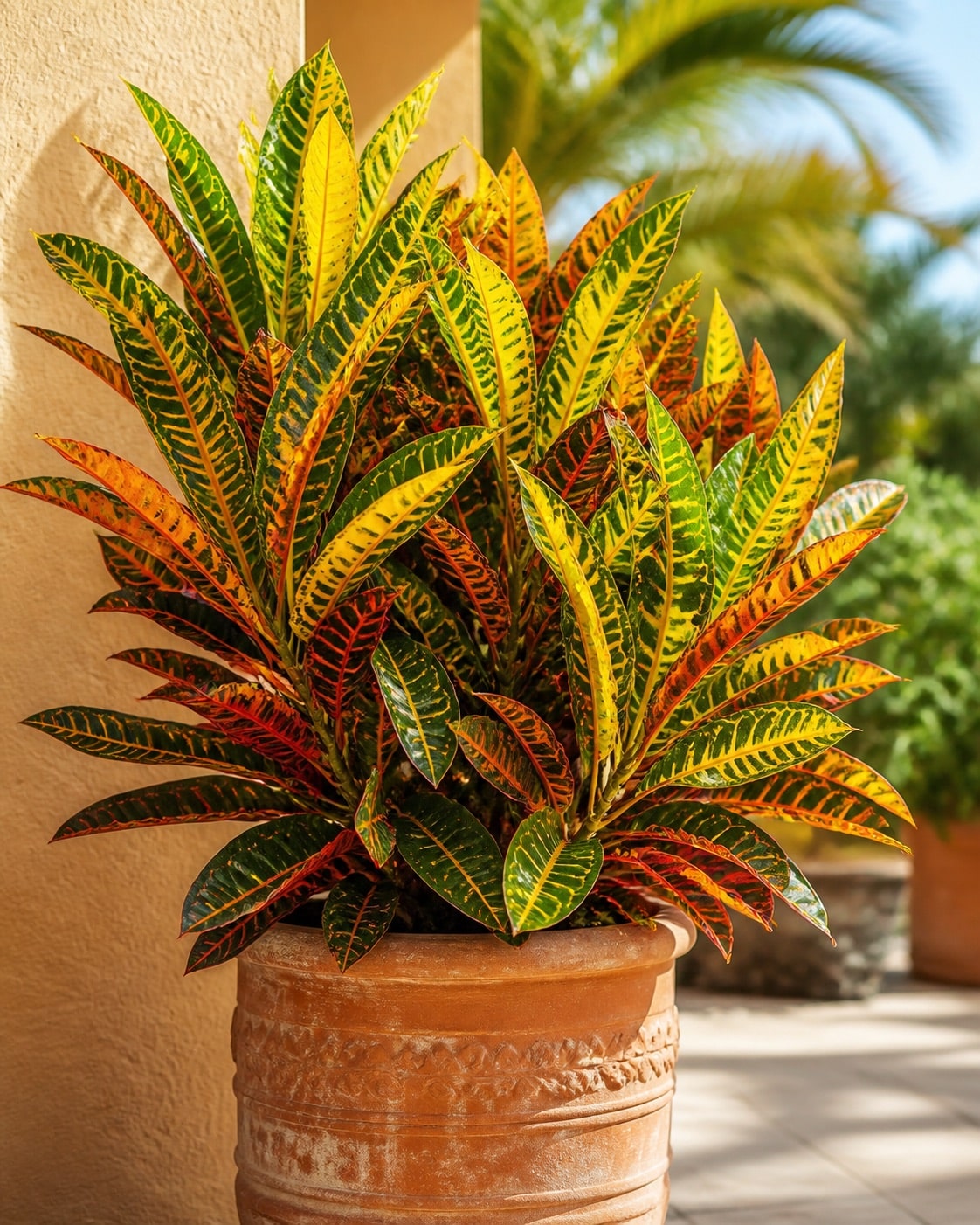
Crotons are bought for their bright orange, red, yellow, and green foliage. Then they are moved from a warm greenhouse into a darker, cooler home and expected to behave as if nothing happened.
Give crotons bright light, warmth, and consistent moisture without soggy soil. Acclimate them gradually when changing locations. Some leaf drop after a move is normal, but persistent problems usually point to poor light, drafts, or watering stress.
Reality check: Crotons do not adjust quietly. They prefer a dramatic announcement, usually in the form of fallen leaves.
8. Alocasia (The Tropical Diva With a Dormant Season)
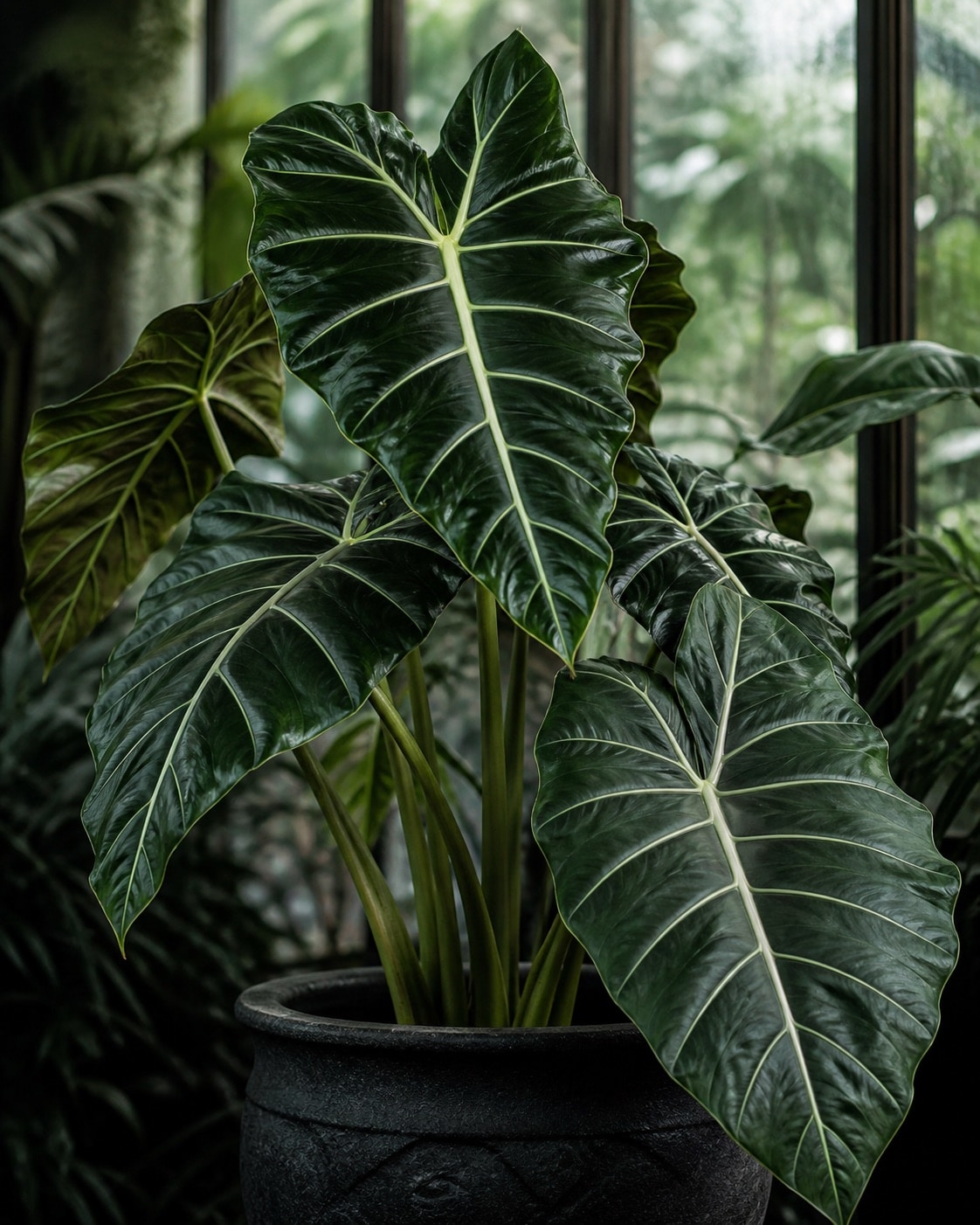
Alocasias have striking leaves and dramatic shapes, which is exactly why people buy them. They can also react badly to cold rooms, dry air, soggy soil, and sudden changes in light.
Use a loose, well-draining mix and keep the plant warm. Water when the surface begins to dry, but do not leave the roots sitting wet. Some alocasias slow down or lose leaves during winter, especially when light levels drop.
Reality check: A dormant alocasia is not necessarily dead. It may simply be taking a seasonal break from being impressive.
9. Rex Begonia (Beautiful Leaves, Delicate Temperament)
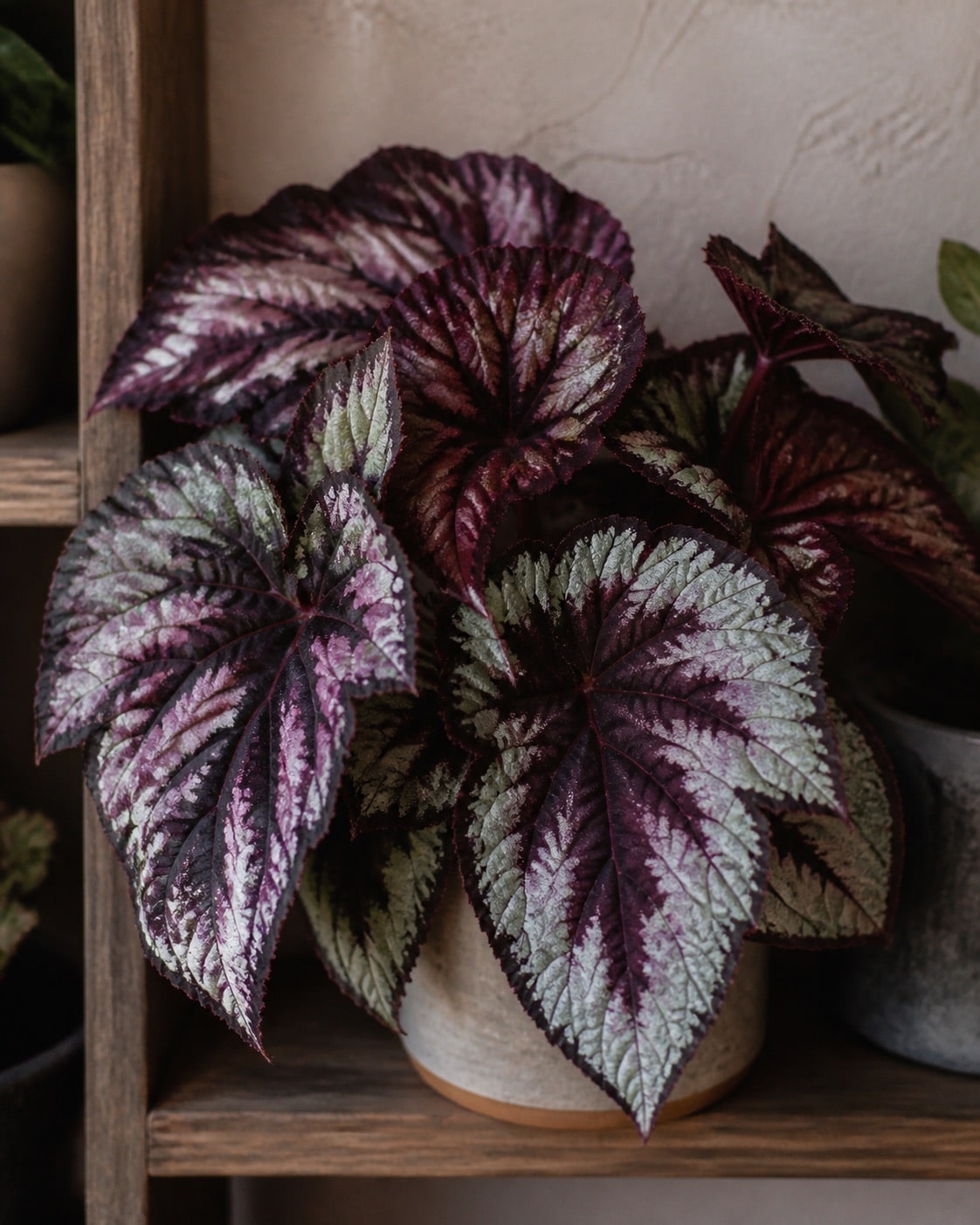
Rex begonias are grown more for their leaves than their flowers, and those leaves can be spectacular. They can also develop rot, scorch, or crispy edges if the light, moisture, and airflow are not balanced.
Give rex begonias bright indirect light, a loose potting mix, and water when the surface begins to dry. Avoid wetting the leaves regularly, and do not crowd the plant against other containers where air cannot circulate.
Reality check: The plant wants humidity around its leaves—not a permanently wet crown.
10. Venus Flytrap (A Tiny Predator With Expensive Water Preferences)
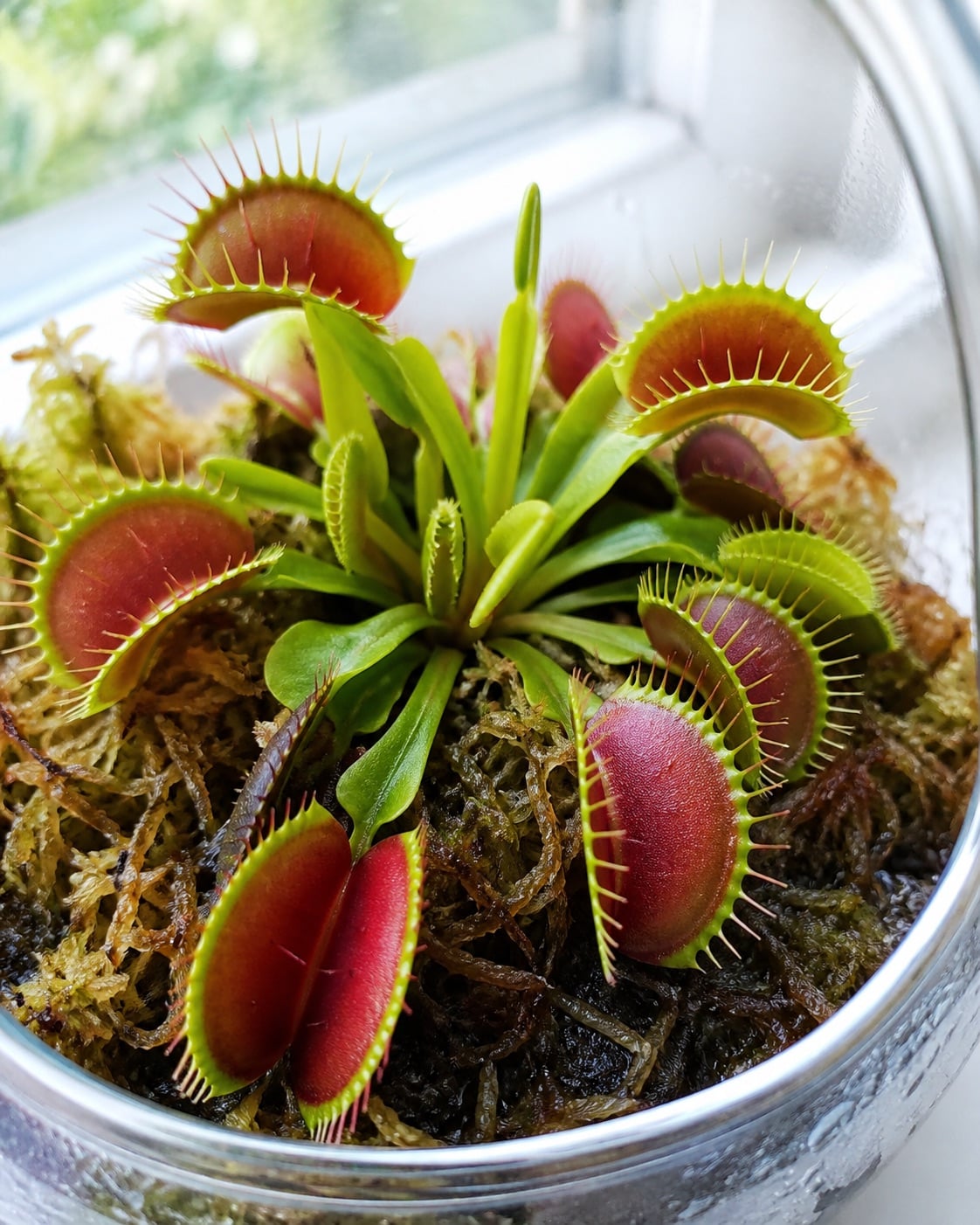
Venus flytraps are irresistible. They are also not ordinary houseplants, no matter how small the pot is. Tap water, regular potting soil, fertilizer, and low light can all cause serious problems.
Use distilled water, rainwater, or reverse-osmosis water. Grow the plant in a nutrient-poor carnivorous-plant mix, give it strong light, and keep the growing medium damp but not stagnant. It may also need a winter dormancy period.
Reality check: Do not feed it hamburger. The plant has standards, and your lunch is not part of its care plan.
11. Bonsai (A Tree With a Very Small Margin for Error)
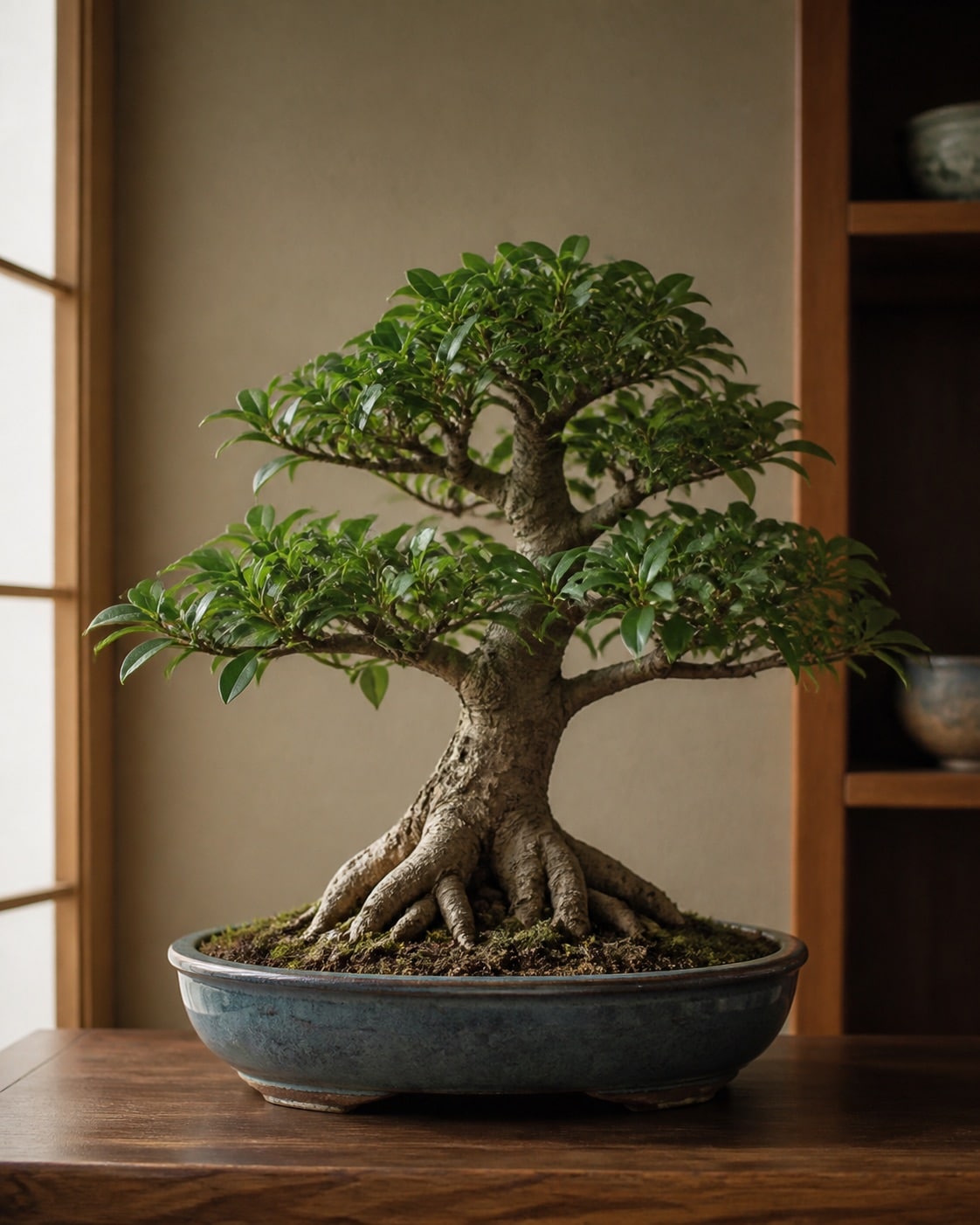
Bonsai are not one specific plant, which is part of the problem. A juniper bonsai, ficus bonsai, and maple bonsai can have completely different needs, yet they often arrive with the same tiny pot and a vague care tag.
Identify the species first. Then learn its light, watering, pruning, and winter requirements. Bonsai containers dry quickly, so check the soil often—but do not water automatically if the soil is still damp.
Reality check: Bonsai are living trees, not decorative sculptures. They require regular observation, not occasional admiration.
12. Indoor Citrus (The Sunshine Addict)
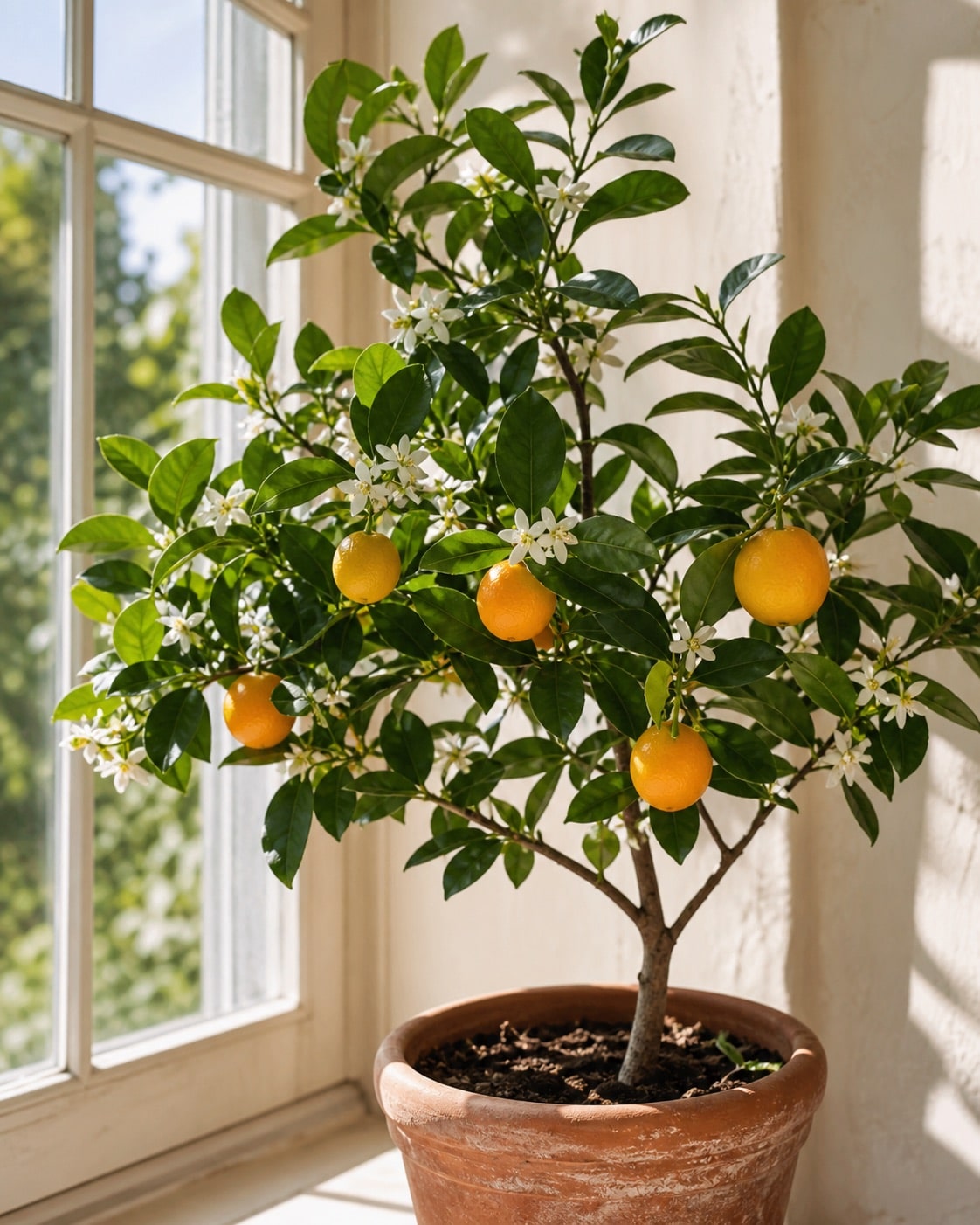
Small lemon, lime, and orange trees are very easy to buy when they are covered in flowers or tiny fruit. Keeping them happy indoors is a different project entirely.
Indoor citrus needs strong light, good airflow, careful watering, and enough space for the roots. Dry winter air can encourage pests, while low light can lead to leaf drop and poor fruit development. Moving the tree outdoors in warm weather can help, but acclimate it gradually.
Reality check: A sunny windowsill is nice. Citrus usually wants the brightest location in the entire house.
13. Rosemary Indoors (The Herb That Wants to Be Outside)
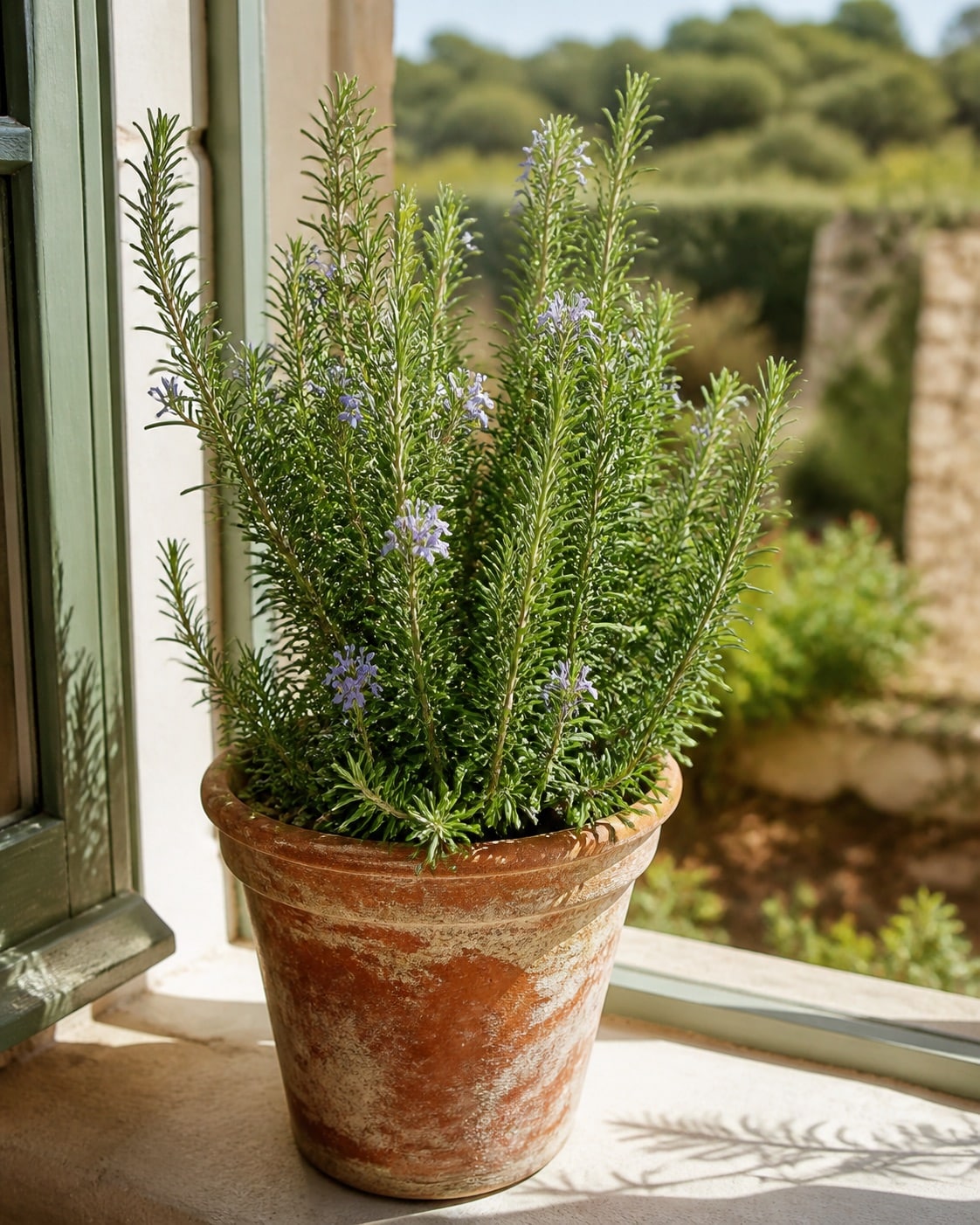
Rosemary seems like an obvious kitchen plant until it begins dropping needles and drying from the inside out. Indoors, it often struggles with low light, poor airflow, and soil that stays too wet.
Give rosemary the brightest light you have, use a fast-draining mix, and let the surface dry between thorough waterings. A small fan nearby can improve airflow, especially in a humid kitchen.
Reality check: Rosemary is Mediterranean. It did not sign up to live beside a dim sink with wet feet.
14. Azalea (The Flowering Shrub on a Short Indoor Visit)
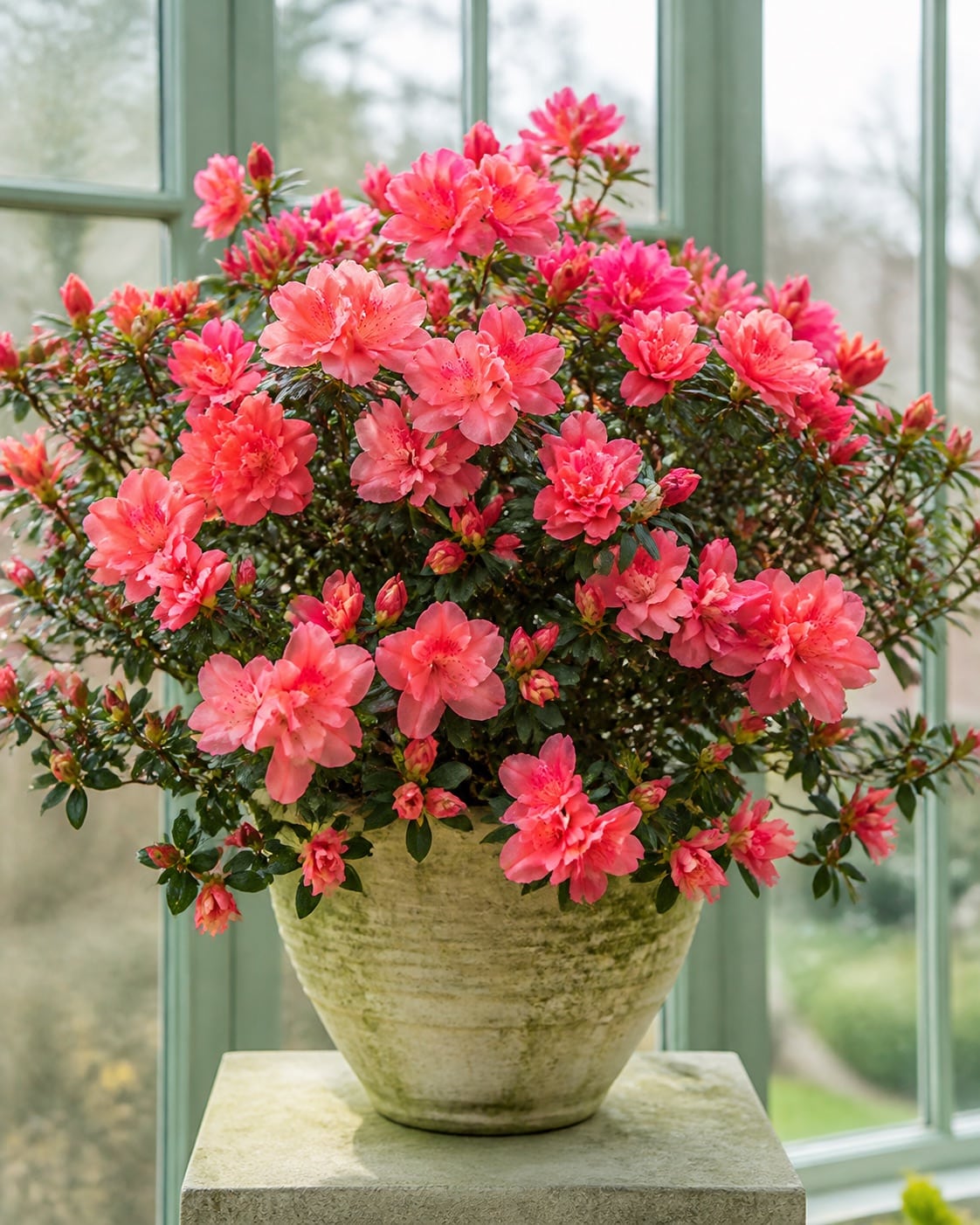
Potted azaleas are breathtaking when they arrive in full bloom. They are often treated like long-term houseplants even though they prefer cool conditions, bright light, acidic soil, and consistent moisture.
Keep the plant cool and bright, never let the root ball dry completely, and avoid placing it near heat vents. Remove spent flowers and consider moving it outdoors after flowering if your climate allows.
Reality check: Azaleas are much happier in a cool porch or garden than in a warm living room.
15. Cyclamen (The Plant That Goes Quiet on Purpose)
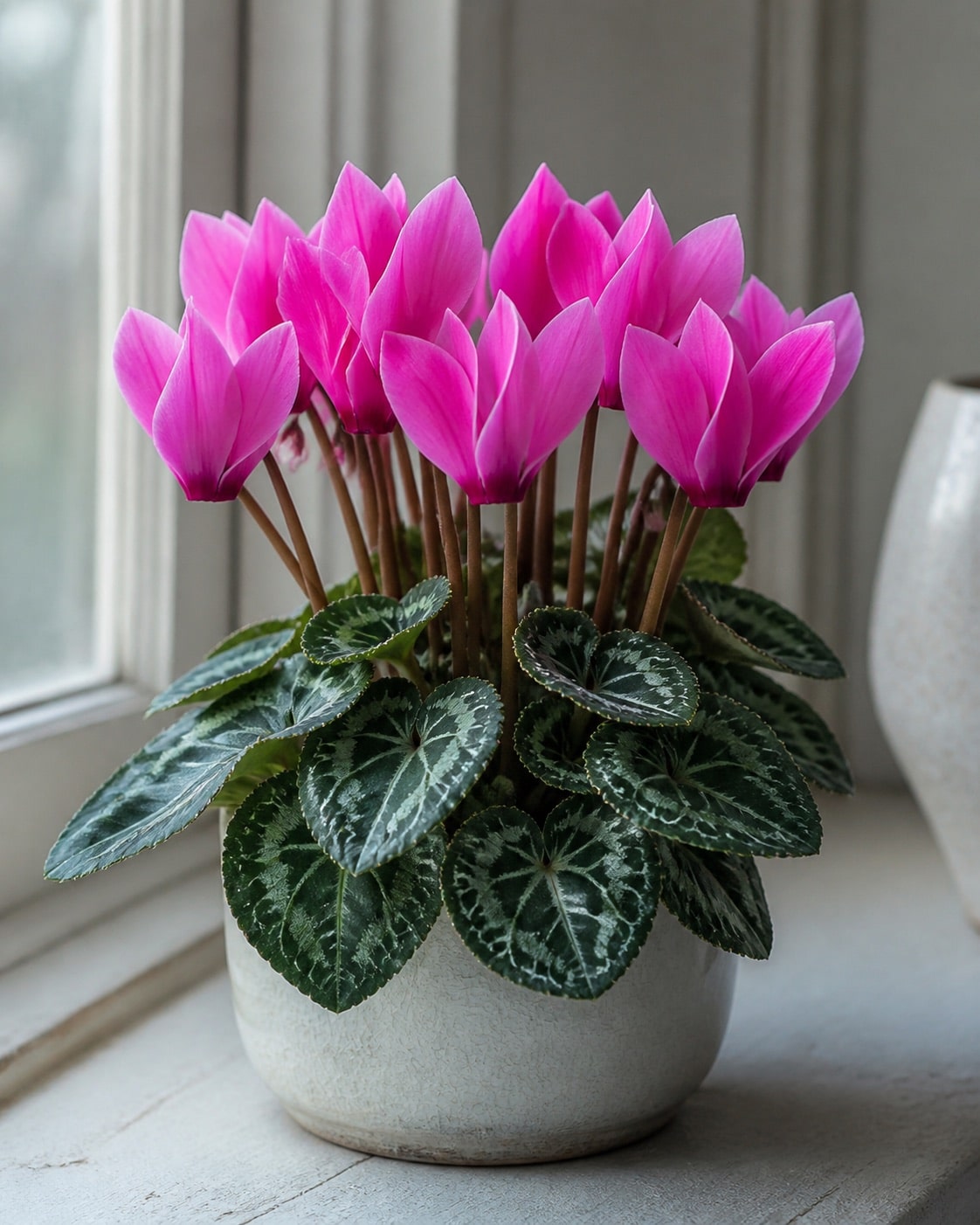
Cyclamen often gets blamed for dying when it finishes flowering. In reality, many cyclamen naturally slow down or go dormant after their bloom period.
Keep cyclamen cool, provide bright indirect light, and water carefully around the edge of the pot rather than soaking the crown. As the leaves yellow, reduce watering and allow the plant to rest according to its type and growing conditions.
Reality check: Yellowing leaves may mean the plant is entering dormancy—not that you need to immediately replace it.
16. Bird of Paradise (A Houseplant That Wants a House of Its Own)
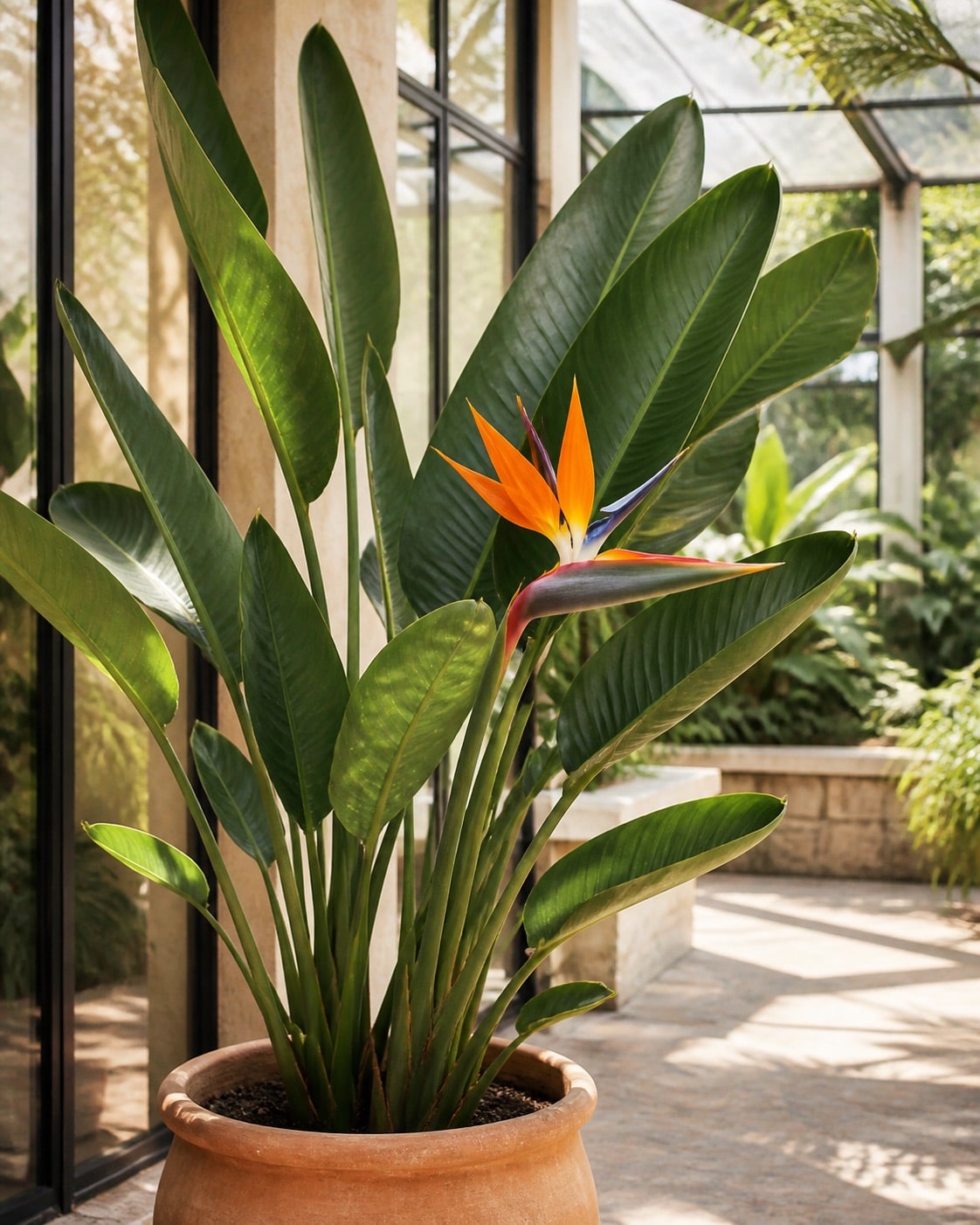
Bird of paradise plants are sold as manageable indoor greenery, but mature plants can become enormous. They need strong light, room to spread, and consistent care to keep their large leaves from splitting or browning.
Place the plant near a bright window, water when the upper layer of soil dries, and wipe dust from the leaves. Give it enough space that the leaves are not constantly rubbing against walls and furniture.
Reality check: If the plant is touching three walls, the plant is not too large. Your room is too small.
17. String of Pearls (The Succulent That Still Finds a Way to Rot)
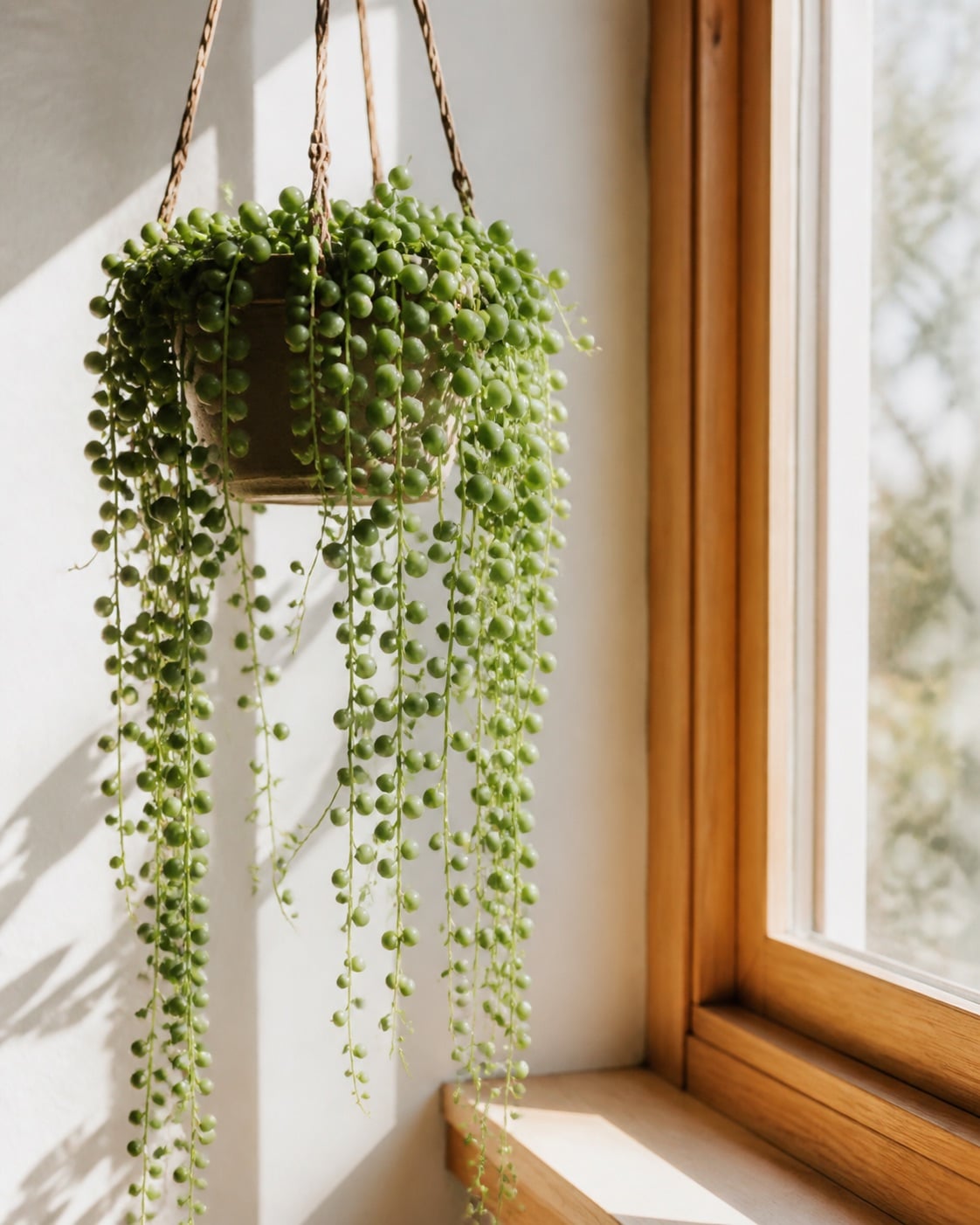
String of pearls looks like the easiest plant in the world because it has succulent leaves. It still needs bright light, fast drainage, and careful watering. Too much water can rot the roots and the bead-like stems before you realize anything is wrong.
Use a gritty mix, a pot with drainage, and a bright location. Let the soil dry between waterings, but do not place the plant in a dark corner and then blame it for stretching.
Reality check: “It’s a succulent” is not a care plan. It is only a clue.
18. Fittonia (The Nerve Plant With Actual Nerves)
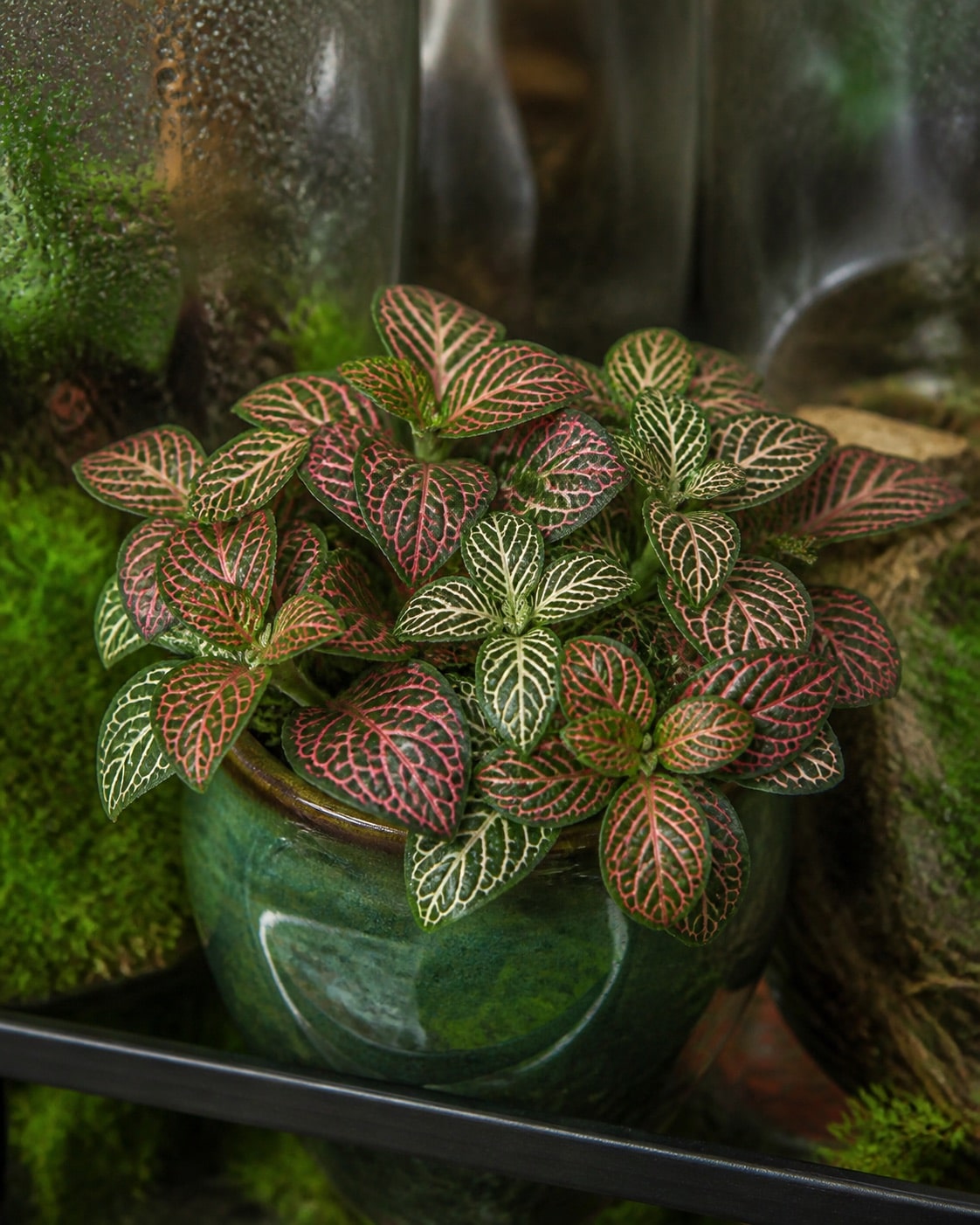
Fittonias are compact plants with colorful veined leaves, making them especially popular for terrariums and bathrooms. They also wilt dramatically when they become too dry.
Keep fittonia in bright indirect light, use evenly moist but well-drained soil, and provide humidity. If it wilts once, it may recover after watering. Repeated drying, however, can weaken the plant.
Reality check: Fittonia does not wait politely until dinner. It starts fainting at lunchtime.
19. Polka Dot Begonia (The Plant That Wants Applause)
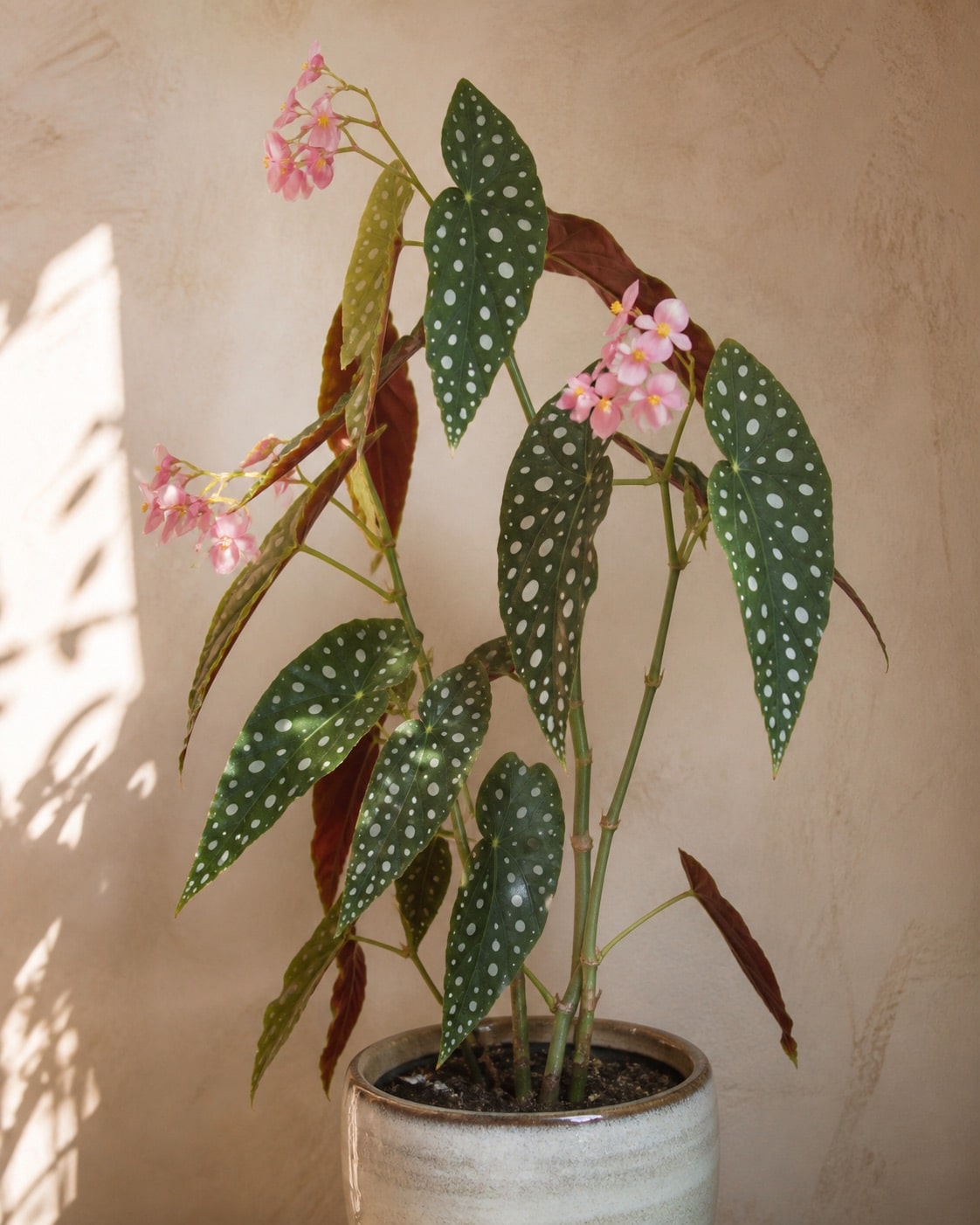
Polka dot begonias are gorgeous, fast-growing, and surprisingly easy to make unhappy. They need bright indirect light, warmth, moderate humidity, and careful watering.
Keep the leaves dry when possible, avoid soggy soil, and pinch the growing tips to encourage a fuller shape. If the plant becomes leggy, it may need more light rather than a more aggressive haircut.
Reality check: This begonia is not difficult because it is mysterious. It is difficult because it grows quickly enough to display every mistake.
20. Miniature Roses (A Bouquet That Refuses to Retire)
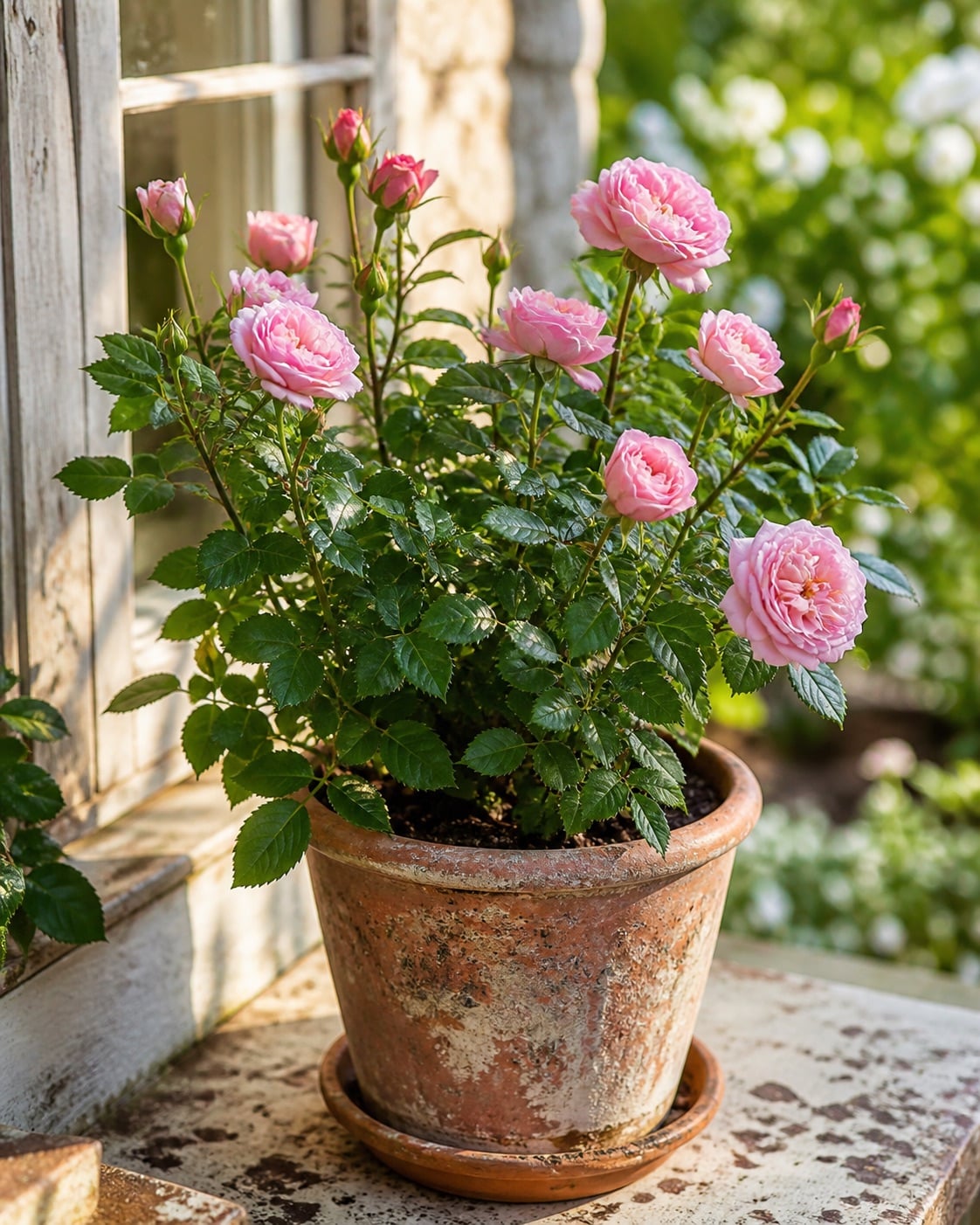
Miniature roses are often sold in bloom as cheerful little gifts, but they are still roses. They need strong light, airflow, regular feeding during growth, and attention to pests such as spider mites.
Give them the brightest light available and avoid keeping them in a hot, stagnant room. After flowering, deadhead lightly and consider moving the plant outdoors when conditions are suitable. Acclimate it gradually to stronger sunlight.
Reality check: A miniature rose is not a permanent bouquet. It is a real plant with real outdoor expectations.
How to Keep a Fussy Plant Alive
The best strategy is not to fuss over a plant every five minutes. It is to create stable conditions and observe what happens.
- Match the plant to the light you actually have, not the light you wish you had.
- Use a pot with drainage and soil suited to the plant.
- Check the soil before watering instead of following a rigid calendar.
- Keep sensitive plants away from heat vents, cold drafts, and sudden temperature changes.
- Quarantine new plants for a short time so pests do not spread to your collection.
- Change one thing at a time when troubleshooting.
- Accept that some leaf drop is normal after a move or seasonal change.
Final Thoughts
People keep buying fussy plants because they are beautiful. That is the honest answer. A gardenia smells like a summer evening. A fiddle-leaf fig can transform a room. A Venus flytrap looks like it has a tiny job. A bonsai makes you feel patient for approximately six minutes.
You do not need to be perfect to grow them. You just need to understand what they are asking for and decide whether you can provide it. Sometimes the kindest plant-care decision is moving a plant to a better window. Sometimes it is buying a humidifier. And sometimes it is admitting that your home is not a tropical rainforest and choosing a pothos instead.
There is no shame in that. The goal is not to win a competition against a plant. The goal is to enjoy growing something without turning every watering into a crisis meeting.