Weeds love bare soil. When sunlight reaches open ground, new seedlings can appear almost overnight. A spreading groundcover fights back by covering those gaps, shading the soil, and making it harder for weeds to gain a foothold.
These 14 familiar plants are widely sold at garden centers and online nurseries, but fast spreaders still need boundaries. Check local invasive-plant guidance before planting near woods or natural areas.
14. Candytuft
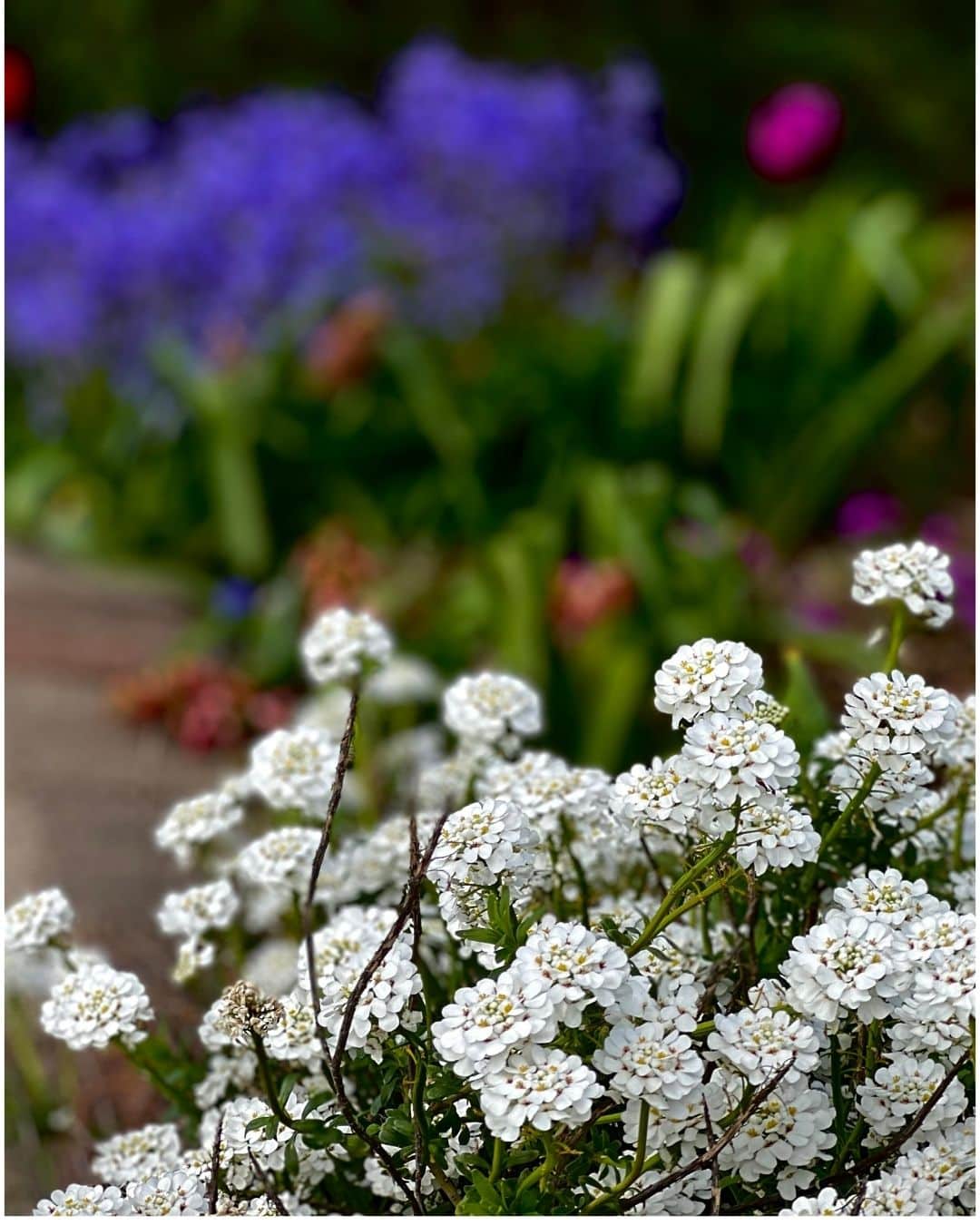
Candytuft looks delicate when it is covered in crisp white spring flowers, but the plant itself is surprisingly tough.
It forms low, spreading mounds that soften the front of flower beds, rock gardens, and sunny banks.
It performs best in full sun and soil that drains quickly.
Once neighboring plants begin to overlap, their evergreen or semi-evergreen foliage shades the ground and leaves fewer openings for weed seedlings.
Candytuft does not enjoy soggy soil.
Shear it lightly after flowering to encourage dense new growth and prevent the middle of the plant from becoming woody and open.
13. Hostas
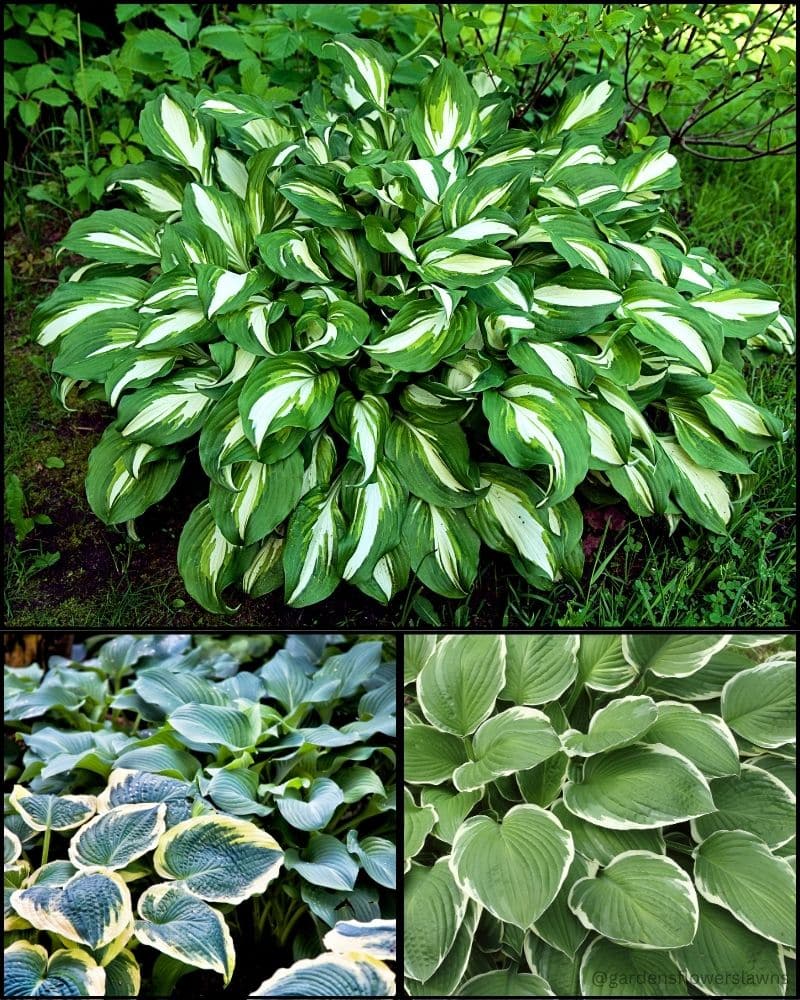
Hostas are among the easiest shade plants to find at garden centers.
They do not race across the soil on runners, but many varieties grow quickly into broad clumps that cover a surprising amount of ground.
Their large, overlapping leaves create heavy shade that can stop many weed seedlings from getting the light they need.
Planting several hostas together works especially well beneath trees, beside foundations, and along shaded fences.
Remove established weeds before planting and mulch the gaps while the hostas fill in.
Deer and slugs may treat the leaves like a buffet, so choose tougher varieties or add protection where those pests are common.
12. Pachysandra

Pachysandra is a classic choice for the difficult ground beneath mature trees.
Its glossy leaves stay low, tolerate shade, and give bare beds a neat, finished appearance through much of the year.
It spreads through underground stems, gradually forming a dense colony where lawn grass often struggles.
Once the plants meet, the shaded soil becomes much less inviting to annual weeds.
Give pachysandra moist, well-drained soil while it becomes established.
Japanese pachysandra can spread beyond garden beds in some regions, while native Allegheny spurge is generally slower and better behaved.
11. Creeping Juniper
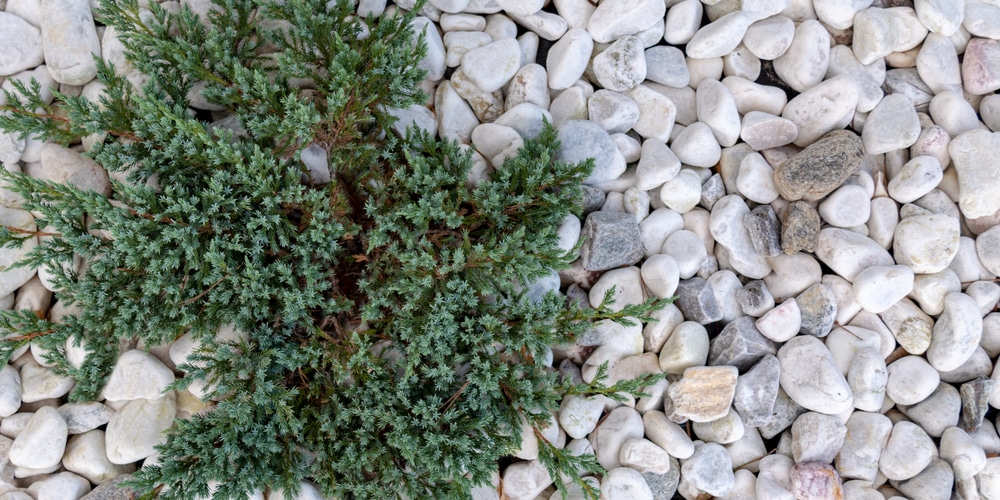
Creeping juniper trades flowers for dependable evergreen coverage.
Its blue-green or gray-green branches hug the soil and spread outward, making it especially useful on banks, beside driveways, and across large sunny beds.
Once established, it handles drought, poor soil, and reflected heat better than many leafy groundcovers.
The spreading branches also help protect slopes from erosion while shading out new weeds.
Creeping juniper is not an instant carpet, so remove perennial weeds before planting.
Give each plant room to widen, and avoid low areas with wet clay or standing water.
10. Stonecrop

Stonecrop is the groundcover for places that seem determined to bake everything planted there.
Low-growing sedums store water in their fleshy leaves and spread across gravel, rock gardens, walls, and dry borders.
It is one of the best choices for hot, sunny, lean soil where ordinary groundcovers struggle.
Many creeping types root as their stems travel, allowing them to knit into a colorful mat.
Choose a low, spreading sedum rather than an upright variety such as Autumn Joy.
Stonecrop dislikes wet feet, and its weed-control ability is strongest after the stems have grown together.
9. Dichondra

Dichondra has small, rounded leaves that create a soft carpet only a few inches tall.
Green varieties are often used as warm-climate lawn alternatives, while silver forms spill beautifully over walls and containers.
In warm weather, dichondra can spread rapidly enough to cover thin soil before many weeds get established.
It grows in sun or partial shade and looks especially good around stepping-stones.
It needs regular moisture while rooting and may thin or die back after hard freezes.
Dichondra can also wander into nearby beds, so use edging where you want a clean boundary.
8. White Clover or Microclover

White clover is inexpensive, familiar, and easy to start from seed.
It fills thin lawns and open garden areas with a low layer of leaves that can tolerate mowing and moderate foot traffic.
Clover competes with weeds while also fixing nitrogen through a partnership with bacteria on its roots.
That makes it especially useful in tired soil where turfgrass needs constant feeding.
Standard white clover produces flowers that attract bees.
Microclover stays smaller and blends more easily into a lawn, although it can still flower and spread when it is allowed to grow.
7. Sweet Woodruff

Sweet woodruff can turn a bare patch of shade into a green carpet before slower woodland plants have finished introducing themselves.
Its whorled leaves form a soft mat, and small white flowers appear in spring.
This plant is at its best in cool, moist shade with rich, well-drained soil.
When it is happy, creeping roots quickly fill the spaces where weeds would normally appear.
Sweet woodruff may struggle in hot, dry locations.
In ideal woodland conditions it can spread aggressively, so use edging or plant it where a broad colony will be welcome.
6. Spotted Deadnettle

Despite its alarming name, spotted deadnettle does not sting.
It forms a bright mat of silver-marked leaves topped by pink, purple, or white flowers that can lighten a gloomy corner.
The stems root when they touch the soil, allowing a few plants to cover a shaded bed surprisingly quickly.
Dense foliage then blocks sunlight from reaching many new weed seedlings.
Spotted deadnettle handles dry to moderately moist shade, including awkward spaces beneath shrubs.
It is nonnative and may escape in some regions, so keep it contained and away from natural areas.
5. Periwinkle

Periwinkle, also called vinca, is easy to recognize by its glossy evergreen leaves and blue-purple spring flowers.
Its trailing stems move across the ground and root as they go.
It can cover large shaded areas quickly and is especially effective on slopes where erosion and weeds arrive together.
Once established, the vines create a thick layer over the soil.
That speed comes with a serious warning.
Periwinkle is invasive in many parts of the United States, so check local guidance and use it only in contained beds where it cannot reach woods or waterways.
4. Creeping Phlox
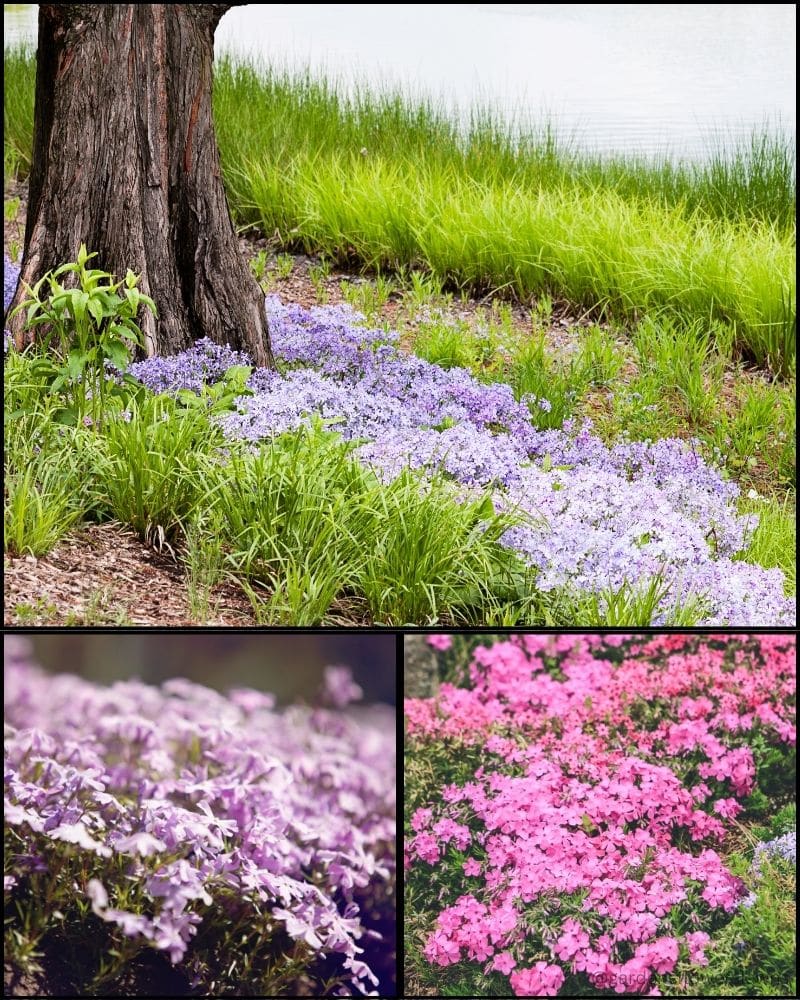
For a few weeks each spring, creeping phlox nearly hides its foliage beneath a blanket of flowers.
The rest of the year, its needlelike leaves remain packed into a low, spreading mat.
It is a strong choice for sunny slopes, stone walls, dry borders, and places where erosion and weeds show up together.
The dense foliage protects the soil while adding intense spring color.
Creeping phlox prefers well-drained soil and does not appreciate being buried under wet leaves.
Trim ragged growth after flowering if needed to keep the plants dense and tidy.
3. Creeping Thyme
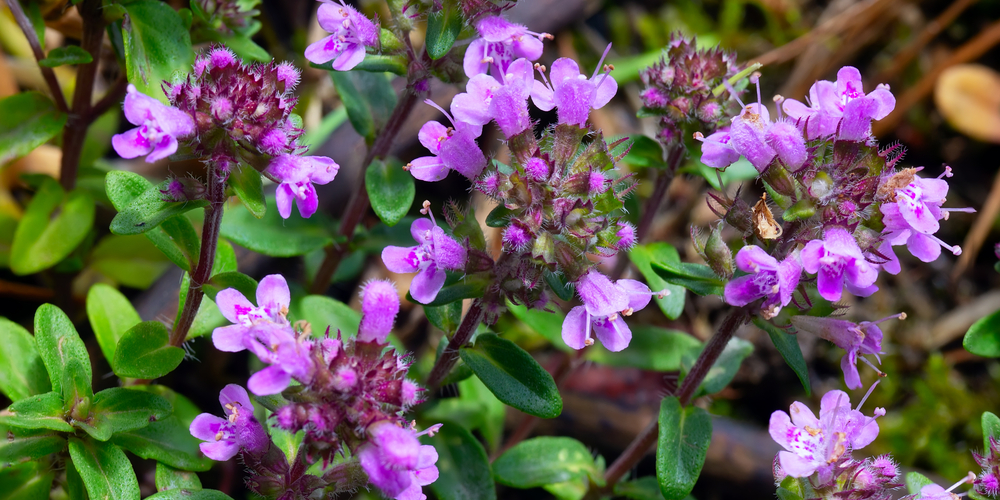
Creeping thyme is built for hot, dry places.
It stays only a few inches tall, spreads through trailing woody stems, and produces a flush of pink, red, or purple flowers.
Its dense, fragrant foliage can crowd out young weeds while tolerating light foot traffic.
That makes it useful between stepping-stones, along sunny paths, and over small slopes.
Thyme will not rescue a wet or poorly drained bed.
Remove existing perennial weeds before planting, then give it full sun and lean soil. Once established, it needs very little attention.
2. Bugleweed
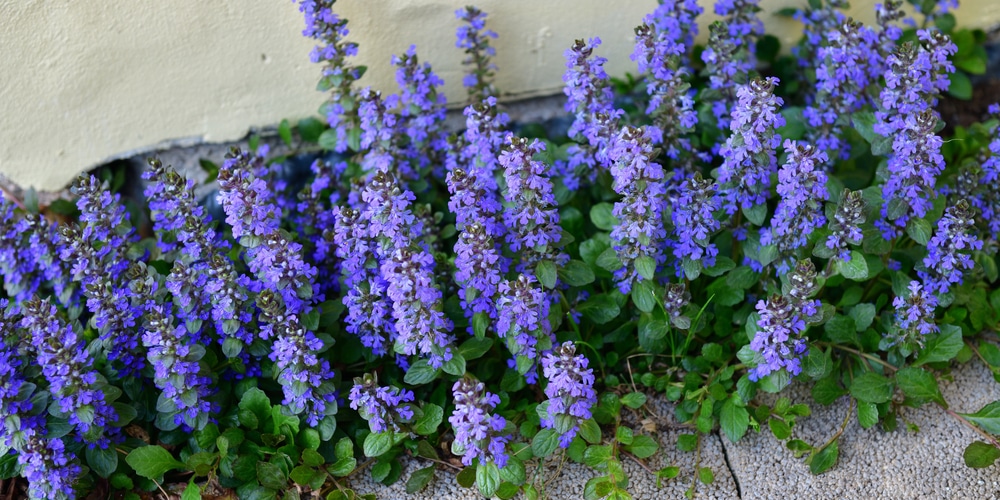
Bugleweed, usually sold under the name ajuga, forms colorful rosettes of green, bronze, purple, or variegated leaves.
Blue flower spikes rise over the foliage in spring.
It is one of the fastest common groundcovers for creating a thick mat in partial shade.
Short runners move outward, root into the soil, and close the gaps where weeds normally appear.
Ajuga tolerates sun in cooler areas but appreciates shade in hot climates.
It can creep into lawns or natural areas, so trim wandering runners and remove flower spikes if unwanted seedlings become a problem.
1. Creeping Jenny
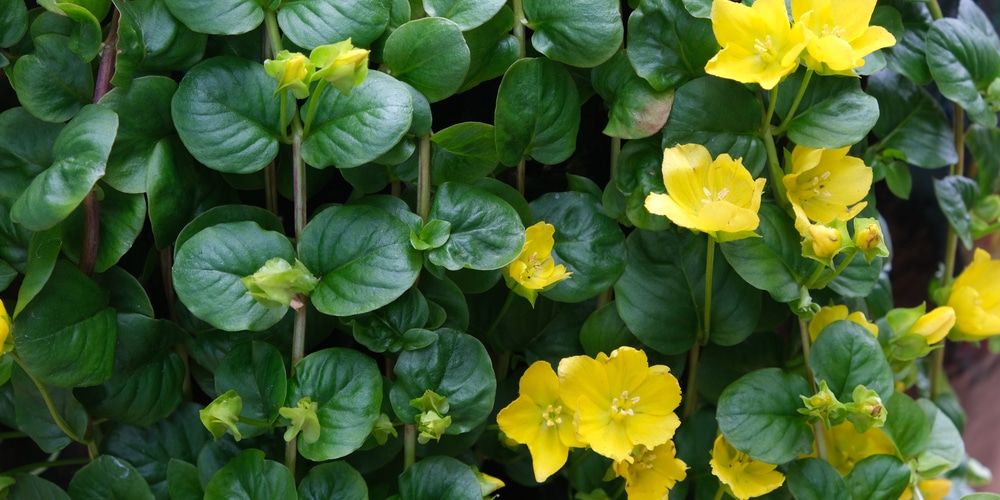
Creeping Jenny earns the top spot because it wastes very little time.
Its round, coin-shaped leaves race over moist soil, around rocks, and down the edges of containers.
Every stem can root at multiple points, helping the plant fill bare ground with startling speed.
Golden varieties also brighten shady beds with chartreuse foliage.
Creeping Jenny prefers moist soil and grows in sun or partial shade.
It can be invasive and difficult to remove after it escapes, so containers, raised beds, and tightly bordered spaces are the safest places to enjoy it.
Thank you so much for reading! Have a terrific day!