Two pots of mums can look equally gorgeous in September and have completely different futures. One becomes a dependable fall bloomer; the other disappears after its first winter.
The difference usually comes down to the variety, how early it gets established, and what happens around its roots. A “hardy” label helps, but it cannot fix every growing mistake. Here’s how we separate a promising perennial from a pretty porch plant with uncertain prospects.
The Plant Tag Matters More Than the Flower Color
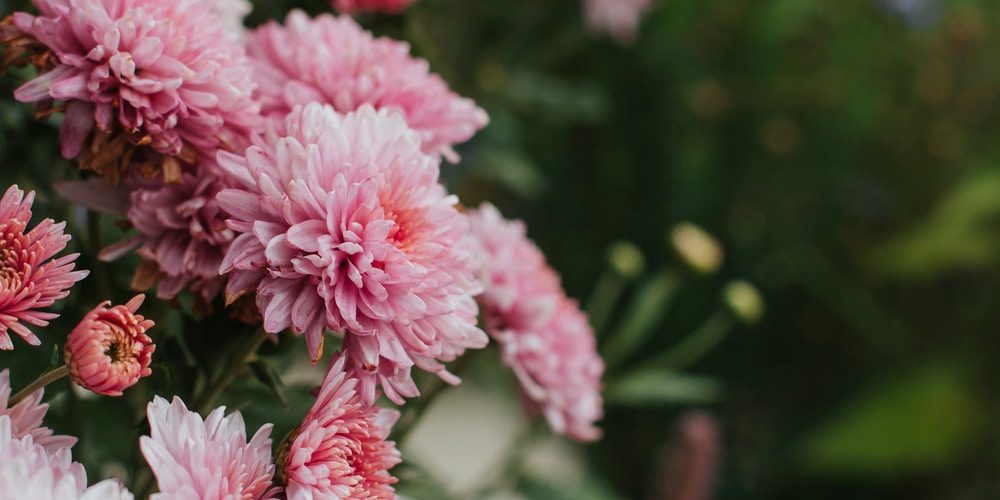
Garden mums and florist mums are grown for different jobs. Garden varieties are selected for outdoor performance, while florist varieties are often intended for flowering gifts or short-term displays. Many florist mums are unreliable outdoors in cold-winter regions.
That does not make every mum at the grocery store an annual. Retailers can carry different kinds, and a tight dome of flowers does not reveal a plant’s winter tolerance.
For a repeat performer, look for a named garden cultivar with a hardiness rating that includes your USDA zone. Ask whether that specific variety has a good survival record locally. A tag that says only “fall mum” leaves the important question unanswered.
Even among perennial mums, growth habits differ. Some stay compact, while established Mammoth-type mums can spread 3 to 4 feet across. Buy for the plant’s mature size and local hardiness, not just this weekend’s porch display.
A Blooming Fall Purchase May Be Getting a Late Start
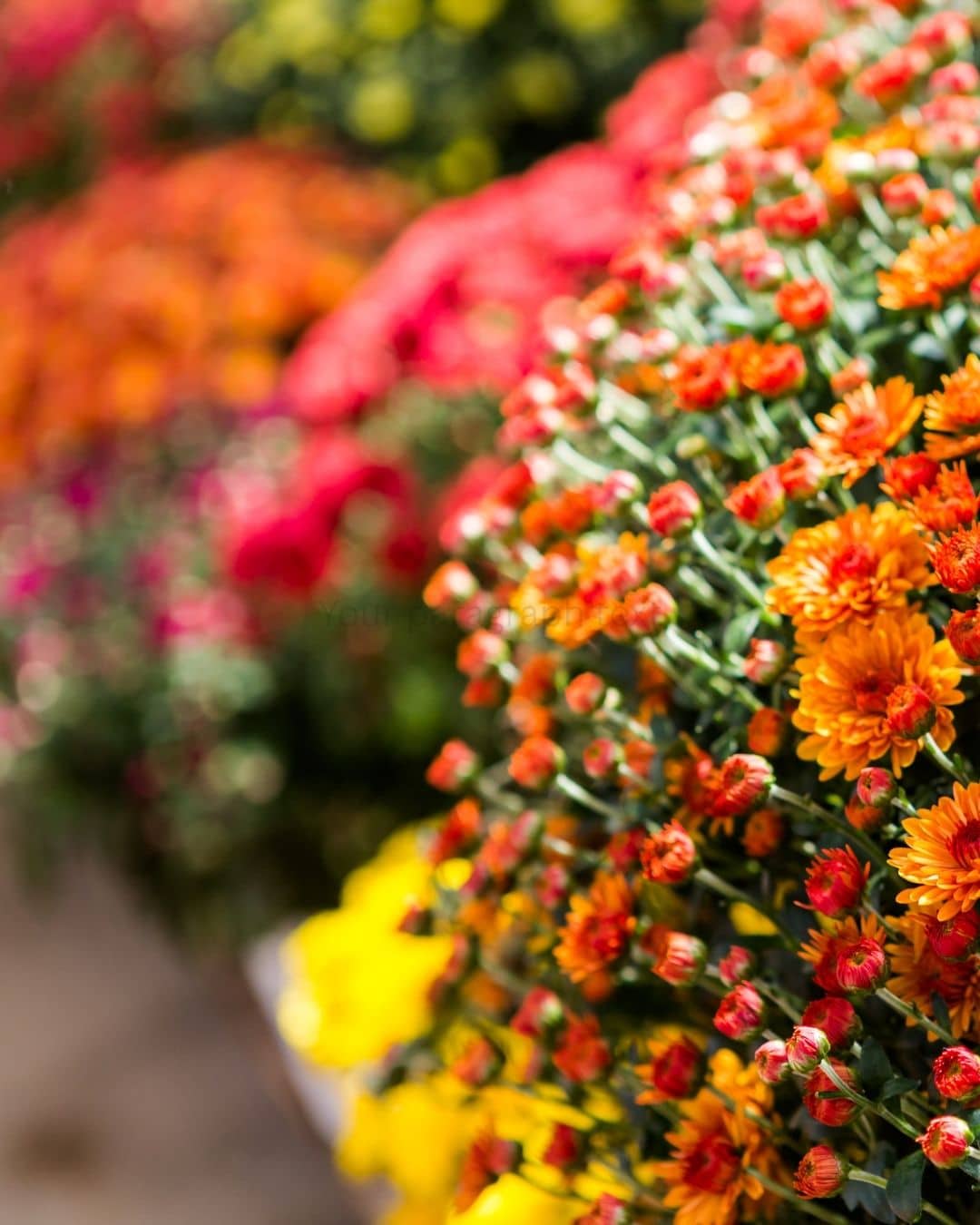
The awkward thing about mums is that we tend to shop for them when their flowers look best. In a cold-winter garden, that can also mean planting just as their establishment time is running out.
Spring planting gives hardy garden mums the best chance to develop roots before winter. A small, leafy plant bought early can have months to settle in. A large flowering pot planted late in fall has a much shorter runway.
Climate changes the calculation. Fall planting can work in milder regions with a longer growing season. It is a bigger gamble where freezing weather arrives quickly, especially if you wait until the porch display is finished.
If you buy a locally hardy mum early in fall and want it in the garden, plant promptly rather than holding it in its pot for weeks. For the most dependable perennial planting in a cold climate, shop again in spring—even if the plants have no flowers yet.
A Pot Leaves the Roots More Exposed

A mum rated hardy in the ground is not automatically hardy in a pot on the steps. Garden soil insulates roots. A small container chills more deeply and changes temperature faster, leaving its roots vulnerable to conditions an established garden plant might withstand.
For a hardy garden mum that cannot be planted before winter, protected dormant storage is an option. After frost sends it into dormancy, move the pot to a cool, sheltered location such as an unheated garage that avoids severe cold.
Aim for a space that keeps the plant dormant rather than a warm living room. Check the actual temperature: an unheated building in a very cold region can still become too cold for exposed roots.
Check moisture periodically throughout winter. Water as needed to prevent the root ball from drying out completely, let excess water drain, and avoid keeping the mix soggy. Move it back toward outdoor growing conditions in spring and plant once conditions are suitable.
This improves the odds for an appropriate garden variety; it does not turn an unknown florist mum into a reliably hardy perennial.
The Right Spot Needs Sun and Drainage
A mum covered in flowers can look fine in a shady autumn display because those buds developed before you brought it home. That spot may not provide enough light for strong growth the following year.
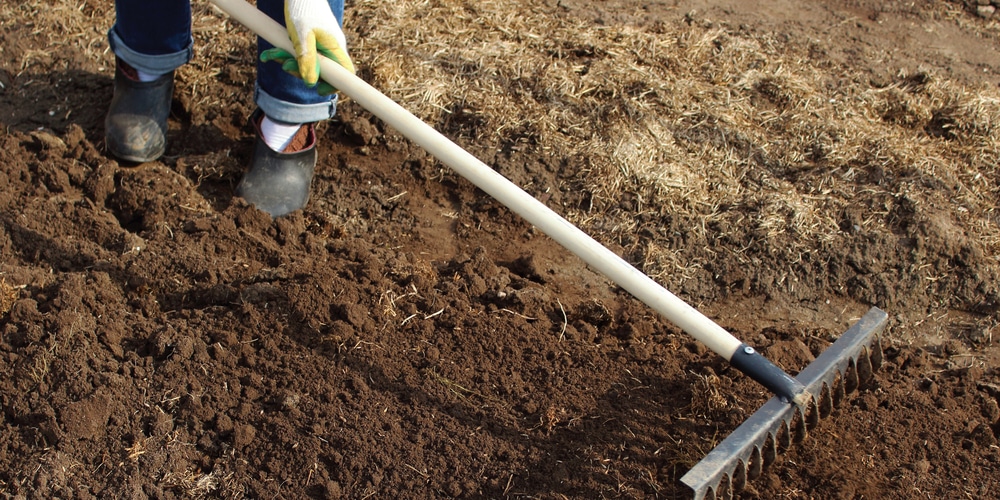
Choose a garden location with at least six hours of direct sunlight during the growing season. Give it room to reach its mature width, and plant at the same depth it occupied in its nursery container.
Drainage is just as important. Avoid low spots that collect water, compacted soil that stays saturated, and places where runoff repeatedly floods the bed. Cold, wet conditions are an especially poor combination for a struggling root system.
Water thoroughly after planting, then check the soil instead of following a rigid calendar. Keep it evenly moist while roots establish, without leaving it waterlogged. Continue checking during dry fall weather even after the flowers fade.
We fix the site before reaching for fertilizer. Extra feeding cannot compensate for insufficient light, standing water, or a variety that is poorly suited to winter.
Skip the Fall Haircut and Protect Against Freeze–Thaw Swings
Leave the old mum stems standing through winter. Resist cutting the entire plant to the ground as soon as its flowers turn brown. Established garden mums generally survive better with that old growth left in place until spring.
The problem is not only the lowest temperature on the forecast. Repeated freezing and thawing can push shallow-rooted plants upward, exposing their roots and damaging their connection to the soil.
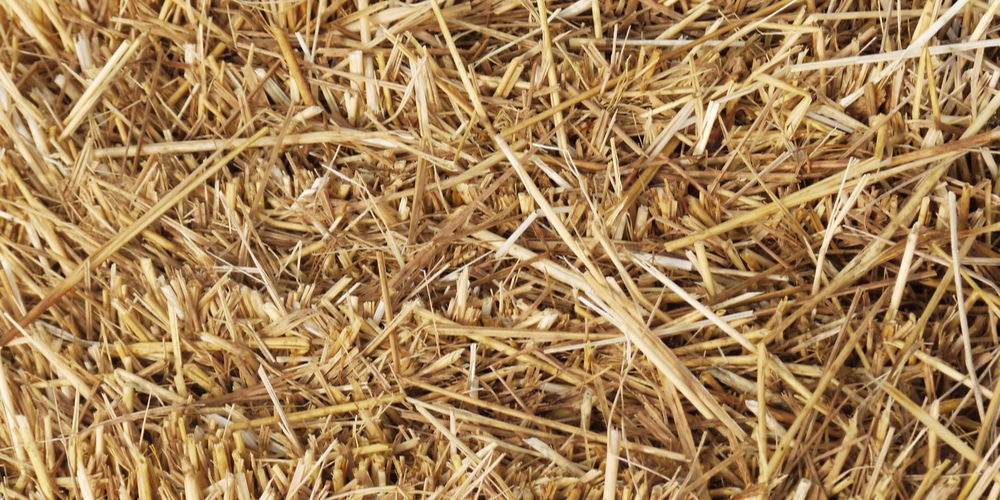
In cold-winter areas, add roughly 4 inches of loose protective mulch in late fall, after the ground begins freezing. Clean, weed-free straw or pine needles work well; avoid a dense mat of wet leaves.
Winter mulch helps keep soil temperatures steadier. It is meant to reduce those repeated thaw-and-freeze cycles, not keep the plant actively growing all winter.
As conditions warm in spring, gently pull back the protective layer so new shoots can emerge. Use your local season as the guide rather than copying another region’s calendar date.
Returning Leaves and Returning Flowers Are Two Different Things
When spring arrives, look for fresh growth near the base before judging a mum by its brown old stems. Once growth resumes, remove the previous season’s dead top growth carefully.
For varieties that benefit from shaping, pinch off the growing tips in spring to encourage branching. Finish pinching by early July in many regions, or follow the timing recommended for your cultivar. Repeated late trimming can delay or remove the display you have been waiting for.
Here is an easily missed detail: mums respond to long, uninterrupted nights. A bright porch light or streetlight can interfere with flower formation. A plant that returns with plenty of leaves but few blooms may have a lighting problem rather than a winter-survival problem.
An early-flowering cultivar also has a better chance to finish its show before hard freezes in a short season.
Keep the tag from a mum that returns and blooms well in your yard. That exact variety, planted at the right time in a suitable spot, is a much better guide for next year’s purchase than flower color alone.
References
- Iowa State University Extension: Growing Chrysanthemums in Iowa
- Iowa State University Extension: When Is the Best Time to Plant Garden Mums?
- University of Minnesota: Chrysanthemum Breeding and Growth Habits
- Clemson Extension: How to Grow Garden Mums in South Carolina
- University of Illinois Extension: Overwintering Potted Plants
- University of Illinois Extension: Why Do My Mums Always Die?
- University of Illinois Extension: Planting and Maintaining Perennial Mums
- Iowa State University Extension: How Should I Prepare Mums for Winter?
Image Attributions
The Plant Tag Matters More Than the Flower Color
- “mums” — GFL Outdoors media library.
A Blooming Fall Purchase May Be Getting a Late Start
- “Chrysanthemum (Garden Mum) 45” — GFL Outdoors media library.
A Pot Leaves the Roots More Exposed
- “Chrysanthemums in a plant nursery” by liz west, licensed under CC BY 2.0. Displayed at a reduced size.

The Right Spot Needs Sun and Drainage
- “Rake Ground” — GFL Outdoors media library.
Skip the Fall Haircut and Protect Against Freeze–Thaw Swings
- “straw” — GFL Outdoors media library.
Returning Leaves and Returning Flowers Are Two Different Things
- “Chrysanthemum” — GFL Outdoors media library.
Featured graphic supplied by the publisher.