You don’t notice invasive species all at once. They don’t crash in loudly. They creep. One strange fish in a trap. One “new” bug on a backyard tree. One vine that suddenly owns the fence line.
In Virginia, these quiet invasions hit from every angle… Some invaders wipe out oyster reefs and blue crabs. Others kill ash trees by the millions, choke vineyards, or turn a normal weekend hike into a “report this sighting” emergency.
Landscape Invaders: The Plants and Insects Overtaking Virginia’s Forests, Fields, and Backyards
If Virginia has a “front line” for invasives on land, it’s the forests, fields, and neighborhoods.
Once these plants or insects get a foothold, they spread fast—through birds, wind, vehicles, or the simple act of planting something that “looked nice.” And then the native landscape pays the price.
1. Callery Pear (Pyrus calleryana)
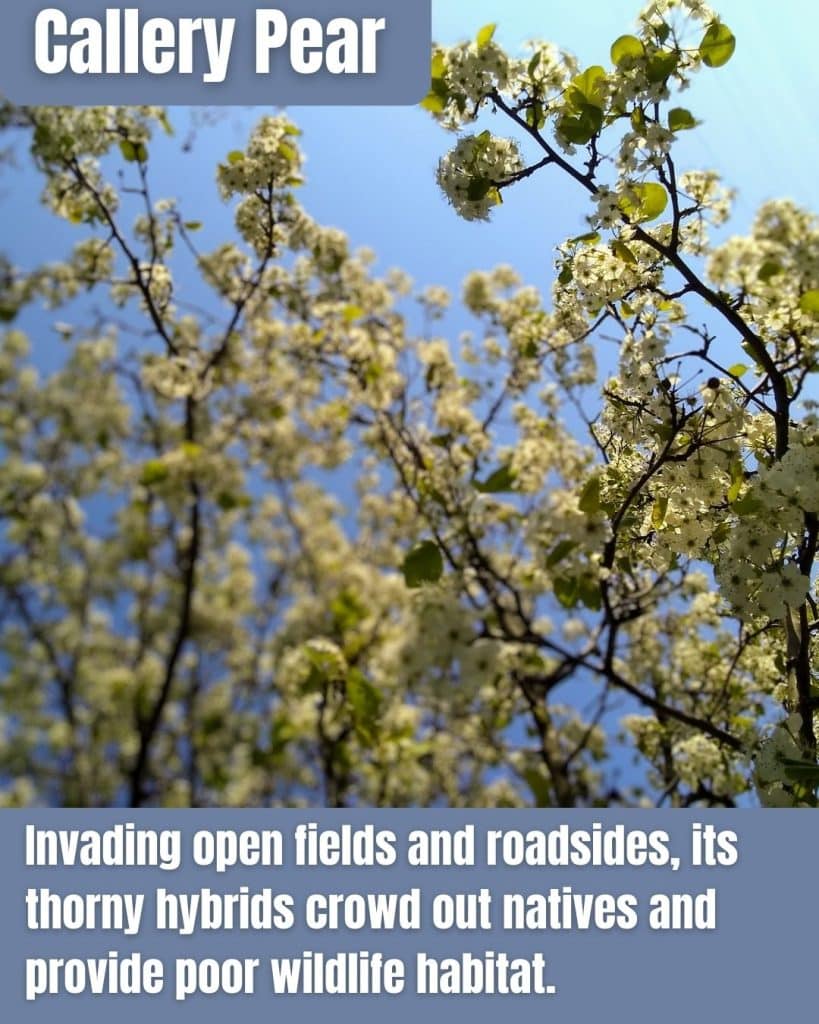
- Thorny escapee: Hybridizes and forms dense stands that crowd out native plants.
- Ornamental gone wrong: Widely planted as “Bradford” or “Cleveland Select,” now feral across the state.
- Wildlife trap: Provides poor nutrition and creates monocultures where little else grows.
This tree was marketed as the perfect suburban ornamental—until it escaped and started taking over fields and roadsides.
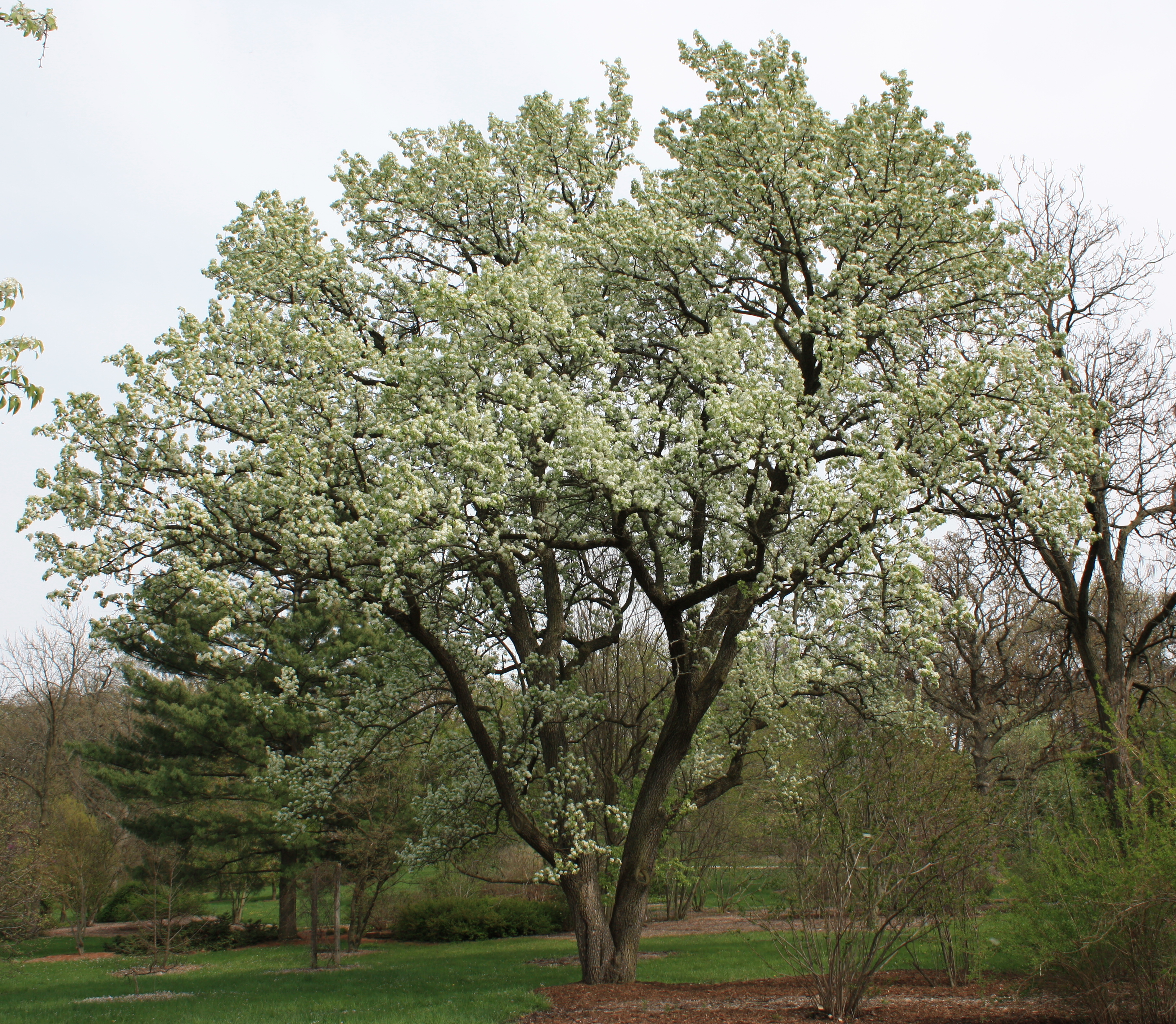
In Virginia, Callery pear invades open fields, forest edges, and rights-of-way, outcompeting native wildflowers and shrubs. Its thorns make it nearly impossible for wildlife or hikers to move through.
The classic spread mistake? Planting the “improved” cultivars yourself, or buying them from big-box nurseries.
Even one tree can produce thousands of seeds that birds carry miles away. Plant natives instead.
2. Autumn Olive (Elaeagnus umbellata)
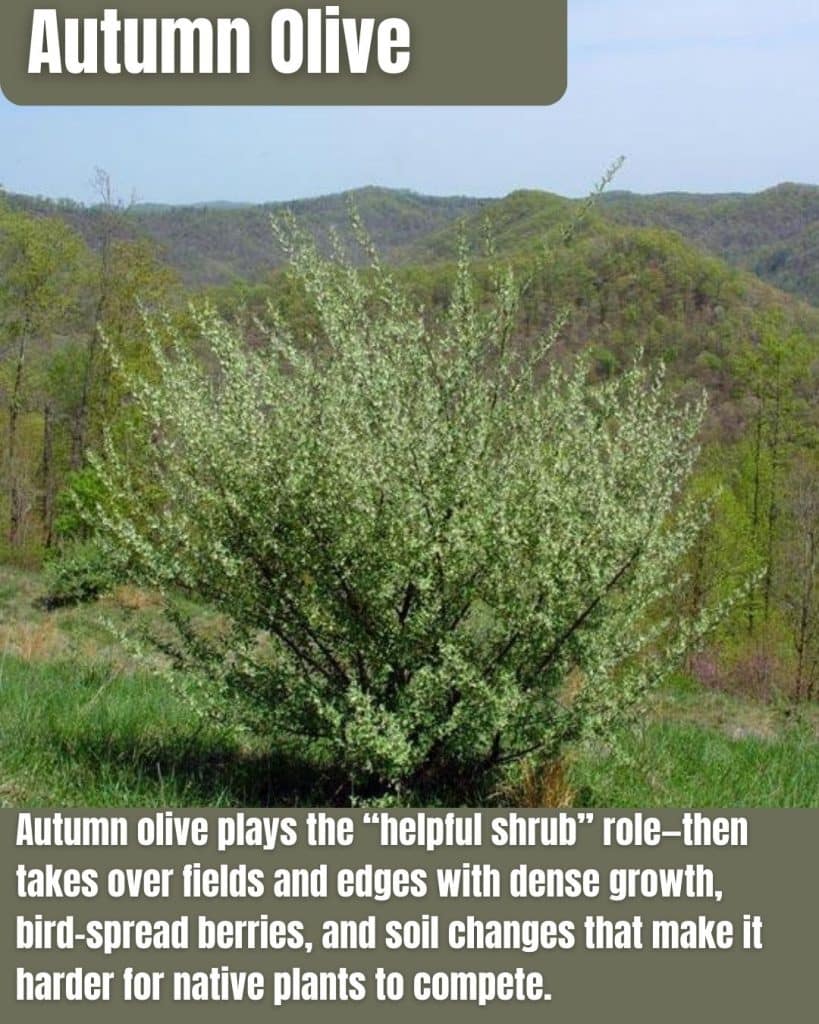
- Nitrogen fixer: Changes soil chemistry, making it harder for native plants to return.
- Berry spreader: Birds love the fruit and carry seeds everywhere.
- Rapid takeover: One shrub can become a thicket in just a few years.
Autumn olive looks like a friendly shrub with pretty silver leaves and red berries—until you realize it’s quietly rewriting the forest floor.
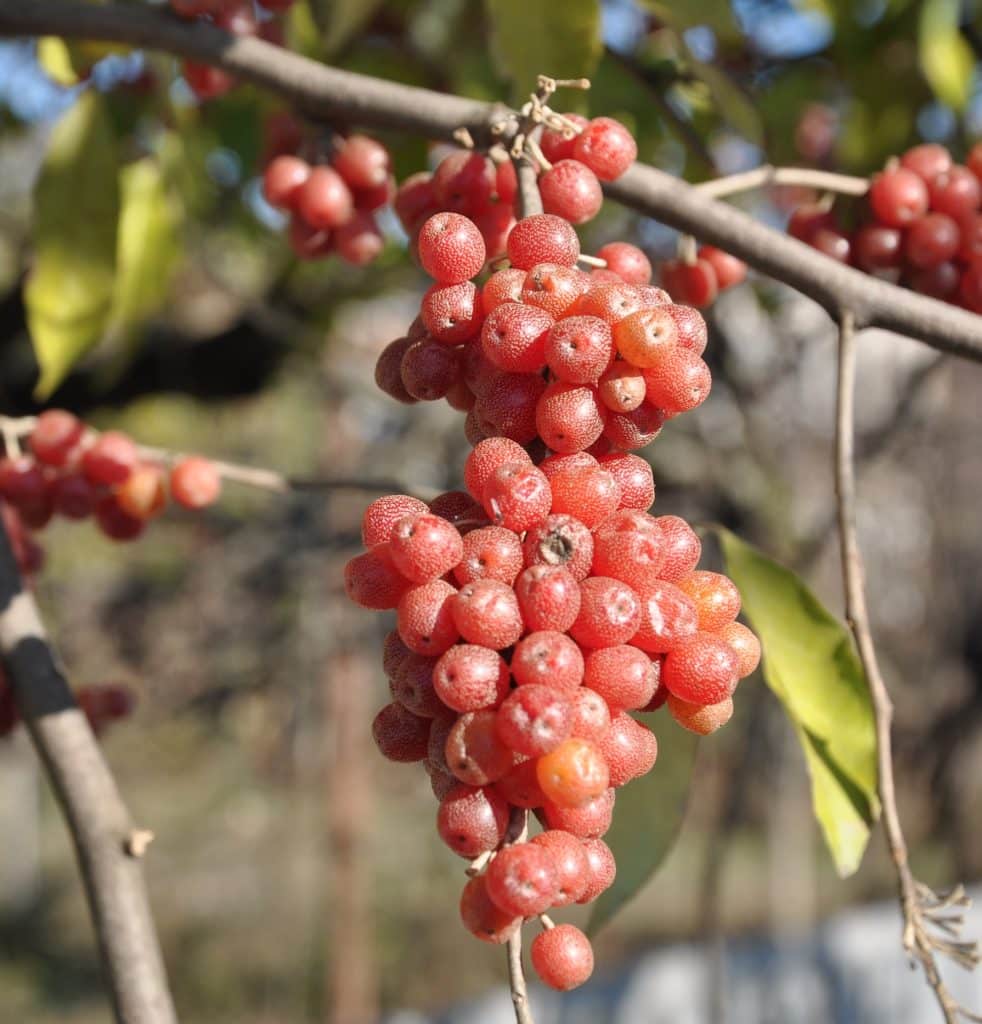
It thrives in disturbed soils, old fields, and forest edges across Virginia, displacing native shrubs and wildflowers while altering soil nutrients.
The spread mistake is still happening today: people plant it for wildlife or erosion control, not realizing how aggressively it escapes. If you see it, pull it before the berries ripen.
3. Spotted Lanternfly (Lycorma delicatula)
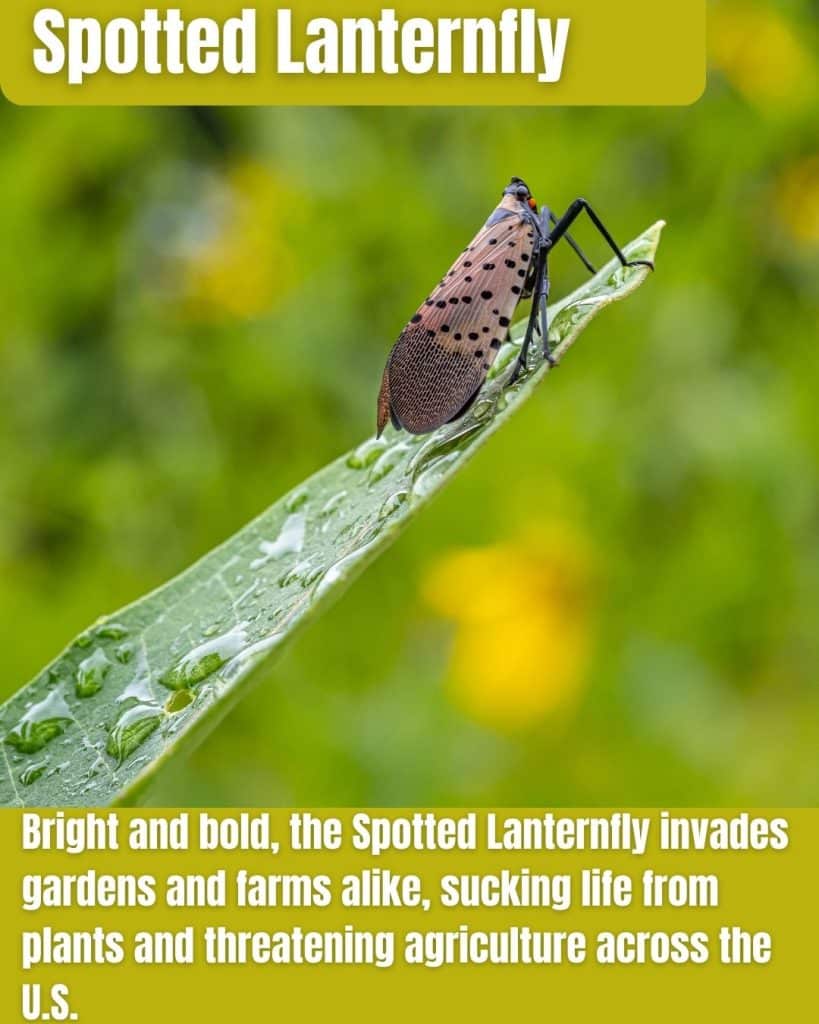
- Tree-of-heaven partner: Feeds on over 70 plants, especially grapes, hops, and hardwoods.
- Honeydew mess: Excretes sticky waste that grows black sooty mold.
- Hitchhiker king: Egg masses ride on vehicles, firewood, and outdoor gear.
The spotted lanternfly is the invader everyone in Virginia now recognizes—and fears.
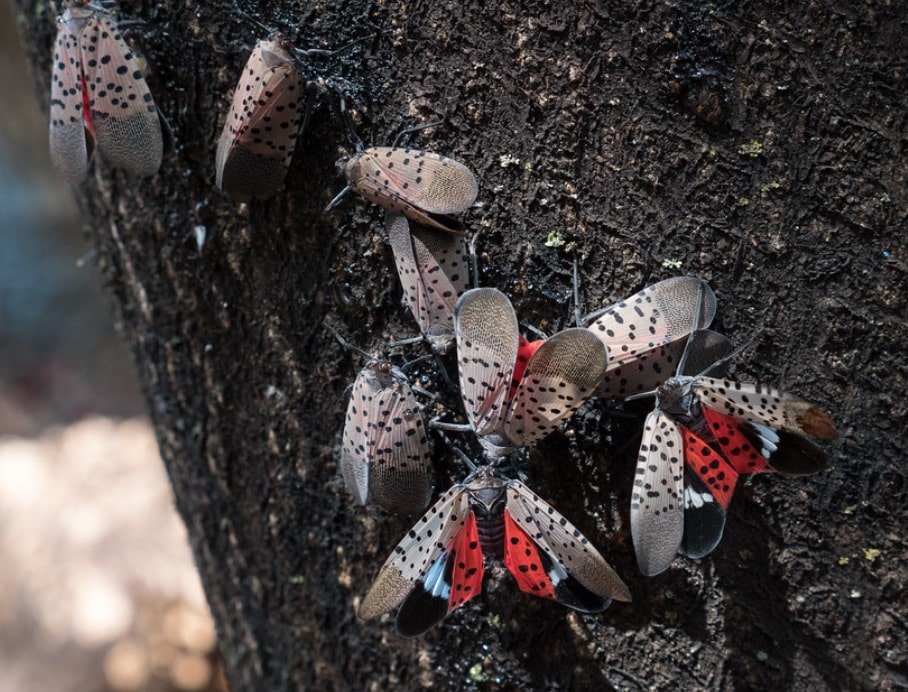
It threatens Virginia’s vineyards, orchards, and timber industry while weakening backyard trees. Tree-of-heaven is its favorite host, making that invasive plant even more dangerous.
The spread mistake is simple: not checking vehicles, trailers, or firewood for grayish egg masses. If you travel from infested areas (especially NoVA or the Shenandoah Valley), inspect everything.
4. Kudzu (Pueraria montana var. lobata)
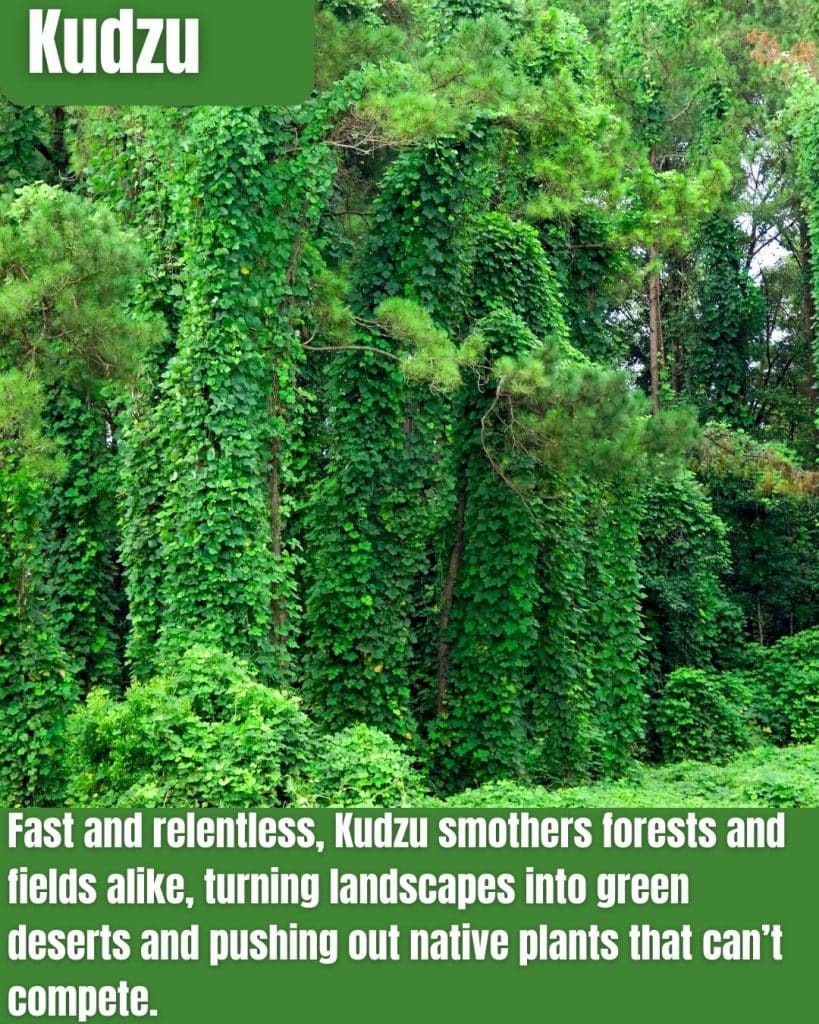
- “The vine that ate the South”: Smothers trees, power lines, and everything in its path.
- Rapid climber: Grows up to a foot a day in summer.
- Seed and root spread: Birds eat seeds; roots survive deep underground.
Kudzu is the legendary invader that turned abandoned fields into green walls.
In Virginia it blankets forest edges, roadsides, and utility corridors, killing native trees by blocking sunlight and adding crushing weight.
The spread mistake? Still planting it (yes, some people do) or moving soil/root fragments. Once it’s in, repeated cutting or herbicide is the only way to slow it down.
5. Multiflora Rose (Rosa multiflora)
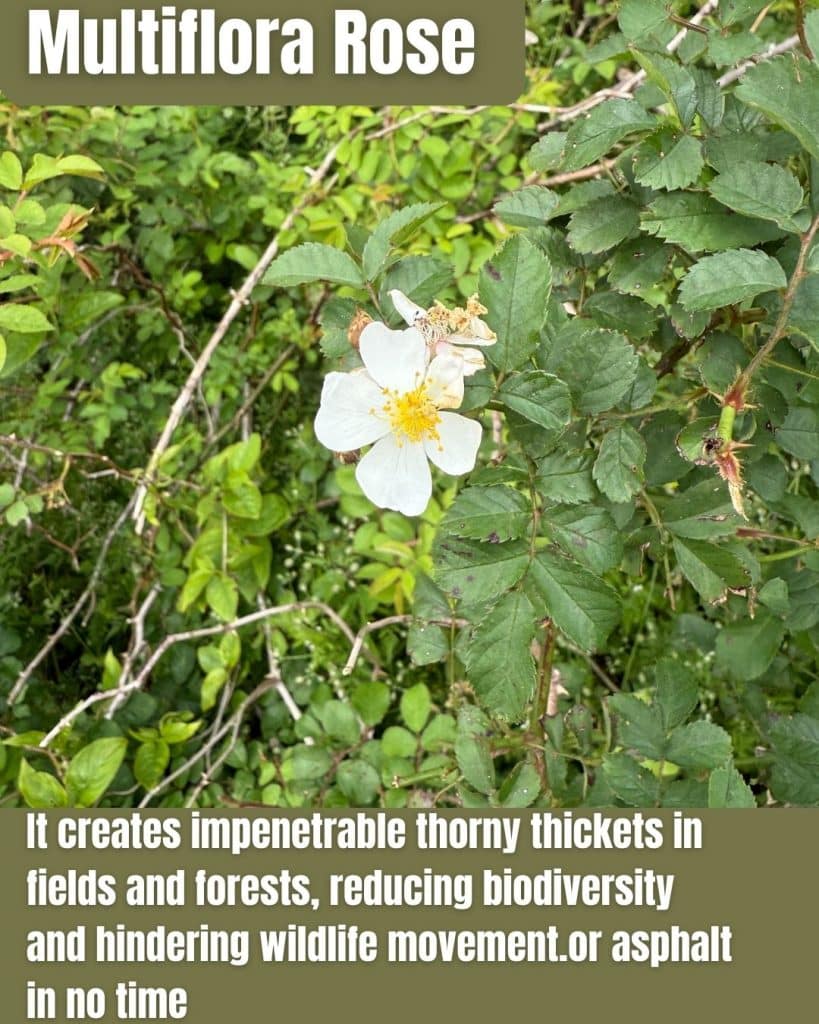
- Thorny thicket maker: Creates impenetrable walls that block wildlife and people.
- Seed spreader: Birds eat the hips and drop seeds everywhere.
- Legacy plant: Once promoted for hedges and wildlife cover—now a nightmare.
Multiflora rose was sold as a living fence and wildlife food source. Virginia is still paying the price.
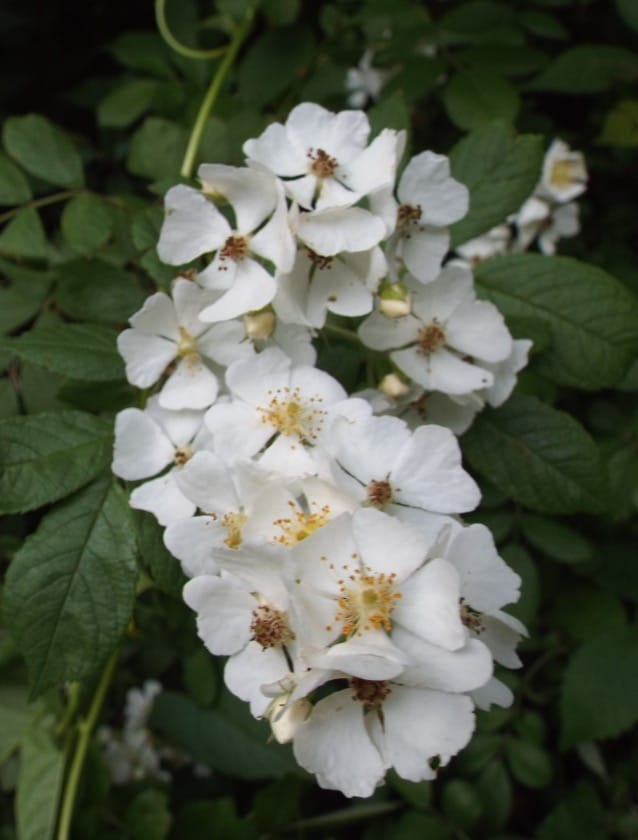
It forms dense, thorny barriers in pastures, forests, and along trails, displacing native roses and blocking habitat for deer, turkey, and hikers alike.
The spread mistake was intentional introduction decades ago, but today it’s birds and people moving soil or not pulling young plants before they fruit. Cut it low and treat the stumps.
Aquatic and Forest Disruptors: Insects, Crayfish, and Vines Threatening Virginia’s Ecosystems
Virginia’s rivers, forests, and wetlands face a mix of threats from these invaders. Insects bore into timber, crayfish alter stream beds, and vines strangle trees—often spreading through human activities like moving firewood, releasing bait, or planting ornamentals.
6. Sirex Woodwasp (Sirex noctilio)
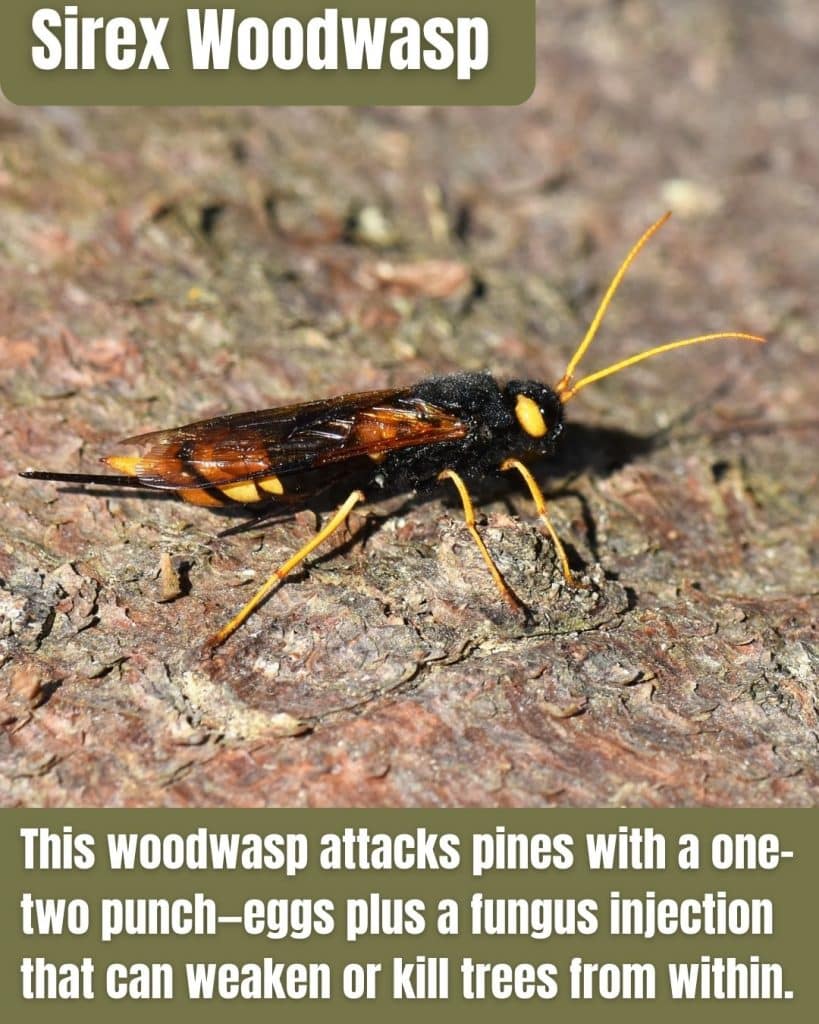
- Fungus injector: Females drill into pine trees, injecting toxic mucus and fungus that weakens and kills them.
- Timber threat: Targets stressed pines, causing resin flow and tree death in plantations and forests.
- Spread via wood: Moves in untreated logs, crates, and firewood across regions.
The Sirex woodwasp is a stealthy forest killer that teams up with a fungus to take down pines.
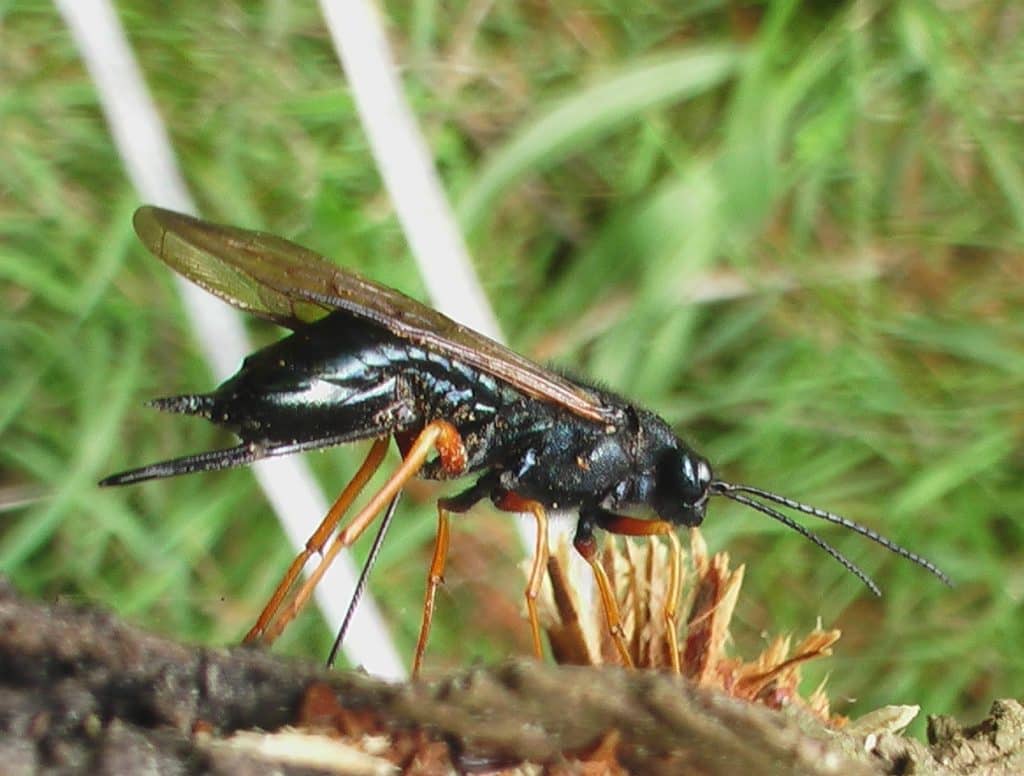
In Virginia, it attacks Scots and red pines, potentially spreading to southern loblolly and slash pines, with mortality up to 80% in infested areas.
The spread mistake is moving firewood or untreated wood products. Buy local or certified heat-treated firewood to prevent hitching a ride.
7. Rusty Crayfish (Orconectes rusticus)
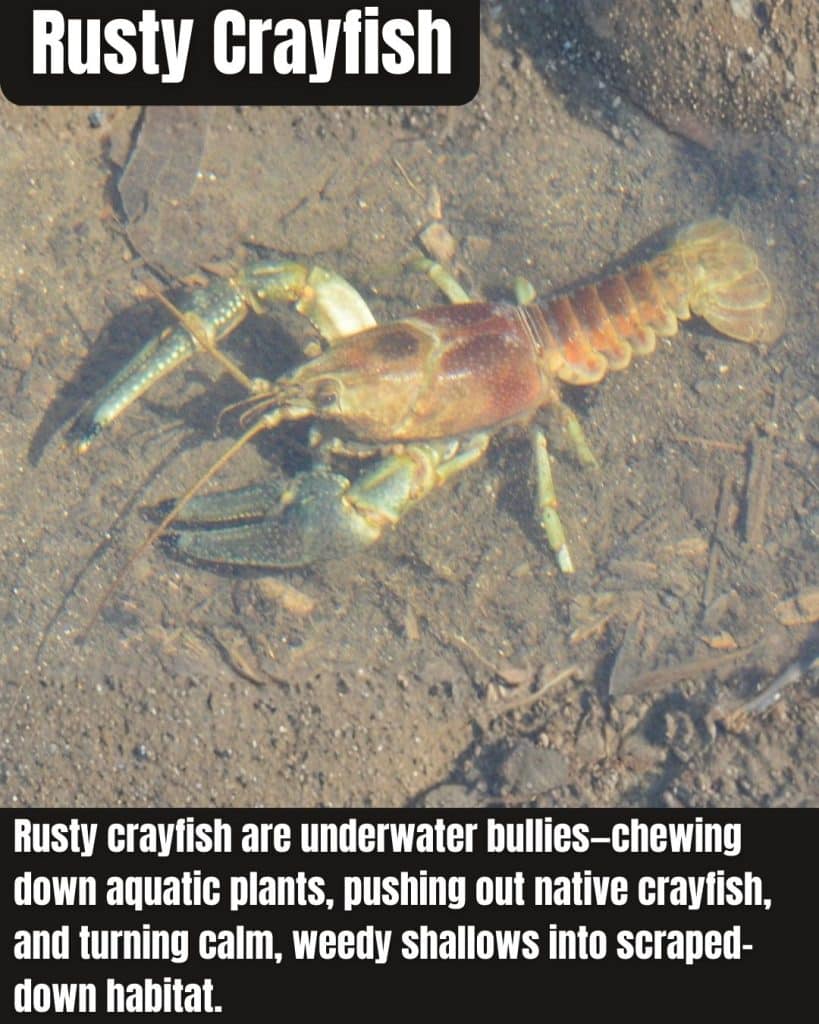
- Native displacer: Outcompetes local crayfish for food and shelter.
- Vegetation destroyer: Eats aquatic plants, reducing habitat for fish and insects.
- Bait bucket spreader: Often released as unused fishing bait.
Rusty crayfish don’t look threatening, but their aggressive feeding reshapes entire stream ecosystems.
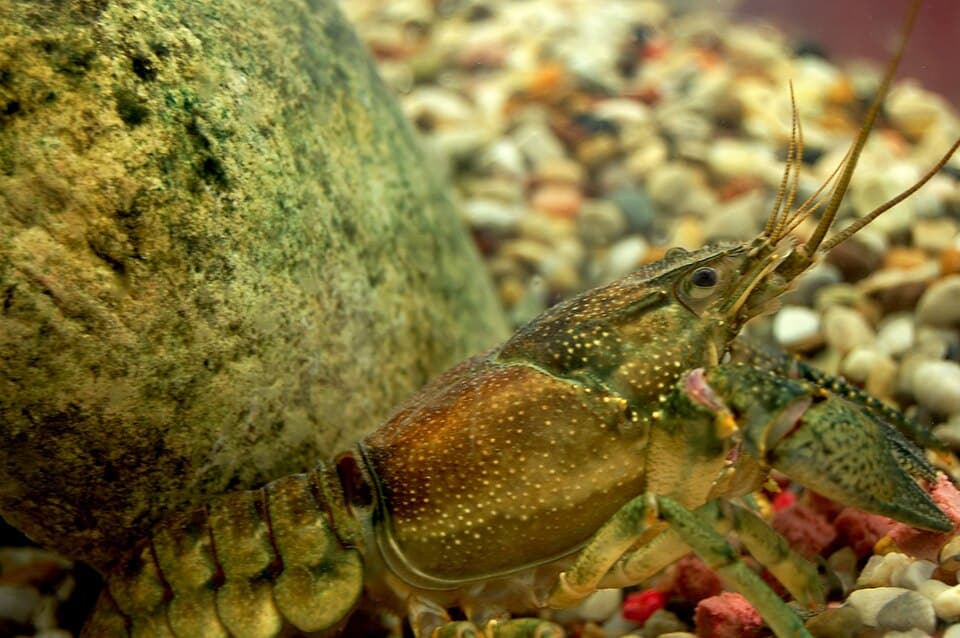
In Virginia’s streams and the Chesapeake Bay, they reduce plant diversity, starve native species, and impact game fish like bass and bluegill.
The spread mistake: Dumping live bait into waterways. Use native bait or dispose of unused bait properly—never release non-natives.
8. Oriental Bittersweet (Celastrus orbiculatus)
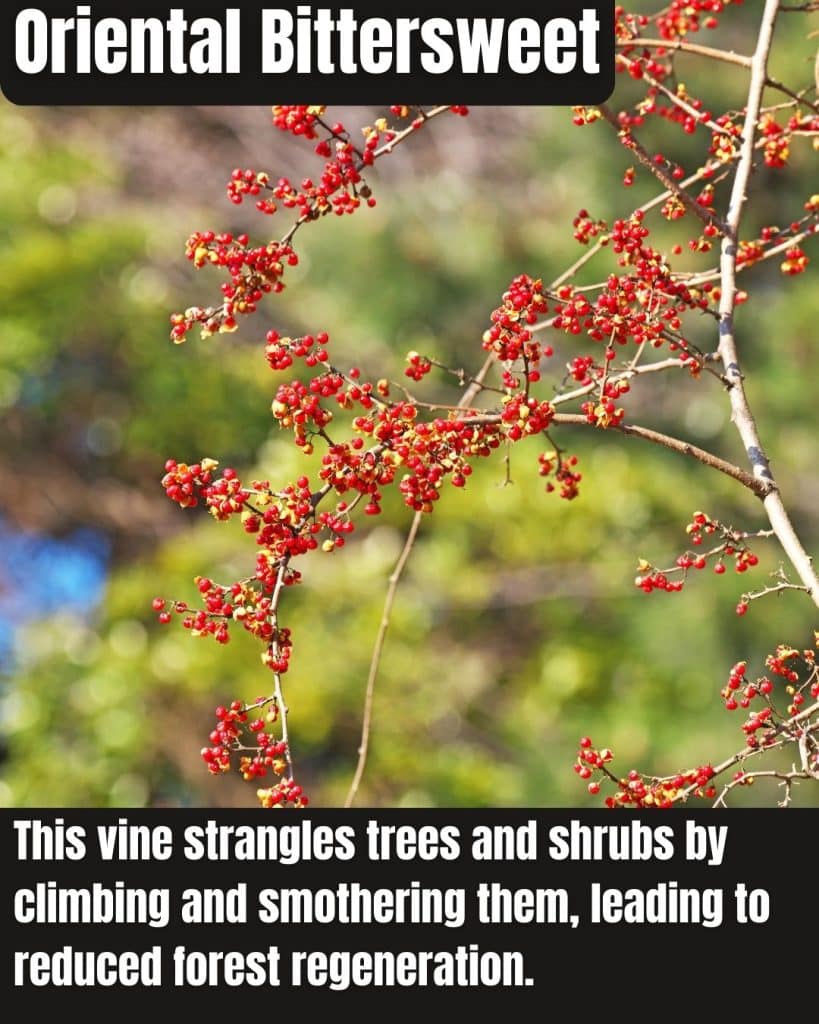
- Tree strangler: Climbs and girdles trees, adding weight that causes breakage.
- Seed disperser: Birds spread bright red berries far and wide.
- Ornamental escapee: Introduced for wreaths and decorations, now rampant.
Oriental bittersweet vines look festive in fall, but they’re a nightmare for forests.
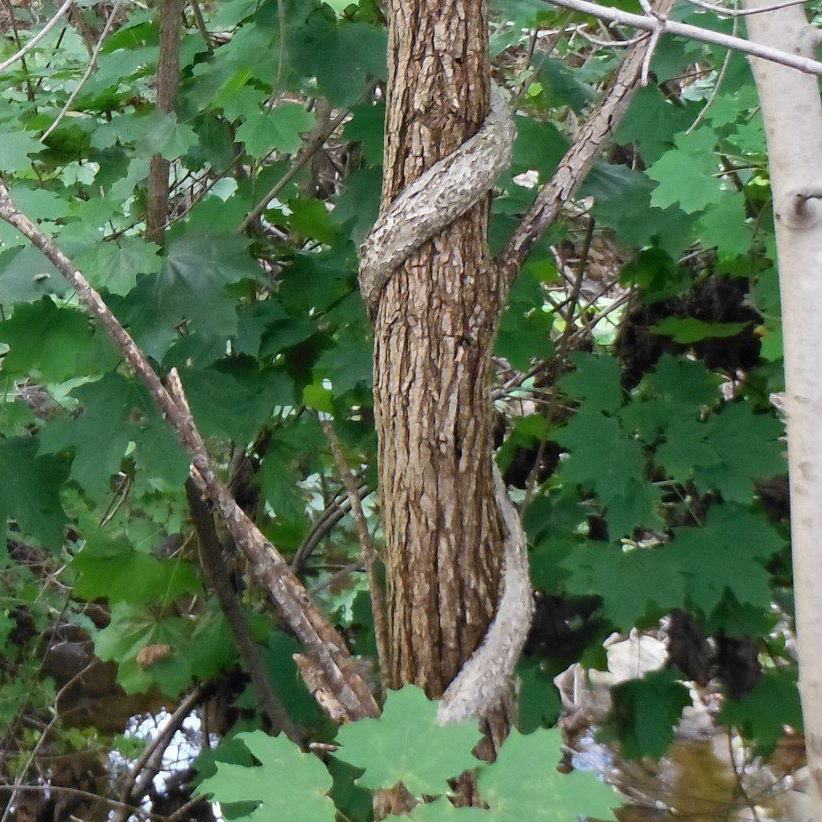
In Virginia, it invades forests from New England to the South, displacing natives and killing trees in over half the counties.
The spread mistake: Using it in decorations or planting it. Cut vines at ground level and remove before berries form.
9. English Ivy (Hedera helix)
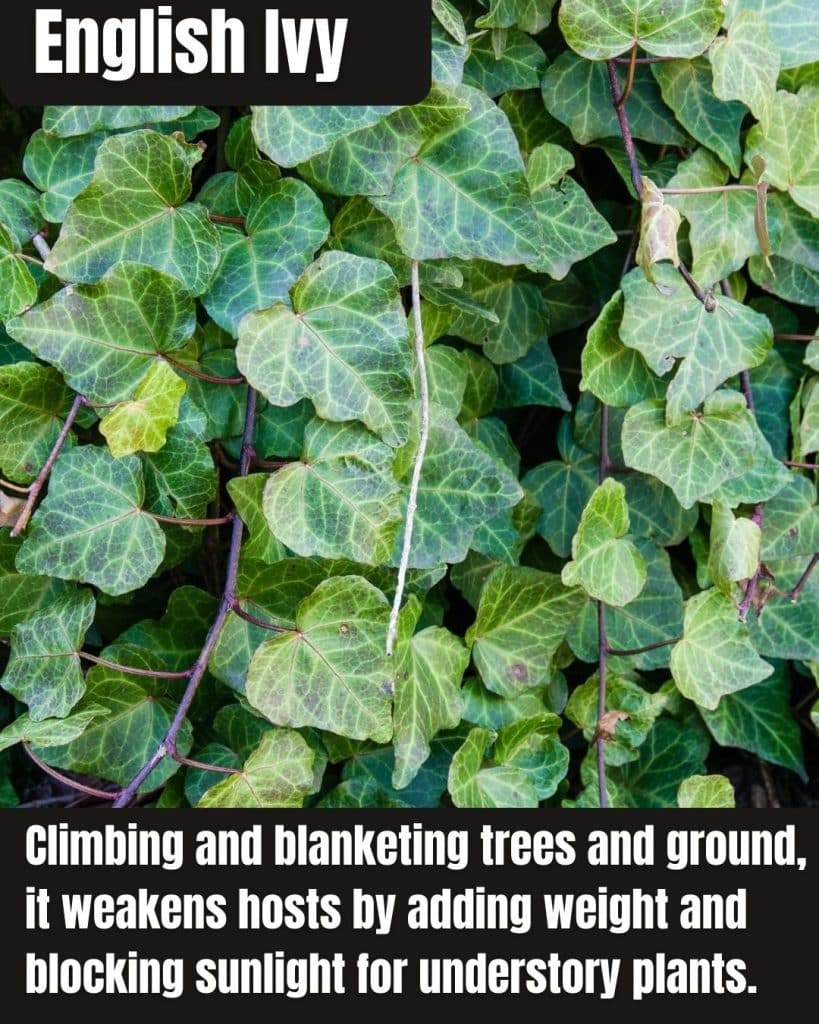
- Tree smotherer: Climbs high, blocking light and adding weight to branches.
- Ground cover bully: Forms dense mats that exclude native plants.
- Pest harbor: Shelters rats, mosquitoes, and pathogens harmful to trees.
English ivy seems like elegant ground cover—until it climbs and kills.
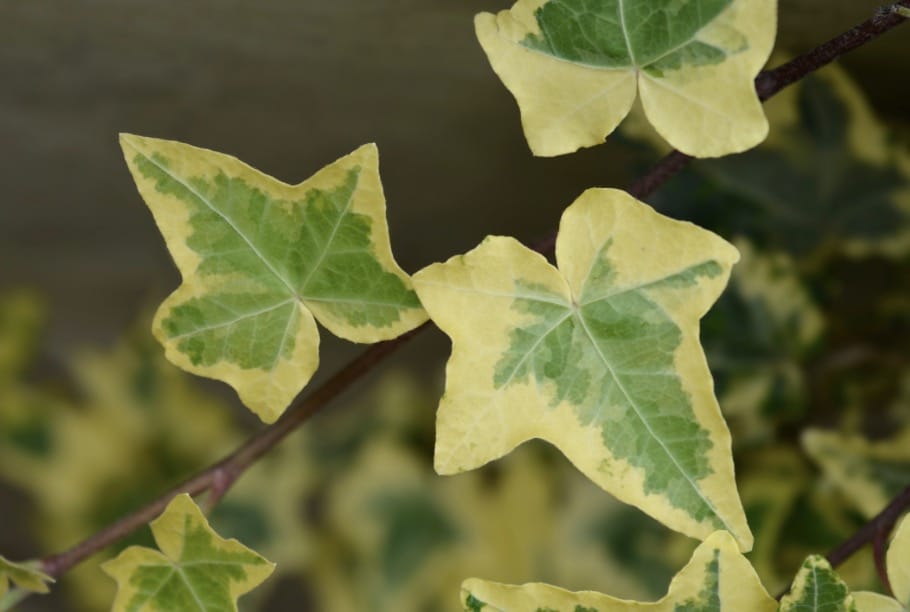
Widespread in Virginia’s yards and forests, it creates “ivy deserts” and threatens trees throughout the Chesapeake watershed.
The spread mistake: Planting it as ornamentals. Cut girdles around trees and pull from ground to control.
10. Blue Catfish (Ictalurus furcatus)
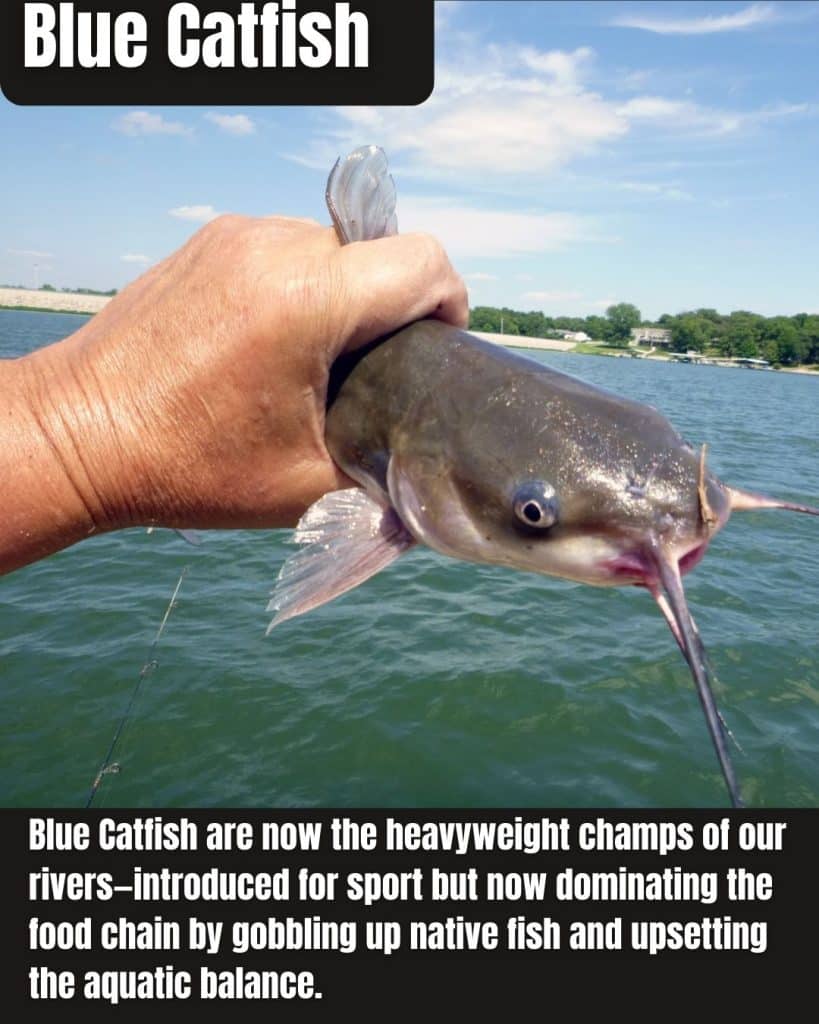
- Voracious predator: Eats native crabs, shad, and other fish in huge quantities.
- Bay dominator: Now 75% of biomass in some rivers, disrupting food webs.
- Stocking legacy: Introduced in 1970s, now widespread in Chesapeake tributaries.
Blue catfish were stocked for sport—now they’re an ecological crisis.
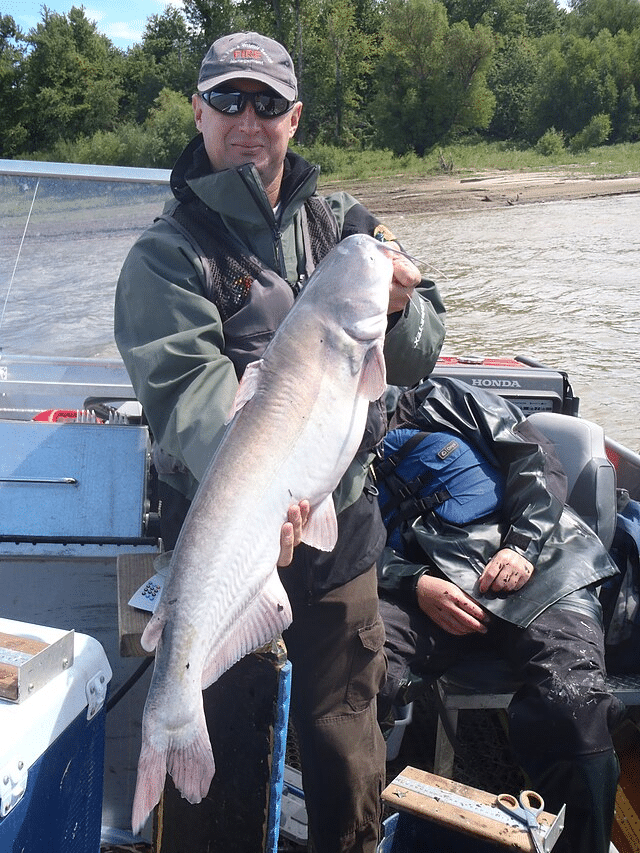
In Virginia’s Chesapeake rivers, they threaten crabs and striped bass; eat them to help control.
The spread mistake: Releasing stocked fish. Harvest without limits in many areas to reduce numbers.
Wetland and River Ravagers: Rodents, Reeds, Vines, Fish, and Mussels Altering Virginia’s Waterways
These invaders target Virginia’s wetlands, rivers, and bays, eroding banks, forming dense stands, and disrupting aquatic food webs—often spreading via boats, illegal releases, or natural dispersal like birds and currents.
11. Nutria (Myocastor coypus)
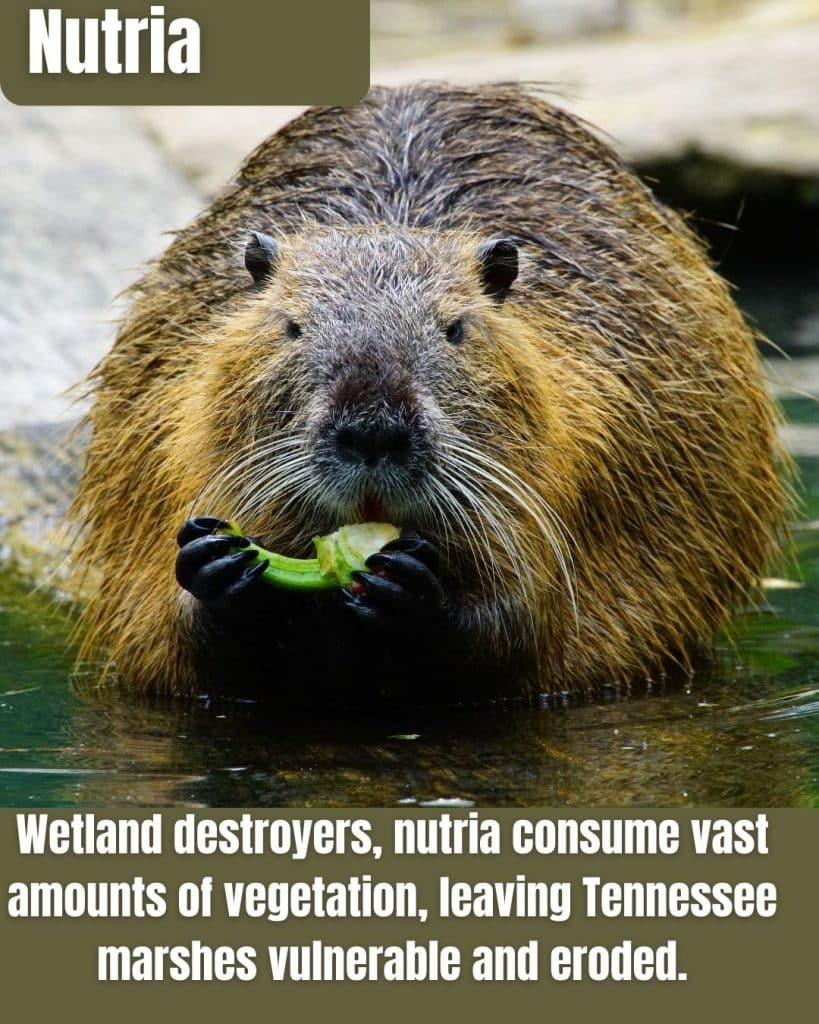
- Marsh destroyer: Burrows into banks, causing erosion and collapse in wetlands.
- Vegetation eater: Devours marsh plants, converting diverse habitats to mudflats.
- Disease carrier: Spreads pathogens harmful to humans and wildlife.
Nutria look like oversized rats with beaver-like habits, and their damage turns stable wetlands into eroding wastelands.
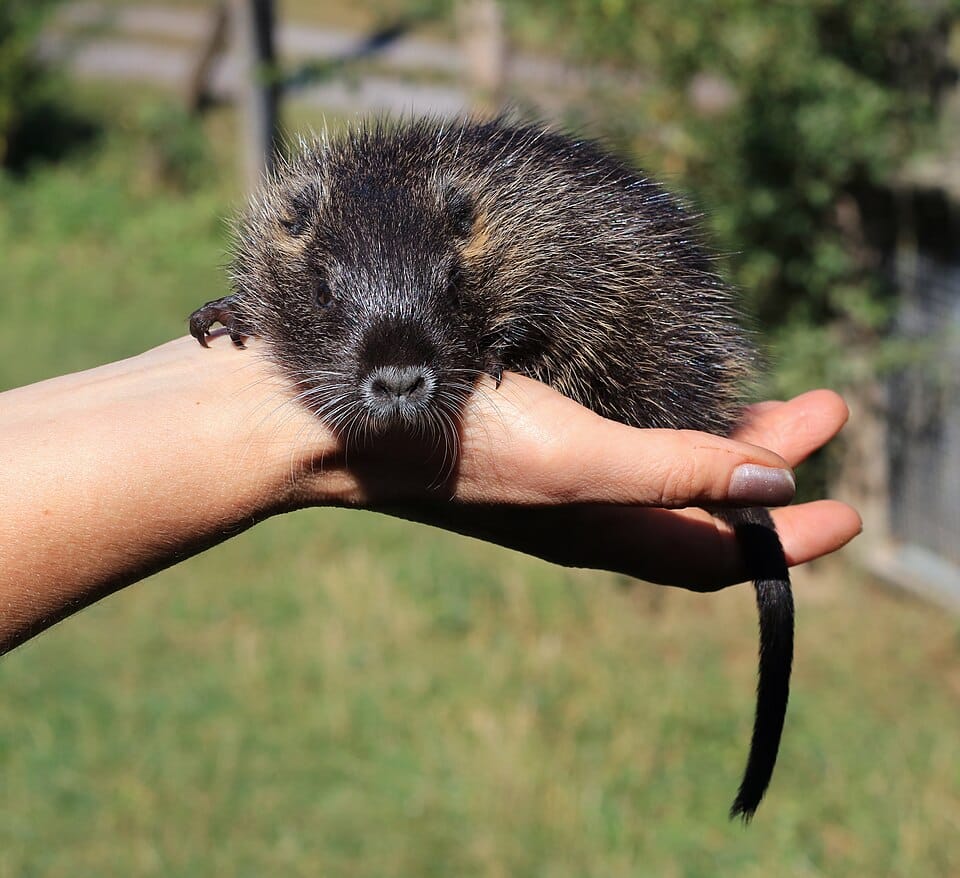
In Virginia’s Chesapeake Bay region, nutria accelerate wetland loss, threatening waterfowl and fisheries by destroying protective marshes.
The spread mistake is releasing them from fur farms or as “pets.” Report sightings immediately; trapping is key to control.
12. Common Reed (Phragmites australis)
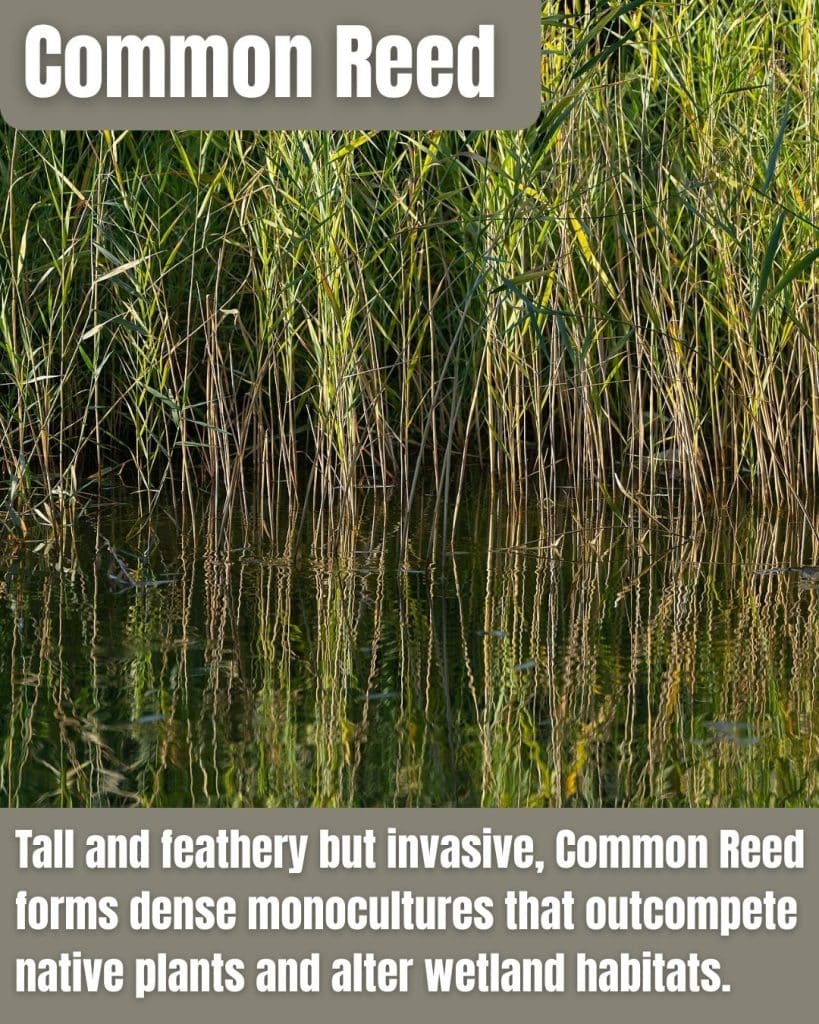
- Monoculture former: Creates tall, dense stands that crowd out native wetland plants.
- Habitat reducer: Lowers biodiversity, affecting birds, fish, and insects.
- Fire hazard: Dry stalks increase wildfire risk in marshes.
Common reed, or phragmites, turns diverse wetlands into uniform reed beds that offer little value to wildlife.
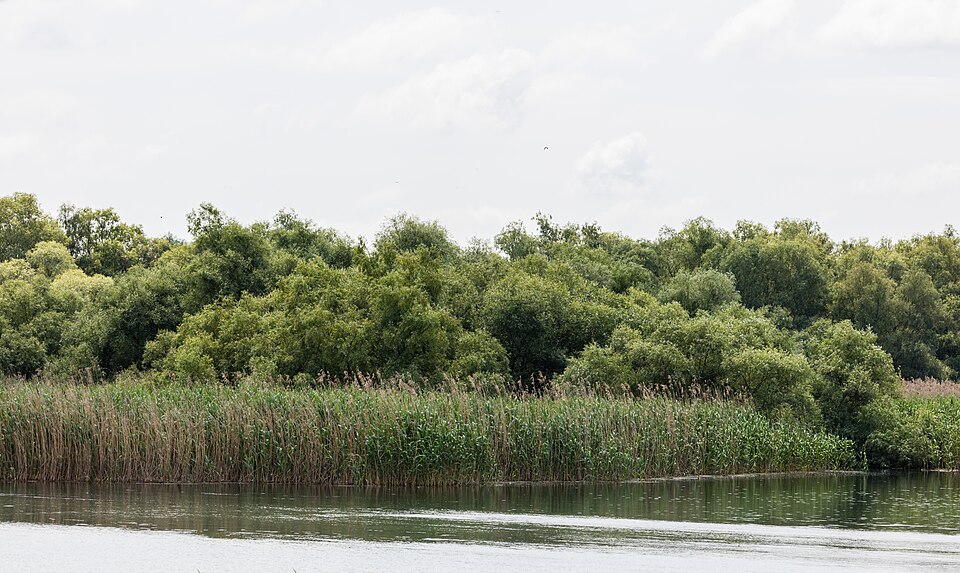
Widespread in Virginia’s coastal plains and river valleys, it alters hydrology and reduces habitat for endangered species like rails and bitterns.
The spread mistake: Moving contaminated soil or equipment. Use herbicides carefully and restore with natives.
13. Japanese Honeysuckle (Lonicera japonica)
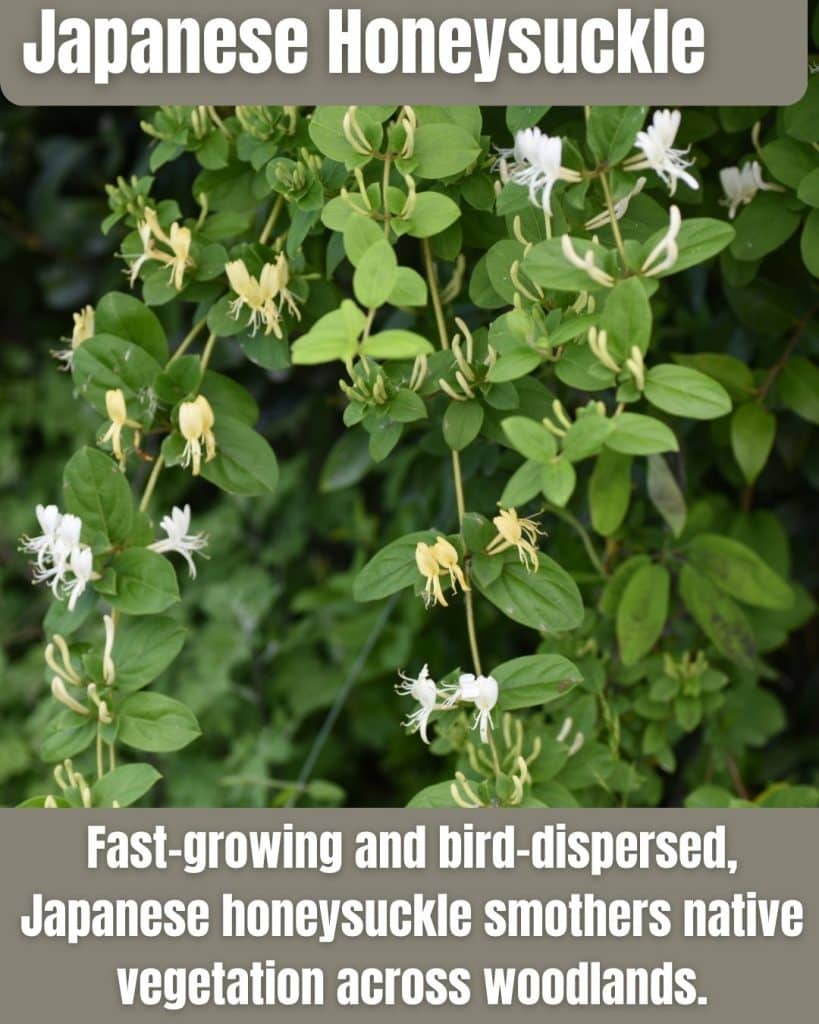
- Understory smotherer: Climbs and covers shrubs and small trees, blocking light.
- Berry spreader: Birds disperse seeds widely in forests and fields.
- Allelopathic: Releases chemicals that inhibit other plants’ growth.
Japanese honeysuckle’s sweet scent hides its aggressive takeover of forest understories.
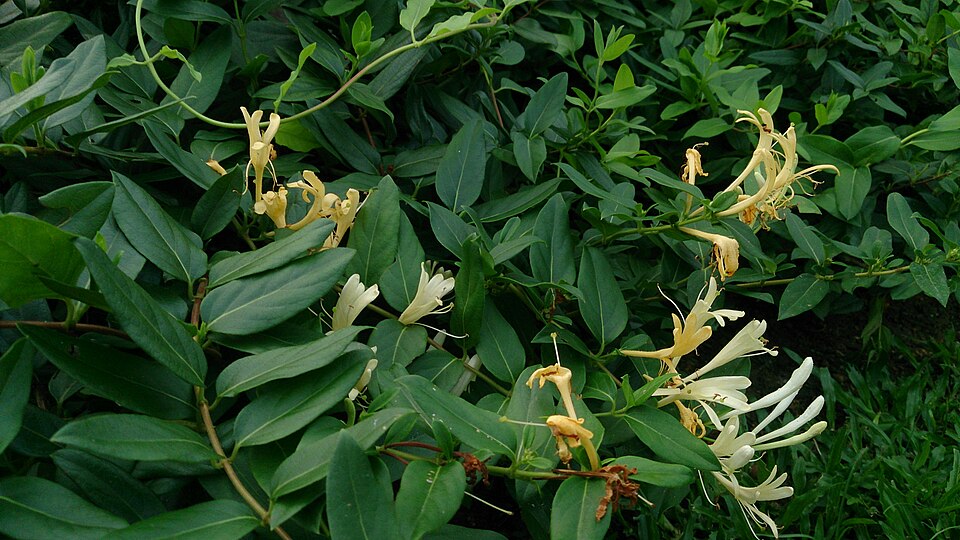
In Virginia woodlands, it reduces native diversity, impacting pollinators and wildlife that rely on local plants.
The spread mistake: Planting it for fragrance or erosion control. Pull vines and treat stumps to eradicate.
14. Northern Snakehead (Channa argus)
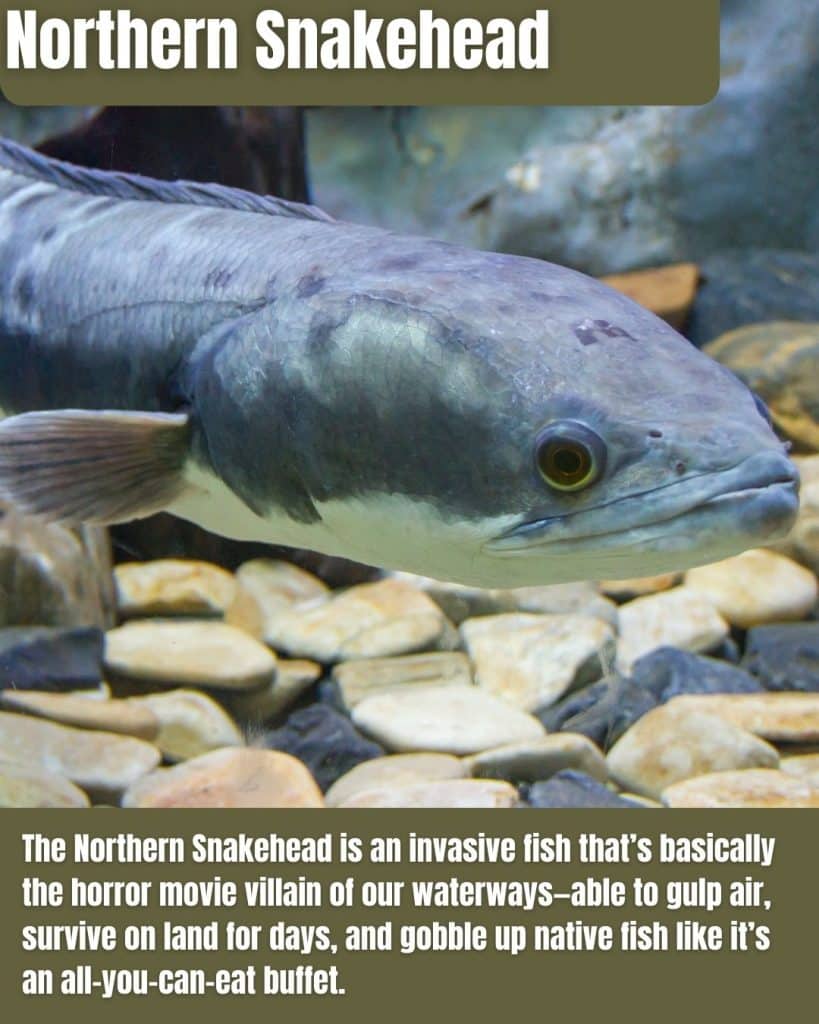
- Apex predator: Devours native fish, amphibians, and even small mammals.
- Air breather: Survives low-oxygen water and can “walk” short distances on land.
- Rapid reproducer: Females lay thousands of eggs multiple times a year.
Northern snakehead, the “frankenfish,” is a voracious invader that disrupts river ecosystems.
Established in Virginia’s Potomac and other rivers, it competes with bass and pike, threatening recreational fishing.
The spread mistake: Illegal stocking or live releases from aquariums/markets. If caught, kill and report—do not release.
15. Zebra Mussel (Dreissena polymorpha)
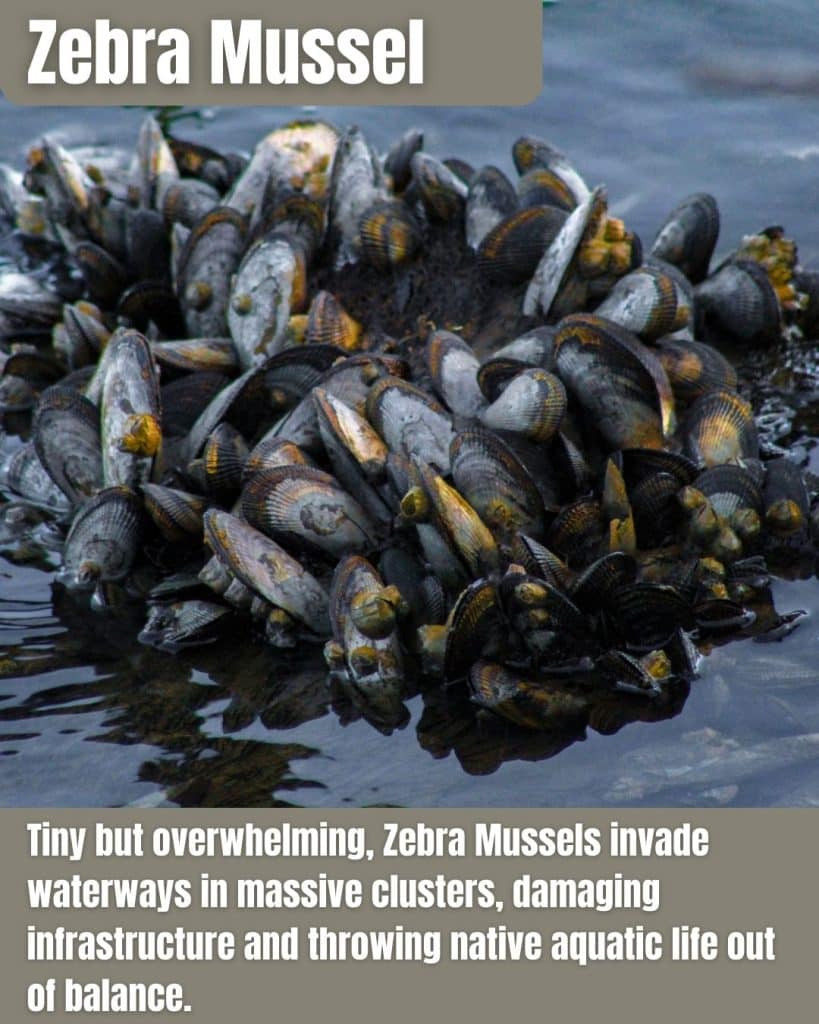
- Infrastructure clogger: Attaches to pipes, boats, and docks, causing blockages.
- Food web filter: Removes plankton, starving native fish and mussels.
- Boat hitchhiker: Veligers (larvae) travel in ballast water or on hulls.
Zebra mussels form dense colonies that look like living rocks, but their impacts are far-reaching.
In Virginia’s lakes and rivers, they cost millions in maintenance and alter ecosystems by clarifying water unnaturally.
The spread mistake: Not cleaning boats thoroughly. Follow “Clean, Drain, Dry” protocols between water bodies.
Soil and Stream Saboteurs: Insects, Plants, and Mollusks Undermining Virginia’s Landscapes and Waters
From forest floors to riverbeds, these invaders alter soils, clog waterways, and outcompete natives—spreading through ants’ colonies, seeds in mud, aquarium dumps, or human transport like hiking boots and boats.
16. Imported Fire Ant (Solenopsis invicta)
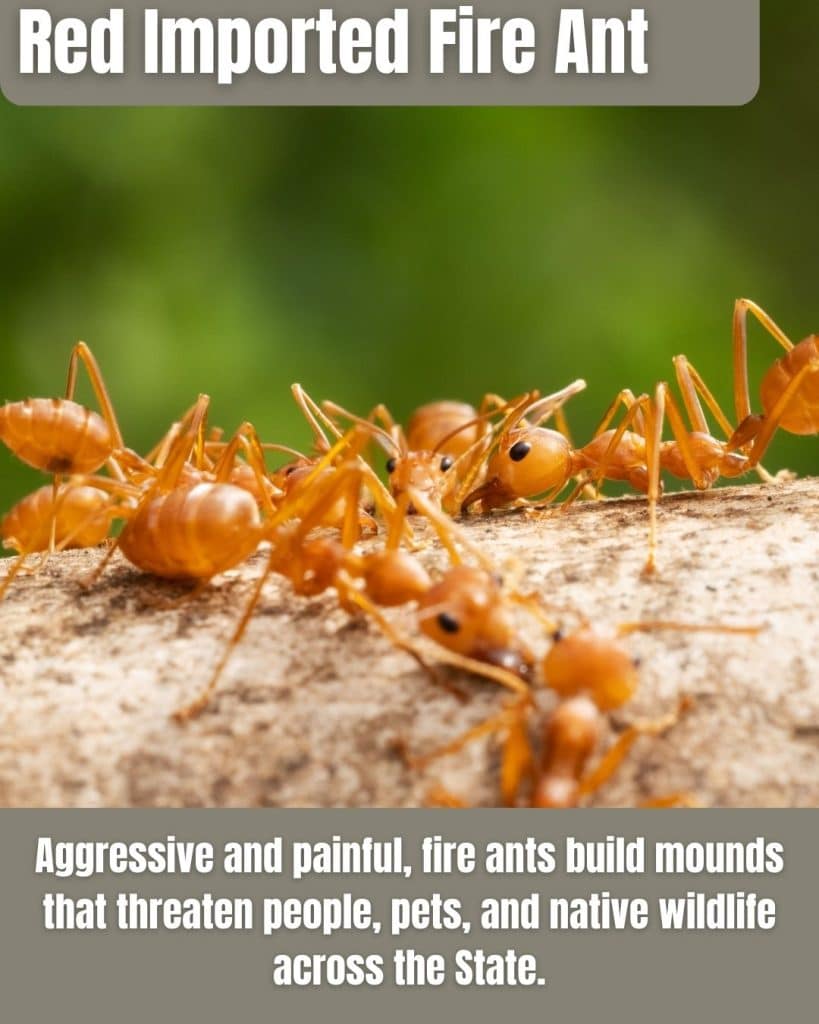
- Painful stinger: Delivers venomous stings that cause burning welts in humans and animals.
- Ecosystem disruptor: Outcompetes native ants, reducing invertebrate diversity.
- Agricultural pest: Damages crops, electrical equipment, and livestock.
Imported fire ants build large mounds and deliver aggressive, fiery stings that make them a backyard and farm nightmare, with colonies expanding rapidly in disturbed soils.
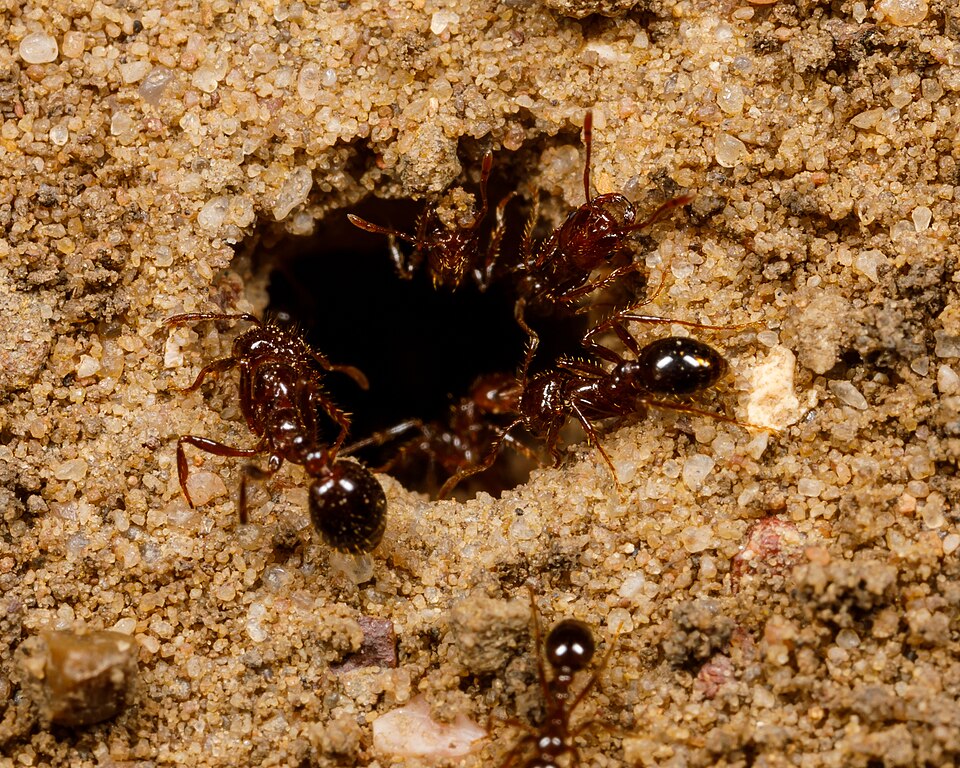
In Virginia’s southern counties, they disrupt ground-nesting birds and cost millions in medical and control expenses, with quarantines now covering areas like Chesterfield and Pittsylvania due to recent spreads.
The spread mistake: Moving infested soil, sod, or nursery stock. Quarantine areas exist—check before transporting materials, as first reports in Virginia date back to 1989.
17. Garlic Mustard (Alliaria petiolata)
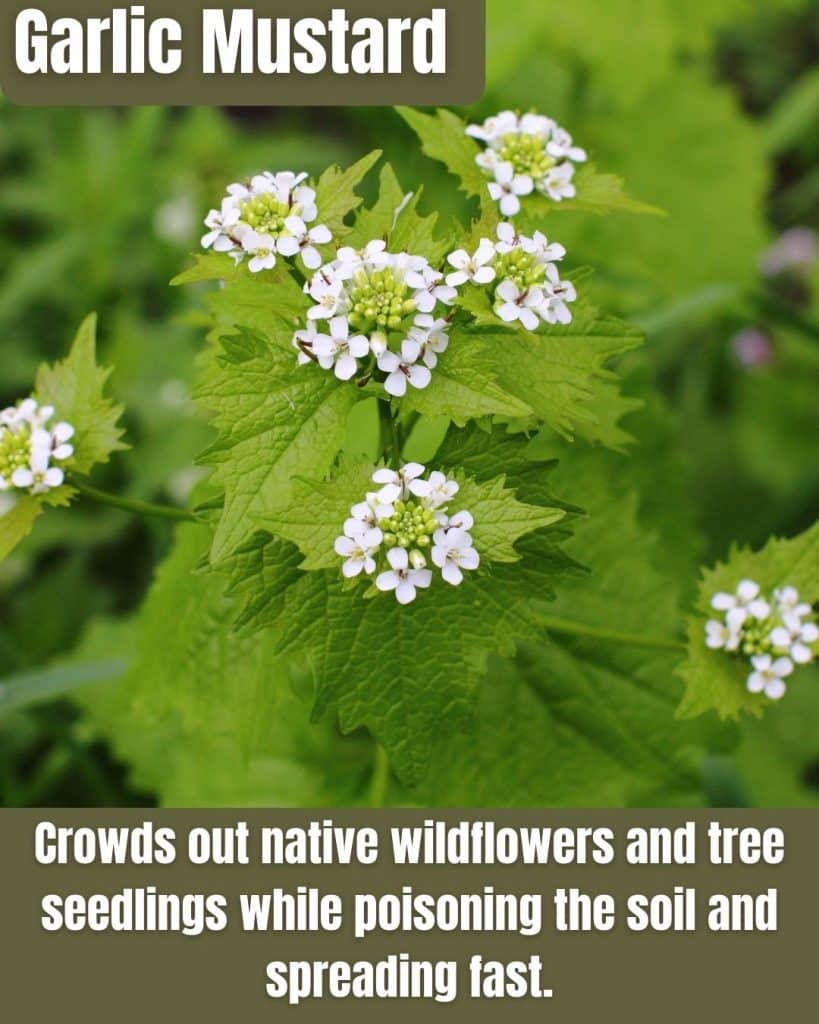
- Allelopathic invader: Releases chemicals that suppress native plants and fungi.
- Forest understory dominator: Forms dense patches, preventing tree regeneration.
- Seed bank builder: Seeds remain viable in soil for up to 10 years.
Garlic mustard smells like its name but acts like a woodland bully, quietly poisoning the soil around it and spreading rapidly in shaded areas.
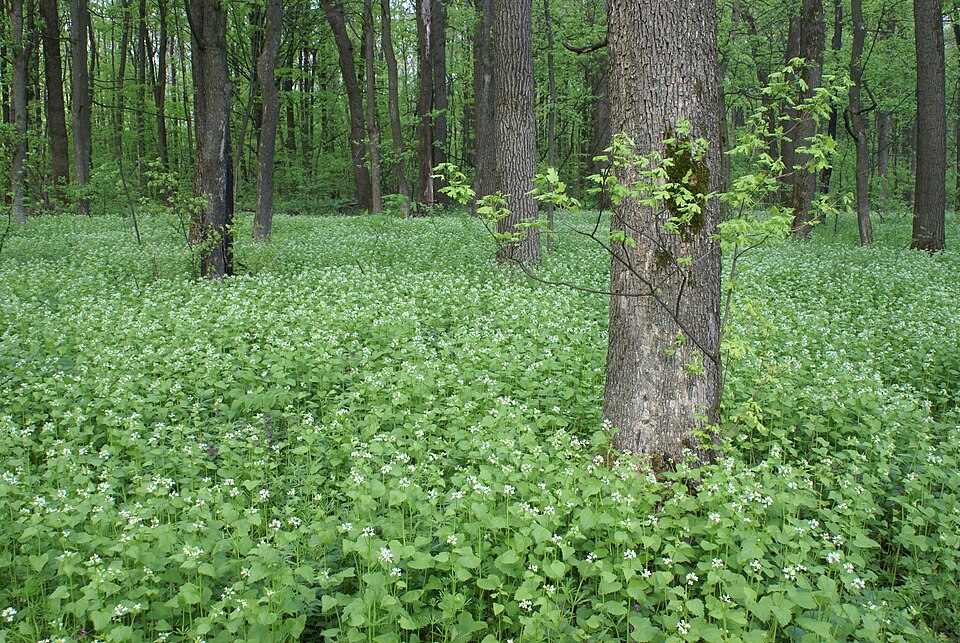
Common in Virginia’s forests, it disrupts mycorrhizal networks essential for trees like oaks and maples, and threatens rare butterflies like the West Virginia white by acting as a toxic host.
The spread mistake: Seeds sticking to shoes, animals, or vehicles. Hand-pull before seeding and bag for disposal, as a single plant can dominate understories in rich, moist woods.
18. Hydrilla (Hydrilla verticillata)
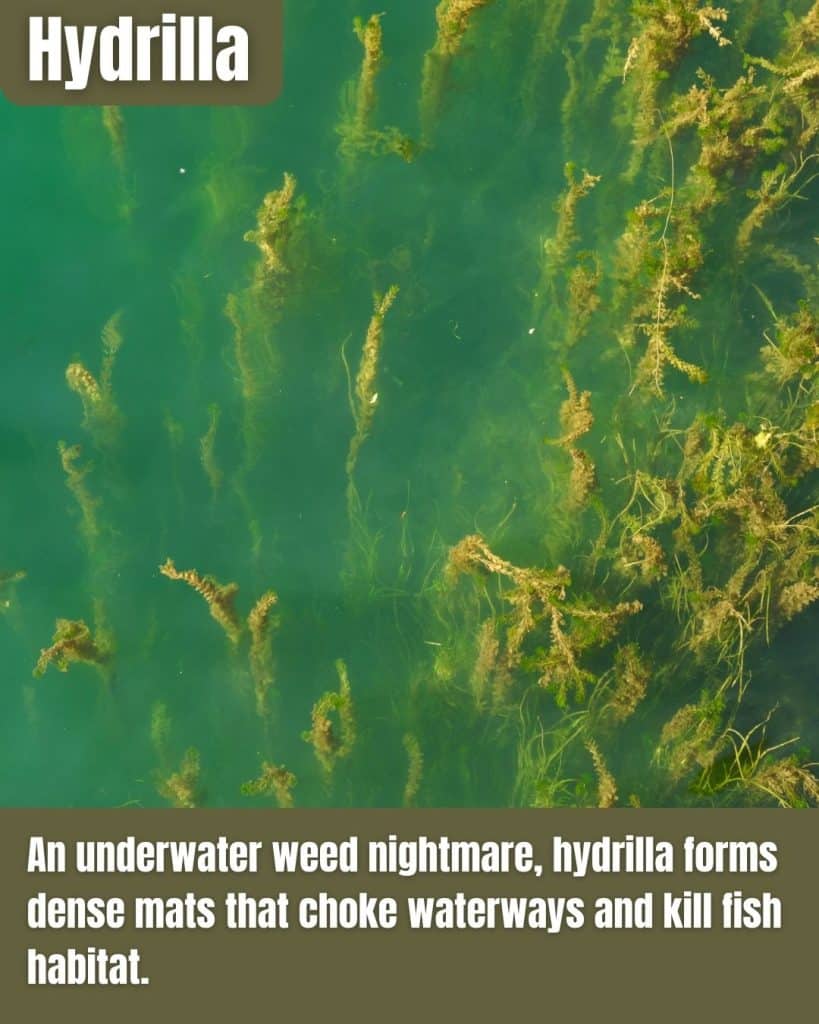
- Aquatic mat former: Grows dense canopies that block sunlight to native plants.
- Water clogger: Impedes boating, swimming, and irrigation systems.
- Fragment spreader: Regrows from tiny pieces caught on boats or gear.
Hydrilla is the underwater vine that turns clear lakes into green soups, growing up to an inch daily and thriving on excess nutrients like phosphorus.
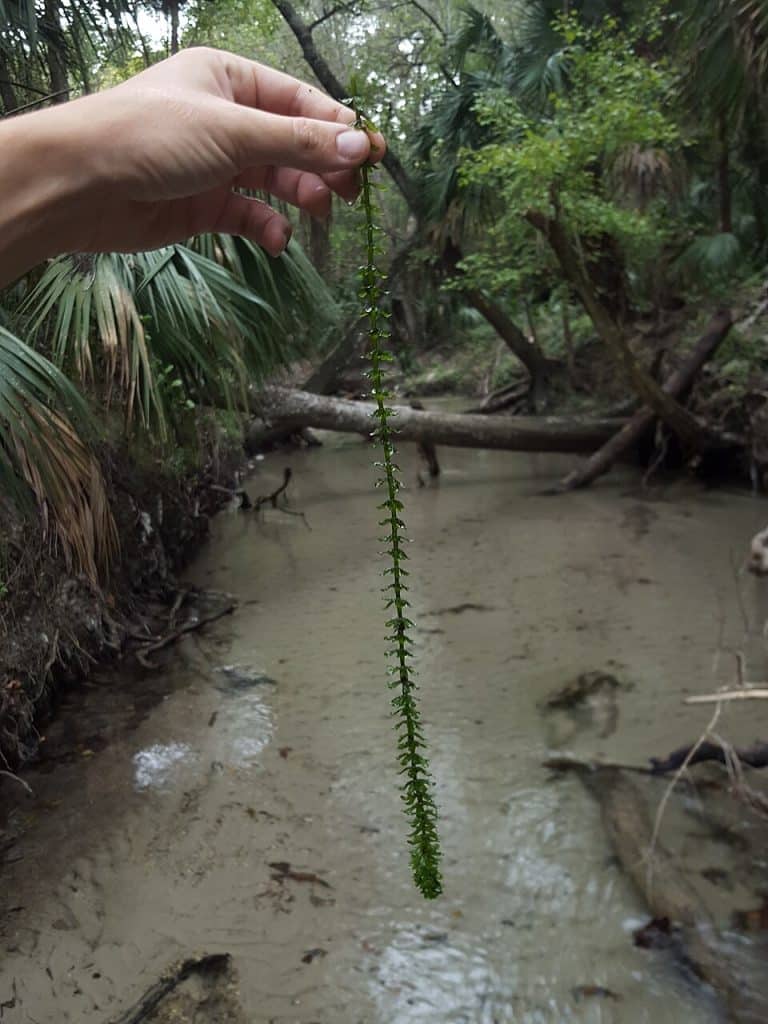
In Virginia’s rivers and reservoirs like Lake Anna, it reduces oxygen, kills fish, harbors mosquitoes, and crowds out natives, with dense mats causing navigation hazards and economic losses.
The spread mistake: Not cleaning boats or aquarium dumps. Use aquatic herbicides or grass carp for control, as fragments from boating easily start new infestations.
19. Rapa Whelk (Rapana venosa)
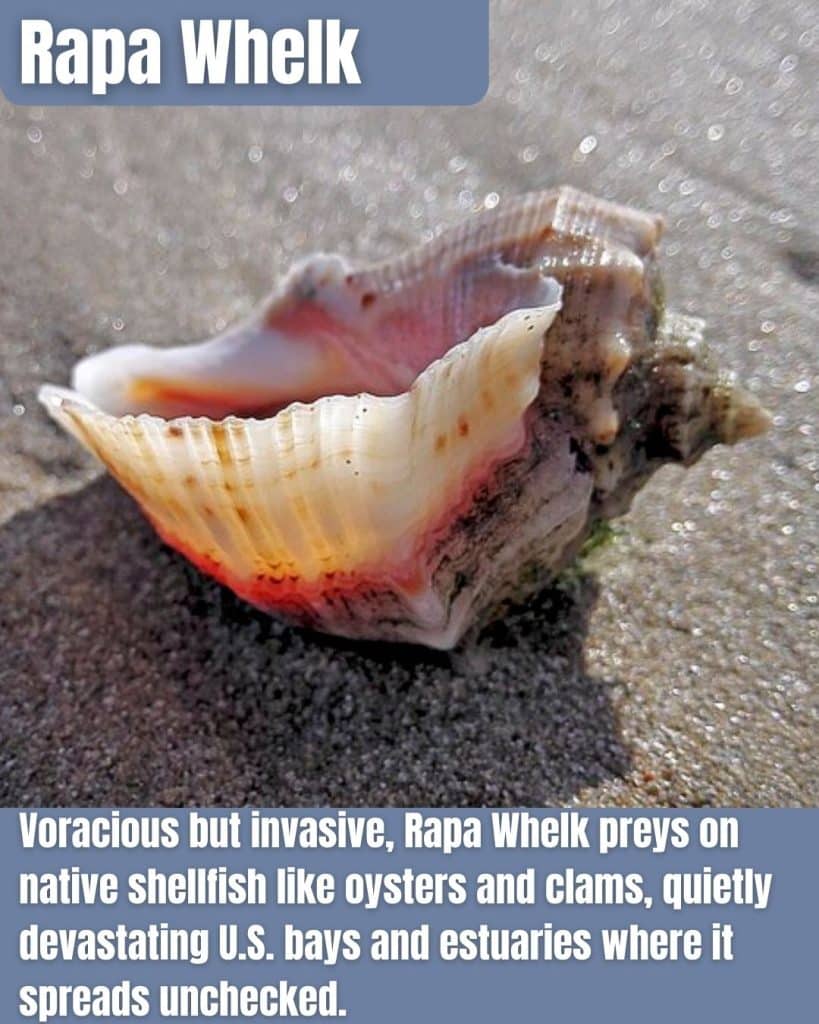
- Bivalve predator: Devours oysters, clams, and mussels at high rates.
- Shellfish threat: Impacts commercial and restoration efforts in bays.
- Ballast water arrival: Spreads via ship hulls and larval drift.
Rapa whelk is the voracious snail that drills into shellfish like a living can opener, native to Asia but now established in the lower Chesapeake.
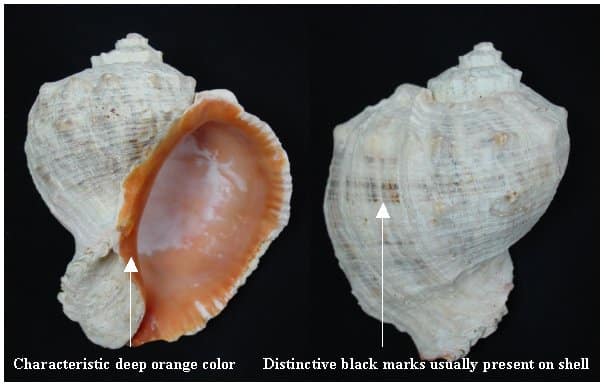
In Virginia’s Chesapeake Bay, it threatens oyster recovery and native mollusk populations since its 1998 discovery, adding pressure to stressed fisheries without local predators.
The spread mistake: Releasing aquarium snails or not treating ballast water. Harvest and monitor to manage, as larvae hitch rides on ships.
20. Japanese Stiltgrass (Microstegium vimineum)
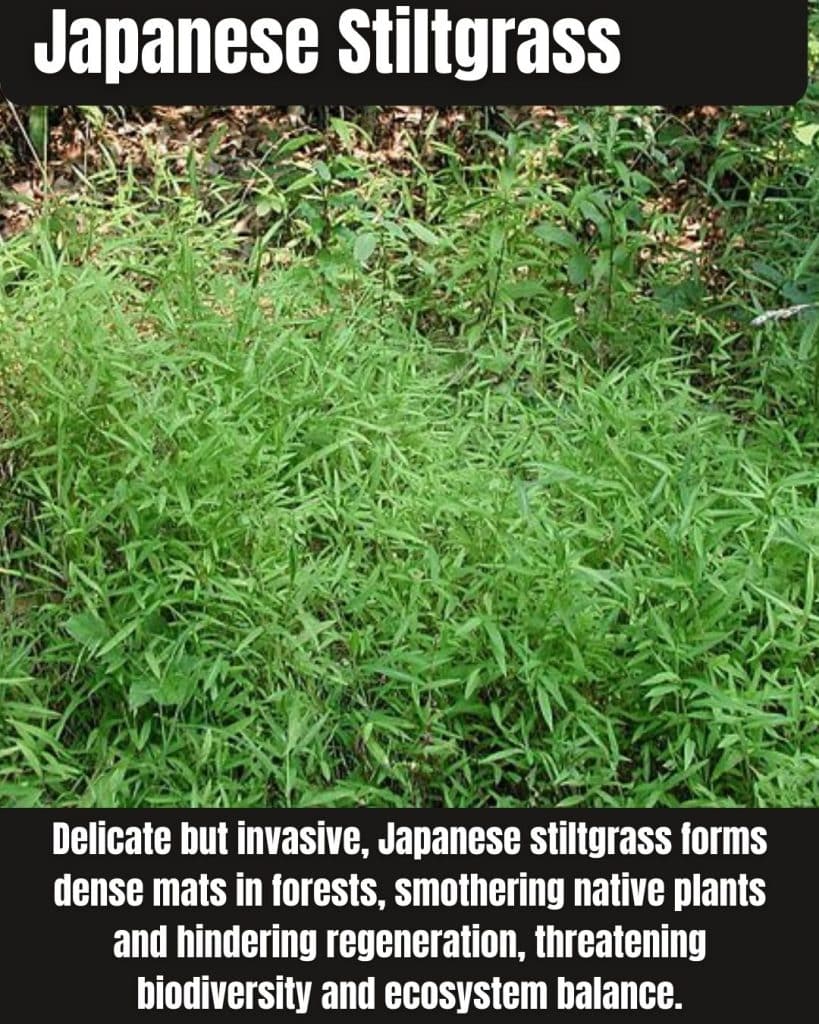
- Forest carpet: Forms thick mats that smother native groundcover.
- Soil changer: Alters pH and nutrients, inhibiting regeneration.
- Seed prolific: Produces thousands of seeds viable for 3-5 years.
Japanese stiltgrass looks like delicate bamboo but invades like a green wave, introduced as packing material and now widespread in disturbed areas.
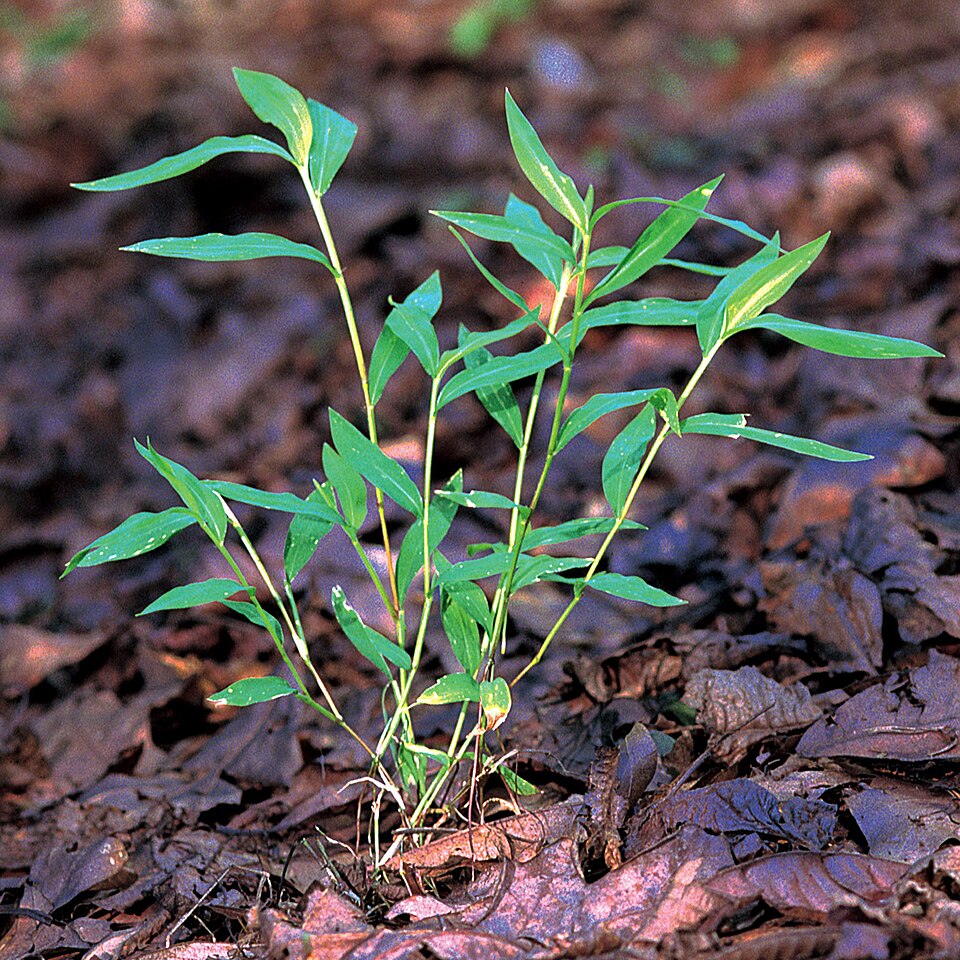
In Virginia’s woodlands and lawns, it prevents tree seedlings, increases erosion, and reduces biodiversity, classified as high-risk and present in every county.
The spread mistake: Seeds on tires, boots, or mowers. Mow before seeding and use pre-emergent herbicides, as it crowds out natives in floodplains and trails.
Forest and Wetland Threats: Insects, Plants, and Animals Ravaging Virginia’s Trees and Waters
These final invaders target Virginia’s forests, wetlands, and farmlands, killing trees, forming dense mats, spreading diseases, and altering soils—often spreading through firewood movement, boat trailers, illegal releases, or sticky seeds on gear.
21. Emerald Ash Borer (Agrilus planipennis)
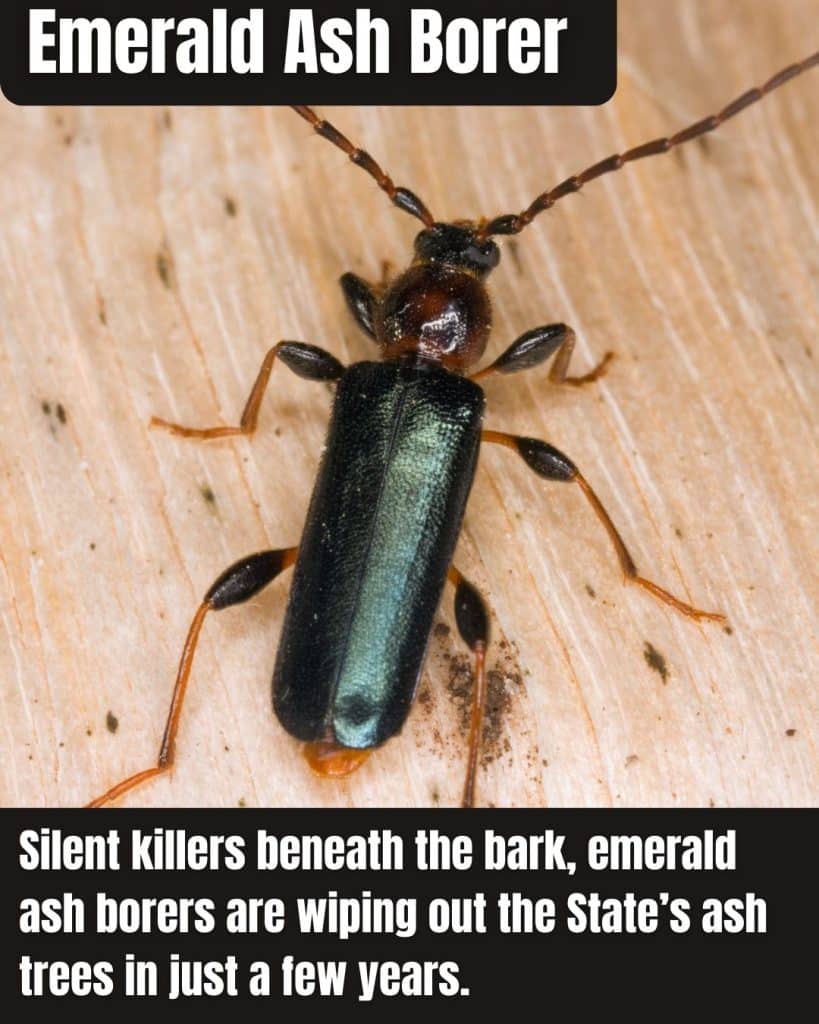
- Tree killer: Larvae tunnel under bark, disrupting nutrient flow and causing tree death.
- Forest devastator: Has killed millions of ash trees, impacting urban canopies and wildlife habitats.
- Firewood hitchhiker: Spreads primarily through movement of infested wood products.
The emerald ash borer is a metallic green beetle whose larvae create serpentine galleries under ash bark, leading to canopy dieback and eventual tree mortality within 2-4 years of infestation.
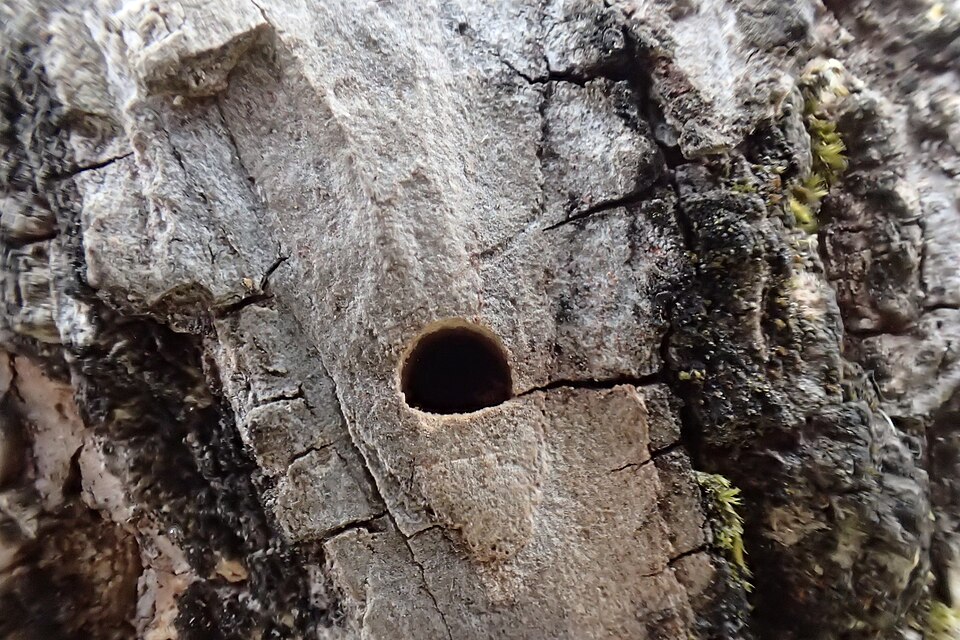
In Virginia, since its detection in 2008, it has spread to over 100 counties, killing tens of millions of ash trees and costing millions in removal and treatment, with threats to urban forests and native wildlife dependent on ash.
The spread mistake: Moving untreated firewood. Buy local or certified heat-treated wood, and report sightings to help deploy biological controls like parasitic wasps.
22. Water Chestnut (Trapa natans)
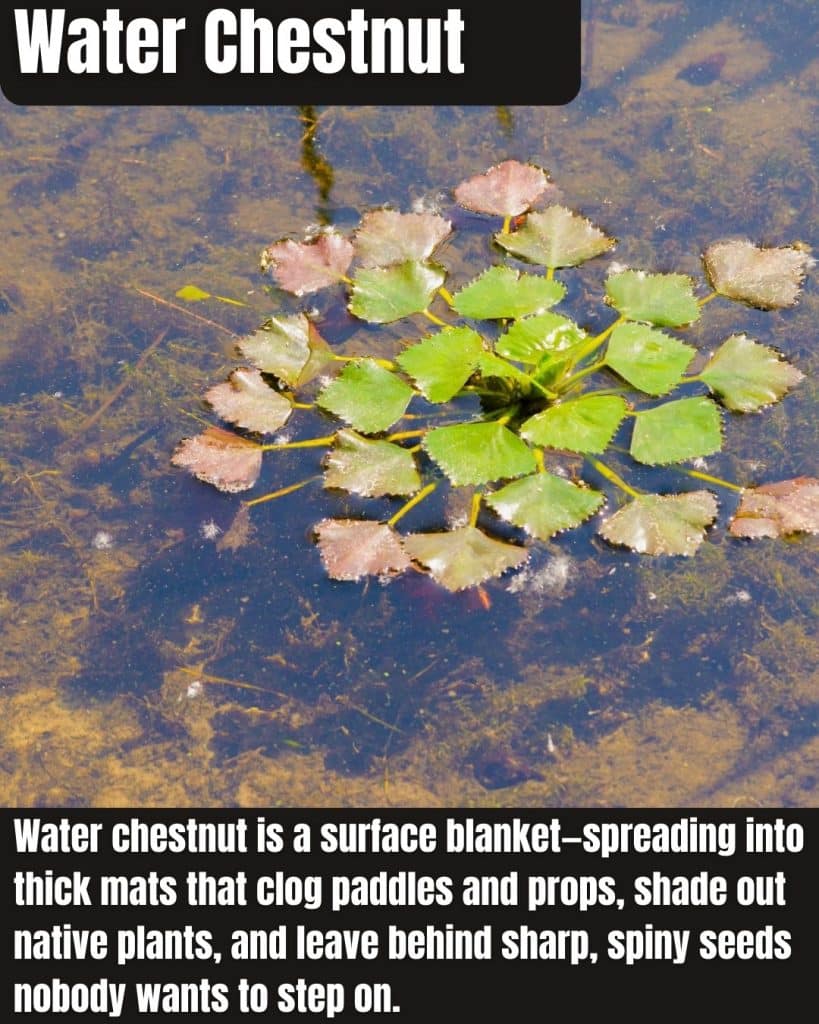
- Surface mat creator: Forms dense floating mats that block light and oxygen in water bodies.
- Recreation blocker: Impedes boating, fishing, and swimming with sharp nutlets.
- Seed disperser: Produces barbed seeds that attach to animals and gear.
Water chestnut is an aquatic annual with floating leaf rosettes and submerged feather-like leaves, producing spiny nutlets that deter predators and persist in sediment for years.
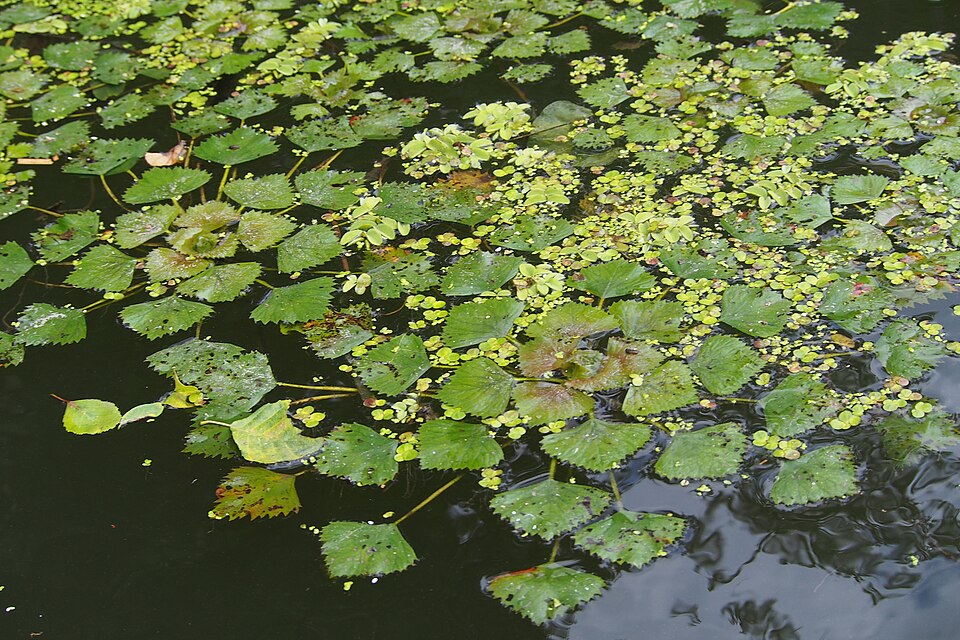
In Virginia’s ponds, lakes, and slow rivers, it reduces dissolved oxygen, kills fish, outcompetes natives, and clogs waterways, with ongoing management in areas like the Potomac and Lake Brittle costing thousands annually.
The spread mistake: Seeds hitching on boats or waterfowl. Hand-pull small patches or use mechanical harvesters for larger ones, avoiding fragments that regrow.
23. Feral Swine (Sus scrofa)
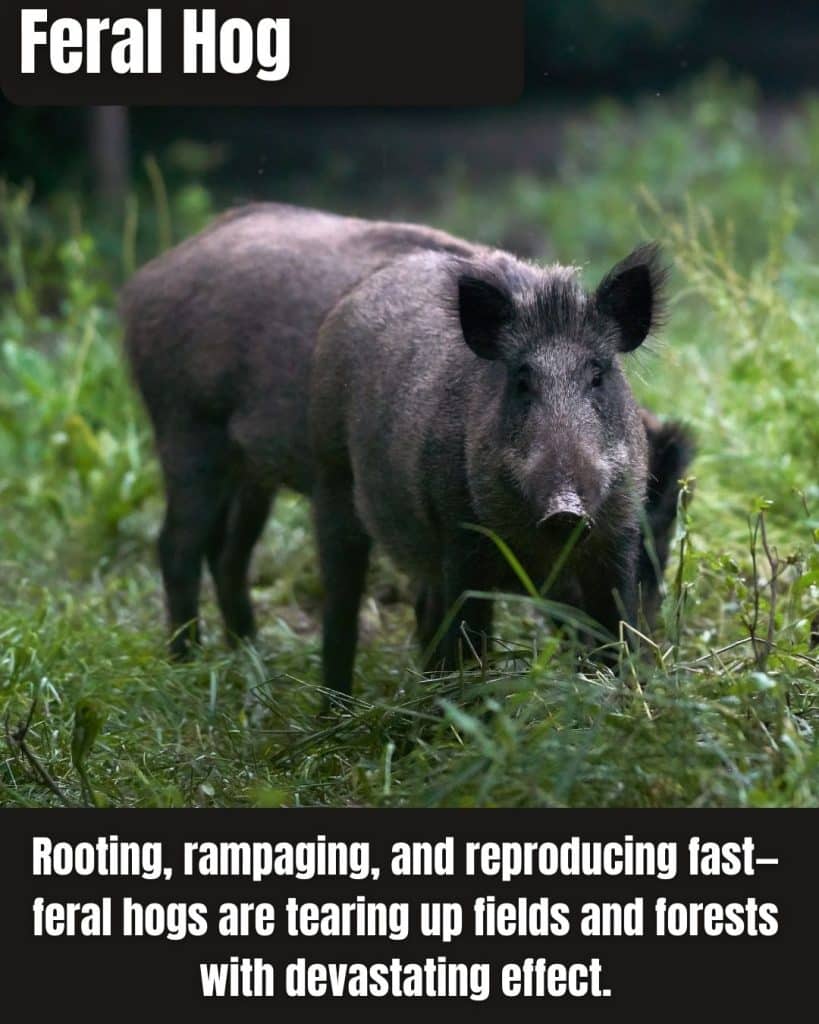
- Rooting destroyer: Uproots soil, causing erosion and damaging crops and habitats.
- Disease vector: Carries over 30 diseases transmissible to wildlife, livestock, and humans.
- Population exploder: Females produce multiple litters yearly with high survival rates.
Feral swine are escaped domestic pigs turned wild, with tusks, bristly hair, and omnivorous diets that lead to aggressive foraging across diverse terrains.
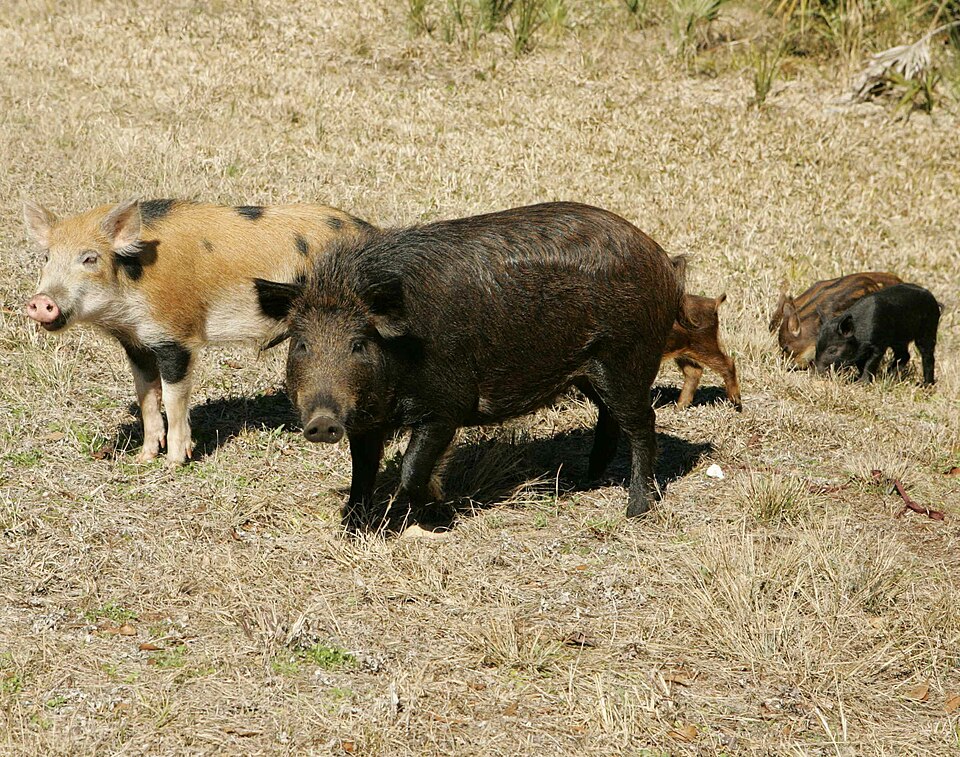
In Virginia, populations have expanded since the 1990s, causing over $1.5 billion in national damages yearly, including crop losses, wetland destruction, and disease spread like swine brucellosis.
The spread mistake: Illegal releases for hunting. Use trapping over shooting for effective control, and report sightings to authorities.
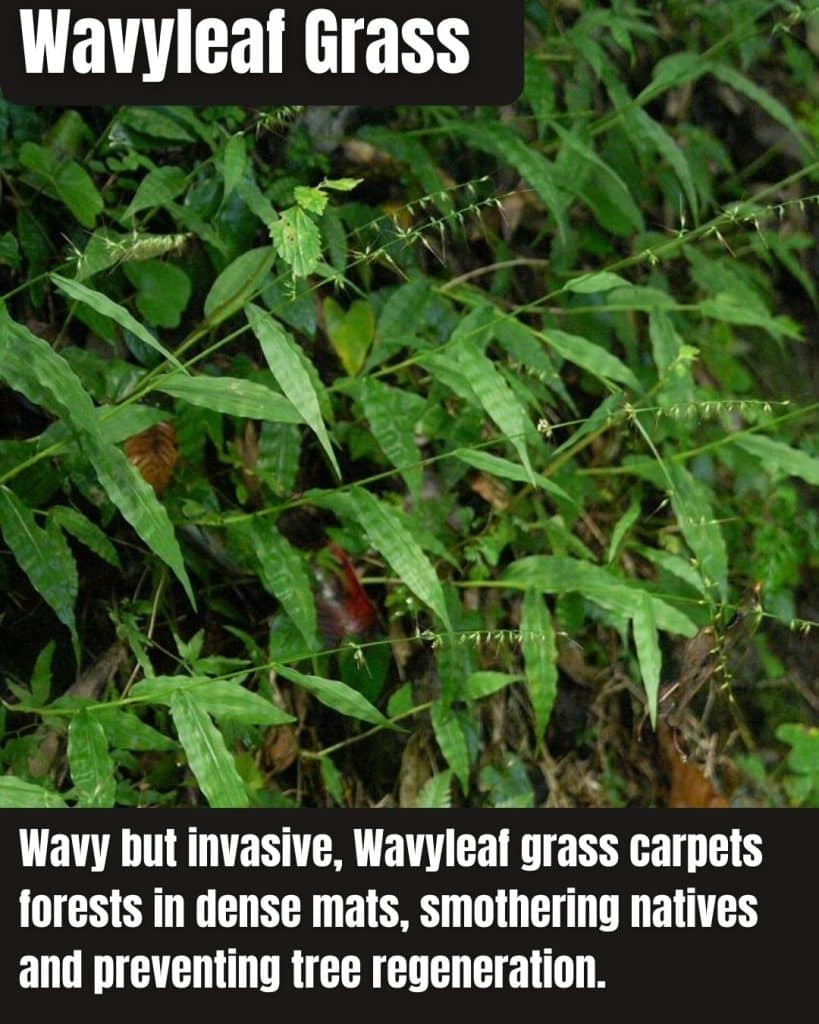
- Forest carpet former: Creates dense groundcover that excludes native understory plants.
- Sticky seed spreader: Awns attach to clothing, animals, and gear for easy dispersal.
- Regeneration inhibitor: Prevents tree seedlings and alters forest composition.
Wavyleaf grass is a low-growing perennial with wavy leaf margins and sticky awns on seeds, allowing it to thrive in shaded forests and spread rapidly.
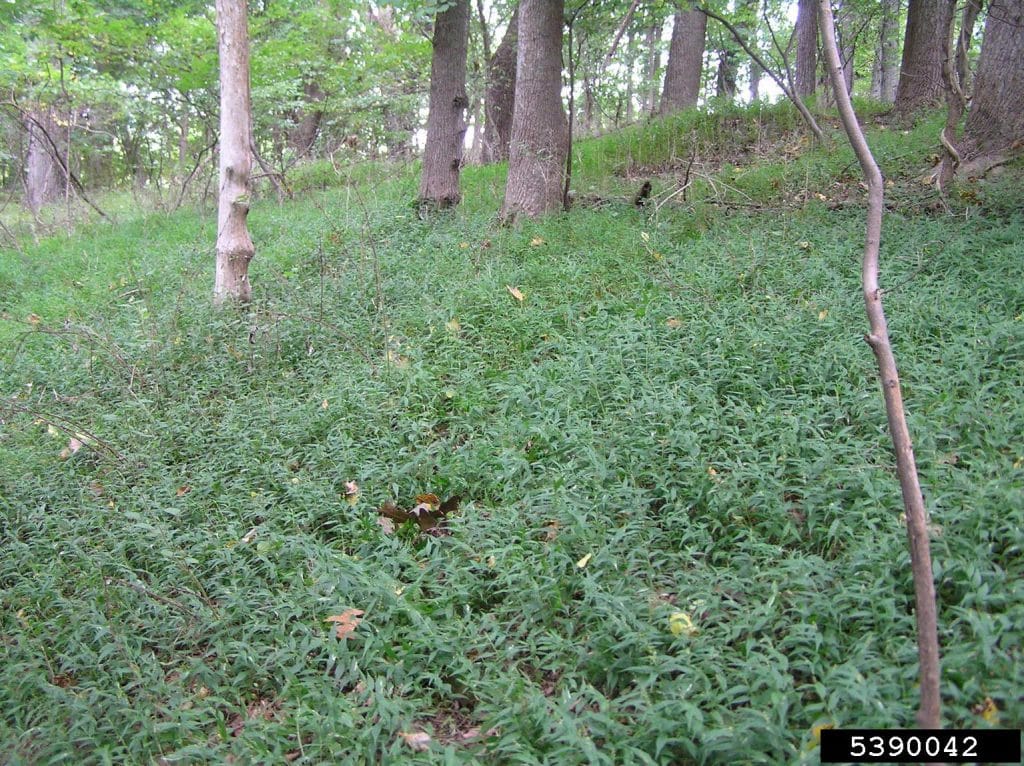
Detected in Virginia since 2005, it now infests over 20 counties, threatening Shenandoah National Park by forming mats that reduce biodiversity and require ongoing treatments costing thousands.
The spread mistake: Seeds clinging to hikers or vehicles. Use pre-emergent herbicides and hand-pull before seeding in early detection efforts.
25. Tree-of-heaven (Ailanthus altissima)
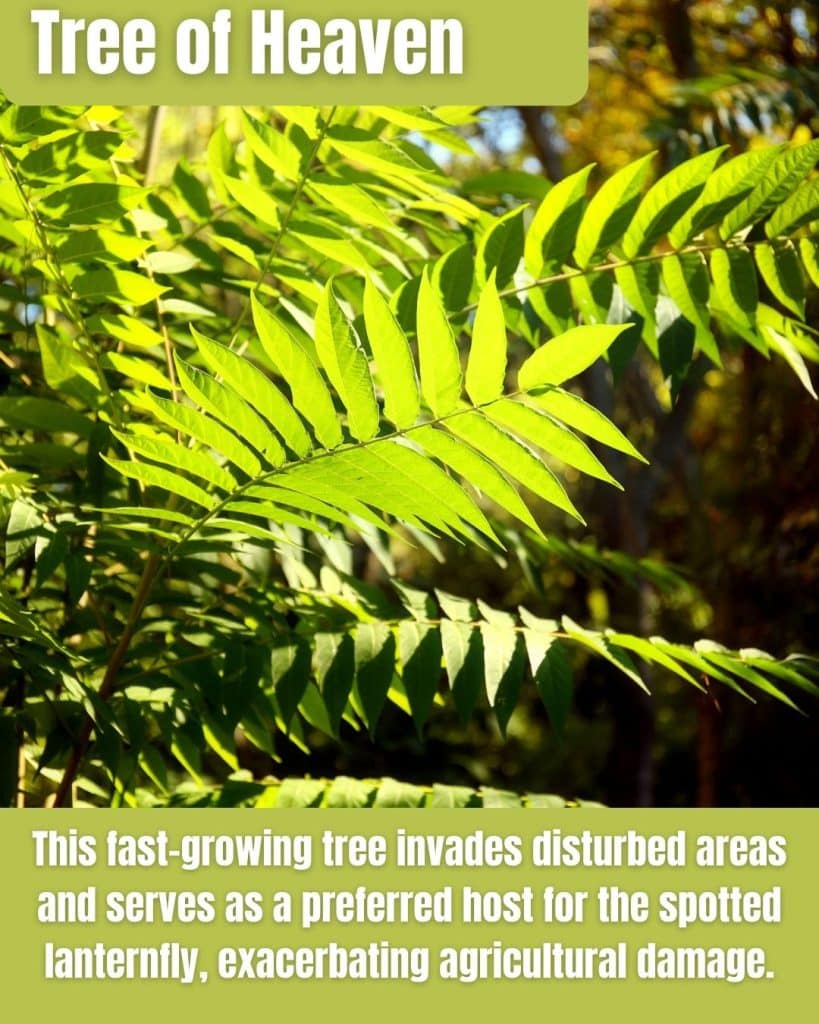
- Allelopathic aggressor: Releases toxins that inhibit nearby plant growth.
- Rapid colonizer: Grows quickly and produces massive seed crops.
- Spotted lanternfly host: Serves as primary food for this damaging pest.
Tree-of-heaven is a fast-growing deciduous tree with large compound leaves smelling like peanut butter when crushed, and clusters of samara seeds for wind dispersal.
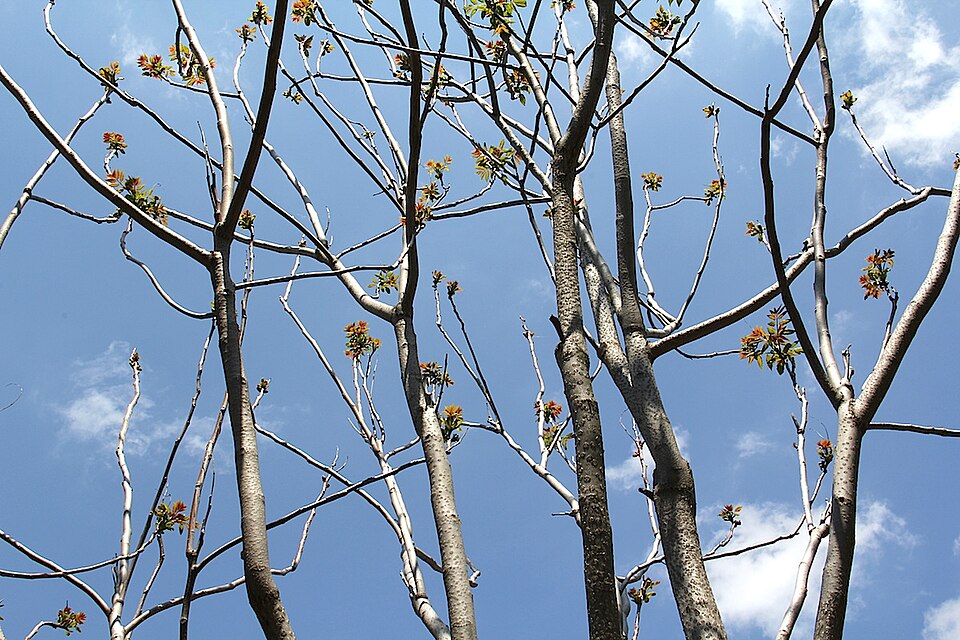
Smooth bark with lenticels on young trees.
Ubiquitous in Virginia since the 1700s, it displaces natives in forests and urban areas, damages infrastructure, and hosts spotted lanternfly, with control efforts in parks like Shenandoah ongoing.
The spread mistake: Planting as ornamentals or moving soil with roots. Use basal bark herbicides and avoid cutting alone to prevent resprouting.