Texas is home to some of the most beautiful birds in America, from the rainbow-bright Painted Bunting to the elegant Scissor-tailed Flycatcher. Some visit feeders. Others need berries, water, shelter, or the right native plants.
Here are 25 of the prettiest birds in Texas, plus simple ways to make your yard more inviting if you hope to see them.
1. Painted Bunting
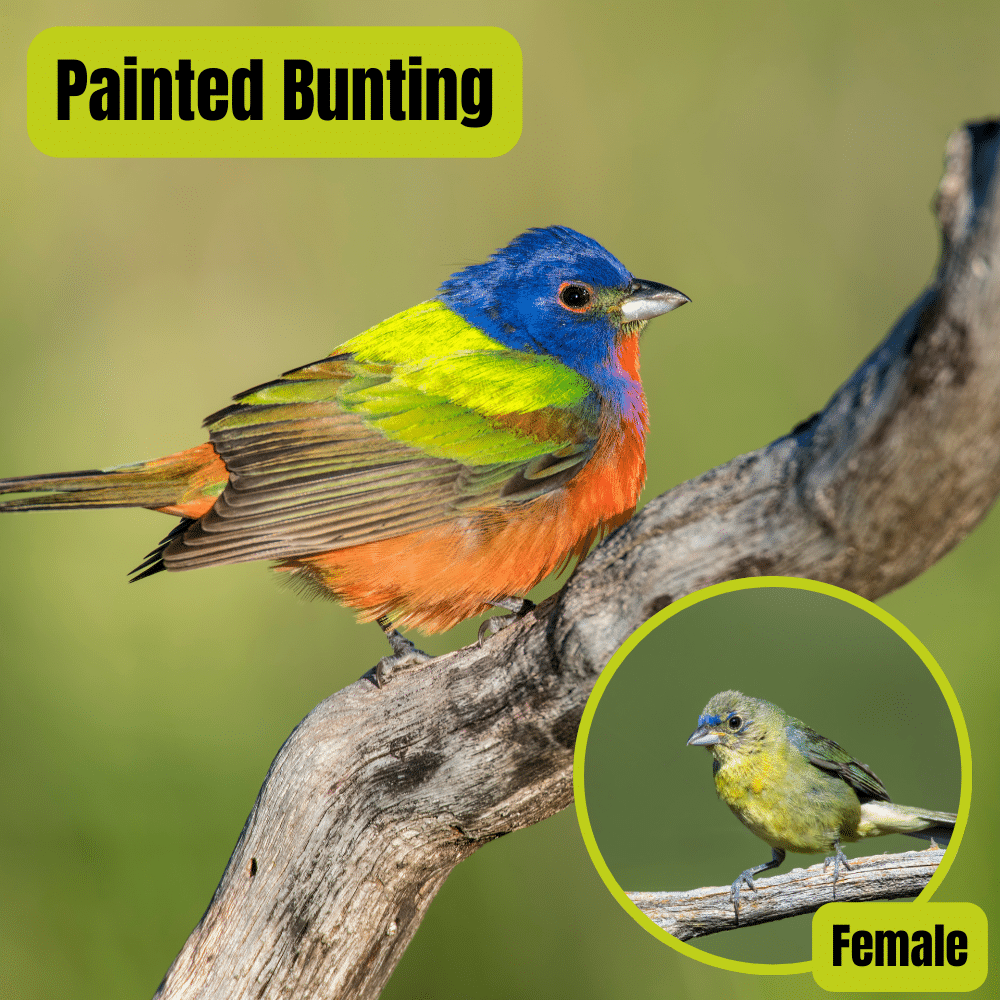
Few birds in Texas look more unreal than the Painted Bunting.
The male is a burst of blue, green, red, and yellow, but this bird is often harder to see than people expect because it likes dense shrubs, brushy edges, and thick cover.
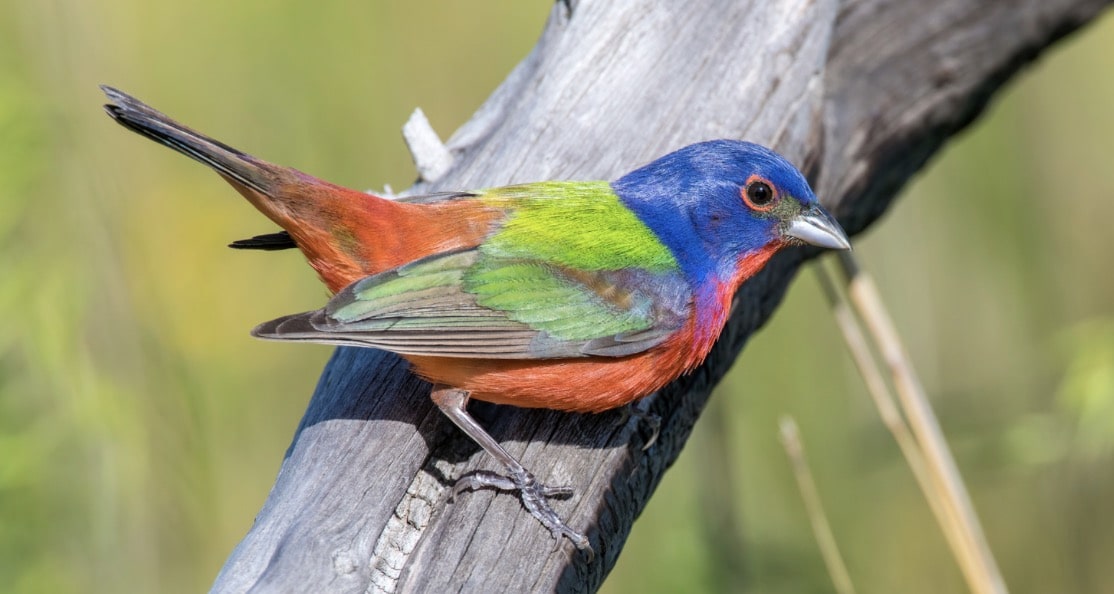
If you want one in your yard, the big move is not just seed. Offer white millet or other small seed low to the ground, keep feeders close to shrubs, and avoid wide-open placement.
Painted Buntings also feed on insects in the breeding season, so a yard with native plants and fewer pesticides gives them another reason to stay. Cover is the real secret.
2. Scissor-tailed Flycatcher
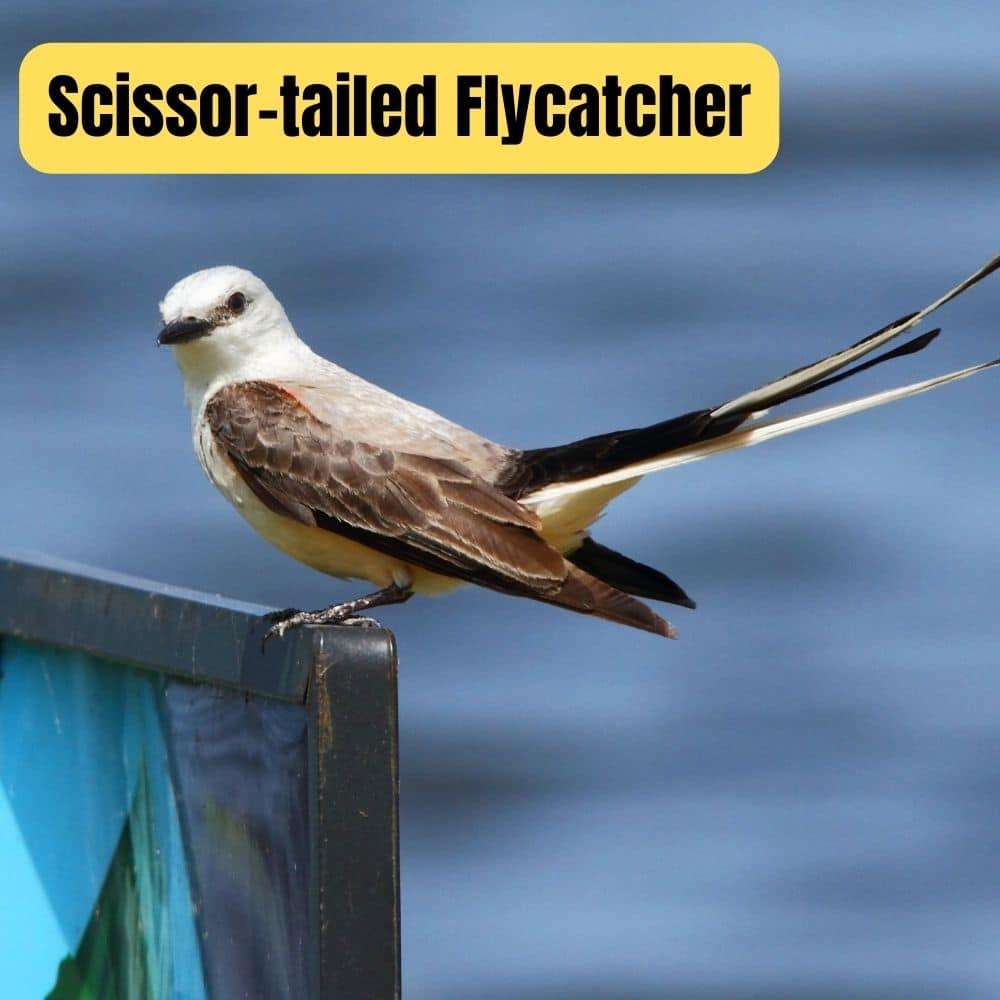
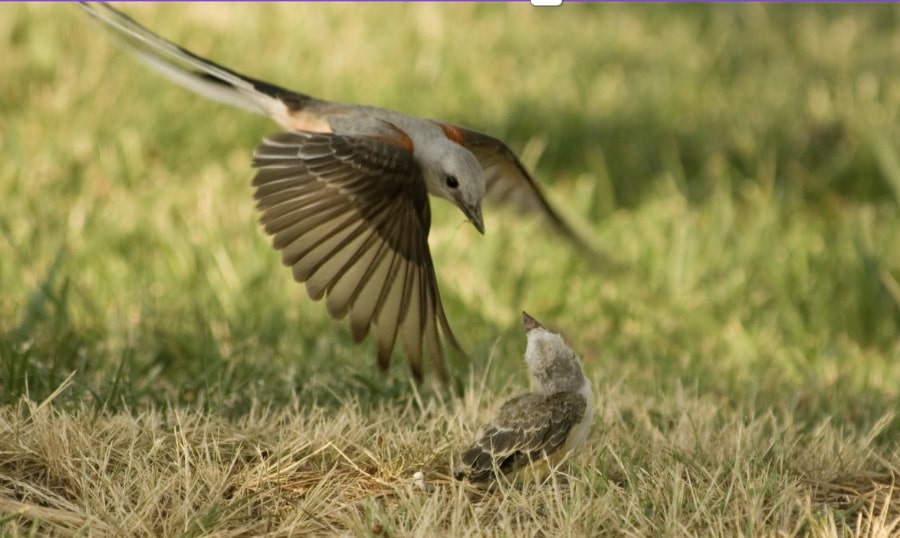
The Scissor-tailed Flycatcher looks built for Texas skies, with pale gray plumage, salmon sides, and that long forked tail flashing behind it.
Unlike feeder birds, this species is mostly after insects and open hunting space.
The best way to attract one is to create or protect open yard edges, fence lines, wires, and exposed perches where it can scan for prey and launch short flights.
It may also visit berry-producing trees such as mulberry or hackberry, but berries are a bonus, not the main draw.
If your place feels too tidy, that can work against you. This bird likes room to hunt and places to sit high and watch.
3. Roseate Spoonbill
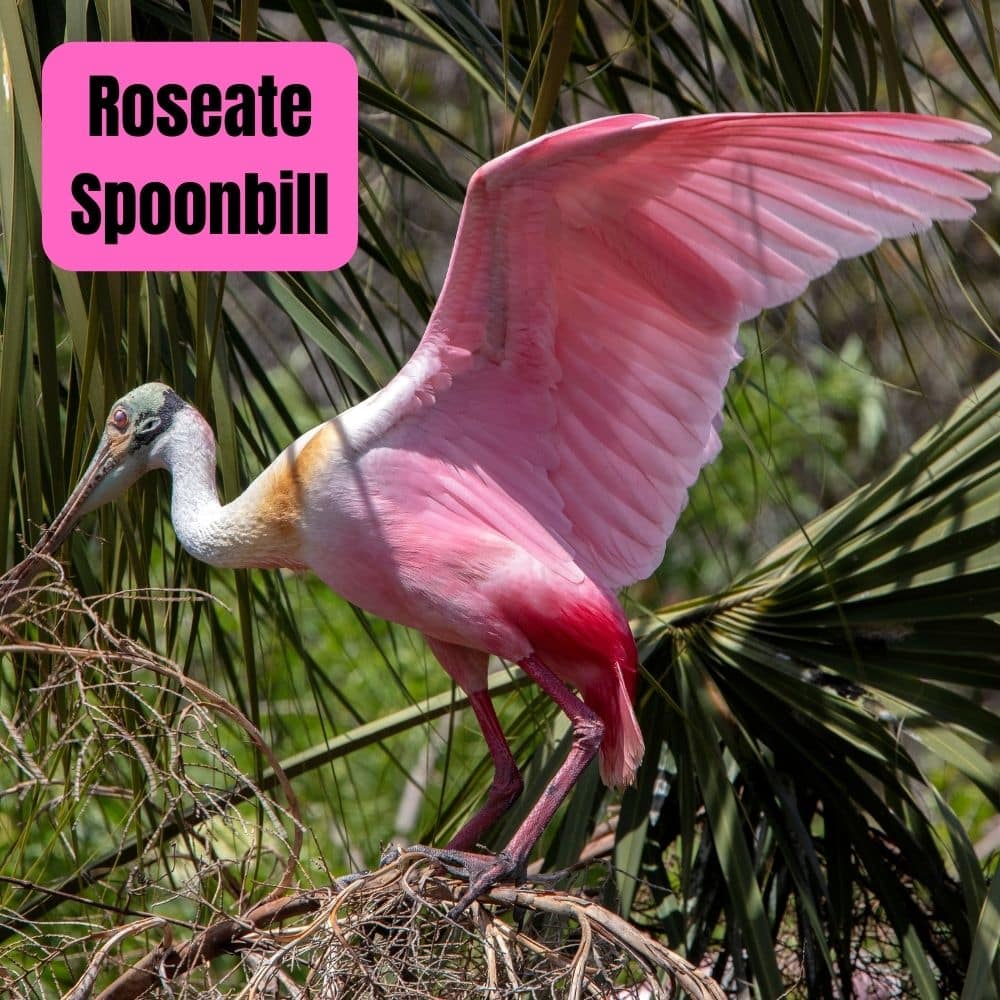
The Roseate Spoonbill may be the most shocking bird on this list the first time you see one in Texas.
Its bright pink body, red shoulder patch, and spoon-shaped bill look almost tropical, and in a way they are.
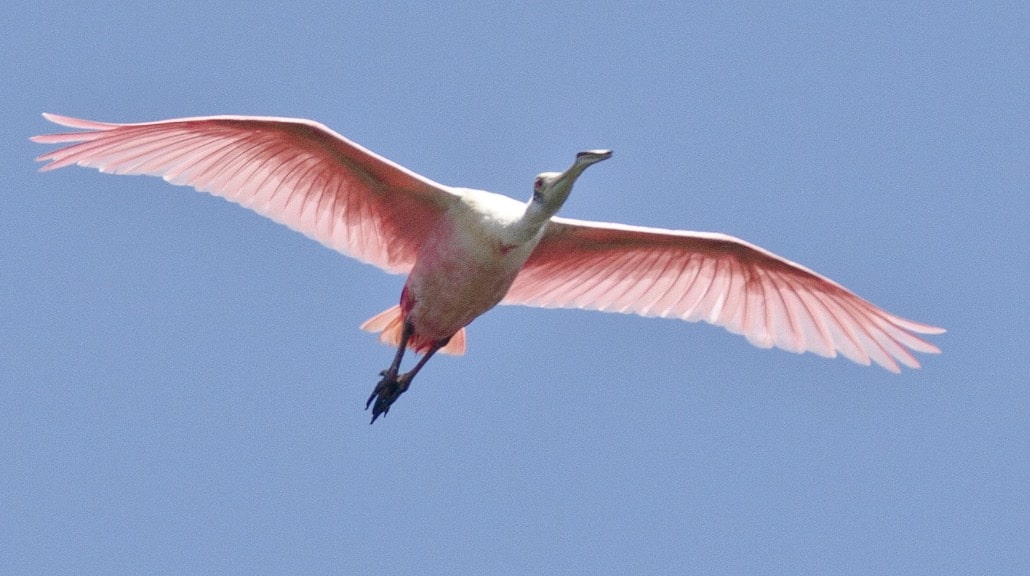
This is not a feeder bird, so the usual backyard tricks will not do much. To attract spoonbills, you need shallow fresh, brackish, or saltwater habitat with plenty of aquatic prey. Think pond margins, marsh edges, coastal wetlands, and protected shallows.
Trees and shrubs along the water’s edge help too, because spoonbills use waterside vegetation for roosting and nesting. With this bird, habitat matters far more than feeders.
4. Green Jay
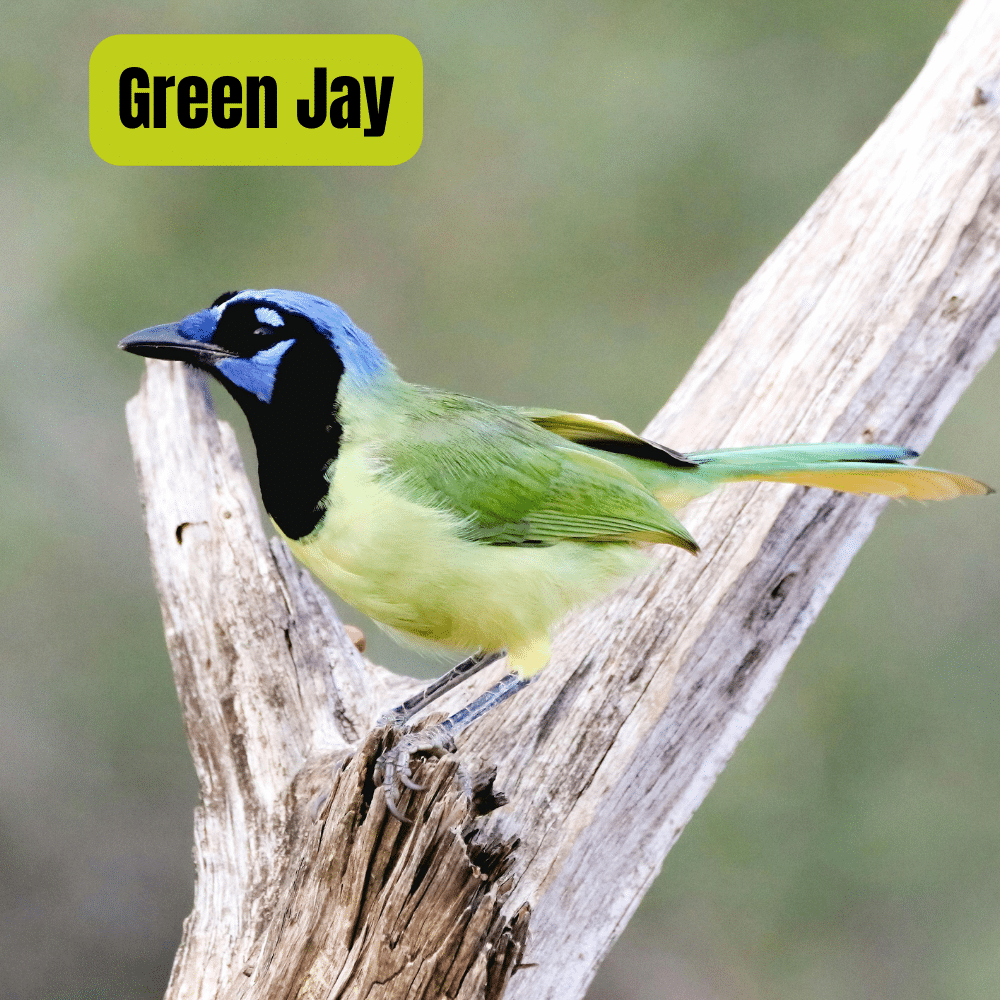
If you live in South Texas, the Green Jay is one of the most exciting birds you can hope to see. Its green back, blue head, yellow underparts, and black face make it look more like a rainforest bird than a backyard jay.
The key to attracting it is range plus habitat. In the United States, it is found only in the southern tip of Texas, where it favors woodlands, scrubby thickets, and brushy areas along waterways.
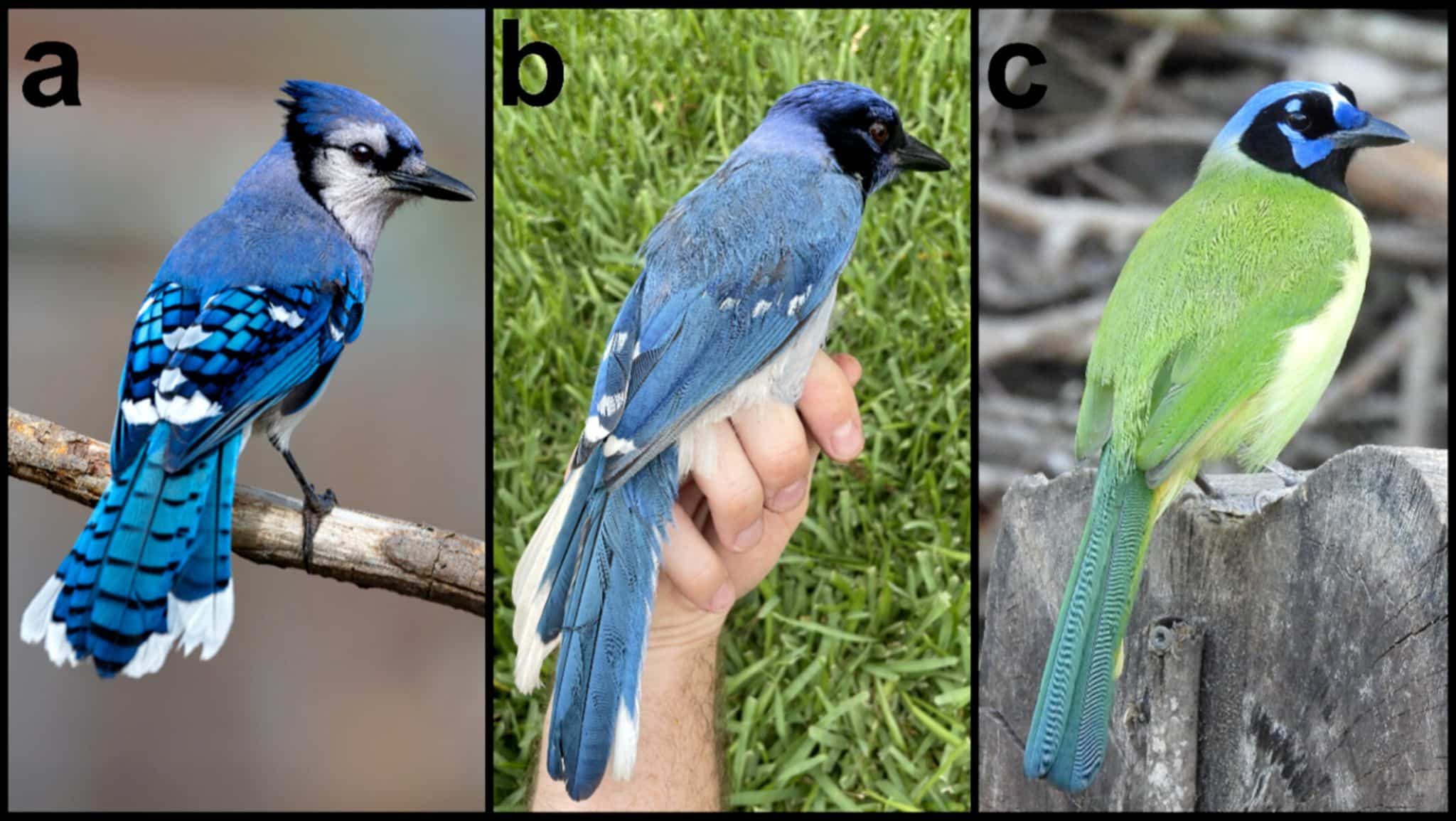
A) Blue Jay B) Grue Jay C) Green Jay. The Grue Jay was first identified around San Antonio, a hybrid of these two species, and a Texas original.
In the right area, Green Jays may come to feeders, fruit, and yards with dense native cover, especially where trees such as mesquite, Texas ebony, or sabal palm help create a sheltered feel.
If you are outside South Texas, do not expect this one.
Texas’ 25 Most Problematic Invasive Species
5. Vermilion Flycatcher
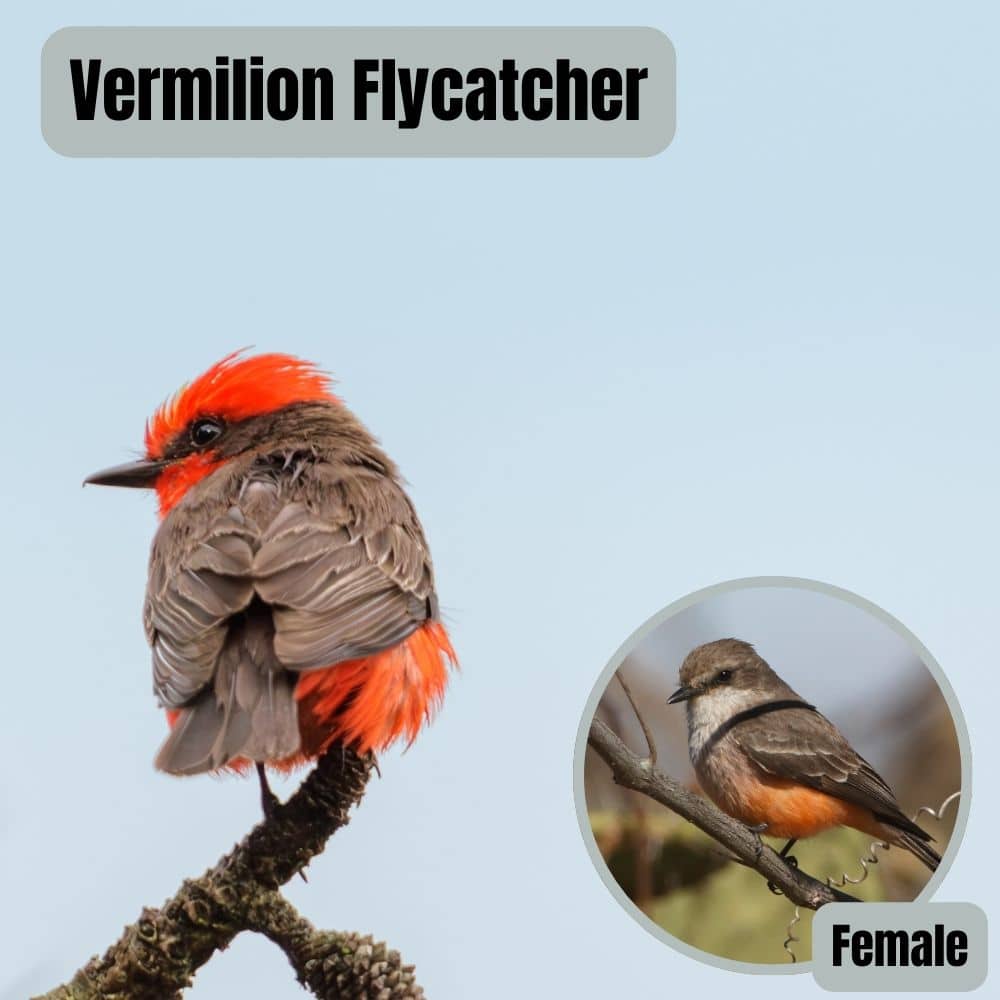
The Vermilion Flycatcher is a small bird with outsized color. A bright male can look almost neon red against dry Texas country, especially when he keeps returning to the same low perch.
This species is not much of a seed-feeder visitor. It wants flying insects, open space, and exposed lookout points.
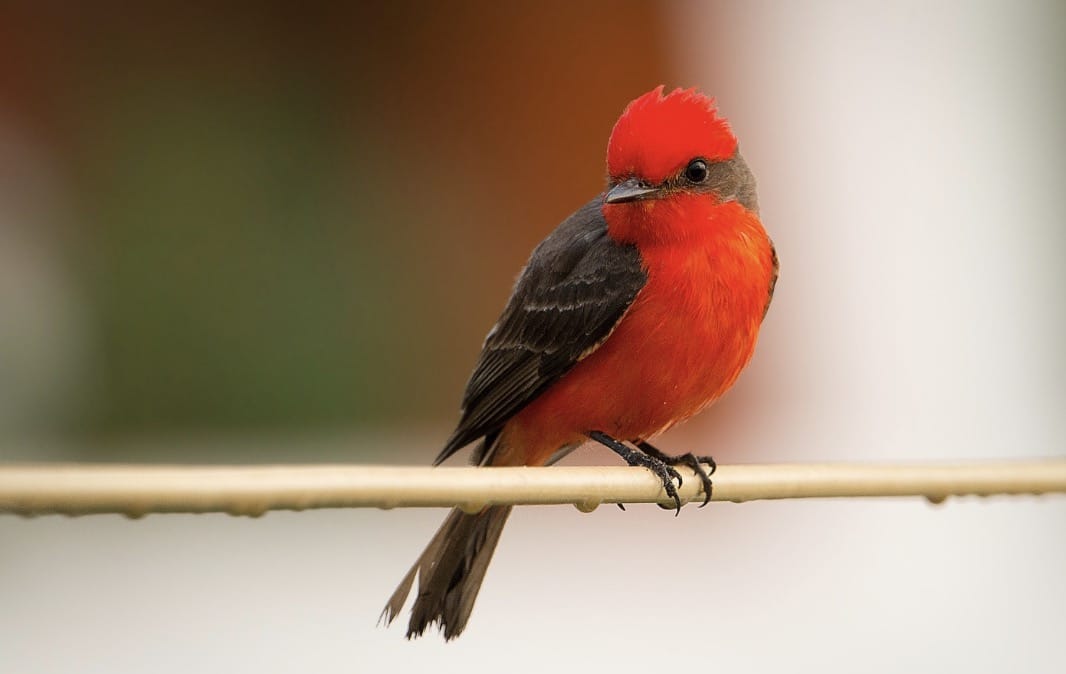
To improve your odds, keep or add fence lines, posts, bare branches, and low perches near insect-rich habitat, especially near water, wet ground, or a stream corridor.
Vermilion Flycatchers often hunt from a perch, dart out to grab an insect, then return to the same spot. If you want this bird, think perch first and feeder second.
6. Altamira Oriole
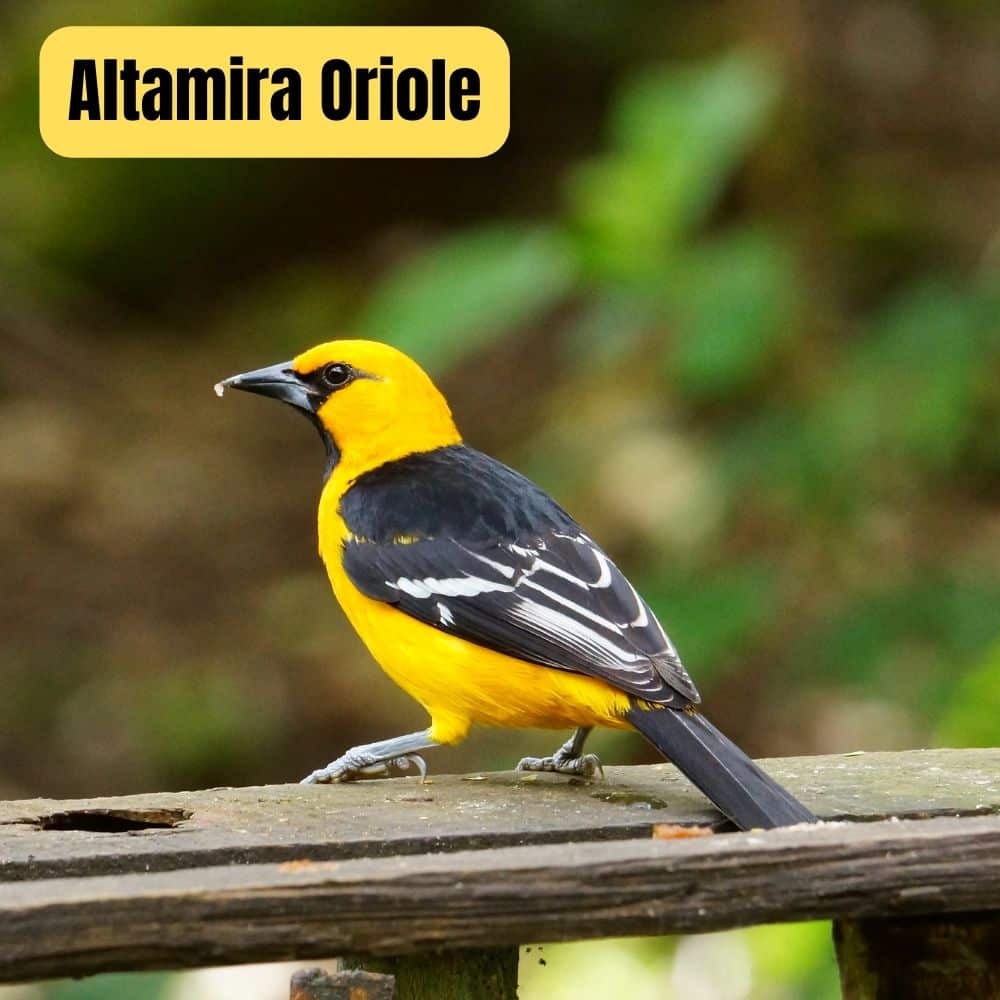
The Altamira Oriole feels almost too bright for real life, with a blazing orange body and bold black back and wings.
In Texas, it is mostly a Lower Rio Grande Valley bird, so location matters first. If you are in range, the best setup is a yard with fresh fruit, nectar, sunflower seeds, and flowering native plants.
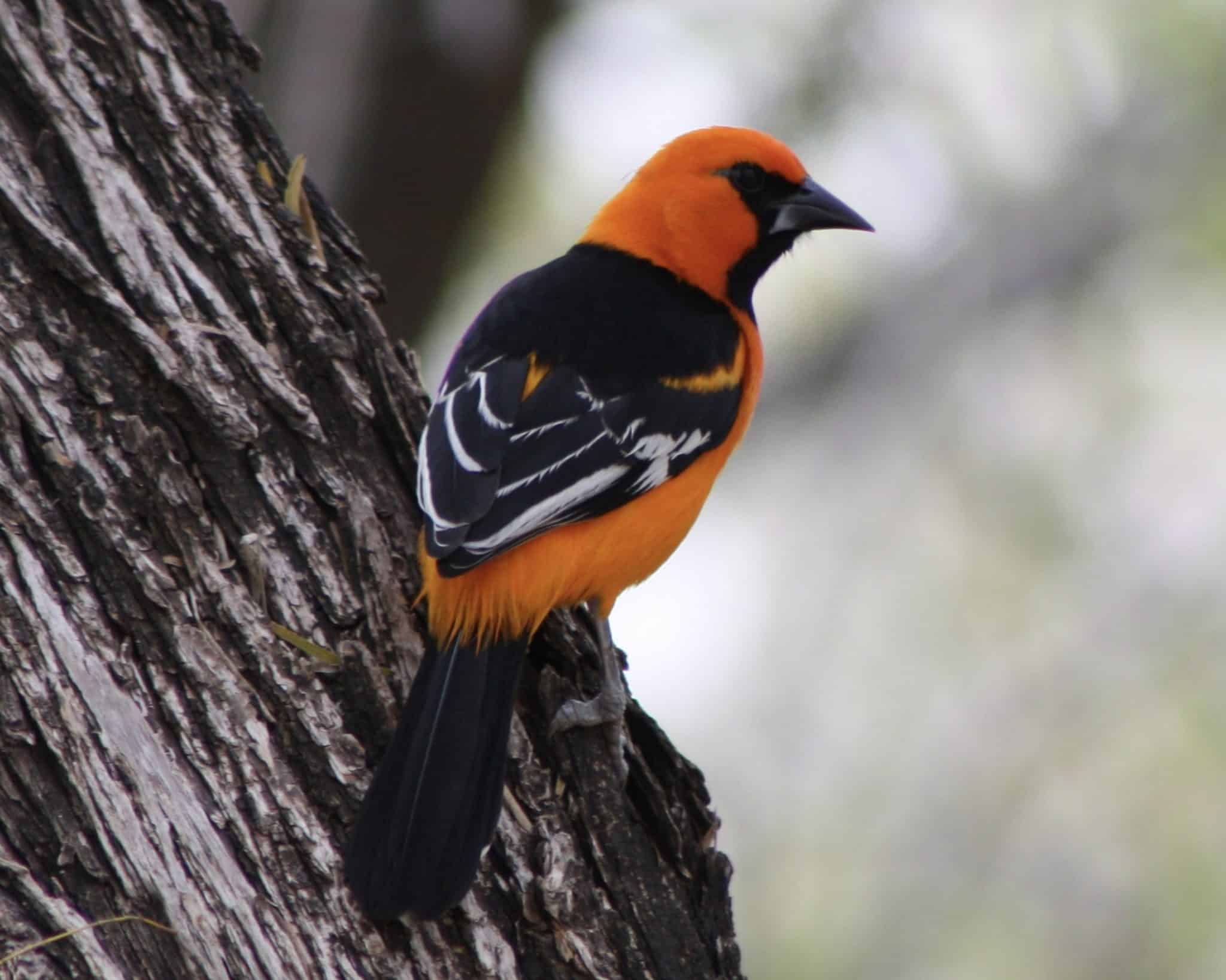
Orange halves, grape jelly, and oriole-friendly nectar can all help, but dense trees and a sheltered yard usually do more than a bare feeder pole.
This bird is especially drawn to places that feel established, leafy, and productive, not clipped, empty, and exposed.
7. Buff-bellied Hummingbird
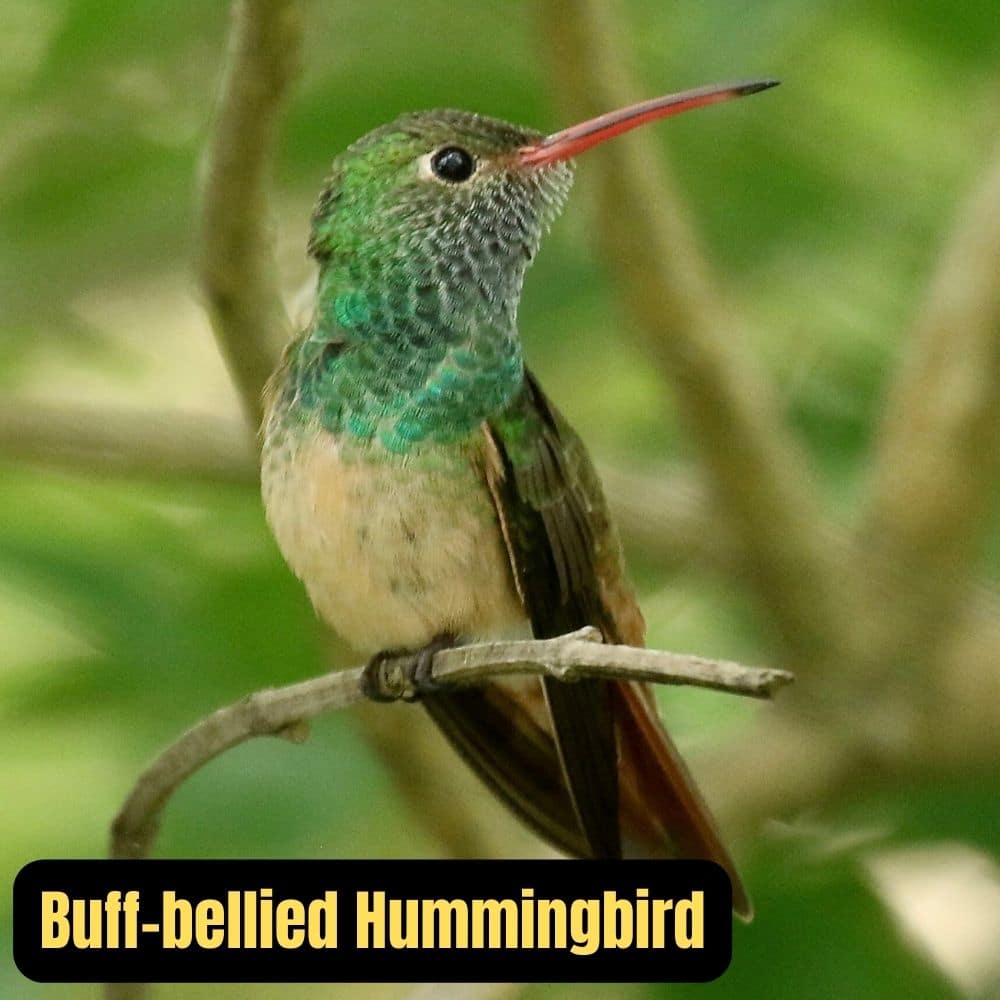
The Buff-bellied Hummingbird is one of those birds that makes a South Texas yard feel almost tropical. It shows off a warm buff belly, green upperparts, and a bright red bill that stands out even at a distance.
To bring one in, hang clean hummingbird feeders with a simple 4:1 water-to-sugar mix, skip food coloring, and back that up with nectar-rich flowers.
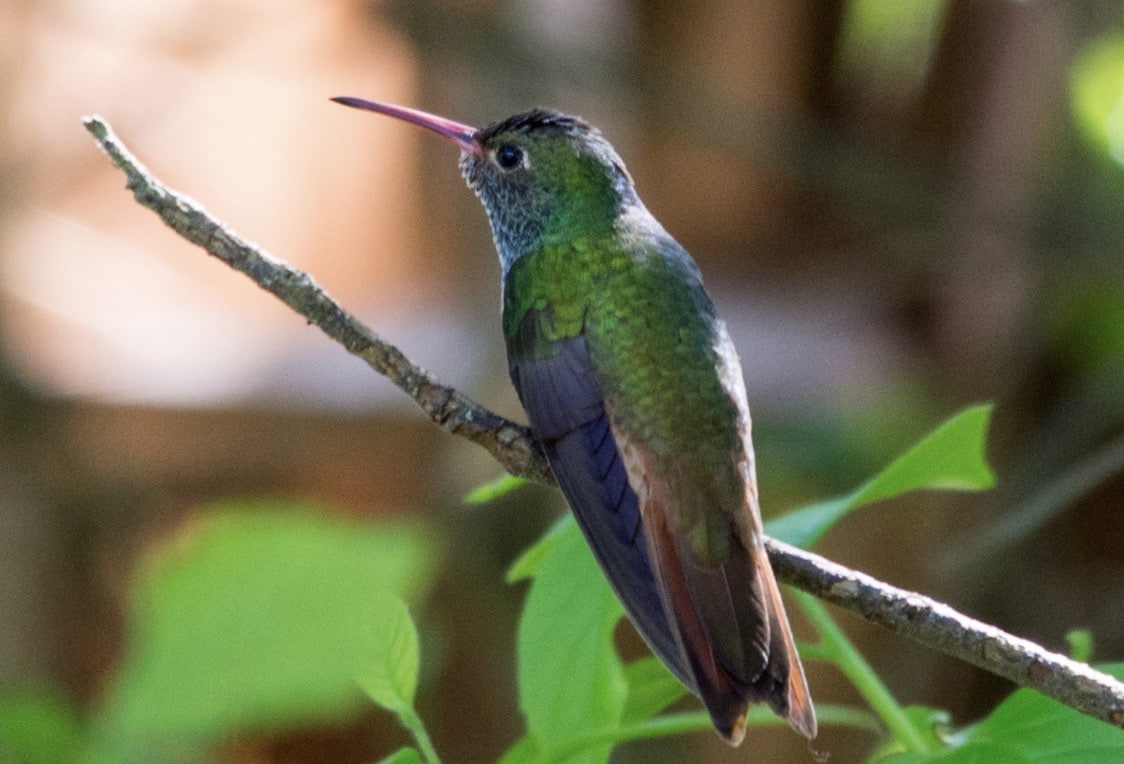
These hummingbirds are most regular in South Texas and along the Gulf Coast, so range matters here too.
A second feeder placed away from the first can help, because hummingbirds are territorial and one dominant bird may try to control the whole setup.
8. Golden-cheeked Warbler
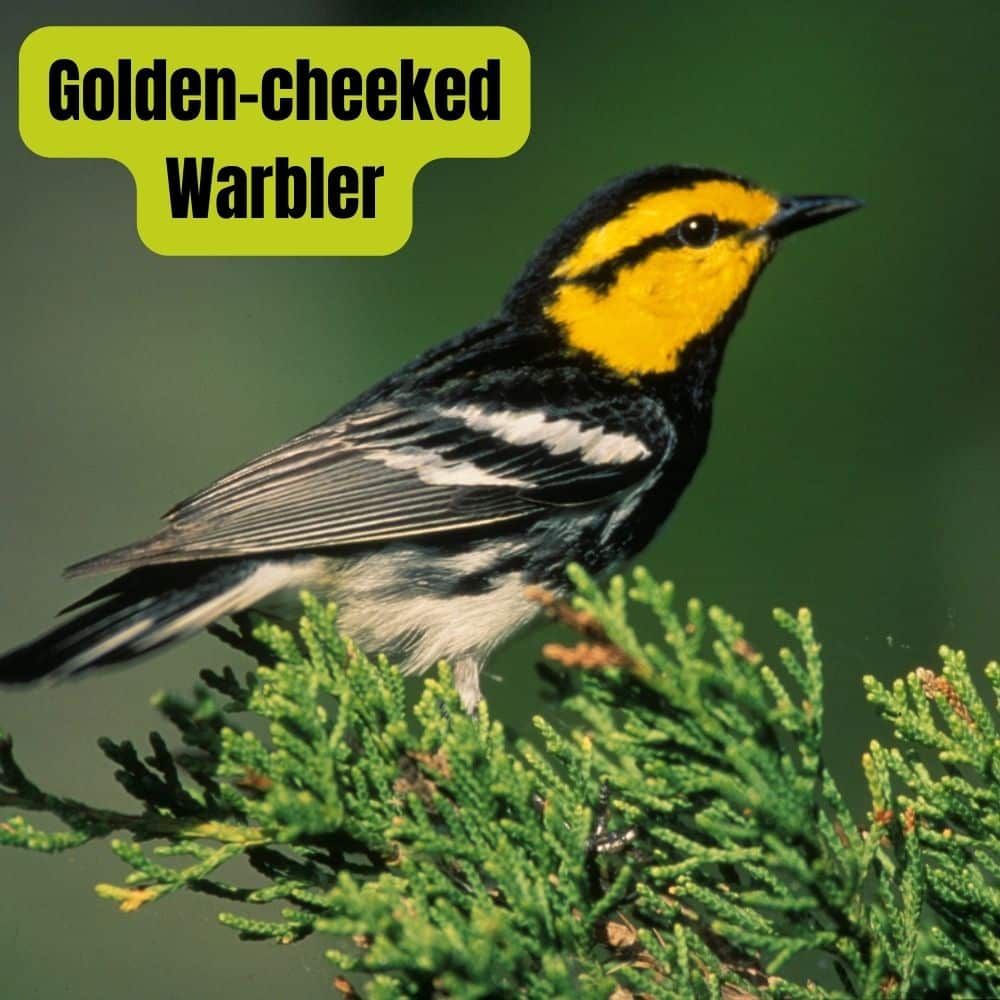
The Golden-cheeked Warbler is one of the true prizes of Texas birding, but it is also the bird on this list that needs the most honesty.
You do not usually “attract” this species with feeders. It breeds only in Central Texas, where it depends on mixed Ashe juniper and oak woodlands for nesting.
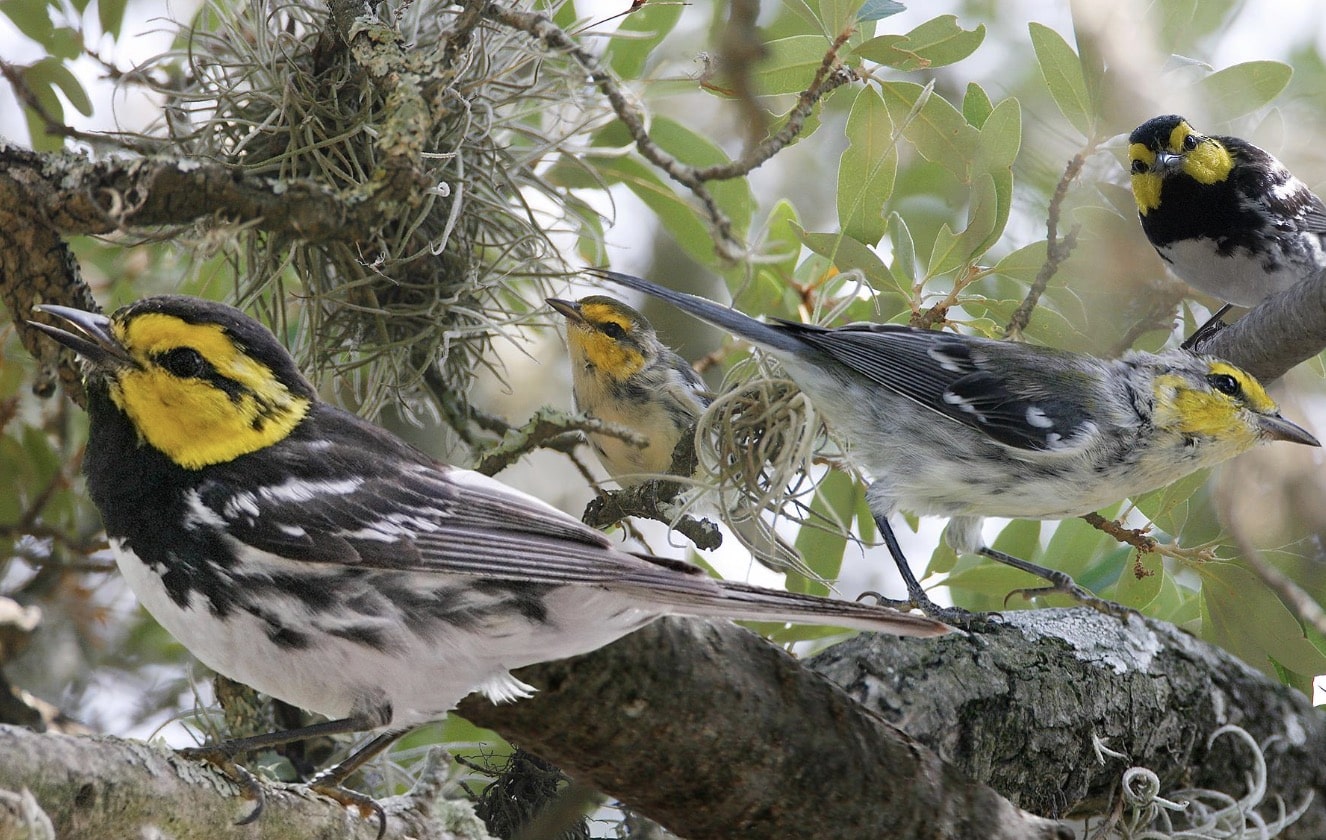
Photo: Richard Crossley
If you own land in the right part of the Hill Country, the useful move is protecting mature juniper-oak habitat, limiting clearing, and avoiding disturbance during nesting season.
If you do not, the better plan is visiting protected habitat in spring. This is a habitat bird, not a backyard trick bird.
9. Northern Cardinal
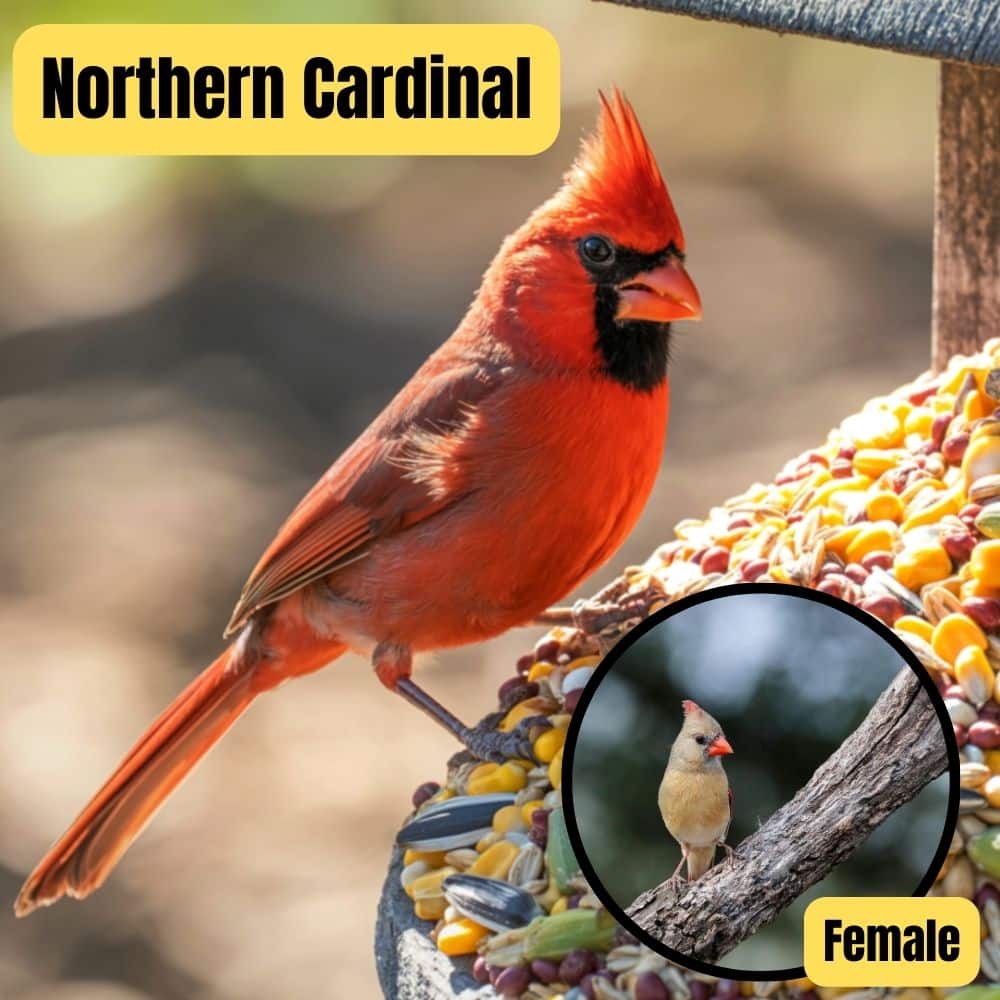
The Northern Cardinal is common in Texas, but that does not make it any less beautiful.
A bright male in red with a black mask still stops people cold, especially against winter brush or fresh green leaves.
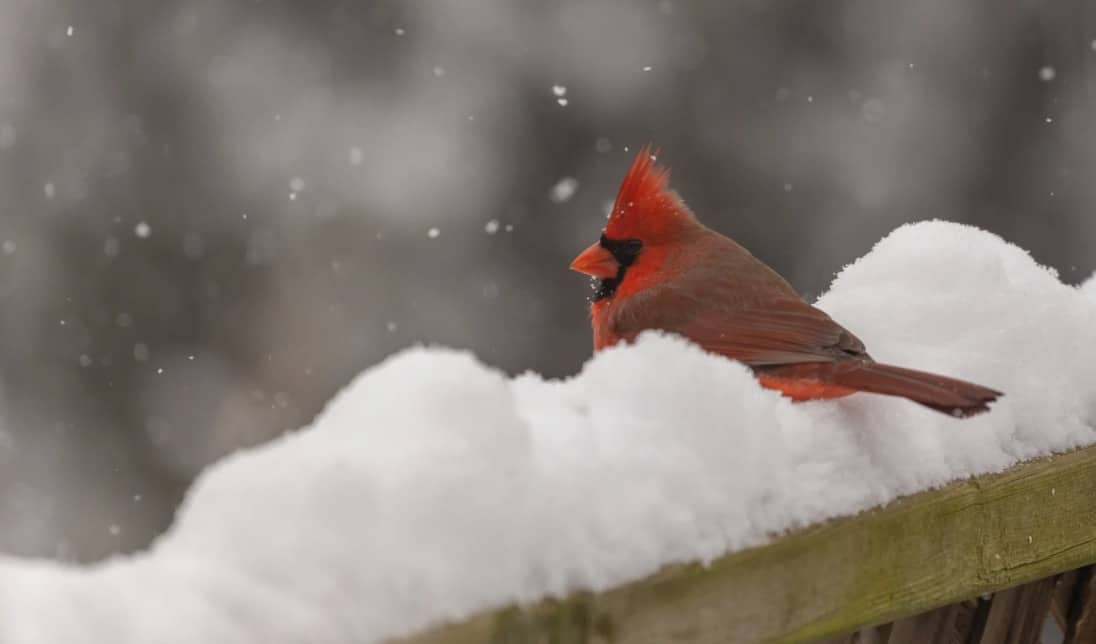
Cardinals are also one of the easier birds on this list to help. Offer sunflower seed, and do not stop there.
Leave undergrowth, shrubs, vine tangles, or thick hedges nearby, because cardinals like cover and often nest in dense foliage.
They are far more likely to settle into a yard that feels safe than one that is wide open and overly tidy. Food brings them in, but shelter keeps them around.
10. Black-chinned Hummingbird
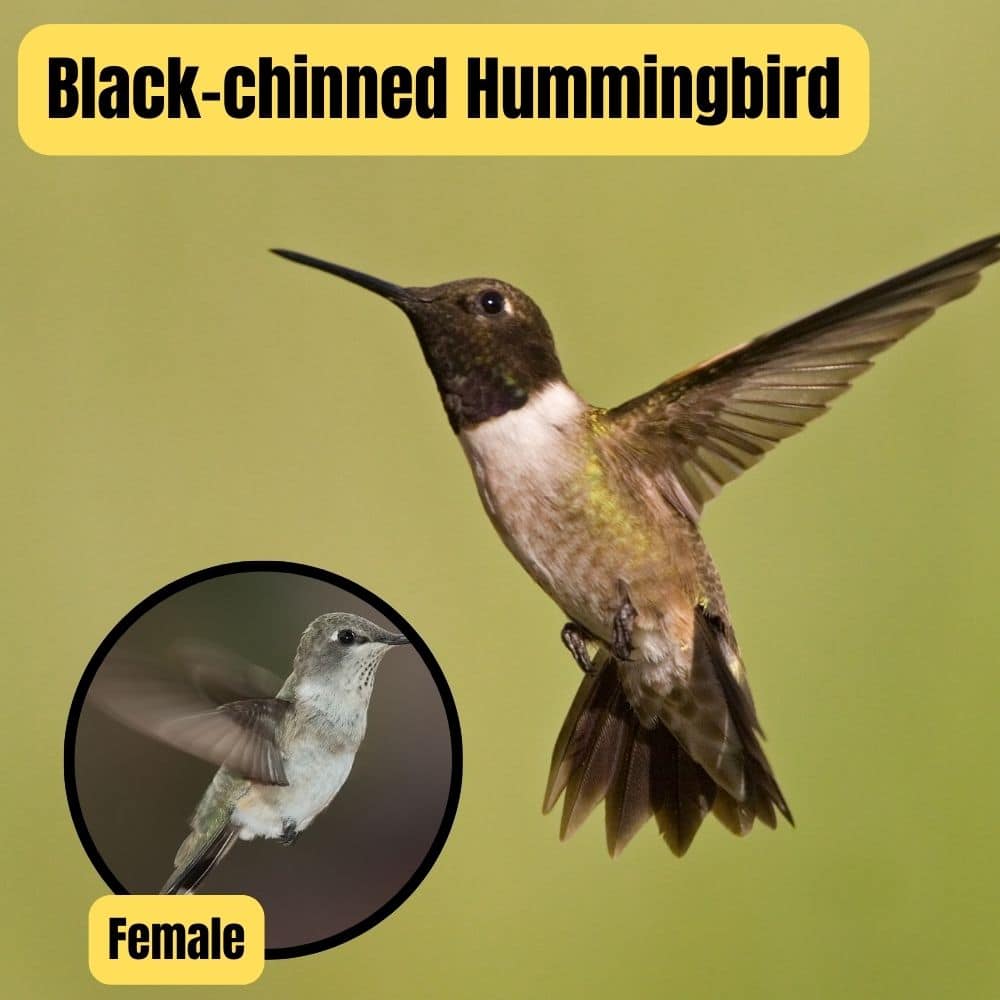
The Black-chinned Hummingbird is a practical bird for this article because it is both handsome and realistic for many Texas yards.
The male looks dark at first, but in good light the throat flashes a narrow band of purple beneath the black chin.
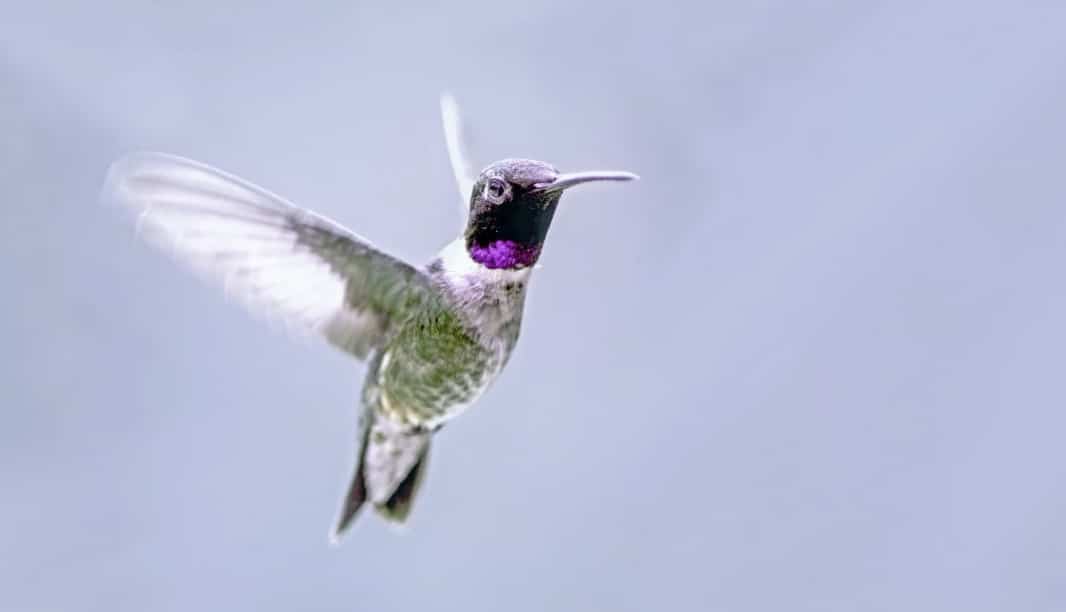
To attract them, pair sugar-water feeders with flowering shrubs and vines, because feeders work better when the yard also offers natural nectar. Tall trees or dead branches nearby help too, giving them places to perch and watch the area.
This species adapts well to both natural and urban settings, so a small yard can still work if it offers flowers, fresh nectar, and perches.
18 Lone Star Perennials That Thrive With Neglect
11. Ruby-throated Hummingbird
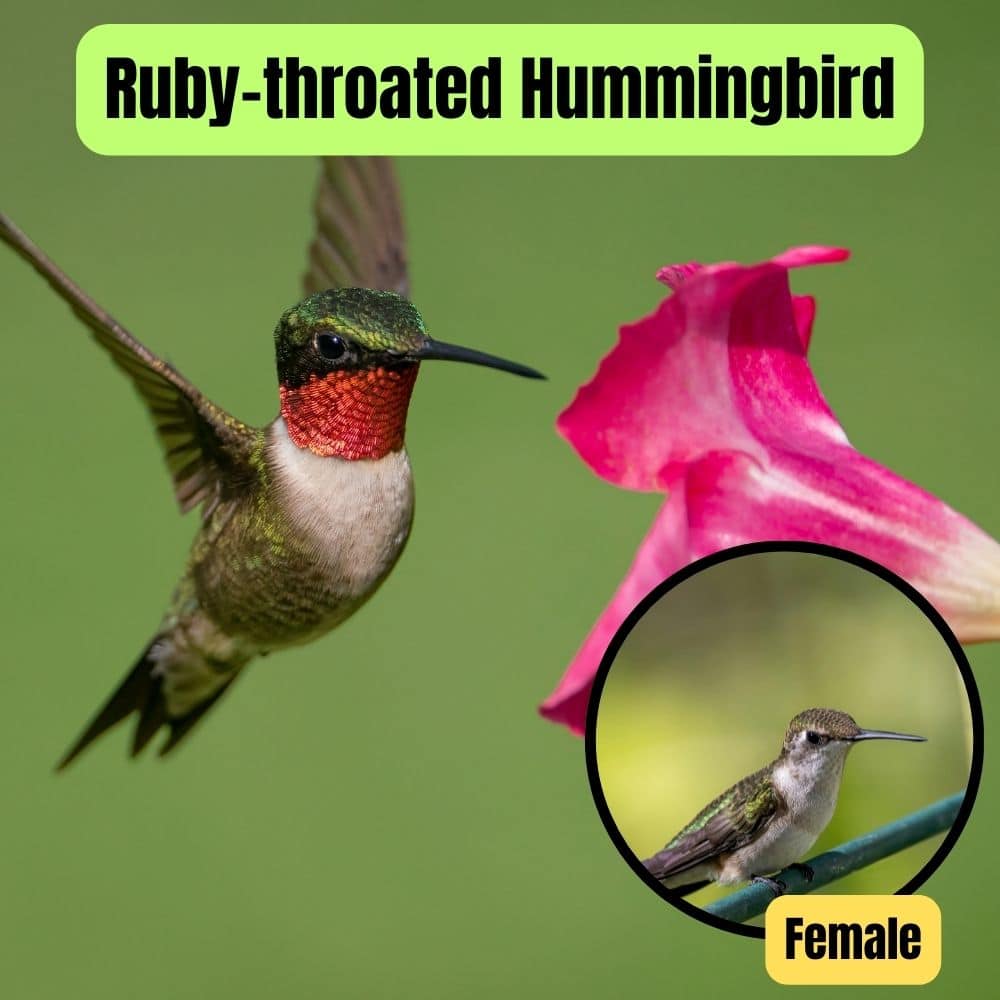
The Ruby-throated Hummingbird gives Texas yards a quick flash of motion and color, especially during migration and in the eastern part of the state. The male’s throat can look dark one second and fiery red the next.
To bring them in, hang a clean feeder with a simple four-parts-water, one-part-sugar mix, then support it with red or orange tubular flowers. Trumpet vine, salvia, and other nectar plants help make your yard worth revisiting.
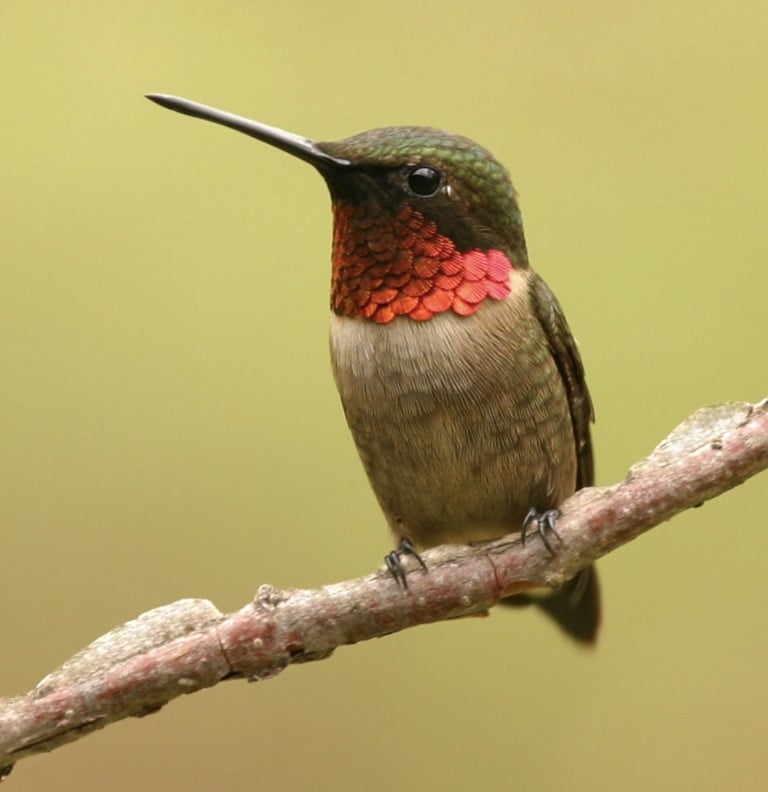
A few small trees or open branches nearby also help, because hummingbirds like a place to rest between feeding runs.
12. Golden-fronted Woodpecker
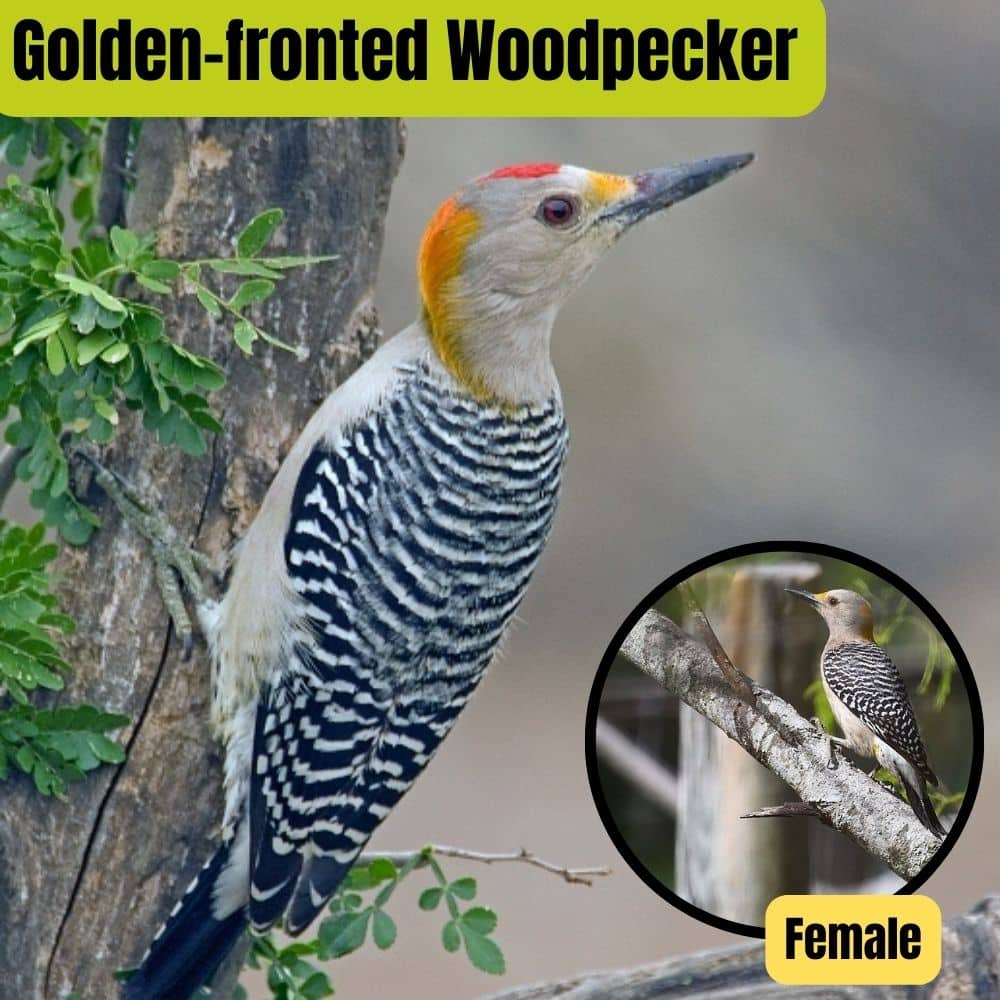
The Golden-fronted Woodpecker has a bright face, barred back, and just enough color to stand out without looking flashy.
It is also one of the more realistic Texas woodpeckers to attract if your yard has the right setup. Suet, peanuts, and sunflower seed can help, but the bigger advantage is having mature trees, natural bark, and a few safe dead limbs if possible.
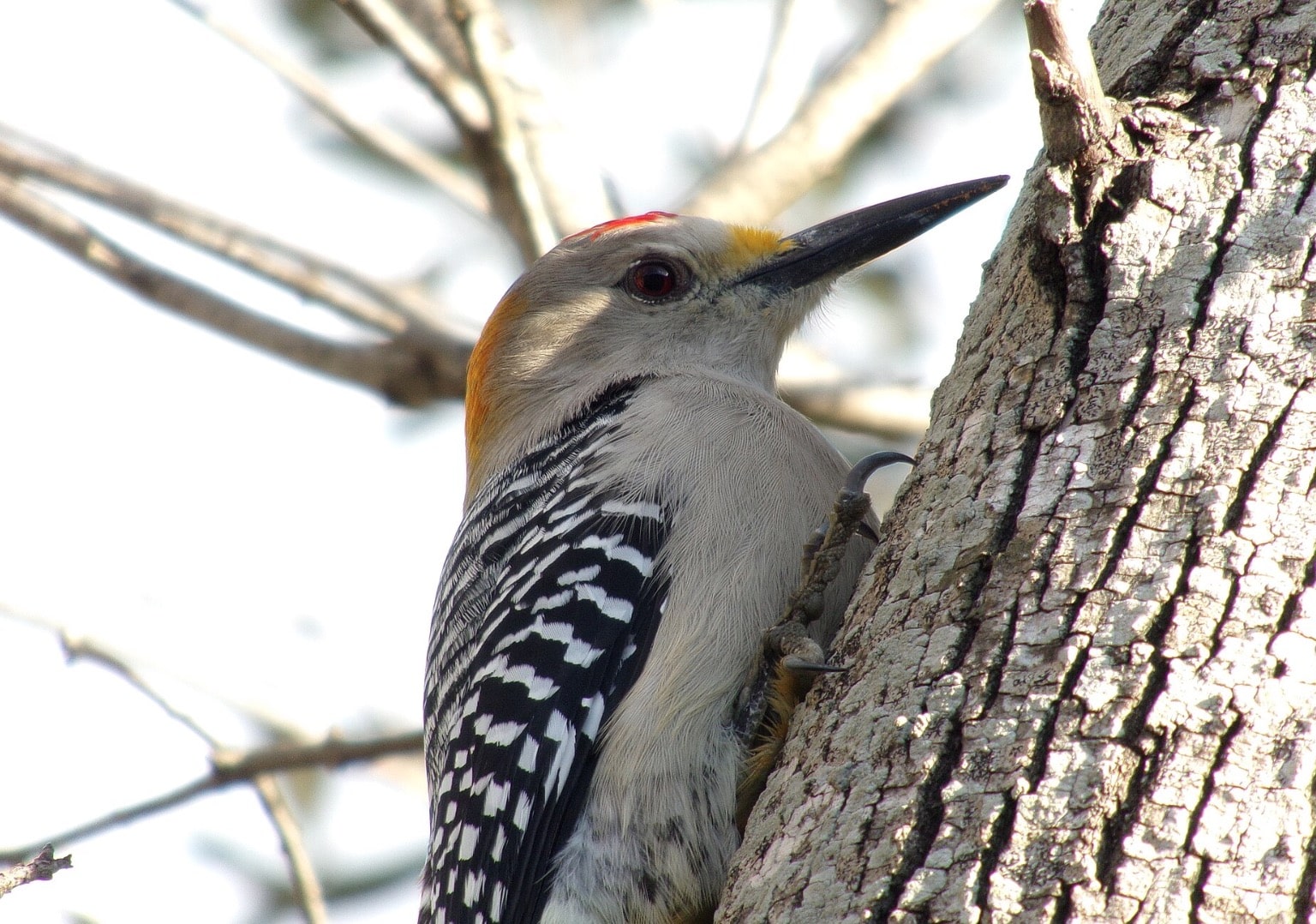
This bird spends a lot of time probing wood for insects, so a yard stripped of every rough surface is less inviting. Fruit can help too, especially from native trees.
Think food, nesting spots, and foraging surfaces, not just a feeder alone.
13. Red-headed Woodpecker
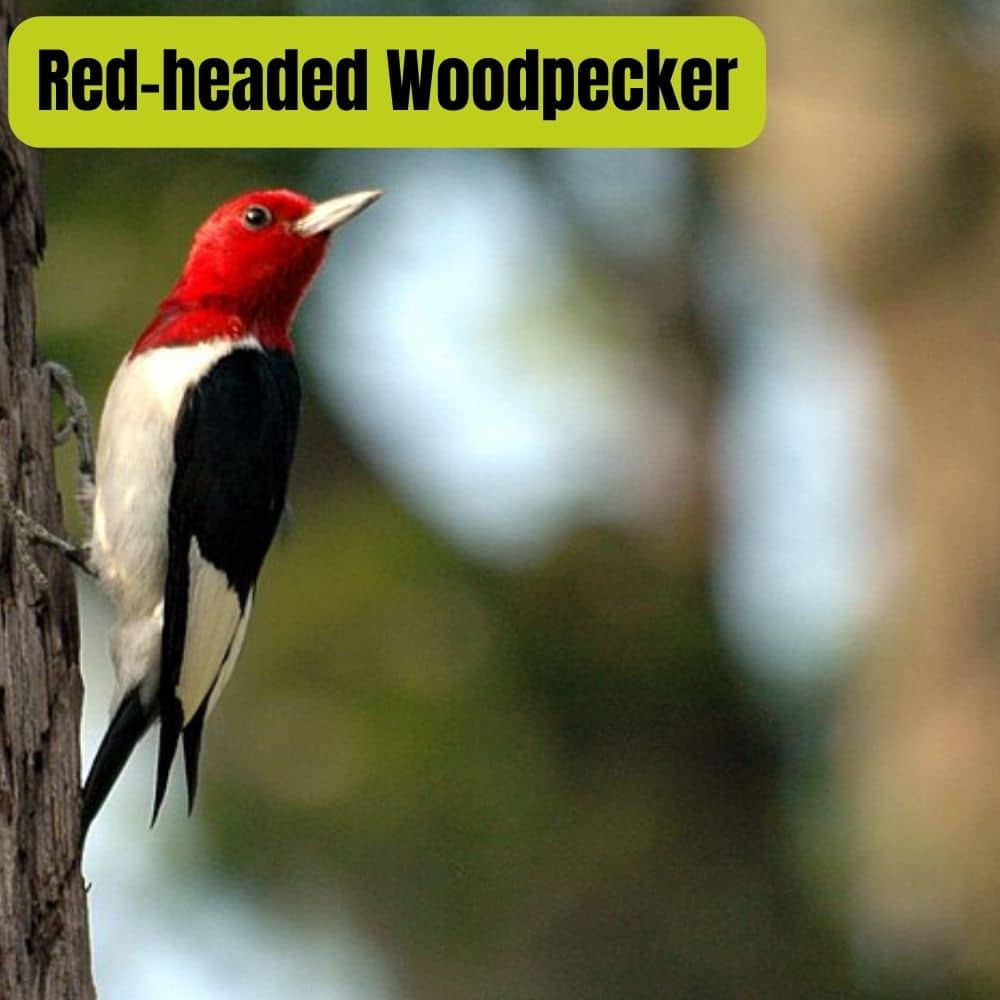
The Red-headed Woodpecker is one of the boldest-looking birds in Texas, with a clean red, black, and white pattern that is hard to mistake. It also has a little attitude, which makes it fun to watch.
If you want to improve your odds, focus on open woodland conditions, larger trees, and dead snags where safe and allowed. At feeders, they may take suet, peanuts, and some fruit, but they are not as dependable as more common yard birds.
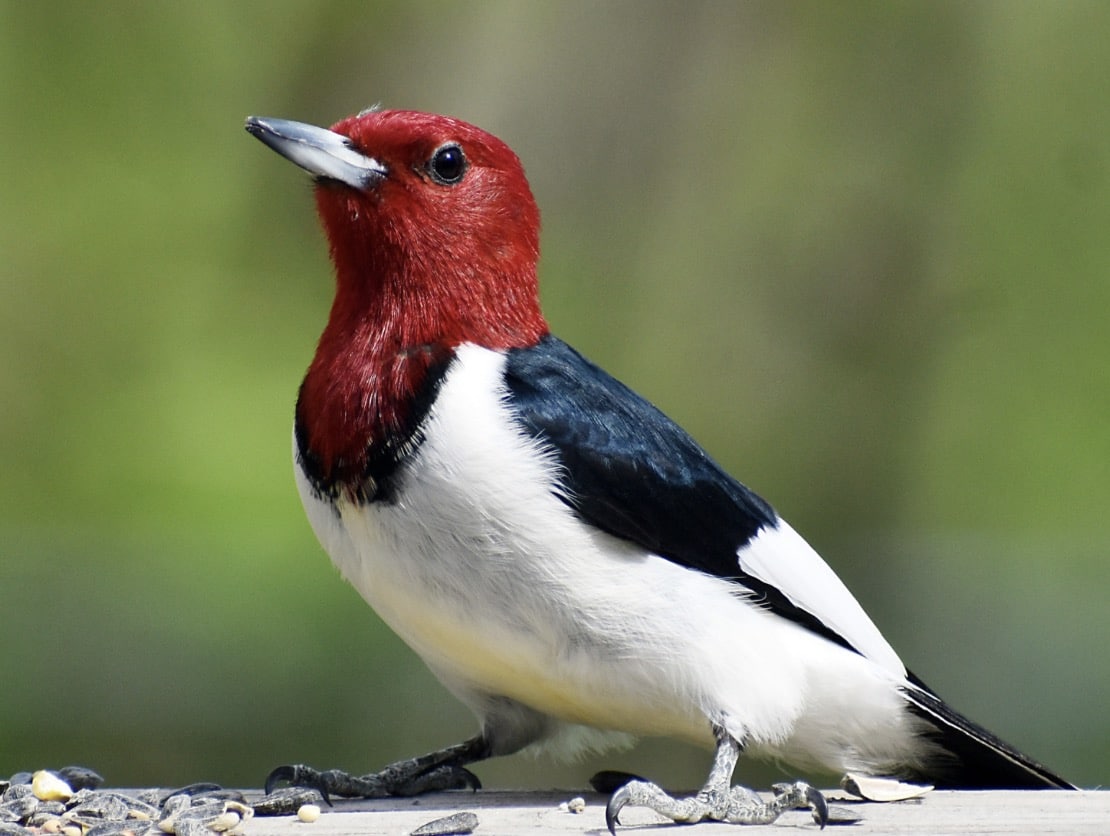
This species often does best where there is room to perch, fly, and store food. A lightly wooded, less overmanaged yard gives you a better shot than a heavily manicured one.
14. Black-crested Titmouse
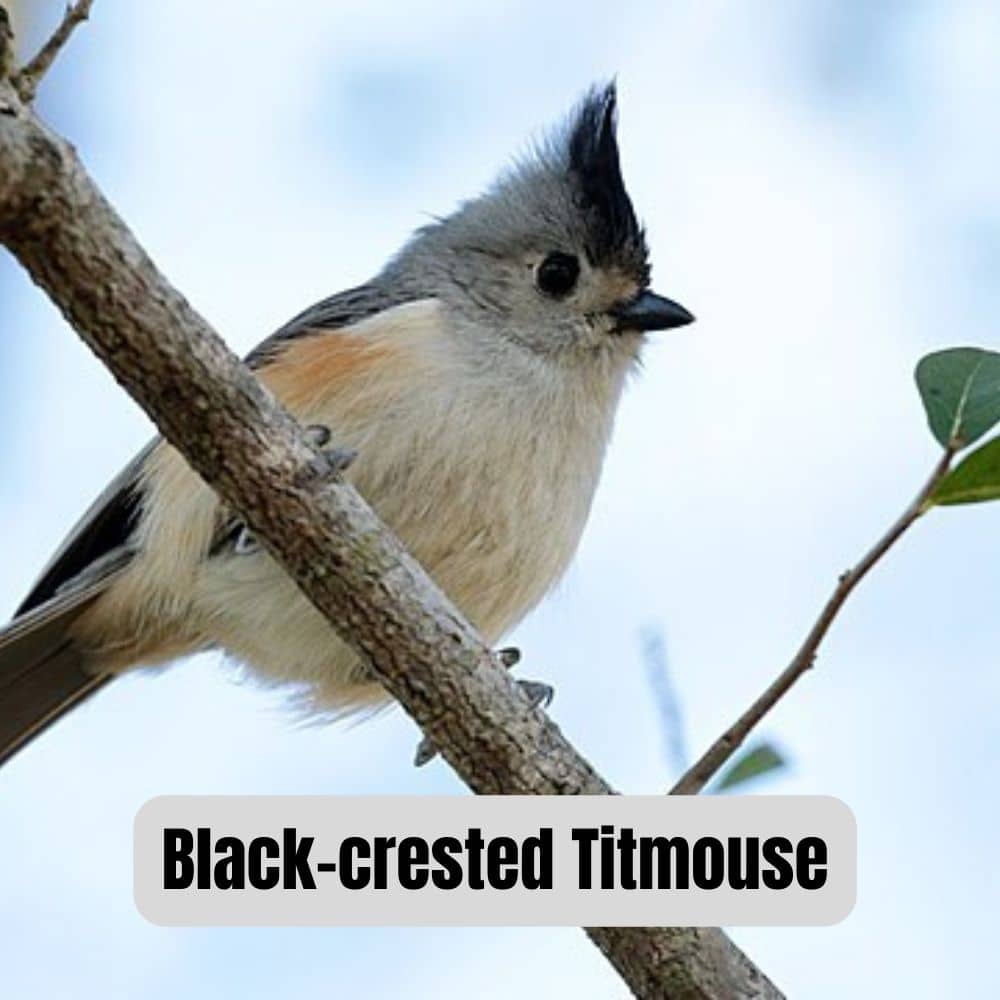
The Black-crested Titmouse is not the loudest bird on this list, but it is one of the most appealing. That pointed crest gives it personality, and once it trusts a yard, it can become a regular.
The easiest way to help it along is with sunflower seed, peanuts, or safflower, plus dense shrubs and small trees nearby so it never feels too exposed.
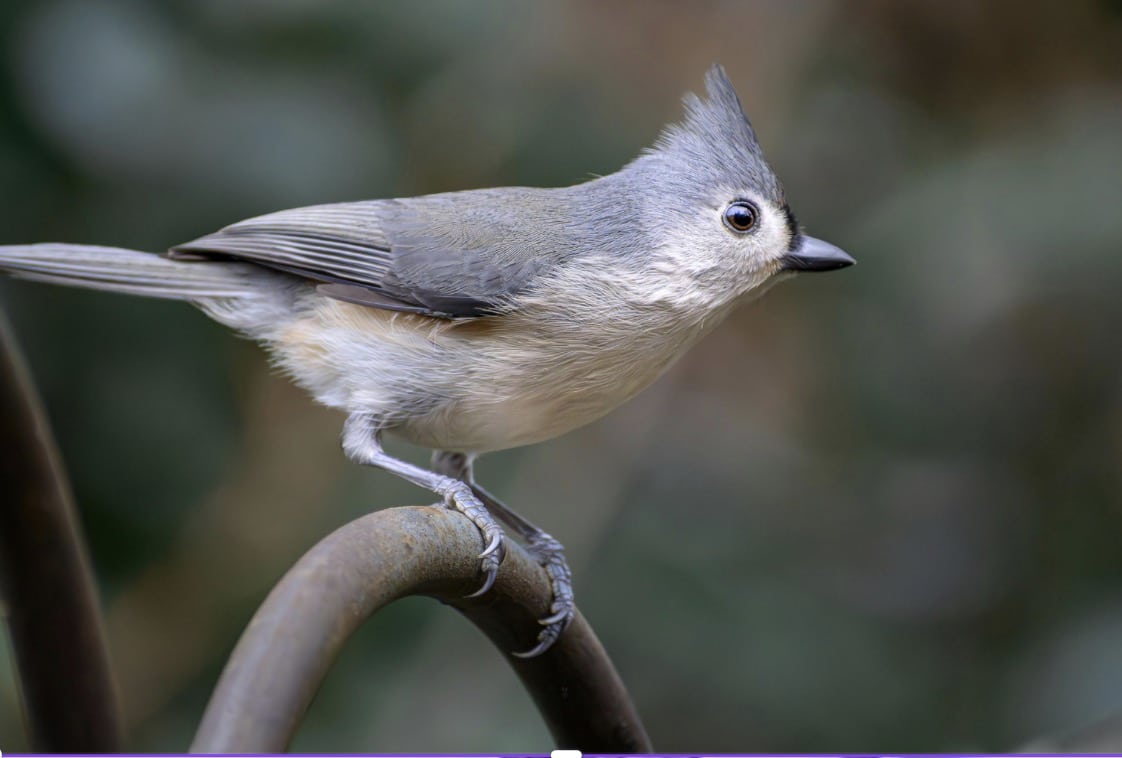
Titmice are quick, cautious birds that like to grab food and retreat to cover. They also use cavities and will inspect a properly sized nest box in the right setting.
A layered yard with feeders, cover, and nesting options works better than food by itself.
15. Hooded Oriole
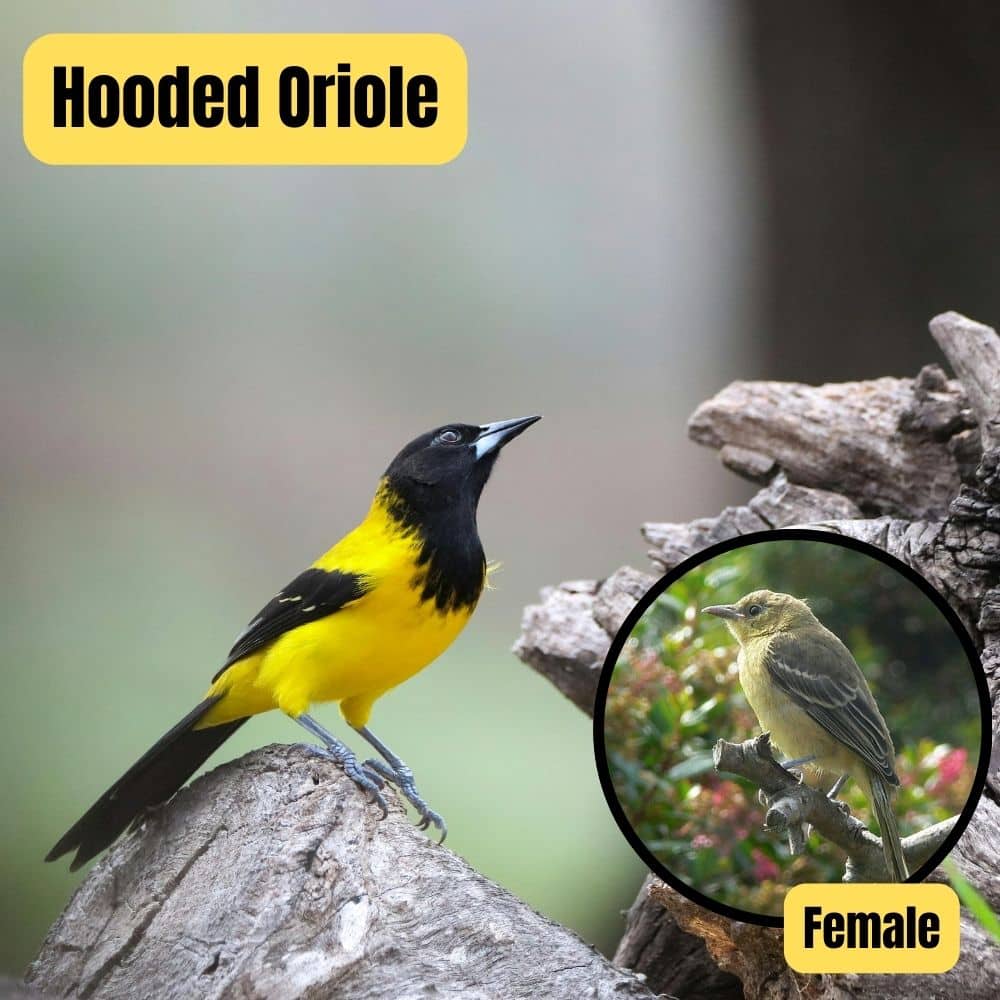
The Hooded Oriole brings a different kind of beauty than the buntings and hummingbirds.
It is sleek, glowing orange, and more elegant than bulky, and in the right Texas yard it can be a thrilling visitor.
To attract one, put out orange halves, grape jelly, or nectar, and try to place them near tall trees, palms, or other sheltered growth rather than out in the open.
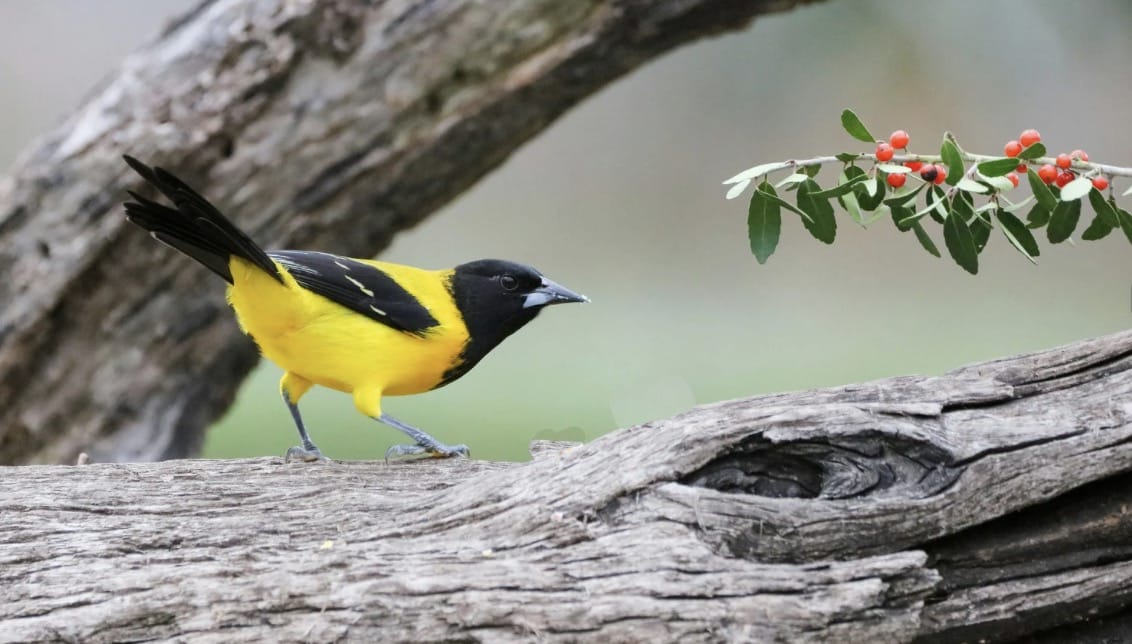
This bird often prefers a yard that feels established and leafy. A shallow water source helps too, especially in hot weather.
Food gets its attention, but shade, height, and a little privacy make it more likely to stick around.
A Month-by-Month Guide to Vegetable Gardening in Texas: Seasonal Planting Tips
16. White-winged Dove
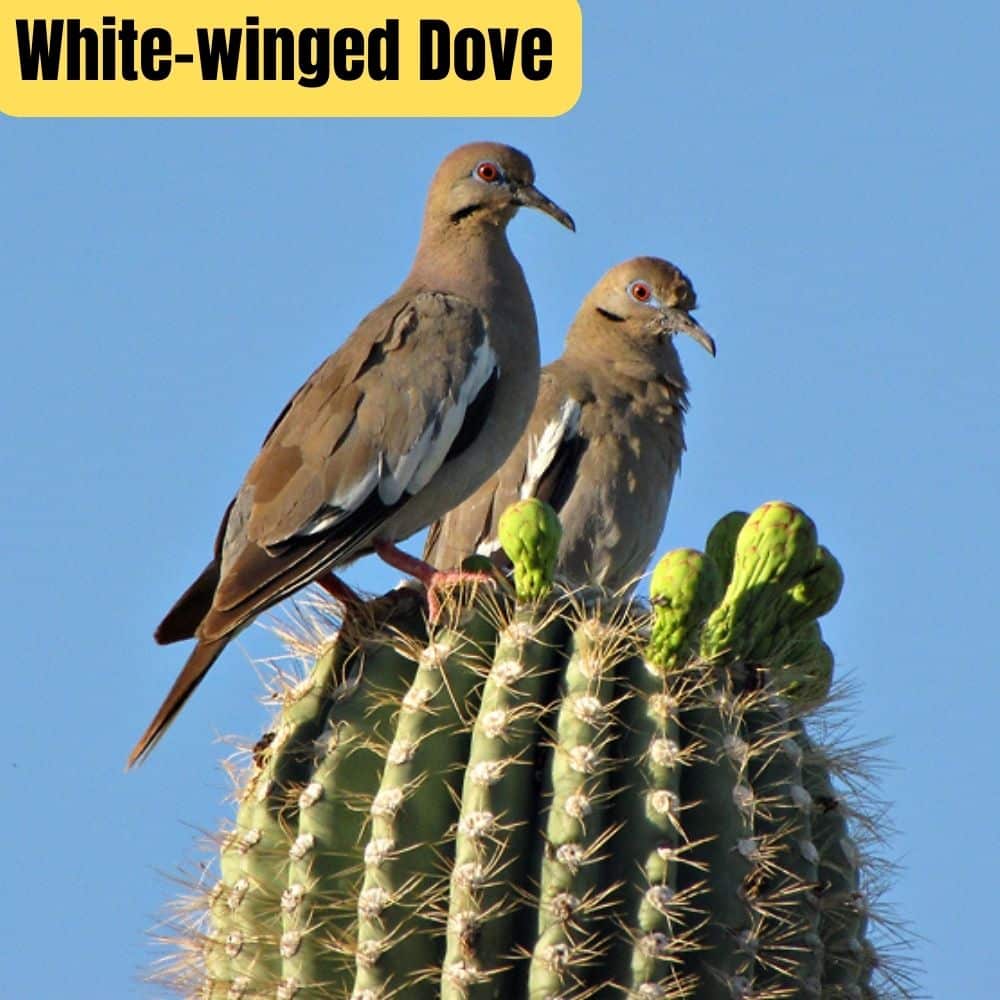
The White-winged Dove is softer and prettier than people give it credit for. Up close, the bird has a bright orange eye, blue skin around the eye, and clean white wing markings that flash in flight.
It has also become very comfortable around people in much of the South. If you want to attract it, use an elevated feeder and offer sunflower, milo, corn, or safflower.
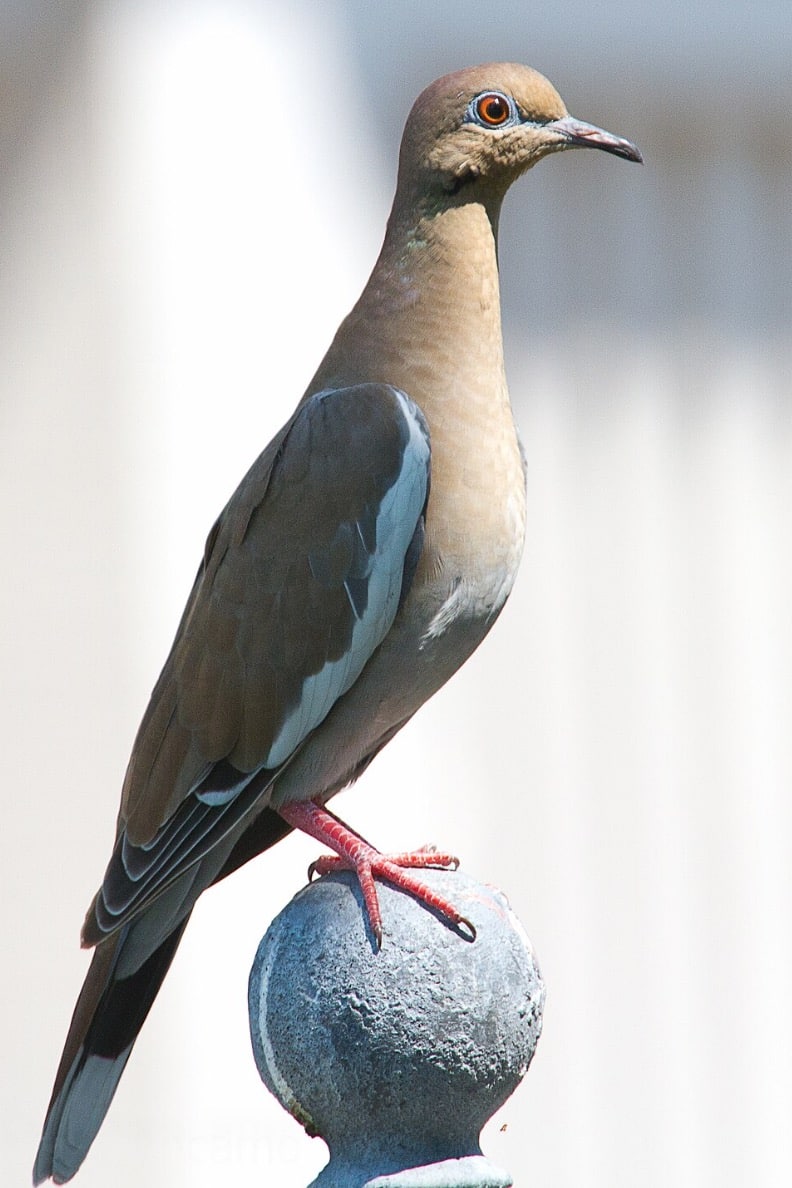
This bird also likes big shade trees, nearby water, and berries from shrubs, so a yard with food and cover works better than a feeder sitting by itself in open space. Think feeder plus shade plus safety.
17. Cedar Waxwing
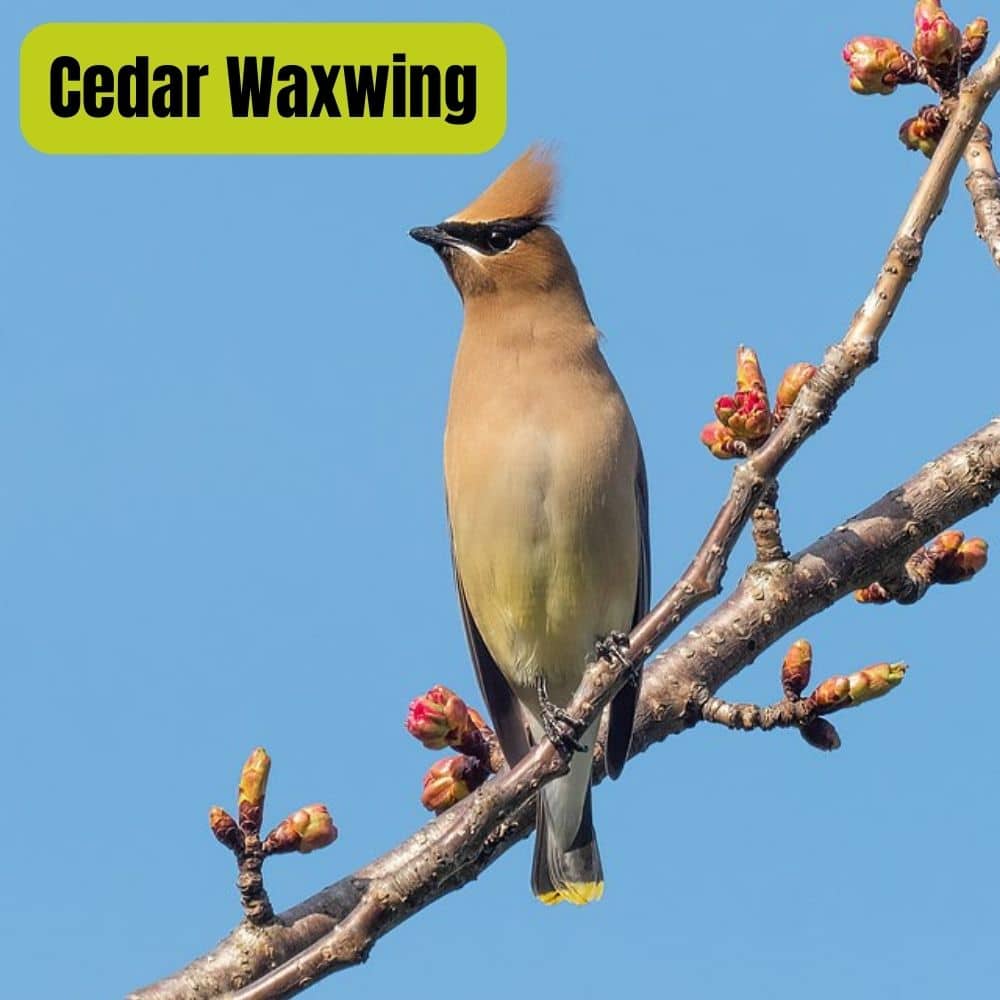
The Cedar Waxwing has a polished, almost silky look, with a soft brown head, sleek crest, black mask, and yellow-tipped tail.
It is one of the most elegant birds in Texas, but it is not a seed-feeder regular the way cardinals and doves are.
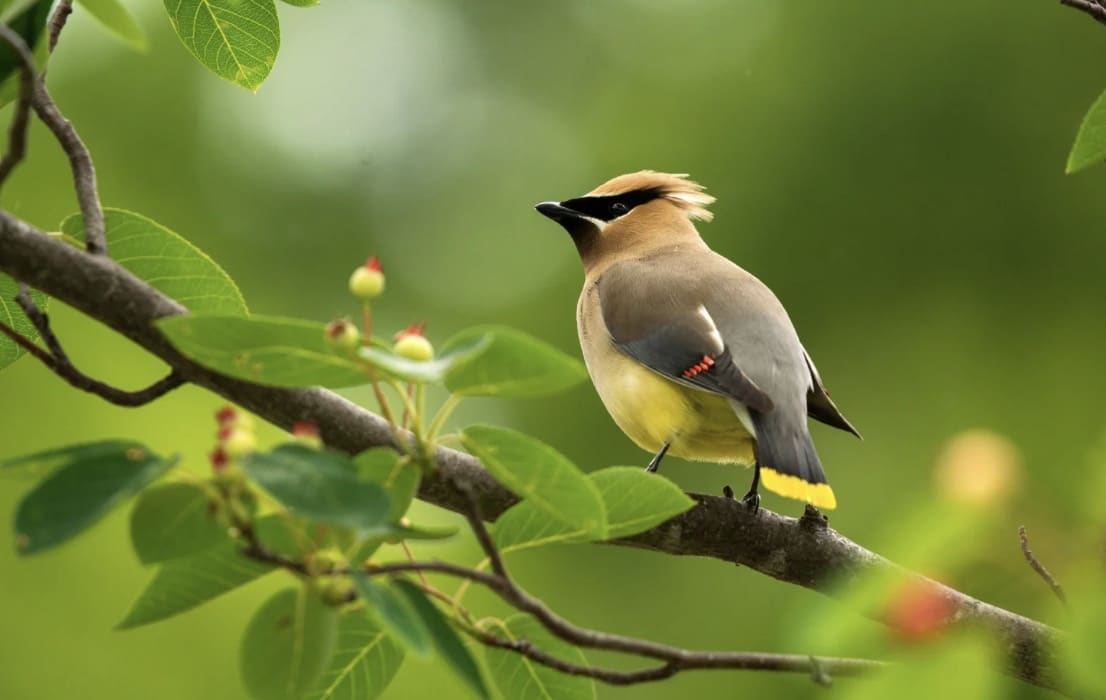
The best way to bring in waxwings is to plant native fruiting trees and shrubs. Dogwood, serviceberry, juniper, hawthorn, winterberry, and other small-fruited plants are the real draw.
Waxwings often move in flocks, so when they do show up, they can appear all at once and clean off a tree in a hurry. Fruit is the whole game with this bird.
18. Summer Tanager
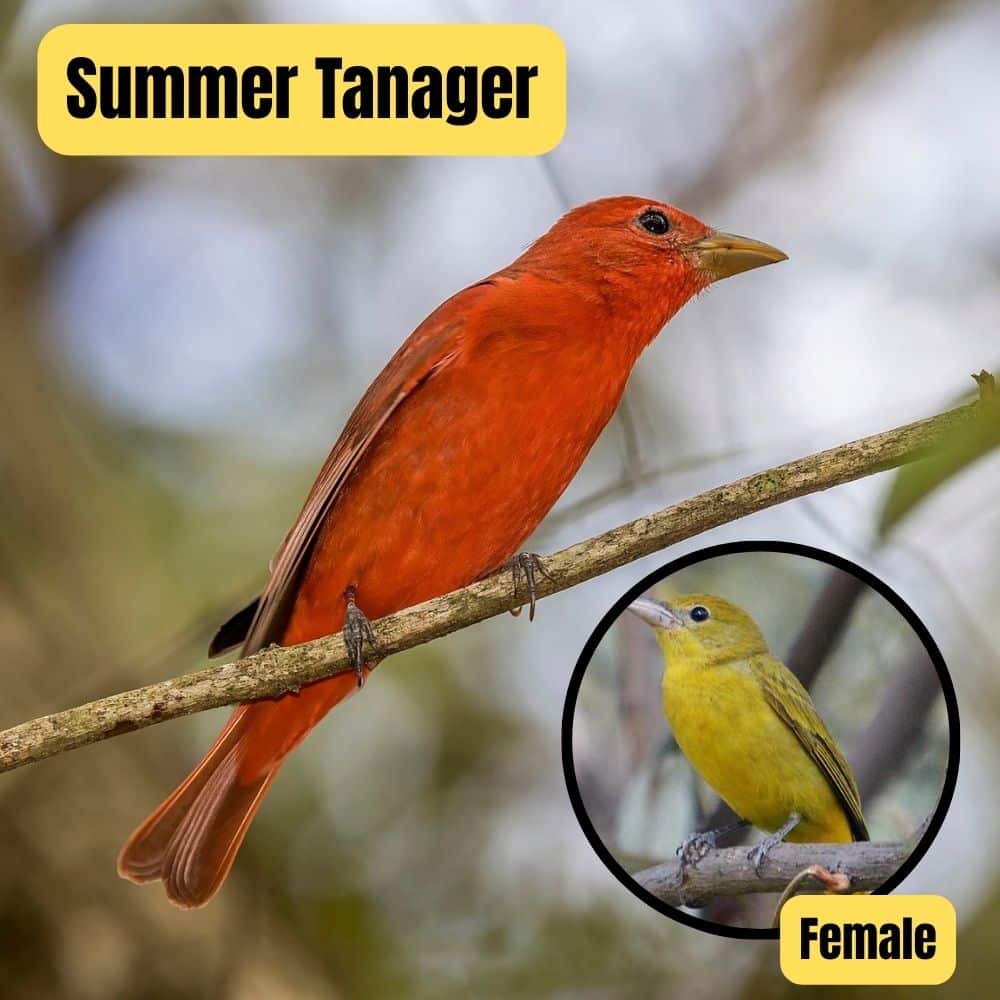
The Summer Tanager gives you a different kind of beauty than the brighter feeder birds.
The male is a rich, even red from head to tail, and the female glows mustard-yellow in the trees.
What makes this bird especially interesting is that it specializes in catching bees and wasps, not raiding seed feeders.
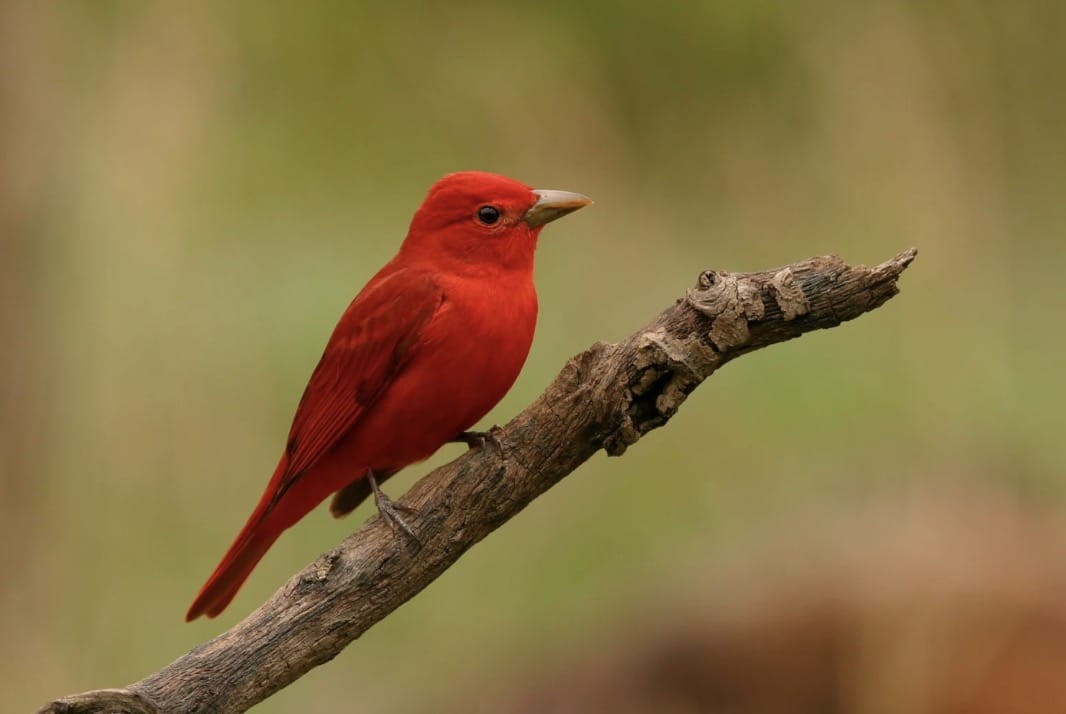
If you want to improve your odds, focus on open woodland edges, deciduous trees, berry bushes, and fruit trees near forest habitat.
This is the sort of bird that rewards a natural-looking yard more than a tidy one. Trees and insect life matter more than feeders here, with berries and fruit acting as a useful extra.
19. Pyrrhuloxia
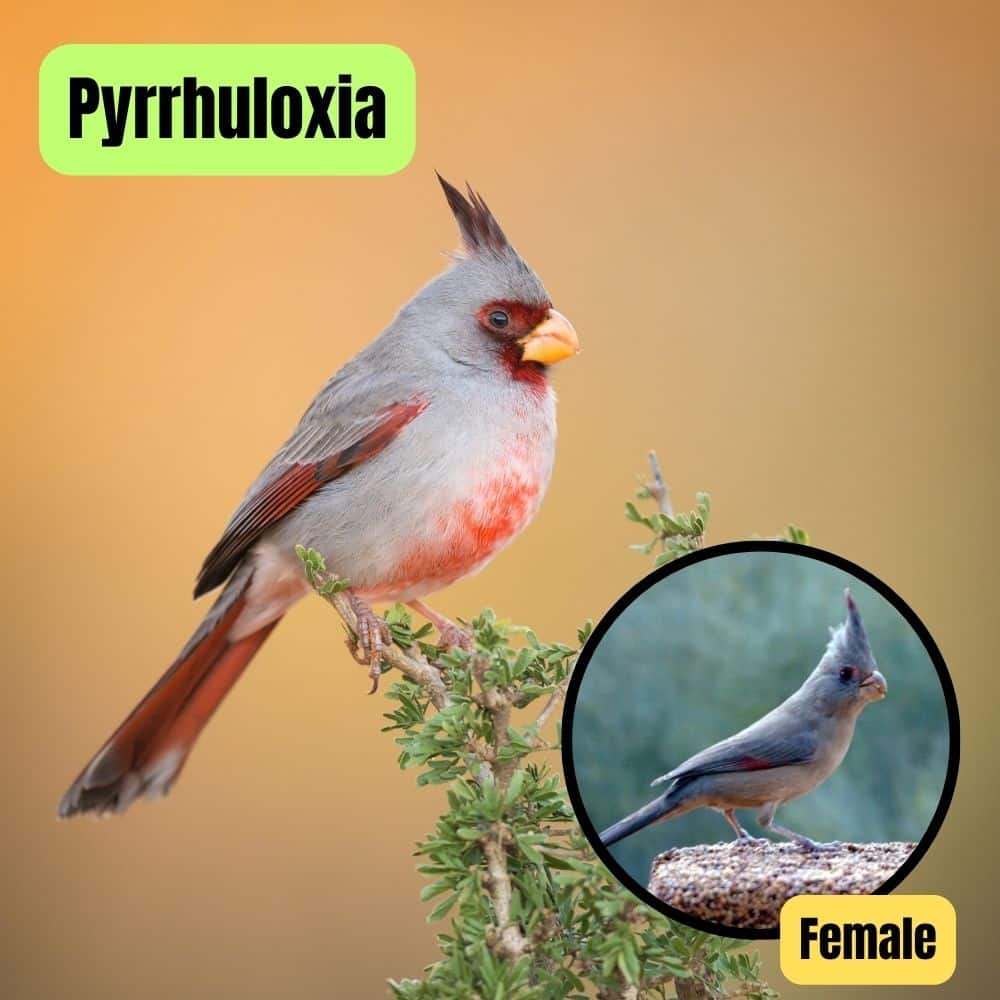
The Pyrrhuloxia looks like the desert’s answer to the cardinal, with a tall crest, gray body, red highlights, and a short curved yellow bill.
In Texas, it is one of the best birds for adding color to dry country yards without feeling flashy or overfamiliar.
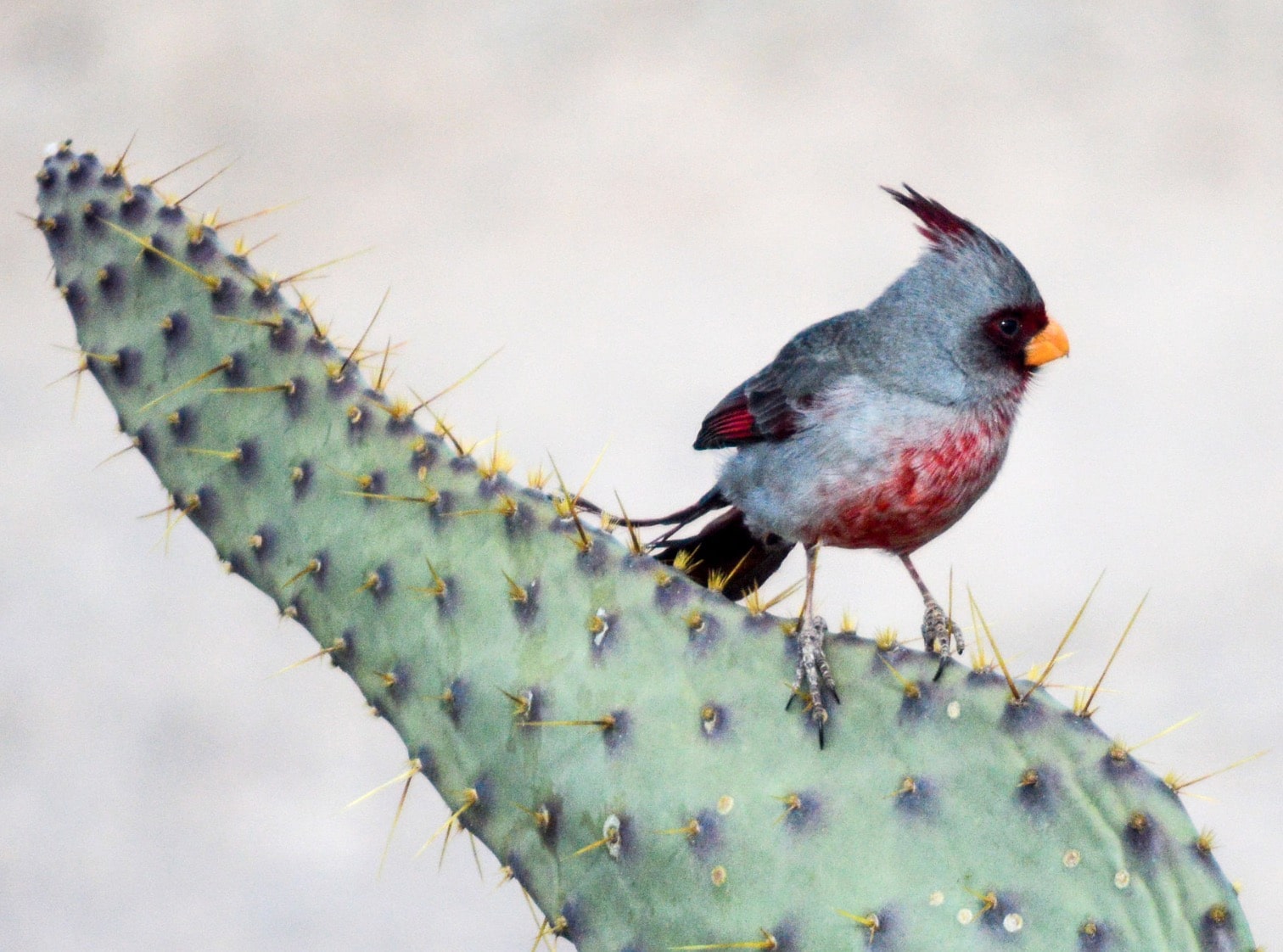
To attract it, offer sunflower seed low, not high, because this species is more likely to use ground feeders, scattered seed, or dropped seed under a feeder than an elevated setup.
It also responds well to native fruiting shrubs and cacti. If your yard is dry, brushy, and a little wild around the edges, your odds go up.
When to Plant Grass Seed in Texas: Answered By Climate Zone
20. Great Kiskadee
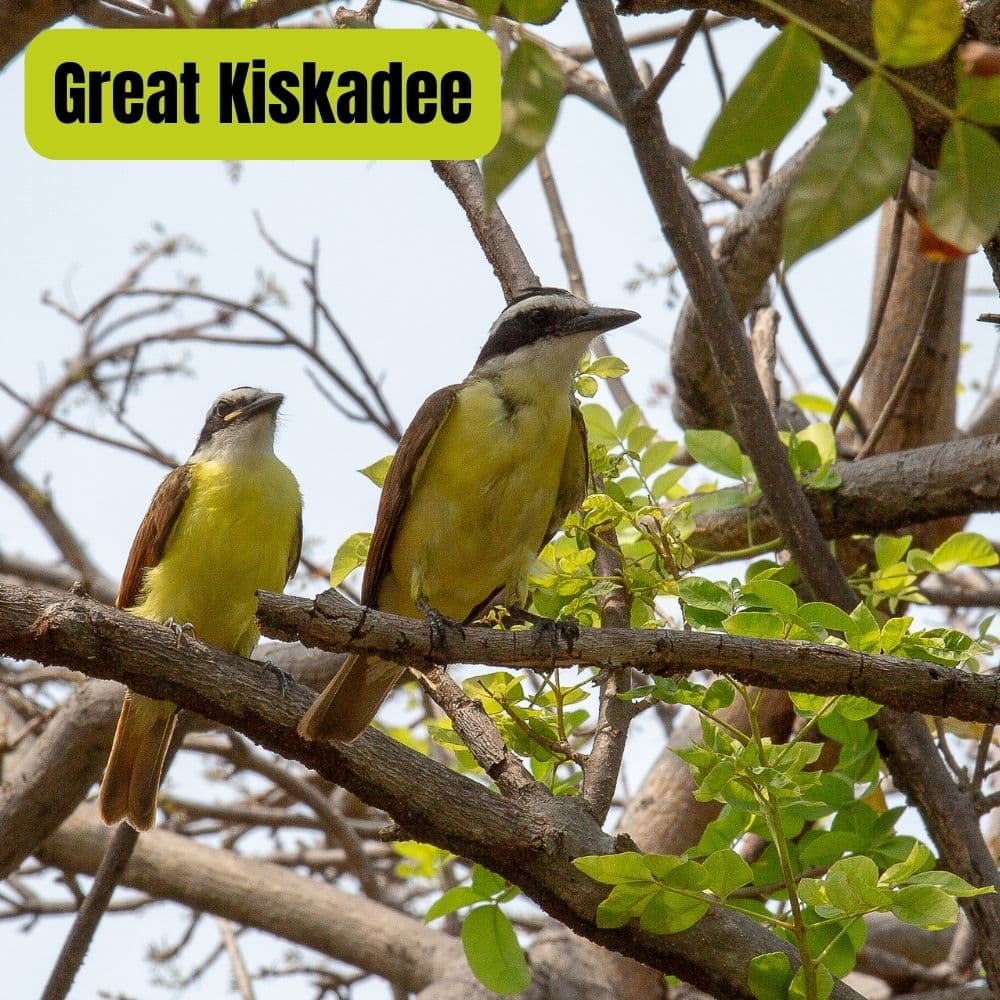
The Great Kiskadee is loud, bold, bright, and impossible to mistake once you know it. Its yellow belly, dark mask, white eyebrow, and rusty wings make it one of South Texas’ most memorable birds.
This species is not picky in the usual way. If you are in range, it may come to fruit feeders, especially bananas, and it is bold enough to investigate other food too. Still, the bigger factor is habitat.
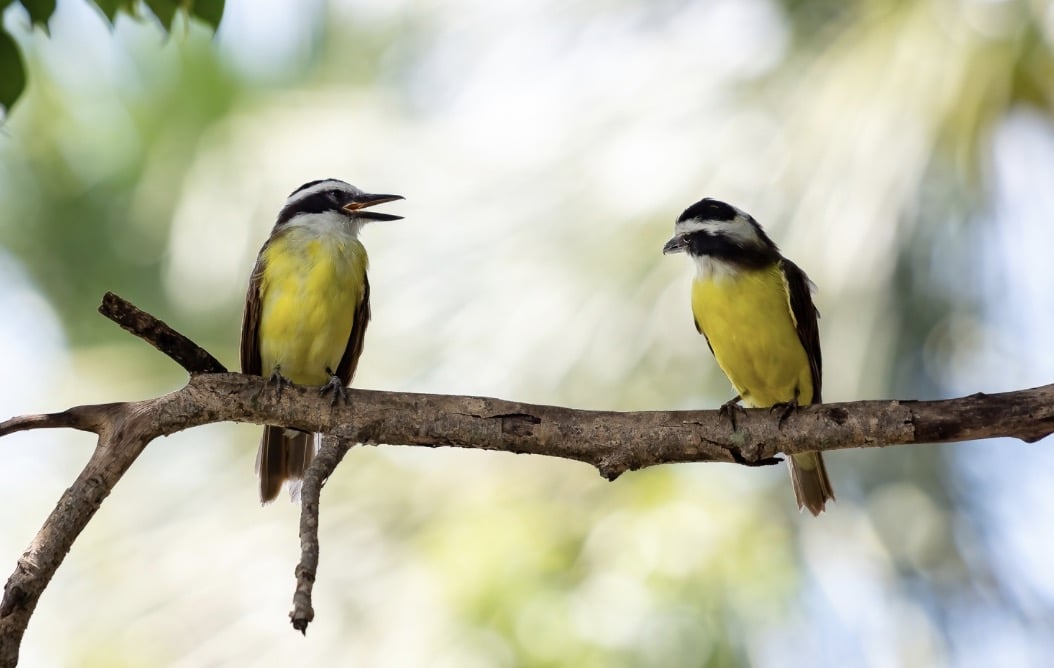
Open woods, water nearby, exposed perches, and a yard in South Texas matter more than any one feeder choice.
This is a range-and-habitat bird first, with fruit as a helpful bonus.
21. Black-bellied Whistling-Duck
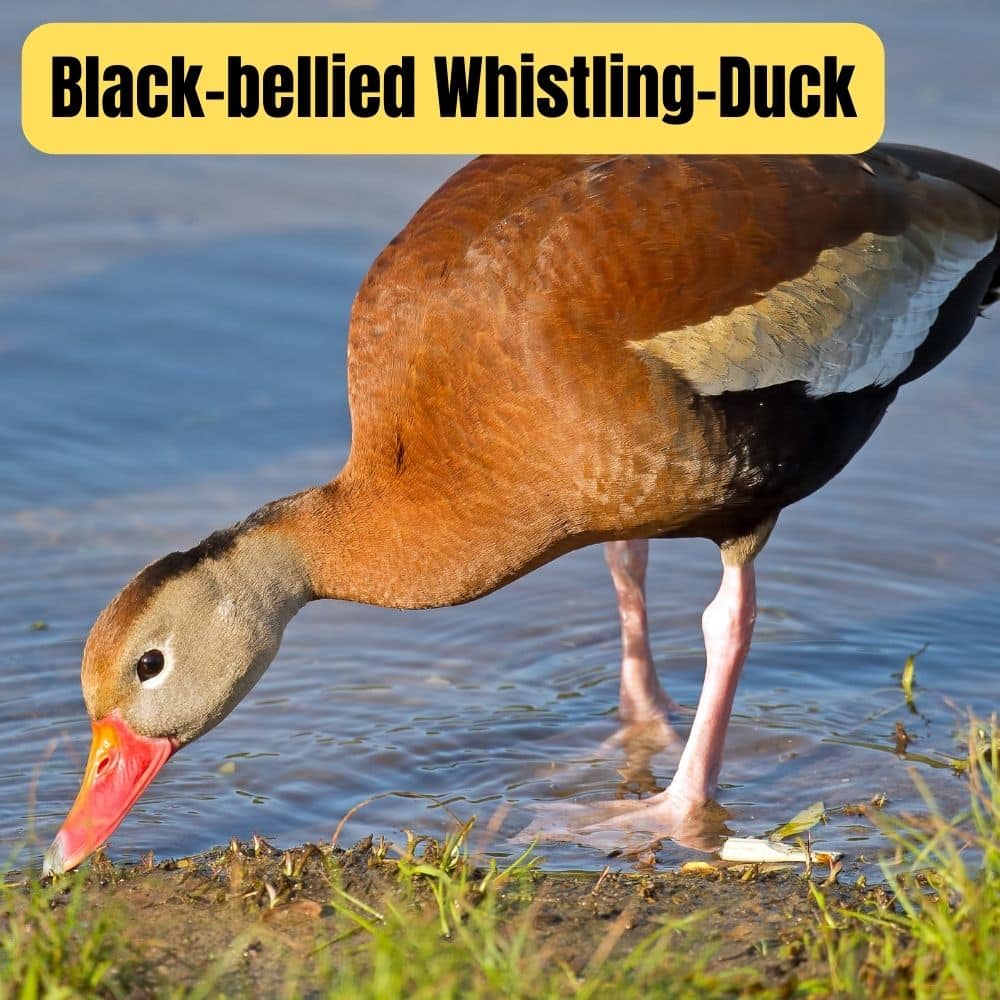
The Black-bellied Whistling-Duck hardly looks like a typical duck at first glance.
It stands tall, shows off a rich chestnut body, long pink legs, and a bright red bill, and often travels in noisy groups.
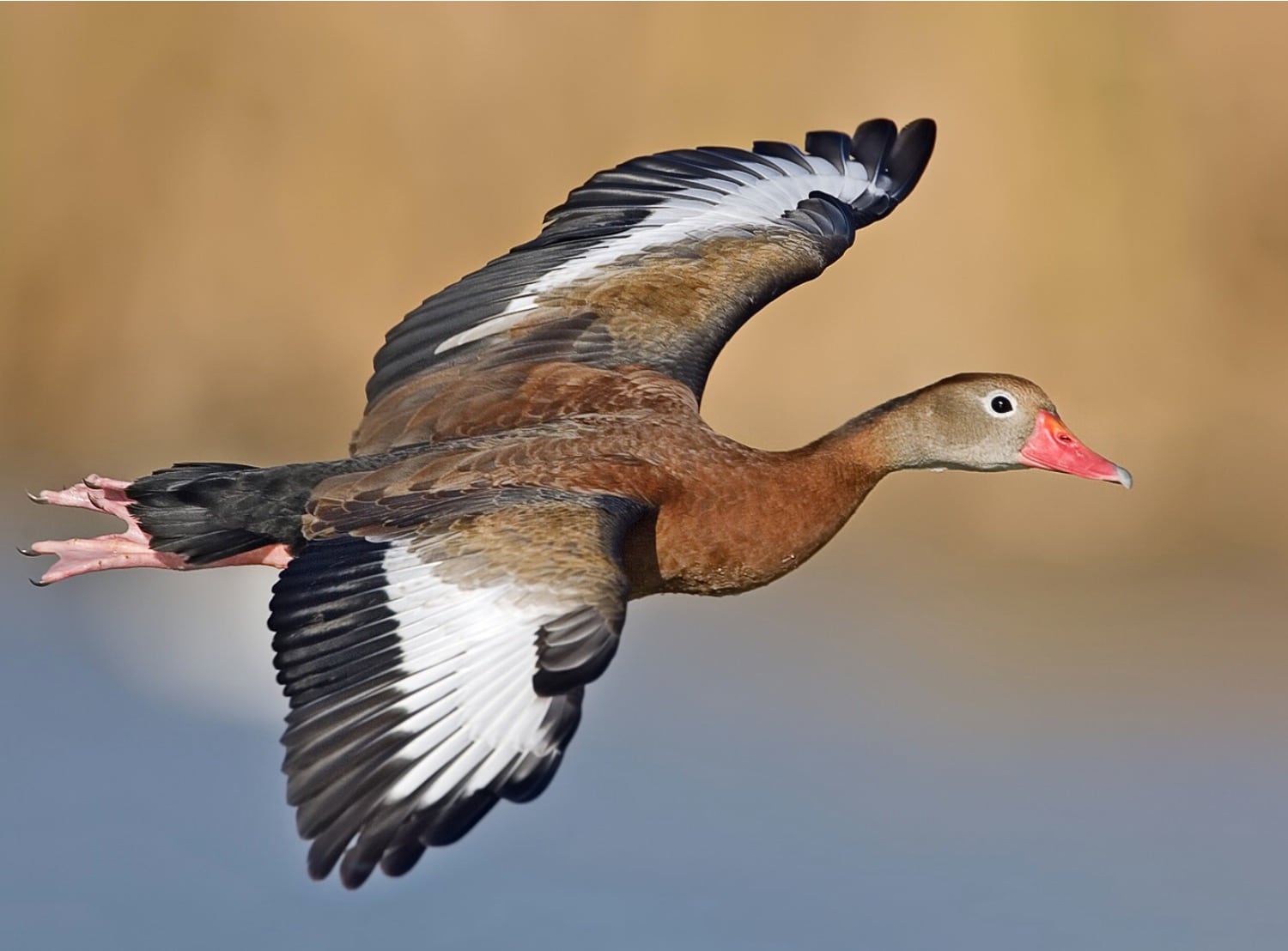
In Texas, it is one of the most distinctive water birds you can hope to attract. The key is quiet freshwater habitat, not a feeder full of seed. A pond, wet pasture edge, or neighborhood water feature with shallow margins, nearby cover, and little disturbance gives you the best chance.
Nest boxes can help too, especially where trees or natural cavities are limited. This bird wants water, safety, and room.
22. Wood Duck
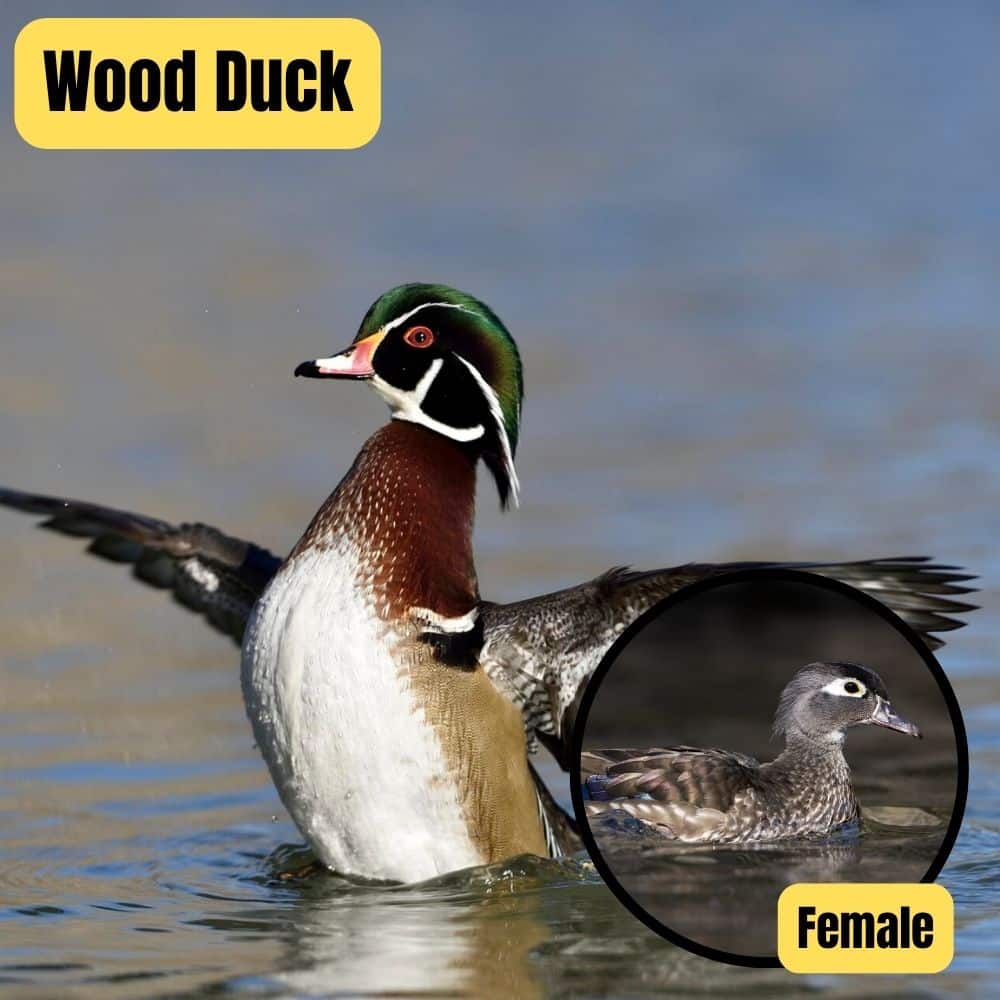
The Wood Duck is one of the prettiest birds in North America, and the drake looks almost hand-painted with its glossy green head, chestnut chest, and crisp white markings.
Unlike many ducks, it likes places that feel sheltered and wooded. To attract it, focus on a pond or slow water bordered by trees, brush, and calm shoreline cover.
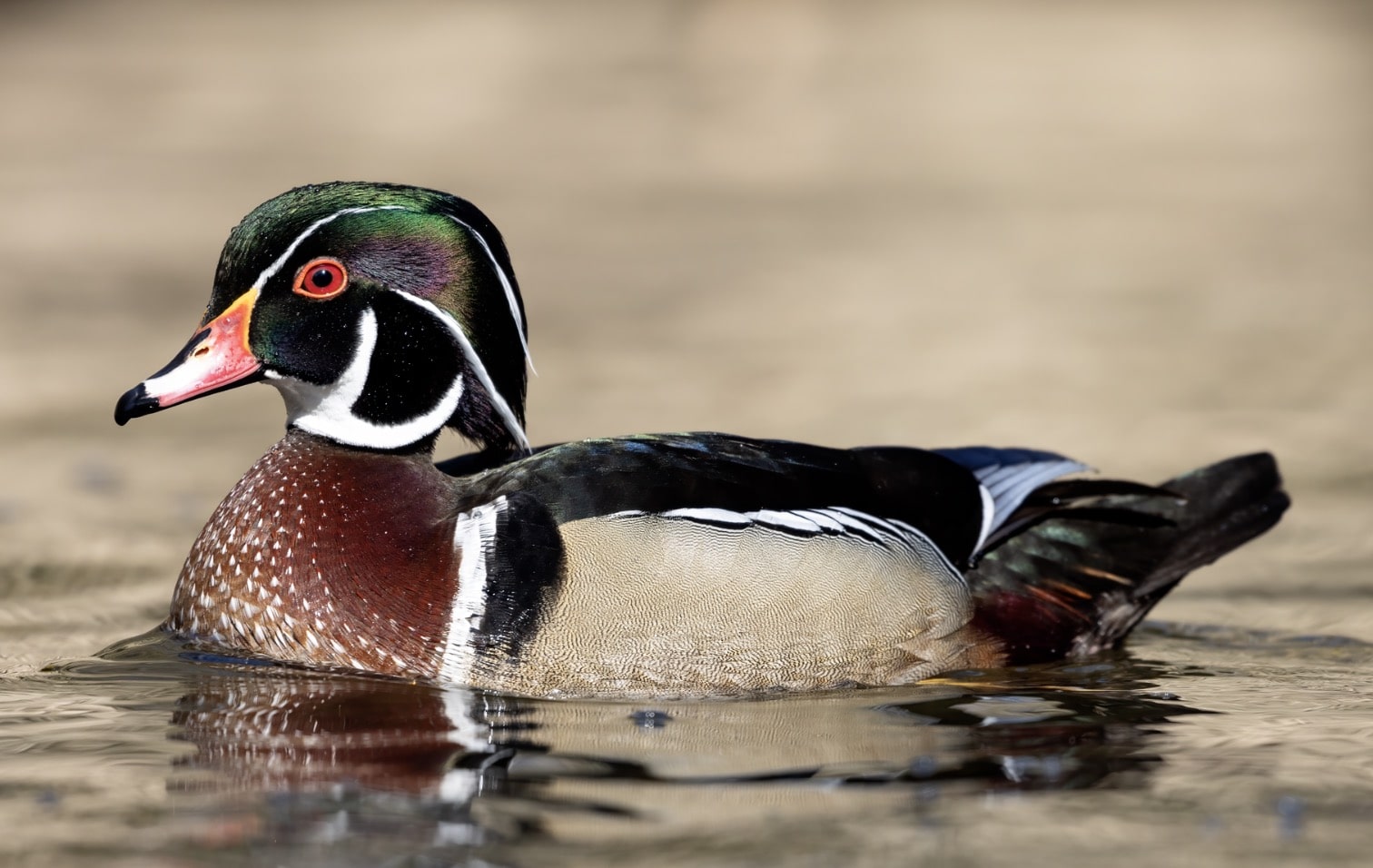
This species also responds well to properly placed nest boxes, which can make a real difference where natural cavities are scarce.
Grain alone will not create the right setup. Wood Ducks want a quiet place to loaf, nest, and raise young, not just an open patch of water.
23. Green Kingfisher
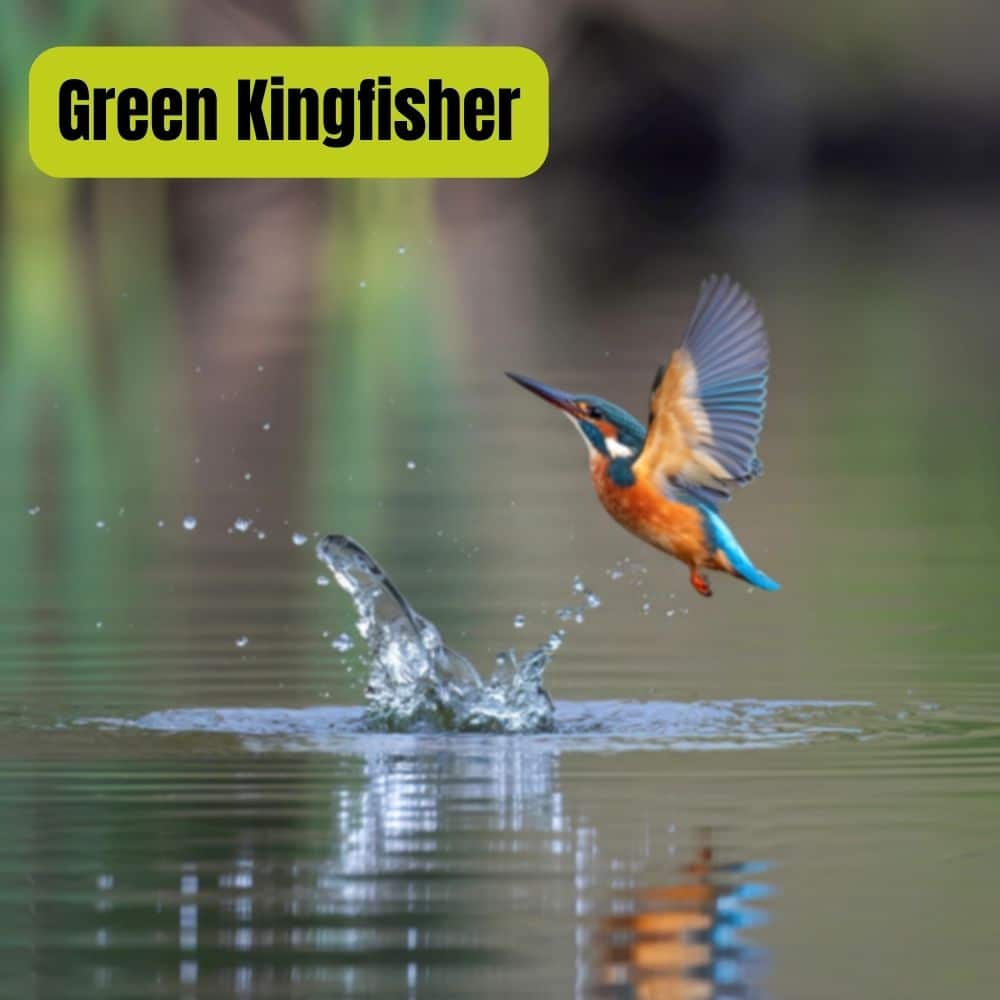
The Green Kingfisher is small, sharp, and easy to miss until it suddenly appears over a creek like a fast green dart.
Its dark green back, white collar, and long bill give it a sleek, almost tropical look. This is another bird that will not care much about a backyard feeder.
The real draw is clean, fish-holding water with overhanging branches, exposed perches, and quiet banks.
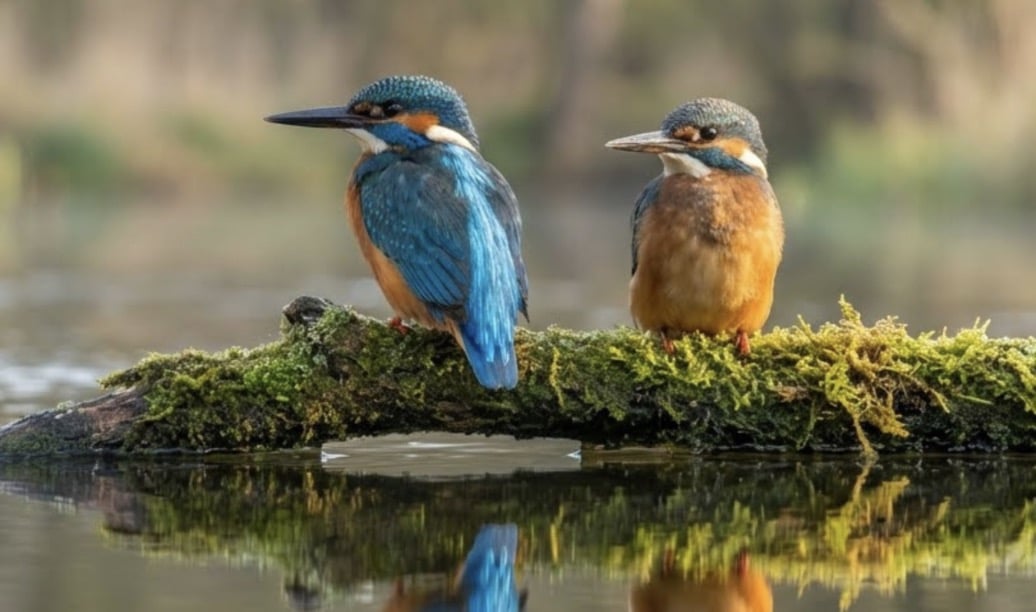
A slow stream, pond edge, canal, or marshy drainage can all be useful if the habitat stays fairly undisturbed.
Perches matter a lot, because kingfishers hunt by watching the water below. Think water, fishing spots, and privacy.
24. Mexican Jay
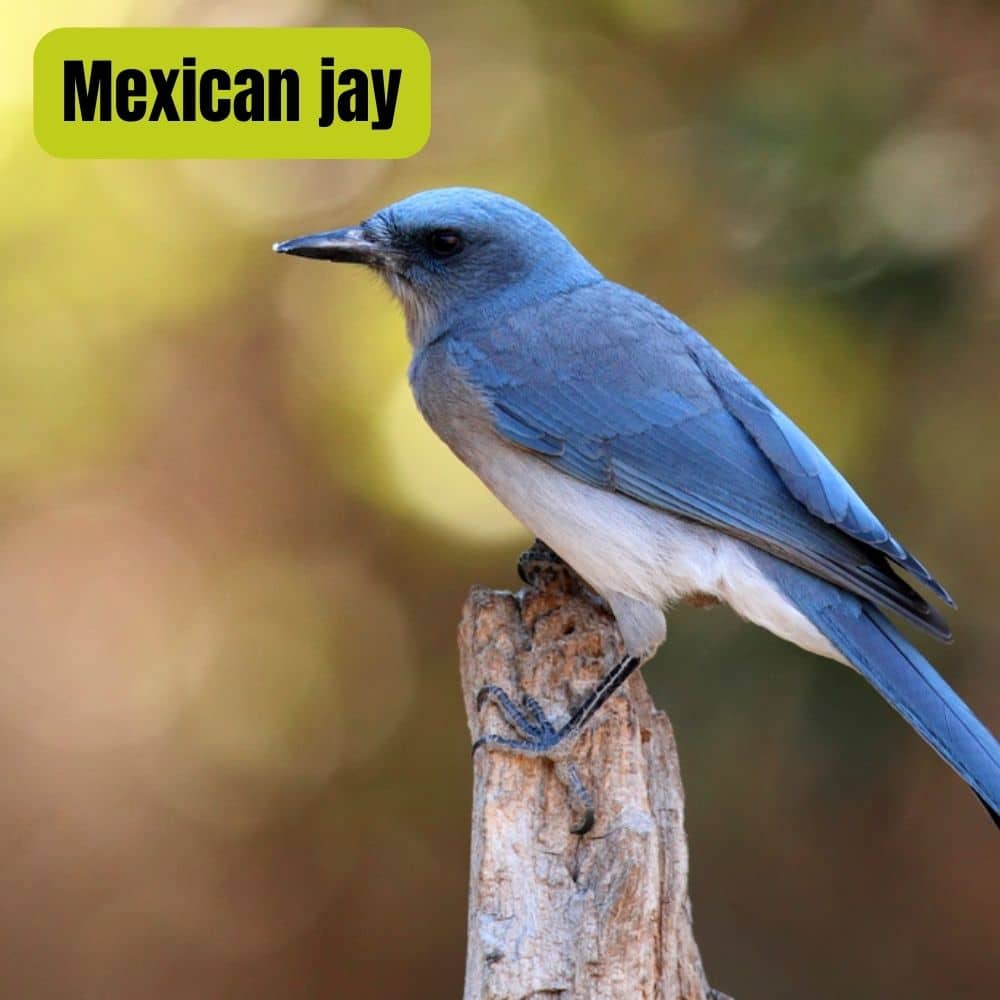
The Mexican Jay has a softer beauty than some of the brighter birds on this list, but its deep blue body, dark eye, and social nature make it a memorable sight in the right part of Texas.
In the state, it is mostly a mountain and highland bird of the far west. The best way to attract it is with oak, pine, and juniper woodland habitat, not a simple suburban feeder setup.
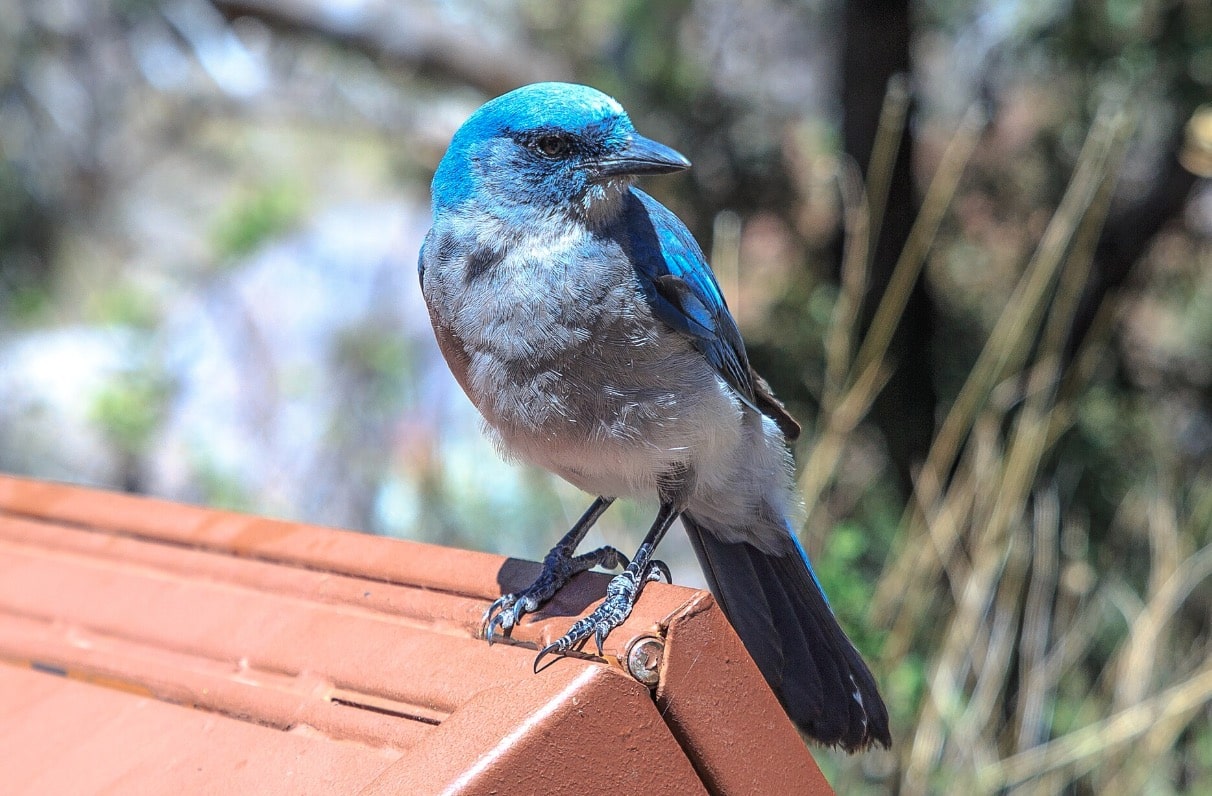
If you are in range, it may visit seed, nuts, and water, but the bigger need is mature tree cover and natural food sources like acorns.
Range and habitat do most of the work with this species.
25. Crested Caracara
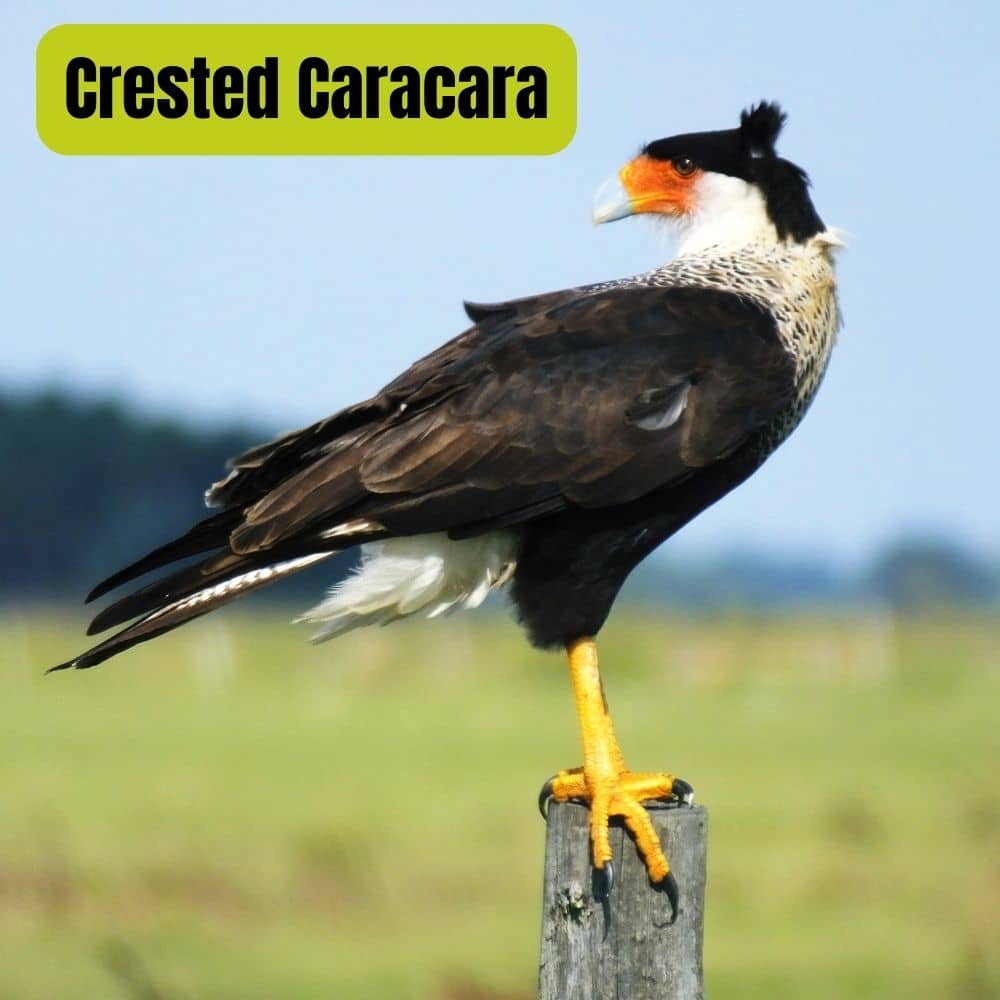
The Crested Caracara closes the list with a very different kind of beauty. It is striking rather than delicate, with a black cap, white neck, orange face, and a bold, upright posture that makes it look half hawk, half vulture.
In Texas, this bird is best attracted by open country, ranchland, pasture, and scattered tall perches.
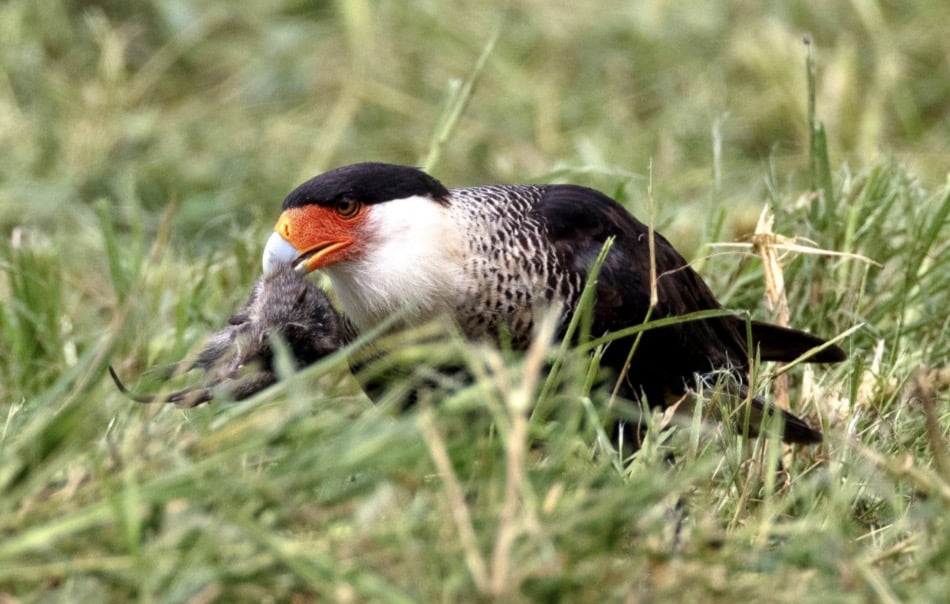
It is not a feeder bird in the backyard sense, and you are far more likely to see it where the land stays broad and lightly developed.
Open hunting ground, fence posts, lone trees, and room to roam are what matter most. This bird wants country, not clutter.
Thanks for Reading!
Texas gives bird lovers a little bit of everything, from feeder favorites like cardinals and hummingbirds to true regional stars like the Green Jay and Altamira Oriole.
The best way to attract more of them is usually pretty simple: offer food, fresh water, shelter, and native plants, then give birds a yard that feels safe.
Some of these species will show up close to home. Others are worth traveling for. Either way, once you know what each bird needs, Texas becomes a much more colorful place to look out the window.