Your morning coffee can do a little more work before it reaches the trash. Used coffee grounds contain organic material and small amounts of plant nutrients, and plenty of popular plants grow best in soil that is mildly to strongly acidic.
That sounds like a perfect match—but there is one catch worth knowing before you start dumping grounds into every pot.
Used coffee grounds are not strongly acidic. Brewing removes much of the acidity, so spent grounds usually will not push an alkaline soil down into blueberry territory. Think of them primarily as a light organic soil amendment—not as a substitute for a soil test, fertilizer or a true acidifying product.
How to Use Coffee Grounds Without Overdoing It

Use spent grounds that have already been brewed. Let them cool, break up clumps, and mix small amounts into the top layer of soil or tuck them under mulch. Avoid leaving a thick wet mat on the surface; compacted grounds can slow air and water movement and may encourage mold.
For houseplants, the amounts below are deliberately small and should usually be used only every 6–8 weeks during active growth. Outdoors, one or two light applications during the growing season is plenty for many plants. If your household produces grounds every day, put most of them in the compost pile instead of continually feeding the same plant.
15 Houseplants That Can Benefit From Coffee Grounds
Most of these indoor plants are not extreme acid lovers. They simply prefer the slightly acidic, organic-rich conditions common to many tropical houseplants. That makes moderation especially important.
African Violet
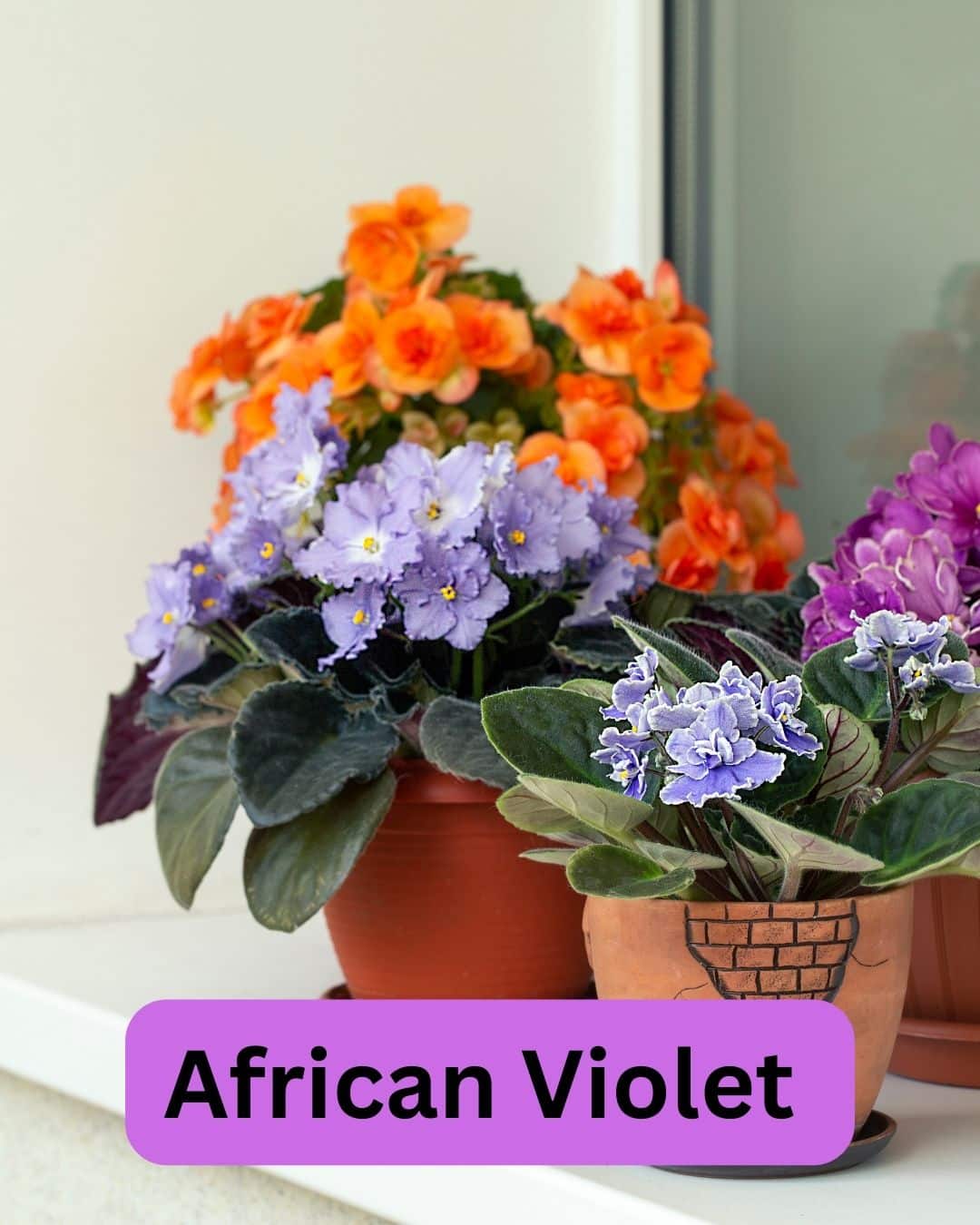
African violets like a light, mildly acidic potting mix, so they are a reasonable place to use a tiny amount of spent coffee grounds. The key word is tiny: their small pots and fine roots make overdoing it easy.
How much: Mix about 1 teaspoon of dried, used coffee grounds into the top inch of soil in a 4- to 6-inch pot, no more than once every 6–8 weeks during active growth. If the mix already stays wet for a long time, skip the grounds and use composted coffee material instead.
Boston Fern

Boston ferns enjoy organic-rich, slightly acidic soil and steady moisture, which makes them one of the more natural houseplant candidates for a little coffee-ground organic matter.
How much: Use about 1 tablespoon for an 8- to 10-inch pot every 6–8 weeks. Work it lightly into the surface instead of leaving a damp layer on top, where grounds can mat together and slow air movement.
Christmas Cactus
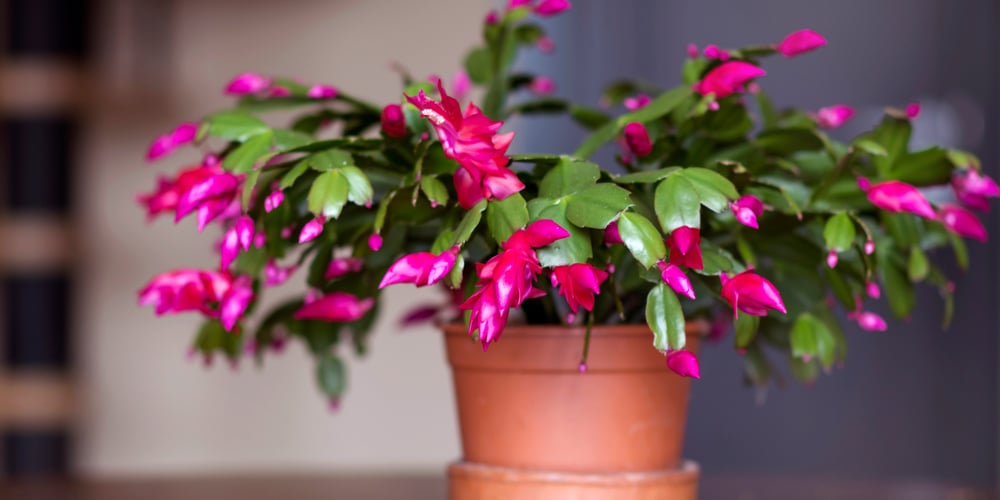
Christmas cactus prefers an airy, organic mix that is usually a little acidic. That surprises people who picture all cacti living in dry, alkaline desert soil.
How much: Use about 1 teaspoon in a 6- to 8-inch pot every 6–8 weeks in spring and summer. Stop adding grounds as you reduce watering in fall to encourage buds.
Peace Lily
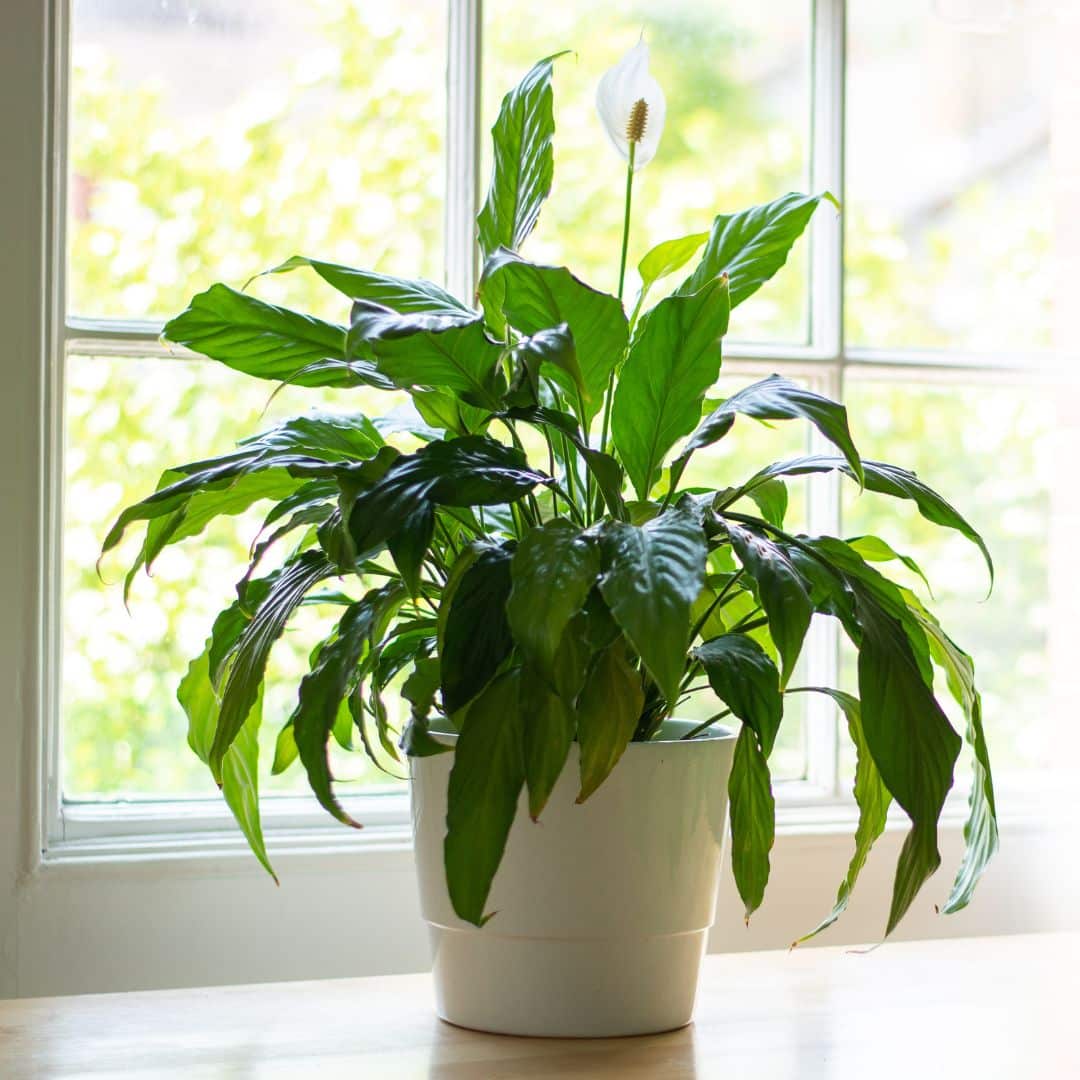
Peace lilies appreciate organic, mildly acidic potting mix, but they are also prone to staying too wet in heavy soil. Coffee grounds should be a small amendment, never a blanket over the pot.
How much: Sprinkle about 1 tablespoon over an 8-inch pot, then mix it into the upper inch of soil. Repeat no more than every 6–8 weeks while the plant is actively growing.
Heartleaf Philodendron
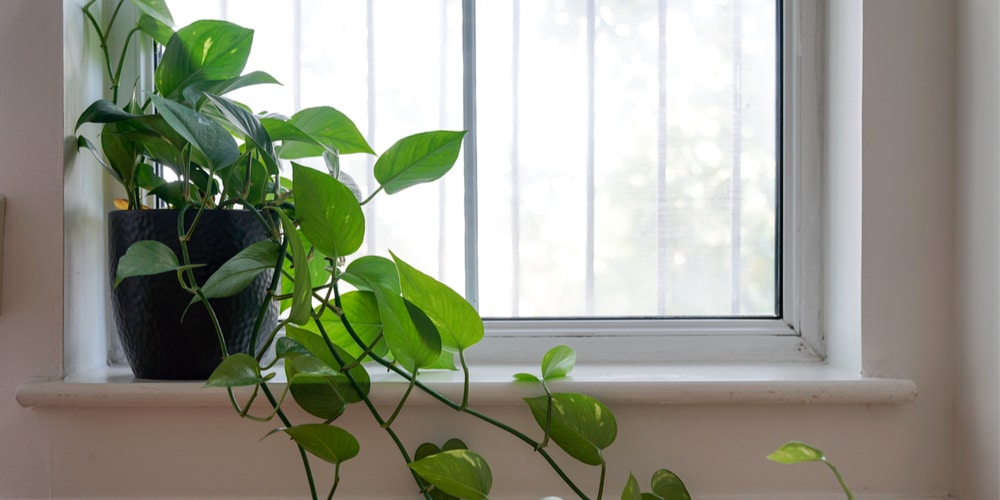
Heartleaf philodendrons grow well in loose, organic potting mix with a mildly acidic reaction. Their forgiving nature makes them a better test subject than fussier houseplants.
How much: Use 1–2 teaspoons in a 6-inch pot every couple of months. Mix the grounds lightly into the surface and continue using a normal houseplant fertilizer when the plant needs feeding.
Monstera
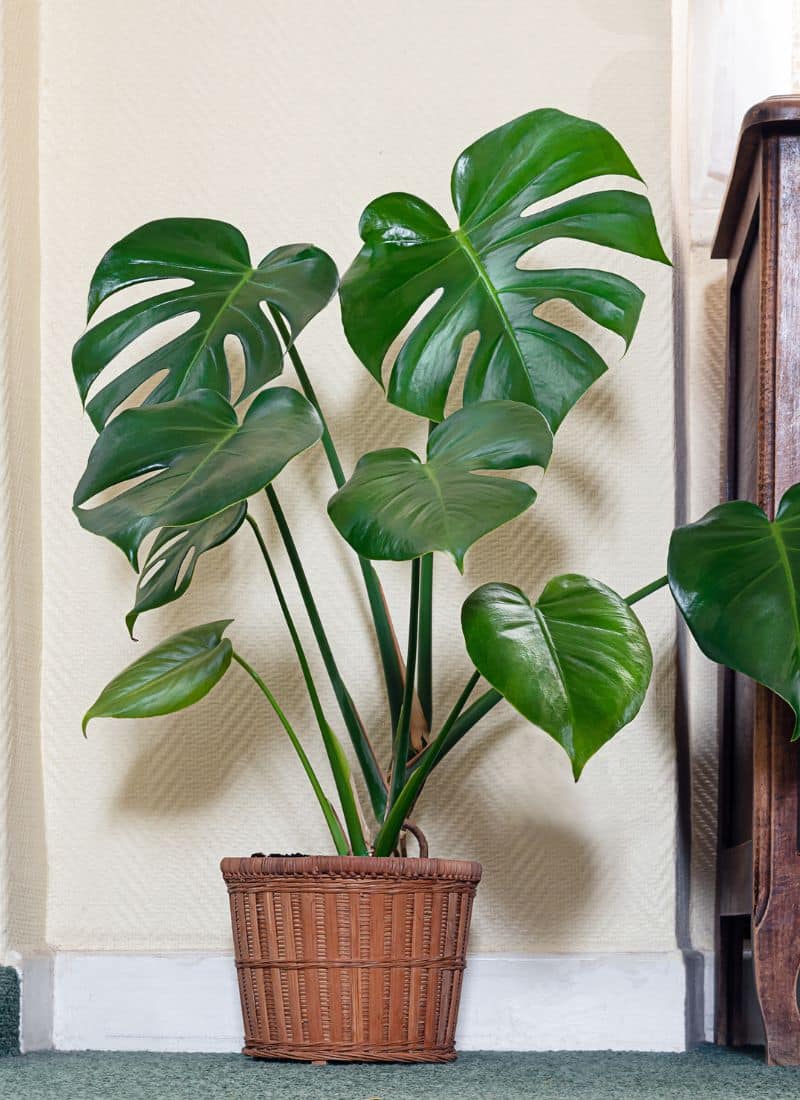
Monsteras naturally grow in the organic debris of tropical forests, and they generally like a loose, mildly acidic medium. A little spent coffee can fit that environment, but a giant pot still does not need a giant dose.
How much: Spread 1–2 tablespoons across a 10- to 12-inch pot every 6–8 weeks. Scratch it into the top layer and keep the mix airy.
Pothos

Pothos is famously tolerant and does well in mildly acidic, organic potting mix. That makes it one of the easiest plants for experimenting with a modest amount of spent grounds.
How much: Use 1 teaspoon in a 6-inch pot or up to 1 tablespoon in a large hanging basket every 6–8 weeks. Do not add coffee every time you water.
Rubber Plant

Rubber plants appreciate fertile, well-drained soil that is slightly acidic. They can handle a small amount of coffee-ground organic matter, provided drainage stays good.
How much: Mix 1 tablespoon into the top inch of an 8- to 10-inch pot every couple of months. If the soil is already dense or slow to dry, skip direct grounds and use finished compost instead.
Calathea
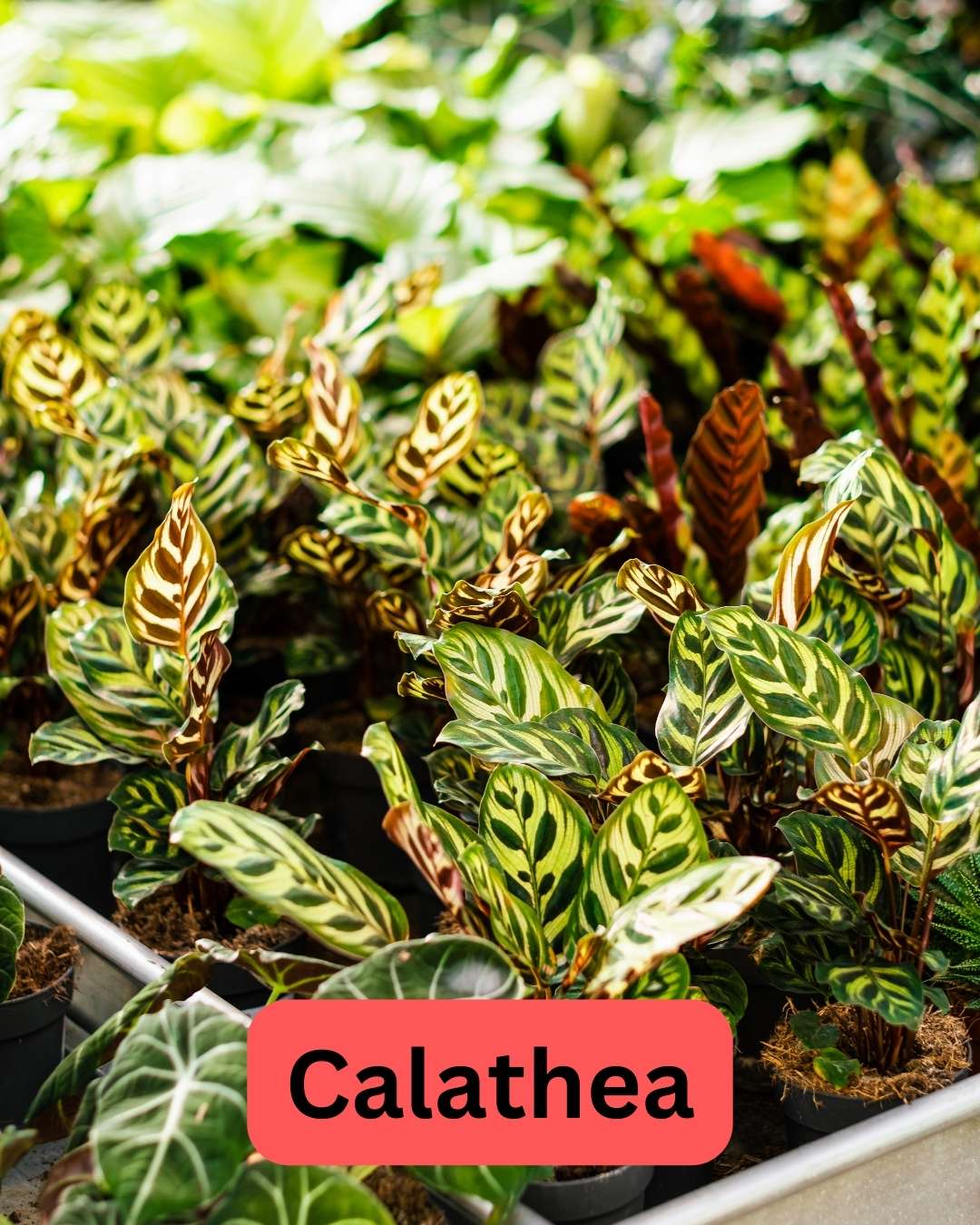
Calatheas prefer organic, mildly acidic soil, but they are fussy enough that restraint matters. Too much of almost anything—including coffee grounds—can create a problem faster than it creates a benefit.
How much: Use only 1 teaspoon in a 6-inch pot every 6–8 weeks. Mixing grounds into finished compost first is even safer for these sensitive plants.
Begonia

Begonias usually like an airy, organic, slightly acidic mix. Their fine roots also dislike soggy soil, so a thick layer of damp grounds is exactly what you do not want.
How much: Use 1 teaspoon for a 6-inch pot or about 1 tablespoon for a very large specimen every 6–8 weeks. Mix it into the surface instead of piling it around the stems.
Anthurium
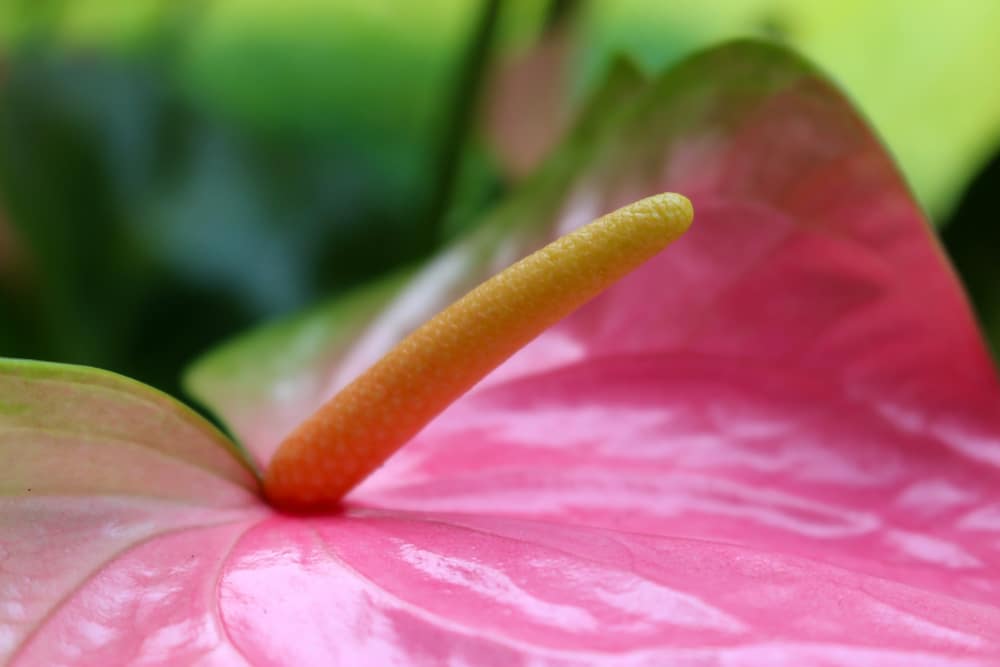
Anthuriums like a chunky, organic, slightly acidic medium with plenty of air around the roots. Coffee grounds can add organic matter, but they should never make that mix heavier.
How much: Use about 1 teaspoon in a 6-inch pot every 6–8 weeks. If you grow Anthurium in a very chunky orchid-style mix, adding grounds to compost first is the better approach.
Dracaena

Dracaenas are adaptable houseplants that generally perform well in slightly acidic potting mix. They do not need coffee, but a small amount of spent grounds can contribute organic material.
How much: Use 1 tablespoon for an 8- to 10-inch pot about every two months during active growth. Keep it away from the cane itself.
Spider Plant

Spider plants are tolerant, fast-growing and comfortable in mildly acidic potting mix. They are another good candidate for a very light application.
How much: Add 1 teaspoon to a 6-inch pot or 1 tablespoon to a large hanging basket every 6–8 weeks. Mix it into the upper layer so it cannot form a crust.
Coffee Plant
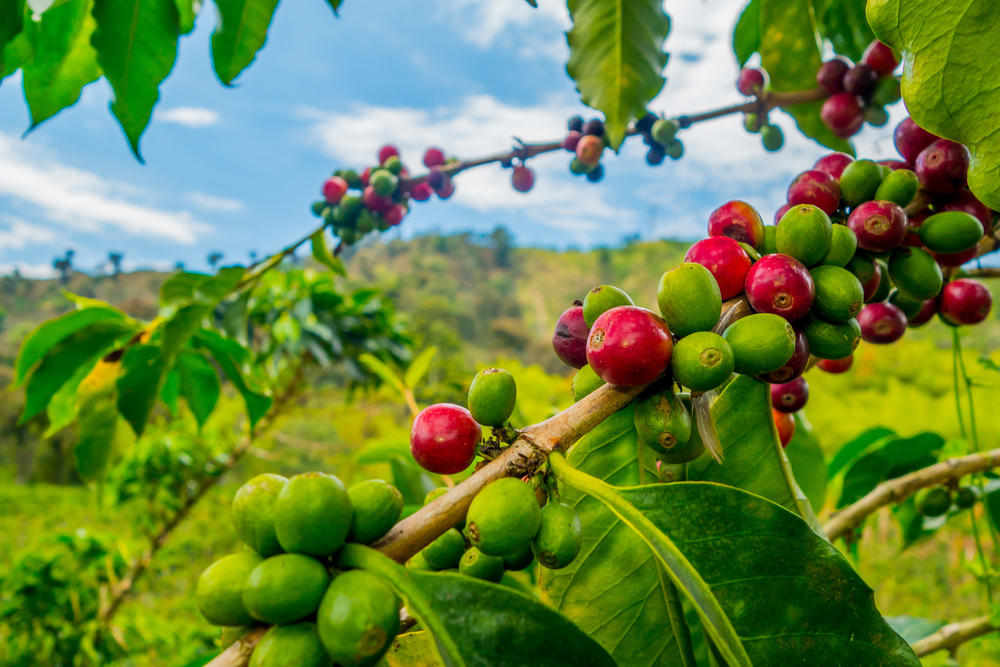
Yes, the plant that produces coffee can also make a handsome houseplant. Coffee plants prefer rich, somewhat acidic soil, although even they do not need a pot full of yesterday’s grounds.
How much: Use about 1 tablespoon in an 8-inch pot every 6–8 weeks in spring and summer. Keep normal fertilizer in the routine because spent grounds are not a complete plant food.
Norfolk Island Pine
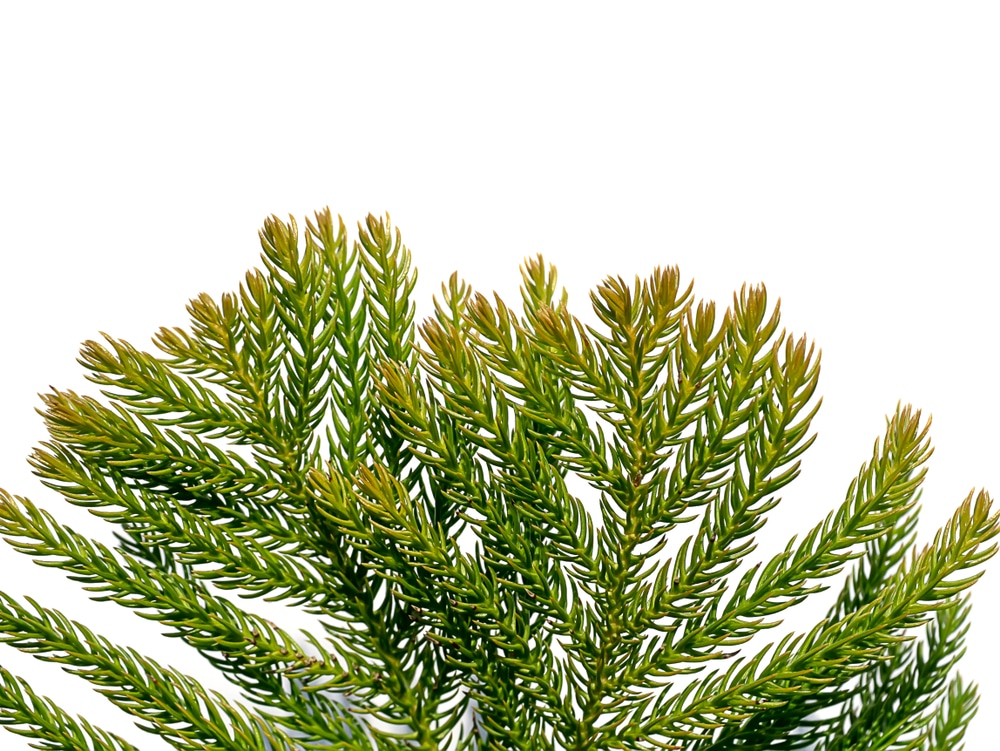
Norfolk Island pines generally like a slightly acidic, well-drained potting mix. A modest amount of coffee-ground organic matter is fine, but these plants are especially unhappy when their roots stay waterlogged.
How much: Use 1 tablespoon for a medium pot or up to 2 tablespoons for a large floor container every couple of months. Spread it across the soil rather than against the trunk.
15 Outdoor Plants That Prefer Acidic Soil
This is where coffee grounds make more intuitive sense. Several of these plants genuinely prefer acidic soil. Just remember that liking acidic soil and being helped by coffee grounds are not exactly the same thing. If a blueberry, azalea or rhododendron is struggling because the soil pH is too high, test the soil and correct the pH properly instead of piling on more grounds.
Blueberries
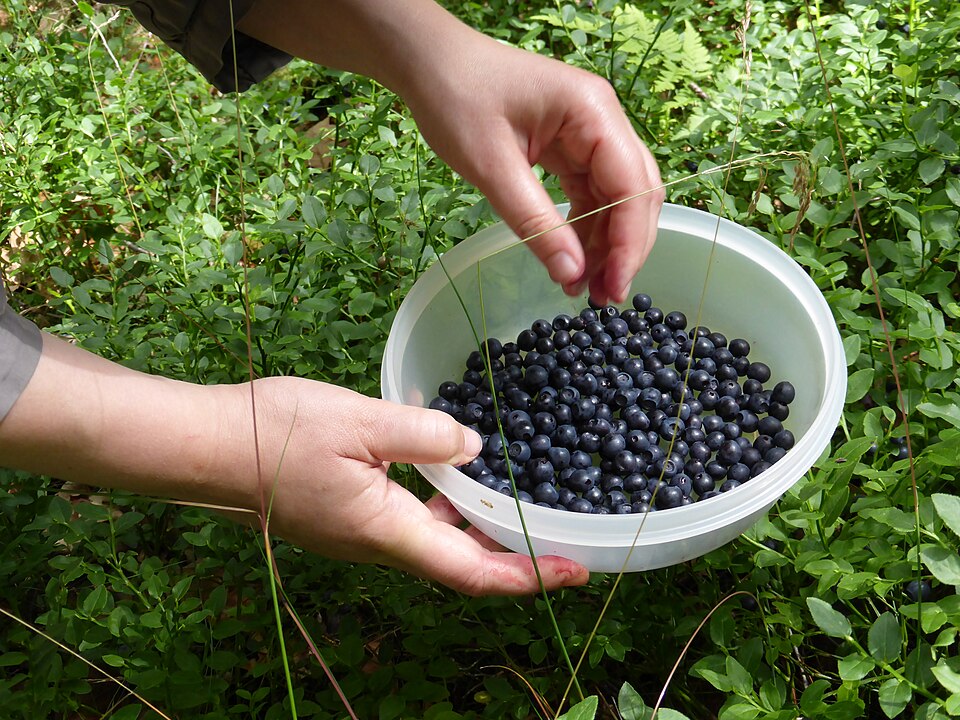
Blueberries are the acid-lover everyone expects to see here. They truly do need low-pH soil, but used coffee grounds are not acidic enough to reliably create that condition by themselves.
How much: Spread about 1/2 cup around a mature bush, well away from the stems, two or three times during the growing season. Scratch it lightly into the soil or tuck it under mulch. If the pH is too high, use a soil test and a proper acidifying amendment instead of simply adding more coffee.
Azaleas
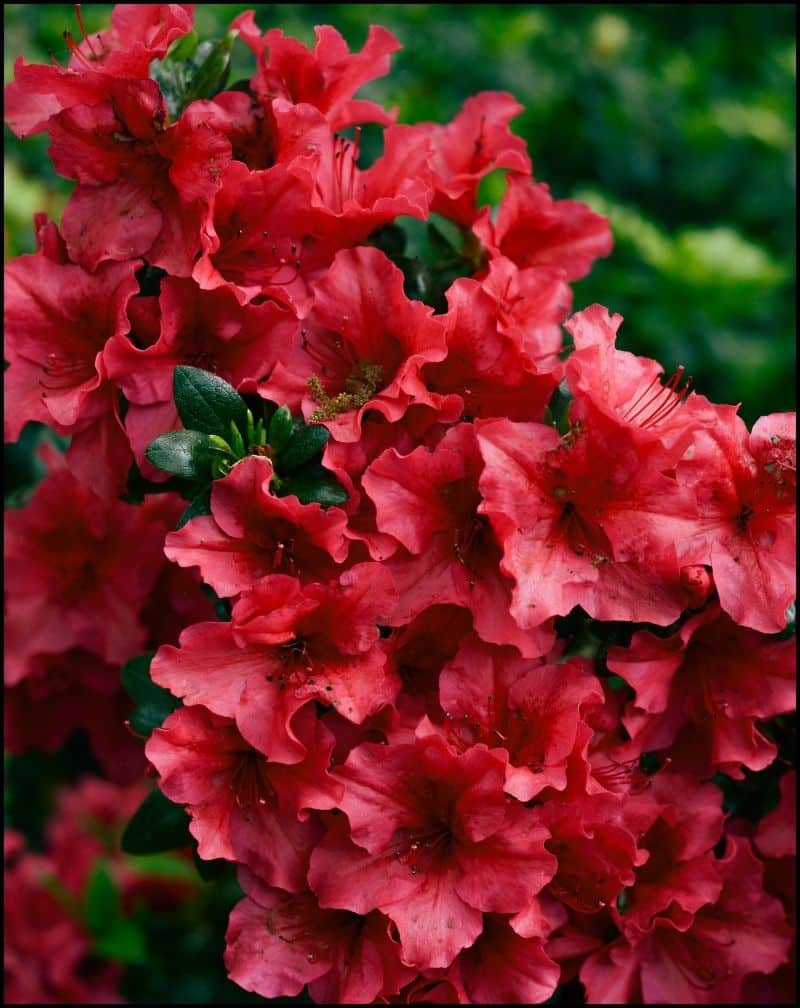
Azaleas thrive in acidic, organic-rich soil and shallow root systems make them especially appreciative of good mulch and soil structure.
How much: Use about 1/2 cup for a small shrub or 1 cup for a large established azalea, scattered broadly under the canopy two or three times a season. Never dump grounds against the main stems.
Rhododendrons
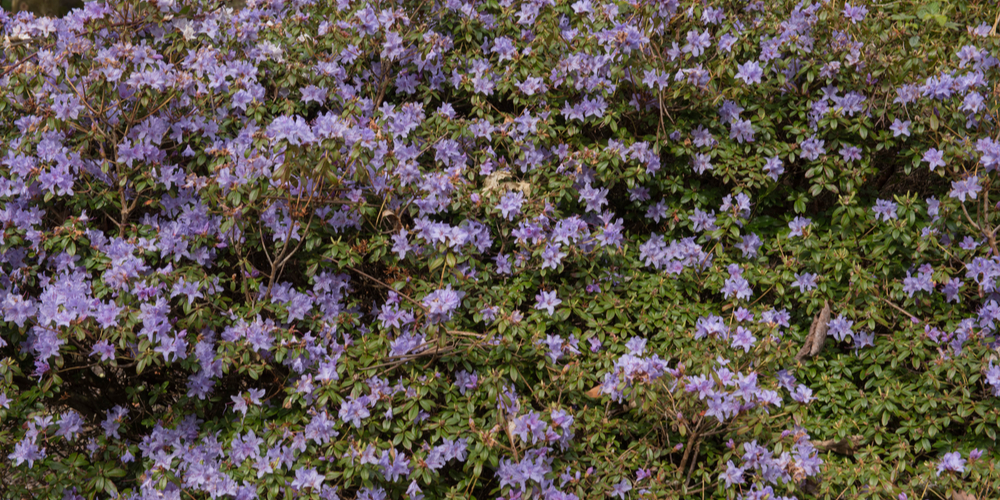
Rhododendrons are classic acid-loving shrubs. Their roots stay fairly close to the surface, so a thin organic layer is useful—but thick wet coffee grounds can smother that same root zone.
How much: Spread about 1 cup around a mature shrub once or twice during the growing season. Distribute it widely beneath the branches and cover it with mulch.
Hydrangeas

Hydrangeas appreciate organic soil and many grow well on the acidic side. Coffee grounds are useful as a light organic amendment, but they are not a dependable trick for turning flowers blue.
How much: Use 1/2 to 1 cup around an established hydrangea, spread over the root zone two or three times a season. If flower color matters, test the soil instead of guessing.
Camellias

Camellias prefer acidic, organic-rich soil and are natural companions to azaleas and rhododendrons in many landscapes.
How much: Spread about 1 cup around a medium established shrub once or twice during the growing season. Keep it away from the trunk and under the mulch layer.
Gardenias

Gardenias can be surprisingly picky about soil pH and may show yellow leaves when growing conditions interfere with iron uptake. Used grounds can add organic matter, but they cannot rescue badly alkaline soil by themselves.
How much: Use 1/2 cup for a small shrub or about 1 cup for a large gardenia two or three times per season. Spread it broadly and water normally.
Holly

Many common hollies prefer slightly acidic soil with plenty of organic matter. Their broad root zones make a scattered application much better than a concentrated pile.
How much: Use about 1 cup around a mature shrub once or twice a season. Spread it several inches away from the trunk and beneath the outer branches.
Magnolia
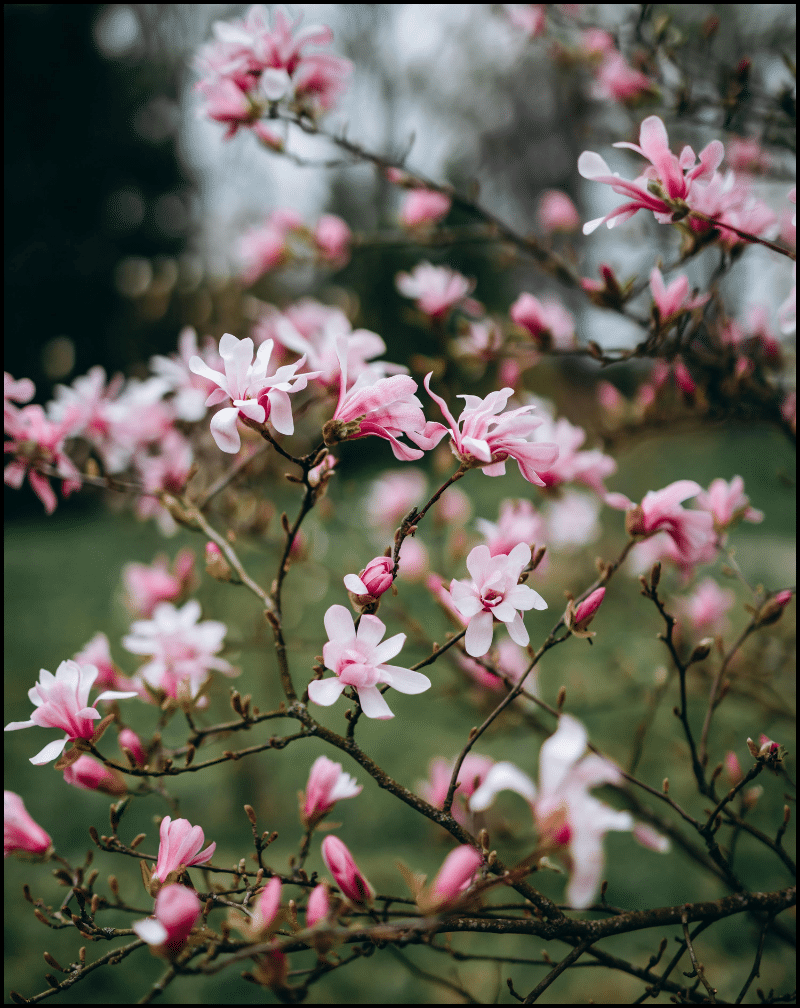
Magnolias generally appreciate organic, mildly acidic soil. Because tree roots spread far beyond the trunk, coffee grounds should be scattered widely rather than treated like a fertilizer ring.
How much: Use about 1 cup around a young tree or shrub once or twice a season. Scatter it over several square feet and keep it off the trunk.
Dogwood
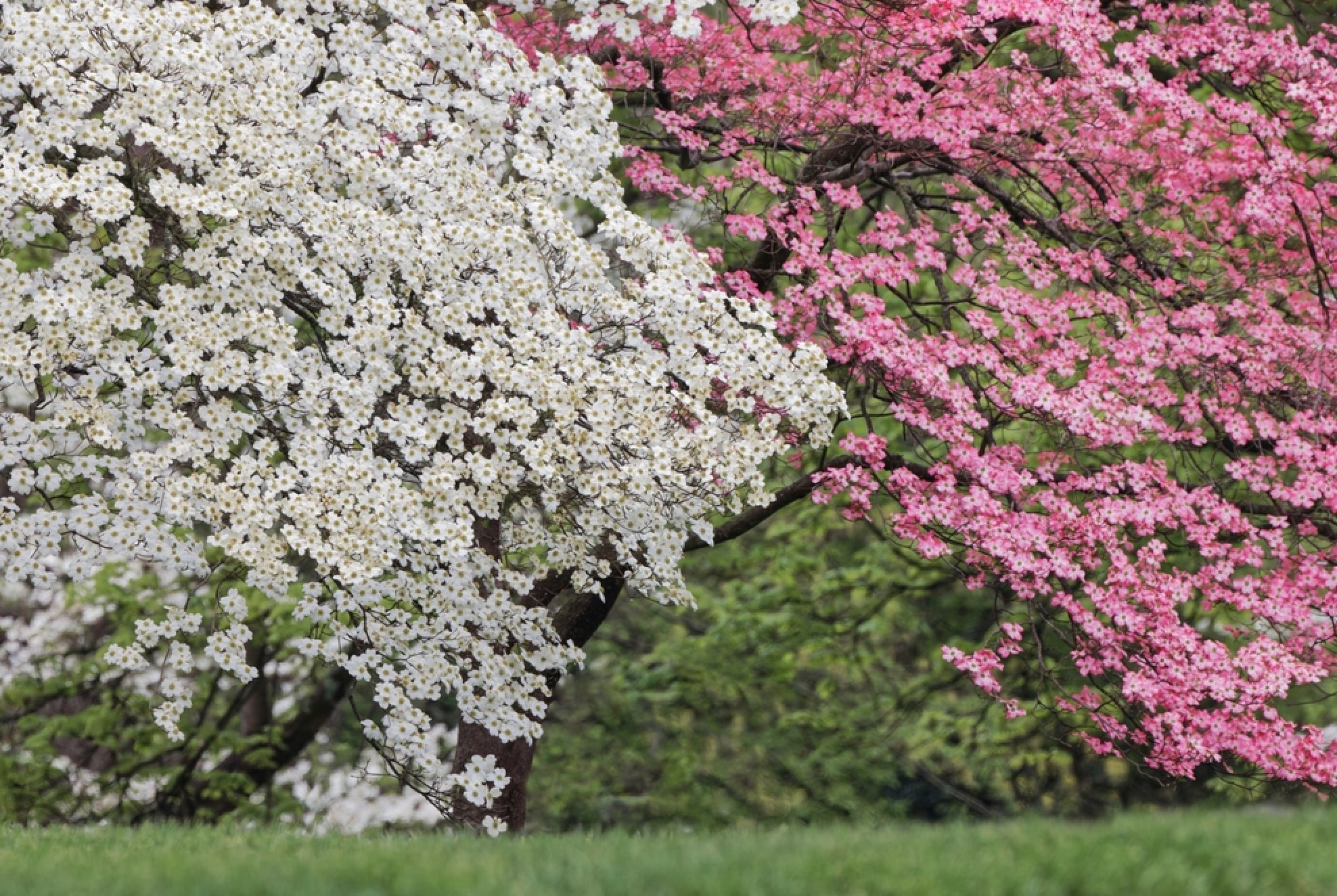
Flowering dogwoods naturally fit woodland-style soil: organic, well drained and somewhat acidic. A little spent coffee can blend nicely into that sort of mulch-rich root zone.
How much: Spread about 1 cup around a young tree once or twice during the growing season. Scatter it broadly beneath the canopy and cover it with mulch.
Japanese Maple
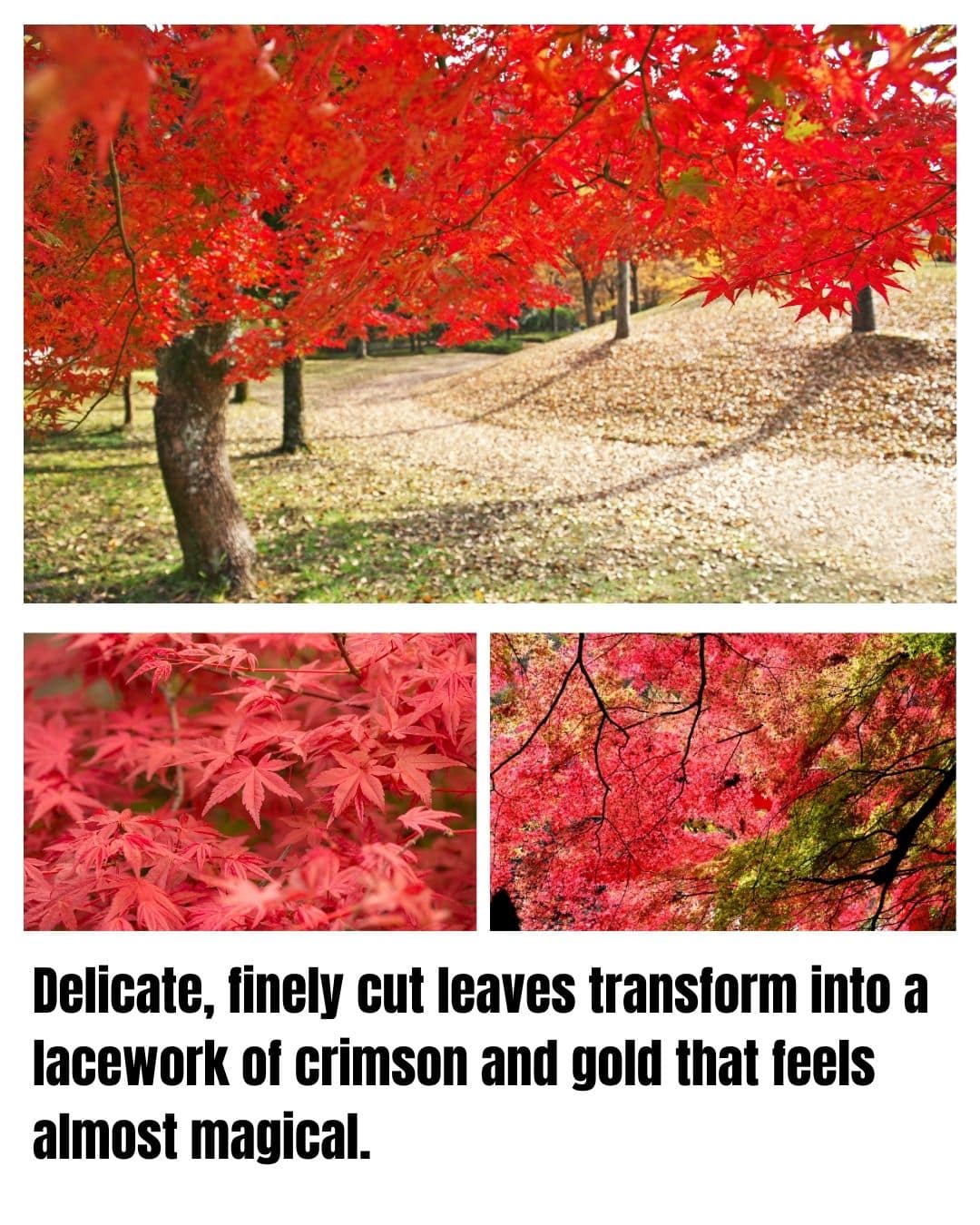
Japanese maples generally prefer well-drained, organic soil that leans slightly acidic. Their shallow roots also make them sensitive to heavy layers piled at the base.
How much: Spread about 1 cup around an established small tree once or twice a season. Keep the grounds several inches from the trunk and disperse them under the canopy.
Mountain Laurel
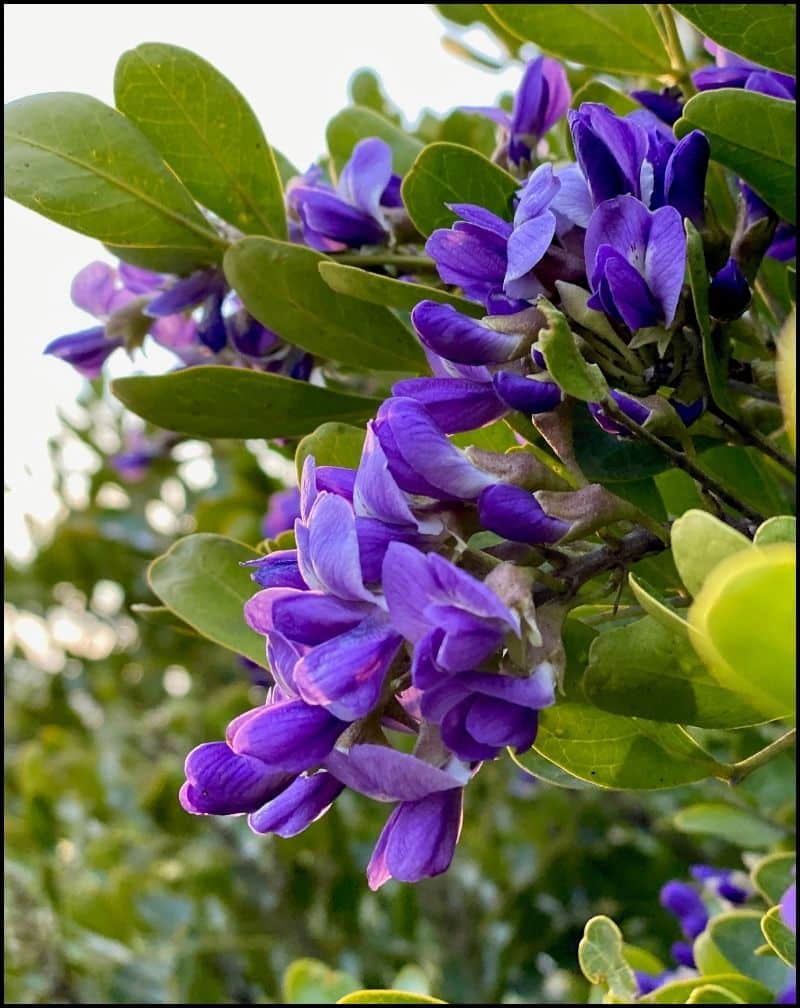
Mountain laurel belongs to the same acid-loving plant family as blueberries, azaleas and rhododendrons. It likes organic soil but does not want to be buried in rich amendments.
How much: Use 1/2 to 1 cup around a mature shrub once or twice per season. Spread it thinly beneath the canopy.
Heather
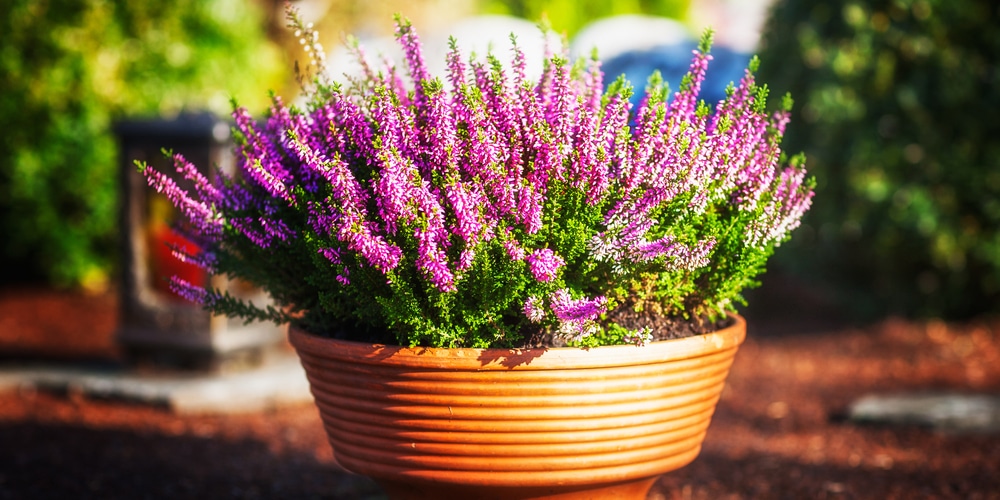
Heather likes acidic soil, but it also tends to prefer relatively lean conditions. That makes it a plant where less coffee is definitely more.
How much: Use only about 1/4 cup per established plant once or twice a season, spread thinly. Do not repeatedly enrich the soil around heather with heavy applications.
Strawberries
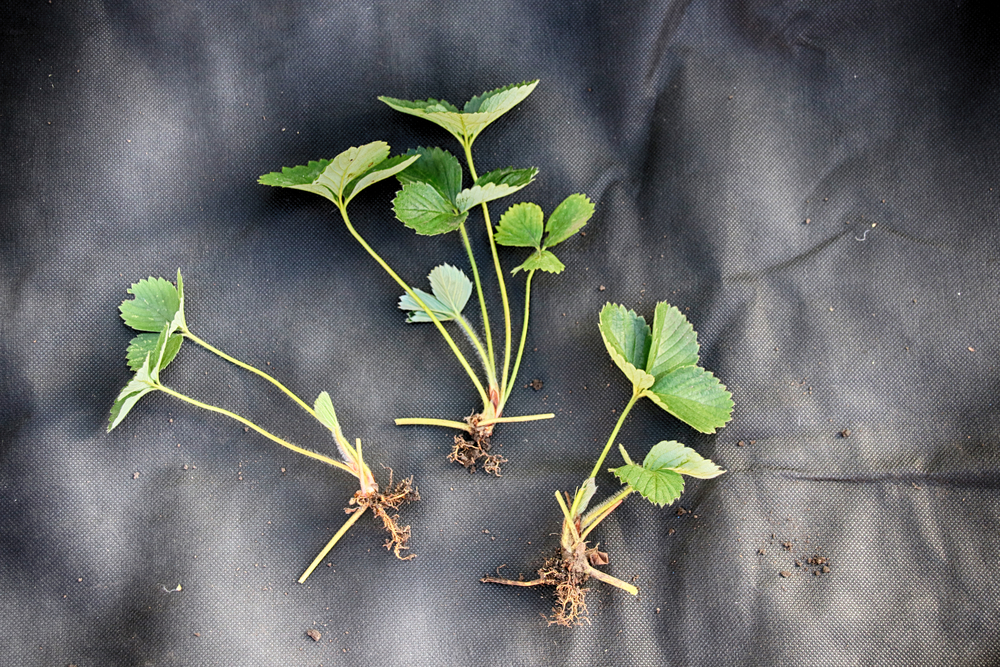
Strawberries generally prefer mildly acidic, organic soil. A light dose of spent grounds can work around established plants, but avoid concentrated grounds where new seeds or very young seedlings are trying to germinate.
How much: Use about 2–4 tablespoons around each established plant once or twice during the growing season. Spread it over several inches of soil rather than placing it against the crown.
Raspberries

Raspberries like fertile, organic soil that is usually mildly acidic. Because they grow in rows or patches, it is easy to spread small amounts of grounds over a broad area.
How much: Use about 1/4 to 1/2 cup around each mature cane clump once or twice a season. Spread it widely and cover it with the existing mulch.
Potatoes

Potatoes are unusually comfortable on the acidic side of the vegetable garden, and lower-pH soil can also reduce the risk of common potato scab. Coffee grounds can contribute organic matter, but do not create concentrated pockets around seed potatoes.
How much: Spread about 2–4 tablespoons around each established plant once or twice during the season, then work it lightly into the surface or cover it with mulch.
The Biggest Coffee-Ground Mistake
The easiest way to turn a useful kitchen scrap into a garden problem is to assume that more must be better. Coffee grounds are fine in small amounts, but repeated heavy applications can alter soil texture, interfere with germination and temporarily affect how plants access nitrogen.
If you have cups of grounds every week, compost most of them. Mix them with dry “brown” materials such as leaves, shredded cardboard or paper, then use the finished compost around your plants. That gives you the organic-matter benefit without building thick layers of straight coffee grounds in pots and beds.
And for the serious acid lovers—especially blueberries, azaleas and rhododendrons—let a soil test make the final call. Coffee grounds are a useful extra. They are not a replacement for getting the soil chemistry right.