One hummingbird at the feeder is a treat. Several zipping around like they own the place? That’s September putting on a show. Fall migration brings hungry travelers through many backyards, and this summer’s young birds add to the crowd.
Your flowers and feeders can become a welcome stop along the way. A few easy adjustments will help you make the most of the rush—and keep those tiny guests well fed before they move on.
September Brings a Whole New Crowd
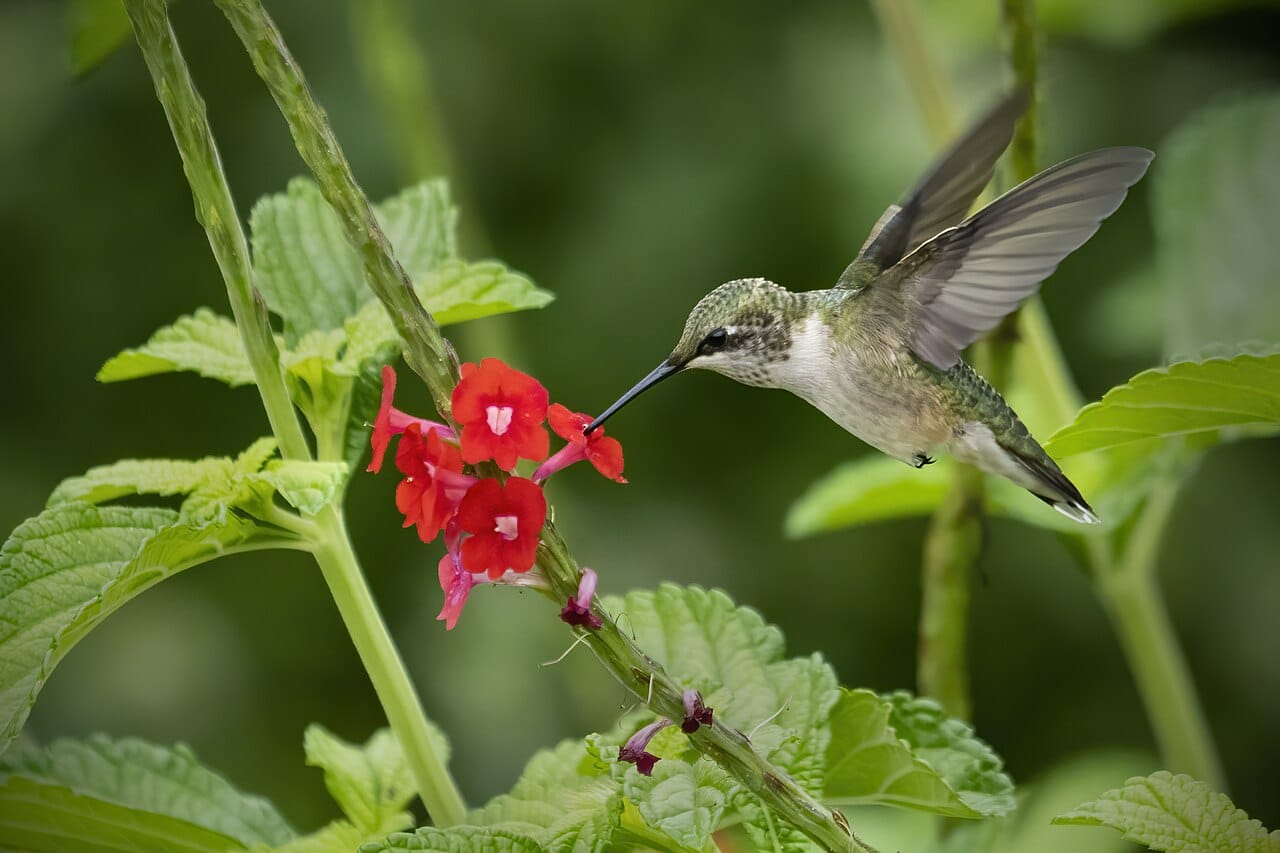
Your feeder may have had one regular customer in July. Now it looks like it needs a waiting room.
The September rush usually comes down to more birds, more traveling, and more mouths to feed. Local hummingbirds can overlap with migrants arriving from farther north, while youngsters hatched this summer join the search for food.
Across much of the eastern United States, those visitors are ruby-throated hummingbirds making their way toward wintering grounds in Mexico and Central America. Your yard can be one stop on a journey that stretches far beyond the back fence.
That trip takes fuel. Hummingbirds build and replenish fat reserves as they travel, visiting flowers and feeders along the way. A garden with dependable food gives them a reason to pull over.
Several birds at the feeder doesn’t mean they’re migrating as a flock. Hummingbirds travel individually. You’re watching separate travelers discover the same good restaurant.
Look closely at the crowd, too. A ruby-throat with a pale throat isn’t automatically a female. Young males can look very similar before their full red throat develops. That supposed “group of ladies” may include a few teenage boys.
The busiest week depends on where you live. Parts of Tennessee often peak from mid-August into early September; farther south, the action can build later in September and into October. Northern yards may already be getting quieter.
Western gardens have their own cast of characters. Many Anna’s hummingbirds stay year-round, so a September visitor there isn’t necessarily packing for Central America. Watch your local pattern rather than expecting every yard to follow the same schedule.
Leave the Feeder Up. They Know When to Go.
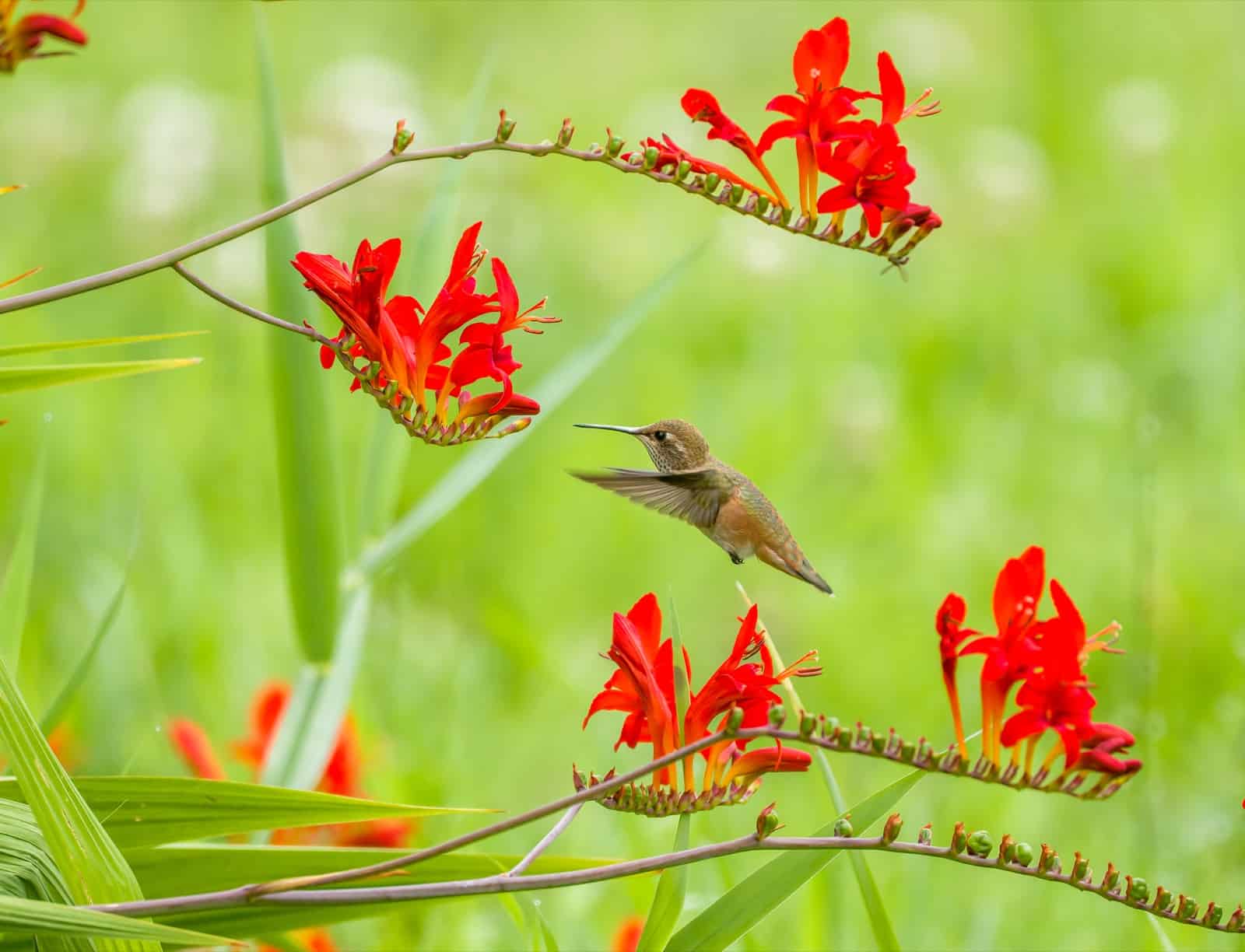
Putting away the patio cushions is fine. Closing the hummingbird kitchen just because summer is ending? We’d keep it open a little longer.
A full feeder will not keep migrating hummingbirds from leaving. Their seasonal travel cues don’t disappear because you’re serving a good meal. There’s no need to take food away to give them a hint.
Keep offering fresh nectar while birds are visiting. Once you’ve seen the last one, maintain the feeder for at least another two weeks. Leaving it available for several weeks gives late travelers an extra chance to find it. Another bird shows up? Restart the clock.
One quiet afternoon doesn’t mean the season is over. Yesterday’s visitors may be gone, but the next hungry traveler could still be a few gardens away.
If hummingbirds normally spend winter in your area, keep feeding through winter with the same attention to cleanliness. During freezing weather, make sure the nectar stays liquid and accessible.
The useful question is whether birds are still using your yard. The calendar doesn’t get the final vote.
Keep the Nectar Simple and the Feeder Clean
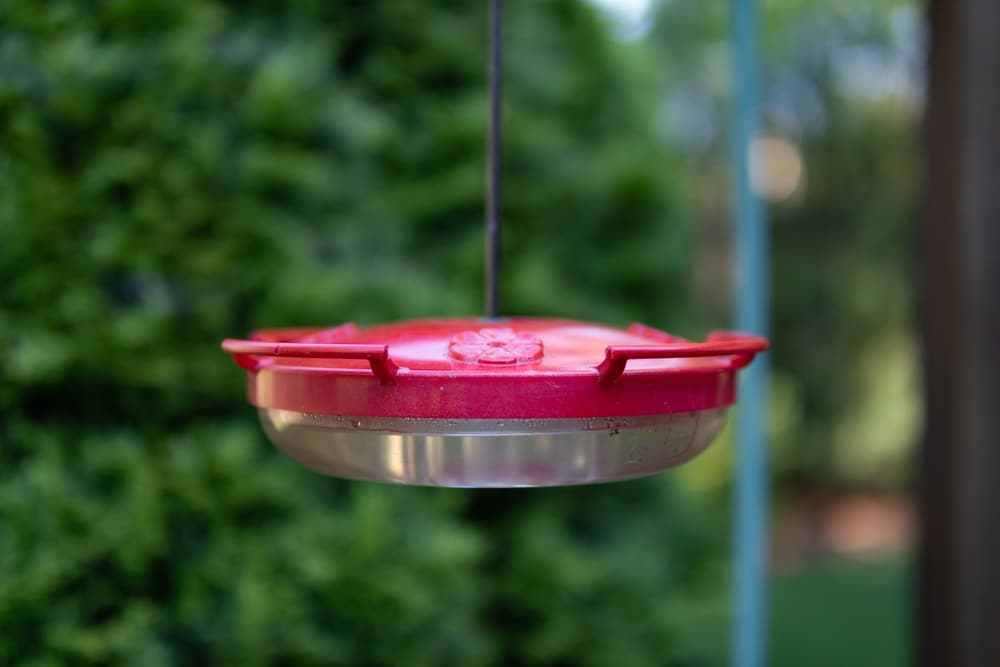
You don’t need a special migration formula or an expensive bottle of red liquid. The best feeder recipe is wonderfully ordinary.
Mix one part refined white sugar with four parts water. That’s ¼ cup sugar to 1 cup water for a small batch. Stir until the sugar dissolves completely, and let any heated mixture cool before filling the feeder.
Use plain white table sugar. Leave honey, brown sugar, raw sugar, powdered sugar, and artificial sweeteners in the pantry. Skip the red dye. The feeder can wear red; the nectar should be clear.
Stick with that recipe during migration. An extra-sweet “energy boost” isn’t something you need to add to their travel plans.
Empty, clean, and refill every two to three days, and daily in particularly hot weather. Cloudy nectar or visible mold means it’s time to clean immediately, even if you filled it yesterday.
September may feel like fall to us, but a warm afternoon still gives sugar water plenty of opportunity to spoil.
Take the feeder apart. Scrub the reservoir, feeding ports, and little seams where grime collects, then rinse thoroughly. Pouring fresh nectar on top of old nectar doesn’t count as cleaning.
Our practical tip: fill only what the birds will drink between cleanings. As visits taper off, smaller servings save sugar and make the routine easier. Choose a shaded spot you can reach without turning feeder care into a ladder project.
Give Those Late Flowers a Little More Time
Before you head outside with the pruners, take a lap around the garden. Anything still getting hummingbird visits has a job to finish.
Keep healthy nectar flowers and unopened buds in place while the birds are using them. Shearing a flowering plant back for a tidier border can remove an entire feeding stop in a few snips.
You can still remove truly spent blooms when that suits the plant. Just look before you cut: a faded flower beside three fresh buds is a very different situation from a stem that’s finished for the season.
For next year’s garden, plan for flowers that overlap with your local migration season. These three are useful choices when matched to the right conditions.
Cardinal flower likes its feet moist. Lobelia cardinalis sends up scarlet flower spikes from summer into early fall, with bloom timing varying by location. Give it rich, consistently moist soil in sun to partial shade. A dry, neglected corner isn’t the place for this one.
Scarlet sage can keep serving nectar until frost. Salvia coccinea grows in sun to partial shade with good drainage. It’s often grown as an annual where winters freeze, and watering during dry spells helps it keep flowering.
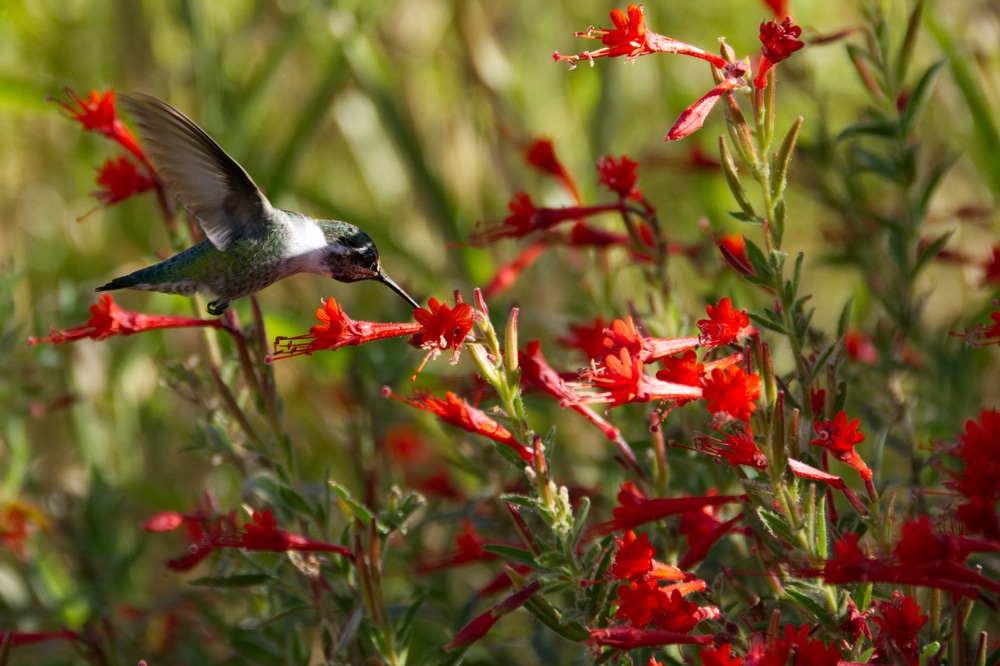
California fuchsia shines when many other flowers are winding down. Epilobium canum, pictured above, produces red-orange tubular flowers in late summer and fall. In suitable western gardens, this drought-tolerant native is an excellent choice. Established plants prefer much drier conditions than cardinal flower; save the annual shearing until flowering ends.
Choose plants that fit your climate, favor locally native options where possible, and check what’s actually blooming in nearby gardens during September.
Planting a perennial this fall mostly sets the table for future seasons. If you want to offer nectar today, choose a suitable plant already in bloom. A promising nursery label can’t feed a hummingbird.
Give Them a Full Menu—and a Little Elbow Room
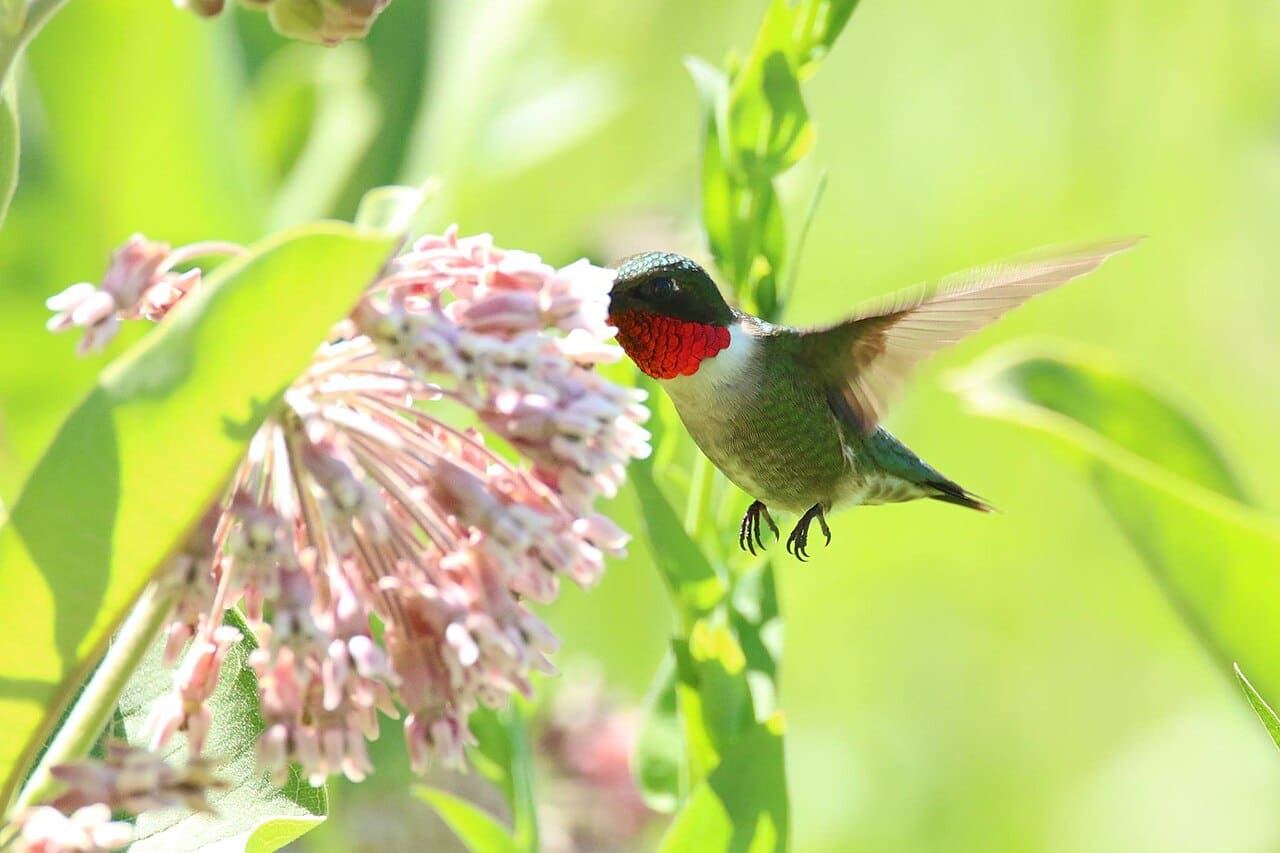
For something so small, a hummingbird can have an impressive opinion about who’s allowed near “its” feeder.
If one bird keeps chasing everyone else away, place another feeder out of its line of sight. A corner or shrub between feeding stations makes both harder for one bird to patrol. More holes in the same guarded feeder may simply give the bossy bird a bigger kingdom.
And remember that nectar is only part of the menu. Hummingbirds eat tiny insects and spiders, too. They catch prey in the air and pick it from leaves and webs. Those quick little detours around your plants aren’t always flower inspections.
Avoid unnecessary insecticide use around their feeding areas. A mix of plants supports more of that small prey and gives birds more places to forage.
Leave slender branches for perching and sheltered vegetation where they can rest. A fine mister can offer a bathing spot. Even a bird that looks permanently caffeinated needs a break.
Then pull up a chair. Note when the traffic gets busy and when the last visitor appears; next September, you’ll have a much better idea of what to expect.
Fresh nectar, a few late blooms, and a welcoming garden can make your yard a useful stop. The rush won’t last forever. Enjoy the tiny drama while it’s happening.
References
- University of Tennessee Extension: Hummingbird gardening and seasonal activity
- Alabama Extension: Hummingbird migration
- Operation RubyThroat: Identifying females and young males
- Cornell Lab of Ornithology: Anna’s hummingbirds
- Cornell Lab of Ornithology: Feeding birds during fall migration
- Smithsonian’s National Zoo: Hummingbird nectar recipe
- Audubon: Hummingbird feeding and feeder care
- NC State Extension: Cardinal flower
- NC State Extension Plant Toolbox: Scarlet sage
- UC Marin Master Gardeners: California fuchsia
- Cornell Lab of Ornithology: Ruby-throated hummingbird food and behavior
- Audubon: Creating a hummingbird-friendly yard
Photo credits
Photos are listed in article order. All five images are reused from the GFL Outdoors media library.
1. Ruby-throated hummingbird at red flowers: Jack Nevitt, Wikimedia Commons, CC BY-SA 4.0. Existing resized site version.

2. Hummingbird among crocosmia flowers: GFL Outdoors media library.
3. Red hummingbird feeder: GFL Outdoors media library.
4. Anna’s hummingbird at California fuchsia: GFL Outdoors media library.
5. Ruby-throated hummingbird on common milkweed: Debbie Koenigs/U.S. Fish and Wildlife Service, via Wikimedia Commons, CC BY 2.0; also marked public domain as a U.S. government work. Existing resized site version.
.jpg)