A hydrangea can look outrageously healthy—tall stems, broad green leaves, vigorous new shoots—and still refuse to make a single flower. That mismatch is a clue, not a mystery. The usual culprits are lost flower buds, the wrong pruning window, too little light, excess nitrogen, browsing animals, or stress during bud formation. Before you cut anything this fall, identify which kind you grow. One careless cleanup can turn a one-year disappointment into another flowerless season.
Start Here: Find Out Which Wood Carries the Flowers
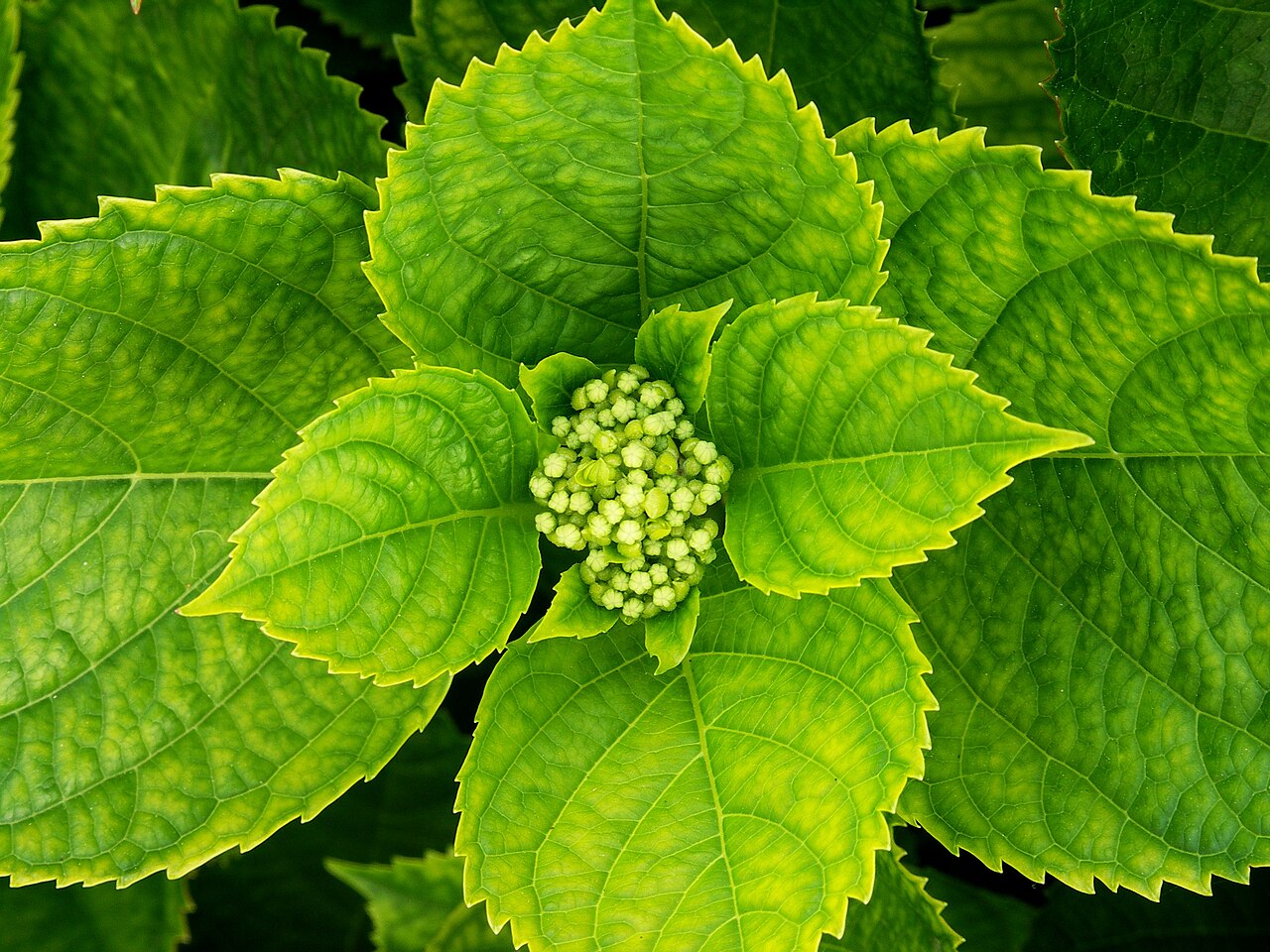
“Hydrangea” is not one pruning schedule. The species—and sometimes the cultivar—determines when flower buds form. Until you know the plant’s full name, put the pruners down.
- Usually old wood: bigleaf (Hydrangea macrophylla), mountain (H. serrata), oakleaf (H. quercifolia), and climbing hydrangea (H. anomala subsp. petiolaris).
- New wood: smooth hydrangea (H. arborescens) and panicle hydrangea (H. paniculata).
- Old and new wood: reblooming, or remontant, cultivars that can replace some lost early flowers with a later flush.
Old-wood hydrangeas build next year’s flower buds on stems made this year. Those buds spend winter on the shrub. New-wood types wait until spring, then form buds on fresh shoots. That distinction explains why the same fall pruning can be harmless to one hydrangea and disastrous to another.
Check the original tag, receipt, planting plan, or cultivar name. Leaf and flower shape can narrow the choices, but do not identify a hydrangea from one photograph alone. If the name is gone, let it grow unpruned for a season and record when and where buds appear.
Cause #1: Pruning Removed Next Year’s Flowers
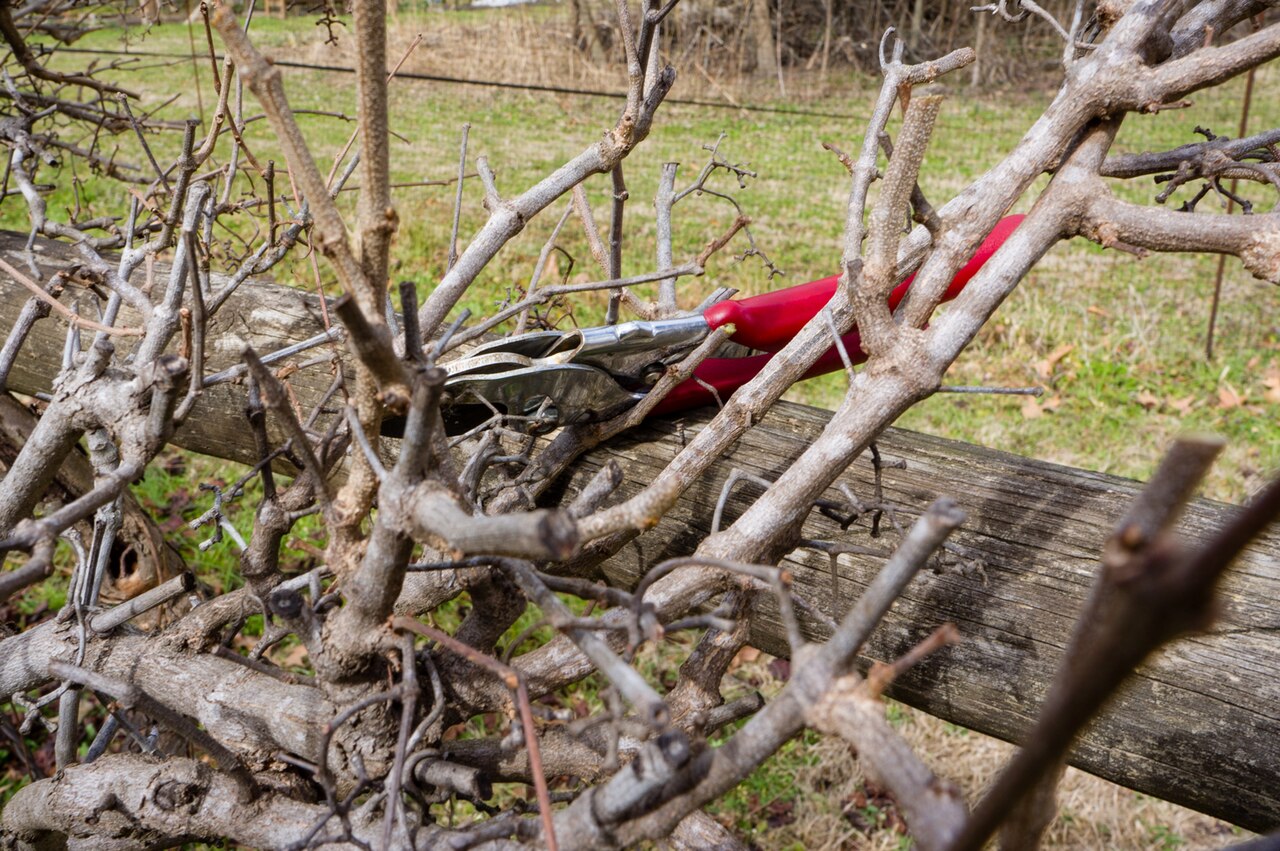
This is the most common cause of a leafy, flowerless hydrangea. Bigleaf and other old-wood types may already be carrying next year’s blooms by late summer. Cut those stems in fall, winter, or early spring and you cut off the flowers before they are visible.
For an old-wood hydrangea, prune only if needed and do it promptly after flowering. Illinois Extension advises finishing by about August 1 because flower buds begin developing in August and September. Regional timing varies, so the safer rule is simple: prune soon after the flowers fade, not during fall cleanup.
Smooth and panicle hydrangeas bloom on new wood. They can be pruned in late winter or early spring before growth begins. Even then, a hydrangea does not need to be cut to the ground every year. Remove dead, damaged, weak, and badly placed stems first.
If you pruned at the wrong time, fertilizer will not rebuild those missing buds. Keep the shrub watered, skip corrective hacking, and wait. A healthy plant usually flowers again after it completes another bud-forming cycle.
Cause #2: Winter Cold or a Late Frost Killed the Buds
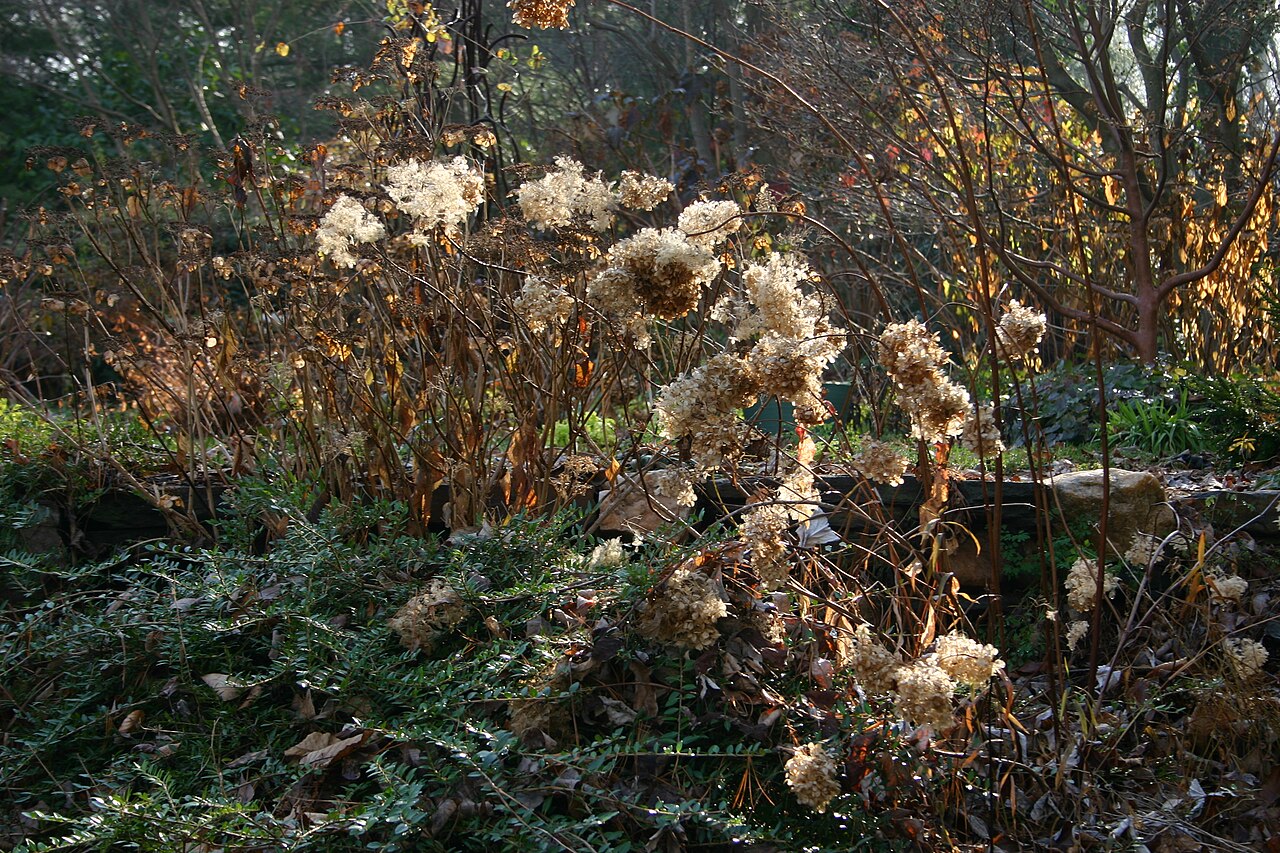
A bigleaf hydrangea can leaf out beautifully after winter and still have no flowers. That is not contradictory. Leaf buds are generally tougher than flower buds, so cold can erase the floral display while leaving enough living tissue to rebuild a green shrub.
The pattern is especially common after a severe winter, drying winds, or a warm spell followed by a hard spring freeze. Buds at stem tips may be dead even when lower buds open normally.
Wait until new growth clearly shows what survived. On bigleaf hydrangeas, cut a dead stem just above the first healthy pair of buds; remove completely dead stems at the base. A live stem is green beneath a light scratch, while dead tissue is dry and brown.
In cold climates, shelter vulnerable bigleaf plants from winter wind and protect the stems after dormancy with a roomy cage and insulating leaves. A reblooming or regionally hardy cultivar is the better long-term answer where old-wood buds die repeatedly.
Cause #3: The Plant Is Surviving in Too Much Shade
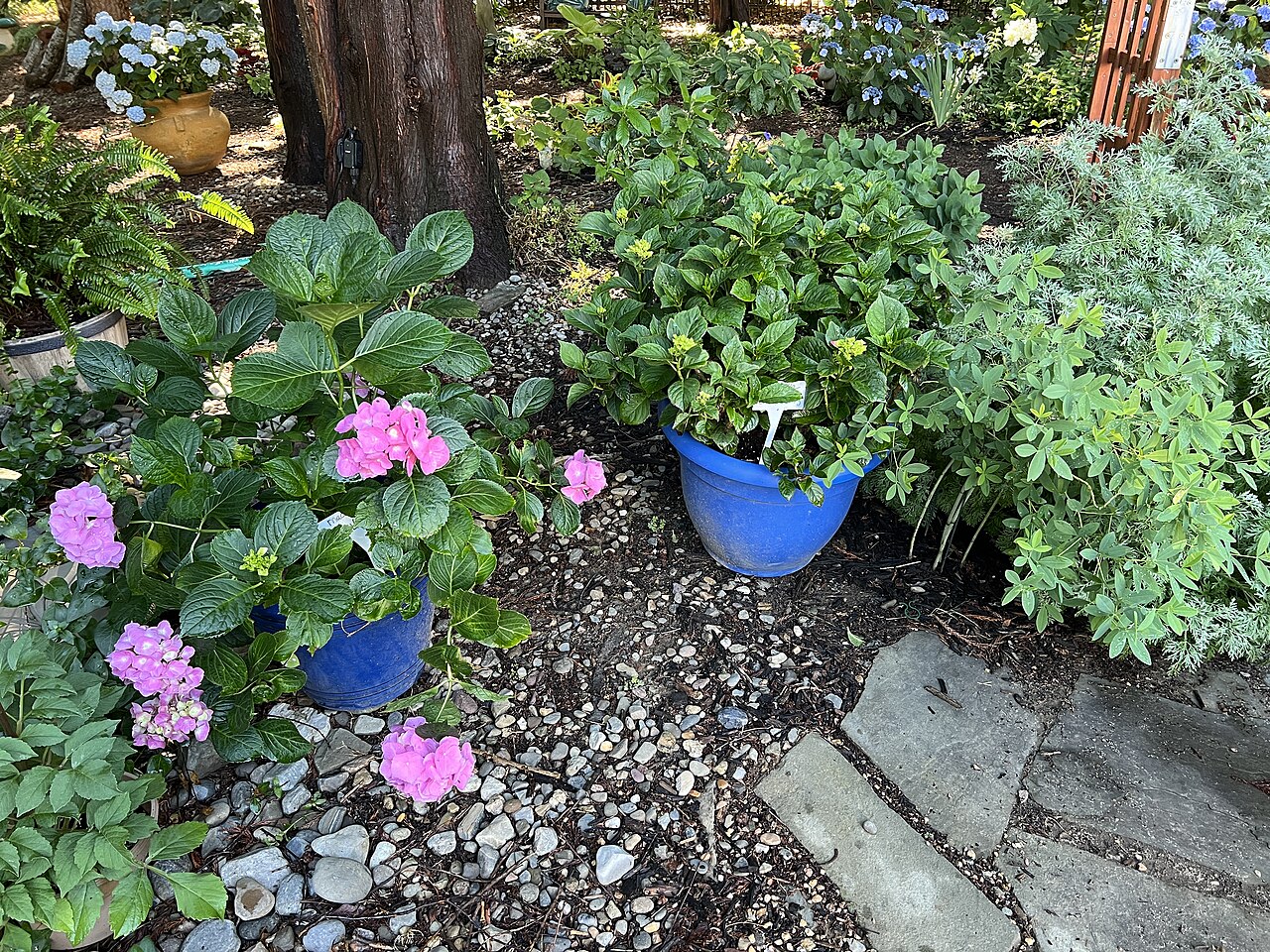
Hydrangeas have a reputation as shade plants, but “shade tolerant” does not mean “flowers well in darkness.” Deep shade can produce a handsome mass of leaves with few or no blooms. Most garden hydrangeas perform best with bright light or morning sun and protection from intense afternoon heat.
Watch the site in June rather than judging it in leafless March. Buildings, fences, and a mature tree canopy can reduce a once-sunny bed to brief patches of filtered light.
If the shrub gets almost no direct sun, selectively thin overhead branches where appropriate or move the hydrangea while it is dormant. Do not jump from deep shade to an exposed, west-facing hot spot; leaves and flowers can scorch, and the plant will demand far more water.
Light requirements differ by species and climate. Panicle hydrangeas tolerate more sun than bigleaf types, while hot southern gardens call for stronger afternoon protection. Match the plant to the site instead of relying on one universal “part shade” label.
Cause #4: Excess Nitrogen Is Feeding Leaves, Not Flowers
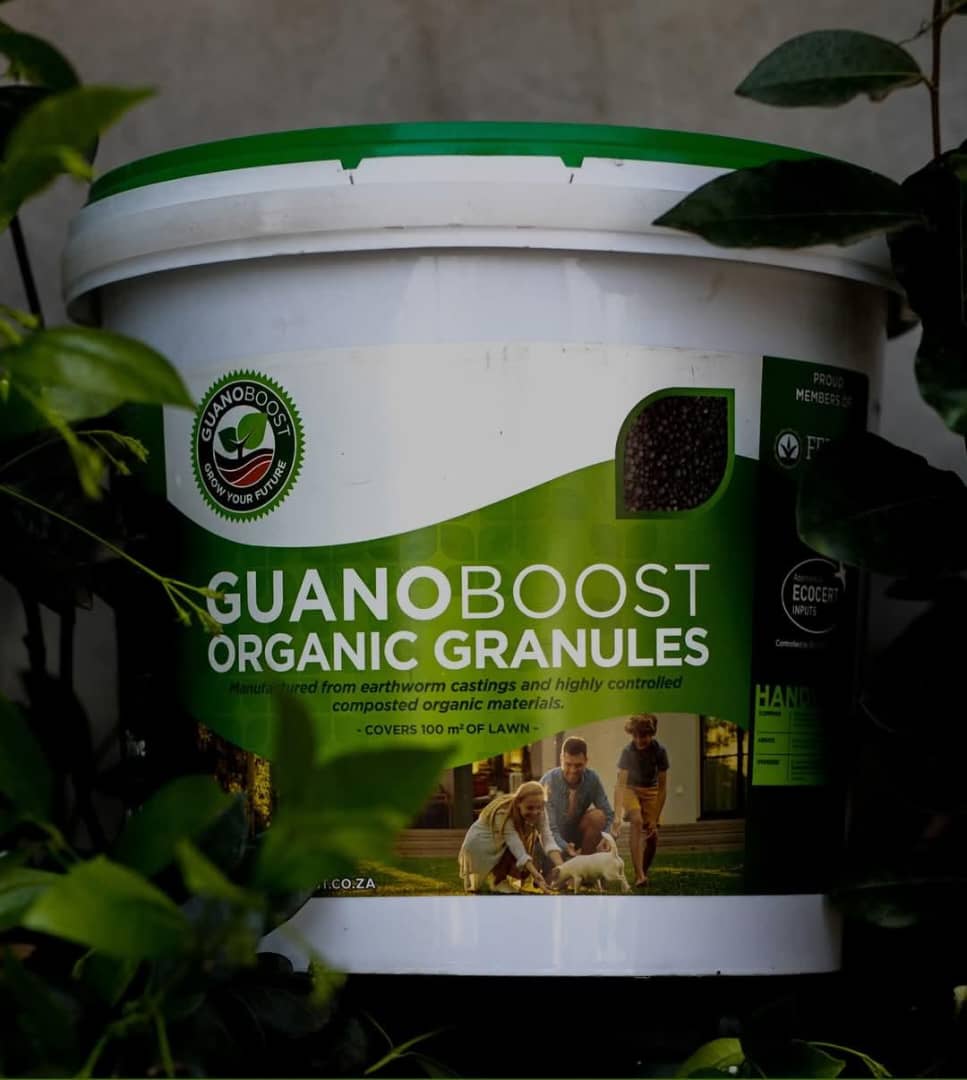
Fast growth and dark green leaves can look like proof that a feeding program works. They can also reveal the problem. Too much nitrogen encourages lush vegetative growth and can reduce flowering.
The fertilizer may not have been applied to the hydrangea directly. Lawn fertilizer spread past the turf edge can feed a foundation shrub, and repeated applications of manure or high-nitrogen plant food can do the same.
Stop fertilizing by habit. Have the soil tested, check the nitrogen percentage on every product used nearby, and correct an actual deficiency rather than treating missing flowers as one. Where fertilizer is warranted, Oregon State University Extension recommends a slow-release, balanced product in spring.
Do not dump phosphorus or bone meal around the plant as a bloom “fix.” It cannot replace pruned or frozen flower buds, and unnecessary phosphorus can accumulate in soil and move into waterways. Diagnosis comes before fertilizer.
Cause #5: Deer or Rabbits Ate the Flowering Tips
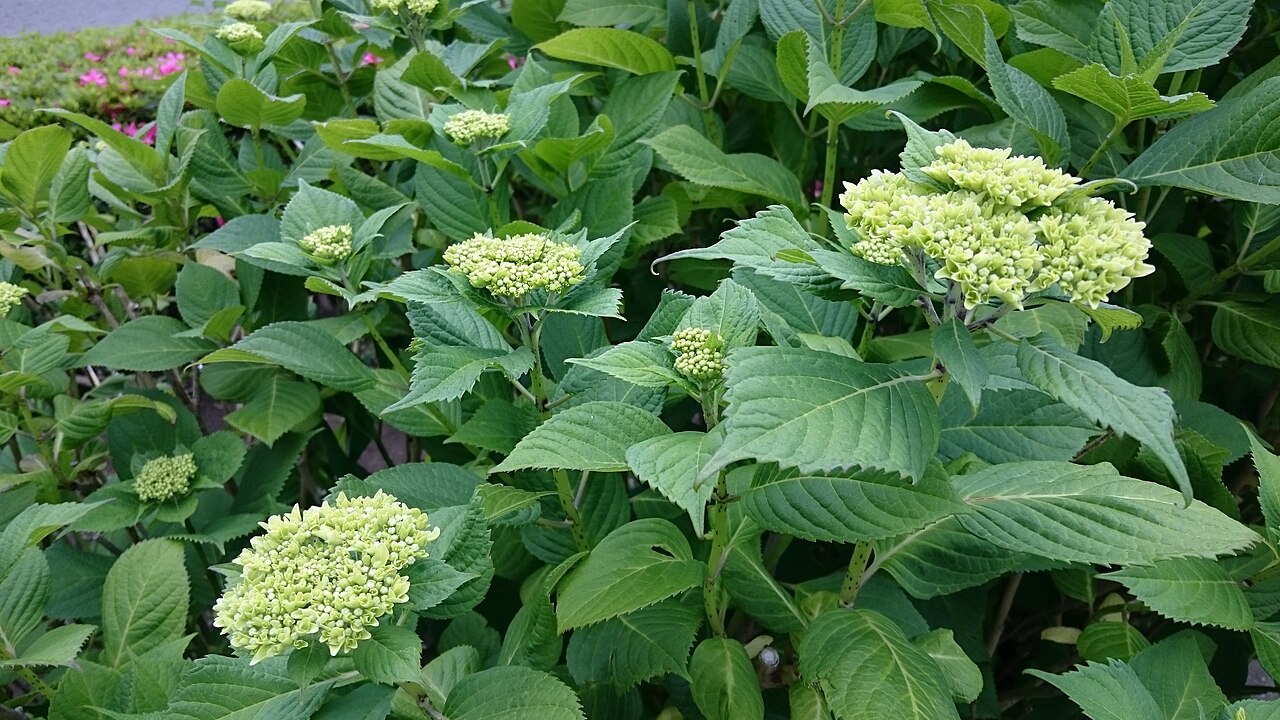
On many old-wood hydrangeas, the most important buds sit near the ends of stems—the exact parts browsing animals reach first. Deer may take buds and foliage; rabbits can clip lower stems during winter. A shrub can replace leaves after browsing without replacing that season’s flower buds.
Look for abruptly shortened shoots, ragged or angled ends, missing tip buds, tracks, and droppings. Clean pruning cuts point to a person; torn or nipped stems point somewhere else.
Protect the stems before damage occurs. A physical barrier is the most dependable option: use fencing for deer and a wide cylinder of hardware cloth for rabbits. Keep wire far enough from the branch tips that an animal cannot browse through it.
Repellents need repeated application and their performance varies with weather and hunger pressure. If browsing is constant, a tougher site, a protected planting, or a hydrangea that reblooms on new wood gives more reliable flowers.
Cause #6: Last Year’s Drought or Planting Stress Cost This Year’s Blooms
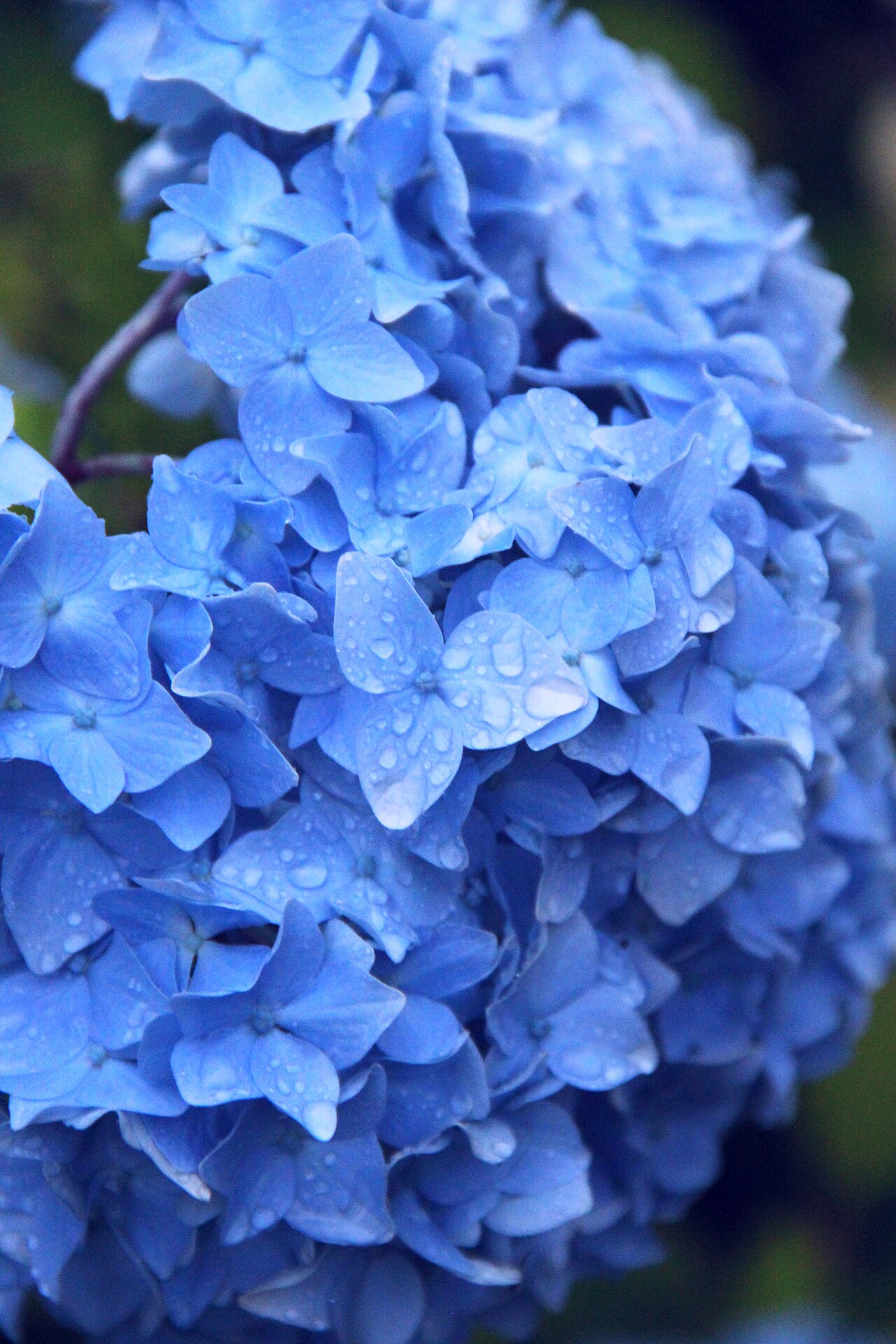
Old-wood hydrangeas prepare next year’s display during the previous summer and fall. Severe drought, excessive heat, transplant shock, or root trouble during that window can reduce bud formation. The reason for this summer’s missing flowers may have happened months ago.
Keep the root zone evenly moist during dry weather, especially on newly planted bigleaf hydrangeas. Water deeply rather than sprinkling the surface, then check the soil before watering again. Hydrangeas dislike both bone-dry soil and roots left in constantly soggy ground.
Apply 2 to 3 inches of organic mulch over the root zone, leaving a gap around the stems. A new shrub may spend its first season establishing roots instead of producing a full show; avoid trying to force it with extra fertilizer or repeated pruning.
Before fall cleanup, photograph the shrub, save its name, and leave sound stems in place. Watch where buds form next spring. That one season of evidence will tell you more than another blind cut—and it protects the flowers the plant may already be carrying.
References
- University of Maryland Extension: Hydrangea—Identify and Manage Problems
- University of Maryland Extension: Pruning Hydrangeas
- University of Illinois Extension: For Showy Blooms, Pruning Hydrangeas Is All About the Timing
- University of Minnesota Extension: Pruning Hydrangeas
- Oregon State University Extension: Hydrangeas Bring Beauty and Variety to Oregon Gardens
- University of New Hampshire Extension: Pruning Hydrangeas
- North Carolina Extension Gardener Plant Toolbox: Bigleaf Hydrangea
Image Credits
Featured graphic supplied by JPE Media. Section images from the GFL Outdoors media library: