Every spring, hydrangeas turn even seasoned gardeners into nervous wrecks. One week, they’re a sad pile of dead sticks; the next, you’re eyeing the base, debating prune it, feed it, move it—or beg for forgiveness.
But here’s the scoop: most aren’t dying—they’re just waking up on their own timeline. The real killer? Wrong moves at the wrong time, like harsh spring pruning, over-fertilizing, waterlogged soil, or a sneaky cold snap that robs your summer blooms.
Craving those jaw-dropping, vintage flower heads? Skip the magic potions. Success boils down to understanding hydrangea growth, identifying your variety, and nailing the right spring tasks for a blockbuster bloom season.
1. Start by identifying your hydrangea
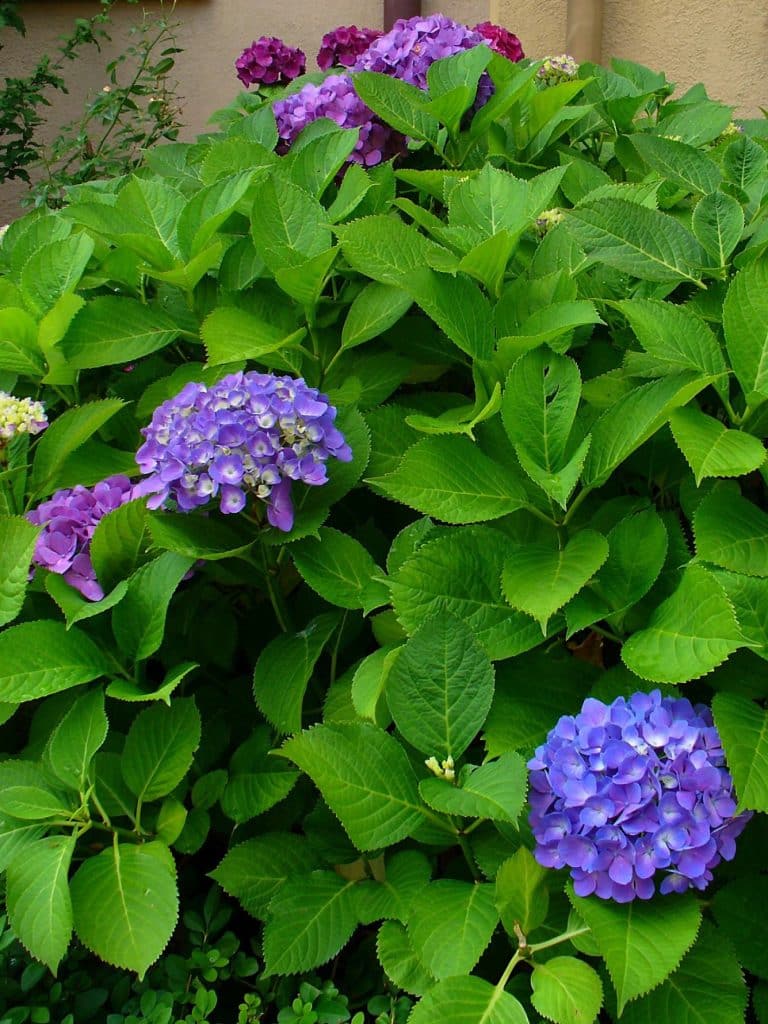
This is the step that makes every other hydrangea tip work.
- Bigleaf, mountain, and oakleaf hydrangeas usually bloom on old wood.
- Panicle and smooth hydrangeas usually bloom on new wood.
If you do not know which kind you have, it is very easy to cut off this summer’s flowers before the plant even wakes up.
Start there, and a lot of the confusion disappears. Bigleaf types usually have those classic blue or pink mopheads.
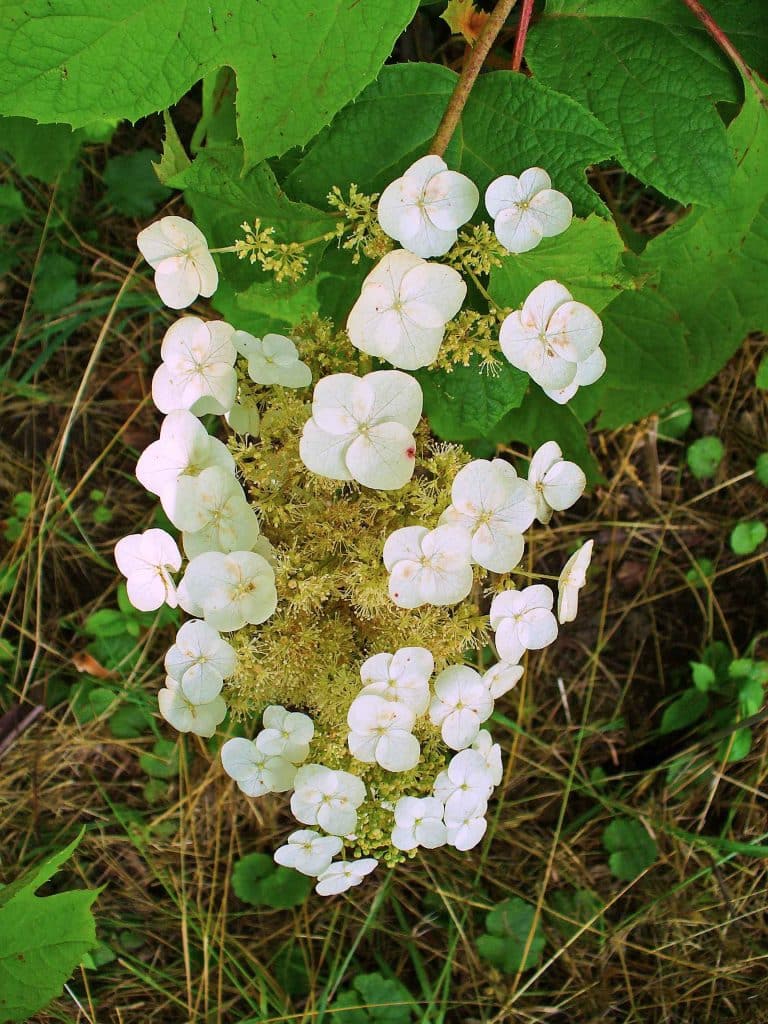
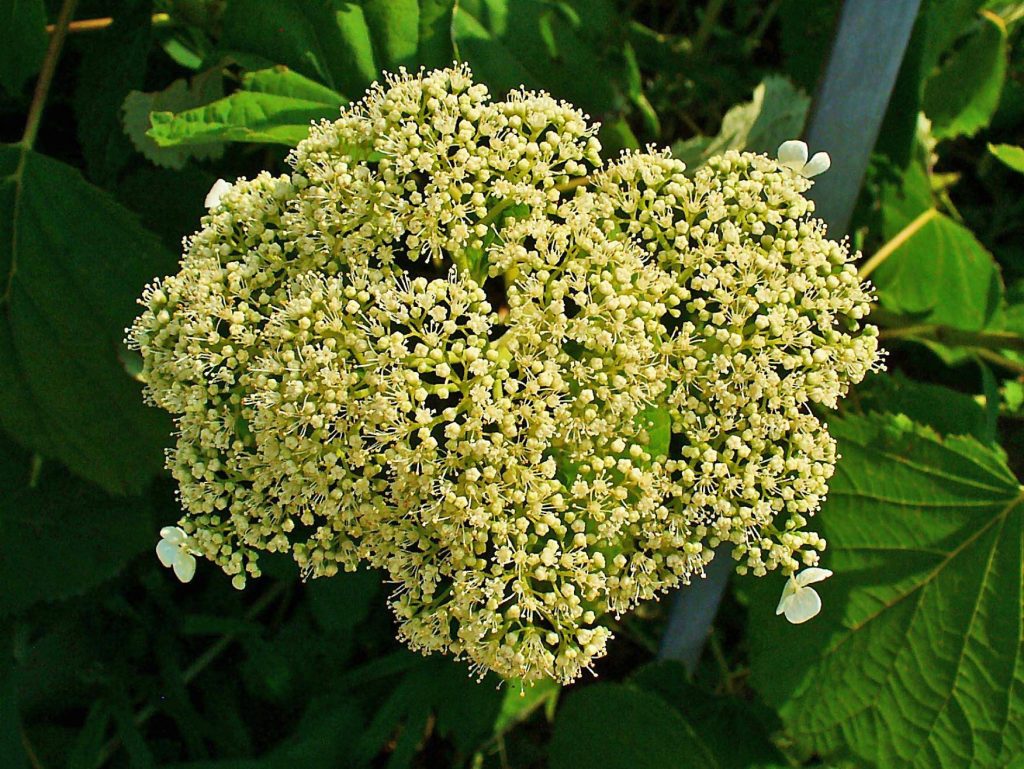
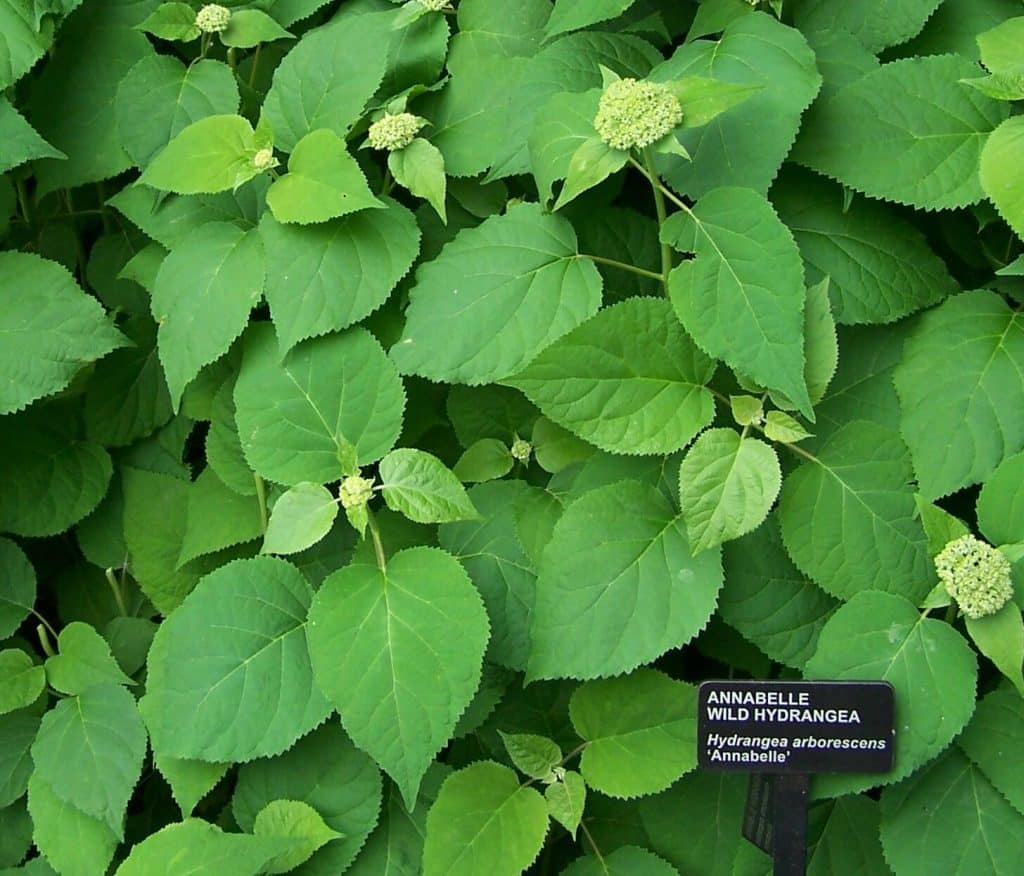
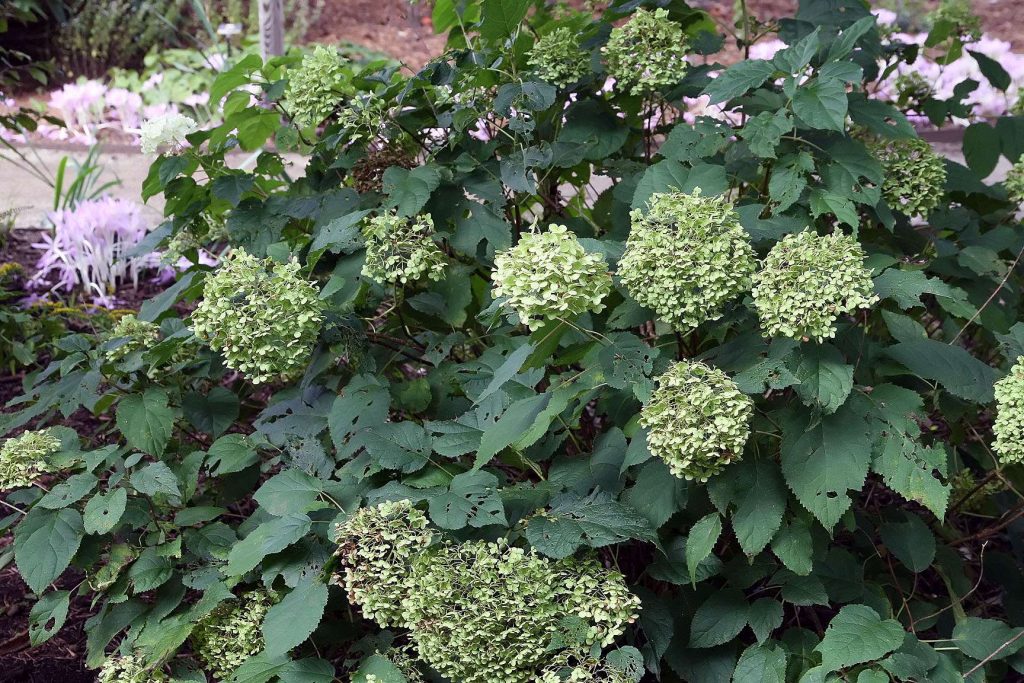
Oakleaf hydrangeas have leaves shaped like little oak leaves. Panicle hydrangeas throw cone-shaped blooms, and smooth hydrangeas like Annabelle tend to make big rounded flower heads on fresh growth.
2. Do not assume bare stems mean a dead plant
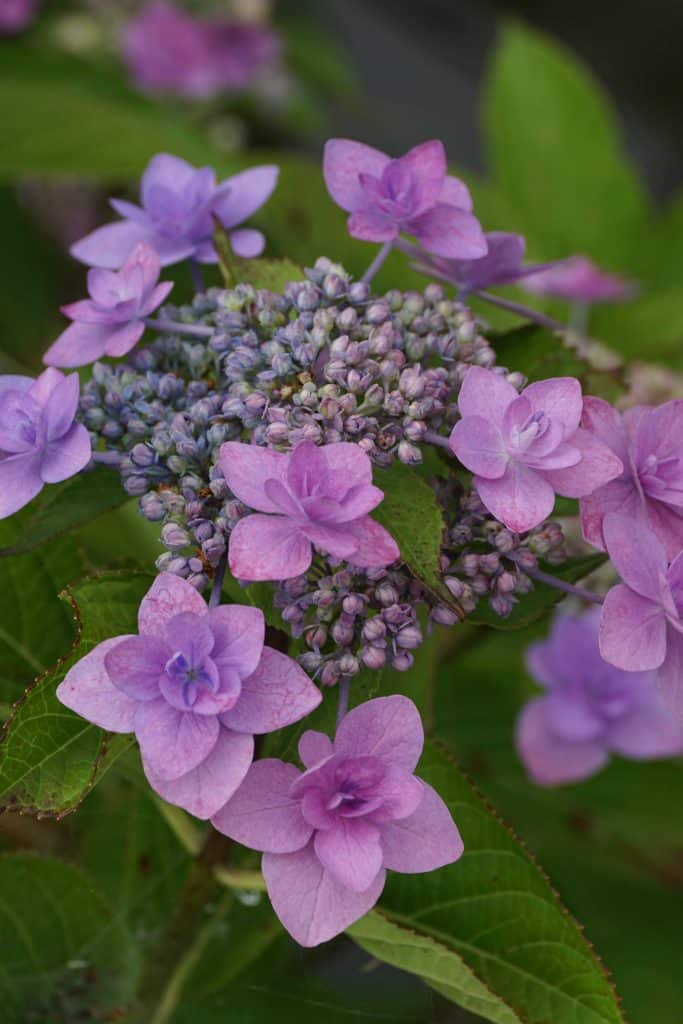
A hydrangea that still looks like dead sticks in early spring can still be perfectly alive. Many of them wake up slowly, and some only show life lower on the stems after the tips take winter damage.
That delay causes more panic-pruning than almost anything else. Give the plant a little time before you decide it is finished.
Once fresh buds start to swell, you can see what is alive and what is not. Until then, patience is one of the best bloom tricks you have.
3. Resist the urge to hard-prune in spring
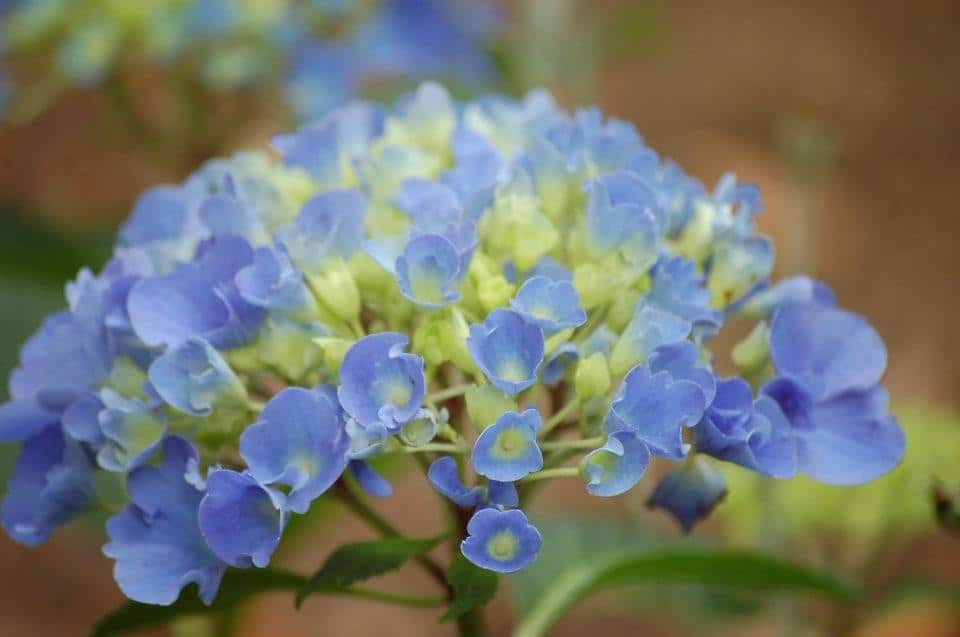
This is where a lot of summer flowers disappear. Old-wood hydrangeas already formed their flower buds last year, so a hard spring pruning can remove the entire show in one afternoon.
That is why so many gardeners end up with healthy green leaves and no blooms. If you grow bigleaf, mountain, or oakleaf hydrangeas, go easy in spring.
A light cleanup is fine. A full haircut is usually not. Save major shaping for just after flowering on those types.
4. If you have panicle hydrangeas, prune with confidence

Panicle hydrangeas are much more forgiving, which is one reason so many gardeners fall in love with them.
They bloom on new wood, so you can prune them in late winter or early spring without sacrificing flowers.
In fact, a thoughtful pruning often helps create a stronger shape and bigger flower heads. Cut back to strong buds and remove weak or crossing stems. You are not hurting the display. You are helping set it up.
5. If you have smooth hydrangeas, give them a real cleanup
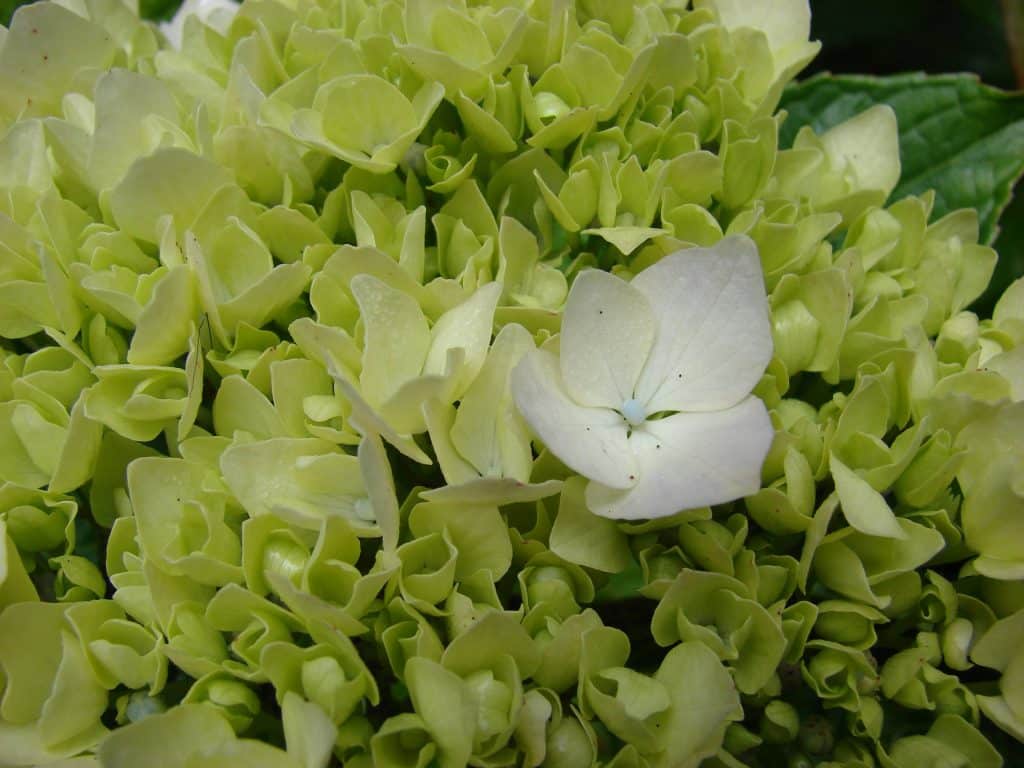
Smooth hydrangeas, including Annabelle types, also bloom on new wood. That means spring is the right time to clean them up.
Many gardeners cut them back fairly hard to refresh the plant and encourage sturdy new stems. This can be especially helpful if last year’s growth looks tired, flopped over, or beat up by winter.
A clean reset often leads to fresh growth and a fuller summer performance.
6. On old-wood types, remove only what is truly dead
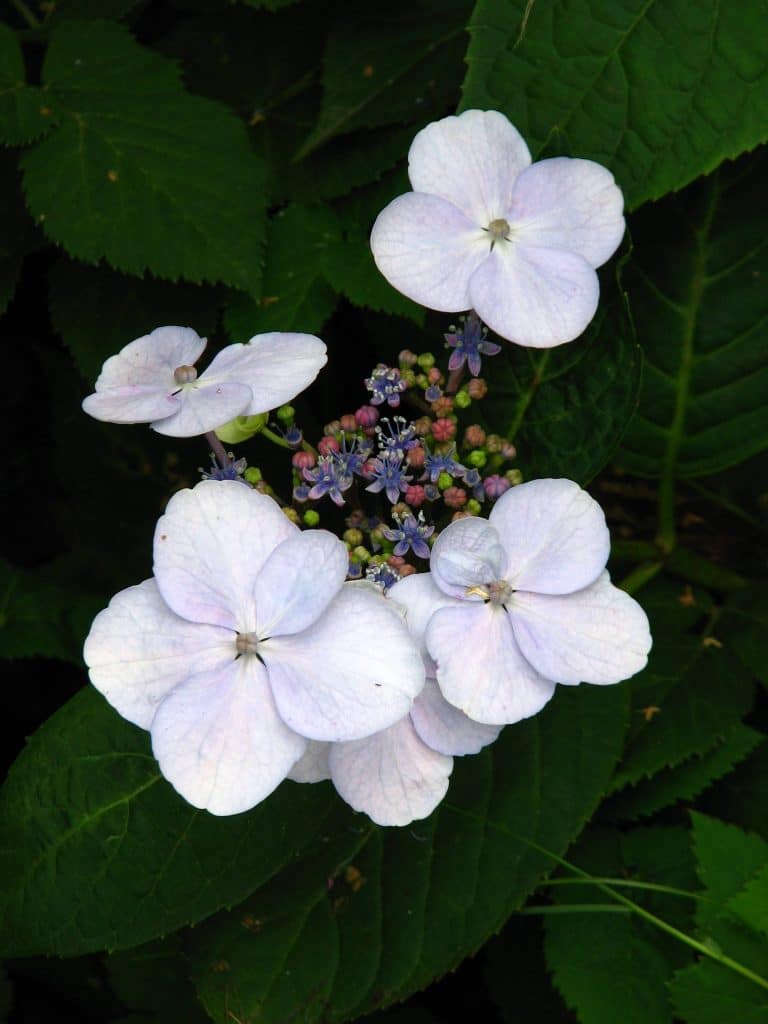
There is a big difference between removing dead wood and chopping back a living shrub.
On old-wood hydrangeas, the smartest move is to wait until buds start to open, then trim only the obviously dead tips back to healthy tissue.
That keeps you from sacrificing stems that still carry flower buds. If a branch is brittle, brown all the way through, and shows no sign of life, take it out.
Otherwise, leave more than you think you should. Hydrangeas often surprise people.
7. Protect buds from late frosts
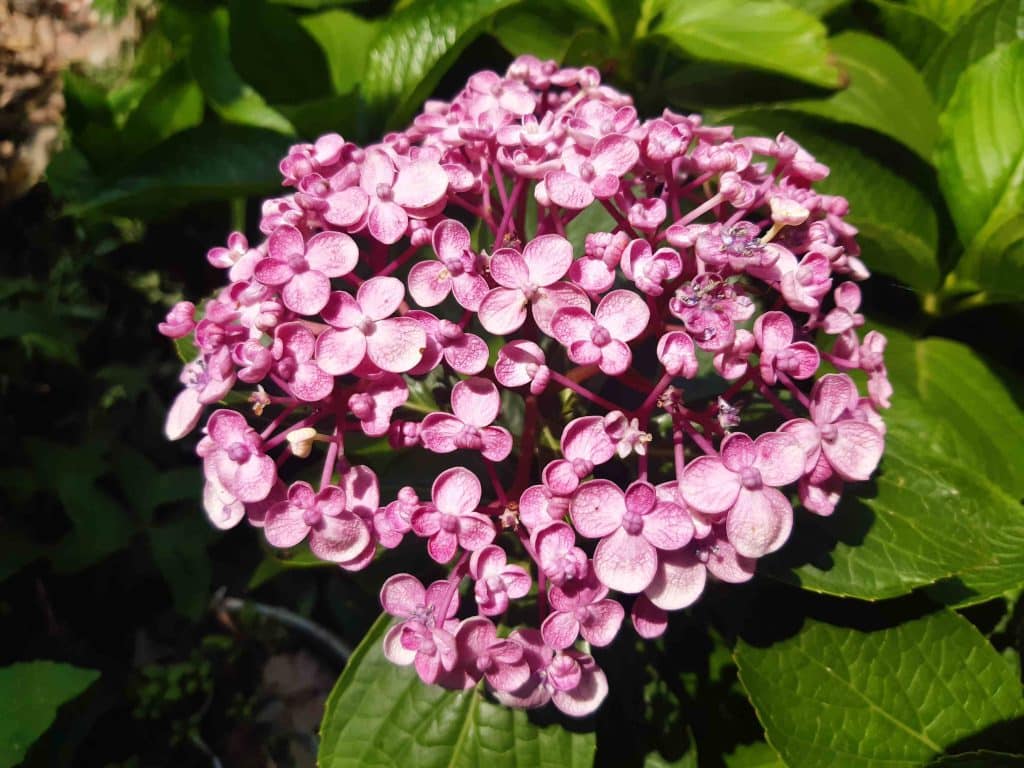
A warm stretch in early spring can wake up hydrangea buds fast, and then one hard late frost can wipe them out.
The plant may leaf out anyway, but the flower show can be gone. If swelling buds are exposed and a cold snap is coming, throw a frost cloth or even a light sheet over the plant for the night.
It is a simple trick, but it can save the entire season on old-wood bloomers.
In a lot of yards, the plant is not the problem. The weather is.
8. Give them the light they actually want
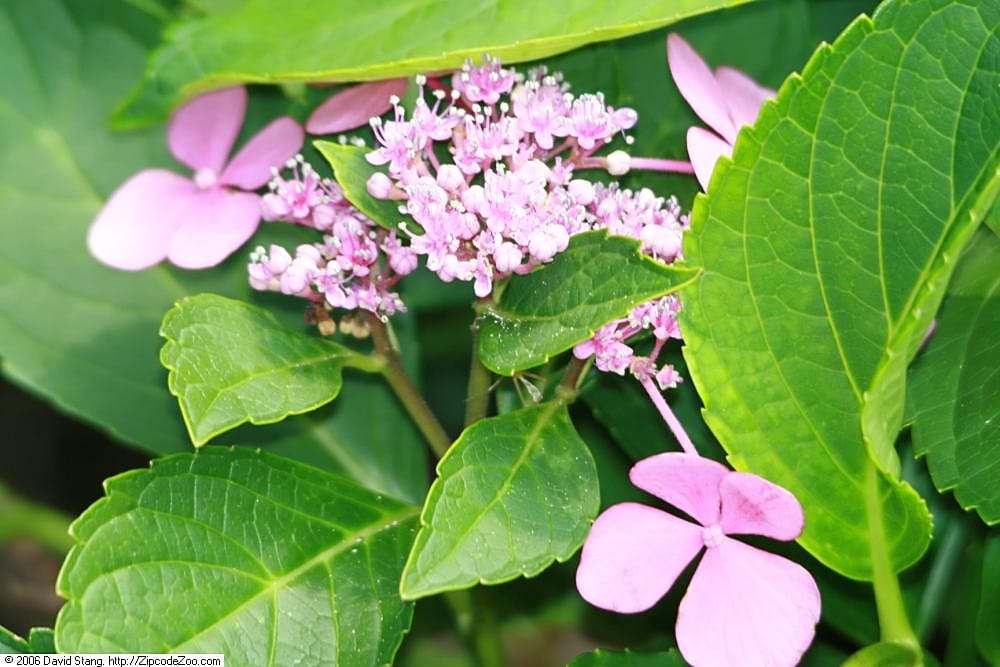
Hydrangeas are often planted where they fit, not where they perform best. Most do very well with morning sun and cooler afternoon shade.
- Too much heavy shade can mean weak flowering.
- Too much blistering afternoon sun can leave them stressed, droopy, and burnt.
If your hydrangea survives but never really thrives, the light may be wrong. Fix that, and the plant often responds better than any fertilizer ever could.
9. Keep the soil evenly moist as growth begins
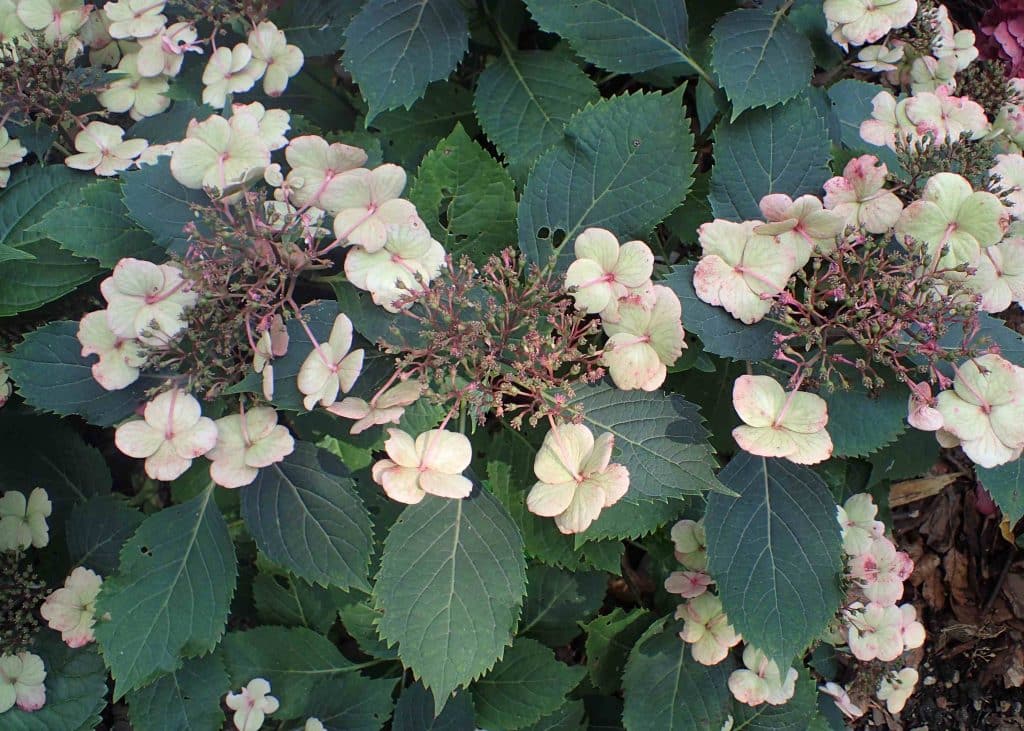
As hydrangeas wake up, they are building the growth that supports summer flowers. That means steady moisture matters.
They do not like drying out hard and then getting flooded. Keep the soil evenly moist, especially in spring when roots, leaves, and buds are all getting back to work.
Deep watering is better than quick splashes. The goal is a root zone that stays reliably damp, not soggy and not bone dry.
10. Fix drainage problems before they steal the season
Hydrangeas like moisture, but they do not want to sit in waterlogged soil. If your planting area stays swampy after rain, roots can struggle, and the plant may never really build momentum.
Before blaming the shrub, look at the site. Is the soil heavy and slow draining? Does water collect there?
Sometimes the best bloom trick is improving drainage, raising the bed a little, or relocating the plant to a spot where roots can breathe.
11. Top-dress with compost instead of overreacting with fertilizer

A dormant-looking shrub can tempt people into dumping fertilizer around it, but compost is usually the smarter first move.
A top-dressing of compost helps improve soil texture, supports more even moisture, and feeds the plant gently.
It also makes the root zone healthier over time instead of chasing a fast green-up. If your goal is big, steady performance, build better soil first. Hydrangeas love rich ground more than they love quick fixes.
12. Mulch them like you mean it

Fresh mulch does more than make the bed look tidy. It helps hold moisture, softens soil temperature swings, and cuts down on weed competition while the plant is waking up.
A two- to three-inch layer is usually about right. Just keep it pulled back from the stems so the base does not stay too wet. This is one of those simple chores that quietly helps all season long.
13. Feed lightly, not aggressively
Hydrangeas are not heavy feeders in the way people sometimes imagine.
Too much fertilizer, especially nitrogen, can push a lot of soft green growth at the expense of flowers. That is how you end up with a huge shrub that looks healthy but blooms lightly.
Feed lightly, and only if the plant really needs it. In a lot of cases, good soil and compost do more for blooms than overfeeding ever will.
14. Pay attention to the calendar on old-wood bloomers
Old-wood hydrangeas start setting up next year’s flowers earlier than most gardeners realize. That means late summer and fall pruning can be just as damaging as spring pruning.
If you keep trimming because the shrub looks messy, you may be removing next year’s bloom buds one cut at a time.
Once you understand that timing, the whole plant makes more sense. The trick is not just how you prune. It is when you stop.
15. Thin crowded stems instead of just shearing the outside

When a hydrangea gets dense, shearing the outside is the lazy fix, and it usually makes the plant more crowded. A better move is selective thinning.
Remove a few of the oldest stems at the base, and open up the center enough for light and air to move through.
That keeps the plant natural-looking and healthier without wrecking the bloom cycle. It also helps you avoid that tight shell of leaves with weak interior growth.
16. Deadhead reblooming hydrangeas to keep the show going

If you grow a reblooming hydrangea, deadheading can help keep the show going. Snip off faded flowers once they are spent instead of letting the plant pour energy into old heads.
This is especially useful on reblooming bigleaf types that can flower again later. Do not turn it into an aggressive pruning session. Just clean off the old blooms and let the plant keep pushing.
17. Know when a rebloomer changes the rules
Rebloomers change the usual rules because they can flower on both old and new growth.
That makes them more forgiving if winter cold, deer, or bad timing knocks out some buds. They are not magic, but they do give you more ways to win.
If you have struggled with classic bigleaf hydrangeas for years, switching to a reblooming variety can make you feel like a better gardener overnight.
18. Use flower color as a clue, not just a cosmetic detail
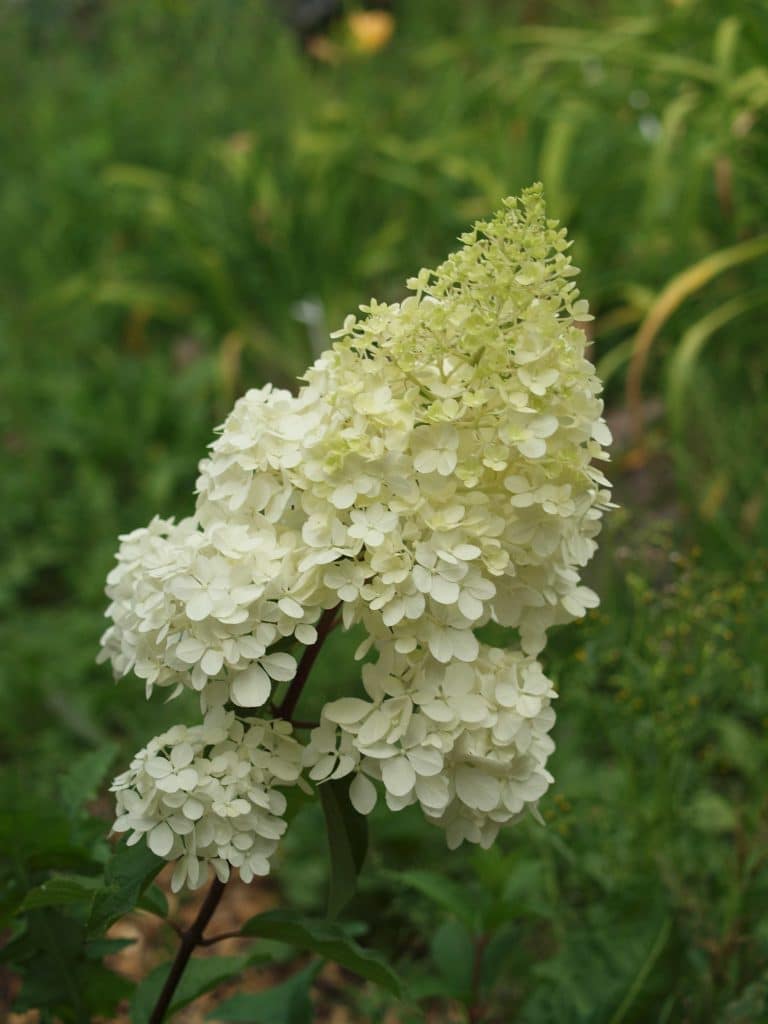
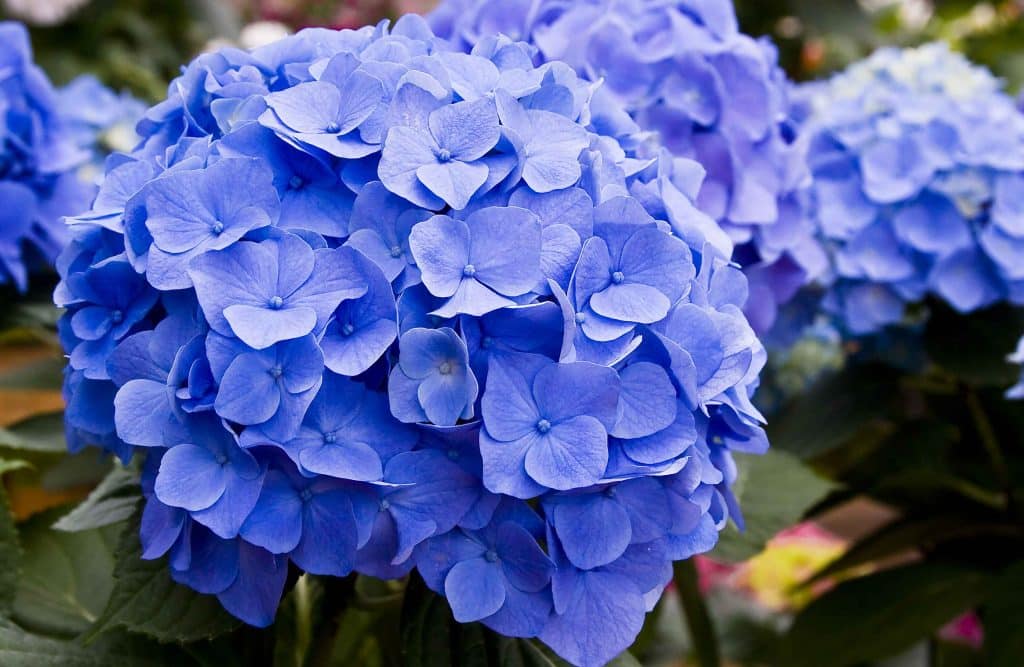
Hydrangea flower color is not just pretty. On many bigleaf and mountain hydrangeas, it tells you something about the soil.
Bluer flowers usually point to more acidic conditions, while pinker flowers often show up in less acidic soil.
That does not guarantee more blooms by itself, but it helps you understand what is going on around the roots. It also keeps people from chasing color changes blindly without testing the soil first.
19. If winter damage keeps ruining blooms, switch types
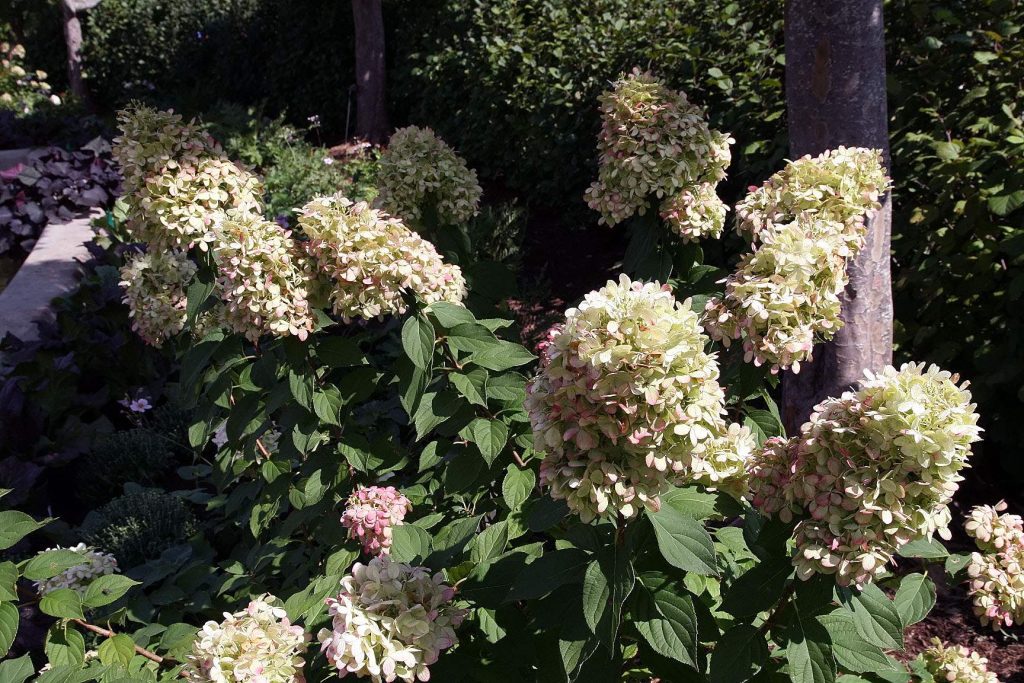
If late freezes, winter dieback, or repeated pruning mistakes keep wrecking your blooms, stop fighting the wrong plant for your yard.
Panicle and smooth hydrangeas are often far more dependable because they bloom on fresh growth. You do not have to baby last year’s stems to get flowers.
Sometimes the biggest trick is choosing a type that matches your conditions instead of trying to force a finicky one to behave.
20. Be patient once you have done the right things
Hydrangeas do not usually reward panic. Once you fix the pruning, improve the light, steady the watering, and stop overfeeding, the plant still needs time to respond.
Some badly pruned shrubs need a full season to get back in rhythm. Others need another year to really show what they can do.
Good hydrangea care is often about doing fewer wrong things and then letting the plant catch up. That patience is what turns a bundle of sticks into a summer showpiece.
Photo Credits
All photos used in this article are from Wikimedia Commons and are credited below under their respective Creative Commons licenses.
- Image 1: Hydrangea macrophylla by H. Zell, licensed under CC BY-SA 3.0, via Wikimedia Commons.
- Image 2: Lacecap hydrangea by Nagahitoyuki, licensed under CC BY-SA 4.0, via Wikimedia Commons.
- Image 3: Blue bigleaf hydrangea by Michele Dorsey Walfred, licensed under CC BY 2.0, via Wikimedia Commons.
- Image 4: Hydrangea macrophylla flower buds by Forest & Kim Starr, licensed under CC BY 3.0 US, via Wikimedia Commons.
- Image 5: Hydrangea macrophylla flowers and buds by Forest & Kim Starr, licensed under CC BY 3.0 US, via Wikimedia Commons.
- Image 6: Hydrangea serrata by Andrey Korzun (Kor!An), licensed under CC BY-SA 3.0, via Wikimedia Commons.
- Image 7: Hydrangea serrata by Sabina Bajracharya, licensed under CC BY-SA 4.0, via Wikimedia Commons.
- Image 8: Hydrangea ‘Blue Wave’ by David J. Stang, licensed under CC BY-SA 4.0, via Wikimedia Commons.
- Image 9: Hydrangea serrata ‘MAK20’ by Kenraiz, licensed under CC BY-SA 4.0, via Wikimedia Commons.
- Image 10: Hydrangea quercifolia by H. Zell, licensed under CC BY-SA 3.0, via Wikimedia Commons.
- Image 11: Oakleaf hydrangea spring growth by Greg5030, licensed under CC BY-SA 3.0, via Wikimedia Commons.
- Image 12: Hydrangea ‘Alice’ by David J. Stang, licensed under CC BY-SA 4.0, via Wikimedia Commons.
- Image 13: Hydrangea arborescens by H. Zell, licensed under CC BY-SA 3.0, via Wikimedia Commons.
- Image 14: Hydrangea arborescens by Bruce Marlin, licensed under CC BY-SA 2.5, via Wikimedia Commons.
- Image 15: Hydrangea arborescens ‘Annabelle’ by Giligone, licensed under CC BY-SA 3.0, via Wikimedia Commons.
- Image 16: Hydrangea arborescens ‘Annabelle’ by Captain-tucker, licensed under CC BY-SA 3.0, via Wikimedia Commons.
- Image 17: Hydrangea ‘Annabelle’ by David J. Stang, licensed under CC BY-SA 4.0, via Wikimedia Commons.
- Image 18: Hydrangea paniculata by Andrzej Opejda, licensed under CC BY-SA 4.0, via Wikimedia Commons.
- Image 19: Hydrangea ‘Limelight’ by David J. Stang, licensed under CC BY-SA 4.0, via Wikimedia Commons.
- Image 20: Blue hydrangea by Muffet, licensed under CC BY 2.0, via Wikimedia Commons.