The best time to think about next year’s mums is while this year’s flowers still look good. If you bought a garden mum suited to your climate, plant it promptly while there is still time for roots to establish. Waiting until the porch display is finished can waste valuable growing weather. November is already late in many cold regions, but your local conditions matter more than the month printed on the calendar.
Move Hardy Mums Into the Garden While They Still Look Good
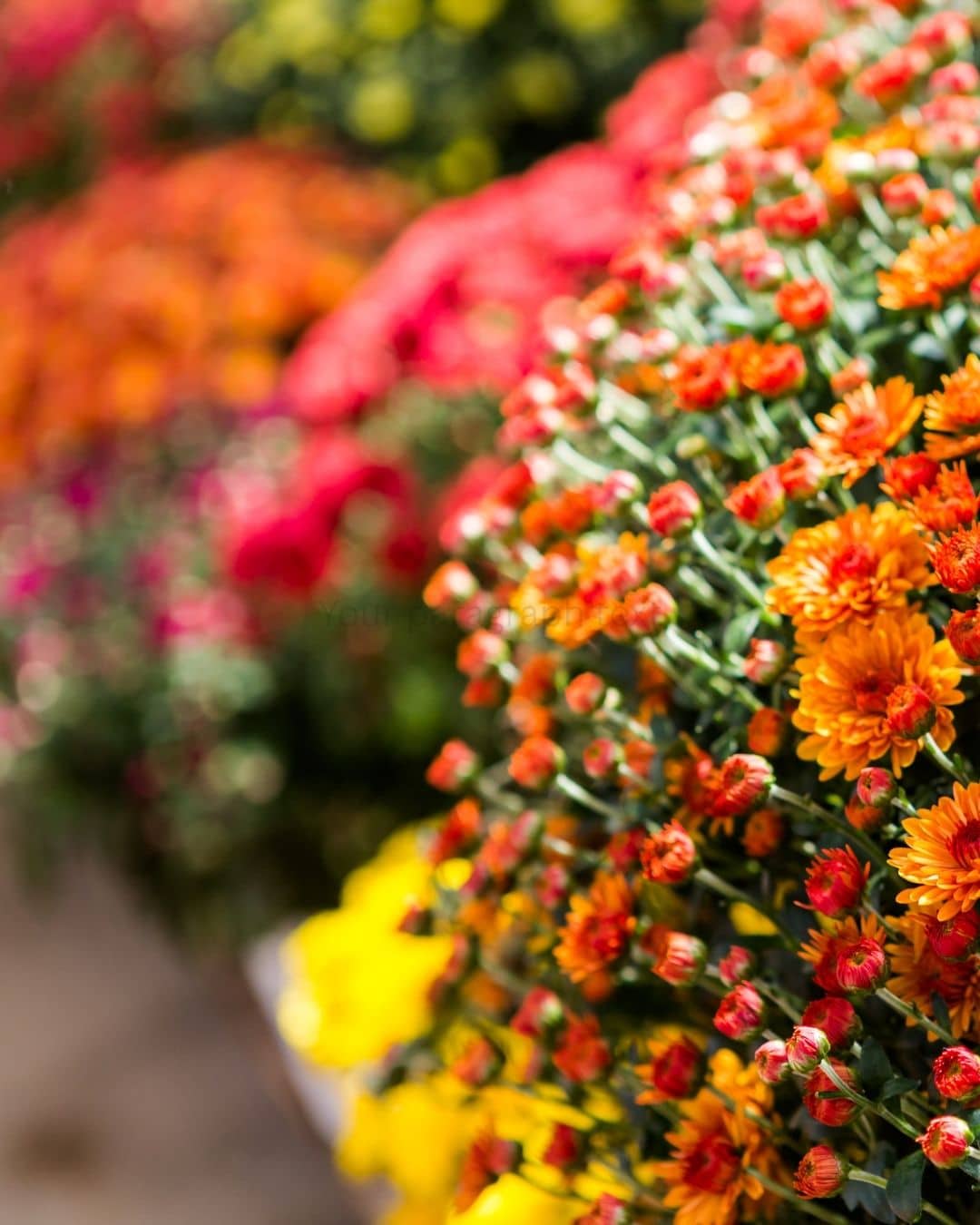
It is tempting to give a mum several weeks beside the front door, then plant it once the flowers turn brown. For a plant you hope to keep, that order can work against you.
Roots need an establishment window before winter. Getting a suitable garden mum into the ground earlier gives it more time to grow beyond its nursery root ball. Waiting for every last flower to fade uses up that opportunity.
You can plant a healthy, container-grown mum while it is flowering. Handle the root ball gently, water it in, and let the garden become part of the fall display.
For the strongest long-term start in cold-winter regions, spring planting is still the better choice. But if you already have an appropriate mum in early fall, planting promptly offers better odds than leaving it on the steps until the season is nearly over.
Check the Variety and the Weather Before You Dig
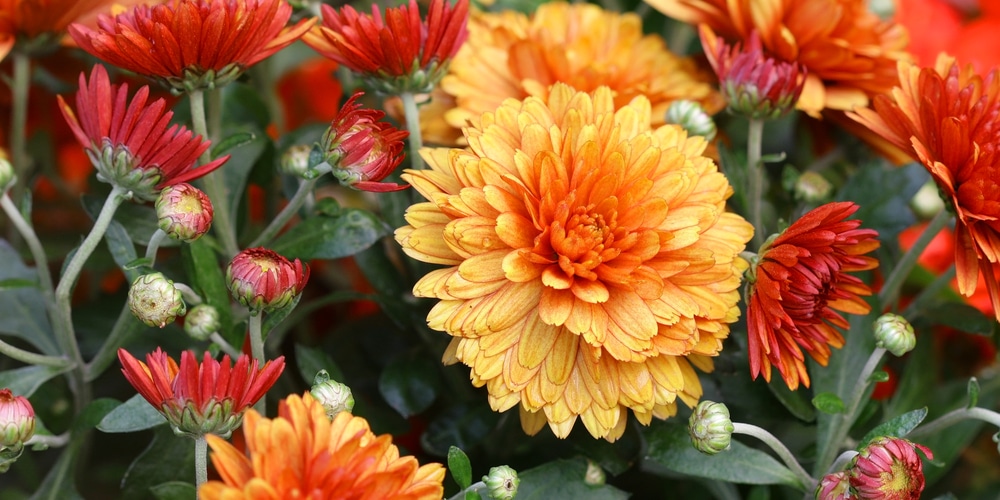
Start with a garden mum rated hardy in your USDA zone. A named cultivar with a good local track record is a better bet than a pot labeled only “fall color.” Flower color and a rounded shape do not tell you whether it will survive winter.
Florist mums grown for temporary displays are often unreliable outdoors in cold climates. Planting one earlier does not change its genetics, and stores may carry both garden and florist varieties.
Next, consider the season left in your area. The goal is usable root-growing time—not simply getting a shovel into unfrozen soil one day before a deep freeze.
November is not a universal cutoff. In a mild climate, fall can still be a suitable planting season; in a colder region, the useful window may close much earlier. If prolonged freezes are close, use the protected-storage option below rather than expecting rushed planting to guarantee survival.
Give the Root Ball a Proper Home
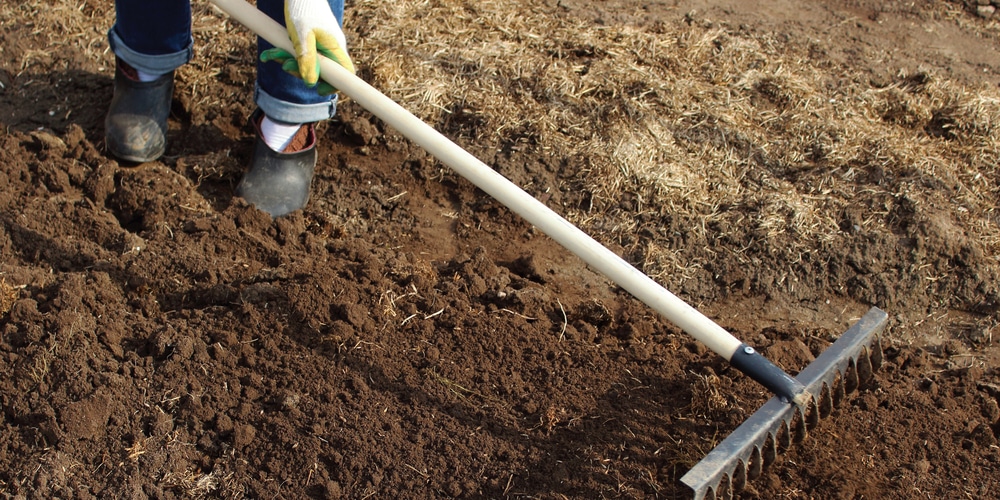
Choose a spot with at least six hours of direct sun during the growing season and soil that drains well. Avoid places where water pools or a downspout repeatedly floods the bed. Allow enough space for the variety’s mature width.
Water a dry nursery pot before planting and let it drain. Prepare the hole before taking the plant out, so the roots spend less time exposed.
Dig the hole wider than the root ball, but only deep enough to keep the mum at its original soil level. If the bed needs organic matter, work compost through the planting area rather than making a small pocket of completely different soil.
Slide the mum out while supporting its root ball; do not pull it free by the stems. If roots are circling the outside, gently tease those outer roots loose. If they are not circling, avoid unnecessary disturbance.
Set the top of the root ball level with the surrounding soil. Backfill, firm gently, and water thoroughly. Burying the crown deeper is not a substitute for winter protection.
Water the Original Root Ball, Not Just the Surrounding Bed

Here is a detail that can make a newly planted mum surprisingly frustrating: the nursery potting mix can dry out faster than the garden soil around it. A damp-looking bed does not necessarily mean the roots have enough moisture.
Check the original root ball itself, just beneath the surface, as well as the soil beside it. When it needs water, apply it slowly at the base so the water soaks into that root zone.
Keep the root ball evenly moist while the plant establishes, without leaving it saturated. Hot, windy days and a large flowering canopy can increase demand; cool, wet weather can reduce it.
Keep checking after the flowers fade. Brown blooms are not a signal that the roots no longer need care. Let soil moisture and the weather guide watering, rather than automatically watering every day or stopping at the first chilly night.
Leave Healthy Stems Standing and Add Winter Protection Later
Planting early and preparing for winter are separate jobs. You do not need to cut the plant down or bury it under a winter blanket the moment it comes home.
Leave healthy top growth standing through winter. Save the main cutback for spring. That old growth can help protect the plant; shearing everything off after flowering can reduce its chances in a cold winter.
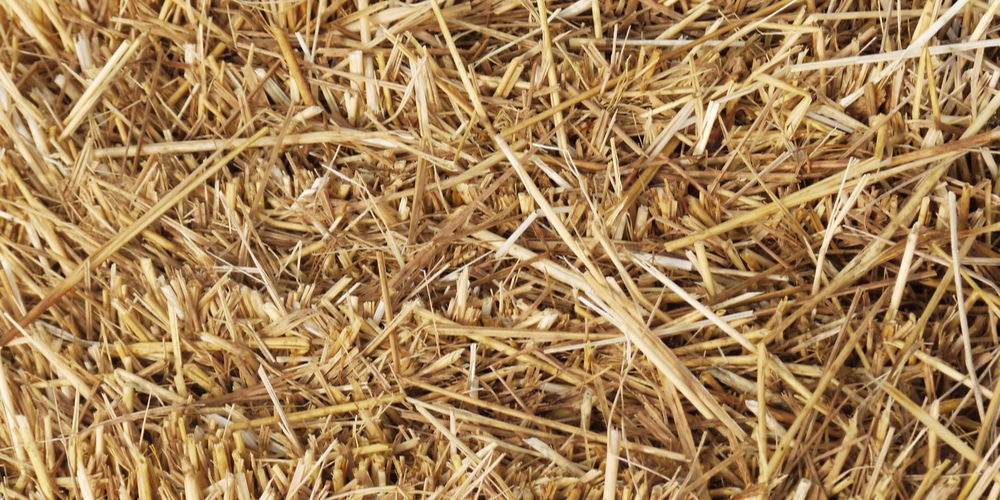
In cold-winter areas, add a loose protective layer of clean straw or pine needles in late fall, after the ground begins freezing. Roughly 4 inches is a useful depth for that seasonal protection.
The purpose is to moderate temperature swings. Repeated freezing and thawing can heave shallow-rooted mums upward and expose their roots.
Avoid packing wet leaves into a dense mat over the plant. Loosen and pull back the winter covering as the ground thaws and growth resumes in spring. Leave room for the new shoots, and remove the old dead stems carefully.
If You Have Already Missed the Planting Window

An exposed nursery pot is a difficult place for a hardy mum to spend a cold winter. Its small volume of potting mix loses heat faster than garden soil and offers less protection from temperature swings.
For a suitable garden variety, protected dormant storage is one option. After a hard frost sends the plant into dormancy, move the pot to a cool, sheltered location such as an unheated garage that avoids severe cold.
Check the actual conditions inside: a warm room can encourage premature growth, while an extremely cold outbuilding may offer too little protection. Check moisture periodically and water enough to prevent the root ball from drying completely, allowing excess water to drain.
Plant it outdoors in spring when conditions are suitable. Survival is still uncertain, especially with an unknown variety, but leaving it unprotected on the porch is not the only choice.
Next time, decide at checkout whether the mum is a seasonal decoration or a future garden plant. If it is the latter, choose the variety and planting spot before you arrange the pumpkins around it.
References
- University of Illinois Extension: Fall Garden Mums in the Garden
- University of Illinois Extension: Chrysanthemums—A Flourish of Fall Colors
- Iowa State University Extension: Growing Chrysanthemums in Iowa
- Iowa State University Extension: When Is the Best Time to Plant Garden Mums?
- Clemson Extension: How to Grow Garden Mums in South Carolina
- University of Maryland Extension: Perennials—Selection, Planting, and Care
- Iowa State University Extension: How Should I Prepare Mums for Winter?
- University of Illinois Extension: Overwintering Potted Plants
- University of Illinois Extension: Why Do My Mums Always Die?
Image Attributions
Move Hardy Mums Into the Garden While They Still Look Good
- “Chrysanthemum (Garden Mum) 45” — GFL Outdoors media library.
Check the Variety and the Weather Before You Dig
- “mums (1)” — GFL Outdoors media library.
Give the Root Ball a Proper Home
- “Rake Ground” — GFL Outdoors media library.
Water the Original Root Ball, Not Just the Surrounding Bed
- “Garden watering hose lying on grassy lawn” — GFL Outdoors media library.
Leave Healthy Stems Standing and Add Winter Protection Later
- “straw” — GFL Outdoors media library.
If You Have Already Missed the Planting Window
- “Chrysanthemums in a plant nursery” by liz west, licensed under CC BY 2.0. Displayed at a reduced size.

Featured illustration supplied by the publisher.