Coneflowers have a reputation for thriving on neglect, but there is a difference between a plant that merely survives and one that stands upright, blooms for weeks, and returns reliably. Most problems trace back to three things: too little sun, soil that stays wet, or too much attention with the hose and fertilizer.
This guide focuses on Echinacea, especially the familiar purple coneflower (Echinacea purpurea). Use the quick chart below to choose the right spot, then follow the care tips for stronger plants, more flowers, and fewer disease problems.
Coneflower Care at a Glance
| Light | Full sun is best; aim for at least 6 hours daily |
|---|---|
| Soil | Average, well-drained soil; clay is fine if water drains away |
| Water | Regular moisture while establishing, then deep watering during extended dry spells |
| Spacing | Usually 18 to 24 inches, depending on the variety |
| Hardiness | Most garden coneflowers grow in USDA Zones 3 through 9 |
| Bloom time | Early or midsummer into fall, depending on climate and cultivar |
| Fertilizer | Little to none in average garden soil |
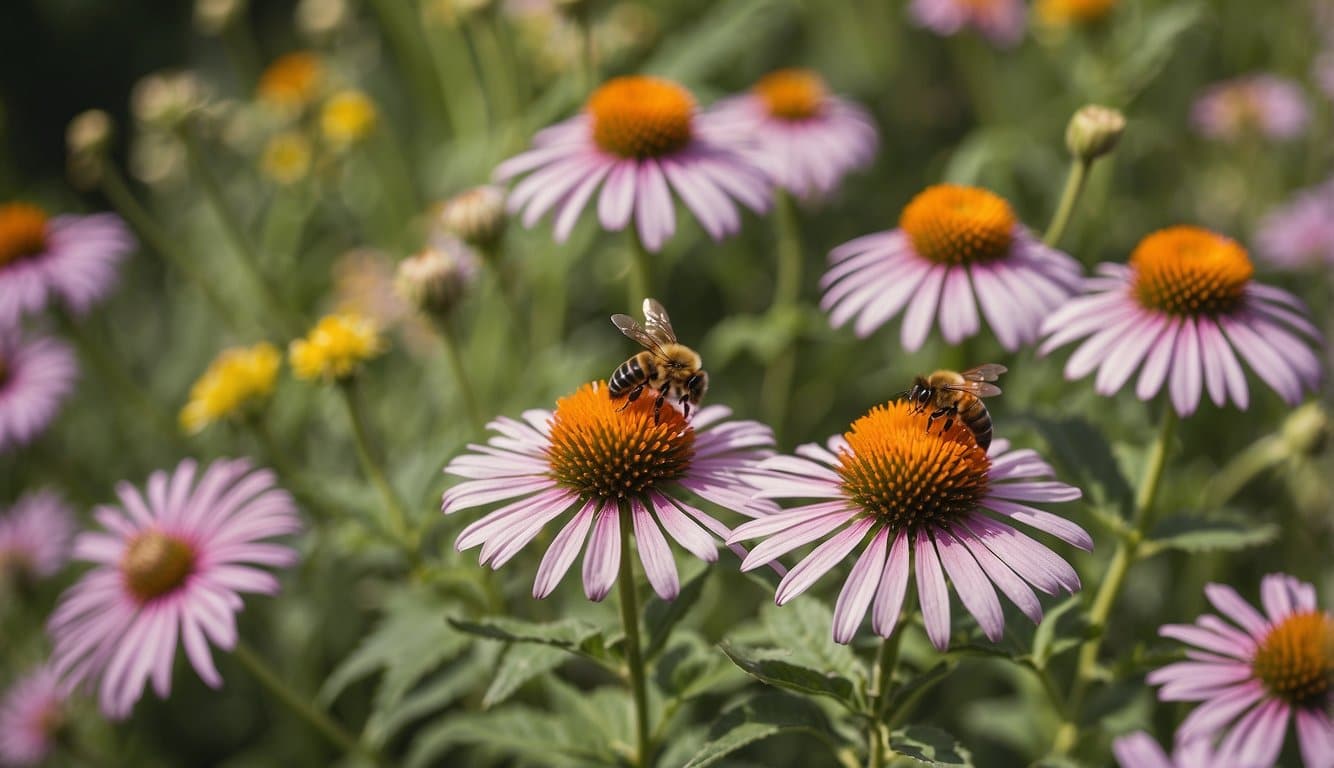
| Wildlife value | Flowers feed pollinators; mature seed heads feed finches and other birds |
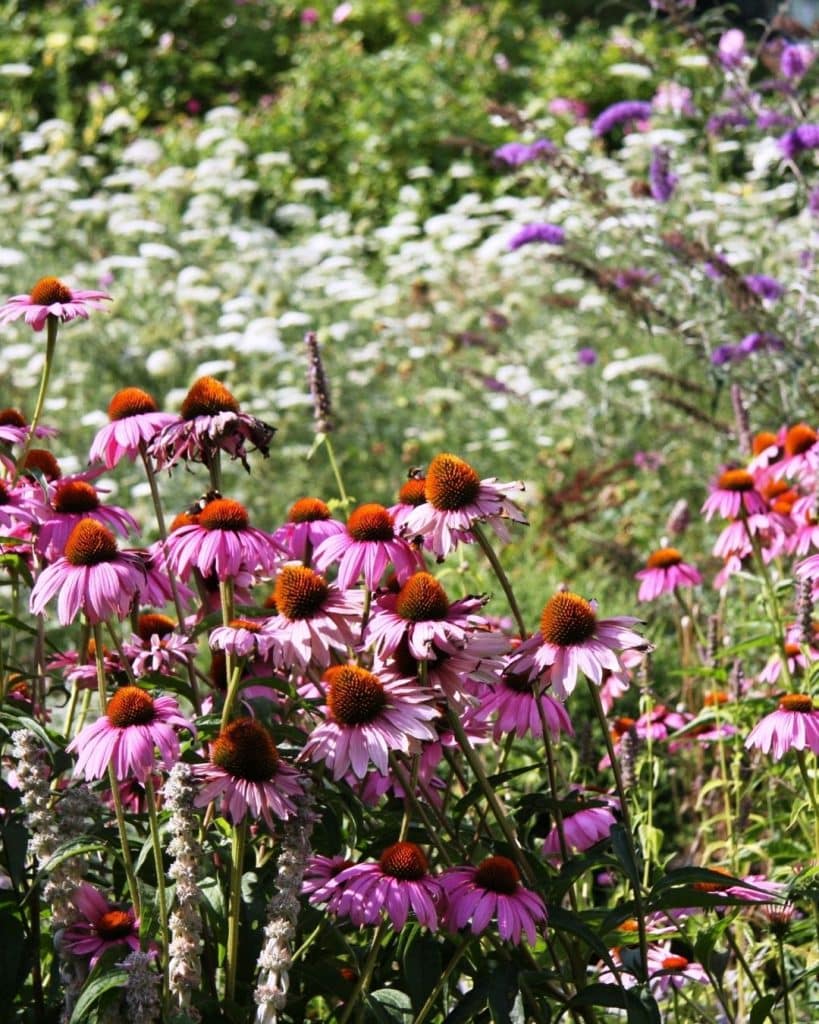
15 Coneflower Care Tips That Make a Noticeable Difference
1. Start With the Right Kind of Coneflower
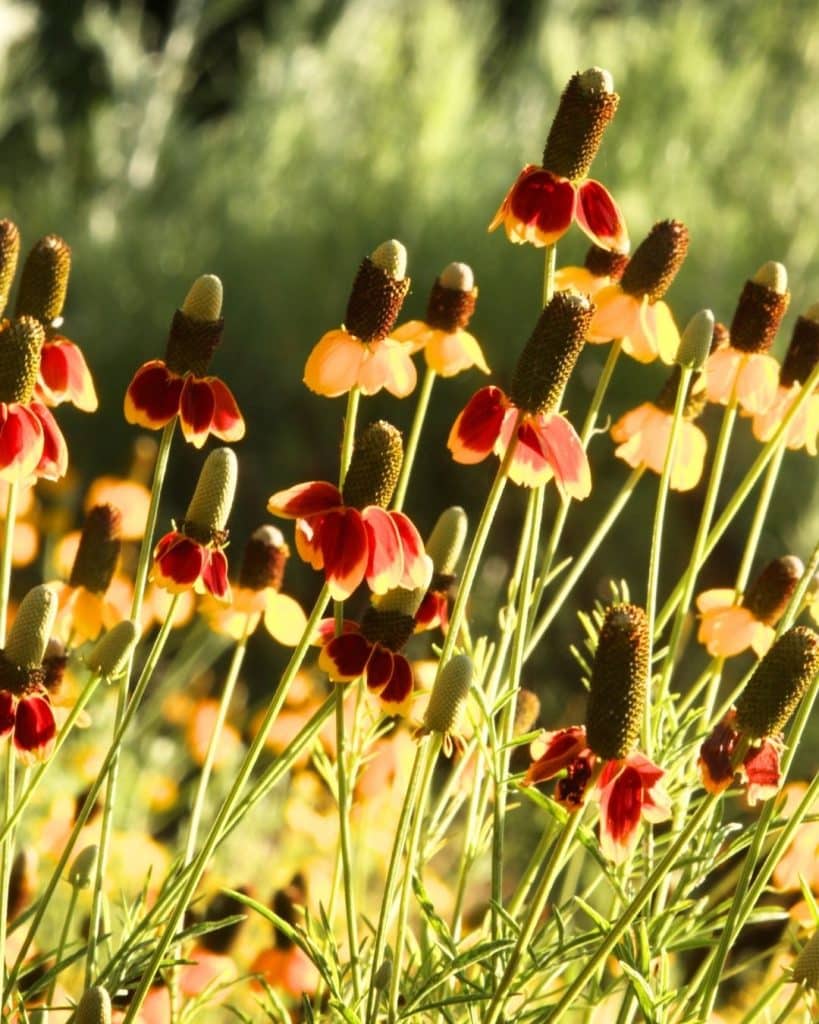
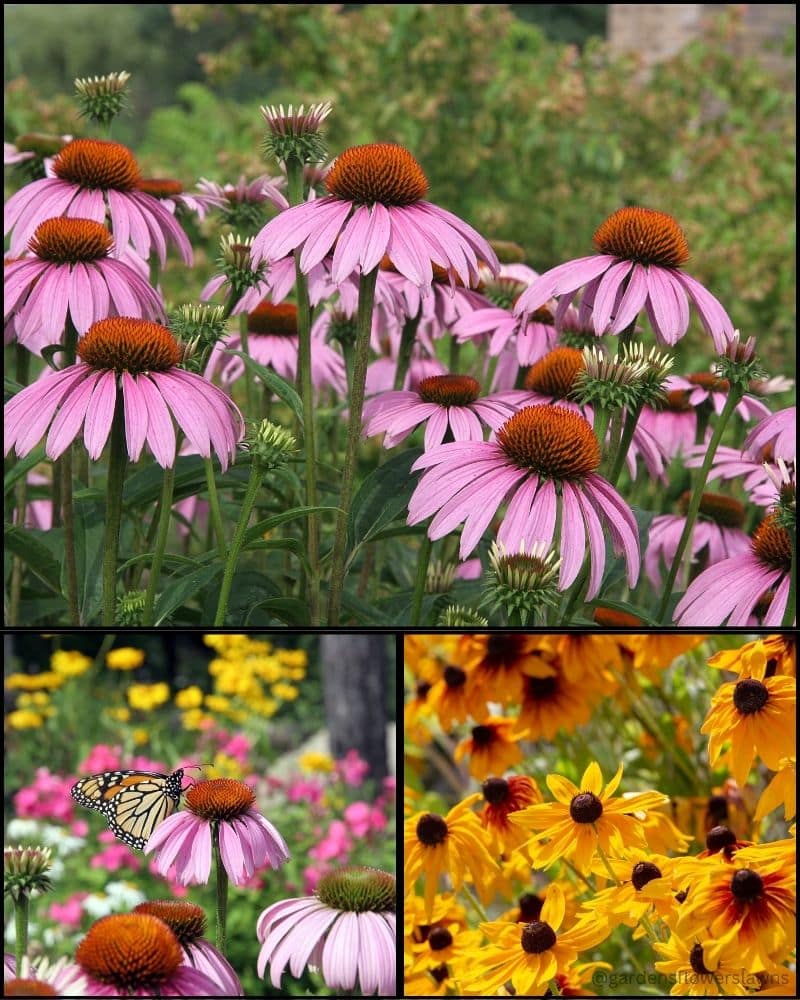
The name “coneflower” is used for several daisy-shaped plants, including Echinacea, Rudbeckia, and Ratibida. They are not interchangeable. Check the botanical name on the plant tag so you know its mature size, preferred moisture, and hardiness.
For a dependable perennial, Echinacea purpurea is an excellent place to start. Native species and straightforward cultivars often persist more reliably than highly bred double-flowered or unusual-color varieties. That does not make the fancy cultivars bad choices, but some benefit from closer attention to drainage and winter survival.
2. Give Them Six or More Hours of Sun
Coneflowers can flower in light shade, but full sun produces more blooms, thicker stems, and a tidier clump. A site with at least six hours of direct light is ideal. In very hot climates, a little late-afternoon shade can reduce stress without sacrificing much bloom.
If your plants lean toward the light, stretch between leaves, or produce only a handful of flowers, shade is the first suspect. Moving them during cool spring or early fall weather is usually more effective than adding fertilizer.
3. Treat Drainage as the Nonnegotiable
Echinacea tolerates lean, rocky, and even clay-heavy ground, but its crown should not sit in water. Before planting, fill the hole with water. If water remains for many hours after the surrounding soil is already moist, choose a higher location, build a slightly raised bed, or improve drainage across the whole planting area.
Do not create a small pocket of fluffy soil inside dense clay. That can act like a bowl and hold water around the roots. Loosen a broad area instead, or plant the crown slightly high on a gentle mound.
4. Plant at the Correct Depth
Set a nursery-grown coneflower at the same depth it occupied in its pot. The crown—the point where stems meet roots—should sit at or just above the finished soil level. Burying it deeply or piling mulch against it increases the chance of crown rot.
Spring and early fall are the easiest planting times. If you plant during summer heat, water more carefully until roots move into the surrounding soil. Avoid late fall planting where repeated freezing and thawing may heave a poorly rooted crown out of the ground.
5. Water New Plants Differently From Established Plants
“Drought tolerant” describes an established coneflower, not one planted last weekend. During the first growing season, check the soil several inches down and water when it begins to dry. Apply water slowly enough to soak the root zone instead of wetting only the surface.
Once established, coneflowers usually need supplemental water only during prolonged hot, dry weather. A deep drink is better than frequent splashes. Letting the surface dry between waterings helps roots grow downward and reduces fungal pressure.
6. Keep Fertilizer Light
Rich soil and high-nitrogen lawn fertilizer can produce tall, soft growth that flops in rain. In average soil, a thin layer of compost in spring is generally enough. Skip routine feeding unless a soil test shows a specific deficiency.
Keep lawn fertilizer from drifting into the bed. If a plant has lush leaves but few flowers, more fertilizer is unlikely to help; increase sunlight and reduce nitrogen instead.
7. Leave Room for Air to Move
Most varieties need about 18 to 24 inches between plants, although compact and extra-large cultivars may differ. Good spacing allows leaves to dry after rain and makes powdery mildew less likely.
Spacing also makes the planting look intentional. Rather than packing plants tightly for instant fullness, use mulch during the first year and let each clump reach its natural width.
8. Mulch Lightly—and Keep the Crown Clear
Apply roughly two inches of shredded leaves, fine bark, or another loose organic mulch to suppress weeds and moderate soil temperature. Leave a small open ring around the crown. A deep mulch volcano holds moisture against the plant and can invite rot and rodents.
Winter mulch is most useful for newly planted coneflowers in cold climates or places with frequent freeze-thaw cycles. Apply it after the ground begins to freeze, then pull excess material back in spring.
9. Deadhead With a Purpose
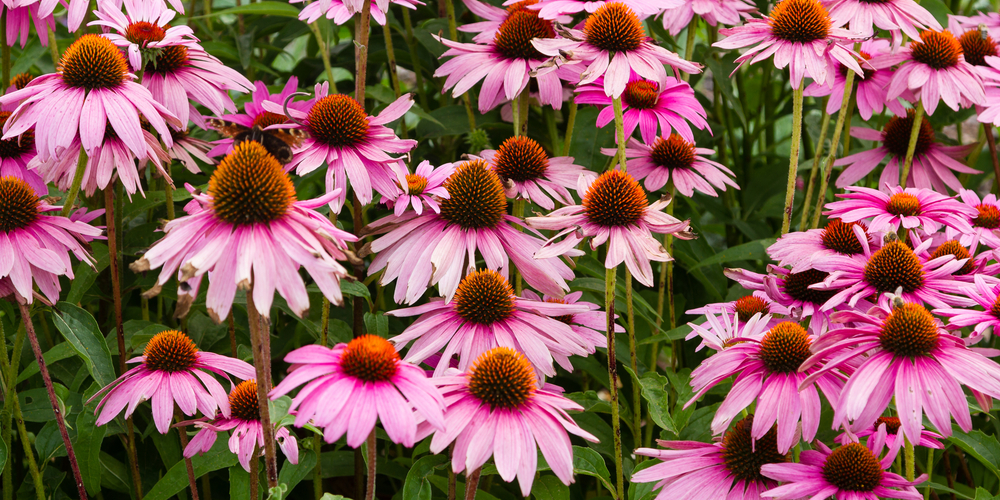
Removing spent blooms can keep the bed tidy and may encourage side buds to continue the show. Cut a faded flower stem back to a healthy leaf or branching point rather than leaving a bare stick.
You do not need to remove every cone. A good compromise is to deadhead early flowers for a neater second half of summer, then leave the final seed heads standing for birds and winter texture.
10. Prevent Flopping Before Reaching for Stakes
Strong coneflowers rarely need staking. When stems fall outward, the usual causes are inadequate light, crowded plants, overly rich soil, or heavy irrigation. Correct those conditions first.
For naturally tall varieties, place a discreet ring support early in spring, before stems stretch. Installing support after a storm may lift the plant, but it will not restore bent stems.

11. Divide Only When the Plant Needs It
Coneflowers do not require frequent division. Consider dividing a mature clump when it has outgrown its space, develops a thin or weak center, or you want additional plants. Spring, just as new growth appears, is the safest time in cold regions. Early fall also works where plants have several weeks to root before the ground freezes.
Lift the clump carefully, separate healthy crown sections with roots attached, and replant immediately. Keep divisions evenly moist while they establish. Avoid chopping up a young, healthy plant simply because a calendar says it is time.
12. Leave the Best Seed Heads for Birds
Goldfinches and other seed-eating birds visit mature cones in late summer, fall, and winter. Leave sturdy stems standing and remove only those that collapse across paths or neighboring plants.
Seed-grown offspring may not match a named cultivar. If preserving an exact color or flower form matters, remove seed heads before they scatter and propagate that cultivar by division instead.
13. Wait Until Spring for the Main Cleanup
Standing stems add winter structure, hold bird food, and provide small pockets of habitat. Cut old growth back to a few inches in late winter or early spring before new shoots become tall enough to damage.
There is one exception: remove and discard foliage from plants with serious disease. Do not compost material showing aster yellows or a heavy, recurring infection unless your compost pile reliably reaches temperatures that destroy pathogens.
14. Identify the Problem Before You Spray
Aphids, Japanese beetles, powdery mildew, eriophyid mites, and aster yellows can affect coneflowers. Most minor insect damage is cosmetic. A strong stream of water can dislodge aphids, while beetles can be handpicked in the cool morning. Avoid spraying open flowers whenever possible because pollinators are active on them.
Powdery mildew looks like a white coating on leaves; more sun, better spacing, and watering at soil level help prevent it. Tufted or distorted petals limited to a flower head may indicate mites. Green, deformed flowers plus abnormal growth throughout the plant can indicate aster yellows. There is no cure for aster yellows: remove the entire affected plant, including roots, so leafhoppers are less likely to spread it.
15. Pair Coneflowers With Plants That Like the Same Conditions
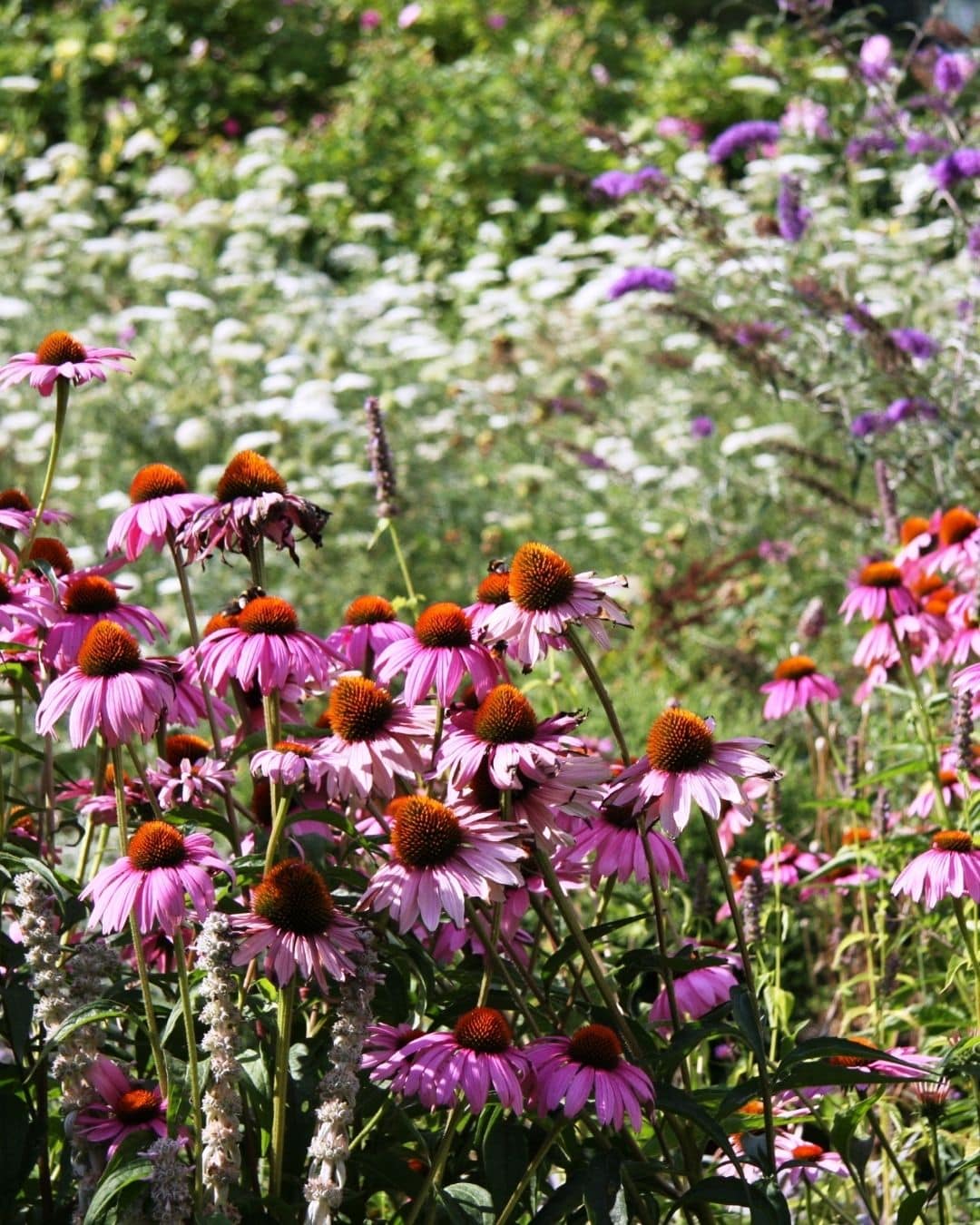
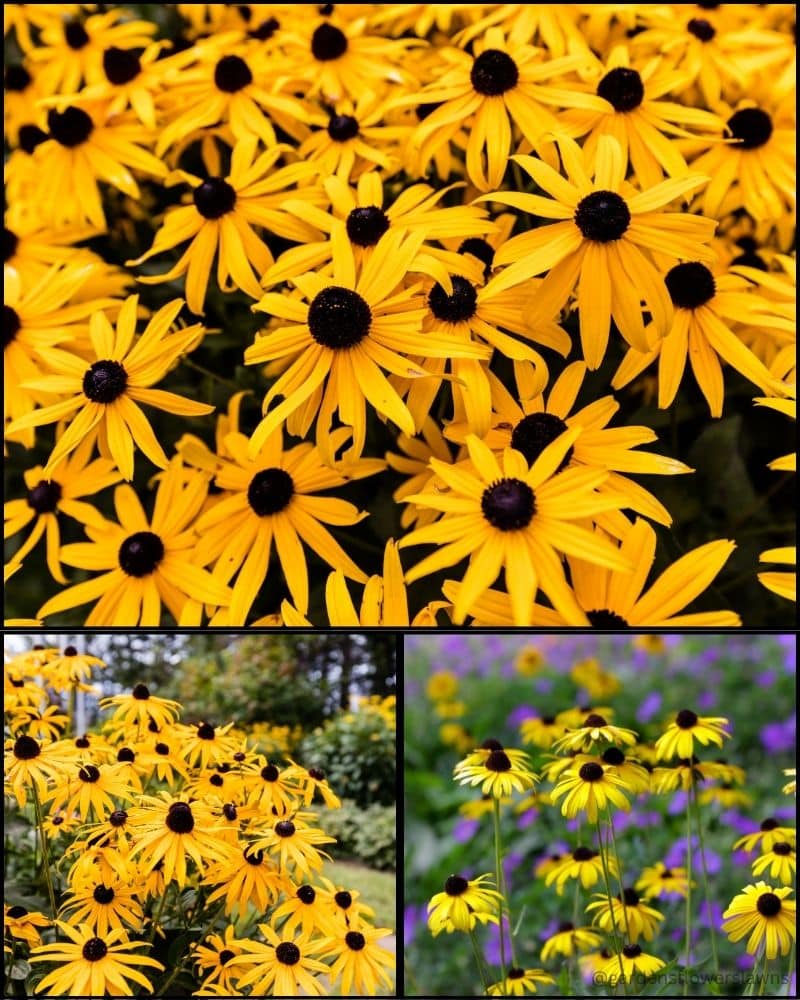
The easiest companions enjoy sun, average fertility, and good drainage. Black-eyed Susans, yarrow, coreopsis, blazing star, little bluestem, salvia, and butterfly weed all fit naturally around coneflowers. Plant in groups rather than isolated singles so the bed reads as one composition and pollinators can find it easily.
For more combinations, see our guide to Echinacea companion plants. You can also use coneflowers as a summer anchor in a pollinator-friendly garden, then add earlier and later bloomers to keep food available across the season.
Quick Coneflower Troubleshooting Guide
| What you see | Likely cause | What to do |
|---|---|---|
| Few flowers | Too much shade or excess nitrogen | Increase sun; stop high-nitrogen feeding |
| Tall, floppy stems | Shade, rich soil, crowding, or excess water | Correct the growing conditions; support tall varieties early |
| Brown or mushy crown | Poor drainage or deep mulch | Move healthy sections to a drier site and keep crowns clear |
| White coating on leaves | Powdery mildew | Improve spacing and airflow; water the soil, not foliage |
| Green, distorted flower parts | Possible aster yellows | Remove the whole plant; do not compost it |
| New plant wilts repeatedly | Roots have not established or root ball is drying | Water slowly and check moisture below the surface |
| Leaves look healthy but growth is weak | Deep planting, wet roots, or insufficient light | Expose the crown, improve drainage, and reassess sun |
Season-by-Season Coneflower Checklist
- Spring: Cut back old stems, pull mulch away from crowns, divide crowded clumps, and plant new coneflowers.
- Early summer: Weed, water new plants deeply, and check spacing as foliage fills out.
- Midsummer: Deadhead selected blooms, watch for beetles and aphids, and water established plants only when dry weather persists.
- Fall: Plant early enough for roots to establish, leave healthy seed heads, and remove plants affected by aster yellows.
- Winter: Let healthy stems stand for birds and garden structure; protect newly planted crowns from freeze-thaw heaving where needed.
Frequently Asked Questions
Do coneflowers come back every year?
Yes. Echinacea are herbaceous perennials: the top growth dies back in cold weather and new shoots emerge from the crown in spring. Longevity varies by species, cultivar, site, and winter drainage.
Will coneflowers spread?
The clump slowly widens, and open-pollinated plants may self-seed where cones are left in place. They are generally manageable. Remove unwanted seedlings while small or deadhead before seeds mature.
Can coneflowers grow in partial shade?
They can, especially in hot climates, but expect fewer flowers and a greater chance of leaning. Six or more hours of direct sun gives the most reliable display.
Are coneflowers deer resistant?
They are not deer-proof. Established plants may receive less attention than some softer garden plants, but deer and rabbits can browse young shoots and flower buds. Protect new growth when animal pressure is high.
Should coneflowers be cut back in fall?
You can cut diseased or broken stems in fall, but healthy seed heads are worth leaving. They feed birds and keep the winter bed from looking bare. Complete the cleanup before new spring growth gets underway.
The Bottom Line
Great coneflower care is mostly about choosing a sunny, well-drained location and resisting the urge to overmanage it. Water consistently during establishment, keep fertilizer light, give each clump breathing room, and leave part of the seed crop for birds. Get those fundamentals right and your plants should reward you with sturdy stems, a long summer bloom, and a livelier garden.