Windowless rooms can feel bleak, but you don’t need natural sunlight to enjoy lush greenery.
These 23 tough, low-light–loving plants will flourish in even the gloomiest corners of your home.
Arrange them in colorful pots, hanging baskets, or decorative terrariums to bring life and texture to any space—no windows required.
1. Snake Plant (Sansevieria trifasciata)

- 🌙 Converts CO₂ to oxygen at night, making it perfect for bedrooms.
- 💀 Nicknamed “Mother-in-law’s Tongue” due to its sharp, upright leaves.
- 🦠 Known to filter toxins like formaldehyde and benzene from the air.
The Snake Plant is one of the toughest houseplants out there. It can thrive in rooms with no windows, low light, and irregular watering.
Its tall, architectural leaves bring a modern feel to any space, and its air-purifying qualities make it a healthy choice for basements, offices, or dim hallways.
This is the plant you want if you’re prone to neglect—it’s nearly impossible to kill.
Care tip: Water only when the soil is completely dry and avoid soggy roots.
2. Pothos (Epipremnum aureum)
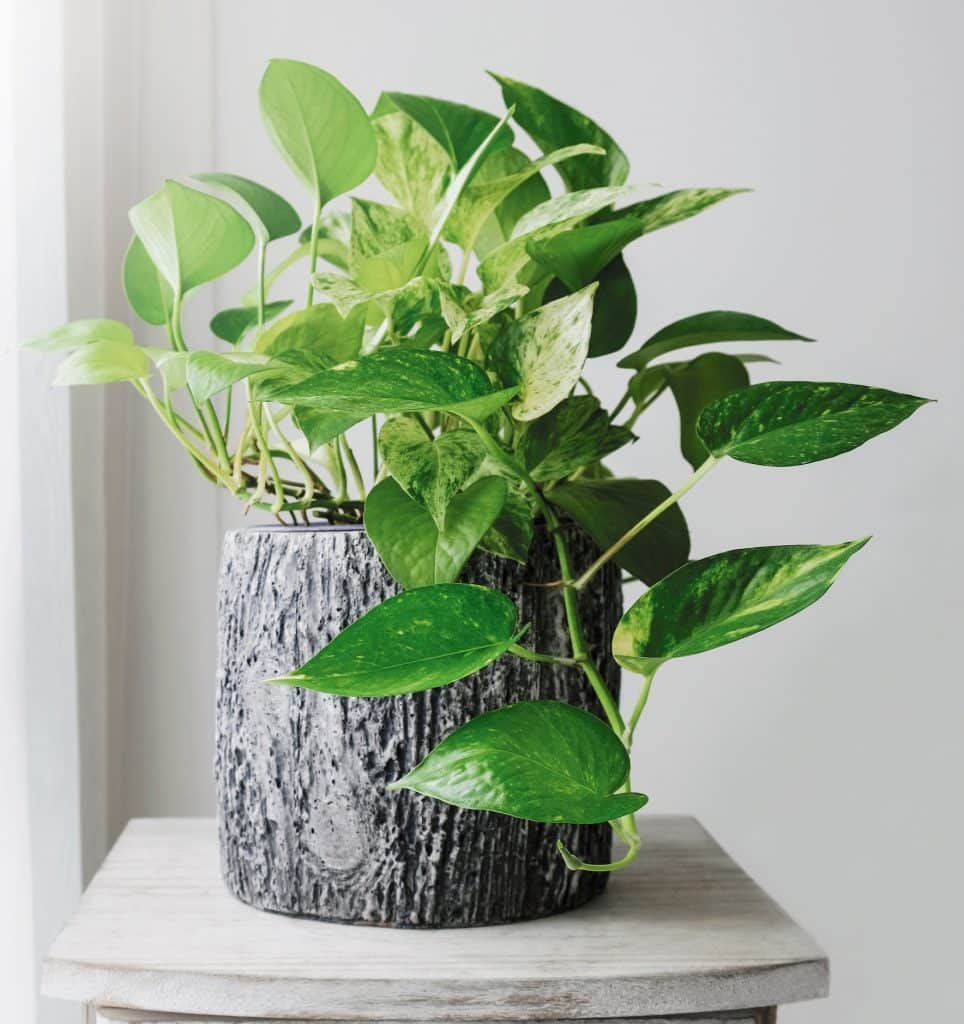
- 🌱 Nicknamed “Devil’s Ivy” because it stays green even in darkness.
- 🧪 NASA once listed it among the best plants for removing indoor toxins.
- 🌿 Can grow trailing vines over 10 feet long indoors.
Pothos is a classic beginner-friendly plant that thrives in low-light areas and tolerates a bit of neglect. Its heart-shaped leaves come in many variegated patterns, adding color to windowless rooms.
Perfect for hanging baskets or draping across shelves, Pothos brings a lush, tropical look without demanding much care.
It’s forgiving of missed waterings and adapts well to different conditions, making it one of the most dependable indoor plants.
Care tip: Let the soil dry slightly between waterings and trim vines to encourage fuller growth.
3. ZZ Plant (Zamioculcas zamiifolia)
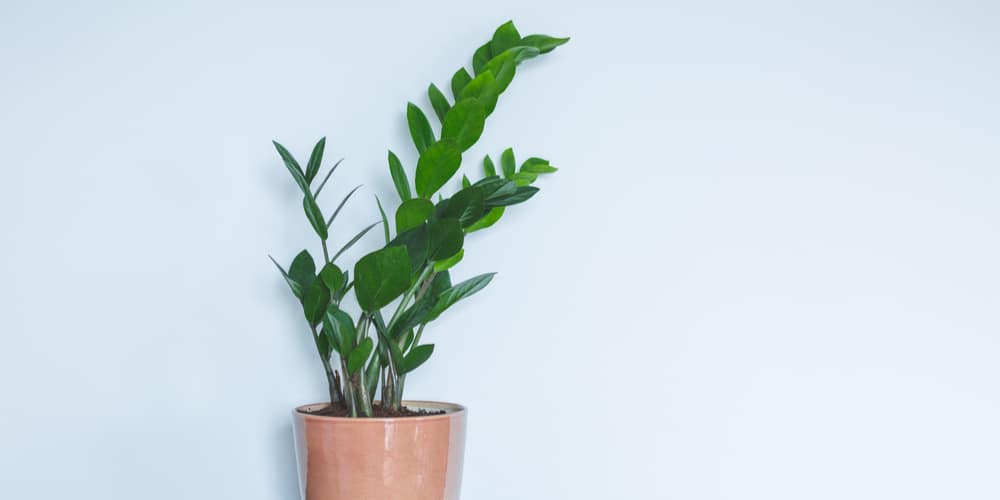
- 🌑 Nicknamed “Zanzibar Gem” for its shiny, jewel-like leaves.
- 🏆 Almost indestructible—often survives months of neglect.
- 🌿 Stores water in thick rhizomes, helping it withstand drought.
The ZZ Plant is a favorite for offices and low-light homes. Its deep green, waxy leaves reflect light and instantly brighten up dark corners.
Since it tolerates neglect, dry air, and low lighting, it’s often recommended for beginners or frequent travelers.
Slow-growing but stunning, the ZZ is a sturdy statement plant that doubles as a natural air filter.
Care tip: Water sparingly. Every 2–3 weeks is usually enough.
4. Peace Lily (Spathiphyllum)
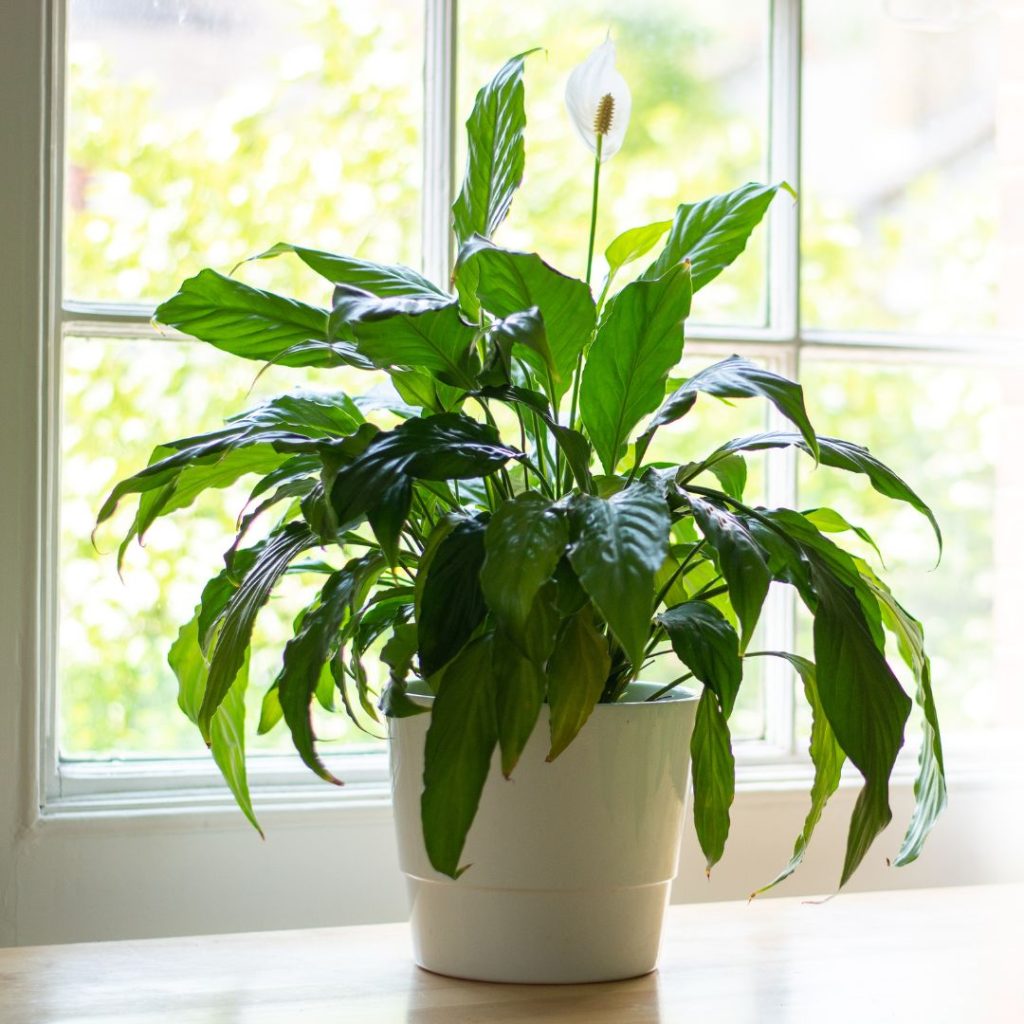
- 🌼 Known for its elegant white “flowers,” which are actually spathes.
- 💧 Naturally droops when thirsty, then perks back up after watering.
- 🏆 Frequently wins awards as one of the best low-light houseplants.
The Peace Lily thrives indoors, even in spaces with little to no natural light. Its dark, glossy leaves and striking white blooms bring elegance to offices, bedrooms, and hallways.
Beyond beauty, it’s also an excellent air purifier, removing mold spores and household toxins.
Unlike some plants, it clearly signals when it needs care by wilting, so it’s almost like it “talks back.”
Care tip: Keep soil slightly moist and mist leaves to maintain humidity.
5. Philodendron
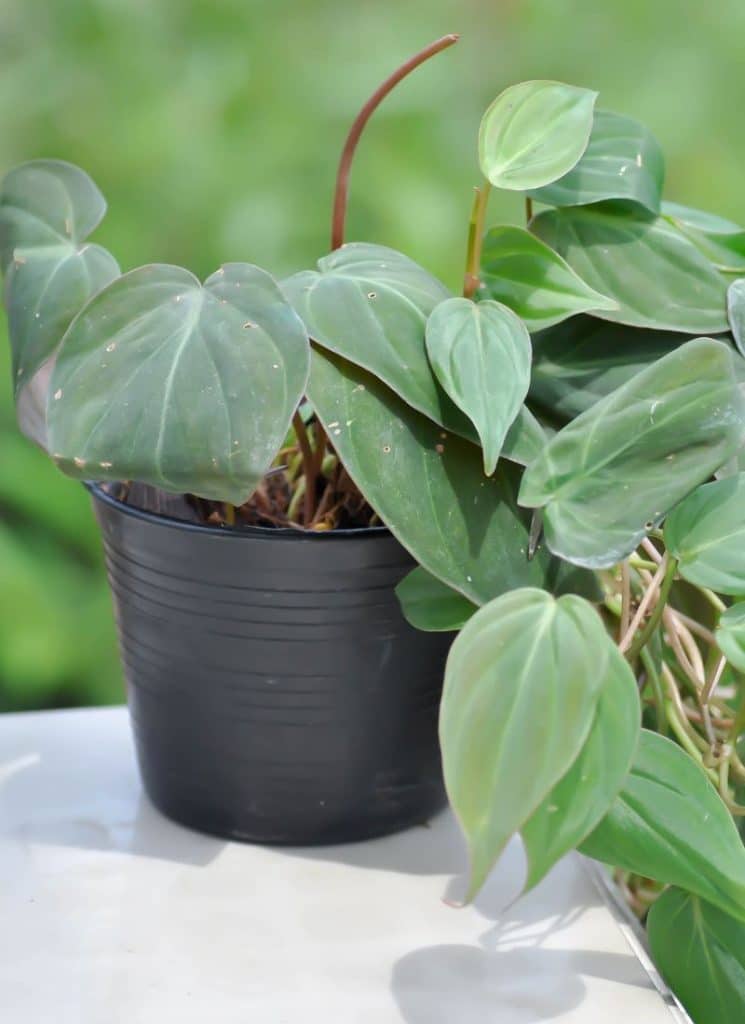
- 🌿 The name means “lover of trees” in Greek.
- 🌱 Comes in climbing and non-climbing varieties.
- 🪴 Can adapt to very low light but grows faster in bright indirect light.
Philodendrons are classic houseplants with heart-shaped or split leaves that thrive indoors.
They’re versatile, growing happily in hanging baskets, on shelves, or trained along supports.
Since they tolerate neglect and bounce back easily, they’re a great choice for windowless spaces. Their lush greenery gives any room a fresh, tropical feel while asking for very little in return.
Care tip: Water when the top inch of soil feels dry and wipe leaves to keep them dust-free.
6. Spider Plant (Chlorophytum comosum)
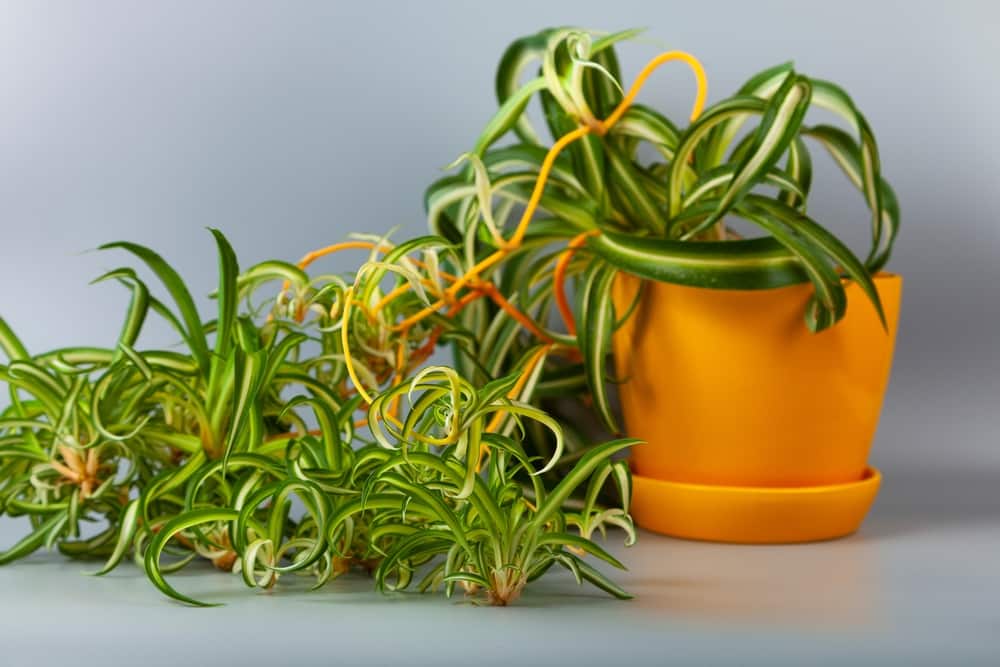
- 🕸️ Famous for producing baby “spiderettes” that dangle like little offshoots.
- 🚀 Was one of the first plants tested by NASA for space station air cleaning.
- 🪴 Can live for decades with minimal care.
The Spider Plant is a lively and resilient houseplant that thrives in low-light environments. Its long, arching green-and-white striped leaves bring energy to shelves, desks, or hanging baskets.
This plant is especially popular because it reproduces easily—simply snip off the babies and root them in water or soil.
A hardy air purifier, the Spider Plant is perfect for brightening up a windowless room with a splash of greenery.
Care tip: Water moderately and allow soil to dry slightly between waterings.
7. Cast Iron Plant (Aspidistra elatior)
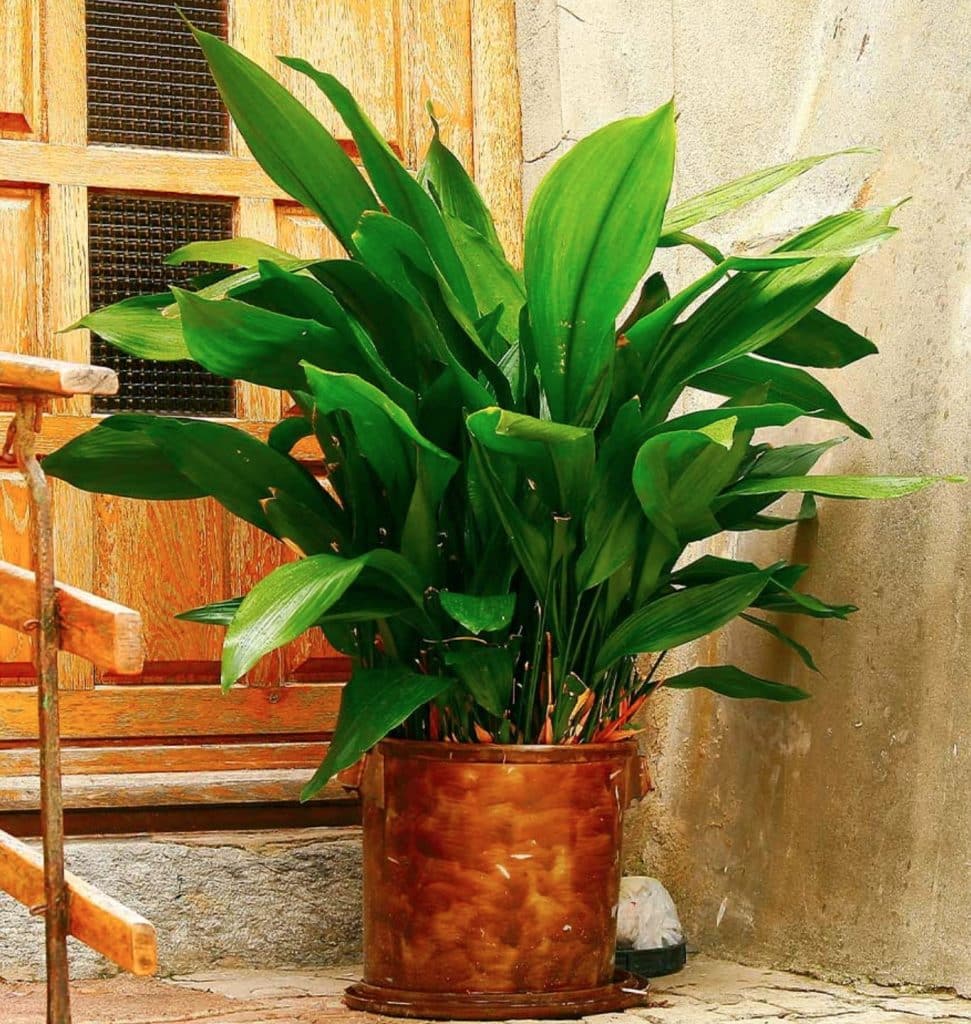
- 🪨 Earned its name for being nearly impossible to kill.
- 👑 Was a favorite in Victorian-era homes with poor lighting.
- 🌿 Can live for decades with very little attention.
The Cast Iron Plant is as tough as its name suggests. Its glossy, deep green leaves stay fresh even in dark corners, making it one of the best plants for windowless spaces.
Unlike many indoor plants, it doesn’t mind irregular watering, dry air, or neglect. It grows slowly but rewards patience with long-lasting foliage that looks lush year-round.
If you’re looking for a no-fuss, dependable houseplant, this one is hard to beat.
Care tip: Keep soil barely moist and avoid direct sunlight.
8. Monstera (Monstera deliciosa)
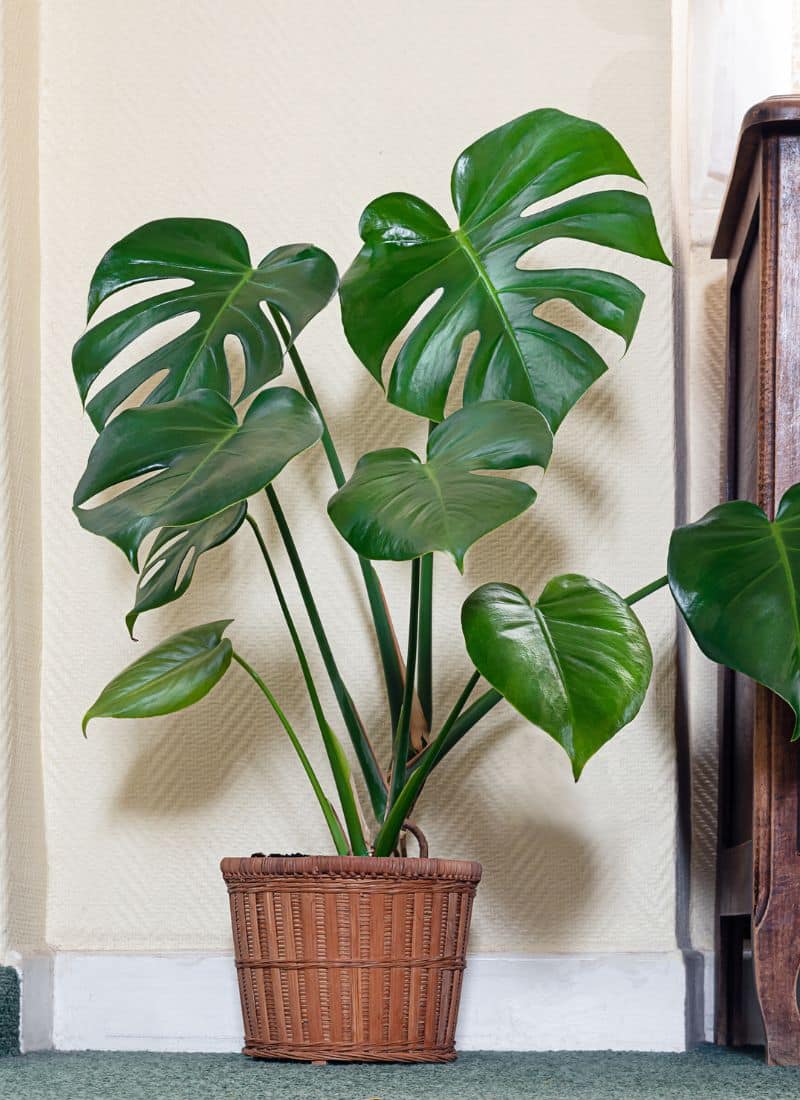
- 🕳️ Nicknamed “Swiss Cheese Plant” for its holey leaves.
- 🍍 In the wild, it produces a fruit that tastes like pineapple and banana.
- 🏠 Symbol of tropical style in mid-century modern décor.
Monstera brings bold, dramatic leaves that instantly make any room feel tropical. While it prefers bright, indirect light, it adapts surprisingly well to dimmer spaces, especially when mature.
Its large, split leaves become the centerpiece of any room, even one without windows.
With steady growth and low maintenance needs, Monstera has become one of the most popular indoor plants worldwide.
Care tip: Water when the top two inches of soil dry out and provide support as it climbs.
9. Aglaonema (Chinese Evergreen)
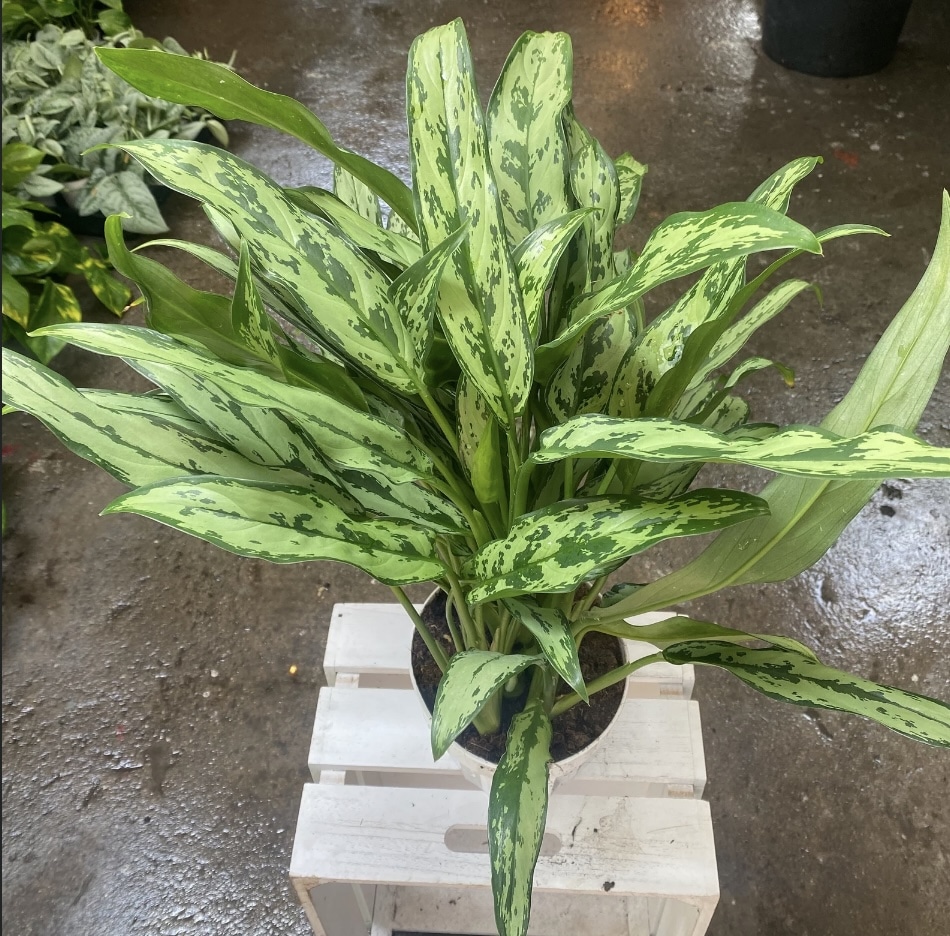
- 🌸 Some varieties produce tiny, lily-like flowers indoors.
- 🌱 Known as a good-luck plant in many Asian cultures.
- 🪴 Tolerates both low light and dry air exceptionally well.
Aglaonema is one of the most reliable plants for rooms with little to no natural light. Its striking foliage—often patterned in silvers, reds, or pinks—adds color where other plants struggle.
It thrives on neglect, tolerating dry air and inconsistent watering with ease.
With its compact size, it’s perfect for desks, corners, or tabletops in dim areas, and it purifies the air at the same time.
Care tip: Keep soil lightly moist, but don’t allow it to sit in water.
10. English Ivy (Hedera helix)
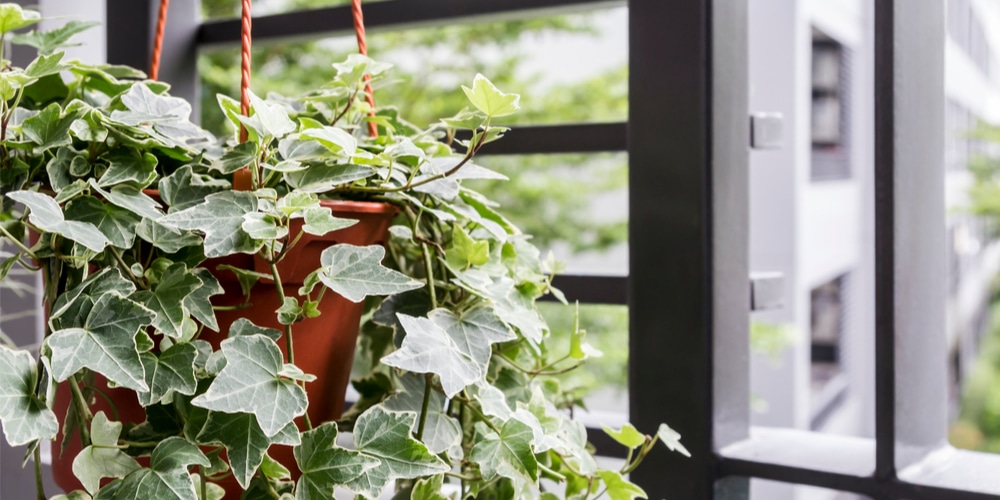
- 🍂 Can grow up to 50 feet long outdoors but stays manageable indoors.
- 🧪 Shown in studies to reduce airborne mold and allergens.
- 🪴 Was a favorite climbing plant in old English cottages.
English Ivy brings trailing elegance to shelves, mantels, or hanging baskets.
Its small, star-shaped leaves stay vibrant even in low light, and its cascading habit gives a classic, cozy look to interior spaces.
Beyond looks, it works as a natural air cleaner, helping to freshen up enclosed rooms. While it grows more vigorously outdoors, indoors it becomes a charming, easily trained plant that adds texture and life.
Care tip: Water when the top inch of soil feels dry and provide occasional misting.
11. Dieffenbachia (Dumb Cane)
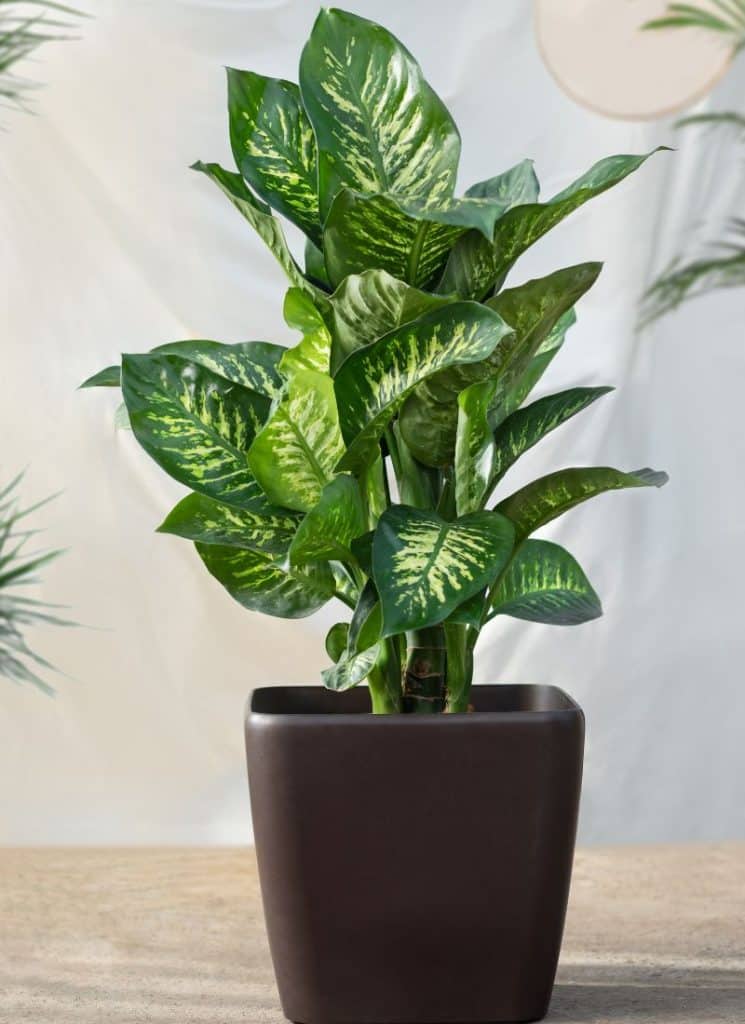
- 🪴 Grows up to 5 feet tall indoors with striking patterned leaves.
- 💬 Nicknamed “Dumb Cane” because its sap can numb the tongue if ingested.
- 🏠 Was a staple parlor plant in the 1800s for its bold foliage.
Dieffenbachia is loved for its broad, variegated leaves that brighten up dark corners. It thrives in low light and brings a lush, tropical presence to rooms that otherwise feel plain.
With proper care, it grows tall and full, acting as a natural accent piece for offices and homes.
Though beautiful, it’s important to keep it away from pets and small children due to its toxic sap.
Care tip: Keep soil evenly moist but never waterlogged.
12. Boston Fern (Nephrolepis exaltata)
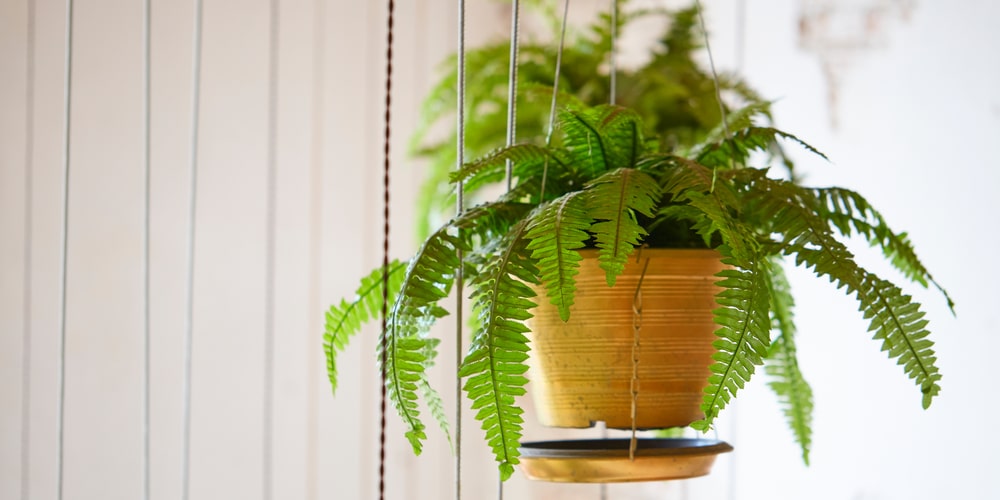
- 🌿 Known as one of the oldest houseplants, it has been popular since the Victorian era.
- 🧪 Recognized by NASA as a top air-purifying plant.
- 🌱 Thrives in hanging baskets, adding soft greenery to any room.
The Boston Fern is famous for its feathery, arching fronds that bring a touch of lush, old-fashioned charm to indoor spaces. W
hile it does best in humidity, it adapts well to low-light corners and windowless rooms, making it a classic pick for hallways, bathrooms, and offices.
Its dense foliage works as a natural air filter, giving you fresher indoor air while adding vibrant greenery.
Care tip: Keep soil consistently moist and mist fronds to maintain humidity.
13. Arrowhead Vine Syngonium podophyllum)
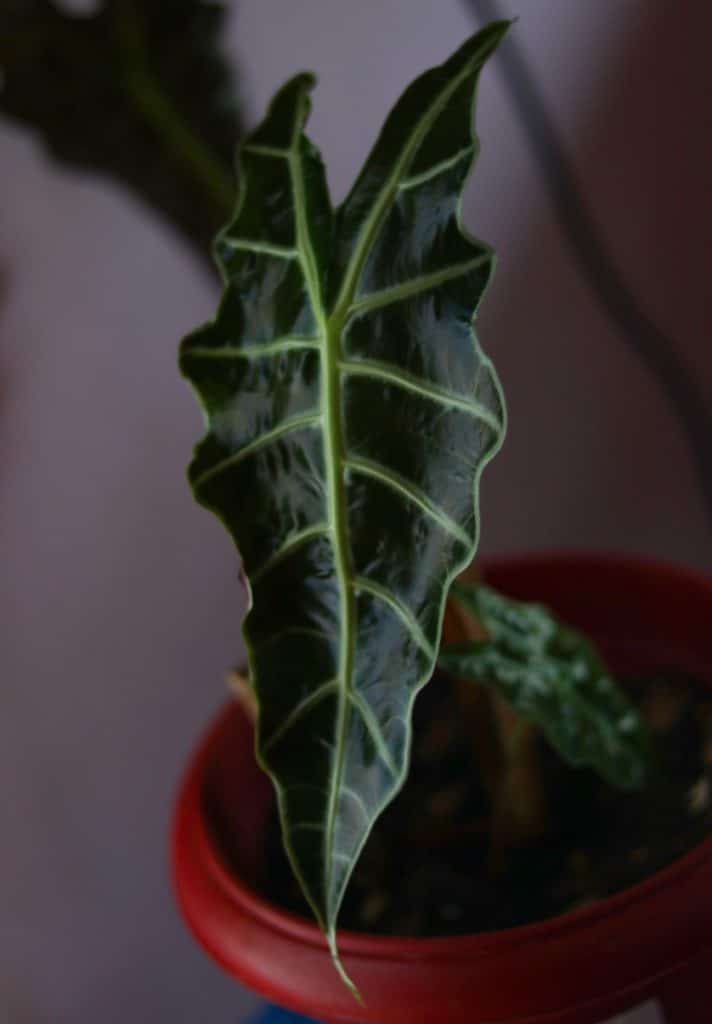
- 🍃 Leaves change shape as the plant matures, starting arrow-like and becoming lobed.
- 🌱 Grows as both a compact bush and a trailing vine indoors.
- 🪴 Sometimes called “Nephthytis” in the houseplant trade.
The Arrowhead Vine is versatile, easy to grow, and visually interesting. Its foliage starts with neat arrow-shaped leaves, then gradually develops a more complex form as it ages.
It does well in lower light, making it suitable for darker rooms, and can be trained to climb or allowed to spill over pots and baskets.
With varieties ranging from green to pink to variegated, it adds a pop of color and texture to any space.
Care tip: Water when the top inch of soil dries out and rotate the plant for even growth.
14. Peperomia
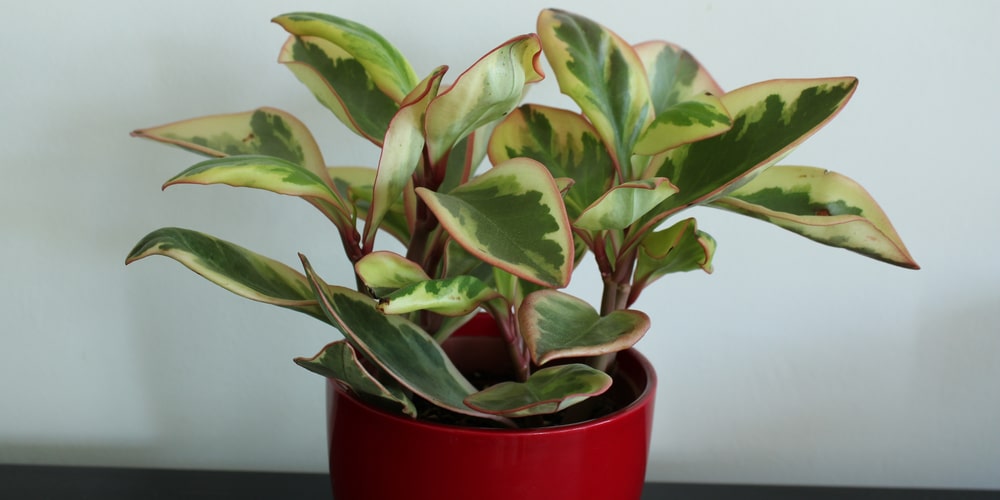
- 🌱 Over 1,000 species exist, many with textured or patterned leaves.
- 🪴 Compact size makes it a favorite for desktops and small shelves.
- 🧪 Non-toxic, making it one of the safest plants for homes with pets.
Peperomia is a delightful, small houseplant that thrives in rooms with little to no natural light. With its thick, succulent-like leaves, it stores water and tolerates occasional neglect.
The variety of leaf shapes, from rippled to heart-shaped, ensures there’s a peperomia to suit every style.
It’s low-maintenance, tidy, and easy to fit into tight spaces, making it one of the best beginner-friendly plants for windowless areas.
Care tip: Allow soil to dry slightly between waterings and avoid overwatering.
15. Prayer Plant (Maranta leuconeura)
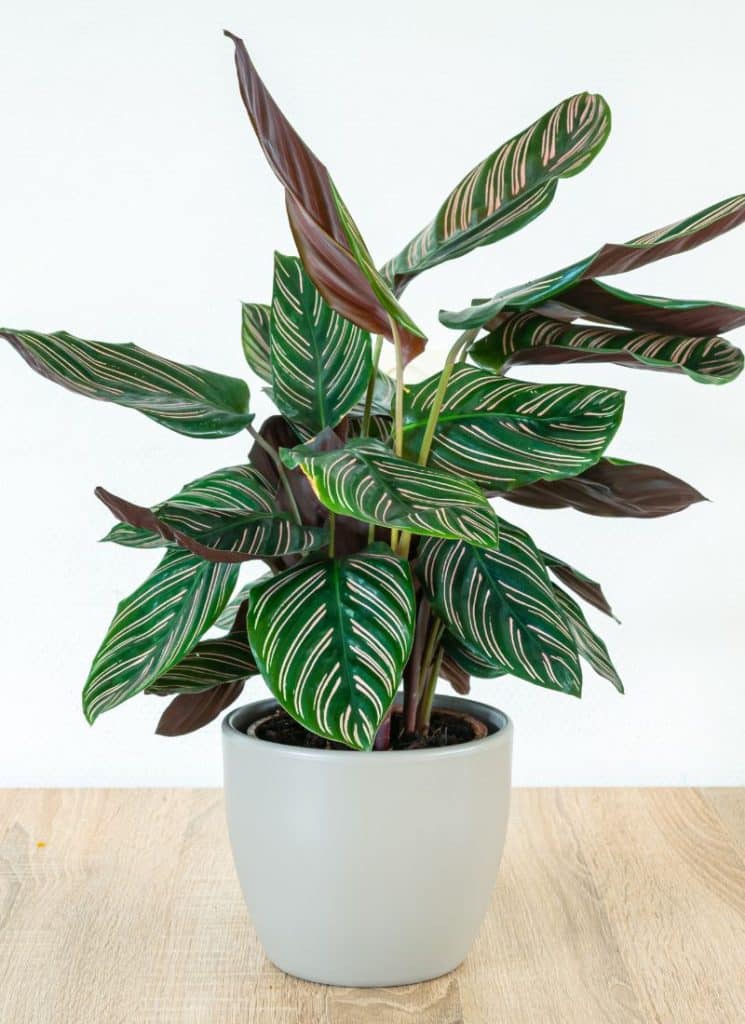
- 🌙 Named for its leaves that fold upward at night, like hands in prayer.
- 🎨 Strikingly patterned leaves with red veins and green blotches.
- 🪴 Native to the tropical forests of Brazil.
The Prayer Plant is loved for its colorful, patterned foliage and unique nighttime movement. In low-light rooms, it still holds its vibrant patterns, bringing personality and energy to your space.
It stays relatively compact, making it perfect for desks, shelves, or side tables.
The plant’s daily leaf-folding habit adds a bit of life and fascination, almost as if it has a personality of its own.
Care tip: Keep soil moist and provide extra humidity to prevent leaf curl.
16. Anthurium
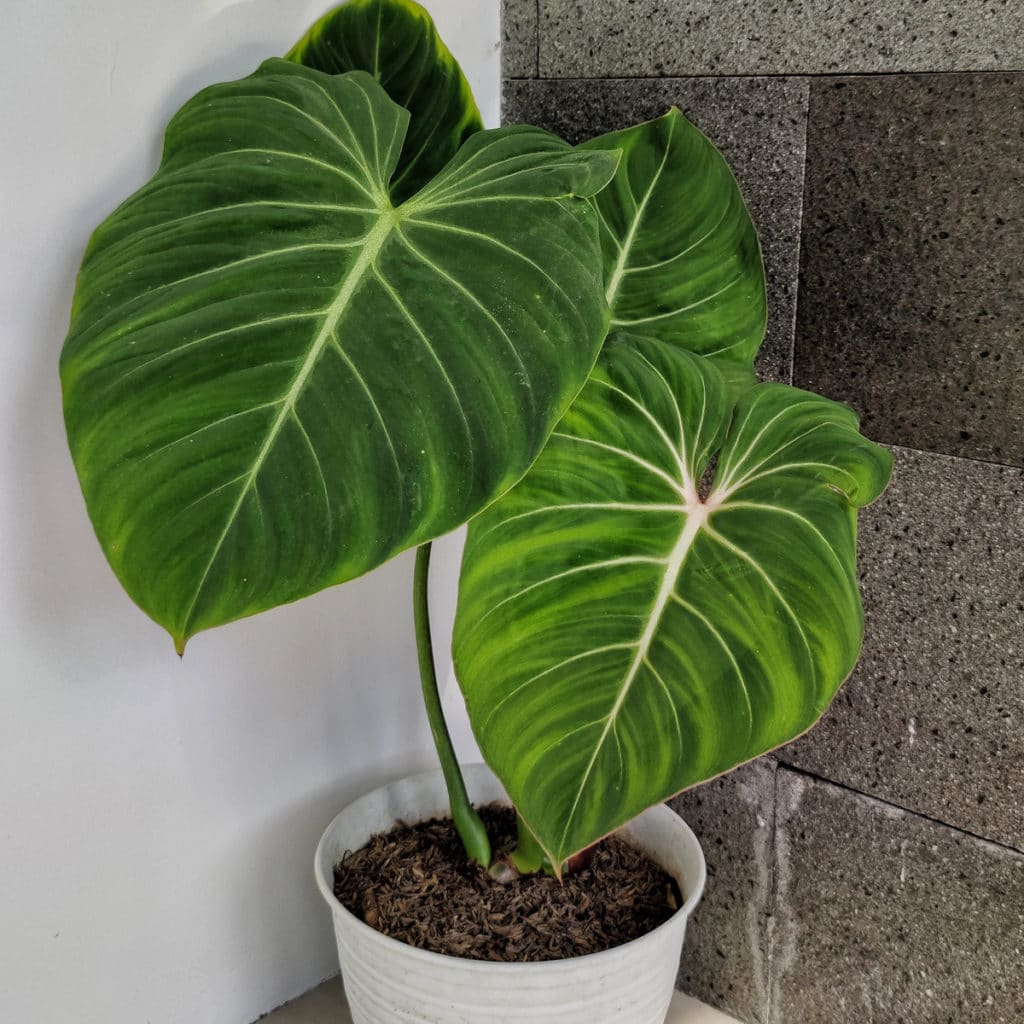
- 🌺 Famous for its glossy red, pink, or white “flowers” that last for months.
- 🌿 Nicknamed “Flamingo Flower” or “Painter’s Palette.”
- 🧪 Symbol of hospitality and often used in tropical floral arrangements.
Anthuriums are striking houseplants that thrive indoors with their bold, heart-shaped leaves and long-lasting blooms.
They adapt well to lower-light environments, making them excellent choices for brightening windowless rooms.
Beyond their beauty, Anthuriums bring a tropical elegance that feels exotic yet low-maintenance. Their blooms often last for weeks, and the plant continues producing more under the right care.
Care tip: Keep soil slightly moist and wipe leaves to maintain their glossy shine.
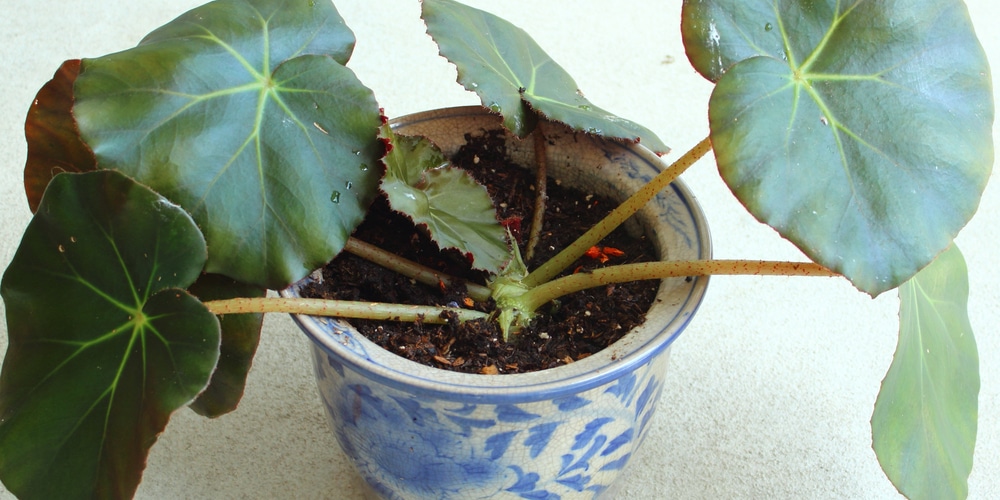
17. Begonias
- 🌺 Famous for its glossy red, pink, or white “flowers” that last for months.
- 🌿 Nicknamed “Flamingo Flower” or “Painter’s Palette.”
- 🧪 Symbol of hospitality and often used in tropical floral arrangements.
Anthuriums are striking houseplants that thrive indoors with their bold, heart-shaped leaves and long-lasting blooms.
They adapt well to lower-light environments, making them excellent choices for brightening windowless rooms.
Beyond their beauty, Anthuriums bring a tropical elegance that feels exotic yet low-maintenance. Their blooms often last for weeks, and the plant continues producing more under the right care.
Care tip: Keep soil slightly moist and wipe leaves to maintain their glossy shine.
18. Gloxinia (Sinningia speciosa)
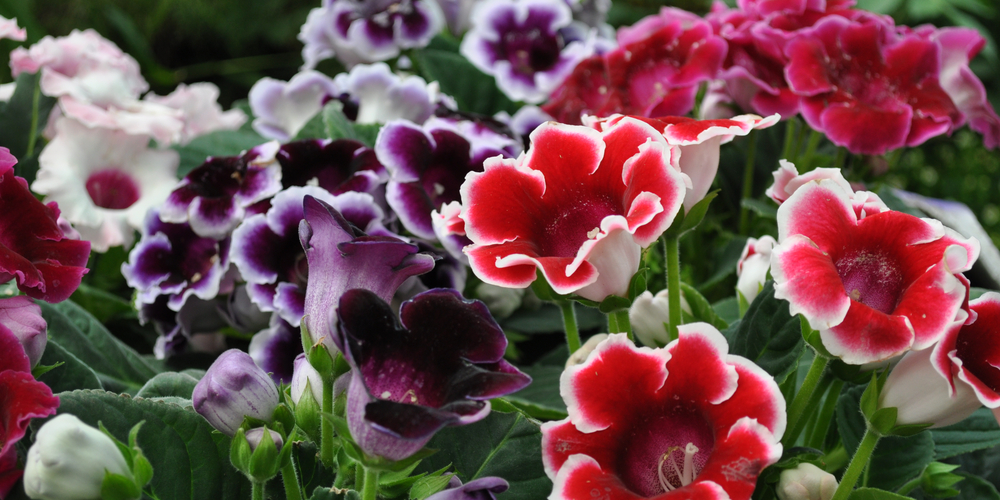
- 🌺 Produces large, velvety blooms in vibrant reds, purples, and pinks.
- 🏆 Originally popular as a parlor plant in the 19th century.
- 🌱 A relative of the African violet.
Gloxinia is a showy, flowering plant that thrives indoors with little direct sunlight.
Its lush, dark green leaves provide a rich backdrop for its oversized, trumpet-shaped blooms that can last for weeks.
While it’s more delicate than some foliage plants, it rewards attentive care with spectacular displays of color, making it ideal for brightening up windowless rooms or adding elegance to offices.
Care tip: Water from the bottom to avoid wetting fuzzy leaves and keep soil moist.
19. Air Plant (Tillandsia)
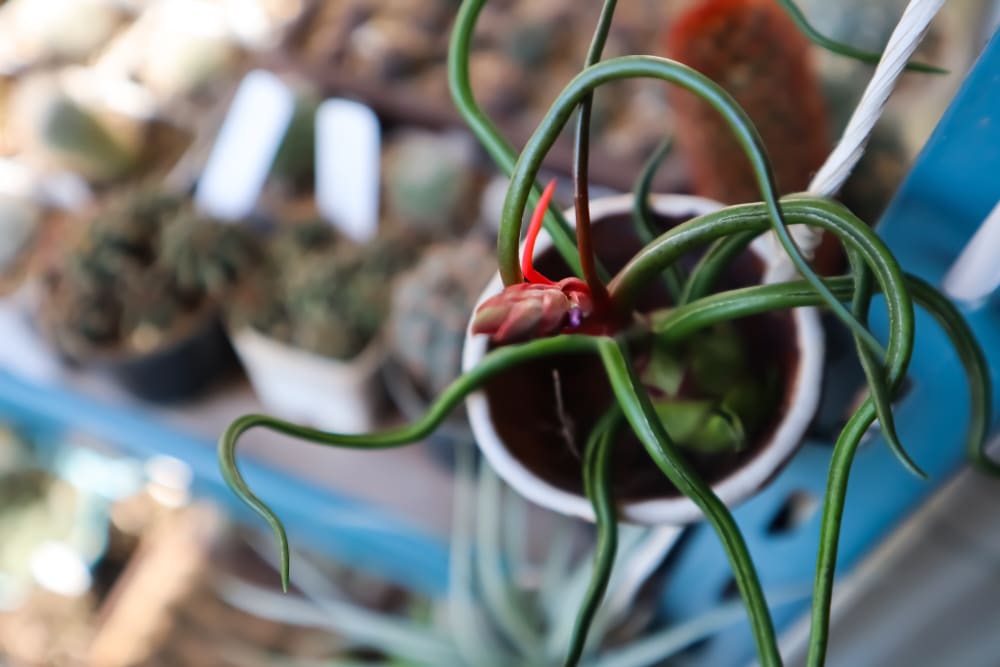
- 🌬️ Absorbs water and nutrients through its leaves instead of soil.
- 🌿 Belongs to the bromeliad family, related to pineapples.
- 🪴 Can grow mounted on wood, shells, or even hanging in glass globes.
Air Plants are some of the most unique houseplants because they don’t need soil at all. Perfect for creative displays, they thrive in low-light rooms and bring an exotic, sculptural look.
Their small size makes them easy to tuck into decorative arrangements or hang on walls, making them an excellent choice for windowless offices or apartments.
Low-maintenance and visually striking, Air Plants add charm without taking up much space.
Care tip: Mist weekly or soak in water for 20 minutes every 1–2 weeks.
20. Christmas Cactus (Schlumbergera)
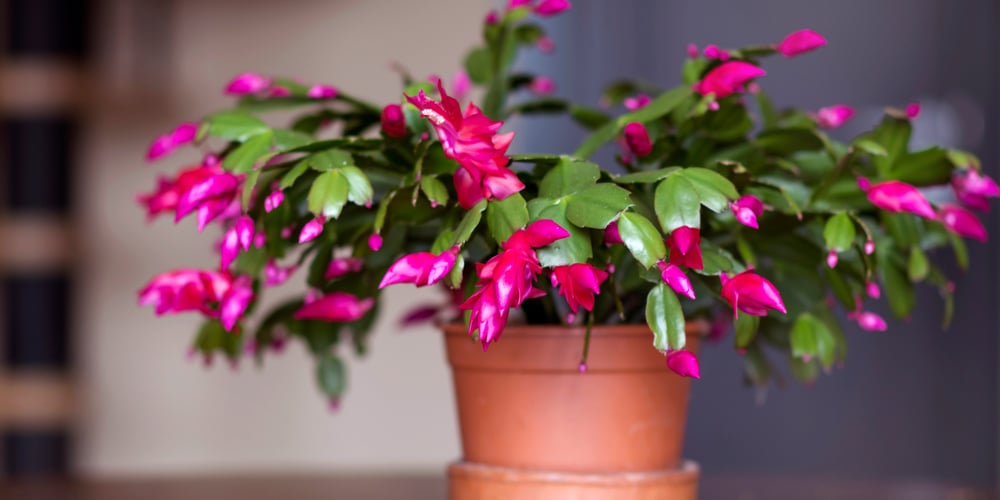
- 🎄 Blooms around the holiday season with pink, red, or white flowers.
- 🌿 Lives for decades, often passed down through generations.
- 🧪 Native to Brazilian rainforests, not deserts like most cacti.
The Christmas Cactus is a festive favorite that brings bright blooms to dim winter months. Unlike desert cacti, it thrives in lower-light and more humid conditions, making it perfect for windowless rooms.
Its segmented, arching stems produce cascades of colorful flowers that can last for weeks, often right in time for the holidays.
Easy to grow and long-lived, it’s a cheerful plant that adds seasonal joy year after year.
Care tip: Keep soil slightly moist and encourage blooming with cooler fall temps.
21. Nerve Plant (Fittonia albivenis)
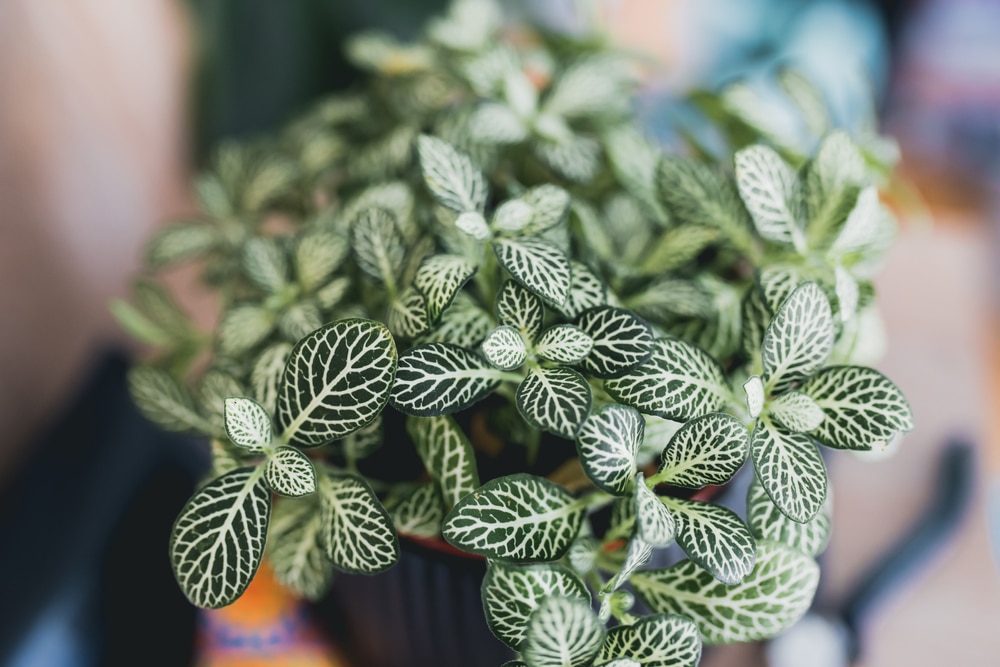
- 🎨 Famous for its striking, vein-like leaf patterns in white, red, or pink.
- 🌱 Stays small, usually under 6 inches tall.
- 🧪 Native to the rainforests of South America.
The Nerve Plant is a compact and colorful option for low-light rooms. Its intricate leaf patterns look almost painted, making it a standout choice for desks, terrariums, or small decorative pots.
While it prefers humidity, it adapts fairly well to indoor environments and adds a splash of personality where larger plants may not fit. Its bold patterns draw the eye, turning even the smallest corner into a statement spot.
Care tip: Keep soil consistently moist and mist regularly to maintain humidity.
22. Palm Trees
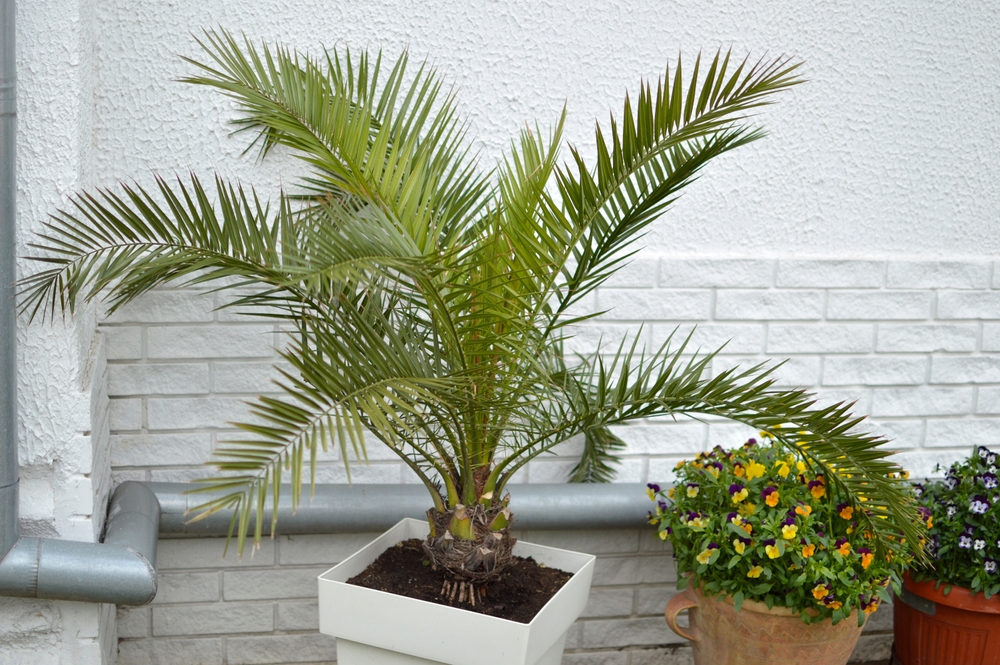
- 🌴 The Parlor Palm was a Victorian-era symbol of wealth and sophistication.
- 🧪 Can live happily in dim light for years.
- 🌿 Some indoor palms can grow up to 6 feet tall.
Indoor palms bring elegance and height to darker corners of your home. Their feathery, arching fronds add tropical charm while tolerating lower light conditions better than most large plants.
Palms like the Parlor Palm or Kentia Palm are especially popular for windowless spaces, as they adapt well to artificial light and dry air.
They’re slow-growing but worth the wait, adding a graceful touch to living rooms, offices, or hallways.
Care tip: Water when the top inch of soil dries out and dust fronds often.
23. Spineless Yucca (Yucca elephantipes)
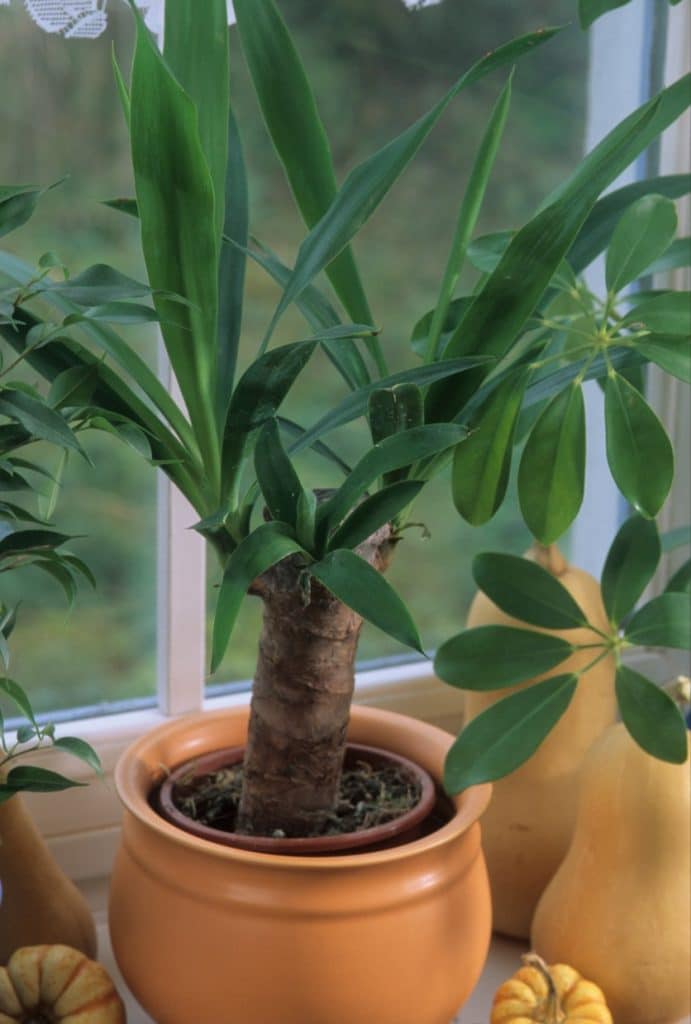
- 🌵 Unlike other yuccas, this variety has smooth, non-sharp leaves.
- 🪴 Can grow into a small indoor tree, reaching 5–8 feet tall.
- 🌞 Adaptable to both bright light and very low-light spaces.
The Spineless Yucca is a hardy, architectural plant that brings a bold, upright look indoors. Its thick trunk and sword-like leaves create a sculptural accent that works well in minimalist or modern interiors.
While it’s drought-tolerant and thrives in bright light, it can also adapt to dimmer, windowless areas, making it versatile for different spots in your home.
Its resilience and clean lines make it both stylish and dependable.
Care tip: Let soil dry out between waterings and avoid overwatering.
Even windowless rooms can burst with greenery when you choose the right plants. From undemanding snake plants to dramatic monsteras and flowering cacti, these varieties will thrive without sunshine, transforming dull corners into vibrant living spaces.
Want more inspiration? Explore our roundup of 39 of the Best Plants for a Year-Round Thriving Garden or discover 16 Plants That Turn Your Backyard into a Butterfly Paradise.