Did you know some plants treat a snug pot like a cozy hug, while others throw a tantrum when their roots get crowded? Being “rootbound” isn’t always a bad thing—it’s about matching the vibe to the plant’s personality.
In this guide, we’ll spotlight 5 tough cookies that thrive in tight spaces, channeling their energy into blooms and growth, plus 5 divas that demand room to roam or risk wilting in protest. Let’s dig in!
What “rootbound” really means
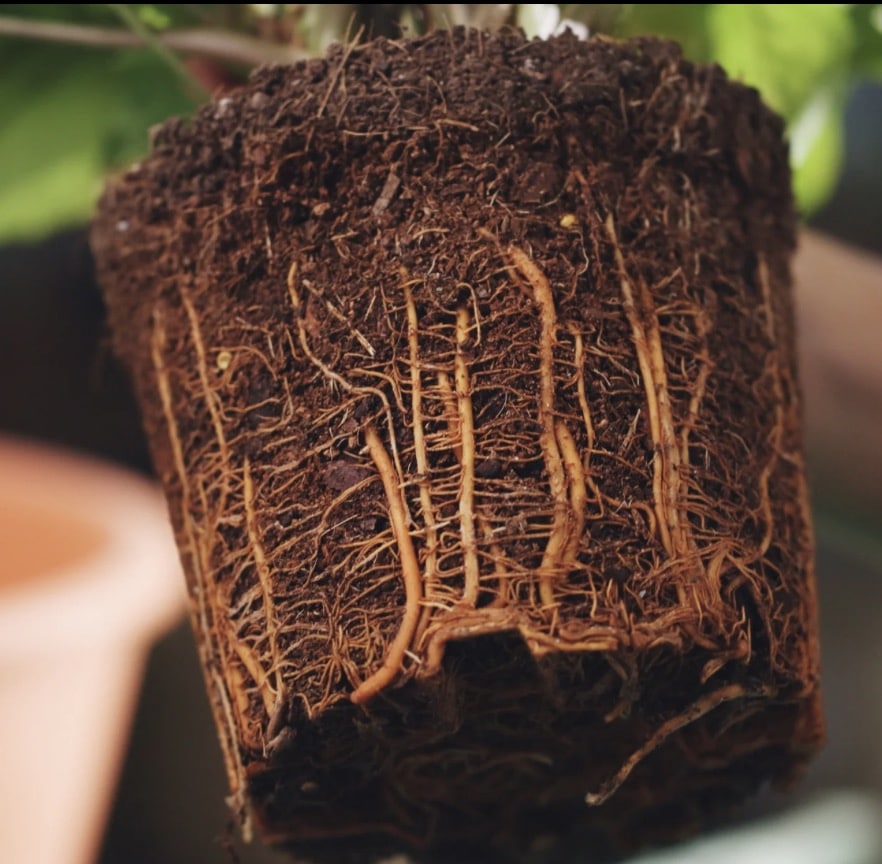
A plant is rootbound when the roots have filled most of the pot and started to circle, mat, or form a tight “basket” shape.
That changes the way water moves through the soil, and it can change the way the plant behaves above the soil line.
- Happy snug: roots are visible near the drainage holes, but water still soaks in, and growth is steady.
- Problem rootbound: water runs through in seconds, the plant wilts quickly after watering, or new growth stays small.
- Best quick test: slide the plant out of the pot. If you see more roots than soil, it is time to decide whether that plant prefers “snug” or “space.”
One more thing matters just as much as the root ball: the soil itself. Even if a plant is not badly rootbound, potting mix breaks down over time and starts holding water differently.
For many houseplants, a refresh of soil every year or two can be the difference between a plant that coasts and a plant that struggles.
5 plants that love to be a little rootbound
These are the plants that tend to bloom better, stay sturdier, or simply behave more predictably when their roots are slightly snug.
The key word is slightly. If water is running straight through and the plant is wilting constantly, even a “snug lover” has probably gone too far.
1. Phalaenopsis orchids (Phalaenopsis)
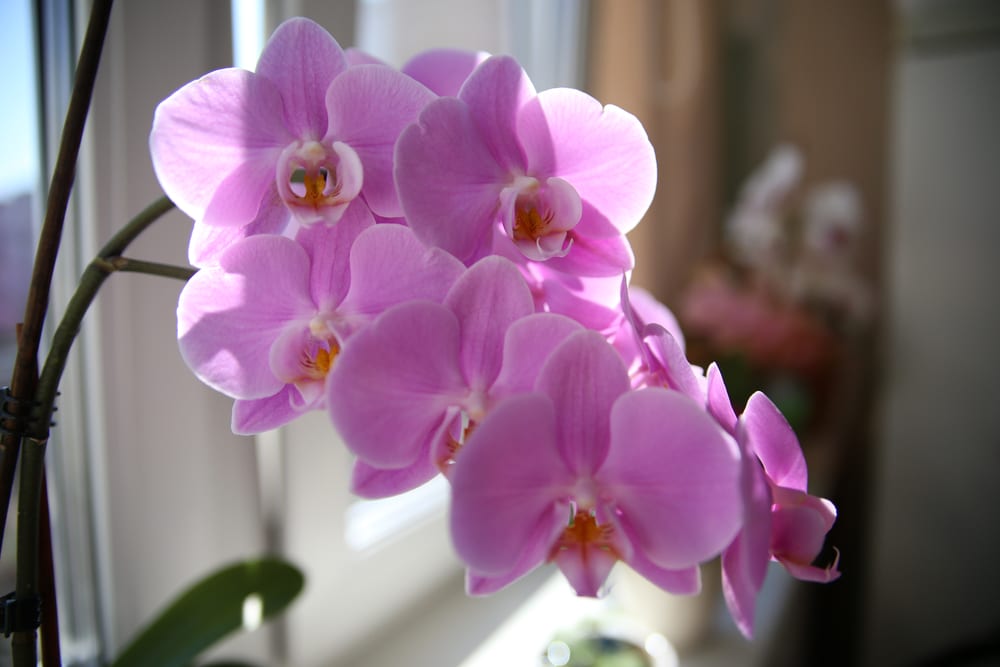
- Snug is normal: orchids often do best when the pot fits the root mass, not when there is extra “soil room.”
- Repot for the medium: if bark breaks down into mush, repot even if the plant “fits” the pot.
- Look for air: clear pots or slotted orchid pots help roots breathe and help you see moisture levels.
Phalaenopsis orchids are not looking for a big pot of wet mix. In nature, they grow on trees, with roots exposed to air and fast-draining moisture.
That is why a slightly snug pot can actually stabilize the plant and reduce the chance of staying too wet. When repotting, focus on fresh, chunky orchid bark and remove dead, hollow roots. Go up in size only if the root mass truly needs it.
A pot that is too large stays damp longer, and that is where root issues begin. If you want more blooms, keep light bright but filtered, and let the potting medium dry slightly between waterings.
2. African violets (Saintpaulia)
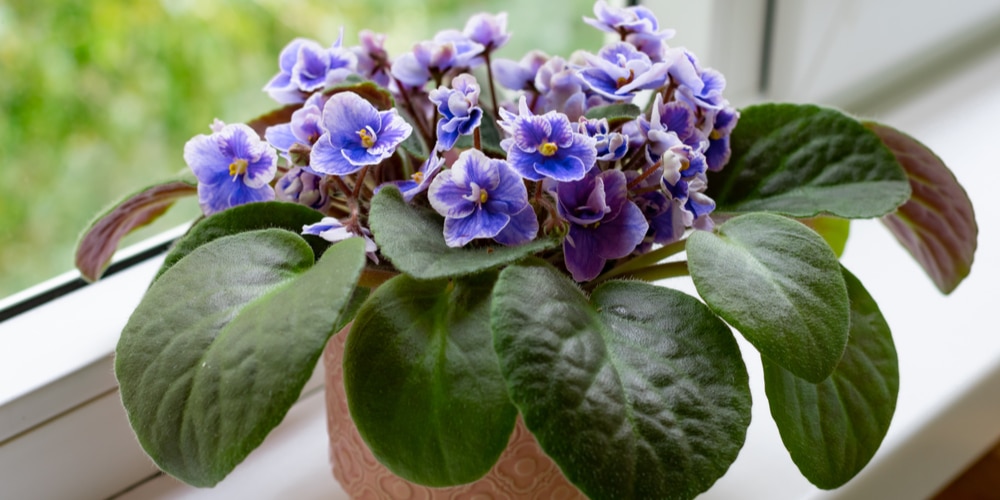
- More blooms in smaller pots: many African violets flower best when the pot is modest.
- Shallow roots: they prefer a pot that is not deep, with airy, fast-draining mix.
- Target pot size: a common guideline is a pot about one-third the width of the leaf spread.
African violets are famous for rewarding a little root snugness with better blooming. In a pot that is too big, they often focus on leaves and roots instead of flowers, and the soil can stay wet longer than they like.
Use a light, fluffy violet mix, keep the crown above the soil line, and avoid cold water on the leaves. If you bottom-water, dump any excess after the mix has absorbed what it needs.
When the plant looks crowded or the soil is tired, you can repot into the same pot with fresh mix and a gentle root trim. That refresh often triggers a fresh flush of blooms.
3. Spider plants (Chlorophytum comosum)
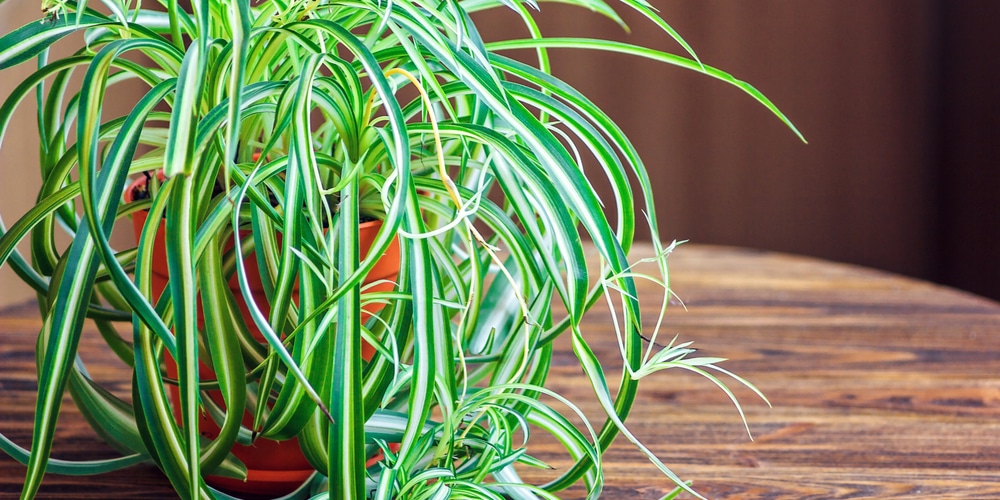
- Root snugness encourages “babies”: a slightly tight pot often leads to more plantlets.
- Thick, fleshy roots store water, so they tolerate missed watering better than many plants.
- Repot when watering becomes a chore: if it dries out in a day, it is time for a bigger pot or a division.
Spider plants tend to look their best when they are full and slightly crowded.
Those chunky roots help them bounce back from dry spells, and a snug pot often triggers the plant to produce more arching stems with baby plants.
If your spider plant has stopped growing, or if it is tipping over and pushing itself up out of the pot, it is ready for attention. You can move it up one pot size, or you can divide it into two or three plants.
Bright, indirect light keeps the foliage crisp and encourages stronger growth. If leaf tips brown, it is often from inconsistent watering or mineral buildup, and a simple soil refresh can help.
4. Snake plants (Dracaena trifasciata)
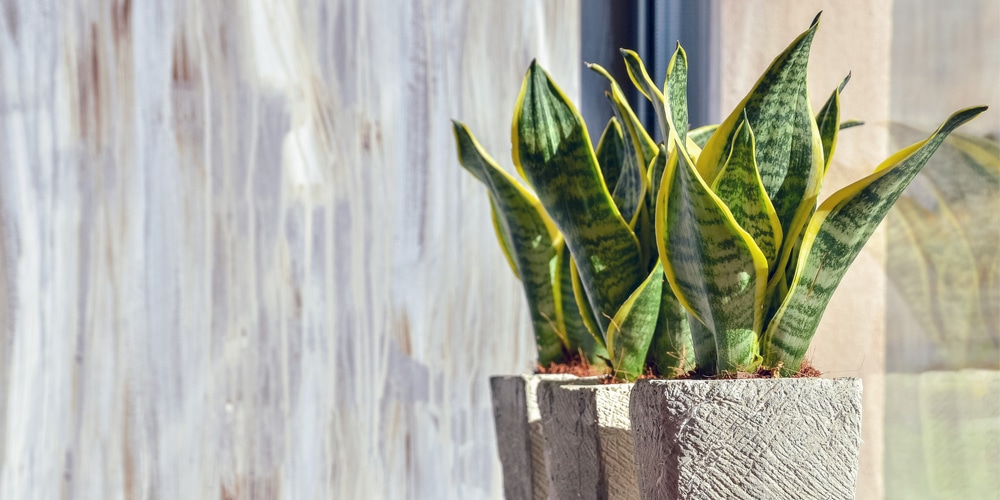
- Likes to be tight: snake plants often stay sturdier and happier in a smaller pot.
- Overpotting is risky: too much extra soil can stay wet and lead to root and rhizome problems.
- Best repot timing: when the plant is cracking the pot, toppling, or producing many pups.
Snake plants are built for drought and patience. They store water in their thick leaves and rhizomes, and they do not need a lot of pot space to thrive.
In fact, a pot that is too large is one of the easiest ways to keep them too wet. If you need to repot, go up just one size and use a gritty, fast-draining mix, cactus mix with extra perlite works well.
A snug pot also helps keep tall leaves upright. If you want more plants, snake plants are easy to divide when they produce pups.
Bright light speeds growth, but they handle lower light better than most, as long as watering stays conservative.
5. Hoyas (Hoya spp.)
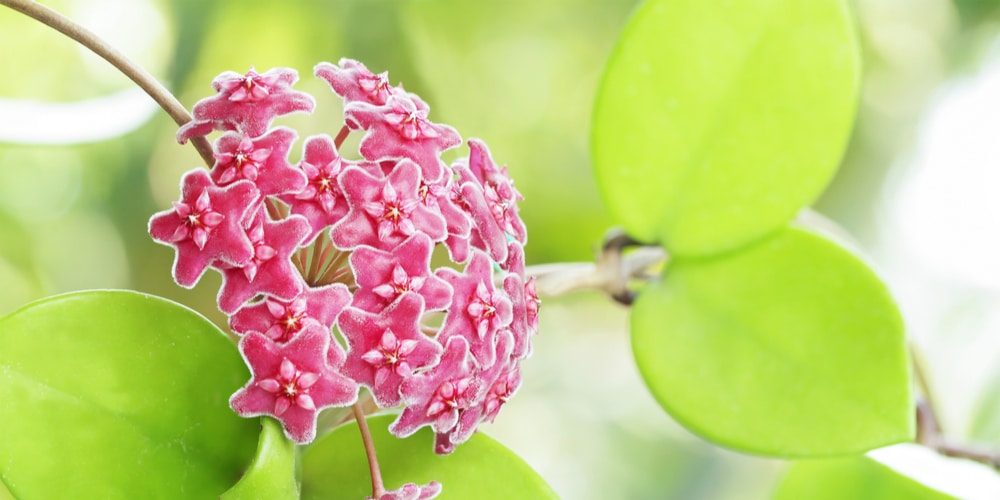
- Snug pots can encourage blooming: many hoyas flower more reliably when they are not overpotted.
- Do not remove old flower spurs: hoyas often rebloom from the same little nubs.
- Repot slowly: go up one size, keep the mix airy, and avoid heavy, water-holding soil.
Hoyas are slow, steady growers with a reputation for being a little stubborn about blooming.
One common pattern is that they bloom more readily when the roots have settled in and the pot is comfortably full. That does not mean you should let a hoya get bone-dry and stressed, but it does mean you can repot less often than many other houseplants.
Use a chunky, well-draining mix and a pot with reliable drainage. Give bright light, some gentle morning sun is often ideal, and water when the top portion of the mix dries.
If you are chasing blooms, consistency matters more than constant pot upgrades.
5 plants that need freedom
These plants either grow fast, drink heavily, or demand a more stable moisture and nutrient buffer.
When they get rootbound, the pot dries too quickly, the soil exhausts faster, and stress shows up above the soil line.
For these, “bigger pot” is not about spoiling the plant. It is about giving the roots enough room to support healthy top growth.
6. Fiddle leaf figs (Ficus lyrata)
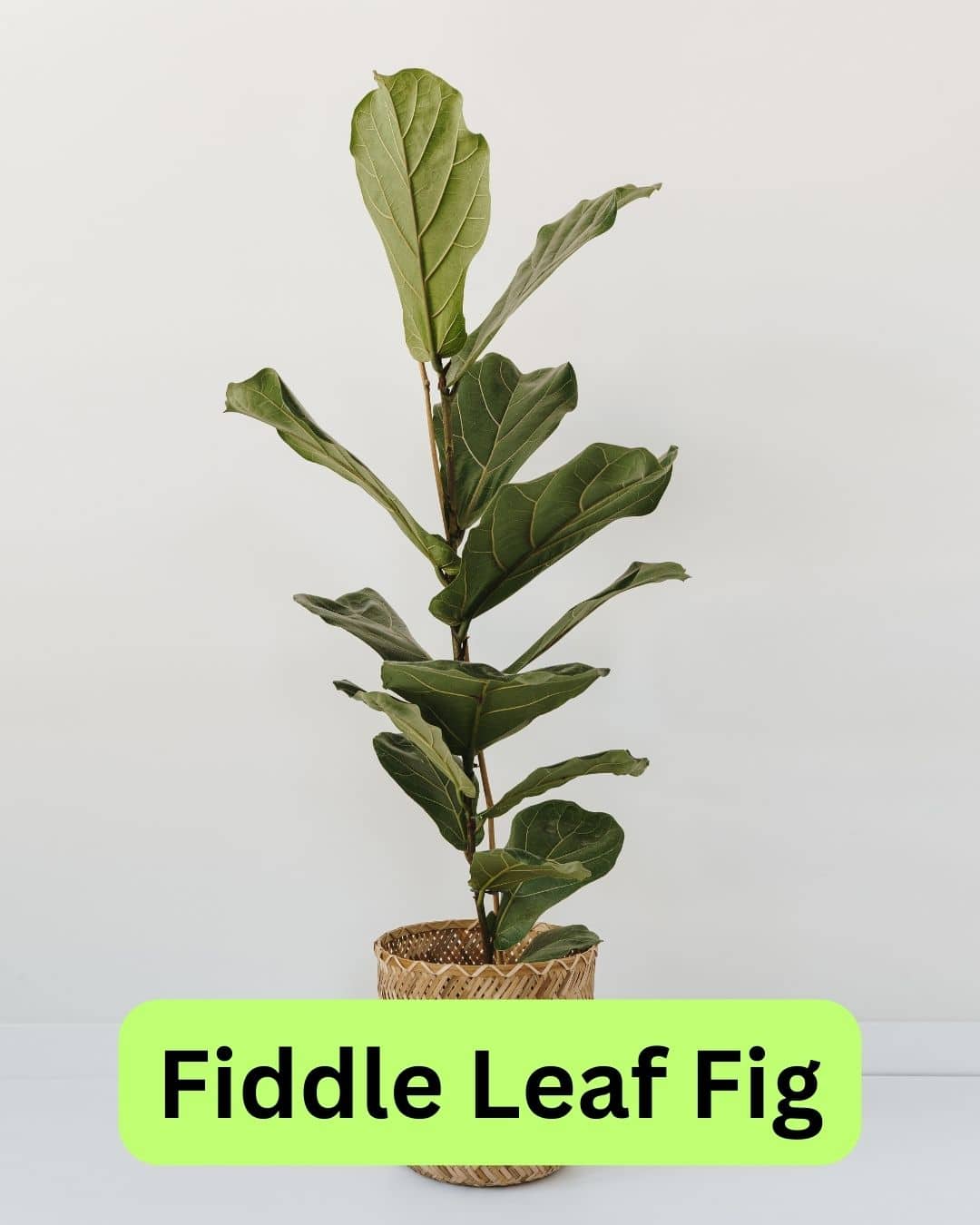
- Rootbound stress looks like leaf drop: sudden yellowing or dropped lower leaves often follows watering swings.
- Upsize gradually: move up one pot size at a time to avoid soggy soil around unused roots.
- Best cue: if it dries out fast and growth stalls, it usually needs more soil volume and fresh mix.
Fiddle leaf figs like consistency, and a tight root ball in a small pot makes consistency hard.
When the pot is packed, water can run through quickly, then the plant dries out fast, then you compensate with extra watering, and the cycle repeats. That is when leaves start to spot, yellow, or drop.
Repot in spring or early summer, loosen circling roots gently, and refresh with a well-draining indoor tree mix.
After repotting, keep watering steady and avoid moving the plant around the house. Pair the right pot size with bright light, and the plant is far more likely to reward you with larger, sturdier leaves.
7. Monsteras (Monstera deliciosa)
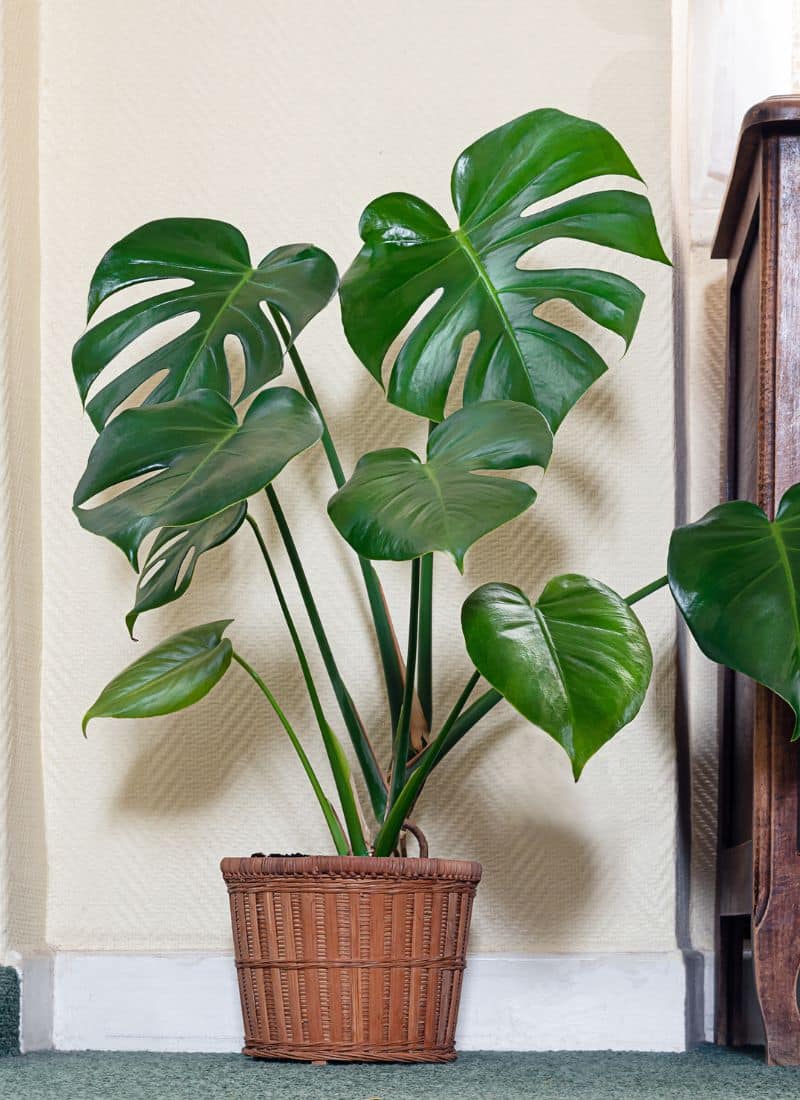
- Small leaves can be a clue: when a monstera gets rootbound, new leaves may stay smaller with fewer splits.
- Thirst spikes fast: a packed pot dries quickly, especially in bright light.
- Support matters: a moss pole or stake helps the plant size up as roots get room to grow.
Monsteras are fast growers when they are happy, and they need enough soil volume to keep moisture and nutrients stable.
When they become rootbound, you often see a plant that looks “stuck,” lots of stems, but leaves that do not size up the way you want.
Repot in spring, go up one pot size, and use a chunky aroid-style mix that drains well but still holds some moisture. While you are at it, add support.
A climbing monstera is more likely to produce bigger, more dramatic leaves than one that sprawls flat.
Bright, indirect light and regular feeding during the growing season help it take full advantage of the extra root room.
8. Container tomatoes (Solanum lycopersicum)
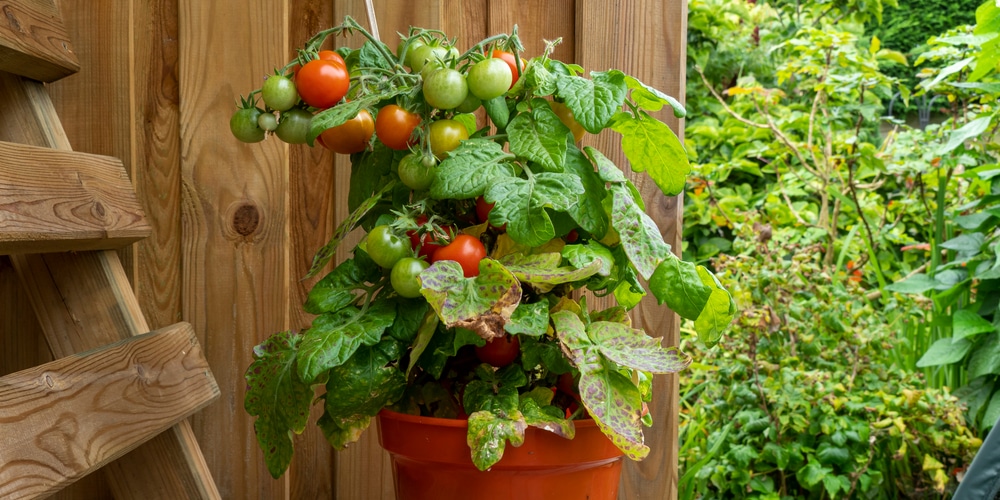
- Pot size is everything: most tomatoes do best in at least 5 gallons, and many thrive in 10 gallons.
- Rootbound plants dry out daily: that leads to blossom drop, cracked fruit, and stress.
- Feed and water consistency: a larger pot helps buffer both, which improves harvest.
Tomatoes are not forgiving in tiny pots. A rootbound tomato might survive, but it rarely thrives. The plant dries out too fast, nutrients wash out quickly, and you end up in a constant cycle of watering and fertilizing.
If you want a real harvest, start with a generous container, use a quality potting mix, and add a support system early.
Larger pots also reduce the risk of blossom end rot because soil moisture stays more even. If you are short on space, choose compact varieties designed for containers, but still give them volume.
With tomatoes, “freedom” mostly means enough soil to keep roots cool, fed, and evenly moist during summer heat.
9. Dwarf citrus trees (Citrus spp.)
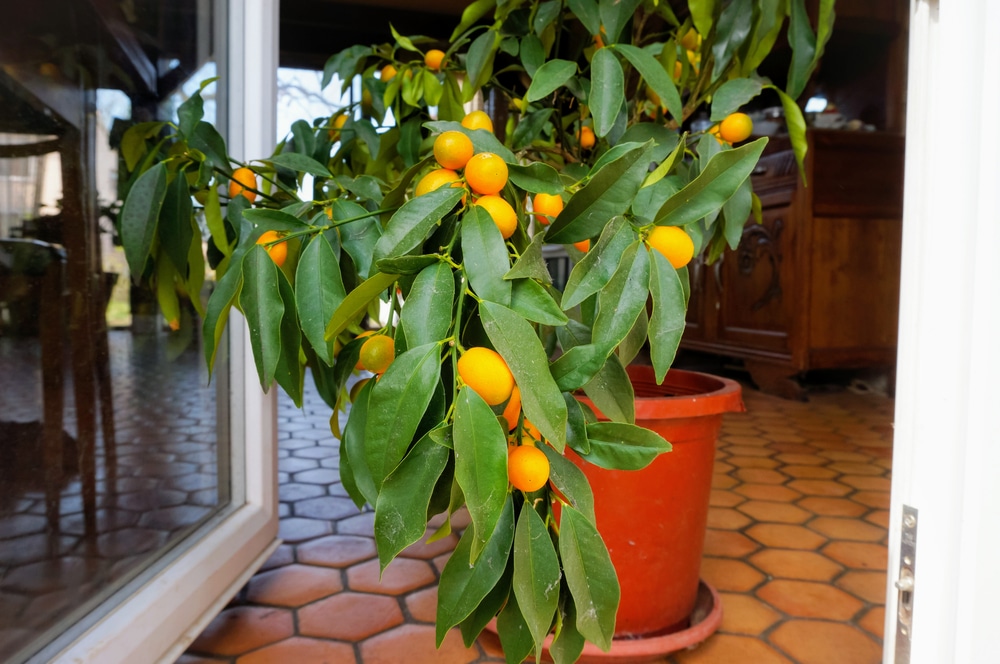
- Rootbound limits fruiting: tight roots can mean more leaf stress and fewer flowers.
- Refresh the soil: citrus are heavy feeders, and old mix gets depleted.
- Watch drainage: bigger pots must still drain well, soggy citrus roots cause quick decline.
Dwarf citrus can live in containers for years, but they do not want to live in the same cramped root situation forever.
When roots fill the pot, the tree becomes harder to water correctly, and the soil runs out of nutrition faster, right when the plant needs it most for flowers and fruit.
Repotting is also a chance to refresh with a citrus-friendly mix that drains well and to trim any circling roots.
Many citrus growers bump up pot size every couple of years until the tree reaches a “final” container, then they do root pruning and soil replacement on a schedule.
Bright sun, regular feeding, and enough root room are what turn a citrus tree from “surviving” into producing.
10. Bigleaf hydrangeas in pots (Hydrangea macrophylla)
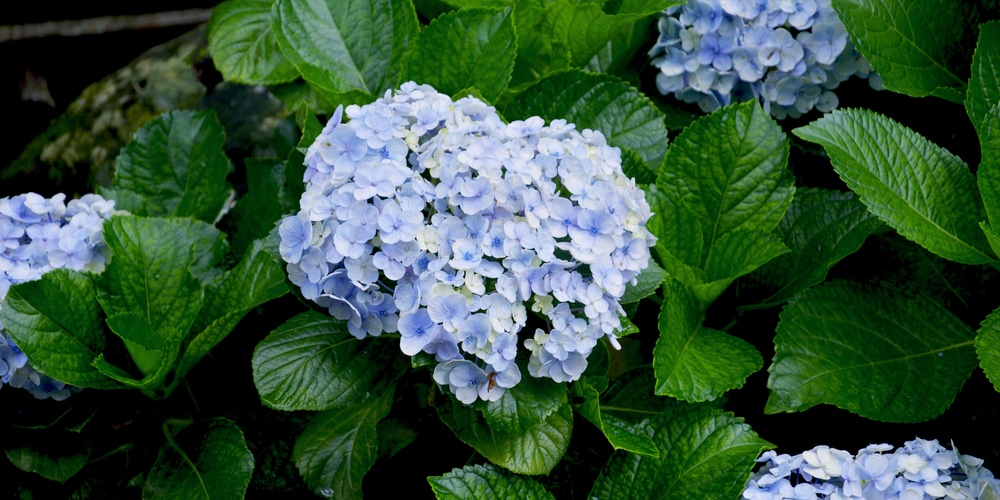
- They are thirsty: rootbound hydrangeas wilt fast, sometimes within hours on hot days.
- Soil volume protects blooms: more root room means steadier moisture and better bud support.
- Cold protection matters: container roots get colder than in-ground roots, so bigger pots help buffer temperature swings.
Hydrangeas can be stunning in containers, especially near patios, but they are not the kind of plant that enjoys tight quarters.
When a hydrangea becomes rootbound, it dries out rapidly, which leads to drooping, scorched edges, and fewer reliable blooms.
If you are growing one in a pot, choose a generously sized container with drainage, use a moisture-retentive but well-draining mix, and water deeply when the top inch begins to dry.
Morning sun with afternoon shade is often the sweet spot for container hydrangeas in many parts of the country. Repotting into a larger container every couple of years keeps the plant healthier, and it helps you avoid the “wilting by noon” routine.
Repotting rules that keep plants happy
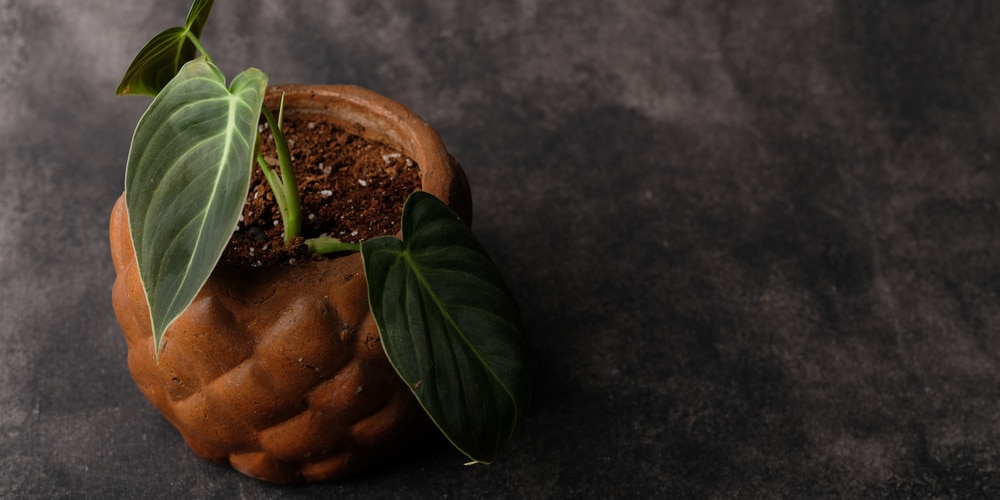
If you only remember one guideline, make it this: match the pot change to the plant’s personality. Snug-loving plants usually want fresh mix and only a small size change. Space-loving plants often need both fresh mix and more volume to stabilize moisture and nutrition.
- Step up slowly: for most houseplants, move up 1 to 2 inches in pot diameter, not a giant jump.
- Refresh tired soil: even if you keep the same pot, a soil refresh can reboot growth.
- Water changes after repotting: new mix often holds moisture differently than old mix, so check before you water again.
- Timing helps: spring and early summer are easiest because plants are naturally ready to grow new roots.
- Do not chase problems with a bigger pot: if a plant is struggling from low light or overwatering, upsizing can make it worse.
If you are unsure, slide the plant out and look. A tight root ball is not automatically bad, but it is information.
For orchids, snake plants, African violets, and hoyas, snug is often part of the recipe.
For monsteras, tomatoes, citrus, and hydrangeas, snug turns into stress fast because they need a more stable root zone to support the top growth you want. When you repot, go for a pot with drainage, a mix that matches the plant, and just enough extra room to make watering and growth easier, not harder.
Conclusion
Rootbound is not a universal problem. It is a signal. Some plants like to feel anchored and a little snug, and they often reward that with flowers, pups, or steadier growth.
Other plants need breathing room so their roots can hold enough moisture and nutrients to support big leaves, fruit, or full-size blooms.
If a plant dries out too fast, stalls, or looks stressed even with good care, checking the root ball is one of the quickest ways to get an honest answer.
Once you know whether your plant prefers snug or space, repotting becomes a simple, confident move instead of a guessing game.