New York is a stress test for plants. Deep freezes upstate. Freeze and thaw cycles that heave roots. Humid summers that invite mildew. Heavy clay in a lot of neighborhoods. Random dry spells that show up right when you stop paying attention.
So this list is built for real life. These perennials can handle missed watering, average soil, and the kind of “I’ll get to it later” maintenance most yards live on. The trick is simple: water them through the first season, then let their roots do the work.
One note: No list is perfect for every corner of New York. This one fits most of the state (typical yard conditions in Zones 4 to 7). If you’re in the coldest, windiest pockets of the Adirondacks or other high-elevation sites, stick to the toughest picks in the Fast Picks box and the grasses.
Fast Picks (Plant These First)
If you want the biggest “looks great with low effort” payoff, start with these and plant them in clumps of 3 to 5.
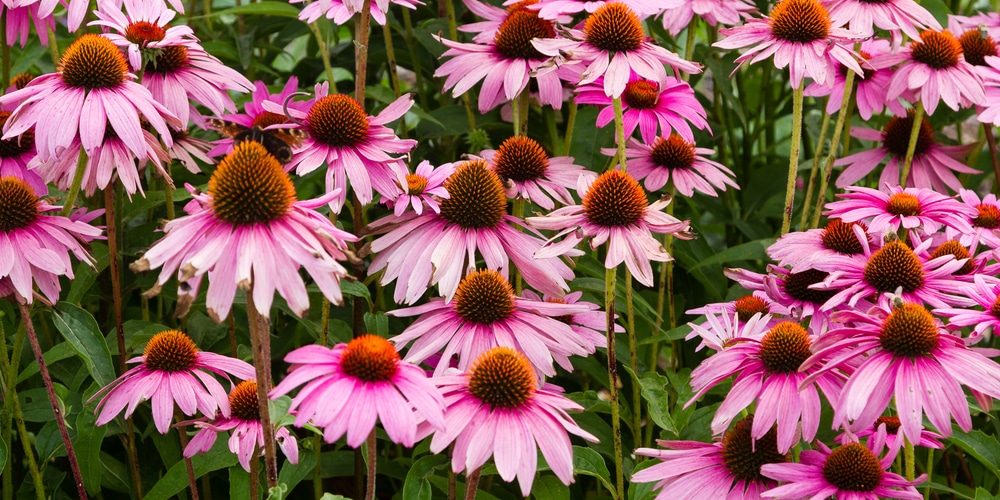

- #1 Purple Coneflower
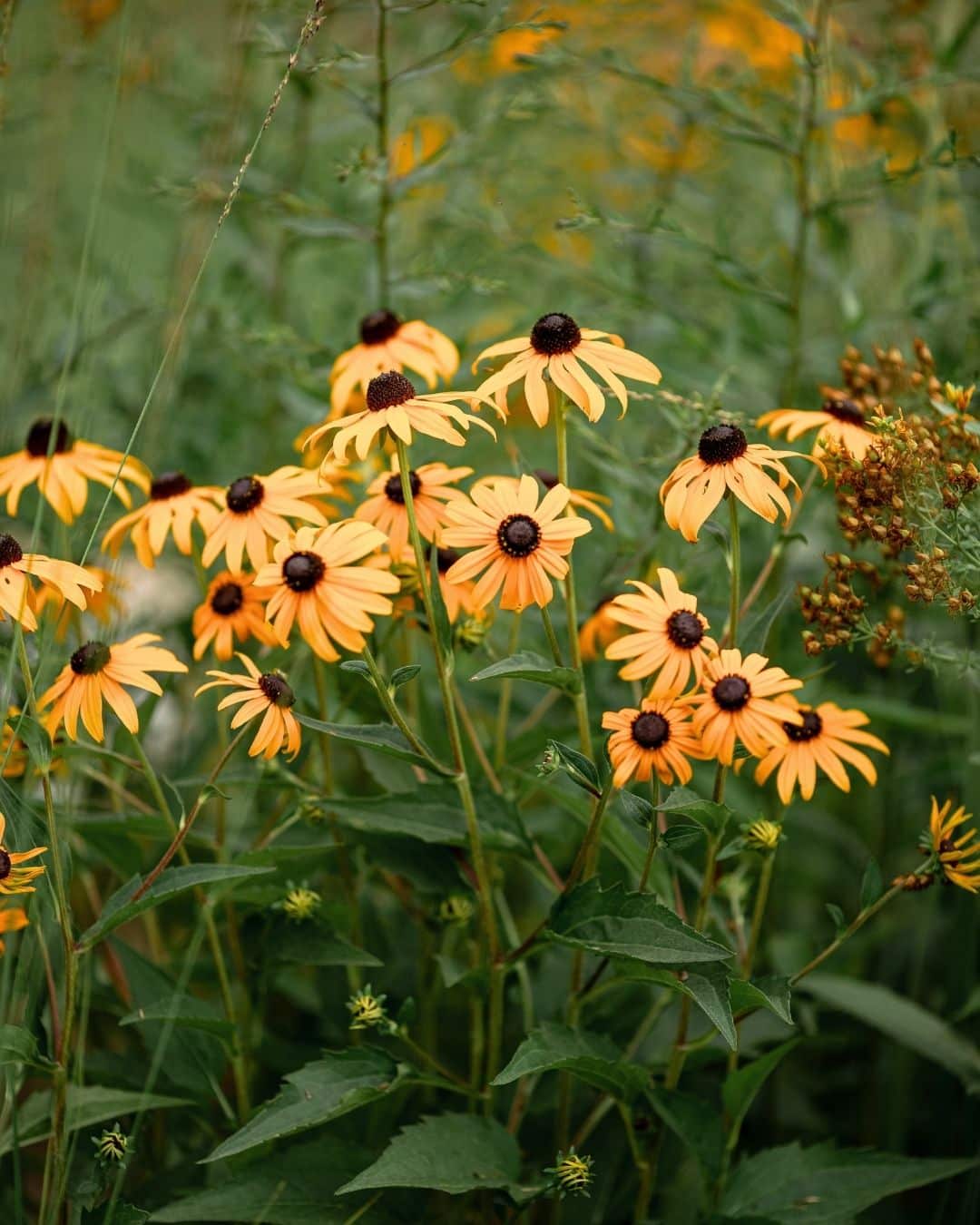
- #2 Black-Eyed Susan
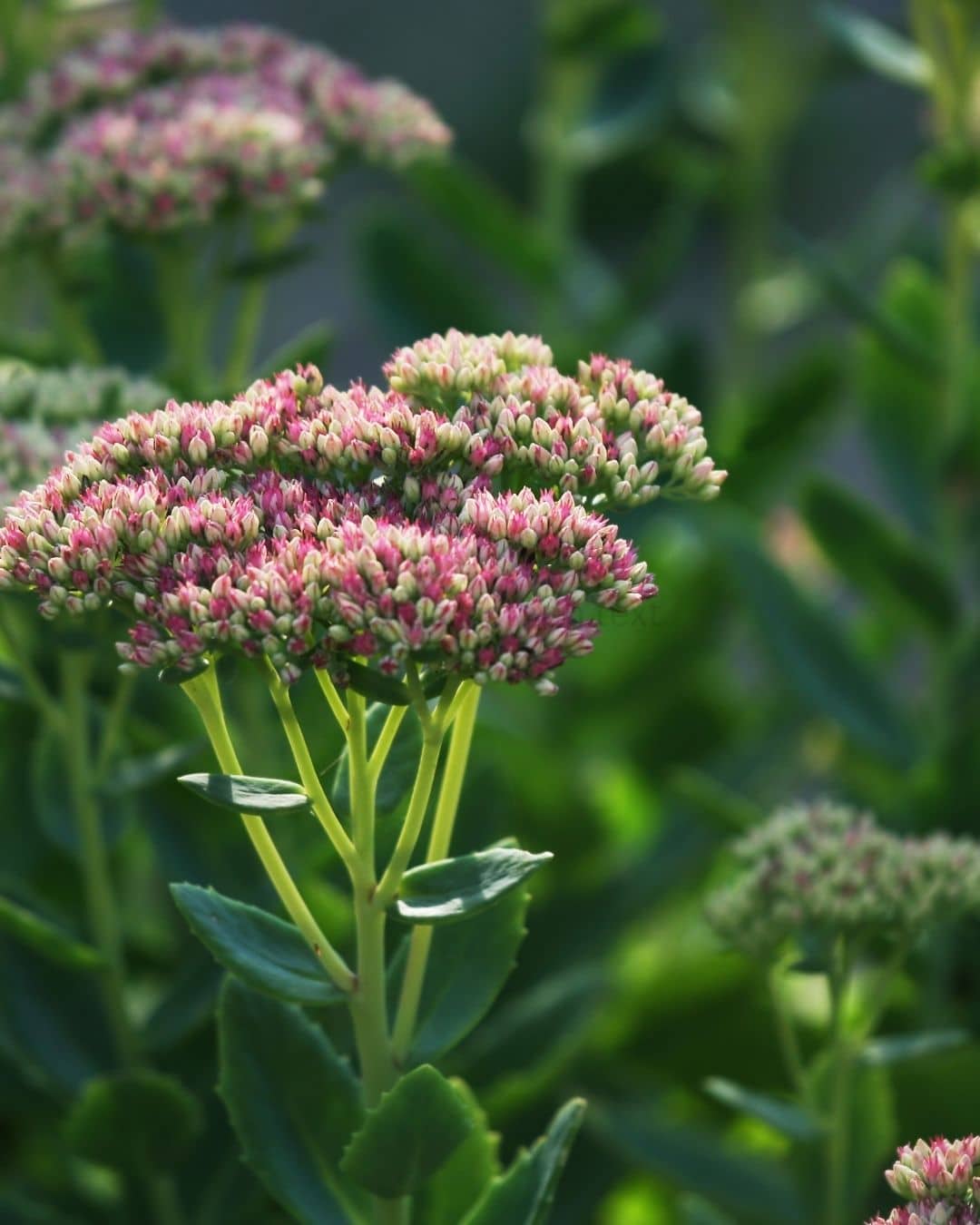
- #3 Sedum ‘Autumn Joy’
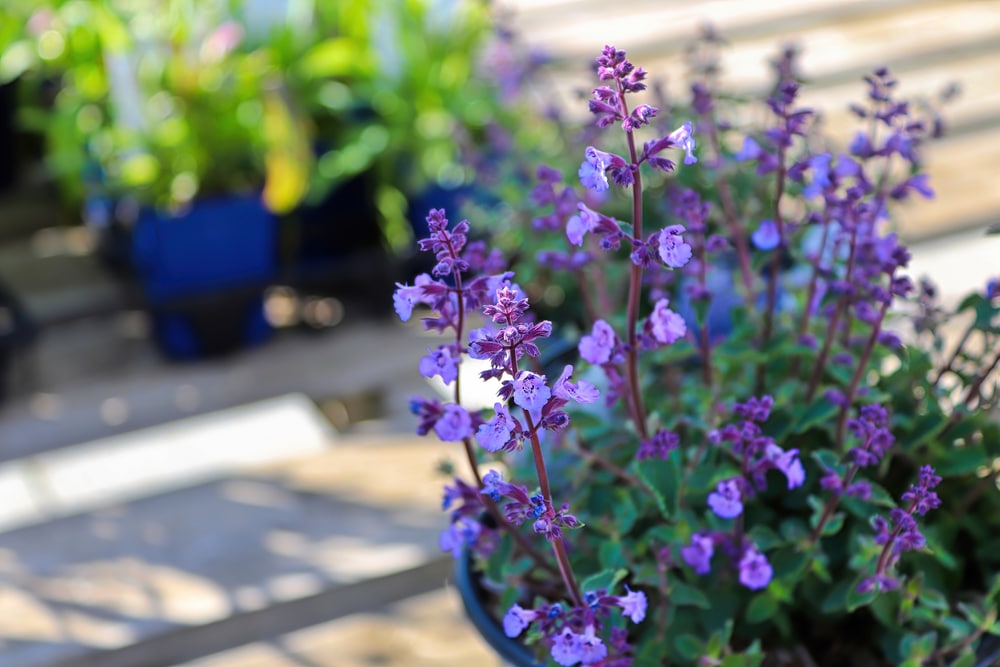
- #5 Catmint
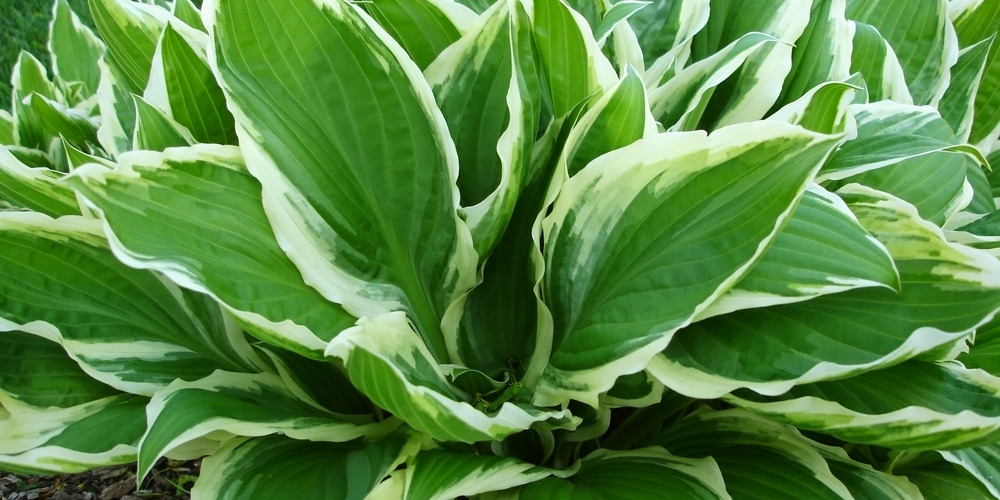
- #23 Hosta
- #30 Switchgrass
Jump To The Most Useful Section for YOU
- 3 rules that make “neglect gardening” work
- Full sun and dry spots
- Sunny beds with regular soil
- Moist spots and fall finishers
- Shade and woodland edges
- Groundcovers and edging
- Grasses that make everything look designed
- Easy New York pairings
3 Rules That Make “Neglect Gardening” Work
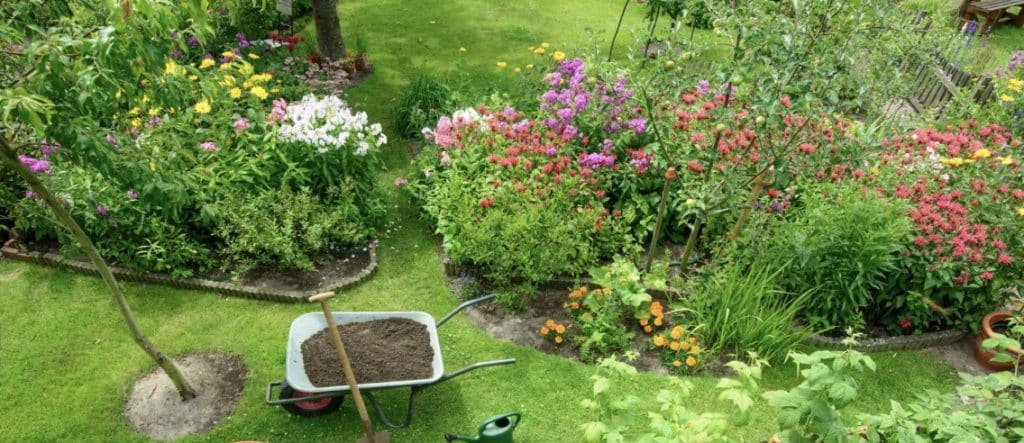
- Rule 1: Water for year one. After that, most of these can live on rainfall.
- Rule 2: Drainage beats fertilizer. Soggy soil causes more failures than “bad soil.”
- Rule 3: Plant in groups. Clumps shade out weeds and look intentional.
If your soil is heavy clay, the fastest upgrade is not fancy amendments. It is mulch and time. A 2 to 3 inch mulch layer helps your soil behave better every season.
Full Sun and Dry Spots
These are for hot front beds, slopes, hellstrips, and anywhere you forget to water until you remember in August.
1) Purple Coneflower (Echinacea purpurea)
Coneflower is the “I did nothing and it still bloomed” classic. Once it’s rooted in, it handles heat, missed watering, and average soil like it was built for New York yards.
- Light: Full sun to part sun
- Water: Low once established
- Best for: Pollinators and tough borders
- Pair with: #3 Sedum and #30 Switchgrass
- Neglect move: Leave seed heads for birds
2) Black-Eyed Susan (Rudbeckia)
If you want big color with almost no effort, this is it. Black-eyed Susan takes sun, clay, humidity, and “oops I forgot” watering and still puts on a long yellow show.
- Light: Full sun to part sun
- Water: Low once established
- Best for: Easy mass plantings
- Pair with: #1 Coneflower and #21 New England Aster
- Neglect move: Let a few self-seed for free plants
3) Sedum ‘Autumn Joy’ (Hylotelephium)
This is your late-season insurance policy. When other flowers slow down, sedum steps forward with sturdy stems and blooms that age into a fall color show.
- Light: Full sun
- Water: Very low once established
- Best for: Dry beds and fall color
- Pair with: #7 Russian Sage
- Neglect move: Skip fertilizer (it flops in rich soil)
4) Yarrow (Achillea millefolium)
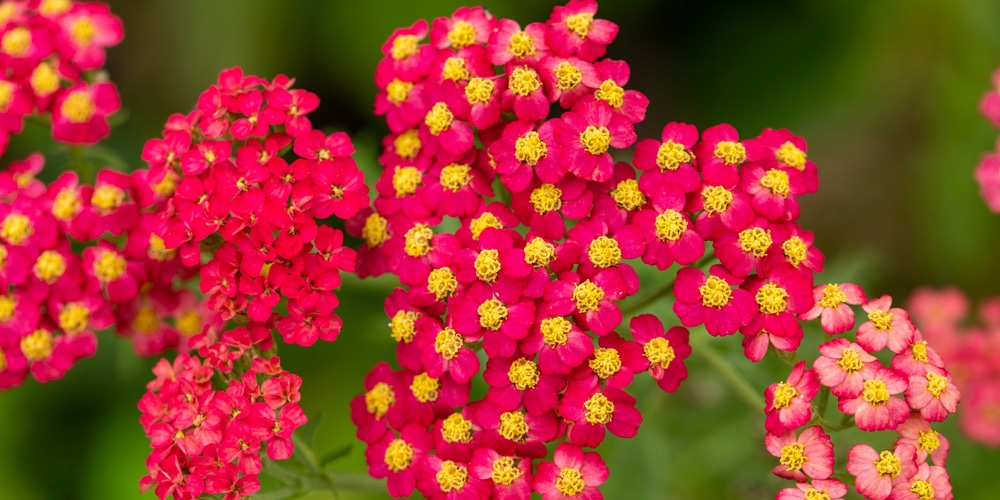
Yarrow is happiest when you don’t spoil it. It loves lean soil and bright sun, and it’s one of the best choices for slopes where watering is a pain.
- Light: Full sun
- Water: Low once established
- Best for: Slopes and hot borders
- Pair with: #9 Blanket Flower
- Neglect move: Deadhead once for a second flush
Quick trick: For dry beds, plant in “layers.” Put a taller airy plant in back (#7 Russian sage), a color workhorse in the middle (#1 or #2), then a drought-proof edge (#5 catmint or #3 sedum). It looks planned even when it wasn’t.
5) Catmint (Nepeta)
Catmint is the long-blooming, low-drama edging plant that keeps beds looking full. One midseason haircut is the only “real” work it asks for.
- Light: Full sun to part sun
- Water: Low once established
- Best for: Edges and long color
- Pair with: #6 Meadow Sage
- Neglect move: Shear by one-third after first bloom
6) Meadow Sage (Salvia nemorosa)
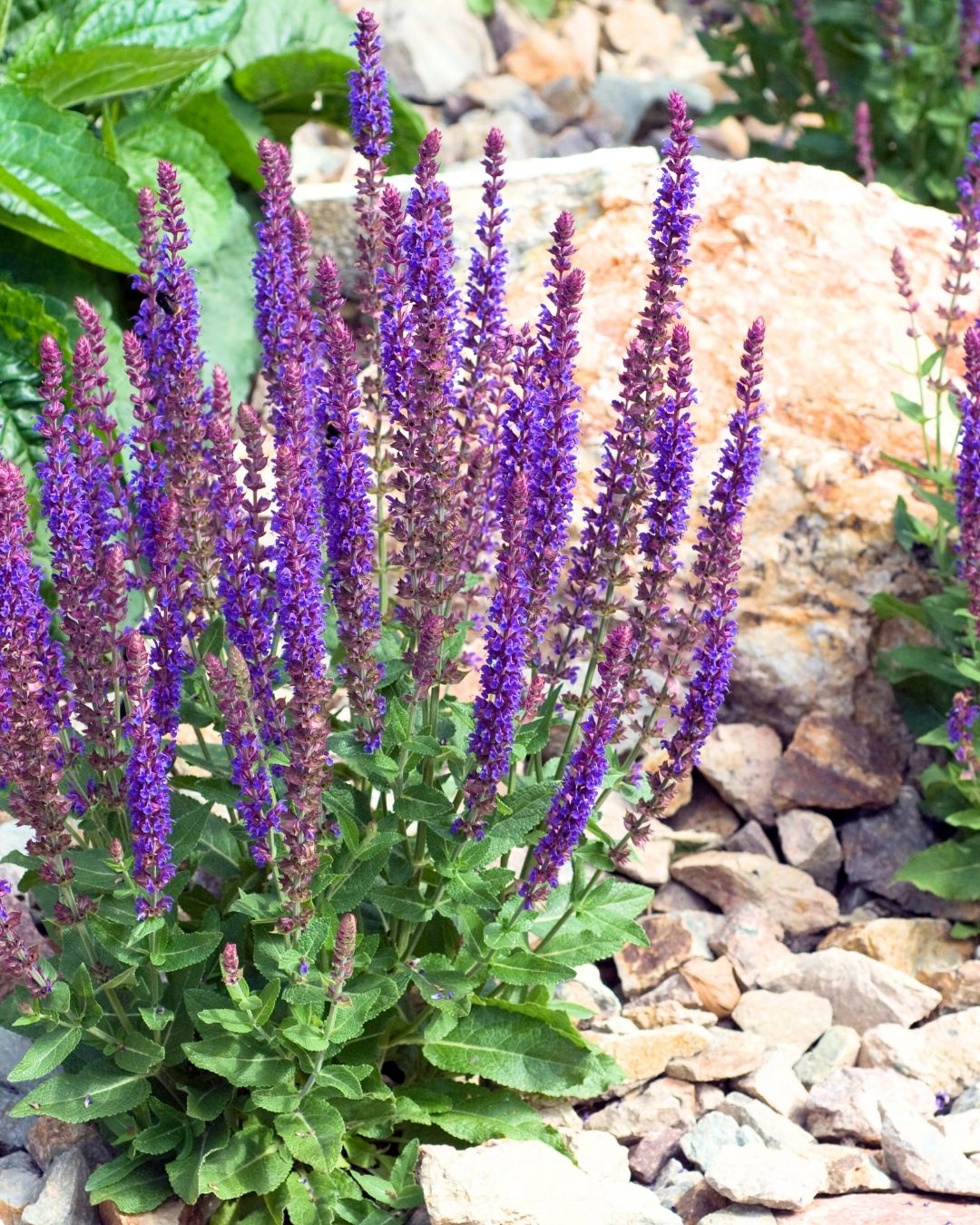
Meadow sage is for people who want a tidy plant that still blooms hard. Cut it back after the first flush and it often throws a second round of color.
- Light: Full sun
- Water: Low to moderate
- Best for: Neat borders and pollinators
- Pair with: #5 Catmint
- Neglect move: Cut spent stems to reboot blooms
7) Russian Sage (Salvia yangii)
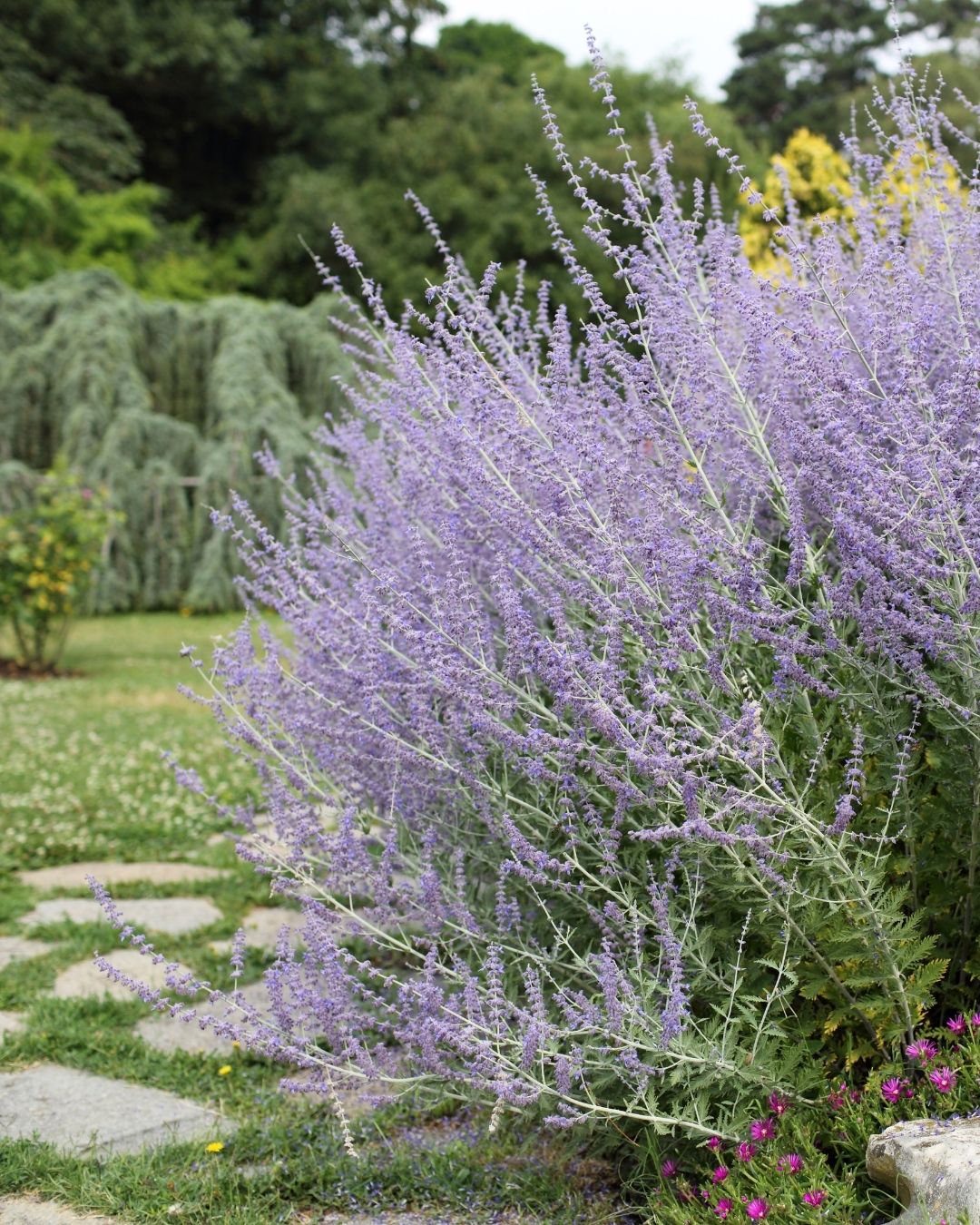
If you have a sunny spot that bakes in July, Russian sage is a cheat code. It adds tall purple haze without needing rich soil or constant watering.
- Light: Full sun
- Water: Low once established
- Best for: Hot, dry back-of-bed height
- Pair with: #3 Sedum
- Neglect move: Cut back hard in early spring
Lazy pairing: Want a bed that stays colorful with almost no weeding? Use a “tight edge” plant (#5 catmint) and a “vertical” plant (#6 meadow sage). That combo shades the soil and keeps weeds from getting a foothold.
8) Threadleaf Coreopsis (Coreopsis verticillata)
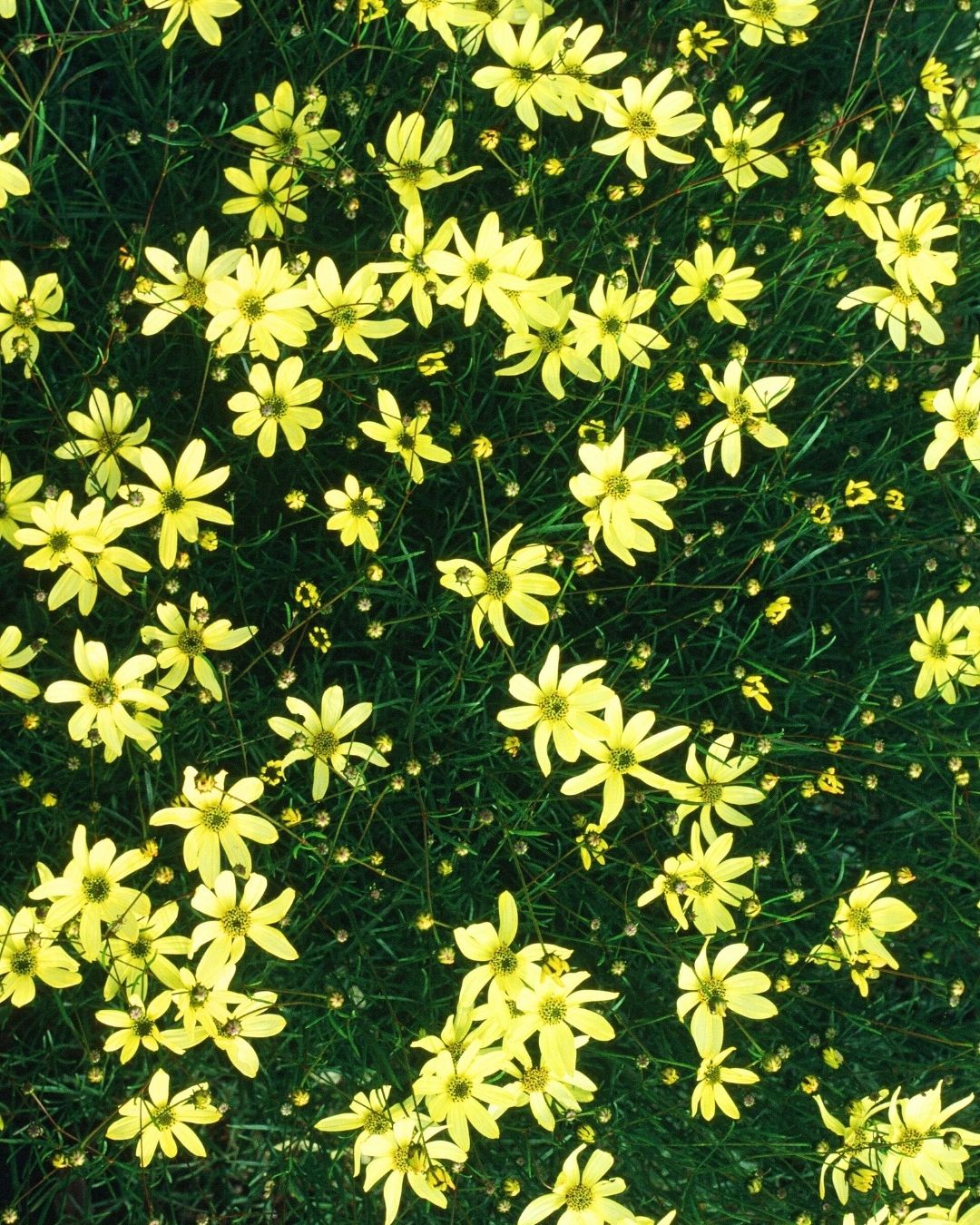
This plant looks delicate, but it’s tougher than it looks. Threadleaf coreopsis blooms for a long stretch in sun and does not need rich soil to perform.
- Light: Full sun
- Water: Low once established
- Best for: Long-season yellow color
- Pair with: #1 Coneflower
- Neglect move: Light trim midseason to refresh
9) Blanket Flower (Gaillardia)
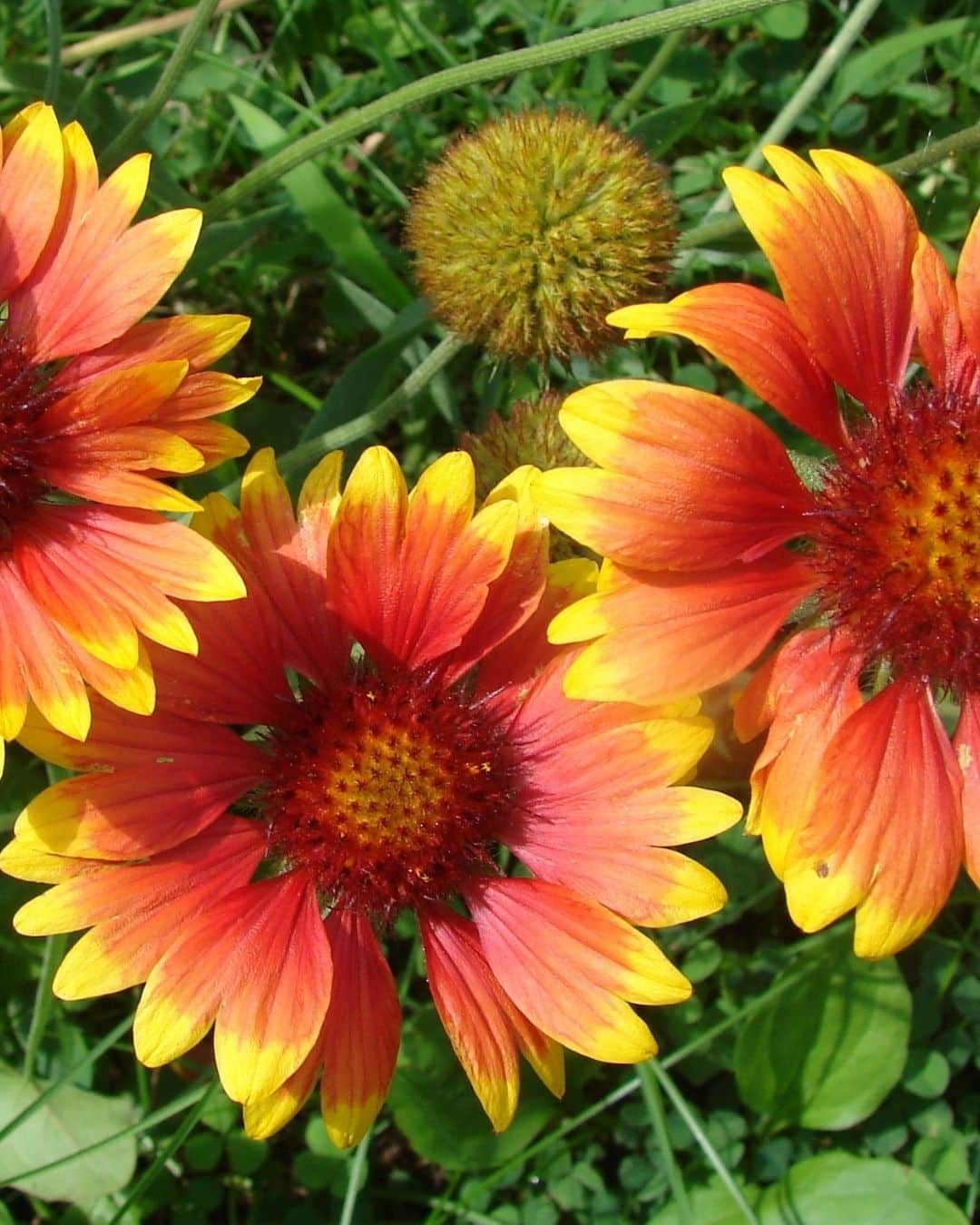
Blanket flower is the “hot pavement” flower. It loves sun, handles drought, and keeps pumping color when other plants start complaining.
- Light: Full sun
- Water: Low once established
- Best for: Rocky beds and baked front yards
- Pair with: #4 Yarrow
- Neglect move: Avoid fertilizer (shortens lifespan)
10) Butterfly Weed (Asclepias tuberosa)
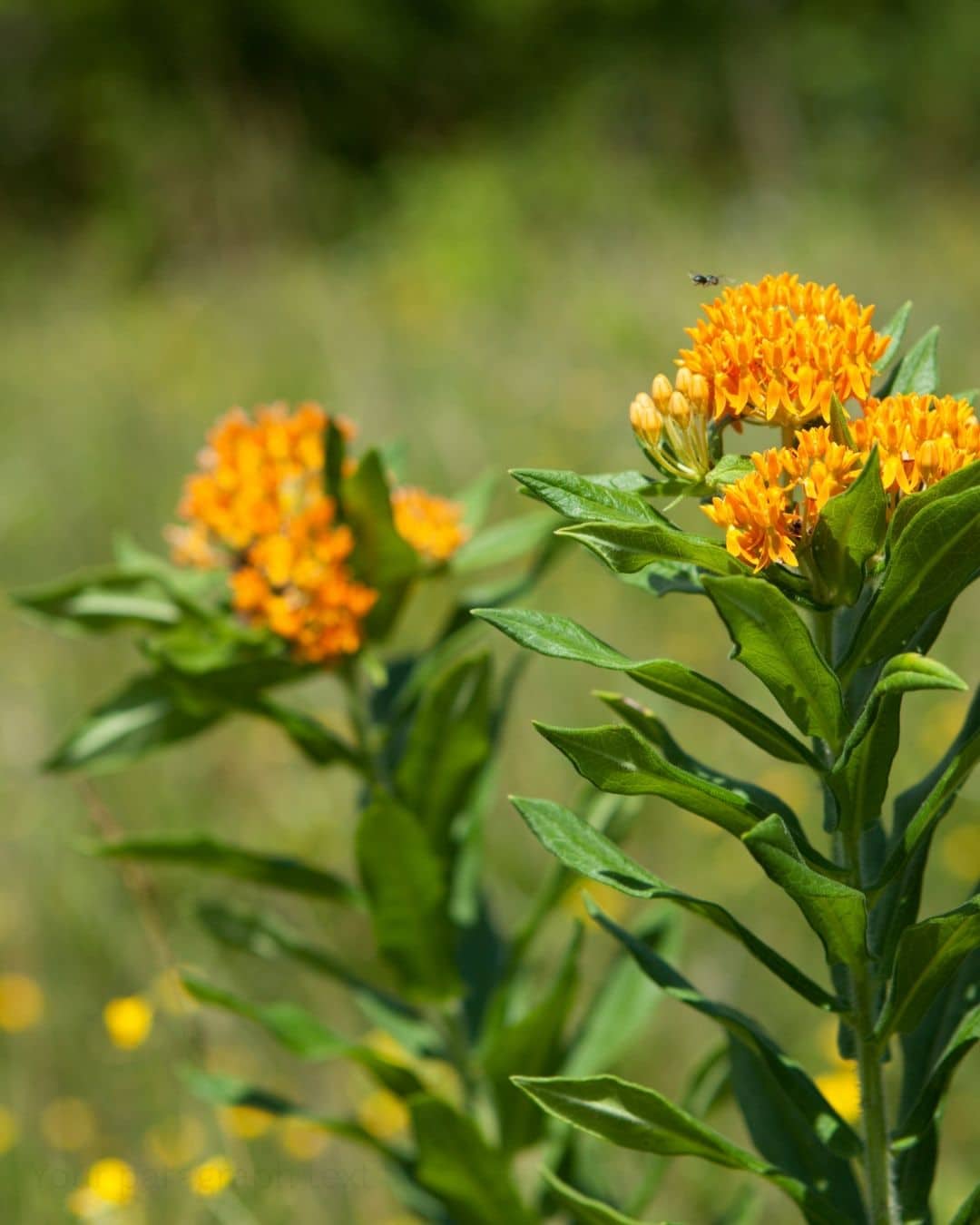
Butterfly weed thrives on being left alone. Once it settles, it tolerates drought and brings butterflies to the yard like clockwork.
- Light: Full sun
- Water: Low once established
- Best for: Native pollinator beds
- Pair with: #29 Little Bluestem
- Neglect move: Do not move it after it settles
11) Lamb’s Ear (Stachys byzantina)
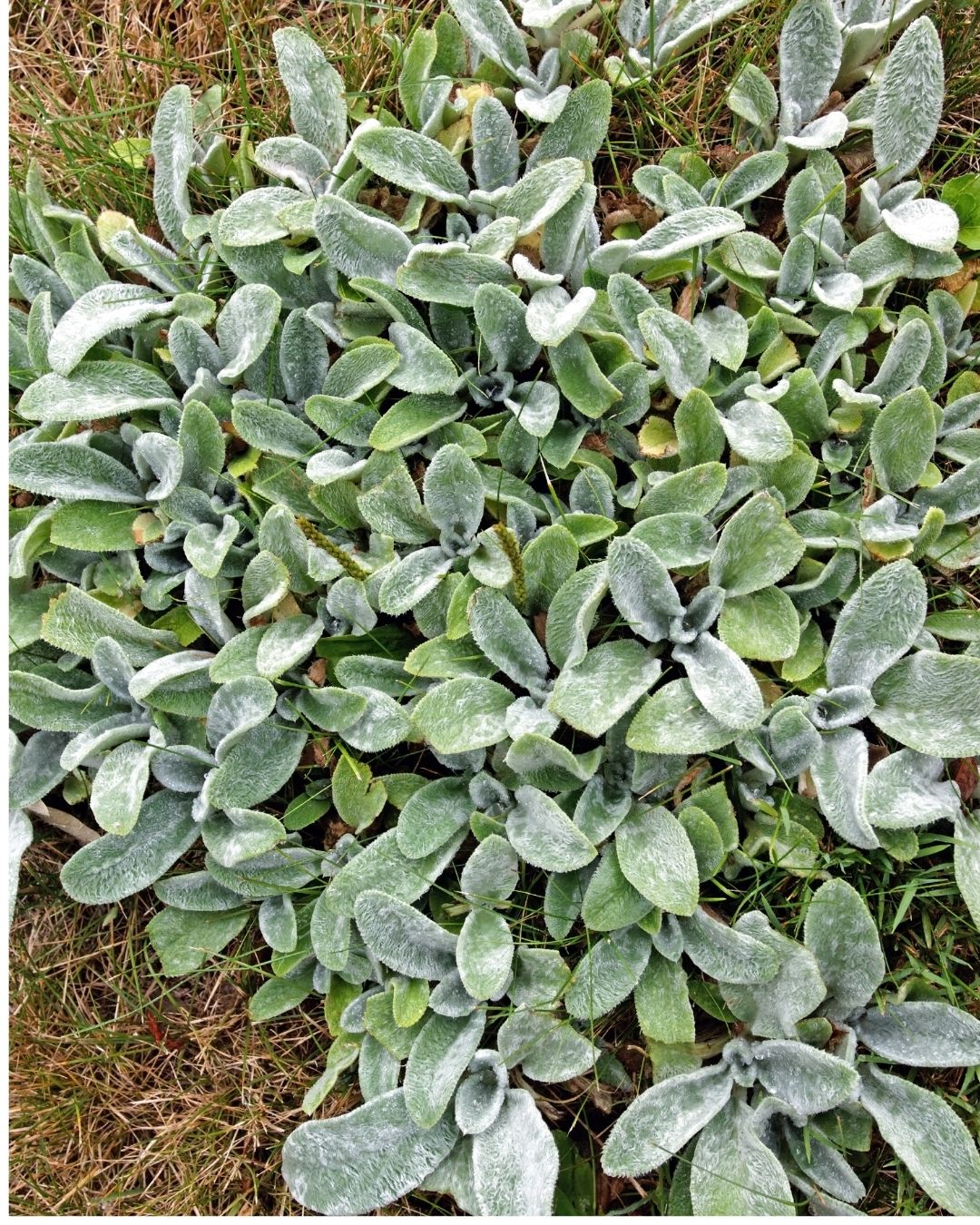
Lamb’s ear is an edge plant that behaves like a living mulch. It blocks weeds, handles drought, and usually gets ignored by deer because of its fuzzy texture.
- Light: Full sun to part sun
- Water: Low once established
- Best for: Sunny edging and weed control
- Pair with: #5 Catmint
- Neglect move: Keep it on the dry side
Sunny Beds With Regular Soil
These are the “normal yard” performers. They thrive in typical beds with sun, average soil, and occasional watering.
12) False Indigo (Baptisia)
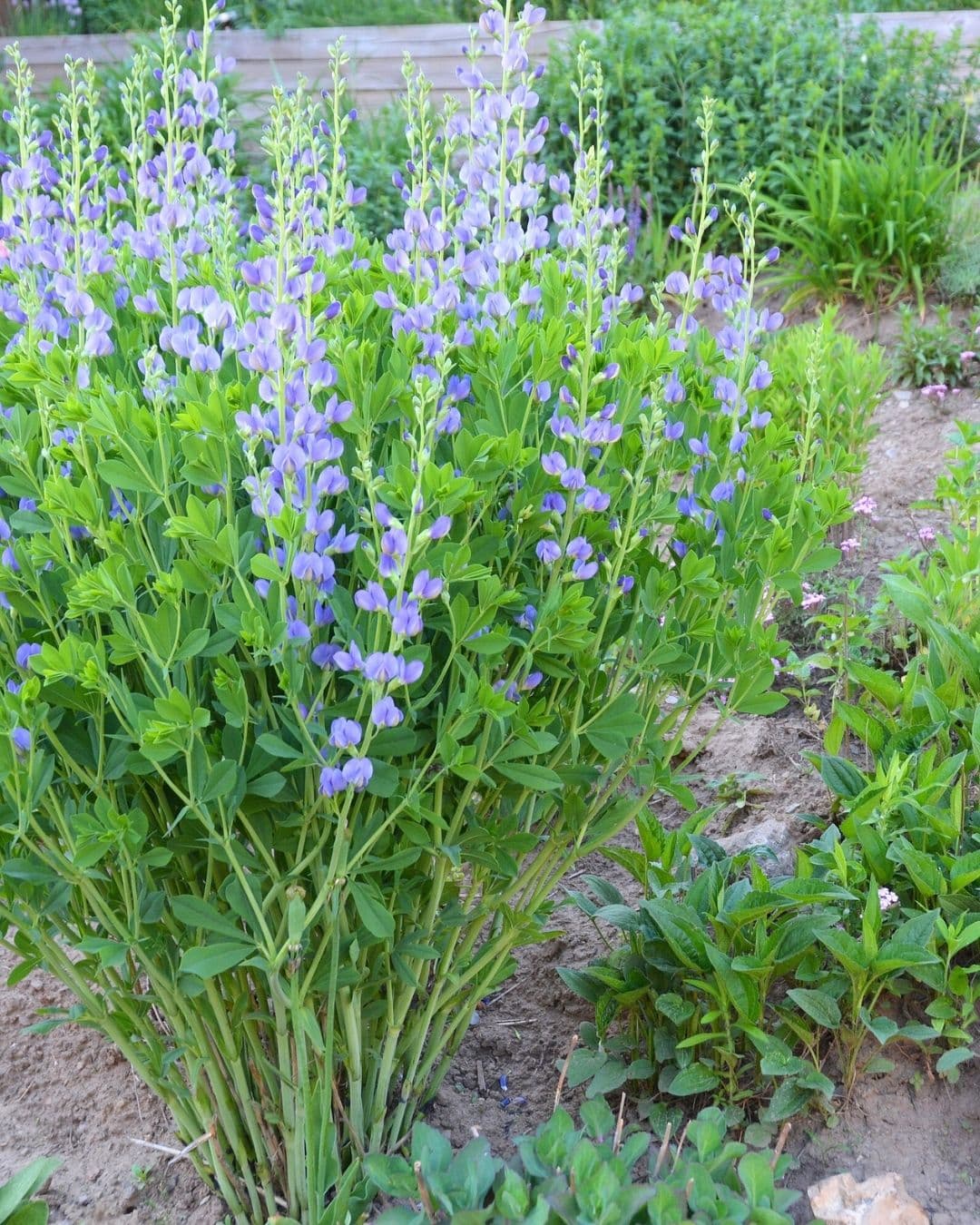
False indigo is the long-game plant. It’s slow the first year, then turns into a sturdy, shrub-like clump that can live for years without dividing.
- Light: Full sun to part sun
- Water: Low once established
- Best for: Long-lived backbone structure
- Pair with: #1 Coneflower
- Neglect move: Don’t move it once it settles
13) Daylily (Hemerocallis)
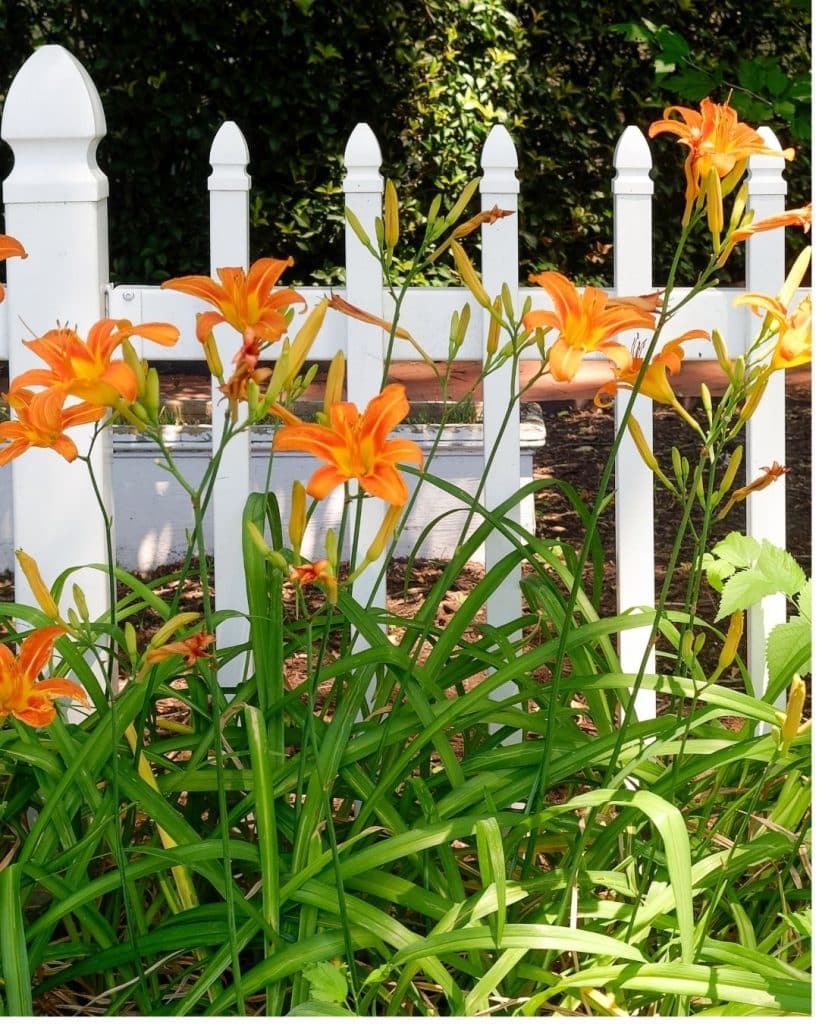
Daylilies are famous for a reason. They tolerate clay, heat, and missed watering, and they still bloom like you took care of them. They’re one of the easiest “fill a bed fast” plants.
- Light: Full sun to part shade
- Water: Low to moderate
- Best for: Tough beds and mass plantings
- Pair with: #30 Switchgrass behind them
- Watch out: Toxic to cats
14) Peony (Paeonia)
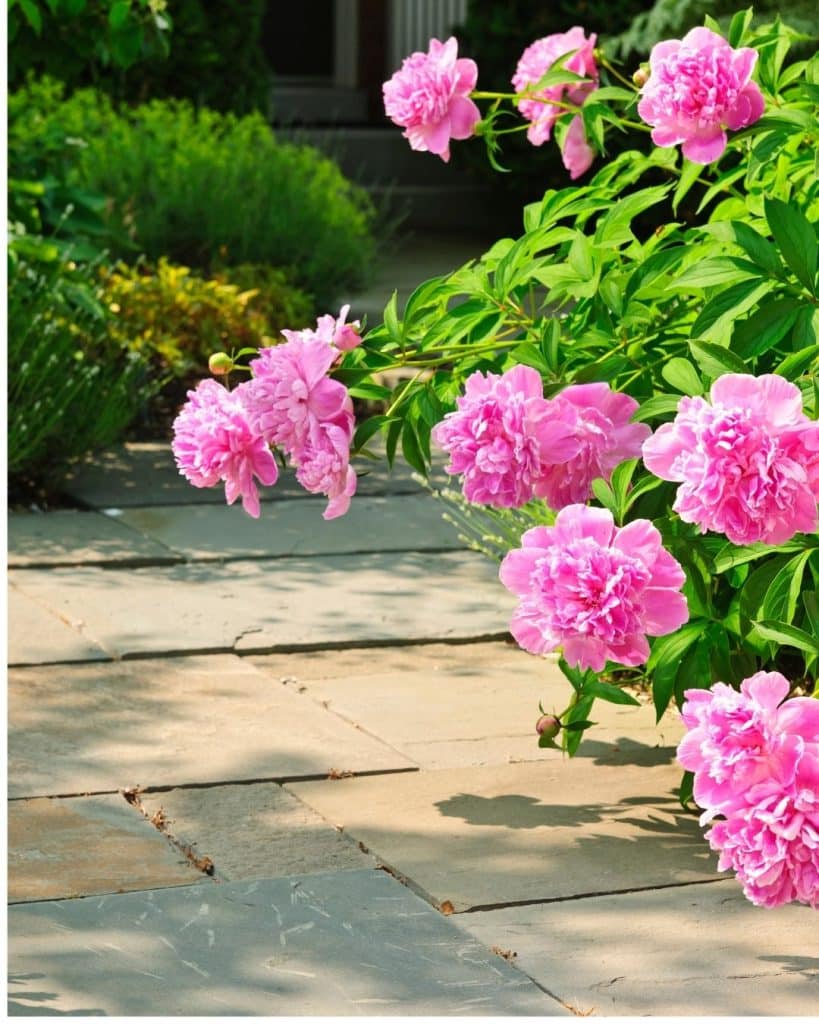
Peonies look high-maintenance but they’re not. Plant them once, don’t bury the crown too deep, and you can get decades of huge spring flowers with almost no work.
- Light: Full sun to light shade
- Water: Moderate
- Best for: Big spring blooms
- Pair with: #24 Coral Bells for foliage contrast
- Neglect move: Avoid moving established plants
Small New York cheat (you’re at #14 of 30): If your bed is clay and stays wet after storms, do not “fix” the whole bed. Plant the tough ones on slight mounds, then mulch. A tiny lift is often the difference between thriving and rotting.
15) Siberian Iris (Iris sibirica)
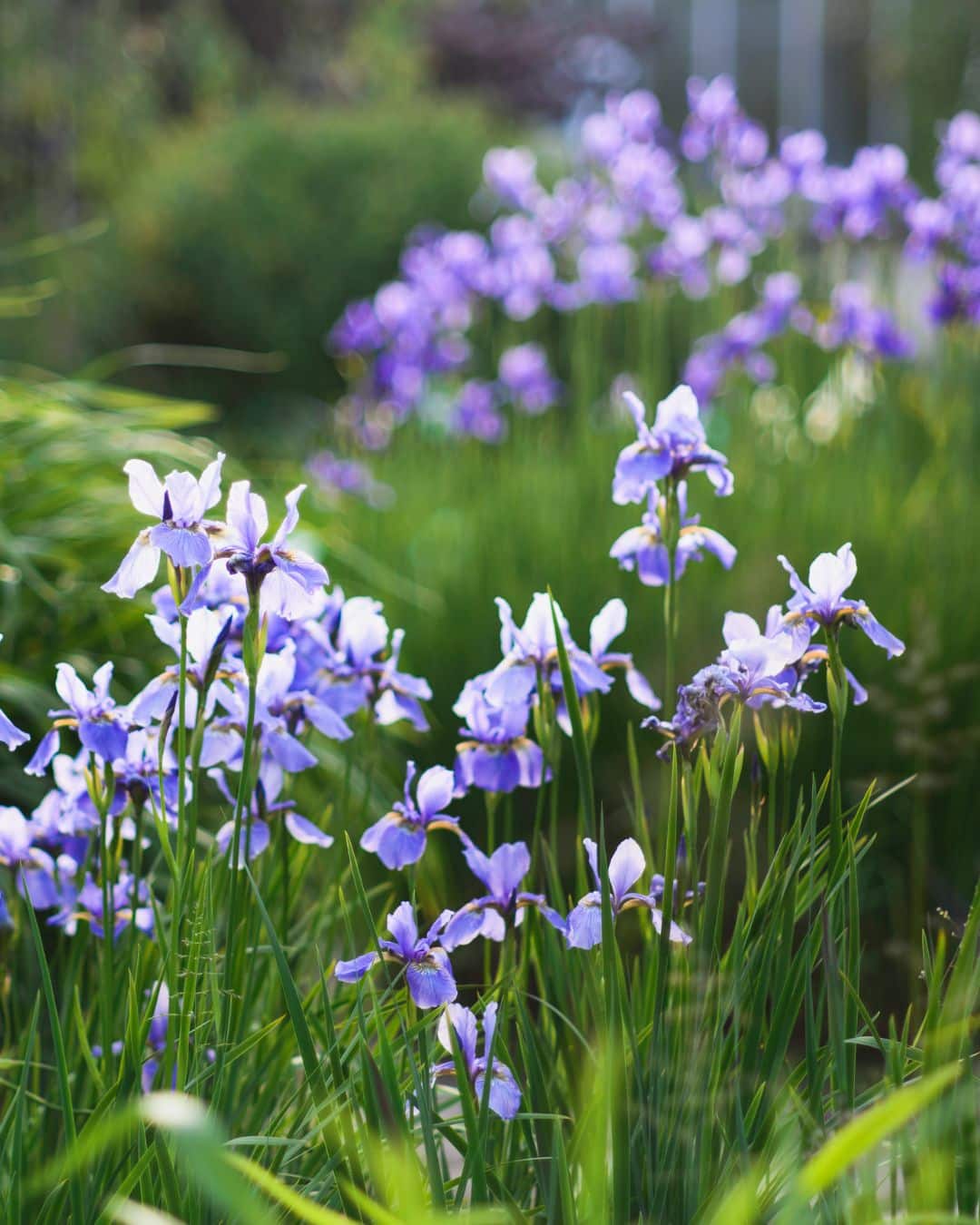
Siberian iris gives clean, upright foliage all season and elegant blooms without the fuss. It’s a great “tidy plant” for New York yards that need structure.
- Light: Full sun to part shade
- Water: Moderate
- Best for: Structure and clean lines
- Pair with: #16 ‘Rozanne’ in front
- Neglect move: Divide only when clumps crowd
16) Hardy Geranium ‘Rozanne’ (Geranium)
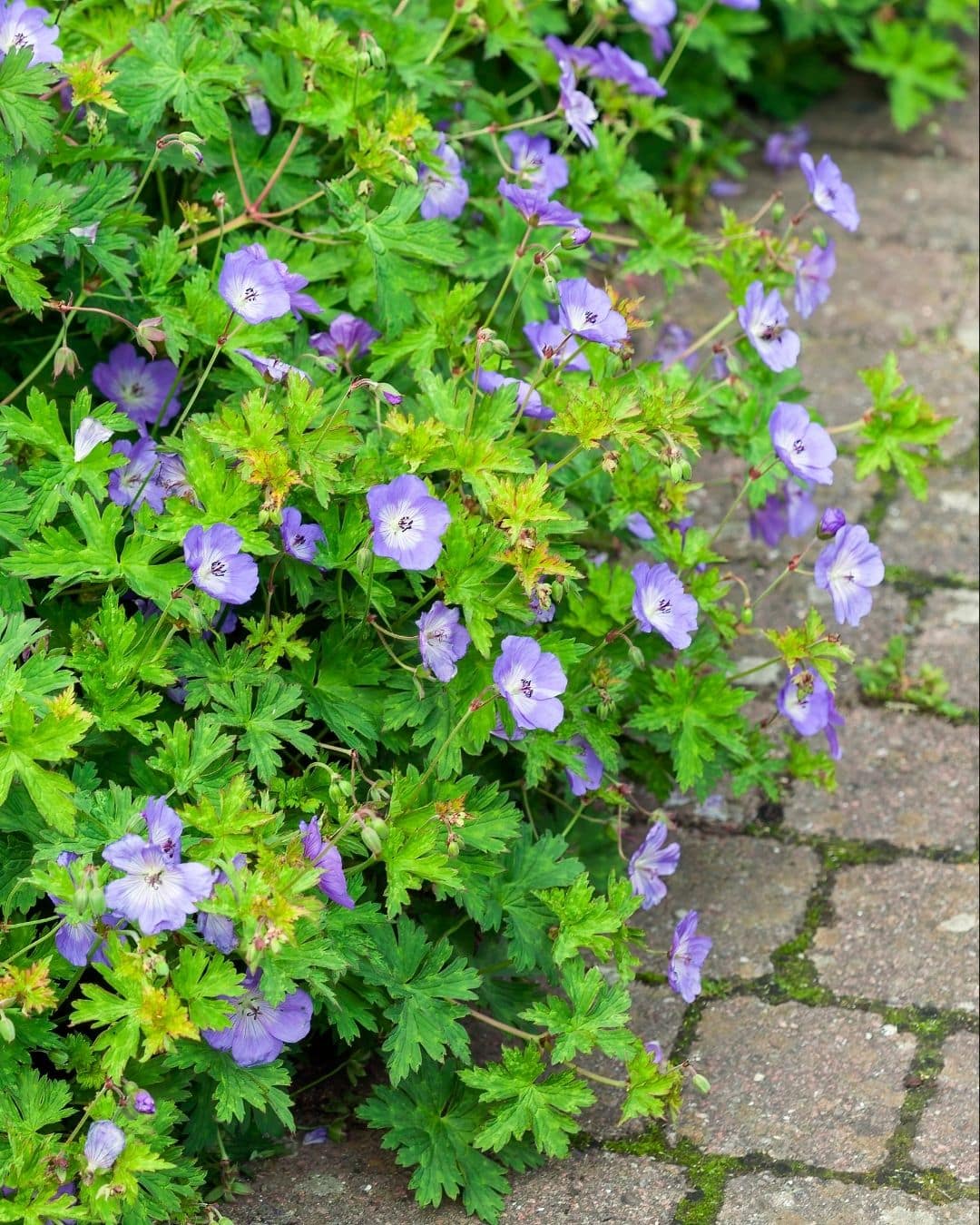
‘Rozanne’ is a gap-filler that blooms for a long time and spreads politely. It’s perfect for softening edges and covering bare soil so weeds have less room to start.
- Light: Full sun to part shade
- Water: Moderate
- Best for: Filling gaps and edging beds
- Pair with: #15 Siberian Iris
- Neglect move: Shear once if it looks tired midsummer
17) Shasta Daisy (Leucanthemum)
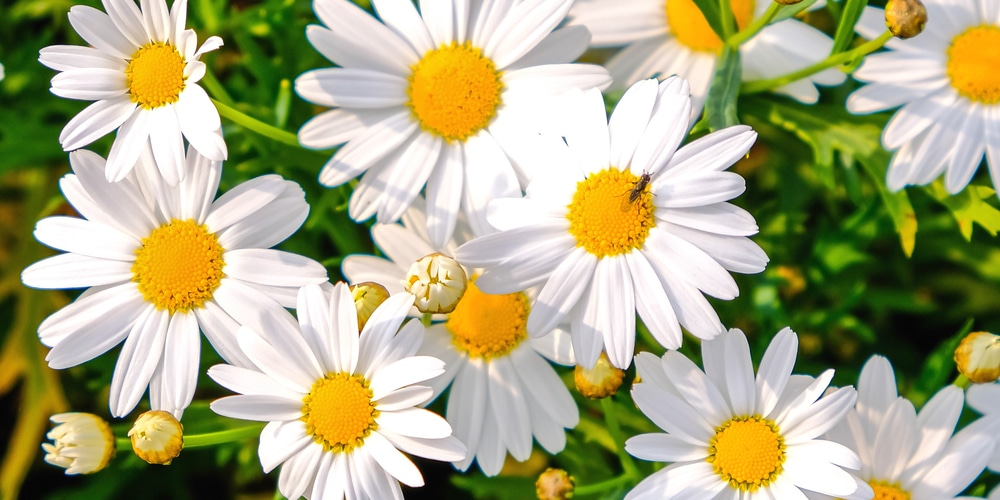
Shasta daisies bring that classic, simple look. They’re happiest in sun, and once established they come back reliably year after year.
- Light: Full sun
- Water: Moderate
- Best for: Bright midsummer blooms
- Pair with: #3 Sedum
- Neglect move: Deadhead a few blooms, then let the rest fade naturally
18) Allium (Ornamental onion)
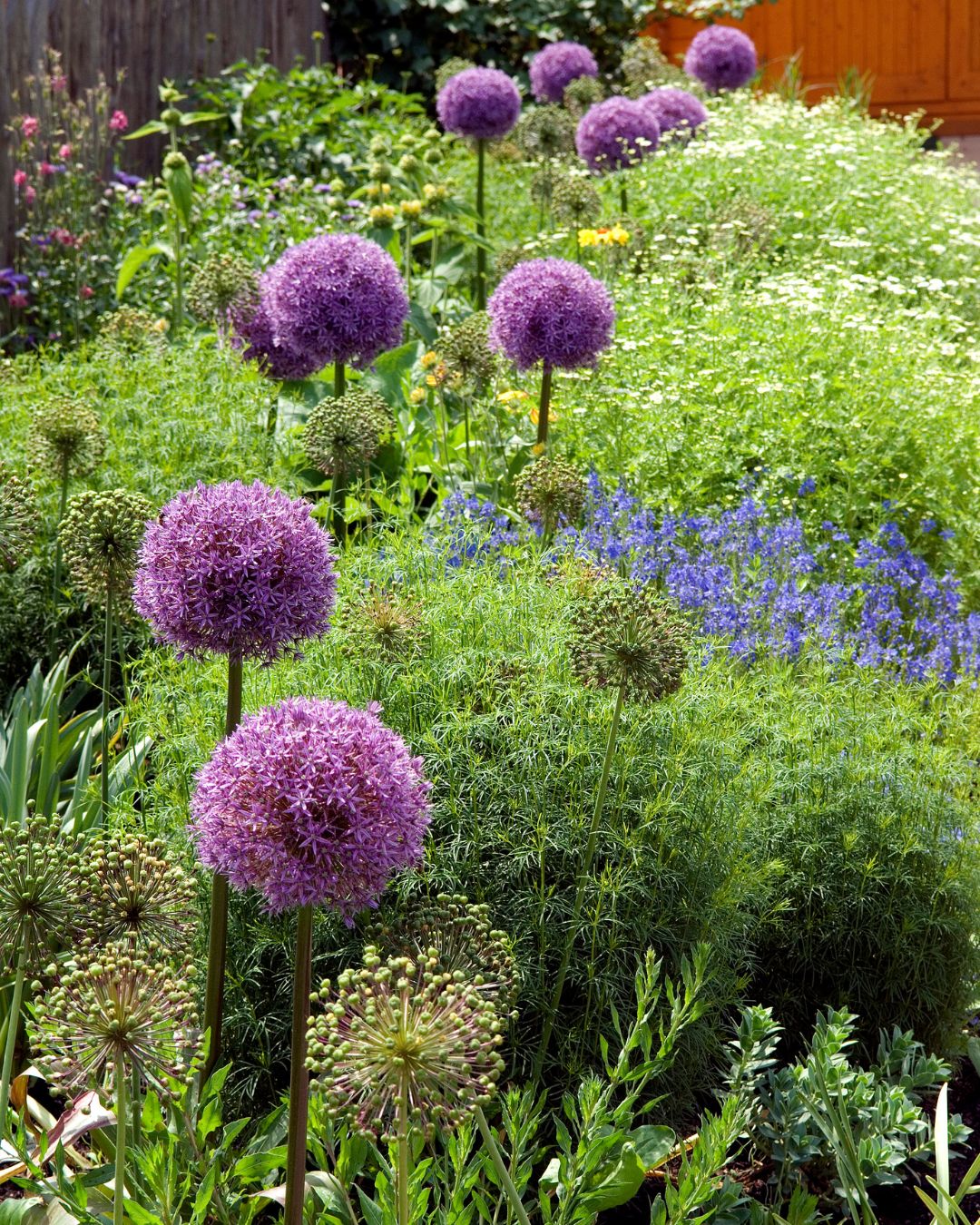
Allium adds tall, clean spheres that look like garden design with zero effort. The blooms also help bridge the gap between spring and summer beds.
- Light: Full sun
- Water: Low to moderate
- Best for: Easy height and structure
- Pair with: #17 Shasta Daisy
- Neglect move: Leave seed heads for texture
One cut that matters: If you only deadhead one thing, do it once on #6 meadow sage and #5 catmint. A quick haircut often buys you weeks of extra color, especially in humid summers.
Moist Spots and Fall Finishers
Got a low corner that stays damp, or want the yard to still look alive in September and October? These are the plants that earn their keep.
19) Swamp Milkweed (Asclepias incarnata)
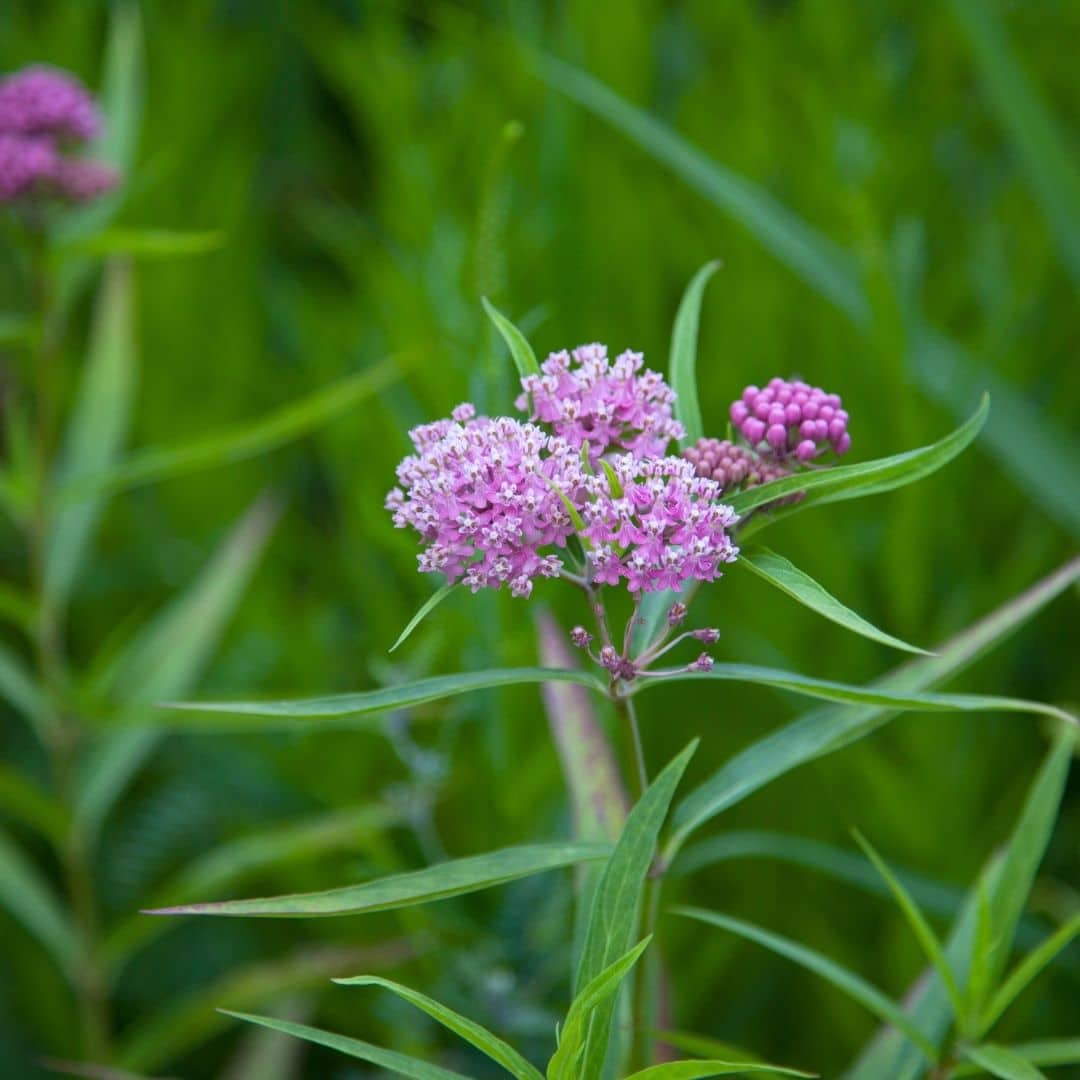
Got a sunny spot that stays a little damp, or a low area that holds moisture? Swamp milkweed thrives there and brings pollinators without needing constant attention.
- Light: Full sun
- Water: Moderate to high
- Best for: Low spots and rain-garden zones
- Pair with: #30 Switchgrass
- Watch out: Sap can irritate skin
Rain-garden mini plan: Stop fighting that soggy corner. Plant #19 swamp milkweed with #30 switchgrass behind it. Add #21 aster nearby and that wet spot turns into your best fall show.
20) Joe Pye Weed (Eutrochium)
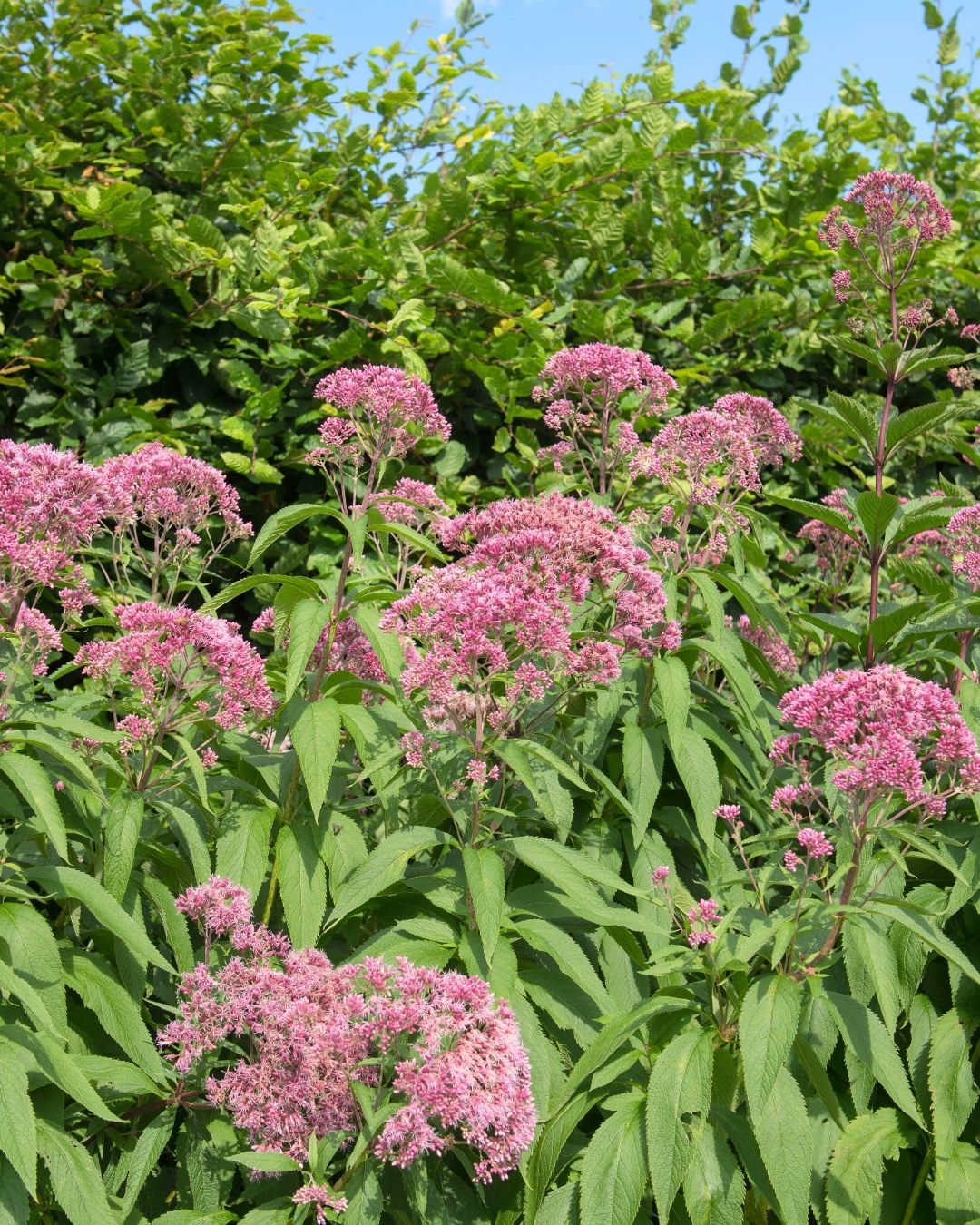
Joe Pye weed is big, bold, and surprisingly easy once it settles. It loves moisture but is tough enough to handle typical summer swings in most of New York.
- Light: Full sun to part sun
- Water: Moderate
- Best for: Tall native back-of-bed drama
- Pair with: #21 New England Aster
- Neglect move: Cut stems in half in early summer if you want it shorter
21) New England Aster (Symphyotrichum novae-angliae)
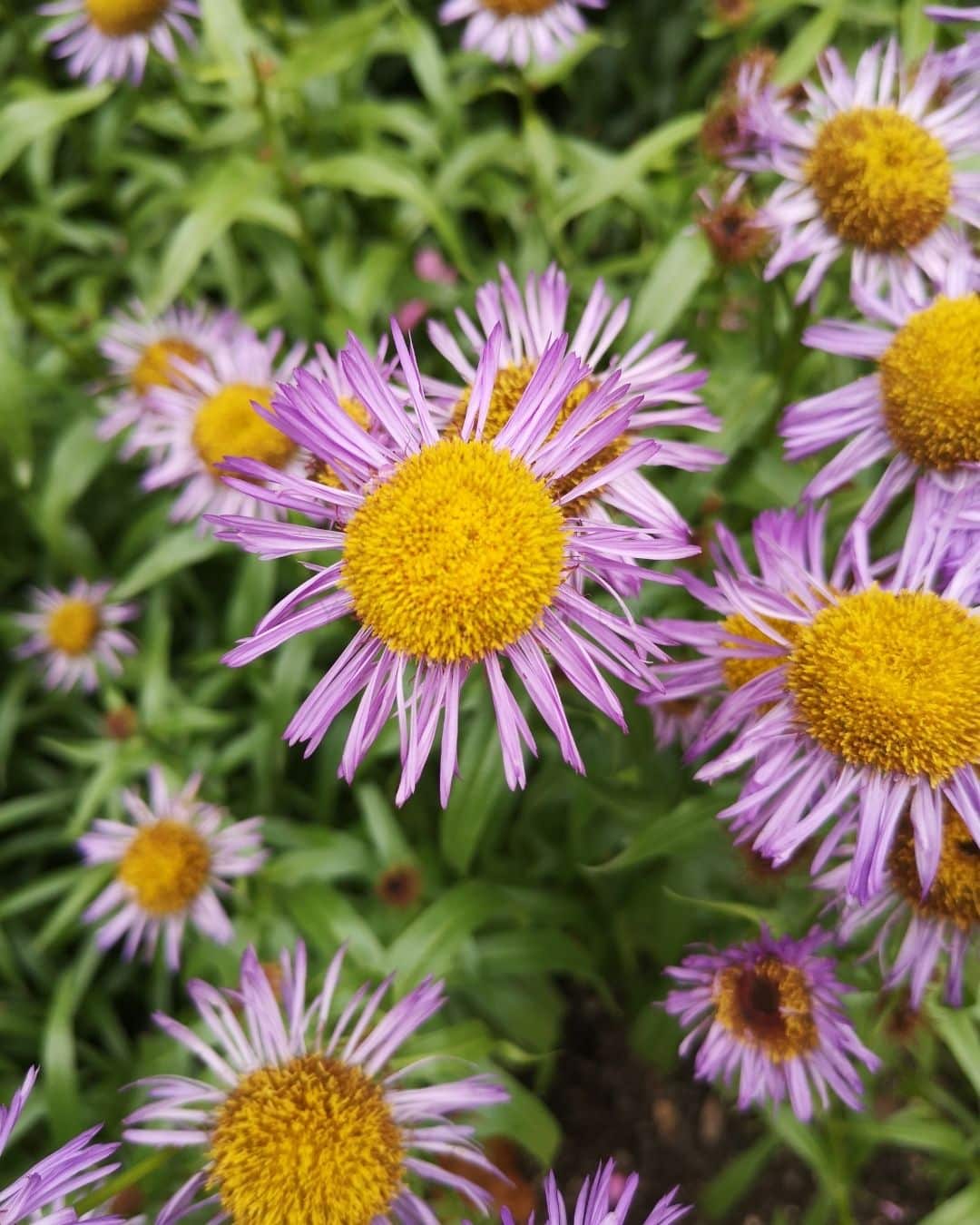
This is your fall finale. New England aster blooms when summer plants fade, and it makes beds look alive deep into the season, especially paired with grasses.
- Light: Full sun to part sun
- Water: Moderate
- Best for: Fall color and pollinators
- Pair with: #29 Little Bluestem
- Neglect move: Pinch once in early summer to reduce flopping
Fall color trick: If you want your garden to look “alive” in September and October, you need at least one closer. Make it easy: plant #21 New England aster next to a grass (#29 or #30). The blooms pop and the grass keeps the bed looking sharp after frost.
22) Goldenrod (Solidago)
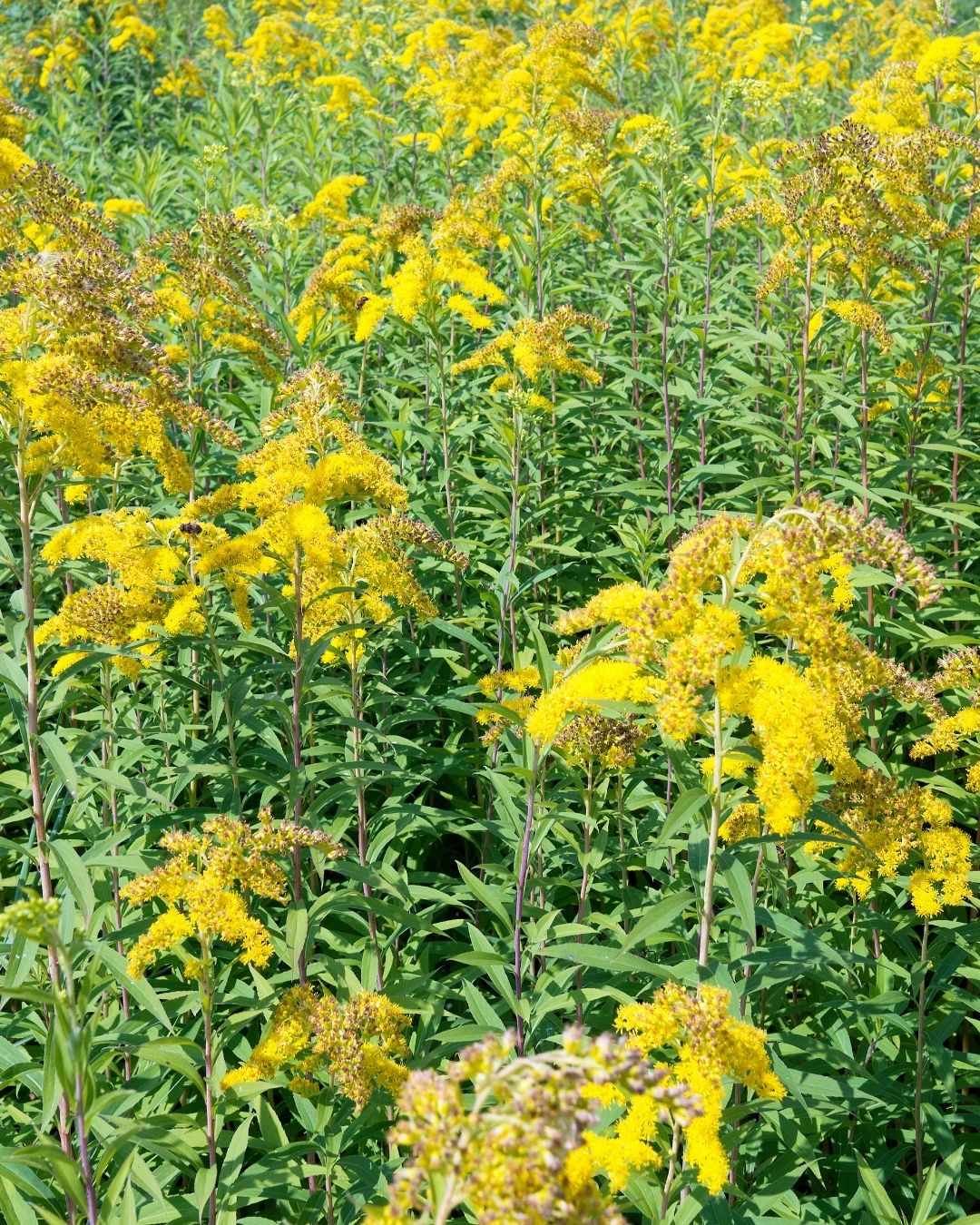
Goldenrod gets blamed for allergies, but it’s usually not the culprit. What it is, though, is one of the toughest late bloomers you can plant, and it feeds pollinators when the season is winding down.
- Light: Full sun
- Water: Low to moderate
- Best for: Late-season color in tough soil
- Pair with: #21 New England Aster
- Neglect move: Thin or divide if it spreads too much
Shade and Woodland Edges
Shade is where “neglect gardening” can feel easiest. Fewer weeds, less watering stress, and foliage plants that look good for months.
23) Hosta (Hosta spp.)
Hostas make shade look lush with almost no effort. They fill space fast and keep their shape all season, which is why they’re a go-to across New York.
- Light: Part shade to shade
- Water: Moderate
- Best for: Under trees and north-side beds
- Pair with: #24 Coral Bells
- Neglect move: Keep mulch off the crown
24) Coral Bells (Heuchera)
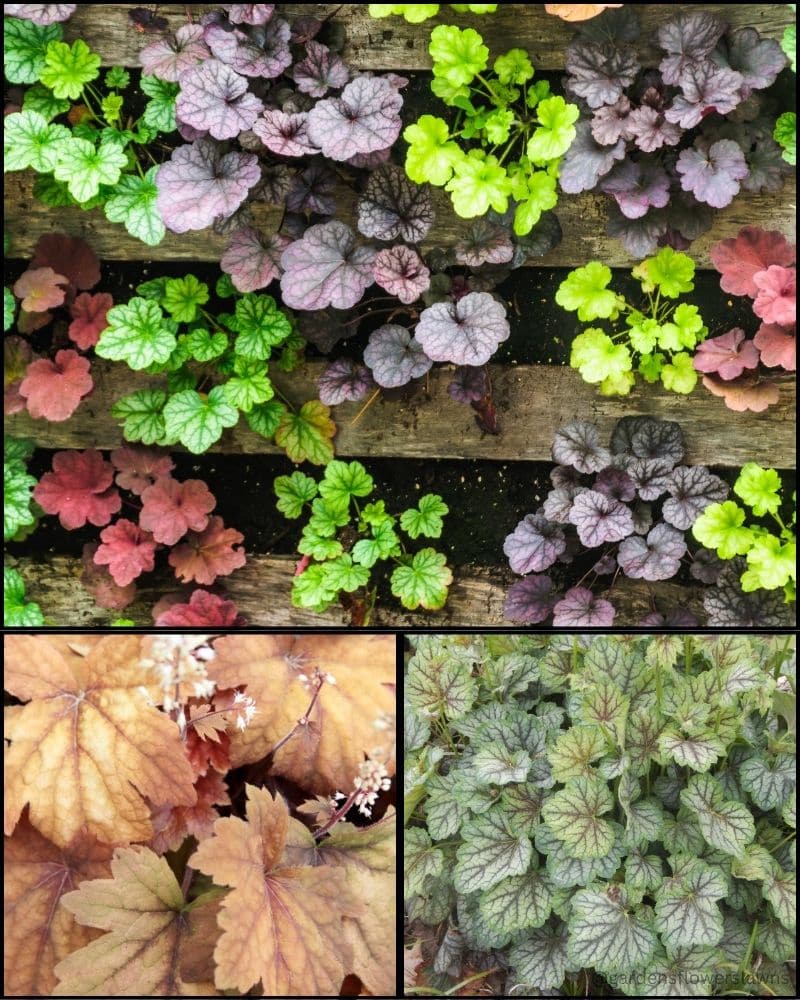
Coral bells are foliage stars. They add color even when nothing is blooming, and they’re great for making shade beds look intentional instead of empty.
- Light: Part shade
- Water: Moderate
- Best for: Front edges in shade beds
- Pair with: #23 Hosta and #26 Solomon’s Seal
- Neglect move: Keep the crown slightly high
Shade pairing that always works: Plant #23 hosta behind #24 coral bells and add #26 Solomon’s seal for height. Even when nothing blooms, the bed still looks full and “done.”
25) Astilbe (Astilbe)
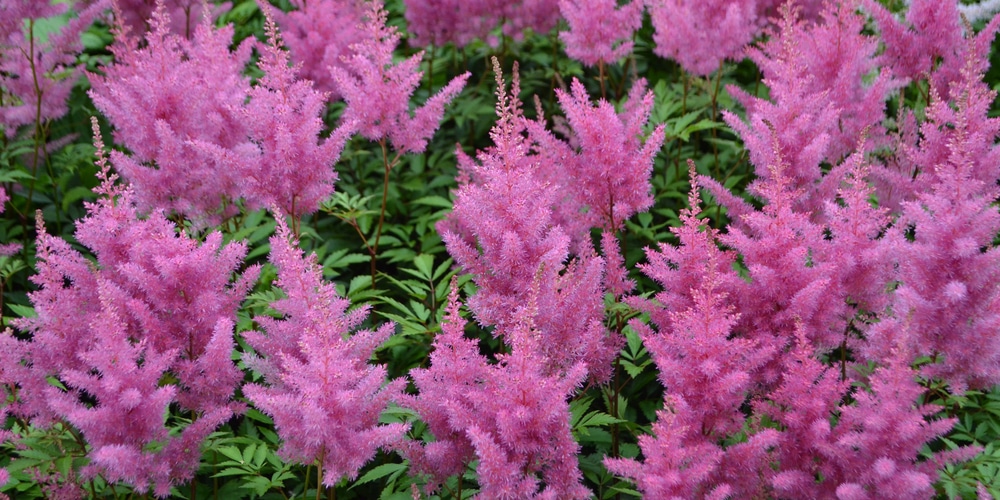
Astilbe is easy as long as it doesn’t dry out. In a shady spot that stays evenly moist, it comes back strong and gives you feathery plumes that look like you fussed over them.
- Light: Part shade to shade
- Water: Moderate to high
- Best for: Moist shade and foundation beds
- Pair with: #23 Hosta
- Neglect move: Mulch helps more than fertilizer
26) Solomon’s Seal (Polygonatum)
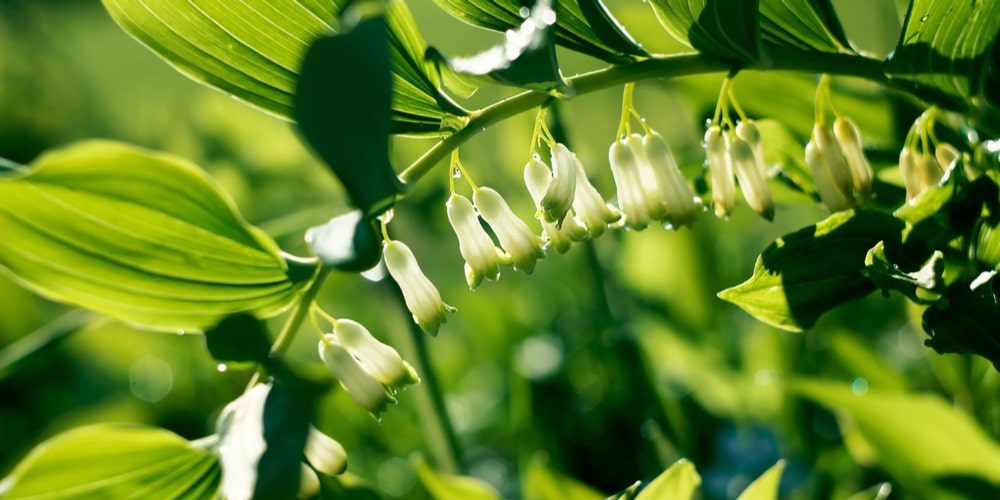
Solomon’s seal is an elegant shade plant that looks expensive and acts tough. Give it a season to settle and it becomes a reliable “structure” plant for shady beds.
- Light: Part shade to shade
- Water: Moderate
- Best for: Height and structure in shade
- Pair with: #24 Coral Bells
- Neglect move: Leave it alone year one
Deer note: If deer pressure is heavy, your best “neglect-proof” strategy is not spraying every week. It’s choosing plants deer ignore and planting them thick. #11 lamb’s ear, #18 allium, and #26 solomon’s seal are usually safer bets than tender favorites.
Groundcovers and Edging
Groundcovers are how you stop fighting bare soil. They fill gaps, block weeds, and make beds look finished.
27) Creeping Phlox (Phlox subulata)
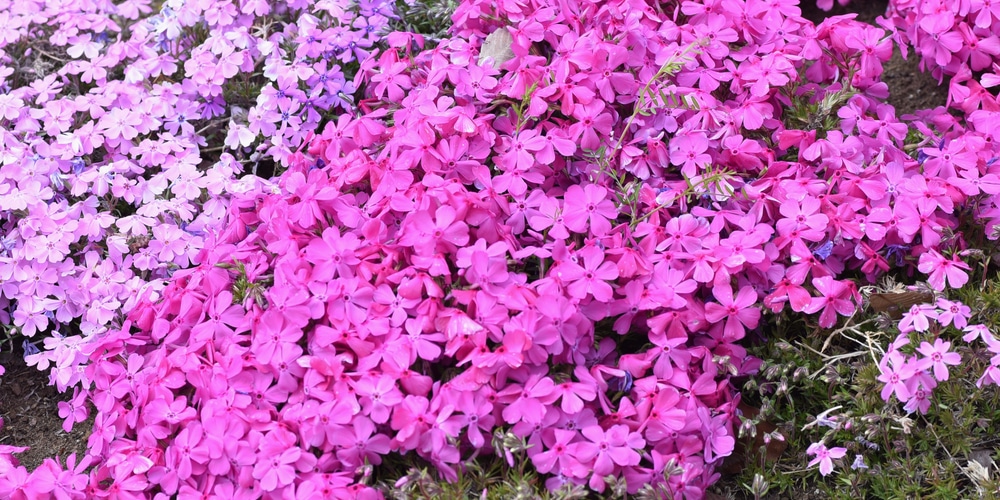
Creeping phlox makes a spring carpet of color, then turns into a low mat that helps block weeds. It’s perfect for sunny slopes and along retaining walls.
- Light: Full sun to part sun
- Water: Low once established
- Best for: Slopes and spring color
- Pair with: #3 Sedum nearby
- Neglect move: Trim lightly after bloom
28) Creeping Thyme (Thymus serpyllum)
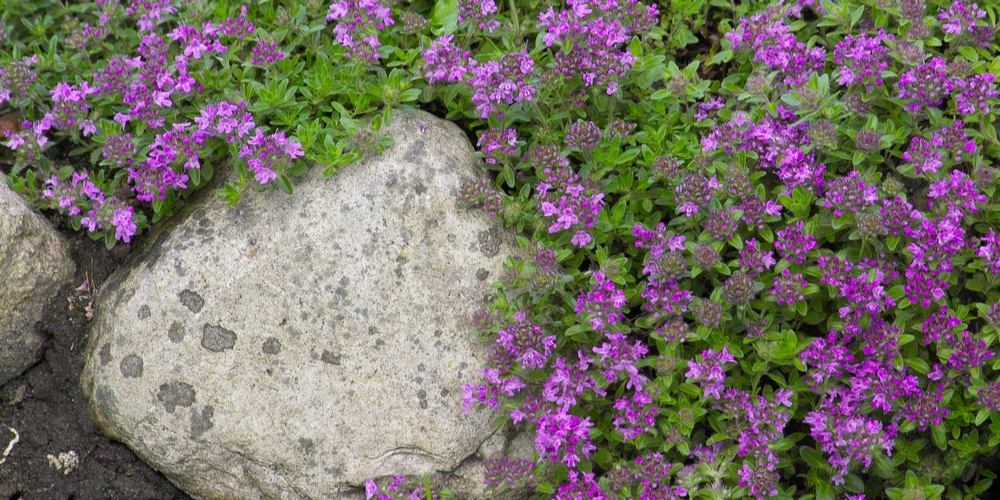
Creeping thyme is for those spots where grass fails and you’re tired of looking at dirt. It stays low, smells great, and loves sun and well-drained soil.
- Light: Full sun
- Water: Low once established
- Best for: Path edges and between stones
- Pair with: #11 Lamb’s Ear for a thick edge
- Neglect move: Let it dry between waterings
No-mow trick (you’re at #28 of 30): If you’ve got a sunny strip that always looks bad, stop trying to force grass. Plant creeping thyme in clusters, mulch between plants the first year, and by year two it starts acting like a living carpet.
Grasses That Make Everything Look Designed
Ornamental grasses are a New York secret weapon. They handle heat, cold, and wind, and they keep beds looking good long after flowers fade.
29) Little Bluestem (Schizachyrium scoparium)
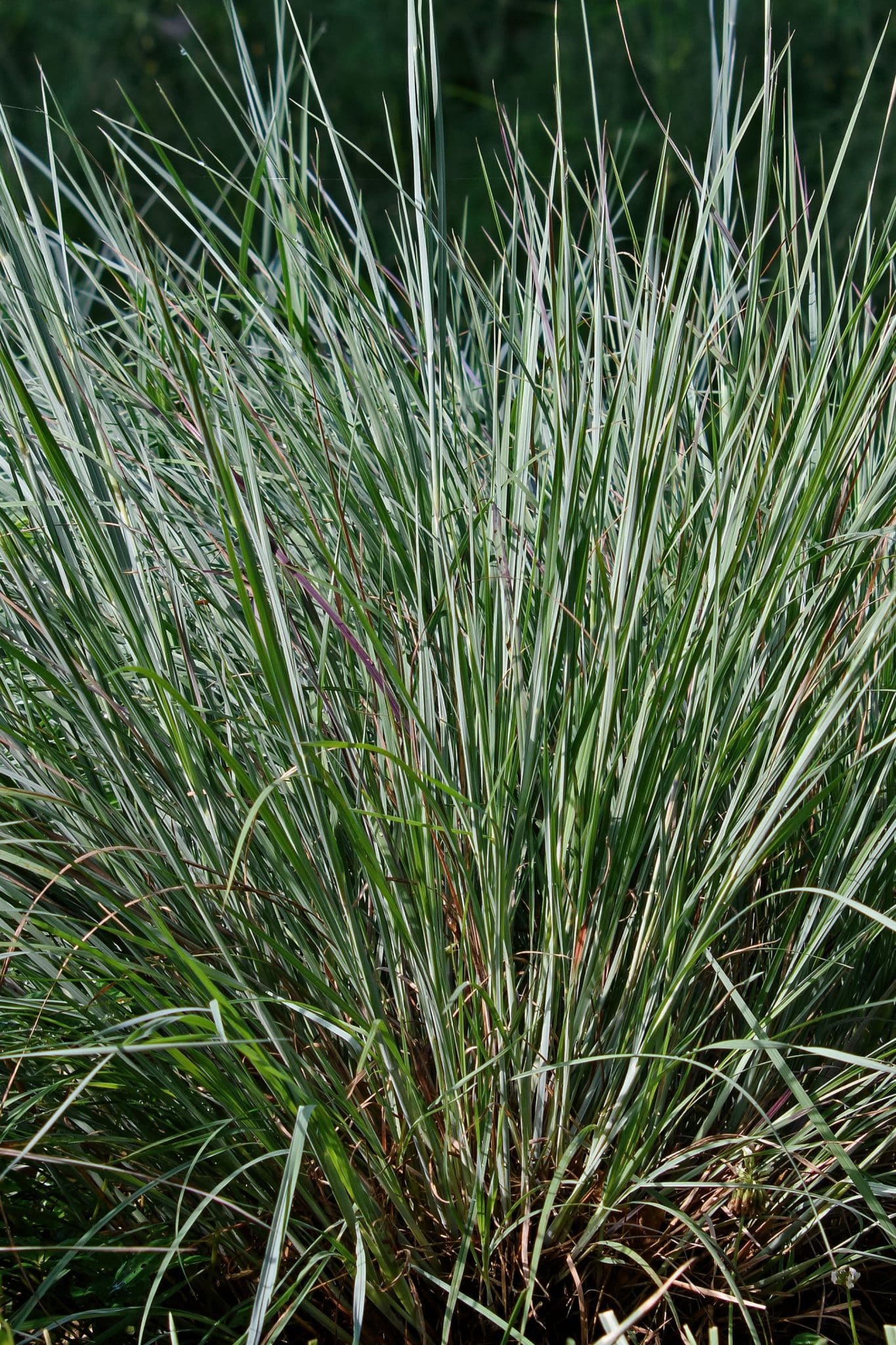
Little bluestem thrives in tough, dry conditions and still looks sharp in winter. If you have a sunny slope or lean soil, it’s one of the best “plant it and leave it” grasses.
- Light: Full sun
- Water: Low once established
- Best for: Slopes and winter structure
- Pair with: #21 Aster
- Neglect move: Leave it standing until spring
30) Switchgrass (Panicum virgatum)
Switchgrass stays upright, adds height, and makes beds look “designed” with almost no upkeep. It also gives winter interest when most perennials are just stubble.
- Light: Full sun to part sun
- Water: Low to moderate
- Best for: Backdrops and screening in beds
- Pair with: #1 Coneflower and #3 Sedum
- Neglect move: Cut back in early spring, not fall
Finisher tip (you made it to #30!): If you want your yard to look good in winter without doing anything, leave the grasses standing. They hold snow, break wind, and keep beds from looking bare. Cut them down when spring actually shows up.
Easy New York Pairings
Hot, Sunny, and Dry
- Back: #7 Russian sage
- Middle: #1 Coneflower + #2 Black-eyed Susan
- Front: #5 Catmint or #11 Lamb’s ear
- Late color: #3 Sedum ‘Autumn Joy’
Pollinator Border That Still Looks Neat
- #6 Meadow sage + #5 Catmint for long bloom
- #1 Coneflower for summer
- #21 New England aster for fall
- #30 Switchgrass for structure
Low Spot That Usually Looks Bad
- Anchor: #19 Swamp milkweed
- Height: #30 Switchgrass
- Fall color: #21 New England aster
Shade That Looks Lush With Minimal Work
- Base layer: #23 Hosta
- Front color: #24 Coral bells
- Height: #26 Solomon’s seal
- Moist shade color: #25 Astilbe
Edges That Stay Finished
- Sunny edges: #28 Creeping thyme or #11 Lamb’s ear
- Sunny slopes: #27 Creeping phlox
- Clean lines: Use one plant repeated every 12 to 18 inches