Gardening in Missouri has a way of humbling people. One week it’s 82 and sunny, the next you’re scraping mud off your boots and wondering if your yard is made of brick.
Between the heat, humidity, cold snaps, and heavy clay soil, a lot of “perfect Pinterest gardens” don’t last long here.
That’s why this list exists: plants that can take a little neglect and still look great. Many are Missouri natives, and the rest are proven tough.
1. Purple Coneflowers (Missouri Native)
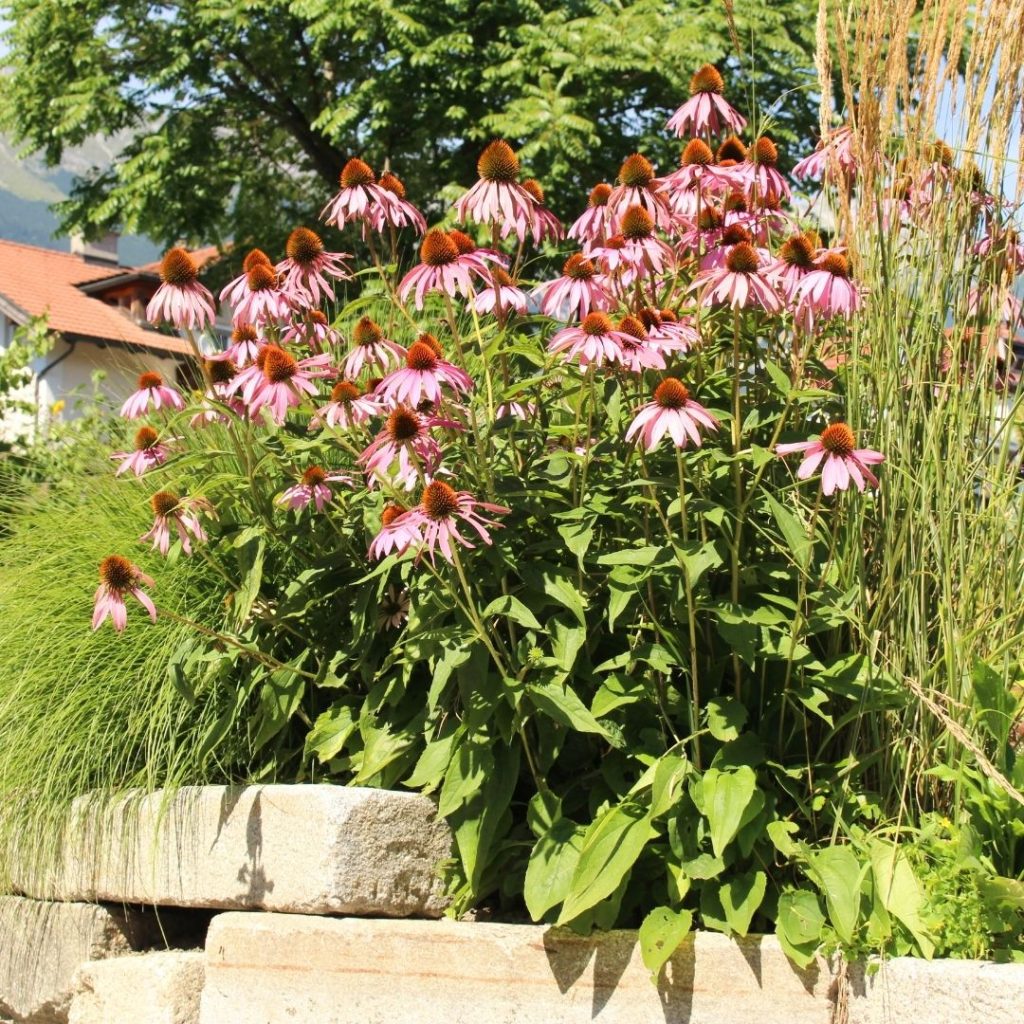
This is one of the most “Missouri-proof” flowers you can plant. Coneflowers handle drought, clay soil, and summer heat without throwing a fit.
Once they’re established, it’s the kind of plant that makes it look like you work harder than you actually do.
It also pulls in butterflies, native bees, and songbirds. Leave a few seed heads standing and goldfinches will treat your yard like a drive-thru.
Plant with: Black-eyed Susan, blazing star, and little bluestem grass.
2. Black-Eyed Susans (Missouri Native)
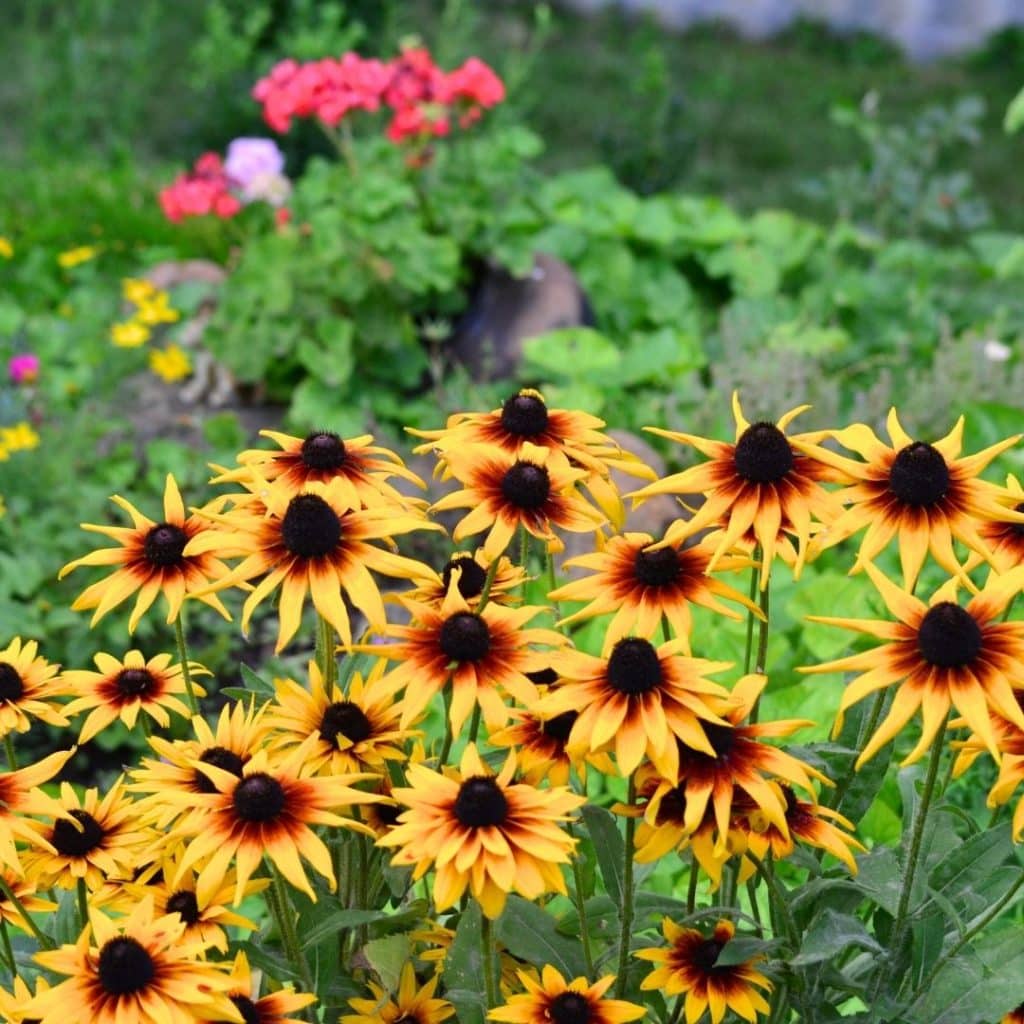
Black-eyed Susans bring big golden color with almost zero maintenance.
Black-eyed Susans thrive in Missouri’s humid summers and keep blooming when other flowers start looking tired. They’re also fantastic for people who want “wildflower energy” without letting the yard turn into a jungle.
Once they get going, they’ll gently reseed and fill in open spaces. That means more flowers next year without more work.
Plant with: Coneflowers, coreopsis, and switchgrass.
3. Butterfly Weed (Missouri Native)
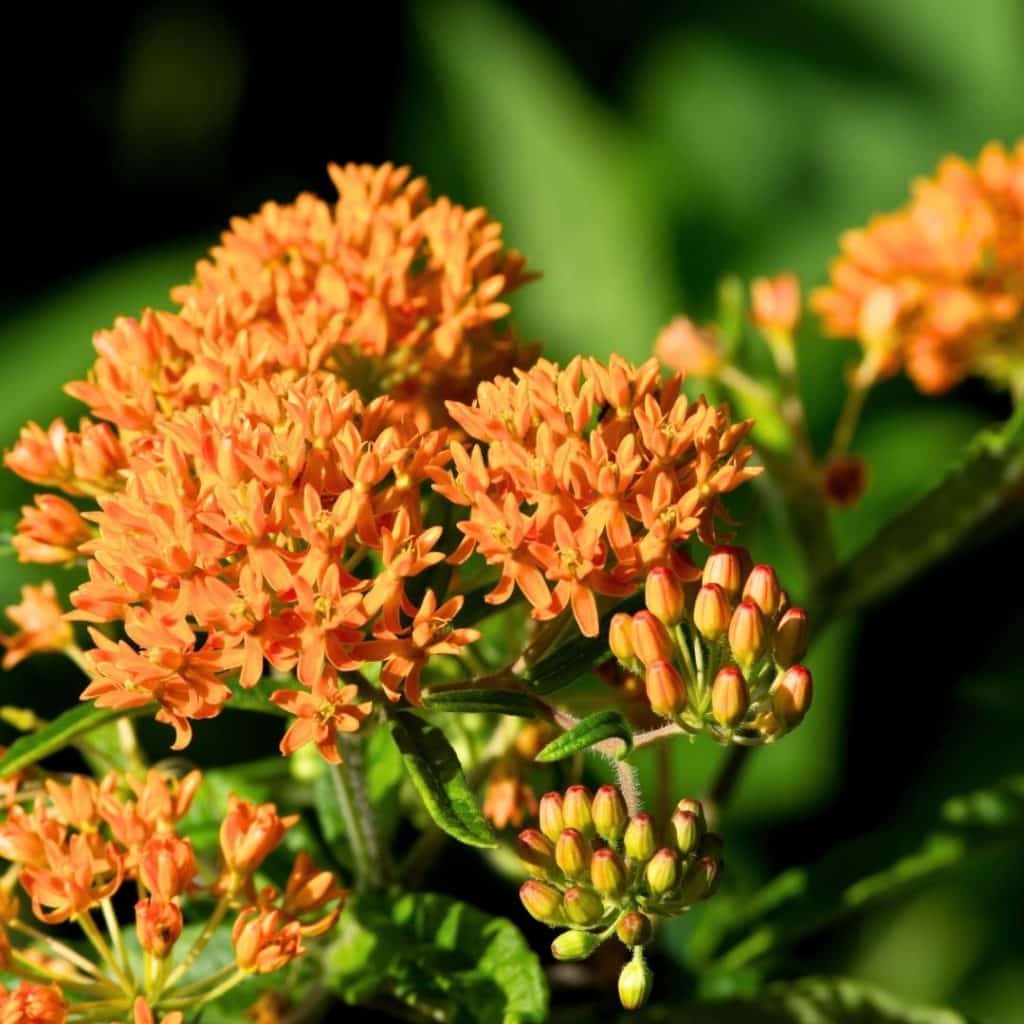
This is the plant for the part of your yard where “nice plants” usually give up. It loves the sun, tolerates drought, and doesn’t mind lean soil. Once it’s rooted in, it’s tough.
Bonus: it stays clump-forming and tidy compared to some other milkweeds, so it won’t try to colonize your entire property.
Plant with: Blazing star, yarrow, prairie grasses.
4. Wild Bergamot (Bee Balm) (Missouri Native)
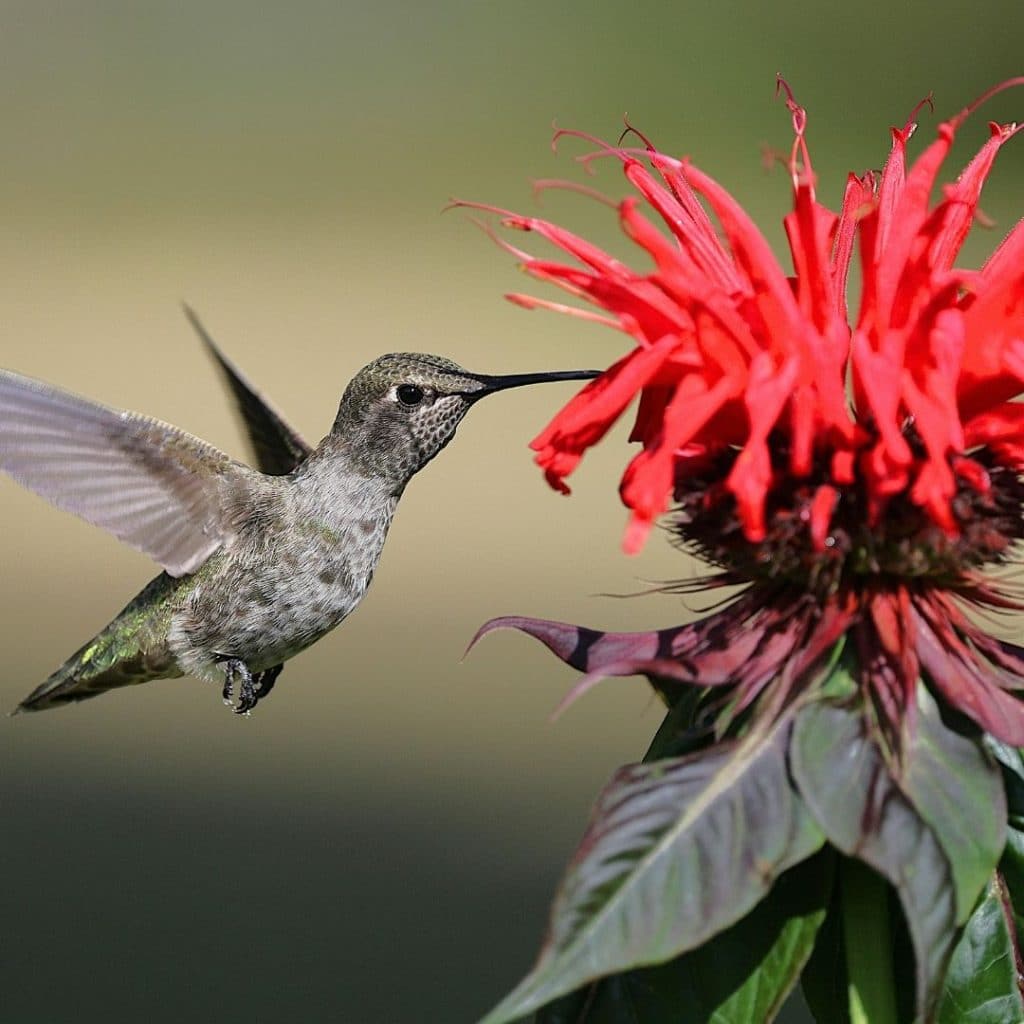
Bee balm turns your yard into a hummingbird hangout without being high-maintenance.
Bee Balm thrives in Missouri and feels like cheating because it looks fancy. The blooms are shaggy, colorful, and hummingbirds love them.
It also has that mint-family smell that many pests (and deer) tend to avoid.
If you give it a little breathing room and don’t overwater it, it does great. Cut it back in spring, then let it run the show.
Plant with: Coneflowers, phlox, asters.
5. Blazing Star (Liatris) (Missouri Native)
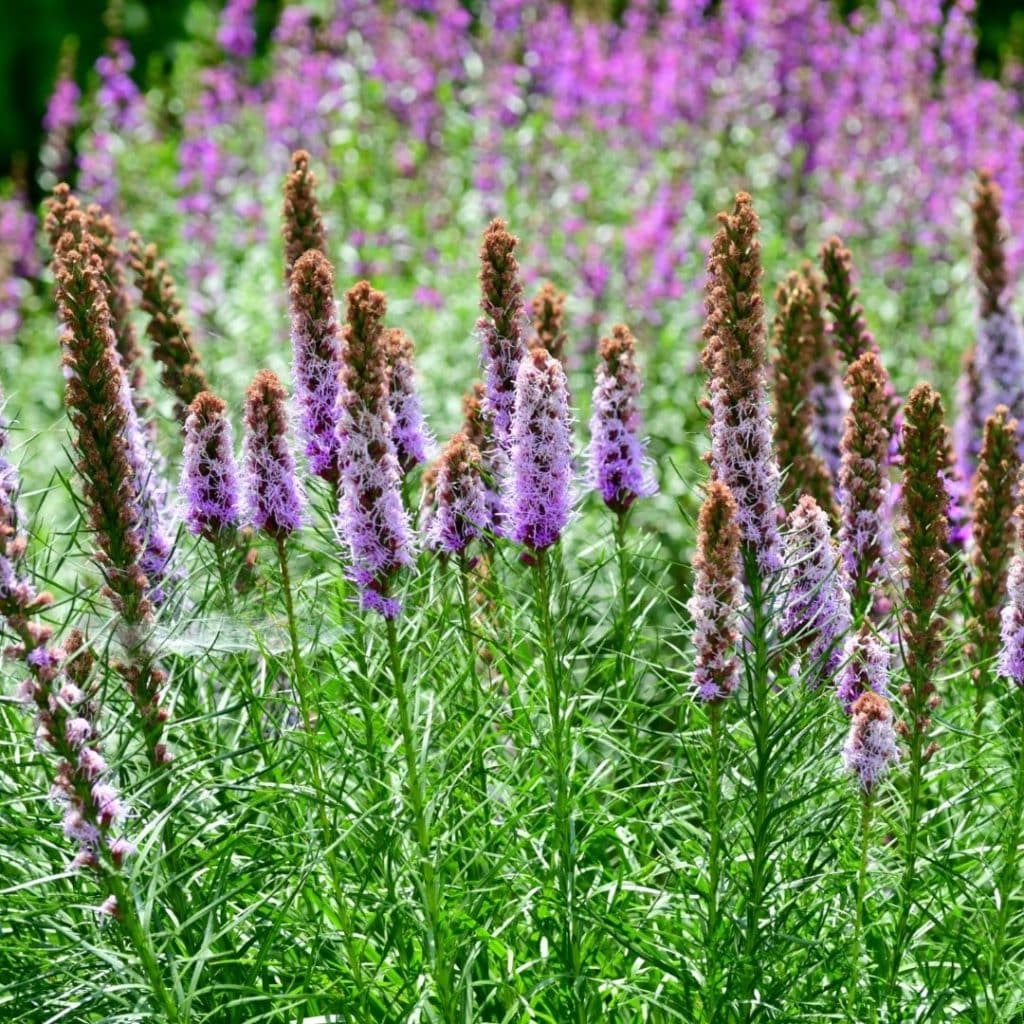
If you want vertical drama in the garden without staking and fussing, this is your plant. Liatris thrives in full sun and handles Missouri heat well. It also tolerates tough soil better than most flowers that look this good.
Butterflies love it. And when it blooms, it looks like you paid someone to design your flower bed.
Plant with: Black-eyed Susans, coneflowers, or switchgrass.
If you like plants that practically take care of themselves, don’t miss 17 self-seeding plants that create an effortless, naturally flourishing yard—it’s basically the cheat code for lazy gardeners.
6. Yarrow
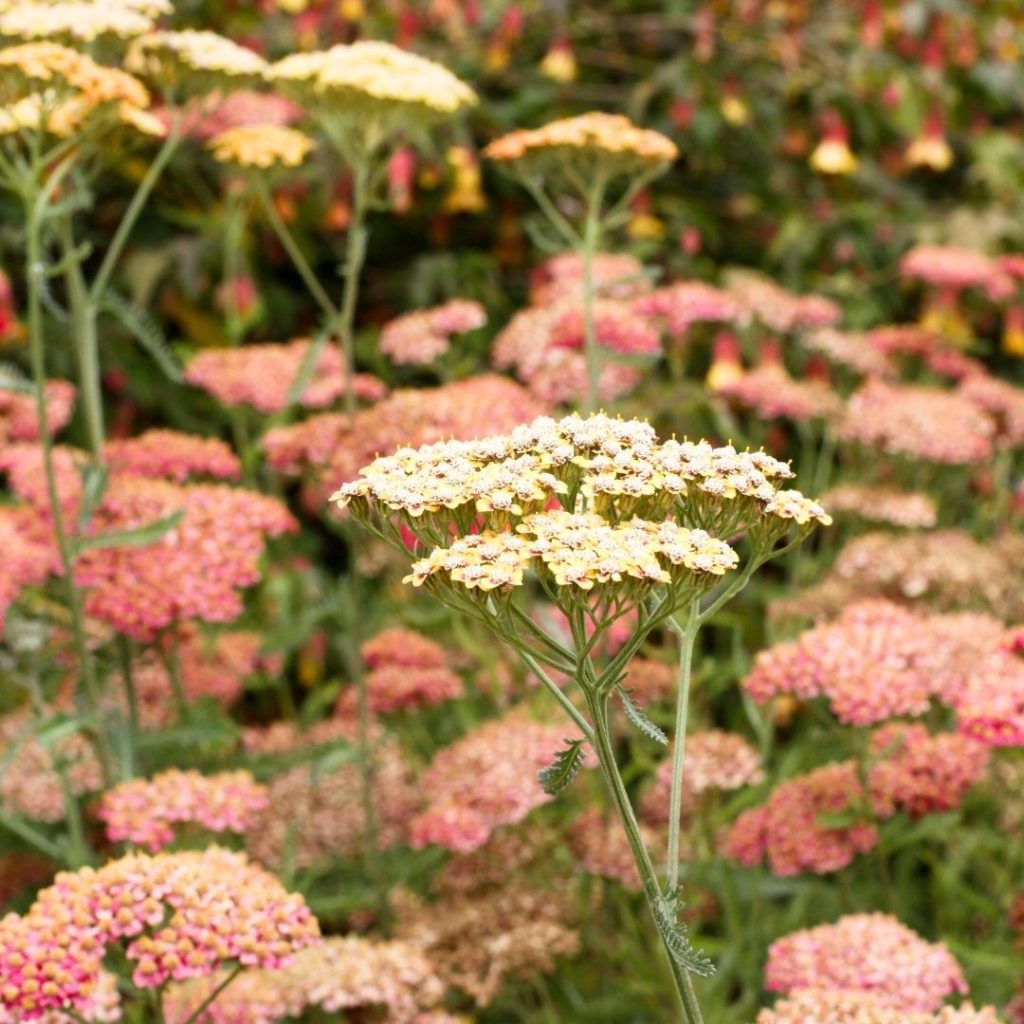
Yarrow is a drought-proof bloomer that thrives when you forget it exists.
Yarrow is one of those plants that actually prefers you don’t pamper it. Too much water and rich soil can make it flop. In Missouri, that’s good news—because yarrow performs beautifully in sun, heat, and average-to-poor soil.
It blooms for a long time, attracts pollinators, and most deer and rabbits treat it like a “no thanks” item.
Plant with: Russian sage, sedum, coreopsis.
7. Sedum (Stonecrop)
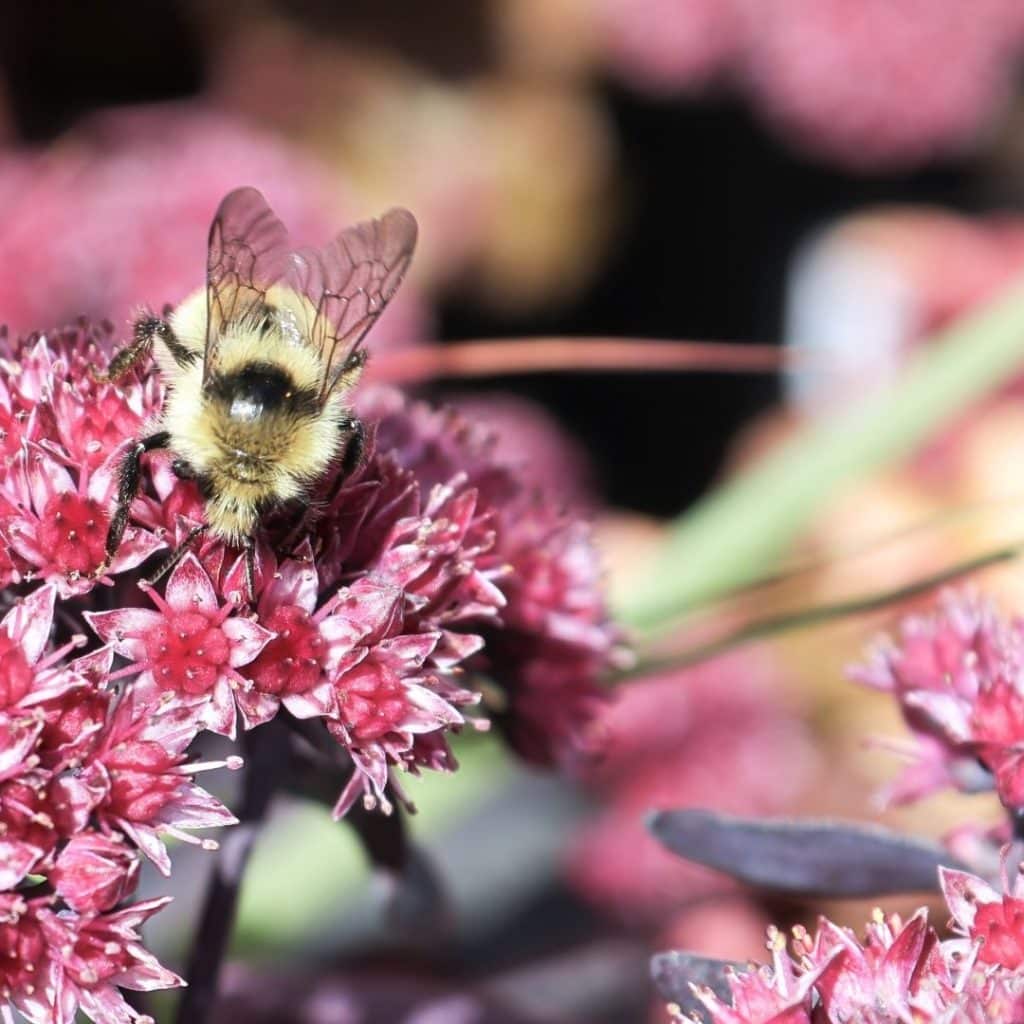
If Missouri summers make you tired, sedum is your friend. It stores water in its leaves and thrives in sun and well-drained soil, even when rain disappears for weeks.
It also blooms later, which is a big deal. When a lot of flower beds start fading, sedum steps up and gives you color heading into fall.
Plant with: Asters, ornamental grasses, black-eyed Susan.
Want flowers that keep going when everything else gives up? Here’s a list you’ll like: 15 fall bloomers that refuse to die back until frost.
8. Daylillies
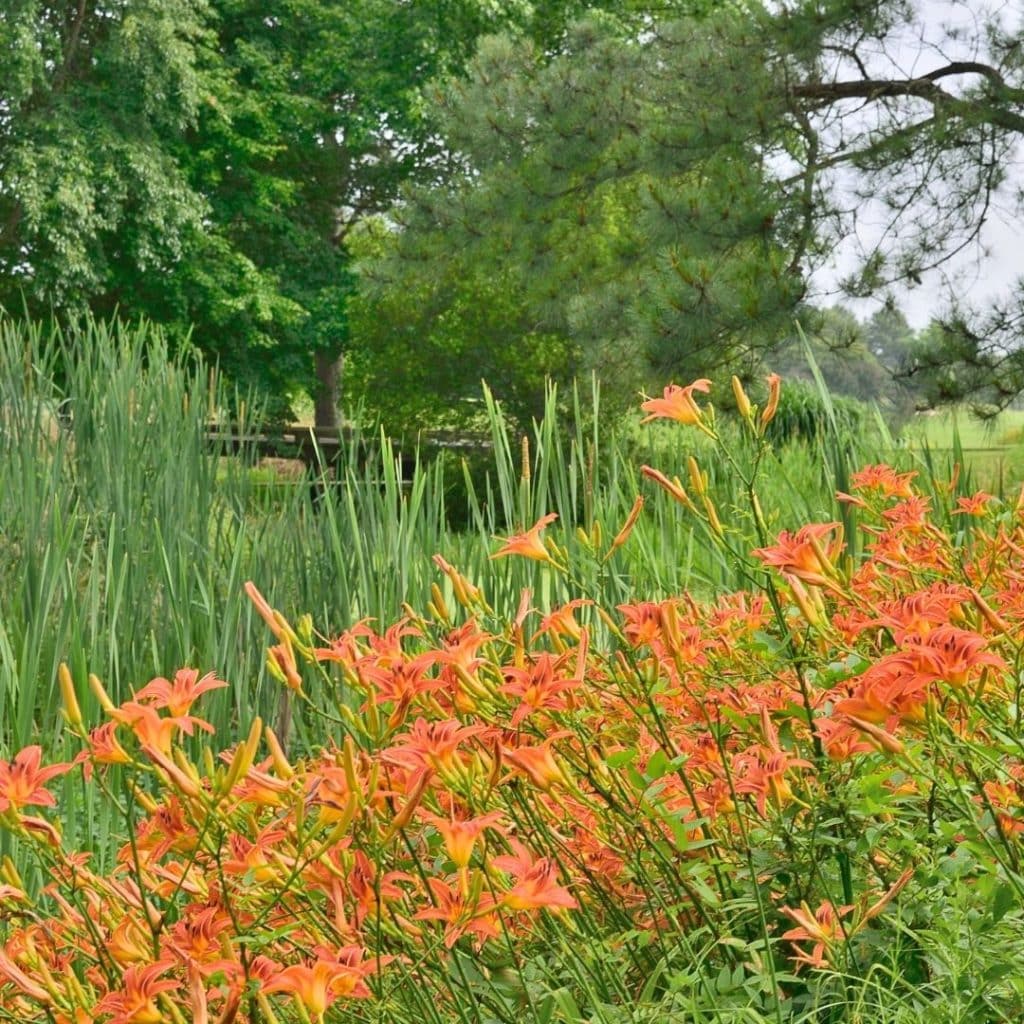
Daylilies tolerate clay, drought, and heat. They come back every year, and they don’t need to be babied. If you’ve ever seen old daylilies blooming by an abandoned farmhouse, you already know what kind of survivor these are.
They’re also great filler plants. They make a bed look full and healthy even if you only have a few “star” flowers mixed in.
Plant with: Catmint, yarrow, coneflower.
9. Hostas
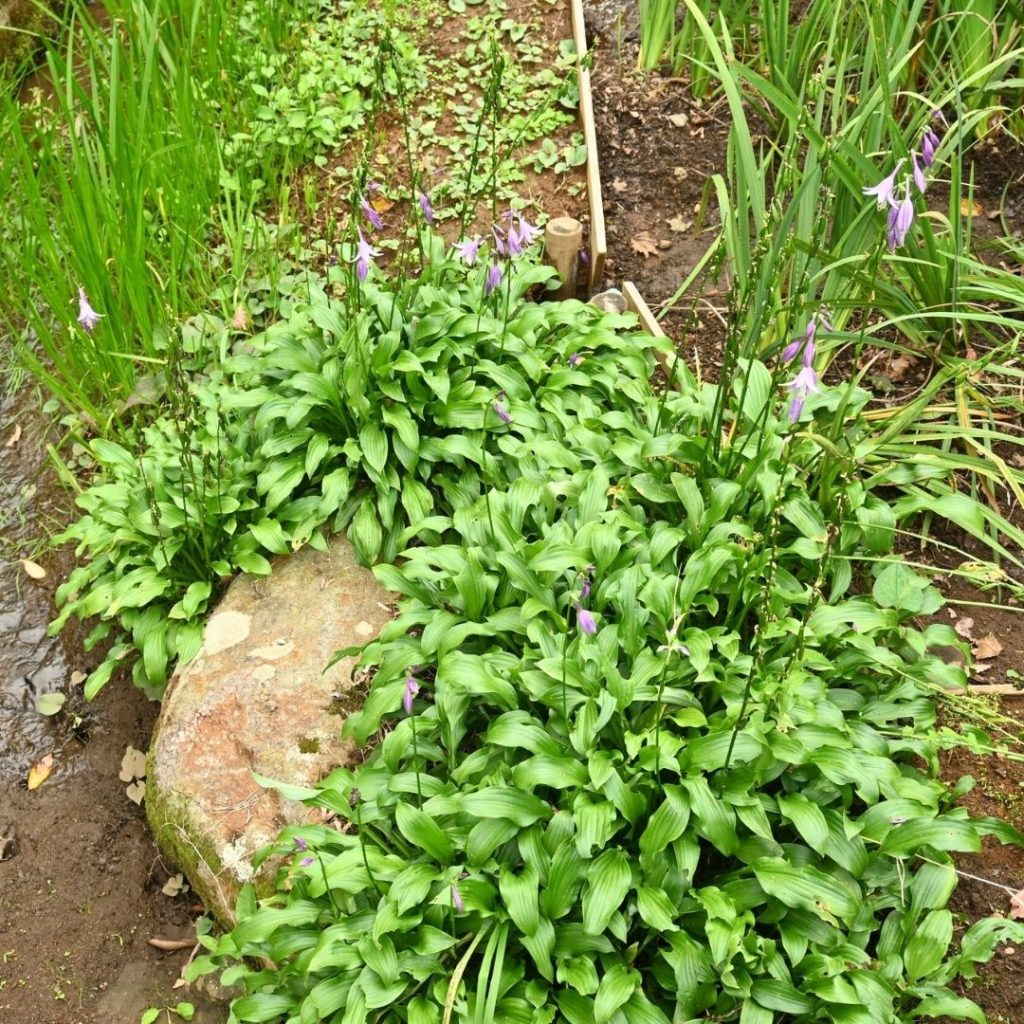
In Missouri, shade can be tricky; tree roots, dry soil, and patchy sunlight. Hostas handle it better than most plants.
They’re reliable, they fill space, and they make your yard look “landscaped” even if you just planted them and walked away.
If you’ve got deer pressure, choose thick-leafed varieties and keep an eye out. But overall, hostas are one of the easiest wins for shady corners.
Plant with: Ferns, coral bells, astilbe.
10. Peonies
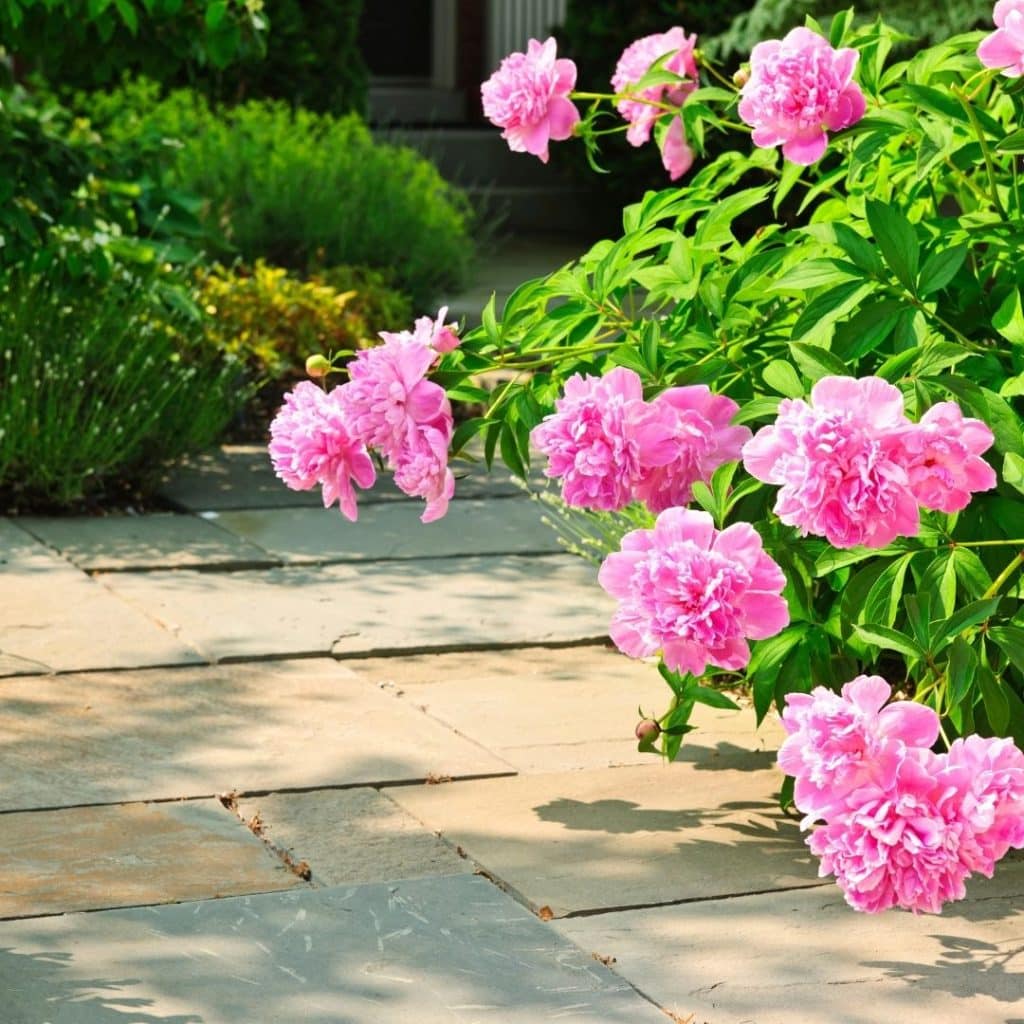
Peonies love Missouri winters because they need that cold to bloom well. Plant them once, don’t move them around, and they’ll reward you for years.
They’re one of the best “old-school” flowers because they just keep coming back.
They bloom in a big, dramatic burst in late spring. And if you pick the right spot, they’ll outlive your interest in gardening.
Plant with: Catmint, iris, daylilies.
11. Catmint (Nepeta)
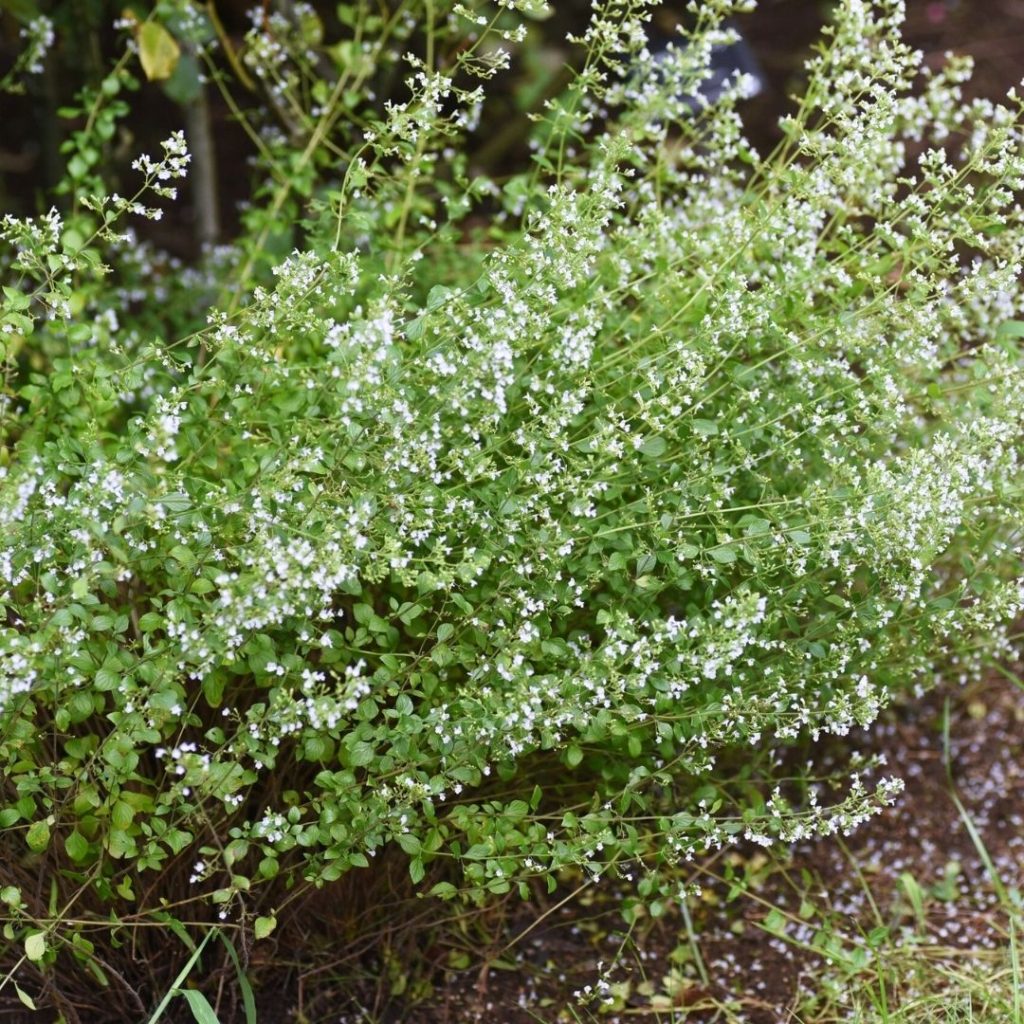
Catmint is one of the easiest ways to make a garden look “designed.” It makes soft mounds, blooms for a long stretch, and is happy in Missouri sun and heat. It’s also one of those plants that looks better the less you mess with it.
A mid-season haircut can bring a second round of blooms. Or you can skip it and still enjoy a great showing.
Plant with: Roses, daylilies, yarrow.
12. Russian Sage
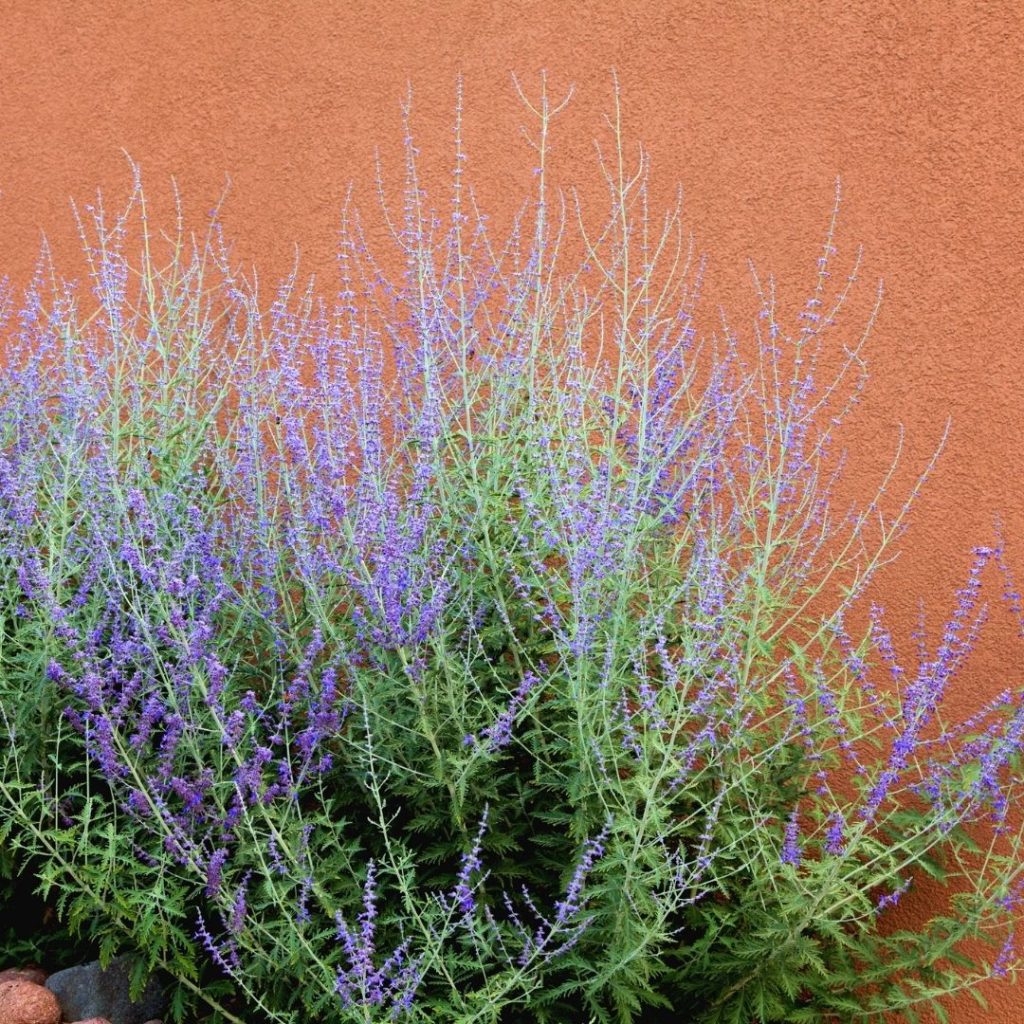
Missouri summers can make a lot of plants melt. Russian sage keeps blooming. It loves sun, tolerates drought, and its silvery foliage makes everything around it look better.
This is also a great “deer-resistant” option in many yards, thanks to its scent and texture.
Plant with: Black-eyed Susans, blanket flowers, and sedum.
13. Blanket Flowers
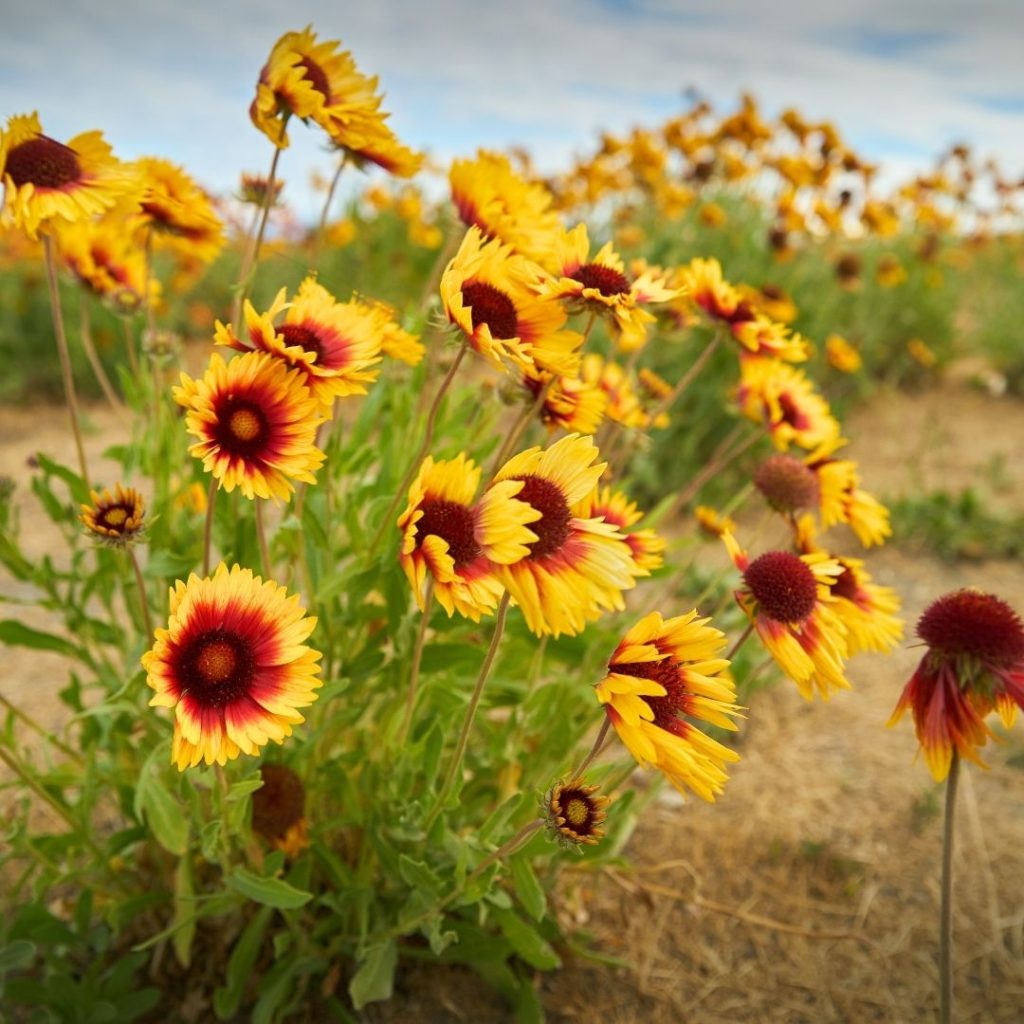
Blanket flower thrives in the exact conditions that frustrate people: hot sun and dry soil. It blooms for a long time and keeps the color coming when other plants fade.
If you want that “prairie color” look without being a full-time gardener, blanket flower is a solid pick.
Plant with: Russian sage, coreopsis, little bluestem.
14. Coreopsis (Missouri Native)
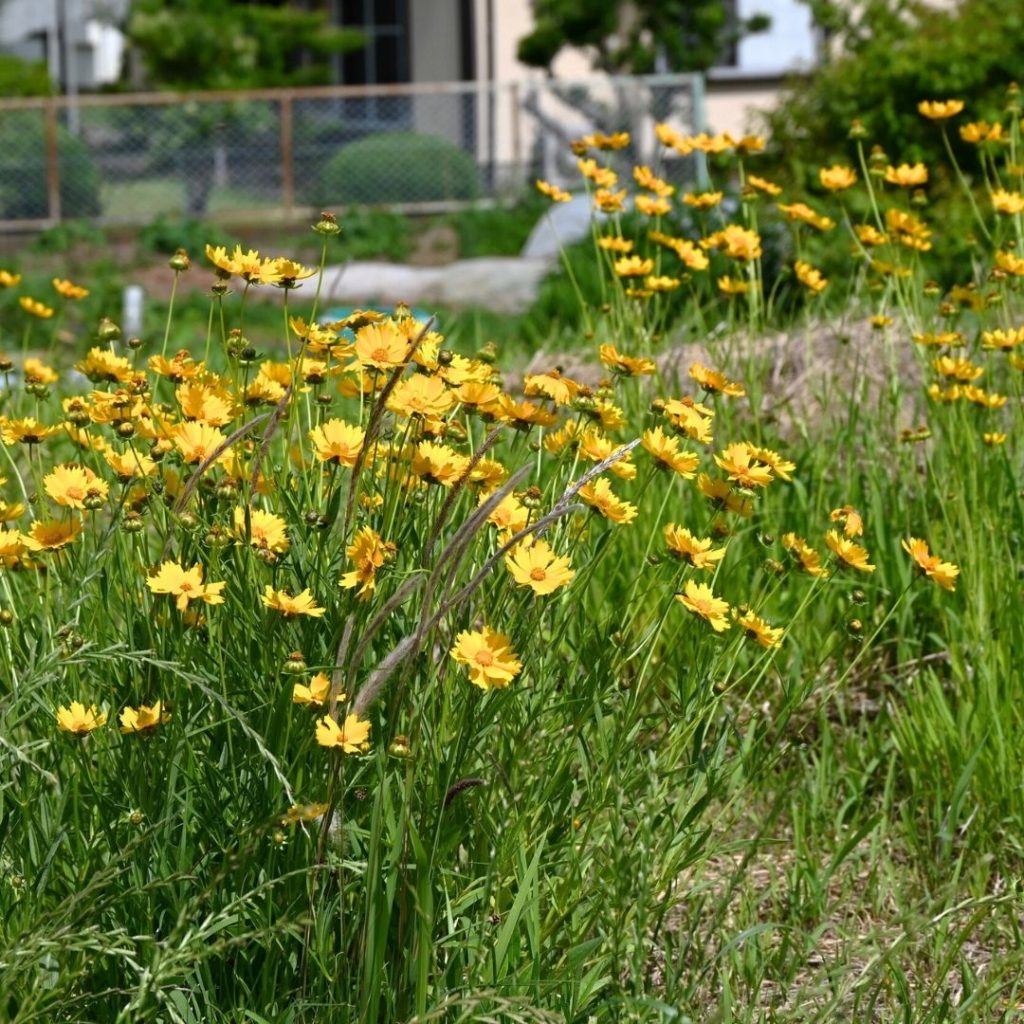
Coreopsis is a “set it and forget it” bloomer that handles heat and average soil. Many varieties bloom for a long time, especially if you deadhead a bit, but even if you don’t, you’ll still get solid color.
It also blends well with natives and prairie-style plantings, which are often the lowest-maintenance landscapes you can build in Missouri.
Plant with: Coneflower, yarrow, ornamental grasses.
15. Switchgrass (Missouri Native)
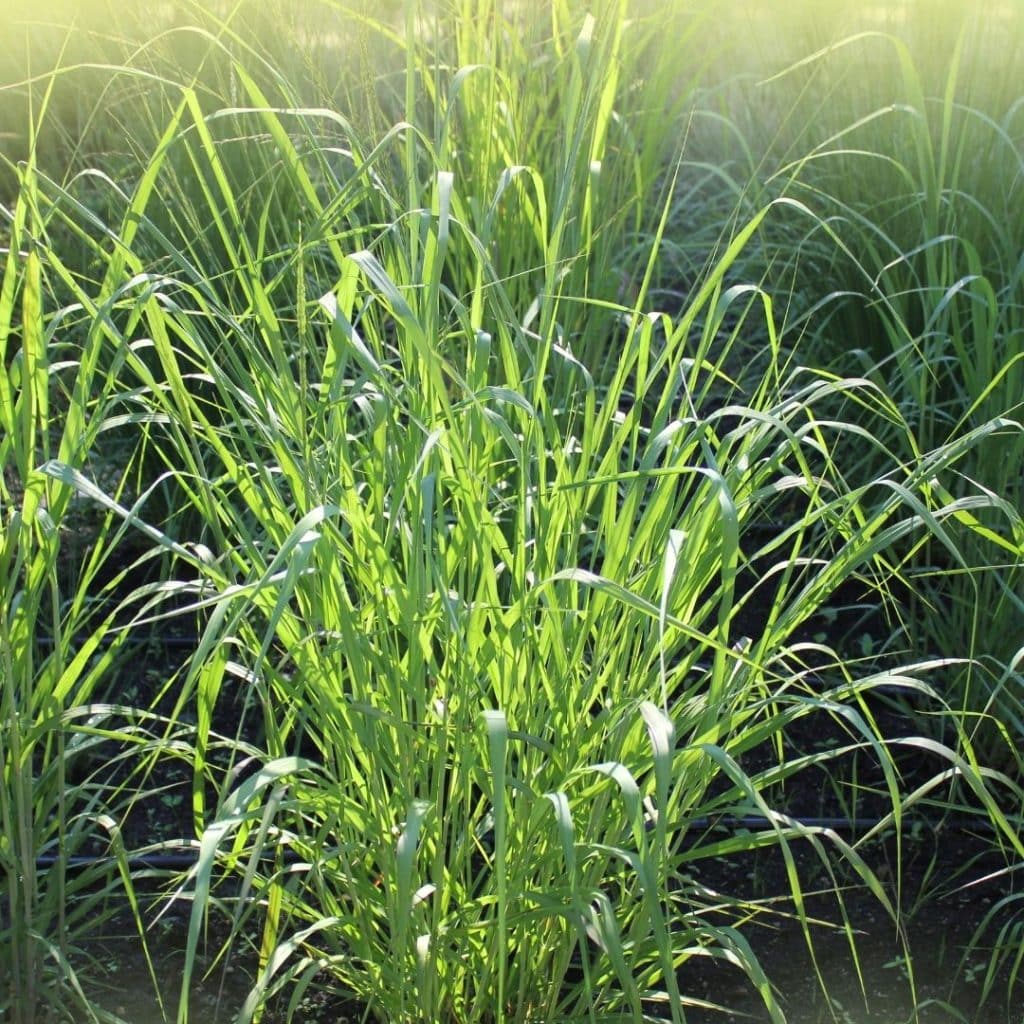
Switchgrass handles Missouri’s wild weather and looks good doing it—year-round.
If you want to add low maintenance structure to your yard, ornamental grasses are the a smart move.
Switchgrass is a Missouri native that tolerates clay, drought, and wet spells. It’s the kind of plant that “fits” Missouri because it was built here.
It also adds fall color and winter texture, which makes your yard look alive even when everything else is dormant.
Plant with: Coneflower, goldenrod, asters.
16. Little Bluestem (Missouri Native)
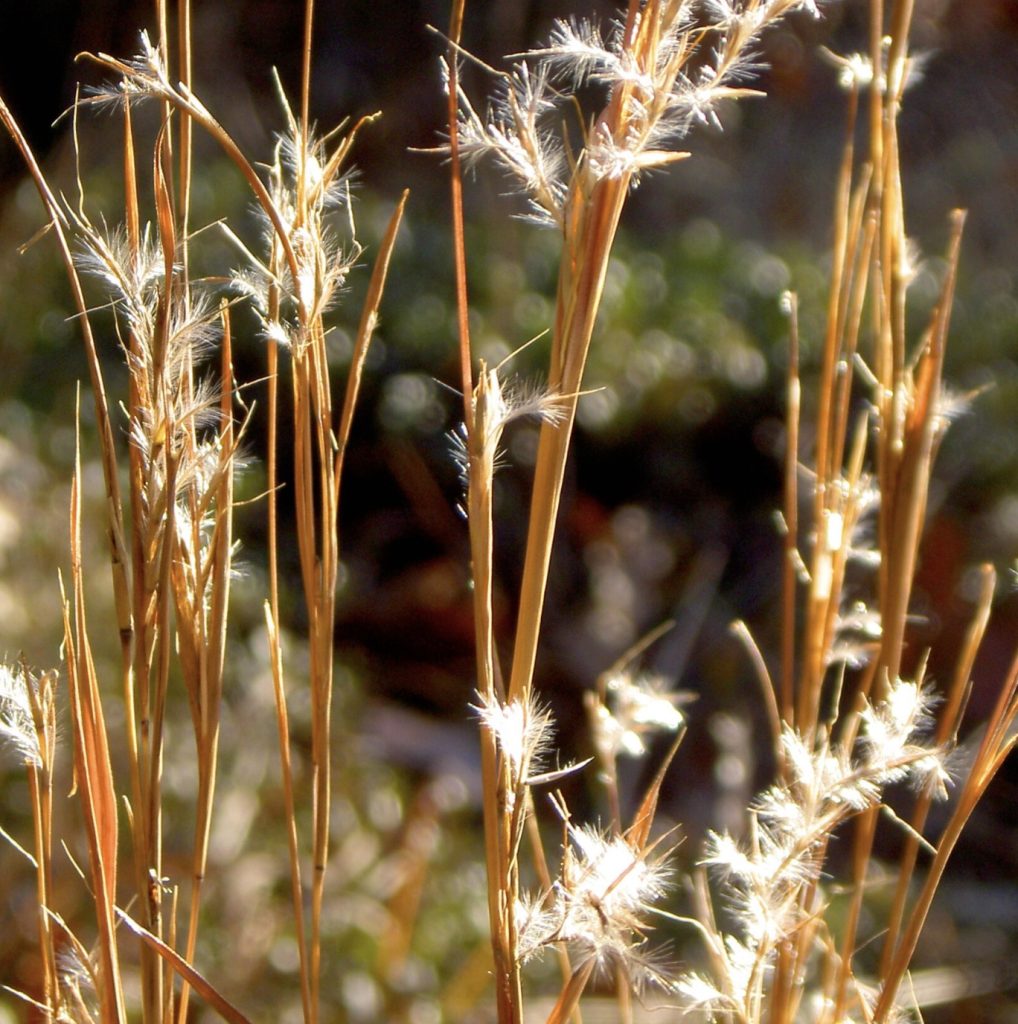
This is one of the best grasses for people who want a natural, low-care look. It stays in a clump, doesn’t turn invasive, and it’s happy in sun and lean soil. In fall, it puts on a color show that looks intentional even if you did absolutely nothing.
It’s also a great companion for native flowers because it’s a “supporting actor” plant—makes everything else look better.
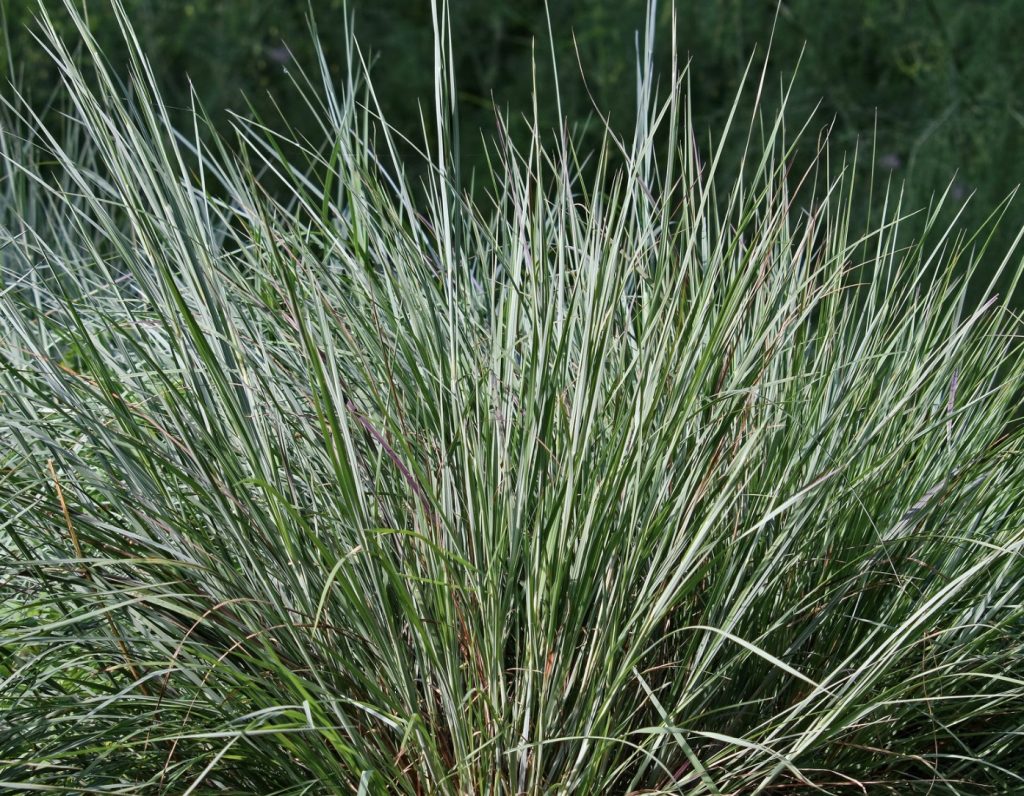
Plant with: Black-eyed Susan, blazing star, asters.
17. Goldenrod (Missouri Native)
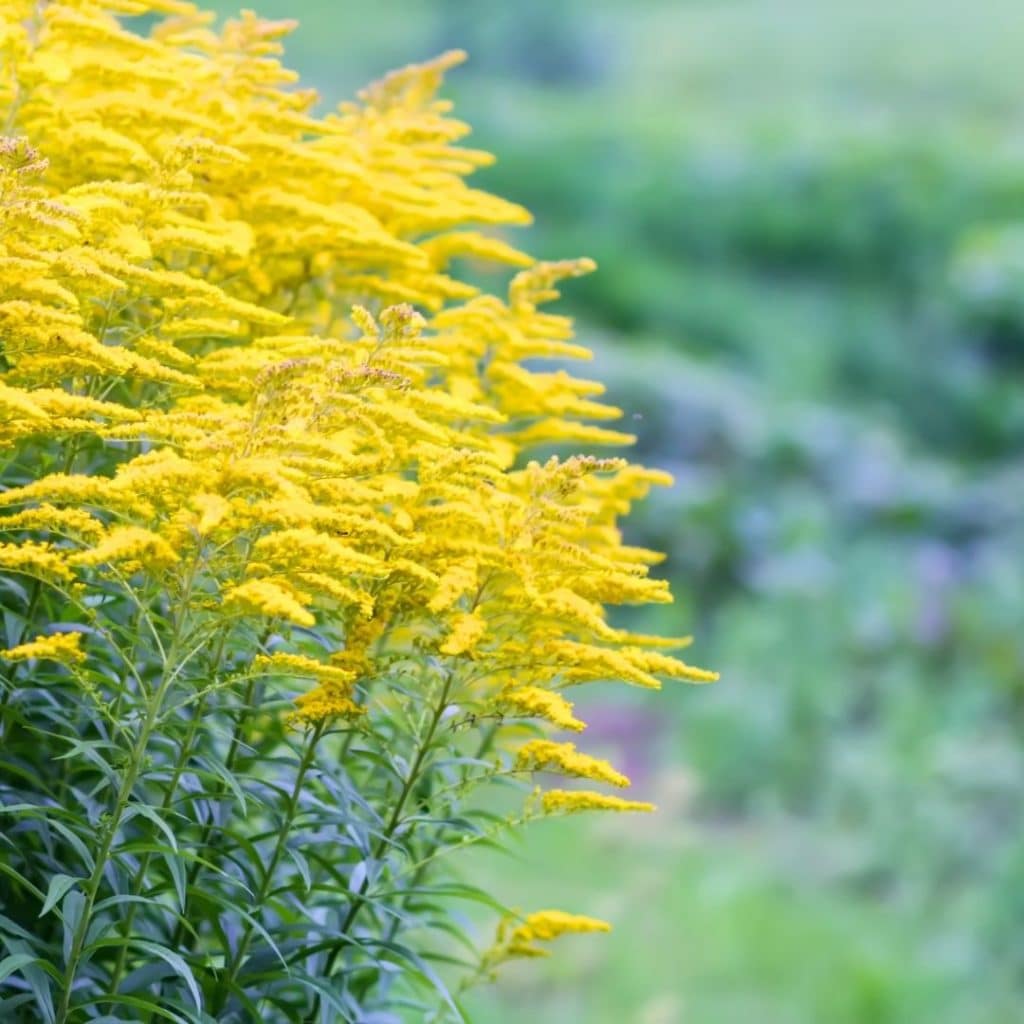
Goldenrod gets blamed for allergies, but it’s usually not the culprit. What it does do is put out a massive amount of late-season blooms when your garden is running out of gas. It’s tough, reliable, and very Missouri-friendly.
If you want that “second half winner” fall garden, goldenrod is part of the recipe.
Plant with: Asters, sedum, little bluestem.
18. Aromatic Aster (Missouri Native)
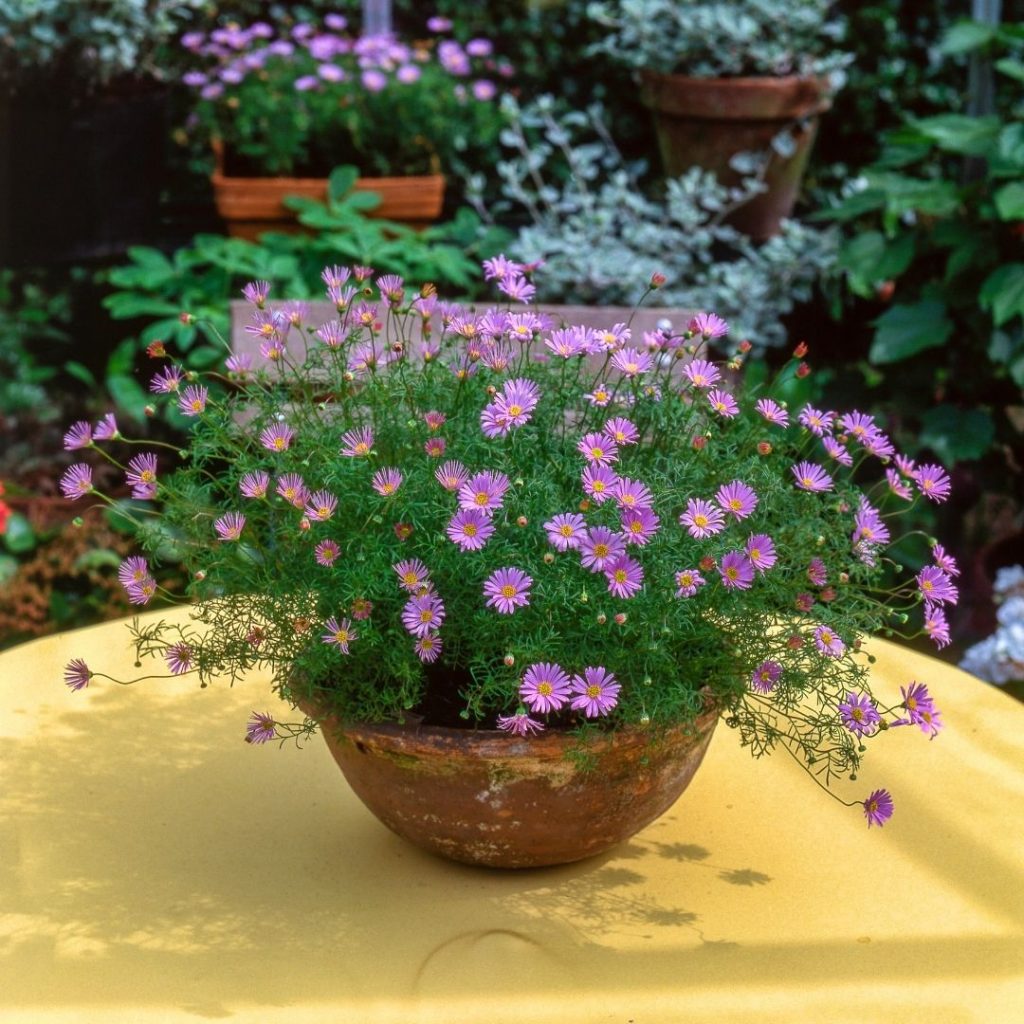
This is one of the best fall plants for Missouri because it thrives in dry, tough soil and still blooms hard in late season. It’s compact, tidy, and a great “edge” plant that looks good without constant trimming.
If you’re trying to keep color going until frost, asters are the secret weapon.
Plant with: Goldenrod, sedum, switchgrass.
Want a yard that attracts hummingbirds? You’ll get obsessed with this: 17 plants that attract hummingbirds and look great doing it. (Bonus: it also helps you pick plants that bloom in “waves.”)
19. Penstemon (Beardtongue) (Missouri Native)
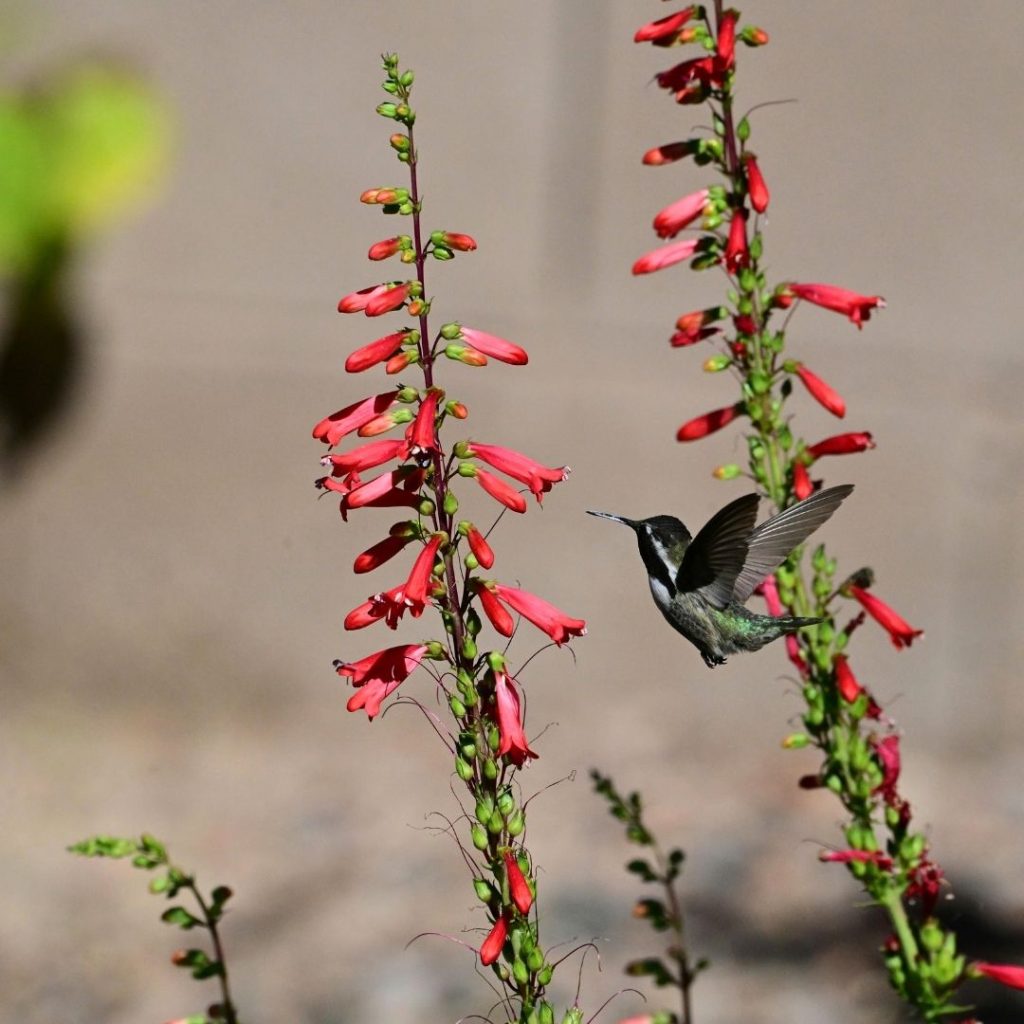
Penstemons are an early-season hummingbird magnet that thrives in sun and doesn’t need pampering.
Penstemons give you those tubular blooms hummingbirds love, and it’s tough enough to handle Missouri’s weather shifts.
They like well-drained soil and sun, and once established it’s pretty self-sufficient.
It also has that “native garden” look—natural and classy at the same time.
Plant with: Bee balm, coreopsis, coneflower.
20. ‘Annabelle’ Hydrangea (Missouri Native Species)
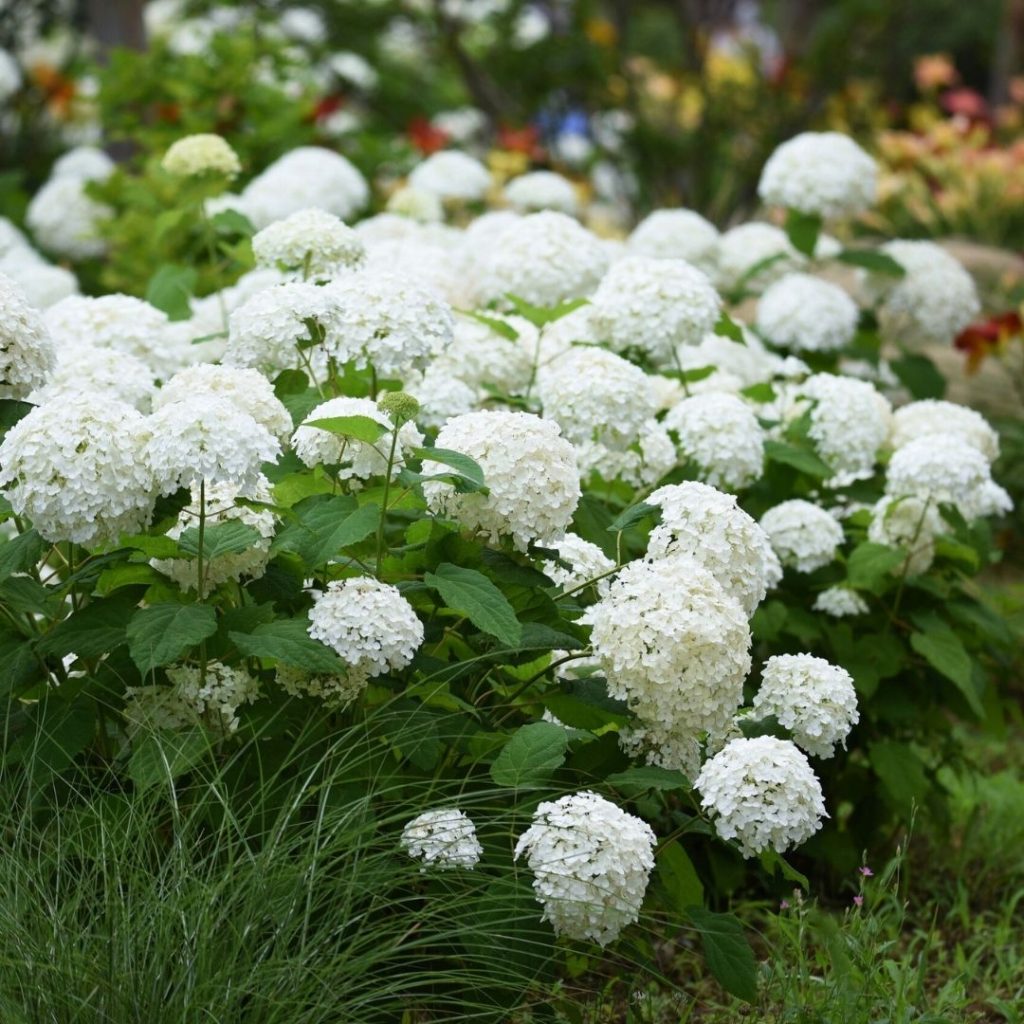
If you want that big “landscaped” look in Missouri, Annabelle is a smart play. They bloom on new growth, meaning winter damage doesn’t ruin your flowers the way it can on other hydrangeas.
It does best with some moisture, but it’s a lot more forgiving than people expect—especially if you mulch it and don’t put it in baking-hot afternoon sun.
Plant with: Hostas, ferns, coral bells.
21. Ninebark (Missouri Native)
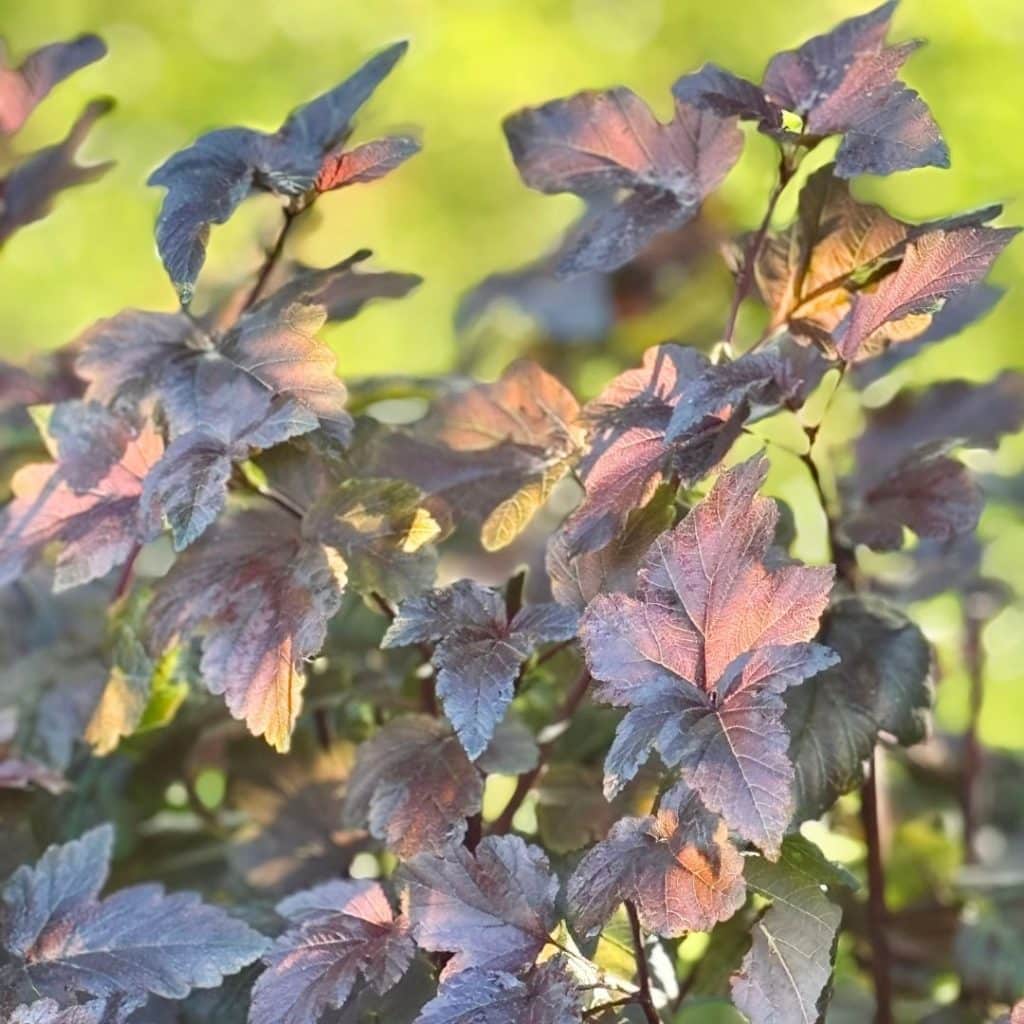
Ninebark is one of the best low-maintenance shrubs you can plant in Missouri. It tolerates rough sites, doesn’t need constant watering once established, and offers spring flowers plus beautiful bark texture.
It’s also a great “backdrop” plant. Put it behind flowers and your garden instantly looks fuller.
Plant with: Coneflower, black-eyed Susan, switchgrass.
22. Ornamental Alliums
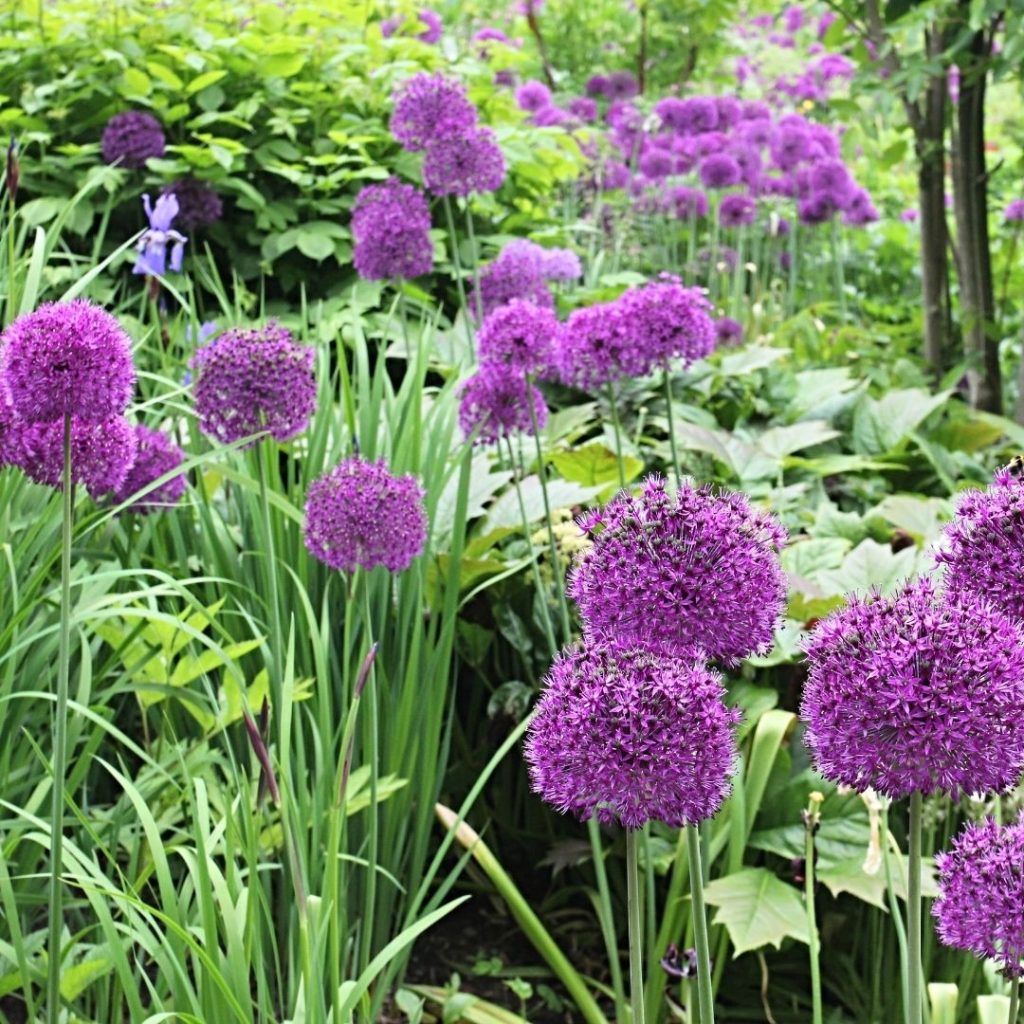
Alliums are easy because they’re rarely bothered by deer and rabbits, and they come back reliably. They also add a fun “designer” look in a bed… round blooms that pop above everything else.
Plant them, forget them, and enjoy the surprise when they show up like clockwork.
Plant with: Sedum, catmint, daylilies.
23. Columbine (Missouri Native)
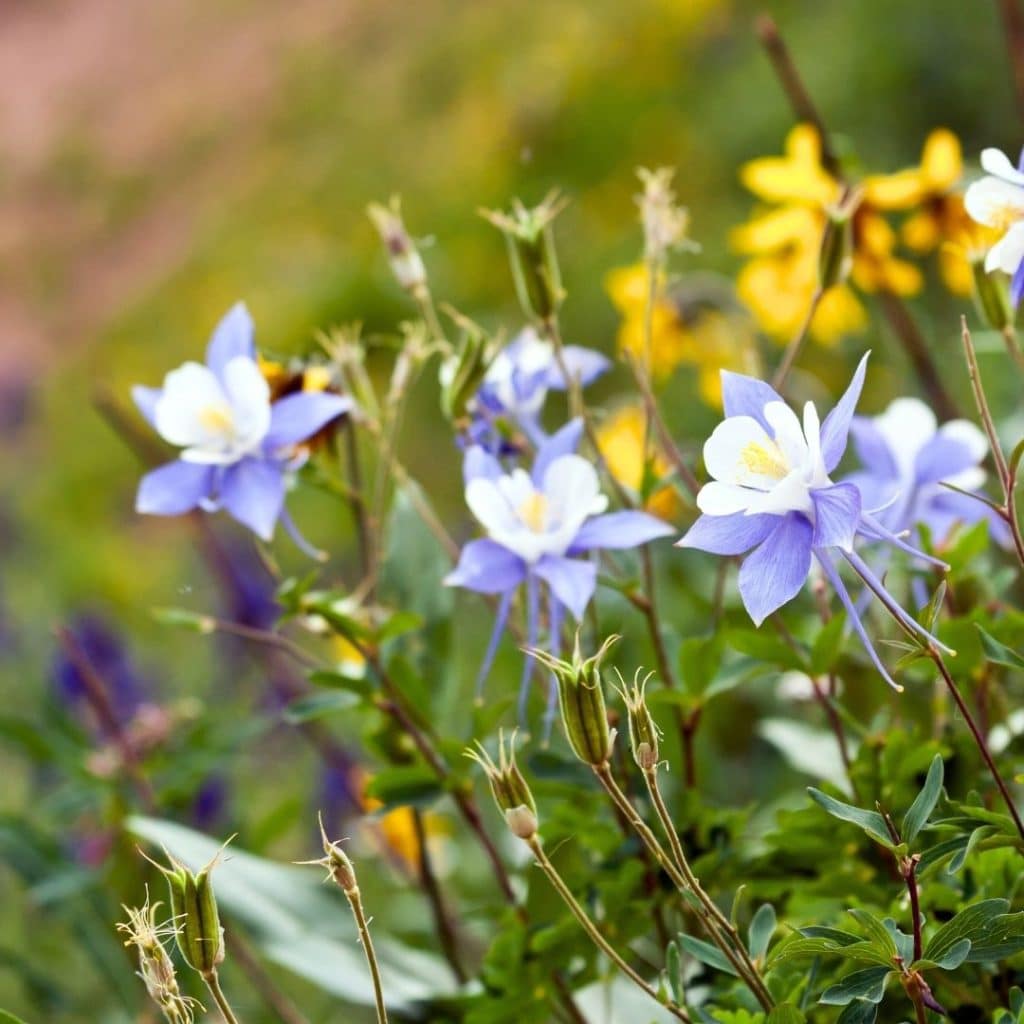
Columbines are one of those plants that feel “wild” in the best way. It’s a spring bloomer that fits shady gardens, and it often reseeds just enough to keep itself going without becoming a nuisance.
It’s also a hummingbird favorite, which makes it feel like a two-for-one deal.
Plant with: Hostas, ferns, bleeding heart.
24. Bluestar (Amsonia) (Missouri Native)
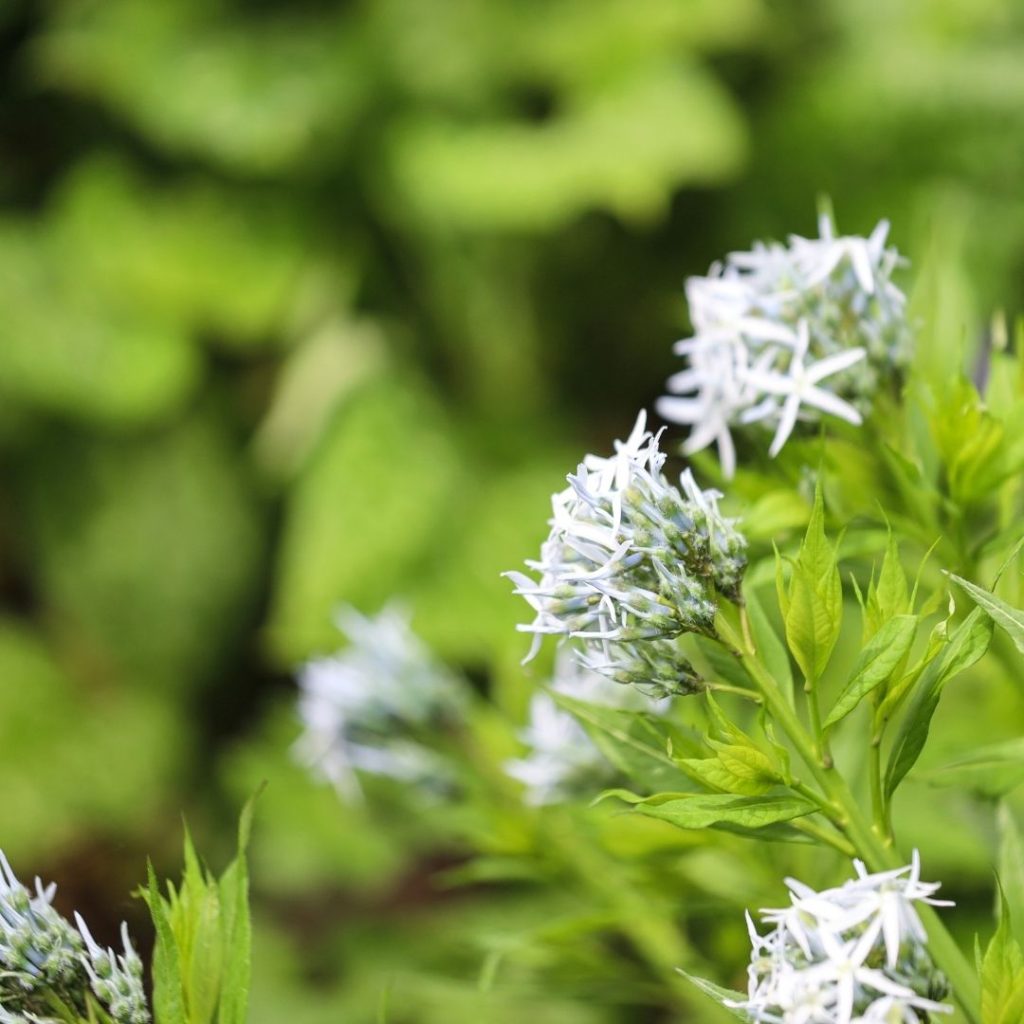
Bluestars are a quiet overachiever. They bloom in spring, stays neat through summer, and turns a beautiful golden color in fall. It’s tough, long-lived, and not picky once it’s established.
This is the plant for people who want a garden that looks better every year without getting more complicated every year.
Plant with: Coneflower, switchgrass, black-eyed Susan.
25. Crape Myrtle (Bootheel Only)
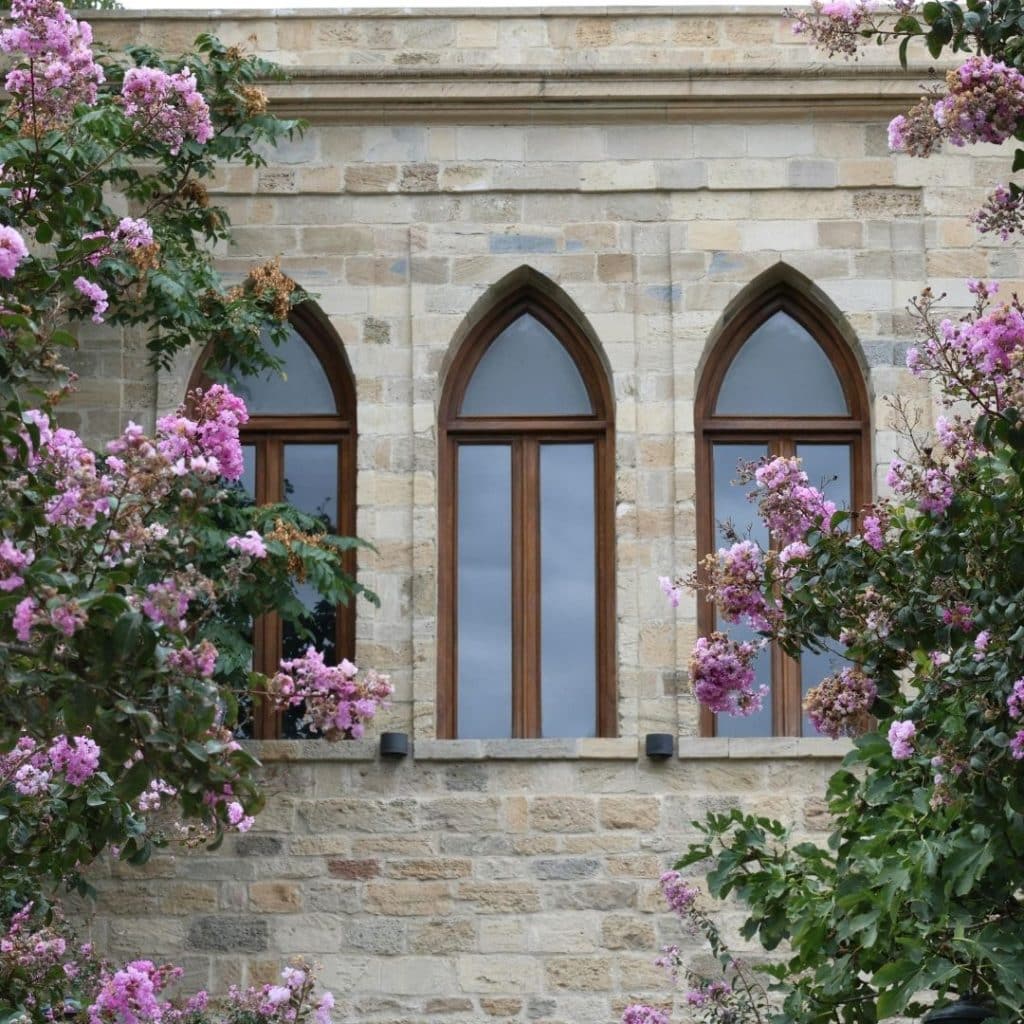
If you’re in Missouri’s far southern reaches (Bootheel territory), crape myrtles can be an absolute showstopper. They love heat, handle drought once established, and bloom when lots of other shrubs are taking a break.
The main “maintenance” is simply not over-pruning them. Let them grow naturally and they reward you.
Plant with: Daylilies, yarrow, Russian sage.
How to Build a “Low Maintenance” Missouri Garden That Still Looks Intentional
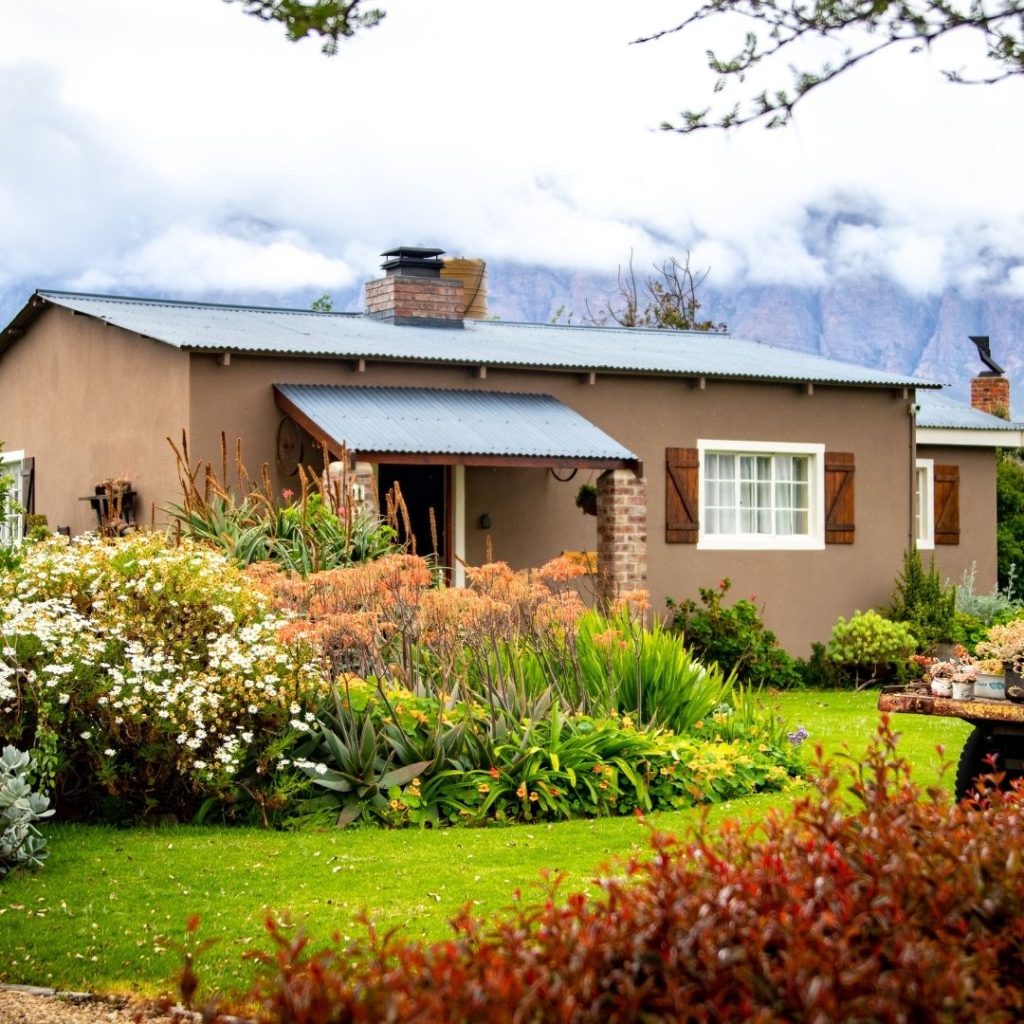
If you want this to look great without turning into a weekly chore, here’s the trick: repeat your winners. Don’t plant one of everything. Pick a few tough plants and use them in groups of 3, 5, or 7. That’s what makes a bed look designed instead of random.
Also, don’t fight Missouri. If you’ve got sun and clay, lean into prairie plants. If you’ve got shade and tree roots, lean into tough shade plants like hostas and hardy natives. When you pick plants that match your yard’s personality, maintenance drops fast.
If you want plants that literally fill in a garden bed for you, this one is gold: 20 effortless perennials that fill your garden themselves.
A Few Missouri-Proof Combos That Just Work
- Prairie Easy Mode: Coneflower + black-eyed Susan + little bluestem + blazing star.
- Heat Lovers Bed: Russian sage + yarrow + sedum + blanket flower.
- Shade Corner Fix: Hosta + fern + Annabelle hydrangea + columbine.
- Fall Color Finale: Goldenrod + aromatic aster + sedum + switchgrass.
A Quick Word on “Low Maintenance” and Weeds
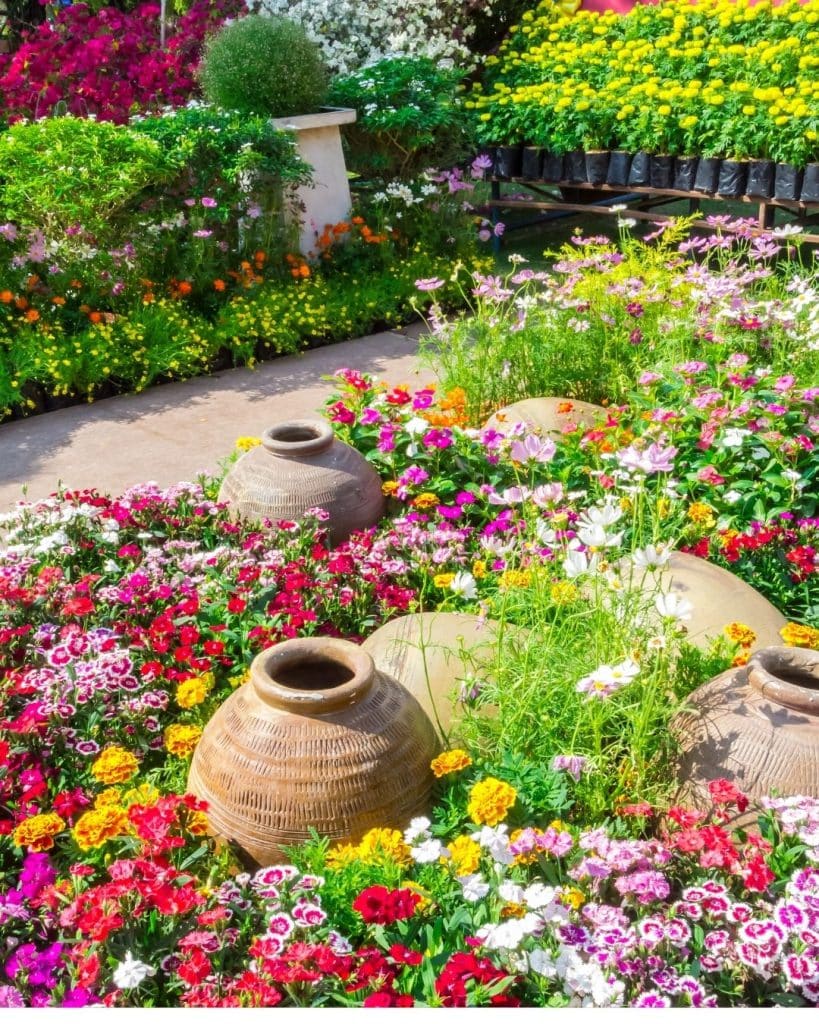
Low maintenance doesn’t mean weeds disappear. It means your plants are strong enough to compete once they fill in. Mulch helps the first year. After that, dense plantings do most of the work for you.
If you want to avoid the classic Missouri mistake of “accidentally planting something that takes over,” keep this one handy: don’t let these super-spreading shrubs hijack your yard.
The Easiest Upgrade You Can Make in 2026
Honestly? The easiest upgrade is planting things that keep your yard busy for you—plants that reseed, multiply, or bloom for long stretches. They save you time and make the garden look “full” without annual replanting.
If you want more of that “yard that runs itself” vibe, this is a fun rabbit hole: 19 perennials that will bloom multiple times a year.
Final Thought
Missouri gardening gets a lot easier the moment you stop trying to force fragile plants to act tough. These 25 picks are the opposite. They’re built for our summers, built for our winters, and they’re forgiving enough that you can still have a great-looking yard even if your “garden schedule” is basically just whenever you remember.
Read next: If you want a yard that attracts helpful insects (and helps cut down on mosquitoes), this one is a great good follow-up: 15 plants to attract dragonflies (one dragonfly can eat hundreds of mosquitoes).