Not every home is blessed with sunlight pouring through large windows, but that doesn’t mean you can’t enjoy a lush indoor garden. Many houseplants have adapted to thrive in the shaded floors of forests, making them perfect candidates for your dimmer rooms, north-facing windows, and cozy corners.
The good news is that a wide variety of beautiful plants can flourish in low-light conditions, from striking foliage plants to graceful ferns and trailing vines.
Whether you’re looking to green up a windowless bathroom, brighten a basement office, or add life to a shadowy hallway, you have plenty of options that won’t demand constant sunshine or complicated care routines.
True Low Light Plants (Best for Dim Rooms)
These are the most reliable choices for rooms with limited sunlight. They tolerate low light for long periods without losing their shape, color, or health, making them ideal for offices, hallways, bathrooms, and shaded living spaces.
1. ZZ Plant (Zamioculcas zamiifolia)
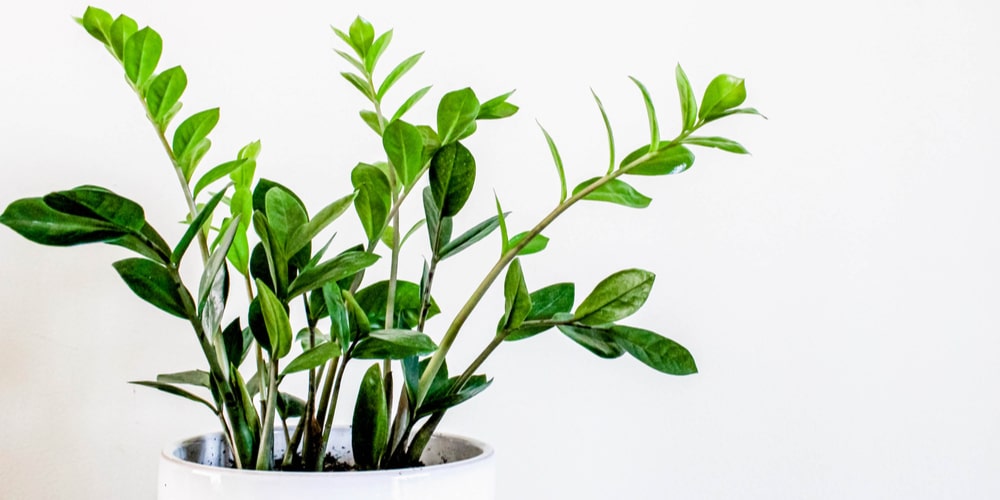
The ZZ plant earned its nickname “the unkillable plant” because it can survive weeks without water thanks to its thick rhizomes that store moisture underground.
You can place it in your office, bathroom, or any room with minimal natural light, and it will still thrive. Water it only when the soil completely dries out, which might be once every 2-3 weeks.
The glossy, waxy leaves naturally repel dust, keeping your plant looking clean with minimal effort. This makes it perfect if you’re new to houseplants or simply forget to water regularly.
2. Snake Plant (Sansevieria)
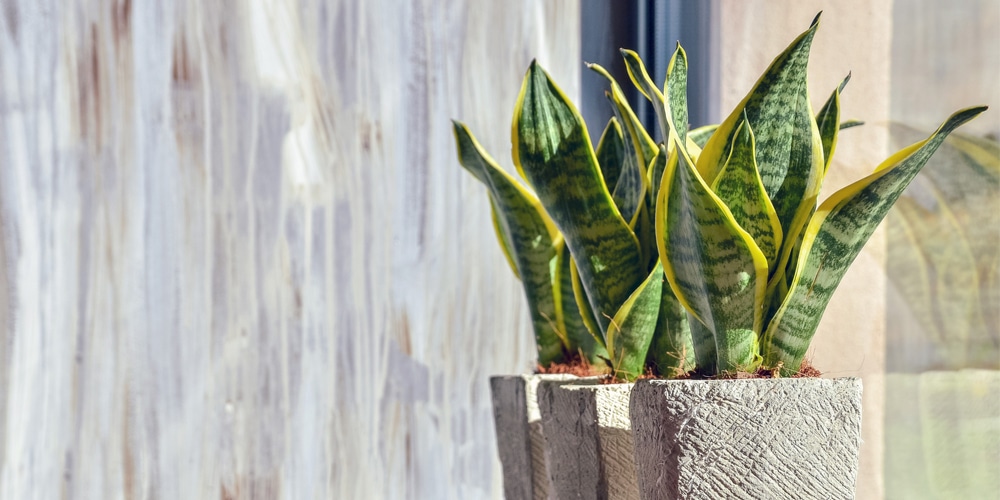
Snake plants earn their reputation as nearly indestructible houseplants that actually prefer neglect over fussing. You can place them in windowless rooms, dim corners, or any spot with minimal natural light where other plants would struggle.
They thrive in bright, indirect light but tolerate low-light conditions remarkably well. Water sparingly and allow the soil to dry completely between waterings to prevent root rot.
With over 70 species available, you’ll find varieties ranging from compact desktop plants to tall architectural specimens. The plant is also known as mother-in-law’s tongue due to its sharp, pointed leaves.
3. Pothos (Epipremnum aureum)
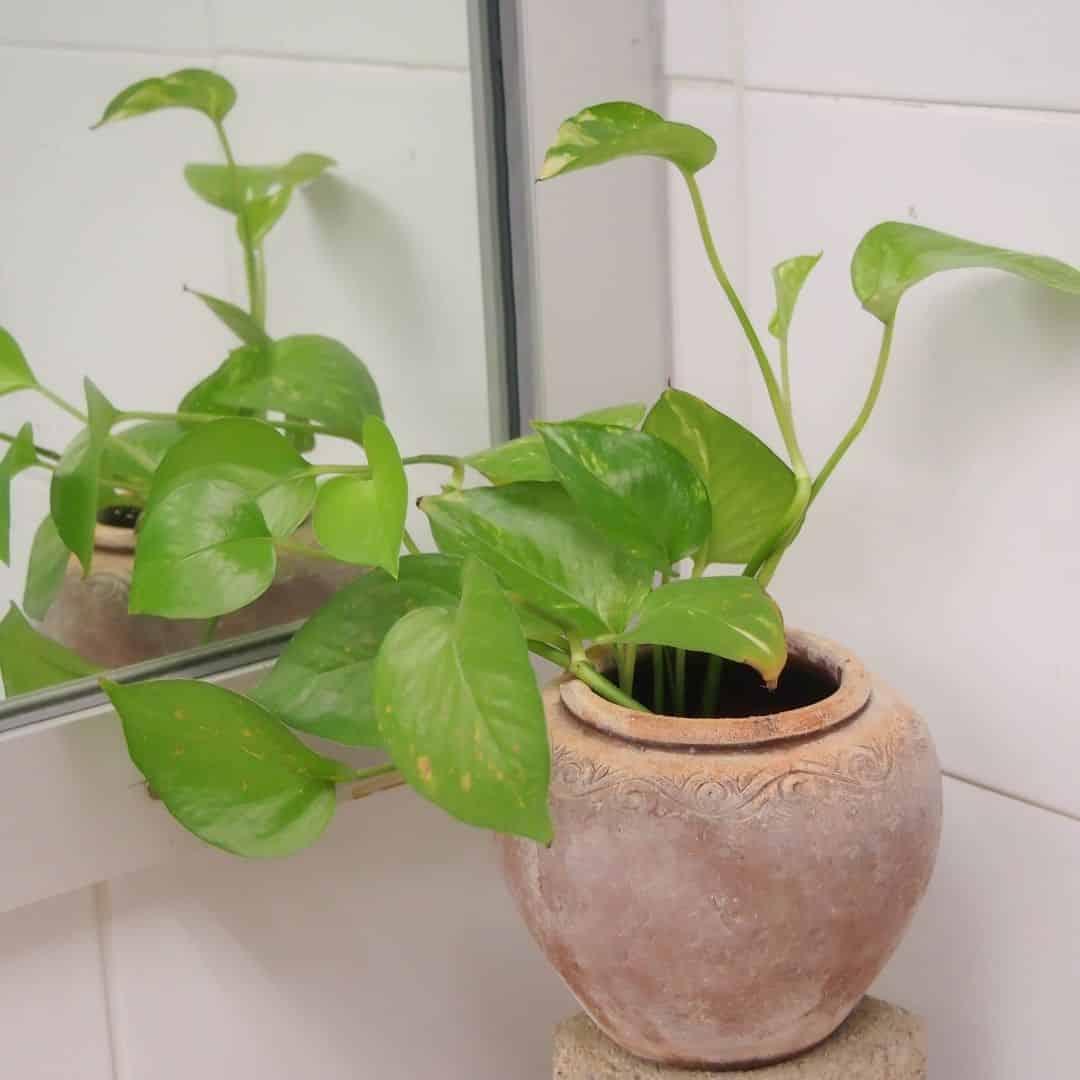
Pothos earned its nickname “Devil’s Ivy” because it’s nearly impossible to kill and stays green even in dim rooms. You can place it in almost any space, from bathrooms to offices with fluorescent lighting.
This tropical vine thrives on neglect, making it perfect if you’re new to houseplants or tend to forget watering schedules.
Your pothos will happily trail from hanging baskets or climb up supports, and in low light it grows more slowly but stays healthy and attractive.
4. Chinese Evergreen (Aglaonema)
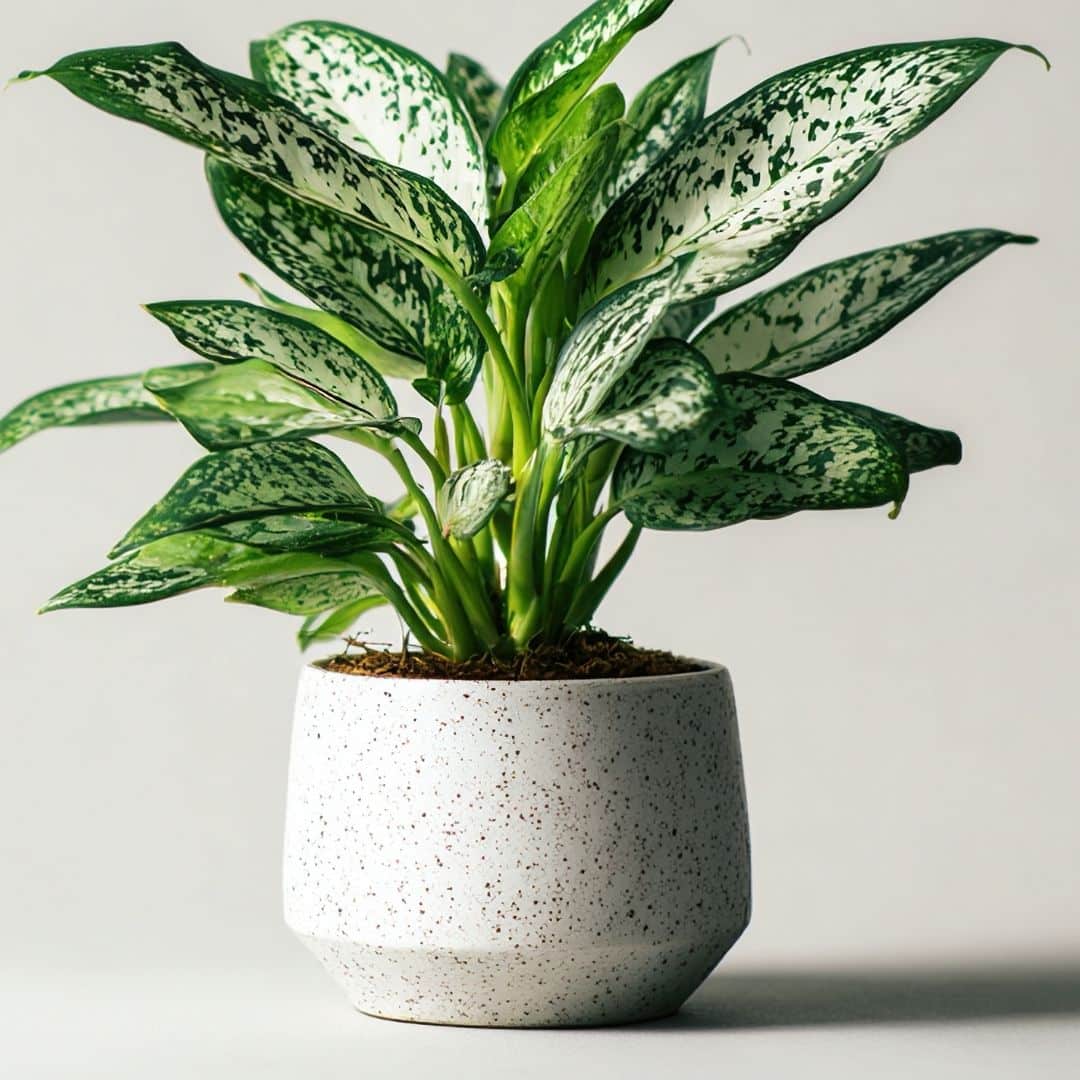
Chinese Evergreen grows naturally on tropical forest floors, which explains why it thrives in the shadiest corners of your home. Place it near an east-facing window or in any low-light area, and water only when the soil feels dry.
This plant comes in dozens of varieties with stunning leaf patterns, ranging from deep green to silvery white with pink accents.
The darker green varieties tolerate the lowest light levels, while variegated types need slightly brighter conditions.
It’s especially popular in offices where natural light is scarce because it stays lush year-round with minimal care.
5. Cast Iron Plant (Aspidistra elatior)
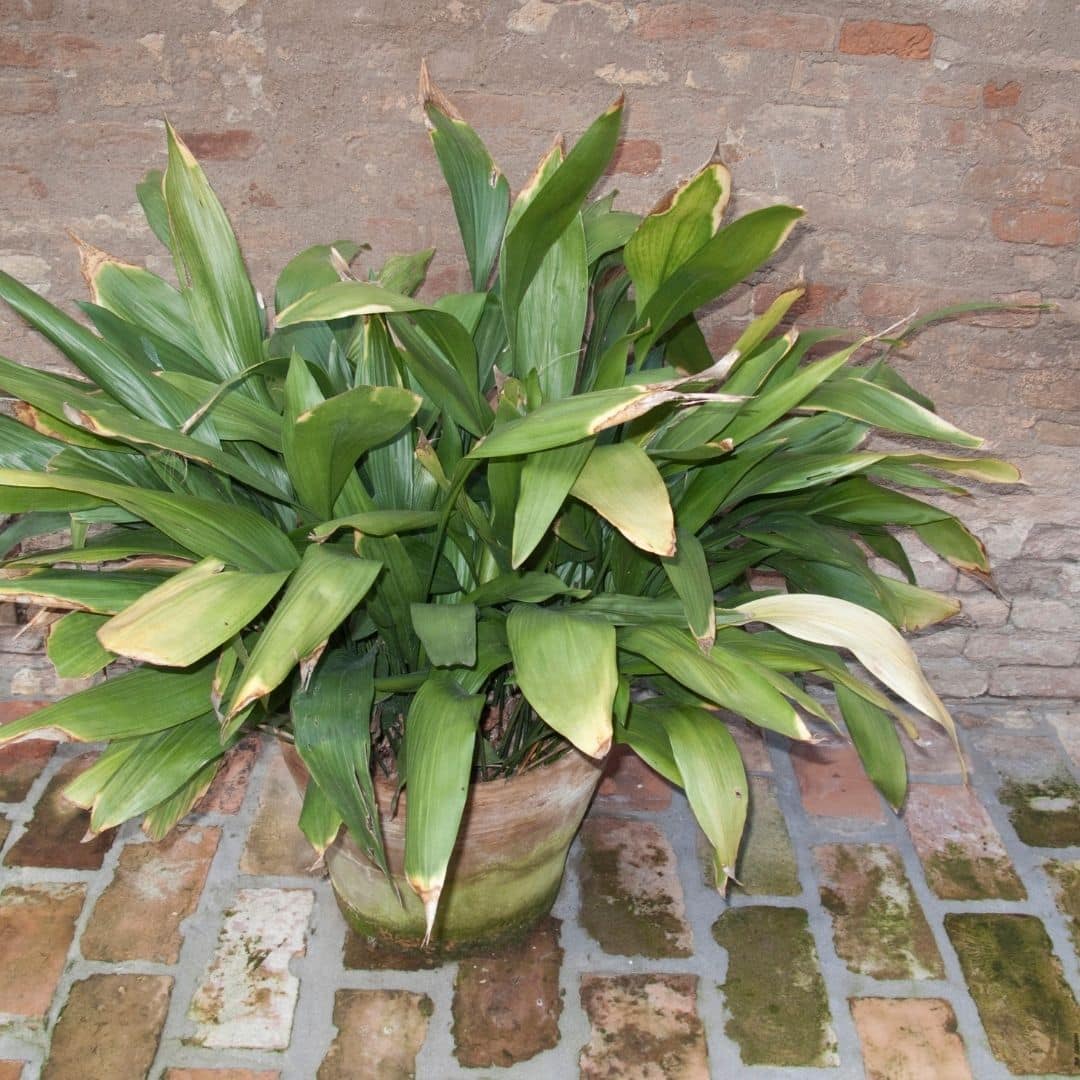
The cast iron plant earned its metal-tough name for good reason—it survives conditions that would kill most houseplants. You can place it in dimly lit corners, hallways, or rooms with minimal natural light where other plants struggle.
Water it sparingly and skip the fussy care routines. This hardy plant tolerates irregular watering and doesn’t demand precise fertilization schedules.
It’s native to the forest floors of Asia, where it adapted to thrive in deep shade beneath dense canopy cover.
6. Peace Lily (Spathiphyllum)
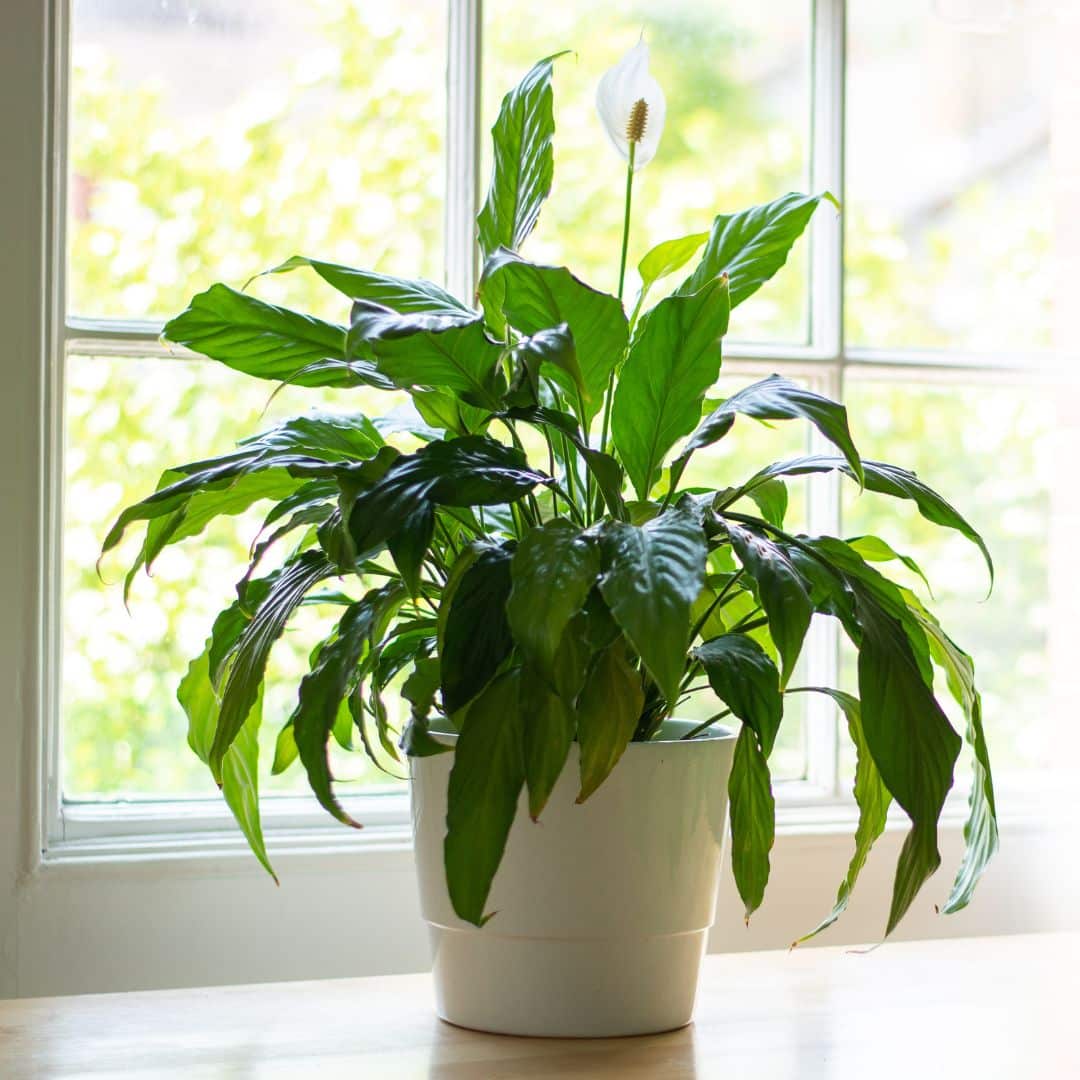
The peace lily produces elegant white blooms that aren’t actually flowers but specialized leaves called spathes. You can place it in bathrooms or offices where natural light is minimal, and it will stay healthy, though it may bloom more in brighter indirect light.
This plant actually tells you when it’s thirsty by drooping its leaves, then perks right back up after you water it.
Native to tropical rainforests, your peace lily does well in low light as long as you don’t keep the soil soggy.
7. Dracaena
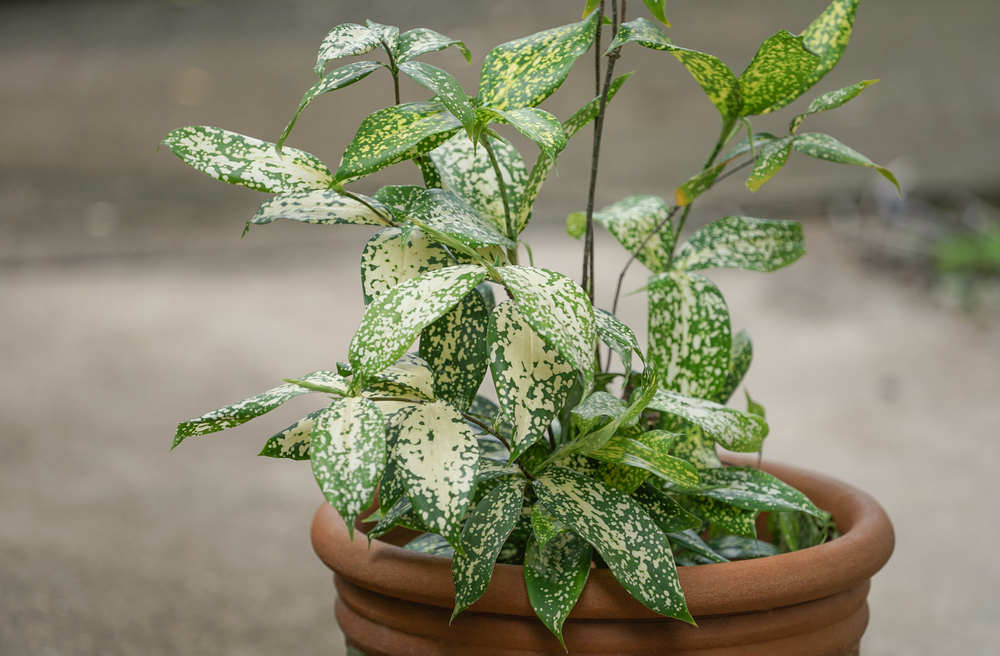
Dracaenas are among the most forgiving houseplants you can own, with some varieties thriving in spots that barely see any sunlight.
You can place them in dim corners, offices without windows, or hallways where other plants would struggle.
Dracaena Marginata and Janet Craig varieties are particularly tolerant of low light, maintaining strong structure with minimal care.
Water them sparingly—they prefer to dry out between waterings. Overwatering causes more problems than neglect.
8. Parlor Palm (Chamaedorea elegans)
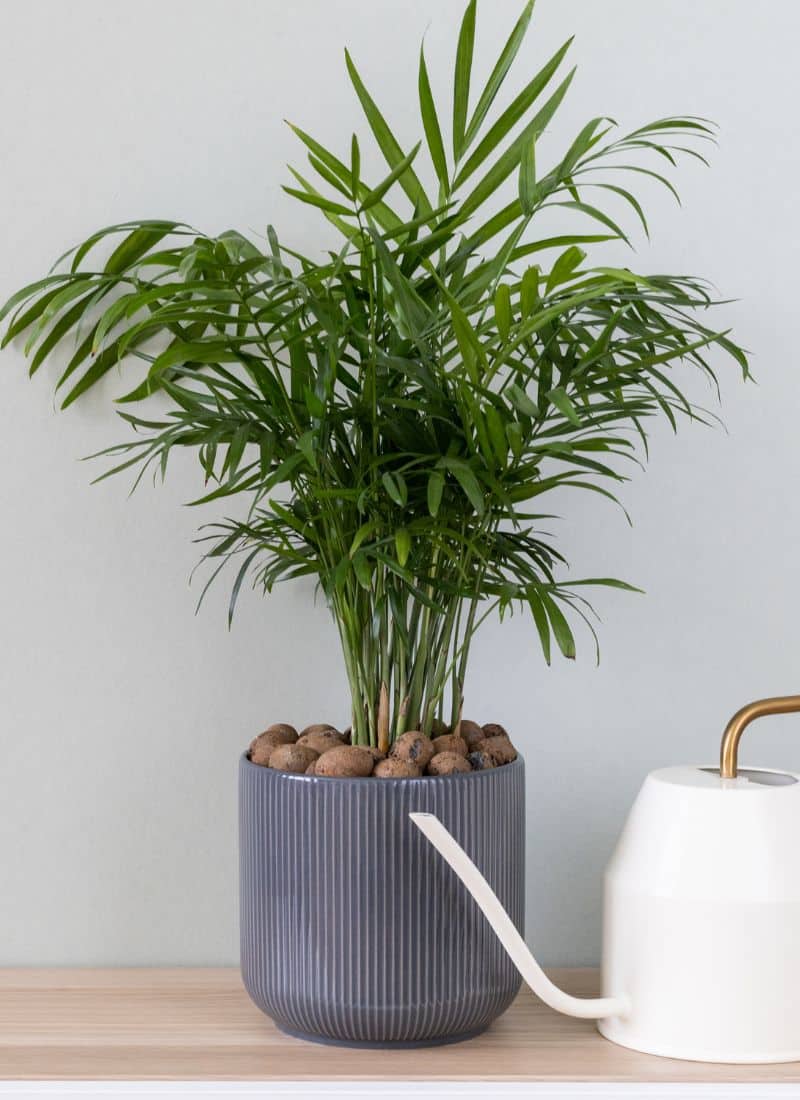
The Parlor Palm has been gracing homes since the Victorian era, making it one of the longest-standing favorites in indoor gardening.
Place yours in any room with low to moderate indirect light, and water when the top inch of soil feels dry.
This palm can live for decades with proper care. It grows slowly to about 4-6 feet tall indoors and tolerates typical household air better than many other palms.
9. Heartleaf Philodendron
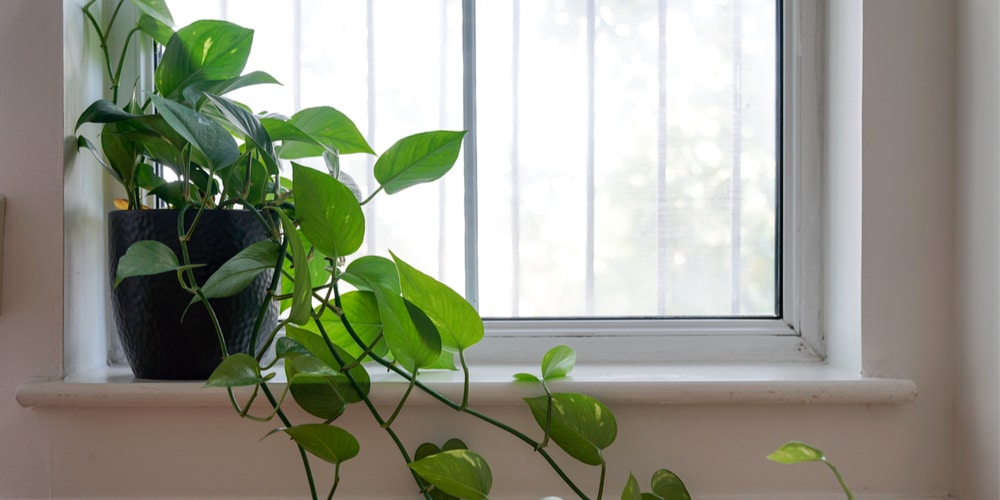
The heartleaf philodendron gets its name from its distinctive heart-shaped leaves that cascade beautifully as the plant matures.
You can place it in offices, bathrooms, or any room with lower light, and it will adapt well with minimal fuss.
This plant tolerates artificial lighting better than many houseplants, making it perfect for windowless spaces.
Growth will be slower in dim conditions, and you may see smaller leaves or leggier stems. A quick trim helps it stay fuller.
10. Dieffenbachia (Dumb Cane)
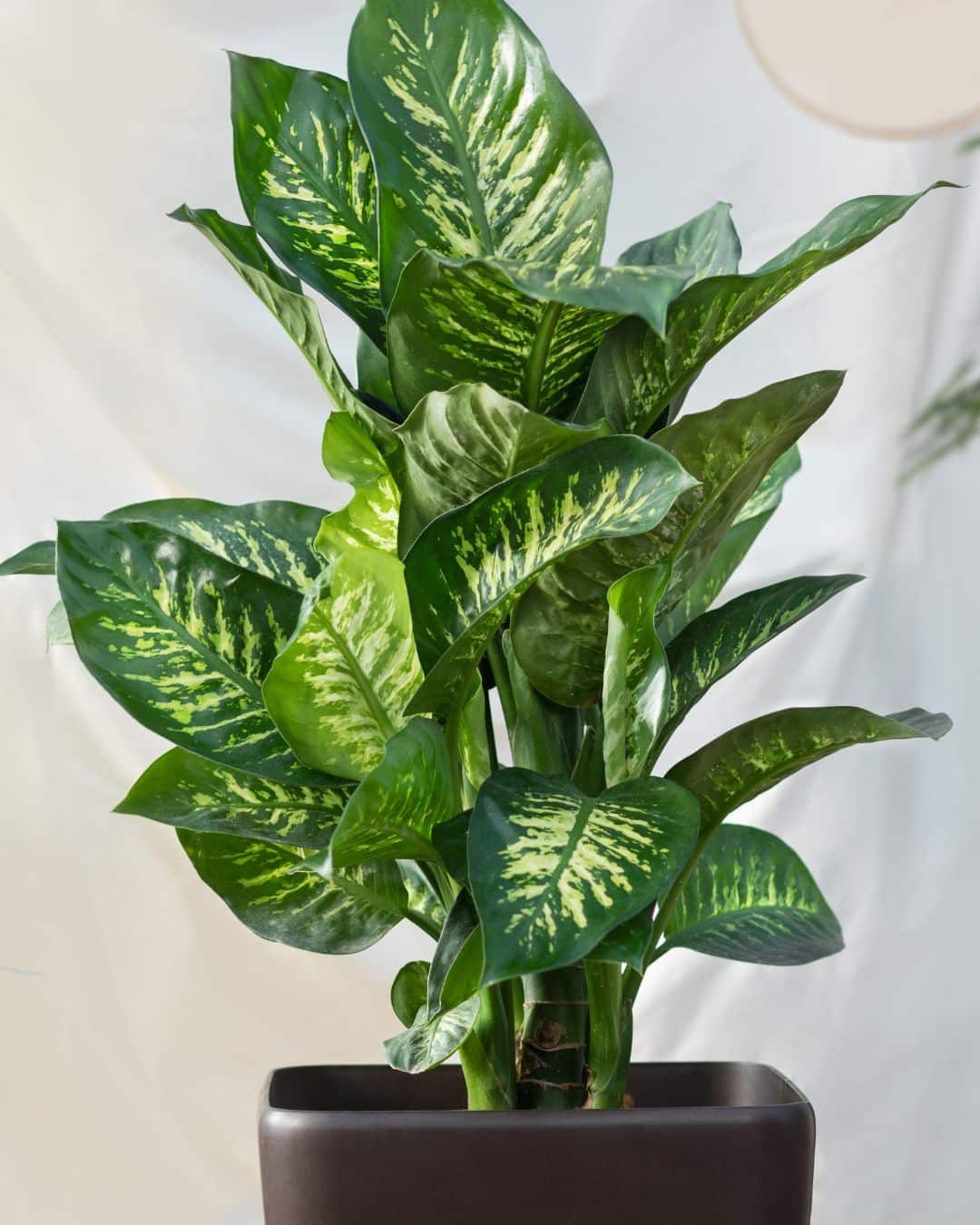
Dieffenbachia earned its “dumb cane” nickname from the temporary irritation and swelling its sap can cause if chewed, so keep it away from curious pets and kids.
You can place this tropical beauty in north-facing rooms or offices where it will stay attractive without direct sunlight.
Use a well-draining potting mix and water when the top inch of soil feels dry. In low light it grows more slowly, but it still holds its bold, tropical look.
11. Silver Satin Pothos (Scindapsus pictus)
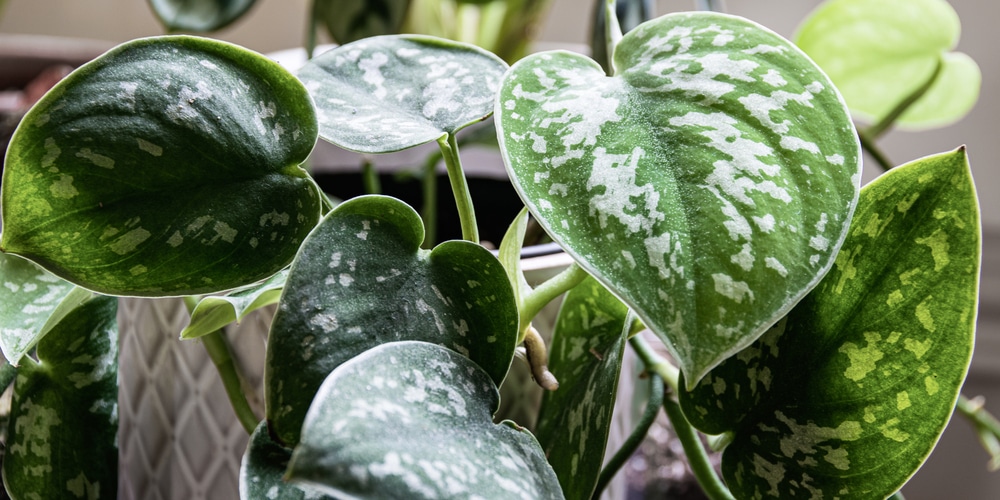
The Silver Satin Pothos isn’t actually a true pothos at all, despite its common name. You can place this trailing plant in low to medium light areas, and water when the top soil feels dry.
The velvety, heart-shaped leaves feature striking silvery-gray splashes that still look good in dimmer rooms, though the contrast is strongest with brighter indirect light.
This slow-growing vine works beautifully in hanging baskets or trained up a moss pole.
12. ZZ Raven Plant
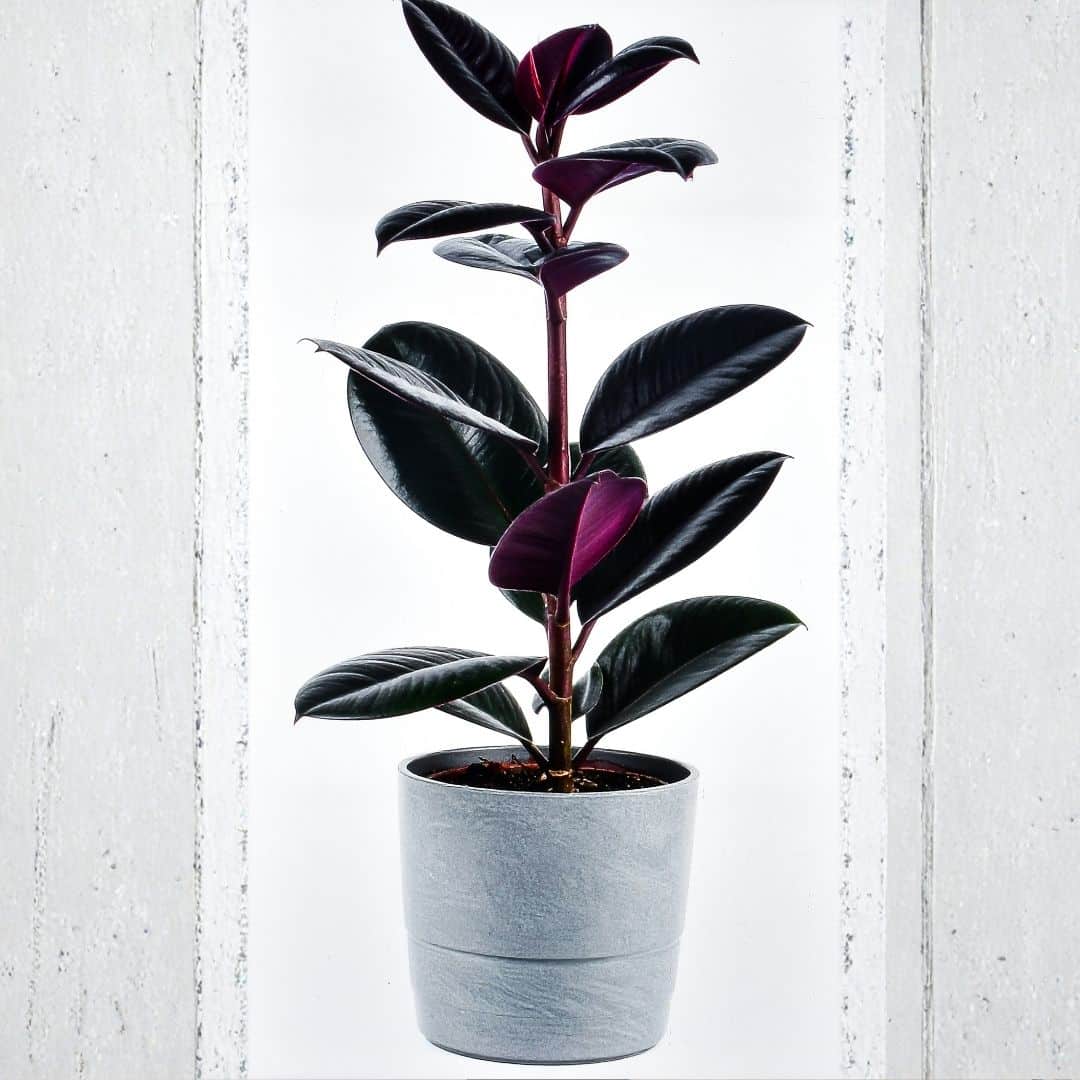
The ZZ Raven plant stands out with its dark, almost black foliage that creates a striking contrast in any room. You can place it in dim corners or rooms without windows, and it will still do well with minimal attention.
The plant stores water in thick underground rhizomes, making it incredibly forgiving if you forget to water for weeks.
Let the soil dry completely between waterings, typically every 2-3 weeks. New growth emerges lime green before gradually darkening to its signature deep purple-black color.
13. Corn Plant (Dracaena fragrans)
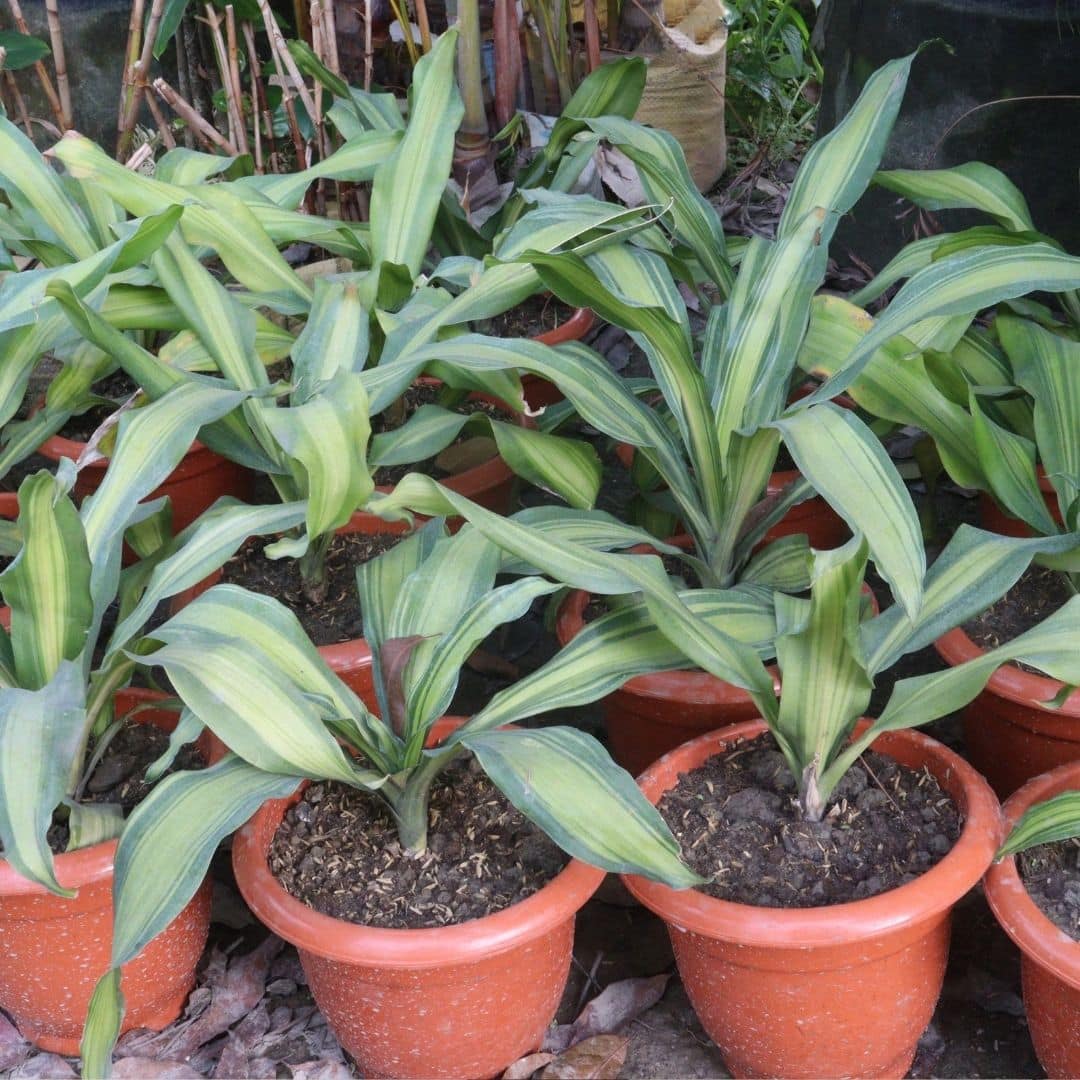
The Corn Plant gets its name from its long, arching leaves that resemble corn foliage, and it’s one of the most forgiving houseplants you can own.
It does best in bright, indirect light, but it adapts well to lower light rooms where it grows more slowly.
Water when the top inch of soil feels dry, and if your tap water is heavily treated, letting it sit out can help reduce tip browning.
14. Lucky Bamboo (Dracaena sanderiana)
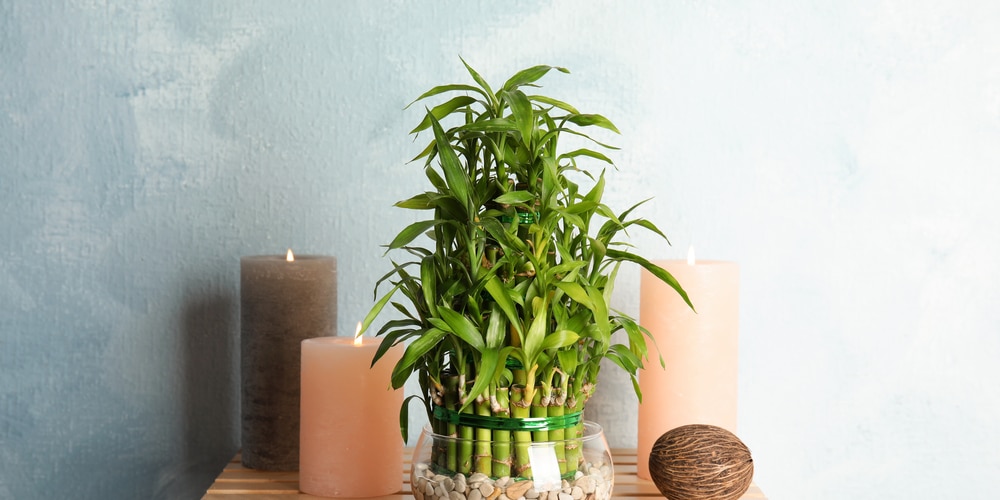
Despite its name, lucky bamboo isn’t actually bamboo at all—it’s a member of the dracaena family. You can place it in windowless offices or dim corners since it tolerates low light exceptionally well and grows in both water and soil.
If you’re growing it in water, change the water regularly and use a very small amount of fertilizer during spring and summer.
This slow-growing plant adapts easily to household settings and maintains its vibrant green color with minimal effort.
15. Peperomia
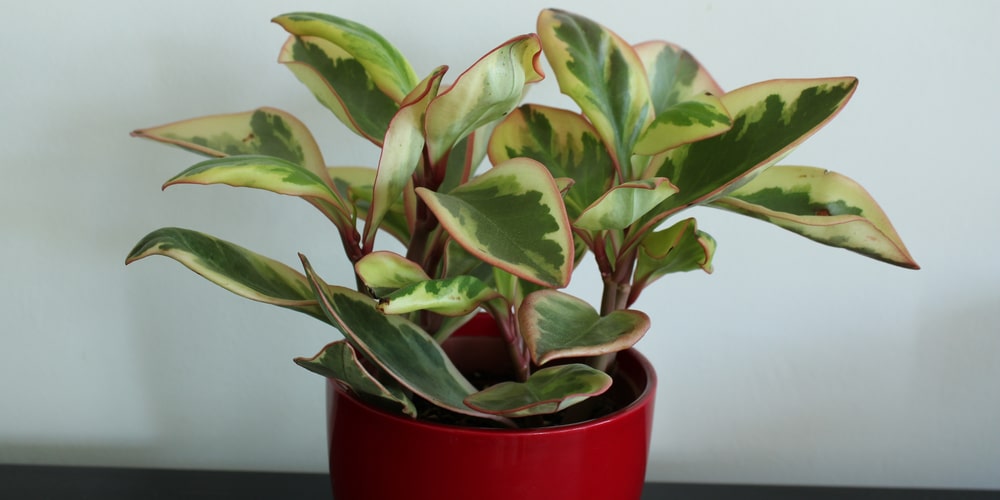
Peperomias are compact, tidy plants that handle indoor life with minimal drama.
You can place them on bookshelves or desks several feet from windows since they tolerate low to medium indirect light quite well.
Peperomia obtusifolia (Baby Rubber Plant) is particularly good for dimmer spaces with its glossy, thicker leaves.
In lower light, they grow slowly but stay healthy if you don’t overwater.
Low-to-Medium Light Plants (Better With Some Indirect Sun)
These plants can survive in lower light, but they look and grow better with a little more indirect sun. They’re great for north- or east-facing windows, rooms set back from windows, and brighter “low light” spaces where you still get consistent ambient daylight.
16. Spider Plant (Chlorophytum comosum)
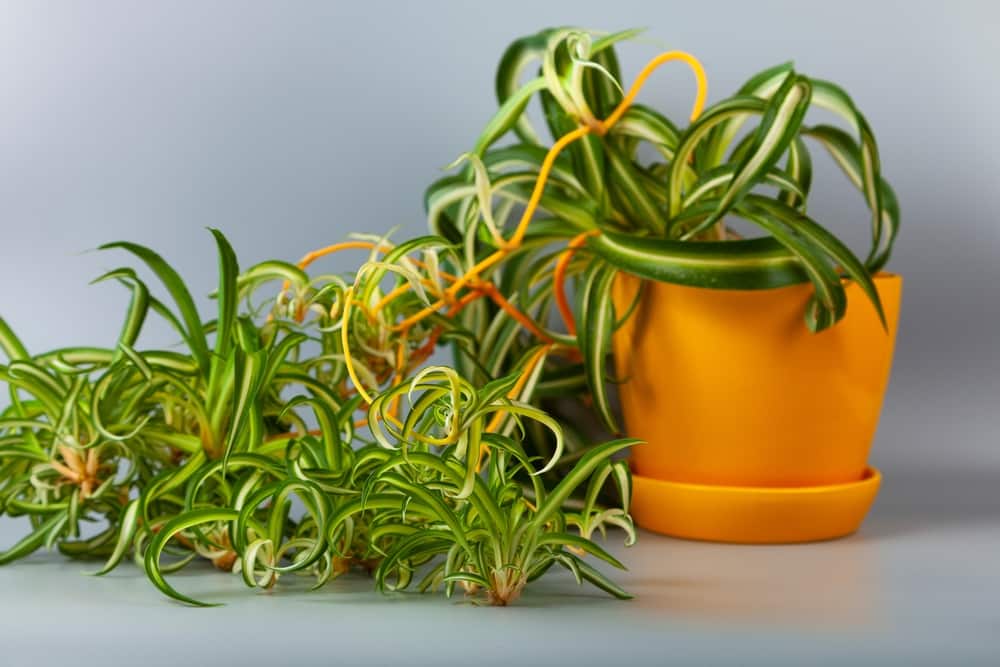
Spider plants earn their name from the small plantlets that dangle from long stems, creating a cascading effect perfect for hanging baskets.
They’ll survive in lower light, but you’ll get better color and more “spiderettes” with brighter, indirect light.
These plants produce baby plants that you can easily snip off and propagate in water or soil.
If yours looks pale or stops making babies, it’s usually asking for a little more light.
17. Philodendron (larger-leaf varieties)
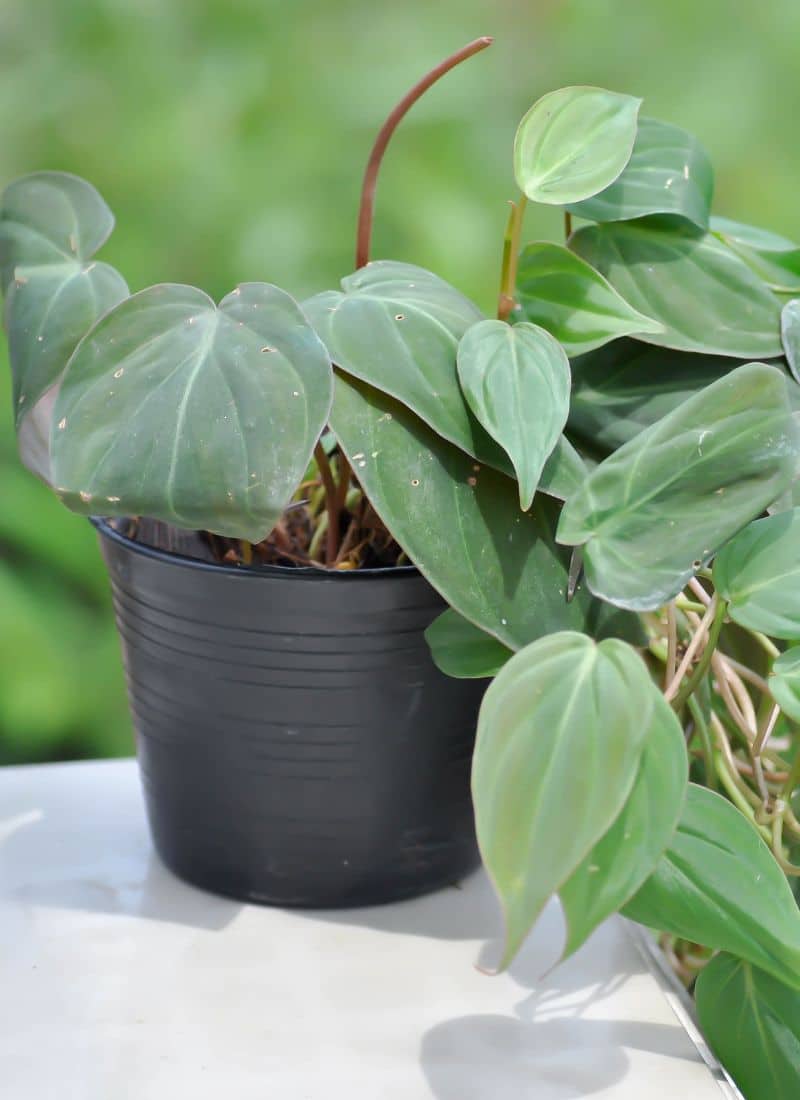
Philodendrons have been beloved houseplants since the Victorian era, prized for their tropical foliage and forgiving nature.
Some types handle lower light well, but larger-leaf or velvet varieties (like the one pictured) usually look best in low-to-medium indirect light rather than truly dim rooms.
Water when the top inch of soil feels dry, and use well-draining soil. Keep in mind that philodendrons are toxic to pets, so placement matters if you have curious cats or dogs.
18. Bird’s Nest Fern (Asplenium nidus)
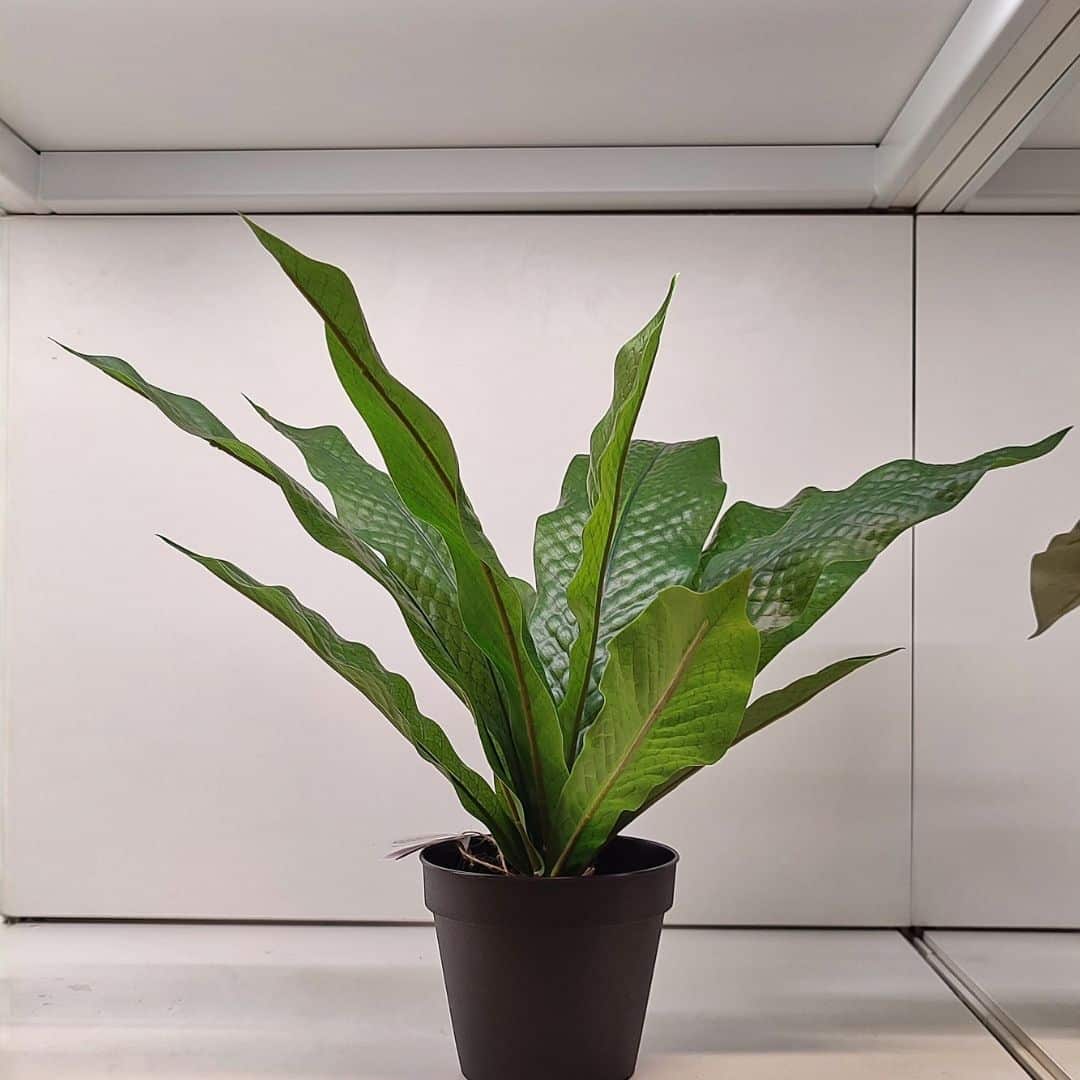
This tropical fern naturally grows in rainforest environments where it gets filtered light and plenty of humidity.
Place yours in a north-facing window or bathroom where it can enjoy indirect light and higher humidity.
Water when the top inch of soil feels dry, and avoid pouring water directly into the center rosette, which can cause rot. If the fronds brown at the edges, it usually needs more humidity.
19. Calathea
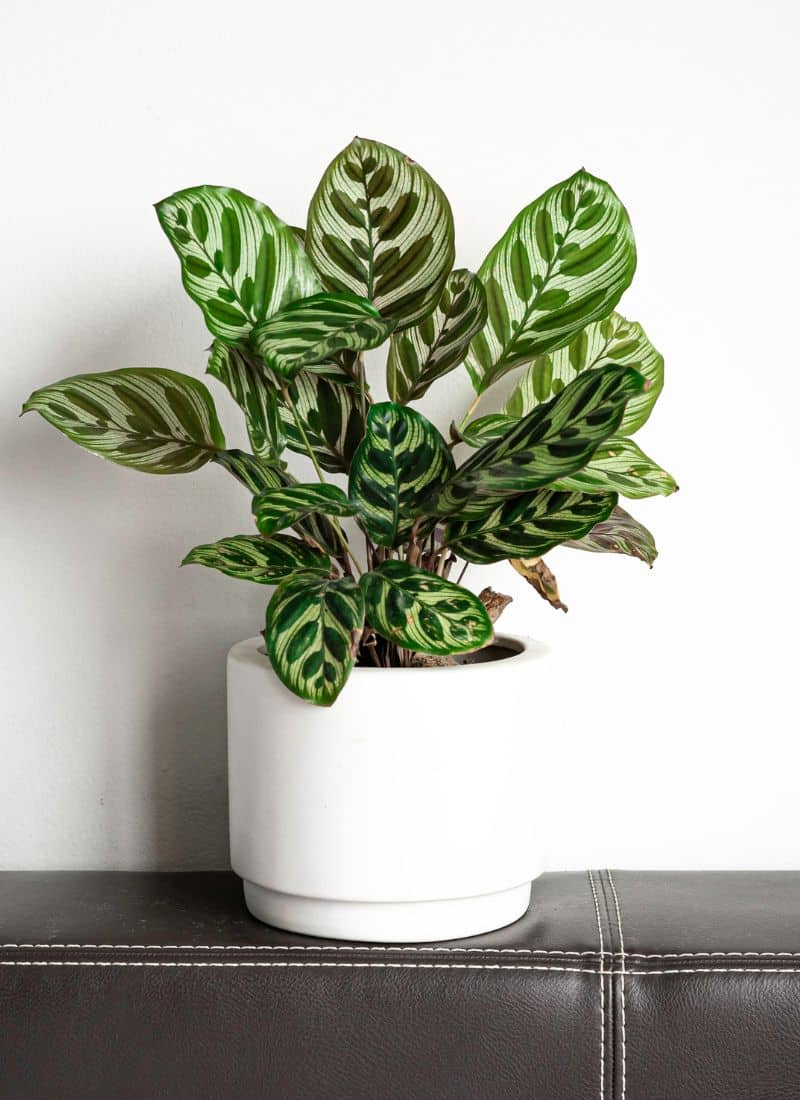
Calatheas are known for their stunning patterned leaves that fold up at night, giving them a “living” look.
They tolerate shade, but they’re not a set-it-and-forget-it plant. They prefer low-to-medium light, steady moisture, and higher humidity.
If you see crispy edges, curling leaves, or fading patterns, it usually means dry air, inconsistent watering, or hard tap water.
20. Prayer Plant (Maranta leuconeura)
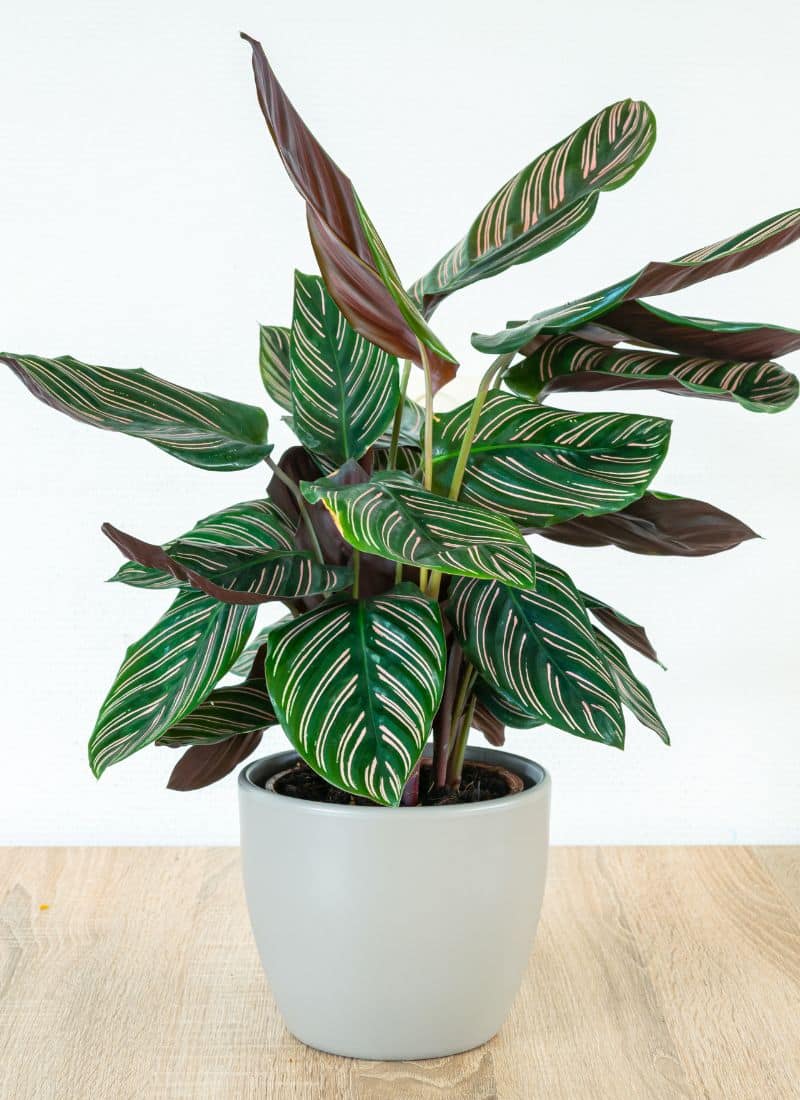
Prayer plants fold their leaves upward at night like hands in prayer, and they do well in gentler lighting.
They can handle low light, but they look best with consistent indirect light plus humidity. Keep the soil lightly moist and avoid letting it dry out completely.
This Brazilian native is non-toxic to pets and children, so it’s a safer choice for busy homes.
21. Boston Fern (Nephrolepis exaltata)
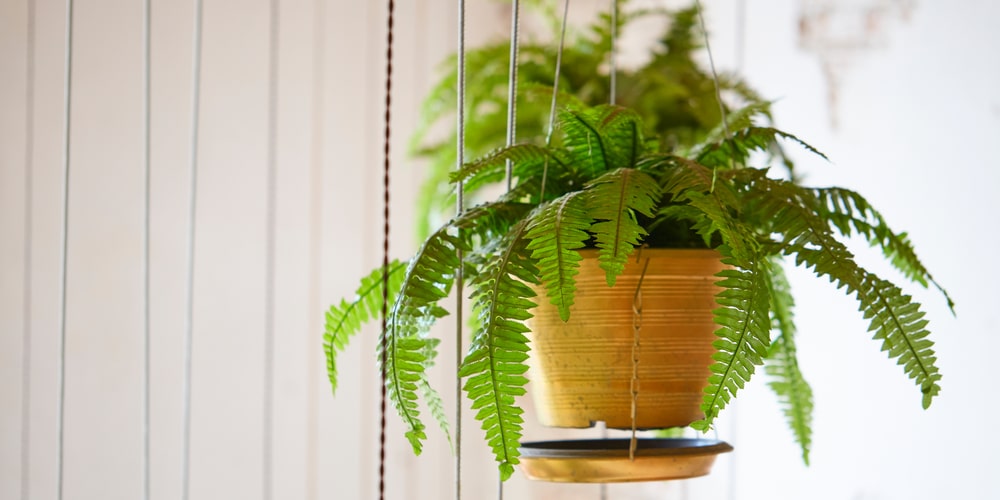
Boston ferns are often mislabeled as low-light plants. The truth is they do best in bright, indirect light with steady humidity.
Bathrooms and kitchens work well if there’s at least a window nearby and the air stays moist.
Keep the soil consistently damp (not swampy). If it drops needles or turns crispy, it usually needs more humidity or more light.
22. Monstera Deliciosa (in indirect light)
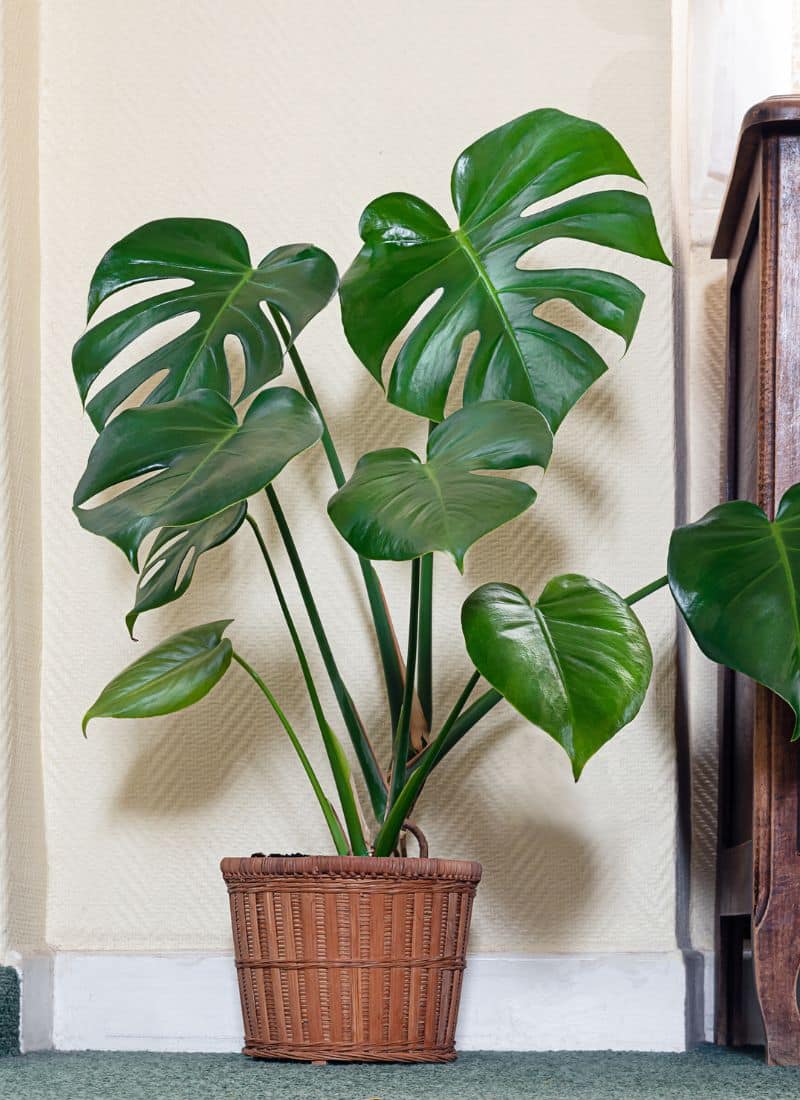
Monstera deliciosa will survive in lower light, but it won’t look like the dramatic, split-leaf plant people picture unless it gets brighter indirect light.
Place it near an east or north-facing window where it receives bright, indirect light.
In dimmer spaces, growth slows and leaves stay smaller with fewer splits. The key is watering less often, since the pot stays wet longer when the plant is photosynthesizing less.
23. Cast Iron Dracaena (Dracaena reflexa)
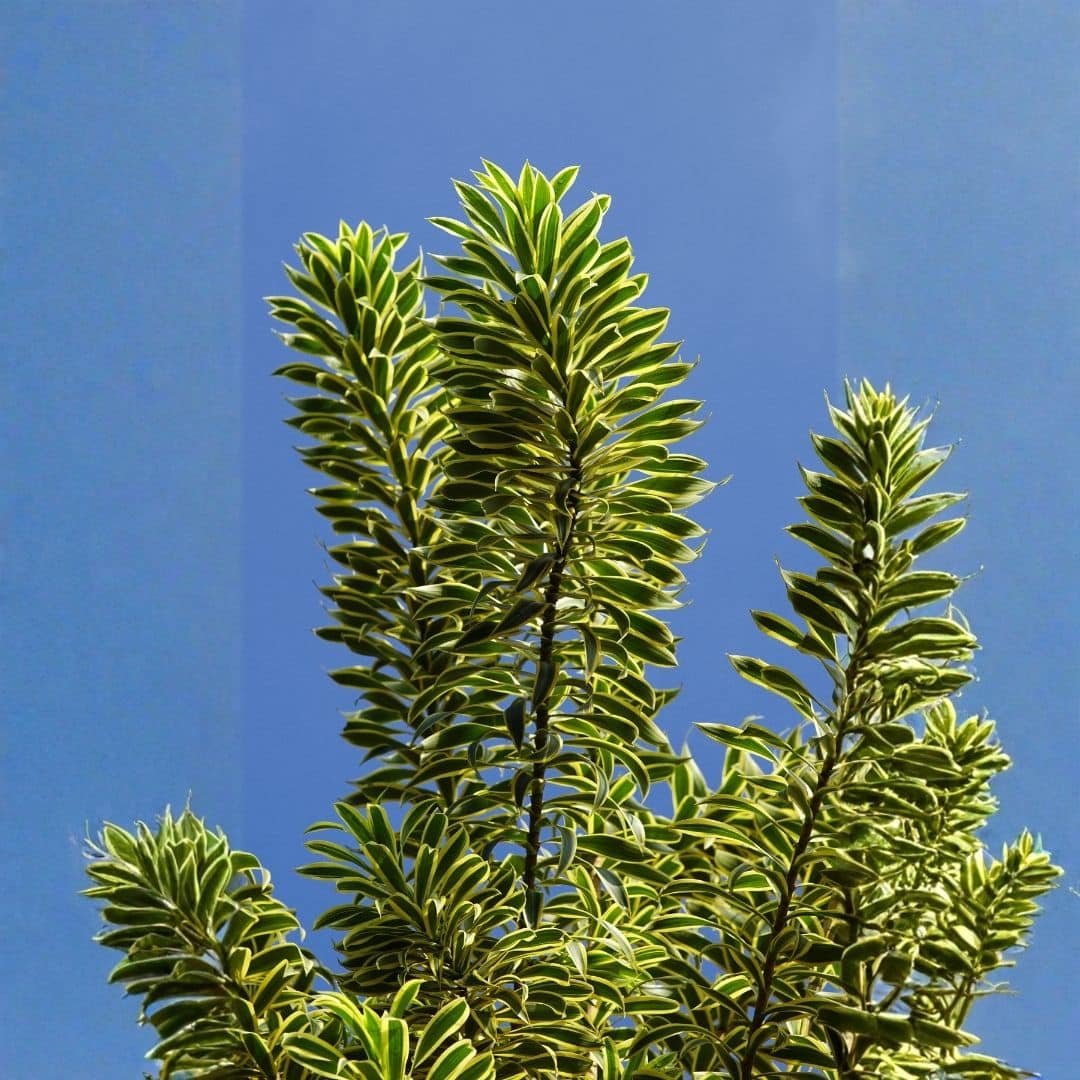
Dracaena reflexa is tough and adaptable, but it tends to hold better shape and color with low-to-medium indirect light.
You can place it in dimmer areas, but if it starts stretching or thinning out, move it closer to a brighter window.
This variety thrives with infrequent watering and prefers to dry out between drinks. Its slow growth rate means less pruning and less mess.
24. Senecio (String of Pearls)
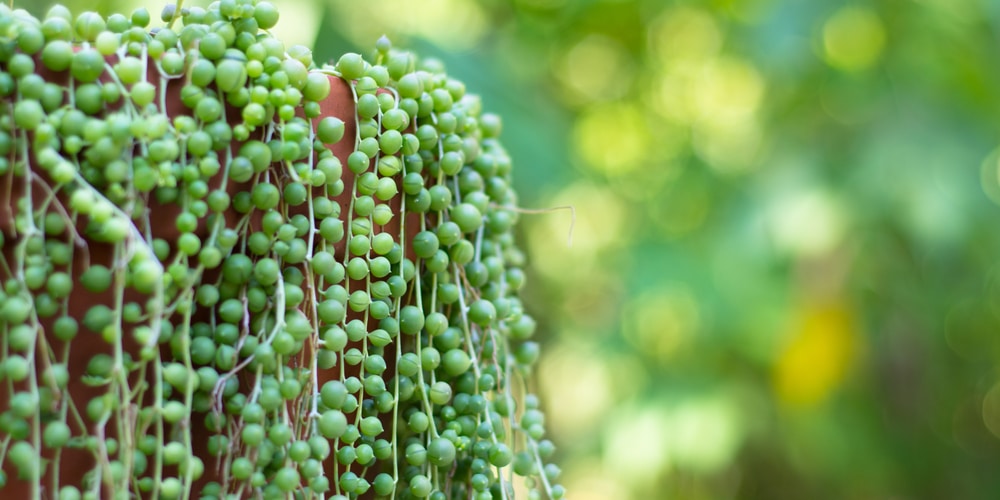
String of Pearls is one of the coolest-looking houseplants you can grow, but it’s not a true low-light plant.
It can tolerate lower light better than some succulents, but it stays fullest and most compact with bright, indirect light.
Let the soil dry completely between waterings. If the strands stretch out and the pearls get spaced far apart, it’s almost always a light issue.
25. Aluminum Plant (Pilea cadierei)
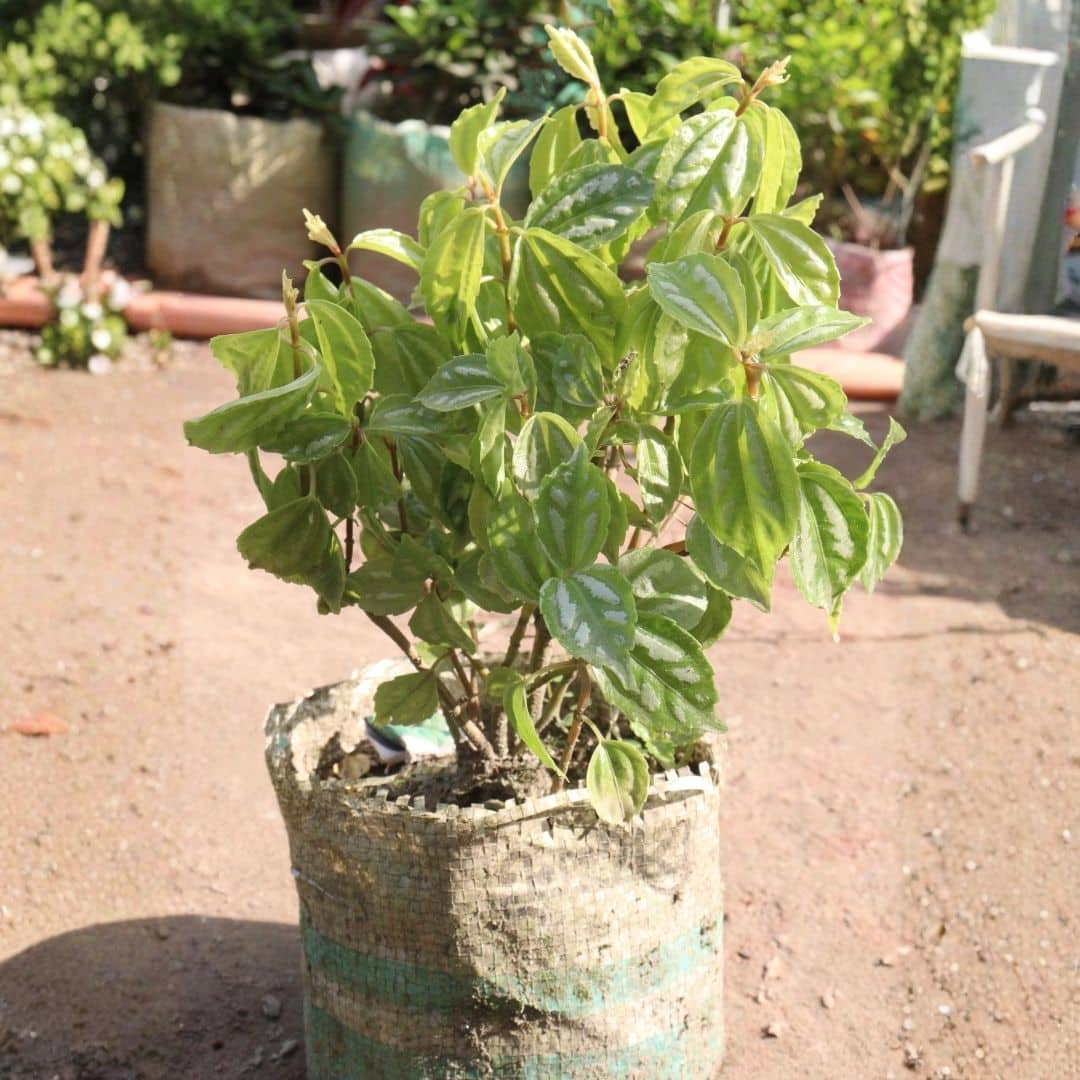
The Aluminum Plant earns its name from the silver markings on its green leaves. It can adapt to medium light, but the silver contrast is strongest in brighter indirect light.
Water when the soil feels dry and mist the leaves regularly since it enjoys humidity.
If it gets leggy or the markings fade, it’s usually asking for more light.
How to Choose The Best Low Light House Plant for You
Low light plants need the right environment and consistent care practices to thrive indoors. Understanding your space limitations, following proper watering schedules, and avoiding common pitfalls will help you maintain healthy plants in dimly lit areas.
Factors to Consider Before Purchasing
You need to evaluate the actual light conditions in your space before selecting a plant. Low light typically means areas that receive indirect light or are positioned several feet away from windows, not complete darkness.
Measure the distance from your nearest window and note whether the space receives ambient light throughout the day. North-facing windows and rooms with obstructed light sources qualify as low-light environments.
Consider your commitment level for plant care. Some low-light plants like pothos and snake plants tolerate neglect better than others that require more attention to watering and humidity.
Check the mature size of plants before purchasing. A small ZZ plant can grow quite large over time, while a prayer plant maintains a more compact form suitable for tight spaces.
Think about your home’s temperature and humidity levels. Most low-light plants prefer temperatures between 65-75°F and moderate humidity, though many adapt to standard household conditions.
Basic Care Guidelines
Watering should be adjusted based on reduced light levels. Low-light plants need less water than those in bright conditions because they photosynthesize more slowly and use less moisture.
Allow the top 1-2 inches of soil to dry between waterings for most species. Overwatering causes root rot, the primary killer of indoor plants in dim conditions.
Fertilizing should occur less frequently for low-light plants. Apply a balanced, diluted fertilizer once every 6-8 weeks during growing season (spring and summer), and reduce or stop feeding in fall and winter.
Dust accumulates on leaves and blocks the limited light available. Wipe leaves gently with a damp cloth monthly to maximize their ability to absorb light.
Rotate your plants every few weeks to ensure all sides receive equal light exposure. This prevents lopsided growth and maintains a fuller appearance.
Monitor for pests like spider mites and mealybugs, which can appear even on low-light plants. Inspect leaves regularly and treat problems immediately with insecticidal soap or neem oil.
Common Mistakes to Avoid
Don’t assume low-light means no light. All plants need some light to survive, and placing them in completely dark corners or windowless rooms will eventually kill them.
You shouldn’t keep the same watering schedule you use for plants in brighter locations. Excess moisture in low-light conditions leads to fungal issues and root decay.
Avoid repotting too frequently or using oversized containers. Low-light plants grow slowly and prefer slightly cramped conditions, so only repot when roots emerge from drainage holes.
Don’t ignore yellowing leaves or leggy growth patterns. Yellow leaves often signal overwatering, while stretched, sparse growth indicates insufficient light and the need to relocate your plant.
Resist the urge to move plants frequently between different light conditions. Sudden changes stress plants and can cause leaf drop or shock.