You can spend all season spraying, dusting, and chasing pests… or you can let the garden’s built-in security team do the heavy lifting.
Beneficial bugs don’t just “help a little”—some can wipe out aphids, thrips, and caterpillars faster than you’d believe. The trick is knowing who’s who, what they eat, and what accidentally knocks them out.
Here are the bugs worth protecting 👇
1. Lacewings (Green and Brown)
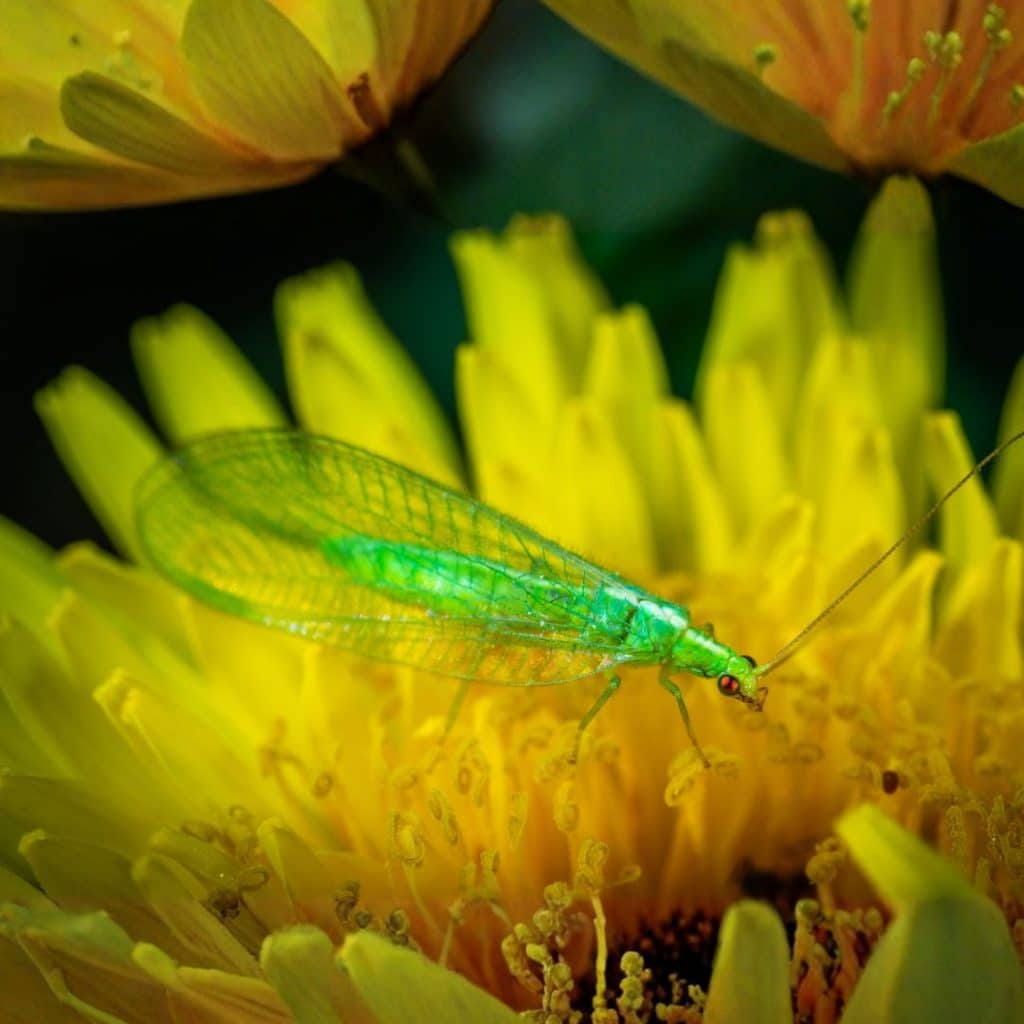
Adult lacewings are gentle(many feed on nectar and pollen, but their larvae are the real muscle. Lacewing larvae are nicknamed “aphid lions” because they roam leaves and stems grabbing aphids, whiteflies, mealybugs, and tiny caterpillars.
If you’ve ever found a plant covered in aphids one week and noticeably cleaner the next, lacewing larvae are often part of that turnaround.
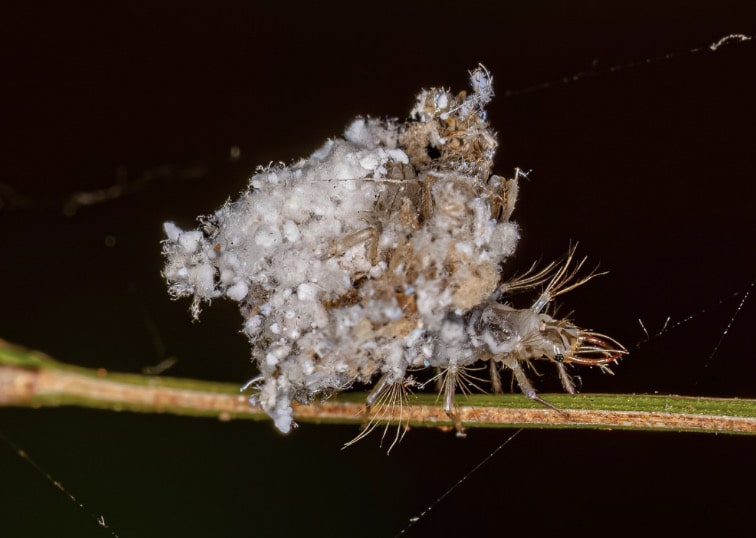
Did you know? Lacewing eggs are laid on little stalks (they look like tiny pins). That stalk isn’t decoration—it helps keep siblings from eating each other as soon as they hatch.
What hurts them: Broad-spectrum insecticides are the big one (they kill larvae fast). Dusty leaves can reduce hunting success, and “clean gardening” that removes all leaf litter can reduce overwintering spots.
Attracting them: Let a few small-flower plants bloom (alyssum, dill, cilantro, yarrow). Skip spraying when you first spot aphids—give predators a chance to respond.
2. Hoverflies (Syrphid Flies)
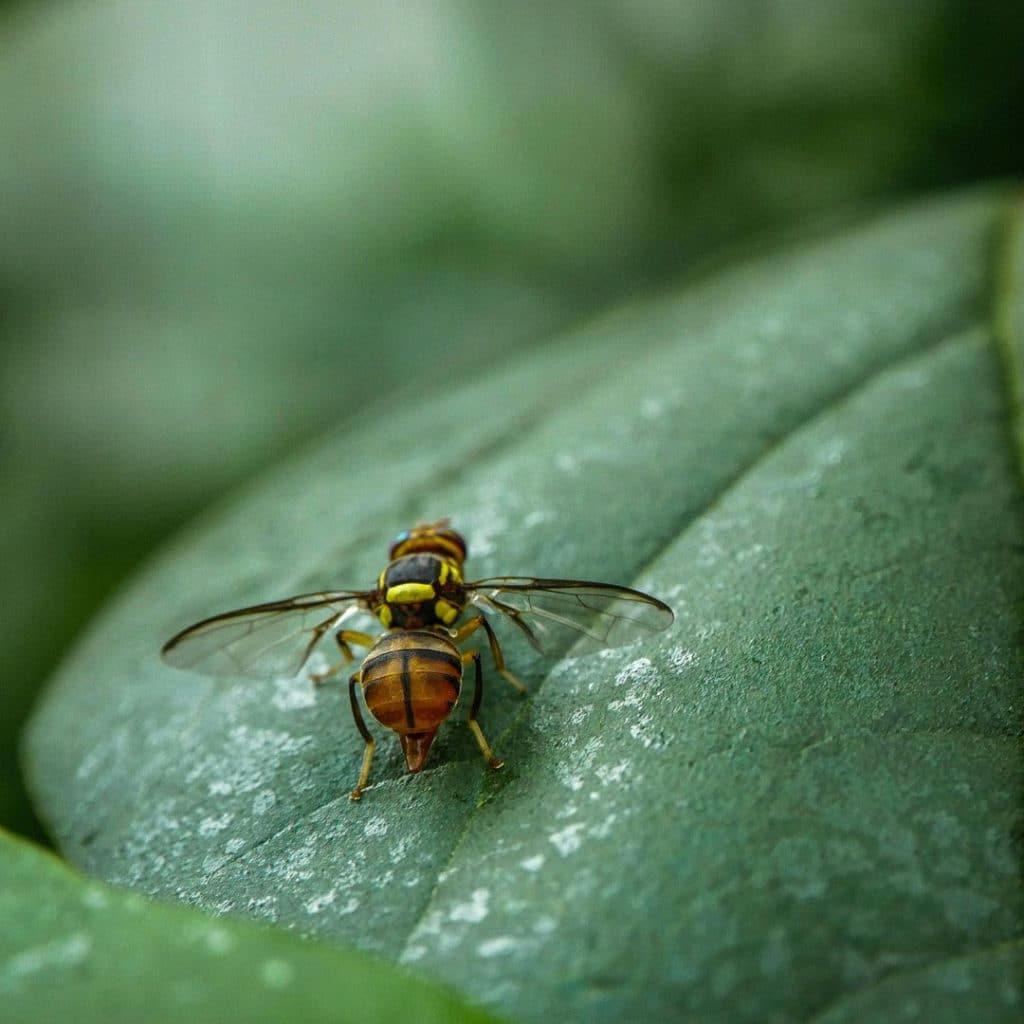
Hoverfly adults look a lot like small bees or wasps, but they’re flies—and they’re excellent pollinators. The real value comes from their larvae: many hoverfly larvae eat huge numbers of aphids. They’re especially handy in veggie gardens where aphids pop up on new growth and undersides of leaves.
FYI: Hoverflies can “hover” in place with surprising precision. If you’ve seen a little bee-like insect hanging perfectly still near flowers, then darting sideways like a tiny helicopter, that’s often a hoverfly.
What hurts them: Spraying during bloom is a big problem (adults are flower visitors). Also, if your garden has long gaps with no blooms, adults have less fuel—so you’ll see fewer larvae later when pests arrive.
How to keep them around: Plant for a long bloom window: early flowers, mid-season fillers, and late-season finishers. Small, open flowers (alyssum, dill, cilantro, calendula) are hoverfly magnets.
3. Ground Beetles
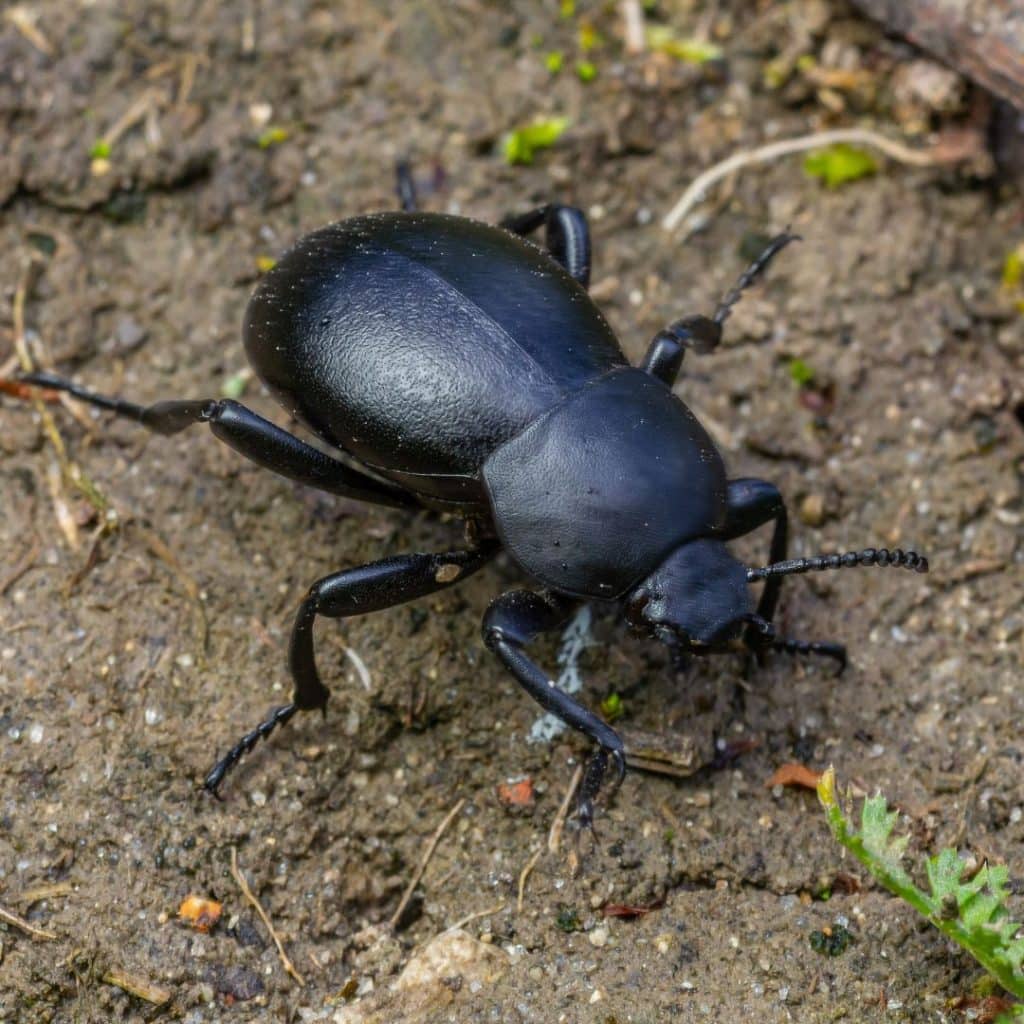
Ground beetles are fast, tough predators that spend a lot of time at soil level. That matters because many of the most frustrating pests do their damage down low—think slugs, cutworms, and larvae that hide during the day.
Ground beetles hunt at night and in cover, which is why they’re often working even when you never see them.
Speed Kings: Many ground beetles can run surprisingly fast, and some species release a defensive chemical when threatened (they’re not interested in being eaten while they’re doing pest control).
What hurts them: Over-tilling and bare soil are rough on ground beetles—it destroys habitat and exposes them. Heavy “clean-up” gardening that removes all cover can also shrink their numbers fast.
How to attract them: Mulch, leaf litter, and a few “beetle shelters” (flat stones, boards, logs) give them daytime cover. Less soil disturbance = more stable predator populations.
4. Lady Beetles (Ladybugs)
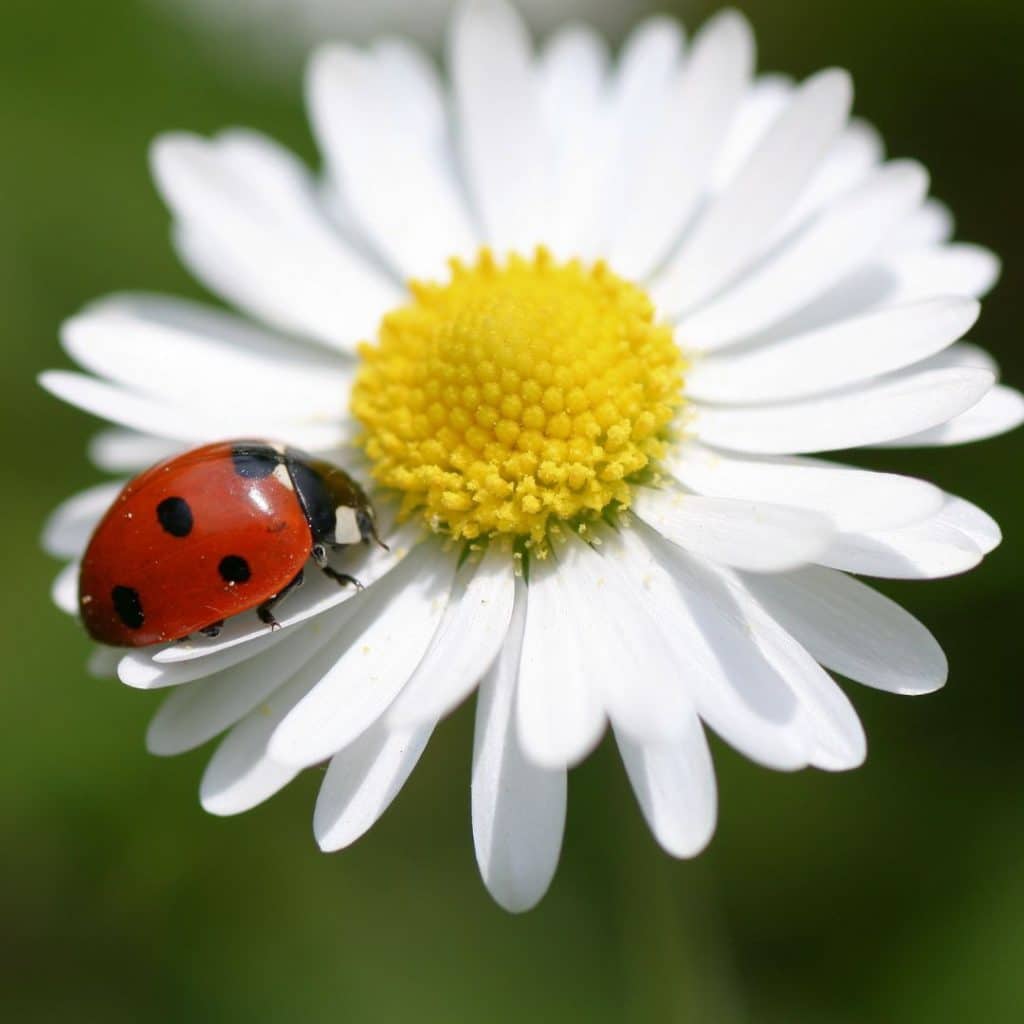
Both adult lady beetles and their larvae eat pests, and their larvae are especially effective. Lady beetle larvae look nothing like the “cute” adults (more like tiny alligators with orange markings) and they’re built for hunting.
They’re best known for wiping out aphids, but many also eat mites, scale crawlers, and other soft-bodied insects.
The Best Defense is a Bright Offense: Those bright colors aren’t just for looks—many lady beetles have chemical defenses that make predators regret trying to eat them.
Spraying for aphids does them in: Spraying at the first sign of aphids often kills the predators, then the aphids rebound even worse. Also, releasing store-bought ladybugs frequently disappoints because many fly away quickly (they don’t always “settle in” and stay).
Attracting them: Build habitat instead of buying bugs: steady blooms, light shelter, and patience when aphids first show up. If you must treat, spot-treat and avoid broad-spectrum products.
5. Parasitic Wasps (Tiny Wasps You Rarely Notice)
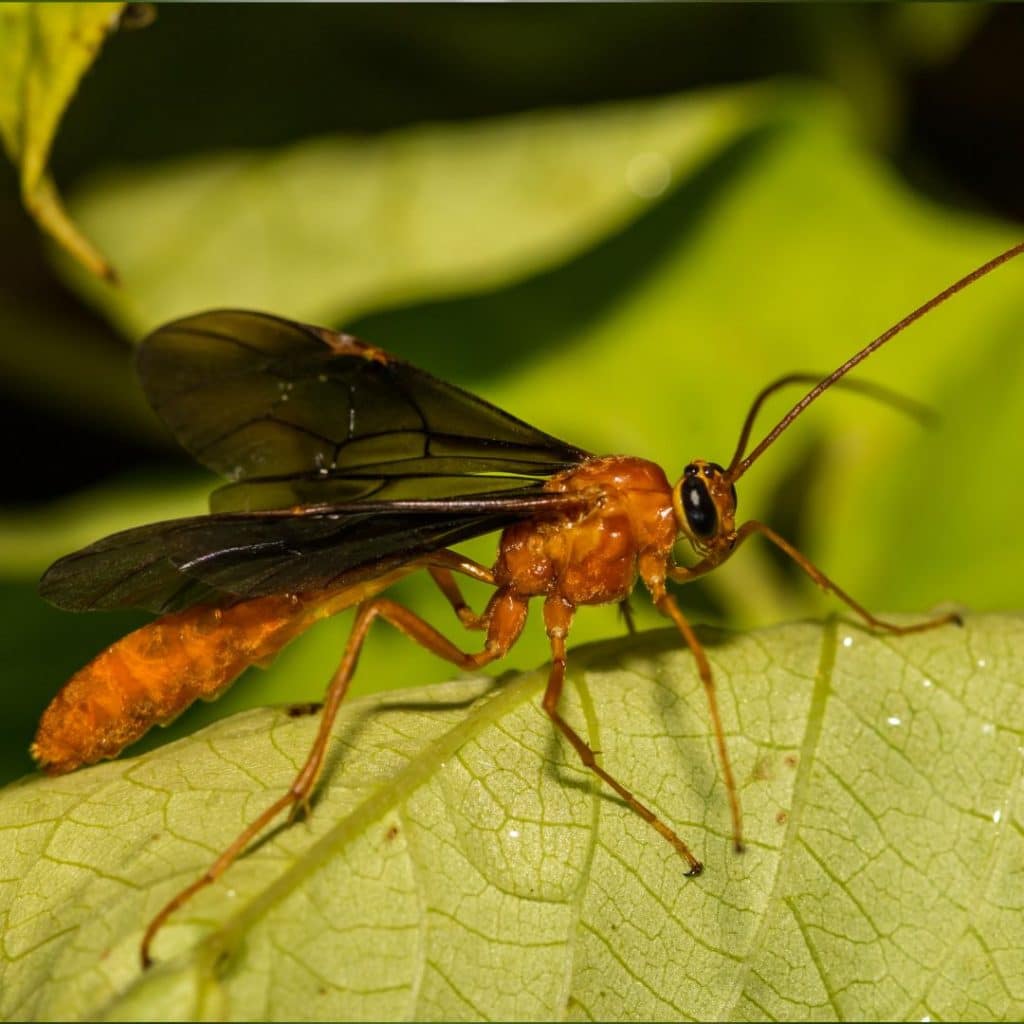
Parasitic wasps don’t behave like the big stinging wasps people worry about. Many are tiny (smaller than a grain of rice), and they target specific pests by laying eggs in or on them. That can stop pests from feeding and reproducing, which is why parasitic wasps can prevent outbreaks from ever getting started.
Signs they’ve been working for you: If you’ve ever seen aphids that look “puffy” or tan and stuck to a leaf like little balloons, those are often aphid mummies—a sign parasitic wasps are already working the problem.
A lot can bring them down: Broad-spectrum insecticides and frequent “preventive” spraying are the main killers. Another common issue is not enough nectar sources—adults often need tiny flowers for energy.
Attraction: Grow a few small, open flowers (dill, fennel, cilantro, yarrow, alyssum) and leave some herbs to bloom. Treat pests only when you truly need to, and avoid spraying blooming plants.
6. Predatory Mites
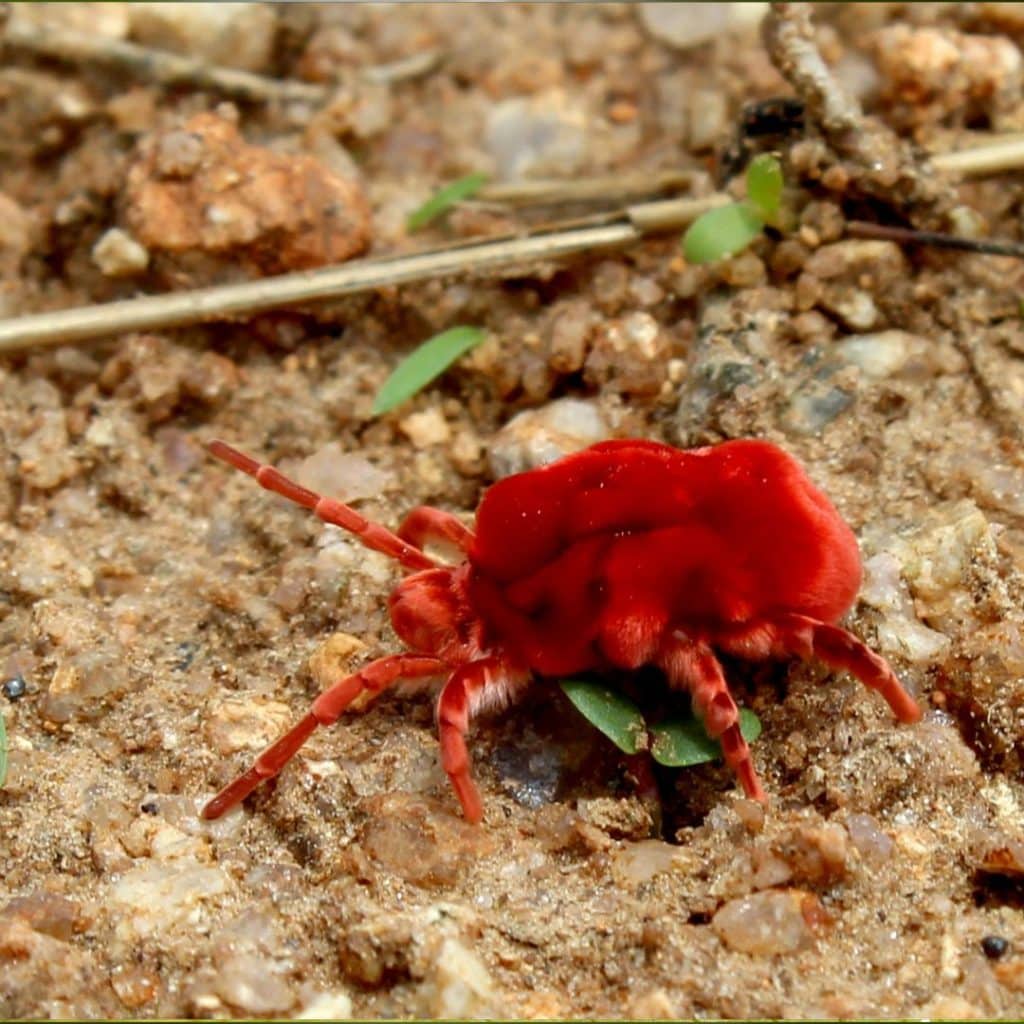
Predatory mites patrol leaves and leaf crevices hunting pests you usually notice too late—especially spider mites.
If you’ve ever had plants get that dusty, speckled, bronzed look and then suddenly collapse, spider mites were likely involved. Predatory mites can slow or stop that spiral before it takes off.
No Webs: Many predatory mites don’t spin webs—so if you see webbing, that’s typically the pest mites, not the good guys.
What hurts them: Broad-spectrum insecticides and many miticides can wipe them out. Hot, dry, dusty conditions favor pest mites and make it harder for predators to keep up.
How to keep them around: Keep plants well-watered (not stressed), hose off dusty leaves when needed, and avoid “nuking” outbreaks with harsh sprays unless you truly have to.
7. Minute Pirate Bugs
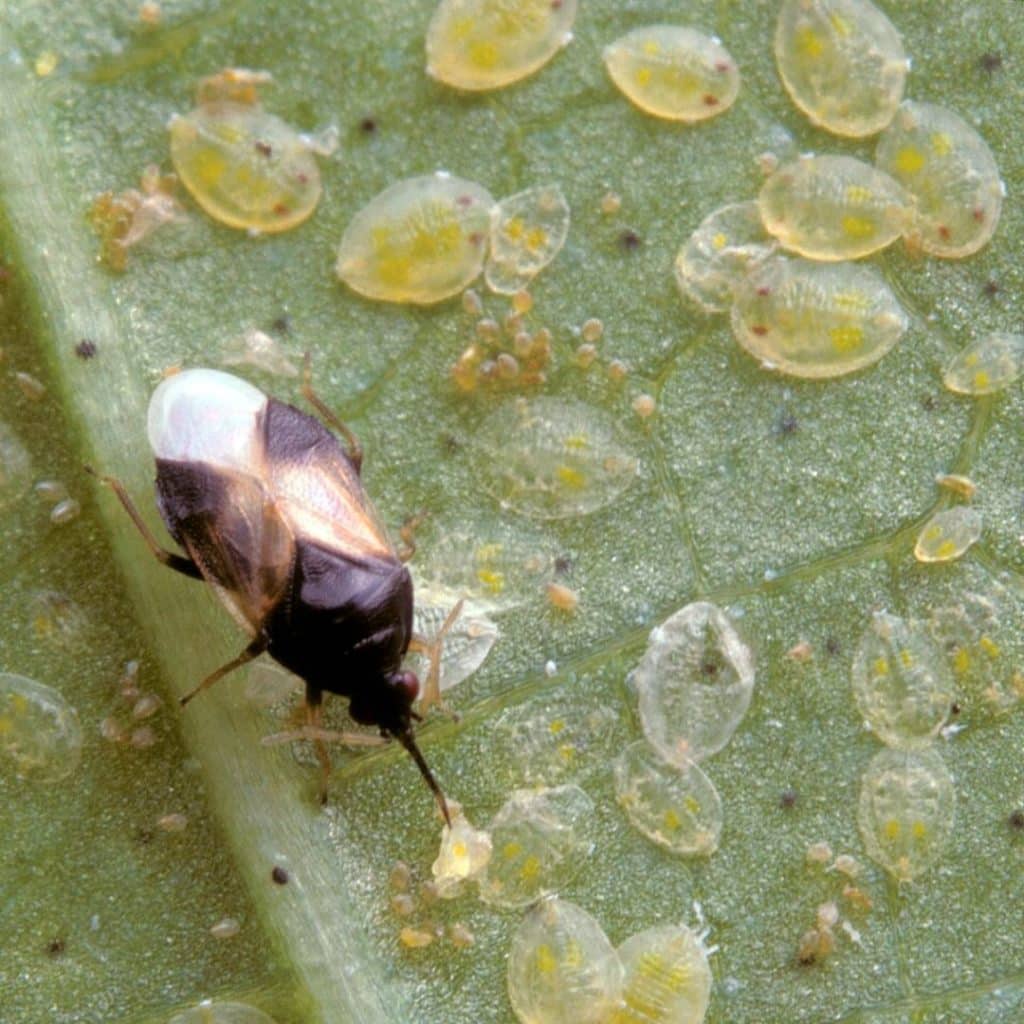
Minute pirate bugs are small but aggressive. They use a needle-like mouthpart to pierce pests and feed on them. They’re especially useful in flowers and veggies where thrips can quietly wreck blooms and new growth.
Top thrip management: They’re one of the few beneficial insects that can meaningfully pressure thrips, which are notoriously tough to manage.
What hurts them: Broad-spectrum sprays and removing all flowering plants can reduce their numbers fast (adults also feed on pollen/nectar).
Attracting them: Let small flowers bloom (alyssum, dill, marigolds) and avoid blanket spraying—spot treat when needed.
8. Big-Eyed Bugs
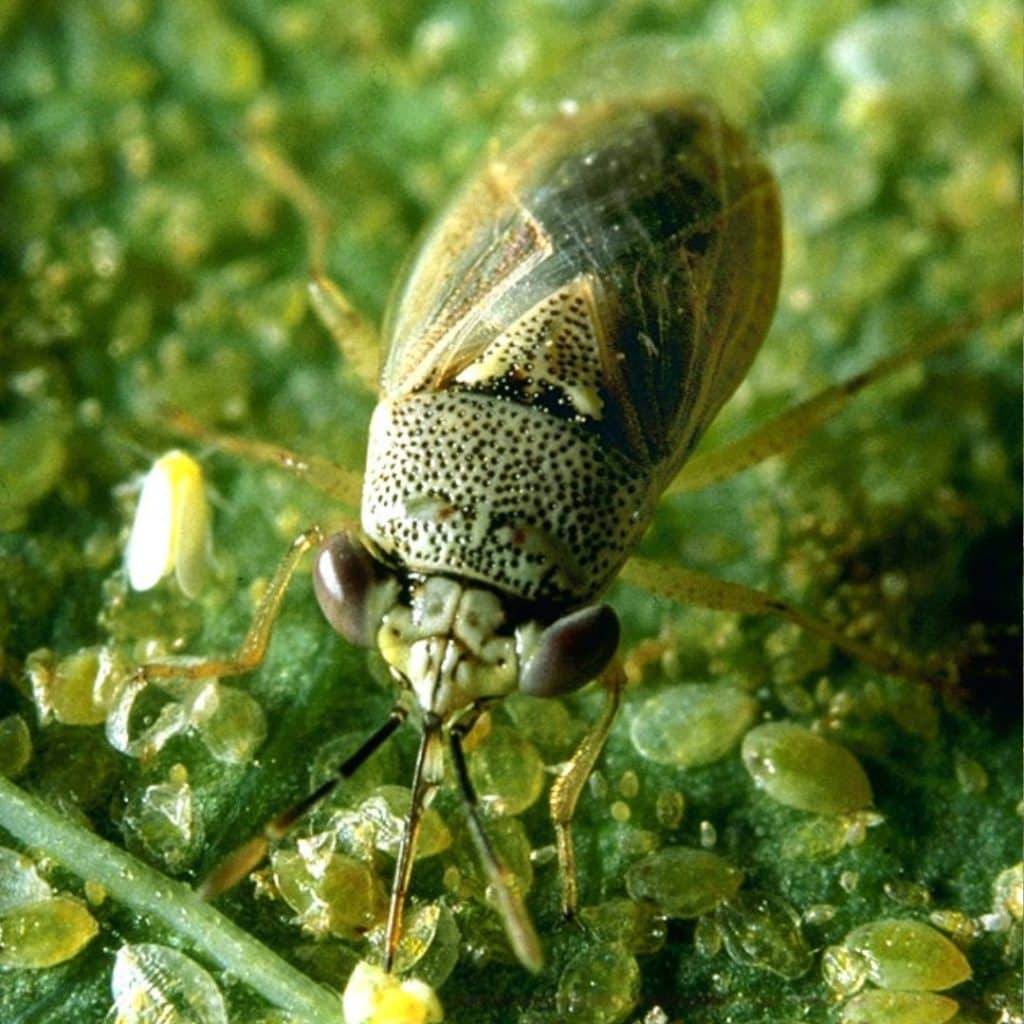
Big-eyed bugs are generalist predators that target soft-bodied pests: aphids, mites, small caterpillars, and insect eggs.
They’re great in mixed beds because they don’t “specialize” in only one pest—they take what the garden gives them.
Big Eyes: Their oversized eyes aren’t just cute—those eyes help them detect movement quickly, which is why they’re such effective hunters in open foliage.
What hurts them: Broad-spectrum insecticides and over-tidy beds with no refuge (no mulch, no groundcover, nothing flowering).
Keeping them around: Use mulch and keep a few low, flowering plants around the edges so they’ve got shelter and fuel.
9. Spined Soldier Bugs (The “Good” Stink Bug)
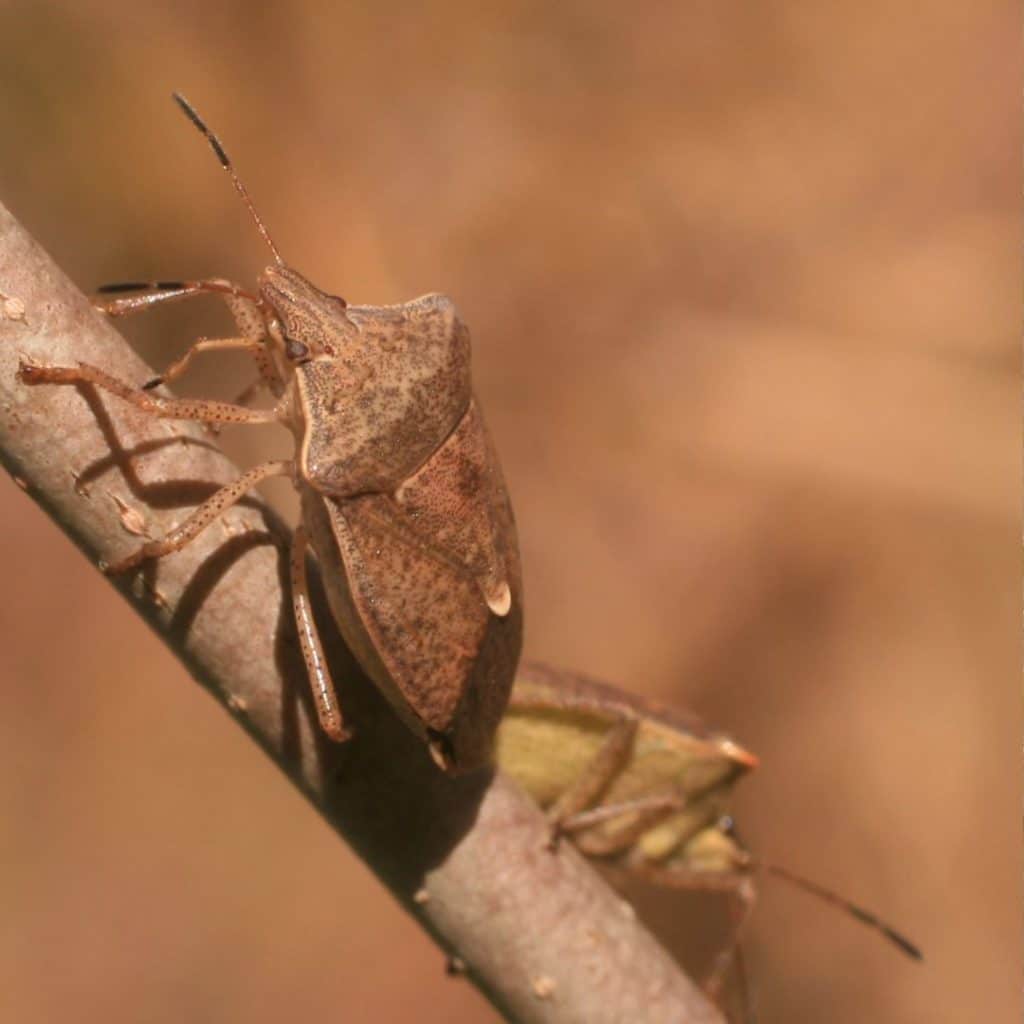
Not all stink bugs are plant-suckers. Spined soldier bugs are predators that attack caterpillars and beetle larvae, including some of the usual suspects in vegetable gardens. They’re especially valuable because they go after bigger prey that smaller beneficials may ignore.
Look for the spines: The “spines” on the shoulder area help distinguish them from many of the plant-feeding stink bugs gardeners hate.
What hurts them: Misidentification (they get squashed because they look like “a stink bug”), and broad-spectrum insecticides.
How to keep them around: Learn the look, leave a little habitat, and avoid spraying unless you’ve confirmed the insect is actually a pest.
10. Assassin Bugs (Including Wheel Bugs)
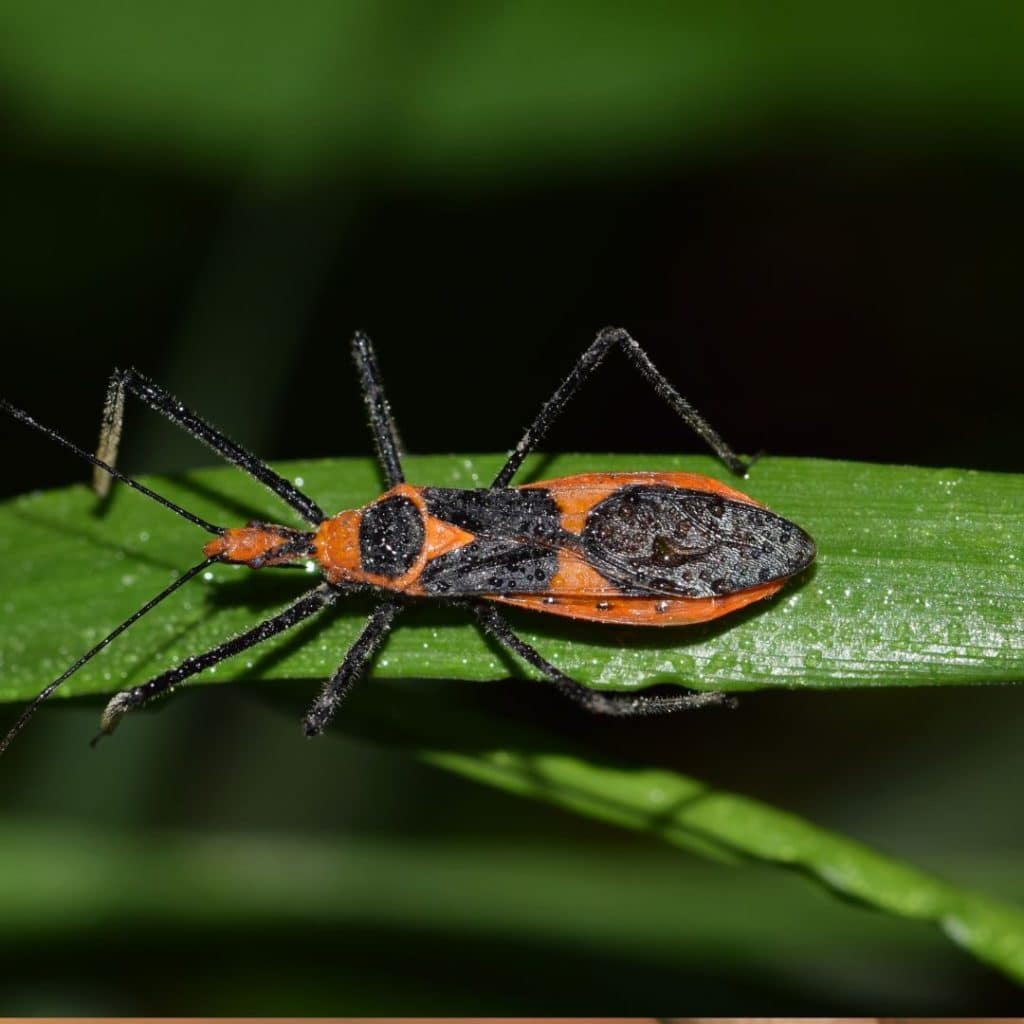
Assassin bugs ambush and stab prey with a strong beak. They’ll go after beetles, caterpillars, and a variety of other insects. When you’re battling larger chewers, these are the ones you want patrolling.
Identification: Wheel bugs (a type of assassin bug) look like they have a jagged “gear” or crest on their back—hard to forget once you’ve seen one.
What hurts them: Handling. They can deliver a painful defensive bite if grabbed. Broad-spectrum sprays also reduce their populations.
How to keep them around: Don’t handle them, keep diverse plants, and avoid wiping out all insects with preventive treatments (they need prey to stay).
11. Rove Beetles
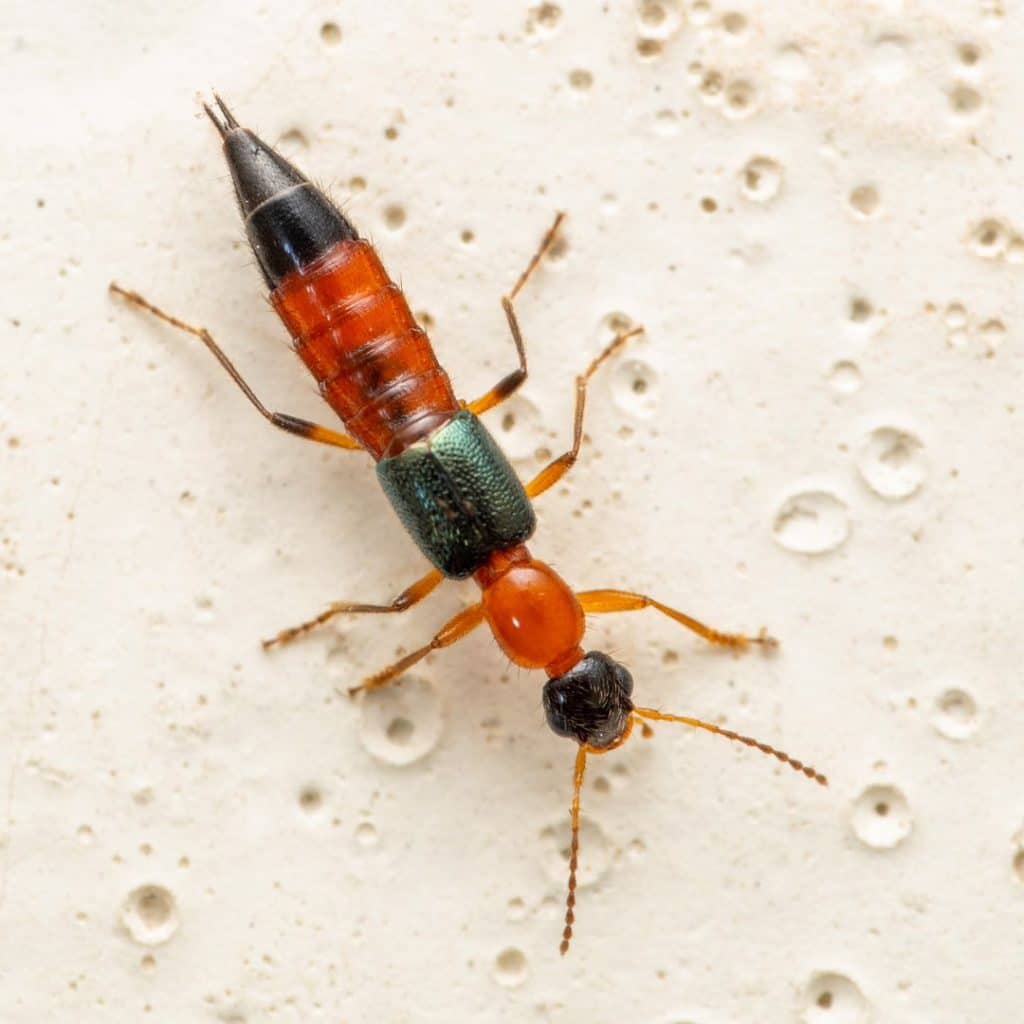
Rove beetles thrive where organic matter and moisture are present—mulch, compost, rich beds. Many species prey on small insects and larvae, which makes them helpful for problems like fungus gnat larvae and other soil-dwelling pests.
Scary But Safe: Rove beetles often hold their short wing covers and flexible abdomen in a way that makes them look a bit like tiny scorpions—but they’re beetles, and they’re usually on your side.
What hurts them: Overuse of insecticides in soil, constantly turning/tilling beds, and letting soil dry into a dusty, lifeless crust.
Keeping them on the job: Maintain organic matter (compost, leaf mold), keep soil evenly moist, and disturb the soil less.
12. Tachinid Flies
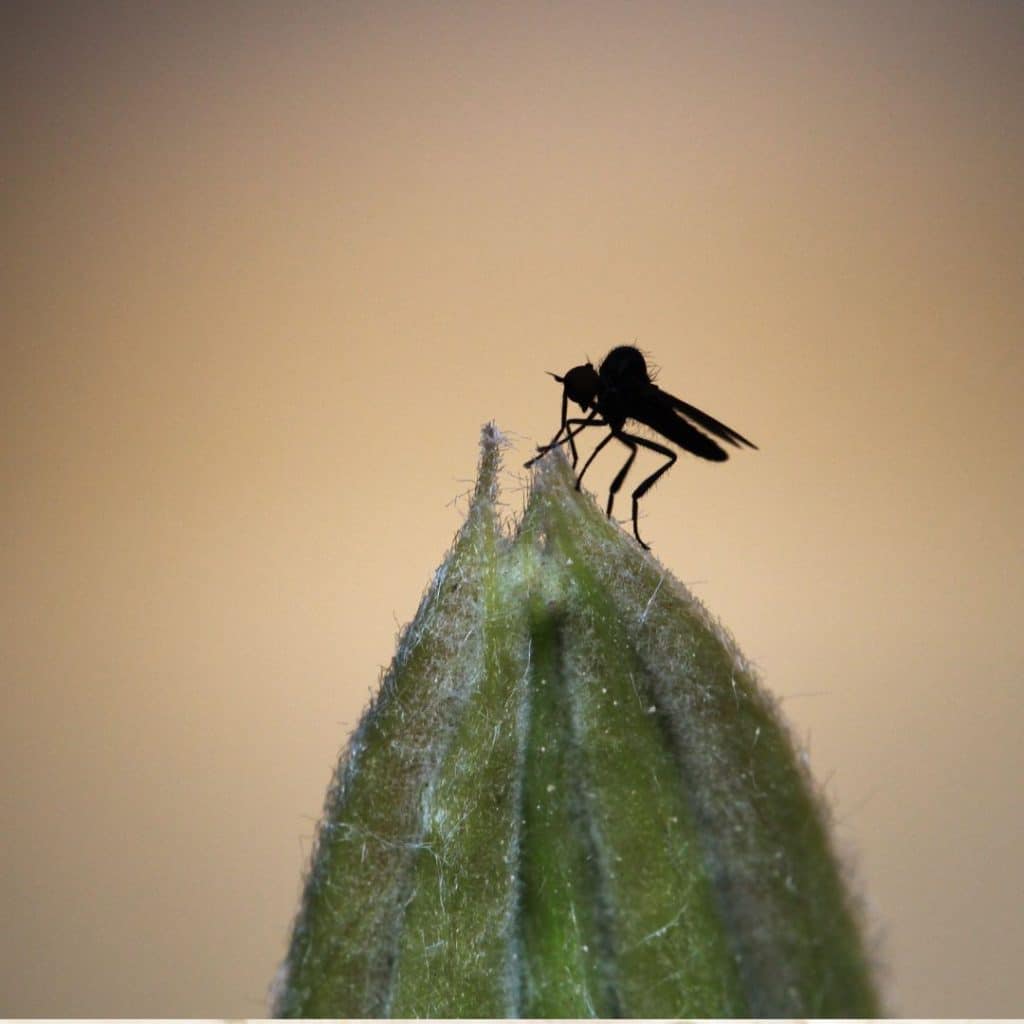
Why they help: Many tachinid flies lay eggs on or near pests (often caterpillars). When the larvae develop, they feed internally and eventually kill the host. These flies can be a big reason caterpillar outbreaks fade without you doing much.
Interesting trivia: Some tachinid fly eggs are easy to spot—little white “rice grains” attached to a caterpillar’s body. When you see that, it’s often best to leave that caterpillar alone so the beneficial can finish the job.
What hurts them: Spraying for caterpillars right when flies are active, and not having enough flowers for adult nectar (adults often feed on nectar/pollen).
How to keep them around: Let a few herbs and daisy-like flowers bloom, and avoid blanket caterpillar spraying unless damage is truly severe.
13. Braconid Wasps (Tiny Parasitoids With a Big Reputation)
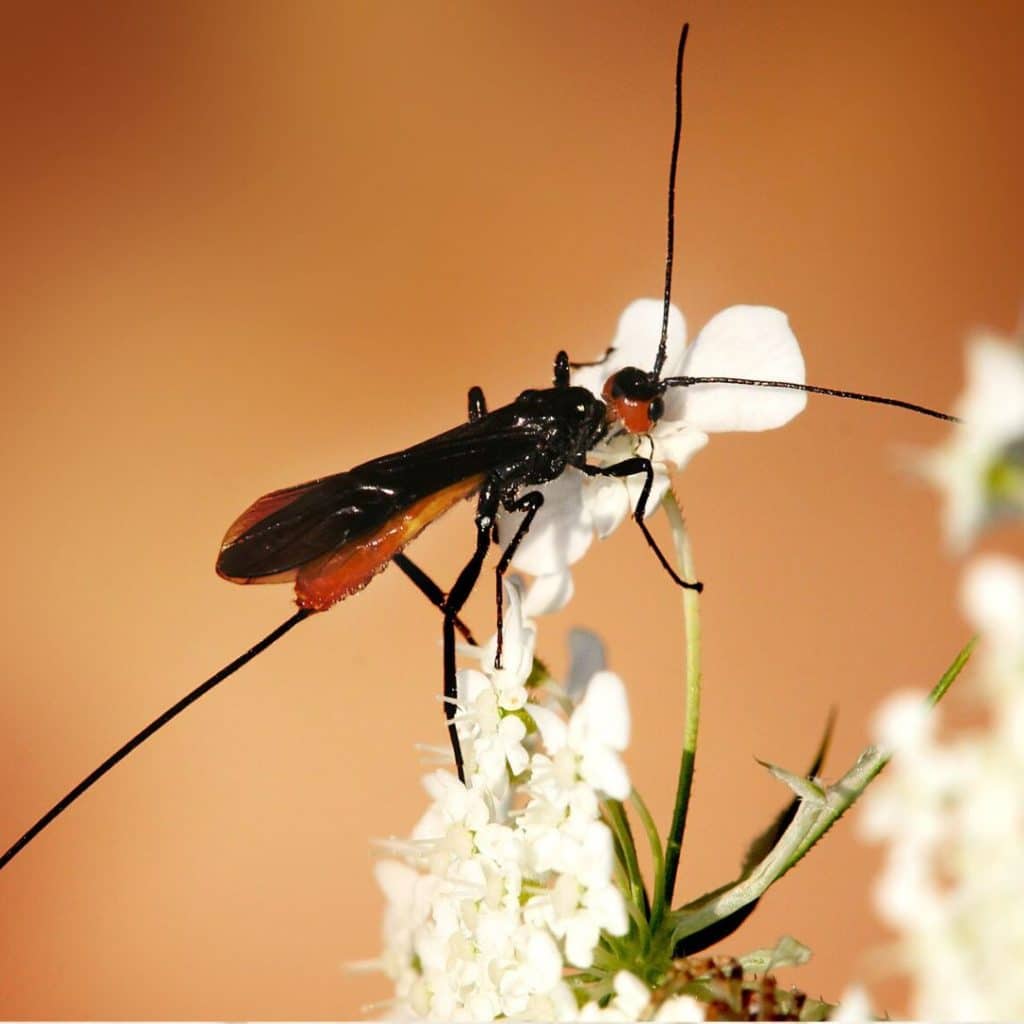
Braconid wasps parasitize a wide range of pests depending on the species—aphids, caterpillars, and more. They’re famous in gardens for one very specific sight: tomato hornworms covered in white cocoons. That’s braconid work, and it’s a sign the hornworm is already finished.
Interesting trivia: Those white “grains” on a hornworm aren’t eggs—they’re cocoons. The wasp larvae already fed inside the hornworm and then popped out to pupate on the outside. Nature is metal.
What hurts them: Broad-spectrum insecticides and removing all flowering plants (adults need nectar sources). Also, gardeners sometimes pick and destroy parasitized pests—accidentally wiping out tomorrow’s wasps.
How to keep them around: If you see a hornworm with cocoons, don’t kill it—move it off your prized plant if you must, but let the wasps mature. Keep small flowers blooming (dill, fennel, cilantro, yarrow, alyssum).
14. Trichogramma Wasps (Egg Parasites)
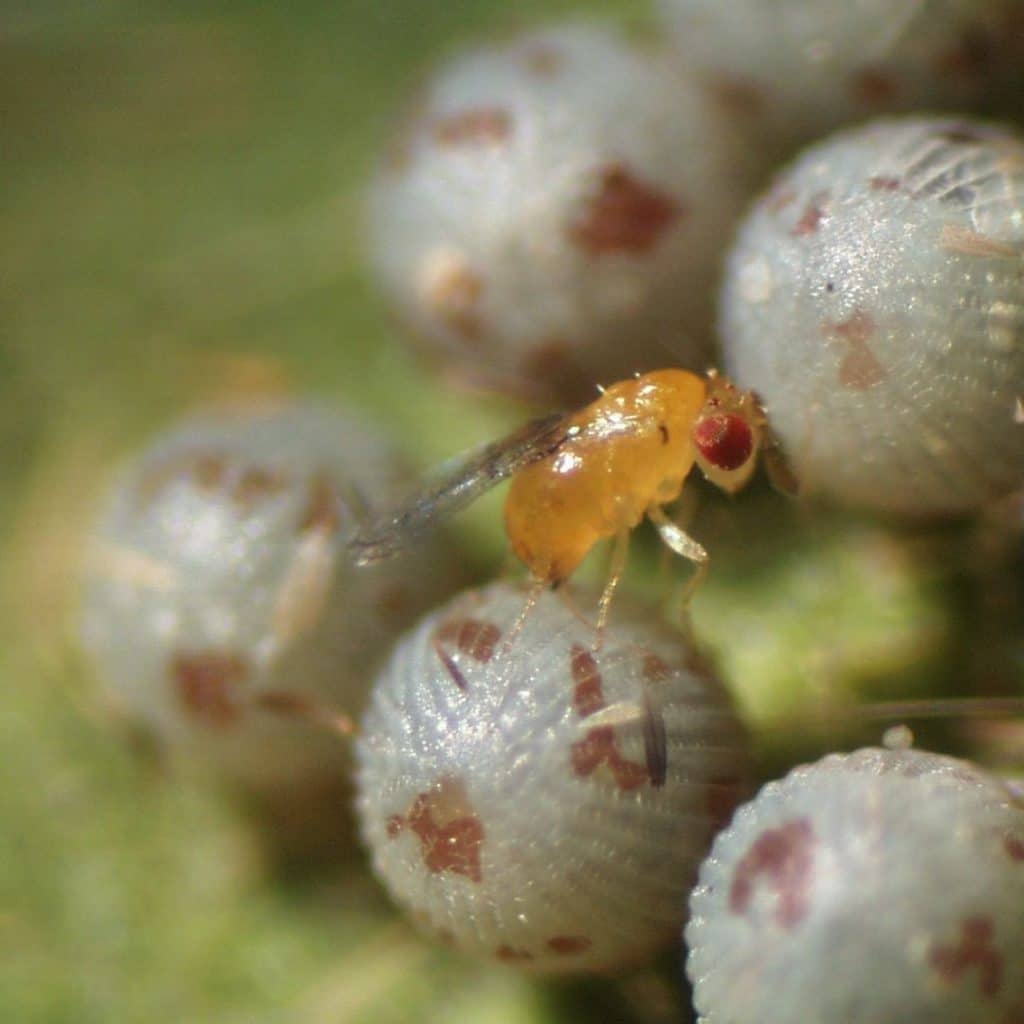
Trichogramma are tiny parasitoid wasps that lay their eggs inside the eggs of many moths. That matters because a lot of the worst garden damage comes from caterpillars—and caterpillars start as eggs you never notice.
If these wasps are active, you can have fewer “surprise” chew-outs on cabbage, tomatoes, peppers, and ornamentals.
Neither seen nor heard: They’re so small you’ll almost never see an adult with the naked eye. Their presence is usually “felt” as less caterpillar pressure, not “seen” as a bug on a leaf.
What hurts them: Broad-spectrum insecticides, and treating “just in case” when you don’t actually have a problem yet (that knocks out the tiny beneficials first).
How to keep them around: Keep flowers blooming (especially small, open flowers), avoid blanket spraying, and if you use Bt for caterpillars, treat only the plants that truly need it.
15. Praying Mantises
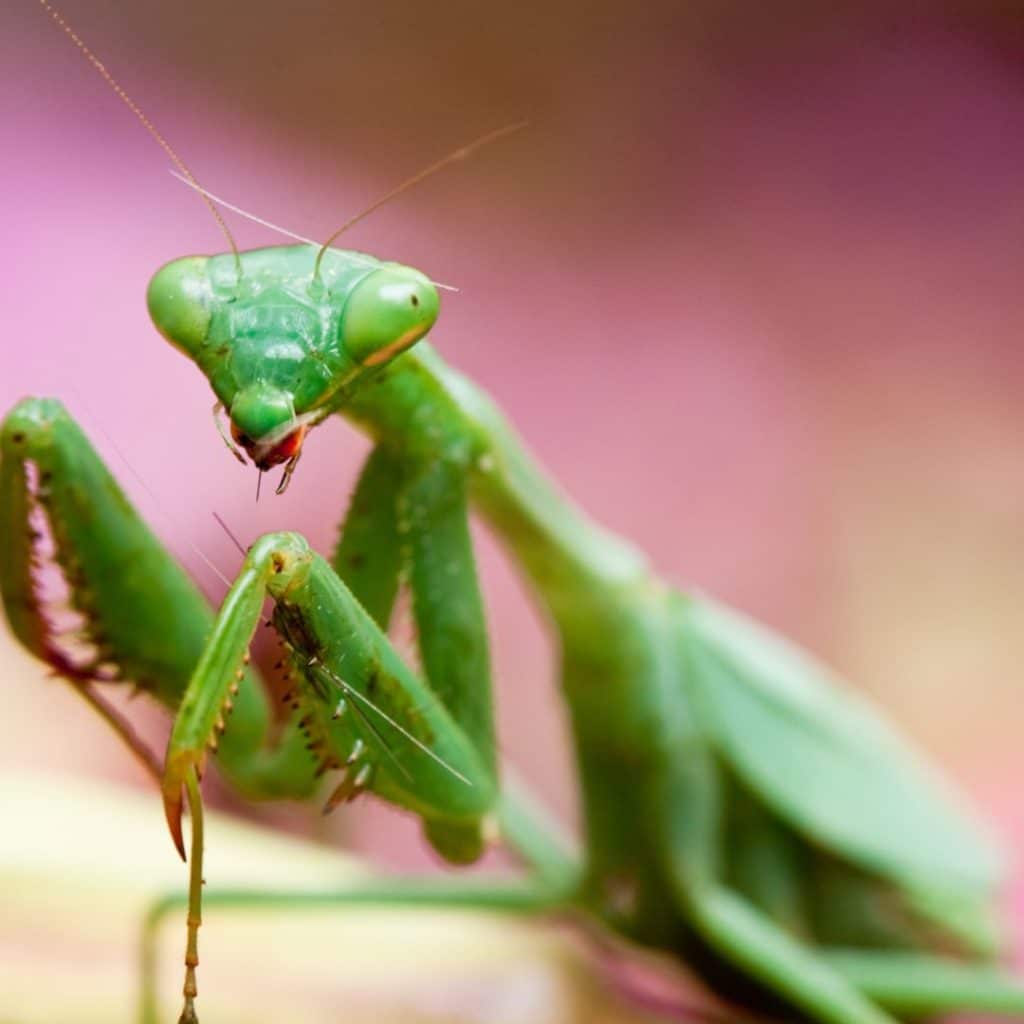
Mantises are ambush hunters. They’ll take down a wide variety of insects—some pests, some not. They’re not “targeted control” like parasitic wasps, but they can reduce overall bug pressure and remove big chewers that smaller predators ignore.
Like a prayer: Mantises are famous for the “praying” pose, but those front legs are basically spring-loaded traps lined with spines.
What hurts them: Broad spraying (especially during peak summer), and removing every tall stem and “messy corner” where they perch and lay egg cases.
How to keep them around: Leave some taller plants and a little wild edge, avoid spraying unless necessary, and don’t destroy mantis egg cases (they look like a foamy, tan blob stuck to a stem or fence).
16. Dragonflies
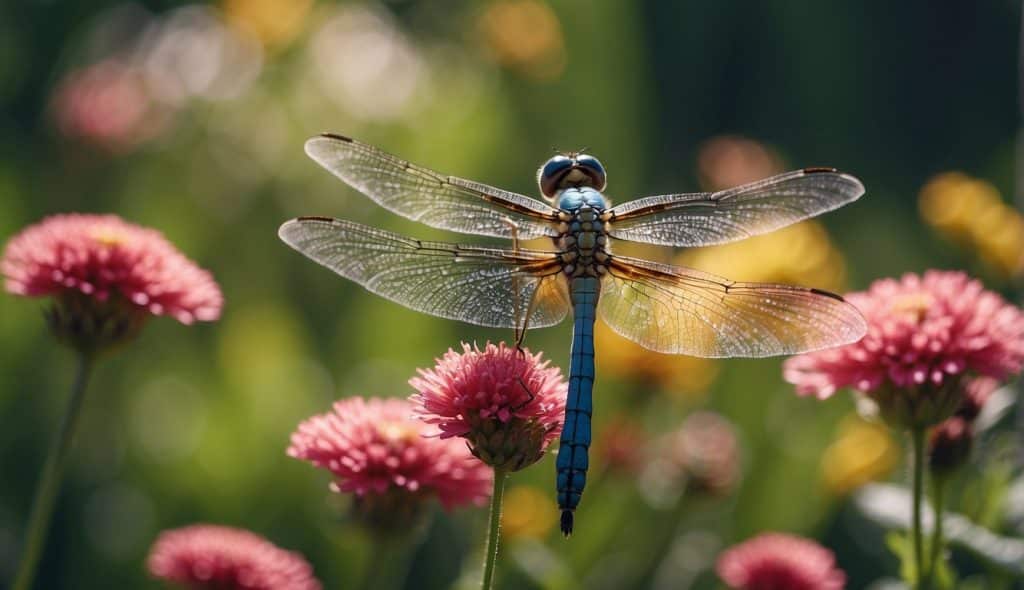
Adult dragonflies hunt in the air, catching mosquitoes, flies, and other small flying insects. If you garden near water or you keep a small pond, dragonflies can become regular visitors—and they’re one of the few “good bugs” people notice because they’re big and flashy.
Flying aces: Dragonflies are insanely good fliers. They can hover, accelerate quickly, and change direction fast—perfect for snatching mosquitoes mid-air.
What hurts them: No water habitat nearby (their young live in water), plus pesticide drift and treatments aimed at flying insects.
How to keep them around: A pond helps, but even a natural creek nearby can do it. Provide perches (stakes, tall stems), keep water clean, and avoid spraying for “flying bugs” unless you’ve identified the problem insect.
17. Damselflies
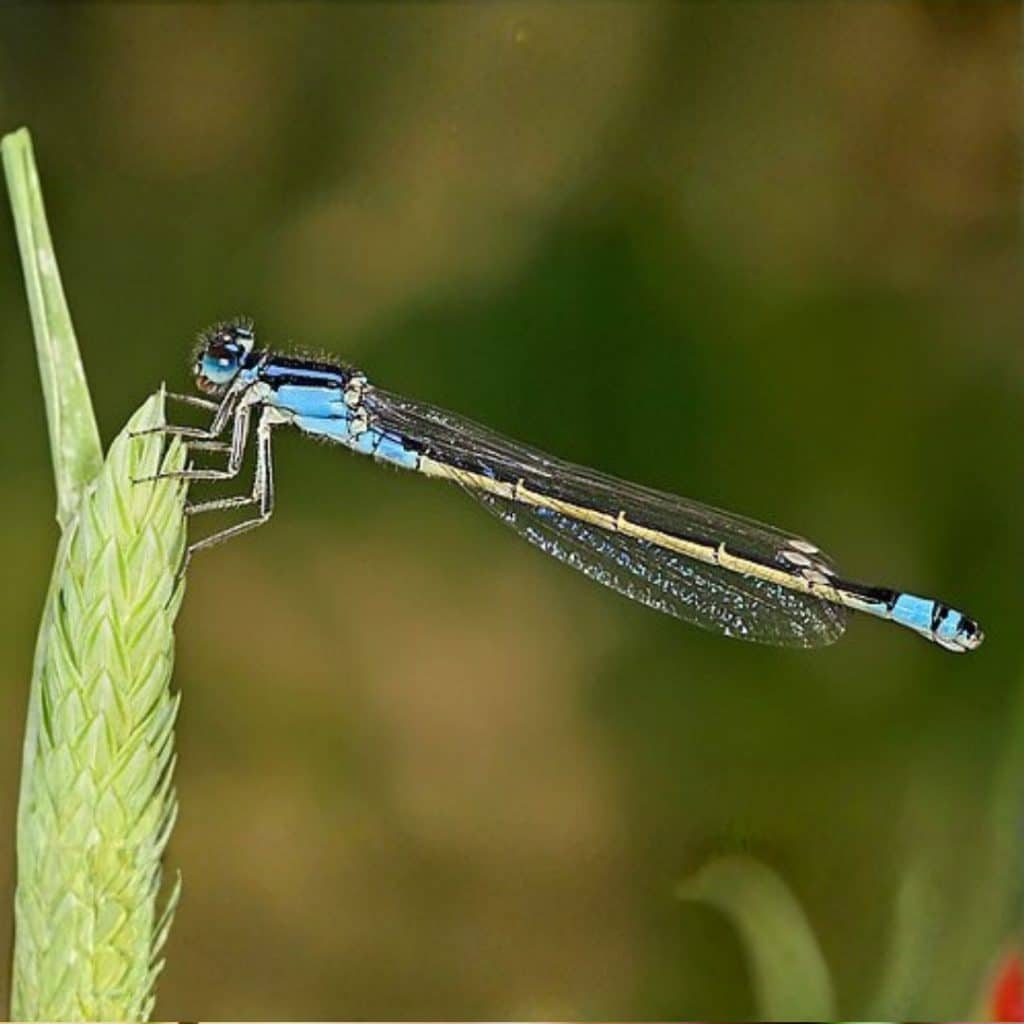
Why they help: Damselflies are slender and delicate compared to dragonflies, but they also eat mosquitoes and tiny flying insects. If dragonflies are the obvious bouncers, damselflies are the undercover security that still gets results.
Interesting trivia: When they rest, many damselflies fold their wings along their body (dragonflies typically rest with wings out). It’s a handy “quick ID” trick in the yard.
What hurts them: Same story as dragonflies: lack of water habitat, pesticide use around water, and heavy spraying for flying insects.
How to keep them around: Encourage water-friendly habitat nearby when possible, keep some upright plants for perching, and go easy on anything that targets “all insects.”
18. Native Bees (Mason Bees, Leafcutter Bees, and Friends)
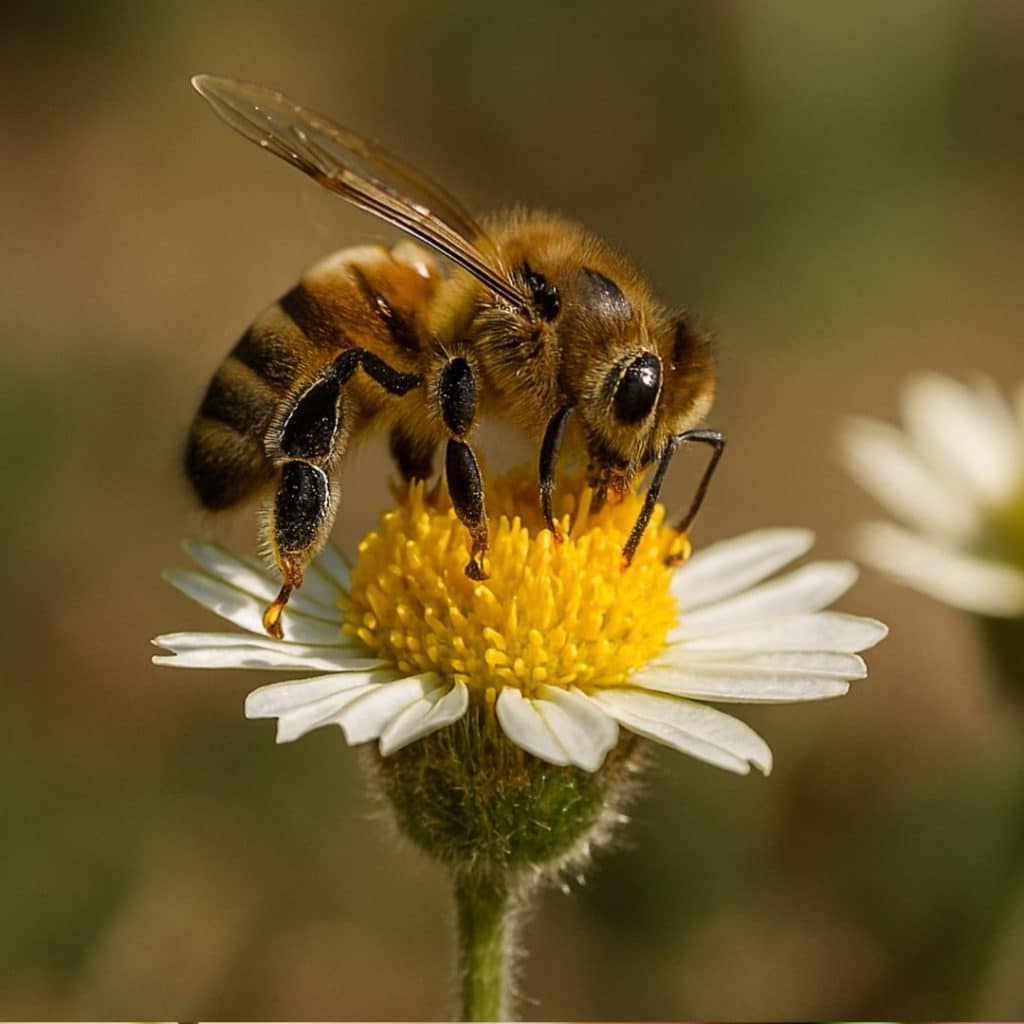
Native bees are often more efficient pollinators than people realize, especially for fruiting crops. Many are solitary (not hive bees), and they work flowers differently than honeybees. If you want better squash, cucumbers, melons, berries, and fruit trees, native bees are a huge part of that.
Names match personalities: Mason bees use mud to seal nesting chambers (hence the name). Leafcutter bees literally cut neat little circles from leaves—not to harm the plant, but to line their nests.
What hurts them: Spraying during bloom, lack of flowers through the season, and “too tidy” yards with no nesting spots (bare soil, stems, holes in wood).
How to keep them around: Plant a bloom sequence (spring through fall), leave a patch of bare soil somewhere, keep some hollow stems over winter, and avoid insecticides when plants are flowering.
19. Bumblebees
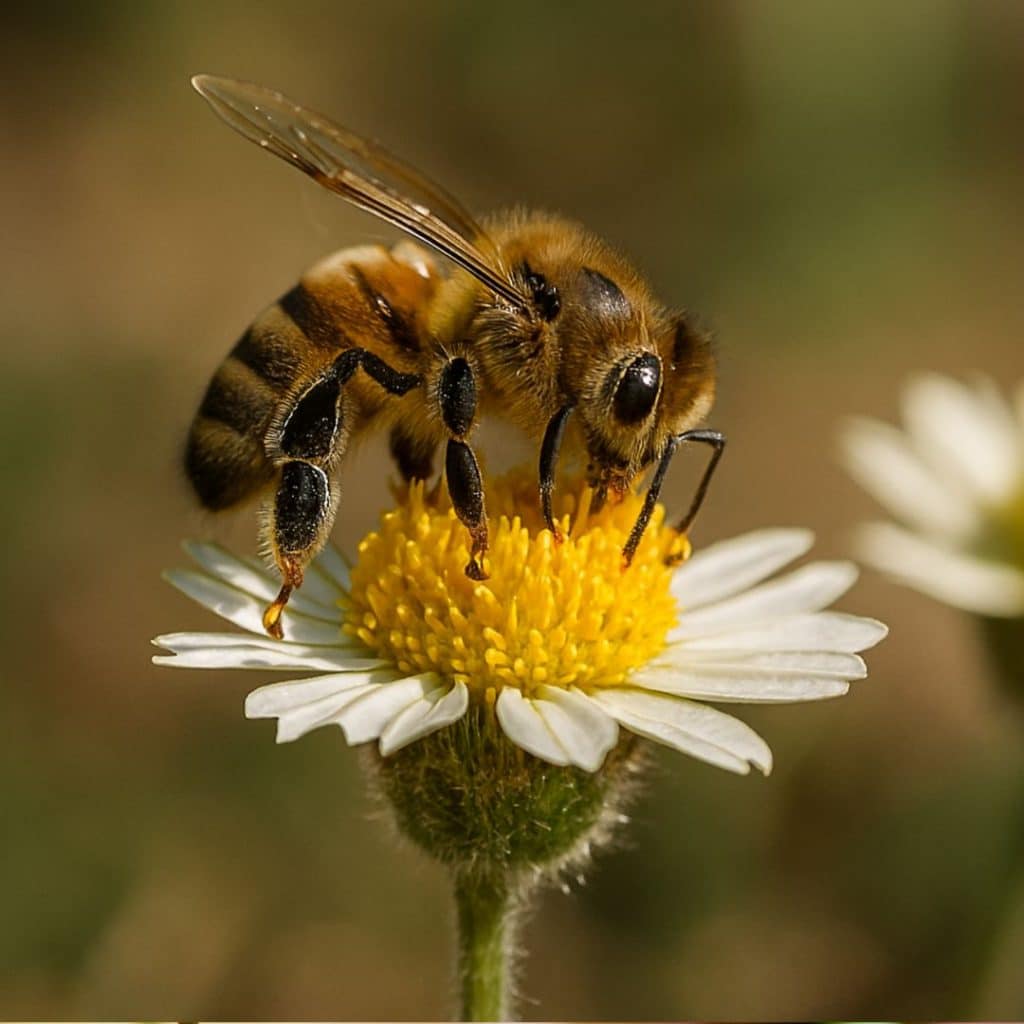
Bumblebees can work earlier and later in the day and in cooler temps than many other bees. They also do buzz pollination (vibrating flowers to release pollen), which is especially helpful for plants like tomatoes and peppers.
Interesting trivia: If you’ve ever watched a tomato flower “shake” while a bee clings to it, that vibration is the whole trick—bumblebees are built for it.
What hurts them: Spraying during bloom, mowing down every flower (including clover), and removing nesting habitat (they often nest in sheltered ground spots).
How to keep them around: Let some clover bloom, plant spring flowers early, leave a few undisturbed areas, and avoid treating blooming plants.
20. Earthworms (Not an Insect, Still a Garden MVP)
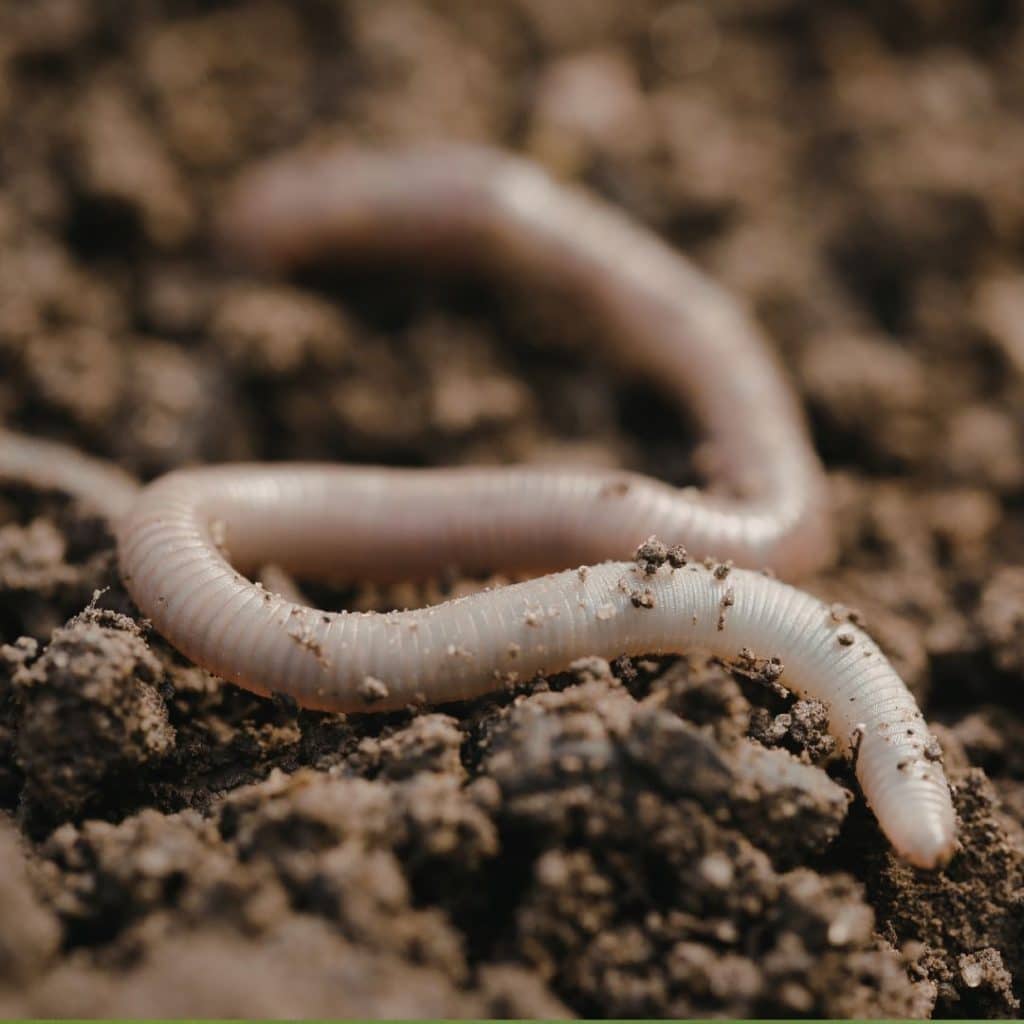
Why they help: Earthworms improve soil structure by tunneling (better drainage and aeration), and their castings (worm poop) are rich in plant-available nutrients. In practical terms: healthier roots, steadier moisture, and plants that handle stress better.
Interesting trivia: Worm tunnels can become long-lasting channels that help water soak in instead of running off—especially useful in compacted beds.
What hurts them: Over-tilling, leaving soil bare and baking-hot, and heavy salt or harsh chemical misuse. Constant disturbance is a worm killer.
How to keep them around: Mulch, compost, minimize tilling, and keep the soil covered so it doesn’t swing wildly between swamp and brick.
The fastest way to “get” more beneficial bugs isn’t buying them—it’s making your garden a place they can live: steady blooms, a little cover, fewer blanket sprays, and patience when pests first appear. Once these helpers move in, you’ll usually notice the biggest change the next time pests try to explode… and don’t.